Nanga Parbat Rupal Face Trek & Hunza Valley Tour
Tour Category
Group Size
Duration
From
OVERVIEW & ITINERARY
dETAILS
Nanga Rupal Face Trek & Hunza Valley Tour: Ultimate Adventure in Northern Pakistan
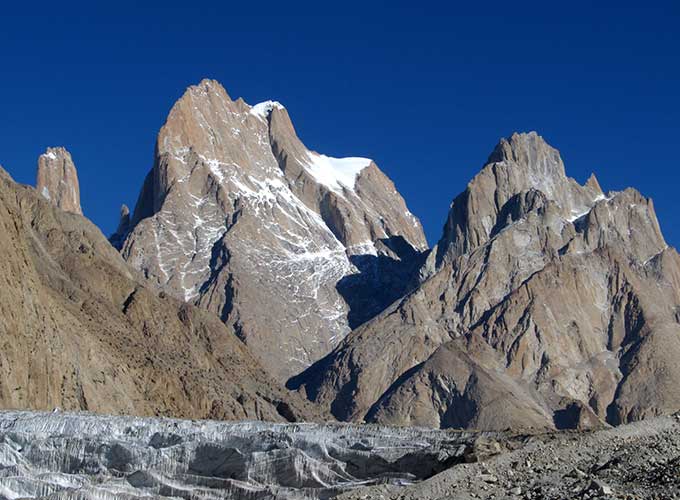
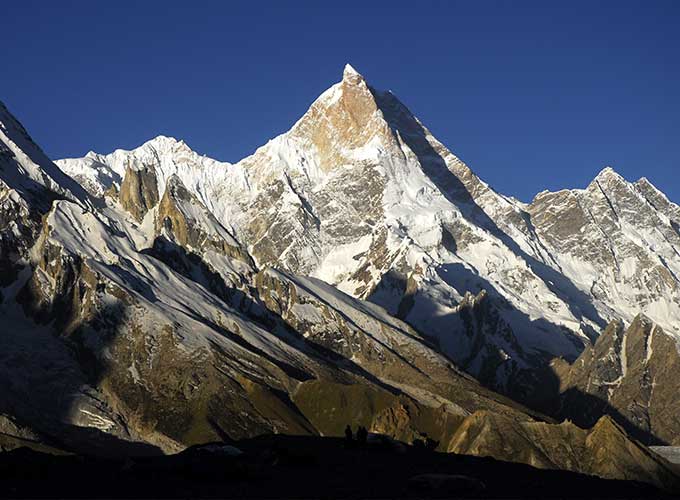
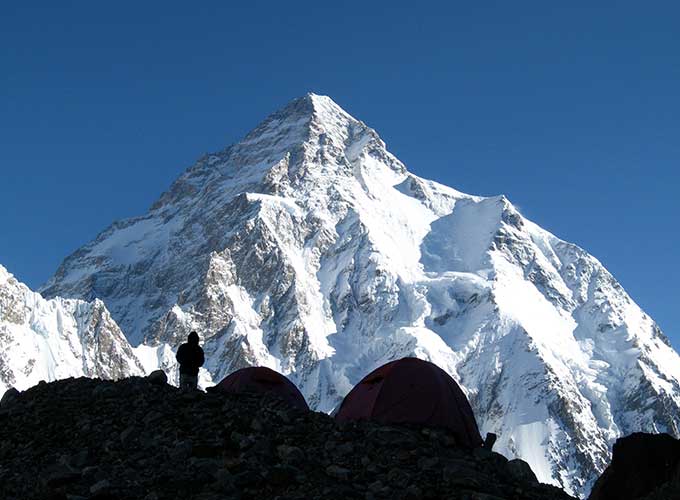
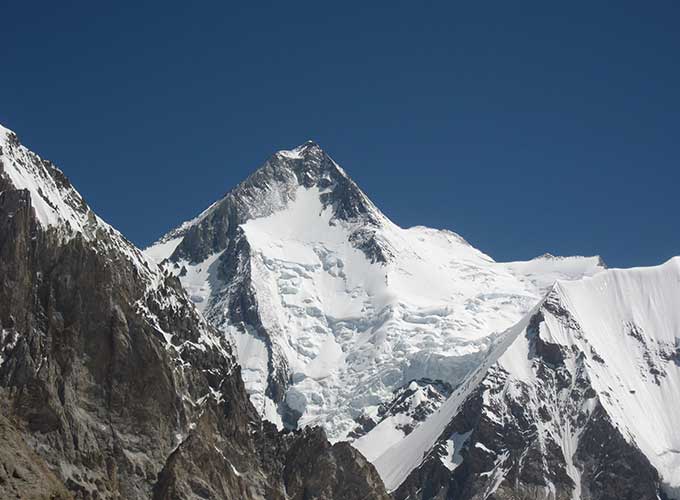
The Nanga Rupal Face Trek & Hunza Valley Tour offers one of the most breathtaking and challenging trekking experiences in Pakistan. Combining the thrill of high-altitude trekking with the scenic beauty of Hunza Valley, this expedition is perfect for experienced adventurers seeking an unforgettable journey. The Nanga Rupal Face Trek is renowned for its rugged landscapes, towering glaciers, and panoramic views of the Himalayas and Karakoram ranges.
High-Altitude Adventure on Nanga Rupal Face Trek
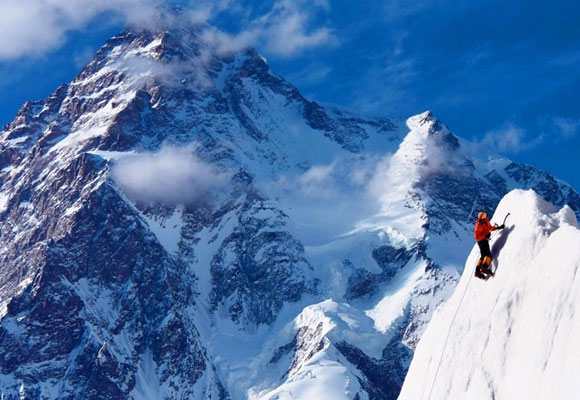
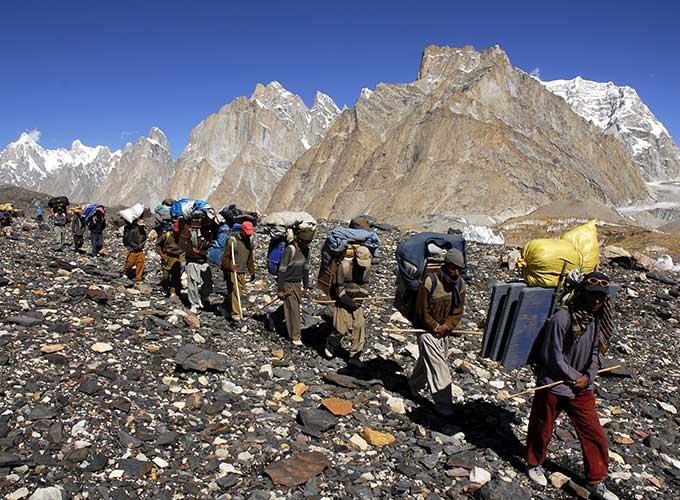
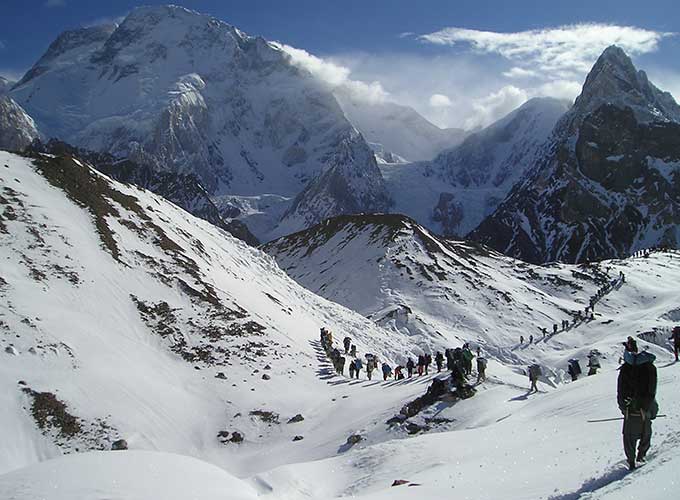
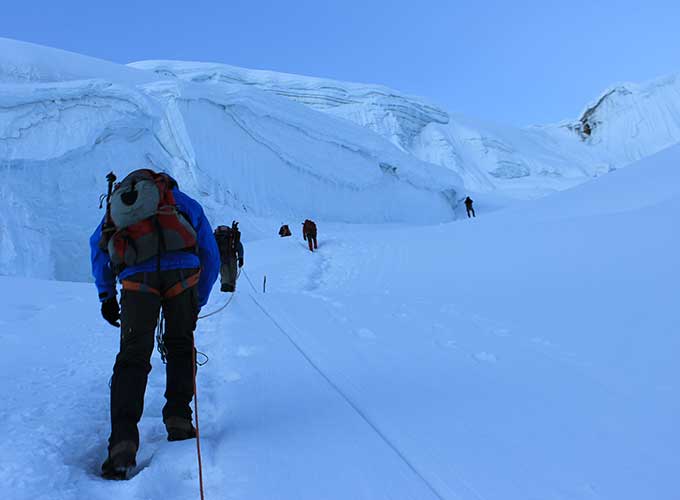
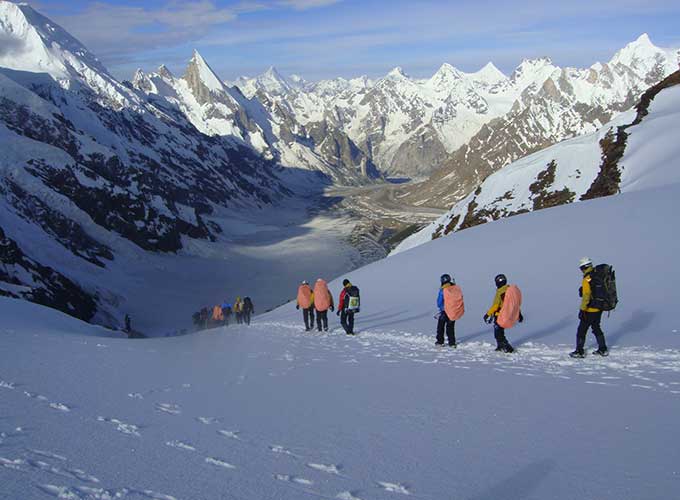
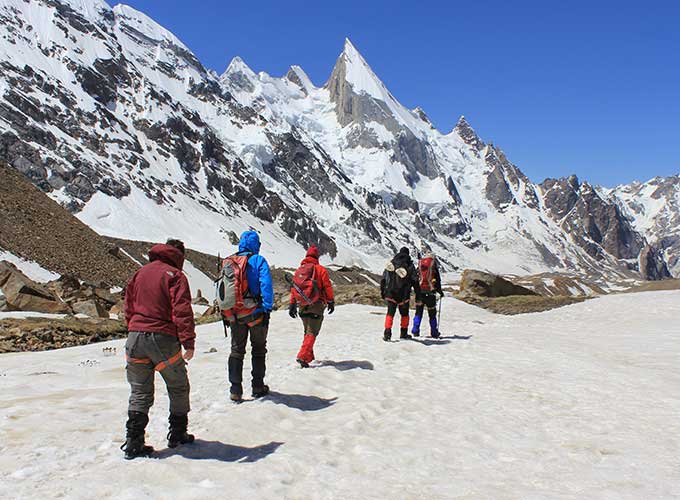
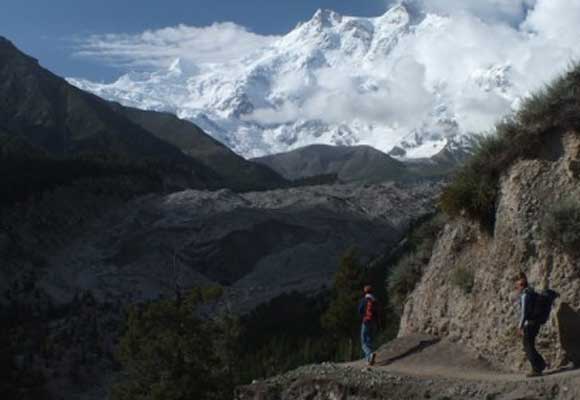
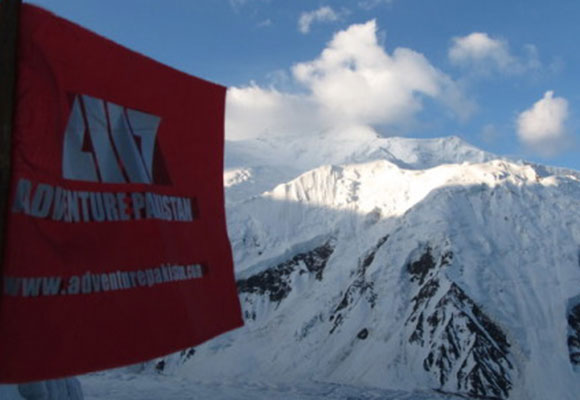
The Nanga Rupal Face Trek is a challenging high-altitude trek that starts from the base of Nanga Parbat. Trekkers will traverse steep moraine fields, cross glaciers, and navigate alpine meadows. This trek provides a close-up view of the Rupal Face, the tallest mountain face in the world, offering unmatched photographic opportunities and adventure experiences. Combining this trek with a Hunza Valley Tour ensures a mix of physical challenge and cultural exploration.
Scenic Highlights of Nanga Rupal Face Trek
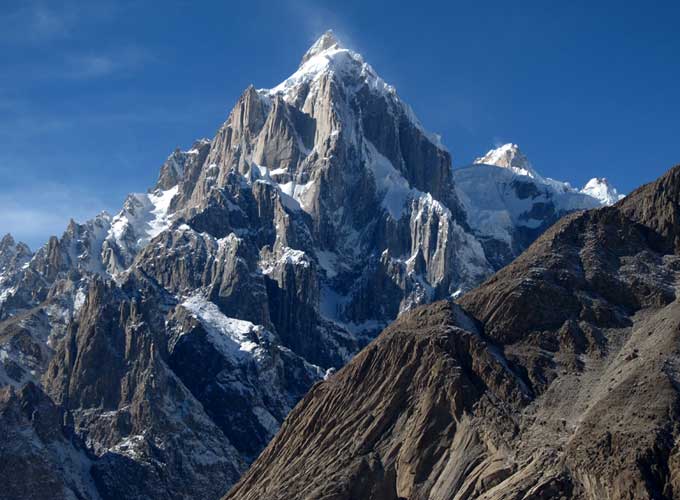
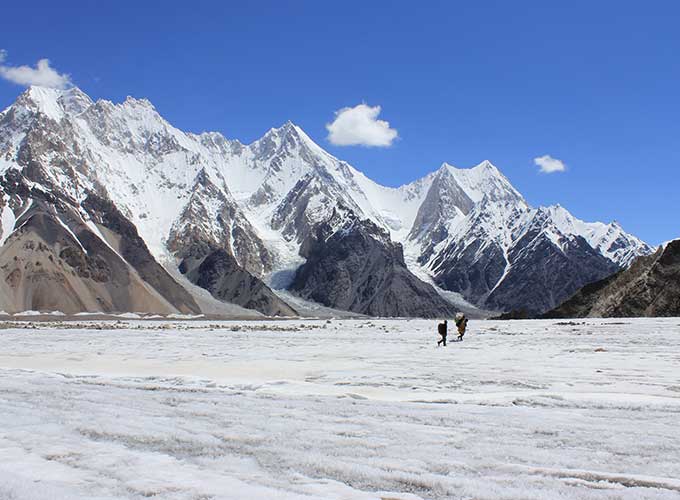
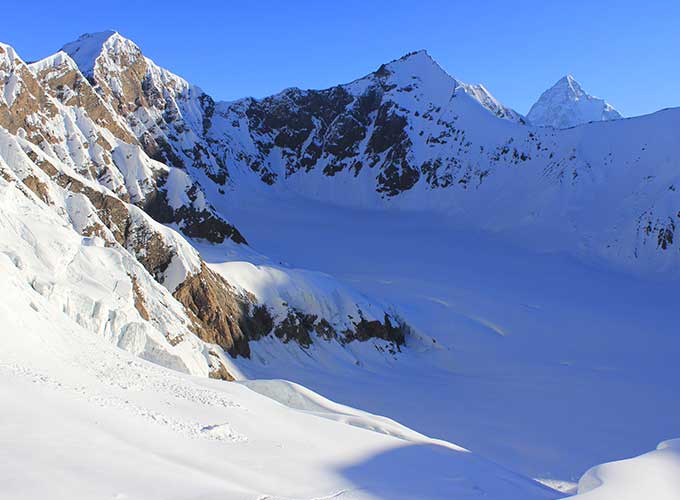
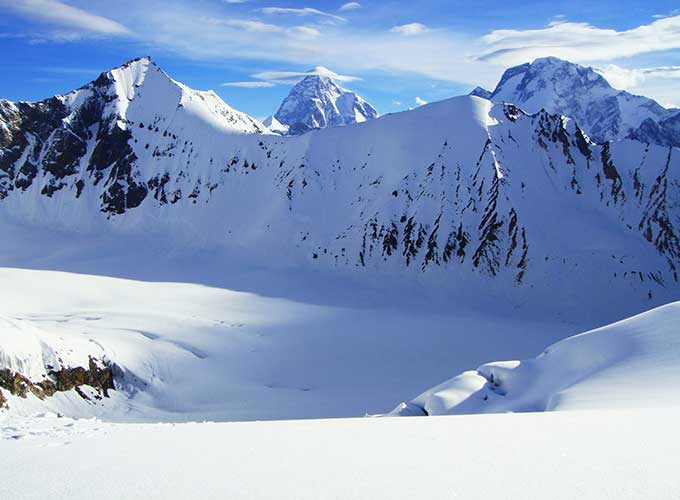
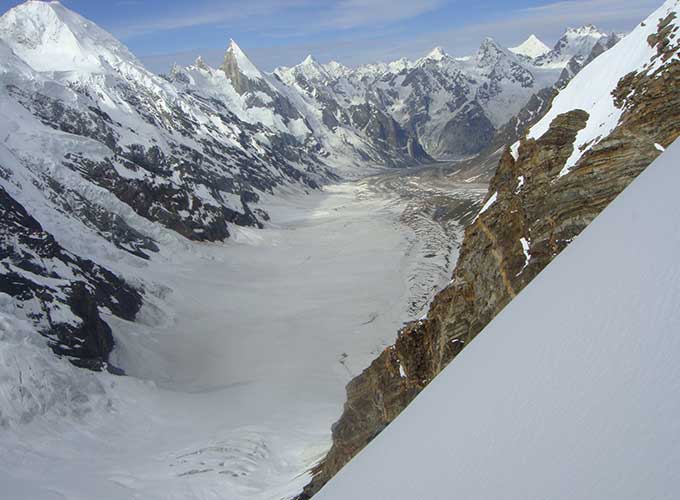
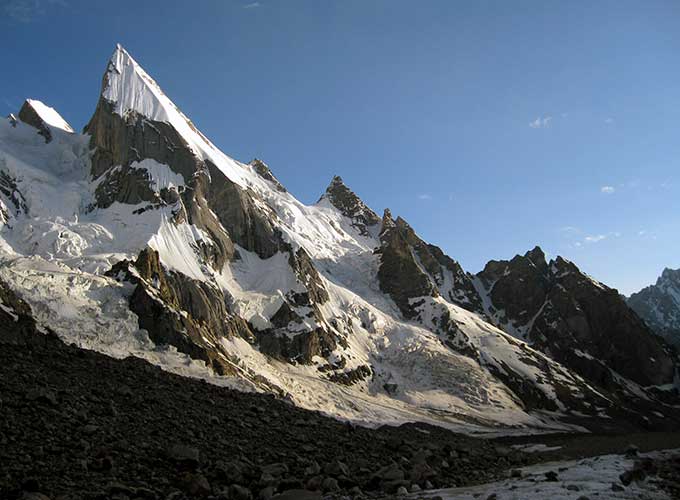
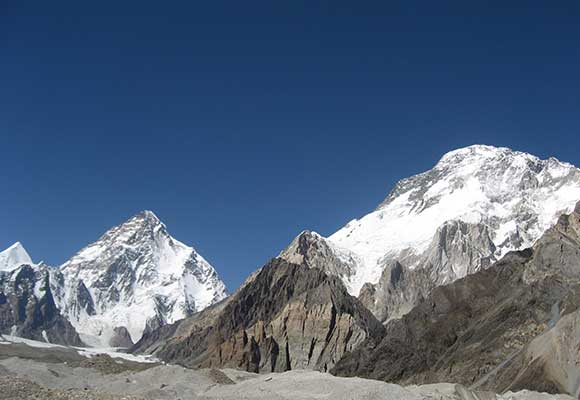
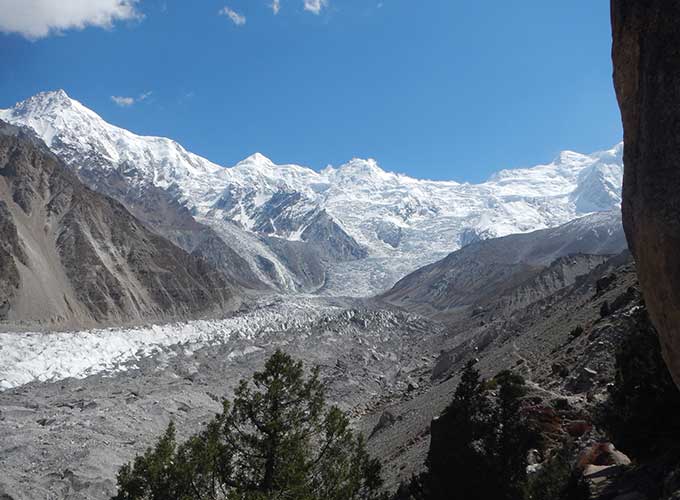
The Nanga Rupal Face is surrounded by dramatic landscapes, including the Rupal Glacier, Mazeno Ridge, and Rakhiot Face. Trekkers witness pristine glacial valleys, snow-capped peaks, and high-altitude alpine terrain. The trek provides panoramic views of the surrounding Karakoram and Himalayan ranges, making it an exceptional destination for mountaineers, photographers, and adventure enthusiasts.
Exploring Hunza Valley Alongside the Trek
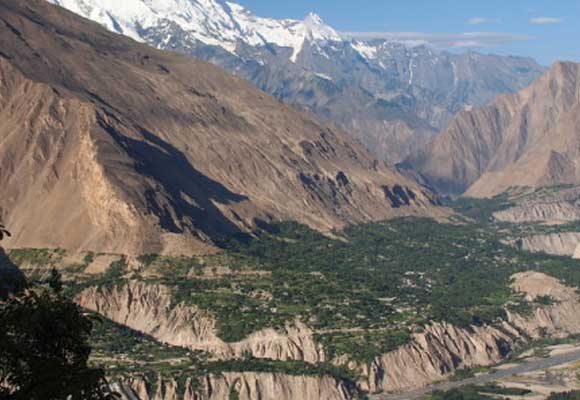
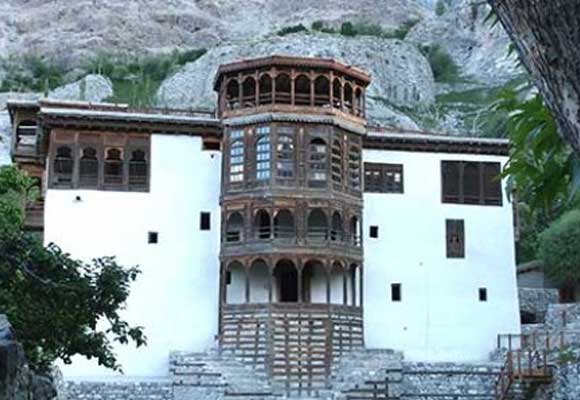
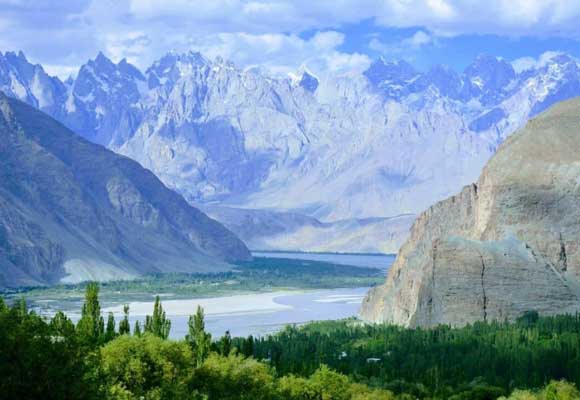
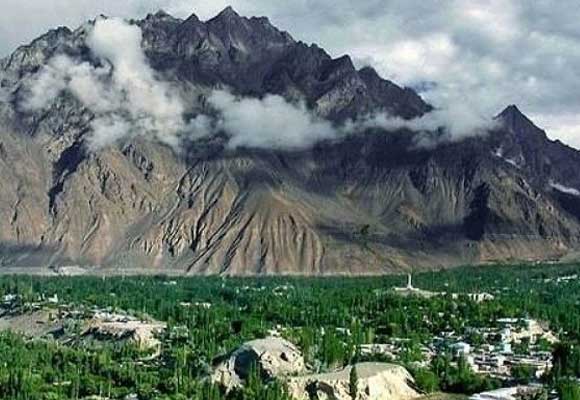
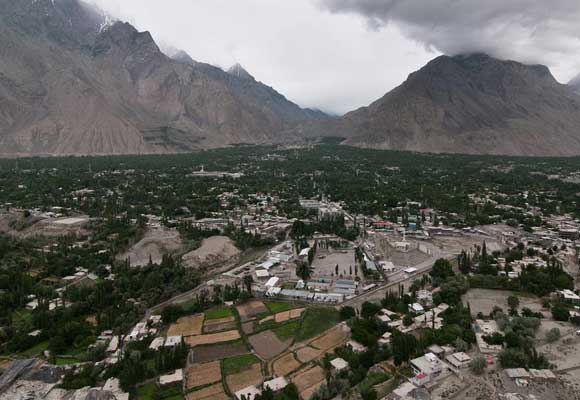
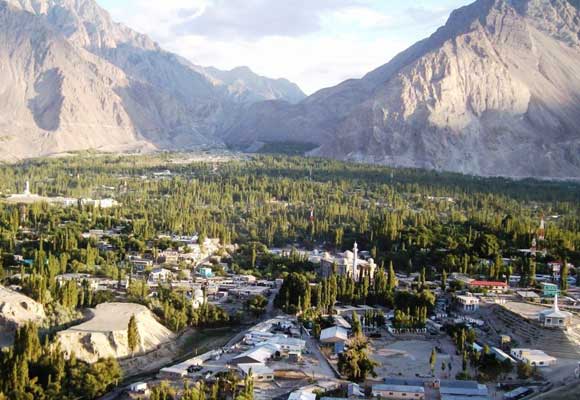
Hunza Valley, located in Gilgit-Baltistan, is one of the most scenic regions of Pakistan. It is famous for its stunning mountains, lush green valleys, historic forts, and welcoming local communities. The Hunza Valley Tour complements the high-altitude trek by offering cultural insights, relaxation in serene landscapes, and the opportunity to explore Baltit and Altit Forts, Karimabad town, and surrounding villages.
Preparation for Nanga Rupal Face Trek & Hunza Valley Tour
Preparation for this combined trek and tour is crucial. Trekkers need to be physically fit, accustomed to high-altitude conditions, and prepared for rugged terrain. Essential trekking gear includes insulated jackets, trekking boots, gloves, walking poles, and sleeping bags suitable for sub-zero temperatures. Guides provide safety instructions, monitor acclimatization, and ensure that trekkers navigate glaciers and moraines safely. The Hunza Valley Tour portion requires light clothing for lower altitudes and comfortable shoes for sightseeing.
Accommodation and Camping on the Trek
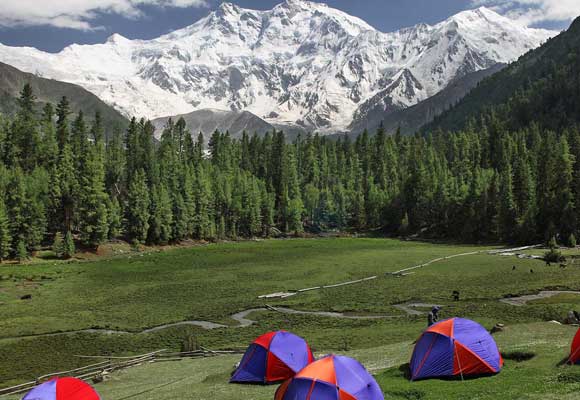
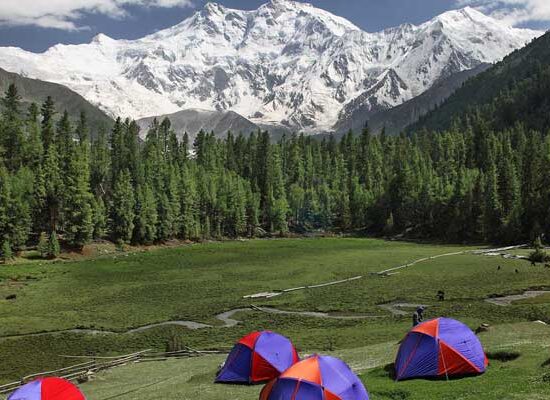
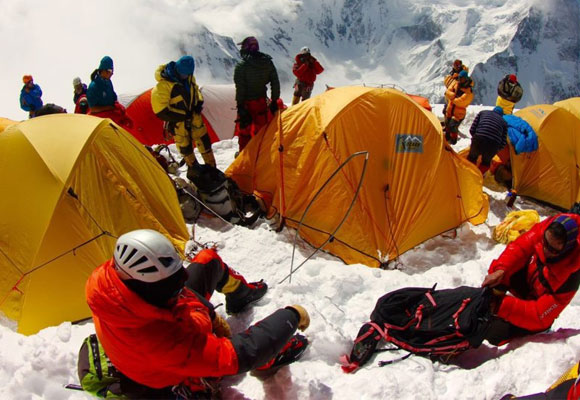
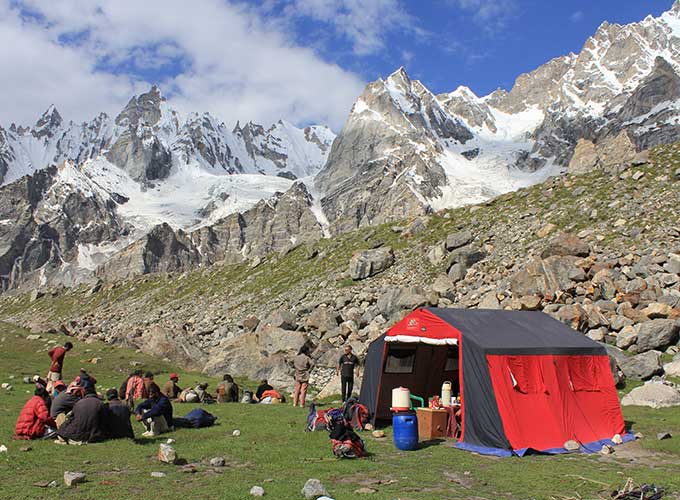
During the Nanga Rupal Face Trek, accommodation is primarily in high-altitude tents. Camps are set near glaciers or alpine meadows, providing stunning views of Nanga Parbat. In lower regions, trekkers stay in guesthouses or homestays to experience local hospitality. Hunza Valley offers comfortable hotels and guesthouses with modern amenities, making it an ideal place to rest and recover after trekking.
Key Trekking Route Highlights of Nanga Rupal Face Trek
Base Camp of Nanga Parbat
The journey begins at the base camp of Nanga Parbat, where trekkers gather and acclimatize. The base camp offers panoramic views of the surrounding peaks, glaciers, and valleys. It is the ideal location for photographs and preparation before starting the high-altitude section of the trek.
Rupal Glacier and Alpine Meadows
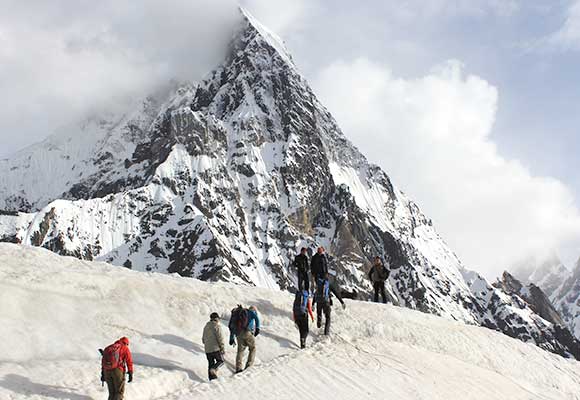
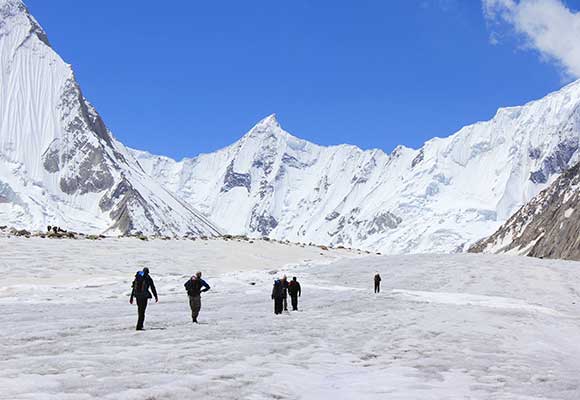
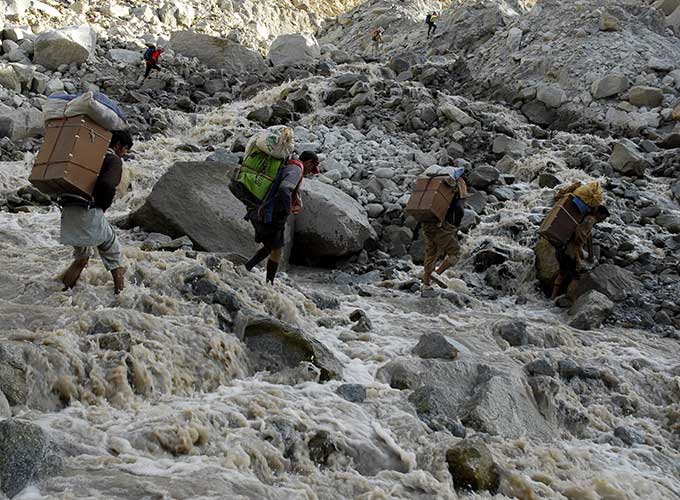
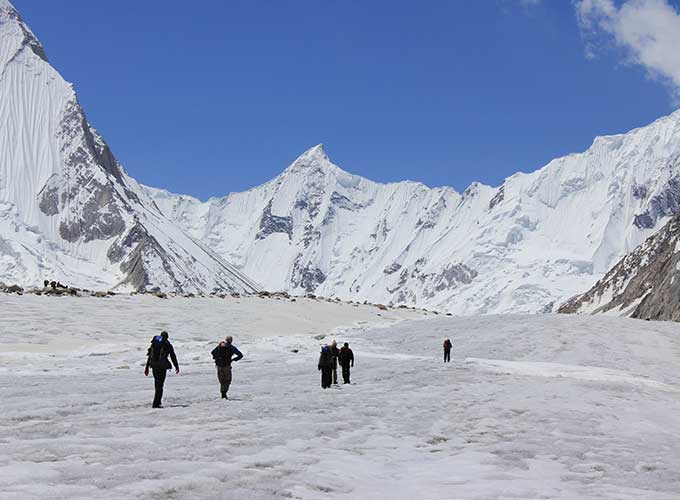
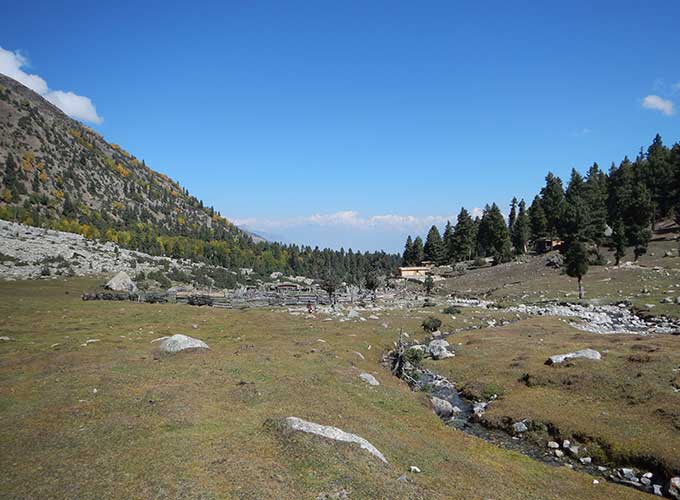
From the base camp, the trek ascends to the Rupal Glacier, crossing alpine meadows and moraine fields. Trekkers encounter pristine landscapes filled with snowmelt streams, high-altitude flora, and occasional wildlife. The combination of glacier walking and alpine terrain makes the Nanga Rupal Face Trek both challenging and rewarding.
Nanga Rupal Face Ascent and Views
The highlight of the trek is the ascent along the Rupal Face, offering a close-up view of the world’s tallest vertical face. Trekkers experience breathtaking scenery of the Rakhiot and Mazeno Ranges, with crystal-clear glacial streams and snow-covered peaks surrounding the route. Photography enthusiasts find numerous opportunities to capture the grandeur of Nanga Parbat.
Cultural and Scenic Highlights of Hunza Valley Tour
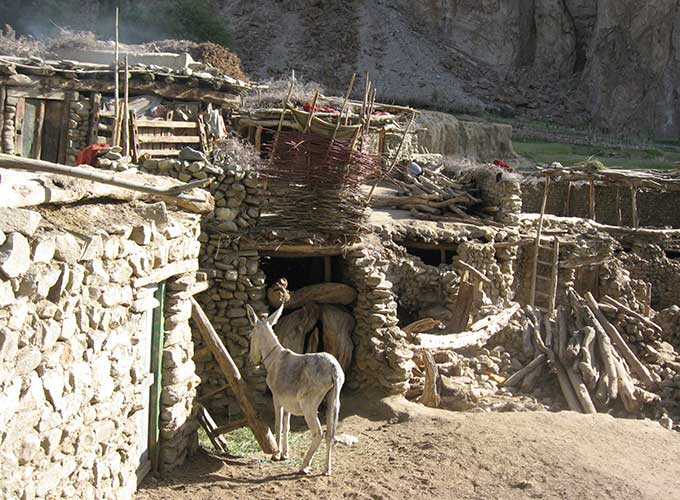
After the trek, the Hunza Valley Tour provides a scenic and cultural contrast. Trekkers explore Karimabad, Baltit Fort, Altit Fort, and surrounding villages. The valley is dotted with apricot orchards, terraced fields, and traditional villages, offering a glimpse into the rich history and culture of the Hunza people. Hunza’s high mountains, including Rakaposhi and Ultar Sar, create stunning backdrops for photography.
Local Cuisine and Hospitality
The Hunza Valley is known for its traditional cuisine, including dishes like chapshuro, yak meat, and apricot-based delicacies. Local families often welcome visitors for tea and meals, providing an authentic cultural experience. This hospitality makes the Hunza Valley Tour a memorable complement to the strenuous Nanga Rupal Face Trek.
Best Time for Nanga Rupal Face Trek & Hunza Valley Tour
The best time to undertake this combined trek and tour is from June to September. During this period, snow and weather conditions are manageable, passes are accessible, and the scenery is at its peak beauty. The Hunza Valley enjoys mild summer weather, making sightseeing and outdoor exploration enjoyable.
Wildlife and Flora Along the Trek and Tour
The Nanga Rupal Face region is home to rare high-altitude wildlife including Himalayan ibex, snow leopards, marmots, and mountain birds. Alpine meadows bloom with wildflowers in summer, creating a striking contrast with glacial terrain. Hunza Valley features cultivated orchards, terraced fields, and lush green landscapes, making the tour visually diverse and ecologically interesting.
Photography Opportunities on Nanga Rupal Face Trek
Every day of the trek and tour offers breathtaking photographic moments. Sunrise and sunset over Nanga Parbat, glacier fields, alpine meadows, and Hunza’s peaks provide spectacular natural lighting. Cultural photography captures local life, historic forts, and traditional villages. This combination of high-altitude adventure and scenic beauty makes the trek and tour perfect for avid photographers.
Safety and Acclimatization for Nanga Rupal Face Trek
Safety is a priority for this trek. Guides monitor acclimatization, altitude sickness, and trekking pace to ensure a safe experience. Trekkers are advised to follow instructions for glacier crossings and high-altitude navigation. Emergency equipment and first-aid support are available at all times, making this trek safe for experienced adventurers.
Why Choose Nanga Rupal Face Trek & Hunza Valley Tour
This combined package offers the ultimate adventure for trekkers seeking a mix of physical challenge, scenic splendor, and cultural immersion. From the towering Rupal Face to the serene Hunza Valley, every stage of the journey provides unique experiences. Completing the Nanga Rupal Face Trek and exploring Hunza Valley is a life-changing adventure, offering memories, photographs, and stories to last a lifetime.

ITINERARY
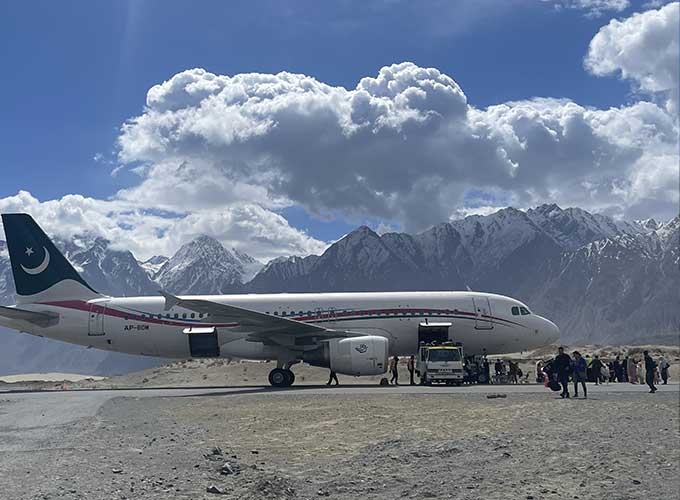
Arrive at Gilgit airport and meet your trekking team. Receive a briefing about the trek, check your gear, and stay overnight in a hotel.
Drive along the scenic Karakoram Highway to Chilas. Prepare for the trek, finalize camping equipment, and rest overnight in a guesthouse.
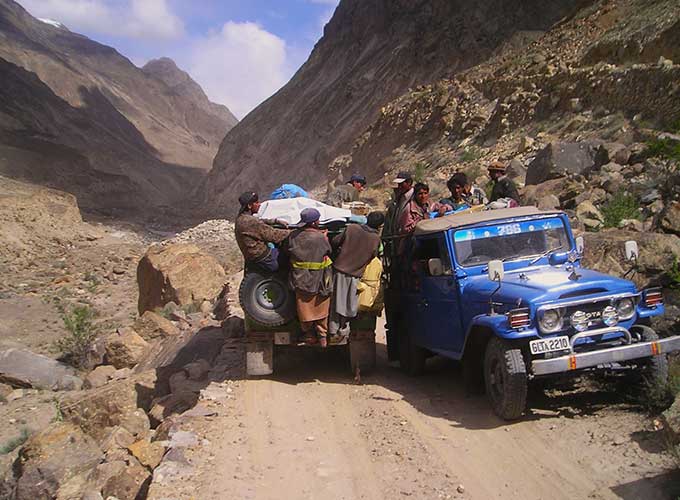
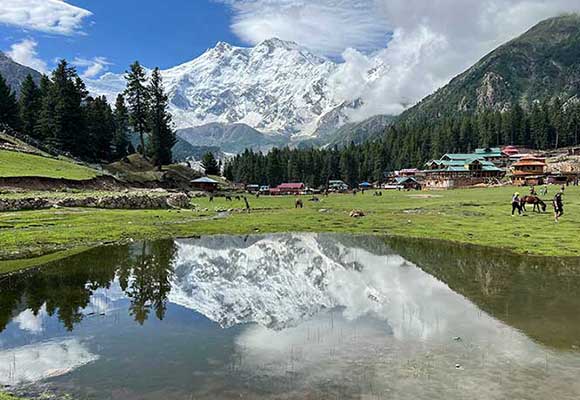
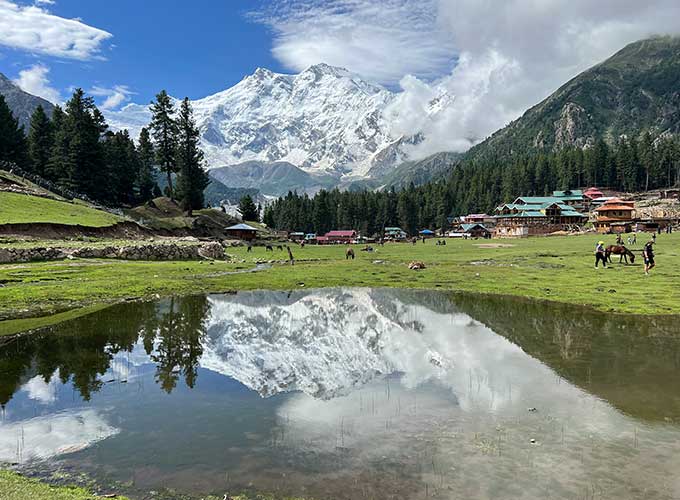
Travel to the starting point of the trek near Fairy Meadows. Overnight camping near the base of Nanga Parbat.
Begin the trek through alpine meadows and forest trails. Reach Nanga Rupal Face Base Camp and set up camp with stunning mountain views.
Rest and acclimatize at base camp. Short hikes around the glacier and moraine fields to prepare for higher altitude trekking.
Ascend gradually toward Rupal Glacier. Navigate glacial moraines and alpine terrain. Overnight camping near the glacier.
Follow the glacier paths along the Rupal Face. Capture panoramic mountain views. Camp at high altitude near the glacier.
Begin the trek toward Mazeno Ridge. Traverse alpine meadows, crossing glacial streams and rocky terrain. Overnight high-altitude camping.
Trek along Mazeno Ridge, experiencing dramatic scenery and breathtaking views of Nanga Parbat. Overnight camping on the ridge.
Gradual descent back to Nanga Rupal Face Base Camp. Enjoy photography, glacial exploration, and rest at camp.
Descend to Fairy Meadows, passing forests and alpine meadows. Overnight camping or guesthouse stay.
Drive from Fairy Meadows to Hunza Valley. Explore Karimabad, Baltit Fort, Altit Fort, and local villages. Overnight stay in Hunza Valley hotel.
Drive back to Gilgit for departure. End of Nanga Rupal Face Trek & Hunza Valley Tour adventure.
DATES & PRICES FOR NANGA PARBAT RUPAL FACE TREK
Start |
End |
Status |
Price |
Deposit |
Registration |
|---|---|---|---|---|---|
05 June |
17 June |
Guaranteed |
$1,500 |
$500 |
|
15 June |
27 June |
Limited Space |
$1,500 |
$500 |
|
01 July |
13 July |
Guaranteed |
$1,500 |
$500 |
|
15 July |
27 July |
Limited Space |
$1,500 |
$500 |
|
01 August |
13 August |
Guaranteed |
$1,500 |
$500 |
|
15 August |
27 August |
Limited Space |
$1,500 |
$500 |
|
01 September |
13 September |
Guaranteed |
$1,500 |
$500 |
WHAT'S INCLUDED
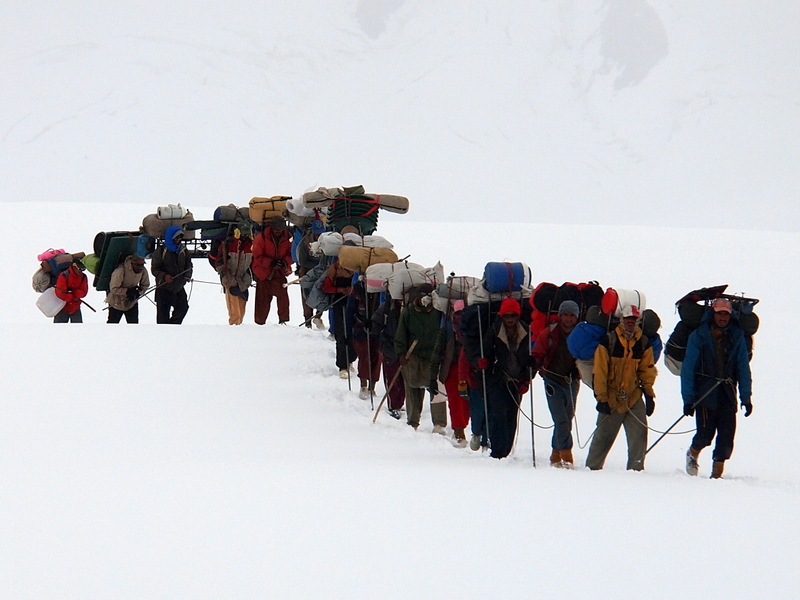
- Experienced local guides and porters throughout the trek
- All camping equipment including tents, sleeping bags, and mats
- Accommodation in guesthouses or homestays where available
- Three meals per day during trekking
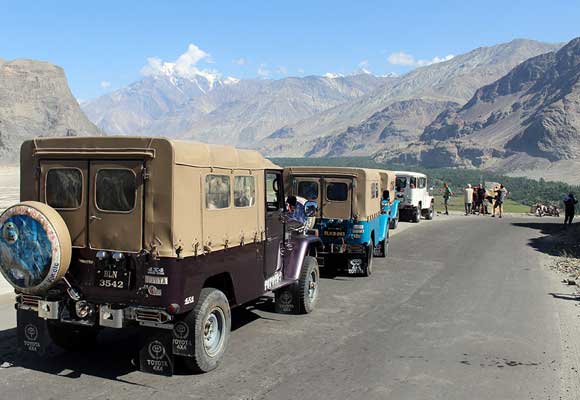
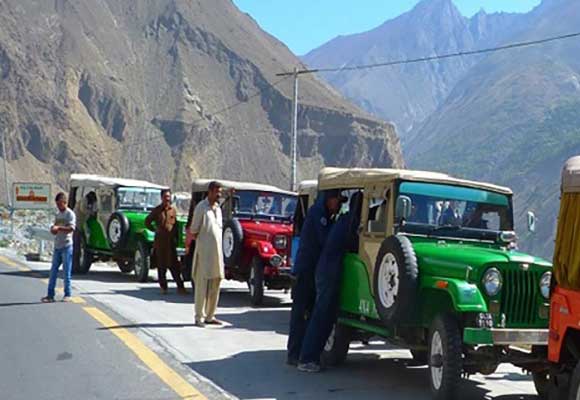
- Transportation from Gilgit to trek starting point and back
- Permits and trekking fees for Nanga Rupal Face
- First aid kit and emergency support
- Guided sightseeing in Hunza Valley including Baltit and Altit Forts
WHAT'S NOT INCLUDED
- International flights to and from Pakistan
- Personal trekking gear (boots, jackets, gloves, trekking poles)
- Travel insurance
- Visa fees
- Optional activities outside of the trekking itinerary
- Alcoholic beverages and soft drinks
- Tips for guides and porters
- Personal expenses
gallery
Frequently asked questions
What will the food be like on the trek?
Breakfast: Typically includes an omelet / fried / boiled eggs, fried Pakistani bread (paratha), chappati, toast, pancakes, porridge, cereal, jam, Nutella, honey, marmalade, cheese etc + green tea / coffee / milk tea.
Lunch: unlike other trekking agencies we do not provide packed lunch instead we will have fresh lunch which includes soup, tuna fish, boiled pottatos, eggs, assorted cookies, bread, cheese, dried fruits & nuts, green tea / coffee / juice
Dinner: we start each dinner with a nice warm soup, after that there will be variation of dishes which changes each day. different vegetable dishes, varies types of meat (chicken, beef or mutton) accompanied by rice, noodles, pasta, lentils, potatoes, French fries and or chappati bread. We of course won’t forget dessert, there will be (fresh) fruit and or a type of pudding at every dinner.
Snacks: between lunch and dinner there will be a daily variation of cookies, pakora, popcorn etc. and hot beverages
Note: we will also take into account your specific dietary requirements, for example vegetarian / vegan / lactose intolerant – please don’t hesitate to contact us about the possibilities.
Will we fly to the mountains from Islamabad?
This will depend on your specific itinerary and your own preferences, where possible. For the standard K2 and K2 Gondogoro La and Snow Lake treks we normally schedule the flight on day 2 of your itinerary where we will fly from Islamabad to Skardu. This is a very scenic flight, if the weather is clear you will be able to get amazing mountain views including the 9th highest mountain in the world, Nanga Parbat. When the weather is bad the flight to Skardu might get cancelled, if this happens we will drive in 2 days from Islamabad to Skardu with an overnight stay halfway. There will always be a contingency day in your itinerary to cover for this delay.
What is the luggage allowance on the trek?
Each trekking member has a 15 kg baggage allowance. This is for your main luggage that will be carried to each camp each day of the trek. You yourself are only required to carry a small daypack while trekking – here you can put anything you might need during the day like water, energybars, sunglasses, suncream, clothing etc. If your main backpack/duffle bag weighs more than 15 kg, you will need to pay for the additional weight. Cost for additional weight will be determined on the ground as prices for porters vary by the season. For the K2 treks it is possible to leave excess luggage in our office storage room or at your hotel and pick it up at the end of the trek. Please also kindly note that the baggage allowance on the domestic flights is currently 20 kg check-in and 7 kg hand-carry.
Is there electricity on the trek?
We carry solar panels (no diesel or petrol generators to avoid noise & air pollution), so that each trekking member can charge batteries, power banks, phones, etc while on the trek.
Is it safe to travel in Pakistan?
It is a fair question to ask as we know that most of the news from Pakistan is not so positive, but the image which people have abroad is far from the reality. Although there have been valid reasons for people to consider Pakistan as not very safe, a lot has changed in recent years. The security situation has improved dramatically and the government has been making efforts to promote tourism and facilitate travel. When you visit you will notice immiediately that Pakistanis are very hospitable people, they are eager to get to know you and often will invite you in their home. Pakistan is a huge country, we only offer tours and treks to areas which we deem safe. We currently don’t recommend to travel to the border region with Afghanistan and certain parts of Balochistan but most other places can be visited without any problem. If you prefer to start with the safest region then we would recommend Gilgit-Baltistan in the north, the people here largely depend on tourism for their income and have been warmly welcoming foreign tourist for many years.
Can anyone go on a trek?
Yes and no, it is your own responsibility to select a trek that is suitable for you in terms of you personal fitness level as well as experience – if you book a private trek then you have all the flexibility to customize it and for example add extra days or extra supporting staff if needed. If you book a trek with an open group then we try to only let people join who have a certain experience level. Please don’t hesitate to contact us in case you would like us to help you select the best trek for you.
Do you offer customized tours / treks?
Yes, all the tours and treks that we offer on our website can be completely customized to your own requirements. We are also happy to design a tailor-made tour for you from scratch. Just let us know your preferences, special interests, number of days you have available etc. and we will send you our personalized itinerary suggestions.
Do I need a trekking visa?
For certain types of treks you will require a trekking visa – for example all the K2 treks. If a trekking visa is required then we will inform you accordingly during your booking, there are a lot of treks which are not in a restricted area and therefore you will only need a standard tourist visa.
How long in advance do I need to apply for my visa?
If you have to apply for a standard tourist visa then 1 month in advance should be sufficient – in most cases you will receive your visa within a few days / a week – you should not apply more than 3 months in advance. If you have to apply for a trekking visa then you will need to be prepared for a longer processing time, we recommend to apply 3 to 2 months in advance.
Which gear do I need to bring on my trek?
We will provide you with a suggested packing list after you have booked your tour with us. For most treks it will be standard personal trekking gear like proper hiking boots, optional trekking poles, gaitors, sleeping bag, sleeping pad etc. For certain treks further items are advised – for example for the K2 Gondogoro La and Snow Lake treks you require crampons and a climbing belt set with carabiners and a sling so that you can clip yourself on a rope and you might want to bring a climbing helmet for sections where there can be rockfall.
Can I rent trekking gear from you?
Yes, it is possible to rent certain items from us or we will put you in contact with a trusted local supplier who can provide you with the things you need. Some of the standard gear which we can arrange are crampons, climbing belts, ice axes and climbing helmets.
What is the best time to go on a trek?
The summer period is the main trekking season in the north of Pakistan. For most treks this would be from June to September with July and August being the best months.
What happens in case of an emergency during the trek?
On each trek your guide will be in possesion of a phone and where needed (during remote treks) a sattelite phone as well as a medical aid kit. All our guides are aware of the standard emergency protocols and will contact our headoffice staff as well as the relevant authorities when needed. Before you go on a trek with us we will require your emergency contact list as well as your travel insurance details with proper coverage for emergency (helicopter) rescue in mountainous areas. Depending on the situation we will contact your insurance company and together with them will make arrangements for your repatriation. We have many years of experience with search and rescue operations and good relations with all relevant institutions including Askari Aviation for helicopter rescue operations. If you have the right insurance coverage then we will be able to initiate a helicopter rescue immidiately – please kindly note that helicopters in Pakistan always fly in pairs and availability of the helicopters depends on them not being in use on another mission as well as the weather being suitable.
What kind of travel insurance do I need?
This will depend on the type of tour that you are planning. Please make sure to consult your travel insurance before your trip to make sure you have proper coverage for your tour and the activities you will undertake. Especially when you go on a trek it is important to have mountain emergency search and rescue / repatriation by helicopter included in your insurance package.
I'm a woman, should I wear a headscarf when I'm in Pakistan?
It is not needed to wear a headscarf, of course you may do so if you feel more comfortable. It will be good however to bring a scarf which you can wear when visiting a mosque or other religious site and or when going to a more conservative area.
Is there a recommended dress code?
Pakistan is an Islamic country and it is therefore advisable for women not to wear short skirts / tops or short trousers in public. A headscarf will come in handy for women when they visit a mosque / religious site or sometimes it can be a custom in more remote / conservative areas. Dress codes for men are more lenient, though shorts are uncommon – they can be worn depending on the places you visit on a certain day (for example if you visit a mosque, sacred site or very conservative area it might be better to adjust your clothes to a more modest style – feel free to ask your guide if you are not sure). If you are going on a trek you can wear shorts without any problems.
Can I visit Pakistan in winter?
Yes, you defintely can. The south of Pakistan is actually the best to be visited in the winter as it will be way too hot in the summer. Also the north has great options, you can go skiing or make a nice winter hike. Some passes in the north will be closed due to snow which means we will have to adjust certain itineraries but there are enough places which you can visit. Please don’t hesitate to inquire about the possibilities.
Do I need a visa for this trip?
For all trips to Pakistan you will require a visa, depending on the the type of tour you will either need a standard tourist visa or a trekking visa. Our sales team will provide you with all the necessary information as well as a visa invitation letter and related supporting documents after you have booked your tour with us.
How much price about tour & travels
Lorem ipsum dolor sit amet, utinam munere antiopam vel ad. Qui eros iusto te. Nec ad feugiat honestatis. Quo illum detraxit an. Ius eius quodsi molestiae at, nostrum definitiones his cu. Discere referrentur mea id, an pri novum possim deterruisset. Eum oratio reprehendunt cu. Nec te quem assum postea.
Who will meet me on arrival?
An Adventure Pakistan representative will meet you at the airport and will bring you to your hotel.
Where do I fly to for this trip?
You will fly roundtrip to Islamabad, Pakistan.
Do I need to bring my own sleeping bag and pad for this trip?
Yes. You will need to bring your own sleeping bag, for the K2 treks and Snow Lake trek during the main summer season we recommend it to be suitable for temperatures up to minus 10 degrees Celsius / 15 Fahrenheit. It is also advisable to bring your own sleeping pad for comfort, please kindly keep in mind that on many days you will be sleeping on rock / snow / ice. For other treks we are happy to advise you on the type of sleeping bag depending on the season and location.
Will I have Wi-Fi on the trip?
Yes. You will have Wi-Fi in your hotel in Islamabad and Skardu, during the K2 trek there will be limited connectivity at Concordia. If you like we can also arrange a local SIM card for you with a mobile data package so that you can stay in touch more easily with your loved ones.
Why does Adventure Pakistan cost more than other companies?
We know that you will be able to find cheaper tour options but there are big differences in some of the services being offered. Most important to us is that all our clients have a safe and the greatest trip ever but also that our staff and supporting partners are paid fairly for all their hard work and big efforts. We do not compromise on safety, this means that we only work with experienced guides / supporting staff and drivers and that all vehicles and materials which we use during our treks and tours are of high quality and kept well maintained. You will always sleep in clean & safe accommodations / have proper camping gear and we inform you in advance at which hotels or guesthouses you will be staying so that you won’t have any suprises afterwards. We pay great attention to detail while preparing your trip so that you get the best possible & most enjoyable experience taking into account any special requirements you may have or assistance you would need, you can share your specific interests, fitness and experience level, dietary requirements etc. and we take care of the rest. Our staff is our key assest, we take great pride in having an incredible team of very experienced, very kind and caring guides and other supporting staff who will provide you with the best memories. Something we are known for during our treks is the excellent food which is being prepared by our cooking team, we don’t skimp on this as we know that good, tasty and varied food is vital during a trek. You will be looking forward to your meals each day this is something we can guarantee! One of the last things we would like to highlight is our network – we have a very extensive network all over Pakistan this means that if there is any problem during your trip we are able to respond adequatly, without any delay. Besides having a good network we also have many years of experience – we know what to do and whom to contact, our team carries out emergency and rescue operations for international insurance companies each year so you can rest assured that you will be in good hands.
What will the food be like on the trek?
Breakfast: Typically includes an omelet / fried / boiled eggs, fried Pakistani bread (paratha), chappati, toast, pancakes, porridge, cereal, jam, Nutella, honey, marmalade, cheese etc + green tea / coffee / milk tea.
Lunch: unlike other trekking agencies we do not provide packed lunch instead we will have fresh lunch which includes soup, tuna fish, boiled pottatos, eggs, assorted cookies, bread, cheese, dried fruits & nuts, green tea / coffee / juice
Dinner: we start each dinner with a nice warm soup, after that there will be variation of dishes which changes each day. different vegetable dishes, varies types of meat (chicken, beef or mutton) accompanied by rice, noodles, pasta, lentils, potatoes, French fries and or chappati bread. We of course won’t forget dessert, there will be (fresh) fruit and or a type of pudding at every dinner.
Snacks: between lunch and dinner there will be a daily variation of cookies, pakora, popcorn etc. and hot beverages
Note: we will also take into account your specific dietary requirements, for example vegetarian / vegan / lactose intolerant – please don’t hesitate to contact us about the possibilities.
Will we fly to the mountains from Islamabad?
This will depend on your specific itinerary and your own preferences, where possible. For the standard K2 and K2 Gondogoro La and Snow Lake treks we normally schedule the flight on day 2 of your itinerary where we will fly from Islamabad to Skardu. This is a very scenic flight, if the weather is clear you will be able to get amazing mountain views including the 9th highest mountain in the world, Nanga Parbat. When the weather is bad the flight to Skardu might get cancelled, if this happens we will drive in 2 days from Islamabad to Skardu with an overnight stay halfway. There will always be a contingency day in your itinerary to cover for this delay.
What is the luggage allowance on the trek?
Each trekking member has a 15 kg baggage allowance. This is for your main luggage that will be carried to each camp each day of the trek. You yourself are only required to carry a small daypack while trekking – here you can put anything you might need during the day like water, energybars, sunglasses, suncream, clothing etc. If your main backpack/duffle bag weighs more than 15 kg, you will need to pay for the additional weight. Cost for additional weight will be determined on the ground as prices for porters vary by the season. For the K2 treks it is possible to leave excess luggage in our office storage room or at your hotel and pick it up at the end of the trek. Please also kindly note that the baggage allowance on the domestic flights is currently 20 kg check-in and 7 kg hand-carry.
Is there electricity on the trek?
We carry solar panels (no diesel or petrol generators to avoid noise & air pollution), so that each trekking member can charge batteries, power banks, phones, etc while on the trek.
Is it safe to travel in Pakistan?
It is a fair question to ask as we know that most of the news from Pakistan is not so positive, but the image which people have abroad is far from the reality. Although there have been valid reasons for people to consider Pakistan as not very safe, a lot has changed in recent years. The security situation has improved dramatically and the government has been making efforts to promote tourism and facilitate travel. When you visit you will notice immiediately that Pakistanis are very hospitable people, they are eager to get to know you and often will invite you in their home. Pakistan is a huge country, we only offer tours and treks to areas which we deem safe. We currently don’t recommend to travel to the border region with Afghanistan and certain parts of Balochistan but most other places can be visited without any problem. If you prefer to start with the safest region then we would recommend Gilgit-Baltistan in the north, the people here largely depend on tourism for their income and have been warmly welcoming foreign tourist for many years.
Can anyone go on a trek?
Yes and no, it is your own responsibility to select a trek that is suitable for you in terms of you personal fitness level as well as experience – if you book a private trek then you have all the flexibility to customize it and for example add extra days or extra supporting staff if needed. If you book a trek with an open group then we try to only let people join who have a certain experience level. Please don’t hesitate to contact us in case you would like us to help you select the best trek for you.
Do you offer customized tours / treks?
Yes, all the tours and treks that we offer on our website can be completely customized to your own requirements. We are also happy to design a tailor-made tour for you from scratch. Just let us know your preferences, special interests, number of days you have available etc. and we will send you our personalized itinerary suggestions.
Do I need a trekking visa?
For certain types of treks you will require a trekking visa – for example all the K2 treks. If a trekking visa is required then we will inform you accordingly during your booking, there are a lot of treks which are not in a restricted area and therefore you will only need a standard tourist visa.
How long in advance do I need to apply for my visa?
If you have to apply for a standard tourist visa then 1 month in advance should be sufficient – in most cases you will receive your visa within a few days / a week – you should not apply more than 3 months in advance. If you have to apply for a trekking visa then you will need to be prepared for a longer processing time, we recommend to apply 3 to 2 months in advance.
Which gear do I need to bring on my trek?
We will provide you with a suggested packing list after you have booked your tour with us. For most treks it will be standard personal trekking gear like proper hiking boots, optional trekking poles, gaitors, sleeping bag, sleeping pad etc. For certain treks further items are advised – for example for the K2 Gondogoro La and Snow Lake treks you require crampons and a climbing belt set with carabiners and a sling so that you can clip yourself on a rope and you might want to bring a climbing helmet for sections where there can be rockfall.
Can I rent trekking gear from you?
Yes, it is possible to rent certain items from us or we will put you in contact with a trusted local supplier who can provide you with the things you need. Some of the standard gear which we can arrange are crampons, climbing belts, ice axes and climbing helmets.
What is the best time to go on a trek?
The summer period is the main trekking season in the north of Pakistan. For most treks this would be from June to September with July and August being the best months.
What happens in case of an emergency during the trek?
On each trek your guide will be in possesion of a phone and where needed (during remote treks) a sattelite phone as well as a medical aid kit. All our guides are aware of the standard emergency protocols and will contact our headoffice staff as well as the relevant authorities when needed. Before you go on a trek with us we will require your emergency contact list as well as your travel insurance details with proper coverage for emergency (helicopter) rescue in mountainous areas. Depending on the situation we will contact your insurance company and together with them will make arrangements for your repatriation. We have many years of experience with search and rescue operations and good relations with all relevant institutions including Askari Aviation for helicopter rescue operations. If you have the right insurance coverage then we will be able to initiate a helicopter rescue immidiately – please kindly note that helicopters in Pakistan always fly in pairs and availability of the helicopters depends on them not being in use on another mission as well as the weather being suitable.
What kind of travel insurance do I need?
This will depend on the type of tour that you are planning. Please make sure to consult your travel insurance before your trip to make sure you have proper coverage for your tour and the activities you will undertake. Especially when you go on a trek it is important to have mountain emergency search and rescue / repatriation by helicopter included in your insurance package.
I'm a woman, should I wear a headscarf when I'm in Pakistan?
It is not needed to wear a headscarf, of course you may do so if you feel more comfortable. It will be good however to bring a scarf which you can wear when visiting a mosque or other religious site and or when going to a more conservative area.
Is there a recommended dress code?
Pakistan is an Islamic country and it is therefore advisable for women not to wear short skirts / tops or short trousers in public. A headscarf will come in handy for women when they visit a mosque / religious site or sometimes it can be a custom in more remote / conservative areas. Dress codes for men are more lenient, though shorts are uncommon – they can be worn depending on the places you visit on a certain day (for example if you visit a mosque, sacred site or very conservative area it might be better to adjust your clothes to a more modest style – feel free to ask your guide if you are not sure). If you are going on a trek you can wear shorts without any problems.
Can I visit Pakistan in winter?
Yes, you defintely can. The south of Pakistan is actually the best to be visited in the winter as it will be way too hot in the summer. Also the north has great options, you can go skiing or make a nice winter hike. Some passes in the north will be closed due to snow which means we will have to adjust certain itineraries but there are enough places which you can visit. Please don’t hesitate to inquire about the possibilities.
Do I need a visa for this trip?
For all trips to Pakistan you will require a visa, depending on the the type of tour you will either need a standard tourist visa or a trekking visa. Our sales team will provide you with all the necessary information as well as a visa invitation letter and related supporting documents after you have booked your tour with us.
How much price about tour & travels
Lorem ipsum dolor sit amet, utinam munere antiopam vel ad. Qui eros iusto te. Nec ad feugiat honestatis. Quo illum detraxit an. Ius eius quodsi molestiae at, nostrum definitiones his cu. Discere referrentur mea id, an pri novum possim deterruisset. Eum oratio reprehendunt cu. Nec te quem assum postea.
Who will meet me on arrival?
An Adventure Pakistan representative will meet you at the airport and will bring you to your hotel.
Where do I fly to for this trip?
You will fly roundtrip to Islamabad, Pakistan.
Do I need to bring my own sleeping bag and pad for this trip?
Yes. You will need to bring your own sleeping bag, for the K2 treks and Snow Lake trek during the main summer season we recommend it to be suitable for temperatures up to minus 10 degrees Celsius / 15 Fahrenheit. It is also advisable to bring your own sleeping pad for comfort, please kindly keep in mind that on many days you will be sleeping on rock / snow / ice. For other treks we are happy to advise you on the type of sleeping bag depending on the season and location.
Will I have Wi-Fi on the trip?
Yes. You will have Wi-Fi in your hotel in Islamabad and Skardu, during the K2 trek there will be limited connectivity at Concordia. If you like we can also arrange a local SIM card for you with a mobile data package so that you can stay in touch more easily with your loved ones.
Why does Adventure Pakistan cost more than other companies?
We know that you will be able to find cheaper tour options but there are big differences in some of the services being offered. Most important to us is that all our clients have a safe and the greatest trip ever but also that our staff and supporting partners are paid fairly for all their hard work and big efforts. We do not compromise on safety, this means that we only work with experienced guides / supporting staff and drivers and that all vehicles and materials which we use during our treks and tours are of high quality and kept well maintained. You will always sleep in clean & safe accommodations / have proper camping gear and we inform you in advance at which hotels or guesthouses you will be staying so that you won’t have any suprises afterwards. We pay great attention to detail while preparing your trip so that you get the best possible & most enjoyable experience taking into account any special requirements you may have or assistance you would need, you can share your specific interests, fitness and experience level, dietary requirements etc. and we take care of the rest. Our staff is our key assest, we take great pride in having an incredible team of very experienced, very kind and caring guides and other supporting staff who will provide you with the best memories. Something we are known for during our treks is the excellent food which is being prepared by our cooking team, we don’t skimp on this as we know that good, tasty and varied food is vital during a trek. You will be looking forward to your meals each day this is something we can guarantee! One of the last things we would like to highlight is our network – we have a very extensive network all over Pakistan this means that if there is any problem during your trip we are able to respond adequatly, without any delay. Besides having a good network we also have many years of experience – we know what to do and whom to contact, our team carries out emergency and rescue operations for international insurance companies each year so you can rest assured that you will be in good hands.
REPORTS & REVIEWS
Region
Activity Level
Frequently asked questions
What will the food be like on the trek?
Breakfast: Typically includes an omelet / fried / boiled eggs, fried Pakistani bread (paratha), chappati, toast, pancakes, porridge, cereal, jam, Nutella, honey, marmalade, cheese etc + green tea / coffee / milk tea.
Lunch: unlike other trekking agencies we do not provide packed lunch instead we will have fresh lunch which includes soup, tuna fish, boiled pottatos, eggs, assorted cookies, bread, cheese, dried fruits & nuts, green tea / coffee / juice
Dinner: we start each dinner with a nice warm soup, after that there will be variation of dishes which changes each day. different vegetable dishes, varies types of meat (chicken, beef or mutton) accompanied by rice, noodles, pasta, lentils, potatoes, French fries and or chappati bread. We of course won’t forget dessert, there will be (fresh) fruit and or a type of pudding at every dinner.
Snacks: between lunch and dinner there will be a daily variation of cookies, pakora, popcorn etc. and hot beverages
Note: we will also take into account your specific dietary requirements, for example vegetarian / vegan / lactose intolerant – please don’t hesitate to contact us about the possibilities.
Will we fly to the mountains from Islamabad?
This will depend on your specific itinerary and your own preferences, where possible. For the standard K2 and K2 Gondogoro La and Snow Lake treks we normally schedule the flight on day 2 of your itinerary where we will fly from Islamabad to Skardu. This is a very scenic flight, if the weather is clear you will be able to get amazing mountain views including the 9th highest mountain in the world, Nanga Parbat. When the weather is bad the flight to Skardu might get cancelled, if this happens we will drive in 2 days from Islamabad to Skardu with an overnight stay halfway. There will always be a contingency day in your itinerary to cover for this delay.
What is the luggage allowance on the trek?
Each trekking member has a 15 kg baggage allowance. This is for your main luggage that will be carried to each camp each day of the trek. You yourself are only required to carry a small daypack while trekking – here you can put anything you might need during the day like water, energybars, sunglasses, suncream, clothing etc. If your main backpack/duffle bag weighs more than 15 kg, you will need to pay for the additional weight. Cost for additional weight will be determined on the ground as prices for porters vary by the season. For the K2 treks it is possible to leave excess luggage in our office storage room or at your hotel and pick it up at the end of the trek. Please also kindly note that the baggage allowance on the domestic flights is currently 20 kg check-in and 7 kg hand-carry.
Is there electricity on the trek?
We carry solar panels (no diesel or petrol generators to avoid noise & air pollution), so that each trekking member can charge batteries, power banks, phones, etc while on the trek.
Is it safe to travel in Pakistan?
It is a fair question to ask as we know that most of the news from Pakistan is not so positive, but the image which people have abroad is far from the reality. Although there have been valid reasons for people to consider Pakistan as not very safe, a lot has changed in recent years. The security situation has improved dramatically and the government has been making efforts to promote tourism and facilitate travel. When you visit you will notice immiediately that Pakistanis are very hospitable people, they are eager to get to know you and often will invite you in their home. Pakistan is a huge country, we only offer tours and treks to areas which we deem safe. We currently don’t recommend to travel to the border region with Afghanistan and certain parts of Balochistan but most other places can be visited without any problem. If you prefer to start with the safest region then we would recommend Gilgit-Baltistan in the north, the people here largely depend on tourism for their income and have been warmly welcoming foreign tourist for many years.
Can anyone go on a trek?
Yes and no, it is your own responsibility to select a trek that is suitable for you in terms of you personal fitness level as well as experience – if you book a private trek then you have all the flexibility to customize it and for example add extra days or extra supporting staff if needed. If you book a trek with an open group then we try to only let people join who have a certain experience level. Please don’t hesitate to contact us in case you would like us to help you select the best trek for you.
Do you offer customized tours / treks?
Yes, all the tours and treks that we offer on our website can be completely customized to your own requirements. We are also happy to design a tailor-made tour for you from scratch. Just let us know your preferences, special interests, number of days you have available etc. and we will send you our personalized itinerary suggestions.
Do I need a trekking visa?
For certain types of treks you will require a trekking visa – for example all the K2 treks. If a trekking visa is required then we will inform you accordingly during your booking, there are a lot of treks which are not in a restricted area and therefore you will only need a standard tourist visa.
How long in advance do I need to apply for my visa?
If you have to apply for a standard tourist visa then 1 month in advance should be sufficient – in most cases you will receive your visa within a few days / a week – you should not apply more than 3 months in advance. If you have to apply for a trekking visa then you will need to be prepared for a longer processing time, we recommend to apply 3 to 2 months in advance.
Which gear do I need to bring on my trek?
We will provide you with a suggested packing list after you have booked your tour with us. For most treks it will be standard personal trekking gear like proper hiking boots, optional trekking poles, gaitors, sleeping bag, sleeping pad etc. For certain treks further items are advised – for example for the K2 Gondogoro La and Snow Lake treks you require crampons and a climbing belt set with carabiners and a sling so that you can clip yourself on a rope and you might want to bring a climbing helmet for sections where there can be rockfall.
Can I rent trekking gear from you?
Yes, it is possible to rent certain items from us or we will put you in contact with a trusted local supplier who can provide you with the things you need. Some of the standard gear which we can arrange are crampons, climbing belts, ice axes and climbing helmets.
What is the best time to go on a trek?
The summer period is the main trekking season in the north of Pakistan. For most treks this would be from June to September with July and August being the best months.
What happens in case of an emergency during the trek?
On each trek your guide will be in possesion of a phone and where needed (during remote treks) a sattelite phone as well as a medical aid kit. All our guides are aware of the standard emergency protocols and will contact our headoffice staff as well as the relevant authorities when needed. Before you go on a trek with us we will require your emergency contact list as well as your travel insurance details with proper coverage for emergency (helicopter) rescue in mountainous areas. Depending on the situation we will contact your insurance company and together with them will make arrangements for your repatriation. We have many years of experience with search and rescue operations and good relations with all relevant institutions including Askari Aviation for helicopter rescue operations. If you have the right insurance coverage then we will be able to initiate a helicopter rescue immidiately – please kindly note that helicopters in Pakistan always fly in pairs and availability of the helicopters depends on them not being in use on another mission as well as the weather being suitable.
What kind of travel insurance do I need?
This will depend on the type of tour that you are planning. Please make sure to consult your travel insurance before your trip to make sure you have proper coverage for your tour and the activities you will undertake. Especially when you go on a trek it is important to have mountain emergency search and rescue / repatriation by helicopter included in your insurance package.
I'm a woman, should I wear a headscarf when I'm in Pakistan?
It is not needed to wear a headscarf, of course you may do so if you feel more comfortable. It will be good however to bring a scarf which you can wear when visiting a mosque or other religious site and or when going to a more conservative area.
Is there a recommended dress code?
Pakistan is an Islamic country and it is therefore advisable for women not to wear short skirts / tops or short trousers in public. A headscarf will come in handy for women when they visit a mosque / religious site or sometimes it can be a custom in more remote / conservative areas. Dress codes for men are more lenient, though shorts are uncommon – they can be worn depending on the places you visit on a certain day (for example if you visit a mosque, sacred site or very conservative area it might be better to adjust your clothes to a more modest style – feel free to ask your guide if you are not sure). If you are going on a trek you can wear shorts without any problems.
Can I visit Pakistan in winter?
Yes, you defintely can. The south of Pakistan is actually the best to be visited in the winter as it will be way too hot in the summer. Also the north has great options, you can go skiing or make a nice winter hike. Some passes in the north will be closed due to snow which means we will have to adjust certain itineraries but there are enough places which you can visit. Please don’t hesitate to inquire about the possibilities.
Do I need a visa for this trip?
For all trips to Pakistan you will require a visa, depending on the the type of tour you will either need a standard tourist visa or a trekking visa. Our sales team will provide you with all the necessary information as well as a visa invitation letter and related supporting documents after you have booked your tour with us.
How much price about tour & travels
Lorem ipsum dolor sit amet, utinam munere antiopam vel ad. Qui eros iusto te. Nec ad feugiat honestatis. Quo illum detraxit an. Ius eius quodsi molestiae at, nostrum definitiones his cu. Discere referrentur mea id, an pri novum possim deterruisset. Eum oratio reprehendunt cu. Nec te quem assum postea.
Who will meet me on arrival?
An Adventure Pakistan representative will meet you at the airport and will bring you to your hotel.
Where do I fly to for this trip?
You will fly roundtrip to Islamabad, Pakistan.
Do I need to bring my own sleeping bag and pad for this trip?
Yes. You will need to bring your own sleeping bag, for the K2 treks and Snow Lake trek during the main summer season we recommend it to be suitable for temperatures up to minus 10 degrees Celsius / 15 Fahrenheit. It is also advisable to bring your own sleeping pad for comfort, please kindly keep in mind that on many days you will be sleeping on rock / snow / ice. For other treks we are happy to advise you on the type of sleeping bag depending on the season and location.
Will I have Wi-Fi on the trip?
Yes. You will have Wi-Fi in your hotel in Islamabad and Skardu, during the K2 trek there will be limited connectivity at Concordia. If you like we can also arrange a local SIM card for you with a mobile data package so that you can stay in touch more easily with your loved ones.
Why does Adventure Pakistan cost more than other companies?
We know that you will be able to find cheaper tour options but there are big differences in some of the services being offered. Most important to us is that all our clients have a safe and the greatest trip ever but also that our staff and supporting partners are paid fairly for all their hard work and big efforts. We do not compromise on safety, this means that we only work with experienced guides / supporting staff and drivers and that all vehicles and materials which we use during our treks and tours are of high quality and kept well maintained. You will always sleep in clean & safe accommodations / have proper camping gear and we inform you in advance at which hotels or guesthouses you will be staying so that you won’t have any suprises afterwards. We pay great attention to detail while preparing your trip so that you get the best possible & most enjoyable experience taking into account any special requirements you may have or assistance you would need, you can share your specific interests, fitness and experience level, dietary requirements etc. and we take care of the rest. Our staff is our key assest, we take great pride in having an incredible team of very experienced, very kind and caring guides and other supporting staff who will provide you with the best memories. Something we are known for during our treks is the excellent food which is being prepared by our cooking team, we don’t skimp on this as we know that good, tasty and varied food is vital during a trek. You will be looking forward to your meals each day this is something we can guarantee! One of the last things we would like to highlight is our network – we have a very extensive network all over Pakistan this means that if there is any problem during your trip we are able to respond adequatly, without any delay. Besides having a good network we also have many years of experience – we know what to do and whom to contact, our team carries out emergency and rescue operations for international insurance companies each year so you can rest assured that you will be in good hands.
SIMILAR Tours
- Quality4.75
- Location4.75
- Amenities4.25
- Services5
- Price4.25
- Quality4.75
- Location4.75
- Amenities4.25
- Services5
- Price4.25
- Quality4.75
- Location4.75
- Amenities4.25
- Services5
- Price4.25
- Quality4.67
- Location4.67
- Amenities4
- Services5
- Price4
- Quality4.67
- Location4.67
- Amenities4
- Services5
- Price4
- Quality4.67
- Location4.67
- Amenities4
- Services5
- Price4
- Quality4.67
- Location4.67
- Amenities4
- Services5
- Price4
- Quality4.67
- Location4.67
- Amenities4
- Services5
- Price4
- Quality4.67
- Location4.67
- Amenities4
- Services5
- Price4
- Quality4.67
- Location4.67
- Amenities4
- Services5
- Price4
- Quality4.67
- Location4.67
- Amenities4
- Services5
- Price4