K6 Peak Expedition (6935m)
Tour Category
Group Size
Duration
From
OVERVIEW & ITINERARY
K6 Peak Expedition Pakistan – Ultimate Karakoram Climbing Adventure
Overview of K6 Peak Expedition Pakistan – Technical High-Altitude Climbing in Karakoram
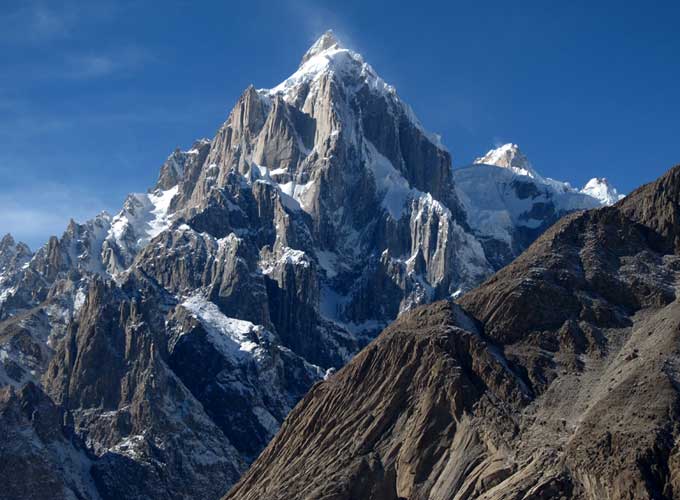
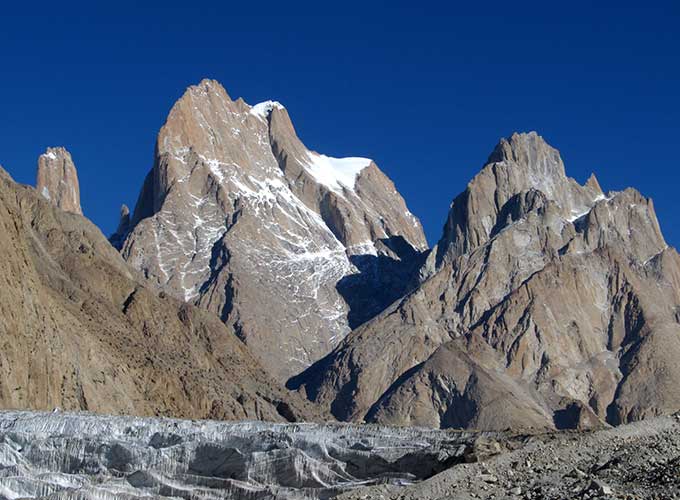
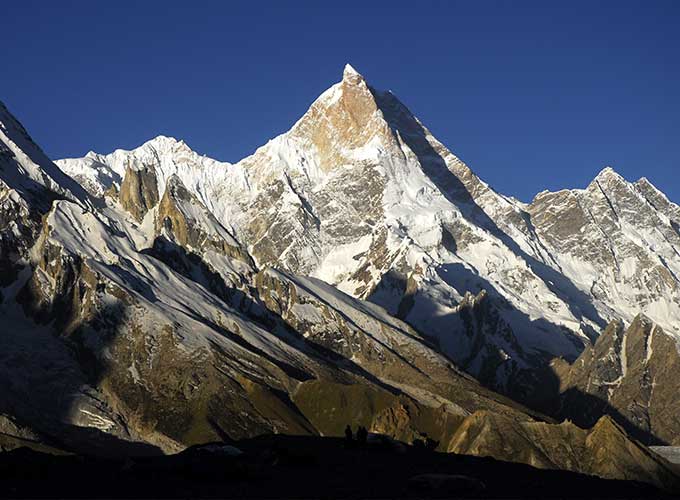
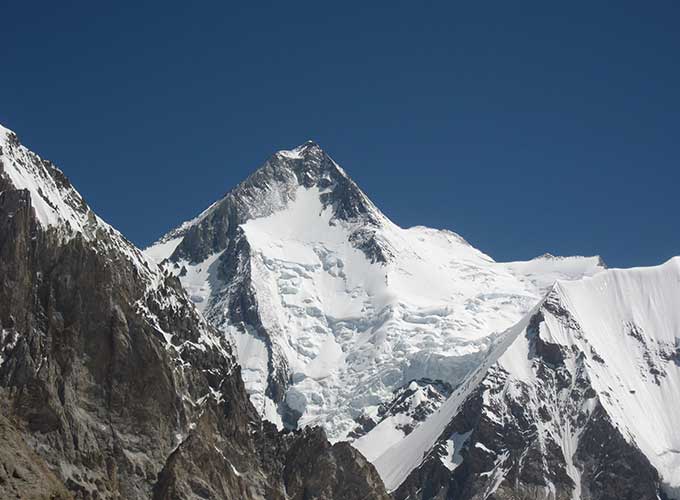
The K6 Peak Expedition Pakistan is one of the most technically demanding and prestigious climbing objectives in the Karakoram Range. Rising to approximately 7,282 meters, K6 Peak is part of the Masherbrum Mountains in Gilgit-Baltistan and is widely recognized among elite mountaineers for its steep faces, complex ridgelines, and challenging weather conditions. Climbers searching for “K6 Peak expedition Pakistan,” “Karakoram technical climbing,” and “7,000 meter peaks Pakistan” are increasingly drawn to this iconic mountain.
K6 Peak is not a commercial trekking peak. It is a serious alpine objective that requires advanced mountaineering skills, high-altitude experience, and strong mental resilience. The mountain’s remote location and technical routes make it one of the most rewarding climbs for experienced climbers seeking a pure and less crowded expedition.
The expedition combines glacier trekking, mixed climbing, and high-altitude endurance. With its dramatic structure and challenging terrain, K6 represents the essence of Karakoram mountaineering, offering climbers a true test of skill and determination.
History, Significance, and Notable Achievements of K6 Peak
K6 Peak holds a significant place in mountaineering history due to its technical difficulty and limited number of successful ascents. The mountain gained recognition during early exploration efforts in the Karakoram when climbers began identifying its potential as a major alpine challenge.
Unlike more frequently climbed peaks, K6 has remained relatively untouched, preserving its reputation as a demanding and elite climbing objective. Successful expeditions are rare and often involve highly skilled international teams with advanced technical expertise.
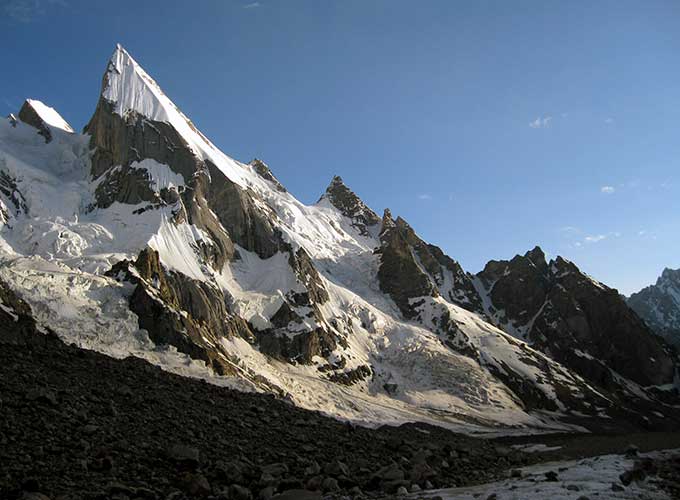
The mountain’s steep granite and ice faces have made it a symbol of technical excellence in high-altitude climbing. Its limited accessibility and unpredictable conditions continue to attract climbers seeking a serious and authentic mountaineering experience.
K6 Peak Expedition Dates, Cost & Packages 2026-2027
Start |
End |
Status |
Price |
Deposit |
Registration |
|---|---|---|---|---|---|
18 Jun |
27 Jul |
Guaranteed |
US$3,700 |
US$1000 |
|
25 Jun |
03 Aug |
Guaranteed |
US$3,700 |
US$1000 |
|
02 Jul |
10 Aug |
Guaranteed |
US$3,700 |
US$1000 |
|
10 Jul |
18 Aug |
Guaranteed |
US$3,700 |
US$1000 |
|
18 Jul |
26 Aug |
Guaranteed |
US$3,700 |
US$1000 |
|
25 Jul |
02 Sep |
Guaranteed |
US$3,700 |
US$1000 |
Adventure Pakistan Services – Professional Support for K6 Peak Expedition
Adventure Pakistan provides comprehensive expedition support for the K6 Peak Expedition Pakistan, ensuring climbers receive professional guidance and logistical assistance throughout the journey. Given the complexity of the expedition, experienced support is essential for safety and success.
Services include permit processing, transportation from Islamabad to Skardu, jeep transfer to Hushe Valley, porter management, base camp setup, and full board services. For climbers searching “guided K6 expedition Pakistan” or “Masherbrum range climbing services,” Adventure Pakistan offers a structured and reliable solution.
Their deep operational experience in the Hushe Valley and Masherbrum region ensures smooth coordination across all phases of the expedition. From initial planning to summit attempts, every detail is carefully managed.
Safety remains the top priority, with continuous weather monitoring, communication systems, and structured acclimatization strategies. Expedition leaders make informed decisions based on real-time conditions and team readiness.
K6 Peak Expedition Plan – Arrival, Hushe Valley Trek, and Summit Preparation
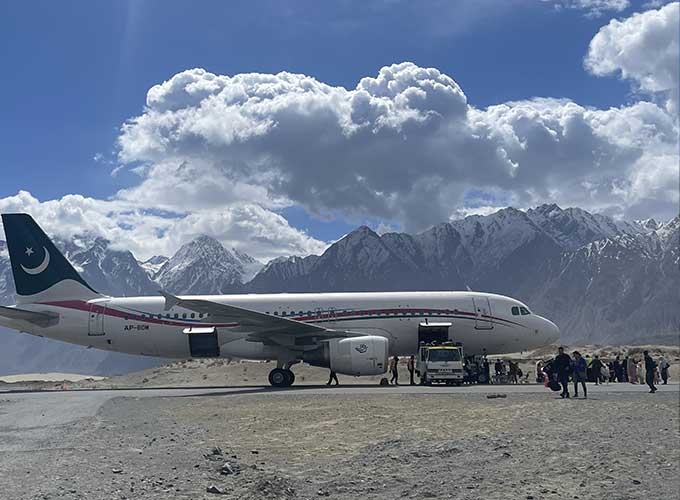
The K6 Peak Expedition Pakistan begins with international arrival in Islamabad. Climbers complete necessary briefings, documentation, and gear preparation before traveling to Skardu, either by flight or road.
From Skardu, the journey continues to Hushe Valley, a scenic and culturally rich region that serves as the gateway to the Masherbrum Mountains. This drive offers breathtaking views of valleys, rivers, and surrounding peaks.
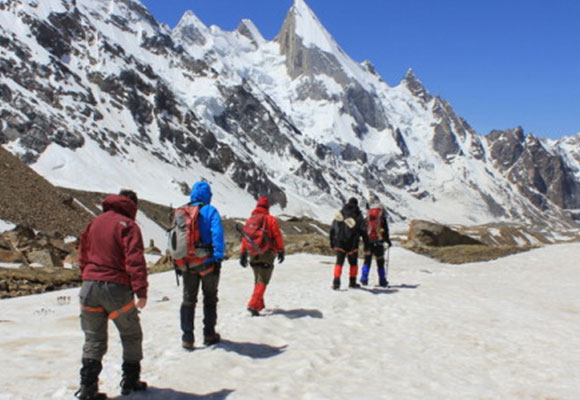
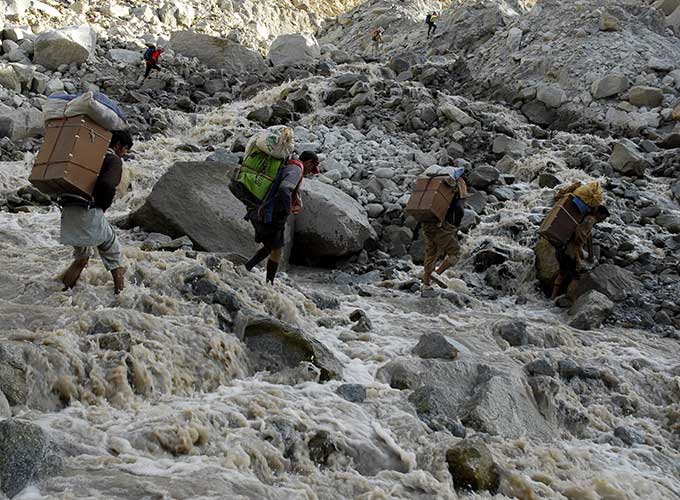
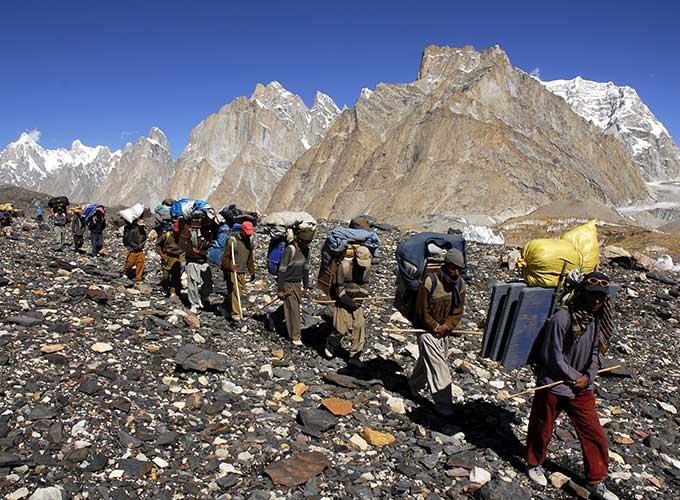
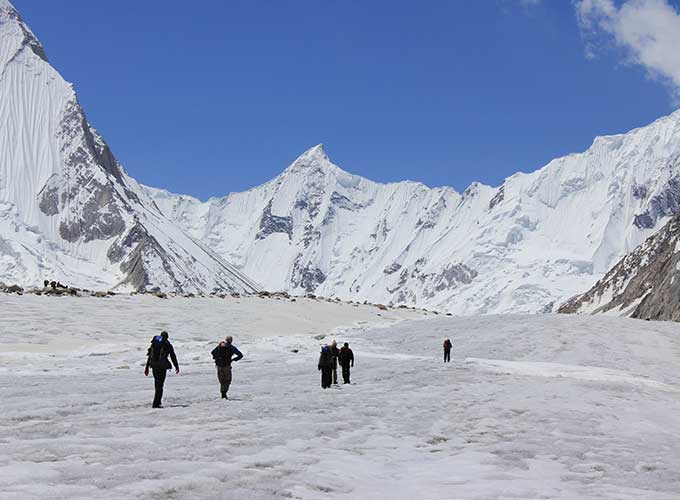
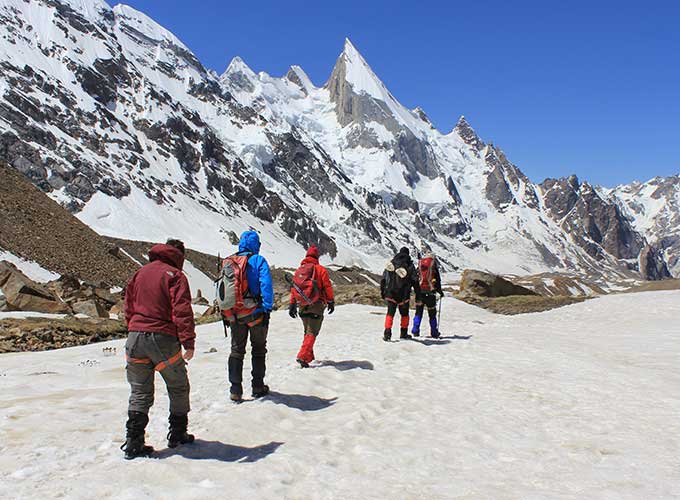
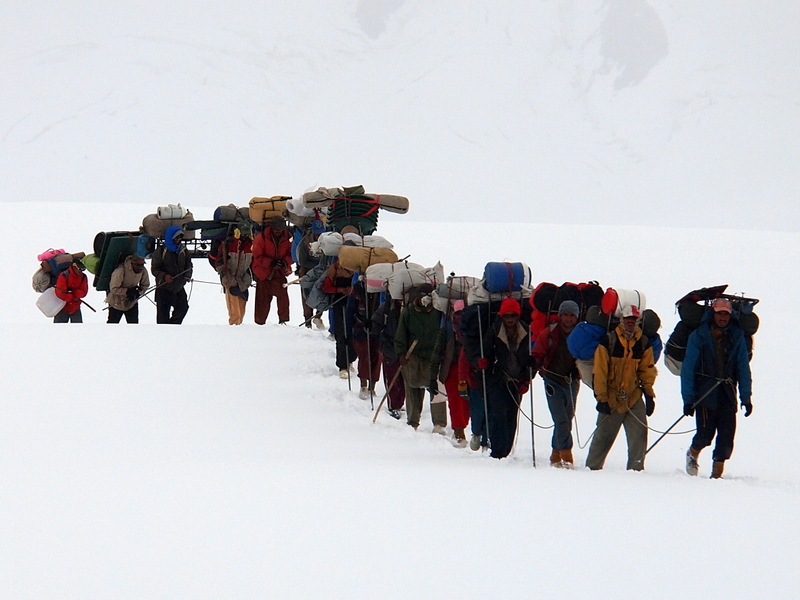
The trekking phase begins from Hushe, leading climbers through remote mountain terrain toward the base camp of K6 Peak. The approach involves crossing glacial streams, navigating rugged trails, and gradually gaining altitude.
Base camp is established in a strategic location with direct access to the climbing route. Once established, climbers begin acclimatization rotations, moving between base camp and higher camps to adapt to altitude.
Summit preparation includes route assessment, fixing ropes in technical sections, and monitoring weather conditions. Climbers spend several days preparing equipment and refining climbing strategies.
The itinerary remains flexible to accommodate weather changes and acclimatization needs, ensuring safety and maximizing the chances of a successful summit.
K6 Peak Expedition Base Camp Life and Acclimatization in Hushe Valley
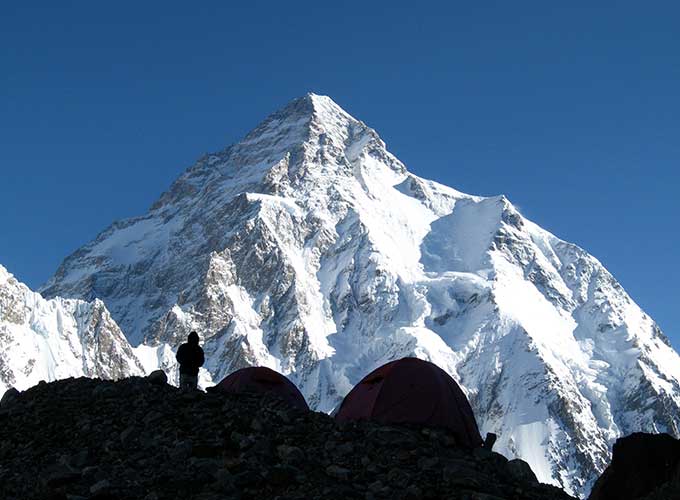
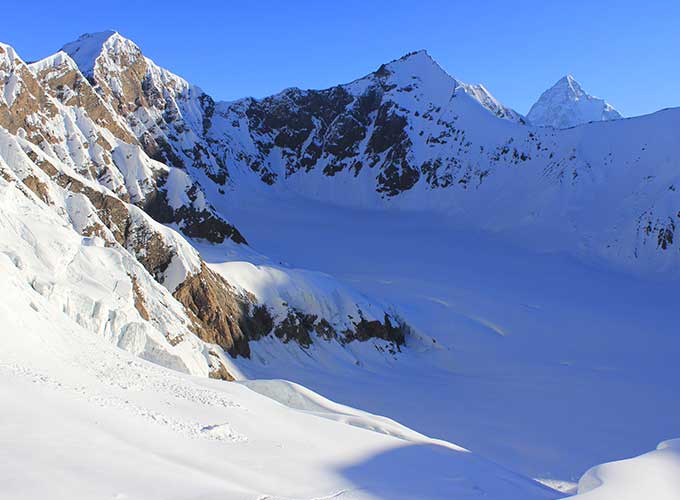
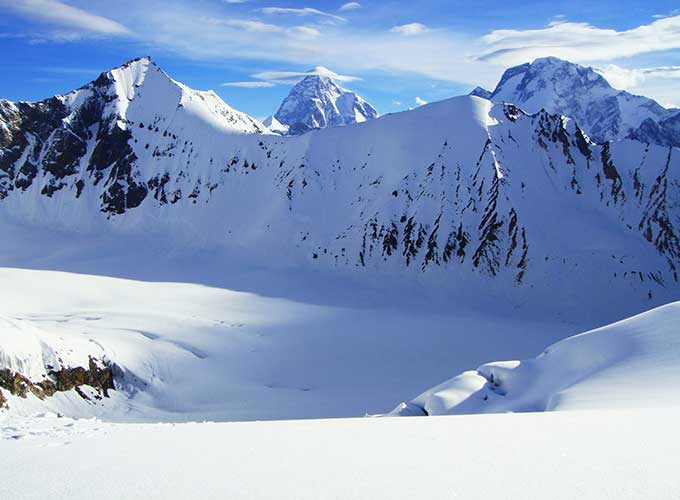
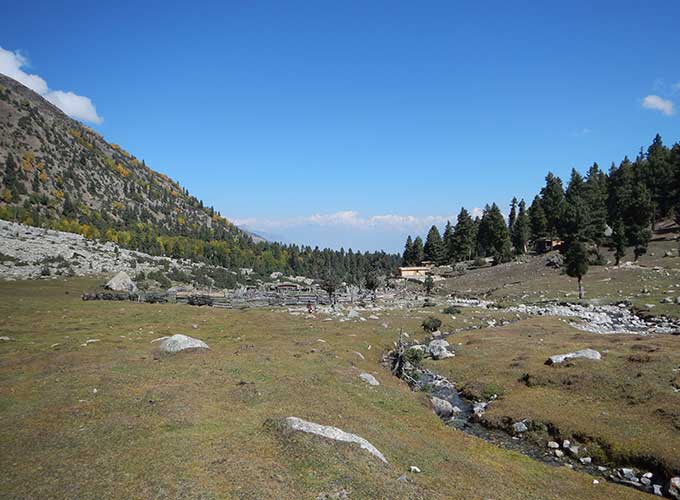
Base camp life during the K6 Peak Expedition Pakistan is a defining part of the overall experience, combining physical preparation with immersion in the remote Karakoram environment. Located in the upper Hushe Valley, the base camp is surrounded by dramatic peaks, glaciers, and rugged terrain that reflect the raw beauty of the Masherbrum Mountains.
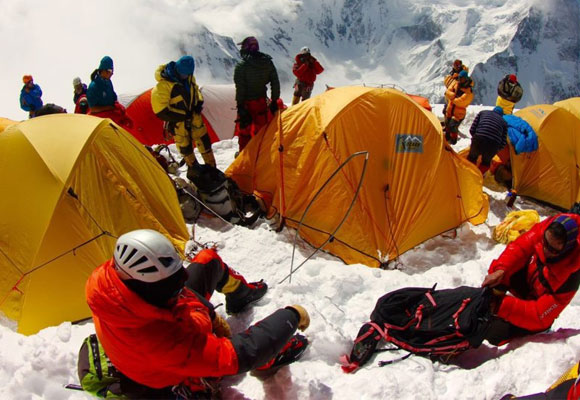
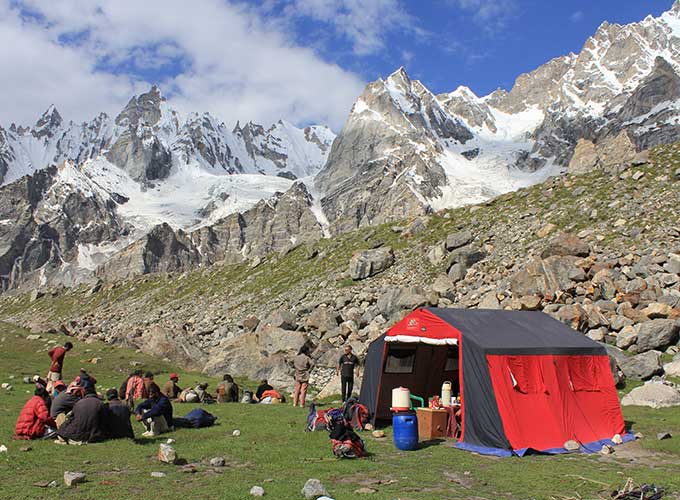
Conditions at base camp are demanding, with cold temperatures, strong winds, and rapidly changing weather patterns. Despite these challenges, base camp serves as a structured and organized hub where climbers prepare for higher altitude rotations and technical climbing phases. Expedition teams establish tents for sleeping, dining, and equipment storage, creating a functional environment in an otherwise harsh landscape.
Acclimatization is a critical process that takes place at base camp and during initial climbs to higher elevations. Climbers follow a gradual ascent strategy, moving up to higher camps during the day and returning to base camp to sleep. This method allows the body to adapt to reduced oxygen levels and improves overall performance at altitude.
Daily routines include hydration management, nutritional planning, equipment checks, and weather briefings. Expedition leaders monitor each climber’s condition and adjust schedules based on health and environmental factors. Proper acclimatization not only enhances performance but also reduces the risk of altitude-related illnesses.
Climbing Strategy and Route Planning for K6 Peak Expedition Pakistan
The K6 Peak Expedition Pakistan requires a highly strategic approach due to the mountain’s technical complexity and steep terrain. Unlike standard trekking peaks, K6 demands advanced alpine climbing skills and careful route planning.
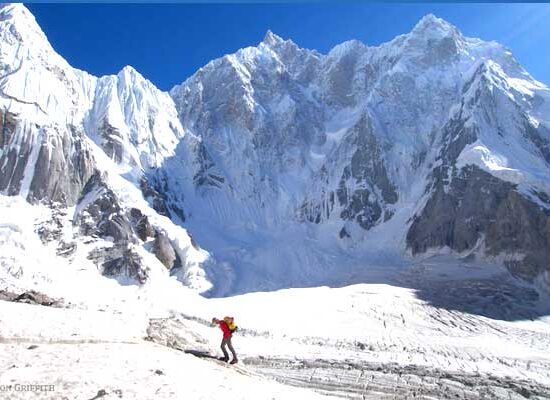
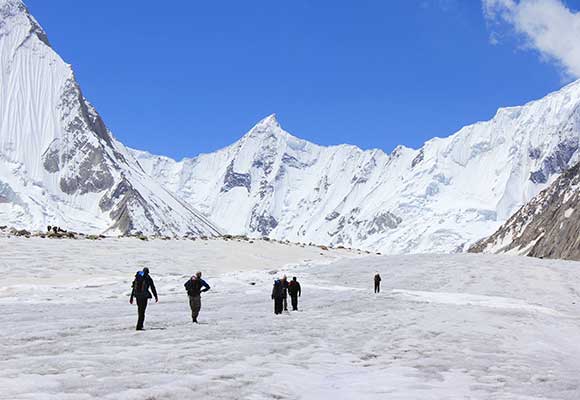
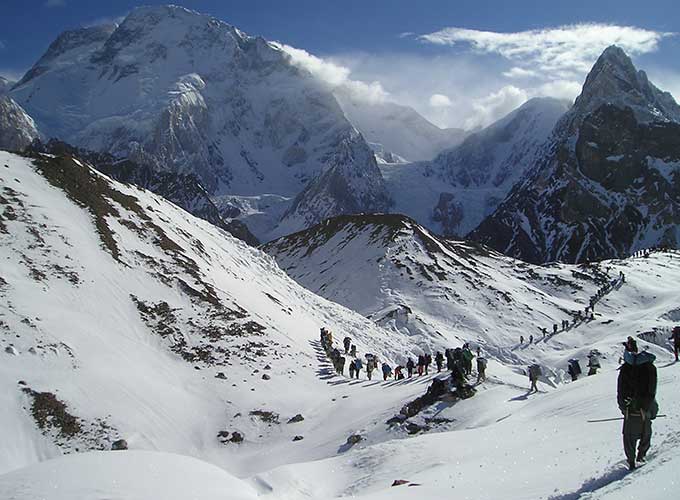
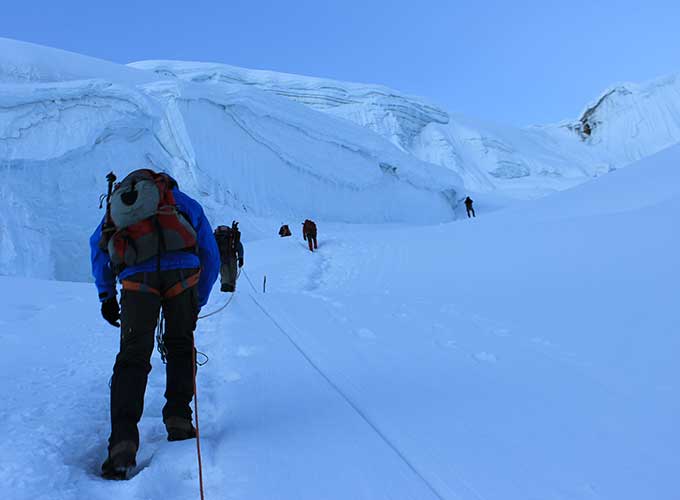
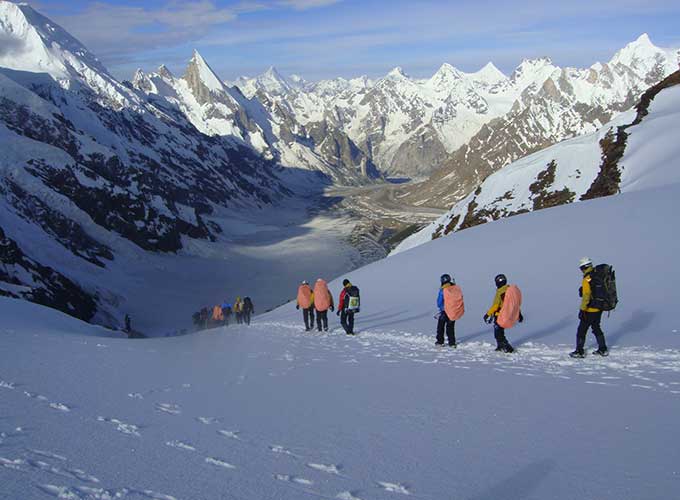
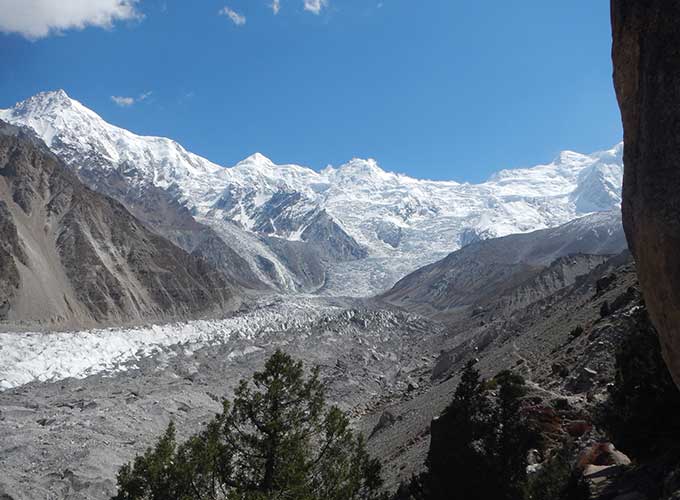
The ascent begins with glacier travel from base camp, where climbers navigate crevasses, unstable snow bridges, and shifting ice formations. Rope teams are used for safety during this phase, ensuring controlled movement across hazardous sections.
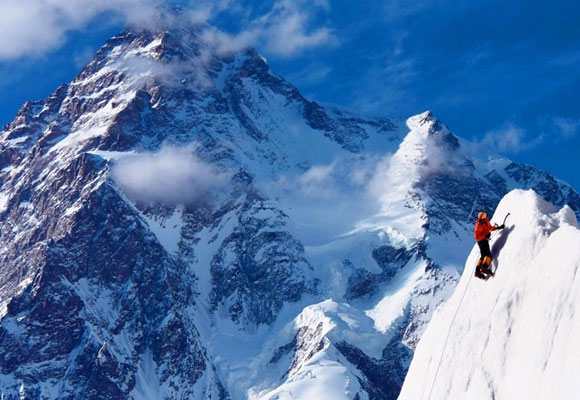
As the climb progresses, the terrain becomes increasingly technical, involving steep ice slopes, mixed climbing sections, and exposed ridgelines. Climbers must use fixed ropes, anchors, and advanced climbing techniques to safely ascend these sections.
Higher camps are established at key نقاط along the route, providing staging points for acclimatization and summit attempts. Each camp is carefully positioned to balance safety, efficiency, and access to technical sections.
Route planning is dynamic and depends on weather conditions, snow stability, and team performance. Expedition leaders continuously assess risks and make adjustments to ensure safe progression.
Weather Challenges and Safety Measures in K6 Peak Expedition
Weather conditions in the Karakoram significantly impact the K6 Peak Expedition Pakistan. Climbers must be prepared for sudden changes, including snowfall, strong winds, and temperature drops.
The high-altitude environment creates extreme conditions, particularly at higher camps where exposure is greater. Wind chill and low temperatures can affect both physical performance and equipment functionality.
Safety measures include constant weather monitoring, satellite communication systems, and strict adherence to expedition protocols. Climbers are required to follow guidelines set by expedition leaders, including turnaround times and risk management strategies.
Glacier hazards such as crevasses and icefall zones require careful navigation and technical expertise. Proper training and teamwork are essential for minimizing risks in these مناطق.
Local Culture and Natural Beauty of Hushe Valley
The K6 Peak Expedition Pakistan offers a unique opportunity to experience the culture and natural beauty of Hushe Valley. This remote region of Gilgit-Baltistan is known for its welcoming communities and strong connection to the mountains.
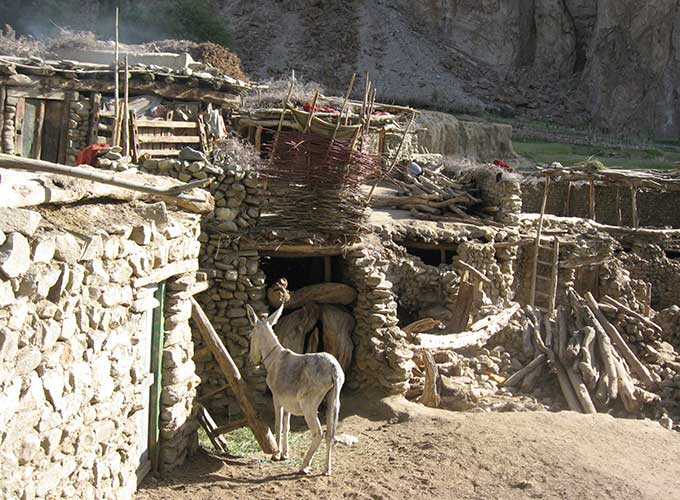
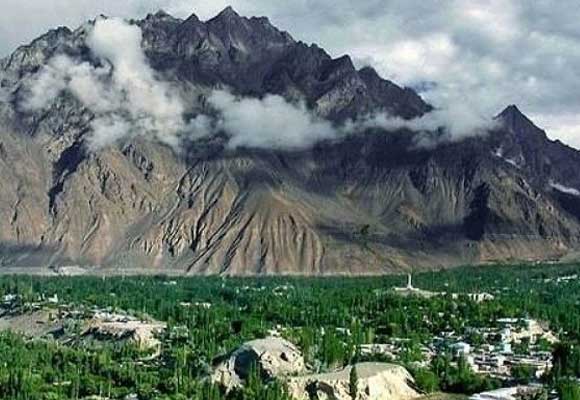
Hushe village serves as the last major settlement before entering the expedition zone. The local Balti people are known for their hospitality, resilience, and deep-rooted traditions. Interacting with the community provides valuable cultural insight and enriches the expedition experience.
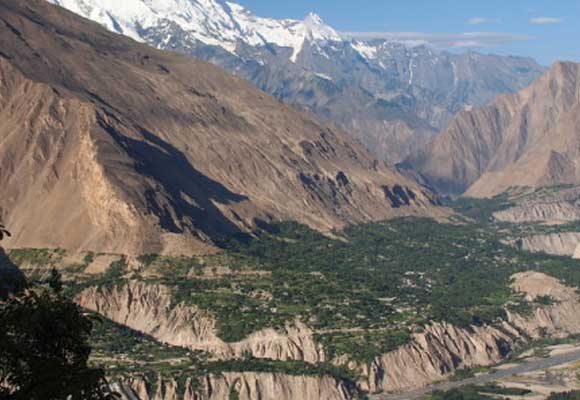
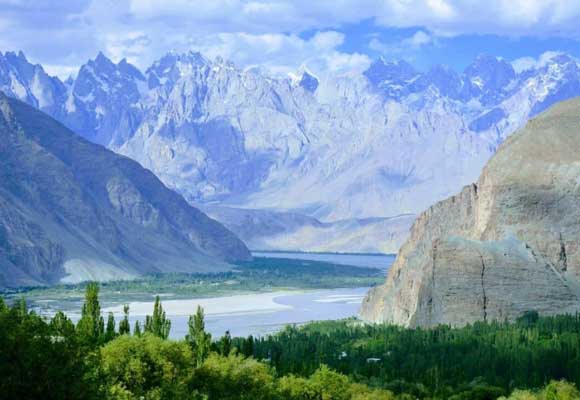
The natural beauty of the region is equally impressive. Lush green valleys gradually transition into rugged mountain terrain, glaciers, and towering peaks. The contrast between fertile landscapes and high-altitude wilderness creates a visually stunning environment.
This cultural and natural diversity adds depth to the expedition, making it more than just a climbing objective.
Higher Camp Rotations, Summit Attempt, and Descent Strategy
The progression from base camp to higher camps marks the most challenging phase of the K6 Peak Expedition Pakistan. Climbers carry equipment, establish camps, and adapt to increasing altitude as they move higher on the mountain.
Higher camps are exposed to harsh conditions, including strong winds and low temperatures. Efficient camp setup and resource management are essential for maintaining safety and performance.
The summit attempt is carefully planned based on weather conditions and team readiness. Climbers typically begin early in the day to take advantage of stable conditions. The final ascent involves navigating steep ice and mixed terrain, requiring full concentration and technical precision.
After reaching the summit, climbers begin their descent, which is equally demanding due to fatigue and environmental risks. Careful coordination and adherence to safety protocols are essential during this phase.
The expedition concludes with a return to base camp, followed by the trek back through Hushe Valley to Skardu and Islamabad. This marks the completion of a technically demanding and rewarding mountaineering journey.
K6 Peak Expedition Pakistan – Travel Logistics and Access to Hushe Valley
The K6 Peak Expedition Pakistan begins with a carefully structured journey into one of the most remote climbing regions in the Karakoram. The expedition starts in Islamabad, where climbers arrive for briefing sessions, permit verification, and final equipment checks before heading north toward the mountains of Gilgit-Baltistan.
From Islamabad, the first major transition is toward Skardu, either by domestic flight or via the Karakoram Highway. The flight offers spectacular aerial views of Nanga Parbat and surrounding ranges, while the road journey provides a deeper, ground-level experience of Pakistan’s mountainous northern corridor.
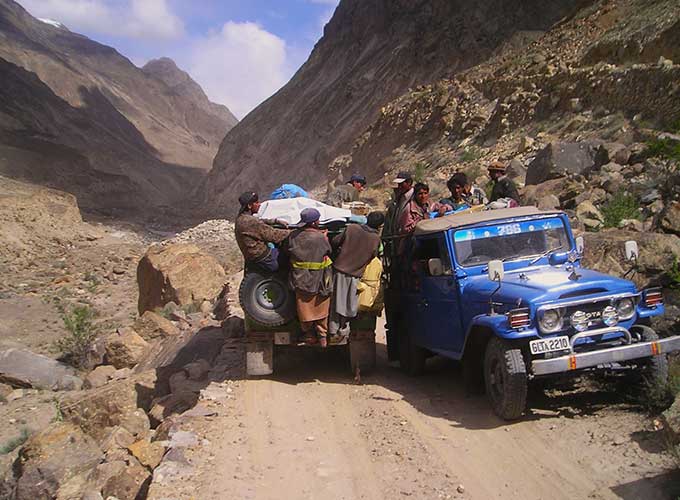
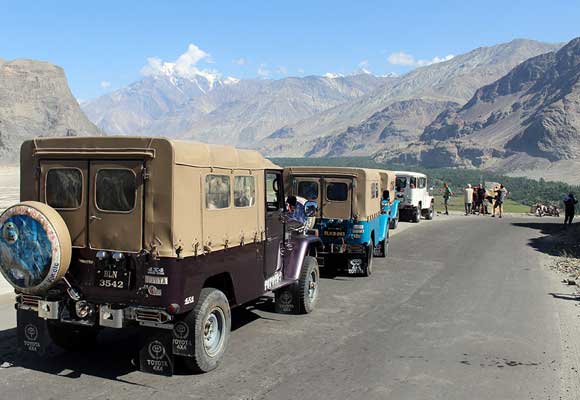
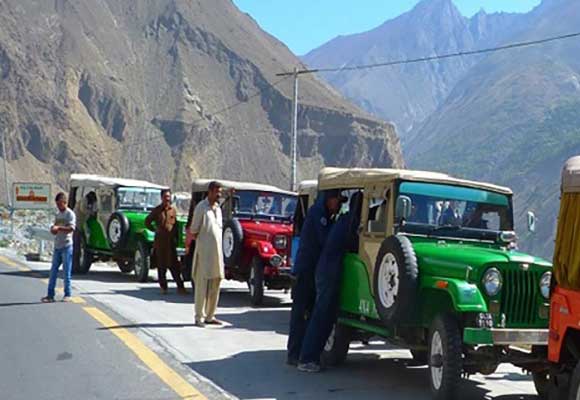
Skardu serves as the logistical base for all major Karakoram expeditions. From here, climbers travel by jeep toward Hushe Valley, passing through rugged landscapes, river crossings, and narrow mountain roads. This journey marks the true entry into the Masherbrum region, where K6 Peak is located.
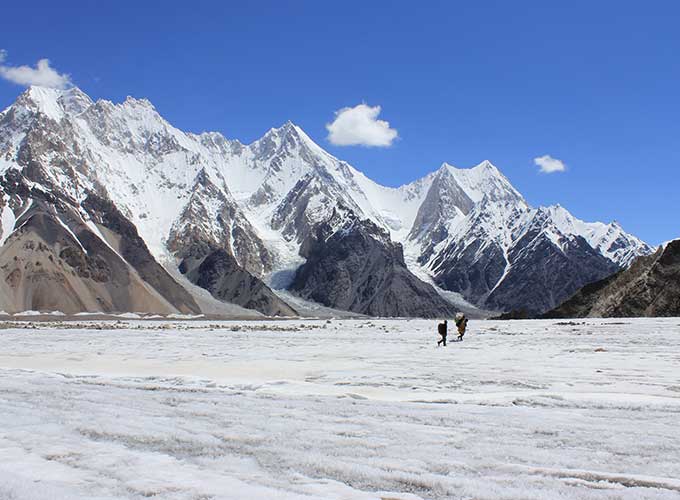
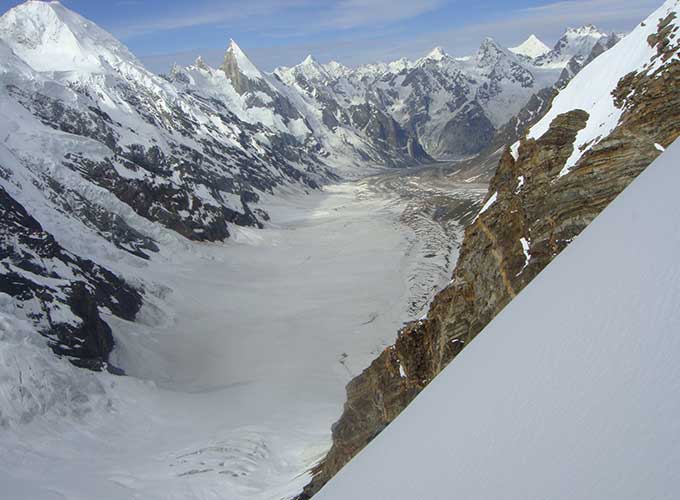
Hushe village is the final inhabited settlement before entering the high-altitude wilderness. From Hushe, the trekking route begins, leading climbers through glacier systems, moraine fields, and alpine valleys toward K6 Peak base camp.
Acclimatization and Health Considerations for K6 Peak Expedition
Acclimatization is one of the most important aspects of the K6 Peak Expedition Pakistan. Due to the altitude exceeding 7,000 meters, the body must gradually adapt to reduced oxygen levels to avoid altitude sickness and maintain performance.
The expedition follows a structured acclimatization plan involving staged ascents and returns to lower camps. This process allows climbers to safely increase altitude exposure while giving the body time to adjust.
Common altitude-related conditions such as headaches, fatigue, and nausea are closely monitored. Expedition leaders assess climber health daily and adjust plans when necessary to ensure safety.
Hydration, nutrition, and rest are critical components of acclimatization. Proper pacing significantly improves summit success rates and reduces risk in high-altitude environments.
Weather Patterns and Seasonal Planning for K6 Peak Expedition
The weather in the Karakoram plays a decisive role in the success of the K6 Peak Expedition Pakistan. Climbers must be prepared for rapidly changing conditions, including snowfall, high winds, and extreme cold.
The optimal climbing season typically falls between June and September. During this window, weather stability improves, creating limited but usable summit opportunities.
Even during the best season, conditions at higher elevations remain unpredictable. Expedition teams continuously monitor forecasts and adjust summit plans accordingly.
Temperature variations between base camp and summit zones can be extreme, requiring proper clothing systems and equipment to ensure safety and performance.
Cultural Immersion and Local Experiences in Hushe Valley
The K6 Peak Expedition Pakistan offers a meaningful cultural dimension through the Hushe Valley region. This remote area is home to Balti communities known for their hospitality and deep connection to the mountains.
Hushe village serves as the last cultural stop before entering the high-altitude wilderness. Climbers often interact with local porters and guides, gaining insight into traditional mountain lifestyles.
The cultural experience adds depth to the expedition, blending human connection with extreme alpine exploration. It highlights the relationship between local communities and the surrounding peaks that define their environment.
Climbing Etiquette and Environmental Responsibility
Responsible mountaineering is a core principle of the K6 Peak Expedition Pakistan. The Karakoram ecosystem is fragile, and preserving its natural integrity is essential for future expeditions.
Climbers are required to follow strict “leave no trace” principles, ensuring that all waste is removed from the mountain environment. Camps are designed to minimize ecological impact.
Respect for local communities, cultural traditions, and natural landscapes is an important part of expedition ethics. Sustainable practices help preserve the Hushe Valley and surrounding peaks.
Safety Measures and Emergency Protocols in K6 Peak Expedition
Safety is a top priority throughout the K6 Peak Expedition Pakistan due to the technical nature of the climb and remote location. Expedition teams implement structured safety systems at every stage.
Satellite communication devices ensure constant contact between base camp and climbing teams. Weather monitoring systems provide real-time updates for decision-making.
Emergency protocols include evacuation planning, first aid response, and strict adherence to turnaround times during climbs. Expedition leaders are responsible for making final safety decisions.
Due to the remoteness of the region, self-sufficiency and preventive safety measures are essential components of expedition planning.
Gear, Equipment, and Technical Skills for K6 Peak Expedition
The K6 Peak Expedition Pakistan requires advanced mountaineering equipment and highly developed technical skills. Climbers must be experienced in alpine climbing, glacier travel, and mixed terrain navigation.
Essential equipment includes insulated high-altitude clothing, mountaineering boots, crampons, ice axes, helmets, harnesses, ropes, and protection systems. All gear must be tested under extreme conditions before the expedition.
Technical skills such as rope management, crevasse rescue, anchor building, and steep ice climbing are mandatory for safe progression on the mountain.
Due to the complexity of K6 Peak, prior experience in similar high-altitude technical environments is strongly recommended.
Post-Expedition Recovery and Reflection
After completing the K6 Peak Expedition Pakistan, climbers enter a recovery phase to allow physical and mental restoration. The descent through Hushe Valley provides time for reflection on the challenges and achievements of the climb.
Recovery includes rest, hydration, and gradual adjustment to lower altitudes. Many climbers describe this phase as emotionally significant, as they process the intensity of the expedition experience.
The journey often leaves a lasting impact, shaping future climbing goals and deepening appreciation for high-altitude mountaineering.
Frequently Asked Questions – K6 Peak Expedition Pakistan
1. How difficult is the K6 Peak Expedition?
It is a highly technical climb suitable only for experienced high-altitude mountaineers.
2. What is the height of K6 Peak?
K6 Peak is approximately 7,282 meters high.
3. What is the best season for climbing K6?
The best season is generally June to September.
4. Do I need technical climbing experience?
Yes, advanced rock, ice, and mixed climbing skills are required.
5. Is a guide necessary for this expedition?
Yes, professional guiding support is strongly recommended.
6. How long does the expedition take?
It typically takes several weeks depending on conditions and acclimatization.
7. What permits are required?
Government-issued climbing permits are mandatory for K6 Peak.
8. Is oxygen used during the climb?
Oxygen use depends on expedition strategy and climber condition.
9. Are rescue services available?
Rescue options are extremely limited due to remote terrain.
10. Can beginners attempt K6 Peak?
No, it is strictly for highly experienced climbers only.
Frequently Asked Questions – Adventure Pakistan Services for K6 Peak Expedition
1. What services does Adventure Pakistan provide?
They provide full expedition logistics including permits, transport, guides, porters, and base camp setup.
2. Do they offer guided expeditions?
Yes, fully guided technical expeditions are available.
3. Are porters included in the package?
Yes, local porters are included for logistics support.
4. Do they handle permits and paperwork?
Yes, all permits and official documentation are arranged.
5. What safety systems are in place?
They include communication systems, weather monitoring, and emergency protocols.
6. Is accommodation included?
Yes, expedition tents and full board meals are provided.
7. Can itineraries be customized?
Yes, plans can be adjusted based on team requirements.
8. Do they provide acclimatization planning?
Yes, structured acclimatization programs are included.
9. What support is available at base camp?
Complete base camp management including food, shelter, and coordination.
10. Why choose Adventure Pakistan for K6 Peak?
They offer professional expertise, strong regional knowledge, and safety-focused expedition management.
Why Choose Adventure Pakistan for K6 Peak Expedition
Adventure Pakistan is a trusted operator for the K6 Peak Expedition Pakistan, offering professional logistics, experienced guides, and a strong safety-first approach.
Their deep knowledge of the Hushe Valley and Masherbrum range ensures smooth coordination and efficient expedition execution.
With structured planning and expert support, they provide climbers with a reliable platform to attempt one of the most technical peaks in Pakistan.
Begin Your K6 Peak Expedition With Adventure Pakistan
The K6 Peak Expedition Pakistan is one of the most demanding and rewarding climbs in the Karakoram. It offers experienced climbers a rare opportunity to test their technical skills on a remote and challenging 7,000-meter peak.
With proper preparation, expert guidance, and strong determination, this expedition becomes a defining achievement in any mountaineer’s career.
Start your journey today and experience the ultimate technical climbing adventure in the Karakoram mountains of Pakistan.

ITINERARY
WHAT'S INCLUDED
- ARRIVAL AND DEPARTURE: Airport - Hotel transfers – Airport (Pick Up and Drop), by private vehicle.
- ACCOMMODATION IN ISLAMABAD: 3 nights hotel at 4-star Hotel in Islamabad on bed & breakfast Basis- Sharing Twin Bed Room.
- WELCOME DINNER: 5 nights hotel in Skardu on Bed and Breakfast plan.
- CARGO CLEARANCE: Assistance for cargo clearance in Pakistan’s Customs, clearance cost is subject to a charge.
- PERMIT: Expedition Royalty and a permit fee of the PAKISTAN Government to climb Mt. G-1, for members.
- LIAISON OFFICER: 1 Government Liaison officer with full equipment, salary, and accommodation.
- GARBAGE MANAGEMENT: Stool Shipment Transfer & Garbage Deposit fees.
- INSURANCE: Medical Insurance for all Pakistani staff during the trek and expedition.
- MAP: Trekking and climbing map.
- DUFFLE BAG: One Adventure Pakistan, Treks, Expeditions Duffle Bag.
- MEMBER TRANSPORTATION: (Domestic Flight) Fly from Islamabad to Skardu and while returning from Skardu to Islamabad, as per itinerary, along with one guide. - LAND TRANSPORTATION (MEMBERS): Drive by jeep Skardu to Askole and on returning Askole to Skardu. - LAND TRANSPORTATION (STAFF): Islamabad to Askole via Skardu (by bus/jeep) for all climbing Sherpas and expeditions staff. (Members and staff will meet each other in Skardu).
- EXPEDITION STUFFS TRANSPORTATION: All necessary expedition equipment transportation for all Members and Staff (by air cargo) – Islamabad to Askole (by truck/jeep) and Base camp (by Porters/mules) – While returning: Base camp to Askole (by porters/mules) and Askole to Islamabad (by Truck/jeep). Based on the condition, different transportation variants may adopt.
- MEMBER LUGGAGE: Up to 60 Kg per member for personal baggage during the trek to be carried by porters or Mules.
- FOOD AND LODGING: 3 meals a day (breakfast, lunch, and dinner; including tea and coffee) along with accessible accommodation at Hotel/Lodge/TENT during the trek and at the Basecamp. Hygienic vegetables, meat, fruits, soft drinks, and juice will be served during the entire expedition. Well-managed base camp set up for members & Staff.
- CAMPING: All necessary logistic arrangements for Camping during the trek.
- PORTER: Porters per member up to the basecamp and from the basecamp (both ways).
- BASE CAMP STAFF: Experienced and well-trained Base Camp Cook & kitchen Helpers as required.
- BASE CAMP COOK: Pakistani well-trained professional cook for the team.
- STAFF SALARY AND ALLOWANCE: All staff & porter’s daily wages, salary, equipment, food & clothing.
- BASE CAMP TENT: Each member will have an individual box tent in Base Camp.
- BASE CAMP EQUIPMENT: Single Tent, foam mattresses and pillow per member, 1 Dinning Tent, 1 Kitchen Tent, 1 Communication tent, 1 Toilet & 1 Shower Tent, 1 Staffs Tent, Store tent, Tables & chairs & all necessary cooking gears.
- SOLAR/GENERATOR/LIGHT: 1 Solar panel and Generator for lights at base camp, FOR battery charges, laptop, and other electronic devices.
- SATELLITE PHONE: Satellite Phone for emergency communication carried by Sherpa, also available for members (SUBJECT TO A CHARGE).
- WALKIE-TALKIE: Walkie–Talkie for communicating from Base Camp to Mountain and Mountain to Base Camp.
- PERMITS: Climbing certificate issued by Pakistani Alpine Club (after climbing successfully).
- MEDICAL KIT: Comprehensive Medical kit for members and staff.
- CERTIFICATE: Certificate issued by PAKISTANI ALPINE CLUB (after climbing successfully).
WHAT'S NOT INCLUDED
- AIR FARE : International flight airfare (from and to Islamabad).
- PAKISTAN ENTRY VISA FEE : PAKISTANI Visa fee for 90 DAYS.
- LUNCH & DINNER : Lunch & dinner during the stay in Islamabad and Skardu (also in case of early return from Trekking / Expedition than the scheduled itinerary).
- EXTRA NIGHTS IN ISLAMABAD & SKARDU : Extra nights’ accommodation in Islamabad & Skardu. In case of early arrival or late departure, early return from Trekking / Expedition, or domestic flight cancellation (due to any other reason) than the scheduled itinerary.
- INSURANCE POLICY : Insurance covering both medical and high-altitude evacuation costs (for the trip cancellation, interruption, high-altitude rescue & air evacuation, medical treatment, repatriation, etc.) *Mandatory
- PERSONAL EXPENSES : Telephone Calls, Internet, Toiletries, battery recharge, hot shower, laundry, soft drinks, beers, and any Alcoholic beverages (during the trek and in Islamabad & Skardu but we will have soft drinks for members at base camp).
- PERSONAL CLIMBING EQUIPMENT : Clothing, Packing Items, Bags, Personal Medical Kit, and all kinds of Personal Trekking / Climbing Gear.
- TOILETRIES : Soaps, shampoos, toilet and tissue papers, toothpaste, and other items used to keep yourself clean.
- FILMING : Special Filming, Camera, and Drone permit fee.
- INTERNET SERVICE : Not included during the trek.
- TIPS : Calculate some tips for basecamp and high camp staff – Minimum 500 USD.
- EXTRA : Any other services or activities, which are not mentioned in the itinerary and not listed in the “Cost Includes” section.
ROUTE MAP
K6 Peak Expedition Pakistan – Ultimate Karakoram Climbing Adventure
Overview of K6 Peak Expedition Pakistan – Technical High-Altitude Climbing in Karakoram
The K6 Peak Expedition Pakistan is one of the most technically demanding and prestigious climbing objectives in the Karakoram Range. Rising to approximately 7,282 meters, K6 Peak is part of the Masherbrum Mountains in Gilgit-Baltistan and is widely recognized among elite mountaineers for its steep faces, complex ridgelines, and challenging weather conditions. Climbers searching for “K6 Peak expedition Pakistan,” “Karakoram technical climbing,” and “7,000 meter peaks Pakistan” are increasingly drawn to this iconic mountain.
K6 Peak is not a commercial trekking peak. It is a serious alpine objective that requires advanced mountaineering skills, high-altitude experience, and strong mental resilience. The mountain’s remote location and technical routes make it one of the most rewarding climbs for experienced climbers seeking a pure and less crowded expedition.
The expedition combines glacier trekking, mixed climbing, and high-altitude endurance. With its dramatic structure and challenging terrain, K6 represents the essence of Karakoram mountaineering, offering climbers a true test of skill and determination.
History, Significance, and Notable Achievements of K6 Peak
K6 Peak holds a significant place in mountaineering history due to its technical difficulty and limited number of successful ascents. The mountain gained recognition during early exploration efforts in the Karakoram when climbers began identifying its potential as a major alpine challenge.
Unlike more frequently climbed peaks, K6 has remained relatively untouched, preserving its reputation as a demanding and elite climbing objective. Successful expeditions are rare and often involve highly skilled international teams with advanced technical expertise.
The mountain’s steep granite and ice faces have made it a symbol of technical excellence in high-altitude climbing. Its limited accessibility and unpredictable conditions continue to attract climbers seeking a serious and authentic mountaineering experience.
K6 Peak Expedition Dates, Cost & Packages 2026-2027
Start |
End |
Status |
Price |
Deposit |
Registration |
|---|---|---|---|---|---|
18 Jun |
27 Jul |
Guaranteed |
US$3,700 |
US$1000 |
|
25 Jun |
03 Aug |
Guaranteed |
US$3,700 |
US$1000 |
|
02 Jul |
10 Aug |
Guaranteed |
US$3,700 |
US$1000 |
|
10 Jul |
18 Aug |
Guaranteed |
US$3,700 |
US$1000 |
|
18 Jul |
26 Aug |
Guaranteed |
US$3,700 |
US$1000 |
|
25 Jul |
02 Sep |
Guaranteed |
US$3,700 |
US$1000 |
Adventure Pakistan Services – Professional Support for K6 Peak Expedition
Adventure Pakistan provides comprehensive expedition support for the K6 Peak Expedition Pakistan, ensuring climbers receive professional guidance and logistical assistance throughout the journey. Given the complexity of the expedition, experienced support is essential for safety and success.
Services include permit processing, transportation from Islamabad to Skardu, jeep transfer to Hushe Valley, porter management, base camp setup, and full board services. For climbers searching “guided K6 expedition Pakistan” or “Masherbrum range climbing services,” Adventure Pakistan offers a structured and reliable solution.
Their deep operational experience in the Hushe Valley and Masherbrum region ensures smooth coordination across all phases of the expedition. From initial planning to summit attempts, every detail is carefully managed.
Safety remains the top priority, with continuous weather monitoring, communication systems, and structured acclimatization strategies. Expedition leaders make informed decisions based on real-time conditions and team readiness.
K6 Peak Expedition Plan – Arrival, Hushe Valley Trek, and Summit Preparation
The K6 Peak Expedition Pakistan begins with international arrival in Islamabad. Climbers complete necessary briefings, documentation, and gear preparation before traveling to Skardu, either by flight or road.
From Skardu, the journey continues to Hushe Valley, a scenic and culturally rich region that serves as the gateway to the Masherbrum Mountains. This drive offers breathtaking views of valleys, rivers, and surrounding peaks.
The trekking phase begins from Hushe, leading climbers through remote mountain terrain toward the base camp of K6 Peak. The approach involves crossing glacial streams, navigating rugged trails, and gradually gaining altitude.
Base camp is established in a strategic location with direct access to the climbing route. Once established, climbers begin acclimatization rotations, moving between base camp and higher camps to adapt to altitude.
Summit preparation includes route assessment, fixing ropes in technical sections, and monitoring weather conditions. Climbers spend several days preparing equipment and refining climbing strategies.
The itinerary remains flexible to accommodate weather changes and acclimatization needs, ensuring safety and maximizing the chances of a successful summit.
K6 Peak Expedition Base Camp Life and Acclimatization in Hushe Valley
Base camp life during the K6 Peak Expedition Pakistan is a defining part of the overall experience, combining physical preparation with immersion in the remote Karakoram environment. Located in the upper Hushe Valley, the base camp is surrounded by dramatic peaks, glaciers, and rugged terrain that reflect the raw beauty of the Masherbrum Mountains.
Conditions at base camp are demanding, with cold temperatures, strong winds, and rapidly changing weather patterns. Despite these challenges, base camp serves as a structured and organized hub where climbers prepare for higher altitude rotations and technical climbing phases. Expedition teams establish tents for sleeping, dining, and equipment storage, creating a functional environment in an otherwise harsh landscape.
Acclimatization is a critical process that takes place at base camp and during initial climbs to higher elevations. Climbers follow a gradual ascent strategy, moving up to higher camps during the day and returning to base camp to sleep. This method allows the body to adapt to reduced oxygen levels and improves overall performance at altitude.
Daily routines include hydration management, nutritional planning, equipment checks, and weather briefings. Expedition leaders monitor each climber’s condition and adjust schedules based on health and environmental factors. Proper acclimatization not only enhances performance but also reduces the risk of altitude-related illnesses.
Climbing Strategy and Route Planning for K6 Peak Expedition Pakistan
The K6 Peak Expedition Pakistan requires a highly strategic approach due to the mountain’s technical complexity and steep terrain. Unlike standard trekking peaks, K6 demands advanced alpine climbing skills and careful route planning.
The ascent begins with glacier travel from base camp, where climbers navigate crevasses, unstable snow bridges, and shifting ice formations. Rope teams are used for safety during this phase, ensuring controlled movement across hazardous sections.
As the climb progresses, the terrain becomes increasingly technical, involving steep ice slopes, mixed climbing sections, and exposed ridgelines. Climbers must use fixed ropes, anchors, and advanced climbing techniques to safely ascend these sections.
Higher camps are established at key نقاط along the route, providing staging points for acclimatization and summit attempts. Each camp is carefully positioned to balance safety, efficiency, and access to technical sections.
Route planning is dynamic and depends on weather conditions, snow stability, and team performance. Expedition leaders continuously assess risks and make adjustments to ensure safe progression.
Weather Challenges and Safety Measures in K6 Peak Expedition
Weather conditions in the Karakoram significantly impact the K6 Peak Expedition Pakistan. Climbers must be prepared for sudden changes, including snowfall, strong winds, and temperature drops.
The high-altitude environment creates extreme conditions, particularly at higher camps where exposure is greater. Wind chill and low temperatures can affect both physical performance and equipment functionality.
Safety measures include constant weather monitoring, satellite communication systems, and strict adherence to expedition protocols. Climbers are required to follow guidelines set by expedition leaders, including turnaround times and risk management strategies.
Glacier hazards such as crevasses and icefall zones require careful navigation and technical expertise. Proper training and teamwork are essential for minimizing risks in these مناطق.
Local Culture and Natural Beauty of Hushe Valley
The K6 Peak Expedition Pakistan offers a unique opportunity to experience the culture and natural beauty of Hushe Valley. This remote region of Gilgit-Baltistan is known for its welcoming communities and strong connection to the mountains.
Hushe village serves as the last major settlement before entering the expedition zone. The local Balti people are known for their hospitality, resilience, and deep-rooted traditions. Interacting with the community provides valuable cultural insight and enriches the expedition experience.
The natural beauty of the region is equally impressive. Lush green valleys gradually transition into rugged mountain terrain, glaciers, and towering peaks. The contrast between fertile landscapes and high-altitude wilderness creates a visually stunning environment.
This cultural and natural diversity adds depth to the expedition, making it more than just a climbing objective.
Higher Camp Rotations, Summit Attempt, and Descent Strategy
The progression from base camp to higher camps marks the most challenging phase of the K6 Peak Expedition Pakistan. Climbers carry equipment, establish camps, and adapt to increasing altitude as they move higher on the mountain.
Higher camps are exposed to harsh conditions, including strong winds and low temperatures. Efficient camp setup and resource management are essential for maintaining safety and performance.
The summit attempt is carefully planned based on weather conditions and team readiness. Climbers typically begin early in the day to take advantage of stable conditions. The final ascent involves navigating steep ice and mixed terrain, requiring full concentration and technical precision.
After reaching the summit, climbers begin their descent, which is equally demanding due to fatigue and environmental risks. Careful coordination and adherence to safety protocols are essential during this phase.
The expedition concludes with a return to base camp, followed by the trek back through Hushe Valley to Skardu and Islamabad. This marks the completion of a technically demanding and rewarding mountaineering journey.
K6 Peak Expedition Pakistan – Travel Logistics and Access to Hushe Valley
The K6 Peak Expedition Pakistan begins with a carefully structured journey into one of the most remote climbing regions in the Karakoram. The expedition starts in Islamabad, where climbers arrive for briefing sessions, permit verification, and final equipment checks before heading north toward the mountains of Gilgit-Baltistan.
From Islamabad, the first major transition is toward Skardu, either by domestic flight or via the Karakoram Highway. The flight offers spectacular aerial views of Nanga Parbat and surrounding ranges, while the road journey provides a deeper, ground-level experience of Pakistan’s mountainous northern corridor.
Skardu serves as the logistical base for all major Karakoram expeditions. From here, climbers travel by jeep toward Hushe Valley, passing through rugged landscapes, river crossings, and narrow mountain roads. This journey marks the true entry into the Masherbrum region, where K6 Peak is located.
Hushe village is the final inhabited settlement before entering the high-altitude wilderness. From Hushe, the trekking route begins, leading climbers through glacier systems, moraine fields, and alpine valleys toward K6 Peak base camp.
Acclimatization and Health Considerations for K6 Peak Expedition
Acclimatization is one of the most important aspects of the K6 Peak Expedition Pakistan. Due to the altitude exceeding 7,000 meters, the body must gradually adapt to reduced oxygen levels to avoid altitude sickness and maintain performance.
The expedition follows a structured acclimatization plan involving staged ascents and returns to lower camps. This process allows climbers to safely increase altitude exposure while giving the body time to adjust.
Common altitude-related conditions such as headaches, fatigue, and nausea are closely monitored. Expedition leaders assess climber health daily and adjust plans when necessary to ensure safety.
Hydration, nutrition, and rest are critical components of acclimatization. Proper pacing significantly improves summit success rates and reduces risk in high-altitude environments.
Weather Patterns and Seasonal Planning for K6 Peak Expedition
The weather in the Karakoram plays a decisive role in the success of the K6 Peak Expedition Pakistan. Climbers must be prepared for rapidly changing conditions, including snowfall, high winds, and extreme cold.
The optimal climbing season typically falls between June and September. During this window, weather stability improves, creating limited but usable summit opportunities.
Even during the best season, conditions at higher elevations remain unpredictable. Expedition teams continuously monitor forecasts and adjust summit plans accordingly.
Temperature variations between base camp and summit zones can be extreme, requiring proper clothing systems and equipment to ensure safety and performance.
Cultural Immersion and Local Experiences in Hushe Valley
The K6 Peak Expedition Pakistan offers a meaningful cultural dimension through the Hushe Valley region. This remote area is home to Balti communities known for their hospitality and deep connection to the mountains.
Hushe village serves as the last cultural stop before entering the high-altitude wilderness. Climbers often interact with local porters and guides, gaining insight into traditional mountain lifestyles.
The cultural experience adds depth to the expedition, blending human connection with extreme alpine exploration. It highlights the relationship between local communities and the surrounding peaks that define their environment.
Climbing Etiquette and Environmental Responsibility
Responsible mountaineering is a core principle of the K6 Peak Expedition Pakistan. The Karakoram ecosystem is fragile, and preserving its natural integrity is essential for future expeditions.
Climbers are required to follow strict “leave no trace” principles, ensuring that all waste is removed from the mountain environment. Camps are designed to minimize ecological impact.
Respect for local communities, cultural traditions, and natural landscapes is an important part of expedition ethics. Sustainable practices help preserve the Hushe Valley and surrounding peaks.
Safety Measures and Emergency Protocols in K6 Peak Expedition
Safety is a top priority throughout the K6 Peak Expedition Pakistan due to the technical nature of the climb and remote location. Expedition teams implement structured safety systems at every stage.
Satellite communication devices ensure constant contact between base camp and climbing teams. Weather monitoring systems provide real-time updates for decision-making.
Emergency protocols include evacuation planning, first aid response, and strict adherence to turnaround times during climbs. Expedition leaders are responsible for making final safety decisions.
Due to the remoteness of the region, self-sufficiency and preventive safety measures are essential components of expedition planning.
Gear, Equipment, and Technical Skills for K6 Peak Expedition
The K6 Peak Expedition Pakistan requires advanced mountaineering equipment and highly developed technical skills. Climbers must be experienced in alpine climbing, glacier travel, and mixed terrain navigation.
Essential equipment includes insulated high-altitude clothing, mountaineering boots, crampons, ice axes, helmets, harnesses, ropes, and protection systems. All gear must be tested under extreme conditions before the expedition.
Technical skills such as rope management, crevasse rescue, anchor building, and steep ice climbing are mandatory for safe progression on the mountain.
Due to the complexity of K6 Peak, prior experience in similar high-altitude technical environments is strongly recommended.
Post-Expedition Recovery and Reflection
After completing the K6 Peak Expedition Pakistan, climbers enter a recovery phase to allow physical and mental restoration. The descent through Hushe Valley provides time for reflection on the challenges and achievements of the climb.
Recovery includes rest, hydration, and gradual adjustment to lower altitudes. Many climbers describe this phase as emotionally significant, as they process the intensity of the expedition experience.
The journey often leaves a lasting impact, shaping future climbing goals and deepening appreciation for high-altitude mountaineering.
Frequently Asked Questions – K6 Peak Expedition Pakistan
1. How difficult is the K6 Peak Expedition?
It is a highly technical climb suitable only for experienced high-altitude mountaineers.
2. What is the height of K6 Peak?
K6 Peak is approximately 7,282 meters high.
3. What is the best season for climbing K6?
The best season is generally June to September.
4. Do I need technical climbing experience?
Yes, advanced rock, ice, and mixed climbing skills are required.
5. Is a guide necessary for this expedition?
Yes, professional guiding support is strongly recommended.
6. How long does the expedition take?
It typically takes several weeks depending on conditions and acclimatization.
7. What permits are required?
Government-issued climbing permits are mandatory for K6 Peak.
8. Is oxygen used during the climb?
Oxygen use depends on expedition strategy and climber condition.
9. Are rescue services available?
Rescue options are extremely limited due to remote terrain.
10. Can beginners attempt K6 Peak?
No, it is strictly for highly experienced climbers only.
Frequently Asked Questions – Adventure Pakistan Services for K6 Peak Expedition
1. What services does Adventure Pakistan provide?
They provide full expedition logistics including permits, transport, guides, porters, and base camp setup.
2. Do they offer guided expeditions?
Yes, fully guided technical expeditions are available.
3. Are porters included in the package?
Yes, local porters are included for logistics support.
4. Do they handle permits and paperwork?
Yes, all permits and official documentation are arranged.
5. What safety systems are in place?
They include communication systems, weather monitoring, and emergency protocols.
6. Is accommodation included?
Yes, expedition tents and full board meals are provided.
7. Can itineraries be customized?
Yes, plans can be adjusted based on team requirements.
8. Do they provide acclimatization planning?
Yes, structured acclimatization programs are included.
9. What support is available at base camp?
Complete base camp management including food, shelter, and coordination.
10. Why choose Adventure Pakistan for K6 Peak?
They offer professional expertise, strong regional knowledge, and safety-focused expedition management.
Why Choose Adventure Pakistan for K6 Peak Expedition
Adventure Pakistan is a trusted operator for the K6 Peak Expedition Pakistan, offering professional logistics, experienced guides, and a strong safety-first approach.
Their deep knowledge of the Hushe Valley and Masherbrum range ensures smooth coordination and efficient expedition execution.
With structured planning and expert support, they provide climbers with a reliable platform to attempt one of the most technical peaks in Pakistan.
Begin Your K6 Peak Expedition With Adventure Pakistan
The K6 Peak Expedition Pakistan is one of the most demanding and rewarding climbs in the Karakoram. It offers experienced climbers a rare opportunity to test their technical skills on a remote and challenging 7,000-meter peak.
With proper preparation, expert guidance, and strong determination, this expedition becomes a defining achievement in any mountaineer’s career.
Start your journey today and experience the ultimate technical climbing adventure in the Karakoram mountains of Pakistan.
gallery
Frequently Asked Questions
REPORTS & REVIEWS
Region
Best Season
Level
Frequently Asked Questions
SIMILAR Tours
- Quality5
- Location5
- Amenities5
- Services5
- Price5
- Quality5
- Location5
- Amenities5
- Services5
- Price5
- Quality5
- Location5
- Amenities5
- Services5
- Price5
- Quality4.75
- Location4.75
- Amenities4.25
- Services5
- Price4.25
- Quality4.75
- Location4.75
- Amenities4.25
- Services5
- Price4.25
- Quality4.67
- Location4.67
- Amenities4
- Services5
- Price4
- Quality4.67
- Location4.67
- Amenities4
- Services5
- Price4
- Quality4.67
- Location4.67
- Amenities4
- Services5
- Price4
- Quality4.67
- Location4.67
- Amenities4
- Services5
- Price4
- Quality4.67
- Location4.67
- Amenities4
- Services5
- Price4
- Quality4.67
- Location4.67
- Amenities4
- Services5
- Price4
- Quality4.67
- Location4.67
- Amenities4
- Services5
- Price4