Kalash Chaumas Festival Tour | Kalash Winter Festival Tour

Tour Category

Group Size

12

Duration

9 days

From

$1500.00

OVERVIEW & ITINERARY

Kalash Chaumas Festival Tour – Celebrating Winter in the Kalash Valleys

The Kalash Chaumas Festival Tour offers an extraordinary glimpse into the winter traditions of the Kalash people, an indigenous community residing in the remote valleys of Chitral, Pakistan. Unlike the more widely known summer or autumn festivals, Chaumas is the main winter celebration, embodying the spirit of endurance, spiritual reflection, and cultural continuity during the colder months. The festival is also commonly referred to as part of the Kalash Winter Festival Tour, highlighting its seasonal significance and its deep roots in Kalash religious and social life.

The Kalash Chaumas Festival is held in the heart of winter, typically in December, when snow blankets the valleys and the environment transforms into a serene, almost magical landscape. Despite harsh weather conditions, the Kalash people gather to honor ancestral deities, celebrate community bonds, and ensure the spiritual protection of their families and livestock. The Kalash Chaumas Festival Tour allows travelers to witness these unique practices while immersing themselves in the untouched beauty of the Kalash Valleys.

Introduction to the Kalash Valleys and Winter Traditions

The Kalash Valleys of Bumburet, Rumbur, and Birir are renowned for their stunning mountain landscapes and vibrant cultural identity. The isolation of these valleys has helped the Kalash preserve ancient customs, languages, and polytheistic beliefs. Winter, while challenging due to heavy snowfall and cold temperatures, is a time when cultural traditions come alive in intimate settings. Visiting during the Kalash Chaumas Festival Tour provides a rare opportunity to experience authentic Kalash rituals and communal life in a season often overlooked by mainstream tourism.

During the Kalash Winter Festival Tour, the valleys are quieter than in the summer months, giving travelers a more personal and immersive experience. Snow-covered pathways, smoke rising from traditional hearths, and the warmth of family gatherings create a picturesque and unforgettable environment for cultural exploration.

What is the Kalash Chaumas Festival?

The Kalash Chaumas Festival is the primary winter celebration of the Kalash community. Unlike the harvest-focused Uchal Festival in summer or the Phool Festival in autumn, Chaumas is dedicated to invoking blessings, warding off evil spirits, and ensuring prosperity during the challenging winter season. The festival is deeply spiritual, with rituals designed to honor deities, maintain cosmic balance, and protect the community from misfortune.

Celebrated in December, the festival reflects the resilience of the Kalash people and their ability to celebrate life even in the harshest conditions. The Kalash Winter Festival Tour showcases these rituals, providing insight into the symbolic and practical importance of winter in Kalash cosmology.

Cultural and Spiritual Significance

The Kalash Chaumas Festival Tour is more than just a seasonal celebration; it is a reflection of the community’s values, beliefs, and spiritual connection to the natural world. Kalash religion is polytheistic, venerating gods associated with the sun, mountains, forests, and water. During Chaumas, these deities are honored through prayers, offerings, and specific ceremonial activities.

Community life during the Kalash Winter Festival Tour emphasizes cooperation, social cohesion, and respect for elders. Rituals often involve communal gatherings, where families collectively perform traditional ceremonies under the guidance of priests, or Qazis. This ensures that the spiritual essence of the festival is preserved and passed down to younger generations.

Rituals and Ceremonial Practices

During the Kalash Chaumas Festival Tour, guests may witness a variety of ceremonial practices. One of the most important elements is the offering of food, milk, wine, and symbolic items to the gods, seeking protection and prosperity for the community. Sacred songs and dances accompany these offerings, creating a rhythmic and vibrant display of devotion.

The Kalash Winter Festival Tour also highlights rituals performed to ensure livestock health, household protection, and community well-being throughout the winter. These practices are deeply interwoven with the natural environment, reflecting a worldview that prioritizes harmony between humans and nature.

Traditional Music, Dance, and Attire

Music and dance are integral to the Kalash Chaumas Festival Tour. Men and women participate in traditional dances, often forming circles or paired formations, accompanied by drums, flutes, and chanting. These dances are both celebratory and spiritually significant, symbolizing unity, endurance, and devotion to the gods.

Attire during the festival is colorful and symbolic. Women wear elaborately embroidered black dresses with bright accents, beadwork, and floral motifs, while men wear traditional garments that reflect tribal identity. The Kalash Winter Festival Tour showcases these costumes in a context of authentic celebration, offering travelers visual richness and cultural depth.

Community Life During Winter

Winter in the Kalash Valleys is characterized by smaller, intimate gatherings. Unlike the summer festivals where the entire community congregates outdoors, Chaumas often involves indoor ceremonies and family-centered rituals. Visitors to the Kalash Chaumas Festival Tour can experience this close-knit community dynamic, gaining insight into Kalash hospitality, social hierarchy, and the ways in which cultural knowledge is transmitted across generations.

The Kalash Winter Festival Tour highlights the balance between ritual, work, and daily life. Guests may observe community members preparing traditional food, tending to livestock, and maintaining households, all while participating in the ongoing spiritual and ceremonial practices.

Food and Culinary Traditions

Food plays a central role in the Kalash Chaumas Festival Tour. Traditional dishes are prepared using local grains, dairy, meat, and seasonal produce. Sharing meals is a sign of community solidarity and a way of honoring ancestors. Visitors to the Kalash Winter Festival Tour have the opportunity to taste authentic Kalash cuisine, including meat stews, flatbreads, and dairy-based delicacies, often served during communal celebrations or family rituals.

Photography and Cultural Observation

The Kalash Chaumas Festival Tour offers unparalleled opportunities for photography and cultural documentation. Snow-laden landscapes, colorful traditional attire, and ritual dances create striking visual compositions. However, responsible observation is crucial. Travelers are encouraged to seek permission before photographing individuals and ceremonies, ensuring respect for local customs and privacy.

Through the Kalash Winter Festival Tour, visitors can capture authentic moments that reflect both the aesthetic beauty and the spiritual depth of the festival, creating meaningful memories and stories.

Best Time to Experience the Kalash Winter Festival Tour

The ideal time for the Kalash Chaumas Festival Tour is during the winter months, specifically in December, when the festival is officially celebrated. The valleys are usually covered in snow, offering a serene and magical setting for the celebrations. The Kalash Winter Festival Tour at this time also allows travelers to enjoy crisp mountain air, clear skies, and quiet landscapes, making the cultural experience even more profound.

Responsible Tourism and Cultural Respect

Respecting local traditions is vital during the Kalash Chaumas Festival Tour. Visitors should dress modestly, follow guidance from community leaders, and approach ceremonies with cultural sensitivity. Supporting local guides, artisans, and accommodations helps maintain the economic and cultural sustainability of the Kalash Valleys.

The Kalash Winter Festival Tour emphasizes interaction that is both meaningful and non-intrusive, ensuring that the spiritual integrity of the festival is preserved for future generations.

Why Choose the Kalash Chaumas Festival Tour?

The Kalash Chaumas Festival Tour is unique for travelers seeking authentic cultural immersion in a remote and pristine environment. Unlike mainstream tourist destinations, the Kalash Winter Festival Tour provides an opportunity to experience a living ancient culture, witness rare winter rituals, and connect with a community that has preserved its identity for centuries.

For photographers, anthropologists, and cultural enthusiasts, the tour offers an unparalleled combination of spiritual depth, visual beauty, and intimate social interaction. Visitors leave with not only memories of a vibrant festival but also a deep understanding of the resilience and richness of Kalash culture.

 

ITINERARY

The tour begins with the arrival of guests in Islamabad, Pakistan’s capital. Travelers are received at the airport and transferred to their hotel. After settling in, the group enjoys a welcome briefing about the upcoming journey and the significance of the Kalash Chaumas Festival. The evening is kept relaxed to recover from travel, with time for a brief orientation of the city and an overview of northern Pakistan’s geography and cultural heritage.

After breakfast, the journey continues to Chitral, either by a scenic flight or overland. The route showcases the dramatic transition from plains to the rugged mountains of northern Pakistan. On arrival in Chitral, guests are transferred to their hotel and enjoy the evening at leisure, preparing for the journey into the remote Kalash Valleys.

The group departs Chitral for one of the Kalash Valleys, most commonly Bumburet. The journey passes through stunning landscapes, snow-covered hills, and small villages. Upon arrival, travelers are welcomed by the local Kalash community and transferred to traditional lodges or guesthouses. The afternoon and evening are spent exploring the valley, learning about winter traditions, and preparing for the festival celebrations.

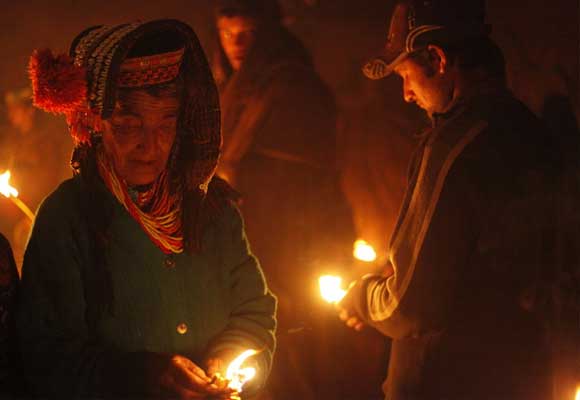
The first day of the Chaumas Festival marks the official start of winter celebrations. Guests witness sacred rituals performed by the Qazis (priests) and observe ceremonial offerings to ensure protection and prosperity during the cold season. Villagers gather in traditional attire, and music, dancing, and communal prayers fill the day. The tour provides guidance on cultural etiquette while allowing travelers to immerse themselves fully in the authentic Kalash Winter Festival experience.

The second day of the festival continues with elaborate rituals, group dances, and family-centered celebrations. Guests are invited to participate in certain non-restricted events, engage with locals, and observe the traditions surrounding food, music, and dance. This day represents the peak of the Kalash Winter Festival Tour, offering travelers an unforgettable cultural experience in the heart of the snow-covered valleys.

With the festival concluded, the group spends the day exploring Kalash villages at a slower pace. Travelers visit local homes, learn about traditional crafts, and observe daily life during winter. This day provides insight into the lifestyle of the Kalash community, their winter survival techniques, and the ways cultural knowledge is preserved and transmitted to younger generations.

After breakfast, the group departs the Kalash Valley and returns to Chitral. The journey offers final scenic views of snow-covered mountains and rivers. Upon arrival, guests check into a hotel and enjoy a relaxed evening. Optional visits to Chitral Bazaar or Chitral Fort are arranged, adding historical context to the cultural experience gained during the festival.

The return journey to Islamabad takes travelers back through the stunning northern landscapes. Upon arrival, guests check into a hotel and enjoy a farewell dinner, sharing stories and reflections from the Kalash Chaumas Festival Tour. This day provides a transition from remote valley life back to the urban environment while allowing time to appreciate the cultural immersion experienced throughout the tour.

On the final day, guests are transferred to the airport for their onward journeys. The tour concludes with memories of the Kalash Chaumas Festival, the beauty of the winter valleys, and the warmth of the Kalash people. Travelers leave with a deeper understanding of one of Pakistan’s most unique and enduring cultural traditions.

WHAT'S INCLUDED

  • Professional English speaking Culture Guide.
  • Airport transfers for Domestic & international flights.
  • Internal flights and associated airport transfers
  • All land transport involved in the itinerary
  • Accommodation as described
  • All meals 3 times a day (B-L-D)
  • All entry, road tax, parking fees.
  • Visa documents

WHAT'S NOT INCLUDED

  • Travel Insurance
  • Pakistan Visa Fee
  • Tips for local guides and support staff
  • Miscellaneous expenses
  • souvenirs etc

Dates & Rates For Kalash Chaumas Festival

Start
End
Status
Price
Deposit
Registration
11 Oct
19 Oct
Gauranteed
$1500
$300
12 Oct
20 Oct
Gauranteed
$1500
$300
ROUTE MAP

Kalash Chaumas Festival Tour – Celebrating Winter in the Kalash Valleys

The Kalash Chaumas Festival Tour offers an extraordinary glimpse into the winter traditions of the Kalash people, an indigenous community residing in the remote valleys of Chitral, Pakistan. Unlike the more widely known summer or autumn festivals, Chaumas is the main winter celebration, embodying the spirit of endurance, spiritual reflection, and cultural continuity during the colder months. The festival is also commonly referred to as part of the Kalash Winter Festival Tour, highlighting its seasonal significance and its deep roots in Kalash religious and social life.

The Kalash Chaumas Festival is held in the heart of winter, typically in December, when snow blankets the valleys and the environment transforms into a serene, almost magical landscape. Despite harsh weather conditions, the Kalash people gather to honor ancestral deities, celebrate community bonds, and ensure the spiritual protection of their families and livestock. The Kalash Chaumas Festival Tour allows travelers to witness these unique practices while immersing themselves in the untouched beauty of the Kalash Valleys.

Introduction to the Kalash Valleys and Winter Traditions

The Kalash Valleys of Bumburet, Rumbur, and Birir are renowned for their stunning mountain landscapes and vibrant cultural identity. The isolation of these valleys has helped the Kalash preserve ancient customs, languages, and polytheistic beliefs. Winter, while challenging due to heavy snowfall and cold temperatures, is a time when cultural traditions come alive in intimate settings. Visiting during the Kalash Chaumas Festival Tour provides a rare opportunity to experience authentic Kalash rituals and communal life in a season often overlooked by mainstream tourism.

During the Kalash Winter Festival Tour, the valleys are quieter than in the summer months, giving travelers a more personal and immersive experience. Snow-covered pathways, smoke rising from traditional hearths, and the warmth of family gatherings create a picturesque and unforgettable environment for cultural exploration.

What is the Kalash Chaumas Festival?

The Kalash Chaumas Festival is the primary winter celebration of the Kalash community. Unlike the harvest-focused Uchal Festival in summer or the Phool Festival in autumn, Chaumas is dedicated to invoking blessings, warding off evil spirits, and ensuring prosperity during the challenging winter season. The festival is deeply spiritual, with rituals designed to honor deities, maintain cosmic balance, and protect the community from misfortune.

Celebrated in December, the festival reflects the resilience of the Kalash people and their ability to celebrate life even in the harshest conditions. The Kalash Winter Festival Tour showcases these rituals, providing insight into the symbolic and practical importance of winter in Kalash cosmology.

Cultural and Spiritual Significance

The Kalash Chaumas Festival Tour is more than just a seasonal celebration; it is a reflection of the community’s values, beliefs, and spiritual connection to the natural world. Kalash religion is polytheistic, venerating gods associated with the sun, mountains, forests, and water. During Chaumas, these deities are honored through prayers, offerings, and specific ceremonial activities.

Community life during the Kalash Winter Festival Tour emphasizes cooperation, social cohesion, and respect for elders. Rituals often involve communal gatherings, where families collectively perform traditional ceremonies under the guidance of priests, or Qazis. This ensures that the spiritual essence of the festival is preserved and passed down to younger generations.

Rituals and Ceremonial Practices

During the Kalash Chaumas Festival Tour, guests may witness a variety of ceremonial practices. One of the most important elements is the offering of food, milk, wine, and symbolic items to the gods, seeking protection and prosperity for the community. Sacred songs and dances accompany these offerings, creating a rhythmic and vibrant display of devotion.

The Kalash Winter Festival Tour also highlights rituals performed to ensure livestock health, household protection, and community well-being throughout the winter. These practices are deeply interwoven with the natural environment, reflecting a worldview that prioritizes harmony between humans and nature.

Traditional Music, Dance, and Attire

Music and dance are integral to the Kalash Chaumas Festival Tour. Men and women participate in traditional dances, often forming circles or paired formations, accompanied by drums, flutes, and chanting. These dances are both celebratory and spiritually significant, symbolizing unity, endurance, and devotion to the gods.

Attire during the festival is colorful and symbolic. Women wear elaborately embroidered black dresses with bright accents, beadwork, and floral motifs, while men wear traditional garments that reflect tribal identity. The Kalash Winter Festival Tour showcases these costumes in a context of authentic celebration, offering travelers visual richness and cultural depth.

Community Life During Winter

Winter in the Kalash Valleys is characterized by smaller, intimate gatherings. Unlike the summer festivals where the entire community congregates outdoors, Chaumas often involves indoor ceremonies and family-centered rituals. Visitors to the Kalash Chaumas Festival Tour can experience this close-knit community dynamic, gaining insight into Kalash hospitality, social hierarchy, and the ways in which cultural knowledge is transmitted across generations.

The Kalash Winter Festival Tour highlights the balance between ritual, work, and daily life. Guests may observe community members preparing traditional food, tending to livestock, and maintaining households, all while participating in the ongoing spiritual and ceremonial practices.

Food and Culinary Traditions

Food plays a central role in the Kalash Chaumas Festival Tour. Traditional dishes are prepared using local grains, dairy, meat, and seasonal produce. Sharing meals is a sign of community solidarity and a way of honoring ancestors. Visitors to the Kalash Winter Festival Tour have the opportunity to taste authentic Kalash cuisine, including meat stews, flatbreads, and dairy-based delicacies, often served during communal celebrations or family rituals.

Photography and Cultural Observation

The Kalash Chaumas Festival Tour offers unparalleled opportunities for photography and cultural documentation. Snow-laden landscapes, colorful traditional attire, and ritual dances create striking visual compositions. However, responsible observation is crucial. Travelers are encouraged to seek permission before photographing individuals and ceremonies, ensuring respect for local customs and privacy.

Through the Kalash Winter Festival Tour, visitors can capture authentic moments that reflect both the aesthetic beauty and the spiritual depth of the festival, creating meaningful memories and stories.

Best Time to Experience the Kalash Winter Festival Tour

The ideal time for the Kalash Chaumas Festival Tour is during the winter months, specifically in December, when the festival is officially celebrated. The valleys are usually covered in snow, offering a serene and magical setting for the celebrations. The Kalash Winter Festival Tour at this time also allows travelers to enjoy crisp mountain air, clear skies, and quiet landscapes, making the cultural experience even more profound.

Responsible Tourism and Cultural Respect

Respecting local traditions is vital during the Kalash Chaumas Festival Tour. Visitors should dress modestly, follow guidance from community leaders, and approach ceremonies with cultural sensitivity. Supporting local guides, artisans, and accommodations helps maintain the economic and cultural sustainability of the Kalash Valleys.

The Kalash Winter Festival Tour emphasizes interaction that is both meaningful and non-intrusive, ensuring that the spiritual integrity of the festival is preserved for future generations.

Why Choose the Kalash Chaumas Festival Tour?

The Kalash Chaumas Festival Tour is unique for travelers seeking authentic cultural immersion in a remote and pristine environment. Unlike mainstream tourist destinations, the Kalash Winter Festival Tour provides an opportunity to experience a living ancient culture, witness rare winter rituals, and connect with a community that has preserved its identity for centuries.

For photographers, anthropologists, and cultural enthusiasts, the tour offers an unparalleled combination of spiritual depth, visual beauty, and intimate social interaction. Visitors leave with not only memories of a vibrant festival but also a deep understanding of the resilience and richness of Kalash culture.
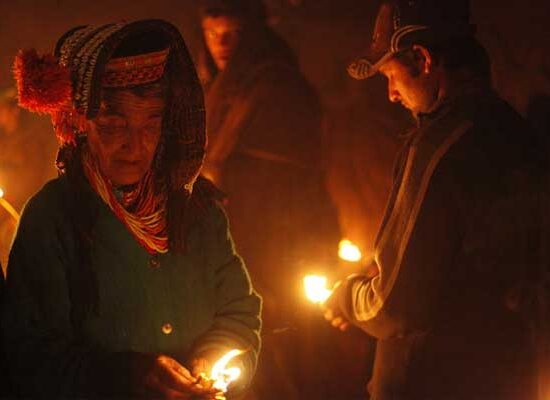
 

gallery

Frequently Asked Questions

Will we fly to the mountains from Islamabad?

This will depend on your specific itinerary and your own preferences, where possible. For the standard K2 and K2 Gondogoro La and Snow Lake treks we normally schedule the flight on day 2 of your itinerary where we will fly from Islamabad to Skardu. This is a very scenic flight, if the weather is clear you will be able to get amazing mountain views including the 9th highest mountain in the world, Nanga Parbat. When the weather is bad the flight to Skardu might get cancelled, if this happens we will drive in 2 days from Islamabad to Skardu with an overnight stay halfway. There will always be a contingency day in your itinerary to cover for this delay.
Is it safe to travel in Pakistan?

It is a fair question to ask as we know that most of the news from Pakistan is not so positive, but the image which people have abroad is far from the reality. Although there have been valid reasons for people to consider Pakistan as not very safe, a lot has changed in recent years. The security situation has improved dramatically and the government has been making efforts to promote tourism and facilitate travel. When you visit you will notice immiediately that Pakistanis are very hospitable people, they are eager to get to know you and often will invite you in their home. Pakistan is a huge country, we only offer tours and treks to areas which we deem safe. We currently don’t recommend to travel to the border region with Afghanistan and certain parts of Balochistan but most other places can be visited without any problem. If you prefer to start with the safest region then we would recommend Gilgit-Baltistan in the north, the people here largely depend on tourism for their income and have been warmly welcoming foreign tourist for many years.

How long in advance do I need to apply for my visa?

If you have to apply for a standard tourist visa then 1 month in advance should be sufficient – in most cases you will receive your visa within a few days / a week – you should not apply more than 3 months in advance. If you have to apply for a trekking visa then you will need to be prepared for a longer processing time, we recommend to apply 3 to 2 months in advance.

Can I rent trekking gear from you?

Yes, it is possible to rent certain items from us or we will put you in contact with a trusted local supplier who can provide you with the things you need. Some of the standard gear which we can arrange are crampons, climbing belts, ice axes and climbing helmets.

What kind of travel insurance do I need?

This will depend on the type of tour that you are planning. Please make sure to consult your travel insurance before your trip to make sure you have proper coverage for your tour and the activities you will undertake. Especially when you go on a trek it is important to have mountain emergency search and rescue / repatriation by helicopter included in your insurance package.

I'm a woman, should I wear a headscarf when I'm in Pakistan?

It is not needed to wear a headscarf, of course you may do so if you feel more comfortable. It will be good however to bring a scarf which you can wear when visiting a mosque or other religious site and or when going to a more conservative area.

Is there a recommended dress code?

Pakistan is an Islamic country and it is therefore advisable for women not to wear short skirts / tops or short trousers in public. A headscarf will come in handy for women when they visit a mosque / religious site or sometimes it can be a custom in more remote / conservative areas. Dress codes for men are more lenient, though shorts are uncommon – they can be worn depending on the places you visit on a certain day (for example if you visit a mosque, sacred site or very conservative area it might be better to adjust your clothes to a more modest style – feel free to ask your guide if you are not sure). If you are going on a trek you can wear shorts without any problems.

Can I visit Pakistan in winter?

Yes, you defintely can. The south of Pakistan is actually the best to be visited in the winter as it will be way too hot in the summer. Also the north has great options, you can go skiing or make a nice winter hike. Some passes in the north will be closed due to snow which means we will have to adjust certain itineraries but there are enough places which you can visit. Please don’t hesitate to inquire about the possibilities.

Do I need a visa for this trip?

For all trips to Pakistan you will require a visa, depending on the the type of tour you will either need a standard tourist visa or a trekking visa. Our sales team will provide you with all the necessary information as well as a visa invitation letter and related supporting documents after you have booked your tour with us.

How much price about tour & travels

Lorem ipsum dolor sit amet, utinam munere antiopam vel ad. Qui eros iusto te. Nec ad feugiat honestatis. Quo illum detraxit an. Ius eius quodsi molestiae at, nostrum definitiones his cu. Discere referrentur mea id, an pri novum possim deterruisset. Eum oratio reprehendunt cu. Nec te quem assum postea.

Who will meet me on arrival?

An Adventure Pakistan representative will meet you at the airport and will bring you to your hotel.

Where do I fly to for this trip?

You will fly roundtrip to Islamabad, Pakistan.

Do I need to bring my own sleeping bag and pad for this trip?

Yes. You will need to bring your own sleeping bag, for the K2 treks and Snow Lake trek during the main summer season we recommend it to be suitable for temperatures up to minus 10 degrees Celsius / 15 Fahrenheit. It is also advisable to bring your own sleeping pad for comfort, please kindly keep in mind that on many days you will be sleeping on rock / snow / ice. For other treks we are happy to advise you on the type of sleeping bag depending on the season and location.

Will I have Wi-Fi on the trip?

Yes. You will have Wi-Fi in your hotel in Islamabad and Skardu, during the K2 trek there will be limited connectivity at Concordia. If you like we can also arrange a local SIM card for you with a mobile data package so that you can stay in touch more easily with your loved ones.

Why does Adventure Pakistan cost more than other companies?

We know that you will be able to find cheaper tour options but there are big differences in some of the services being offered. Most important to us is that all our clients have a safe and the greatest trip ever but also that our staff and supporting partners are paid fairly for all their hard work and big efforts. We do not compromise on safety, this means that we only work with experienced guides / supporting staff and drivers and that all vehicles and materials which we use during our treks and tours are of high quality and kept well maintained. You will always sleep in clean & safe accommodations / have proper camping gear and we inform you in advance at which hotels or guesthouses you will be staying so that you won’t have any suprises afterwards. We pay great attention to detail while preparing your trip so that you get the best possible & most enjoyable experience taking into account any special requirements you may have or assistance you would need, you can share your specific interests, fitness and experience level, dietary requirements etc. and we take care of the rest. Our staff is our key assest, we take great pride in having an incredible team of very experienced, very kind and caring guides and other supporting staff who will provide you with the best memories. Something we are known for during our treks is the excellent food which is being prepared by our cooking team, we don’t skimp on this as we know that good, tasty and varied food is vital during a trek. You will be looking forward to your meals each day this is something we can guarantee! One of the last things we would like to highlight is our network – we have a very extensive network all over Pakistan this means that if there is any problem during your trip we are able to respond adequatly, without any delay. Besides having a good network we also have many years of experience – we know what to do and whom to contact, our team carries out emergency and rescue operations for international insurance companies each year so you can rest assured that you will be in good hands.

Will we fly to the mountains from Islamabad?

This will depend on your specific itinerary and your own preferences, where possible. For the standard K2 and K2 Gondogoro La and Snow Lake treks we normally schedule the flight on day 2 of your itinerary where we will fly from Islamabad to Skardu. This is a very scenic flight, if the weather is clear you will be able to get amazing mountain views including the 9th highest mountain in the world, Nanga Parbat. When the weather is bad the flight to Skardu might get cancelled, if this happens we will drive in 2 days from Islamabad to Skardu with an overnight stay halfway. There will always be a contingency day in your itinerary to cover for this delay.

Is it safe to travel in Pakistan?

It is a fair question to ask as we know that most of the news from Pakistan is not so positive, but the image which people have abroad is far from the reality. Although there have been valid reasons for people to consider Pakistan as not very safe, a lot has changed in recent years. The security situation has improved dramatically and the government has been making efforts to promote tourism and facilitate travel. When you visit you will notice immiediately that Pakistanis are very hospitable people, they are eager to get to know you and often will invite you in their home. Pakistan is a huge country, we only offer tours and treks to areas which we deem safe. We currently don’t recommend to travel to the border region with Afghanistan and certain parts of Balochistan but most other places can be visited without any problem. If you prefer to start with the safest region then we would recommend Gilgit-Baltistan in the north, the people here largely depend on tourism for their income and have been warmly welcoming foreign tourist for many years.

How long in advance do I need to apply for my visa?

If you have to apply for a standard tourist visa then 1 month in advance should be sufficient – in most cases you will receive your visa within a few days / a week – you should not apply more than 3 months in advance. If you have to apply for a trekking visa then you will need to be prepared for a longer processing time, we recommend to apply 3 to 2 months in advance.

Can I rent trekking gear from you?

Yes, it is possible to rent certain items from us or we will put you in contact with a trusted local supplier who can provide you with the things you need. Some of the standard gear which we can arrange are crampons, climbing belts, ice axes and climbing helmets.

What kind of travel insurance do I need?

This will depend on the type of tour that you are planning. Please make sure to consult your travel insurance before your trip to make sure you have proper coverage for your tour and the activities you will undertake. Especially when you go on a trek it is important to have mountain emergency search and rescue / repatriation by helicopter included in your insurance package.

I'm a woman, should I wear a headscarf when I'm in Pakistan?

It is not needed to wear a headscarf, of course you may do so if you feel more comfortable. It will be good however to bring a scarf which you can wear when visiting a mosque or other religious site and or when going to a more conservative area.

Is there a recommended dress code?

Pakistan is an Islamic country and it is therefore advisable for women not to wear short skirts / tops or short trousers in public. A headscarf will come in handy for women when they visit a mosque / religious site or sometimes it can be a custom in more remote / conservative areas. Dress codes for men are more lenient, though shorts are uncommon – they can be worn depending on the places you visit on a certain day (for example if you visit a mosque, sacred site or very conservative area it might be better to adjust your clothes to a more modest style – feel free to ask your guide if you are not sure). If you are going on a trek you can wear shorts without any problems.

Can I visit Pakistan in winter?

Yes, you defintely can. The south of Pakistan is actually the best to be visited in the winter as it will be way too hot in the summer. Also the north has great options, you can go skiing or make a nice winter hike. Some passes in the north will be closed due to snow which means we will have to adjust certain itineraries but there are enough places which you can visit. Please don’t hesitate to inquire about the possibilities.

Do I need a visa for this trip?

For all trips to Pakistan you will require a visa, depending on the the type of tour you will either need a standard tourist visa or a trekking visa. Our sales team will provide you with all the necessary information as well as a visa invitation letter and related supporting documents after you have booked your tour with us.

How much price about tour & travels

Lorem ipsum dolor sit amet, utinam munere antiopam vel ad. Qui eros iusto te. Nec ad feugiat honestatis. Quo illum detraxit an. Ius eius quodsi molestiae at, nostrum definitiones his cu. Discere referrentur mea id, an pri novum possim deterruisset. Eum oratio reprehendunt cu. Nec te quem assum postea.

Who will meet me on arrival?

An Adventure Pakistan representative will meet you at the airport and will bring you to your hotel.

Where do I fly to for this trip?

You will fly roundtrip to Islamabad, Pakistan.

Do I need to bring my own sleeping bag and pad for this trip?

Yes. You will need to bring your own sleeping bag, for the K2 treks and Snow Lake trek during the main summer season we recommend it to be suitable for temperatures up to minus 10 degrees Celsius / 15 Fahrenheit. It is also advisable to bring your own sleeping pad for comfort, please kindly keep in mind that on many days you will be sleeping on rock / snow / ice. For other treks we are happy to advise you on the type of sleeping bag depending on the season and location.

Will I have Wi-Fi on the trip?

Yes. You will have Wi-Fi in your hotel in Islamabad and Skardu, during the K2 trek there will be limited connectivity at Concordia. If you like we can also arrange a local SIM card for you with a mobile data package so that you can stay in touch more easily with your loved ones.

Why does Adventure Pakistan cost more than other companies?

We know that you will be able to find cheaper tour options but there are big differences in some of the services being offered. Most important to us is that all our clients have a safe and the greatest trip ever but also that our staff and supporting partners are paid fairly for all their hard work and big efforts. We do not compromise on safety, this means that we only work with experienced guides / supporting staff and drivers and that all vehicles and materials which we use during our treks and tours are of high quality and kept well maintained. You will always sleep in clean & safe accommodations / have proper camping gear and we inform you in advance at which hotels or guesthouses you will be staying so that you won’t have any suprises afterwards. We pay great attention to detail while preparing your trip so that you get the best possible & most enjoyable experience taking into account any special requirements you may have or assistance you would need, you can share your specific interests, fitness and experience level, dietary requirements etc. and we take care of the rest. Our staff is our key assest, we take great pride in having an incredible team of very experienced, very kind and caring guides and other supporting staff who will provide you with the best memories. Something we are known for during our treks is the excellent food which is being prepared by our cooking team, we don’t skimp on this as we know that good, tasty and varied food is vital during a trek. You will be looking forward to your meals each day this is something we can guarantee! One of the last things we would like to highlight is our network – we have a very extensive network all over Pakistan this means that if there is any problem during your trip we are able to respond adequatly, without any delay. Besides having a good network we also have many years of experience – we know what to do and whom to contact, our team carries out emergency and rescue operations for international insurance companies each year so you can rest assured that you will be in good hands.

REPORTS & REVIEWS

4.47/5
Wonderful
3 verified reviews
Quality 4.67/5
Location 4.67/5
Amenities 4/5
Services 5/5
Price 4/5

Add a Review

Best Season

Level

Frequently Asked Questions

Will we fly to the mountains from Islamabad?

This will depend on your specific itinerary and your own preferences, where possible. For the standard K2 and K2 Gondogoro La and Snow Lake treks we normally schedule the flight on day 2 of your itinerary where we will fly from Islamabad to Skardu. This is a very scenic flight, if the weather is clear you will be able to get amazing mountain views including the 9th highest mountain in the world, Nanga Parbat. When the weather is bad the flight to Skardu might get cancelled, if this happens we will drive in 2 days from Islamabad to Skardu with an overnight stay halfway. There will always be a contingency day in your itinerary to cover for this delay.

Is it safe to travel in Pakistan?

It is a fair question to ask as we know that most of the news from Pakistan is not so positive, but the image which people have abroad is far from the reality. Although there have been valid reasons for people to consider Pakistan as not very safe, a lot has changed in recent years. The security situation has improved dramatically and the government has been making efforts to promote tourism and facilitate travel. When you visit you will notice immiediately that Pakistanis are very hospitable people, they are eager to get to know you and often will invite you in their home. Pakistan is a huge country, we only offer tours and treks to areas which we deem safe. We currently don’t recommend to travel to the border region with Afghanistan and certain parts of Balochistan but most other places can be visited without any problem. If you prefer to start with the safest region then we would recommend Gilgit-Baltistan in the north, the people here largely depend on tourism for their income and have been warmly welcoming foreign tourist for many years.

How long in advance do I need to apply for my visa?

If you have to apply for a standard tourist visa then 1 month in advance should be sufficient – in most cases you will receive your visa within a few days / a week – you should not apply more than 3 months in advance. If you have to apply for a trekking visa then you will need to be prepared for a longer processing time, we recommend to apply 3 to 2 months in advance.

Can I rent trekking gear from you?

Yes, it is possible to rent certain items from us or we will put you in contact with a trusted local supplier who can provide you with the things you need. Some of the standard gear which we can arrange are crampons, climbing belts, ice axes and climbing helmets.

What kind of travel insurance do I need?

This will depend on the type of tour that you are planning. Please make sure to consult your travel insurance before your trip to make sure you have proper coverage for your tour and the activities you will undertake. Especially when you go on a trek it is important to have mountain emergency search and rescue / repatriation by helicopter included in your insurance package.

I'm a woman, should I wear a headscarf when I'm in Pakistan?

It is not needed to wear a headscarf, of course you may do so if you feel more comfortable. It will be good however to bring a scarf which you can wear when visiting a mosque or other religious site and or when going to a more conservative area.

Is there a recommended dress code?

Pakistan is an Islamic country and it is therefore advisable for women not to wear short skirts / tops or short trousers in public. A headscarf will come in handy for women when they visit a mosque / religious site or sometimes it can be a custom in more remote / conservative areas. Dress codes for men are more lenient, though shorts are uncommon – they can be worn depending on the places you visit on a certain day (for example if you visit a mosque, sacred site or very conservative area it might be better to adjust your clothes to a more modest style – feel free to ask your guide if you are not sure). If you are going on a trek you can wear shorts without any problems.

Can I visit Pakistan in winter?

Yes, you defintely can. The south of Pakistan is actually the best to be visited in the winter as it will be way too hot in the summer. Also the north has great options, you can go skiing or make a nice winter hike. Some passes in the north will be closed due to snow which means we will have to adjust certain itineraries but there are enough places which you can visit. Please don’t hesitate to inquire about the possibilities.

Do I need a visa for this trip?

For all trips to Pakistan you will require a visa, depending on the the type of tour you will either need a standard tourist visa or a trekking visa. Our sales team will provide you with all the necessary information as well as a visa invitation letter and related supporting documents after you have booked your tour with us.

How much price about tour & travels

Lorem ipsum dolor sit amet, utinam munere antiopam vel ad. Qui eros iusto te. Nec ad feugiat honestatis. Quo illum detraxit an. Ius eius quodsi molestiae at, nostrum definitiones his cu. Discere referrentur mea id, an pri novum possim deterruisset. Eum oratio reprehendunt cu. Nec te quem assum postea.

Who will meet me on arrival?

An Adventure Pakistan representative will meet you at the airport and will bring you to your hotel.

Where do I fly to for this trip?

You will fly roundtrip to Islamabad, Pakistan.

Do I need to bring my own sleeping bag and pad for this trip?

Yes. You will need to bring your own sleeping bag, for the K2 treks and Snow Lake trek during the main summer season we recommend it to be suitable for temperatures up to minus 10 degrees Celsius / 15 Fahrenheit. It is also advisable to bring your own sleeping pad for comfort, please kindly keep in mind that on many days you will be sleeping on rock / snow / ice. For other treks we are happy to advise you on the type of sleeping bag depending on the season and location.

Will I have Wi-Fi on the trip?

Yes. You will have Wi-Fi in your hotel in Islamabad and Skardu, during the K2 trek there will be limited connectivity at Concordia. If you like we can also arrange a local SIM card for you with a mobile data package so that you can stay in touch more easily with your loved ones.

Why does Adventure Pakistan cost more than other companies?

We know that you will be able to find cheaper tour options but there are big differences in some of the services being offered. Most important to us is that all our clients have a safe and the greatest trip ever but also that our staff and supporting partners are paid fairly for all their hard work and big efforts. We do not compromise on safety, this means that we only work with experienced guides / supporting staff and drivers and that all vehicles and materials which we use during our treks and tours are of high quality and kept well maintained. You will always sleep in clean & safe accommodations / have proper camping gear and we inform you in advance at which hotels or guesthouses you will be staying so that you won’t have any suprises afterwards. We pay great attention to detail while preparing your trip so that you get the best possible & most enjoyable experience taking into account any special requirements you may have or assistance you would need, you can share your specific interests, fitness and experience level, dietary requirements etc. and we take care of the rest. Our staff is our key assest, we take great pride in having an incredible team of very experienced, very kind and caring guides and other supporting staff who will provide you with the best memories. Something we are known for during our treks is the excellent food which is being prepared by our cooking team, we don’t skimp on this as we know that good, tasty and varied food is vital during a trek. You will be looking forward to your meals each day this is something we can guarantee! One of the last things we would like to highlight is our network – we have a very extensive network all over Pakistan this means that if there is any problem during your trip we are able to respond adequatly, without any delay. Besides having a good network we also have many years of experience – we know what to do and whom to contact, our team carries out emergency and rescue operations for international insurance companies each year so you can rest assured that you will be in good hands.

SIMILAR Tours

error: Content is protected !!