
Nanga Parbat Expedition (8126m)
Tour Category
Group Size
Duration
From
OVERVIEW & ITINERARY
Nanga Parbat Expedition with Adventure Pakistan
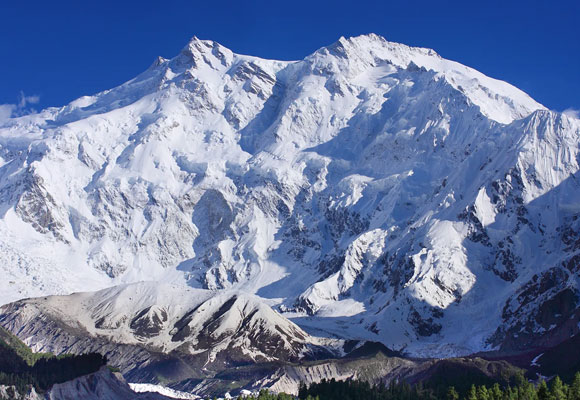
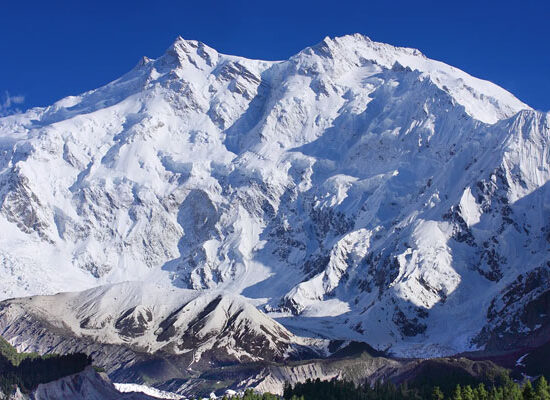
Nanga Parbat, the ninth-highest mountain in the world, rising majestically to 8,126 meters, is one of the most challenging and thrilling expeditions in the Karakoram range of Pakistan. Known as the “Killer Mountain” due to its steep faces and notorious weather, this expedition attracts elite mountaineers, adventure enthusiasts, and high-altitude climbers from around the globe. Adventure Pakistan offers a comprehensive Nanga Parbat expedition package that ensures safety, full support, and an unforgettable high-altitude climbing experience.
Overview of Nanga Parbat Expedition
The Nanga Parbat expedition is not only a test of physical endurance but also a journey through some of the most stunning landscapes of Pakistan. The climb begins from the picturesque town of Gilgit, leading to the base camp located in the Diamer district. Adventure Pakistan provides a full-service expedition including base camp setup, logistical support, high-quality gear, and full board services throughout the journey. Climbers experience a meticulously planned expedition that balances acclimatization, trekking, and summit attempts, ensuring optimal safety and high chances of success.
This expedition is designed for serious climbers seeking to conquer one of the world’s most formidable 8000-meter peaks. Adventure Pakistan emphasizes proper acclimatization schedules, route planning, and team coordination. Participants receive detailed briefings on weather patterns, climbing techniques, and emergency protocols, all integrated seamlessly into the journey to Nanga Parbat.
Why Choose Adventure Pakistan for Nanga Parbat Expedition
Adventure Pakistan has established itself as a leading operator for high-altitude expeditions in Pakistan. With years of experience, a team of certified mountaineers, and strong local partnerships, Adventure Pakistan ensures that climbers receive unparalleled support from the moment they arrive in Pakistan until their safe return. Their Nanga Parbat expedition package includes:
Base camp services with fully equipped tents, medical facilities, and expert guides who provide daily route updates. Full board services including nutritious meals specifically designed for high-altitude energy requirements. Logistics support including transport of equipment, liaison with local authorities, and weather monitoring. Pre-expedition training sessions and guidance on technical climbing skills, ice climbing, and snow navigation.
Adventure Pakistan ensures that every aspect of the Nanga Parbat expedition is covered, providing climbers with confidence and peace of mind while facing one of the most challenging summits on Earth.
Detailed Expedition Plan
The 45-day Nanga Parbat expedition begins with arrival in Islamabad, where climbers meet the Adventure Pakistan team for orientation and gear checks. After a briefing on high-altitude climbing techniques and safety protocols, participants travel to Gilgit, enjoying breathtaking scenery along the Karakoram Highway. The journey through the Hunza Valley offers views of towering peaks, glacial rivers, and traditional mountain villages. Climbers spend a day in Gilgit for final preparations, acquiring local supplies, and adjusting to the first hints of altitude.
From Gilgit, the expedition moves towards the base camp area near the Raikot Glacier. Trekking through rugged terrain, participants navigate river crossings, rocky trails, and small villages. This segment provides essential acclimatization, allowing climbers to gradually adjust to increasing altitude while observing local culture. The Adventure Pakistan team sets up intermediate camps, offering rest points, warm meals, and guidance on trekking protocols. Each day of the trek is planned to ensure gradual ascent, minimizing the risk of altitude sickness.
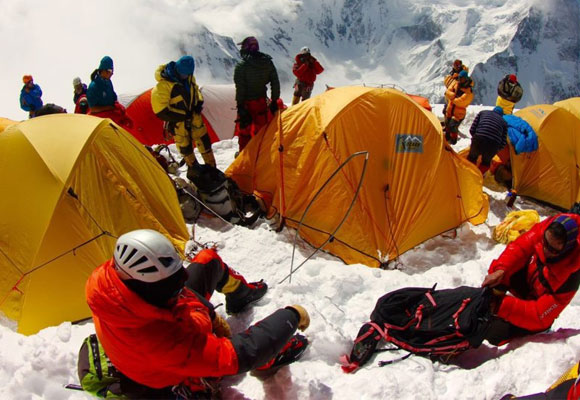
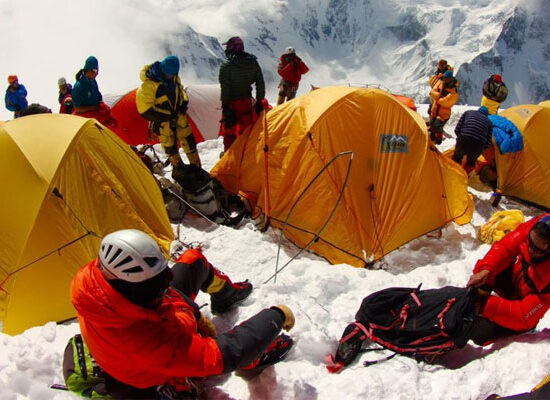
Upon reaching the Nanga Parbat base camp, climbers settle into well-organized tents with sleeping facilities, communication equipment, and medical support. Base camp services include daily briefing sessions on weather forecasts, route updates, and summit strategies. The full board services ensure climbers receive high-calorie meals, hydration solutions, and snacks to maintain energy levels. Acclimatization rotations begin from the base camp, where climbers gradually ascend to higher camps and return to base camp, preparing their bodies for the final summit push.
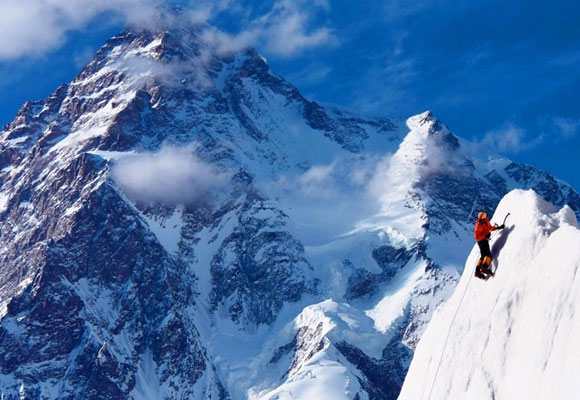
The expedition includes a series of camps along the route, each strategically placed to balance climbing challenges with rest. Adventure Pakistan guides monitor climbers’ health, oxygen levels, and readiness for higher camps. Safety is paramount, and climbers are encouraged to follow acclimatization protocols strictly. The team provides advice on technical sections, crevasse navigation, and ice climbing, all essential for the steep slopes of Nanga Parbat.
Weather on Nanga Parbat is unpredictable, with sudden snowstorms and strong winds. Adventure Pakistan continuously monitors meteorological data to determine the safest windows for summit attempts. Climbers are trained to recognize early signs of frostbite, altitude sickness, and dehydration. These precautions ensure that each participant has the maximum chance of reaching the summit safely. The climb demands not only physical strength but also mental resilience, and Adventure Pakistan supports climbers through motivation, strategy sessions, and expert guidance.
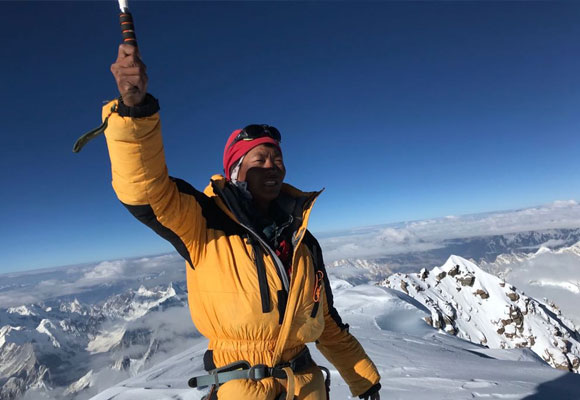
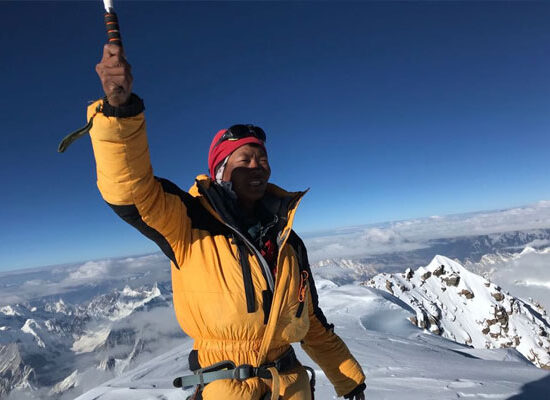
The summit day is the pinnacle of the Nanga Parbat expedition. Climbers start early, navigating steep snow slopes, ice sections, and rocky ridges. Adventure Pakistan guides lead the ascent, ensuring safety lines, ropes, and fixed anchors are in place. Once at the summit, participants are rewarded with awe-inspiring panoramic views of the Karakoram range, witnessing peaks like Rakaposhi and Gasherbrum from above. The descent is carefully managed to prevent fatigue-related accidents, and climbers return to base camp to recover.
After the summit, the expedition focuses on safe descent and return to Gilgit. Adventure Pakistan provides debriefing sessions, celebrating achievements, and offering advice for future high-altitude expeditions. Participants have the opportunity to explore nearby valleys, interact with local communities, and document their journey. The expedition concludes with a return to Islamabad, where climbers depart for home with a sense of accomplishment, memories of one of the most iconic mountains, and the assurance of a professionally managed expedition experience.
Base Camp Life and Acclimatization
Life at Nanga Parbat base camp is both challenging and rewarding. Adventure Pakistan ensures that the base camp is fully equipped with sturdy tents, cooking facilities, sanitation, and medical support. Climbers experience a structured routine, beginning with morning briefings and weather updates, followed by guided acclimatization walks or short climbs. These acclimatization rotations are essential for preparing the body to endure the extreme altitude of the higher camps. Adventure Pakistan carefully schedules these rotations to minimize the risk of altitude sickness while maximizing physical adaptation to the rarefied air.
During this period, climbers have the opportunity to bond with fellow expedition members, share experiences, and learn from the seasoned mountaineers accompanying the team. Adventure Pakistan’s professional guides emphasize teamwork, as climbing Nanga Parbat is not just a personal challenge but a coordinated group effort. Meals are prepared to maintain energy and stamina, with high-calorie options, warm soups, and electrolyte-rich drinks, all tailored for high-altitude endurance. The full board service ensures climbers are well-nourished, hydrated, and rested in preparation for demanding days ahead.
Climbing Strategy and Route Planning
Successfully summiting Nanga Parbat requires meticulous planning and execution. Adventure Pakistan’s approach combines technical expertise with local knowledge. The team maps out routes to higher camps, considering factors such as snow conditions, avalanche risk, crevasse patterns, and weather forecasts. Climbers are briefed on every stage of the ascent, learning the safest paths, ice climbing techniques, and strategies to conserve energy during steep sections.
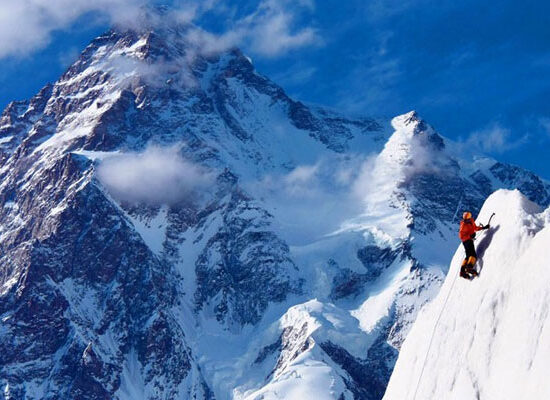
The expedition follows a series of camps that allow climbers to gradually ascend the mountain while returning to base camp for rest. This method, often referred to as “climb high, sleep low,” is a proven technique to acclimatize efficiently. Adventure Pakistan guides monitor oxygen levels, heart rates, and signs of altitude sickness to ensure climbers remain healthy and safe. Technical training on using crampons, ice axes, and fixed ropes is conducted at each camp, helping participants gain confidence on the steep, icy slopes.
Weather Challenges and Safety Measures
One of the most critical aspects of a Nanga Parbat expedition is adapting to unpredictable weather conditions. Sudden snowstorms, high winds, and freezing temperatures are common, even in the summer season. Adventure Pakistan constantly monitors weather forecasts from local meteorological stations and satellite data to identify safe climbing windows. Climbers are trained to recognize signs of hypothermia, frostbite, and dehydration. The guides implement strict safety protocols, including turning back when conditions are unsafe, ensuring that the health and safety of participants are always the top priority.
Emergency protocols are in place for every stage of the expedition. High-altitude medical kits, portable oxygen cylinders, and communication devices are provided at base camp and each higher camp. Adventure Pakistan emphasizes a proactive approach to safety, educating climbers on self-rescue techniques, rope handling, and navigation in whiteout conditions. These measures reduce risks and provide climbers with confidence, enabling them to focus on the challenge and excitement of climbing one of Pakistan’s 8000-meter peaks.
Local Culture and Natural Beauty
While the primary focus of the expedition is summiting Nanga Parbat, Adventure Pakistan also encourages participants to engage with the local culture and environment. The trek to base camp passes through small villages inhabited by the Diamer people, offering glimpses of traditional lifestyles, unique architecture, and local hospitality. Climbers can observe agricultural practices, interact with villagers, and understand the mountain’s spiritual significance in local folklore.
The natural beauty along the route is breathtaking. The Raikot Glacier, flowing from Nanga Parbat’s slopes, presents dramatic ice formations and glacial streams. Pine forests, alpine meadows, and snow-covered ridges create a mesmerizing backdrop for trekking and acclimatization walks. Adventure Pakistan ensures that climbers are aware of environmental conservation practices, promoting responsible trekking and minimizing ecological impact. The company advocates “leave no trace” principles, preserving the pristine mountain environment for future expeditions.
Higher Camp Rotations and Summit Attempt
As the expedition progresses, climbers undertake rotations to higher camps, gradually moving above the base camp. Adventure Pakistan strategically sets up camps with medical support, hot meals, and rest areas, making the process more comfortable despite the harsh conditions. Each rotation helps climbers’ bodies adapt to low oxygen levels, improving stamina and mental resilience for the final summit push.
Summit attempts are scheduled based on weather conditions, climber readiness, and acclimatization progress. Adventure Pakistan guides closely monitor each participant, ensuring that only climbers in optimal condition proceed. The climb to the summit involves steep snow slopes, icy ridges, and technical rock sections. Fixed ropes, ladders, and anchor points are established to enhance safety. Reaching the summit of Nanga Parbat is an extraordinary achievement, offering panoramic views of the Karakoram range, including peaks like Rakaposhi, Gasherbrum, and Diran. Adventure Pakistan ensures that the ascent is not only successful but also safe, memorable, and inspiring.
Descent and Return Journey
After summiting, the focus shifts to descending safely. Adventure Pakistan emphasizes careful pacing, using established routes, and maintaining team coordination to prevent accidents during the descent. Climbers return to base camp for rest, recovery, and celebration. The team assists in packing equipment, managing waste, and documenting the expedition for personal records and future reference.
The return journey to Gilgit offers an opportunity for reflection and exploration. Climbers may visit local markets, historical sites, and scenic viewpoints, enhancing their understanding of the region. Adventure Pakistan provides transport, accommodation, and guidance throughout this stage, ensuring a smooth and comfortable return to Islamabad. The expedition concludes with a final debriefing, recognizing individual and group achievements, and celebrating the successful Nanga Parbat expedition experience.
Expedition Highlights and Adventure Experiences
The Nanga Parbat expedition offers climbers experiences that are as remarkable as the summit itself. Adventure Pakistan ensures participants enjoy a balance of adventure, learning, and personal achievement. Highlights of the expedition include crossing the Raikot Glacier, navigating the Rakhiot Face, and witnessing breathtaking high-altitude landscapes. These moments are designed to immerse climbers in the natural beauty and raw challenge of Pakistan’s Karakoram range.
Adventure Pakistan also organizes small exploration treks around base camp and lower camps. These activities provide opportunities to photograph icefalls, towering ridges, and the ever-changing sky over the 8000 meter peaks. Participants often encounter rare wildlife, including Himalayan ibex, snow leopards (in distant sightings), and various alpine birds. Every step of the journey contributes to a unique adventure experience that combines physical endurance, mental strength, and profound appreciation for nature.
Photography and Mountaineering Documentation
One of the most rewarding aspects of the expedition is capturing the journey. Adventure Pakistan encourages climbers to document their experience, providing guidance on high-altitude photography and videography. From sunrise over Nanga Parbat’s peak to glacier landscapes and village interactions, the expedition offers endless opportunities for compelling visual stories.
Guides provide tips on handling cameras in cold temperatures, adjusting for snow glare, and framing wide-angle shots of the Karakoram mountains. Adventure Pakistan also arranges professional photography at key points for climbers who wish to preserve memories of the expedition. These photographs not only serve as personal keepsakes but also inspire others interested in K2, Nanga Parbat, and high-altitude expeditions in Pakistan.
Team Dynamics and Leadership
A successful Nanga Parbat expedition relies heavily on teamwork. Adventure Pakistan emphasizes group cohesion, assigning experienced climbers and guides to small teams. Each team member contributes to route fixing, camp setup, and logistical management. Sharing responsibilities fosters camaraderie, mutual support, and safety awareness.
Leadership within the expedition is provided by certified mountaineers who have extensive experience on 8000 meter peaks in Pakistan. These guides lead acclimatization exercises, technical training sessions, and summit strategy discussions. Their expertise allows climbers to focus on personal performance while maintaining the safety and efficiency of the team as a whole. Adventure Pakistan’s approach ensures every participant benefits from structured guidance and collaborative problem-solving.
Training, Preparation, and Equipment
Proper preparation is essential for a successful Nanga Parbat expedition. Adventure Pakistan provides detailed pre-expedition guidance on physical training, technical skills, and equipment selection. Climbers are encouraged to undertake cardiovascular training, strength conditioning, and endurance exercises to prepare their bodies for prolonged exposure to high altitudes.
Equipment preparation includes specialized high-altitude clothing, climbing gear, and safety devices. Adventure Pakistan supplies tents, cooking facilities, and medical kits at base camp and higher camps. Climbers are briefed on using ice axes, crampons, harnesses, and ropes, ensuring they are fully confident during rotations and the summit push. The company also provides checklists for personal items, nutrition, and hydration, allowing participants to focus on the climb rather than logistical challenges.
Nutrition and Full Board Services
High-altitude nutrition plays a critical role in maintaining stamina and energy. Adventure Pakistan’s full board services offer balanced meals, rich in carbohydrates, proteins, and essential vitamins. Hot meals, soups, and energy bars are provided at base camp and during rotations, helping climbers recover from physical exertion and adapt to the thin air. Hydration is also carefully monitored, with water purification systems and electrolyte solutions readily available. This comprehensive approach ensures climbers remain strong, alert, and healthy throughout the 45-day expedition.
Environmental Responsibility and Sustainability
Adventure Pakistan is committed to environmental stewardship. The company promotes sustainable mountaineering practices, including waste management, minimal environmental impact, and preservation of the fragile ecosystem around Nanga Parbat. Climbers are educated about the importance of leaving no trace, managing human waste properly, and avoiding damage to glaciers, flora, and fauna. Adventure Pakistan collaborates with local communities to ensure that expeditions support conservation efforts while providing economic benefits to the region.
Challenges and Mental Resilience
Nanga Parbat, known as the “Killer Mountain,” presents significant mental and physical challenges. Climbers face extreme cold, high winds, technical ice and rock sections, and prolonged periods at high altitude. Adventure Pakistan prepares participants to tackle these obstacles by building mental resilience, stress management techniques, and focus strategies. Guides lead motivational sessions, mindfulness exercises, and problem-solving drills to enhance psychological endurance. The support network within the team fosters confidence, reducing anxiety and enabling climbers to make sound decisions during critical moments.
Celebrating Achievements and Expedition Legacy
Completing a Nanga Parbat expedition is a life-changing accomplishment. Adventure Pakistan ensures that climbers’ achievements are celebrated at base camp with a ceremonial gathering, certificate presentation, and group photos. Participants share experiences, lessons learned, and reflections on overcoming personal limits. The expedition’s legacy extends beyond individual accomplishments, inspiring future climbers to attempt Nanga Parbat, K2, and other 8000 meter peaks in Pakistan.
Adventure Pakistan documents each expedition comprehensively, producing expedition reports, video highlights, and photo journals. These records serve as motivation for aspiring climbers and a testament to the company’s commitment to safe, professional, and unforgettable mountaineering experiences. The combination of technical guidance, safety protocols, and immersive adventure ensures that every climber returns with memories and skills that last a lifetime.
Adventure Pakistan Expertise and Services
Adventure Pakistan has extensive experience organizing high-altitude expeditions in the Karakoram range. The company offers full-service packages, including base camp setup, high-altitude logistics, guide support, medical assistance, and full board meals. Climbers benefit from meticulous planning, personalized guidance, and attention to every detail, from pre-expedition training to post-expedition transport. The company’s strong reputation in the mountaineering community guarantees a professional, safe, and enjoyable Nanga Parbat expedition experience.
Whether participants are experienced climbers attempting their first 8000 meter peak or seasoned mountaineers seeking a challenging adventure, Adventure Pakistan ensures that every expedition is carefully tailored to individual and group needs. The company’s focus on safety, comfort, and success makes it the premier choice for Nanga Parbat expeditions, reinforcing its commitment to excellence in Pakistan’s high-altitude adventure tourism sector.
Travel Logistics and Access to Nanga Parbat
Reaching Nanga Parbat requires careful planning due to its remote location in the Gilgit-Baltistan region of Pakistan. Adventure Pakistan coordinates all transportation from major cities such as Islamabad and Skardu. Most expeditions begin with a scenic drive along the Karakoram Highway, one of the world’s highest paved roads, offering breathtaking views of rivers, glaciers, and mountain peaks along the way. Travelers can also fly to Skardu for faster access to the Nanga Parbat base area. Adventure Pakistan ensures all permits, permits for high-altitude trekking, and local travel arrangements are handled, allowing climbers to focus entirely on the expedition.
Acclimatization and Health Considerations
Proper acclimatization is crucial for a successful Nanga Parbat expedition. Adventure Pakistan’s 45-day schedule is designed to gradually introduce climbers to high altitudes. Base camp rotations, rest days, and progressive climbs to higher camps minimize the risk of altitude sickness and fatigue. Guides monitor climbers’ health daily, checking oxygen saturation, pulse rate, and overall physical condition. Specialized medical kits, high-altitude oxygen cylinders, and emergency evacuation plans are in place to address any unforeseen health issues.
Climbers are encouraged to maintain hydration, eat a balanced diet, and listen to their bodies during rotations. Adventure Pakistan provides pre-expedition briefings on recognizing symptoms of altitude sickness, hypothermia, and frostbite. By combining expert guidance with a carefully designed acclimatization plan, participants can safely enjoy the adventure while maximizing their summit potential.
Weather Patterns and Seasonal Considerations
Nanga Parbat is known for unpredictable weather, which can change rapidly even during summer. Adventure Pakistan monitors regional weather forecasts and uses satellite-based alerts to plan summit attempts safely. Clear, calm weather windows are carefully chosen for rotations and the final summit push. Climbers are advised to bring layered clothing suitable for extreme cold, wind, and snow conditions. Proper gear ensures comfort and safety during sudden temperature drops and high-altitude storms.
The prime climbing season typically falls between June and August, when snow accumulation is manageable, and temperatures are relatively stable. Adventure Pakistan avoids extreme winter conditions, focusing on months that optimize safety, accessibility, and summit success rates.
Cultural Immersion and Local Experiences
An often-overlooked aspect of a Nanga Parbat expedition is the opportunity to experience local culture. The villages near Nanga Parbat are inhabited by the Balti people, who maintain traditional lifestyles shaped by mountain living. Adventure Pakistan encourages participants to interact respectfully with locals, visit markets, and experience traditional cuisine. Trekkers often witness unique architectural styles, local crafts, and traditional festivals, enriching the overall expedition experience. These interactions provide context to the environment, showing how humans have adapted to the harsh yet beautiful Karakoram landscape over centuries.
Climbing Etiquette and Environmental Responsibility
Respect for the mountain and fellow climbers is integral to every Adventure Pakistan expedition. Climbers are briefed on ethical mountaineering practices, including maintaining silence during night hours, respecting team boundaries, and adhering to leave-no-trace principles. Campsites are organized efficiently to minimize environmental impact. Human waste is properly managed, and climbers are encouraged to carry reusable containers to reduce single-use plastic. Adventure Pakistan’s commitment to environmental responsibility ensures that Nanga Parbat remains pristine for future generations while promoting safe and respectful mountaineering culture.
Safety Measures and Emergency Protocols
Safety is paramount on a Nanga Parbat expedition. Adventure Pakistan equips all camps with emergency medical kits, oxygen, communication devices, and backup routes for evacuation. Climbers receive orientation on handling avalanches, crevasse rescue, and sudden weather changes. Each participant is trained in self-rescue techniques and team-based safety drills. Guides maintain constant communication between camps, ensuring swift response to any emergency. These safety protocols significantly increase the probability of a successful and incident-free expedition, giving climbers peace of mind during their high-altitude adventure.
Gear, Equipment, and Technical Skills
A Nanga Parbat expedition requires specialized gear tailored for 8000-meter peaks. Adventure Pakistan provides a detailed checklist, including high-altitude boots, insulated jackets, climbing harnesses, helmets, crampons, and ropes. Technical skills such as ice climbing, crevasse navigation, and fixed rope ascents are taught during pre-expedition training sessions. These skills are reinforced on the mountain under the supervision of experienced guides, ensuring climbers are confident, competent, and safe during critical sections of the ascent.
Post-Expedition Recovery and Reflection
Returning from Nanga Parbat is as important as the climb itself. Adventure Pakistan organizes debriefing sessions, group reflections, and optional short treks to nearby villages for recovery. Nutritional guidance, rest, and gentle exercises help climbers recuperate after prolonged high-altitude exposure. Participants often find this period valuable for documenting their journey, reviewing photographs, and sharing experiences with fellow climbers. Adventure Pakistan emphasizes that post-expedition recovery ensures a smooth transition back to everyday life while cherishing the memories of an extraordinary adventure.
Booking and Participation Details
Adventure Pakistan offers structured packages for Nanga Parbat expeditions, including base camp services, full board options, and flexible scheduling. Climbers are required to register in advance, with deposit details and minimum participant numbers clearly outlined. The company handles all logistics, ensuring a hassle-free experience from registration to the summit attempt. By maintaining high standards in organization, safety, and comfort, Adventure Pakistan enables climbers to focus on the adventure while maximizing the likelihood of a successful summit.
Why Choose Adventure Pakistan for Nanga Parbat?
Adventure Pakistan’s expertise in high-altitude mountaineering sets it apart from other expedition providers. With years of experience organizing climbs to K2, Nanga Parbat, and other 8000-meter peaks in Pakistan, the company combines safety, technical skill, and immersive adventure. Participants benefit from meticulous planning, expert guides, comprehensive equipment, and a strong support network. Whether climbers are attempting their first 8000-meter peak or are seasoned alpinists, Adventure Pakistan delivers an unforgettable, professionally-managed expedition experience.
Your Ultimate Nanga Parbat Expedition
The Nanga Parbat expedition is a journey of endurance, exploration, and personal growth. With Adventure Pakistan’s expert guidance, climbers experience the raw beauty of the Karakoram, navigate technical ice and rock sections, and immerse themselves in local culture. From base camp rotations to the final summit push, every aspect of the 45-day expedition is designed for safety, adventure, and achievement. The combination of professional support, full board services, environmental responsibility, and cultural enrichment ensures that participants return not just with memories, but with a profound sense of accomplishment and inspiration.
For anyone seeking the ultimate adventure on one of the world’s most challenging 8000-meter peaks, the Nanga Parbat expedition with Adventure Pakistan represents the pinnacle of mountaineering excellence. Begin your journey today, secure your registration, and prepare for an expedition that will test your limits, reward your efforts, and leave you with a lifetime of memories.
ITINERARY
Your Nanga Parbat expedition begins with your arrival in Islamabad, Pakistan. Adventure Pakistan will arrange airport pickup and transfer to a comfortable hotel. You will have a briefing on the expedition, including Nanga Parbat climbing cost, route overview, and safety measures for the Karakoram expedition. Use this day to rest, acclimate, and prepare essential gear for the Nanga Parbat base camp trek.
The day is dedicated to final gear checks and acquiring any last-minute supplies. Expert guides from Adventure Pakistan will conduct a detailed session on high-altitude trekking, risk management, and the 8000 meter peaks Pakistan environment. Participants will also review acclimatization schedules and health protocols.
Begin your overland journey to Chilas via the Karakoram Highway, a scenic drive that offers spectacular views of northern Pakistan. Along the route, experience local culture and stop at landmarks. This drive also helps gradual acclimatization for the upcoming Nanga Parbat expedition.
Continue your journey north to Gilgit, the gateway to Nanga Parbat base camp trek. Adventure Pakistan provides accommodation and a briefing on trekking routes, camp setup, and altitude adaptation. Guides emphasize the Nanga Parbat climbing cost breakdown and what full board services include during the trek.
Reach Raikot Bridge and begin the initial trek toward Nanga Parbat base camp. The trail passes through dense forests and traditional villages, offering an authentic Karakoram expedition experience. Participants carry minimal load, while porters manage heavier gear.
From Tattu Village, proceed toward Fairy Meadows, enjoying iconic views of Nanga Parbat. Rest and acclimatize, then continue trekking to the lower base camp. Trail includes moderate elevation gain, glacial streams, and rocky terrains. Adventure Pakistan ensures full board services, safe camp setup, and acclimatization guidance. Climbers practice basic rope and trekking techniques for 8000 meter peaks Pakistan.
Ascend to the upper base camp over several days. Establish tents, acclimatize, and practice technical climbing routes near the base camp. Guides provide ice climbing, crevasse navigation, and glacier survival sessions. Rest days are included to ensure acclimatization and preparation for the main summit attempt. Nanga Parbat climbing cost considerations are reviewed.
Move progressively to Camp I, II, and III. The terrain becomes increasingly technical, with glacier travel and steep slopes. Climbers monitor health, practice rope management, and adapt to higher altitude. Guides emphasize hydration, pacing, and high-altitude safety protocols. Each camp includes rest and acclimatization days to prepare for summit attempt. Adventure Pakistan provides full board services, meals, and medical support.
Reach Camp IV, the final staging area before the summit. Focus is on acclimatization, technical training, and weather assessment. Rest days are flexible based on conditions. Summit strategy meetings are conducted, and climbers review safety protocols. The Nanga Parbat base camp trek experience is crucial for understanding challenges of 8000 meter peaks Pakistan.
Attempt the summit of Nanga Parbat with full guide support. After reaching the peak, carefully descend through Camps IV, III, II, and I, maintaining safety on technical terrain. Adventure Pakistan ensures meals, hydration, and monitoring during the descent. Climbers gain practical experience in high-altitude expeditions and glacier navigation.
Descend from lower base camp through Fairy Meadows and Tattu Village back to Raikot Bridge. The trail offers beautiful landscapes and local cultural experiences. Guides manage logistics, porters, and full board services.
Travel back to Gilgit, rest, and enjoy optional cultural excursions. Continue journey to Chilas for overnight stay and rest before returning to Islamabad. Expedition debriefs cover Nanga Parbat climbing cost, high-altitude safety, and lessons learned for future 8000 meter peaks Pakistan adventures.
Rest in Islamabad, sightseeing, and optional cultural tours. Conduct post-expedition debriefing, feedback sessions, and certificate distribution. Pack and prepare for departure with Adventure Pakistan support. The 45-day Nanga Parbat expedition concludes with unforgettable memories and high-altitude trekking experience.
WHAT'S INCLUDED
- ARRIVAL AND DEPARTURE: Airport - Hotel transfers – Airport (Pick Up and Drop), by private vehicle.
- ACCOMMODATION IN ISLAMABAD: 3 nights hotel in ISLAMABAD (4-star category) - single room on bed and breakfast plan.
- WELCOME DINNER: One Welcome Dinner in a tourist standard restaurant in ISLAMABAD with Office Staff.
- CARGO CLEARANCE: Assistance for cargo clearance in Pakistan’s Customs, clearance cost is subject to a charge.
- PERMIT: Expedition Royalty and a permit fee of the PAKISTAN Government to climb Nanga Parbat.
- LIAISON OFFICER: 1 Government Liaison officer with full equipment, salary, and accommodation.
- GARBAGE MANAGEMENT: Stool Shipment Transfer & Garbage Deposit fees.
- INSURANCE: Medical & Emergency rescue Insurance for all involved Nepalese / Pakistani staff during the trek and expedition.
- MAP: Trekking and climbing map.
- DUFFLE BAG: Adventure Pakistan Treks. Expedition Duffle Bag.
- MEMBER TRANSPORTATION: LAND TRANSPORTATION (MEMBERS): Drive from Islamabad to Halale via Chilas and while returning from Halale to Islamabad via Chilas, as per itinerary, along with one guide.
- EXPEDITION STUFFS TRANSPORTATION: All necessary expedition equipment transportation for all Members and Staff from Nepal to Pakistan (by air cargo) – Islamabad to Halae (by truck/jeep) and Base camp (by Porters/mules) – While returning: Base camp to Halale (by porters/mules) and Halale to Islamabad (by Truck/jeep). Based on the condition, different transportation variants may adopt.
- MEMBER LUGGAGE: Up to 60 Kg per member for personal baggage during the trek to be carried by porters or Mules.
- FOOD AND LODGING: 3 meals a day (breakfast, lunch, and dinner; including tea and coffee) along with accessible accommodation at Hotel/Lodge/TENT during the trek and at the Basecamp. Hygienic and green vegetables, meat, fruits, soft drinks, and juice will be served during the entire expedition. Well-managed base camp set up for members & Staff.
- CAMPING: All necessary logistic arrangements for Camping during the trek.
- PORTER: Porters per member up to the basecamp and from the basecamp (both ways).
- BASE CAMP STAFF: Experienced and well-trained Base Camp Cook & kitchen Helpers as required.
- BASE CAMP COOK: Pakistani well-trained professional cook for the team.
- STAFF SALARY AND ALLOWANCE: All staff & porter’s daily wages, salary, equipment, food & clothing.
- BASE CAMP TENT: Each member will have an individual box tent in Base Camp.
- BASE CAMP EQUIPMENT: Single Tent, foam mattresses and pillow per member, 1 Dinning Tent, 1 Kitchen Tent, 1 Communication tent, 1 Toilet & 1 Shower Tent, 1 Staffs Tent, 1 Tent for Nepalese base camp staff, Store tent, Tables & chairs & all necessary cooking gears.
- HEATER: Heater at base camp in each Dining and other necessary camps.
- SOLAR/GENERATOR/LIGHT: 1 Solar panel and Generator for lights at base camp, FOR battery charges, laptop, and other electronic devices.
- SATELLITE PHONE: Satellite Phone for emergency communication carried by Sherpa, also available for members (SUBJECT TO A CHARGE).
- WALKIE-TALKIE: Walkie–Talkie for communicating from Base Camp to Mountain and Mountain to Base Camp.
- PERMITS: Satellite Phone/walkie-talkie permit for all members and staff.
- CERTIFICATE: Nanga Parbat certificate issued by PAKISTANI ALPINE CLUB (after climbing Nanga Parbat successfully).
WHAT'S NOT INCLUDED
- AIR FARE : International flight airfare (from and to Islamabad).
- PAKISTAN ENTRY VISA FEE : PAKISTANI Visa fee for 90 DAYS.
- LUNCH & DINNER : Lunch & dinner during the stay in Islamabad (also in case of early return from Trekking / Expedition than the scheduled itinerary).
- EXTRA NIGHTS IN ISLAMABAD & CHILAS : Extra nights’ accommodation in Islamabad & Chilas. In case of early arrival or late departure, early return from Trekking / Expedition, or domestic flight cancellation (due to any other reason) than the scheduled itinerary.
- INSURANCE POLICY : Insurance covering both medical and high-altitude evacuation costs (for the trip cancellation, interruption, high-altitude rescue & air evacuation, medical treatment, repatriation, etc.) *Mandatory
- PERSONAL EXPENSES : Telephone Calls, Internet, Toiletries, battery recharge, hot shower, laundry, soft drinks, beers, and any Alcoholic beverages (during the trek and in Islamabad & Skardu but we will have soft drinks for members at base camp).
- PERSONAL CLIMBING EQUIPMENT : Clothing, Packing Items, Bags, Personal Medical Kit, and all kinds of Personal Trekking / Climbing Gear.
- TOILETRIES : Soaps, shampoos, toilet and tissue papers, toothpaste, and other items used to keep yourself clean.
- FILMING : Special Filming, Camera, and Drone permit fee.
- TIPS : Calculate some tips for basecamp and high camp staff – Minimum 500 USD.
- EXTRA : Any other services or activities, which are not mentioned in the itinerary and not listed in the “Cost Includes” section.
HIGHLIGHTS
Diamir Face Ascent:
Undertake the ascent via the Diamir Face, one of the most challenging and iconic routes up Nanga Parbat, renowned for its steepness and technical difficulty.
“Killer Mountain” Conquest:
Conquer the notorious “Killer Mountain,” a nickname earned due to the mountain’s high fatality rate among climbers attempting its summit.
World’s Ninth Highest Peak:
Ascend the world’s ninth-highest peak, standing tall at 8,126 meters (26,660 feet) above sea level.
Hub of Himalayan and Karakoram Ranges:
Appreciate the strategic location of Nanga Parbat, serving as a hub between the Himalayan and Karakoram mountain ranges.
Rich Climbing History:
Immerse yourself in the rich climbing history of Nanga Parbat, a mountain that has witnessed numerous expeditions and feats of human resilience.
Diverse Climbing Routes:
Choose from various climbing routes catering to different skill levels and preferences, providing options for both experienced climbers and those seeking new challenges.
Breathtaking Panoramic Views:
Enjoy panoramic views from the summit, showcasing the vastness of the surrounding mountain ranges and valleys.
Altitude Acclimatization and Base Camp Life:
Experience the gradual process of altitude acclimatization and immerse yourself in the unique culture and camaraderie of base camp life.
Remote Wilderness Exploration:
Traverse through remote wilderness, encountering pristine landscapes and unique flora and fauna as you approach the base of Nanga Parbat.
Memorable Sunrises and Sunsets:
Witness unforgettable sunrises and sunsets from the high-altitude camps, creating magical moments against the backdrop of Nanga Parbat’s towering silhouette.
NANGA PARBAT EXPEDITION DATES, COST & PACKAGES
ROUTE MAP
Nanga Parbat Expedition with Adventure Pakistan
Nanga Parbat, the ninth-highest mountain in the world, rising majestically to 8,126 meters, is one of the most challenging and thrilling expeditions in the Karakoram range of Pakistan. Known as the “Killer Mountain” due to its steep faces and notorious weather, this expedition attracts elite mountaineers, adventure enthusiasts, and high-altitude climbers from around the globe. Adventure Pakistan offers a comprehensive Nanga Parbat expedition package that ensures safety, full support, and an unforgettable high-altitude climbing experience.
Overview of Nanga Parbat Expedition
The Nanga Parbat expedition is not only a test of physical endurance but also a journey through some of the most stunning landscapes of Pakistan. The climb begins from the picturesque town of Gilgit, leading to the base camp located in the Diamer district. Adventure Pakistan provides a full-service expedition including base camp setup, logistical support, high-quality gear, and full board services throughout the journey. Climbers experience a meticulously planned expedition that balances acclimatization, trekking, and summit attempts, ensuring optimal safety and high chances of success.
This expedition is designed for serious climbers seeking to conquer one of the world’s most formidable 8000-meter peaks. Adventure Pakistan emphasizes proper acclimatization schedules, route planning, and team coordination. Participants receive detailed briefings on weather patterns, climbing techniques, and emergency protocols, all integrated seamlessly into the journey to Nanga Parbat.
Why Choose Adventure Pakistan for Nanga Parbat Expedition
Adventure Pakistan has established itself as a leading operator for high-altitude expeditions in Pakistan. With years of experience, a team of certified mountaineers, and strong local partnerships, Adventure Pakistan ensures that climbers receive unparalleled support from the moment they arrive in Pakistan until their safe return. Their Nanga Parbat expedition package includes:
Base camp services with fully equipped tents, medical facilities, and expert guides who provide daily route updates. Full board services including nutritious meals specifically designed for high-altitude energy requirements. Logistics support including transport of equipment, liaison with local authorities, and weather monitoring. Pre-expedition training sessions and guidance on technical climbing skills, ice climbing, and snow navigation.
Adventure Pakistan ensures that every aspect of the Nanga Parbat expedition is covered, providing climbers with confidence and peace of mind while facing one of the most challenging summits on Earth.
Detailed Expedition Plan
The 45-day Nanga Parbat expedition begins with arrival in Islamabad, where climbers meet the Adventure Pakistan team for orientation and gear checks. After a briefing on high-altitude climbing techniques and safety protocols, participants travel to Gilgit, enjoying breathtaking scenery along the Karakoram Highway. The journey through the Hunza Valley offers views of towering peaks, glacial rivers, and traditional mountain villages. Climbers spend a day in Gilgit for final preparations, acquiring local supplies, and adjusting to the first hints of altitude.
From Gilgit, the expedition moves towards the base camp area near the Raikot Glacier. Trekking through rugged terrain, participants navigate river crossings, rocky trails, and small villages. This segment provides essential acclimatization, allowing climbers to gradually adjust to increasing altitude while observing local culture. The Adventure Pakistan team sets up intermediate camps, offering rest points, warm meals, and guidance on trekking protocols. Each day of the trek is planned to ensure gradual ascent, minimizing the risk of altitude sickness.
Upon reaching the Nanga Parbat base camp, climbers settle into well-organized tents with sleeping facilities, communication equipment, and medical support. Base camp services include daily briefing sessions on weather forecasts, route updates, and summit strategies. The full board services ensure climbers receive high-calorie meals, hydration solutions, and snacks to maintain energy levels. Acclimatization rotations begin from the base camp, where climbers gradually ascend to higher camps and return to base camp, preparing their bodies for the final summit push.
The expedition includes a series of camps along the route, each strategically placed to balance climbing challenges with rest. Adventure Pakistan guides monitor climbers’ health, oxygen levels, and readiness for higher camps. Safety is paramount, and climbers are encouraged to follow acclimatization protocols strictly. The team provides advice on technical sections, crevasse navigation, and ice climbing, all essential for the steep slopes of Nanga Parbat.
Weather on Nanga Parbat is unpredictable, with sudden snowstorms and strong winds. Adventure Pakistan continuously monitors meteorological data to determine the safest windows for summit attempts. Climbers are trained to recognize early signs of frostbite, altitude sickness, and dehydration. These precautions ensure that each participant has the maximum chance of reaching the summit safely. The climb demands not only physical strength but also mental resilience, and Adventure Pakistan supports climbers through motivation, strategy sessions, and expert guidance.
The summit day is the pinnacle of the Nanga Parbat expedition. Climbers start early, navigating steep snow slopes, ice sections, and rocky ridges. Adventure Pakistan guides lead the ascent, ensuring safety lines, ropes, and fixed anchors are in place. Once at the summit, participants are rewarded with awe-inspiring panoramic views of the Karakoram range, witnessing peaks like Rakaposhi and Gasherbrum from above. The descent is carefully managed to prevent fatigue-related accidents, and climbers return to base camp to recover.
After the summit, the expedition focuses on safe descent and return to Gilgit. Adventure Pakistan provides debriefing sessions, celebrating achievements, and offering advice for future high-altitude expeditions. Participants have the opportunity to explore nearby valleys, interact with local communities, and document their journey. The expedition concludes with a return to Islamabad, where climbers depart for home with a sense of accomplishment, memories of one of the most iconic mountains, and the assurance of a professionally managed expedition experience.
Base Camp Life and Acclimatization
Life at Nanga Parbat base camp is both challenging and rewarding. Adventure Pakistan ensures that the base camp is fully equipped with sturdy tents, cooking facilities, sanitation, and medical support. Climbers experience a structured routine, beginning with morning briefings and weather updates, followed by guided acclimatization walks or short climbs. These acclimatization rotations are essential for preparing the body to endure the extreme altitude of the higher camps. Adventure Pakistan carefully schedules these rotations to minimize the risk of altitude sickness while maximizing physical adaptation to the rarefied air.
During this period, climbers have the opportunity to bond with fellow expedition members, share experiences, and learn from the seasoned mountaineers accompanying the team. Adventure Pakistan’s professional guides emphasize teamwork, as climbing Nanga Parbat is not just a personal challenge but a coordinated group effort. Meals are prepared to maintain energy and stamina, with high-calorie options, warm soups, and electrolyte-rich drinks, all tailored for high-altitude endurance. The full board service ensures climbers are well-nourished, hydrated, and rested in preparation for demanding days ahead.
Climbing Strategy and Route Planning
Successfully summiting Nanga Parbat requires meticulous planning and execution. Adventure Pakistan’s approach combines technical expertise with local knowledge. The team maps out routes to higher camps, considering factors such as snow conditions, avalanche risk, crevasse patterns, and weather forecasts. Climbers are briefed on every stage of the ascent, learning the safest paths, ice climbing techniques, and strategies to conserve energy during steep sections.
The expedition follows a series of camps that allow climbers to gradually ascend the mountain while returning to base camp for rest. This method, often referred to as “climb high, sleep low,” is a proven technique to acclimatize efficiently. Adventure Pakistan guides monitor oxygen levels, heart rates, and signs of altitude sickness to ensure climbers remain healthy and safe. Technical training on using crampons, ice axes, and fixed ropes is conducted at each camp, helping participants gain confidence on the steep, icy slopes.
Weather Challenges and Safety Measures
One of the most critical aspects of a Nanga Parbat expedition is adapting to unpredictable weather conditions. Sudden snowstorms, high winds, and freezing temperatures are common, even in the summer season. Adventure Pakistan constantly monitors weather forecasts from local meteorological stations and satellite data to identify safe climbing windows. Climbers are trained to recognize signs of hypothermia, frostbite, and dehydration. The guides implement strict safety protocols, including turning back when conditions are unsafe, ensuring that the health and safety of participants are always the top priority.
Emergency protocols are in place for every stage of the expedition. High-altitude medical kits, portable oxygen cylinders, and communication devices are provided at base camp and each higher camp. Adventure Pakistan emphasizes a proactive approach to safety, educating climbers on self-rescue techniques, rope handling, and navigation in whiteout conditions. These measures reduce risks and provide climbers with confidence, enabling them to focus on the challenge and excitement of climbing one of Pakistan’s 8000-meter peaks.
Local Culture and Natural Beauty
While the primary focus of the expedition is summiting Nanga Parbat, Adventure Pakistan also encourages participants to engage with the local culture and environment. The trek to base camp passes through small villages inhabited by the Diamer people, offering glimpses of traditional lifestyles, unique architecture, and local hospitality. Climbers can observe agricultural practices, interact with villagers, and understand the mountain’s spiritual significance in local folklore.
The natural beauty along the route is breathtaking. The Raikot Glacier, flowing from Nanga Parbat’s slopes, presents dramatic ice formations and glacial streams. Pine forests, alpine meadows, and snow-covered ridges create a mesmerizing backdrop for trekking and acclimatization walks. Adventure Pakistan ensures that climbers are aware of environmental conservation practices, promoting responsible trekking and minimizing ecological impact. The company advocates “leave no trace” principles, preserving the pristine mountain environment for future expeditions.
Higher Camp Rotations and Summit Attempt
As the expedition progresses, climbers undertake rotations to higher camps, gradually moving above the base camp. Adventure Pakistan strategically sets up camps with medical support, hot meals, and rest areas, making the process more comfortable despite the harsh conditions. Each rotation helps climbers’ bodies adapt to low oxygen levels, improving stamina and mental resilience for the final summit push.
Summit attempts are scheduled based on weather conditions, climber readiness, and acclimatization progress. Adventure Pakistan guides closely monitor each participant, ensuring that only climbers in optimal condition proceed. The climb to the summit involves steep snow slopes, icy ridges, and technical rock sections. Fixed ropes, ladders, and anchor points are established to enhance safety. Reaching the summit of Nanga Parbat is an extraordinary achievement, offering panoramic views of the Karakoram range, including peaks like Rakaposhi, Gasherbrum, and Diran. Adventure Pakistan ensures that the ascent is not only successful but also safe, memorable, and inspiring.
Descent and Return Journey
After summiting, the focus shifts to descending safely. Adventure Pakistan emphasizes careful pacing, using established routes, and maintaining team coordination to prevent accidents during the descent. Climbers return to base camp for rest, recovery, and celebration. The team assists in packing equipment, managing waste, and documenting the expedition for personal records and future reference.
The return journey to Gilgit offers an opportunity for reflection and exploration. Climbers may visit local markets, historical sites, and scenic viewpoints, enhancing their understanding of the region. Adventure Pakistan provides transport, accommodation, and guidance throughout this stage, ensuring a smooth and comfortable return to Islamabad. The expedition concludes with a final debriefing, recognizing individual and group achievements, and celebrating the successful Nanga Parbat expedition experience.
Expedition Highlights and Adventure Experiences
The Nanga Parbat expedition offers climbers experiences that are as remarkable as the summit itself. Adventure Pakistan ensures participants enjoy a balance of adventure, learning, and personal achievement. Highlights of the expedition include crossing the Raikot Glacier, navigating the Rakhiot Face, and witnessing breathtaking high-altitude landscapes. These moments are designed to immerse climbers in the natural beauty and raw challenge of Pakistan’s Karakoram range.
Adventure Pakistan also organizes small exploration treks around base camp and lower camps. These activities provide opportunities to photograph icefalls, towering ridges, and the ever-changing sky over the 8000 meter peaks. Participants often encounter rare wildlife, including Himalayan ibex, snow leopards (in distant sightings), and various alpine birds. Every step of the journey contributes to a unique adventure experience that combines physical endurance, mental strength, and profound appreciation for nature.
Photography and Mountaineering Documentation
One of the most rewarding aspects of the expedition is capturing the journey. Adventure Pakistan encourages climbers to document their experience, providing guidance on high-altitude photography and videography. From sunrise over Nanga Parbat’s peak to glacier landscapes and village interactions, the expedition offers endless opportunities for compelling visual stories.
Guides provide tips on handling cameras in cold temperatures, adjusting for snow glare, and framing wide-angle shots of the Karakoram mountains. Adventure Pakistan also arranges professional photography at key points for climbers who wish to preserve memories of the expedition. These photographs not only serve as personal keepsakes but also inspire others interested in K2, Nanga Parbat, and high-altitude expeditions in Pakistan.
Team Dynamics and Leadership
A successful Nanga Parbat expedition relies heavily on teamwork. Adventure Pakistan emphasizes group cohesion, assigning experienced climbers and guides to small teams. Each team member contributes to route fixing, camp setup, and logistical management. Sharing responsibilities fosters camaraderie, mutual support, and safety awareness.
Leadership within the expedition is provided by certified mountaineers who have extensive experience on 8000 meter peaks in Pakistan. These guides lead acclimatization exercises, technical training sessions, and summit strategy discussions. Their expertise allows climbers to focus on personal performance while maintaining the safety and efficiency of the team as a whole. Adventure Pakistan’s approach ensures every participant benefits from structured guidance and collaborative problem-solving.
Training, Preparation, and Equipment
Proper preparation is essential for a successful Nanga Parbat expedition. Adventure Pakistan provides detailed pre-expedition guidance on physical training, technical skills, and equipment selection. Climbers are encouraged to undertake cardiovascular training, strength conditioning, and endurance exercises to prepare their bodies for prolonged exposure to high altitudes.
Equipment preparation includes specialized high-altitude clothing, climbing gear, and safety devices. Adventure Pakistan supplies tents, cooking facilities, and medical kits at base camp and higher camps. Climbers are briefed on using ice axes, crampons, harnesses, and ropes, ensuring they are fully confident during rotations and the summit push. The company also provides checklists for personal items, nutrition, and hydration, allowing participants to focus on the climb rather than logistical challenges.
Nutrition and Full Board Services
High-altitude nutrition plays a critical role in maintaining stamina and energy. Adventure Pakistan’s full board services offer balanced meals, rich in carbohydrates, proteins, and essential vitamins. Hot meals, soups, and energy bars are provided at base camp and during rotations, helping climbers recover from physical exertion and adapt to the thin air. Hydration is also carefully monitored, with water purification systems and electrolyte solutions readily available. This comprehensive approach ensures climbers remain strong, alert, and healthy throughout the 45-day expedition.
Environmental Responsibility and Sustainability
Adventure Pakistan is committed to environmental stewardship. The company promotes sustainable mountaineering practices, including waste management, minimal environmental impact, and preservation of the fragile ecosystem around Nanga Parbat. Climbers are educated about the importance of leaving no trace, managing human waste properly, and avoiding damage to glaciers, flora, and fauna. Adventure Pakistan collaborates with local communities to ensure that expeditions support conservation efforts while providing economic benefits to the region.
Challenges and Mental Resilience
Nanga Parbat, known as the “Killer Mountain,” presents significant mental and physical challenges. Climbers face extreme cold, high winds, technical ice and rock sections, and prolonged periods at high altitude. Adventure Pakistan prepares participants to tackle these obstacles by building mental resilience, stress management techniques, and focus strategies. Guides lead motivational sessions, mindfulness exercises, and problem-solving drills to enhance psychological endurance. The support network within the team fosters confidence, reducing anxiety and enabling climbers to make sound decisions during critical moments.
Celebrating Achievements and Expedition Legacy
Completing a Nanga Parbat expedition is a life-changing accomplishment. Adventure Pakistan ensures that climbers’ achievements are celebrated at base camp with a ceremonial gathering, certificate presentation, and group photos. Participants share experiences, lessons learned, and reflections on overcoming personal limits. The expedition’s legacy extends beyond individual accomplishments, inspiring future climbers to attempt Nanga Parbat, K2, and other 8000 meter peaks in Pakistan.
Adventure Pakistan documents each expedition comprehensively, producing expedition reports, video highlights, and photo journals. These records serve as motivation for aspiring climbers and a testament to the company’s commitment to safe, professional, and unforgettable mountaineering experiences. The combination of technical guidance, safety protocols, and immersive adventure ensures that every climber returns with memories and skills that last a lifetime.
Adventure Pakistan Expertise and Services
Adventure Pakistan has extensive experience organizing high-altitude expeditions in the Karakoram range. The company offers full-service packages, including base camp setup, high-altitude logistics, guide support, medical assistance, and full board meals. Climbers benefit from meticulous planning, personalized guidance, and attention to every detail, from pre-expedition training to post-expedition transport. The company’s strong reputation in the mountaineering community guarantees a professional, safe, and enjoyable Nanga Parbat expedition experience.
Whether participants are experienced climbers attempting their first 8000 meter peak or seasoned mountaineers seeking a challenging adventure, Adventure Pakistan ensures that every expedition is carefully tailored to individual and group needs. The company’s focus on safety, comfort, and success makes it the premier choice for Nanga Parbat expeditions, reinforcing its commitment to excellence in Pakistan’s high-altitude adventure tourism sector.
Travel Logistics and Access to Nanga Parbat
Reaching Nanga Parbat requires careful planning due to its remote location in the Gilgit-Baltistan region of Pakistan. Adventure Pakistan coordinates all transportation from major cities such as Islamabad and Skardu. Most expeditions begin with a scenic drive along the Karakoram Highway, one of the world’s highest paved roads, offering breathtaking views of rivers, glaciers, and mountain peaks along the way. Travelers can also fly to Skardu for faster access to the Nanga Parbat base area. Adventure Pakistan ensures all permits, permits for high-altitude trekking, and local travel arrangements are handled, allowing climbers to focus entirely on the expedition.
Acclimatization and Health Considerations
Proper acclimatization is crucial for a successful Nanga Parbat expedition. Adventure Pakistan’s 45-day schedule is designed to gradually introduce climbers to high altitudes. Base camp rotations, rest days, and progressive climbs to higher camps minimize the risk of altitude sickness and fatigue. Guides monitor climbers’ health daily, checking oxygen saturation, pulse rate, and overall physical condition. Specialized medical kits, high-altitude oxygen cylinders, and emergency evacuation plans are in place to address any unforeseen health issues.
Climbers are encouraged to maintain hydration, eat a balanced diet, and listen to their bodies during rotations. Adventure Pakistan provides pre-expedition briefings on recognizing symptoms of altitude sickness, hypothermia, and frostbite. By combining expert guidance with a carefully designed acclimatization plan, participants can safely enjoy the adventure while maximizing their summit potential.
Weather Patterns and Seasonal Considerations
Nanga Parbat is known for unpredictable weather, which can change rapidly even during summer. Adventure Pakistan monitors regional weather forecasts and uses satellite-based alerts to plan summit attempts safely. Clear, calm weather windows are carefully chosen for rotations and the final summit push. Climbers are advised to bring layered clothing suitable for extreme cold, wind, and snow conditions. Proper gear ensures comfort and safety during sudden temperature drops and high-altitude storms.
The prime climbing season typically falls between June and August, when snow accumulation is manageable, and temperatures are relatively stable. Adventure Pakistan avoids extreme winter conditions, focusing on months that optimize safety, accessibility, and summit success rates.
Cultural Immersion and Local Experiences
An often-overlooked aspect of a Nanga Parbat expedition is the opportunity to experience local culture. The villages near Nanga Parbat are inhabited by the Balti people, who maintain traditional lifestyles shaped by mountain living. Adventure Pakistan encourages participants to interact respectfully with locals, visit markets, and experience traditional cuisine. Trekkers often witness unique architectural styles, local crafts, and traditional festivals, enriching the overall expedition experience. These interactions provide context to the environment, showing how humans have adapted to the harsh yet beautiful Karakoram landscape over centuries.
Climbing Etiquette and Environmental Responsibility
Respect for the mountain and fellow climbers is integral to every Adventure Pakistan expedition. Climbers are briefed on ethical mountaineering practices, including maintaining silence during night hours, respecting team boundaries, and adhering to leave-no-trace principles. Campsites are organized efficiently to minimize environmental impact. Human waste is properly managed, and climbers are encouraged to carry reusable containers to reduce single-use plastic. Adventure Pakistan’s commitment to environmental responsibility ensures that Nanga Parbat remains pristine for future generations while promoting safe and respectful mountaineering culture.
Safety Measures and Emergency Protocols
Safety is paramount on a Nanga Parbat expedition. Adventure Pakistan equips all camps with emergency medical kits, oxygen, communication devices, and backup routes for evacuation. Climbers receive orientation on handling avalanches, crevasse rescue, and sudden weather changes. Each participant is trained in self-rescue techniques and team-based safety drills. Guides maintain constant communication between camps, ensuring swift response to any emergency. These safety protocols significantly increase the probability of a successful and incident-free expedition, giving climbers peace of mind during their high-altitude adventure.
Gear, Equipment, and Technical Skills
A Nanga Parbat expedition requires specialized gear tailored for 8000-meter peaks. Adventure Pakistan provides a detailed checklist, including high-altitude boots, insulated jackets, climbing harnesses, helmets, crampons, and ropes. Technical skills such as ice climbing, crevasse navigation, and fixed rope ascents are taught during pre-expedition training sessions. These skills are reinforced on the mountain under the supervision of experienced guides, ensuring climbers are confident, competent, and safe during critical sections of the ascent.
Post-Expedition Recovery and Reflection
Returning from Nanga Parbat is as important as the climb itself. Adventure Pakistan organizes debriefing sessions, group reflections, and optional short treks to nearby villages for recovery. Nutritional guidance, rest, and gentle exercises help climbers recuperate after prolonged high-altitude exposure. Participants often find this period valuable for documenting their journey, reviewing photographs, and sharing experiences with fellow climbers. Adventure Pakistan emphasizes that post-expedition recovery ensures a smooth transition back to everyday life while cherishing the memories of an extraordinary adventure.
Booking and Participation Details
Adventure Pakistan offers structured packages for Nanga Parbat expeditions, including base camp services, full board options, and flexible scheduling. Climbers are required to register in advance, with deposit details and minimum participant numbers clearly outlined. The company handles all logistics, ensuring a hassle-free experience from registration to the summit attempt. By maintaining high standards in organization, safety, and comfort, Adventure Pakistan enables climbers to focus on the adventure while maximizing the likelihood of a successful summit.
Why Choose Adventure Pakistan for Nanga Parbat?
Adventure Pakistan’s expertise in high-altitude mountaineering sets it apart from other expedition providers. With years of experience organizing climbs to K2, Nanga Parbat, and other 8000-meter peaks in Pakistan, the company combines safety, technical skill, and immersive adventure. Participants benefit from meticulous planning, expert guides, comprehensive equipment, and a strong support network. Whether climbers are attempting their first 8000-meter peak or are seasoned alpinists, Adventure Pakistan delivers an unforgettable, professionally-managed expedition experience.
Your Ultimate Nanga Parbat Expedition
The Nanga Parbat expedition is a journey of endurance, exploration, and personal growth. With Adventure Pakistan’s expert guidance, climbers experience the raw beauty of the Karakoram, navigate technical ice and rock sections, and immerse themselves in local culture. From base camp rotations to the final summit push, every aspect of the 45-day expedition is designed for safety, adventure, and achievement. The combination of professional support, full board services, environmental responsibility, and cultural enrichment ensures that participants return not just with memories, but with a profound sense of accomplishment and inspiration.
For anyone seeking the ultimate adventure on one of the world’s most challenging 8000-meter peaks, the Nanga Parbat expedition with Adventure Pakistan represents the pinnacle of mountaineering excellence. Begin your journey today, secure your registration, and prepare for an expedition that will test your limits, reward your efforts, and leave you with a lifetime of memories.
gallery
Frequently Asked Questions
What will the weather on the K2 Base Camp Trek be like?
The temperature will vary a lot and in general the weather is becoming more unpredictable due to climate change. The first few days of the K2 trek can be very hot around 30 degrees or even more and after that it will become cooler, in the night it can be between 10 to -10. It is of course also possible that it rains or snows. Kindly find a detailed overview below:
Islamabad:
Characterized by high humidity and potential monsoon rain occurrences.
Average Temperatures: High: 35°C / 95°F, Low: 24°C / 76°F.
Skardu:
Days range from warm to hot without humidity.
The bustling bazaar road is often dusty.
Evenings provide cooler and delightful conditions.
Possibility of wind and dust storms.
July experiences the warmest weather.
High: 23°C / 73.4°F, Low: 10°C / 50°F.
Note: Due to the heightened sun exposure in the mountains, temperatures can feel warmer than they actually are.
3,000 – 3,500 Meters:
Daytime conditions: Hot, exposed, and dusty.
Nights: Cooler, but not typically freezing.
Unlikely possibility of snow at approximately 3,500 meters.
Development of cloud cover is conceivable at any elevation.
3,500 – 4,500 Meters:
Daytime warmth persists, while mornings and evenings exhibit a chill.
Night temperatures can dip below freezing beyond 4,000 meters.
Rain, snow, and cloud cover can manifest at any juncture.
Greater presence of ice on the Baltoro Glacier.
4,500 – 5,600 Meters:
Nights encounter freezing temperatures.
Days range from cool to cold, with intermittent warm sunshine.
Continuous potential for rain, snow, and cloud cover.
The trail between Concordia and Ali Camp is likely to be covered in deep snow.
Trekking on icy and snowy surfaces from Concordia to K2 Base Camp.
Gondogoro La ascent/descent could encounter a substantial snow pack.
Coldest temperatures could dip to around -10°C / 14°F.
How fit do I need to be for the K2 Base Camp Trek?
Undertaking the K2 Base Camp Trek requires a commendable level of fitness to ensure a safe and rewarding journey. Here’s a detailed overview of what you need to consider:
Physical Preparedness: Participants are expected to be in good physical shape, capable of traversing mixed terrains for extended periods, with trekking days averaging around 5 hours and a maximum of 8 hours. It’s worth noting that we enlist the assistance of local porters and mules to carry supplies, optimizing comfort during the trek to K2.
Best Preparatory Approach: The most effective way to gear up for the K2 Base Camp Trek is no secret – it’s to engage in hiking as frequently as possible during the months leading up to the expedition.
Environmental Challenges: Although there’s no mountaineering involved, it’s imperative to be in optimal shape. The distances covered can be substantial, terrains can be demanding, and oxygen levels are lower than what you’re accustomed to. Your readiness to navigate these environmental factors is pivotal.
Physical Conditioning Essentials: Drawing parallels with preparing for other multi-day backpacking adventures, certain core aspects deserve attention:
Endurance: Building endurance is crucial to sustaining energy levels throughout the trek.
Strength: Focusing on strengthening key muscle groups such as legs, glutes, back, and joints aids in negotiating challenging terrain and minimizing injury risks.
Cardiovascular Fitness: Enhanced cardiovascular health ensures stamina for the journey.
Stability and Flexibility: Including stability exercises and post-trek stretching routines enhances agility and prevents strain.
Recommended Exercises: Incorporate a well-rounded workout routine that targets critical muscle areas.
Include exercises like squats, lunges, sled pushes, burpees, stair climbing, and step-ups. After your workouts, dedicate time to stability exercises and comprehensive stretching to enhance flexibility and alleviate muscle tension.
Conclusion: Ultimately, the extent of your fitness level will significantly influence the quality of your K2 Base Camp Trek experience. By combining endurance, strength, cardiovascular health, stability, and flexibility, you’ll be well-prepared to conquer the challenges and savor the wonders of this remarkable journey.
What will the food be like on the trek?
Breakfast: Typically includes an omelet / fried / boiled eggs, fried Pakistani bread (paratha), chappati, toast, pancakes, porridge, cereal, jam, Nutella, honey, marmalade, cheese etc + green tea / coffee / milk tea.
Lunch: unlike other trekking agencies we do not provide packed lunch instead we will have fresh lunch which includes soup, tuna fish, boiled pottatos, eggs, assorted cookies, bread, cheese, dried fruits & nuts, green tea / coffee / juice
Dinner: we start each dinner with a nice warm soup, after that there will be variation of dishes which changes each day. different vegetable dishes, varies types of meat (chicken, beef or mutton) accompanied by rice, noodles, pasta, lentils, potatoes, French fries and or chappati bread. We of course won’t forget dessert, there will be (fresh) fruit and or a type of pudding at every dinner.
Snacks: between lunch and dinner there will be a daily variation of cookies, pakora, popcorn etc. and hot beverages
Note: we will also take into account your specific dietary requirements, for example vegetarian / vegan / lactose intolerant – please don’t hesitate to contact us about the possibilities.
Will we fly to the mountains from Islamabad?
This will depend on your specific itinerary and your own preferences, where possible. For the standard K2 and K2 Gondogoro La and Snow Lake treks we normally schedule the flight on day 2 of your itinerary where we will fly from Islamabad to Skardu. This is a very scenic flight, if the weather is clear you will be able to get amazing mountain views including the 9th highest mountain in the world, Nanga Parbat. When the weather is bad the flight to Skardu might get cancelled, if this happens we will drive in 2 days from Islamabad to Skardu with an overnight stay halfway. There will always be a contingency day in your itinerary to cover for this delay.
What is the luggage allowance on the trek?
Each trekking member has a 15 kg baggage allowance. This is for your main luggage that will be carried to each camp each day of the trek. You yourself are only required to carry a small daypack while trekking – here you can put anything you might need during the day like water, energybars, sunglasses, suncream, clothing etc. If your main backpack/duffle bag weighs more than 15 kg, you will need to pay for the additional weight. Cost for additional weight will be determined on the ground as prices for porters vary by the season. For the K2 treks it is possible to leave excess luggage in our office storage room or at your hotel and pick it up at the end of the trek. Please also kindly note that the baggage allowance on the domestic flights is currently 20 kg check-in and 7 kg hand-carry.
Is there electricity on the trek?
We carry solar panels (no diesel or petrol generators to avoid noise & air pollution), so that each trekking member can charge batteries, power banks, phones, etc while on the trek.
I am a Solo Woman. Is it safe for me to join the K2 Base Camp Trek?
We have had many solo woman trekkers on our K2 base camp treks, our groups consist of a great variety of nationalities ranging from Europe, North and South America, Canada to China, Japan, South Korea, Malaysia, Australia and New Zealand with around 35 to 40% being women.
Is it safe to travel in Pakistan?
It is a fair question to ask as we know that most of the news from Pakistan is not so positive, but the image which people have abroad is far from the reality. Although there have been valid reasons for people to consider Pakistan as not very safe, a lot has changed in recent years. The security situation has improved dramatically and the government has been making efforts to promote tourism and facilitate travel. When you visit you will notice immiediately that Pakistanis are very hospitable people, they are eager to get to know you and often will invite you in their home. Pakistan is a huge country, we only offer tours and treks to areas which we deem safe. We currently don’t recommend to travel to the border region with Afghanistan and certain parts of Balochistan but most other places can be visited without any problem. If you prefer to start with the safest region then we would recommend Gilgit-Baltistan in the north, the people here largely depend on tourism for their income and have been warmly welcoming foreign tourist for many years.
Can anyone go on a trek?
Yes and no, it is your own responsibility to select a trek that is suitable for you in terms of you personal fitness level as well as experience – if you book a private trek then you have all the flexibility to customize it and for example add extra days or extra supporting staff if needed. If you book a trek with an open group then we try to only let people join who have a certain experience level. Please don’t hesitate to contact us in case you would like us to help you select the best trek for you.
Do you offer customized tours / treks?
Yes, all the tours and treks that we offer on our website can be completely customized to your own requirements. We are also happy to design a tailor-made tour for you from scratch. Just let us know your preferences, special interests, number of days you have available etc. and we will send you our personalized itinerary suggestions.
Do I need a trekking visa?
For certain types of treks you will require a trekking visa – for example all the K2 treks. If a trekking visa is required then we will inform you accordingly during your booking, there are a lot of treks which are not in a restricted area and therefore you will only need a standard tourist visa.
How long in advance do I need to apply for my visa?
If you have to apply for a standard tourist visa then 1 month in advance should be sufficient – in most cases you will receive your visa within a few days / a week – you should not apply more than 3 months in advance. If you have to apply for a trekking visa then you will need to be prepared for a longer processing time, we recommend to apply 3 to 2 months in advance.
Which gear do I need to bring on my trek?
We will provide you with a suggested packing list after you have booked your tour with us. For most treks it will be standard personal trekking gear like proper hiking boots, optional trekking poles, gaitors, sleeping bag, sleeping pad etc. For certain treks further items are advised – for example for the K2 Gondogoro La and Snow Lake treks you require crampons and a climbing belt set with carabiners and a sling so that you can clip yourself on a rope and you might want to bring a climbing helmet for sections where there can be rockfall.
Can I rent trekking gear from you?
Yes, it is possible to rent certain items from us or we will put you in contact with a trusted local supplier who can provide you with the things you need. Some of the standard gear which we can arrange are crampons, climbing belts, ice axes and climbing helmets.
What is the best time to go on a trek?
The summer period is the main trekking season in the north of Pakistan. For most treks this would be from June to September with July and August being the best months.
What happens in case of an emergency during the trek?
On each trek your guide will be in possesion of a phone and where needed (during remote treks) a sattelite phone as well as a medical aid kit. All our guides are aware of the standard emergency protocols and will contact our headoffice staff as well as the relevant authorities when needed. Before you go on a trek with us we will require your emergency contact list as well as your travel insurance details with proper coverage for emergency (helicopter) rescue in mountainous areas. Depending on the situation we will contact your insurance company and together with them will make arrangements for your repatriation. We have many years of experience with search and rescue operations and good relations with all relevant institutions including Askari Aviation for helicopter rescue operations. If you have the right insurance coverage then we will be able to initiate a helicopter rescue immidiately – please kindly note that helicopters in Pakistan always fly in pairs and availability of the helicopters depends on them not being in use on another mission as well as the weather being suitable.
What kind of travel insurance do I need?
This will depend on the type of tour that you are planning. Please make sure to consult your travel insurance before your trip to make sure you have proper coverage for your tour and the activities you will undertake. Especially when you go on a trek it is important to have mountain emergency search and rescue / repatriation by helicopter included in your insurance package.
I'm a woman, should I wear a headscarf when I'm in Pakistan?
It is not needed to wear a headscarf, of course you may do so if you feel more comfortable. It will be good however to bring a scarf which you can wear when visiting a mosque or other religious site and or when going to a more conservative area.
Is there a recommended dress code?
Pakistan is an Islamic country and it is therefore advisable for women not to wear short skirts / tops or short trousers in public. A headscarf will come in handy for women when they visit a mosque / religious site or sometimes it can be a custom in more remote / conservative areas. Dress codes for men are more lenient, though shorts are uncommon – they can be worn depending on the places you visit on a certain day (for example if you visit a mosque, sacred site or very conservative area it might be better to adjust your clothes to a more modest style – feel free to ask your guide if you are not sure). If you are going on a trek you can wear shorts without any problems.
Can I visit Pakistan in winter?
Yes, you defintely can. The south of Pakistan is actually the best to be visited in the winter as it will be way too hot in the summer. Also the north has great options, you can go skiing or make a nice winter hike. Some passes in the north will be closed due to snow which means we will have to adjust certain itineraries but there are enough places which you can visit. Please don’t hesitate to inquire about the possibilities.
Do I need a visa for this trip?
For all trips to Pakistan you will require a visa, depending on the the type of tour you will either need a standard tourist visa or a trekking visa. Our sales team will provide you with all the necessary information as well as a visa invitation letter and related supporting documents after you have booked your tour with us.
How much price about tour & travels
Lorem ipsum dolor sit amet, utinam munere antiopam vel ad. Qui eros iusto te. Nec ad feugiat honestatis. Quo illum detraxit an. Ius eius quodsi molestiae at, nostrum definitiones his cu. Discere referrentur mea id, an pri novum possim deterruisset. Eum oratio reprehendunt cu. Nec te quem assum postea.
Who will meet me on arrival?
An Adventure Pakistan representative will meet you at the airport and will bring you to your hotel.
Where do I fly to for this trip?
You will fly roundtrip to Islamabad, Pakistan.
Do I need to bring my own sleeping bag and pad for this trip?
Yes. You will need to bring your own sleeping bag, for the K2 treks and Snow Lake trek during the main summer season we recommend it to be suitable for temperatures up to minus 10 degrees Celsius / 15 Fahrenheit. It is also advisable to bring your own sleeping pad for comfort, please kindly keep in mind that on many days you will be sleeping on rock / snow / ice. For other treks we are happy to advise you on the type of sleeping bag depending on the season and location.
Will I have Wi-Fi on the trip?
Yes. You will have Wi-Fi in your hotel in Islamabad and Skardu, during the K2 trek there will be limited connectivity at Concordia. If you like we can also arrange a local SIM card for you with a mobile data package so that you can stay in touch more easily with your loved ones.
Why does Adventure Pakistan cost more than other companies?
We know that you will be able to find cheaper tour options but there are big differences in some of the services being offered. Most important to us is that all our clients have a safe and the greatest trip ever but also that our staff and supporting partners are paid fairly for all their hard work and big efforts. We do not compromise on safety, this means that we only work with experienced guides / supporting staff and drivers and that all vehicles and materials which we use during our treks and tours are of high quality and kept well maintained. You will always sleep in clean & safe accommodations / have proper camping gear and we inform you in advance at which hotels or guesthouses you will be staying so that you won’t have any suprises afterwards. We pay great attention to detail while preparing your trip so that you get the best possible & most enjoyable experience taking into account any special requirements you may have or assistance you would need, you can share your specific interests, fitness and experience level, dietary requirements etc. and we take care of the rest. Our staff is our key assest, we take great pride in having an incredible team of very experienced, very kind and caring guides and other supporting staff who will provide you with the best memories. Something we are known for during our treks is the excellent food which is being prepared by our cooking team, we don’t skimp on this as we know that good, tasty and varied food is vital during a trek. You will be looking forward to your meals each day this is something we can guarantee! One of the last things we would like to highlight is our network – we have a very extensive network all over Pakistan this means that if there is any problem during your trip we are able to respond adequatly, without any delay. Besides having a good network we also have many years of experience – we know what to do and whom to contact, our team carries out emergency and rescue operations for international insurance companies each year so you can rest assured that you will be in good hands.
What will the weather on the K2 Base Camp Trek be like?
The temperature will vary a lot and in general the weather is becoming more unpredictable due to climate change. The first few days of the K2 trek can be very hot around 30 degrees or even more and after that it will become cooler, in the night it can be between 10 to -10. It is of course also possible that it rains or snows. Kindly find a detailed overview below:
Islamabad:
Characterized by high humidity and potential monsoon rain occurrences.
Average Temperatures: High: 35°C / 95°F, Low: 24°C / 76°F.
Skardu:
Days range from warm to hot without humidity.
The bustling bazaar road is often dusty.
Evenings provide cooler and delightful conditions.
Possibility of wind and dust storms.
July experiences the warmest weather.
High: 23°C / 73.4°F, Low: 10°C / 50°F.
Note: Due to the heightened sun exposure in the mountains, temperatures can feel warmer than they actually are.
3,000 – 3,500 Meters:
Daytime conditions: Hot, exposed, and dusty.
Nights: Cooler, but not typically freezing.
Unlikely possibility of snow at approximately 3,500 meters.
Development of cloud cover is conceivable at any elevation.
3,500 – 4,500 Meters:
Daytime warmth persists, while mornings and evenings exhibit a chill.
Night temperatures can dip below freezing beyond 4,000 meters.
Rain, snow, and cloud cover can manifest at any juncture.
Greater presence of ice on the Baltoro Glacier.
4,500 – 5,600 Meters:
Nights encounter freezing temperatures.
Days range from cool to cold, with intermittent warm sunshine.
Continuous potential for rain, snow, and cloud cover.
The trail between Concordia and Ali Camp is likely to be covered in deep snow.
Trekking on icy and snowy surfaces from Concordia to K2 Base Camp.
Gondogoro La ascent/descent could encounter a substantial snow pack.
Coldest temperatures could dip to around -10°C / 14°F.
How fit do I need to be for the K2 Base Camp Trek?
Undertaking the K2 Base Camp Trek requires a commendable level of fitness to ensure a safe and rewarding journey. Here’s a detailed overview of what you need to consider:
Physical Preparedness: Participants are expected to be in good physical shape, capable of traversing mixed terrains for extended periods, with trekking days averaging around 5 hours and a maximum of 8 hours. It’s worth noting that we enlist the assistance of local porters and mules to carry supplies, optimizing comfort during the trek to K2.
Best Preparatory Approach: The most effective way to gear up for the K2 Base Camp Trek is no secret – it’s to engage in hiking as frequently as possible during the months leading up to the expedition.
Environmental Challenges: Although there’s no mountaineering involved, it’s imperative to be in optimal shape. The distances covered can be substantial, terrains can be demanding, and oxygen levels are lower than what you’re accustomed to. Your readiness to navigate these environmental factors is pivotal.
Physical Conditioning Essentials: Drawing parallels with preparing for other multi-day backpacking adventures, certain core aspects deserve attention:
Endurance: Building endurance is crucial to sustaining energy levels throughout the trek.
Strength: Focusing on strengthening key muscle groups such as legs, glutes, back, and joints aids in negotiating challenging terrain and minimizing injury risks.
Cardiovascular Fitness: Enhanced cardiovascular health ensures stamina for the journey.
Stability and Flexibility: Including stability exercises and post-trek stretching routines enhances agility and prevents strain.
Recommended Exercises: Incorporate a well-rounded workout routine that targets critical muscle areas.
Include exercises like squats, lunges, sled pushes, burpees, stair climbing, and step-ups. After your workouts, dedicate time to stability exercises and comprehensive stretching to enhance flexibility and alleviate muscle tension.
Conclusion: Ultimately, the extent of your fitness level will significantly influence the quality of your K2 Base Camp Trek experience. By combining endurance, strength, cardiovascular health, stability, and flexibility, you’ll be well-prepared to conquer the challenges and savor the wonders of this remarkable journey.
What will the food be like on the trek?
Breakfast: Typically includes an omelet / fried / boiled eggs, fried Pakistani bread (paratha), chappati, toast, pancakes, porridge, cereal, jam, Nutella, honey, marmalade, cheese etc + green tea / coffee / milk tea.
Lunch: unlike other trekking agencies we do not provide packed lunch instead we will have fresh lunch which includes soup, tuna fish, boiled pottatos, eggs, assorted cookies, bread, cheese, dried fruits & nuts, green tea / coffee / juice
Dinner: we start each dinner with a nice warm soup, after that there will be variation of dishes which changes each day. different vegetable dishes, varies types of meat (chicken, beef or mutton) accompanied by rice, noodles, pasta, lentils, potatoes, French fries and or chappati bread. We of course won’t forget dessert, there will be (fresh) fruit and or a type of pudding at every dinner.
Snacks: between lunch and dinner there will be a daily variation of cookies, pakora, popcorn etc. and hot beverages
Note: we will also take into account your specific dietary requirements, for example vegetarian / vegan / lactose intolerant – please don’t hesitate to contact us about the possibilities.
Will we fly to the mountains from Islamabad?
This will depend on your specific itinerary and your own preferences, where possible. For the standard K2 and K2 Gondogoro La and Snow Lake treks we normally schedule the flight on day 2 of your itinerary where we will fly from Islamabad to Skardu. This is a very scenic flight, if the weather is clear you will be able to get amazing mountain views including the 9th highest mountain in the world, Nanga Parbat. When the weather is bad the flight to Skardu might get cancelled, if this happens we will drive in 2 days from Islamabad to Skardu with an overnight stay halfway. There will always be a contingency day in your itinerary to cover for this delay.
What is the luggage allowance on the trek?
Each trekking member has a 15 kg baggage allowance. This is for your main luggage that will be carried to each camp each day of the trek. You yourself are only required to carry a small daypack while trekking – here you can put anything you might need during the day like water, energybars, sunglasses, suncream, clothing etc. If your main backpack/duffle bag weighs more than 15 kg, you will need to pay for the additional weight. Cost for additional weight will be determined on the ground as prices for porters vary by the season. For the K2 treks it is possible to leave excess luggage in our office storage room or at your hotel and pick it up at the end of the trek. Please also kindly note that the baggage allowance on the domestic flights is currently 20 kg check-in and 7 kg hand-carry.
Is there electricity on the trek?
We carry solar panels (no diesel or petrol generators to avoid noise & air pollution), so that each trekking member can charge batteries, power banks, phones, etc while on the trek.
I am a Solo Woman. Is it safe for me to join the K2 Base Camp Trek?
We have had many solo woman trekkers on our K2 base camp treks, our groups consist of a great variety of nationalities ranging from Europe, North and South America, Canada to China, Japan, South Korea, Malaysia, Australia and New Zealand with around 35 to 40% being women.
Is it safe to travel in Pakistan?
It is a fair question to ask as we know that most of the news from Pakistan is not so positive, but the image which people have abroad is far from the reality. Although there have been valid reasons for people to consider Pakistan as not very safe, a lot has changed in recent years. The security situation has improved dramatically and the government has been making efforts to promote tourism and facilitate travel. When you visit you will notice immiediately that Pakistanis are very hospitable people, they are eager to get to know you and often will invite you in their home. Pakistan is a huge country, we only offer tours and treks to areas which we deem safe. We currently don’t recommend to travel to the border region with Afghanistan and certain parts of Balochistan but most other places can be visited without any problem. If you prefer to start with the safest region then we would recommend Gilgit-Baltistan in the north, the people here largely depend on tourism for their income and have been warmly welcoming foreign tourist for many years.
Can anyone go on a trek?
Yes and no, it is your own responsibility to select a trek that is suitable for you in terms of you personal fitness level as well as experience – if you book a private trek then you have all the flexibility to customize it and for example add extra days or extra supporting staff if needed. If you book a trek with an open group then we try to only let people join who have a certain experience level. Please don’t hesitate to contact us in case you would like us to help you select the best trek for you.
Do you offer customized tours / treks?
Yes, all the tours and treks that we offer on our website can be completely customized to your own requirements. We are also happy to design a tailor-made tour for you from scratch. Just let us know your preferences, special interests, number of days you have available etc. and we will send you our personalized itinerary suggestions.
Do I need a trekking visa?
For certain types of treks you will require a trekking visa – for example all the K2 treks. If a trekking visa is required then we will inform you accordingly during your booking, there are a lot of treks which are not in a restricted area and therefore you will only need a standard tourist visa.
How long in advance do I need to apply for my visa?
If you have to apply for a standard tourist visa then 1 month in advance should be sufficient – in most cases you will receive your visa within a few days / a week – you should not apply more than 3 months in advance. If you have to apply for a trekking visa then you will need to be prepared for a longer processing time, we recommend to apply 3 to 2 months in advance.
Which gear do I need to bring on my trek?
We will provide you with a suggested packing list after you have booked your tour with us. For most treks it will be standard personal trekking gear like proper hiking boots, optional trekking poles, gaitors, sleeping bag, sleeping pad etc. For certain treks further items are advised – for example for the K2 Gondogoro La and Snow Lake treks you require crampons and a climbing belt set with carabiners and a sling so that you can clip yourself on a rope and you might want to bring a climbing helmet for sections where there can be rockfall.
Can I rent trekking gear from you?
Yes, it is possible to rent certain items from us or we will put you in contact with a trusted local supplier who can provide you with the things you need. Some of the standard gear which we can arrange are crampons, climbing belts, ice axes and climbing helmets.
What is the best time to go on a trek?
The summer period is the main trekking season in the north of Pakistan. For most treks this would be from June to September with July and August being the best months.
What happens in case of an emergency during the trek?
On each trek your guide will be in possesion of a phone and where needed (during remote treks) a sattelite phone as well as a medical aid kit. All our guides are aware of the standard emergency protocols and will contact our headoffice staff as well as the relevant authorities when needed. Before you go on a trek with us we will require your emergency contact list as well as your travel insurance details with proper coverage for emergency (helicopter) rescue in mountainous areas. Depending on the situation we will contact your insurance company and together with them will make arrangements for your repatriation. We have many years of experience with search and rescue operations and good relations with all relevant institutions including Askari Aviation for helicopter rescue operations. If you have the right insurance coverage then we will be able to initiate a helicopter rescue immidiately – please kindly note that helicopters in Pakistan always fly in pairs and availability of the helicopters depends on them not being in use on another mission as well as the weather being suitable.
What kind of travel insurance do I need?
This will depend on the type of tour that you are planning. Please make sure to consult your travel insurance before your trip to make sure you have proper coverage for your tour and the activities you will undertake. Especially when you go on a trek it is important to have mountain emergency search and rescue / repatriation by helicopter included in your insurance package.
I'm a woman, should I wear a headscarf when I'm in Pakistan?
It is not needed to wear a headscarf, of course you may do so if you feel more comfortable. It will be good however to bring a scarf which you can wear when visiting a mosque or other religious site and or when going to a more conservative area.
Is there a recommended dress code?
Pakistan is an Islamic country and it is therefore advisable for women not to wear short skirts / tops or short trousers in public. A headscarf will come in handy for women when they visit a mosque / religious site or sometimes it can be a custom in more remote / conservative areas. Dress codes for men are more lenient, though shorts are uncommon – they can be worn depending on the places you visit on a certain day (for example if you visit a mosque, sacred site or very conservative area it might be better to adjust your clothes to a more modest style – feel free to ask your guide if you are not sure). If you are going on a trek you can wear shorts without any problems.
Can I visit Pakistan in winter?
Yes, you defintely can. The south of Pakistan is actually the best to be visited in the winter as it will be way too hot in the summer. Also the north has great options, you can go skiing or make a nice winter hike. Some passes in the north will be closed due to snow which means we will have to adjust certain itineraries but there are enough places which you can visit. Please don’t hesitate to inquire about the possibilities.
Do I need a visa for this trip?
For all trips to Pakistan you will require a visa, depending on the the type of tour you will either need a standard tourist visa or a trekking visa. Our sales team will provide you with all the necessary information as well as a visa invitation letter and related supporting documents after you have booked your tour with us.
How much price about tour & travels
Lorem ipsum dolor sit amet, utinam munere antiopam vel ad. Qui eros iusto te. Nec ad feugiat honestatis. Quo illum detraxit an. Ius eius quodsi molestiae at, nostrum definitiones his cu. Discere referrentur mea id, an pri novum possim deterruisset. Eum oratio reprehendunt cu. Nec te quem assum postea.
Who will meet me on arrival?
An Adventure Pakistan representative will meet you at the airport and will bring you to your hotel.
Where do I fly to for this trip?
You will fly roundtrip to Islamabad, Pakistan.
Do I need to bring my own sleeping bag and pad for this trip?
Yes. You will need to bring your own sleeping bag, for the K2 treks and Snow Lake trek during the main summer season we recommend it to be suitable for temperatures up to minus 10 degrees Celsius / 15 Fahrenheit. It is also advisable to bring your own sleeping pad for comfort, please kindly keep in mind that on many days you will be sleeping on rock / snow / ice. For other treks we are happy to advise you on the type of sleeping bag depending on the season and location.
Will I have Wi-Fi on the trip?
Yes. You will have Wi-Fi in your hotel in Islamabad and Skardu, during the K2 trek there will be limited connectivity at Concordia. If you like we can also arrange a local SIM card for you with a mobile data package so that you can stay in touch more easily with your loved ones.
Why does Adventure Pakistan cost more than other companies?
We know that you will be able to find cheaper tour options but there are big differences in some of the services being offered. Most important to us is that all our clients have a safe and the greatest trip ever but also that our staff and supporting partners are paid fairly for all their hard work and big efforts. We do not compromise on safety, this means that we only work with experienced guides / supporting staff and drivers and that all vehicles and materials which we use during our treks and tours are of high quality and kept well maintained. You will always sleep in clean & safe accommodations / have proper camping gear and we inform you in advance at which hotels or guesthouses you will be staying so that you won’t have any suprises afterwards. We pay great attention to detail while preparing your trip so that you get the best possible & most enjoyable experience taking into account any special requirements you may have or assistance you would need, you can share your specific interests, fitness and experience level, dietary requirements etc. and we take care of the rest. Our staff is our key assest, we take great pride in having an incredible team of very experienced, very kind and caring guides and other supporting staff who will provide you with the best memories. Something we are known for during our treks is the excellent food which is being prepared by our cooking team, we don’t skimp on this as we know that good, tasty and varied food is vital during a trek. You will be looking forward to your meals each day this is something we can guarantee! One of the last things we would like to highlight is our network – we have a very extensive network all over Pakistan this means that if there is any problem during your trip we are able to respond adequatly, without any delay. Besides having a good network we also have many years of experience – we know what to do and whom to contact, our team carries out emergency and rescue operations for international insurance companies each year so you can rest assured that you will be in good hands.
REPORTS & REVIEWS
Frequently Asked Questions
What will the weather on the K2 Base Camp Trek be like?
The temperature will vary a lot and in general the weather is becoming more unpredictable due to climate change. The first few days of the K2 trek can be very hot around 30 degrees or even more and after that it will become cooler, in the night it can be between 10 to -10. It is of course also possible that it rains or snows. Kindly find a detailed overview below:
Islamabad:
Characterized by high humidity and potential monsoon rain occurrences.
Average Temperatures: High: 35°C / 95°F, Low: 24°C / 76°F.
Skardu:
Days range from warm to hot without humidity.
The bustling bazaar road is often dusty.
Evenings provide cooler and delightful conditions.
Possibility of wind and dust storms.
July experiences the warmest weather.
High: 23°C / 73.4°F, Low: 10°C / 50°F.
Note: Due to the heightened sun exposure in the mountains, temperatures can feel warmer than they actually are.
3,000 – 3,500 Meters:
Daytime conditions: Hot, exposed, and dusty.
Nights: Cooler, but not typically freezing.
Unlikely possibility of snow at approximately 3,500 meters.
Development of cloud cover is conceivable at any elevation.
3,500 – 4,500 Meters:
Daytime warmth persists, while mornings and evenings exhibit a chill.
Night temperatures can dip below freezing beyond 4,000 meters.
Rain, snow, and cloud cover can manifest at any juncture.
Greater presence of ice on the Baltoro Glacier.
4,500 – 5,600 Meters:
Nights encounter freezing temperatures.
Days range from cool to cold, with intermittent warm sunshine.
Continuous potential for rain, snow, and cloud cover.
The trail between Concordia and Ali Camp is likely to be covered in deep snow.
Trekking on icy and snowy surfaces from Concordia to K2 Base Camp.
Gondogoro La ascent/descent could encounter a substantial snow pack.
Coldest temperatures could dip to around -10°C / 14°F.
How fit do I need to be for the K2 Base Camp Trek?
Undertaking the K2 Base Camp Trek requires a commendable level of fitness to ensure a safe and rewarding journey. Here’s a detailed overview of what you need to consider:
Physical Preparedness: Participants are expected to be in good physical shape, capable of traversing mixed terrains for extended periods, with trekking days averaging around 5 hours and a maximum of 8 hours. It’s worth noting that we enlist the assistance of local porters and mules to carry supplies, optimizing comfort during the trek to K2.
Best Preparatory Approach: The most effective way to gear up for the K2 Base Camp Trek is no secret – it’s to engage in hiking as frequently as possible during the months leading up to the expedition.
Environmental Challenges: Although there’s no mountaineering involved, it’s imperative to be in optimal shape. The distances covered can be substantial, terrains can be demanding, and oxygen levels are lower than what you’re accustomed to. Your readiness to navigate these environmental factors is pivotal.
Physical Conditioning Essentials: Drawing parallels with preparing for other multi-day backpacking adventures, certain core aspects deserve attention:
Endurance: Building endurance is crucial to sustaining energy levels throughout the trek.
Strength: Focusing on strengthening key muscle groups such as legs, glutes, back, and joints aids in negotiating challenging terrain and minimizing injury risks.
Cardiovascular Fitness: Enhanced cardiovascular health ensures stamina for the journey.
Stability and Flexibility: Including stability exercises and post-trek stretching routines enhances agility and prevents strain.
Recommended Exercises: Incorporate a well-rounded workout routine that targets critical muscle areas.
Include exercises like squats, lunges, sled pushes, burpees, stair climbing, and step-ups. After your workouts, dedicate time to stability exercises and comprehensive stretching to enhance flexibility and alleviate muscle tension.
Conclusion: Ultimately, the extent of your fitness level will significantly influence the quality of your K2 Base Camp Trek experience. By combining endurance, strength, cardiovascular health, stability, and flexibility, you’ll be well-prepared to conquer the challenges and savor the wonders of this remarkable journey.
What will the food be like on the trek?
Breakfast: Typically includes an omelet / fried / boiled eggs, fried Pakistani bread (paratha), chappati, toast, pancakes, porridge, cereal, jam, Nutella, honey, marmalade, cheese etc + green tea / coffee / milk tea.
Lunch: unlike other trekking agencies we do not provide packed lunch instead we will have fresh lunch which includes soup, tuna fish, boiled pottatos, eggs, assorted cookies, bread, cheese, dried fruits & nuts, green tea / coffee / juice
Dinner: we start each dinner with a nice warm soup, after that there will be variation of dishes which changes each day. different vegetable dishes, varies types of meat (chicken, beef or mutton) accompanied by rice, noodles, pasta, lentils, potatoes, French fries and or chappati bread. We of course won’t forget dessert, there will be (fresh) fruit and or a type of pudding at every dinner.
Snacks: between lunch and dinner there will be a daily variation of cookies, pakora, popcorn etc. and hot beverages
Note: we will also take into account your specific dietary requirements, for example vegetarian / vegan / lactose intolerant – please don’t hesitate to contact us about the possibilities.
Will we fly to the mountains from Islamabad?
This will depend on your specific itinerary and your own preferences, where possible. For the standard K2 and K2 Gondogoro La and Snow Lake treks we normally schedule the flight on day 2 of your itinerary where we will fly from Islamabad to Skardu. This is a very scenic flight, if the weather is clear you will be able to get amazing mountain views including the 9th highest mountain in the world, Nanga Parbat. When the weather is bad the flight to Skardu might get cancelled, if this happens we will drive in 2 days from Islamabad to Skardu with an overnight stay halfway. There will always be a contingency day in your itinerary to cover for this delay.
What is the luggage allowance on the trek?
Each trekking member has a 15 kg baggage allowance. This is for your main luggage that will be carried to each camp each day of the trek. You yourself are only required to carry a small daypack while trekking – here you can put anything you might need during the day like water, energybars, sunglasses, suncream, clothing etc. If your main backpack/duffle bag weighs more than 15 kg, you will need to pay for the additional weight. Cost for additional weight will be determined on the ground as prices for porters vary by the season. For the K2 treks it is possible to leave excess luggage in our office storage room or at your hotel and pick it up at the end of the trek. Please also kindly note that the baggage allowance on the domestic flights is currently 20 kg check-in and 7 kg hand-carry.
Is there electricity on the trek?
We carry solar panels (no diesel or petrol generators to avoid noise & air pollution), so that each trekking member can charge batteries, power banks, phones, etc while on the trek.
I am a Solo Woman. Is it safe for me to join the K2 Base Camp Trek?
We have had many solo woman trekkers on our K2 base camp treks, our groups consist of a great variety of nationalities ranging from Europe, North and South America, Canada to China, Japan, South Korea, Malaysia, Australia and New Zealand with around 35 to 40% being women.
Is it safe to travel in Pakistan?
It is a fair question to ask as we know that most of the news from Pakistan is not so positive, but the image which people have abroad is far from the reality. Although there have been valid reasons for people to consider Pakistan as not very safe, a lot has changed in recent years. The security situation has improved dramatically and the government has been making efforts to promote tourism and facilitate travel. When you visit you will notice immiediately that Pakistanis are very hospitable people, they are eager to get to know you and often will invite you in their home. Pakistan is a huge country, we only offer tours and treks to areas which we deem safe. We currently don’t recommend to travel to the border region with Afghanistan and certain parts of Balochistan but most other places can be visited without any problem. If you prefer to start with the safest region then we would recommend Gilgit-Baltistan in the north, the people here largely depend on tourism for their income and have been warmly welcoming foreign tourist for many years.
Can anyone go on a trek?
Yes and no, it is your own responsibility to select a trek that is suitable for you in terms of you personal fitness level as well as experience – if you book a private trek then you have all the flexibility to customize it and for example add extra days or extra supporting staff if needed. If you book a trek with an open group then we try to only let people join who have a certain experience level. Please don’t hesitate to contact us in case you would like us to help you select the best trek for you.
Do you offer customized tours / treks?
Yes, all the tours and treks that we offer on our website can be completely customized to your own requirements. We are also happy to design a tailor-made tour for you from scratch. Just let us know your preferences, special interests, number of days you have available etc. and we will send you our personalized itinerary suggestions.
Do I need a trekking visa?
For certain types of treks you will require a trekking visa – for example all the K2 treks. If a trekking visa is required then we will inform you accordingly during your booking, there are a lot of treks which are not in a restricted area and therefore you will only need a standard tourist visa.
How long in advance do I need to apply for my visa?
If you have to apply for a standard tourist visa then 1 month in advance should be sufficient – in most cases you will receive your visa within a few days / a week – you should not apply more than 3 months in advance. If you have to apply for a trekking visa then you will need to be prepared for a longer processing time, we recommend to apply 3 to 2 months in advance.
Which gear do I need to bring on my trek?
We will provide you with a suggested packing list after you have booked your tour with us. For most treks it will be standard personal trekking gear like proper hiking boots, optional trekking poles, gaitors, sleeping bag, sleeping pad etc. For certain treks further items are advised – for example for the K2 Gondogoro La and Snow Lake treks you require crampons and a climbing belt set with carabiners and a sling so that you can clip yourself on a rope and you might want to bring a climbing helmet for sections where there can be rockfall.
Can I rent trekking gear from you?
Yes, it is possible to rent certain items from us or we will put you in contact with a trusted local supplier who can provide you with the things you need. Some of the standard gear which we can arrange are crampons, climbing belts, ice axes and climbing helmets.
What is the best time to go on a trek?
The summer period is the main trekking season in the north of Pakistan. For most treks this would be from June to September with July and August being the best months.
What happens in case of an emergency during the trek?
On each trek your guide will be in possesion of a phone and where needed (during remote treks) a sattelite phone as well as a medical aid kit. All our guides are aware of the standard emergency protocols and will contact our headoffice staff as well as the relevant authorities when needed. Before you go on a trek with us we will require your emergency contact list as well as your travel insurance details with proper coverage for emergency (helicopter) rescue in mountainous areas. Depending on the situation we will contact your insurance company and together with them will make arrangements for your repatriation. We have many years of experience with search and rescue operations and good relations with all relevant institutions including Askari Aviation for helicopter rescue operations. If you have the right insurance coverage then we will be able to initiate a helicopter rescue immidiately – please kindly note that helicopters in Pakistan always fly in pairs and availability of the helicopters depends on them not being in use on another mission as well as the weather being suitable.
What kind of travel insurance do I need?
This will depend on the type of tour that you are planning. Please make sure to consult your travel insurance before your trip to make sure you have proper coverage for your tour and the activities you will undertake. Especially when you go on a trek it is important to have mountain emergency search and rescue / repatriation by helicopter included in your insurance package.
I'm a woman, should I wear a headscarf when I'm in Pakistan?
It is not needed to wear a headscarf, of course you may do so if you feel more comfortable. It will be good however to bring a scarf which you can wear when visiting a mosque or other religious site and or when going to a more conservative area.
Is there a recommended dress code?
Pakistan is an Islamic country and it is therefore advisable for women not to wear short skirts / tops or short trousers in public. A headscarf will come in handy for women when they visit a mosque / religious site or sometimes it can be a custom in more remote / conservative areas. Dress codes for men are more lenient, though shorts are uncommon – they can be worn depending on the places you visit on a certain day (for example if you visit a mosque, sacred site or very conservative area it might be better to adjust your clothes to a more modest style – feel free to ask your guide if you are not sure). If you are going on a trek you can wear shorts without any problems.
Can I visit Pakistan in winter?
Yes, you defintely can. The south of Pakistan is actually the best to be visited in the winter as it will be way too hot in the summer. Also the north has great options, you can go skiing or make a nice winter hike. Some passes in the north will be closed due to snow which means we will have to adjust certain itineraries but there are enough places which you can visit. Please don’t hesitate to inquire about the possibilities.
Do I need a visa for this trip?
For all trips to Pakistan you will require a visa, depending on the the type of tour you will either need a standard tourist visa or a trekking visa. Our sales team will provide you with all the necessary information as well as a visa invitation letter and related supporting documents after you have booked your tour with us.
How much price about tour & travels
Lorem ipsum dolor sit amet, utinam munere antiopam vel ad. Qui eros iusto te. Nec ad feugiat honestatis. Quo illum detraxit an. Ius eius quodsi molestiae at, nostrum definitiones his cu. Discere referrentur mea id, an pri novum possim deterruisset. Eum oratio reprehendunt cu. Nec te quem assum postea.
Who will meet me on arrival?
An Adventure Pakistan representative will meet you at the airport and will bring you to your hotel.
Where do I fly to for this trip?
You will fly roundtrip to Islamabad, Pakistan.
Do I need to bring my own sleeping bag and pad for this trip?
Yes. You will need to bring your own sleeping bag, for the K2 treks and Snow Lake trek during the main summer season we recommend it to be suitable for temperatures up to minus 10 degrees Celsius / 15 Fahrenheit. It is also advisable to bring your own sleeping pad for comfort, please kindly keep in mind that on many days you will be sleeping on rock / snow / ice. For other treks we are happy to advise you on the type of sleeping bag depending on the season and location.
Will I have Wi-Fi on the trip?
Yes. You will have Wi-Fi in your hotel in Islamabad and Skardu, during the K2 trek there will be limited connectivity at Concordia. If you like we can also arrange a local SIM card for you with a mobile data package so that you can stay in touch more easily with your loved ones.
Why does Adventure Pakistan cost more than other companies?
We know that you will be able to find cheaper tour options but there are big differences in some of the services being offered. Most important to us is that all our clients have a safe and the greatest trip ever but also that our staff and supporting partners are paid fairly for all their hard work and big efforts. We do not compromise on safety, this means that we only work with experienced guides / supporting staff and drivers and that all vehicles and materials which we use during our treks and tours are of high quality and kept well maintained. You will always sleep in clean & safe accommodations / have proper camping gear and we inform you in advance at which hotels or guesthouses you will be staying so that you won’t have any suprises afterwards. We pay great attention to detail while preparing your trip so that you get the best possible & most enjoyable experience taking into account any special requirements you may have or assistance you would need, you can share your specific interests, fitness and experience level, dietary requirements etc. and we take care of the rest. Our staff is our key assest, we take great pride in having an incredible team of very experienced, very kind and caring guides and other supporting staff who will provide you with the best memories. Something we are known for during our treks is the excellent food which is being prepared by our cooking team, we don’t skimp on this as we know that good, tasty and varied food is vital during a trek. You will be looking forward to your meals each day this is something we can guarantee! One of the last things we would like to highlight is our network – we have a very extensive network all over Pakistan this means that if there is any problem during your trip we are able to respond adequatly, without any delay. Besides having a good network we also have many years of experience – we know what to do and whom to contact, our team carries out emergency and rescue operations for international insurance companies each year so you can rest assured that you will be in good hands.
SIMILAR Tours
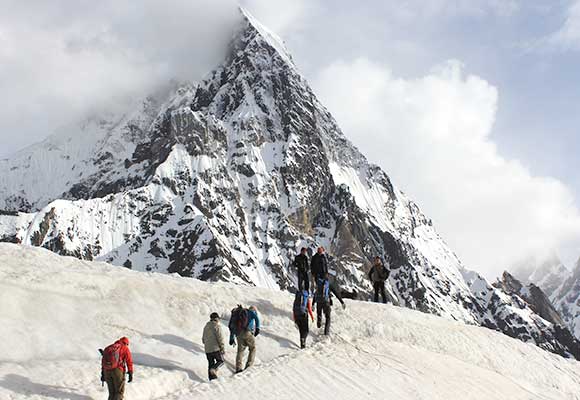
- Quality5
- Location5
- Amenities5
- Services5
- Price5
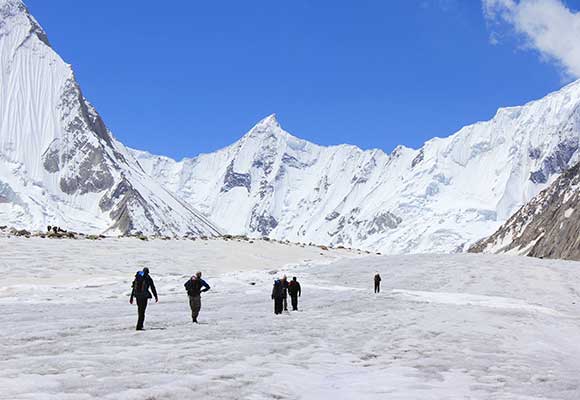
- Quality5
- Location5
- Amenities5
- Services5
- Price5
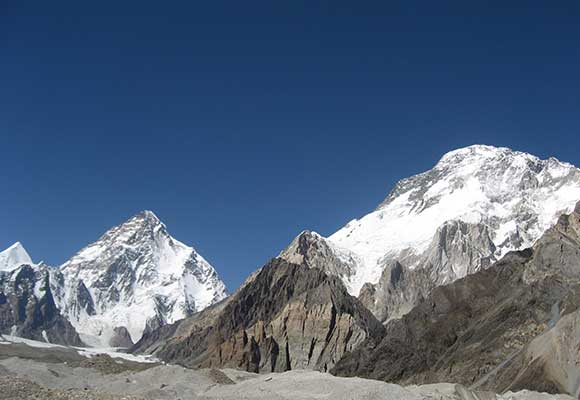
- Quality5
- Location5
- Amenities5
- Services5
- Price5
- Quality4.75
- Location4.75
- Amenities4.25
- Services5
- Price4.25
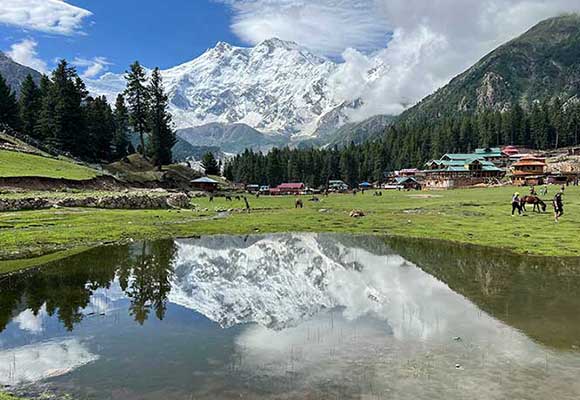
- Quality4.75
- Location4.75
- Amenities4.25
- Services5
- Price4.25
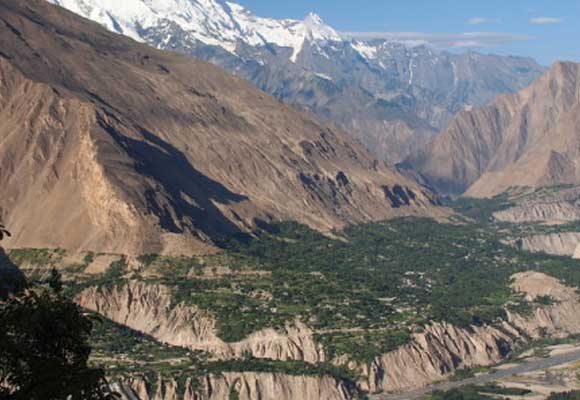
- Quality4.67
- Location4.67
- Amenities4
- Services5
- Price4
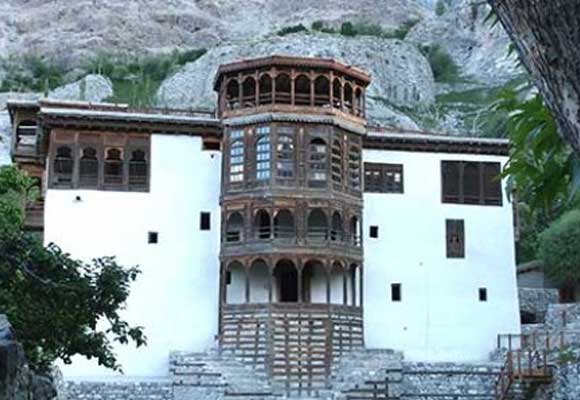
- Quality4.67
- Location4.67
- Amenities4
- Services5
- Price4
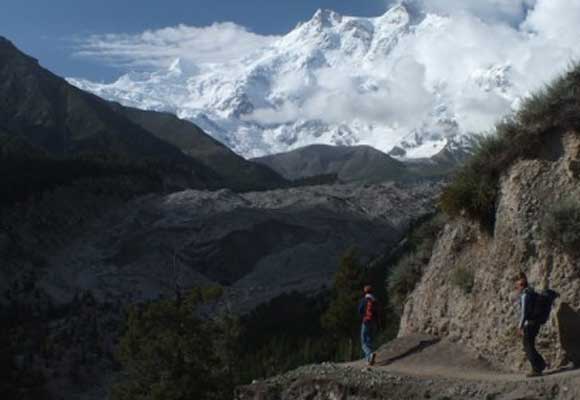
- Quality4.67
- Location4.67
- Amenities4
- Services5
- Price4
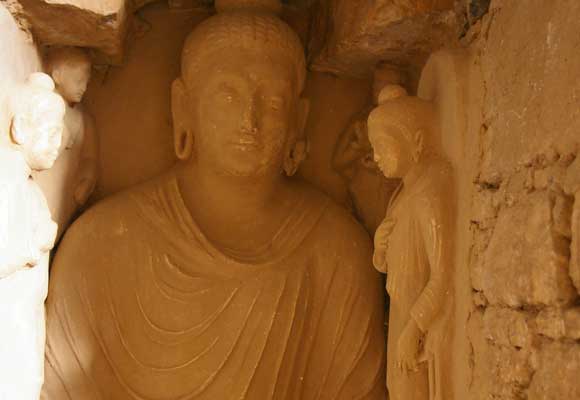
- Quality4.67
- Location4.67
- Amenities4
- Services5
- Price4
- Quality4.67
- Location4.67
- Amenities4
- Services5
- Price4
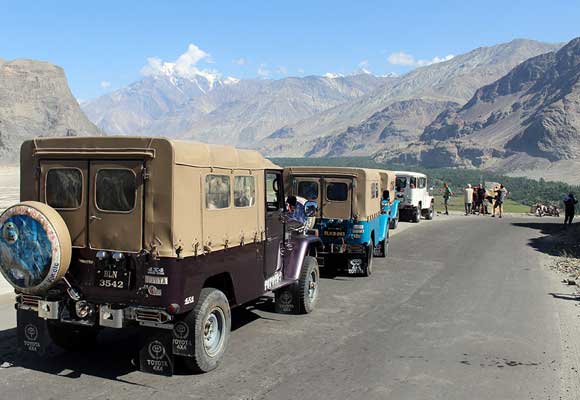
- Quality4.67
- Location4.67
- Amenities4
- Services5
- Price4
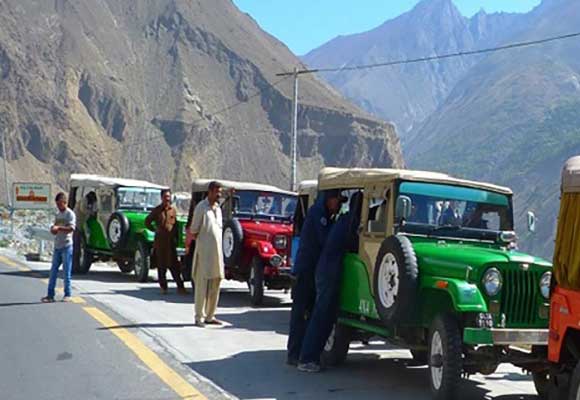
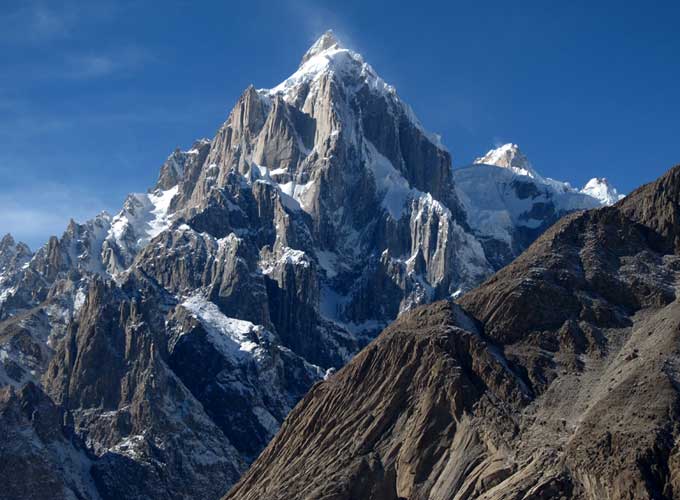
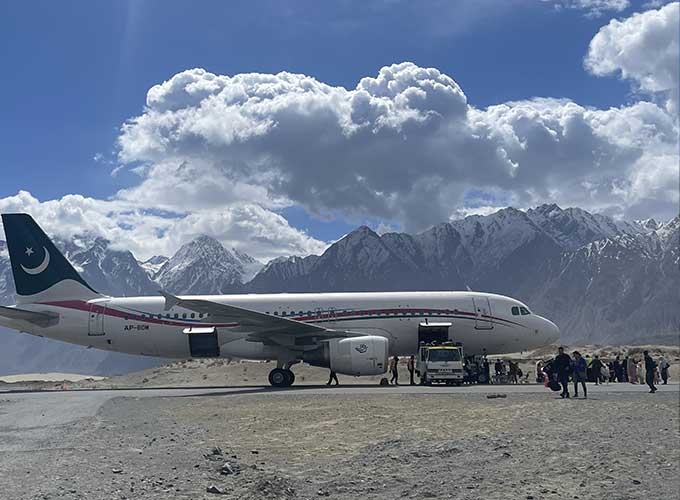
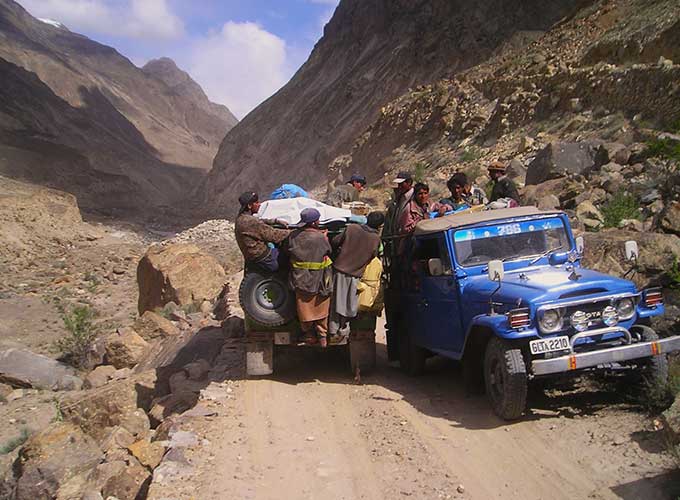
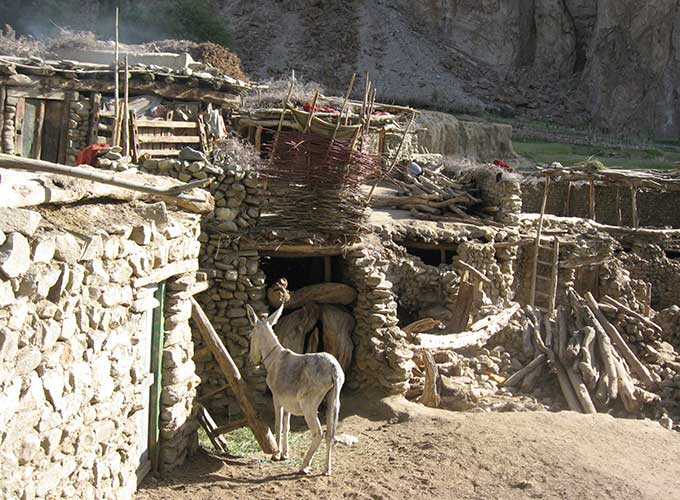
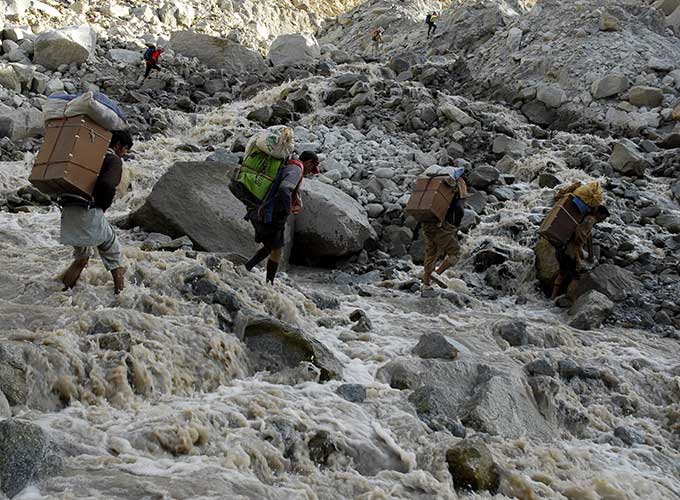
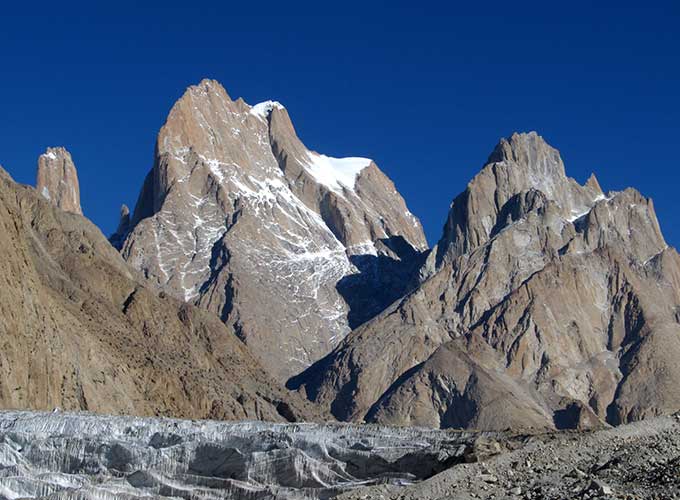
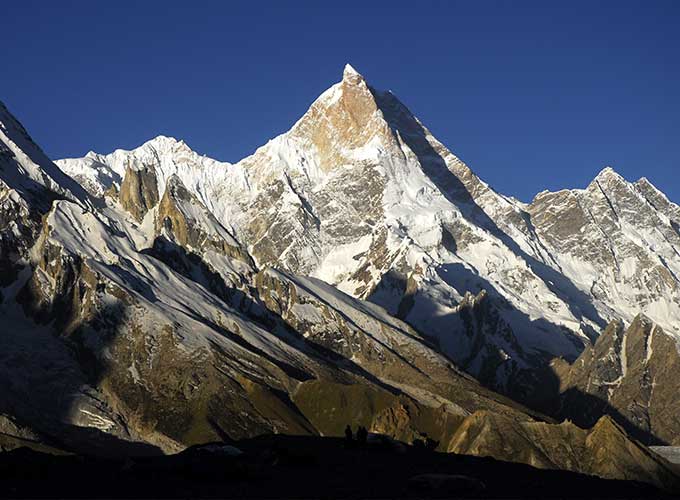
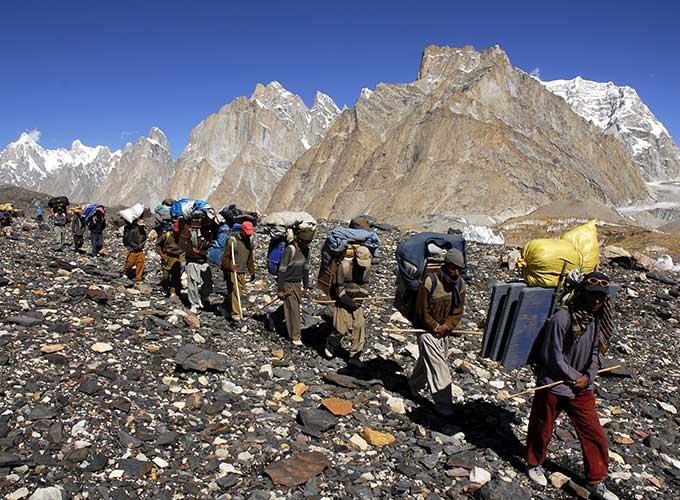
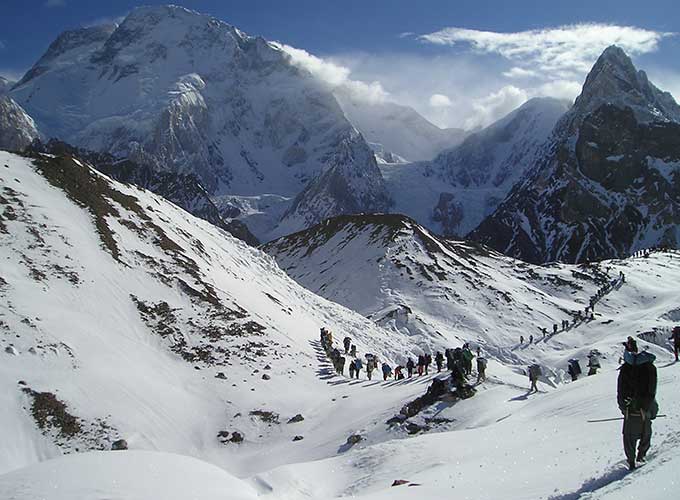
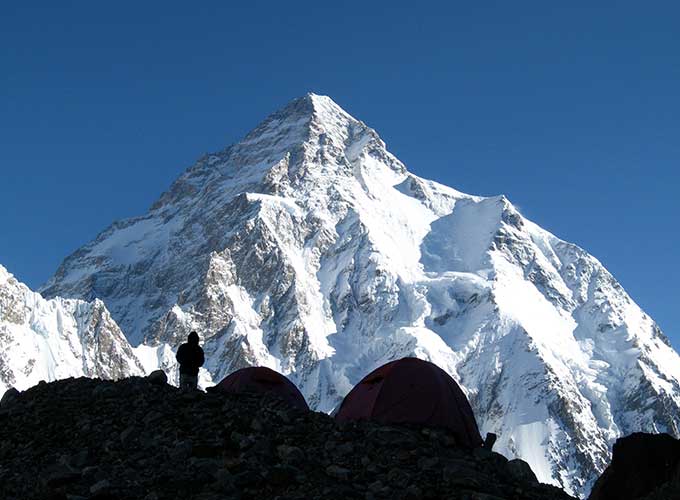
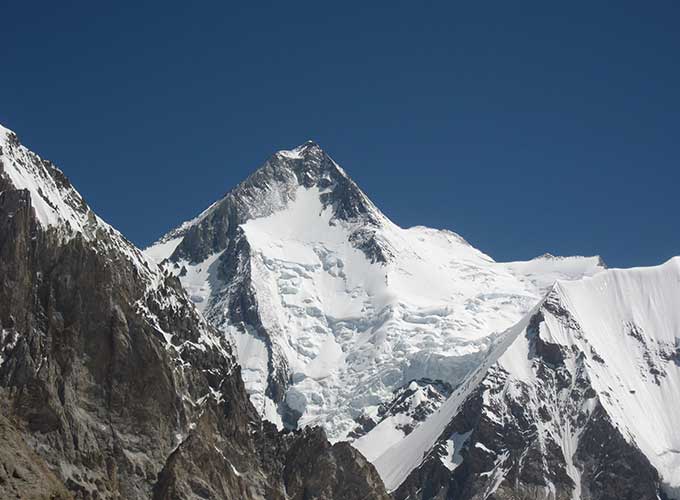
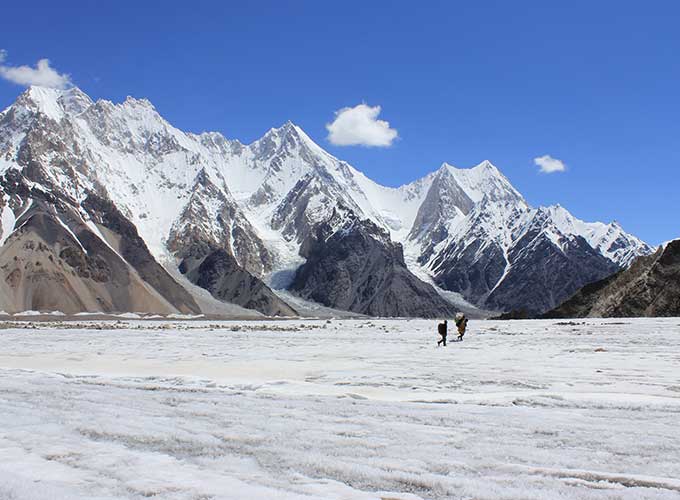
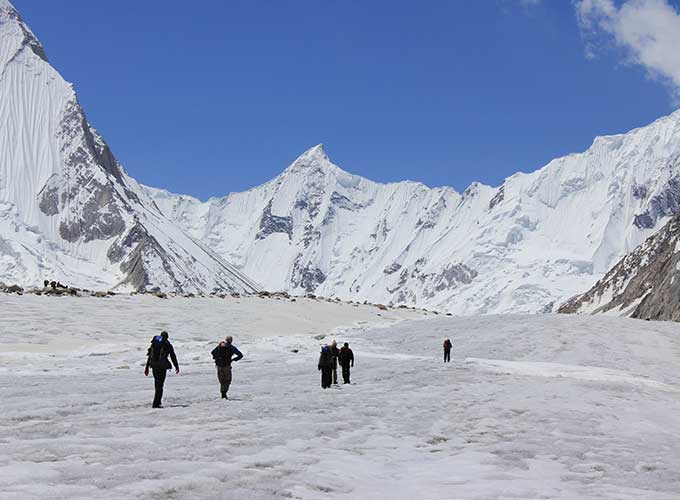
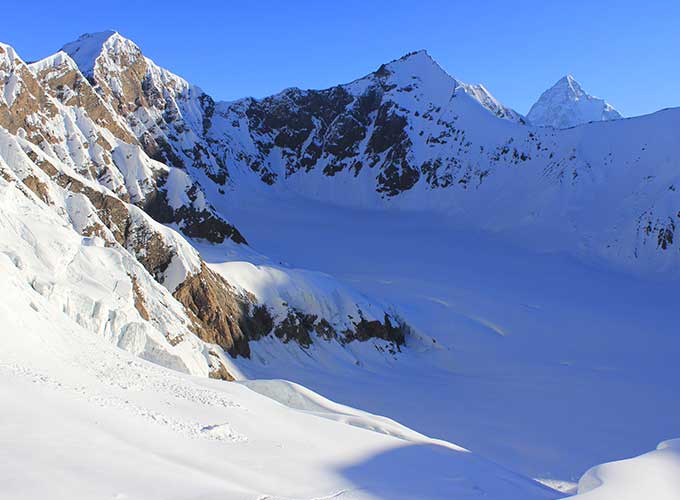
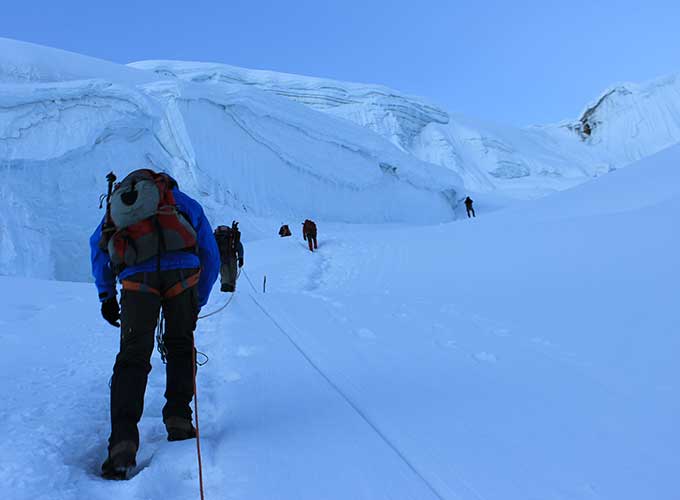
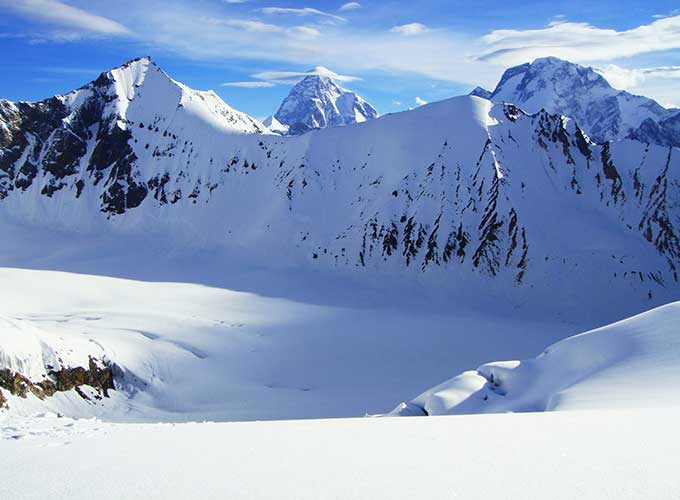
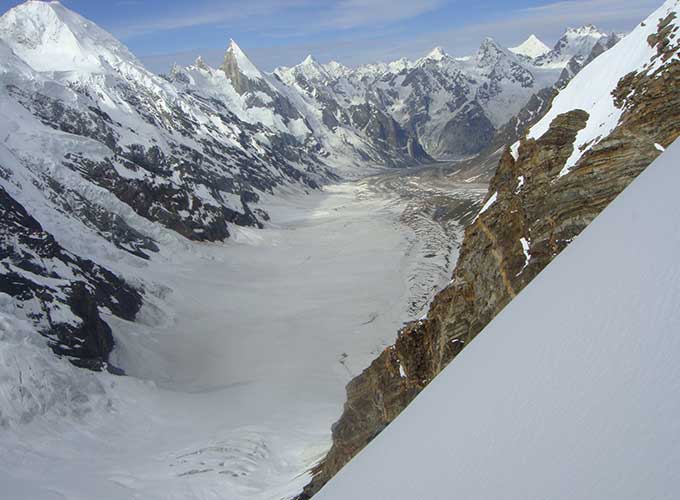
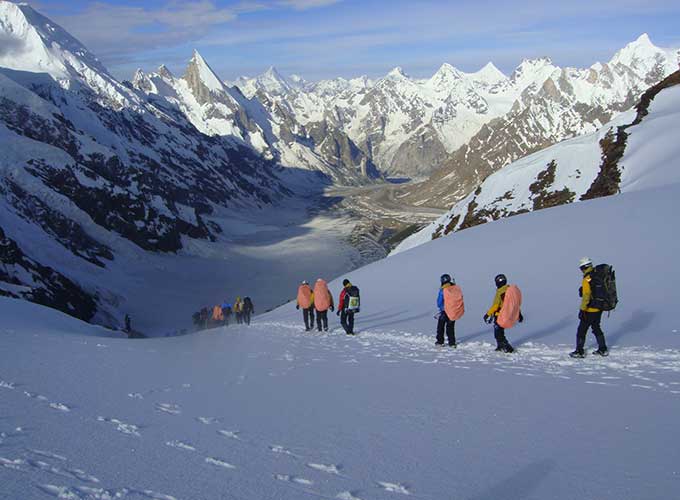
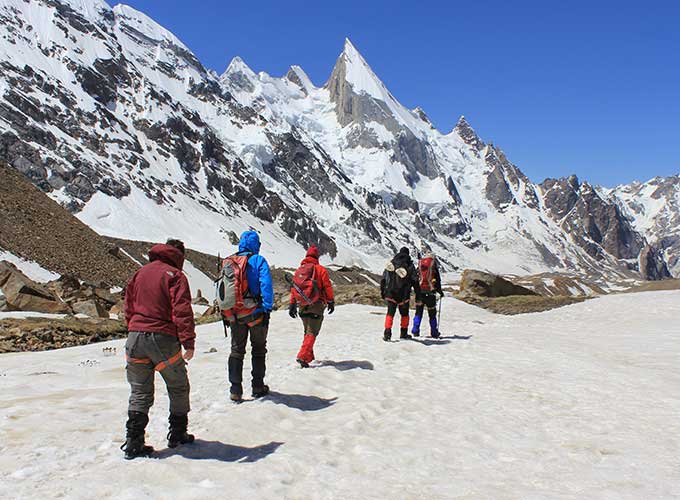
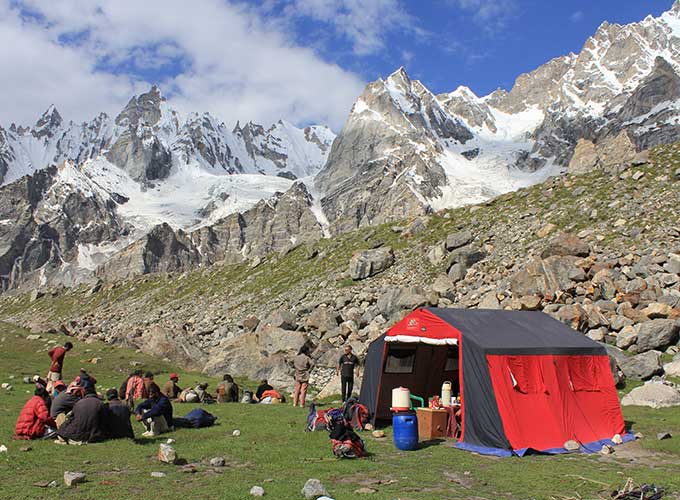
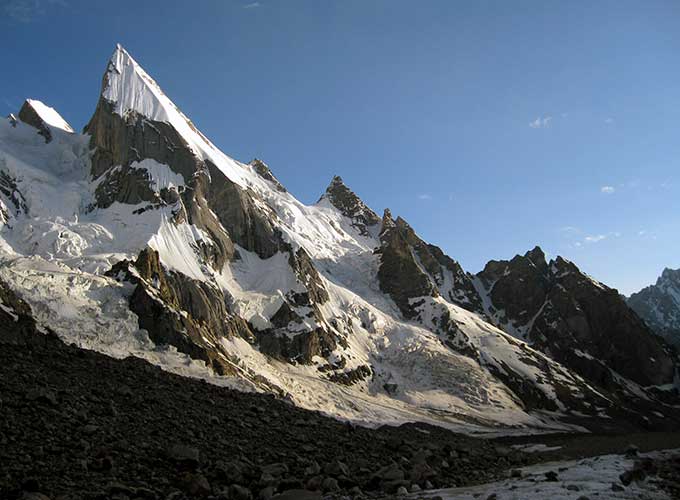
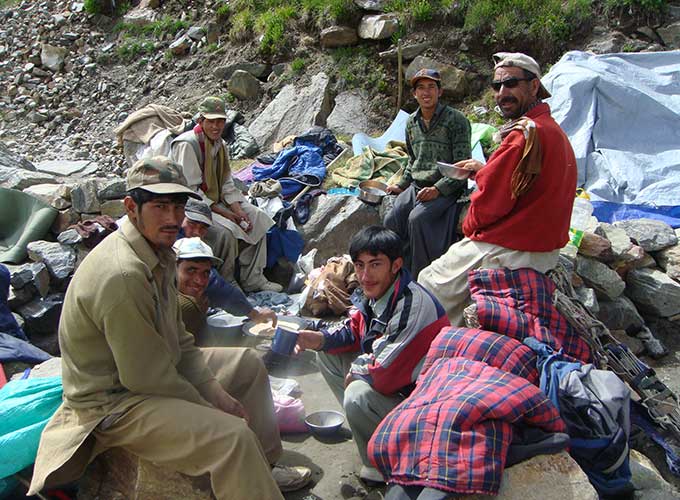
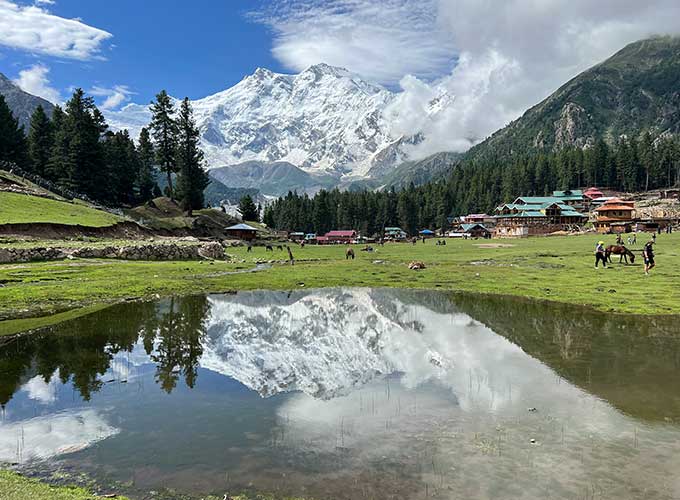
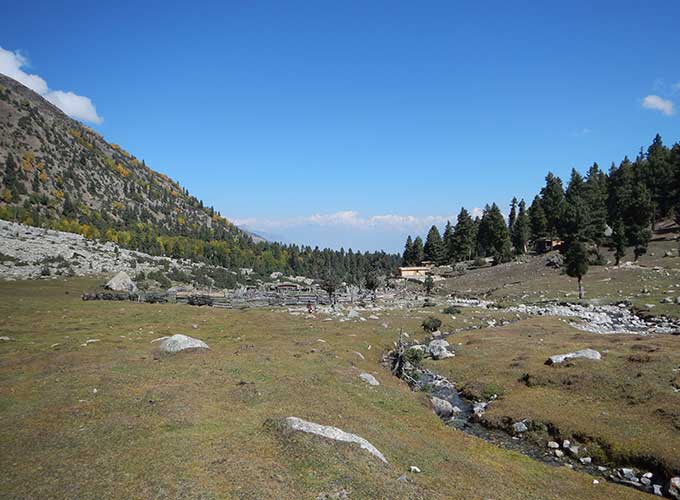
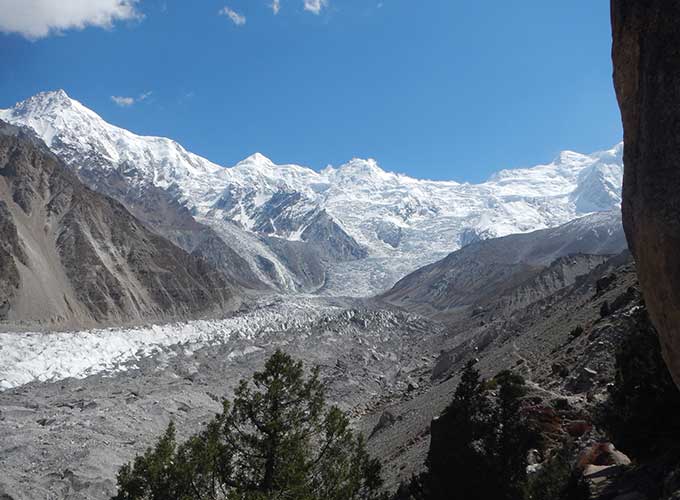
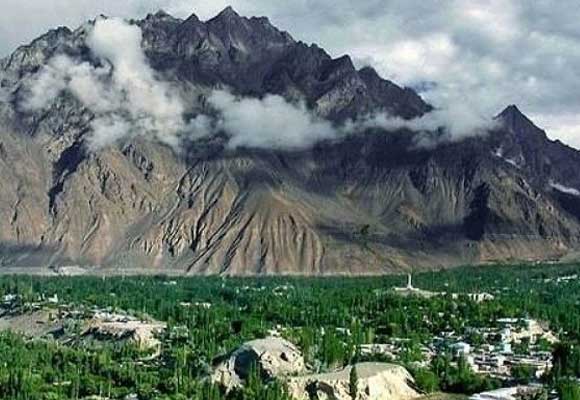
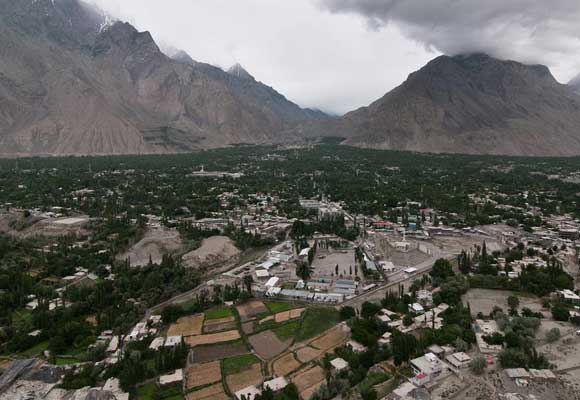
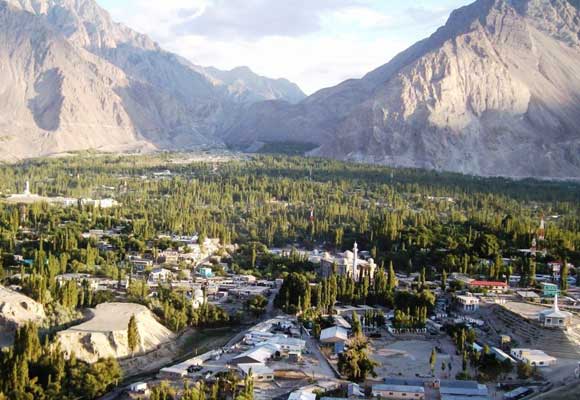
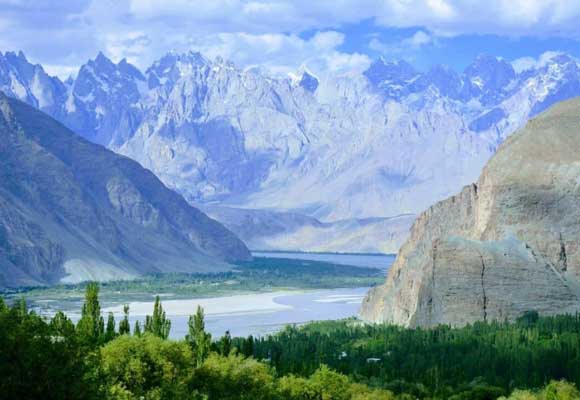
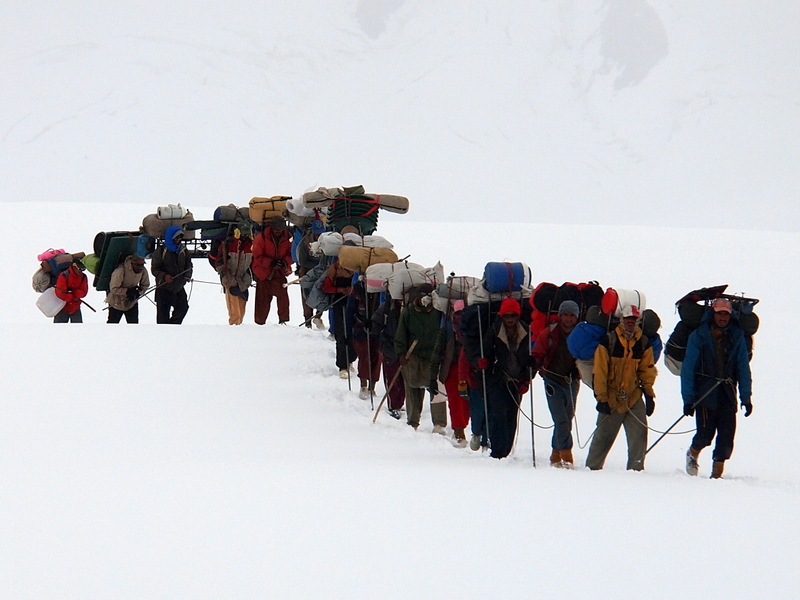
- Quality4.67
- Location4.67
- Amenities4
- Services5
- Price4