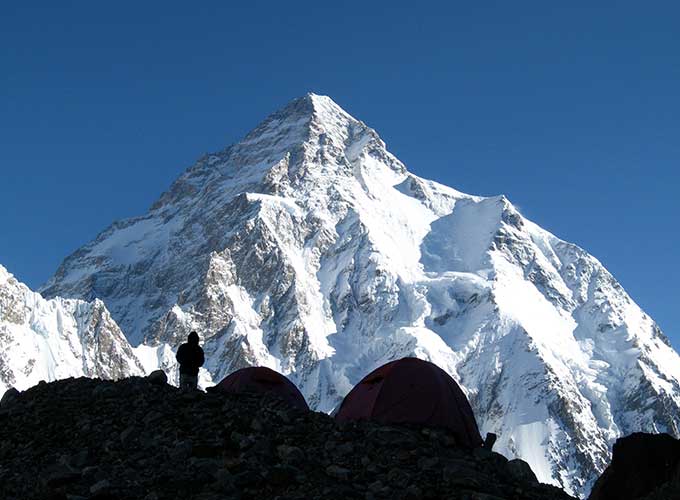
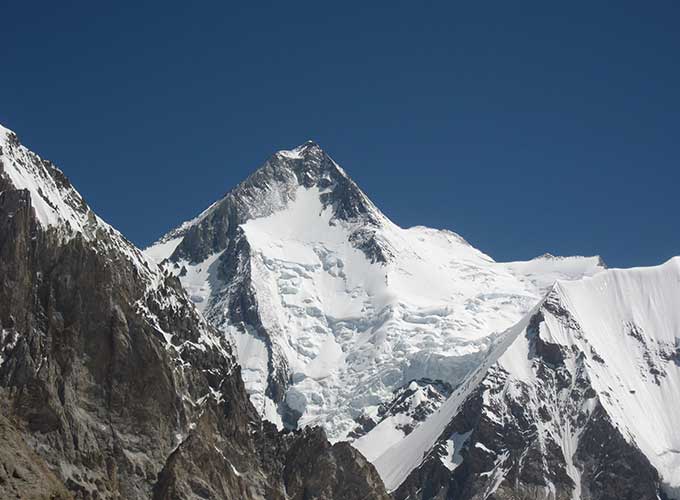
Latok 1 Expedition (7145 m)
Tour Category
Group Size
Duration
From
OVERVIEW & ITINERARY
Latok 1 Expedition Pakistan 2026-2027 – Ultimate Guide to One of the Hardest Peaks in the Karakoram
Overview of Latok 1 Expedition Pakistan – A Legendary Technical Climbing Challenge
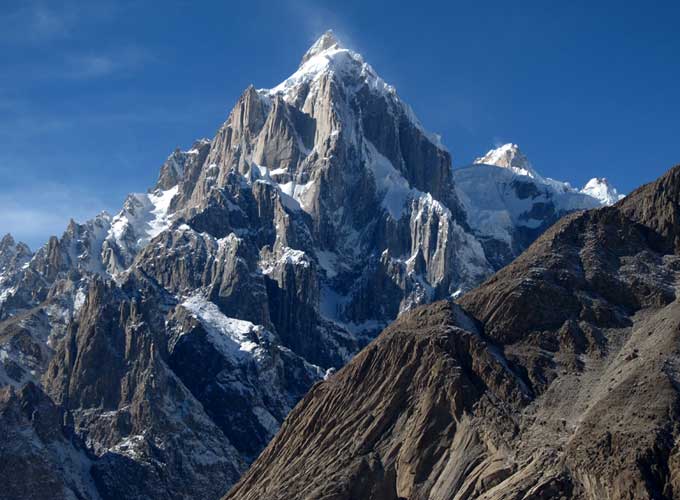
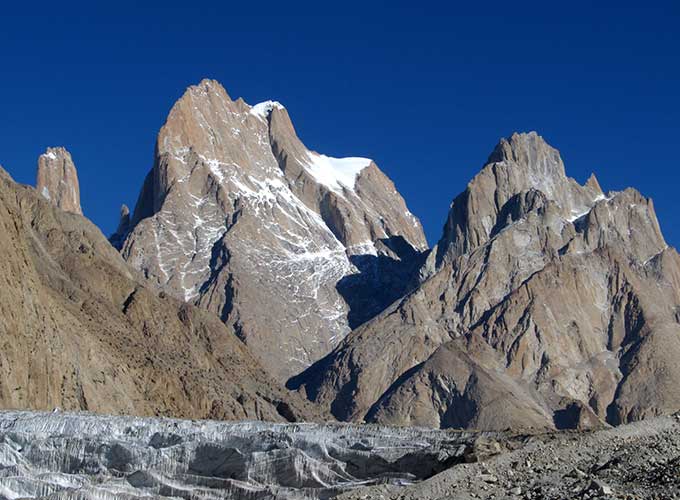
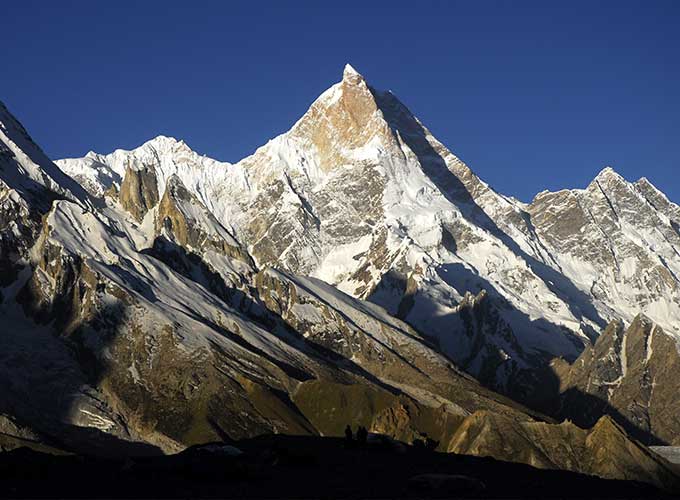
The Latok 1 Expedition Pakistan is considered one of the most difficult and prestigious mountaineering objectives in the world. Located in the Panmah Muztagh subrange of the Karakoram in Gilgit-Baltistan, Latok 1 rises to approximately 7,145 meters and is famous for its extremely technical north ridge.
Common SEO search terms such as “Latok 1 expedition Pakistan,” “Latok 1 climbing difficulty,” “hardest unclimbed routes Karakoram,” and “technical alpine climbing Pakistan” reflect the global reputation of this peak among elite mountaineers.
Latok 1 is not a typical trekking or expedition peak. It is a pure alpinist’s challenge requiring advanced ice, rock, and mixed climbing skills. Even among the world’s strongest climbers, the mountain is known for its extreme difficulty, unpredictable weather, and complex route systems.
The peak is part of the Latok group, which includes Latok II, III, and IV. However, Latok 1 stands out as the most technically demanding and historically significant due to repeated unsuccessful attempts on its north ridge.
The Latok 1 Expedition Pakistan is not just a climb—it is a serious high-altitude alpine challenge reserved for highly experienced mountaineers.
Latok 1 Expedition Dates, Cost & Packages 2026-2027
Start |
End |
Status |
Price |
Deposit |
Registration |
|---|---|---|---|---|---|
18 Jun |
27 Jul |
Guaranteed |
US$4,100 |
US$1000 |
|
25 Jun |
03 Aug |
Guaranteed |
US$4,100 |
US$1000 |
|
02 Jul |
10 Aug |
Guaranteed |
US$4,100 |
US$1000 |
|
10 Jul |
18 Aug |
Guaranteed |
US$4,100 |
US$1000 |
|
18 Jul |
26 Aug |
Guaranteed |
US$4,100 |
US$1000 |
|
25 Jul |
02 Sep |
Guaranteed |
US$4,100 |
US$1000 |
History, Significance, and Notable Achievements of Latok 1 Expedition
Latok 1 has a rich history in the world of alpine climbing. Since its discovery by international climbers, it has been regarded as one of the most difficult unclimbed lines in the Karakoram for decades.
The north ridge of Latok 1 gained global attention after several legendary expeditions attempted it, including highly skilled climbers from Europe, Japan, and the United States. Many teams reached high points but were forced to retreat due to extreme technical difficulty and weather conditions.
The mountain represents the essence of “pure alpinism,” where success depends on skill, endurance, and decision-making rather than fixed ropes or large expedition support.
Latok 1 remains a benchmark for elite climbers and continues to attract attention from the global mountaineering community as one of the last great challenges in the Karakoram.
Adventure Pakistan Services – Professional Support for Latok 1 Expedition
The Latok 1 Expedition Pakistan requires highly specialized logistical support due to its remote location and technical nature. Adventure Pakistan provides expedition coordination services for access, permits, and base camp logistics.
Services include transportation from Islamabad to Skardu, helicopter or jeep arrangements (depending on route access), base camp setup in the Panmah Glacier region, liaison officer coordination, and full expedition logistics support.
For climbers searching “Latok 1 expedition support Pakistan” or “Karakoram technical climbing logistics,” professional assistance is essential due to the extreme remoteness of the region.
Unlike trekking peaks, Latok 1 expeditions are self-supported or semi-supported alpine climbs. Adventure Pakistan helps ensure safe access and operational coordination in this highly remote environment.
Due to the technical difficulty, climbers typically bring their own climbing teams, while local support focuses on logistics and access rather than guiding the climb itself.
Latok 1 Expedition Plan – Access, Approach, and Base Camp Strategy
The Latok 1 Expedition Pakistan begins in Islamabad, where climbers arrive for briefings, permit processing, and logistical coordination. Given the complexity of the expedition, planning is more detailed compared to trekking peaks.
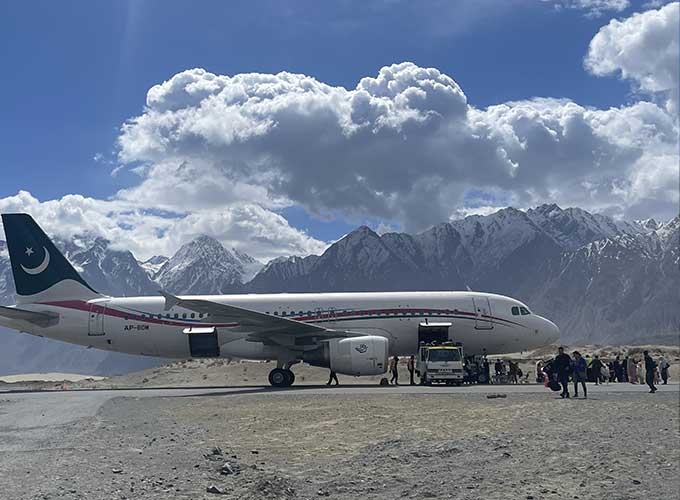
From Islamabad, climbers travel to Skardu, the main gateway to Karakoram expeditions. Final equipment checks and coordination are completed here before entering the mountains.
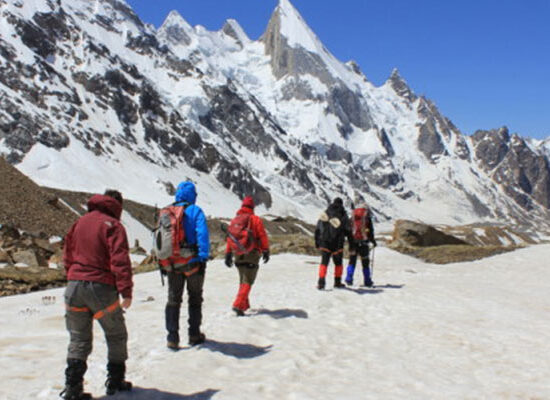
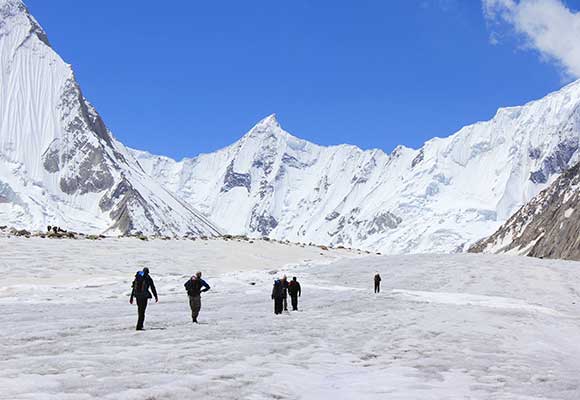
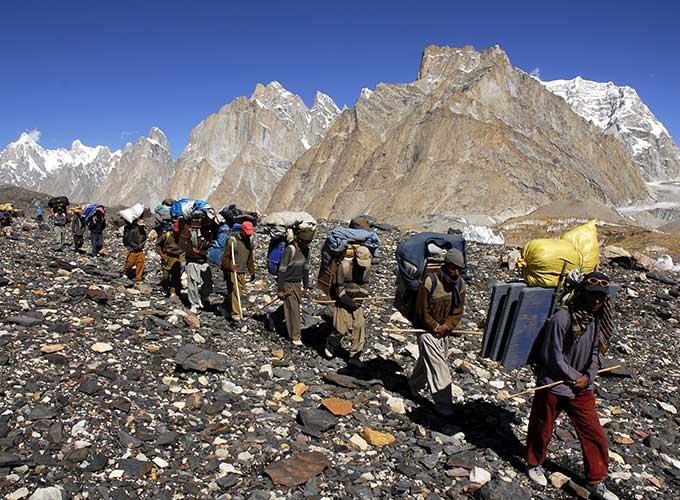
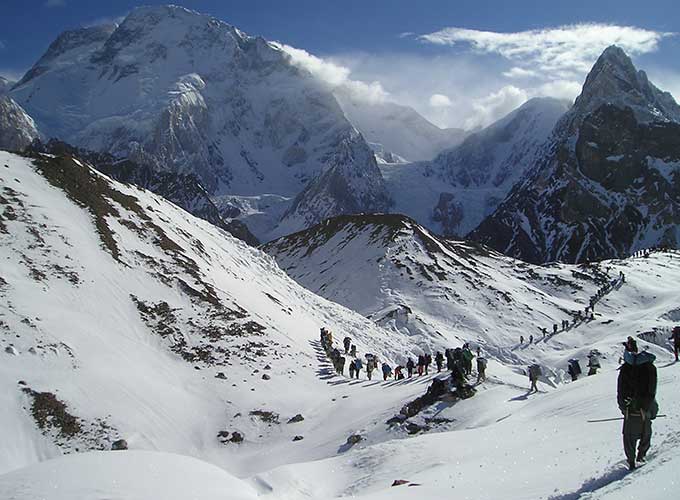
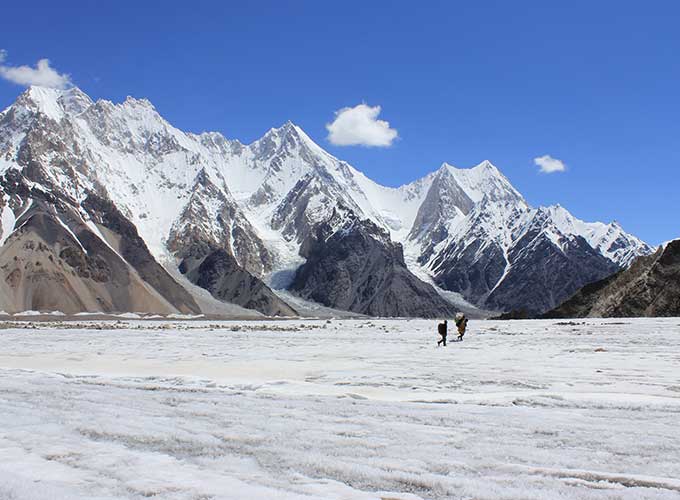
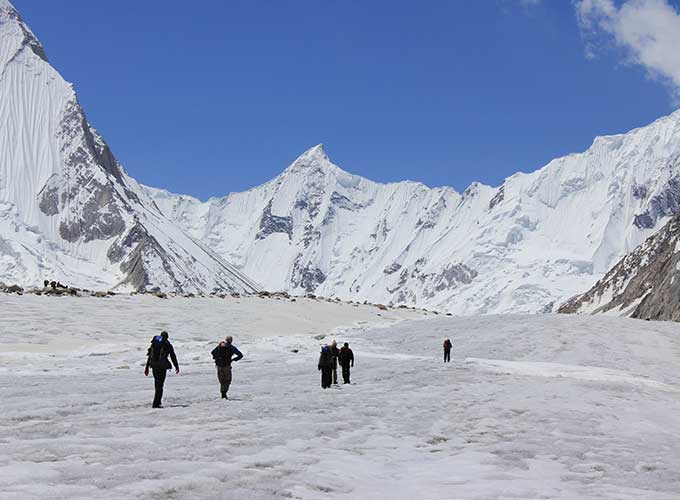
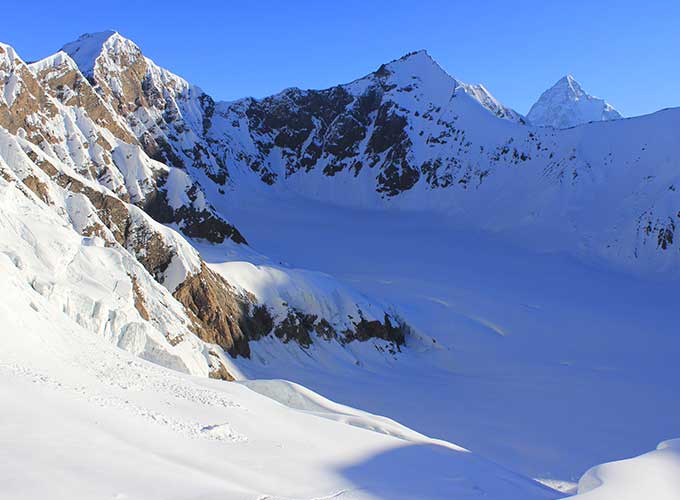
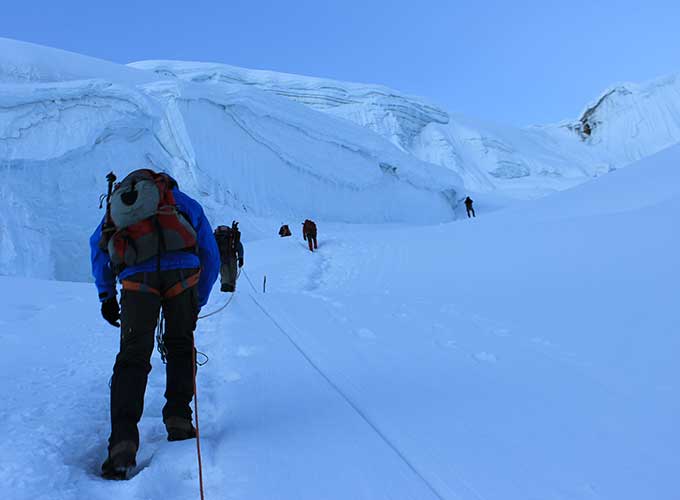
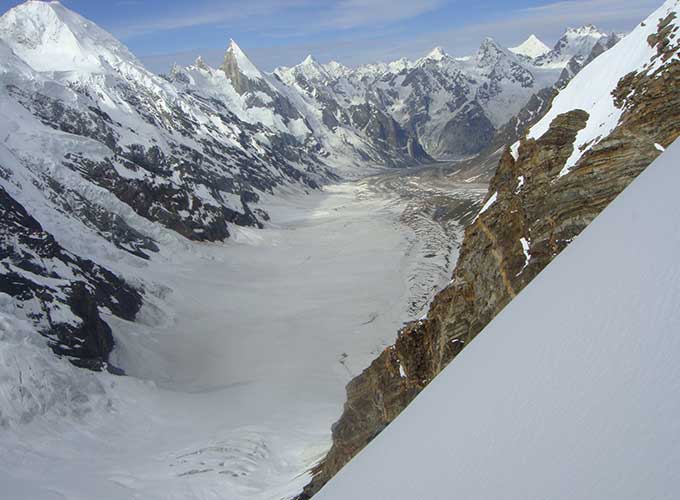
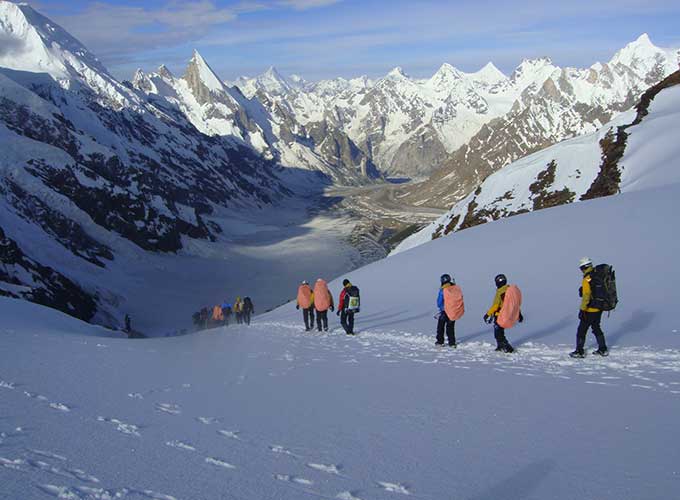
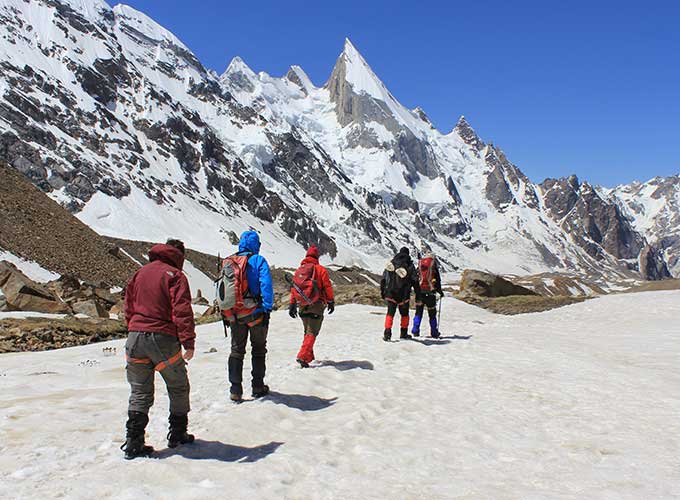
Access to Latok 1 is typically through the Panmah Glacier system, one of the most remote glacier networks in the Karakoram. The approach requires careful planning due to crevasses, unstable terrain, and long glacier travel sections.
Base camp is established in a strategic location near the glacier, providing access to multiple route options including the famous north ridge and other technical lines.
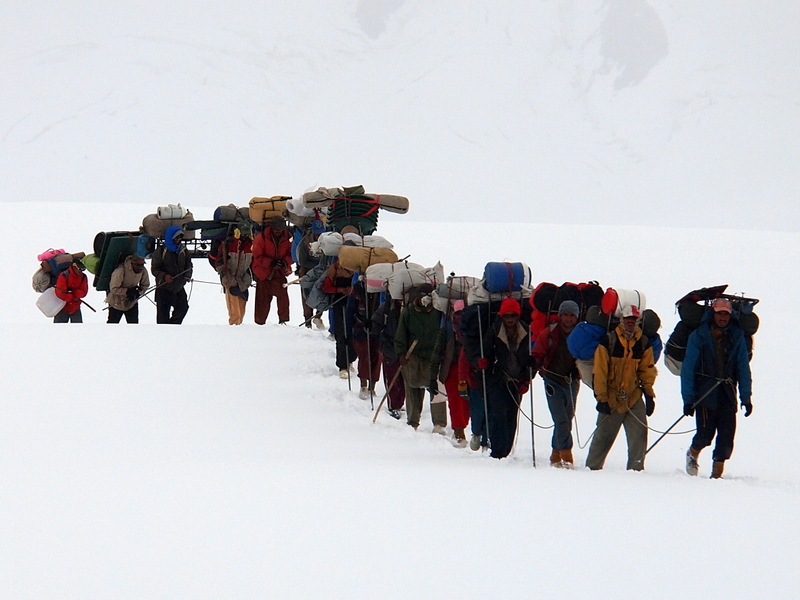
Unlike trekking expeditions, Latok 1 requires advanced reconnaissance, rope fixing, and multiple acclimatization rotations on technical terrain.
The itinerary remains highly flexible and depends on weather conditions, team strategy, and route feasibility. Summit attempts may take weeks or even longer depending on conditions.
The Latok 1 Expedition Pakistan is a serious alpine undertaking that demands patience, technical skill, and high-level decision-making.
Latok 1 Base Camp Life and Acclimatization in the Panmah Glacier Region
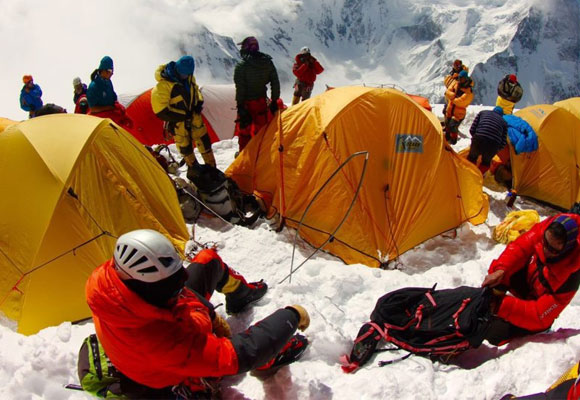
Life at base camp during the Latok 1 Expedition Pakistan is fundamentally different from trekking-style expeditions in the Karakoram. This is a high-stakes alpine environment where every decision is tied directly to safety, route conditions, and weather windows. Located deep within the Panmah Glacier system in Gilgit-Baltistan, base camp sits in one of the most remote and technically demanding regions of Pakistan.
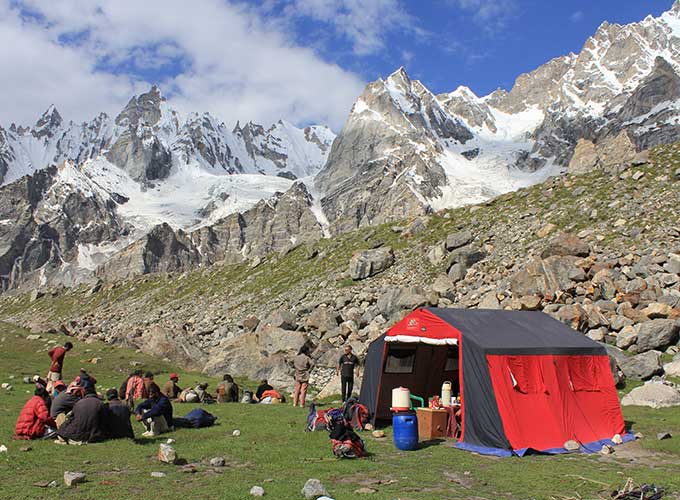
Unlike commercial trekking peaks, Latok 1 base camp is minimal, highly functional, and often self-sustained by climbing teams. The terrain surrounding camp is dominated by massive ice fields, seracs, and unstable moraine, requiring constant awareness and movement planning. Climbers quickly adapt to a rhythm defined by weather updates, route reconnaissance, and technical preparation.
Acclimatization in the Latok 1 Expedition Pakistan is a complex process because altitude gain is combined with technical climbing demands. Climbers do not simply walk to higher camps; instead, they engage in repeated rotations on ice and rock terrain to build both physiological and technical adaptation.
Daily routines often include gear testing, rope practice, ice climbing drills, and load carries on glacier terrain. These activities are essential not only for acclimatization but also for understanding the route’s evolving conditions.
Weather plays a major role in shaping life at base camp. Sudden snowstorms, avalanches from surrounding peaks, and shifting glacier conditions require constant monitoring and flexible planning. Expedition leaders prioritize safety above all, adjusting climbing plans accordingly.
Climbing Strategy and Route Planning for Latok 1 Expedition Pakistan
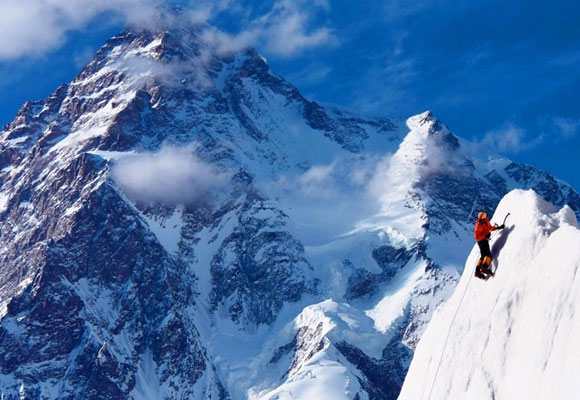
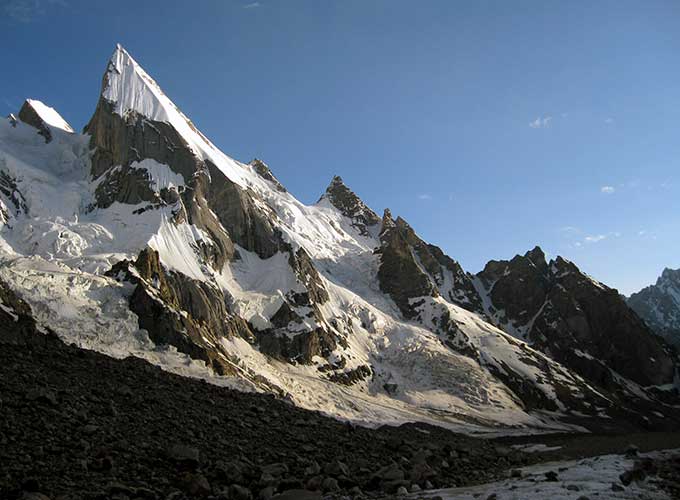
The Latok 1 Expedition Pakistan is defined by its complex route systems, particularly the world-famous north ridge. This ridge is considered one of the most technically demanding alpine routes ever attempted, featuring steep rock faces, corniced ridges, and unstable ice formations.
Route planning begins with detailed observation from base camp and surrounding vantage points. Climbers analyze snow conditions, avalanche risk, and potential access lines using binoculars and previous expedition data.
Unlike trekking peaks, there is no fixed path to the summit. Teams must continuously adapt their strategy based on real-time conditions. This makes decision-making one of the most critical aspects of success on Latok 1.
Climbers typically establish multiple high camps during rotation phases. These camps are not permanent structures but temporary shelters placed on safe ledges or snow platforms.
Progress is slow and methodical. Every section of the route demands technical climbing skills, including mixed rock and ice climbing, rope fixing, and advanced belaying techniques.
Weather Challenges and Safety Measures on Latok 1 Expedition Pakistan
Weather conditions in the Latok 1 Expedition Pakistan are among the most unpredictable in the Karakoram Range. Located deep within the Panmah Glacier basin, the mountain is exposed to sudden storms, heavy snowfall, and strong winds.
Even during the peak climbing season, weather windows are short and highly uncertain. Teams must remain flexible and ready to adjust summit plans at short notice.
Avalanche risk is one of the most serious safety concerns on Latok 1. The surrounding slopes and seracs are constantly shifting, especially during temperature changes. Climbers must assess risk continuously during ascent and descent.
Communication between base camp and climbing teams is essential for safety. Satellite devices are commonly used to ensure constant contact and weather updates.
Safety protocols include strict turnaround times, weather-based decision making, and team-based risk assessment before any major ascent attempt.
Local Culture and Natural Beauty Around the Panmah Glacier Region
Although the Latok 1 Expedition Pakistan is primarily a technical climbing mission, the approach through Baltistan offers exposure to one of the most culturally rich regions in Pakistan.
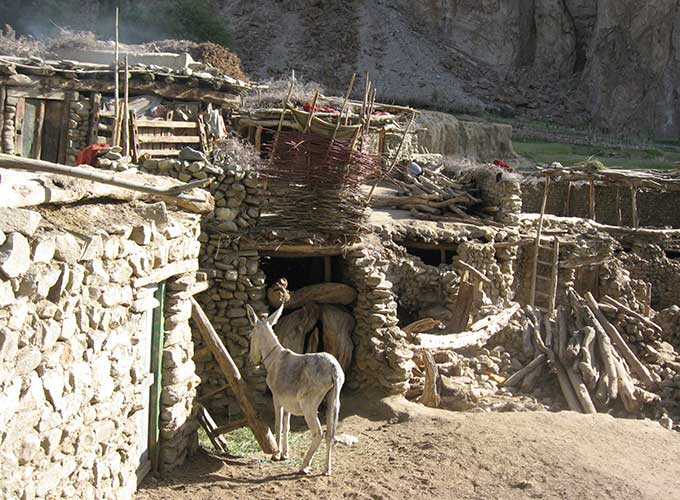
Skardu serves as the gateway to the Karakoram and reflects a unique blend of Tibetan-influenced Balti culture, Islamic traditions, and mountain heritage. Villages along the route are known for their hospitality and resilience in extreme environments.
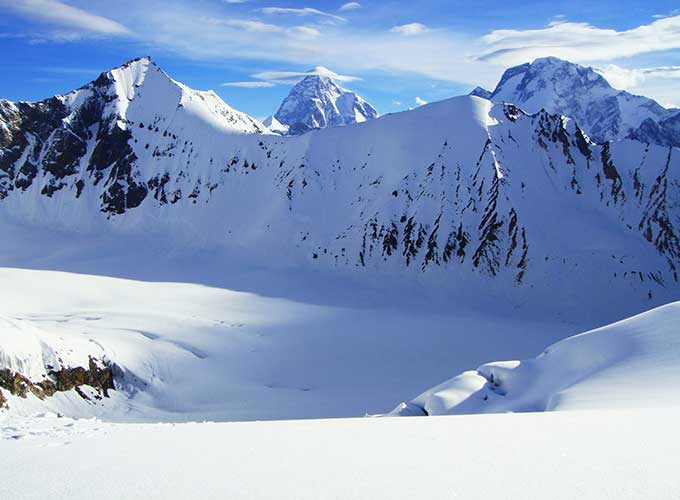
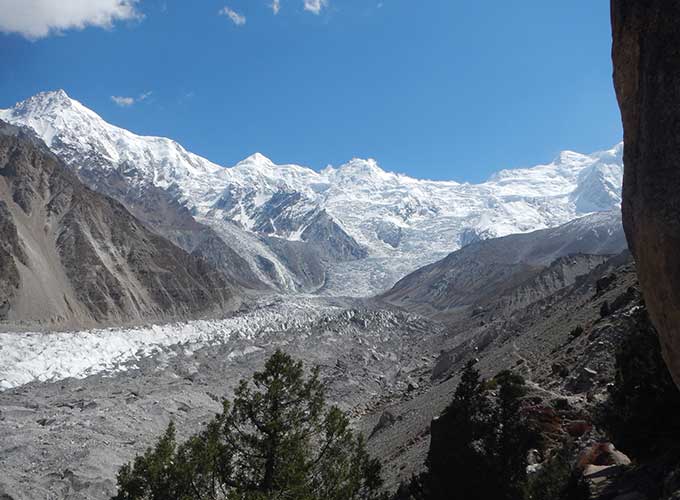
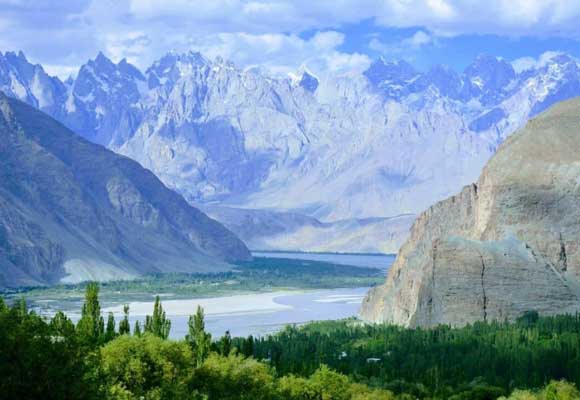
The natural beauty of the region is extraordinary. Massive glaciers, towering granite spires, and remote valleys create a landscape that feels untouched by time. The Panmah Glacier itself is one of the largest and most complex glacier systems in the Karakoram.
For climbers, this cultural and environmental context adds depth to the expedition experience, even though the primary focus remains technical climbing.
Higher Camps, Summit Attempts, and Descent Strategy on Latok 1
The final phase of the Latok 1 Expedition Pakistan involves establishing higher camps along the chosen route. These camps are extremely minimal due to the technical nature of the terrain and exposure to harsh conditions.
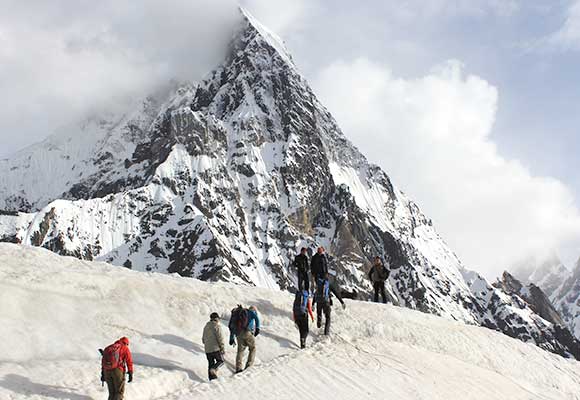
Climbers carry essential gear while navigating steep ice walls, knife-edge ridges, and mixed climbing sections. Progress is slow, requiring precision and constant risk evaluation.
The summit attempt is only initiated during a confirmed weather window. Even then, success is never guaranteed due to the complexity of the route and changing conditions.
Reaching the upper sections of Latok 1 is considered a major achievement in itself, regardless of summit success. Many teams turn back due to safety concerns, which is an accepted part of alpine ethics.
The descent is equally critical and often more dangerous than the ascent. Fatigue, changing weather, and route instability require careful navigation back to base camp.
Once safely back at base camp, teams prepare for extraction from the Panmah Glacier region and return to Skardu, marking the end of the expedition phase.
Latok 1 Expedition Pakistan FAQs – Advanced Alpine Climbing Questions
1. Where exactly is Latok 1 located in Pakistan?
Latok 1 is located in the Panmah Muztagh subrange of the Karakoram in Gilgit-Baltistan, Pakistan. It sits deep within the Panmah Glacier system, one of the most complex and remote glacier networks in the world, far from any permanent settlement or trekking corridor.
2. What makes Latok 1 so difficult compared to other Karakoram peaks?
Latok 1 is famous for its extremely technical terrain, especially the north ridge, which includes steep granite walls, corniced ridges, mixed ice-rock climbing, and long exposed sections at high altitude. Unlike trekking peaks, there are no established fixed routes, making every attempt a full alpine-style commitment.
3. Is Latok 1 suitable for commercial expedition climbers?
No. Latok 1 is not suitable for commercial trekking groups or guided beginner expeditions. It is reserved for highly experienced alpinists with prior climbs on technical 6,000m–7,000m peaks and strong mixed climbing backgrounds.
4. What is the best season for Latok 1 Expedition Pakistan?
The primary climbing season is June to August. However, Latok 1 requires very specific weather windows. Even in peak season, storms, high winds, and unstable snow conditions can limit progress and force retreat decisions.
5. How long does a Latok 1 expedition usually take?
A typical expedition can last 4 to 8 weeks depending on weather conditions, acclimatization cycles, and route progress. Technical alpine style climbing means progress is slow and highly dependent on conditions.
6. What kind of climbing skills are required?
Climbers must be proficient in advanced ice climbing, mixed rock-ice techniques (M5–M7 level or higher), crevasse rescue, multi-day alpine ascents, and rope management in exposed terrain. Prior experience on major Himalayan or Karakoram peaks is essential.
7. Is fixed rope support used on Latok 1?
Minimal or no fixed ropes are used on the main objective routes, especially the north ridge. Latok 1 is considered a pure alpine-style objective, meaning climbers carry all gear and establish their own protection systems.
8. What are the main dangers on Latok 1?
Major risks include avalanches, rockfall, serac collapse, extreme weather changes, technical route difficulty, and high-altitude exposure. The remote location also makes emergency evacuation extremely challenging.
9. Do climbers need a liaison officer for Latok 1?
Yes, Pakistani regulations require permits and a liaison officer for Karakoram expeditions. However, the liaison officer usually stays at base camp and does not participate in technical climbing activities.
10. Has Latok 1 ever been fully climbed via the north ridge?
Despite numerous legendary attempts, the full north ridge has remained one of the most challenging and historically unresolved objectives in high-altitude climbing. Partial ascents and high-point achievements have been recorded, but a complete successful ascent remains extremely rare in alpine history.
Adventure Pakistan Services for Latok 1 Expedition – Full Operational Breakdown
Adventure Pakistan provides essential expedition logistics and ground support for the Latok 1 Expedition Pakistan, focusing on safe access, regulatory compliance, and high-altitude operational coordination in the Karakoram region. Due to the extreme remoteness of Panmah Glacier, professional logistics support is critical for any successful attempt.
1. Expedition Permits and Government Liaison Coordination
All international climbing expeditions in Pakistan require official permits issued by the relevant authorities. Adventure Pakistan assists with securing climbing permits, liaison officer arrangements, and compliance with Pakistan’s mountaineering regulations. This ensures that the expedition operates legally and smoothly within national guidelines.
2. Transport and Remote Access to Panmah Glacier
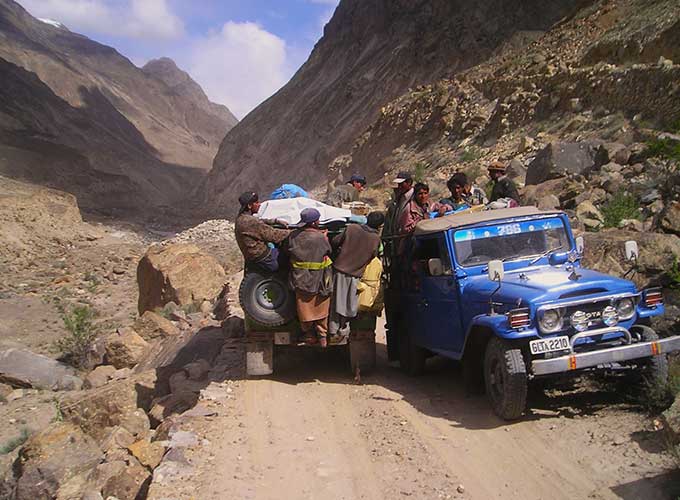
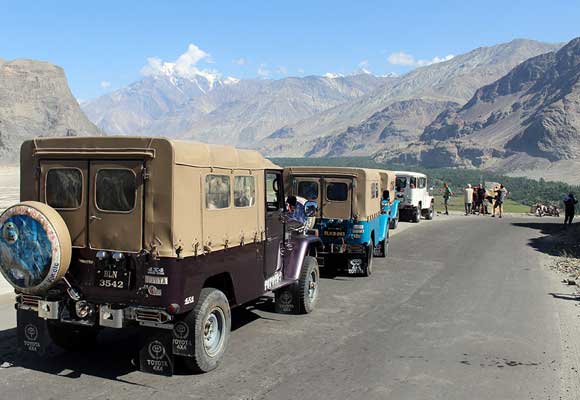
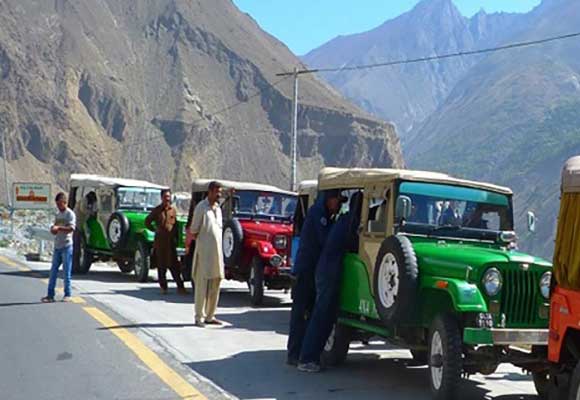
Access to Latok 1 involves multi-stage travel from Islamabad to Skardu, followed by overland or helicopter-supported logistics depending on conditions. Adventure Pakistan coordinates transportation, including 4×4 jeeps for rugged terrain and glacier approach logistics where applicable. The journey into the Panmah region requires careful planning due to its extreme isolation.
3. Base Camp Establishment and Field Logistics
Base camp for Latok 1 is located in a highly remote glacial environment with no permanent infrastructure. Adventure Pakistan assists in setting up expedition base systems including tents, kitchen facilities, communication equipment, and essential supply chains. All logistics are designed for self-sufficiency in harsh alpine conditions.
4. Communication, Safety, and Emergency Support
Due to the absence of mobile networks in the Panmah Glacier region, satellite communication systems are used for updates and emergency coordination. Adventure Pakistan supports communication setup to ensure contact between base camp and external rescue or coordination teams if required.
5. Environmental and Ethical Expedition Support
Latok 1 lies in a fragile alpine ecosystem. Adventure Pakistan promotes strict environmental ethics including waste management, minimal environmental footprint practices, and adherence to international “leave no trace” alpine standards. This ensures long-term preservation of the Karakoram environment.
Why Latok 1 Is One of the Ultimate Tests in High-Altitude Mountaineering
The Latok 1 Expedition Pakistan is widely regarded as one of the ultimate tests of modern alpinism because it combines extreme technical difficulty with unpredictable weather and complete isolation. Unlike commercial peaks, success depends entirely on climber skill, judgment, and endurance rather than infrastructure or fixed support systems.
Every attempt on Latok 1 contributes to mountaineering history. Even unsuccessful expeditions are considered significant achievements due to the mountain’s difficulty and reputation. The psychological challenge is as intense as the physical one, requiring climbers to make critical decisions in high-risk environments.
The mountain represents the purest form of expedition climbing in Pakistan’s Karakoram Range, where commitment, adaptability, and experience define success more than summit statistics.
Latok 1 Expedition Pakistan as a True Alpine Frontier
The Latok 1 Expedition Pakistan stands at the frontier of global mountaineering. It is not a commercial trek or a guided adventure—it is a serious alpine challenge reserved for elite climbers seeking one of the most difficult objectives in the world.
From the remote Panmah Glacier approach to the technical complexity of the north ridge, every stage of the expedition demands precision, resilience, and respect for the mountain environment. Success is measured not only in summits but in safe decisions, teamwork, and endurance in extreme conditions.
For experienced alpinists, Latok 1 represents a rare opportunity to engage with one of the last great challenges of the Karakoram. It is a mountain that defines careers, tests limits, and contributes to the evolving history of high-altitude climbing.
This is not just an expedition in Pakistan—it is a defining chapter in global alpine exploration.

ITINERARY
WHAT'S INCLUDED
- ARRIVAL AND DEPARTURE: Airport - Hotel transfers – Airport (Pick Up and Drop), by private vehicle.
- ACCOMMODATION IN ISLAMABAD: 3 nights hotel at 4-star Hotel in Islamabad on bed & breakfast Basis- Sharing Twin Bed Room.
- WELCOME DINNER: 5 nights hotel in Skardu on Bed and Breakfast plan.
- CARGO CLEARANCE: Assistance for cargo clearance in Pakistan’s Customs, clearance cost is subject to a charge.
- PERMIT: Expedition Royalty and a permit fee of the PAKISTAN Government to climb Mt. G-1, for members.
- LIAISON OFFICER: 1 Government Liaison officer with full equipment, salary, and accommodation.
- GARBAGE MANAGEMENT: Stool Shipment Transfer & Garbage Deposit fees.
- INSURANCE: Medical Insurance for all Pakistani staff during the trek and expedition.
- MAP: Trekking and climbing map.
- DUFFLE BAG: One Adventure Pakistan, Treks, Expeditions Duffle Bag.
- MEMBER TRANSPORTATION: (Domestic Flight) Fly from Islamabad to Skardu and while returning from Skardu to Islamabad, as per itinerary, along with one guide. - LAND TRANSPORTATION (MEMBERS): Drive by jeep Skardu to Askole and on returning Askole to Skardu. - LAND TRANSPORTATION (STAFF): Islamabad to Askole via Skardu (by bus/jeep) for all climbing Sherpas and expeditions staff. (Members and staff will meet each other in Skardu).
- EXPEDITION STUFFS TRANSPORTATION: All necessary expedition equipment transportation for all Members and Staff (by air cargo) – Islamabad to Askole (by truck/jeep) and Base camp (by Porters/mules) – While returning: Base camp to Askole (by porters/mules) and Askole to Islamabad (by Truck/jeep). Based on the condition, different transportation variants may adopt.
- MEMBER LUGGAGE: Up to 60 Kg per member for personal baggage during the trek to be carried by porters or Mules.
- FOOD AND LODGING: 3 meals a day (breakfast, lunch, and dinner; including tea and coffee) along with accessible accommodation at Hotel/Lodge/TENT during the trek and at the Basecamp. Hygienic vegetables, meat, fruits, soft drinks, and juice will be served during the entire expedition. Well-managed base camp set up for members & Staff.
- CAMPING: All necessary logistic arrangements for Camping during the trek.
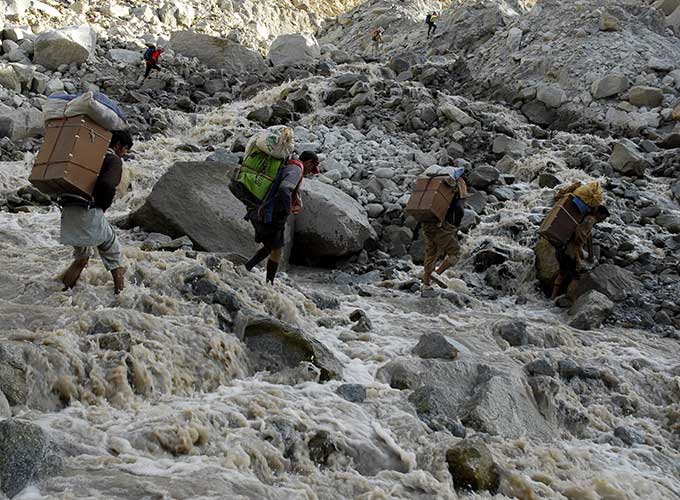
- PORTER: Porters per member up to the basecamp and from the basecamp (both ways).
- BASE CAMP STAFF: Experienced and well-trained Base Camp Cook & kitchen Helpers as required.
- BASE CAMP COOK: Pakistani well-trained professional cook for the team.
- STAFF SALARY AND ALLOWANCE: All staff & porter’s daily wages, salary, equipment, food & clothing.
- BASE CAMP TENT: Each member will have an individual box tent in Base Camp.
- BASE CAMP EQUIPMENT: Single Tent, foam mattresses and pillow per member, 1 Dinning Tent, 1 Kitchen Tent, 1 Communication tent, 1 Toilet & 1 Shower Tent, 1 Staffs Tent, Store tent, Tables & chairs & all necessary cooking gears.
- SOLAR/GENERATOR/LIGHT: 1 Solar panel and Generator for lights at base camp, FOR battery charges, laptop, and other electronic devices.
- SATELLITE PHONE: Satellite Phone for emergency communication carried by Sherpa, also available for members (SUBJECT TO A CHARGE).
- WALKIE-TALKIE: Walkie–Talkie for communicating from Base Camp to Mountain and Mountain to Base Camp.
- PERMITS: Climbing certificate issued by Pakistani Alpine Club (after climbing successfully).
- MEDICAL KIT: Comprehensive Medical kit for members and staff.
- CERTIFICATE: Certificate issued by PAKISTANI ALPINE CLUB (after climbing successfully).
WHAT'S NOT INCLUDED
- AIR FARE : International flight airfare (from and to Islamabad).
- PAKISTAN ENTRY VISA FEE : PAKISTANI Visa fee for 90 DAYS.
- LUNCH & DINNER : Lunch & dinner during the stay in Islamabad and Skardu (also in case of early return from Trekking / Expedition than the scheduled itinerary).
- EXTRA NIGHTS IN ISLAMABAD & SKARDU : Extra nights’ accommodation in Islamabad & Skardu. In case of early arrival or late departure, early return from Trekking / Expedition, or domestic flight cancellation (due to any other reason) than the scheduled itinerary.
- INSURANCE POLICY : Insurance covering both medical and high-altitude evacuation costs (for the trip cancellation, interruption, high-altitude rescue & air evacuation, medical treatment, repatriation, etc.) *Mandatory
- PERSONAL EXPENSES : Telephone Calls, Internet, Toiletries, battery recharge, hot shower, laundry, soft drinks, beers, and any Alcoholic beverages (during the trek and in Islamabad & Skardu but we will have soft drinks for members at base camp).
- PERSONAL CLIMBING EQUIPMENT : Clothing, Packing Items, Bags, Personal Medical Kit, and all kinds of Personal Trekking / Climbing Gear.
- TOILETRIES : Soaps, shampoos, toilet and tissue papers, toothpaste, and other items used to keep yourself clean.
- FILMING : Special Filming, Camera, and Drone permit fee.
- INTERNET SERVICE : Not included during the trek.
- TIPS : Calculate some tips for basecamp and high camp staff – Minimum 500 USD.
- EXTRA : Any other services or activities, which are not mentioned in the itinerary and not listed in the “Cost Includes” section.
ROUTE MAP
Latok 1 Expedition Pakistan 2026-2027 – Ultimate Guide to One of the Hardest Peaks in the Karakoram
Overview of Latok 1 Expedition Pakistan – A Legendary Technical Climbing Challenge
The Latok 1 Expedition Pakistan is considered one of the most difficult and prestigious mountaineering objectives in the world. Located in the Panmah Muztagh subrange of the Karakoram in Gilgit-Baltistan, Latok 1 rises to approximately 7,145 meters and is famous for its extremely technical north ridge.
Common SEO search terms such as “Latok 1 expedition Pakistan,” “Latok 1 climbing difficulty,” “hardest unclimbed routes Karakoram,” and “technical alpine climbing Pakistan” reflect the global reputation of this peak among elite mountaineers.
Latok 1 is not a typical trekking or expedition peak. It is a pure alpinist’s challenge requiring advanced ice, rock, and mixed climbing skills. Even among the world’s strongest climbers, the mountain is known for its extreme difficulty, unpredictable weather, and complex route systems.
The peak is part of the Latok group, which includes Latok II, III, and IV. However, Latok 1 stands out as the most technically demanding and historically significant due to repeated unsuccessful attempts on its north ridge.
The Latok 1 Expedition Pakistan is not just a climb—it is a serious high-altitude alpine challenge reserved for highly experienced mountaineers.
Latok 1 Expedition Dates, Cost & Packages 2026-2027
Start |
End |
Status |
Price |
Deposit |
Registration |
|---|---|---|---|---|---|
18 Jun |
27 Jul |
Guaranteed |
US$4,100 |
US$1000 |
|
25 Jun |
03 Aug |
Guaranteed |
US$4,100 |
US$1000 |
|
02 Jul |
10 Aug |
Guaranteed |
US$4,100 |
US$1000 |
|
10 Jul |
18 Aug |
Guaranteed |
US$4,100 |
US$1000 |
|
18 Jul |
26 Aug |
Guaranteed |
US$4,100 |
US$1000 |
|
25 Jul |
02 Sep |
Guaranteed |
US$4,100 |
US$1000 |
History, Significance, and Notable Achievements of Latok 1 Expedition
Latok 1 has a rich history in the world of alpine climbing. Since its discovery by international climbers, it has been regarded as one of the most difficult unclimbed lines in the Karakoram for decades.
The north ridge of Latok 1 gained global attention after several legendary expeditions attempted it, including highly skilled climbers from Europe, Japan, and the United States. Many teams reached high points but were forced to retreat due to extreme technical difficulty and weather conditions.
The mountain represents the essence of “pure alpinism,” where success depends on skill, endurance, and decision-making rather than fixed ropes or large expedition support.
Latok 1 remains a benchmark for elite climbers and continues to attract attention from the global mountaineering community as one of the last great challenges in the Karakoram.
Adventure Pakistan Services – Professional Support for Latok 1 Expedition
The Latok 1 Expedition Pakistan requires highly specialized logistical support due to its remote location and technical nature. Adventure Pakistan provides expedition coordination services for access, permits, and base camp logistics.
Services include transportation from Islamabad to Skardu, helicopter or jeep arrangements (depending on route access), base camp setup in the Panmah Glacier region, liaison officer coordination, and full expedition logistics support.
For climbers searching “Latok 1 expedition support Pakistan” or “Karakoram technical climbing logistics,” professional assistance is essential due to the extreme remoteness of the region.
Unlike trekking peaks, Latok 1 expeditions are self-supported or semi-supported alpine climbs. Adventure Pakistan helps ensure safe access and operational coordination in this highly remote environment.
Due to the technical difficulty, climbers typically bring their own climbing teams, while local support focuses on logistics and access rather than guiding the climb itself.
Latok 1 Expedition Plan – Access, Approach, and Base Camp Strategy
The Latok 1 Expedition Pakistan begins in Islamabad, where climbers arrive for briefings, permit processing, and logistical coordination. Given the complexity of the expedition, planning is more detailed compared to trekking peaks.
From Islamabad, climbers travel to Skardu, the main gateway to Karakoram expeditions. Final equipment checks and coordination are completed here before entering the mountains.
Access to Latok 1 is typically through the Panmah Glacier system, one of the most remote glacier networks in the Karakoram. The approach requires careful planning due to crevasses, unstable terrain, and long glacier travel sections.
Base camp is established in a strategic location near the glacier, providing access to multiple route options including the famous north ridge and other technical lines.
Unlike trekking expeditions, Latok 1 requires advanced reconnaissance, rope fixing, and multiple acclimatization rotations on technical terrain.
The itinerary remains highly flexible and depends on weather conditions, team strategy, and route feasibility. Summit attempts may take weeks or even longer depending on conditions.
The Latok 1 Expedition Pakistan is a serious alpine undertaking that demands patience, technical skill, and high-level decision-making.
Latok 1 Base Camp Life and Acclimatization in the Panmah Glacier Region
Life at base camp during the Latok 1 Expedition Pakistan is fundamentally different from trekking-style expeditions in the Karakoram. This is a high-stakes alpine environment where every decision is tied directly to safety, route conditions, and weather windows. Located deep within the Panmah Glacier system in Gilgit-Baltistan, base camp sits in one of the most remote and technically demanding regions of Pakistan.
Unlike commercial trekking peaks, Latok 1 base camp is minimal, highly functional, and often self-sustained by climbing teams. The terrain surrounding camp is dominated by massive ice fields, seracs, and unstable moraine, requiring constant awareness and movement planning. Climbers quickly adapt to a rhythm defined by weather updates, route reconnaissance, and technical preparation.
Acclimatization in the Latok 1 Expedition Pakistan is a complex process because altitude gain is combined with technical climbing demands. Climbers do not simply walk to higher camps; instead, they engage in repeated rotations on ice and rock terrain to build both physiological and technical adaptation.
Daily routines often include gear testing, rope practice, ice climbing drills, and load carries on glacier terrain. These activities are essential not only for acclimatization but also for understanding the route’s evolving conditions.
Weather plays a major role in shaping life at base camp. Sudden snowstorms, avalanches from surrounding peaks, and shifting glacier conditions require constant monitoring and flexible planning. Expedition leaders prioritize safety above all, adjusting climbing plans accordingly.
Climbing Strategy and Route Planning for Latok 1 Expedition Pakistan
The Latok 1 Expedition Pakistan is defined by its complex route systems, particularly the world-famous north ridge. This ridge is considered one of the most technically demanding alpine routes ever attempted, featuring steep rock faces, corniced ridges, and unstable ice formations.
Route planning begins with detailed observation from base camp and surrounding vantage points. Climbers analyze snow conditions, avalanche risk, and potential access lines using binoculars and previous expedition data.
Unlike trekking peaks, there is no fixed path to the summit. Teams must continuously adapt their strategy based on real-time conditions. This makes decision-making one of the most critical aspects of success on Latok 1.
Climbers typically establish multiple high camps during rotation phases. These camps are not permanent structures but temporary shelters placed on safe ledges or snow platforms.
Progress is slow and methodical. Every section of the route demands technical climbing skills, including mixed rock and ice climbing, rope fixing, and advanced belaying techniques.
Weather Challenges and Safety Measures on Latok 1 Expedition Pakistan
Weather conditions in the Latok 1 Expedition Pakistan are among the most unpredictable in the Karakoram Range. Located deep within the Panmah Glacier basin, the mountain is exposed to sudden storms, heavy snowfall, and strong winds.
Even during the peak climbing season, weather windows are short and highly uncertain. Teams must remain flexible and ready to adjust summit plans at short notice.
Avalanche risk is one of the most serious safety concerns on Latok 1. The surrounding slopes and seracs are constantly shifting, especially during temperature changes. Climbers must assess risk continuously during ascent and descent.
Communication between base camp and climbing teams is essential for safety. Satellite devices are commonly used to ensure constant contact and weather updates.
Safety protocols include strict turnaround times, weather-based decision making, and team-based risk assessment before any major ascent attempt.
Local Culture and Natural Beauty Around the Panmah Glacier Region
Although the Latok 1 Expedition Pakistan is primarily a technical climbing mission, the approach through Baltistan offers exposure to one of the most culturally rich regions in Pakistan.
Skardu serves as the gateway to the Karakoram and reflects a unique blend of Tibetan-influenced Balti culture, Islamic traditions, and mountain heritage. Villages along the route are known for their hospitality and resilience in extreme environments.
The natural beauty of the region is extraordinary. Massive glaciers, towering granite spires, and remote valleys create a landscape that feels untouched by time. The Panmah Glacier itself is one of the largest and most complex glacier systems in the Karakoram.
For climbers, this cultural and environmental context adds depth to the expedition experience, even though the primary focus remains technical climbing.
Higher Camps, Summit Attempts, and Descent Strategy on Latok 1
The final phase of the Latok 1 Expedition Pakistan involves establishing higher camps along the chosen route. These camps are extremely minimal due to the technical nature of the terrain and exposure to harsh conditions.
Climbers carry essential gear while navigating steep ice walls, knife-edge ridges, and mixed climbing sections. Progress is slow, requiring precision and constant risk evaluation.
The summit attempt is only initiated during a confirmed weather window. Even then, success is never guaranteed due to the complexity of the route and changing conditions.
Reaching the upper sections of Latok 1 is considered a major achievement in itself, regardless of summit success. Many teams turn back due to safety concerns, which is an accepted part of alpine ethics.
The descent is equally critical and often more dangerous than the ascent. Fatigue, changing weather, and route instability require careful navigation back to base camp.
Once safely back at base camp, teams prepare for extraction from the Panmah Glacier region and return to Skardu, marking the end of the expedition phase.
Latok 1 Expedition Pakistan FAQs – Advanced Alpine Climbing Questions
1. Where exactly is Latok 1 located in Pakistan?
Latok 1 is located in the Panmah Muztagh subrange of the Karakoram in Gilgit-Baltistan, Pakistan. It sits deep within the Panmah Glacier system, one of the most complex and remote glacier networks in the world, far from any permanent settlement or trekking corridor.
2. What makes Latok 1 so difficult compared to other Karakoram peaks?
Latok 1 is famous for its extremely technical terrain, especially the north ridge, which includes steep granite walls, corniced ridges, mixed ice-rock climbing, and long exposed sections at high altitude. Unlike trekking peaks, there are no established fixed routes, making every attempt a full alpine-style commitment.
3. Is Latok 1 suitable for commercial expedition climbers?
No. Latok 1 is not suitable for commercial trekking groups or guided beginner expeditions. It is reserved for highly experienced alpinists with prior climbs on technical 6,000m–7,000m peaks and strong mixed climbing backgrounds.
4. What is the best season for Latok 1 Expedition Pakistan?
The primary climbing season is June to August. However, Latok 1 requires very specific weather windows. Even in peak season, storms, high winds, and unstable snow conditions can limit progress and force retreat decisions.
5. How long does a Latok 1 expedition usually take?
A typical expedition can last 4 to 8 weeks depending on weather conditions, acclimatization cycles, and route progress. Technical alpine style climbing means progress is slow and highly dependent on conditions.
6. What kind of climbing skills are required?
Climbers must be proficient in advanced ice climbing, mixed rock-ice techniques (M5–M7 level or higher), crevasse rescue, multi-day alpine ascents, and rope management in exposed terrain. Prior experience on major Himalayan or Karakoram peaks is essential.
7. Is fixed rope support used on Latok 1?
Minimal or no fixed ropes are used on the main objective routes, especially the north ridge. Latok 1 is considered a pure alpine-style objective, meaning climbers carry all gear and establish their own protection systems.
8. What are the main dangers on Latok 1?
Major risks include avalanches, rockfall, serac collapse, extreme weather changes, technical route difficulty, and high-altitude exposure. The remote location also makes emergency evacuation extremely challenging.
9. Do climbers need a liaison officer for Latok 1?
Yes, Pakistani regulations require permits and a liaison officer for Karakoram expeditions. However, the liaison officer usually stays at base camp and does not participate in technical climbing activities.
10. Has Latok 1 ever been fully climbed via the north ridge?
Despite numerous legendary attempts, the full north ridge has remained one of the most challenging and historically unresolved objectives in high-altitude climbing. Partial ascents and high-point achievements have been recorded, but a complete successful ascent remains extremely rare in alpine history.
Adventure Pakistan Services for Latok 1 Expedition – Full Operational Breakdown
Adventure Pakistan provides essential expedition logistics and ground support for the Latok 1 Expedition Pakistan, focusing on safe access, regulatory compliance, and high-altitude operational coordination in the Karakoram region. Due to the extreme remoteness of Panmah Glacier, professional logistics support is critical for any successful attempt.
1. Expedition Permits and Government Liaison Coordination
All international climbing expeditions in Pakistan require official permits issued by the relevant authorities. Adventure Pakistan assists with securing climbing permits, liaison officer arrangements, and compliance with Pakistan’s mountaineering regulations. This ensures that the expedition operates legally and smoothly within national guidelines.
2. Transport and Remote Access to Panmah Glacier
Access to Latok 1 involves multi-stage travel from Islamabad to Skardu, followed by overland or helicopter-supported logistics depending on conditions. Adventure Pakistan coordinates transportation, including 4×4 jeeps for rugged terrain and glacier approach logistics where applicable. The journey into the Panmah region requires careful planning due to its extreme isolation.
3. Base Camp Establishment and Field Logistics
Base camp for Latok 1 is located in a highly remote glacial environment with no permanent infrastructure. Adventure Pakistan assists in setting up expedition base systems including tents, kitchen facilities, communication equipment, and essential supply chains. All logistics are designed for self-sufficiency in harsh alpine conditions.
4. Communication, Safety, and Emergency Support
Due to the absence of mobile networks in the Panmah Glacier region, satellite communication systems are used for updates and emergency coordination. Adventure Pakistan supports communication setup to ensure contact between base camp and external rescue or coordination teams if required.
5. Environmental and Ethical Expedition Support
Latok 1 lies in a fragile alpine ecosystem. Adventure Pakistan promotes strict environmental ethics including waste management, minimal environmental footprint practices, and adherence to international “leave no trace” alpine standards. This ensures long-term preservation of the Karakoram environment.
Why Latok 1 Is One of the Ultimate Tests in High-Altitude Mountaineering
The Latok 1 Expedition Pakistan is widely regarded as one of the ultimate tests of modern alpinism because it combines extreme technical difficulty with unpredictable weather and complete isolation. Unlike commercial peaks, success depends entirely on climber skill, judgment, and endurance rather than infrastructure or fixed support systems.
Every attempt on Latok 1 contributes to mountaineering history. Even unsuccessful expeditions are considered significant achievements due to the mountain’s difficulty and reputation. The psychological challenge is as intense as the physical one, requiring climbers to make critical decisions in high-risk environments.
The mountain represents the purest form of expedition climbing in Pakistan’s Karakoram Range, where commitment, adaptability, and experience define success more than summit statistics.
Latok 1 Expedition Pakistan as a True Alpine Frontier
The Latok 1 Expedition Pakistan stands at the frontier of global mountaineering. It is not a commercial trek or a guided adventure—it is a serious alpine challenge reserved for elite climbers seeking one of the most difficult objectives in the world.
From the remote Panmah Glacier approach to the technical complexity of the north ridge, every stage of the expedition demands precision, resilience, and respect for the mountain environment. Success is measured not only in summits but in safe decisions, teamwork, and endurance in extreme conditions.
For experienced alpinists, Latok 1 represents a rare opportunity to engage with one of the last great challenges of the Karakoram. It is a mountain that defines careers, tests limits, and contributes to the evolving history of high-altitude climbing.
This is not just an expedition in Pakistan—it is a defining chapter in global alpine exploration.
gallery
Frequently Asked Questions
REPORTS & REVIEWS
SIMILAR Tours
- Quality5
- Location5
- Amenities5
- Services5
- Price5
- Quality5
- Location5
- Amenities5
- Services5
- Price5
- Quality5
- Location5
- Amenities5
- Services5
- Price5
- Quality4.75
- Location4.75
- Amenities4.25
- Services5
- Price4.25
- Quality4.75
- Location4.75
- Amenities4.25
- Services5
- Price4.25
- Quality4.67
- Location4.67
- Amenities4
- Services5
- Price4
- Quality4.67
- Location4.67
- Amenities4
- Services5
- Price4
- Quality4.67
- Location4.67
- Amenities4
- Services5
- Price4
- Quality4.67
- Location4.67
- Amenities4
- Services5
- Price4
- Quality4.67
- Location4.67
- Amenities4
- Services5
- Price4
- Quality4.67
- Location4.67
- Amenities4
- Services5
- Price4
- Quality4.67
- Location4.67
- Amenities4
- Services5
- Price4