Chogolisa Expedition (7665 m)

Tour Category

Group Size

12

Duration

40 days

From

$4500.00

OVERVIEW & ITINERARY

Chogolisa Expedition Pakistan – Ultimate High Altitude Mountaineering Adventure in Karakoram

Overview of Chogolisa Expedition Pakistan – The Bride Peak of Karakoram

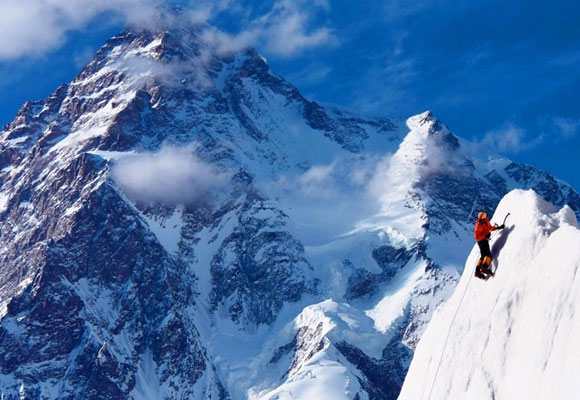
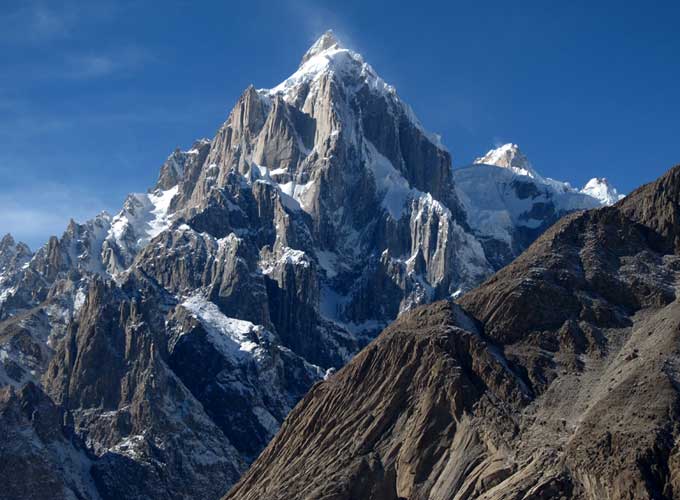
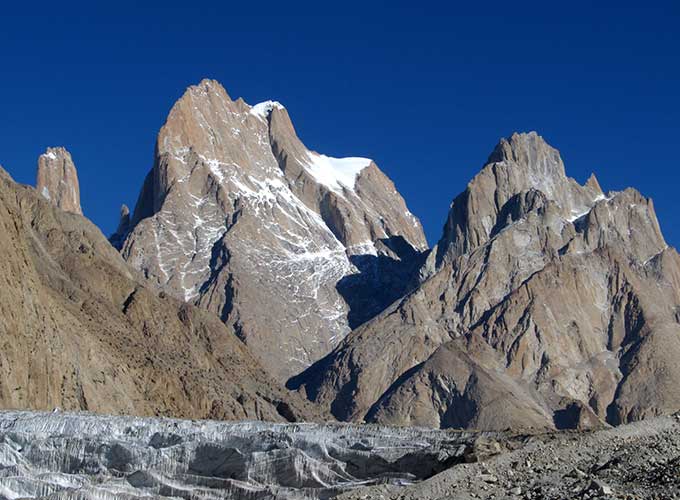
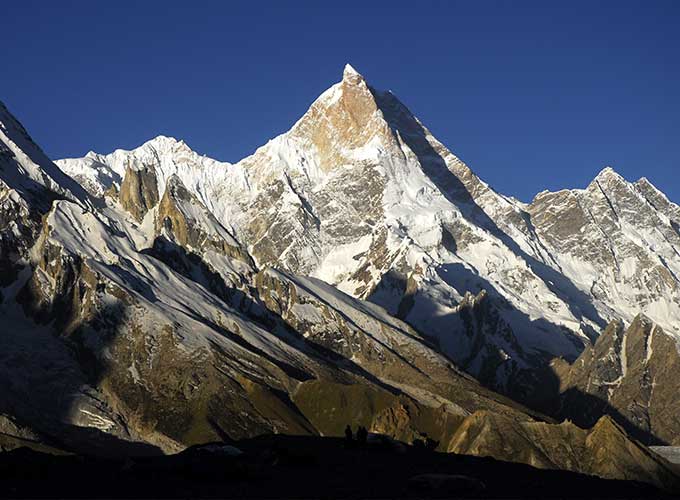
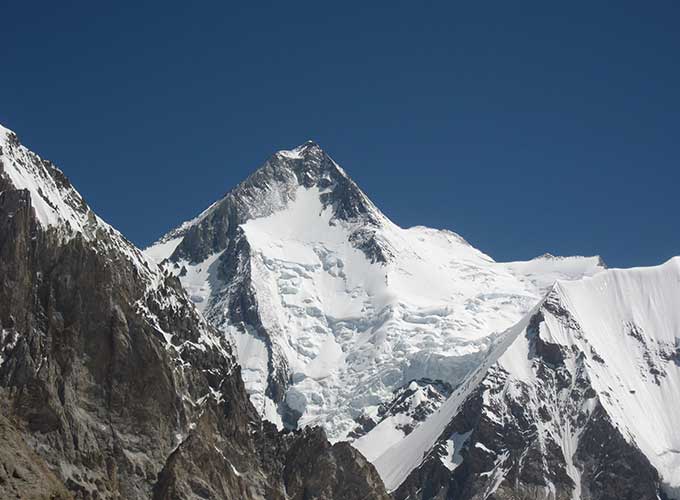
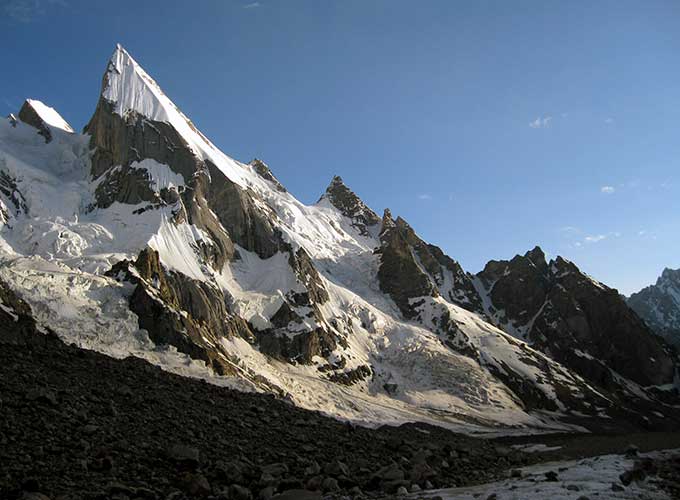
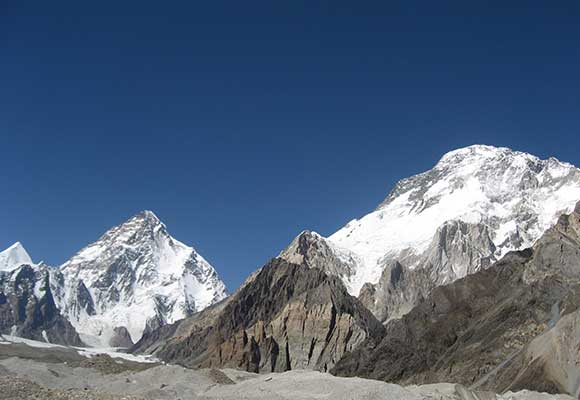
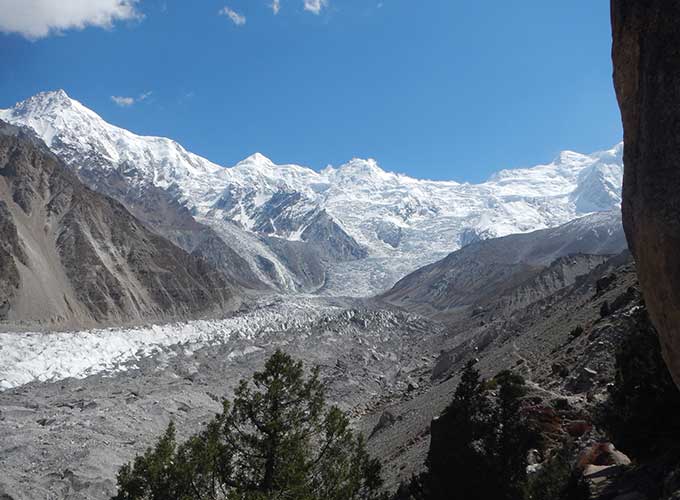
The Chogolisa Expedition Pakistan is one of the most technically demanding and visually stunning high-altitude mountaineering adventures in the Karakoram Range. Known as the “Bride Peak,” Chogolisa rises dramatically above the Baltoro Glacier near Concordia in Gilgit-Baltistan. With its elegant ridgelines, steep ice walls, and complex weather patterns, it is considered one of the most challenging peaks for experienced climbers seeking true alpine adventure.

When climbers search for terms like “Chogolisa expedition Pakistan,” “Karakoram climbing expeditions,” or “Baltoro Glacier peaks,” they are often looking for an expedition that goes beyond commercial trekking routes. Chogolisa offers exactly that—an isolated, technical, and highly rewarding mountaineering experience in one of the most spectacular mountain environments on Earth.

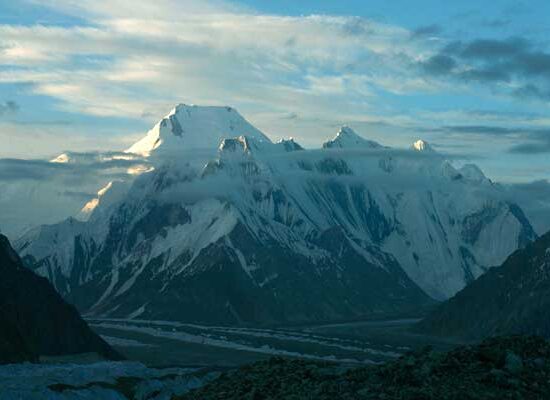
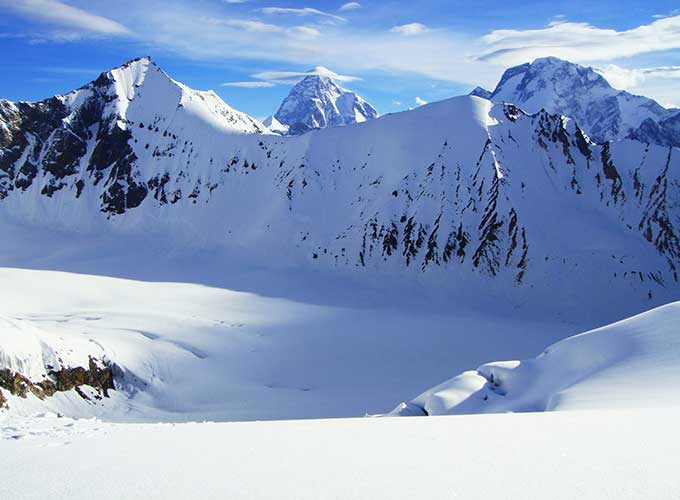
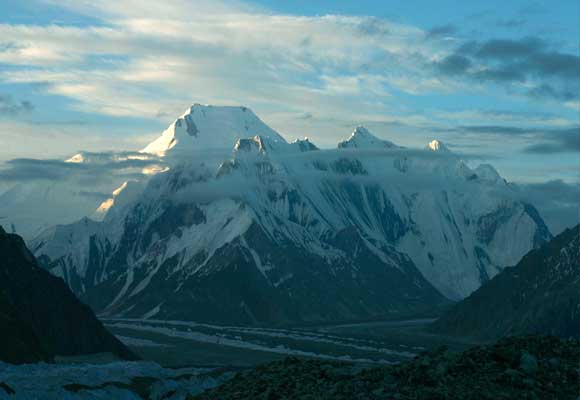
The mountain has two main summits, with Chogolisa I reaching approximately 7,665 meters. Its proximity to Concordia and other giants like K2, Broad Peak, and Gasherbrum IV makes it part of one of the most iconic high-altitude landscapes in the world. The expedition combines glacier travel, technical ice climbing, and extreme weather challenges, making it suitable only for highly experienced climbers.

Unlike many popular peaks, Chogolisa is rarely climbed due to its technical difficulty and unpredictable conditions. This exclusivity adds to its appeal for elite mountaineers seeking a raw and untouched Himalayan-Karakoram experience.

Adventure Pakistan Services – Professional Support for Chogolisa Expedition

Adventure Pakistan provides full expedition management for the Chogolisa Expedition Pakistan, ensuring climbers receive professional logistical, technical, and safety support throughout the journey. Due to the remote and demanding nature of the peak, expert organization is essential for success.

Services include permit processing, transportation coordination, experienced high-altitude guides, porter support, base camp establishment, and full board expedition services. For climbers searching “guided Chogolisa expedition Pakistan” or “Baltoro Glacier climbing support,” these services ensure a structured and safe expedition experience.

One of the key strengths of Adventure Pakistan is their deep operational experience in the Baltoro Glacier region. This area is known for long approach routes, extreme weather conditions, and technical climbing challenges. Their team ensures smooth logistics from Islamabad to Skardu and onward to Concordia and base camp.

Safety is a core priority, with continuous weather monitoring, communication systems, and structured acclimatization planning. Expedition leaders make real-time decisions to prioritize climber safety over summit objectives.

Chogolisa Expedition Dates, Cost & Packages 2026-2027

Start
End
Status
Price
Deposit
Registration
18 Jun
27 Jul
Guaranteed
US$5,400
US$1000
25 Jun
03 Aug
Guaranteed
US$5,400
US$1000
02 Jul
10 Aug
Guaranteed
US$5,400
US$1000
10 Jul
18 Aug
Guaranteed
US$5,400
US$1000
18 Jul
26 Aug
Guaranteed
US$5,400
US$1000
25 Jul
02 Sep
Guaranteed
US$5,400
US$1000


Chogolisa Expedition Plan – Arrival, Approach, Base Camp and Summit Preparation

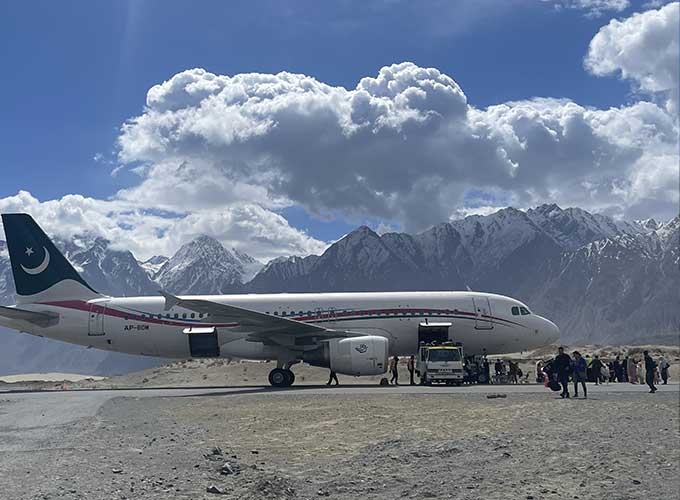
The Chogolisa Expedition Pakistan typically begins with international arrival in Islamabad, followed by a domestic flight to Skardu. This flight offers breathtaking aerial views of the Karakoram Range, including K2 and surrounding peaks.

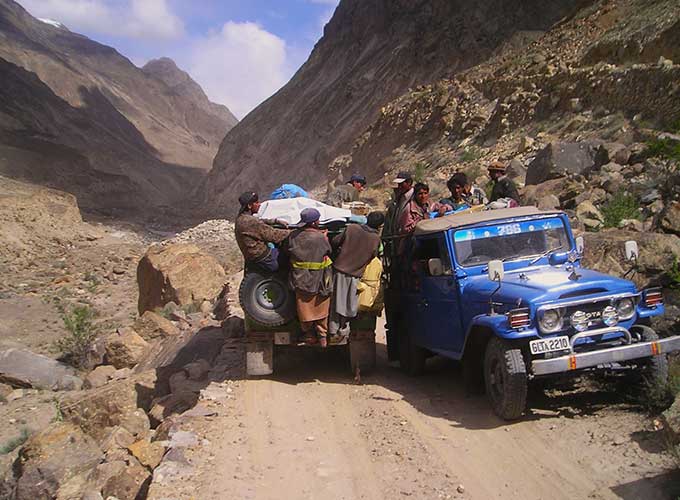
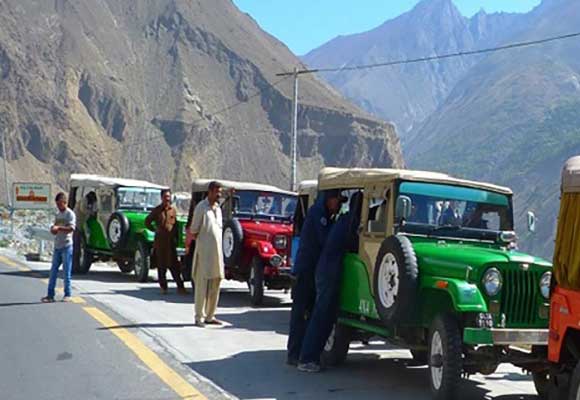
From Skardu, the journey continues by jeep to Askole, the last village before entering the high mountain zone. Askole serves as the gateway to the Baltoro Glacier, one of the longest glaciers outside the polar regions.

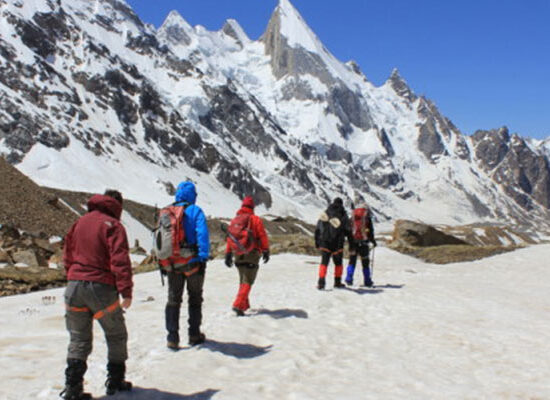
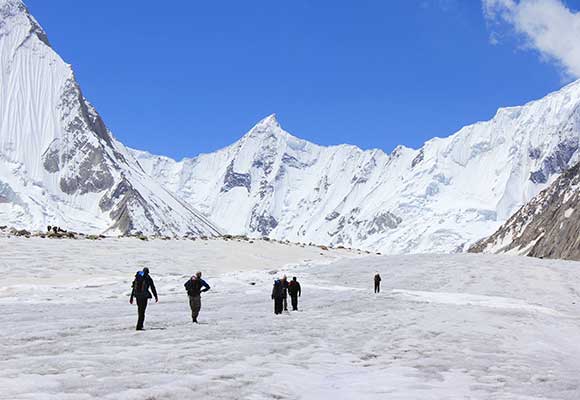
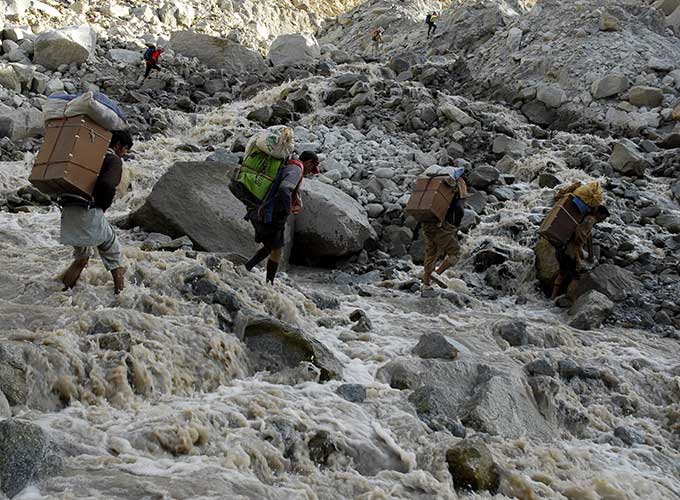
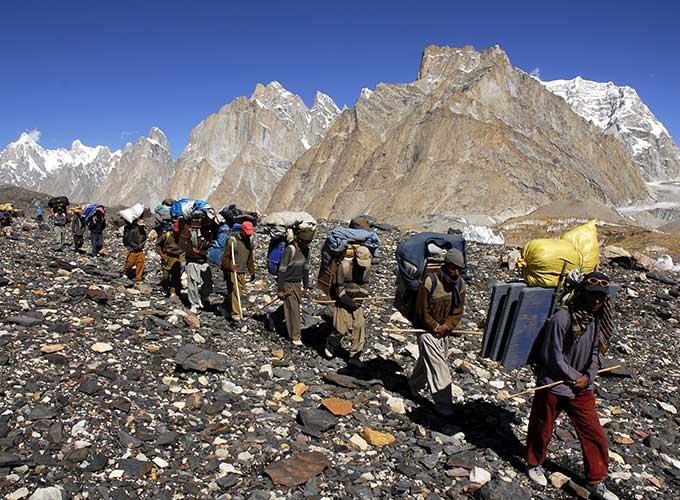
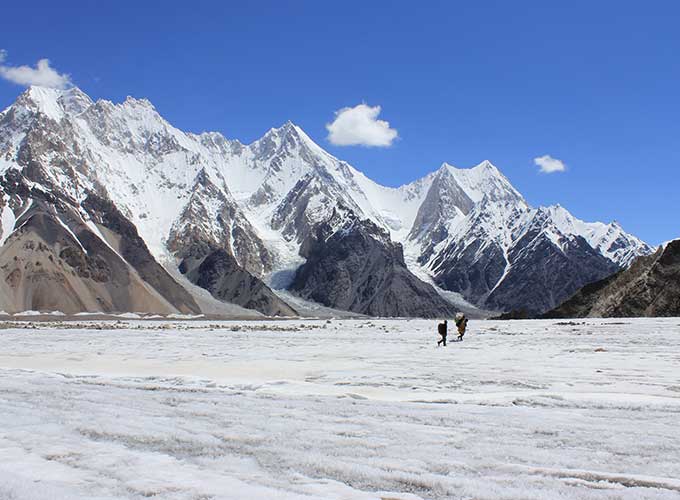
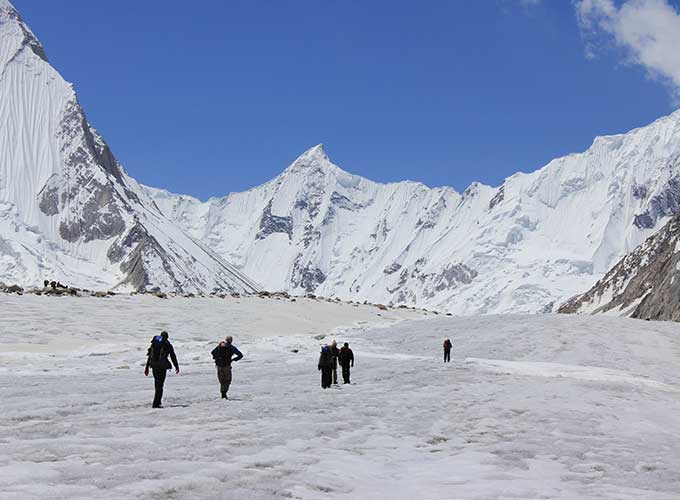
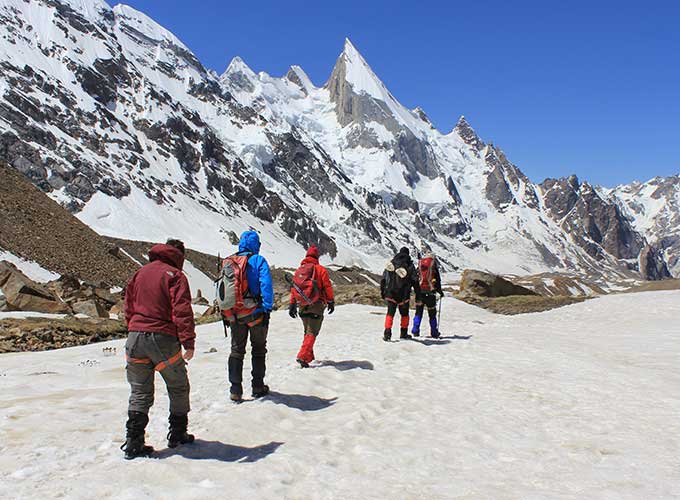
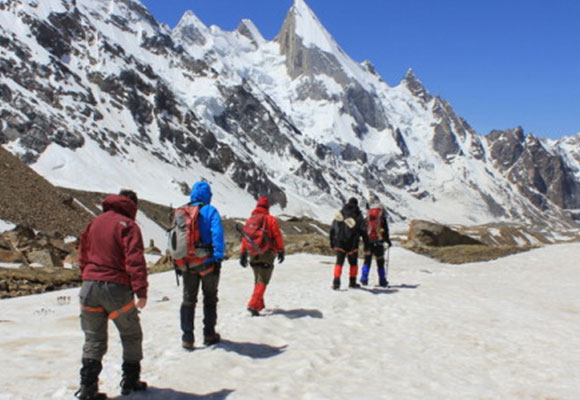
The approach trek from Askole to Concordia is a multi-day journey through rugged terrain, river crossings, and massive glacial landscapes. Climbers pass through iconic locations such as Jhola, Paiyu, Urdukas, and Goro II before reaching Concordia.

Concordia is the heart of the Karakoram, offering panoramic views of some of the world’s highest peaks. From here, base camp for Chogolisa is established on the glacier, providing access to technical climbing routes.

Once base camp is established, the expedition transitions into acclimatization and preparation phases. Climbers conduct short rotations, equipment checks, and route familiarization activities.

Summit preparation includes weather analysis, route fixing, and team coordination. Due to the technical nature of Chogolisa, careful planning is essential before any summit attempt.

Chogolisa Expedition Base Camp Life and Acclimatization on Baltoro Glacier

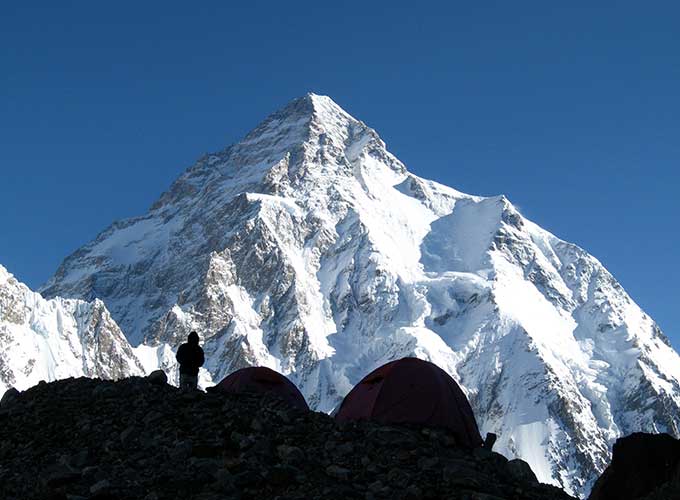
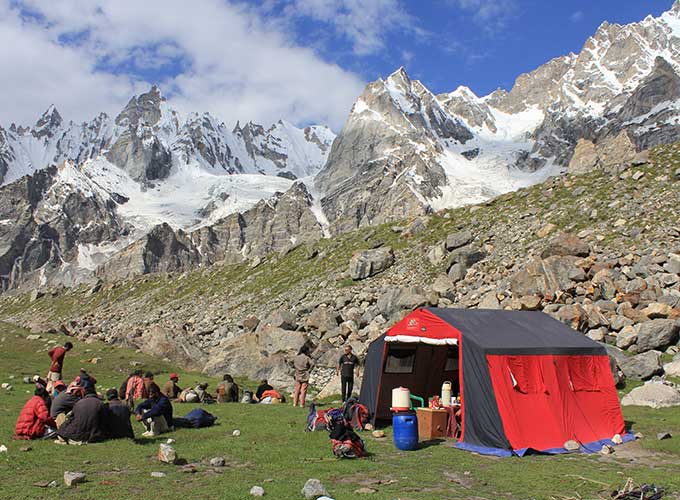
Base camp life during the Chogolisa Expedition Pakistan is a defining phase of the entire journey. Located on or near the Baltoro Glacier close to Concordia, base camp sits in one of the most dramatic high-altitude environments on Earth. Surrounded by towering peaks such as K2, Broad Peak, and Gasherbrum IV, climbers experience an unmatched alpine atmosphere that blends isolation, beauty, and extreme conditions.

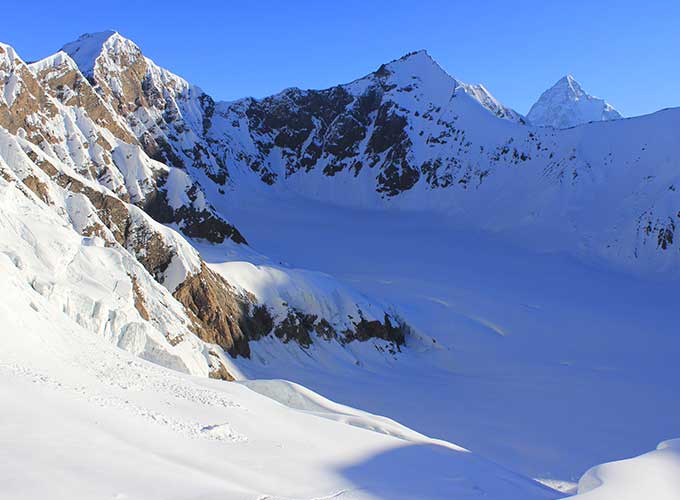
The environment at base camp is entirely glacial. Temperatures remain low even during peak climbing season, and weather can change rapidly within hours. Strong winds, sudden snowfall, and shifting glacier conditions are part of daily life. Climbers quickly adapt to a structured routine centered around acclimatization, planning, and recovery.

Acclimatization is the most important element at this stage. The human body must gradually adapt to reduced oxygen levels at high altitude. Climbers follow carefully designed rotation cycles, moving between base camp and higher camps to improve endurance and oxygen efficiency. This process reduces the risk of altitude sickness and prepares the body for technical climbing sections.

Daily life includes expedition briefings, weather analysis, gear maintenance, and nutritional planning. Expedition leaders closely monitor glacier stability, snow conditions, and wind patterns before making any movement decisions. Every action is carefully planned to ensure safety and efficiency in this harsh environment.

Climbing Strategy and Route Planning for Chogolisa Expedition Pakistan

The Chogolisa Expedition Pakistan requires advanced technical strategy due to the mountain’s steep ridges, ice walls, and unpredictable weather systems. Unlike trekking peaks, Chogolisa has no fixed or commercial route, making expedition planning highly flexible and dependent on real-time conditions.

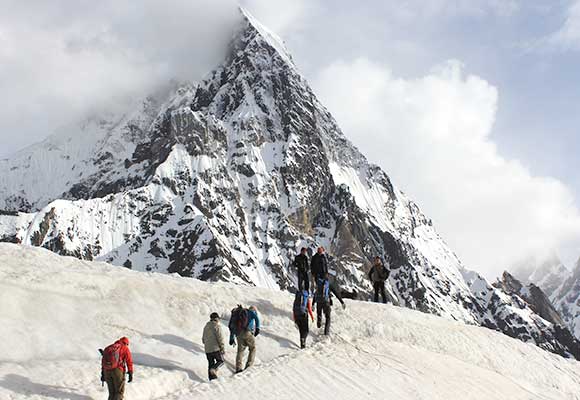
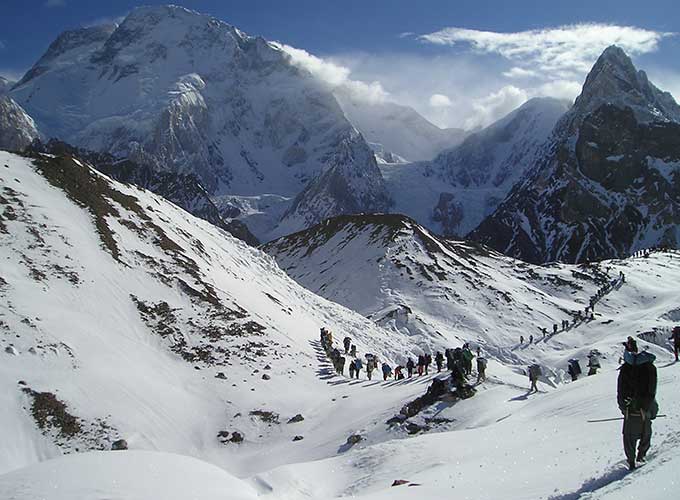
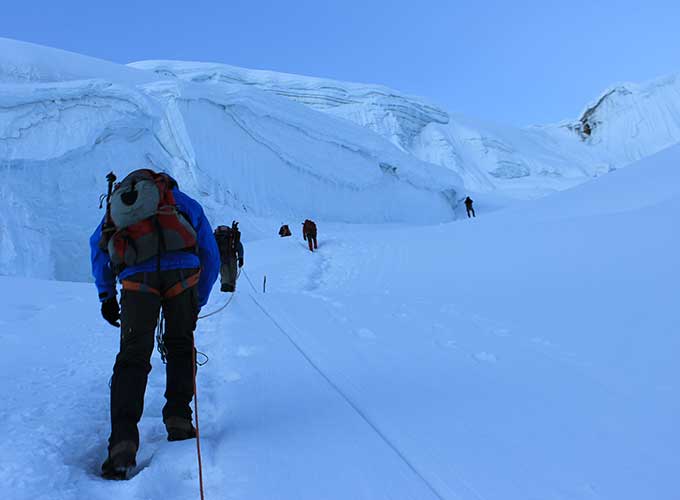
The climbing route typically begins from base camp on the Baltoro Glacier and progresses toward the lower slopes of Chogolisa. The terrain includes glacier travel, crevasse navigation, and steep ice sections that require fixed ropes and technical climbing techniques.

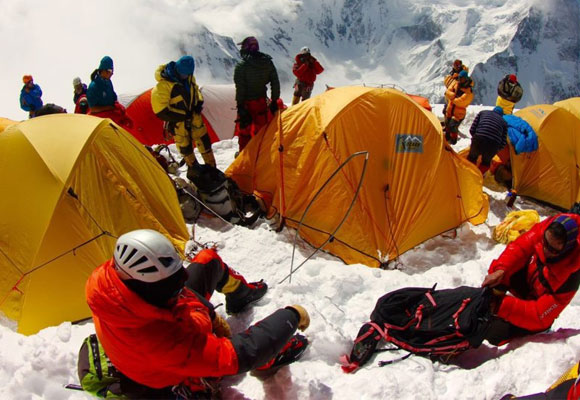
Higher camps are established progressively as climbers move closer to the summit zone. Each camp serves as a staging point for acclimatization, rest, and technical preparation. Route fixing is often required in exposed sections due to unstable snow and ice conditions.

Summit strategy is highly dependent on weather windows and team condition. Climbers must remain flexible, as conditions in the Karakoram can change rapidly. Expedition leaders make final decisions based on safety, visibility, and stability of climbing routes.

Weather Challenges and Safety Measures in Chogolisa Expedition

The weather in the Baltoro region is one of the most unpredictable factors affecting the Chogolisa Expedition Pakistan. Even during peak season, climbers may face sudden storms, heavy snowfall, and high wind speeds at altitude.

Temperature differences between base camp and summit zones are extreme. Climbers must prepare for freezing conditions, whiteout situations, and rapid weather deterioration that can impact visibility and safety.

Safety protocols include continuous weather monitoring, satellite communication, and strict turnaround times during summit attempts. Expedition leaders ensure that climbers never proceed into unsafe conditions, even if it means delaying or abandoning summit plans.

Glacier hazards such as crevasses, icefall zones, and unstable snow bridges require constant vigilance. Proper rope management and technical climbing skills are essential for safe progression through these areas.

Local Culture and Natural Beauty of Baltoro Region

The Chogolisa Expedition Pakistan passes through the culturally rich Baltoro region of Gilgit-Baltistan. This area is home to some of the most remote mountain communities in the world, known for their hospitality, resilience, and deep connection to the Karakoram environment.

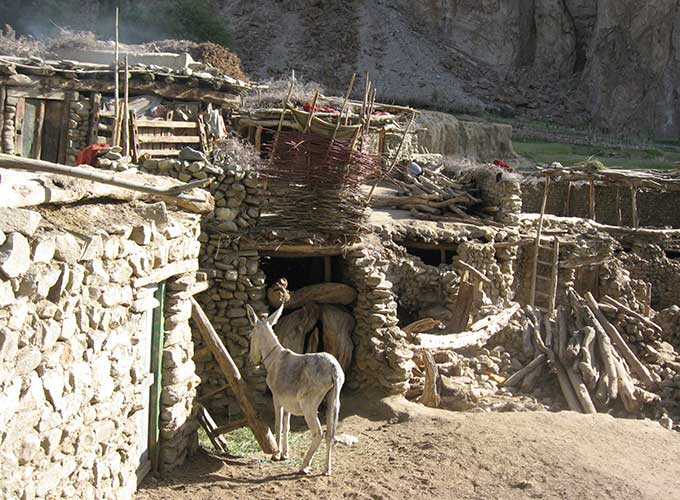
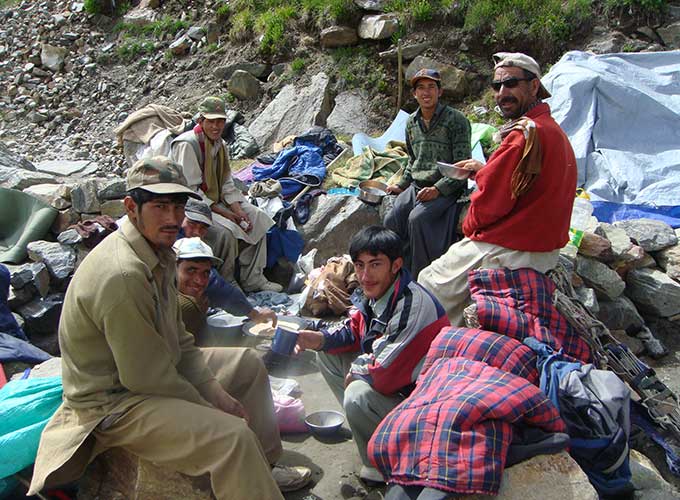
Climbers experience traditional Balti culture during the approach trek through villages like Askole. These communities have lived in harmony with the mountains for centuries, maintaining unique traditions and lifestyles shaped by extreme geography.

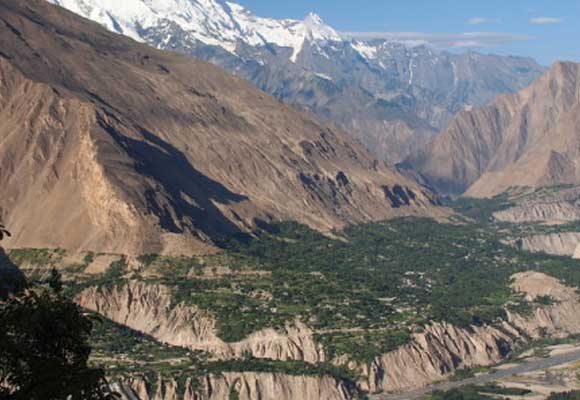
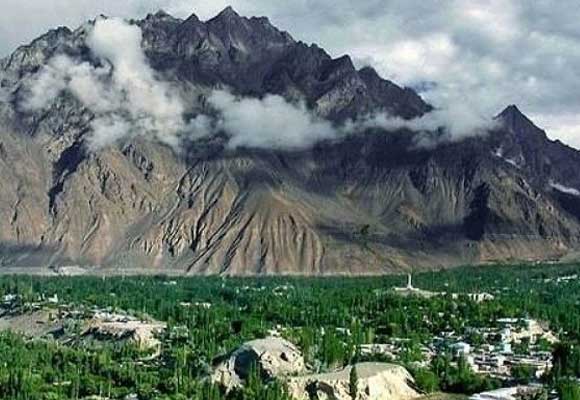
The natural beauty of the region is extraordinary. From lush valleys near Skardu to the massive ice formations of the Baltoro Glacier, the landscape transforms dramatically as climbers move toward Concordia and Chogolisa base camp.

This combination of cultural richness and extreme wilderness makes the expedition a deeply immersive experience beyond technical climbing.

Higher Camp Rotations, Summit Attempt, and Descent Strategy

As climbers progress beyond base camp, the expedition enters its most technical phase. Higher camp rotations involve carrying equipment, establishing camps, and acclimatizing at increasing altitudes on Chogolisa.

Each rotation improves physical adaptation and prepares climbers for the summit push. Higher camps are exposed to extreme cold, high winds, and unstable terrain, requiring strong technical skills and endurance.

The summit attempt is carefully timed based on weather conditions and team readiness. Climbers typically begin early in the morning to take advantage of stable snow conditions and reduced wind activity.

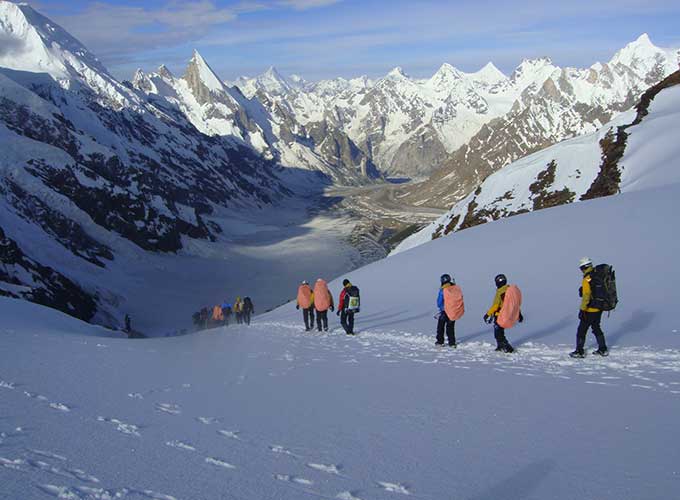
After a successful summit attempt, descent begins immediately to minimize exposure to changing weather conditions. The return journey requires careful navigation due to fatigue and technical terrain challenges.

The expedition concludes with a return trek from Concordia back through the Baltoro Glacier to Askole, followed by travel to Skardu and Islamabad, marking the end of a demanding high-altitude adventure.

Chogolisa Expedition Highlights – Karakoram’s Most Elegant and Technical Peak

The Chogolisa Expedition Pakistan is widely regarded as one of the most visually striking and technically demanding mountaineering experiences in the Karakoram Range. Known for its graceful ridgelines and dramatic proximity to Concordia, Chogolisa offers a rare combination of beauty and challenge that attracts highly experienced climbers from around the world.

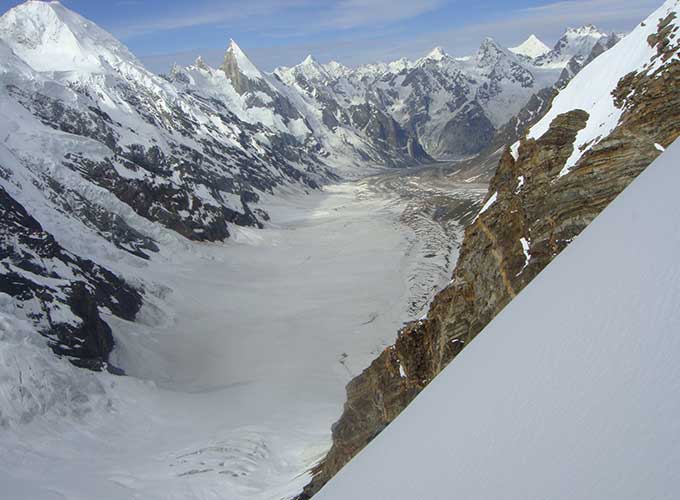
One of the major highlights of the expedition is the approach through the Baltoro Glacier. This vast glacial system is one of the longest outside the polar regions and provides a surreal trekking environment surrounded by some of the highest mountains on Earth. The scale of the landscape creates an immediate sense of isolation and adventure.

Another unforgettable highlight is reaching Concordia, often described as the “throne room of the mountain gods.” From this point, climbers are surrounded by multiple 8,000-meter peaks, including K2, Broad Peak, and Gasherbrum IV, while Chogolisa rises prominently in the foreground.

The technical climbing sections of Chogolisa itself are a major highlight. Steep ice slopes, exposed ridges, and unpredictable weather conditions make every stage of ascent a serious mountaineering challenge that tests skill, endurance, and decision-making.

The summit attempt remains the ultimate highlight, offering panoramic views of the Karakoram Range. Due to the mountain’s elegant shape and remote position, the summit experience is considered one of the most rewarding achievements in high-altitude climbing.

Photography and Expedition Documentation in Chogolisa Region

The Chogolisa Expedition Pakistan provides exceptional opportunities for photography and expedition documentation. The Baltoro Glacier region is one of the most visually powerful landscapes in the world, offering endless compositions for professional photographers and filmmakers.

The journey from Askole to Concordia is particularly rich in visual storytelling. Dramatic mountain walls, flowing glaciers, and changing light conditions create dynamic photographic opportunities at every stage of the trek.

At Concordia, climbers can capture rare panoramic views of multiple 8,000-meter peaks in a single frame. Chogolisa itself presents a striking silhouette that changes dramatically with light, weather, and seasonal snow conditions.

Due to extreme cold and altitude, photography equipment must be carefully protected. Battery life is reduced at high altitude, and moisture from snow and ice can affect sensitive gear. Proper insulation and backup systems are essential for successful documentation.

Team Dynamics and Leadership in Chogolisa Expedition Pakistan

Successful completion of the Chogolisa Expedition depends heavily on strong team dynamics and experienced leadership. High-altitude environments require close coordination between climbers, guides, and support staff to ensure safety and efficiency.

Expedition leaders are responsible for route planning, weather interpretation, and risk management. Their experience in Karakoram conditions is critical for making informed decisions during complex climbing phases.

Team members must maintain trust, communication, and discipline throughout the expedition. At high altitude, physical and mental fatigue can affect performance, making teamwork essential for safety and progress.

Successful expeditions rely on collective decision-making, especially during summit attempts and challenging weather conditions.

Training, Preparation, and Equipment for Chogolisa Expedition

The Chogolisa Expedition Pakistan requires advanced physical conditioning and technical mountaineering skills. Climbers must prepare extensively before attempting this peak due to its steep terrain and unpredictable conditions.

Training typically includes endurance hiking, cardiovascular conditioning, strength training, and technical climbing practice. Experience in glacier travel, ice climbing, and rope systems is essential for safe progression on Chogolisa.

Equipment requirements include insulated mountaineering clothing, high-altitude boots, crampons, ice axes, helmets, harnesses, and technical rope systems. Layering systems are critical due to extreme temperature variations between base camp and summit zones.

All equipment must be tested prior to the expedition to ensure reliability in harsh Karakoram conditions.

Nutrition and Full Board Services During Expedition

Nutrition plays a vital role in maintaining strength and endurance during the Chogolisa Expedition Pakistan. High-altitude climbing significantly increases calorie requirements due to cold exposure and physical exertion.

Full board services provide balanced meals designed to support energy needs at altitude. Meals typically include carbohydrates for energy, proteins for recovery, and fats for sustained endurance.

Hydration is closely monitored, as dehydration is a common risk at high altitude. Hot drinks and fluids are provided regularly at base camp and higher camps to maintain hydration levels.

Environmental Responsibility and Sustainability in Baltoro Region

Preserving the fragile environment of the Baltoro Glacier is a key responsibility during the Chogolisa Expedition Pakistan. The region is ecologically sensitive and requires strict environmental management practices.

Expedition teams follow waste management protocols to ensure all non-biodegradable materials are removed from the mountain environment. Camps are established with minimal ecological impact.

Respect for local ecosystems, glaciers, and cultural heritage is essential. Sustainable practices ensure that future generations can continue to experience the untouched beauty of the Karakoram.

Challenges and Mental Resilience in High Altitude Climbing

The Chogolisa Expedition presents significant physical and mental challenges. Extreme altitude, isolation, and unpredictable weather conditions require strong psychological resilience.

Climbers must manage fatigue, stress, and environmental pressure while maintaining focus on safety and performance. Decision-making under difficult conditions is a critical skill in high-altitude mountaineering.

Each challenge overcome during the expedition contributes to personal growth and strengthens confidence in extreme environments.

Celebrating Achievement and Expedition Legacy

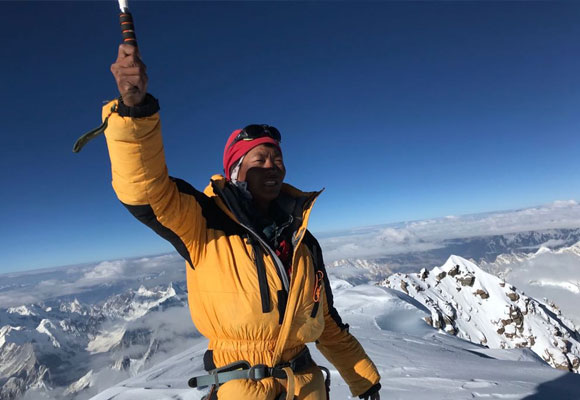
Reaching the summit of Chogolisa is a rare and prestigious achievement in the mountaineering world. Due to its technical difficulty and limited ascents, successful climbs are highly respected internationally.

The expedition leaves a lasting legacy for climbers, offering a transformative experience that combines physical endurance, technical skill, and emotional discovery.

Chogolisa remains one of the most elegant and challenging peaks in the Karakoram, symbolizing the spirit of exploration and adventure in Pakistan’s high-altitude history.

Adventure Pakistan Expertise and Expedition Services

Adventure Pakistan provides complete expedition support for the Chogolisa Expedition Pakistan, including logistics, permits, experienced high-altitude guides, base camp management, and safety coordination.

Their deep operational experience in the Baltoro region ensures professional planning and execution of complex high-altitude expeditions.

With strong regional expertise and a safety-focused approach, Adventure Pakistan offers climbers a structured and reliable expedition framework.

Chogolisa Expedition Pakistan – Travel Logistics and Access to Baltoro Glacier

The Chogolisa Expedition Pakistan begins with one of the most iconic mountain journeys in the world, accessing the remote Baltoro Glacier region of Gilgit-Baltistan. Reaching Chogolisa is not a simple transfer but a multi-stage expedition through some of the most dramatic terrain on Earth.

Most expeditions start with international arrival in Islamabad, Pakistan’s capital city. From here, climbers typically take a domestic flight to Skardu, the gateway to the Karakoram Range. This flight is highly scenic, offering aerial views of Nanga Parbat and the vast mountain systems of northern Pakistan, although weather delays are common.

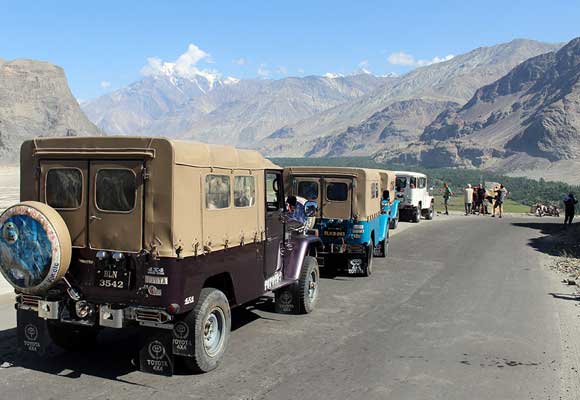
From Skardu, the journey continues by jeep toward Askole, the final village accessible by road. This overland route passes through rugged valleys, river crossings, and steep mountain roads that gradually transition into high-altitude wilderness.

Askole marks the official starting point of the Baltoro Glacier trek. From here, climbers begin a multi-day approach toward Concordia, passing through iconic locations such as Jhola, Paiyu, Urdukas, and Goro II. Each stage of the trek introduces increasingly dramatic glacial landscapes.

Due to the remoteness of the region, logistical planning is essential. Transport coordination, porter arrangements, and equipment handling must be carefully managed to ensure a smooth transition from urban environments to high-altitude expedition conditions.

Acclimatization and Health Considerations for Chogolisa Expedition

Acclimatization is a critical factor in the success of the Chogolisa Expedition Pakistan. As climbers ascend from lower valleys to elevations exceeding 7,000 meters, oxygen levels decrease significantly, requiring gradual physiological adaptation.

The expedition includes structured acclimatization phases during both the trek to Concordia and the climbing phase on Chogolisa. Climbers follow a “climb high, sleep low” approach, allowing the body to adjust safely to increasing altitude.

Common altitude-related risks include headache, fatigue, nausea, and acute mountain sickness. Proper hydration, controlled ascent rates, and adequate rest are essential for minimizing these risks.

Medical monitoring is conducted throughout the expedition. Expedition leaders continuously assess climber health and make decisions based on safety. If symptoms of altitude sickness worsen, immediate descent is prioritized.

Weather Patterns and Seasonal Planning for Chogolisa Expedition

The weather in the Karakoram region is highly unpredictable and plays a major role in the Chogolisa Expedition Pakistan. Even during peak climbing season, conditions can change rapidly, affecting visibility, temperature, and safety.

The primary climbing season is generally from June to September. During this period, weather windows are more stable, allowing access to base camp and higher camps. However, sudden storms and snowfall remain possible at any time.

Temperature differences between base camp and summit zones are extreme. Climbers must be prepared for intense cold, strong winds, and whiteout conditions at higher elevations.

Summit attempts are carefully timed based on weather forecasts and real-time conditions. Expedition leaders continuously monitor meteorological data to identify safe climbing windows.

Cultural Immersion and Local Experiences in Baltoro Region

The Chogolisa Expedition Pakistan offers a unique cultural experience through the Baltoro region of Gilgit-Baltistan. The local Balti communities are known for their hospitality, resilience, and deep connection to the surrounding mountains.

The approach trek from Askole provides opportunities to interact with local villagers who have lived in harmony with the Karakoram environment for generations. Their traditional lifestyle is closely linked to agriculture, animal husbandry, and seasonal mountain activity.

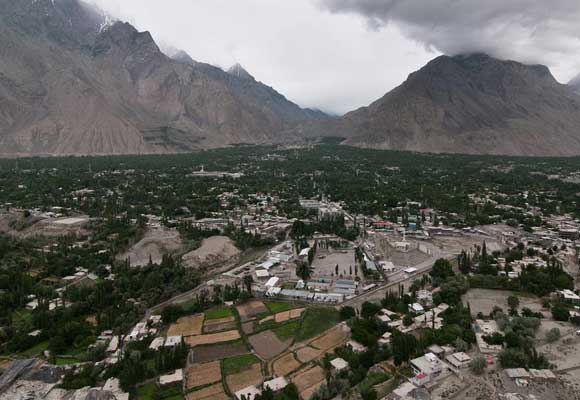
Skardu, the regional hub, offers additional cultural exposure with historical forts, traditional architecture, and local markets. These cultural interactions add depth to the expedition experience beyond technical climbing.

The combination of extreme wilderness and rich cultural heritage makes the journey to Chogolisa both physically challenging and emotionally enriching.

Climbing Etiquette and Environmental Responsibility

Responsible climbing practices are essential in the fragile ecosystem of the Baltoro Glacier. The Chogolisa Expedition Pakistan follows strict environmental guidelines to minimize human impact on the region.

All expedition teams are required to follow waste management protocols, ensuring that all non-biodegradable materials are carried back from the mountain. Camps are established with minimal disturbance to natural terrain.

Respect for local culture, traditions, and natural ecosystems is an important part of expedition ethics. Climbers are encouraged to adopt sustainable practices throughout the journey.

These measures help preserve the pristine environment of the Karakoram for future generations of climbers and explorers.

Safety Measures and Emergency Protocols in Chogolisa Expedition

Safety is the highest priority during the Chogolisa Expedition Pakistan due to the technical and remote nature of the mountain. Expedition teams implement comprehensive safety systems at every stage of the climb.

Satellite communication systems ensure constant contact between base camp and higher camps. This allows real-time updates on weather conditions and climber status.

Emergency evacuation options are limited due to terrain and weather conditions, making prevention and careful planning essential. Expedition leaders enforce strict safety protocols during all climbing phases.

Climbers must adhere to rope systems, altitude limits, and turnaround times to reduce risk in hazardous conditions.

Gear, Equipment, and Technical Skills for Chogolisa Expedition

The Chogolisa Expedition Pakistan requires advanced technical mountaineering equipment and skills. Climbers must be prepared for steep ice climbing, glacier navigation, and extreme weather conditions.

Essential equipment includes insulated high-altitude clothing, mountaineering boots, crampons, ice axes, helmets, harnesses, and technical rope systems. Layering systems are critical for adapting to changing temperatures.

Technical skills required include ice climbing, crevasse rescue, rope management, and navigation in low-visibility conditions. Experience in high-altitude environments is strongly recommended for safety and success.

All equipment must be tested before the expedition to ensure reliability in extreme Karakoram conditions.

Post-Expedition Recovery and Reflection

After completing the Chogolisa Expedition Pakistan, climbers undergo a recovery phase to restore physical strength and adjust back to lower altitudes. Fatigue and altitude-related effects require proper rest and hydration.

The descent journey through Baltoro Glacier provides time for reflection on the challenges, achievements, and personal growth experienced during the expedition.

Many climbers describe this phase as emotionally significant, as it allows them to process the intensity of the climb and appreciate the scale of their accomplishment.

Frequently Asked Questions – Chogolisa Expedition Pakistan

1. How difficult is the Chogolisa Expedition?
It is a highly technical and challenging expedition suitable only for experienced mountaineers.

2. What is the height of Chogolisa?
Chogolisa reaches approximately 7,665 meters above sea level.

3. What is the best season for Chogolisa Expedition?
The best season is typically June to September.

4. Do I need prior climbing experience?
Yes, high-altitude and technical climbing experience is essential.

5. Is a guide required for Chogolisa?
Yes, professional guiding support is strongly recommended due to technical difficulty.

6. How long does the expedition take?
It usually takes several weeks depending on weather and acclimatization.

7. What permits are required?
Climbing permits issued by Pakistani authorities are required for Karakoram expeditions.

8. Is oxygen used on Chogolisa?
Oxygen may be used depending on conditions and expedition strategy.

9. Is rescue possible in emergencies?
Rescue options are limited due to remoteness and weather conditions.

10. Can beginners attempt Chogolisa?
No, it is strictly for advanced and experienced climbers.

Frequently Asked Questions – Adventure Pakistan Services for Chogolisa Expedition

1. What services does Adventure Pakistan provide for the Chogolisa Expedition?
Adventure Pakistan provides complete expedition support including permits, logistics, transport from Islamabad to Skardu and Askole, experienced high-altitude guides, porters, base camp setup, and full board services throughout the Chogolisa Expedition Pakistan.

2. Does Adventure Pakistan organize guided climbs on Chogolisa?
Yes, Adventure Pakistan organizes fully supported guided expeditions to Chogolisa with professional leadership, technical climbing assistance, and structured acclimatization planning for experienced mountaineers.

3. Is prior high-altitude climbing experience required for Chogolisa?
Yes, Chogolisa is a highly technical peak, and prior experience above 6,000 meters with glacier and ice climbing skills is strongly recommended for participation.

4. Are local porters included in the expedition package?
Yes, trained local porters from the Baltistan region are included to assist with equipment transport, base camp logistics, and support on the Baltoro Glacier approach.

5. How does Adventure Pakistan ensure safety during the Chogolisa Expedition?
They use satellite communication systems, weather monitoring, experienced expedition leaders, emergency protocols, and strict altitude management to ensure climber safety throughout the expedition.

6. Does Adventure Pakistan handle permits for Chogolisa?
Yes, all necessary climbing permits, restricted area permissions, and official documentation for the Chogolisa Expedition Pakistan are arranged by Adventure Pakistan.

7. What kind of accommodation is provided during the expedition?
Accommodation includes expedition-grade tents at base camp and higher camps with insulated sleeping systems and full board meal services.

8. Does Adventure Pakistan provide acclimatization planning?
Yes, structured acclimatization rotations and altitude gain strategies are included to help climbers adapt safely to high-altitude conditions on Chogolisa.

9. Can Adventure Pakistan customize the Chogolisa itinerary?
Yes, itineraries can be customized based on team size, experience level, weather conditions, and specific expedition goals.

10. Why choose Adventure Pakistan for Chogolisa Expedition?
Adventure Pakistan offers strong regional expertise in Baltoro Glacier operations, professional expedition management, safety-focused planning, and experienced high-altitude support teams, making them a trusted operator for the Chogolisa Expedition Pakistan.

Why Choose Adventure Pakistan for Chogolisa Expedition

Adventure Pakistan provides complete expedition support for the Chogolisa Expedition Pakistan, including logistics, permits, experienced guides, base camp management, and safety coordination.

Their deep expertise in the Baltoro Glacier region ensures professional planning and execution of complex high-altitude climbs in the Karakoram.

With a strong focus on safety, efficiency, and local knowledge, Adventure Pakistan offers a reliable framework for climbers attempting Chogolisa.

Begin Your Chogolisa Expedition With Adventure Pakistan

The Chogolisa Expedition Pakistan represents one of the most elegant and technically challenging climbs in the Karakoram Range. With its remote location, steep terrain, and unpredictable weather, it offers a true test of endurance and skill.

For experienced mountaineers seeking a less commercialized and highly rewarding expedition, Chogolisa provides an unmatched combination of beauty, challenge, and isolation.

With proper preparation and professional support, this expedition becomes a life-changing achievement that defines the spirit of high-altitude adventure in Pakistan.

ITINERARY

WHAT'S INCLUDED

  • ARRIVAL AND DEPARTURE: Airport - Hotel transfers – Airport (Pick Up and Drop), by private vehicle.
  • ACCOMMODATION IN ISLAMABAD: 3 nights hotel at 4-star Hotel in Islamabad on bed & breakfast Basis- Sharing Twin Bed Room.
  • WELCOME DINNER: 5 nights hotel in Skardu on Bed and Breakfast plan.
  • CARGO CLEARANCE: Assistance for cargo clearance in Pakistan’s Customs, clearance cost is subject to a charge.
  • PERMIT: Expedition Royalty and a permit fee of the PAKISTAN Government to climb Mt. G-1, for members.
  • LIAISON OFFICER: 1 Government Liaison officer with full equipment, salary, and accommodation.
  • GARBAGE MANAGEMENT: Stool Shipment Transfer & Garbage Deposit fees.
  • INSURANCE: Medical Insurance for all Pakistani staff during the trek and expedition.
  • MAP: Trekking and climbing map.
  • DUFFLE BAG: One Adventure Pakistan, Treks, Expeditions Duffle Bag.
  • MEMBER TRANSPORTATION: (Domestic Flight) Fly from Islamabad to Skardu and while returning from Skardu to Islamabad, as per itinerary, along with one guide. - LAND TRANSPORTATION (MEMBERS): Drive by jeep Skardu to Askole and on returning Askole to Skardu. - LAND TRANSPORTATION (STAFF): Islamabad to Askole via Skardu (by bus/jeep) for all climbing Sherpas and expeditions staff. (Members and staff will meet each other in Skardu).
  • EXPEDITION STUFFS TRANSPORTATION: All necessary expedition equipment transportation for all Members and Staff  (by air cargo) – Islamabad to Askole (by truck/jeep) and Base camp (by Porters/mules) – While returning: Base camp to Askole (by porters/mules) and Askole to Islamabad (by Truck/jeep). Based on the condition, different transportation variants may adopt.
  • MEMBER LUGGAGE: Up to 60 Kg per member for personal baggage during the trek to be carried by porters or Mules.
  • FOOD AND LODGING: 3 meals a day (breakfast, lunch, and dinner; including tea and coffee) along with accessible accommodation at Hotel/Lodge/TENT during the trek and at the Basecamp. Hygienic vegetables, meat, fruits, soft drinks, and juice will be served during the entire expedition. Well-managed base camp set up for members & Staff.
  • CAMPING: All necessary logistic arrangements for Camping during the trek.
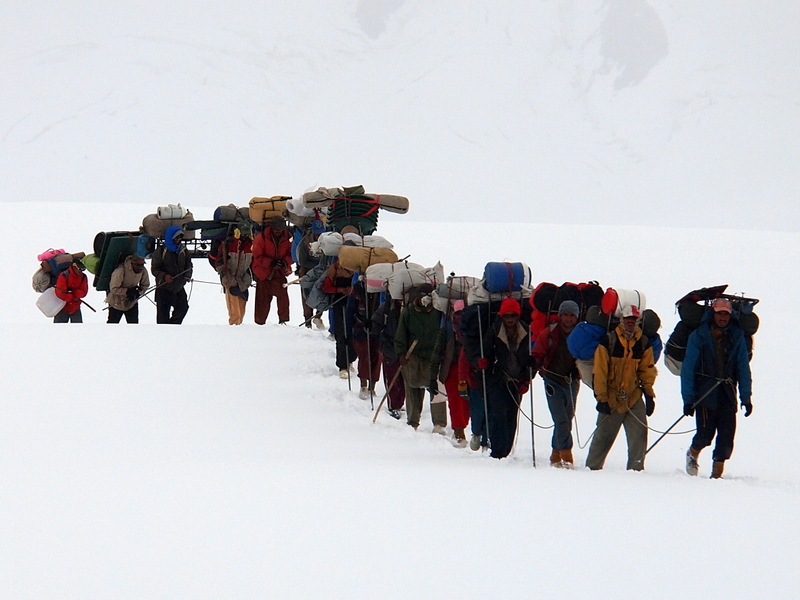
  • PORTER: Porters per member up to the basecamp and from the basecamp (both ways).
  • BASE CAMP STAFF: Experienced and well-trained Base Camp Cook & kitchen Helpers as required.
  • BASE CAMP COOK: Pakistani well-trained professional cook for the team.
  • STAFF SALARY AND ALLOWANCE: All staff & porter’s daily wages, salary, equipment, food & clothing.
  • BASE CAMP TENT: Each member will have an individual box tent in Base Camp.
  • BASE CAMP EQUIPMENT: Single Tent, foam mattresses and pillow per member, 1 Dinning Tent, 1 Kitchen Tent, 1 Communication tent, 1 Toilet & 1 Shower Tent, 1 Staffs Tent, Store tent, Tables & chairs & all necessary cooking gears.
  • SOLAR/GENERATOR/LIGHT: 1 Solar panel and Generator for lights at base camp, FOR battery charges, laptop, and other electronic devices.
  • SATELLITE PHONE: Satellite Phone for emergency communication carried by Sherpa, also available for members (SUBJECT TO A CHARGE).
  • WALKIE-TALKIE: Walkie–Talkie for communicating from Base Camp to Mountain and Mountain to Base Camp.
  • PERMITS: Climbing certificate issued by Pakistani Alpine Club (after climbing successfully).
  • MEDICAL KIT: Comprehensive Medical kit for members and staff.
  • CERTIFICATE: Certificate issued by PAKISTANI ALPINE CLUB (after climbing successfully).

WHAT'S NOT INCLUDED

  • AIR FARE : International flight airfare (from and to Islamabad).
  • PAKISTAN ENTRY VISA FEE : PAKISTANI Visa fee for 90 DAYS.
  • LUNCH & DINNER : Lunch & dinner during the stay in Islamabad and Skardu (also in case of early return from Trekking / Expedition than the scheduled itinerary).
  • EXTRA NIGHTS IN ISLAMABAD & SKARDU : Extra nights’ accommodation in Islamabad & Skardu. In case of early arrival or late departure, early return from Trekking / Expedition, or domestic flight cancellation (due to any other reason) than the scheduled itinerary.
  • INSURANCE POLICY : Insurance covering both medical and high-altitude evacuation costs (for the trip cancellation, interruption, high-altitude rescue & air evacuation, medical treatment, repatriation, etc.) *Mandatory
  • PERSONAL EXPENSES : Telephone Calls, Internet, Toiletries, battery recharge, hot shower, laundry, soft drinks, beers, and any Alcoholic beverages (during the trek and in Islamabad & Skardu but we will have soft drinks for members at base camp).
  • PERSONAL CLIMBING EQUIPMENT : Clothing, Packing Items, Bags, Personal Medical Kit, and all kinds of Personal Trekking / Climbing Gear.
  • TOILETRIES : Soaps, shampoos, toilet and tissue papers, toothpaste, and other items used to keep yourself clean.
  • FILMING : Special Filming, Camera, and Drone permit fee.
  • INTERNET SERVICE : Not included during the trek.
  • TIPS : Calculate some tips for basecamp and high camp staff – Minimum 500 USD.
  • EXTRA : Any other services or activities, which are not mentioned in the itinerary and not listed in the “Cost Includes” section.
ROUTE MAP

Chogolisa Expedition Pakistan – Ultimate High Altitude Mountaineering Adventure in Karakoram

Overview of Chogolisa Expedition Pakistan – The Bride Peak of Karakoram

The Chogolisa Expedition Pakistan is one of the most technically demanding and visually stunning high-altitude mountaineering adventures in the Karakoram Range. Known as the “Bride Peak,” Chogolisa rises dramatically above the Baltoro Glacier near Concordia in Gilgit-Baltistan. With its elegant ridgelines, steep ice walls, and complex weather patterns, it is considered one of the most challenging peaks for experienced climbers seeking true alpine adventure.

When climbers search for terms like “Chogolisa expedition Pakistan,” “Karakoram climbing expeditions,” or “Baltoro Glacier peaks,” they are often looking for an expedition that goes beyond commercial trekking routes. Chogolisa offers exactly that—an isolated, technical, and highly rewarding mountaineering experience in one of the most spectacular mountain environments on Earth.

The mountain has two main summits, with Chogolisa I reaching approximately 7,665 meters. Its proximity to Concordia and other giants like K2, Broad Peak, and Gasherbrum IV makes it part of one of the most iconic high-altitude landscapes in the world. The expedition combines glacier travel, technical ice climbing, and extreme weather challenges, making it suitable only for highly experienced climbers.

Unlike many popular peaks, Chogolisa is rarely climbed due to its technical difficulty and unpredictable conditions. This exclusivity adds to its appeal for elite mountaineers seeking a raw and untouched Himalayan-Karakoram experience.

Adventure Pakistan Services – Professional Support for Chogolisa Expedition

Adventure Pakistan provides full expedition management for the Chogolisa Expedition Pakistan, ensuring climbers receive professional logistical, technical, and safety support throughout the journey. Due to the remote and demanding nature of the peak, expert organization is essential for success.

Services include permit processing, transportation coordination, experienced high-altitude guides, porter support, base camp establishment, and full board expedition services. For climbers searching “guided Chogolisa expedition Pakistan” or “Baltoro Glacier climbing support,” these services ensure a structured and safe expedition experience.

One of the key strengths of Adventure Pakistan is their deep operational experience in the Baltoro Glacier region. This area is known for long approach routes, extreme weather conditions, and technical climbing challenges. Their team ensures smooth logistics from Islamabad to Skardu and onward to Concordia and base camp.

Safety is a core priority, with continuous weather monitoring, communication systems, and structured acclimatization planning. Expedition leaders make real-time decisions to prioritize climber safety over summit objectives.

Chogolisa Expedition Dates, Cost & Packages 2026-2027

Start
End
Status
Price
Deposit
Registration
18 Jun
27 Jul
Guaranteed
US$5,400
US$1000
25 Jun
03 Aug
Guaranteed
US$5,400
US$1000
02 Jul
10 Aug
Guaranteed
US$5,400
US$1000
10 Jul
18 Aug
Guaranteed
US$5,400
US$1000
18 Jul
26 Aug
Guaranteed
US$5,400
US$1000
25 Jul
02 Sep
Guaranteed
US$5,400
US$1000


Chogolisa Expedition Plan – Arrival, Approach, Base Camp and Summit Preparation

The Chogolisa Expedition Pakistan typically begins with international arrival in Islamabad, followed by a domestic flight to Skardu. This flight offers breathtaking aerial views of the Karakoram Range, including K2 and surrounding peaks.

From Skardu, the journey continues by jeep to Askole, the last village before entering the high mountain zone. Askole serves as the gateway to the Baltoro Glacier, one of the longest glaciers outside the polar regions.

The approach trek from Askole to Concordia is a multi-day journey through rugged terrain, river crossings, and massive glacial landscapes. Climbers pass through iconic locations such as Jhola, Paiyu, Urdukas, and Goro II before reaching Concordia.

Concordia is the heart of the Karakoram, offering panoramic views of some of the world’s highest peaks. From here, base camp for Chogolisa is established on the glacier, providing access to technical climbing routes.

Once base camp is established, the expedition transitions into acclimatization and preparation phases. Climbers conduct short rotations, equipment checks, and route familiarization activities.

Summit preparation includes weather analysis, route fixing, and team coordination. Due to the technical nature of Chogolisa, careful planning is essential before any summit attempt.

Chogolisa Expedition Base Camp Life and Acclimatization on Baltoro Glacier

Base camp life during the Chogolisa Expedition Pakistan is a defining phase of the entire journey. Located on or near the Baltoro Glacier close to Concordia, base camp sits in one of the most dramatic high-altitude environments on Earth. Surrounded by towering peaks such as K2, Broad Peak, and Gasherbrum IV, climbers experience an unmatched alpine atmosphere that blends isolation, beauty, and extreme conditions.

The environment at base camp is entirely glacial. Temperatures remain low even during peak climbing season, and weather can change rapidly within hours. Strong winds, sudden snowfall, and shifting glacier conditions are part of daily life. Climbers quickly adapt to a structured routine centered around acclimatization, planning, and recovery.

Acclimatization is the most important element at this stage. The human body must gradually adapt to reduced oxygen levels at high altitude. Climbers follow carefully designed rotation cycles, moving between base camp and higher camps to improve endurance and oxygen efficiency. This process reduces the risk of altitude sickness and prepares the body for technical climbing sections.

Daily life includes expedition briefings, weather analysis, gear maintenance, and nutritional planning. Expedition leaders closely monitor glacier stability, snow conditions, and wind patterns before making any movement decisions. Every action is carefully planned to ensure safety and efficiency in this harsh environment.

Climbing Strategy and Route Planning for Chogolisa Expedition Pakistan

The Chogolisa Expedition Pakistan requires advanced technical strategy due to the mountain’s steep ridges, ice walls, and unpredictable weather systems. Unlike trekking peaks, Chogolisa has no fixed or commercial route, making expedition planning highly flexible and dependent on real-time conditions.

The climbing route typically begins from base camp on the Baltoro Glacier and progresses toward the lower slopes of Chogolisa. The terrain includes glacier travel, crevasse navigation, and steep ice sections that require fixed ropes and technical climbing techniques.

Higher camps are established progressively as climbers move closer to the summit zone. Each camp serves as a staging point for acclimatization, rest, and technical preparation. Route fixing is often required in exposed sections due to unstable snow and ice conditions.

Summit strategy is highly dependent on weather windows and team condition. Climbers must remain flexible, as conditions in the Karakoram can change rapidly. Expedition leaders make final decisions based on safety, visibility, and stability of climbing routes.

Weather Challenges and Safety Measures in Chogolisa Expedition

The weather in the Baltoro region is one of the most unpredictable factors affecting the Chogolisa Expedition Pakistan. Even during peak season, climbers may face sudden storms, heavy snowfall, and high wind speeds at altitude.

Temperature differences between base camp and summit zones are extreme. Climbers must prepare for freezing conditions, whiteout situations, and rapid weather deterioration that can impact visibility and safety.

Safety protocols include continuous weather monitoring, satellite communication, and strict turnaround times during summit attempts. Expedition leaders ensure that climbers never proceed into unsafe conditions, even if it means delaying or abandoning summit plans.

Glacier hazards such as crevasses, icefall zones, and unstable snow bridges require constant vigilance. Proper rope management and technical climbing skills are essential for safe progression through these areas.

Local Culture and Natural Beauty of Baltoro Region

The Chogolisa Expedition Pakistan passes through the culturally rich Baltoro region of Gilgit-Baltistan. This area is home to some of the most remote mountain communities in the world, known for their hospitality, resilience, and deep connection to the Karakoram environment.

Climbers experience traditional Balti culture during the approach trek through villages like Askole. These communities have lived in harmony with the mountains for centuries, maintaining unique traditions and lifestyles shaped by extreme geography.

The natural beauty of the region is extraordinary. From lush valleys near Skardu to the massive ice formations of the Baltoro Glacier, the landscape transforms dramatically as climbers move toward Concordia and Chogolisa base camp.

This combination of cultural richness and extreme wilderness makes the expedition a deeply immersive experience beyond technical climbing.

Higher Camp Rotations, Summit Attempt, and Descent Strategy

As climbers progress beyond base camp, the expedition enters its most technical phase. Higher camp rotations involve carrying equipment, establishing camps, and acclimatizing at increasing altitudes on Chogolisa.

Each rotation improves physical adaptation and prepares climbers for the summit push. Higher camps are exposed to extreme cold, high winds, and unstable terrain, requiring strong technical skills and endurance.

The summit attempt is carefully timed based on weather conditions and team readiness. Climbers typically begin early in the morning to take advantage of stable snow conditions and reduced wind activity.

After a successful summit attempt, descent begins immediately to minimize exposure to changing weather conditions. The return journey requires careful navigation due to fatigue and technical terrain challenges.

The expedition concludes with a return trek from Concordia back through the Baltoro Glacier to Askole, followed by travel to Skardu and Islamabad, marking the end of a demanding high-altitude adventure.

Chogolisa Expedition Highlights – Karakoram’s Most Elegant and Technical Peak

The Chogolisa Expedition Pakistan is widely regarded as one of the most visually striking and technically demanding mountaineering experiences in the Karakoram Range. Known for its graceful ridgelines and dramatic proximity to Concordia, Chogolisa offers a rare combination of beauty and challenge that attracts highly experienced climbers from around the world.

One of the major highlights of the expedition is the approach through the Baltoro Glacier. This vast glacial system is one of the longest outside the polar regions and provides a surreal trekking environment surrounded by some of the highest mountains on Earth. The scale of the landscape creates an immediate sense of isolation and adventure.

Another unforgettable highlight is reaching Concordia, often described as the “throne room of the mountain gods.” From this point, climbers are surrounded by multiple 8,000-meter peaks, including K2, Broad Peak, and Gasherbrum IV, while Chogolisa rises prominently in the foreground.

The technical climbing sections of Chogolisa itself are a major highlight. Steep ice slopes, exposed ridges, and unpredictable weather conditions make every stage of ascent a serious mountaineering challenge that tests skill, endurance, and decision-making.

The summit attempt remains the ultimate highlight, offering panoramic views of the Karakoram Range. Due to the mountain’s elegant shape and remote position, the summit experience is considered one of the most rewarding achievements in high-altitude climbing.

Photography and Expedition Documentation in Chogolisa Region

The Chogolisa Expedition Pakistan provides exceptional opportunities for photography and expedition documentation. The Baltoro Glacier region is one of the most visually powerful landscapes in the world, offering endless compositions for professional photographers and filmmakers.

The journey from Askole to Concordia is particularly rich in visual storytelling. Dramatic mountain walls, flowing glaciers, and changing light conditions create dynamic photographic opportunities at every stage of the trek.

At Concordia, climbers can capture rare panoramic views of multiple 8,000-meter peaks in a single frame. Chogolisa itself presents a striking silhouette that changes dramatically with light, weather, and seasonal snow conditions.

Due to extreme cold and altitude, photography equipment must be carefully protected. Battery life is reduced at high altitude, and moisture from snow and ice can affect sensitive gear. Proper insulation and backup systems are essential for successful documentation.

Team Dynamics and Leadership in Chogolisa Expedition Pakistan

Successful completion of the Chogolisa Expedition depends heavily on strong team dynamics and experienced leadership. High-altitude environments require close coordination between climbers, guides, and support staff to ensure safety and efficiency.

Expedition leaders are responsible for route planning, weather interpretation, and risk management. Their experience in Karakoram conditions is critical for making informed decisions during complex climbing phases.

Team members must maintain trust, communication, and discipline throughout the expedition. At high altitude, physical and mental fatigue can affect performance, making teamwork essential for safety and progress.

Successful expeditions rely on collective decision-making, especially during summit attempts and challenging weather conditions.

Training, Preparation, and Equipment for Chogolisa Expedition

The Chogolisa Expedition Pakistan requires advanced physical conditioning and technical mountaineering skills. Climbers must prepare extensively before attempting this peak due to its steep terrain and unpredictable conditions.

Training typically includes endurance hiking, cardiovascular conditioning, strength training, and technical climbing practice. Experience in glacier travel, ice climbing, and rope systems is essential for safe progression on Chogolisa.

Equipment requirements include insulated mountaineering clothing, high-altitude boots, crampons, ice axes, helmets, harnesses, and technical rope systems. Layering systems are critical due to extreme temperature variations between base camp and summit zones.

All equipment must be tested prior to the expedition to ensure reliability in harsh Karakoram conditions.

Nutrition and Full Board Services During Expedition

Nutrition plays a vital role in maintaining strength and endurance during the Chogolisa Expedition Pakistan. High-altitude climbing significantly increases calorie requirements due to cold exposure and physical exertion.

Full board services provide balanced meals designed to support energy needs at altitude. Meals typically include carbohydrates for energy, proteins for recovery, and fats for sustained endurance.

Hydration is closely monitored, as dehydration is a common risk at high altitude. Hot drinks and fluids are provided regularly at base camp and higher camps to maintain hydration levels.

Environmental Responsibility and Sustainability in Baltoro Region

Preserving the fragile environment of the Baltoro Glacier is a key responsibility during the Chogolisa Expedition Pakistan. The region is ecologically sensitive and requires strict environmental management practices.

Expedition teams follow waste management protocols to ensure all non-biodegradable materials are removed from the mountain environment. Camps are established with minimal ecological impact.

Respect for local ecosystems, glaciers, and cultural heritage is essential. Sustainable practices ensure that future generations can continue to experience the untouched beauty of the Karakoram.

Challenges and Mental Resilience in High Altitude Climbing

The Chogolisa Expedition presents significant physical and mental challenges. Extreme altitude, isolation, and unpredictable weather conditions require strong psychological resilience.

Climbers must manage fatigue, stress, and environmental pressure while maintaining focus on safety and performance. Decision-making under difficult conditions is a critical skill in high-altitude mountaineering.

Each challenge overcome during the expedition contributes to personal growth and strengthens confidence in extreme environments.

Celebrating Achievement and Expedition Legacy

Reaching the summit of Chogolisa is a rare and prestigious achievement in the mountaineering world. Due to its technical difficulty and limited ascents, successful climbs are highly respected internationally.

The expedition leaves a lasting legacy for climbers, offering a transformative experience that combines physical endurance, technical skill, and emotional discovery.

Chogolisa remains one of the most elegant and challenging peaks in the Karakoram, symbolizing the spirit of exploration and adventure in Pakistan’s high-altitude history.

Adventure Pakistan Expertise and Expedition Services

Adventure Pakistan provides complete expedition support for the Chogolisa Expedition Pakistan, including logistics, permits, experienced high-altitude guides, base camp management, and safety coordination.

Their deep operational experience in the Baltoro region ensures professional planning and execution of complex high-altitude expeditions.

With strong regional expertise and a safety-focused approach, Adventure Pakistan offers climbers a structured and reliable expedition framework.

Chogolisa Expedition Pakistan – Travel Logistics and Access to Baltoro Glacier

The Chogolisa Expedition Pakistan begins with one of the most iconic mountain journeys in the world, accessing the remote Baltoro Glacier region of Gilgit-Baltistan. Reaching Chogolisa is not a simple transfer but a multi-stage expedition through some of the most dramatic terrain on Earth.

Most expeditions start with international arrival in Islamabad, Pakistan’s capital city. From here, climbers typically take a domestic flight to Skardu, the gateway to the Karakoram Range. This flight is highly scenic, offering aerial views of Nanga Parbat and the vast mountain systems of northern Pakistan, although weather delays are common.

From Skardu, the journey continues by jeep toward Askole, the final village accessible by road. This overland route passes through rugged valleys, river crossings, and steep mountain roads that gradually transition into high-altitude wilderness.

Askole marks the official starting point of the Baltoro Glacier trek. From here, climbers begin a multi-day approach toward Concordia, passing through iconic locations such as Jhola, Paiyu, Urdukas, and Goro II. Each stage of the trek introduces increasingly dramatic glacial landscapes.

Due to the remoteness of the region, logistical planning is essential. Transport coordination, porter arrangements, and equipment handling must be carefully managed to ensure a smooth transition from urban environments to high-altitude expedition conditions.

Acclimatization and Health Considerations for Chogolisa Expedition

Acclimatization is a critical factor in the success of the Chogolisa Expedition Pakistan. As climbers ascend from lower valleys to elevations exceeding 7,000 meters, oxygen levels decrease significantly, requiring gradual physiological adaptation.

The expedition includes structured acclimatization phases during both the trek to Concordia and the climbing phase on Chogolisa. Climbers follow a “climb high, sleep low” approach, allowing the body to adjust safely to increasing altitude.

Common altitude-related risks include headache, fatigue, nausea, and acute mountain sickness. Proper hydration, controlled ascent rates, and adequate rest are essential for minimizing these risks.

Medical monitoring is conducted throughout the expedition. Expedition leaders continuously assess climber health and make decisions based on safety. If symptoms of altitude sickness worsen, immediate descent is prioritized.

Weather Patterns and Seasonal Planning for Chogolisa Expedition

The weather in the Karakoram region is highly unpredictable and plays a major role in the Chogolisa Expedition Pakistan. Even during peak climbing season, conditions can change rapidly, affecting visibility, temperature, and safety.

The primary climbing season is generally from June to September. During this period, weather windows are more stable, allowing access to base camp and higher camps. However, sudden storms and snowfall remain possible at any time.

Temperature differences between base camp and summit zones are extreme. Climbers must be prepared for intense cold, strong winds, and whiteout conditions at higher elevations.

Summit attempts are carefully timed based on weather forecasts and real-time conditions. Expedition leaders continuously monitor meteorological data to identify safe climbing windows.

Cultural Immersion and Local Experiences in Baltoro Region

The Chogolisa Expedition Pakistan offers a unique cultural experience through the Baltoro region of Gilgit-Baltistan. The local Balti communities are known for their hospitality, resilience, and deep connection to the surrounding mountains.

The approach trek from Askole provides opportunities to interact with local villagers who have lived in harmony with the Karakoram environment for generations. Their traditional lifestyle is closely linked to agriculture, animal husbandry, and seasonal mountain activity.

Skardu, the regional hub, offers additional cultural exposure with historical forts, traditional architecture, and local markets. These cultural interactions add depth to the expedition experience beyond technical climbing.

The combination of extreme wilderness and rich cultural heritage makes the journey to Chogolisa both physically challenging and emotionally enriching.

Climbing Etiquette and Environmental Responsibility

Responsible climbing practices are essential in the fragile ecosystem of the Baltoro Glacier. The Chogolisa Expedition Pakistan follows strict environmental guidelines to minimize human impact on the region.

All expedition teams are required to follow waste management protocols, ensuring that all non-biodegradable materials are carried back from the mountain. Camps are established with minimal disturbance to natural terrain.

Respect for local culture, traditions, and natural ecosystems is an important part of expedition ethics. Climbers are encouraged to adopt sustainable practices throughout the journey.

These measures help preserve the pristine environment of the Karakoram for future generations of climbers and explorers.

Safety Measures and Emergency Protocols in Chogolisa Expedition

Safety is the highest priority during the Chogolisa Expedition Pakistan due to the technical and remote nature of the mountain. Expedition teams implement comprehensive safety systems at every stage of the climb.

Satellite communication systems ensure constant contact between base camp and higher camps. This allows real-time updates on weather conditions and climber status.

Emergency evacuation options are limited due to terrain and weather conditions, making prevention and careful planning essential. Expedition leaders enforce strict safety protocols during all climbing phases.

Climbers must adhere to rope systems, altitude limits, and turnaround times to reduce risk in hazardous conditions.

Gear, Equipment, and Technical Skills for Chogolisa Expedition

The Chogolisa Expedition Pakistan requires advanced technical mountaineering equipment and skills. Climbers must be prepared for steep ice climbing, glacier navigation, and extreme weather conditions.

Essential equipment includes insulated high-altitude clothing, mountaineering boots, crampons, ice axes, helmets, harnesses, and technical rope systems. Layering systems are critical for adapting to changing temperatures.

Technical skills required include ice climbing, crevasse rescue, rope management, and navigation in low-visibility conditions. Experience in high-altitude environments is strongly recommended for safety and success.

All equipment must be tested before the expedition to ensure reliability in extreme Karakoram conditions.

Post-Expedition Recovery and Reflection

After completing the Chogolisa Expedition Pakistan, climbers undergo a recovery phase to restore physical strength and adjust back to lower altitudes. Fatigue and altitude-related effects require proper rest and hydration.

The descent journey through Baltoro Glacier provides time for reflection on the challenges, achievements, and personal growth experienced during the expedition.

Many climbers describe this phase as emotionally significant, as it allows them to process the intensity of the climb and appreciate the scale of their accomplishment.

Frequently Asked Questions – Chogolisa Expedition Pakistan

1. How difficult is the Chogolisa Expedition?
It is a highly technical and challenging expedition suitable only for experienced mountaineers.

2. What is the height of Chogolisa?
Chogolisa reaches approximately 7,665 meters above sea level.

3. What is the best season for Chogolisa Expedition?
The best season is typically June to September.

4. Do I need prior climbing experience?
Yes, high-altitude and technical climbing experience is essential.

5. Is a guide required for Chogolisa?
Yes, professional guiding support is strongly recommended due to technical difficulty.

6. How long does the expedition take?
It usually takes several weeks depending on weather and acclimatization.

7. What permits are required?
Climbing permits issued by Pakistani authorities are required for Karakoram expeditions.

8. Is oxygen used on Chogolisa?
Oxygen may be used depending on conditions and expedition strategy.

9. Is rescue possible in emergencies?
Rescue options are limited due to remoteness and weather conditions.

10. Can beginners attempt Chogolisa?
No, it is strictly for advanced and experienced climbers.

Frequently Asked Questions – Adventure Pakistan Services for Chogolisa Expedition

1. What services does Adventure Pakistan provide for the Chogolisa Expedition?
Adventure Pakistan provides complete expedition support including permits, logistics, transport from Islamabad to Skardu and Askole, experienced high-altitude guides, porters, base camp setup, and full board services throughout the Chogolisa Expedition Pakistan.

2. Does Adventure Pakistan organize guided climbs on Chogolisa?
Yes, Adventure Pakistan organizes fully supported guided expeditions to Chogolisa with professional leadership, technical climbing assistance, and structured acclimatization planning for experienced mountaineers.

3. Is prior high-altitude climbing experience required for Chogolisa?
Yes, Chogolisa is a highly technical peak, and prior experience above 6,000 meters with glacier and ice climbing skills is strongly recommended for participation.

4. Are local porters included in the expedition package?
Yes, trained local porters from the Baltistan region are included to assist with equipment transport, base camp logistics, and support on the Baltoro Glacier approach.

5. How does Adventure Pakistan ensure safety during the Chogolisa Expedition?
They use satellite communication systems, weather monitoring, experienced expedition leaders, emergency protocols, and strict altitude management to ensure climber safety throughout the expedition.

6. Does Adventure Pakistan handle permits for Chogolisa?
Yes, all necessary climbing permits, restricted area permissions, and official documentation for the Chogolisa Expedition Pakistan are arranged by Adventure Pakistan.

7. What kind of accommodation is provided during the expedition?
Accommodation includes expedition-grade tents at base camp and higher camps with insulated sleeping systems and full board meal services.

8. Does Adventure Pakistan provide acclimatization planning?
Yes, structured acclimatization rotations and altitude gain strategies are included to help climbers adapt safely to high-altitude conditions on Chogolisa.

9. Can Adventure Pakistan customize the Chogolisa itinerary?
Yes, itineraries can be customized based on team size, experience level, weather conditions, and specific expedition goals.

10. Why choose Adventure Pakistan for Chogolisa Expedition?
Adventure Pakistan offers strong regional expertise in Baltoro Glacier operations, professional expedition management, safety-focused planning, and experienced high-altitude support teams, making them a trusted operator for the Chogolisa Expedition Pakistan.

Why Choose Adventure Pakistan for Chogolisa Expedition

Adventure Pakistan provides complete expedition support for the Chogolisa Expedition Pakistan, including logistics, permits, experienced guides, base camp management, and safety coordination.

Their deep expertise in the Baltoro Glacier region ensures professional planning and execution of complex high-altitude climbs in the Karakoram.

With a strong focus on safety, efficiency, and local knowledge, Adventure Pakistan offers a reliable framework for climbers attempting Chogolisa.

Begin Your Chogolisa Expedition With Adventure Pakistan

The Chogolisa Expedition Pakistan represents one of the most elegant and technically challenging climbs in the Karakoram Range. With its remote location, steep terrain, and unpredictable weather, it offers a true test of endurance and skill.

For experienced mountaineers seeking a less commercialized and highly rewarding expedition, Chogolisa provides an unmatched combination of beauty, challenge, and isolation.

With proper preparation and professional support, this expedition becomes a life-changing achievement that defines the spirit of high-altitude adventure in Pakistan.
gallery

Frequently Asked Questions

REPORTS & REVIEWS

4.47/5
Wonderful
3 verified reviews
Quality 4.67/5
Location 4.67/5
Amenities 4/5
Services 5/5
Price 4/5

Add a Review

Region

Best Season

Frequently Asked Questions

SIMILAR Tours

error: Content is protected !!