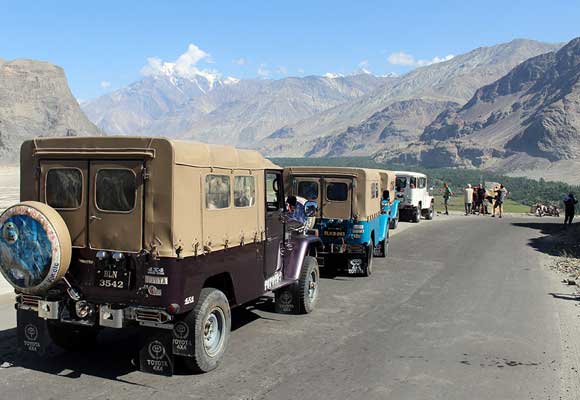
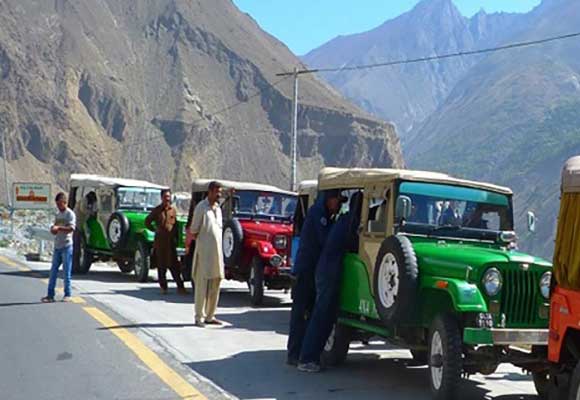
Kalash Phool Festival Tour | Kalash Autumn Festival Tour

Tour Category

Group Size

12

Duration

9 days

From

$1500.00

OVERVIEW & ITINERARY

Kalash Phool Festival Tour – Experiencing the Kalash Autumn Festival

The Kalash Phool Festival Tour offers travelers a rare opportunity to witness one of the most authentic and culturally preserved autumn festivals in the world. Celebrated by the indigenous Kalash people of northern Pakistan, the Phool Festival—also known as the Phoo’n Festival—marks the arrival of autumn and the successful harvest of grapes and walnuts.

Often referred to as the Kalash Autumn Festival Tour, this celebration reflects gratitude, joy, and harmony with nature. Unlike other Kalash seasonal festivals, the Phool Festival is uniquely focused on autumn harvests and floral symbolism, making it a culturally distinct and spiritually meaningful event.

The Kalash Valleys and Their Cultural Landscape

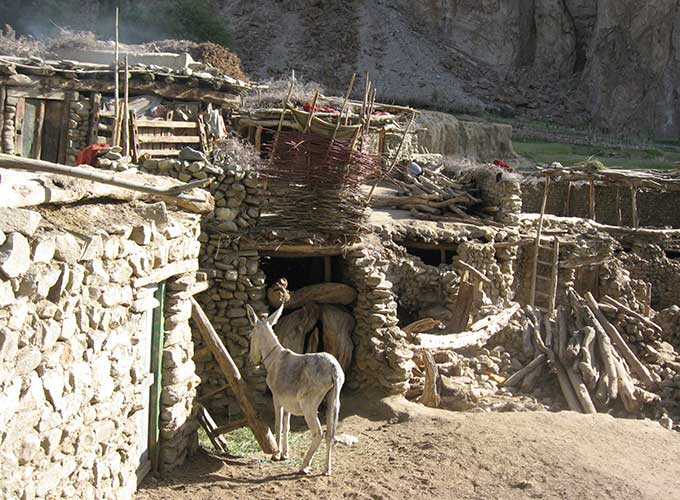
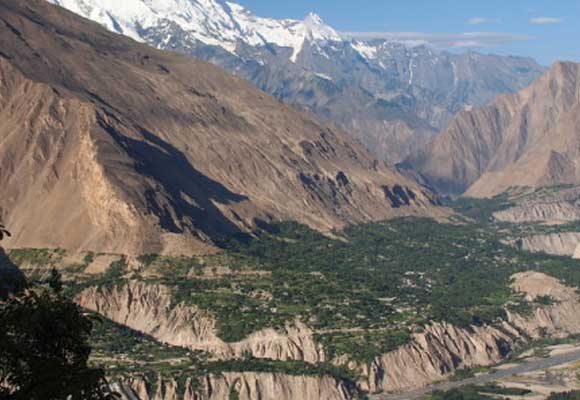
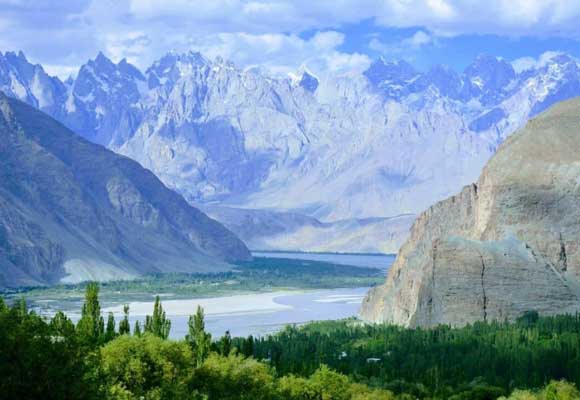
The Kalash people live in three remote valleys—Bumburet, Rumbur, and Birir—nestled within the Hindu Kush mountains of Chitral, Pakistan. These valleys remain culturally isolated, allowing ancient traditions to survive largely unchanged. The Kalash Phool Festival Tour takes place within these valleys, where dramatic mountain scenery meets a deeply rooted cultural identity.

During the Kalash Autumn Festival Tour, the valleys come alive with communal gatherings, traditional decorations, and ritual celebrations that reflect the seasonal transition from summer to autumn.

What Is the Kalash Phool (Phoo’n) Festival?

The Kalash Phool Festival is an autumn celebration held between mid-September and mid-October, commonly around mid-October. It is specifically dedicated to the harvest of grapes, walnuts, and other autumn produce. The word “Phool” refers to flowers, which play a symbolic role in decorating homes, shrines, and communal spaces.

The Kalash Phool Festival Tour centers on thanksgiving, prosperity, and spiritual balance. Unlike the Uchal Festival, which is celebrated in summer for wheat and barley harvests, the Phool Festival is exclusively an autumn event with its own rituals, symbolism, and cultural meaning.

Cultural Importance of the Kalash Autumn Festival Tour

The Kalash Autumn Festival Tour holds deep cultural importance for the Kalash community. It represents gratitude toward nature and the deities believed to protect crops, livestock, and people. The festival also reinforces social unity, as families and villages celebrate together.

For visitors, the Kalash Phool Festival Tour offers insight into a living polytheistic tradition that has endured for centuries, making it one of the most culturally significant festivals in South Asia.

Rituals and Spiritual Practices

Spiritual rituals are a central part of the Kalash Phool Festival Tour. Ceremonies are conducted at sacred altars and communal spaces, where offerings such as grapes, walnuts, milk, and traditional drinks are presented. Elders and religious leaders oversee rituals to ensure they follow ancestral customs.

The Kalash Autumn Festival Tour emphasizes spiritual purity, seasonal balance, and respect for the natural world, reflecting the Kalash belief system that connects human life with mountains, forests, and rivers.

Traditional Music, Dance, and Celebrations

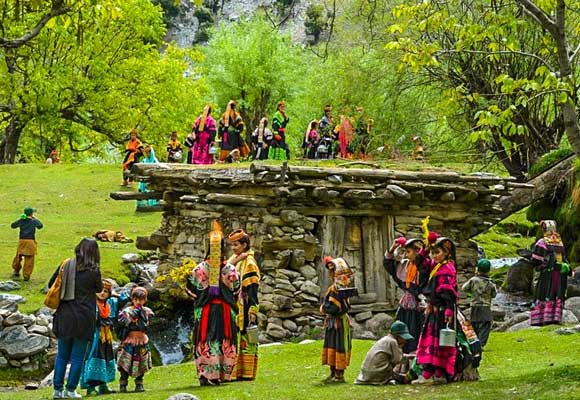
Music and dance are among the most visually captivating elements of the Kalash Phool Festival Tour. Men and women participate in circular group dances accompanied by rhythmic drumming and chanting. These dances are expressions of joy, gratitude, and spiritual devotion.

During the Kalash Autumn Festival Tour, celebrations are communal rather than performative, allowing visitors to observe authentic cultural expression rather than staged entertainment.

Traditional Kalash Dress and Decorations

Traditional clothing adds vibrant color to the Kalash Phool Festival Tour. Kalash women wear embroidered black dresses decorated with bright patterns, beads, shells, and floral headpieces. Men wear traditional garments that reflect their tribal identity.

Homes and public spaces are decorated with flowers and seasonal produce, reinforcing the visual symbolism of abundance and renewal that defines the Kalash Autumn Festival Tour.

Best Season for the Kalash Phool Festival Tour

The festival takes place during autumn, when the weather is mild and the landscape is painted with golden and red hues. This makes the Kalash Autumn Festival Tour ideal for cultural exploration, photography, and storytelling.

Autumn also provides clearer skies and comfortable temperatures, enhancing the overall experience of the Kalash Phool Festival Tour.

Hospitality and Community Life

Hospitality is deeply ingrained in Kalash society. During the Kalash Phool Festival Tour, guests are often welcomed into village gatherings and communal celebrations. Sharing food and stories strengthens social bonds and reflects the inclusive spirit of the festival.

The Kalash Autumn Festival Tour offers travelers a rare chance to observe strong communal values that prioritize cooperation, respect, and shared cultural responsibility.

Responsible and Respectful Travel

Respect for local customs is essential during the Kalash Phool Festival Tour. Visitors are encouraged to dress modestly, avoid intrusive photography, and follow guidance from local hosts. Responsible tourism helps protect the cultural integrity of the Kalash Autumn Festival Tour.

Supporting local businesses and artisans contributes to the long-term preservation of Kalash heritage.

Why the Kalash Phool Festival Tour Is Unique

The Kalash Phool Festival Tour stands apart from other cultural events due to its authenticity, spiritual depth, and seasonal symbolism. As a true Kalash Autumn Festival Tour, it offers a meaningful connection to nature, tradition, and community life.

Rather than being a spectacle, the festival remains a genuine expression of Kalash identity, making it one of the most enriching cultural experiences available to travelers.

 

ITINERARY

The Kalash Phool Festival Tour begins with the arrival of guests in Islamabad, Pakistan’s capital city. Upon arrival, participants are warmly received by the tour company’s representative and transferred to a comfortable hotel. The day is kept relaxed to allow travelers to recover from their journey. In the evening, a short welcome briefing introduces the cultural significance of the Kalash Phool Festival and outlines the journey ahead, setting the tone for an immersive Kalash Autumn Festival Tour.

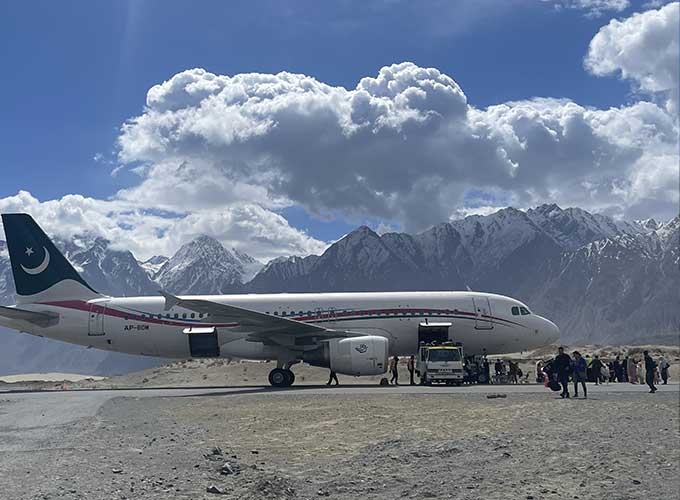
After breakfast, the group departs for Chitral, either by a scenic flight or an overland journey through northern Pakistan. As the landscapes change from plains to rugged mountains, travelers experience the dramatic beauty of the Hindu Kush region. Upon arrival in Chitral, guests check into their hotel and enjoy a peaceful evening surrounded by mountain views. This overnight stay prepares the group for entry into the Kalash Valleys the following day.

The journey continues from Chitral to one of the Kalash Valleys, commonly Bumburet. The drive offers spectacular scenery, river crossings, and glimpses of traditional village life. Upon arrival, guests are welcomed by the local Kalash community and transferred to a guesthouse or traditional lodge. The rest of the day is spent exploring the valley, learning about Kalash customs, and understanding the importance of the upcoming Phool Festival within the Kalash Autumn Festival Tour.

The first day of the Kalash Phool Festival marks the official start of the autumn celebrations. Guests observe and respectfully witness traditional rituals connected to the grape and walnut harvest. Villagers dress in vibrant traditional clothing, and floral decorations appear throughout the valley. Music, rhythmic drumming, and ceremonial dances take place in communal areas. The tour company ensures cultural sensitivity while providing guests with context and interpretation of the ceremonies that define the Kalash Phool Festival Tour.

The second day of the festival continues with deeper communal celebrations. Rituals of thanksgiving, group dances, and social gatherings highlight the spiritual and cultural meaning of the Phool Festival. Guests have the opportunity to interact with local families, observe traditional food preparation, and witness the unity of the Kalash people during this sacred autumn event. This day represents the heart of the Kalash Autumn Festival Tour, offering an authentic and unforgettable cultural experience.

With the festival concluded, the day is dedicated to exploring Kalash village life at a slower pace. Guests visit local homes, cultural sites, and small museums that preserve Kalash history. Time is spent understanding daily routines, traditional crafts, and oral storytelling. This day allows travelers to reflect on the festival experience while deepening their connection to the Kalash way of life.

After breakfast, the group departs the Kalash Valley and returns to Chitral. The journey offers final views of the valleys and surrounding mountains. Upon arrival, guests check into their hotel and enjoy a relaxed evening. The tour company may arrange a visit to Chitral Bazaar or Chitral Fort, adding historical context to the cultural journey experienced during the Kalash Phool Festival Tour.

The group travels back to Islamabad, retracing the scenic route through northern Pakistan. This day serves as a transition from the remote cultural landscapes back to urban comfort. Upon arrival, guests check into their hotel and enjoy a farewell dinner hosted by the tour company, reflecting on the unique experiences of the Kalash Autumn Festival Tour.

On the final day, guests are transferred to the airport for their onward journeys. The Kalash Phool Festival Tour concludes with lasting memories of an ancient culture, vibrant autumn celebrations, and meaningful cultural exchange. Travelers depart with a deeper appreciation of the Kalash people and their timeless traditions.

WHAT'S INCLUDED

  • Professional English speaking Culture Guide.
  • Airport transfers for Domestic & international flights.
  • Internal flights and associated airport transfers
  • All land transport involved in the itinerary
  • Accommodation as described
  • All meals 3 times a day (B-L-D)
  • All entry, road tax, parking fees.
  • Visa documents

WHAT'S NOT INCLUDED

  • Travel Insurance
  • Pakistan Visa Fee
  • Tips for local guides and support staff
  • Miscellaneous expenses
  • souvenirs etc

Dates & Rates For Kalash Phool Festival

Start
End
Status
Price
Deposit
Registration
11 Oct
19 Oct
Gauranteed
$1500
$300
12 Oct
20 Oct
Gauranteed
$1500
$300
ROUTE MAP

Kalash Phool Festival Tour – Experiencing the Kalash Autumn Festival

The Kalash Phool Festival Tour offers travelers a rare opportunity to witness one of the most authentic and culturally preserved autumn festivals in the world. Celebrated by the indigenous Kalash people of northern Pakistan, the Phool Festival—also known as the Phoo’n Festival—marks the arrival of autumn and the successful harvest of grapes and walnuts.

Often referred to as the Kalash Autumn Festival Tour, this celebration reflects gratitude, joy, and harmony with nature. Unlike other Kalash seasonal festivals, the Phool Festival is uniquely focused on autumn harvests and floral symbolism, making it a culturally distinct and spiritually meaningful event.

The Kalash Valleys and Their Cultural Landscape

The Kalash people live in three remote valleys—Bumburet, Rumbur, and Birir—nestled within the Hindu Kush mountains of Chitral, Pakistan. These valleys remain culturally isolated, allowing ancient traditions to survive largely unchanged. The Kalash Phool Festival Tour takes place within these valleys, where dramatic mountain scenery meets a deeply rooted cultural identity.

During the Kalash Autumn Festival Tour, the valleys come alive with communal gatherings, traditional decorations, and ritual celebrations that reflect the seasonal transition from summer to autumn.

What Is the Kalash Phool (Phoo’n) Festival?

The Kalash Phool Festival is an autumn celebration held between mid-September and mid-October, commonly around mid-October. It is specifically dedicated to the harvest of grapes, walnuts, and other autumn produce. The word “Phool” refers to flowers, which play a symbolic role in decorating homes, shrines, and communal spaces.

The Kalash Phool Festival Tour centers on thanksgiving, prosperity, and spiritual balance. Unlike the Uchal Festival, which is celebrated in summer for wheat and barley harvests, the Phool Festival is exclusively an autumn event with its own rituals, symbolism, and cultural meaning.

Cultural Importance of the Kalash Autumn Festival Tour

The Kalash Autumn Festival Tour holds deep cultural importance for the Kalash community. It represents gratitude toward nature and the deities believed to protect crops, livestock, and people. The festival also reinforces social unity, as families and villages celebrate together.

For visitors, the Kalash Phool Festival Tour offers insight into a living polytheistic tradition that has endured for centuries, making it one of the most culturally significant festivals in South Asia.

Rituals and Spiritual Practices

Spiritual rituals are a central part of the Kalash Phool Festival Tour. Ceremonies are conducted at sacred altars and communal spaces, where offerings such as grapes, walnuts, milk, and traditional drinks are presented. Elders and religious leaders oversee rituals to ensure they follow ancestral customs.

The Kalash Autumn Festival Tour emphasizes spiritual purity, seasonal balance, and respect for the natural world, reflecting the Kalash belief system that connects human life with mountains, forests, and rivers.

Traditional Music, Dance, and Celebrations

Music and dance are among the most visually captivating elements of the Kalash Phool Festival Tour. Men and women participate in circular group dances accompanied by rhythmic drumming and chanting. These dances are expressions of joy, gratitude, and spiritual devotion.

During the Kalash Autumn Festival Tour, celebrations are communal rather than performative, allowing visitors to observe authentic cultural expression rather than staged entertainment.

Traditional Kalash Dress and Decorations

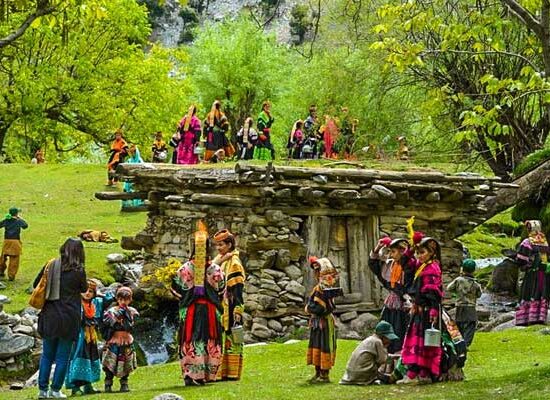
Traditional clothing adds vibrant color to the Kalash Phool Festival Tour. Kalash women wear embroidered black dresses decorated with bright patterns, beads, shells, and floral headpieces. Men wear traditional garments that reflect their tribal identity.

Homes and public spaces are decorated with flowers and seasonal produce, reinforcing the visual symbolism of abundance and renewal that defines the Kalash Autumn Festival Tour.

Best Season for the Kalash Phool Festival Tour

The festival takes place during autumn, when the weather is mild and the landscape is painted with golden and red hues. This makes the Kalash Autumn Festival Tour ideal for cultural exploration, photography, and storytelling.

Autumn also provides clearer skies and comfortable temperatures, enhancing the overall experience of the Kalash Phool Festival Tour.

Hospitality and Community Life

Hospitality is deeply ingrained in Kalash society. During the Kalash Phool Festival Tour, guests are often welcomed into village gatherings and communal celebrations. Sharing food and stories strengthens social bonds and reflects the inclusive spirit of the festival.

The Kalash Autumn Festival Tour offers travelers a rare chance to observe strong communal values that prioritize cooperation, respect, and shared cultural responsibility.

Responsible and Respectful Travel

Respect for local customs is essential during the Kalash Phool Festival Tour. Visitors are encouraged to dress modestly, avoid intrusive photography, and follow guidance from local hosts. Responsible tourism helps protect the cultural integrity of the Kalash Autumn Festival Tour.

Supporting local businesses and artisans contributes to the long-term preservation of Kalash heritage.

Why the Kalash Phool Festival Tour Is Unique

The Kalash Phool Festival Tour stands apart from other cultural events due to its authenticity, spiritual depth, and seasonal symbolism. As a true Kalash Autumn Festival Tour, it offers a meaningful connection to nature, tradition, and community life.

Rather than being a spectacle, the festival remains a genuine expression of Kalash identity, making it one of the most enriching cultural experiences available to travelers.
 

gallery

Frequently Asked Questions

Will we fly to the mountains from Islamabad?

This will depend on your specific itinerary and your own preferences, where possible. For the standard K2 and K2 Gondogoro La and Snow Lake treks we normally schedule the flight on day 2 of your itinerary where we will fly from Islamabad to Skardu. This is a very scenic flight, if the weather is clear you will be able to get amazing mountain views including the 9th highest mountain in the world, Nanga Parbat. When the weather is bad the flight to Skardu might get cancelled, if this happens we will drive in 2 days from Islamabad to Skardu with an overnight stay halfway. There will always be a contingency day in your itinerary to cover for this delay.

Is it safe to travel in Pakistan?

It is a fair question to ask as we know that most of the news from Pakistan is not so positive, but the image which people have abroad is far from the reality. Although there have been valid reasons for people to consider Pakistan as not very safe, a lot has changed in recent years. The security situation has improved dramatically and the government has been making efforts to promote tourism and facilitate travel. When you visit you will notice immiediately that Pakistanis are very hospitable people, they are eager to get to know you and often will invite you in their home. Pakistan is a huge country, we only offer tours and treks to areas which we deem safe. We currently don’t recommend to travel to the border region with Afghanistan and certain parts of Balochistan but most other places can be visited without any problem. If you prefer to start with the safest region then we would recommend Gilgit-Baltistan in the north, the people here largely depend on tourism for their income and have been warmly welcoming foreign tourist for many years.
Do you offer customized tours / treks?

Yes, all the tours and treks that we offer on our website can be completely customized to your own requirements. We are also happy to design a tailor-made tour for you from scratch. Just let us know your preferences, special interests, number of days you have available etc. and we will send you our personalized itinerary suggestions.
How long in advance do I need to apply for my visa?

If you have to apply for a standard tourist visa then 1 month in advance should be sufficient – in most cases you will receive your visa within a few days / a week – you should not apply more than 3 months in advance. If you have to apply for a trekking visa then you will need to be prepared for a longer processing time, we recommend to apply 3 to 2 months in advance.

Can I rent trekking gear from you?

Yes, it is possible to rent certain items from us or we will put you in contact with a trusted local supplier who can provide you with the things you need. Some of the standard gear which we can arrange are crampons, climbing belts, ice axes and climbing helmets.

What kind of travel insurance do I need?

This will depend on the type of tour that you are planning. Please make sure to consult your travel insurance before your trip to make sure you have proper coverage for your tour and the activities you will undertake. Especially when you go on a trek it is important to have mountain emergency search and rescue / repatriation by helicopter included in your insurance package.

I'm a woman, should I wear a headscarf when I'm in Pakistan?

It is not needed to wear a headscarf, of course you may do so if you feel more comfortable. It will be good however to bring a scarf which you can wear when visiting a mosque or other religious site and or when going to a more conservative area.

Is there a recommended dress code?

Pakistan is an Islamic country and it is therefore advisable for women not to wear short skirts / tops or short trousers in public. A headscarf will come in handy for women when they visit a mosque / religious site or sometimes it can be a custom in more remote / conservative areas. Dress codes for men are more lenient, though shorts are uncommon – they can be worn depending on the places you visit on a certain day (for example if you visit a mosque, sacred site or very conservative area it might be better to adjust your clothes to a more modest style – feel free to ask your guide if you are not sure). If you are going on a trek you can wear shorts without any problems.

Can I visit Pakistan in winter?

Yes, you defintely can. The south of Pakistan is actually the best to be visited in the winter as it will be way too hot in the summer. Also the north has great options, you can go skiing or make a nice winter hike. Some passes in the north will be closed due to snow which means we will have to adjust certain itineraries but there are enough places which you can visit. Please don’t hesitate to inquire about the possibilities.

Do I need a visa for this trip?

For all trips to Pakistan you will require a visa, depending on the the type of tour you will either need a standard tourist visa or a trekking visa. Our sales team will provide you with all the necessary information as well as a visa invitation letter and related supporting documents after you have booked your tour with us.

How much price about tour & travels

Lorem ipsum dolor sit amet, utinam munere antiopam vel ad. Qui eros iusto te. Nec ad feugiat honestatis. Quo illum detraxit an. Ius eius quodsi molestiae at, nostrum definitiones his cu. Discere referrentur mea id, an pri novum possim deterruisset. Eum oratio reprehendunt cu. Nec te quem assum postea.

Who will meet me on arrival?

An Adventure Pakistan representative will meet you at the airport and will bring you to your hotel.

Where do I fly to for this trip?

You will fly roundtrip to Islamabad, Pakistan.

Do I need to bring my own sleeping bag and pad for this trip?

Yes. You will need to bring your own sleeping bag, for the K2 treks and Snow Lake trek during the main summer season we recommend it to be suitable for temperatures up to minus 10 degrees Celsius / 15 Fahrenheit. It is also advisable to bring your own sleeping pad for comfort, please kindly keep in mind that on many days you will be sleeping on rock / snow / ice. For other treks we are happy to advise you on the type of sleeping bag depending on the season and location.

Will I have Wi-Fi on the trip?

Yes. You will have Wi-Fi in your hotel in Islamabad and Skardu, during the K2 trek there will be limited connectivity at Concordia. If you like we can also arrange a local SIM card for you with a mobile data package so that you can stay in touch more easily with your loved ones.

Why does Adventure Pakistan cost more than other companies?

We know that you will be able to find cheaper tour options but there are big differences in some of the services being offered. Most important to us is that all our clients have a safe and the greatest trip ever but also that our staff and supporting partners are paid fairly for all their hard work and big efforts. We do not compromise on safety, this means that we only work with experienced guides / supporting staff and drivers and that all vehicles and materials which we use during our treks and tours are of high quality and kept well maintained. You will always sleep in clean & safe accommodations / have proper camping gear and we inform you in advance at which hotels or guesthouses you will be staying so that you won’t have any suprises afterwards. We pay great attention to detail while preparing your trip so that you get the best possible & most enjoyable experience taking into account any special requirements you may have or assistance you would need, you can share your specific interests, fitness and experience level, dietary requirements etc. and we take care of the rest. Our staff is our key assest, we take great pride in having an incredible team of very experienced, very kind and caring guides and other supporting staff who will provide you with the best memories. Something we are known for during our treks is the excellent food which is being prepared by our cooking team, we don’t skimp on this as we know that good, tasty and varied food is vital during a trek. You will be looking forward to your meals each day this is something we can guarantee! One of the last things we would like to highlight is our network – we have a very extensive network all over Pakistan this means that if there is any problem during your trip we are able to respond adequatly, without any delay. Besides having a good network we also have many years of experience – we know what to do and whom to contact, our team carries out emergency and rescue operations for international insurance companies each year so you can rest assured that you will be in good hands.

Will we fly to the mountains from Islamabad?

This will depend on your specific itinerary and your own preferences, where possible. For the standard K2 and K2 Gondogoro La and Snow Lake treks we normally schedule the flight on day 2 of your itinerary where we will fly from Islamabad to Skardu. This is a very scenic flight, if the weather is clear you will be able to get amazing mountain views including the 9th highest mountain in the world, Nanga Parbat. When the weather is bad the flight to Skardu might get cancelled, if this happens we will drive in 2 days from Islamabad to Skardu with an overnight stay halfway. There will always be a contingency day in your itinerary to cover for this delay.

Is it safe to travel in Pakistan?

It is a fair question to ask as we know that most of the news from Pakistan is not so positive, but the image which people have abroad is far from the reality. Although there have been valid reasons for people to consider Pakistan as not very safe, a lot has changed in recent years. The security situation has improved dramatically and the government has been making efforts to promote tourism and facilitate travel. When you visit you will notice immiediately that Pakistanis are very hospitable people, they are eager to get to know you and often will invite you in their home. Pakistan is a huge country, we only offer tours and treks to areas which we deem safe. We currently don’t recommend to travel to the border region with Afghanistan and certain parts of Balochistan but most other places can be visited without any problem. If you prefer to start with the safest region then we would recommend Gilgit-Baltistan in the north, the people here largely depend on tourism for their income and have been warmly welcoming foreign tourist for many years.

Do you offer customized tours / treks?

Yes, all the tours and treks that we offer on our website can be completely customized to your own requirements. We are also happy to design a tailor-made tour for you from scratch. Just let us know your preferences, special interests, number of days you have available etc. and we will send you our personalized itinerary suggestions.

How long in advance do I need to apply for my visa?

If you have to apply for a standard tourist visa then 1 month in advance should be sufficient – in most cases you will receive your visa within a few days / a week – you should not apply more than 3 months in advance. If you have to apply for a trekking visa then you will need to be prepared for a longer processing time, we recommend to apply 3 to 2 months in advance.

Can I rent trekking gear from you?

Yes, it is possible to rent certain items from us or we will put you in contact with a trusted local supplier who can provide you with the things you need. Some of the standard gear which we can arrange are crampons, climbing belts, ice axes and climbing helmets.

What kind of travel insurance do I need?

This will depend on the type of tour that you are planning. Please make sure to consult your travel insurance before your trip to make sure you have proper coverage for your tour and the activities you will undertake. Especially when you go on a trek it is important to have mountain emergency search and rescue / repatriation by helicopter included in your insurance package.

I'm a woman, should I wear a headscarf when I'm in Pakistan?

It is not needed to wear a headscarf, of course you may do so if you feel more comfortable. It will be good however to bring a scarf which you can wear when visiting a mosque or other religious site and or when going to a more conservative area.

Is there a recommended dress code?

Pakistan is an Islamic country and it is therefore advisable for women not to wear short skirts / tops or short trousers in public. A headscarf will come in handy for women when they visit a mosque / religious site or sometimes it can be a custom in more remote / conservative areas. Dress codes for men are more lenient, though shorts are uncommon – they can be worn depending on the places you visit on a certain day (for example if you visit a mosque, sacred site or very conservative area it might be better to adjust your clothes to a more modest style – feel free to ask your guide if you are not sure). If you are going on a trek you can wear shorts without any problems.

Can I visit Pakistan in winter?

Yes, you defintely can. The south of Pakistan is actually the best to be visited in the winter as it will be way too hot in the summer. Also the north has great options, you can go skiing or make a nice winter hike. Some passes in the north will be closed due to snow which means we will have to adjust certain itineraries but there are enough places which you can visit. Please don’t hesitate to inquire about the possibilities.

Do I need a visa for this trip?

For all trips to Pakistan you will require a visa, depending on the the type of tour you will either need a standard tourist visa or a trekking visa. Our sales team will provide you with all the necessary information as well as a visa invitation letter and related supporting documents after you have booked your tour with us.

How much price about tour & travels

Lorem ipsum dolor sit amet, utinam munere antiopam vel ad. Qui eros iusto te. Nec ad feugiat honestatis. Quo illum detraxit an. Ius eius quodsi molestiae at, nostrum definitiones his cu. Discere referrentur mea id, an pri novum possim deterruisset. Eum oratio reprehendunt cu. Nec te quem assum postea.

Who will meet me on arrival?

An Adventure Pakistan representative will meet you at the airport and will bring you to your hotel.

Where do I fly to for this trip?

You will fly roundtrip to Islamabad, Pakistan.

Do I need to bring my own sleeping bag and pad for this trip?

Yes. You will need to bring your own sleeping bag, for the K2 treks and Snow Lake trek during the main summer season we recommend it to be suitable for temperatures up to minus 10 degrees Celsius / 15 Fahrenheit. It is also advisable to bring your own sleeping pad for comfort, please kindly keep in mind that on many days you will be sleeping on rock / snow / ice. For other treks we are happy to advise you on the type of sleeping bag depending on the season and location.

Will I have Wi-Fi on the trip?

Yes. You will have Wi-Fi in your hotel in Islamabad and Skardu, during the K2 trek there will be limited connectivity at Concordia. If you like we can also arrange a local SIM card for you with a mobile data package so that you can stay in touch more easily with your loved ones.

Why does Adventure Pakistan cost more than other companies?

We know that you will be able to find cheaper tour options but there are big differences in some of the services being offered. Most important to us is that all our clients have a safe and the greatest trip ever but also that our staff and supporting partners are paid fairly for all their hard work and big efforts. We do not compromise on safety, this means that we only work with experienced guides / supporting staff and drivers and that all vehicles and materials which we use during our treks and tours are of high quality and kept well maintained. You will always sleep in clean & safe accommodations / have proper camping gear and we inform you in advance at which hotels or guesthouses you will be staying so that you won’t have any suprises afterwards. We pay great attention to detail while preparing your trip so that you get the best possible & most enjoyable experience taking into account any special requirements you may have or assistance you would need, you can share your specific interests, fitness and experience level, dietary requirements etc. and we take care of the rest. Our staff is our key assest, we take great pride in having an incredible team of very experienced, very kind and caring guides and other supporting staff who will provide you with the best memories. Something we are known for during our treks is the excellent food which is being prepared by our cooking team, we don’t skimp on this as we know that good, tasty and varied food is vital during a trek. You will be looking forward to your meals each day this is something we can guarantee! One of the last things we would like to highlight is our network – we have a very extensive network all over Pakistan this means that if there is any problem during your trip we are able to respond adequatly, without any delay. Besides having a good network we also have many years of experience – we know what to do and whom to contact, our team carries out emergency and rescue operations for international insurance companies each year so you can rest assured that you will be in good hands.

REPORTS & REVIEWS

4.47/5
Wonderful
3 verified reviews
Quality 4.67/5
Location 4.67/5
Amenities 4/5
Services 5/5
Price 4/5

Add a Review

Best Season

Level

Frequently Asked Questions

Will we fly to the mountains from Islamabad?

This will depend on your specific itinerary and your own preferences, where possible. For the standard K2 and K2 Gondogoro La and Snow Lake treks we normally schedule the flight on day 2 of your itinerary where we will fly from Islamabad to Skardu. This is a very scenic flight, if the weather is clear you will be able to get amazing mountain views including the 9th highest mountain in the world, Nanga Parbat. When the weather is bad the flight to Skardu might get cancelled, if this happens we will drive in 2 days from Islamabad to Skardu with an overnight stay halfway. There will always be a contingency day in your itinerary to cover for this delay.

Is it safe to travel in Pakistan?

It is a fair question to ask as we know that most of the news from Pakistan is not so positive, but the image which people have abroad is far from the reality. Although there have been valid reasons for people to consider Pakistan as not very safe, a lot has changed in recent years. The security situation has improved dramatically and the government has been making efforts to promote tourism and facilitate travel. When you visit you will notice immiediately that Pakistanis are very hospitable people, they are eager to get to know you and often will invite you in their home. Pakistan is a huge country, we only offer tours and treks to areas which we deem safe. We currently don’t recommend to travel to the border region with Afghanistan and certain parts of Balochistan but most other places can be visited without any problem. If you prefer to start with the safest region then we would recommend Gilgit-Baltistan in the north, the people here largely depend on tourism for their income and have been warmly welcoming foreign tourist for many years.

Do you offer customized tours / treks?

Yes, all the tours and treks that we offer on our website can be completely customized to your own requirements. We are also happy to design a tailor-made tour for you from scratch. Just let us know your preferences, special interests, number of days you have available etc. and we will send you our personalized itinerary suggestions.

How long in advance do I need to apply for my visa?

If you have to apply for a standard tourist visa then 1 month in advance should be sufficient – in most cases you will receive your visa within a few days / a week – you should not apply more than 3 months in advance. If you have to apply for a trekking visa then you will need to be prepared for a longer processing time, we recommend to apply 3 to 2 months in advance.

Can I rent trekking gear from you?

Yes, it is possible to rent certain items from us or we will put you in contact with a trusted local supplier who can provide you with the things you need. Some of the standard gear which we can arrange are crampons, climbing belts, ice axes and climbing helmets.

What kind of travel insurance do I need?

This will depend on the type of tour that you are planning. Please make sure to consult your travel insurance before your trip to make sure you have proper coverage for your tour and the activities you will undertake. Especially when you go on a trek it is important to have mountain emergency search and rescue / repatriation by helicopter included in your insurance package.

I'm a woman, should I wear a headscarf when I'm in Pakistan?

It is not needed to wear a headscarf, of course you may do so if you feel more comfortable. It will be good however to bring a scarf which you can wear when visiting a mosque or other religious site and or when going to a more conservative area.

Is there a recommended dress code?

Pakistan is an Islamic country and it is therefore advisable for women not to wear short skirts / tops or short trousers in public. A headscarf will come in handy for women when they visit a mosque / religious site or sometimes it can be a custom in more remote / conservative areas. Dress codes for men are more lenient, though shorts are uncommon – they can be worn depending on the places you visit on a certain day (for example if you visit a mosque, sacred site or very conservative area it might be better to adjust your clothes to a more modest style – feel free to ask your guide if you are not sure). If you are going on a trek you can wear shorts without any problems.

Can I visit Pakistan in winter?

Yes, you defintely can. The south of Pakistan is actually the best to be visited in the winter as it will be way too hot in the summer. Also the north has great options, you can go skiing or make a nice winter hike. Some passes in the north will be closed due to snow which means we will have to adjust certain itineraries but there are enough places which you can visit. Please don’t hesitate to inquire about the possibilities.

Do I need a visa for this trip?

For all trips to Pakistan you will require a visa, depending on the the type of tour you will either need a standard tourist visa or a trekking visa. Our sales team will provide you with all the necessary information as well as a visa invitation letter and related supporting documents after you have booked your tour with us.

How much price about tour & travels

Lorem ipsum dolor sit amet, utinam munere antiopam vel ad. Qui eros iusto te. Nec ad feugiat honestatis. Quo illum detraxit an. Ius eius quodsi molestiae at, nostrum definitiones his cu. Discere referrentur mea id, an pri novum possim deterruisset. Eum oratio reprehendunt cu. Nec te quem assum postea.

Who will meet me on arrival?

An Adventure Pakistan representative will meet you at the airport and will bring you to your hotel.

Where do I fly to for this trip?

You will fly roundtrip to Islamabad, Pakistan.

Do I need to bring my own sleeping bag and pad for this trip?

Yes. You will need to bring your own sleeping bag, for the K2 treks and Snow Lake trek during the main summer season we recommend it to be suitable for temperatures up to minus 10 degrees Celsius / 15 Fahrenheit. It is also advisable to bring your own sleeping pad for comfort, please kindly keep in mind that on many days you will be sleeping on rock / snow / ice. For other treks we are happy to advise you on the type of sleeping bag depending on the season and location.

Will I have Wi-Fi on the trip?

Yes. You will have Wi-Fi in your hotel in Islamabad and Skardu, during the K2 trek there will be limited connectivity at Concordia. If you like we can also arrange a local SIM card for you with a mobile data package so that you can stay in touch more easily with your loved ones.

Why does Adventure Pakistan cost more than other companies?

We know that you will be able to find cheaper tour options but there are big differences in some of the services being offered. Most important to us is that all our clients have a safe and the greatest trip ever but also that our staff and supporting partners are paid fairly for all their hard work and big efforts. We do not compromise on safety, this means that we only work with experienced guides / supporting staff and drivers and that all vehicles and materials which we use during our treks and tours are of high quality and kept well maintained. You will always sleep in clean & safe accommodations / have proper camping gear and we inform you in advance at which hotels or guesthouses you will be staying so that you won’t have any suprises afterwards. We pay great attention to detail while preparing your trip so that you get the best possible & most enjoyable experience taking into account any special requirements you may have or assistance you would need, you can share your specific interests, fitness and experience level, dietary requirements etc. and we take care of the rest. Our staff is our key assest, we take great pride in having an incredible team of very experienced, very kind and caring guides and other supporting staff who will provide you with the best memories. Something we are known for during our treks is the excellent food which is being prepared by our cooking team, we don’t skimp on this as we know that good, tasty and varied food is vital during a trek. You will be looking forward to your meals each day this is something we can guarantee! One of the last things we would like to highlight is our network – we have a very extensive network all over Pakistan this means that if there is any problem during your trip we are able to respond adequatly, without any delay. Besides having a good network we also have many years of experience – we know what to do and whom to contact, our team carries out emergency and rescue operations for international insurance companies each year so you can rest assured that you will be in good hands.

SIMILAR Tours

error: Content is protected !!