
Rakaposhi Base Camp Trek
Tour Category
Group Size
Duration
From
OVERVIEW & ITINERARY
Rakaposhi Base Camp Trek – A Journey to the Heart of the Karakoram
The Rakaposhi Base Camp Trek is one of Pakistan’s most rewarding and accessible high-altitude adventures, offering trekkers a close encounter with one of the world’s most beautiful mountains. Rising dramatically to 7,788 meters, Rakaposhi dominates the skyline of Nagar Valley and stands as a symbol of the majestic Karakoram Range. This trek combines breathtaking mountain scenery, vibrant local culture, alpine meadows, glaciers, and traditional villages, making it an ideal choice for both experienced trekkers and enthusiastic beginners.
The Rakaposhi Base Camp Trek is not only about reaching a destination; it is about experiencing a gradual transformation of landscapes—from fertile valleys and terraced fields to icy glaciers and towering snow-covered peaks. Every step brings you closer to nature’s raw beauty while offering moments of reflection, adventure, and connection with the mountains.
Why Choose the Rakaposhi Base Camp Trek
The Rakaposhi Base Camp Trek stands out because of its accessibility, scenic variety, and unmatched mountain views. Unlike many high-altitude treks in Pakistan that require long approaches or technical mountaineering skills, this trek is relatively short yet incredibly rewarding. It allows trekkers to reach a dramatic base camp beneath a massive peak without extreme technical difficulty.
Rakaposhi is known as the “Mother of Mist” because clouds often wrap around its massive face, creating a mystical atmosphere. Trekking to its base camp places you directly beneath its colossal north face, one of the tallest mountain faces in the world. Few treks offer such a close and uninterrupted view of a mountain of this magnitude.
Another reason this trek is highly favored is the cultural richness of the Nagar Valley. The journey passes through traditional villages where life remains simple, and hospitality is deeply rooted. Trekkers not only explore natural landscapes but also gain insight into the lifestyle, traditions, and resilience of the mountain communities that call this region home.
Rakaposhi Base Camp Trek Through Scenic Landscapes
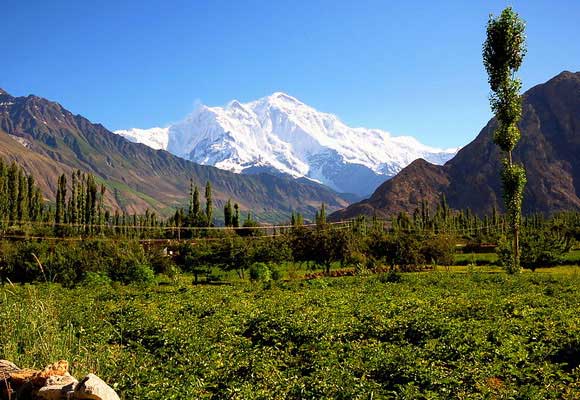
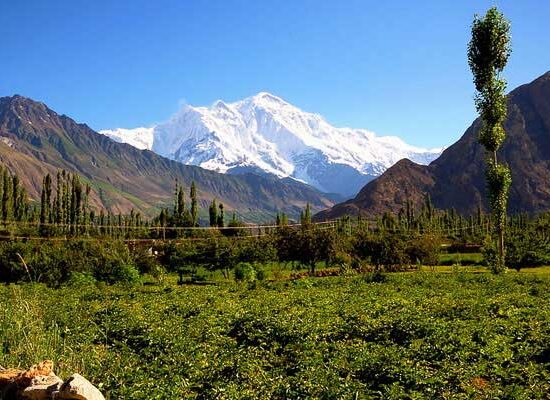
The landscapes encountered during the Rakaposhi Base Camp Trek change dramatically as you move deeper into the mountains. The trek begins in green valleys filled with orchards, cultivated fields, and flowing irrigation channels that reflect centuries-old agricultural practices. Apricot trees, poplars, and willow forests provide shade and beauty along the trail.
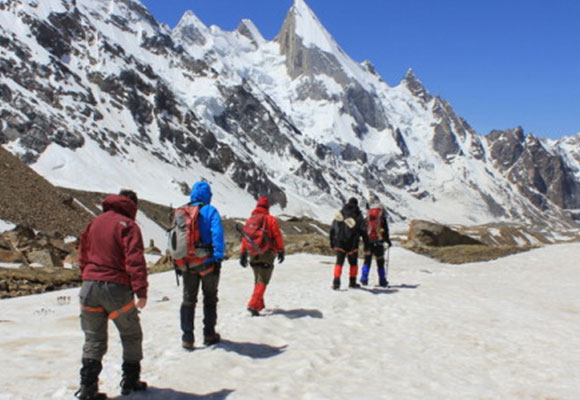
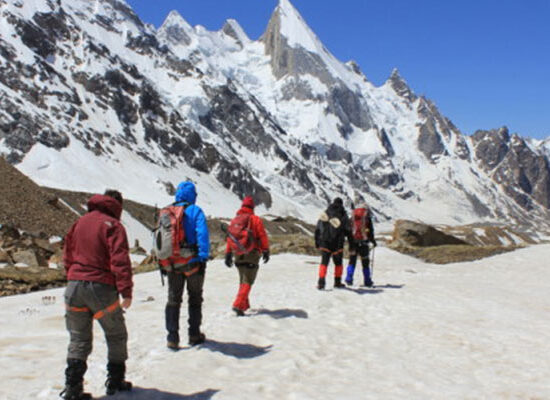
As the trail ascends, the scenery shifts to rugged terrain, alpine pastures, and glacial moraines. Massive rock faces and icy streams replace farmland, offering a striking contrast to the lower valleys. Eventually, trekkers reach the glacier zone, where towering ice formations, crevasses, and snowfields dominate the landscape. The final approach to base camp brings trekkers face to face with Rakaposhi’s imposing ice walls and hanging glaciers, creating an unforgettable visual experience.
Each section of the trail offers its own unique charm, making the Rakaposhi Base Camp Trek a journey of continuous discovery rather than a single destination.
Rakaposhi Base Camp Trek and Local Culture
The cultural aspect of the Rakaposhi Base Camp Trek adds depth to the adventure. The trek begins in communities that have lived in harmony with the mountains for centuries. These villages are known for their strong traditions, simple architecture, and close-knit family structures. Life revolves around agriculture, livestock, and seasonal migration to high pastures.
Trekkers often interact with local porters, guides, and villagers, learning about their customs, food, and stories passed down through generations. Traditional dishes made from locally grown grains, vegetables, and dairy products provide nourishing meals along the way. Hospitality is warm and genuine, and visitors are often welcomed into homes or tea houses with smiles and conversation.
This cultural connection transforms the Rakaposhi Base Camp Trek from a physical journey into a human experience, creating meaningful memories that go beyond landscapes and altitude.
Best Season for the Rakaposhi Base Camp Trek
The ideal season for the Rakaposhi Base Camp Trek is from late May to early October. During these months, the weather is relatively stable, and the trails are accessible. Spring brings blooming wildflowers and lush greenery, while summer offers clear skies and excellent mountain visibility. Autumn introduces crisp air, golden foliage, and fewer trekkers on the trail.
Winter trekking is generally not recommended due to heavy snowfall, avalanche risk, and extreme cold, which can make the trail inaccessible and unsafe. Choosing the right season ensures safer trekking conditions and allows trekkers to fully enjoy the breathtaking views of Rakaposhi and the surrounding peaks.
Physical Challenge of the Rakaposhi Base Camp Trek
The Rakaposhi Base Camp Trek is considered a moderate trek, making it suitable for trekkers with basic fitness and some hiking experience. While the trail does not require technical climbing skills, it does involve long walking days, gradual elevation gain, and walking on uneven terrain, including rocky paths and glacial surfaces.
Proper preparation, including cardiovascular training, leg strengthening, and endurance hikes, can significantly enhance the trekking experience. Acclimatization is important, and trekkers should move at a steady pace to allow their bodies to adjust to increasing altitude. With proper preparation, the Rakaposhi Base Camp Trek becomes an achievable and deeply rewarding adventure.
Wildlife and Natural Beauty on the Rakaposhi Base Camp Trek
Nature lovers will find the Rakaposhi Base Camp Trek especially appealing due to its diverse flora and fauna. The lower valleys are home to birds, small mammals, and plant species adapted to alpine environments. As the trail climbs, the vegetation becomes sparse, giving way to mosses, lichens, and hardy alpine plants that survive in harsh conditions.
Wildlife sightings may include ibex, marmots, foxes, and a variety of bird species. The region is also known for its pristine rivers, glacial streams, and crystal-clear water sources. These natural features enhance the sense of wilderness and purity that defines the Rakaposhi Base Camp Trek.
Rakaposhi Base Camp Trek for Photography and Adventure
The Rakaposhi Base Camp Trek is a dream destination for photographers and adventure seekers alike. The dramatic contrasts between green valleys, rugged cliffs, glaciers, and snow-covered peaks provide endless opportunities for landscape photography. Sunrise and sunset moments are especially magical, as golden light paints Rakaposhi’s massive face in shades of orange, pink, and purple.
Beyond photography, the trek offers a strong sense of adventure. Walking on glaciers, crossing mountain streams, and navigating remote trails create an immersive outdoor experience. The feeling of standing beneath a mountain as powerful as Rakaposhi brings a sense of accomplishment and humility that few other adventures can offer.
Rakaposhi Base Camp Trek as a Gateway to the Karakoram
The Rakaposhi Base Camp Trek serves as an ideal introduction to the Karakoram region. It allows trekkers to experience high-altitude trekking, glacial terrain, and Himalayan culture without the extended time commitments required for longer expeditions. Many trekkers who complete this journey develop a deeper interest in exploring other iconic routes in the region, such as Hispar, Hunza, or Baltoro.
This trek also provides insight into the geography and geology of the Karakoram, showcasing how massive mountain ranges, glaciers, and river systems interact to shape one of the most dramatic landscapes on Earth.
Rakaposhi Base Camp Trek Experience and Lasting Impact
The Rakaposhi Base Camp Trek leaves a lasting impression on those who undertake it. Beyond the physical achievement, the trek fosters mental resilience, emotional connection to nature, and a renewed appreciation for simple living. The vastness of the mountains encourages reflection, while the silence of high-altitude landscapes offers a rare sense of peace.
For many trekkers, this journey becomes a turning point—an experience that deepens their love for the outdoors and inspires future adventures in the world’s great mountain ranges. The memories formed beneath Rakaposhi’s towering face remain etched in the heart long after the trek ends.
According to seasoned travelers, Rakaposhi and Nanga Parbat are two of the most beautiful mountains in the world. Likewise, Hunza and Fairy Meadows are unmatched in their scenic beauty.
During this trip, you will experience the northern regions of Pakistan in an accessible way. You will fully enjoy the enchanting beauty of the towering mountains, green valleys, alpine meadows, and the fascinating cultural heritage of the region.
The valleys in the Karakoram were ruled for centuries by independent princely states. The area was easily defensible due to its remote location and inaccessibility. The Hunza and Nagar states emerged in the 15th century as splinter states from Gilgit. According to legend, the first rulers (mir) of Hunza and Nagar were two brothers, though this didn’t prevent them from waging war on each other. The region has a rich history, which you will see reflected in the hikes through both states.
In the Nagar Valley, we will embark on the Rakaposhi Base Camp trek. This is one of the best shorter treks you can do in Pakistan. Rakaposhi means ‘snow-covered mountain’ in the local language. At 7,788 meters, it is the 15th highest mountain in the world, towering high above the Karakoram range. Hunza lies in and around the valley of the Hunza River. The majority of the population lives in the lower, broader part of the Hunza Valley, where irrigation is possible on terraces, and where the capital, Karimabad, is located. The southern part of Hunza has a view of the 7,788-meter Rakaposhi. The northern part of the valley lies at the base of the Batura Muztagh mountain range, with the highest point being Batura Sar (7,795 m).
Upstream from Gulmit, the valley extends north, forming the boundary between the Batura Muztagh to the west and the Hispar Muztagh to the east. It is the only place where the highest chains of the Karakoram are intersected. As a result, steep mountain walls rise on both sides of the valley.
ITINERARY
You will be met at Islamabad airport by your driver and guide from Adventure Pakistan and immediately transfer to your hotel in Islamabad. Once you have settled into your hotel, you will begin your full day of sightseeing of Islamabad and Rawalpindi.
We will begin in the old city of Rawalpindi with a visit to Raja (King) Bazaar. Amongst others, we pass through the silver and gold bazaars where we will see craftsmen working in traditional, time-honoured fashion.
We then head out from Rawalpindi to Islamabad, the modern capital city of Pakistan, along Murree Road, the main street linking the twin cities.
Quite apart from its inspiring, contemporary architecture, Islamabad is renowned for its open, green spaces: no less than 50% of the city’s 350 square miles is designated as protected park area. We drive up in to the Margalla Hills to Daman-e-Koh (meaning ‘foot hills’) and gain a bird’s eye view right across the city.
Finally, we head back down to Shah Faisal Mosque, named after the late King Faisal I of Saudi Arabia. As the national mosque of Pakistan, it is the best know landmark in Islamabad, the sixth-largest mosque in the world and the largest within South Asia.
Overnight at hotel
After breakfast we will proceed directly to Chilas by minibus. The journey takes you along the legendary Karakoram Highway, following the mud-brown Indus River. There will be a lunch stop in Besham. The drive takes approximately 12-14 hours, and you can expect high temperatures in the Chilas area. Shortly before reaching Chilas, you may catch your first glimpse of Nanga Parbat, weather permitting.
Accommodation will be at a hotel in Chilas.
From Chilas we proceed to Gilgit, here we can go for sightseeing in and around Gilgit, including the bazaar as well as the Kargah Buddha outside of town. In the afternoon we continue to Minapin, on the way making a stop at Rakaposhi viewpoint.
Overnight at a guesthouse in Minapin.
The Minapin village is located on the eastern side of the Hunza River in the Naygar region. Minapin is overshadowed by the majestic Rakaposhi Massif (7,788 m), a spectacular mountain giant that dominates the Hunza Valley.
Once you have deposited any unnecessary luggage at the guesthouse, you will begin your hike to the high alpine pasture of Hapakun. Porters and mules will carry your trekking gear, including tents and cooking equipment.
The hiking trail leads into the Minapin Valley. After crossing the glacial river on a wooden cantilever bridge, the trail ascends steeply in switchbacks to the lower Hapakund pasture. From afar, you can already see the gleaming ice pinnacles of the glacier rising above the moraine. After approximately 4-5 hours of hiking, you will reach the Hapakun campsite (2,850 m), surrounded by beautiful meadows.
Overnight stay: Tent
Walking time: Approx. 4-5 hours
From a stunning green basin, the trail winds gently through meadows filled with wildflowers, accompanied by the songs of various birds. We ascend to a ridge that offers breathtaking views of Diran and Rakaposhi in all their glory. Next, we cross a rocky cliff above the Minapin Glacier before arriving at our campsite in Tagaphari, also known as the Rakaposhi Base Camp.
Similar to yesterday, the route mostly consists of easy terrain with a few challenging climbs. After setting up camp, there is an optional opportunity to explore the surrounding area, including a hike to a higher moraine for an even more spectacular view of Rakaposhi and the glacier. This ridge, shaped by the glacier, lies at an altitude of approximately 3,400 m.
Walking time: 2-3 hours from Hapakun to Rakaposhi Base Camp
Overnight stay: Tents
Today we leave our camp at Rakaposhi Base Camp, retracing our route back down to Minapin where we rejoin our vehicle.
We then continue to follow the Karakorum Highway northwards along the Hunza Valley to Karimabad.
As we approach Karimabad, the Hunza Valley appears as a fairytale land surrounded by beautiful rugged, snow-capped mountains. including Ultar Peak (7388m), Ladyfinger Peak (6000m), Diran (7266m) and Rakaposhi (7788m).
Upon arrival, we settle into our hotel and then, before sunset, drive to the view point called Duikar for a panoramic view of the valley and watch the sun going down over the mountain tops. We return to Karimabad.
Overnight at hotel
3-4 hours trekking, 1 hour driving
Today we enjoy a full day exploring Karimabad.
We begin by visiting Baltit Fort, the most significant built landmark in the region. Formerly the palace of the mirs of Hunza, its architecture reflects the strong links with Tibet at this time. Now about 700 years old, the fort remained continually inhabited until as recently as about 1960.
Baltit Fort stands magnificently upon an artificially flattened spur just below Ultar Glacier, while Ultar Peak, rising majestically directly behind it, provides a most wonderful and dramatic backdrop. From this position, strategically located with such a commanding view of the Hunza Valley, the mirs of Hunza were in perfect position to control the seasonal trans-Karakorum trade between South and Central Asia.
Next, we visit Altit Fort, itself a spectacularly situated on a cliff edge overlooking the Hunza river valley. Although its primary function was initially defensive, it also served as the seat of power of the Mir of Hunza and dates back about 900 years.
We then drop lower down the valley side towards the valley floor to find the 1000-year old village of Ganesh. Believed to be the oldest settlement in Hunza, we can still see its formidable ancient watchtowers and visit its richly carved traditional mosques.
In the evening, we take a stroll through the bazaar of Karimabad, stretched out all along its lanes which snake steeply uphill to Baltit Fort, and enjoy the richness of the local arts and crafts on display here.
Overnight at hotel
oday is a busy day and so we make sure to start with an early breakfast.
We begin our tour by taking the short drive to Hopar on the far side of the Hunza valley. From here we complete the short walk to gain great views of Hopar Glacier, even heading down to touch the ice of the glacier itself if we wish, and look across to Barpu Glacier, too.
Back in our vehicle, we continue our drive northwards along the Karakorum Highway, pausing at the beautiful, turquoise Attabad Lake, 21km long and 109m deep, which was suddenly and dramatically formed in January 2010 following a gigantic, tragic natural landslide.
Next, we briefly leave the KKH to visit the serene Borit Lake (2500m). Isolated from the main thoroughfare by lofty peaks, it was once the hunting ground of the mirs of Hunza, and still today remains an important sanctuary for migrating wildfowl.
From Borit Lake, we start a short hike along the edge of Passu Glacier. We climb briefly to a viewing point, allowing us to look down onto this impressive glacier as it descends from the prominent Passu Peak, above.
We drive a little further and then leave our vehicle again to walk down to the banks of the Indus and reach the dramatic Hussaini Suspension Bridge, a footbridge which stretches right across the Indus to its far bank. Those who dare might choose to walk across the bridge over the Indus to its far side and back again.
We return to our vehicle and reach Passu.
Overnight at hotel
4 hours driving, 3 hours trekking
We descend back along the KKH, breaking our journey at Gulmit. This is a picturesque village at any time of the year but especially in both spring and early summer when the fruit trees bloom, and then again in autumn when the orchards glow red, orange and yellow. We visit the local museum and the Pamir Musical School.
Next, we detour from the Karakorum Highway and follow rough road which climbs steeply through the densely wooded Naltar valley, quite distinct from other valleys in the region, to reach the village of Naltar, justifiably very popular with local holiday makers.
Once at Naltar, we follow the jeep track up the side of the valley, climbing high above the village, and then take a very short walk to an excellent view point across the whole valley.
Finally, we have the option to head off-road and climb higher towards the head of the valley, beyond Naltar village, to visit a young snow leopard, protected in a large cage, and its guardian.
We return to Gilgit.
Overnight at hotel
5-6 hours driving
After breakfast we drive further down the KKH as far as Raikot Bridge. Leaving the road at this point, we head onwards along a rough jeep track to Fairy Point where our walk begins.
From Fairy Point, we take a moderate walk to Fairy Meadows, set amongst pine forests, from where we enjoy spectacular views of Nanga Parbat’s north face and the Raikhot Glacier and ice fall.
Overnight at huts on Fairy Meadows.
3 hours driving, 3 hours walking
Fairy Meadows, locally known as Jut, is a grassy pasture near one of the base camp sites of the mighty Nanga Parbat Mountain (8126m). Today you will hike towards Nanga Parbat base camp, passing through lush green meadows and pine forests and surrounded by some of the most stunning scenery.
Overnight at huts on Fairy Meadows.
We retrace our steps to Fairy Point and rejoin our vehicles. Once back on the KKH we continue our drive southwards before leaving this magnificent road for a final time, branching off along the Khagan Valley.
We cross Babusar Pass (4175m) and reach Lulusar Lake. This photogenic, 160km-long valley is set against forested peaks of the lesser Himalayan range and is one of Pakistan’s most popular summer holiday spots.
We then drive on to Naran, beautifully located at the point where the valley widens and the river quietens. It is an excellent location for fishing. Attractively surrounded by stone and boulder fields, Naran offers good views further down valley while picturesque tree-covered islands lie nearer at hand. We settle down for the night in Naran.
Overnight at hotel.
6-7 hours driving
We continue our journey southwards, enjoying the mountain scenery for a final time, before arriving back on the plains of Pakistan and continuing to Islamabad.
After dinner transfer back to Islamabad airport in good time for your departure flight.
WHAT'S INCLUDED
- Liaison with ministry of tourism in Islamabad for trekking permit process
- Trekking permit fee
- Visa Invitation Letter & Supporting documents
- 4X4 Jeep to Jhola from Skardu and return
- Domestic airfare Islamabad – Skardu – Islamabad incl. taxes, excl. excess baggage charges, if any.
- In case of flight cancellation: private air-conditioned transport by road in 2 days from Islamabad to Skardu (or vice versa) with 1 overnight stay mid-way.
- Standard tourist class hotel / guest house accommodation based on twin room sharing & breakfast (6 nights)
- All meals (breakfast, lunch & dinner) while on the trek
- Baggage allowance of 15 KG per trekker - which will be carried by a porter (additional luggage can be left in the hotel or in our Skardu office storage)
- Sleeping tent, mess/kitchen tent and toilet tent (for smaller groups there will be a mess-kitchen tent combi for larger groups these will be separate and will incl. tables and chairs)
- Kitchen equipment, crockery, cutlery, fuel and related community gear
- Wages and basic kit of guide, sirdar, cook and assistant(s)
- English-Speaking Trekking Guide
- Sightseeing in Islamabad incl. transport & English-speaking guide
- Bridge crossing and campsite fees
- Insurance of our field staff and low altitude porters (except helicopter rescue)
- Porterage at airports, hotels, toll taxes and parking fees etc.
WHAT'S NOT INCLUDED
- International airfare, airport tax, excess baggage charges
- Sleeping bags and mattresses
- Meals on general days are not included
- Medications, ground evacuations and helicopter rescue charges of any kind if any (please note that helicopter rescues in Pakistan are very expensive, if required the client will need to have proper insurance coverage for this)
- Room service, mini-bar, laundry, beverages, phone/communication bills and other items of personal nature
- Insurance liability / all clients need to arrange their own (travel & medical) insurance – Adventure Pakistan is not liable for any accidents, illness, damages, theft or any force majeure conditions
- Tips to our staff (if you are happy with their services)
- Any unforeseen cost related to (unplanned) changes in the program (caused by severe weather, natural disasters, extreme currency devaluation or any other external factors)
DATES & RATES
Start |
End |
Status |
Price |
Deposit |
Registration |
|---|---|---|---|---|---|
19 May |
07 June |
Guaranteed |
$1500 |
$300 |
|
27 May |
15 June |
Guaranteed |
$1500 |
$300 |
|
03 June |
22 June |
Guaranteed |
$1500 |
$300 |
|
09 June |
28 June |
Guaranteed |
$1500 |
$300 |
|
16 June |
05 July |
Guaranteed |
$1500 |
$300 |
|
23 June |
12 July |
Limited Space |
$1500 |
$300 |
|
30 June |
19 July |
Limited Space |
$1500 |
$300 |
|
07 July |
26 July |
Guaranteed |
$1500 |
$300 |
|
09 July |
28 July |
SOLD OUT |
$1500 |
$300 |
|
14 July |
02 Aug |
Guaranteed |
$1500 |
$300 |
|
21 July |
09 Aug |
Guaranteed |
$1500 |
$300 |
|
28 July |
16 Aug |
Guaranteed |
$1500 |
$300 |
|
06 Aug |
25 Aug |
Guaranteed |
$1500 |
$300 |
|
13 Aug |
01 Sep |
Guaranteed |
$1500 |
$300 |
|
18 Aug |
06 Sep |
Guaranteed |
$2,355 |
$300 |
|
25 Aug |
13 Sep |
Guaranteed |
$1500 |
$300 |
|
02 Sept |
21 Sept |
Guaranteed |
$1500 |
$300 |
|
02 Sept |
21 Sept |
Guaranteed |
$1500 |
$300 |
|
09 Sept |
28 Sept |
Guaranteed |
$1500 |
$300 |
|
16 Sept |
05 Oct |
Guaranteed |
$1500 |
$300 |
|
23 Sept |
12 Oct |
Guaranteed |
$1500 |
$300 |
|
30 Sept |
19 Oct |
Guaranteed |
$1500 |
$300 |
|
07 Oct |
26 Oct |
Guaranteed |
$1500 |
$300 |
|
14 Oct |
02 Nov |
Guaranteed |
$1500 |
$300 |
|
21 Oct |
09 Nov |
Guaranteed |
$1500 |
$300 |
|
28 Oct |
16 Nov |
Guaranteed |
$1500 |
$300 |
|
04 Nov |
23 Nov |
Guaranteed |
$1500 |
$300 |
|
06 Dec |
25 Dec |
Guaranteed |
$1500 |
$300 |
|
08 Dec |
27 Dec |
Guaranteed |
$1500 |
$300 |
HIGHLIGHTS OF THE RAKAPOSHI BASE CAMP TREK
1. Close-Up Views of Rakaposhi (7,788m)
The Rakaposhi Base Camp Trek offers one of the closest and most dramatic views of any mountain in the Karakoram. Trekkers walk directly beneath Rakaposhi’s massive north face, making this trek a rare opportunity to experience such a towering peak up close without technical climbing.
2. Spectacular Nagar Valley Landscapes
The journey passes through the beautiful Nagar Valley, known for its lush fields, fruit orchards, flowing streams, and panoramic mountain views. The contrast between fertile villages and rugged alpine terrain makes every day of the trek visually stunning.
3. Scenic Glacier Crossing
One of the most exciting parts of the Rakaposhi Base Camp Trek is walking across glacial terrain. Trekkers experience icy formations, crevasses, and moraine fields while surrounded by towering peaks, creating a true high-mountain adventure.
4. Traditional Mountain Villages
The trek introduces you to traditional villages where local communities live simple, self-sufficient lives. Warm hospitality, cultural interaction, and traditional food provide an enriching cultural experience alongside the physical journey.
5. Wildflower Meadows and Alpine Pastures
During the trekking season, the route is decorated with colorful wildflowers, especially in the alpine meadows near camp areas. These natural gardens add beauty and serenity to the trek.
6. Moderate Difficulty with High Reward
The Rakaposhi Base Camp Trek is challenging enough to feel adventurous, yet accessible to trekkers with basic fitness. It offers high-altitude trekking, glacier walking, and mountain scenery without technical mountaineering.
7. Incredible Sunrise and Sunset Views
Morning and evening light transforms Rakaposhi and surrounding peaks into shades of gold, pink, and purple. These moments are perfect for photography and quiet reflection.
8. Peaceful and Less Crowded Trail
Unlike more commercial trekking routes, the Rakaposhi Base Camp Trek remains peaceful and uncrowded. This allows trekkers to enjoy solitude, silence, and a deeper connection with nature.
9. Rich Wildlife and Natural Environment
Trekkers may spot ibex, marmots, foxes, and a variety of mountain birds along the route. The untouched environment enhances the wilderness experience.
10. A True Karakoram Adventure
The Rakaposhi Base Camp Trek offers a complete mountain experience—glaciers, towering peaks, valleys, culture, and adventure—making it one of the most rewarding treks in northern Pakistan.
ROUTE MAP
Rakaposhi Base Camp Trek – A Journey to the Heart of the Karakoram
The Rakaposhi Base Camp Trek is one of Pakistan’s most rewarding and accessible high-altitude adventures, offering trekkers a close encounter with one of the world’s most beautiful mountains. Rising dramatically to 7,788 meters, Rakaposhi dominates the skyline of Nagar Valley and stands as a symbol of the majestic Karakoram Range. This trek combines breathtaking mountain scenery, vibrant local culture, alpine meadows, glaciers, and traditional villages, making it an ideal choice for both experienced trekkers and enthusiastic beginners.
The Rakaposhi Base Camp Trek is not only about reaching a destination; it is about experiencing a gradual transformation of landscapes—from fertile valleys and terraced fields to icy glaciers and towering snow-covered peaks. Every step brings you closer to nature’s raw beauty while offering moments of reflection, adventure, and connection with the mountains.
Why Choose the Rakaposhi Base Camp Trek
The Rakaposhi Base Camp Trek stands out because of its accessibility, scenic variety, and unmatched mountain views. Unlike many high-altitude treks in Pakistan that require long approaches or technical mountaineering skills, this trek is relatively short yet incredibly rewarding. It allows trekkers to reach a dramatic base camp beneath a massive peak without extreme technical difficulty.
Rakaposhi is known as the “Mother of Mist” because clouds often wrap around its massive face, creating a mystical atmosphere. Trekking to its base camp places you directly beneath its colossal north face, one of the tallest mountain faces in the world. Few treks offer such a close and uninterrupted view of a mountain of this magnitude.
Another reason this trek is highly favored is the cultural richness of the Nagar Valley. The journey passes through traditional villages where life remains simple, and hospitality is deeply rooted. Trekkers not only explore natural landscapes but also gain insight into the lifestyle, traditions, and resilience of the mountain communities that call this region home.
Rakaposhi Base Camp Trek Through Scenic Landscapes
The landscapes encountered during the Rakaposhi Base Camp Trek change dramatically as you move deeper into the mountains. The trek begins in green valleys filled with orchards, cultivated fields, and flowing irrigation channels that reflect centuries-old agricultural practices. Apricot trees, poplars, and willow forests provide shade and beauty along the trail.
As the trail ascends, the scenery shifts to rugged terrain, alpine pastures, and glacial moraines. Massive rock faces and icy streams replace farmland, offering a striking contrast to the lower valleys. Eventually, trekkers reach the glacier zone, where towering ice formations, crevasses, and snowfields dominate the landscape. The final approach to base camp brings trekkers face to face with Rakaposhi’s imposing ice walls and hanging glaciers, creating an unforgettable visual experience.
Each section of the trail offers its own unique charm, making the Rakaposhi Base Camp Trek a journey of continuous discovery rather than a single destination.
Rakaposhi Base Camp Trek and Local Culture
The cultural aspect of the Rakaposhi Base Camp Trek adds depth to the adventure. The trek begins in communities that have lived in harmony with the mountains for centuries. These villages are known for their strong traditions, simple architecture, and close-knit family structures. Life revolves around agriculture, livestock, and seasonal migration to high pastures.
Trekkers often interact with local porters, guides, and villagers, learning about their customs, food, and stories passed down through generations. Traditional dishes made from locally grown grains, vegetables, and dairy products provide nourishing meals along the way. Hospitality is warm and genuine, and visitors are often welcomed into homes or tea houses with smiles and conversation.
This cultural connection transforms the Rakaposhi Base Camp Trek from a physical journey into a human experience, creating meaningful memories that go beyond landscapes and altitude.
Best Season for the Rakaposhi Base Camp Trek
The ideal season for the Rakaposhi Base Camp Trek is from late May to early October. During these months, the weather is relatively stable, and the trails are accessible. Spring brings blooming wildflowers and lush greenery, while summer offers clear skies and excellent mountain visibility. Autumn introduces crisp air, golden foliage, and fewer trekkers on the trail.
Winter trekking is generally not recommended due to heavy snowfall, avalanche risk, and extreme cold, which can make the trail inaccessible and unsafe. Choosing the right season ensures safer trekking conditions and allows trekkers to fully enjoy the breathtaking views of Rakaposhi and the surrounding peaks.
Physical Challenge of the Rakaposhi Base Camp Trek
The Rakaposhi Base Camp Trek is considered a moderate trek, making it suitable for trekkers with basic fitness and some hiking experience. While the trail does not require technical climbing skills, it does involve long walking days, gradual elevation gain, and walking on uneven terrain, including rocky paths and glacial surfaces.
Proper preparation, including cardiovascular training, leg strengthening, and endurance hikes, can significantly enhance the trekking experience. Acclimatization is important, and trekkers should move at a steady pace to allow their bodies to adjust to increasing altitude. With proper preparation, the Rakaposhi Base Camp Trek becomes an achievable and deeply rewarding adventure.
Wildlife and Natural Beauty on the Rakaposhi Base Camp Trek
Nature lovers will find the Rakaposhi Base Camp Trek especially appealing due to its diverse flora and fauna. The lower valleys are home to birds, small mammals, and plant species adapted to alpine environments. As the trail climbs, the vegetation becomes sparse, giving way to mosses, lichens, and hardy alpine plants that survive in harsh conditions.
Wildlife sightings may include ibex, marmots, foxes, and a variety of bird species. The region is also known for its pristine rivers, glacial streams, and crystal-clear water sources. These natural features enhance the sense of wilderness and purity that defines the Rakaposhi Base Camp Trek.
Rakaposhi Base Camp Trek for Photography and Adventure
The Rakaposhi Base Camp Trek is a dream destination for photographers and adventure seekers alike. The dramatic contrasts between green valleys, rugged cliffs, glaciers, and snow-covered peaks provide endless opportunities for landscape photography. Sunrise and sunset moments are especially magical, as golden light paints Rakaposhi’s massive face in shades of orange, pink, and purple.
Beyond photography, the trek offers a strong sense of adventure. Walking on glaciers, crossing mountain streams, and navigating remote trails create an immersive outdoor experience. The feeling of standing beneath a mountain as powerful as Rakaposhi brings a sense of accomplishment and humility that few other adventures can offer.
Rakaposhi Base Camp Trek as a Gateway to the Karakoram
The Rakaposhi Base Camp Trek serves as an ideal introduction to the Karakoram region. It allows trekkers to experience high-altitude trekking, glacial terrain, and Himalayan culture without the extended time commitments required for longer expeditions. Many trekkers who complete this journey develop a deeper interest in exploring other iconic routes in the region, such as Hispar, Hunza, or Baltoro.
This trek also provides insight into the geography and geology of the Karakoram, showcasing how massive mountain ranges, glaciers, and river systems interact to shape one of the most dramatic landscapes on Earth.
Rakaposhi Base Camp Trek Experience and Lasting Impact
The Rakaposhi Base Camp Trek leaves a lasting impression on those who undertake it. Beyond the physical achievement, the trek fosters mental resilience, emotional connection to nature, and a renewed appreciation for simple living. The vastness of the mountains encourages reflection, while the silence of high-altitude landscapes offers a rare sense of peace.
For many trekkers, this journey becomes a turning point—an experience that deepens their love for the outdoors and inspires future adventures in the world’s great mountain ranges. The memories formed beneath Rakaposhi’s towering face remain etched in the heart long after the trek ends.
According to seasoned travelers, Rakaposhi and Nanga Parbat are two of the most beautiful mountains in the world. Likewise, Hunza and Fairy Meadows are unmatched in their scenic beauty.
During this trip, you will experience the northern regions of Pakistan in an accessible way. You will fully enjoy the enchanting beauty of the towering mountains, green valleys, alpine meadows, and the fascinating cultural heritage of the region.
The valleys in the Karakoram were ruled for centuries by independent princely states. The area was easily defensible due to its remote location and inaccessibility. The Hunza and Nagar states emerged in the 15th century as splinter states from Gilgit. According to legend, the first rulers (mir) of Hunza and Nagar were two brothers, though this didn’t prevent them from waging war on each other. The region has a rich history, which you will see reflected in the hikes through both states.
In the Nagar Valley, we will embark on the Rakaposhi Base Camp trek. This is one of the best shorter treks you can do in Pakistan. Rakaposhi means ‘snow-covered mountain’ in the local language. At 7,788 meters, it is the 15th highest mountain in the world, towering high above the Karakoram range. Hunza lies in and around the valley of the Hunza River. The majority of the population lives in the lower, broader part of the Hunza Valley, where irrigation is possible on terraces, and where the capital, Karimabad, is located. The southern part of Hunza has a view of the 7,788-meter Rakaposhi. The northern part of the valley lies at the base of the Batura Muztagh mountain range, with the highest point being Batura Sar (7,795 m).
Upstream from Gulmit, the valley extends north, forming the boundary between the Batura Muztagh to the west and the Hispar Muztagh to the east. It is the only place where the highest chains of the Karakoram are intersected. As a result, steep mountain walls rise on both sides of the valley.
gallery
Frequently Asked Questions
What will the food be like on the trek?
Breakfast: Typically includes an omelet / fried / boiled eggs, fried Pakistani bread (paratha), chappati, toast, pancakes, porridge, cereal, jam, Nutella, honey, marmalade, cheese etc + green tea / coffee / milk tea.
Lunch: unlike other trekking agencies we do not provide packed lunch instead we will have fresh lunch which includes soup, tuna fish, boiled pottatos, eggs, assorted cookies, bread, cheese, dried fruits & nuts, green tea / coffee / juice
Dinner: we start each dinner with a nice warm soup, after that there will be variation of dishes which changes each day. different vegetable dishes, varies types of meat (chicken, beef or mutton) accompanied by rice, noodles, pasta, lentils, potatoes, French fries and or chappati bread. We of course won’t forget dessert, there will be (fresh) fruit and or a type of pudding at every dinner.
Snacks: between lunch and dinner there will be a daily variation of cookies, pakora, popcorn etc. and hot beverages
Note: we will also take into account your specific dietary requirements, for example vegetarian / vegan / lactose intolerant – please don’t hesitate to contact us about the possibilities.
Will we fly to the mountains from Islamabad?
This will depend on your specific itinerary and your own preferences, where possible. For the standard K2 and K2 Gondogoro La and Snow Lake treks we normally schedule the flight on day 2 of your itinerary where we will fly from Islamabad to Skardu. This is a very scenic flight, if the weather is clear you will be able to get amazing mountain views including the 9th highest mountain in the world, Nanga Parbat. When the weather is bad the flight to Skardu might get cancelled, if this happens we will drive in 2 days from Islamabad to Skardu with an overnight stay halfway. There will always be a contingency day in your itinerary to cover for this delay.
What is the luggage allowance on the trek?
Each trekking member has a 15 kg baggage allowance. This is for your main luggage that will be carried to each camp each day of the trek. You yourself are only required to carry a small daypack while trekking – here you can put anything you might need during the day like water, energybars, sunglasses, suncream, clothing etc. If your main backpack/duffle bag weighs more than 15 kg, you will need to pay for the additional weight. Cost for additional weight will be determined on the ground as prices for porters vary by the season. For the K2 treks it is possible to leave excess luggage in our office storage room or at your hotel and pick it up at the end of the trek. Please also kindly note that the baggage allowance on the domestic flights is currently 20 kg check-in and 7 kg hand-carry.
Is there electricity on the trek?
We carry solar panels (no diesel or petrol generators to avoid noise & air pollution), so that each trekking member can charge batteries, power banks, phones, etc while on the trek.
Is it safe to travel in Pakistan?
It is a fair question to ask as we know that most of the news from Pakistan is not so positive, but the image which people have abroad is far from the reality. Although there have been valid reasons for people to consider Pakistan as not very safe, a lot has changed in recent years. The security situation has improved dramatically and the government has been making efforts to promote tourism and facilitate travel. When you visit you will notice immiediately that Pakistanis are very hospitable people, they are eager to get to know you and often will invite you in their home. Pakistan is a huge country, we only offer tours and treks to areas which we deem safe. We currently don’t recommend to travel to the border region with Afghanistan and certain parts of Balochistan but most other places can be visited without any problem. If you prefer to start with the safest region then we would recommend Gilgit-Baltistan in the north, the people here largely depend on tourism for their income and have been warmly welcoming foreign tourist for many years.
Can anyone go on a trek?
Yes and no, it is your own responsibility to select a trek that is suitable for you in terms of you personal fitness level as well as experience – if you book a private trek then you have all the flexibility to customize it and for example add extra days or extra supporting staff if needed. If you book a trek with an open group then we try to only let people join who have a certain experience level. Please don’t hesitate to contact us in case you would like us to help you select the best trek for you.
Do you offer customized tours / treks?
Yes, all the tours and treks that we offer on our website can be completely customized to your own requirements. We are also happy to design a tailor-made tour for you from scratch. Just let us know your preferences, special interests, number of days you have available etc. and we will send you our personalized itinerary suggestions.
Do I need a trekking visa?
For certain types of treks you will require a trekking visa – for example all the K2 treks. If a trekking visa is required then we will inform you accordingly during your booking, there are a lot of treks which are not in a restricted area and therefore you will only need a standard tourist visa.
How long in advance do I need to apply for my visa?
If you have to apply for a standard tourist visa then 1 month in advance should be sufficient – in most cases you will receive your visa within a few days / a week – you should not apply more than 3 months in advance. If you have to apply for a trekking visa then you will need to be prepared for a longer processing time, we recommend to apply 3 to 2 months in advance.
Which gear do I need to bring on my trek?
We will provide you with a suggested packing list after you have booked your tour with us. For most treks it will be standard personal trekking gear like proper hiking boots, optional trekking poles, gaitors, sleeping bag, sleeping pad etc. For certain treks further items are advised – for example for the K2 Gondogoro La and Snow Lake treks you require crampons and a climbing belt set with carabiners and a sling so that you can clip yourself on a rope and you might want to bring a climbing helmet for sections where there can be rockfall.
Can I rent trekking gear from you?
Yes, it is possible to rent certain items from us or we will put you in contact with a trusted local supplier who can provide you with the things you need. Some of the standard gear which we can arrange are crampons, climbing belts, ice axes and climbing helmets.
What is the best time to go on a trek?
The summer period is the main trekking season in the north of Pakistan. For most treks this would be from June to September with July and August being the best months.
What happens in case of an emergency during the trek?
On each trek your guide will be in possesion of a phone and where needed (during remote treks) a sattelite phone as well as a medical aid kit. All our guides are aware of the standard emergency protocols and will contact our headoffice staff as well as the relevant authorities when needed. Before you go on a trek with us we will require your emergency contact list as well as your travel insurance details with proper coverage for emergency (helicopter) rescue in mountainous areas. Depending on the situation we will contact your insurance company and together with them will make arrangements for your repatriation. We have many years of experience with search and rescue operations and good relations with all relevant institutions including Askari Aviation for helicopter rescue operations. If you have the right insurance coverage then we will be able to initiate a helicopter rescue immidiately – please kindly note that helicopters in Pakistan always fly in pairs and availability of the helicopters depends on them not being in use on another mission as well as the weather being suitable.
What kind of travel insurance do I need?
This will depend on the type of tour that you are planning. Please make sure to consult your travel insurance before your trip to make sure you have proper coverage for your tour and the activities you will undertake. Especially when you go on a trek it is important to have mountain emergency search and rescue / repatriation by helicopter included in your insurance package.
I'm a woman, should I wear a headscarf when I'm in Pakistan?
It is not needed to wear a headscarf, of course you may do so if you feel more comfortable. It will be good however to bring a scarf which you can wear when visiting a mosque or other religious site and or when going to a more conservative area.
Is there a recommended dress code?
Pakistan is an Islamic country and it is therefore advisable for women not to wear short skirts / tops or short trousers in public. A headscarf will come in handy for women when they visit a mosque / religious site or sometimes it can be a custom in more remote / conservative areas. Dress codes for men are more lenient, though shorts are uncommon – they can be worn depending on the places you visit on a certain day (for example if you visit a mosque, sacred site or very conservative area it might be better to adjust your clothes to a more modest style – feel free to ask your guide if you are not sure). If you are going on a trek you can wear shorts without any problems.
Can I visit Pakistan in winter?
Yes, you defintely can. The south of Pakistan is actually the best to be visited in the winter as it will be way too hot in the summer. Also the north has great options, you can go skiing or make a nice winter hike. Some passes in the north will be closed due to snow which means we will have to adjust certain itineraries but there are enough places which you can visit. Please don’t hesitate to inquire about the possibilities.
Do I need a visa for this trip?
For all trips to Pakistan you will require a visa, depending on the the type of tour you will either need a standard tourist visa or a trekking visa. Our sales team will provide you with all the necessary information as well as a visa invitation letter and related supporting documents after you have booked your tour with us.
How much price about tour & travels
Lorem ipsum dolor sit amet, utinam munere antiopam vel ad. Qui eros iusto te. Nec ad feugiat honestatis. Quo illum detraxit an. Ius eius quodsi molestiae at, nostrum definitiones his cu. Discere referrentur mea id, an pri novum possim deterruisset. Eum oratio reprehendunt cu. Nec te quem assum postea.
Who will meet me on arrival?
An Adventure Pakistan representative will meet you at the airport and will bring you to your hotel.
Where do I fly to for this trip?
You will fly roundtrip to Islamabad, Pakistan.
Do I need to bring my own sleeping bag and pad for this trip?
Yes. You will need to bring your own sleeping bag, for the K2 treks and Snow Lake trek during the main summer season we recommend it to be suitable for temperatures up to minus 10 degrees Celsius / 15 Fahrenheit. It is also advisable to bring your own sleeping pad for comfort, please kindly keep in mind that on many days you will be sleeping on rock / snow / ice. For other treks we are happy to advise you on the type of sleeping bag depending on the season and location.
Will I have Wi-Fi on the trip?
Yes. You will have Wi-Fi in your hotel in Islamabad and Skardu, during the K2 trek there will be limited connectivity at Concordia. If you like we can also arrange a local SIM card for you with a mobile data package so that you can stay in touch more easily with your loved ones.
Why does Adventure Pakistan cost more than other companies?
We know that you will be able to find cheaper tour options but there are big differences in some of the services being offered. Most important to us is that all our clients have a safe and the greatest trip ever but also that our staff and supporting partners are paid fairly for all their hard work and big efforts. We do not compromise on safety, this means that we only work with experienced guides / supporting staff and drivers and that all vehicles and materials which we use during our treks and tours are of high quality and kept well maintained. You will always sleep in clean & safe accommodations / have proper camping gear and we inform you in advance at which hotels or guesthouses you will be staying so that you won’t have any suprises afterwards. We pay great attention to detail while preparing your trip so that you get the best possible & most enjoyable experience taking into account any special requirements you may have or assistance you would need, you can share your specific interests, fitness and experience level, dietary requirements etc. and we take care of the rest. Our staff is our key assest, we take great pride in having an incredible team of very experienced, very kind and caring guides and other supporting staff who will provide you with the best memories. Something we are known for during our treks is the excellent food which is being prepared by our cooking team, we don’t skimp on this as we know that good, tasty and varied food is vital during a trek. You will be looking forward to your meals each day this is something we can guarantee! One of the last things we would like to highlight is our network – we have a very extensive network all over Pakistan this means that if there is any problem during your trip we are able to respond adequatly, without any delay. Besides having a good network we also have many years of experience – we know what to do and whom to contact, our team carries out emergency and rescue operations for international insurance companies each year so you can rest assured that you will be in good hands.
What will the food be like on the trek?
Breakfast: Typically includes an omelet / fried / boiled eggs, fried Pakistani bread (paratha), chappati, toast, pancakes, porridge, cereal, jam, Nutella, honey, marmalade, cheese etc + green tea / coffee / milk tea.
Lunch: unlike other trekking agencies we do not provide packed lunch instead we will have fresh lunch which includes soup, tuna fish, boiled pottatos, eggs, assorted cookies, bread, cheese, dried fruits & nuts, green tea / coffee / juice
Dinner: we start each dinner with a nice warm soup, after that there will be variation of dishes which changes each day. different vegetable dishes, varies types of meat (chicken, beef or mutton) accompanied by rice, noodles, pasta, lentils, potatoes, French fries and or chappati bread. We of course won’t forget dessert, there will be (fresh) fruit and or a type of pudding at every dinner.
Snacks: between lunch and dinner there will be a daily variation of cookies, pakora, popcorn etc. and hot beverages
Note: we will also take into account your specific dietary requirements, for example vegetarian / vegan / lactose intolerant – please don’t hesitate to contact us about the possibilities.
Will we fly to the mountains from Islamabad?
This will depend on your specific itinerary and your own preferences, where possible. For the standard K2 and K2 Gondogoro La and Snow Lake treks we normally schedule the flight on day 2 of your itinerary where we will fly from Islamabad to Skardu. This is a very scenic flight, if the weather is clear you will be able to get amazing mountain views including the 9th highest mountain in the world, Nanga Parbat. When the weather is bad the flight to Skardu might get cancelled, if this happens we will drive in 2 days from Islamabad to Skardu with an overnight stay halfway. There will always be a contingency day in your itinerary to cover for this delay.
What is the luggage allowance on the trek?
Each trekking member has a 15 kg baggage allowance. This is for your main luggage that will be carried to each camp each day of the trek. You yourself are only required to carry a small daypack while trekking – here you can put anything you might need during the day like water, energybars, sunglasses, suncream, clothing etc. If your main backpack/duffle bag weighs more than 15 kg, you will need to pay for the additional weight. Cost for additional weight will be determined on the ground as prices for porters vary by the season. For the K2 treks it is possible to leave excess luggage in our office storage room or at your hotel and pick it up at the end of the trek. Please also kindly note that the baggage allowance on the domestic flights is currently 20 kg check-in and 7 kg hand-carry.
Is there electricity on the trek?
We carry solar panels (no diesel or petrol generators to avoid noise & air pollution), so that each trekking member can charge batteries, power banks, phones, etc while on the trek.
Is it safe to travel in Pakistan?
It is a fair question to ask as we know that most of the news from Pakistan is not so positive, but the image which people have abroad is far from the reality. Although there have been valid reasons for people to consider Pakistan as not very safe, a lot has changed in recent years. The security situation has improved dramatically and the government has been making efforts to promote tourism and facilitate travel. When you visit you will notice immiediately that Pakistanis are very hospitable people, they are eager to get to know you and often will invite you in their home. Pakistan is a huge country, we only offer tours and treks to areas which we deem safe. We currently don’t recommend to travel to the border region with Afghanistan and certain parts of Balochistan but most other places can be visited without any problem. If you prefer to start with the safest region then we would recommend Gilgit-Baltistan in the north, the people here largely depend on tourism for their income and have been warmly welcoming foreign tourist for many years.
Can anyone go on a trek?
Yes and no, it is your own responsibility to select a trek that is suitable for you in terms of you personal fitness level as well as experience – if you book a private trek then you have all the flexibility to customize it and for example add extra days or extra supporting staff if needed. If you book a trek with an open group then we try to only let people join who have a certain experience level. Please don’t hesitate to contact us in case you would like us to help you select the best trek for you.
Do you offer customized tours / treks?
Yes, all the tours and treks that we offer on our website can be completely customized to your own requirements. We are also happy to design a tailor-made tour for you from scratch. Just let us know your preferences, special interests, number of days you have available etc. and we will send you our personalized itinerary suggestions.
Do I need a trekking visa?
For certain types of treks you will require a trekking visa – for example all the K2 treks. If a trekking visa is required then we will inform you accordingly during your booking, there are a lot of treks which are not in a restricted area and therefore you will only need a standard tourist visa.
How long in advance do I need to apply for my visa?
If you have to apply for a standard tourist visa then 1 month in advance should be sufficient – in most cases you will receive your visa within a few days / a week – you should not apply more than 3 months in advance. If you have to apply for a trekking visa then you will need to be prepared for a longer processing time, we recommend to apply 3 to 2 months in advance.
Which gear do I need to bring on my trek?
We will provide you with a suggested packing list after you have booked your tour with us. For most treks it will be standard personal trekking gear like proper hiking boots, optional trekking poles, gaitors, sleeping bag, sleeping pad etc. For certain treks further items are advised – for example for the K2 Gondogoro La and Snow Lake treks you require crampons and a climbing belt set with carabiners and a sling so that you can clip yourself on a rope and you might want to bring a climbing helmet for sections where there can be rockfall.
Can I rent trekking gear from you?
Yes, it is possible to rent certain items from us or we will put you in contact with a trusted local supplier who can provide you with the things you need. Some of the standard gear which we can arrange are crampons, climbing belts, ice axes and climbing helmets.
What is the best time to go on a trek?
The summer period is the main trekking season in the north of Pakistan. For most treks this would be from June to September with July and August being the best months.
What happens in case of an emergency during the trek?
On each trek your guide will be in possesion of a phone and where needed (during remote treks) a sattelite phone as well as a medical aid kit. All our guides are aware of the standard emergency protocols and will contact our headoffice staff as well as the relevant authorities when needed. Before you go on a trek with us we will require your emergency contact list as well as your travel insurance details with proper coverage for emergency (helicopter) rescue in mountainous areas. Depending on the situation we will contact your insurance company and together with them will make arrangements for your repatriation. We have many years of experience with search and rescue operations and good relations with all relevant institutions including Askari Aviation for helicopter rescue operations. If you have the right insurance coverage then we will be able to initiate a helicopter rescue immidiately – please kindly note that helicopters in Pakistan always fly in pairs and availability of the helicopters depends on them not being in use on another mission as well as the weather being suitable.
What kind of travel insurance do I need?
This will depend on the type of tour that you are planning. Please make sure to consult your travel insurance before your trip to make sure you have proper coverage for your tour and the activities you will undertake. Especially when you go on a trek it is important to have mountain emergency search and rescue / repatriation by helicopter included in your insurance package.
I'm a woman, should I wear a headscarf when I'm in Pakistan?
It is not needed to wear a headscarf, of course you may do so if you feel more comfortable. It will be good however to bring a scarf which you can wear when visiting a mosque or other religious site and or when going to a more conservative area.
Is there a recommended dress code?
Pakistan is an Islamic country and it is therefore advisable for women not to wear short skirts / tops or short trousers in public. A headscarf will come in handy for women when they visit a mosque / religious site or sometimes it can be a custom in more remote / conservative areas. Dress codes for men are more lenient, though shorts are uncommon – they can be worn depending on the places you visit on a certain day (for example if you visit a mosque, sacred site or very conservative area it might be better to adjust your clothes to a more modest style – feel free to ask your guide if you are not sure). If you are going on a trek you can wear shorts without any problems.
Can I visit Pakistan in winter?
Yes, you defintely can. The south of Pakistan is actually the best to be visited in the winter as it will be way too hot in the summer. Also the north has great options, you can go skiing or make a nice winter hike. Some passes in the north will be closed due to snow which means we will have to adjust certain itineraries but there are enough places which you can visit. Please don’t hesitate to inquire about the possibilities.
Do I need a visa for this trip?
For all trips to Pakistan you will require a visa, depending on the the type of tour you will either need a standard tourist visa or a trekking visa. Our sales team will provide you with all the necessary information as well as a visa invitation letter and related supporting documents after you have booked your tour with us.
How much price about tour & travels
Lorem ipsum dolor sit amet, utinam munere antiopam vel ad. Qui eros iusto te. Nec ad feugiat honestatis. Quo illum detraxit an. Ius eius quodsi molestiae at, nostrum definitiones his cu. Discere referrentur mea id, an pri novum possim deterruisset. Eum oratio reprehendunt cu. Nec te quem assum postea.
Who will meet me on arrival?
An Adventure Pakistan representative will meet you at the airport and will bring you to your hotel.
Where do I fly to for this trip?
You will fly roundtrip to Islamabad, Pakistan.
Do I need to bring my own sleeping bag and pad for this trip?
Yes. You will need to bring your own sleeping bag, for the K2 treks and Snow Lake trek during the main summer season we recommend it to be suitable for temperatures up to minus 10 degrees Celsius / 15 Fahrenheit. It is also advisable to bring your own sleeping pad for comfort, please kindly keep in mind that on many days you will be sleeping on rock / snow / ice. For other treks we are happy to advise you on the type of sleeping bag depending on the season and location.
Will I have Wi-Fi on the trip?
Yes. You will have Wi-Fi in your hotel in Islamabad and Skardu, during the K2 trek there will be limited connectivity at Concordia. If you like we can also arrange a local SIM card for you with a mobile data package so that you can stay in touch more easily with your loved ones.
Why does Adventure Pakistan cost more than other companies?
We know that you will be able to find cheaper tour options but there are big differences in some of the services being offered. Most important to us is that all our clients have a safe and the greatest trip ever but also that our staff and supporting partners are paid fairly for all their hard work and big efforts. We do not compromise on safety, this means that we only work with experienced guides / supporting staff and drivers and that all vehicles and materials which we use during our treks and tours are of high quality and kept well maintained. You will always sleep in clean & safe accommodations / have proper camping gear and we inform you in advance at which hotels or guesthouses you will be staying so that you won’t have any suprises afterwards. We pay great attention to detail while preparing your trip so that you get the best possible & most enjoyable experience taking into account any special requirements you may have or assistance you would need, you can share your specific interests, fitness and experience level, dietary requirements etc. and we take care of the rest. Our staff is our key assest, we take great pride in having an incredible team of very experienced, very kind and caring guides and other supporting staff who will provide you with the best memories. Something we are known for during our treks is the excellent food which is being prepared by our cooking team, we don’t skimp on this as we know that good, tasty and varied food is vital during a trek. You will be looking forward to your meals each day this is something we can guarantee! One of the last things we would like to highlight is our network – we have a very extensive network all over Pakistan this means that if there is any problem during your trip we are able to respond adequatly, without any delay. Besides having a good network we also have many years of experience – we know what to do and whom to contact, our team carries out emergency and rescue operations for international insurance companies each year so you can rest assured that you will be in good hands.
REPORTS & REVIEWS
Frequently Asked Questions
What will the food be like on the trek?
Breakfast: Typically includes an omelet / fried / boiled eggs, fried Pakistani bread (paratha), chappati, toast, pancakes, porridge, cereal, jam, Nutella, honey, marmalade, cheese etc + green tea / coffee / milk tea.
Lunch: unlike other trekking agencies we do not provide packed lunch instead we will have fresh lunch which includes soup, tuna fish, boiled pottatos, eggs, assorted cookies, bread, cheese, dried fruits & nuts, green tea / coffee / juice
Dinner: we start each dinner with a nice warm soup, after that there will be variation of dishes which changes each day. different vegetable dishes, varies types of meat (chicken, beef or mutton) accompanied by rice, noodles, pasta, lentils, potatoes, French fries and or chappati bread. We of course won’t forget dessert, there will be (fresh) fruit and or a type of pudding at every dinner.
Snacks: between lunch and dinner there will be a daily variation of cookies, pakora, popcorn etc. and hot beverages
Note: we will also take into account your specific dietary requirements, for example vegetarian / vegan / lactose intolerant – please don’t hesitate to contact us about the possibilities.
Will we fly to the mountains from Islamabad?
This will depend on your specific itinerary and your own preferences, where possible. For the standard K2 and K2 Gondogoro La and Snow Lake treks we normally schedule the flight on day 2 of your itinerary where we will fly from Islamabad to Skardu. This is a very scenic flight, if the weather is clear you will be able to get amazing mountain views including the 9th highest mountain in the world, Nanga Parbat. When the weather is bad the flight to Skardu might get cancelled, if this happens we will drive in 2 days from Islamabad to Skardu with an overnight stay halfway. There will always be a contingency day in your itinerary to cover for this delay.
What is the luggage allowance on the trek?
Each trekking member has a 15 kg baggage allowance. This is for your main luggage that will be carried to each camp each day of the trek. You yourself are only required to carry a small daypack while trekking – here you can put anything you might need during the day like water, energybars, sunglasses, suncream, clothing etc. If your main backpack/duffle bag weighs more than 15 kg, you will need to pay for the additional weight. Cost for additional weight will be determined on the ground as prices for porters vary by the season. For the K2 treks it is possible to leave excess luggage in our office storage room or at your hotel and pick it up at the end of the trek. Please also kindly note that the baggage allowance on the domestic flights is currently 20 kg check-in and 7 kg hand-carry.
Is there electricity on the trek?
We carry solar panels (no diesel or petrol generators to avoid noise & air pollution), so that each trekking member can charge batteries, power banks, phones, etc while on the trek.
Is it safe to travel in Pakistan?
It is a fair question to ask as we know that most of the news from Pakistan is not so positive, but the image which people have abroad is far from the reality. Although there have been valid reasons for people to consider Pakistan as not very safe, a lot has changed in recent years. The security situation has improved dramatically and the government has been making efforts to promote tourism and facilitate travel. When you visit you will notice immiediately that Pakistanis are very hospitable people, they are eager to get to know you and often will invite you in their home. Pakistan is a huge country, we only offer tours and treks to areas which we deem safe. We currently don’t recommend to travel to the border region with Afghanistan and certain parts of Balochistan but most other places can be visited without any problem. If you prefer to start with the safest region then we would recommend Gilgit-Baltistan in the north, the people here largely depend on tourism for their income and have been warmly welcoming foreign tourist for many years.
Can anyone go on a trek?
Yes and no, it is your own responsibility to select a trek that is suitable for you in terms of you personal fitness level as well as experience – if you book a private trek then you have all the flexibility to customize it and for example add extra days or extra supporting staff if needed. If you book a trek with an open group then we try to only let people join who have a certain experience level. Please don’t hesitate to contact us in case you would like us to help you select the best trek for you.
Do you offer customized tours / treks?
Yes, all the tours and treks that we offer on our website can be completely customized to your own requirements. We are also happy to design a tailor-made tour for you from scratch. Just let us know your preferences, special interests, number of days you have available etc. and we will send you our personalized itinerary suggestions.
Do I need a trekking visa?
For certain types of treks you will require a trekking visa – for example all the K2 treks. If a trekking visa is required then we will inform you accordingly during your booking, there are a lot of treks which are not in a restricted area and therefore you will only need a standard tourist visa.
How long in advance do I need to apply for my visa?
If you have to apply for a standard tourist visa then 1 month in advance should be sufficient – in most cases you will receive your visa within a few days / a week – you should not apply more than 3 months in advance. If you have to apply for a trekking visa then you will need to be prepared for a longer processing time, we recommend to apply 3 to 2 months in advance.
Which gear do I need to bring on my trek?
We will provide you with a suggested packing list after you have booked your tour with us. For most treks it will be standard personal trekking gear like proper hiking boots, optional trekking poles, gaitors, sleeping bag, sleeping pad etc. For certain treks further items are advised – for example for the K2 Gondogoro La and Snow Lake treks you require crampons and a climbing belt set with carabiners and a sling so that you can clip yourself on a rope and you might want to bring a climbing helmet for sections where there can be rockfall.
Can I rent trekking gear from you?
Yes, it is possible to rent certain items from us or we will put you in contact with a trusted local supplier who can provide you with the things you need. Some of the standard gear which we can arrange are crampons, climbing belts, ice axes and climbing helmets.
What is the best time to go on a trek?
The summer period is the main trekking season in the north of Pakistan. For most treks this would be from June to September with July and August being the best months.
What happens in case of an emergency during the trek?
On each trek your guide will be in possesion of a phone and where needed (during remote treks) a sattelite phone as well as a medical aid kit. All our guides are aware of the standard emergency protocols and will contact our headoffice staff as well as the relevant authorities when needed. Before you go on a trek with us we will require your emergency contact list as well as your travel insurance details with proper coverage for emergency (helicopter) rescue in mountainous areas. Depending on the situation we will contact your insurance company and together with them will make arrangements for your repatriation. We have many years of experience with search and rescue operations and good relations with all relevant institutions including Askari Aviation for helicopter rescue operations. If you have the right insurance coverage then we will be able to initiate a helicopter rescue immidiately – please kindly note that helicopters in Pakistan always fly in pairs and availability of the helicopters depends on them not being in use on another mission as well as the weather being suitable.
What kind of travel insurance do I need?
This will depend on the type of tour that you are planning. Please make sure to consult your travel insurance before your trip to make sure you have proper coverage for your tour and the activities you will undertake. Especially when you go on a trek it is important to have mountain emergency search and rescue / repatriation by helicopter included in your insurance package.
I'm a woman, should I wear a headscarf when I'm in Pakistan?
It is not needed to wear a headscarf, of course you may do so if you feel more comfortable. It will be good however to bring a scarf which you can wear when visiting a mosque or other religious site and or when going to a more conservative area.
Is there a recommended dress code?
Pakistan is an Islamic country and it is therefore advisable for women not to wear short skirts / tops or short trousers in public. A headscarf will come in handy for women when they visit a mosque / religious site or sometimes it can be a custom in more remote / conservative areas. Dress codes for men are more lenient, though shorts are uncommon – they can be worn depending on the places you visit on a certain day (for example if you visit a mosque, sacred site or very conservative area it might be better to adjust your clothes to a more modest style – feel free to ask your guide if you are not sure). If you are going on a trek you can wear shorts without any problems.
Can I visit Pakistan in winter?
Yes, you defintely can. The south of Pakistan is actually the best to be visited in the winter as it will be way too hot in the summer. Also the north has great options, you can go skiing or make a nice winter hike. Some passes in the north will be closed due to snow which means we will have to adjust certain itineraries but there are enough places which you can visit. Please don’t hesitate to inquire about the possibilities.
Do I need a visa for this trip?
For all trips to Pakistan you will require a visa, depending on the the type of tour you will either need a standard tourist visa or a trekking visa. Our sales team will provide you with all the necessary information as well as a visa invitation letter and related supporting documents after you have booked your tour with us.
How much price about tour & travels
Lorem ipsum dolor sit amet, utinam munere antiopam vel ad. Qui eros iusto te. Nec ad feugiat honestatis. Quo illum detraxit an. Ius eius quodsi molestiae at, nostrum definitiones his cu. Discere referrentur mea id, an pri novum possim deterruisset. Eum oratio reprehendunt cu. Nec te quem assum postea.
Who will meet me on arrival?
An Adventure Pakistan representative will meet you at the airport and will bring you to your hotel.
Where do I fly to for this trip?
You will fly roundtrip to Islamabad, Pakistan.
Do I need to bring my own sleeping bag and pad for this trip?
Yes. You will need to bring your own sleeping bag, for the K2 treks and Snow Lake trek during the main summer season we recommend it to be suitable for temperatures up to minus 10 degrees Celsius / 15 Fahrenheit. It is also advisable to bring your own sleeping pad for comfort, please kindly keep in mind that on many days you will be sleeping on rock / snow / ice. For other treks we are happy to advise you on the type of sleeping bag depending on the season and location.
Will I have Wi-Fi on the trip?
Yes. You will have Wi-Fi in your hotel in Islamabad and Skardu, during the K2 trek there will be limited connectivity at Concordia. If you like we can also arrange a local SIM card for you with a mobile data package so that you can stay in touch more easily with your loved ones.
Why does Adventure Pakistan cost more than other companies?
We know that you will be able to find cheaper tour options but there are big differences in some of the services being offered. Most important to us is that all our clients have a safe and the greatest trip ever but also that our staff and supporting partners are paid fairly for all their hard work and big efforts. We do not compromise on safety, this means that we only work with experienced guides / supporting staff and drivers and that all vehicles and materials which we use during our treks and tours are of high quality and kept well maintained. You will always sleep in clean & safe accommodations / have proper camping gear and we inform you in advance at which hotels or guesthouses you will be staying so that you won’t have any suprises afterwards. We pay great attention to detail while preparing your trip so that you get the best possible & most enjoyable experience taking into account any special requirements you may have or assistance you would need, you can share your specific interests, fitness and experience level, dietary requirements etc. and we take care of the rest. Our staff is our key assest, we take great pride in having an incredible team of very experienced, very kind and caring guides and other supporting staff who will provide you with the best memories. Something we are known for during our treks is the excellent food which is being prepared by our cooking team, we don’t skimp on this as we know that good, tasty and varied food is vital during a trek. You will be looking forward to your meals each day this is something we can guarantee! One of the last things we would like to highlight is our network – we have a very extensive network all over Pakistan this means that if there is any problem during your trip we are able to respond adequatly, without any delay. Besides having a good network we also have many years of experience – we know what to do and whom to contact, our team carries out emergency and rescue operations for international insurance companies each year so you can rest assured that you will be in good hands.
SIMILAR Tours
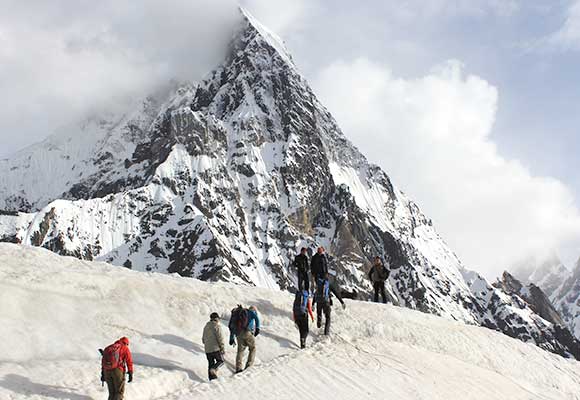
- Quality5
- Location5
- Amenities5
- Services5
- Price5
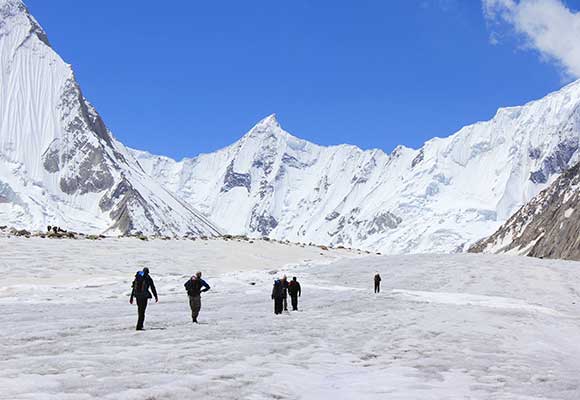
- Quality5
- Location5
- Amenities5
- Services5
- Price5
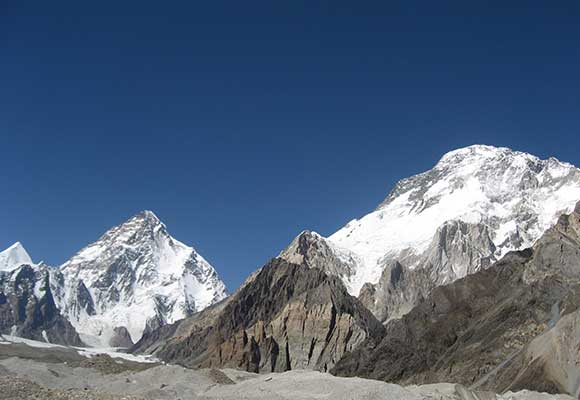
- Quality5
- Location5
- Amenities5
- Services5
- Price5
- Quality4.75
- Location4.75
- Amenities4.25
- Services5
- Price4.25
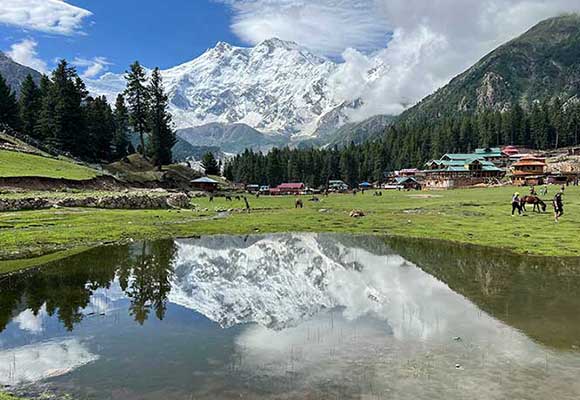
- Quality4.75
- Location4.75
- Amenities4.25
- Services5
- Price4.25
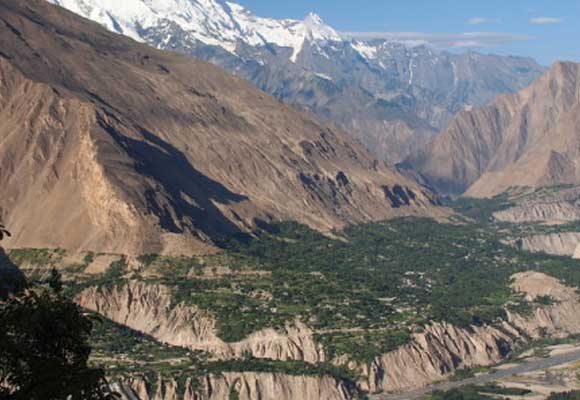
- Quality4.67
- Location4.67
- Amenities4
- Services5
- Price4
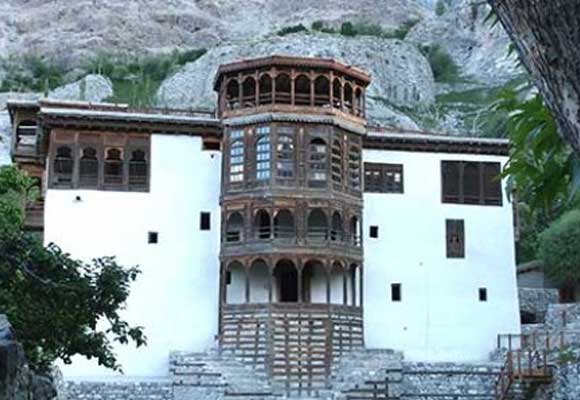
- Quality4.67
- Location4.67
- Amenities4
- Services5
- Price4
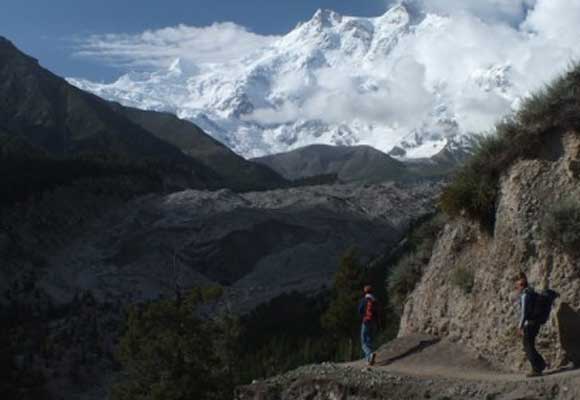
- Quality4.67
- Location4.67
- Amenities4
- Services5
- Price4
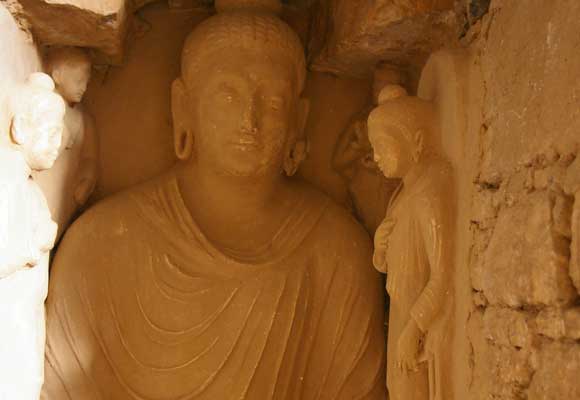
- Quality4.67
- Location4.67
- Amenities4
- Services5
- Price4
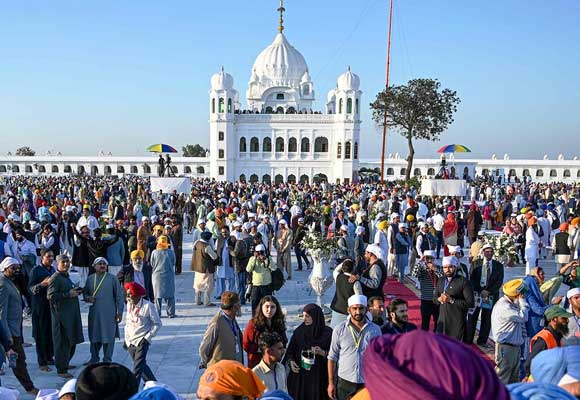
- Quality4.67
- Location4.67
- Amenities4
- Services5
- Price4
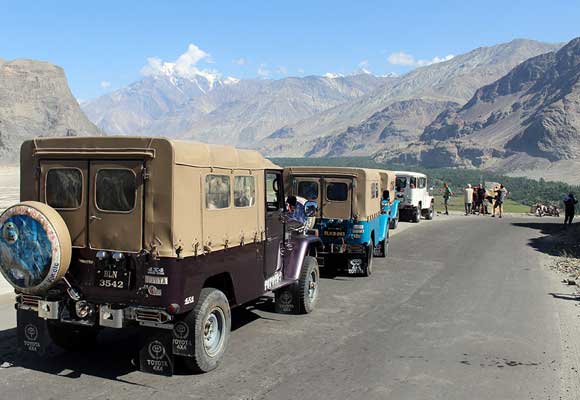
- Quality4.67
- Location4.67
- Amenities4
- Services5
- Price4
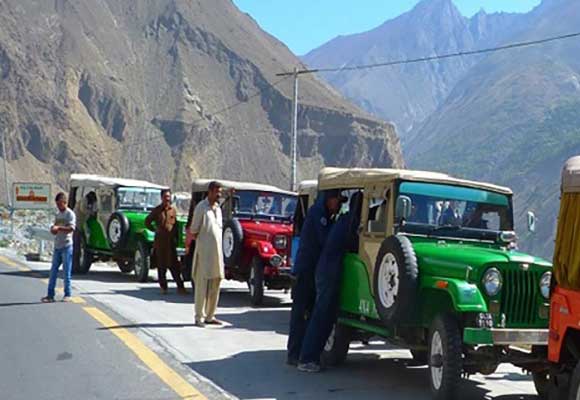
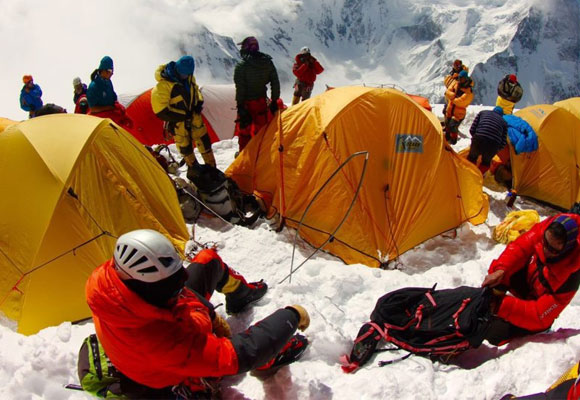
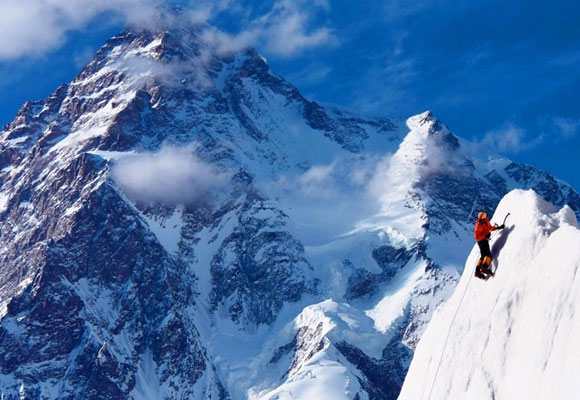
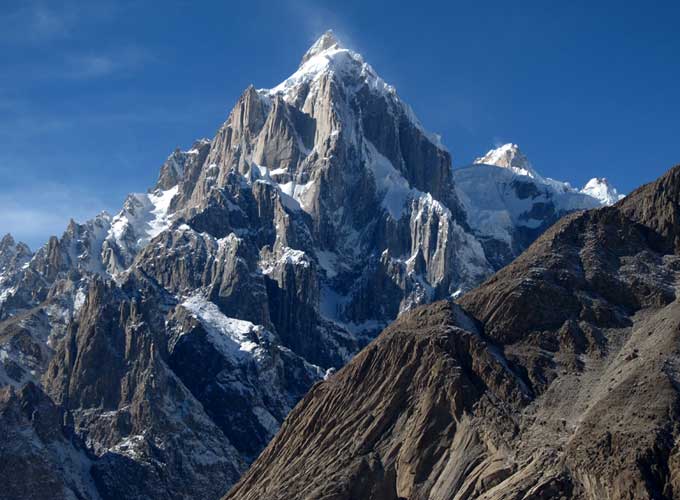
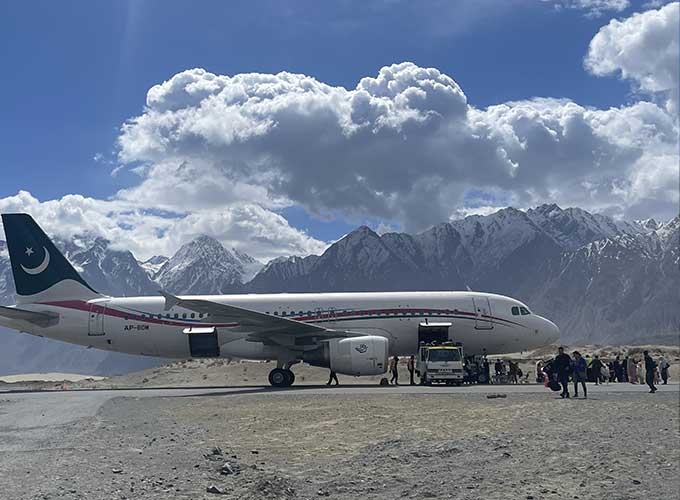
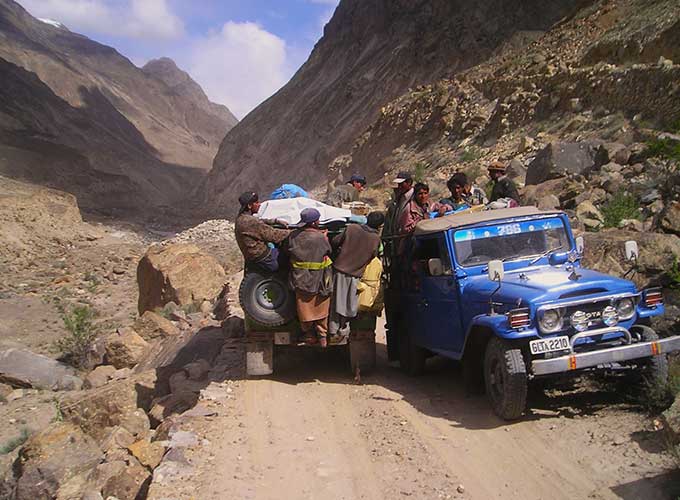
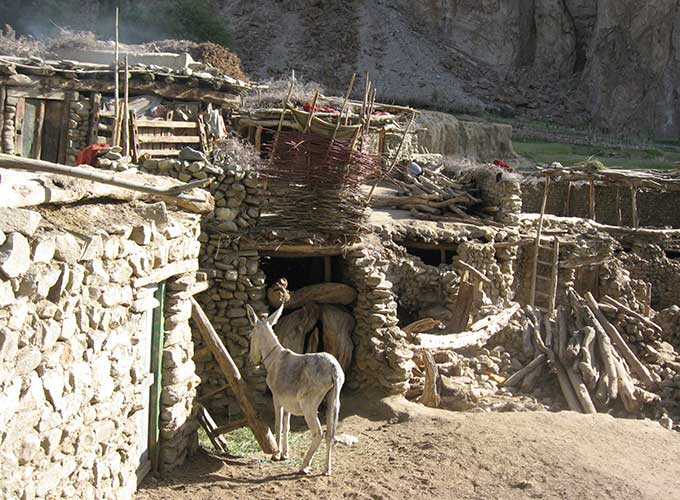
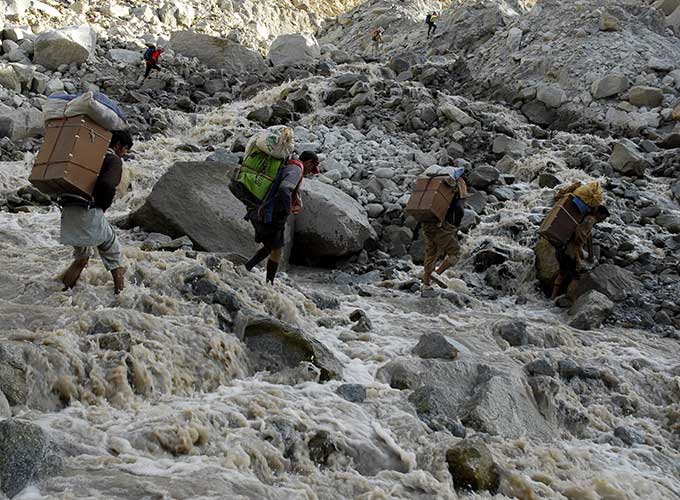
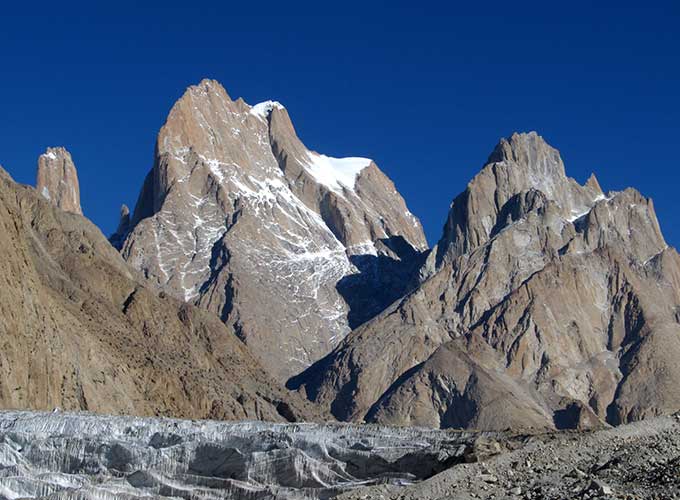
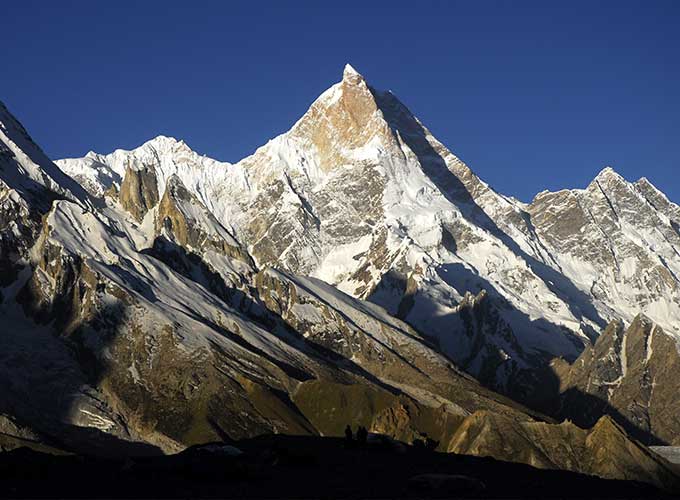
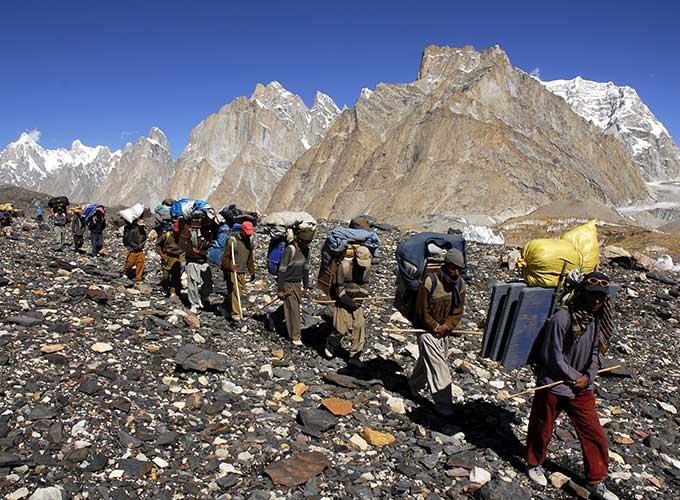
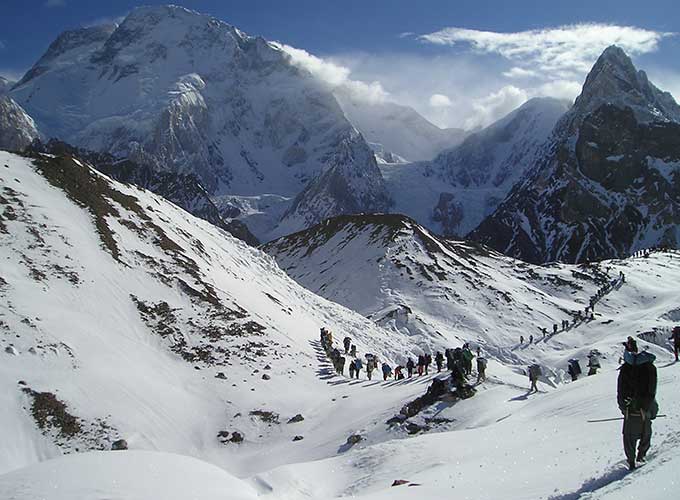
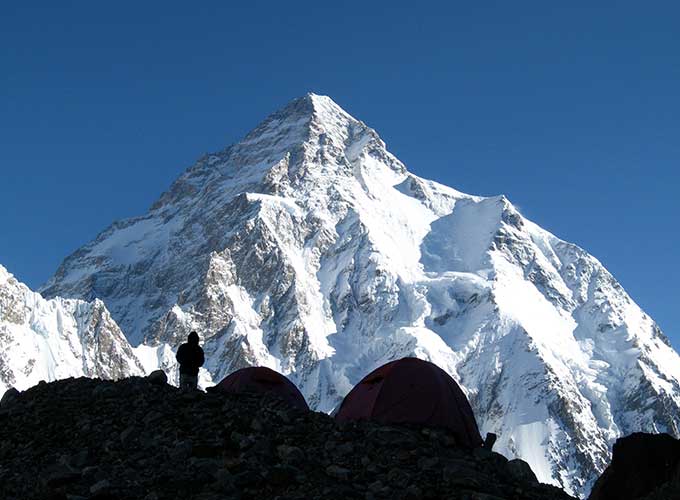
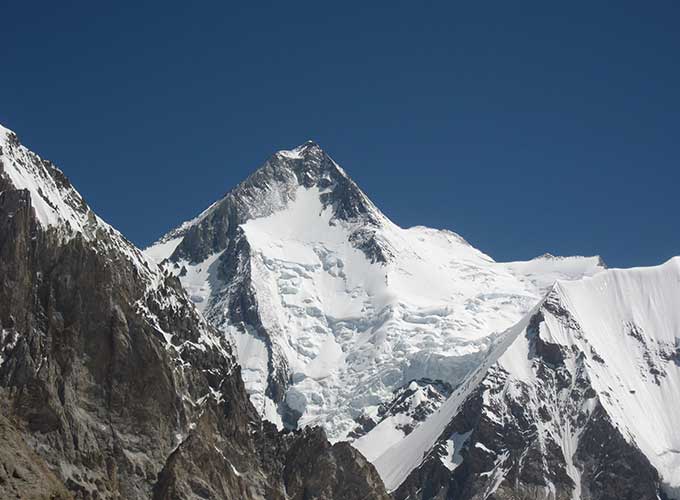
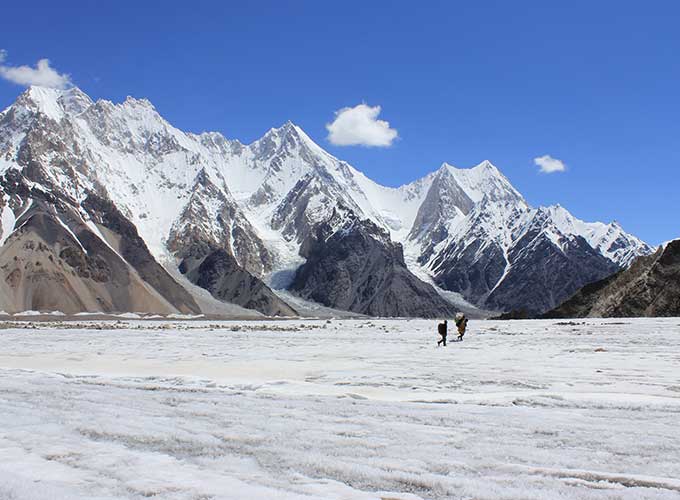
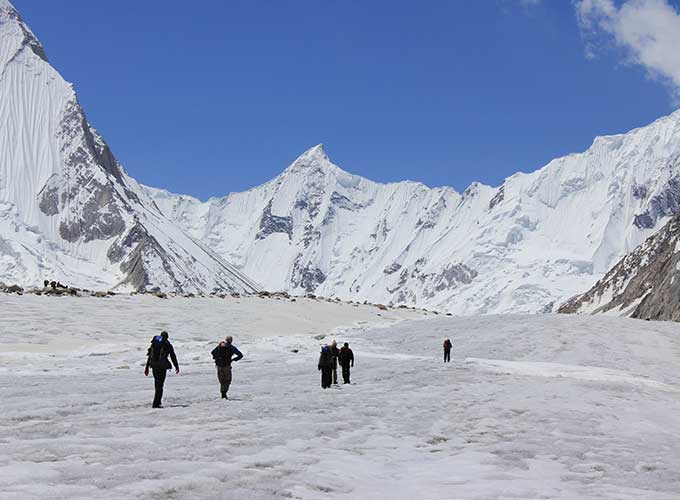
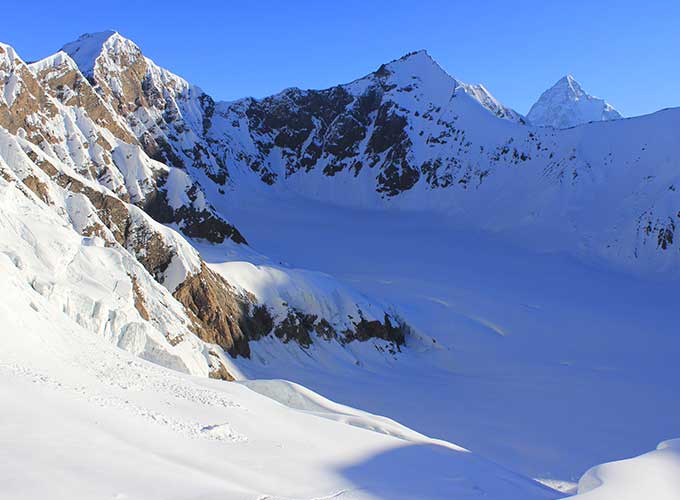
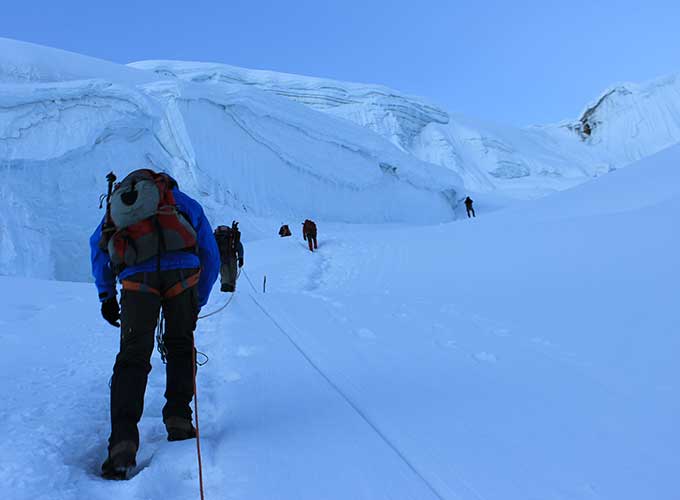
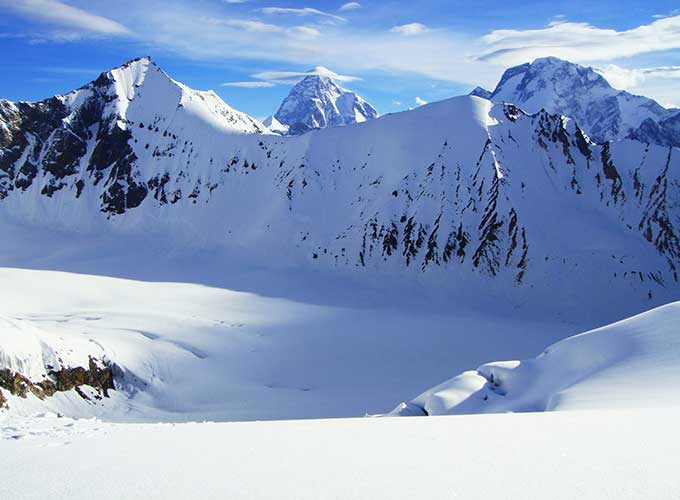
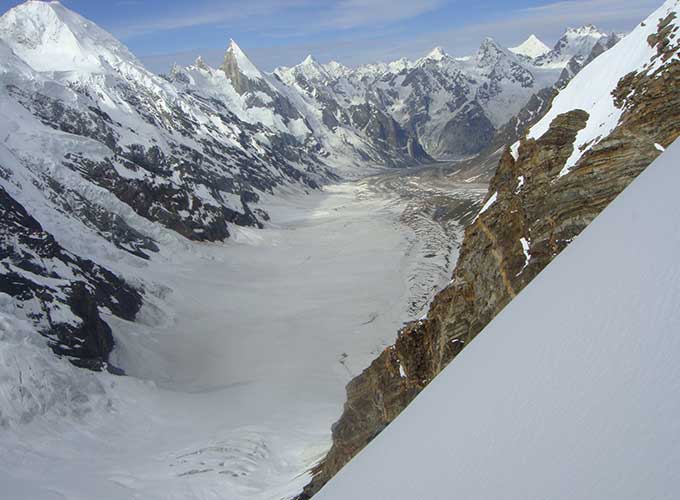
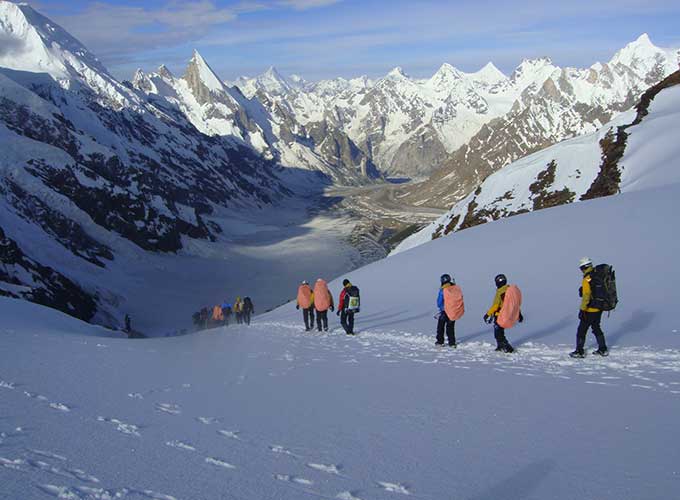
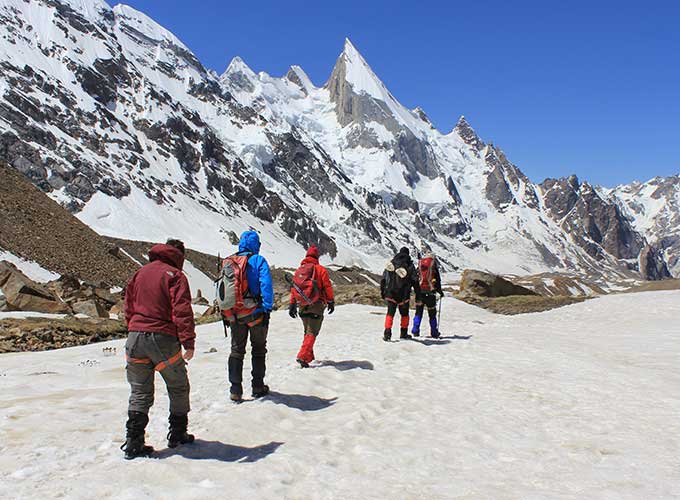
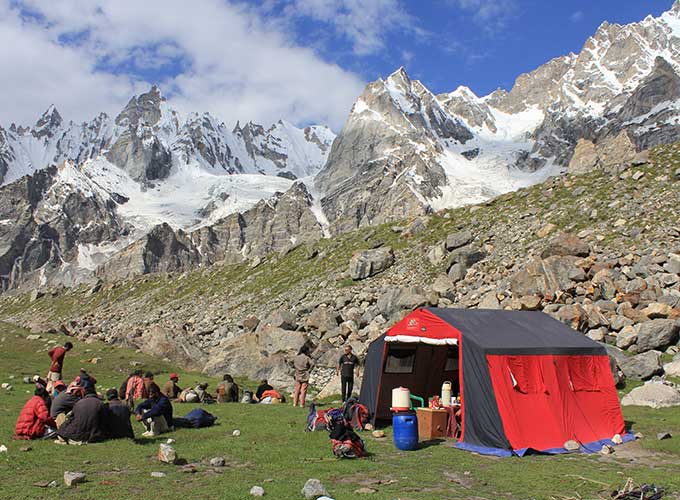
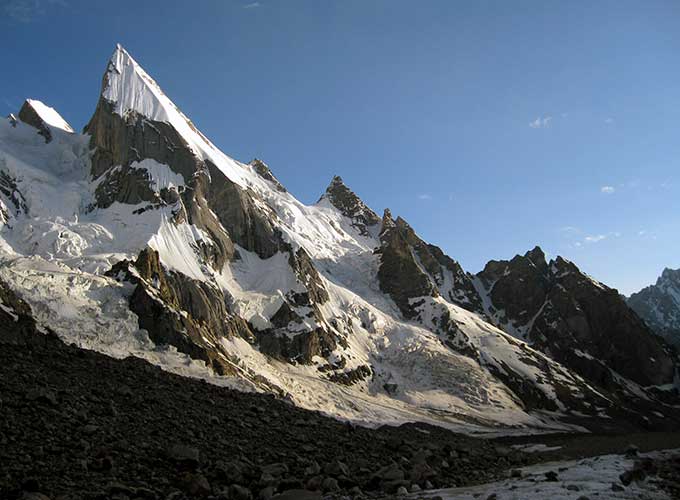
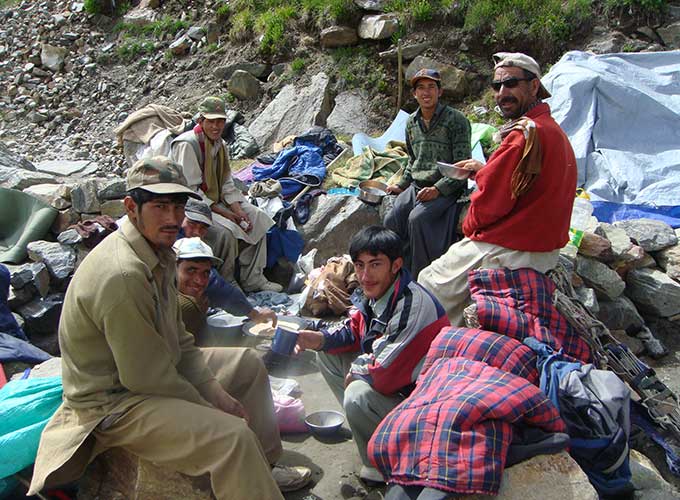
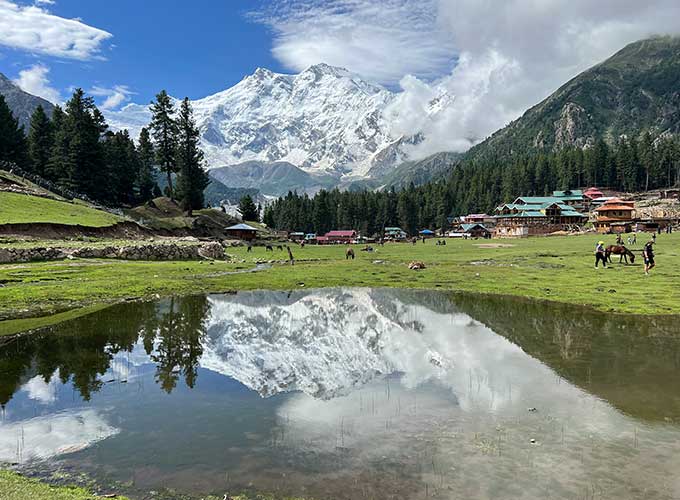
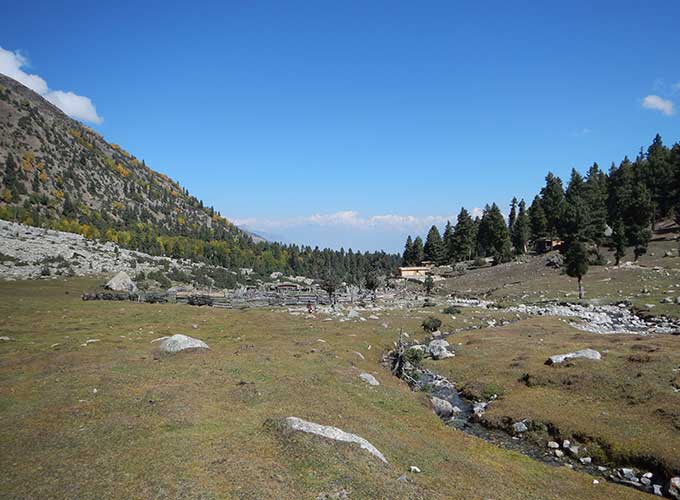
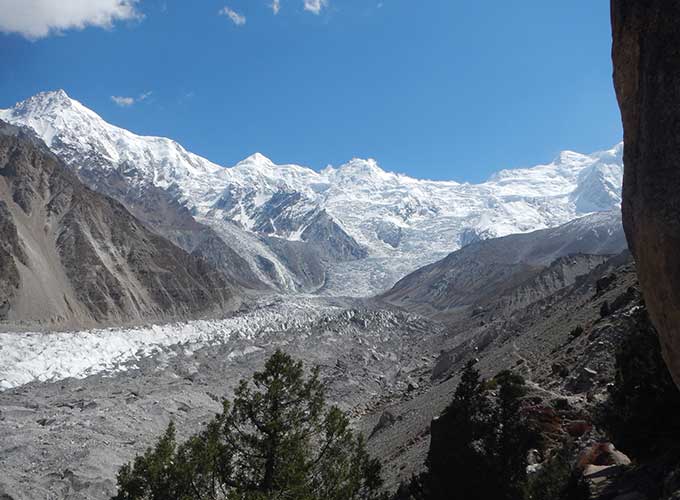
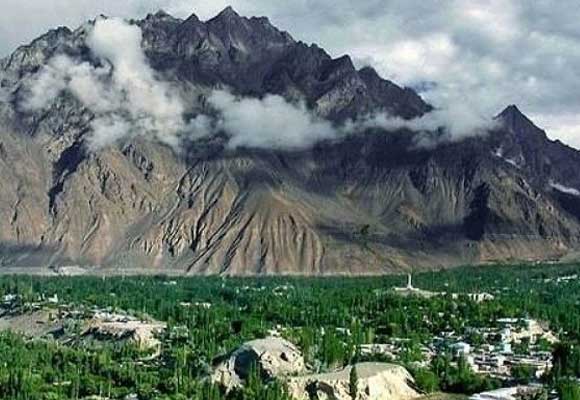
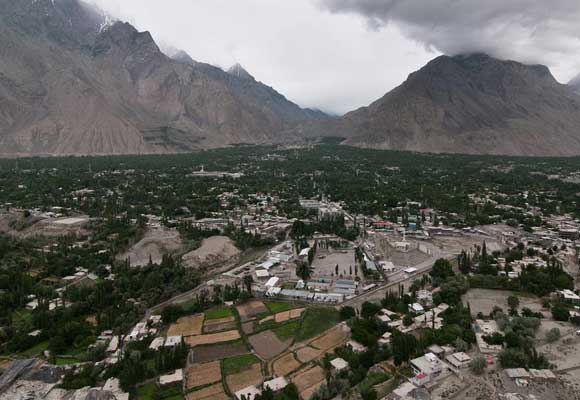
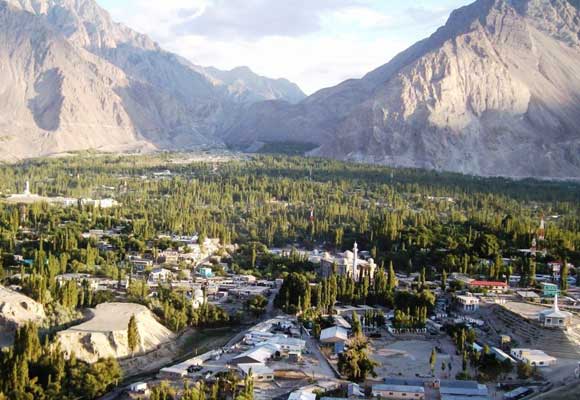
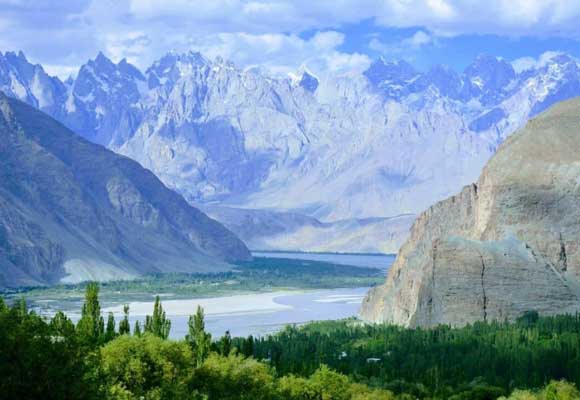
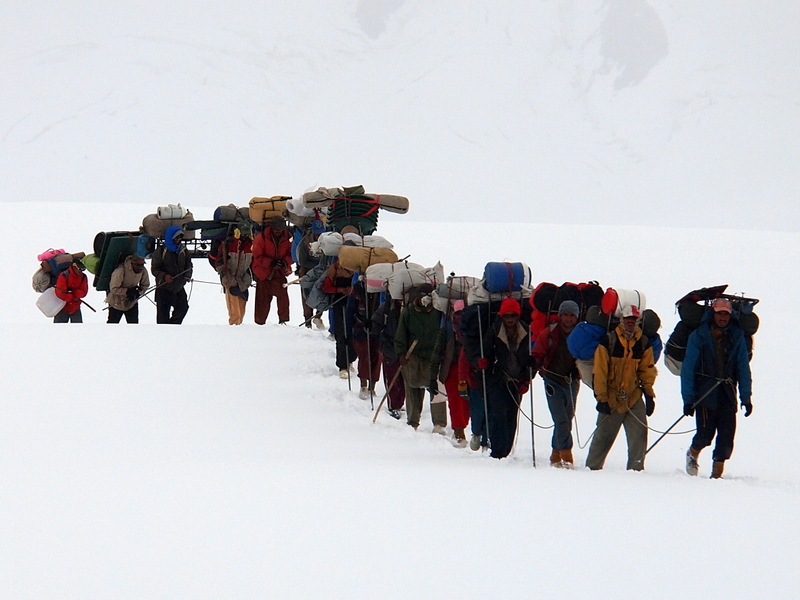
- Quality4.67
- Location4.67
- Amenities4
- Services5
- Price4