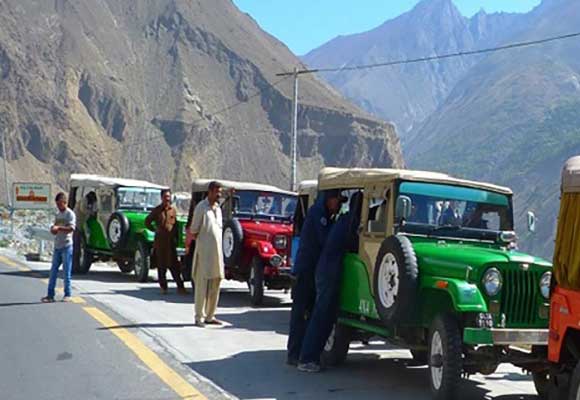
Rakaposhi Expedition (7788m)
Tour Category
Group Size
Duration
From
OVERVIEW & ITINERARY
Rakaposhi Expedition Pakistan 2026-2027 – Complete Guide to Climbing Rakaposhi (7788m)
Introduction to Rakaposhi Expedition in Pakistan
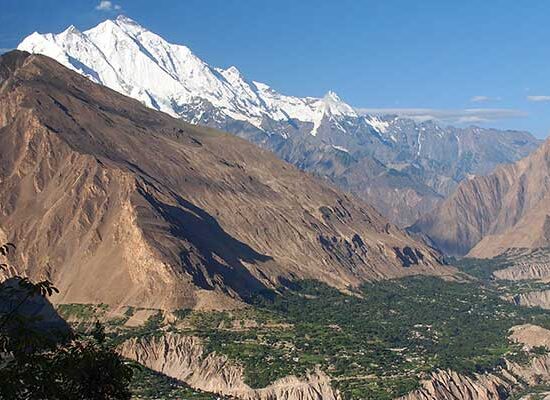
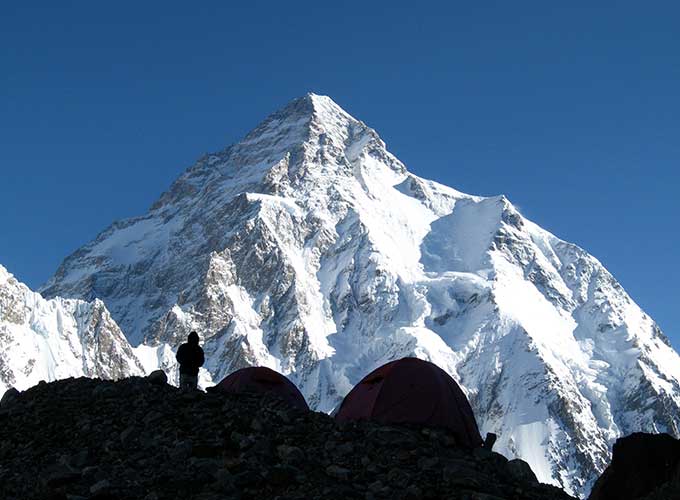
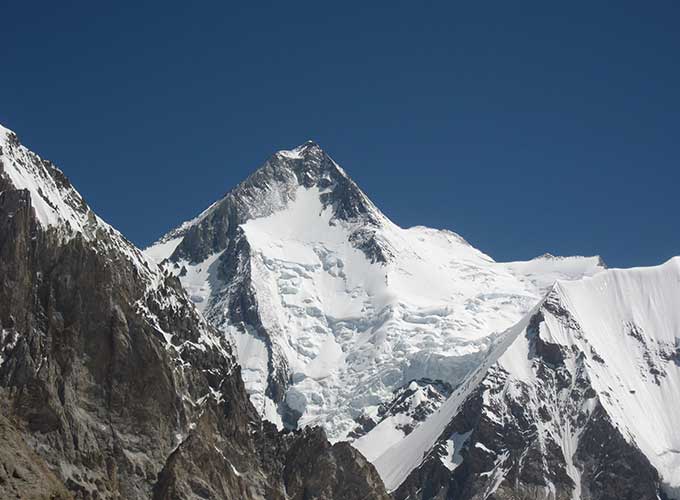
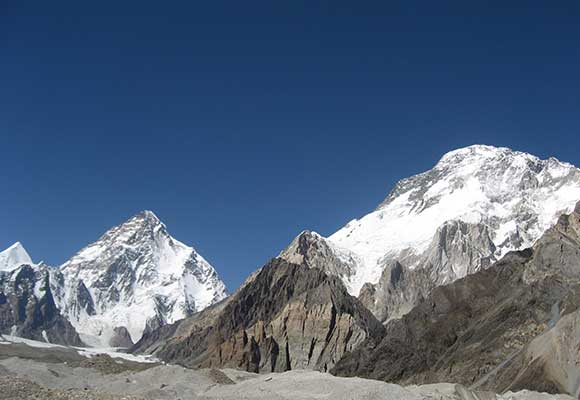
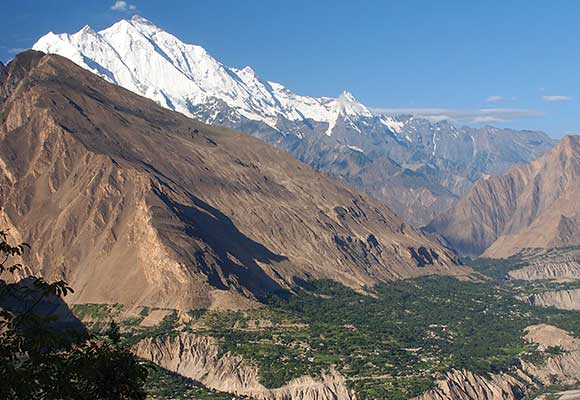
The Rakaposhi expedition in Pakistan is one of the most visually stunning and technically rewarding mountaineering experiences in the Karakoram Range. Rising to an elevation of 7,788 meters, Rakaposhi is the 27th highest mountain in the world and is famous for its immense vertical relief, rising dramatically from the Hunza and Nagar valleys.
Often searched as “Rakaposhi expedition Pakistan,” “Rakaposhi base camp trek,” “climbing Rakaposhi difficulty,” and “Hunza valley mountaineering expeditions,” this iconic peak attracts climbers seeking a serious high-altitude challenge outside the 8000-meter category.
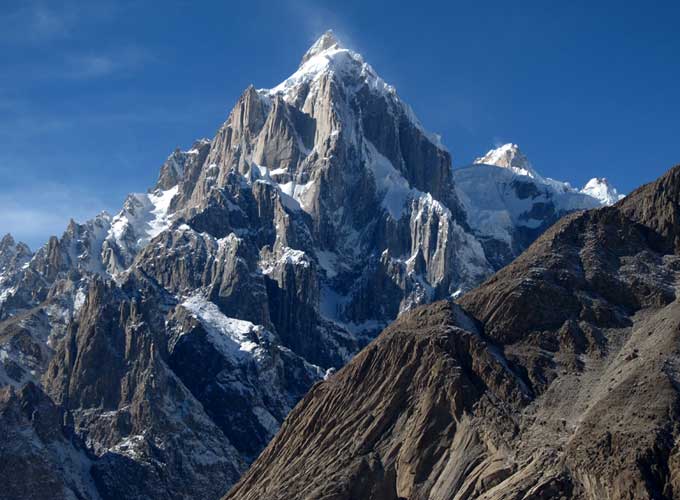
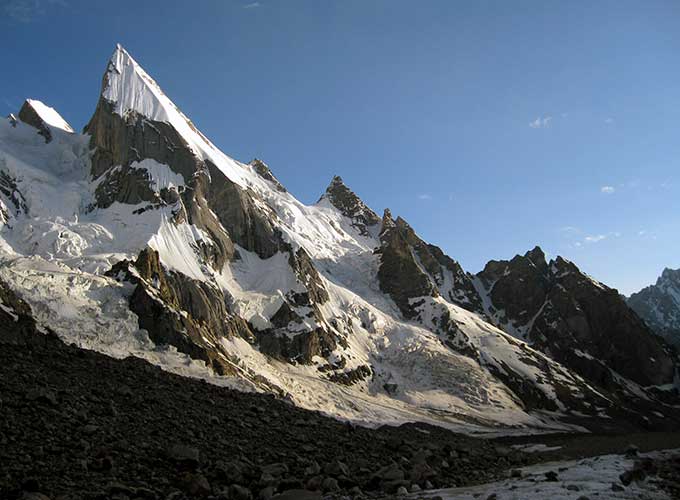
Rakaposhi, meaning “Shining Wall,” is known for its breathtaking north face, which rises over 6,000 meters from base to summit—one of the greatest vertical rises of any mountain in the world. This makes it both visually spectacular and physically demanding.
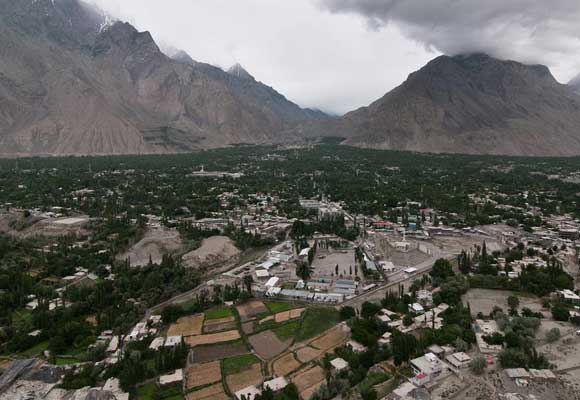
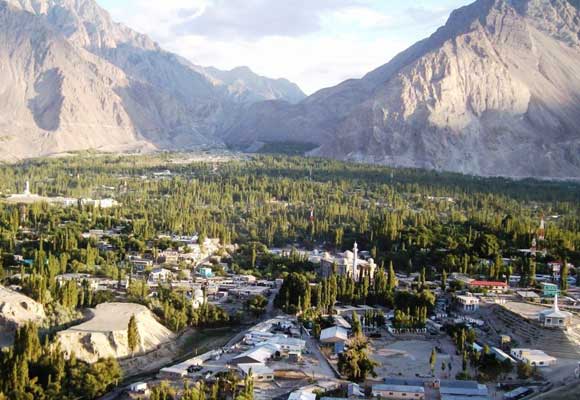
The mountain lies in the Nagar Valley of Gilgit-Baltistan and is easily visible from the Karakoram Highway, making it one of the most accessible yet challenging peaks in Pakistan.
Unlike more crowded expedition routes, Rakaposhi offers a quieter, more immersive climbing experience, combining technical mountaineering with cultural richness and natural beauty.
Adventure Pakistan Services – Why Choose Expert Rakaposhi Expedition Support
Organizing a Rakaposhi expedition requires detailed planning, experienced leadership, and reliable logistics. Adventure Pakistan is a leading operator in the Karakoram, offering professional expedition services tailored for international climbers.
They provide complete expedition management, including permits, transportation, porters, base camp setup, food supply, and climbing logistics.
Full board base camp services ensure climbers have access to nutritious meals, comfortable tents, and communication systems in remote high-altitude environments.
Adventure Pakistan prioritizes safety through weather monitoring, satellite communication, and trained high-altitude staff. Their expertise ensures a smooth and secure expedition experience.
For climbers searching “Rakaposhi guided expedition Pakistan” or “Rakaposhi climbing packages,” choosing an experienced operator is essential for both safety and success.
Rakaposhi Expedition Plan – From Arrival to Summit Preparation
Arrival in Islamabad and Expedition Briefing
The Rakaposhi expedition begins in Islamabad, where climbers arrive and meet the expedition team. This phase includes official briefings, permit processing, and gear inspections.
Climbers review the expedition plan, safety guidelines, and logistical arrangements before heading into the mountains.
Travel to Gilgit and Hunza/Nagar Region
From Islamabad, climbers travel to Gilgit by air or road along the scenic Karakoram Highway. The journey itself is a highlight, offering views of rivers, valleys, and towering peaks.
From Gilgit, the route continues to the Nagar Valley, located across the Hunza River. This region serves as the gateway to Rakaposhi.
Climbers spend time here acclimatizing and preparing for the trek to base camp.
Trek to Rakaposhi Base Camp via Minapin
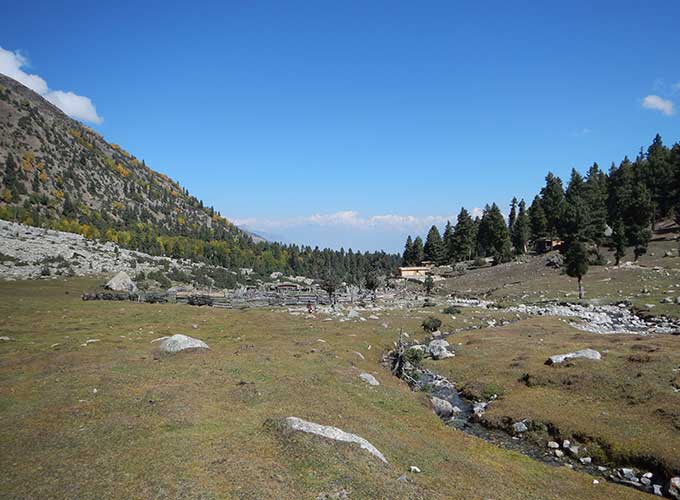
The approach to Rakaposhi base camp begins from Minapin village, a lush and scenic settlement surrounded by orchards and forests.
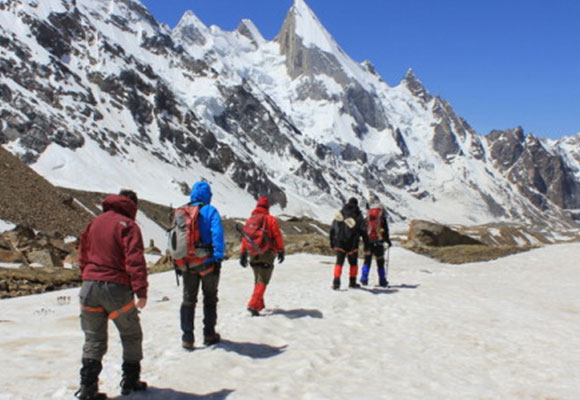
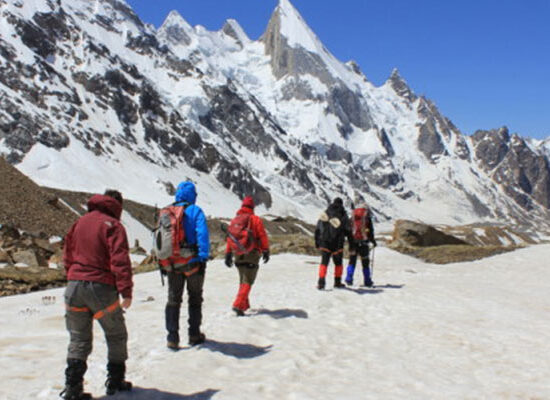
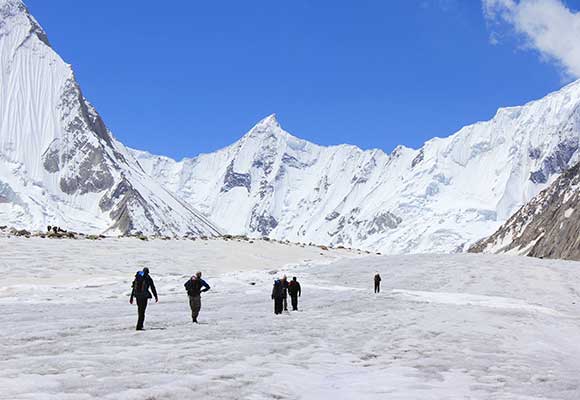
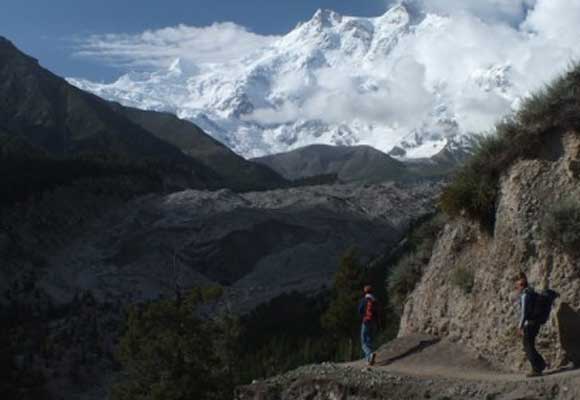
The trek ascends through alpine meadows, pine forests, and glacier terrain, passing through Hapakun campsite before reaching base camp.
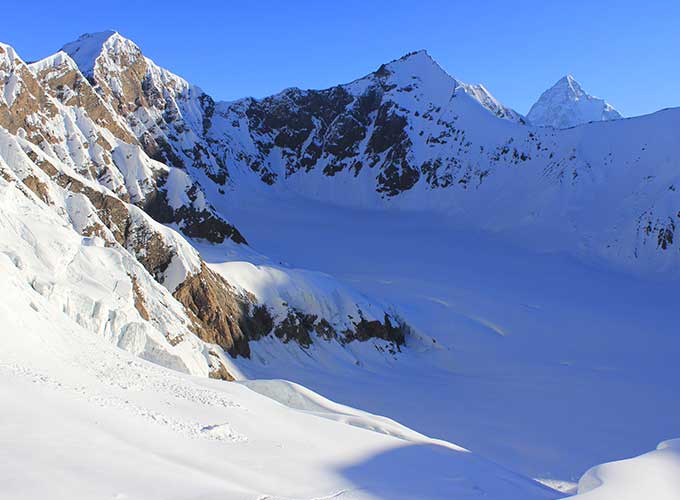
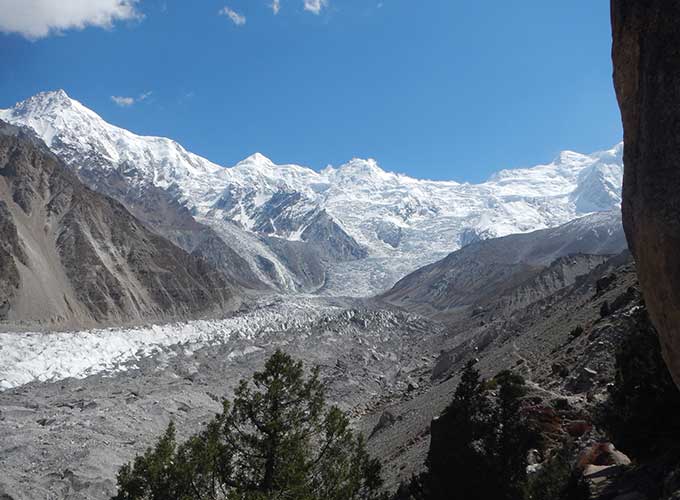
Rakaposhi base camp offers one of the most stunning views in the Karakoram, with the massive north face towering above.
This relatively short approach compared to Baltoro expeditions makes Rakaposhi more accessible while still maintaining a remote alpine atmosphere.
Acclimatization and Summit Preparation
Once at base camp, climbers begin the acclimatization process, which is essential for adapting to high altitude.
Short hikes, load carries, and rotation climbs help the body adjust gradually. Climbers follow the “climb high, sleep low” principle to reduce altitude risks.
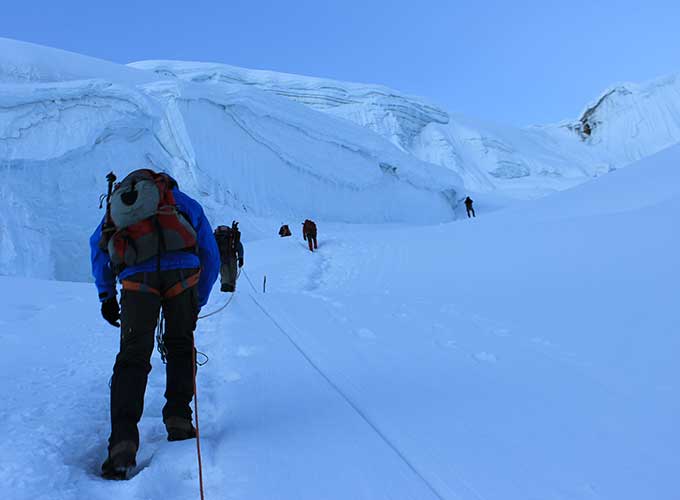
Technical training sessions focus on ice climbing, rope handling, and glacier navigation, preparing climbers for the challenges ahead.
Weather conditions are closely monitored, and summit plans are adjusted accordingly.
Proper preparation, both physical and mental, is crucial for a successful Rakaposhi expedition.
Rakaposhi Base Camp Life and Acclimatization Experience
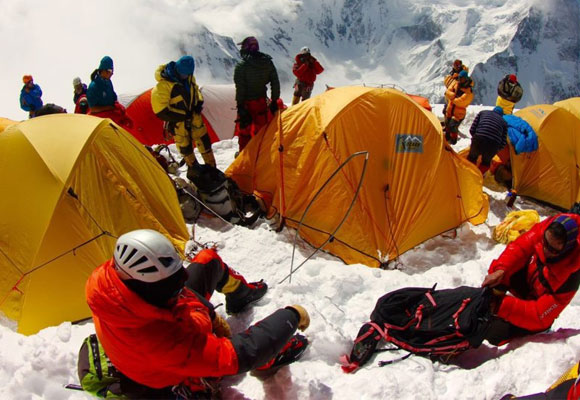
Life at Rakaposhi base camp is both inspiring and demanding, offering climbers a front-row view of one of the most dramatic mountain faces in the Karakoram. Situated above Minapin and Hapakun meadows, the base camp is surrounded by glaciers, alpine ridges, and towering ice walls.
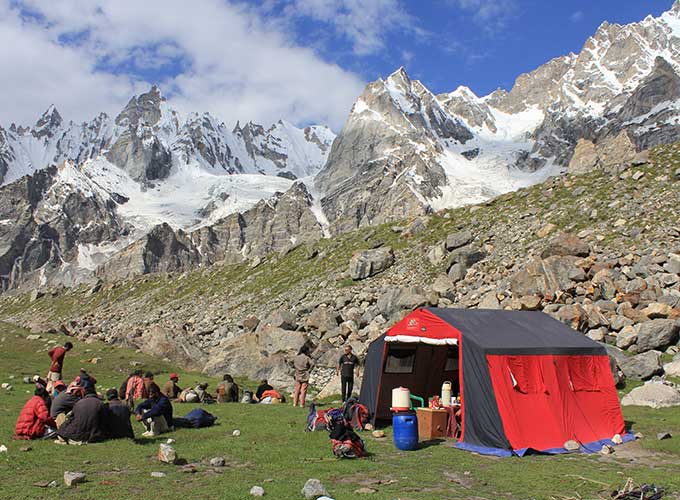
The Rakaposhi expedition in Pakistan base camp is designed to provide comfort and functionality in a harsh environment. Full board services include well-equipped tents, a dedicated kitchen, warm meals, and a communal dining space where climbers gather, plan, and recover.
Acclimatization begins immediately upon arrival. Climbers undertake short hikes above base camp, gradually increasing altitude exposure while allowing the body to adapt. This phase is essential to reduce the risk of altitude sickness and improve overall performance.
Daily routines at base camp revolve around hydration, nutrition, rest, and weather monitoring. Maintaining physical condition and mental clarity is critical during this stage of the expedition.
Climbing Strategy and Route Planning on Rakaposhi Expedition
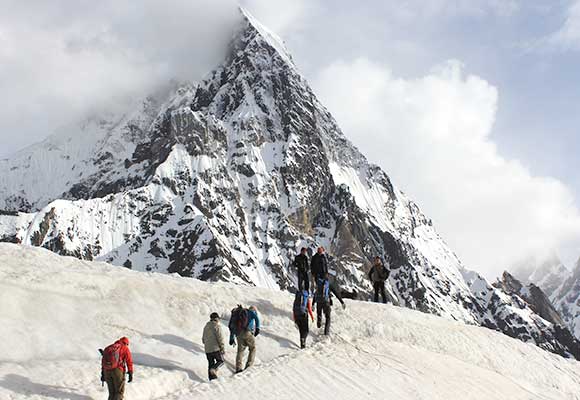
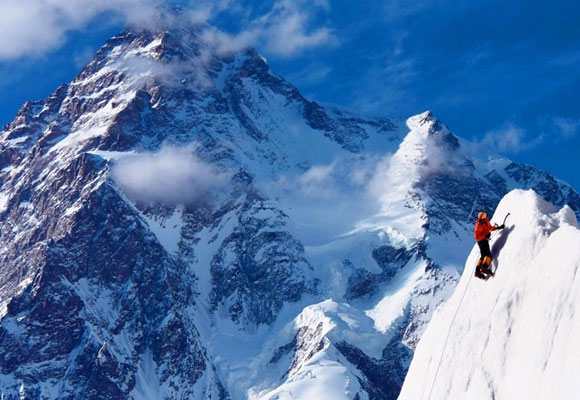
The Rakaposhi expedition is known for its challenging routes, particularly the north ridge and southwest spur, which involve steep snow slopes, crevassed glaciers, and exposed ridgelines.
Climbing strategy focuses on gradual progression through established camps, with each camp serving as a staging point for higher altitude movement. Load carries, rope fixing, and route assessment are key components of this process.
Rotation climbs are used to build acclimatization and transport equipment to higher camps. Climbers ascend to a higher camp, spend limited time, and return to base camp for recovery.
Route planning is dynamic, as snow conditions, crevasses, and weather can significantly impact the climb. Teams must remain flexible and responsive to changing conditions.
Weather Challenges and Safety Measures
The weather on Rakaposhi can be highly unpredictable, with sudden storms, strong winds, and rapid temperature drops. Even during peak climbing season, conditions can change without warning.
The best time for the Rakaposhi expedition in Pakistan is typically from June to September, when weather conditions are relatively stable. However, climbers must be prepared for delays and unexpected challenges.
Safety measures include constant weather monitoring, communication between camps, and strict adherence to climbing protocols. Satellite phones and GPS devices are used to maintain contact and ensure safety.
Emergency response plans, including evacuation procedures, are established before the climb begins.
Local Culture and Natural Beauty of Nagar and Hunza Valley
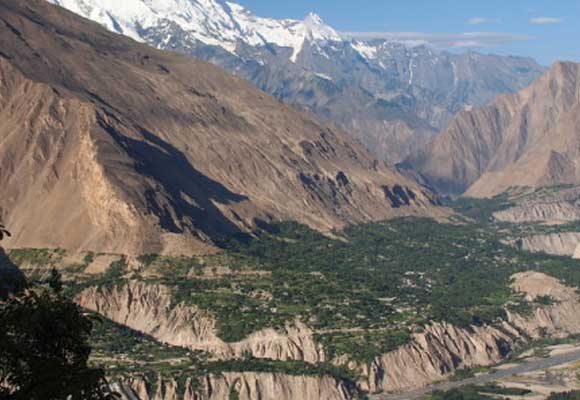
The Rakaposhi expedition offers a rich cultural experience through the Nagar and Hunza regions. These areas are known for their stunning landscapes, hospitable communities, and unique traditions.
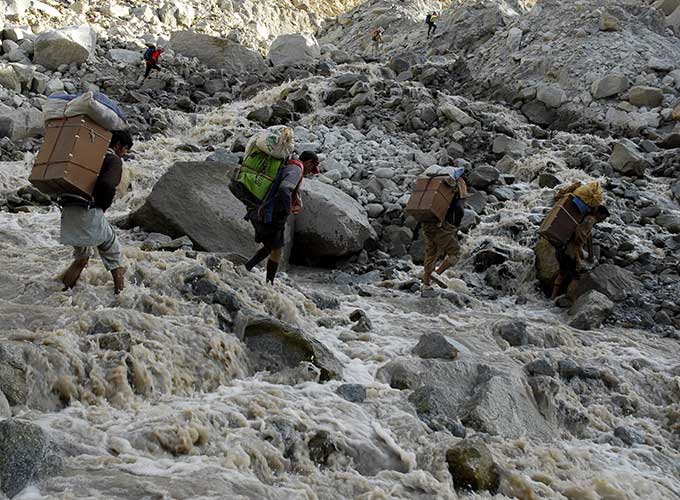
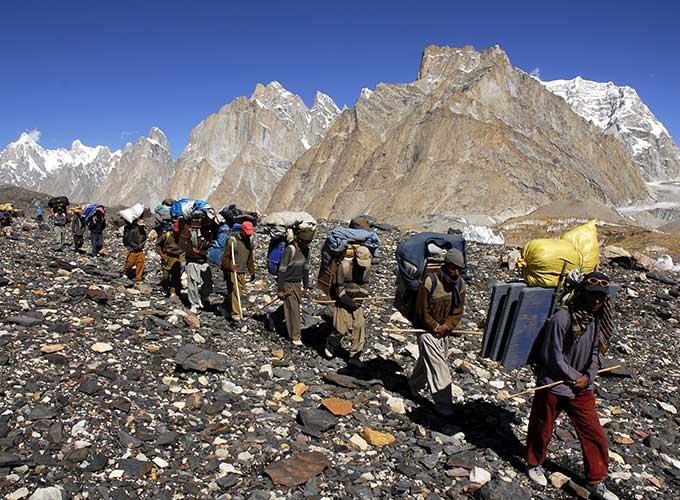
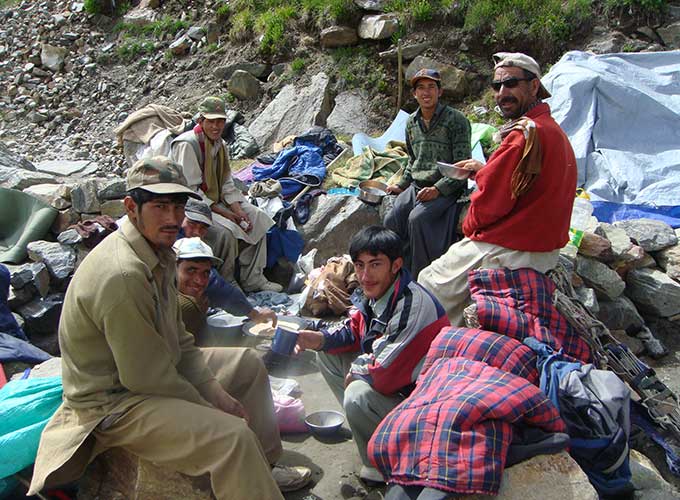
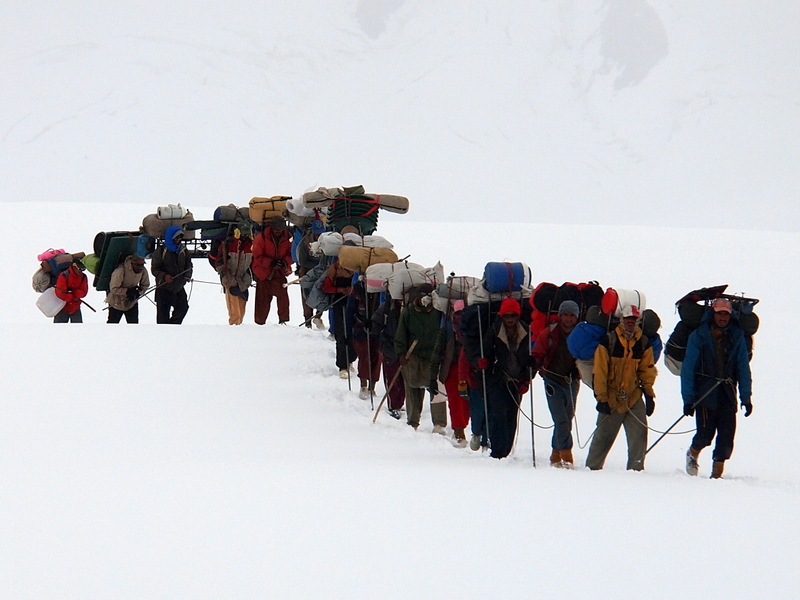
Local people play an important role in supporting expeditions, working as porters, guides, and logistical staff. Their knowledge of the terrain and environment is invaluable.
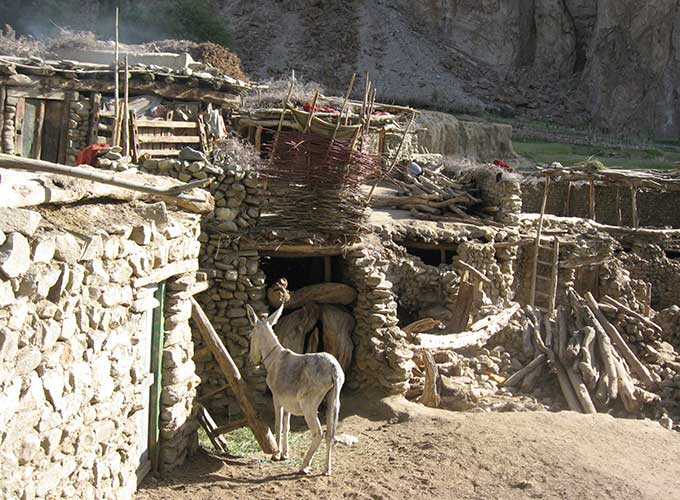
The journey through Minapin and surrounding villages introduces climbers to traditional lifestyles, local cuisine, and cultural heritage.
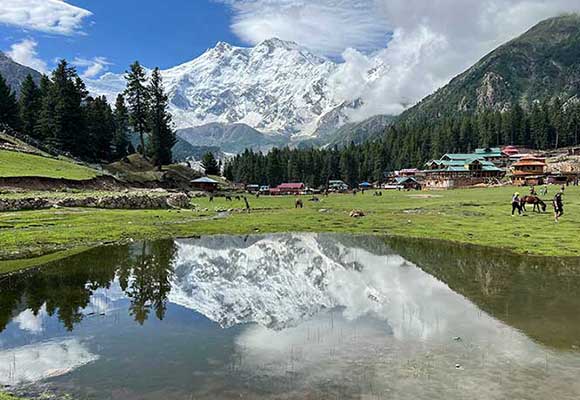
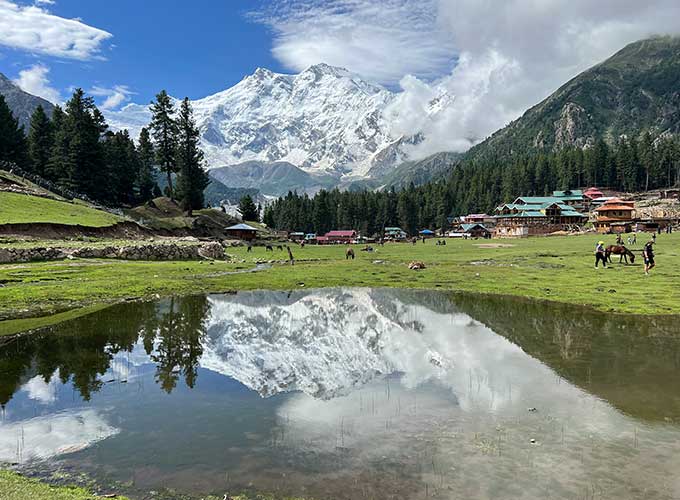
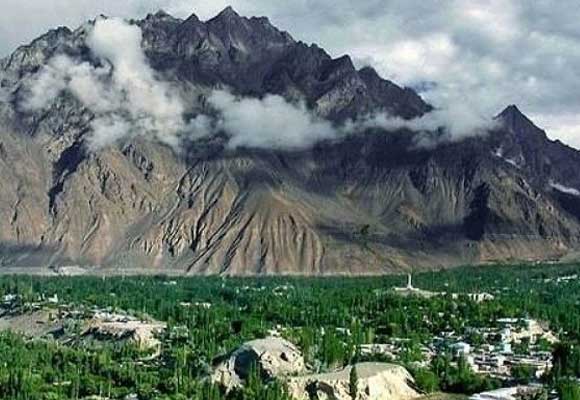
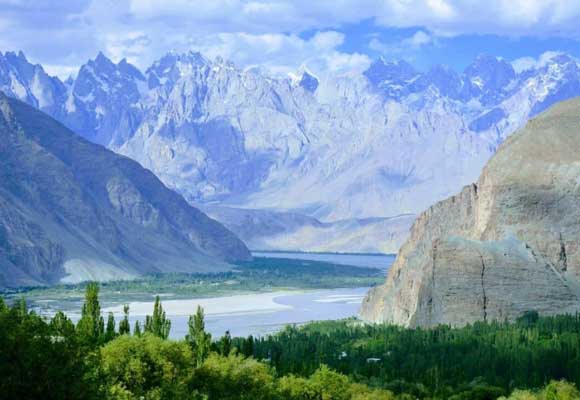
The natural beauty of the region is exceptional, with lush green valleys contrasting sharply against snow-covered peaks.
Higher Camp Rotations, Summit Attempt, and Descent
After acclimatization, climbers begin establishing higher camps on Rakaposhi. These camps are positioned strategically along the route to support the ascent.
Each rotation involves carrying supplies, fixing ropes, and adapting to higher altitudes. This phase is physically demanding and requires careful energy management.
The summit push is planned during a favorable weather window. Climbers move through higher camps, often starting early in the morning to maximize safety.
The final ascent involves steep snow slopes, exposed ridges, and high-altitude conditions that test endurance and technical skill.
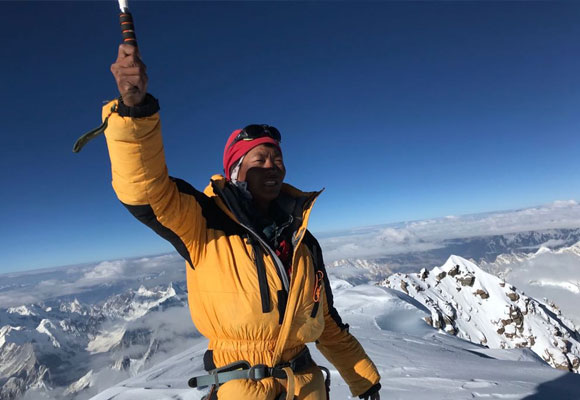
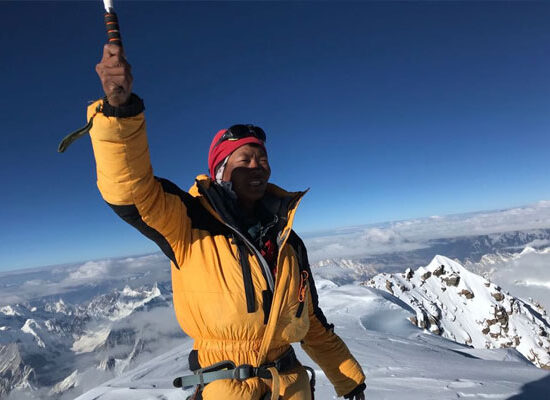
Reaching the summit of Rakaposhi is a remarkable achievement, offering panoramic views of the Karakoram Range.
The descent requires equal focus, as fatigue and changing weather conditions increase risk.
Rakaposhi Expedition Highlights and High-Altitude Adventure Experience
The Rakaposhi expedition in Pakistan stands out as one of the most visually rewarding and technically engaging climbs in the Karakoram. Unlike many other high peaks, Rakaposhi rises dramatically from green valleys to snow-covered summits, offering a rare combination of accessibility and extreme alpine challenge.
One of the most searched experiences, “Rakaposhi base camp trek and climb,” reflects the unique appeal of this mountain. Climbers enjoy a complete journey that transitions from lush landscapes in Minapin to the icy heights of the summit.
The immense vertical rise of Rakaposhi makes every stage of the expedition feel dramatic and immersive. From base camp to higher camps, climbers are constantly surrounded by breathtaking views of glaciers, ridges, and surrounding peaks.
For many mountaineers, Rakaposhi serves as a bridge between trekking peaks and more demanding high-altitude expeditions, making it a significant milestone in their climbing journey.
Photography and Mountaineering Documentation
The Rakaposhi expedition offers exceptional opportunities for photography and storytelling. The mountain’s iconic pyramid shape, combined with changing light conditions, creates stunning visual compositions.
Sunrise and sunset are particularly magical, with golden light illuminating the massive north face. The contrast between green valleys and white glaciers adds depth and uniqueness to every shot.
Climbers often document their journey through photos, videos, and expedition journals. These records capture both the technical aspects of climbing and the emotional highs and lows of the expedition.
Protecting camera equipment from cold temperatures and moisture is essential to ensure reliable performance throughout the climb.
Team Dynamics and Leadership in Rakaposhi Expedition
Teamwork plays a critical role in the success of the Rakaposhi expedition. Climbers must rely on each other for safety, motivation, and decision-making in challenging conditions.
Experienced expedition leaders guide the team through route planning, weather assessment, and risk management. Their expertise is essential for navigating the mountain safely.
Local porters and high-altitude workers provide invaluable support, assisting with load carrying, camp setup, and route preparation.
A strong and coordinated team significantly increases the chances of a successful summit.
Training, Preparation, and Required Experience
The Rakaposhi expedition requires a high level of physical fitness and technical climbing ability. Climbers should have prior experience in high-altitude trekking and basic mountaineering skills.
Training includes endurance exercises, strength conditioning, and technical practice such as ice climbing and rope handling.
Mental preparation is equally important, as climbers must cope with isolation, fatigue, and unpredictable weather conditions.
Proper preparation reduces risks and enhances overall performance on the mountain.
Equipment and Technical Gear for Rakaposhi Climb
Climbing Rakaposhi requires specialized gear designed for high-altitude environments. Essential equipment includes insulated boots, crampons, ice axes, helmets, and layered clothing.
Technical gear such as ropes, harnesses, carabiners, and ascenders is necessary for navigating steep and exposed sections.
Climbers must carefully balance weight and functionality when selecting gear to ensure efficiency during the climb.
Adventure Pakistan provides detailed gear recommendations to help climbers prepare effectively.
Nutrition and Full Board Base Camp Services
Nutrition is a key factor in maintaining energy and health during the Rakaposhi expedition. At base camp, full board services provide balanced meals designed to support high-altitude performance.
Meals include carbohydrates for energy, proteins for recovery, and essential nutrients for overall health. Hydration is emphasized to prevent altitude-related issues.
During climbing phases, lightweight, high-calorie foods are used to sustain energy levels.
Proper nutrition contributes significantly to endurance and recovery throughout the expedition.
Environmental Responsibility and Sustainable Climbing
The Rakaposhi expedition emphasizes environmental responsibility to protect the fragile ecosystems of the Karakoram. Climbers are expected to follow strict guidelines to minimize their impact.
Adventure Pakistan promotes “Leave No Trace” principles, ensuring that waste is properly managed and removed from the mountain.
Respect for local communities, wildlife, and natural landscapes is an integral part of the expedition culture.
Sustainable practices help preserve the beauty of the region for future generations.
Challenges and Mental Resilience on Rakaposhi
The Rakaposhi expedition presents both physical and psychological challenges. Climbers must endure long days, steep terrain, and extreme weather conditions.
Mental resilience is essential for maintaining focus and motivation during difficult moments.
Overcoming these challenges often leads to personal growth and a deeper appreciation for the mountain environment.
The experience builds confidence and prepares climbers for future high-altitude expeditions.
Celebrating Achievement and Expedition Legacy
Reaching the summit of Rakaposhi is a significant accomplishment that reflects dedication, preparation, and perseverance.
The expedition becomes a defining moment for many climbers, marking a major milestone in their mountaineering journey.
Each successful ascent contributes to the legacy of exploration in the Karakoram and inspires future climbers.
Adventure Pakistan Expertise and Services
Adventure Pakistan provides expert support for Rakaposhi expeditions, offering logistics, safety management, and professional guidance throughout the climb.
Their experience ensures climbers can focus on achieving their goals while relying on a trusted team for support.
Travel Logistics and Access for Rakaposhi Expedition in Pakistan
The Rakaposhi expedition in Pakistan begins with arrival in Islamabad, followed by a journey toward the Gilgit-Baltistan region. Climbers typically travel to Gilgit either by a scenic flight or via the Karakoram Highway, one of the most iconic mountain roads in the world.
From Gilgit, the route continues toward Nagar Valley, located across the Hunza River. The small village of Minapin serves as the primary starting point for the Rakaposhi base camp trek.
The accessibility of Rakaposhi is one of its major advantages. Unlike Baltoro-based expeditions, the approach is shorter and less logistically complex, making it an attractive option for climbers seeking a serious high-altitude experience without extended trekking duration.
Professional operators like Adventure Pakistan manage all logistics, including transport, permits, porters, and equipment handling, ensuring a smooth expedition process.
Acclimatization and Health Considerations for Rakaposhi Climb
Acclimatization is essential for a successful Rakaposhi expedition due to its high altitude and demanding terrain. Climbers must gradually adapt to reduced oxygen levels to avoid altitude sickness.
The expedition includes structured acclimatization schedules, with rest days and rotation climbs between base camp and higher camps.
Common symptoms of altitude sickness include headaches, nausea, fatigue, and dizziness. Monitoring these symptoms is critical for safety.
Proper hydration, nutrition, and rest play a vital role in maintaining health during the climb.
Weather Patterns and Seasonal Planning for Rakaposhi Expedition
The best time for the Rakaposhi expedition in Pakistan is from June to September, when weather conditions are relatively stable in the Karakoram region.
However, mountain weather remains unpredictable, with sudden storms, strong winds, and temperature drops posing challenges.
Summit attempts depend on short weather windows, requiring flexibility and careful planning.
Understanding weather patterns is crucial for maximizing safety and success.
Cultural Immersion and Local Experiences in Hunza and Nagar
The Rakaposhi expedition offers a rich cultural experience through the Hunza and Nagar regions. These areas are known for their hospitality, traditions, and scenic beauty.
Climbers interact with local communities, gaining insight into traditional lifestyles and mountain culture.
The journey through Minapin village provides an authentic experience of rural life in northern Pakistan.
This cultural immersion adds depth and meaning to the expedition beyond the physical challenge.
Climbing Etiquette and Environmental Responsibility
Responsible climbing is essential to protect the fragile environment of the Karakoram. The Rakaposhi expedition emphasizes sustainable practices and respect for nature.
Climbers follow “Leave No Trace” principles, ensuring waste is managed properly and natural landscapes remain untouched.
Respect for local communities and fellow climbers is a key aspect of expedition culture.
Adventure Pakistan promotes eco-friendly practices to preserve the region.
Safety Measures and Emergency Protocols
Safety is a top priority during the Rakaposhi expedition. Teams implement strict protocols to manage risks associated with altitude, weather, and terrain.
Satellite communication and GPS tracking systems are used to maintain contact between camps.
Emergency evacuation plans, including helicopter rescue (weather permitting), are prepared in advance.
Experienced guides and staff are trained in high-altitude rescue and first aid.
Gear, Equipment, and Technical Skills Required
Climbing Rakaposhi requires specialized gear such as insulated boots, crampons, ice axes, helmets, and layered clothing.
Technical skills in glacier travel, rope handling, and ice climbing are essential for safe progression.
Proper gear selection and preparation significantly improve performance and safety.
Post-Expedition Recovery and Reflection
After completing the Rakaposhi expedition, climbers typically return to Gilgit or Islamabad for rest and recovery.
This phase allows the body to adjust to lower altitudes and recover from physical exertion.
Many climbers reflect on their journey, gaining a sense of accomplishment and personal growth.
The experience often inspires future mountaineering goals.
FAQs – Rakaposhi Expedition Pakistan
What is the difficulty level of Rakaposhi? Rakaposhi is a challenging high-altitude climb requiring technical skills and prior experience.
Where is Rakaposhi located in Pakistan? Rakaposhi is located in the Nagar Valley of Gilgit-Baltistan, opposite the famous Hunza Valley along the Karakoram Highway.
What makes Rakaposhi unique among Karakoram peaks? Rakaposhi is famous for its massive vertical rise of over 6,000 meters, making it one of the most prominent mountains in the world.
Is Rakaposhi suitable for beginner climbers? No, Rakaposhi is not recommended for beginners. It requires prior high-altitude trekking and technical mountaineering experience.
How does Rakaposhi compare to other Pakistan expeditions? Rakaposhi is less crowded than Baltoro peaks but still offers a serious climbing challenge, making it ideal for climbers seeking a quieter expedition.
What permits are required for Rakaposhi expedition Pakistan? Climbers need mountaineering permits issued by the Government of Pakistan, usually arranged by expedition operators.
Are porters and guides included in Rakaposhi expedition packages? Yes, most guided expeditions include porters, high-altitude staff, and experienced climbing guides.
What kind of accommodation is available during the expedition? Accommodation includes hotels in cities and tents during trekking and base camp phases.
Is travel insurance required for Rakaposhi expedition? Yes, comprehensive travel insurance covering high-altitude climbing and evacuation is highly recommended.
What is the success rate of Rakaposhi expedition? Success rates vary depending on weather, preparation, and team experience, but it is considered a challenging peak with moderate success rates.
Can I combine Rakaposhi expedition with Hunza Valley tour? Yes, many climbers combine their expedition with a cultural and sightseeing tour of Hunza Valley.
What fitness level is required for Rakaposhi climb? A high level of cardiovascular fitness, endurance, and strength is required for this expedition.
Are there rescue facilities available during the expedition? Yes, helicopter rescue is available in emergencies, depending on weather and location.
What is the temperature range during the Rakaposhi expedition? Temperatures can range from mild in the valleys to extremely cold at higher altitudes, often dropping below -20°C.
Do I need a visa to join Rakaposhi expedition Pakistan? Yes, international climbers need a Pakistan visa, which is usually facilitated by the expedition operator.
How crowded is Rakaposhi compared to other peaks? Rakaposhi is relatively less crowded, offering a more peaceful and exclusive climbing experience.
How long does the expedition take? Typically 30–45 days depending on conditions and acclimatization.
What is the best time to climb Rakaposhi? June to September offers the best weather conditions.
Do I need prior climbing experience? Yes, previous high-altitude and technical climbing experience is recommended.
Why Choose Adventure Pakistan for Rakaposhi Expedition
Adventure Pakistan offers professional expedition services, ensuring safety, logistics, and expert guidance throughout the climb.
Their experience in the Karakoram allows climbers to focus on achieving their goals with confidence.
Start Your Rakaposhi Expedition 2026 in Pakistan
The Rakaposhi expedition in Pakistan is a perfect combination of beauty, challenge, and adventure. From the green valleys of Minapin to the icy summit, every stage of the journey offers a unique and unforgettable experience.
For climbers seeking a serious high-altitude challenge in the Karakoram, Rakaposhi is one of the most rewarding objectives.
Contact Adventure Pakistan today to plan your Rakaposhi expedition 2026 and experience one of the most iconic mountains in the world.

ITINERARY
The Rakaposhi expedition Pakistan begins with arrival in Islamabad, the capital city and administrative hub for all mountaineering expeditions in the country. Climbers are welcomed by the expedition team and transferred to the hotel.
During these initial days, climbers attend detailed expedition briefings covering safety protocols, route overview, weather conditions, and climbing strategy. Gear inspection is conducted to ensure all technical equipment meets high-altitude requirements for the Rakaposhi climb.
Permits, documentation, and logistical arrangements are finalized. This phase also allows climbers to recover from international travel and mentally prepare for the Karakoram journey ahead.
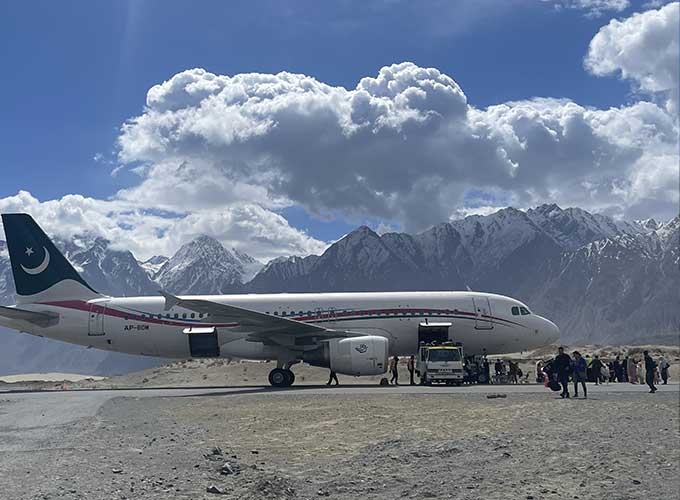
From Islamabad, climbers either take a scenic flight or drive via the Karakoram Highway to Gilgit. The flight offers breathtaking aerial views of Himalayan and Karakoram peaks, while the road journey passes through valleys, rivers, and mountain landscapes.
Upon arrival in Gilgit, climbers continue toward Nagar Valley, one of the key regions for the Rakaposhi expedition. The village of Minapin serves as the final road-accessible settlement before the trek begins.
These days also include final logistics coordination with porters and local staff.
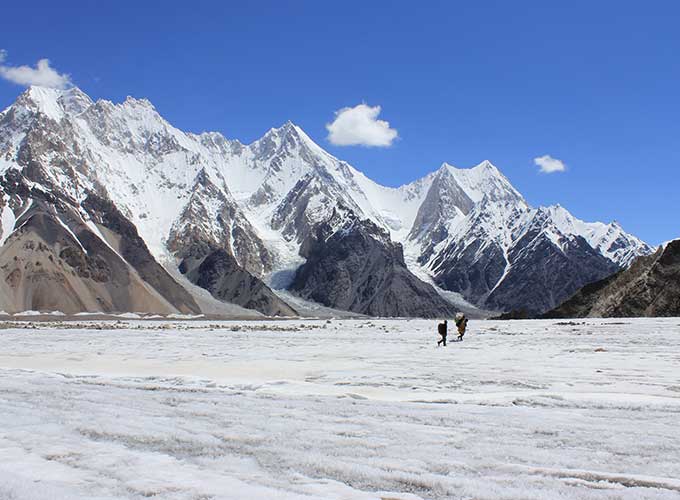
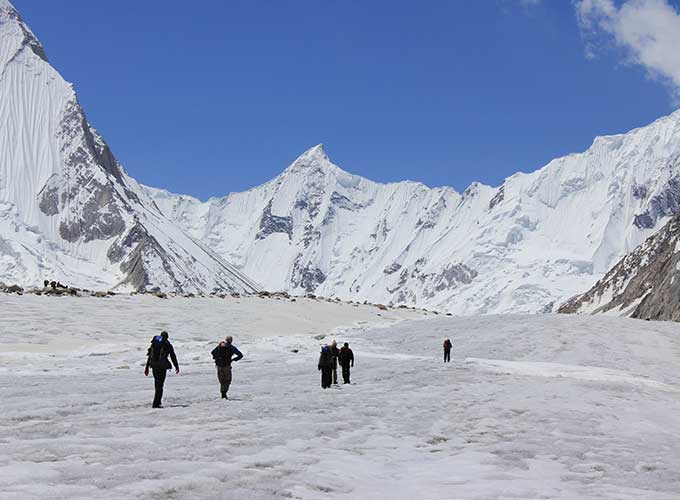
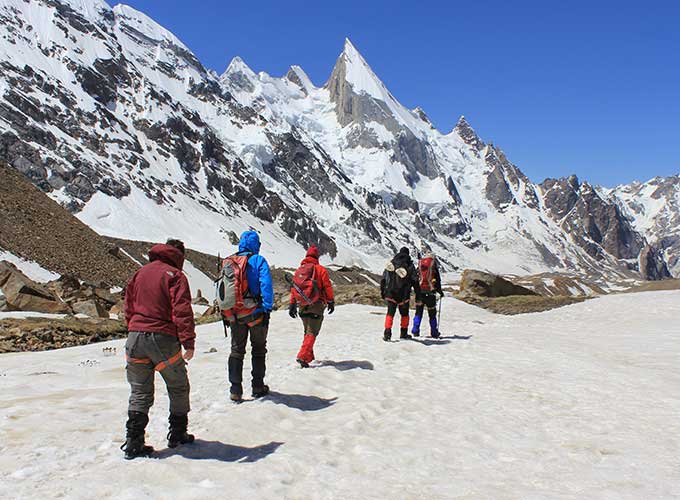
The trekking phase begins from Minapin village. The route passes through lush green fields, pine forests, and alpine meadows before reaching Hapakun campsite.
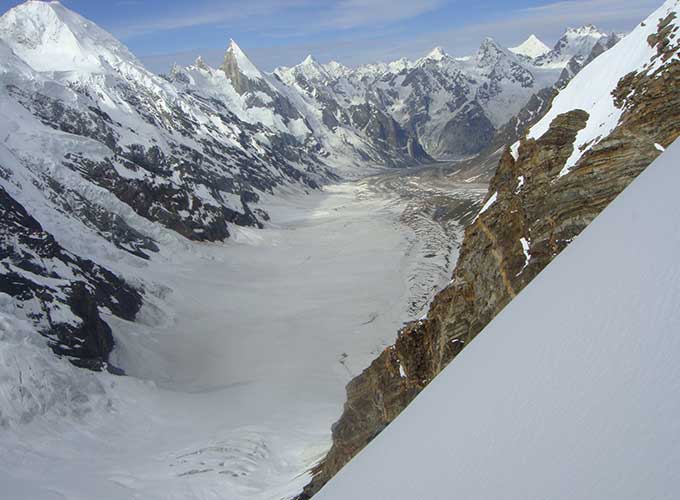
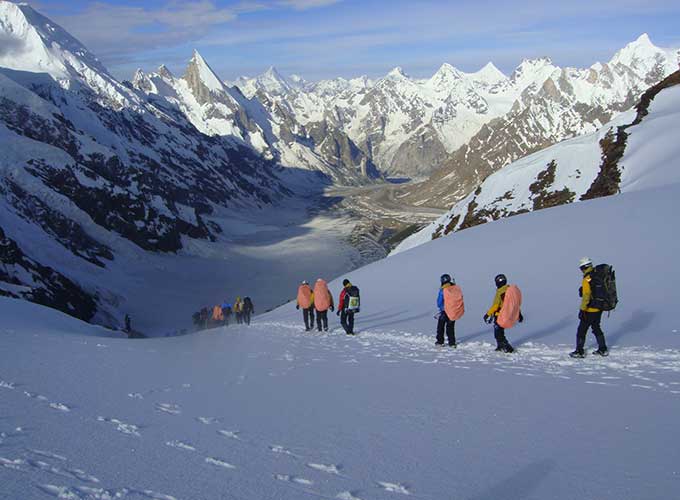
From Hapakun, the trail becomes steeper and more rugged as climbers ascend toward Rakaposhi Base Camp. The landscape transitions into glacier terrain with increasingly dramatic views of Rakaposhi’s massive north face.
Rakaposhi Base Camp is established at a strategic location offering panoramic views of the mountain. Camps are set up, and the expedition base becomes fully operational.
These initial base camp days focus on acclimatization and physical adaptation to high altitude. Climbers undertake short hikes above base camp to gradually increase oxygen efficiency.
Basic mountaineering training is conducted, including rope handling, crampon use, glacier travel techniques, and rescue procedures.
Load ferrying exercises begin toward Camp 1, helping climbers build strength and familiarize themselves with the route.
Nutrition, hydration, and rest are prioritized to ensure proper adaptation before higher altitude rotations.
The first rotation to Camp 1 begins. Climbers carry loads and ascend via glacier routes, navigating crevasses and steep snow slopes.
Camp 1 is established at a higher altitude, allowing climbers to experience overnight conditions on the mountain for the first time.
After spending limited time at Camp 1, climbers descend back to base camp for recovery. This “climb high, sleep low” strategy is essential for the Rakaposhi expedition Pakistan.
Rest days at base camp follow, focusing on recovery, weather monitoring, and nutrition replenishment.
The second rotation increases altitude exposure as climbers progress from Camp 1 toward Camp 2. This section involves more technical terrain including steeper snow slopes and exposed ridgelines.
Rope fixing and route marking are key activities during this phase. Climbers refine their technical skills while adapting to thinner air and colder conditions.
After spending time at higher camps, the team descends again to base camp for recovery and evaluation of weather conditions.
During this phase, climbers focus on strengthening acclimatization through repeated rotations. Depending on conditions, Camp 2 and Camp 3 may be established.
The terrain becomes more demanding with mixed ice and snow climbing sections requiring advanced technical skills.
Weather windows are closely analyzed to plan summit strategy. This phase is critical for determining summit readiness.
A full rest period is taken at base camp. Climbers recover physically and mentally while expedition leaders finalize summit strategy.
Weather forecasts are studied in detail to identify the optimal summit window. Equipment is checked, oxygen
The summit phase begins during the best weather window of the Rakaposhi expedition Pakistan climbing season (June–September).
Climbers move through Camp 1, Camp 2, and higher camps, gradually ascending toward the summit of Rakaposhi (7788m).
This is the most physically demanding part of the expedition, involving steep ice slopes, exposure to extreme cold, and high-altitude fatigue.
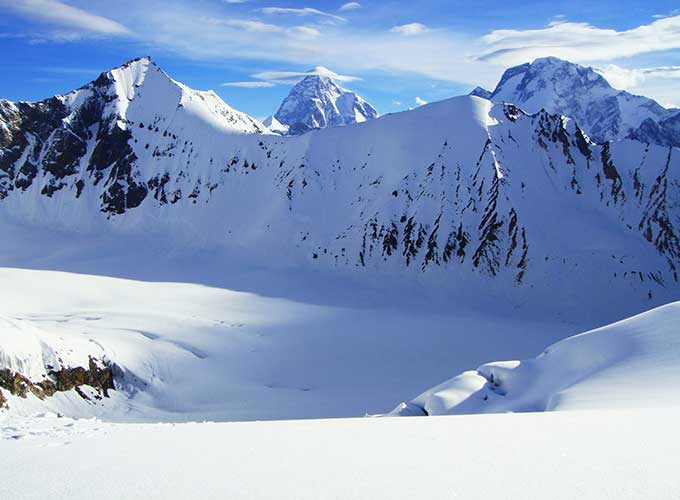
Reaching the summit is a major achievement in Rakaposhi mountaineering Pakistan expeditions, offering panoramic views of the Karakoram Range including Hunza Valley, Nagar Valley, and surrounding peaks.
After summit success, climbers begin a careful descent back to base camp.
After the summit attempt, climbers descend carefully through all established camps back to base camp.
This phase is critical due to fatigue and changing weather conditions. Safety remains the highest priority in the Rakaposhi expedition Pakistan descent route.
At base camp, climbers rest, recover, and celebrate the achievement.
The descent continues from base camp to Minapin village via Hapakun. This trek marks the transition from expedition environment back to local civilization.
Climbers experience emotional relief and reflection after completing the Rakaposhi base camp trek and summit expedition.
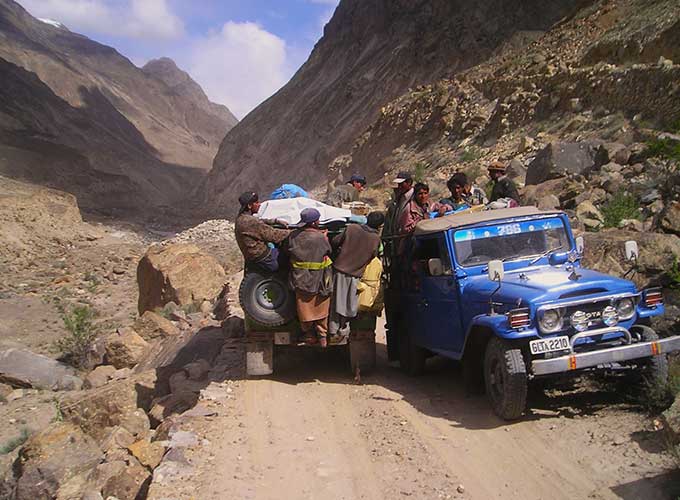
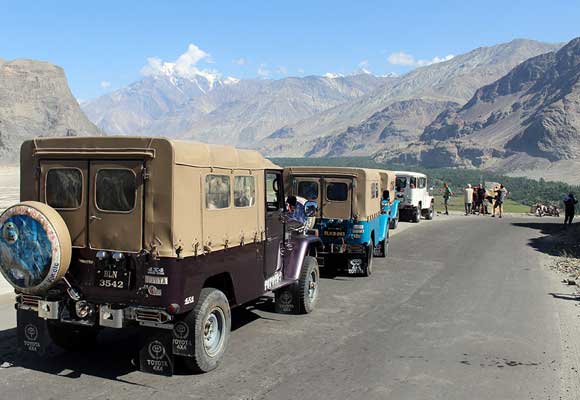
From Minapin, climbers travel back to Gilgit by jeep and then continue to Islamabad by flight or road.
This marks the official end of the Rakaposhi expedition Pakistan itinerary 40 days full program.
Final debriefing, farewell dinner, and certificate distribution take place before departure.
WHAT'S INCLUDED
- ARRIVAL AND DEPARTURE: Airport - Hotel transfers – Airport (Pick Up and Drop), by private vehicle.
- ACCOMMODATION IN ISLAMABAD: 3 nights hotel at 4-star Hotel in Islamabad on bed & breakfast Basis- Sharing Twin Bed Room.
- WELCOME DINNER: 5 nights hotel in Skardu on Bed and Breakfast plan.
- CARGO CLEARANCE: Assistance for cargo clearance in Pakistan’s Customs, clearance cost is subject to a charge.
- PERMIT: Expedition Royalty and a permit fee of the PAKISTAN Government to climb Mt. G-1, for members.
- LIAISON OFFICER: 1 Government Liaison officer with full equipment, salary, and accommodation.
- GARBAGE MANAGEMENT: Stool Shipment Transfer & Garbage Deposit fees.
- INSURANCE: Medical Insurance for all Pakistani staff during the trek and expedition.
- MAP: Trekking and climbing map.
- DUFFLE BAG: One Adventure Pakistan, Treks, Expeditions Duffle Bag.
- MEMBER TRANSPORTATION: (Domestic Flight) Fly from Islamabad to Skardu and while returning from Skardu to Islamabad, as per itinerary, along with one guide. - LAND TRANSPORTATION (MEMBERS): Drive by jeep Skardu to Askole and on returning Askole to Skardu. - LAND TRANSPORTATION (STAFF): Islamabad to Askole via Skardu (by bus/jeep) for all climbing Sherpas and expeditions staff. (Members and staff will meet each other in Skardu).
- EXPEDITION STUFFS TRANSPORTATION: All necessary expedition equipment transportation for all Members and Staff (by air cargo) – Islamabad to Askole (by truck/jeep) and Base camp (by Porters/mules) – While returning: Base camp to Askole (by porters/mules) and Askole to Islamabad (by Truck/jeep). Based on the condition, different transportation variants may adopt.
- MEMBER LUGGAGE: Up to 60 Kg per member for personal baggage during the trek to be carried by porters or Mules.
- FOOD AND LODGING: 3 meals a day (breakfast, lunch, and dinner; including tea and coffee) along with accessible accommodation at Hotel/Lodge/TENT during the trek and at the Basecamp. Hygienic vegetables, meat, fruits, soft drinks, and juice will be served during the entire expedition. Well-managed base camp set up for members & Staff.
- CAMPING: All necessary logistic arrangements for Camping during the trek.
- PORTER: Porters per member up to the basecamp and from the basecamp (both ways).
- BASE CAMP STAFF: Experienced and well-trained Base Camp Cook & kitchen Helpers as required.
- BASE CAMP COOK: Pakistani well-trained professional cook for the team.
- STAFF SALARY AND ALLOWANCE: All staff & porter’s daily wages, salary, equipment, food & clothing.
- BASE CAMP TENT: Each member will have an individual box tent in Base Camp.
- BASE CAMP EQUIPMENT: Single Tent, foam mattresses and pillow per member, 1 Dinning Tent, 1 Kitchen Tent, 1 Communication tent, 1 Toilet & 1 Shower Tent, 1 Staffs Tent, Store tent, Tables & chairs & all necessary cooking gears.
- SOLAR/GENERATOR/LIGHT: 1 Solar panel and Generator for lights at base camp, FOR battery charges, laptop, and other electronic devices.
- SATELLITE PHONE: Satellite Phone for emergency communication carried by Sherpa, also available for members (SUBJECT TO A CHARGE).
- WALKIE-TALKIE: Walkie–Talkie for communicating from Base Camp to Mountain and Mountain to Base Camp.
- PERMITS: Climbing certificate issued by Pakistani Alpine Club (after climbing successfully).
- MEDICAL KIT: Comprehensive Medical kit for members and staff.
- CERTIFICATE: Climbing certificate issued by PAKISTANI ALPINE CLUB (after climbing successfully).
WHAT'S NOT INCLUDED
- AIR FARE : International flight airfare (from and to Islamabad).
- PAKISTAN ENTRY VISA FEE : PAKISTANI Visa fee for 90 DAYS.
- LUNCH & DINNER : Lunch & dinner during the stay in Islamabad and Skardu (also in case of early return from Trekking / Expedition than the scheduled itinerary).
- EXTRA NIGHTS IN ISLAMABAD & SKARDU : Extra nights’ accommodation in Islamabad & Skardu. In case of early arrival or late departure, early return from Trekking / Expedition, or domestic flight cancellation (due to any other reason) than the scheduled itinerary.
- INSURANCE POLICY : Insurance covering both medical and high-altitude evacuation costs (for the trip cancellation, interruption, high-altitude rescue & air evacuation, medical treatment, repatriation, etc.) *Mandatory
- PERSONAL EXPENSES : Telephone Calls, Internet, Toiletries, battery recharge, hot shower, laundry, soft drinks, beers, and any Alcoholic beverages (during the trek and in Islamabad & Skardu but we will have soft drinks for members at base camp).
- PERSONAL CLIMBING EQUIPMENT : Clothing, Packing Items, Bags, Personal Medical Kit, and all kinds of Personal Trekking / Climbing Gear.
- TOILETRIES : Soaps, shampoos, toilet and tissue papers, toothpaste, and other items used to keep yourself clean.
- FILMING : Special Filming, Camera, and Drone permit fee.
- INTERNET SERVICE : Not included during the trek.
- TIPS : Calculate some tips for basecamp and high camp staff – Minimum 500 USD.
- EXTRA : Any other services or activities, which are not mentioned in the itinerary and not listed in the “Cost Includes” section.
RAKAPOSHI EXPEDITION DATES, COST & PACKAGES
Start |
End |
Status |
Price |
Deposit |
Registration |
|---|---|---|---|---|---|
18 Jun |
27 Jul |
Guaranteed |
US$2,850 |
US$1000 |
|
25 Jun |
03 Aug |
Guaranteed |
US$2,850 |
US$1000 |
|
02 Jul |
10 Aug |
Guaranteed |
US$2,850 |
US$1000 |
|
10 Jul |
18 Aug |
Guaranteed |
US$2,850 |
US$1000 |
|
18 Jul |
26 Aug |
Guaranteed |
US$2,850 |
US$1000 |
|
25 Jul |
02 Sep |
Guaranteed |
US$2,850 |
US$1000 |
ROUTE MAP
Rakaposhi Expedition Pakistan 2026-2027 – Complete Guide to Climbing Rakaposhi (7788m)
Introduction to Rakaposhi Expedition in Pakistan
The Rakaposhi expedition in Pakistan is one of the most visually stunning and technically rewarding mountaineering experiences in the Karakoram Range. Rising to an elevation of 7,788 meters, Rakaposhi is the 27th highest mountain in the world and is famous for its immense vertical relief, rising dramatically from the Hunza and Nagar valleys.
Often searched as “Rakaposhi expedition Pakistan,” “Rakaposhi base camp trek,” “climbing Rakaposhi difficulty,” and “Hunza valley mountaineering expeditions,” this iconic peak attracts climbers seeking a serious high-altitude challenge outside the 8000-meter category.
Rakaposhi, meaning “Shining Wall,” is known for its breathtaking north face, which rises over 6,000 meters from base to summit—one of the greatest vertical rises of any mountain in the world. This makes it both visually spectacular and physically demanding.
The mountain lies in the Nagar Valley of Gilgit-Baltistan and is easily visible from the Karakoram Highway, making it one of the most accessible yet challenging peaks in Pakistan.
Unlike more crowded expedition routes, Rakaposhi offers a quieter, more immersive climbing experience, combining technical mountaineering with cultural richness and natural beauty.
Adventure Pakistan Services – Why Choose Expert Rakaposhi Expedition Support
Organizing a Rakaposhi expedition requires detailed planning, experienced leadership, and reliable logistics. Adventure Pakistan is a leading operator in the Karakoram, offering professional expedition services tailored for international climbers.
They provide complete expedition management, including permits, transportation, porters, base camp setup, food supply, and climbing logistics.
Full board base camp services ensure climbers have access to nutritious meals, comfortable tents, and communication systems in remote high-altitude environments.
Adventure Pakistan prioritizes safety through weather monitoring, satellite communication, and trained high-altitude staff. Their expertise ensures a smooth and secure expedition experience.
For climbers searching “Rakaposhi guided expedition Pakistan” or “Rakaposhi climbing packages,” choosing an experienced operator is essential for both safety and success.
Rakaposhi Expedition Plan – From Arrival to Summit Preparation
Arrival in Islamabad and Expedition Briefing
The Rakaposhi expedition begins in Islamabad, where climbers arrive and meet the expedition team. This phase includes official briefings, permit processing, and gear inspections.
Climbers review the expedition plan, safety guidelines, and logistical arrangements before heading into the mountains.
Travel to Gilgit and Hunza/Nagar Region
From Islamabad, climbers travel to Gilgit by air or road along the scenic Karakoram Highway. The journey itself is a highlight, offering views of rivers, valleys, and towering peaks.
From Gilgit, the route continues to the Nagar Valley, located across the Hunza River. This region serves as the gateway to Rakaposhi.
Climbers spend time here acclimatizing and preparing for the trek to base camp.
Trek to Rakaposhi Base Camp via Minapin
The approach to Rakaposhi base camp begins from Minapin village, a lush and scenic settlement surrounded by orchards and forests.
The trek ascends through alpine meadows, pine forests, and glacier terrain, passing through Hapakun campsite before reaching base camp.
Rakaposhi base camp offers one of the most stunning views in the Karakoram, with the massive north face towering above.
This relatively short approach compared to Baltoro expeditions makes Rakaposhi more accessible while still maintaining a remote alpine atmosphere.
Acclimatization and Summit Preparation
Once at base camp, climbers begin the acclimatization process, which is essential for adapting to high altitude.
Short hikes, load carries, and rotation climbs help the body adjust gradually. Climbers follow the “climb high, sleep low” principle to reduce altitude risks.
Technical training sessions focus on ice climbing, rope handling, and glacier navigation, preparing climbers for the challenges ahead.
Weather conditions are closely monitored, and summit plans are adjusted accordingly.
Proper preparation, both physical and mental, is crucial for a successful Rakaposhi expedition.
Rakaposhi Base Camp Life and Acclimatization Experience
Life at Rakaposhi base camp is both inspiring and demanding, offering climbers a front-row view of one of the most dramatic mountain faces in the Karakoram. Situated above Minapin and Hapakun meadows, the base camp is surrounded by glaciers, alpine ridges, and towering ice walls.
The Rakaposhi expedition in Pakistan base camp is designed to provide comfort and functionality in a harsh environment. Full board services include well-equipped tents, a dedicated kitchen, warm meals, and a communal dining space where climbers gather, plan, and recover.
Acclimatization begins immediately upon arrival. Climbers undertake short hikes above base camp, gradually increasing altitude exposure while allowing the body to adapt. This phase is essential to reduce the risk of altitude sickness and improve overall performance.
Daily routines at base camp revolve around hydration, nutrition, rest, and weather monitoring. Maintaining physical condition and mental clarity is critical during this stage of the expedition.
Climbing Strategy and Route Planning on Rakaposhi Expedition
The Rakaposhi expedition is known for its challenging routes, particularly the north ridge and southwest spur, which involve steep snow slopes, crevassed glaciers, and exposed ridgelines.
Climbing strategy focuses on gradual progression through established camps, with each camp serving as a staging point for higher altitude movement. Load carries, rope fixing, and route assessment are key components of this process.
Rotation climbs are used to build acclimatization and transport equipment to higher camps. Climbers ascend to a higher camp, spend limited time, and return to base camp for recovery.
Route planning is dynamic, as snow conditions, crevasses, and weather can significantly impact the climb. Teams must remain flexible and responsive to changing conditions.
Weather Challenges and Safety Measures
The weather on Rakaposhi can be highly unpredictable, with sudden storms, strong winds, and rapid temperature drops. Even during peak climbing season, conditions can change without warning.
The best time for the Rakaposhi expedition in Pakistan is typically from June to September, when weather conditions are relatively stable. However, climbers must be prepared for delays and unexpected challenges.
Safety measures include constant weather monitoring, communication between camps, and strict adherence to climbing protocols. Satellite phones and GPS devices are used to maintain contact and ensure safety.
Emergency response plans, including evacuation procedures, are established before the climb begins.
Local Culture and Natural Beauty of Nagar and Hunza Valley
The Rakaposhi expedition offers a rich cultural experience through the Nagar and Hunza regions. These areas are known for their stunning landscapes, hospitable communities, and unique traditions.
Local people play an important role in supporting expeditions, working as porters, guides, and logistical staff. Their knowledge of the terrain and environment is invaluable.
The journey through Minapin and surrounding villages introduces climbers to traditional lifestyles, local cuisine, and cultural heritage.
The natural beauty of the region is exceptional, with lush green valleys contrasting sharply against snow-covered peaks.
Higher Camp Rotations, Summit Attempt, and Descent
After acclimatization, climbers begin establishing higher camps on Rakaposhi. These camps are positioned strategically along the route to support the ascent.
Each rotation involves carrying supplies, fixing ropes, and adapting to higher altitudes. This phase is physically demanding and requires careful energy management.
The summit push is planned during a favorable weather window. Climbers move through higher camps, often starting early in the morning to maximize safety.
The final ascent involves steep snow slopes, exposed ridges, and high-altitude conditions that test endurance and technical skill.
Reaching the summit of Rakaposhi is a remarkable achievement, offering panoramic views of the Karakoram Range.
The descent requires equal focus, as fatigue and changing weather conditions increase risk.
Rakaposhi Expedition Highlights and High-Altitude Adventure Experience
The Rakaposhi expedition in Pakistan stands out as one of the most visually rewarding and technically engaging climbs in the Karakoram. Unlike many other high peaks, Rakaposhi rises dramatically from green valleys to snow-covered summits, offering a rare combination of accessibility and extreme alpine challenge.
One of the most searched experiences, “Rakaposhi base camp trek and climb,” reflects the unique appeal of this mountain. Climbers enjoy a complete journey that transitions from lush landscapes in Minapin to the icy heights of the summit.
The immense vertical rise of Rakaposhi makes every stage of the expedition feel dramatic and immersive. From base camp to higher camps, climbers are constantly surrounded by breathtaking views of glaciers, ridges, and surrounding peaks.
For many mountaineers, Rakaposhi serves as a bridge between trekking peaks and more demanding high-altitude expeditions, making it a significant milestone in their climbing journey.
Photography and Mountaineering Documentation
The Rakaposhi expedition offers exceptional opportunities for photography and storytelling. The mountain’s iconic pyramid shape, combined with changing light conditions, creates stunning visual compositions.
Sunrise and sunset are particularly magical, with golden light illuminating the massive north face. The contrast between green valleys and white glaciers adds depth and uniqueness to every shot.
Climbers often document their journey through photos, videos, and expedition journals. These records capture both the technical aspects of climbing and the emotional highs and lows of the expedition.
Protecting camera equipment from cold temperatures and moisture is essential to ensure reliable performance throughout the climb.
Team Dynamics and Leadership in Rakaposhi Expedition
Teamwork plays a critical role in the success of the Rakaposhi expedition. Climbers must rely on each other for safety, motivation, and decision-making in challenging conditions.
Experienced expedition leaders guide the team through route planning, weather assessment, and risk management. Their expertise is essential for navigating the mountain safely.
Local porters and high-altitude workers provide invaluable support, assisting with load carrying, camp setup, and route preparation.
A strong and coordinated team significantly increases the chances of a successful summit.
Training, Preparation, and Required Experience
The Rakaposhi expedition requires a high level of physical fitness and technical climbing ability. Climbers should have prior experience in high-altitude trekking and basic mountaineering skills.
Training includes endurance exercises, strength conditioning, and technical practice such as ice climbing and rope handling.
Mental preparation is equally important, as climbers must cope with isolation, fatigue, and unpredictable weather conditions.
Proper preparation reduces risks and enhances overall performance on the mountain.
Equipment and Technical Gear for Rakaposhi Climb
Climbing Rakaposhi requires specialized gear designed for high-altitude environments. Essential equipment includes insulated boots, crampons, ice axes, helmets, and layered clothing.
Technical gear such as ropes, harnesses, carabiners, and ascenders is necessary for navigating steep and exposed sections.
Climbers must carefully balance weight and functionality when selecting gear to ensure efficiency during the climb.
Adventure Pakistan provides detailed gear recommendations to help climbers prepare effectively.
Nutrition and Full Board Base Camp Services
Nutrition is a key factor in maintaining energy and health during the Rakaposhi expedition. At base camp, full board services provide balanced meals designed to support high-altitude performance.
Meals include carbohydrates for energy, proteins for recovery, and essential nutrients for overall health. Hydration is emphasized to prevent altitude-related issues.
During climbing phases, lightweight, high-calorie foods are used to sustain energy levels.
Proper nutrition contributes significantly to endurance and recovery throughout the expedition.
Environmental Responsibility and Sustainable Climbing
The Rakaposhi expedition emphasizes environmental responsibility to protect the fragile ecosystems of the Karakoram. Climbers are expected to follow strict guidelines to minimize their impact.
Adventure Pakistan promotes “Leave No Trace” principles, ensuring that waste is properly managed and removed from the mountain.
Respect for local communities, wildlife, and natural landscapes is an integral part of the expedition culture.
Sustainable practices help preserve the beauty of the region for future generations.
Challenges and Mental Resilience on Rakaposhi
The Rakaposhi expedition presents both physical and psychological challenges. Climbers must endure long days, steep terrain, and extreme weather conditions.
Mental resilience is essential for maintaining focus and motivation during difficult moments.
Overcoming these challenges often leads to personal growth and a deeper appreciation for the mountain environment.
The experience builds confidence and prepares climbers for future high-altitude expeditions.
Celebrating Achievement and Expedition Legacy
Reaching the summit of Rakaposhi is a significant accomplishment that reflects dedication, preparation, and perseverance.
The expedition becomes a defining moment for many climbers, marking a major milestone in their mountaineering journey.
Each successful ascent contributes to the legacy of exploration in the Karakoram and inspires future climbers.
Adventure Pakistan Expertise and Services
Adventure Pakistan provides expert support for Rakaposhi expeditions, offering logistics, safety management, and professional guidance throughout the climb.
Their experience ensures climbers can focus on achieving their goals while relying on a trusted team for support.
Travel Logistics and Access for Rakaposhi Expedition in Pakistan
The Rakaposhi expedition in Pakistan begins with arrival in Islamabad, followed by a journey toward the Gilgit-Baltistan region. Climbers typically travel to Gilgit either by a scenic flight or via the Karakoram Highway, one of the most iconic mountain roads in the world.
From Gilgit, the route continues toward Nagar Valley, located across the Hunza River. The small village of Minapin serves as the primary starting point for the Rakaposhi base camp trek.
The accessibility of Rakaposhi is one of its major advantages. Unlike Baltoro-based expeditions, the approach is shorter and less logistically complex, making it an attractive option for climbers seeking a serious high-altitude experience without extended trekking duration.
Professional operators like Adventure Pakistan manage all logistics, including transport, permits, porters, and equipment handling, ensuring a smooth expedition process.
Acclimatization and Health Considerations for Rakaposhi Climb
Acclimatization is essential for a successful Rakaposhi expedition due to its high altitude and demanding terrain. Climbers must gradually adapt to reduced oxygen levels to avoid altitude sickness.
The expedition includes structured acclimatization schedules, with rest days and rotation climbs between base camp and higher camps.
Common symptoms of altitude sickness include headaches, nausea, fatigue, and dizziness. Monitoring these symptoms is critical for safety.
Proper hydration, nutrition, and rest play a vital role in maintaining health during the climb.
Weather Patterns and Seasonal Planning for Rakaposhi Expedition
The best time for the Rakaposhi expedition in Pakistan is from June to September, when weather conditions are relatively stable in the Karakoram region.
However, mountain weather remains unpredictable, with sudden storms, strong winds, and temperature drops posing challenges.
Summit attempts depend on short weather windows, requiring flexibility and careful planning.
Understanding weather patterns is crucial for maximizing safety and success.
Cultural Immersion and Local Experiences in Hunza and Nagar
The Rakaposhi expedition offers a rich cultural experience through the Hunza and Nagar regions. These areas are known for their hospitality, traditions, and scenic beauty.
Climbers interact with local communities, gaining insight into traditional lifestyles and mountain culture.
The journey through Minapin village provides an authentic experience of rural life in northern Pakistan.
This cultural immersion adds depth and meaning to the expedition beyond the physical challenge.
Climbing Etiquette and Environmental Responsibility
Responsible climbing is essential to protect the fragile environment of the Karakoram. The Rakaposhi expedition emphasizes sustainable practices and respect for nature.
Climbers follow “Leave No Trace” principles, ensuring waste is managed properly and natural landscapes remain untouched.
Respect for local communities and fellow climbers is a key aspect of expedition culture.
Adventure Pakistan promotes eco-friendly practices to preserve the region.
Safety Measures and Emergency Protocols
Safety is a top priority during the Rakaposhi expedition. Teams implement strict protocols to manage risks associated with altitude, weather, and terrain.
Satellite communication and GPS tracking systems are used to maintain contact between camps.
Emergency evacuation plans, including helicopter rescue (weather permitting), are prepared in advance.
Experienced guides and staff are trained in high-altitude rescue and first aid.
Gear, Equipment, and Technical Skills Required
Climbing Rakaposhi requires specialized gear such as insulated boots, crampons, ice axes, helmets, and layered clothing.
Technical skills in glacier travel, rope handling, and ice climbing are essential for safe progression.
Proper gear selection and preparation significantly improve performance and safety.
Post-Expedition Recovery and Reflection
After completing the Rakaposhi expedition, climbers typically return to Gilgit or Islamabad for rest and recovery.
This phase allows the body to adjust to lower altitudes and recover from physical exertion.
Many climbers reflect on their journey, gaining a sense of accomplishment and personal growth.
The experience often inspires future mountaineering goals.
FAQs – Rakaposhi Expedition Pakistan
What is the difficulty level of Rakaposhi? Rakaposhi is a challenging high-altitude climb requiring technical skills and prior experience.
Where is Rakaposhi located in Pakistan? Rakaposhi is located in the Nagar Valley of Gilgit-Baltistan, opposite the famous Hunza Valley along the Karakoram Highway.
What makes Rakaposhi unique among Karakoram peaks? Rakaposhi is famous for its massive vertical rise of over 6,000 meters, making it one of the most prominent mountains in the world.
Is Rakaposhi suitable for beginner climbers? No, Rakaposhi is not recommended for beginners. It requires prior high-altitude trekking and technical mountaineering experience.
How does Rakaposhi compare to other Pakistan expeditions? Rakaposhi is less crowded than Baltoro peaks but still offers a serious climbing challenge, making it ideal for climbers seeking a quieter expedition.
What permits are required for Rakaposhi expedition Pakistan? Climbers need mountaineering permits issued by the Government of Pakistan, usually arranged by expedition operators.
Are porters and guides included in Rakaposhi expedition packages? Yes, most guided expeditions include porters, high-altitude staff, and experienced climbing guides.
What kind of accommodation is available during the expedition? Accommodation includes hotels in cities and tents during trekking and base camp phases.
Is travel insurance required for Rakaposhi expedition? Yes, comprehensive travel insurance covering high-altitude climbing and evacuation is highly recommended.
What is the success rate of Rakaposhi expedition? Success rates vary depending on weather, preparation, and team experience, but it is considered a challenging peak with moderate success rates.
Can I combine Rakaposhi expedition with Hunza Valley tour? Yes, many climbers combine their expedition with a cultural and sightseeing tour of Hunza Valley.
What fitness level is required for Rakaposhi climb? A high level of cardiovascular fitness, endurance, and strength is required for this expedition.
Are there rescue facilities available during the expedition? Yes, helicopter rescue is available in emergencies, depending on weather and location.
What is the temperature range during the Rakaposhi expedition? Temperatures can range from mild in the valleys to extremely cold at higher altitudes, often dropping below -20°C.
Do I need a visa to join Rakaposhi expedition Pakistan? Yes, international climbers need a Pakistan visa, which is usually facilitated by the expedition operator.
How crowded is Rakaposhi compared to other peaks? Rakaposhi is relatively less crowded, offering a more peaceful and exclusive climbing experience.
How long does the expedition take? Typically 30–45 days depending on conditions and acclimatization.
What is the best time to climb Rakaposhi? June to September offers the best weather conditions.
Do I need prior climbing experience? Yes, previous high-altitude and technical climbing experience is recommended.
Why Choose Adventure Pakistan for Rakaposhi Expedition
Adventure Pakistan offers professional expedition services, ensuring safety, logistics, and expert guidance throughout the climb.
Their experience in the Karakoram allows climbers to focus on achieving their goals with confidence.
Start Your Rakaposhi Expedition 2026 in Pakistan
The Rakaposhi expedition in Pakistan is a perfect combination of beauty, challenge, and adventure. From the green valleys of Minapin to the icy summit, every stage of the journey offers a unique and unforgettable experience.
For climbers seeking a serious high-altitude challenge in the Karakoram, Rakaposhi is one of the most rewarding objectives.
Contact Adventure Pakistan today to plan your Rakaposhi expedition 2026 and experience one of the most iconic mountains in the world.
gallery
Frequently Asked Questions
REPORTS & REVIEWS
SIMILAR Tours
- Quality5
- Location5
- Amenities5
- Services5
- Price5
- Quality5
- Location5
- Amenities5
- Services5
- Price5
- Quality5
- Location5
- Amenities5
- Services5
- Price5
- Quality4.75
- Location4.75
- Amenities4.25
- Services5
- Price4.25
- Quality4.75
- Location4.75
- Amenities4.25
- Services5
- Price4.25
- Quality4.67
- Location4.67
- Amenities4
- Services5
- Price4
- Quality4.67
- Location4.67
- Amenities4
- Services5
- Price4
- Quality4.67
- Location4.67
- Amenities4
- Services5
- Price4
- Quality4.67
- Location4.67
- Amenities4
- Services5
- Price4
- Quality4.67
- Location4.67
- Amenities4
- Services5
- Price4
- Quality4.67
- Location4.67
- Amenities4
- Services5
- Price4
- Quality4.67
- Location4.67
- Amenities4
- Services5
- Price4