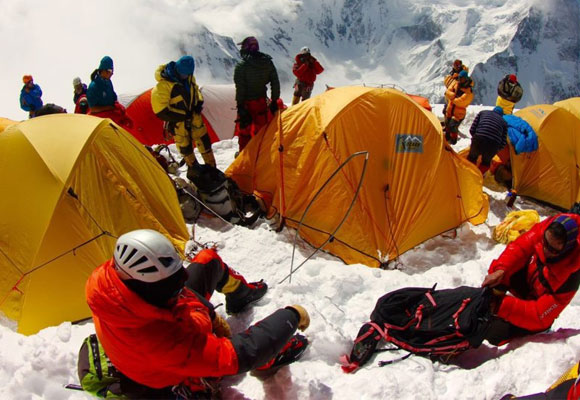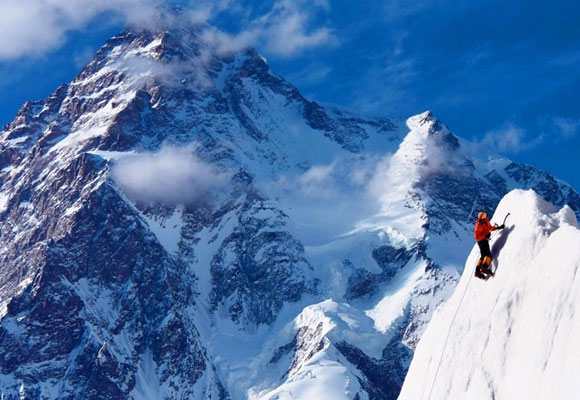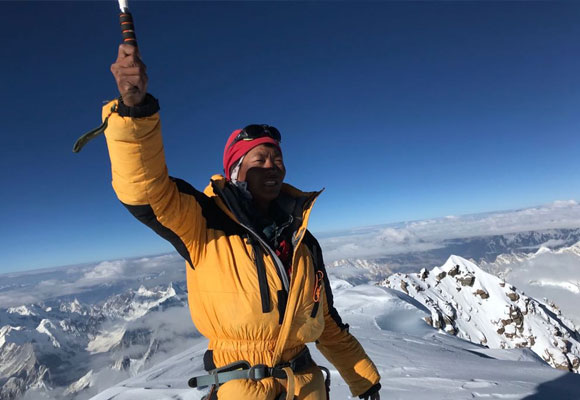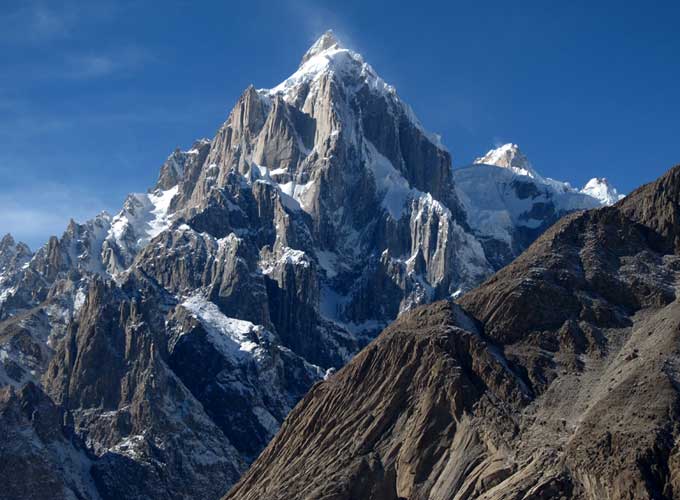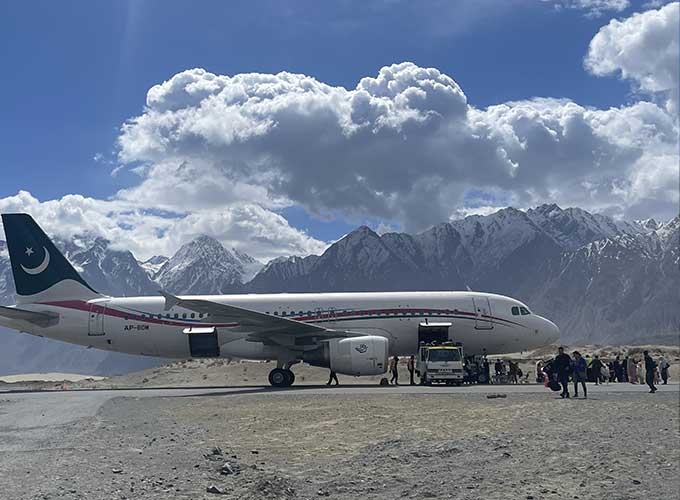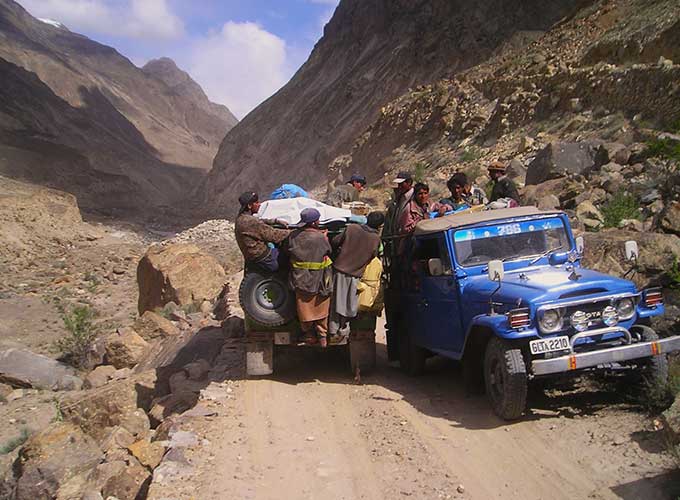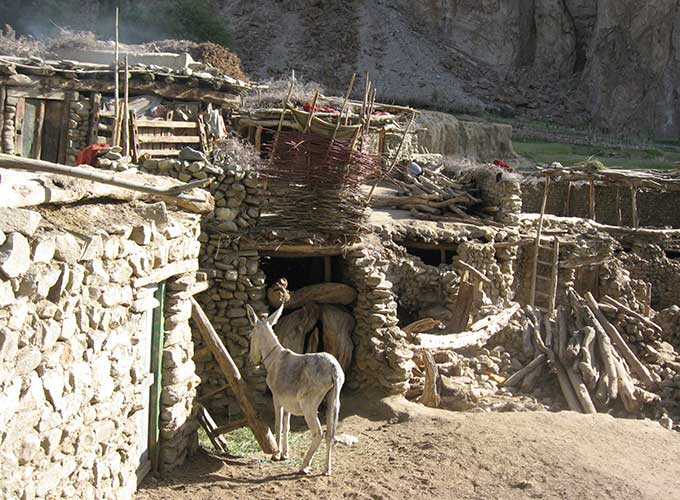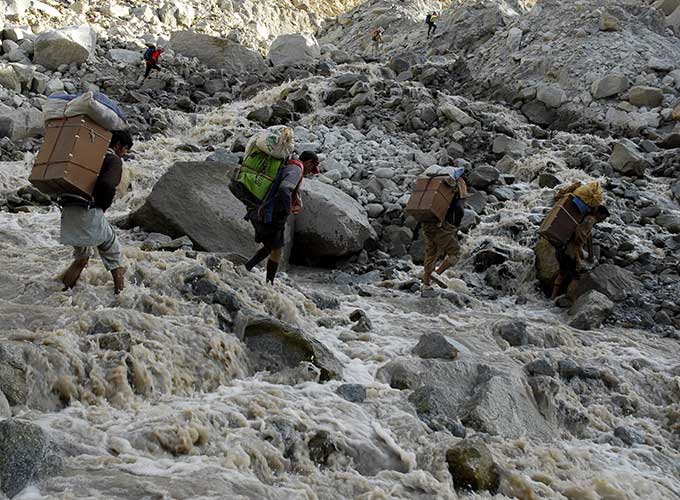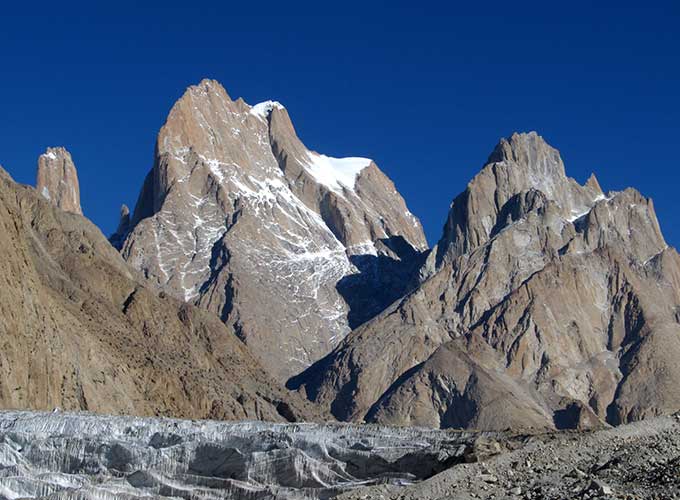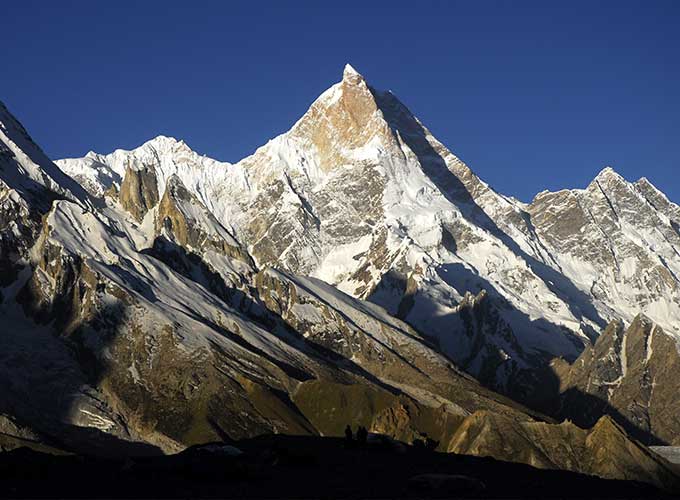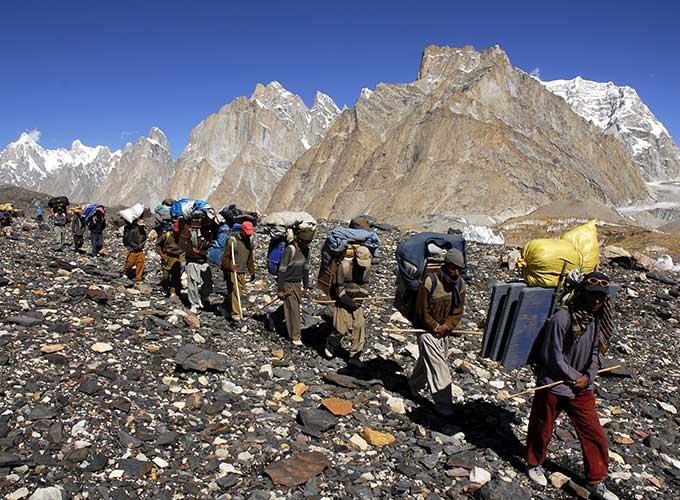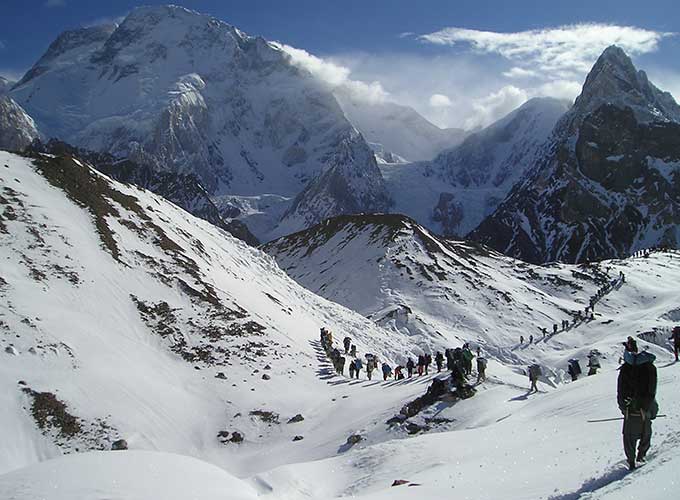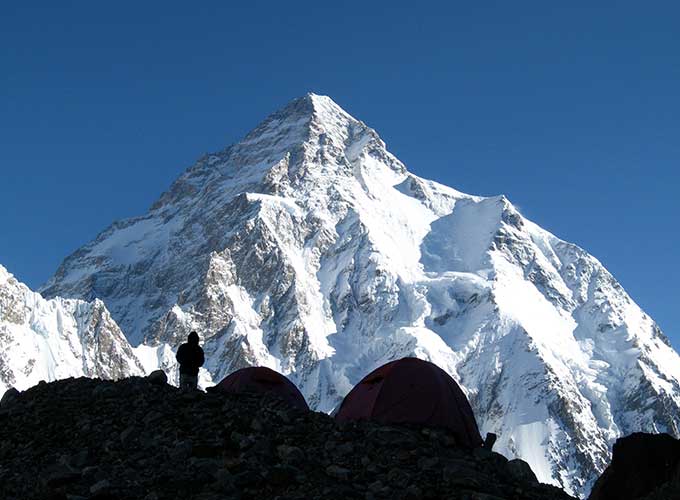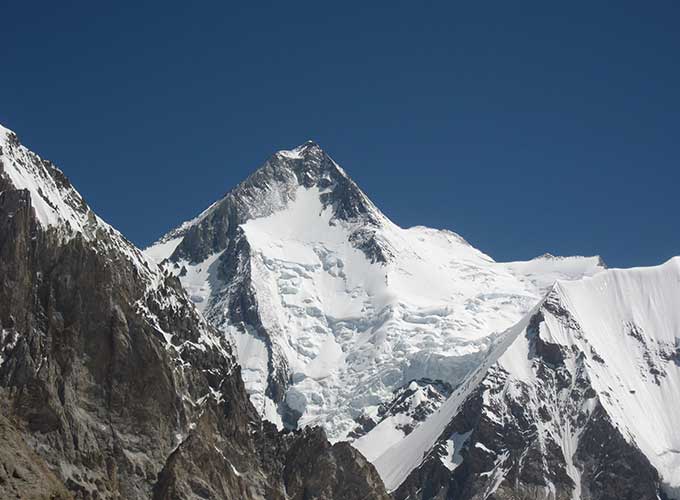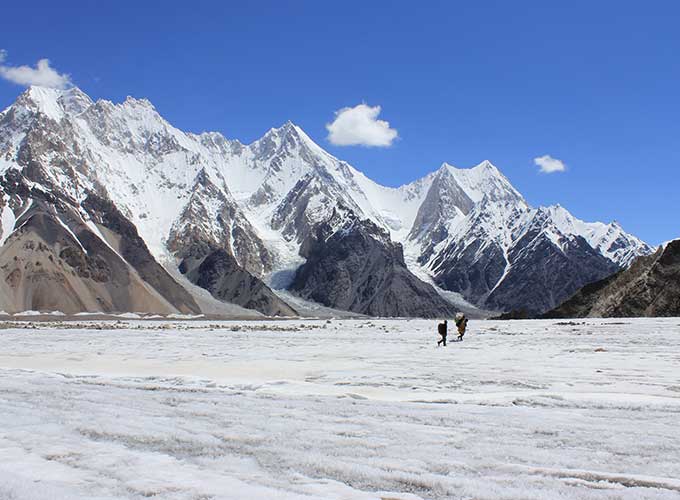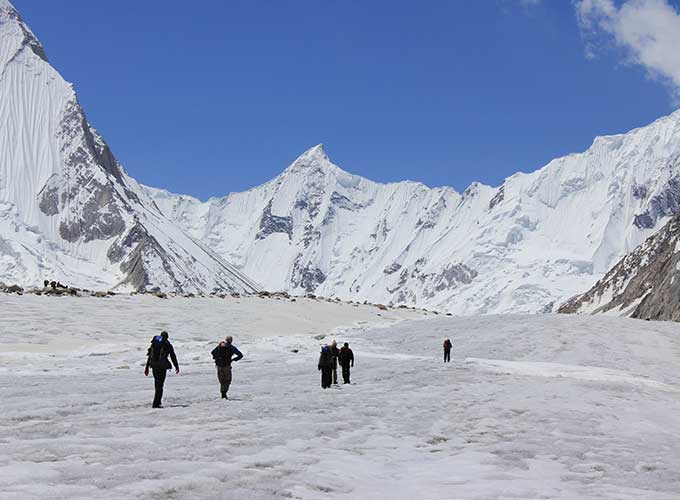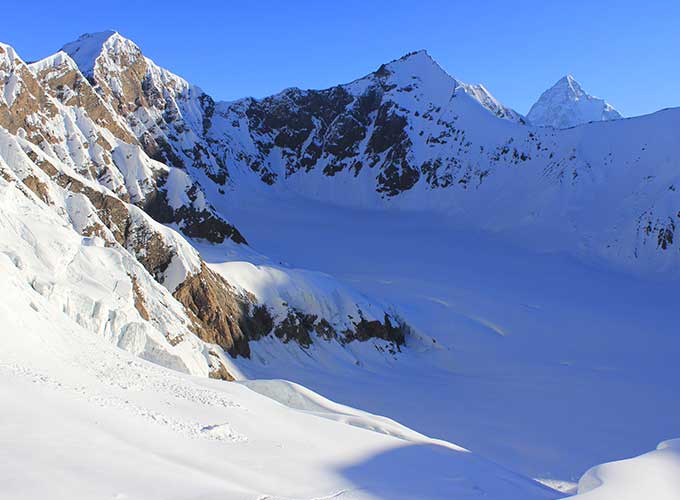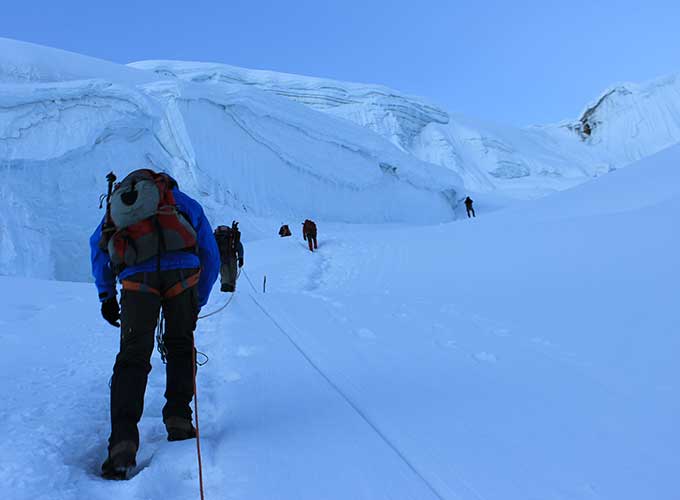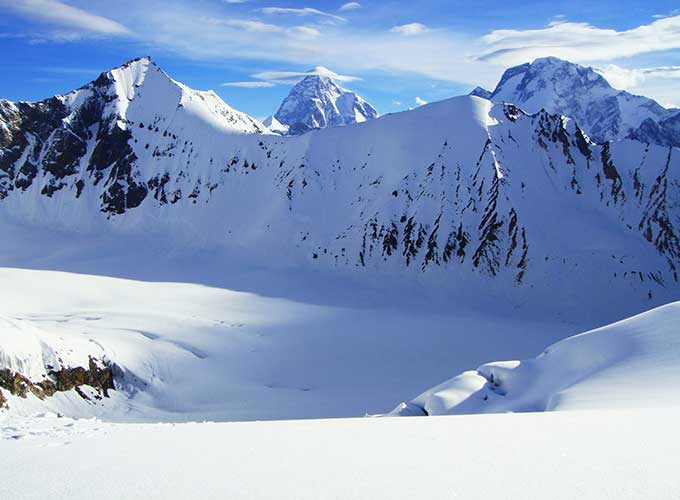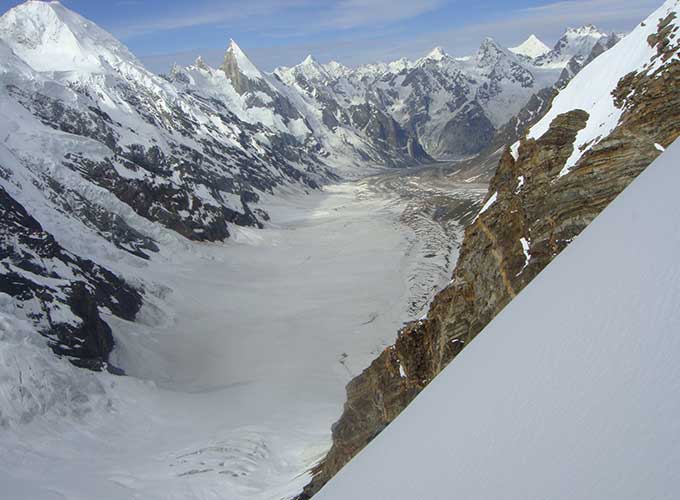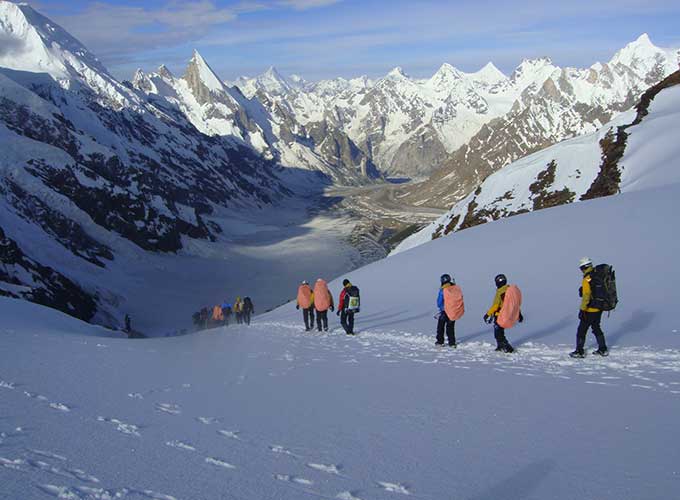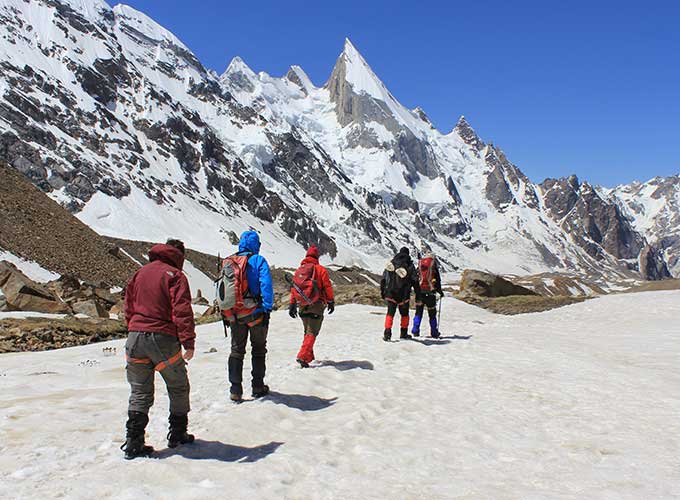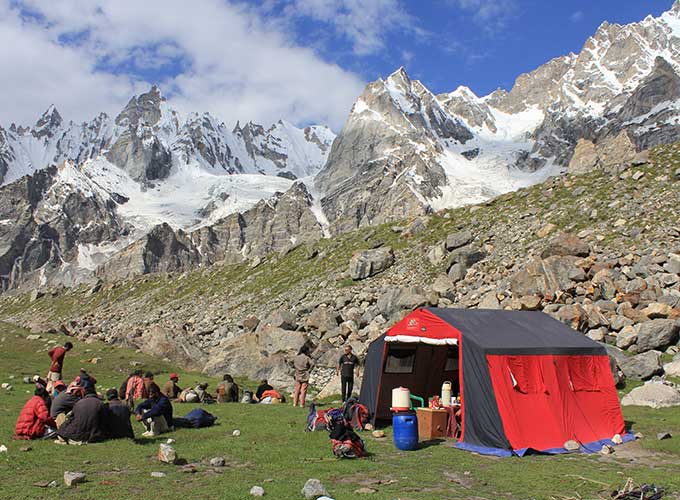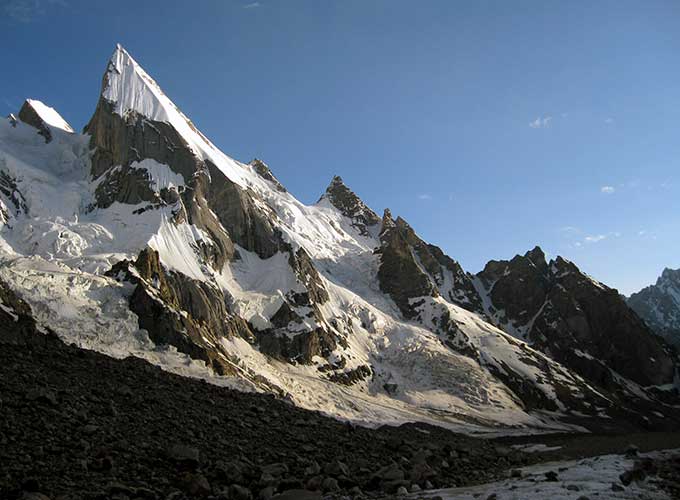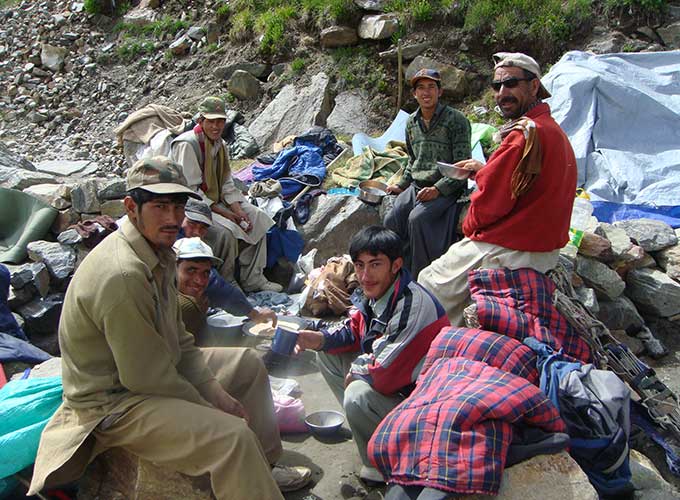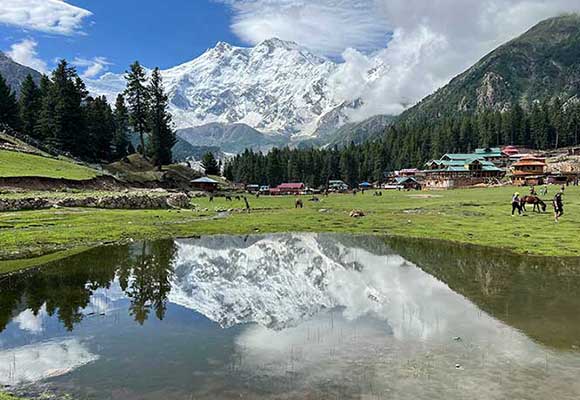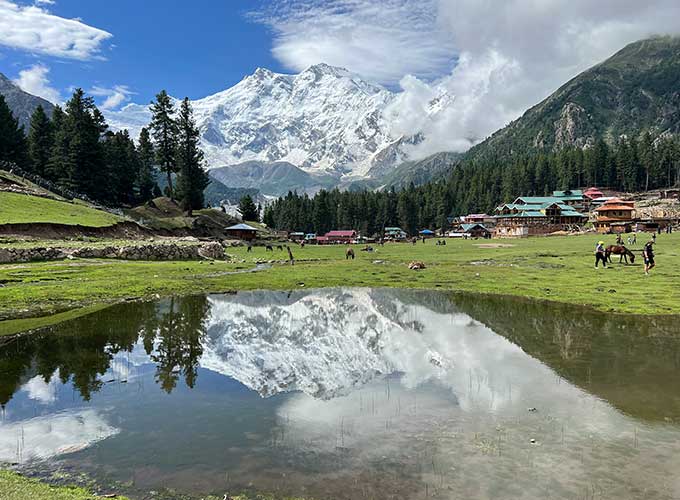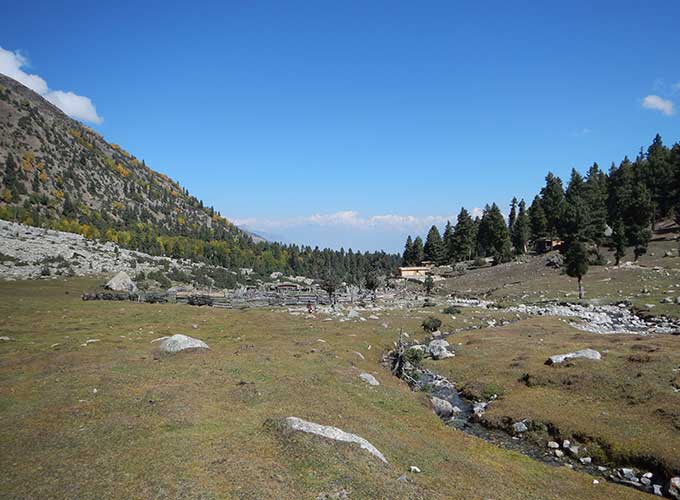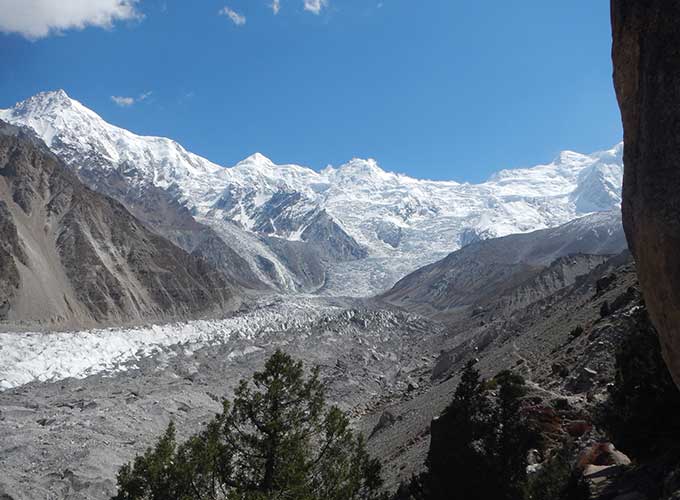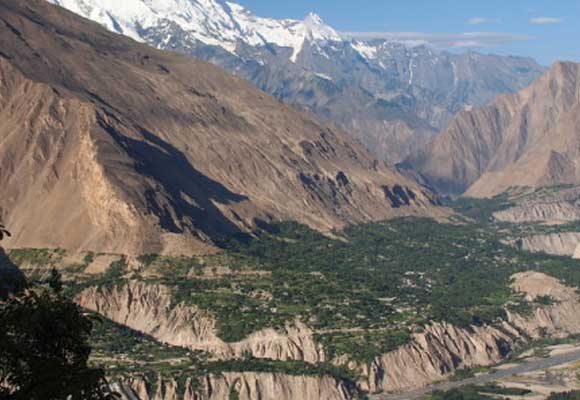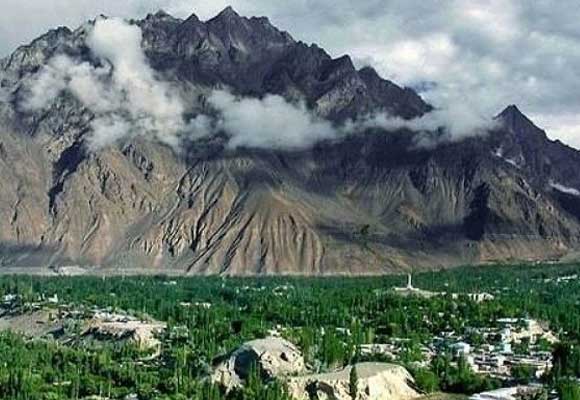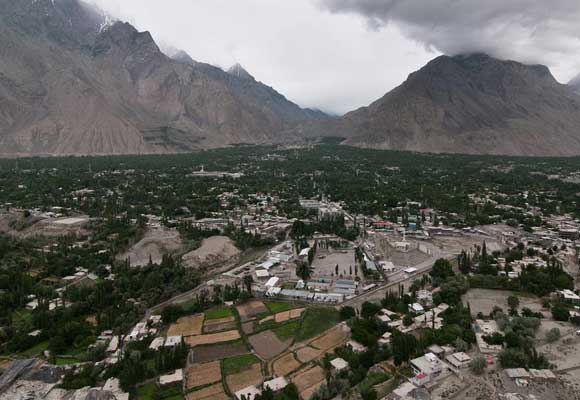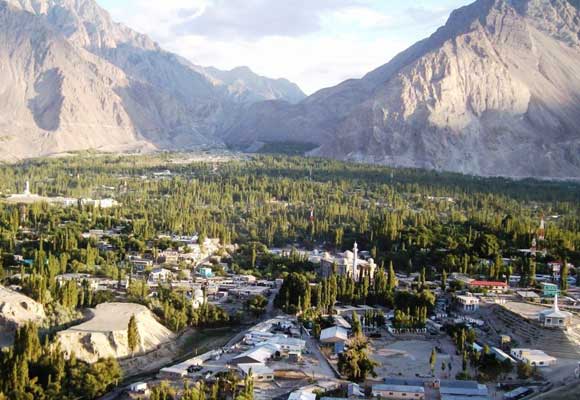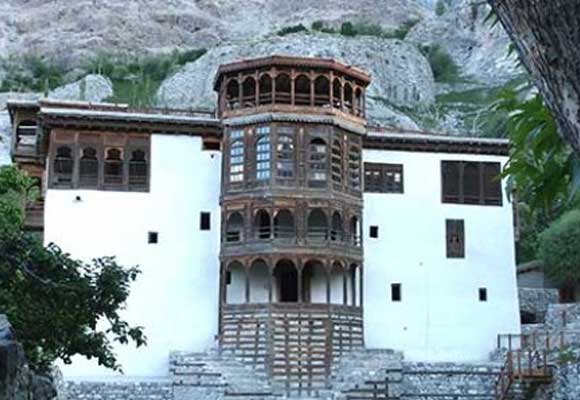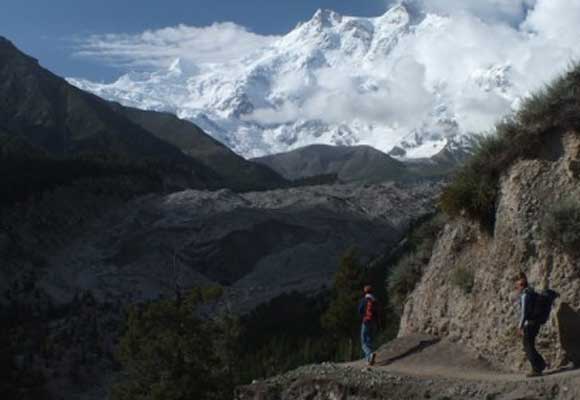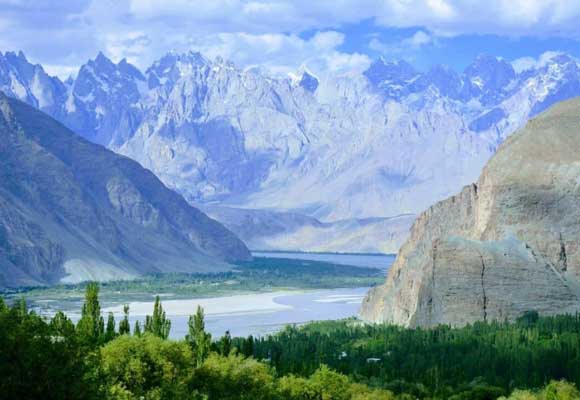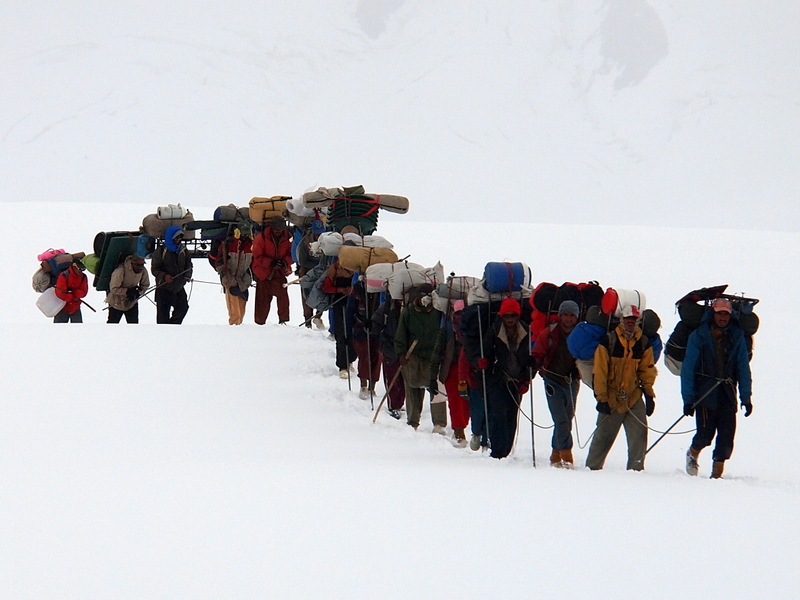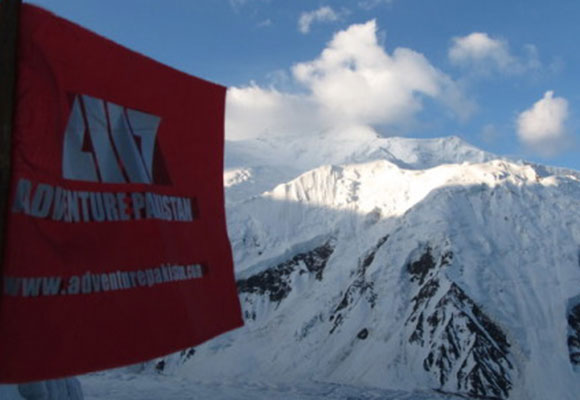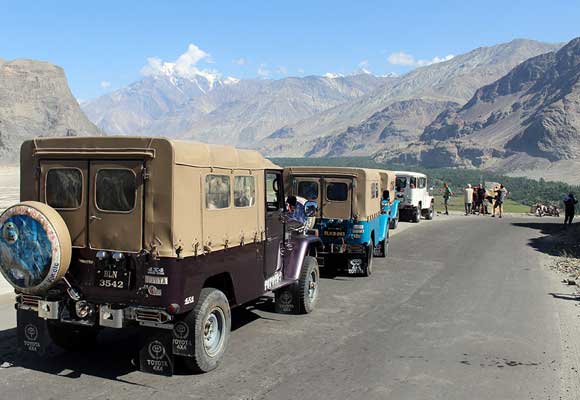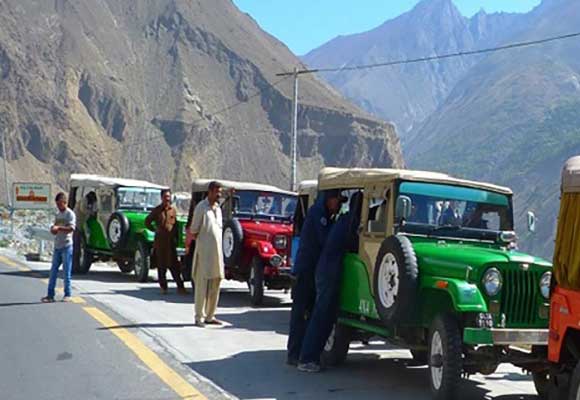
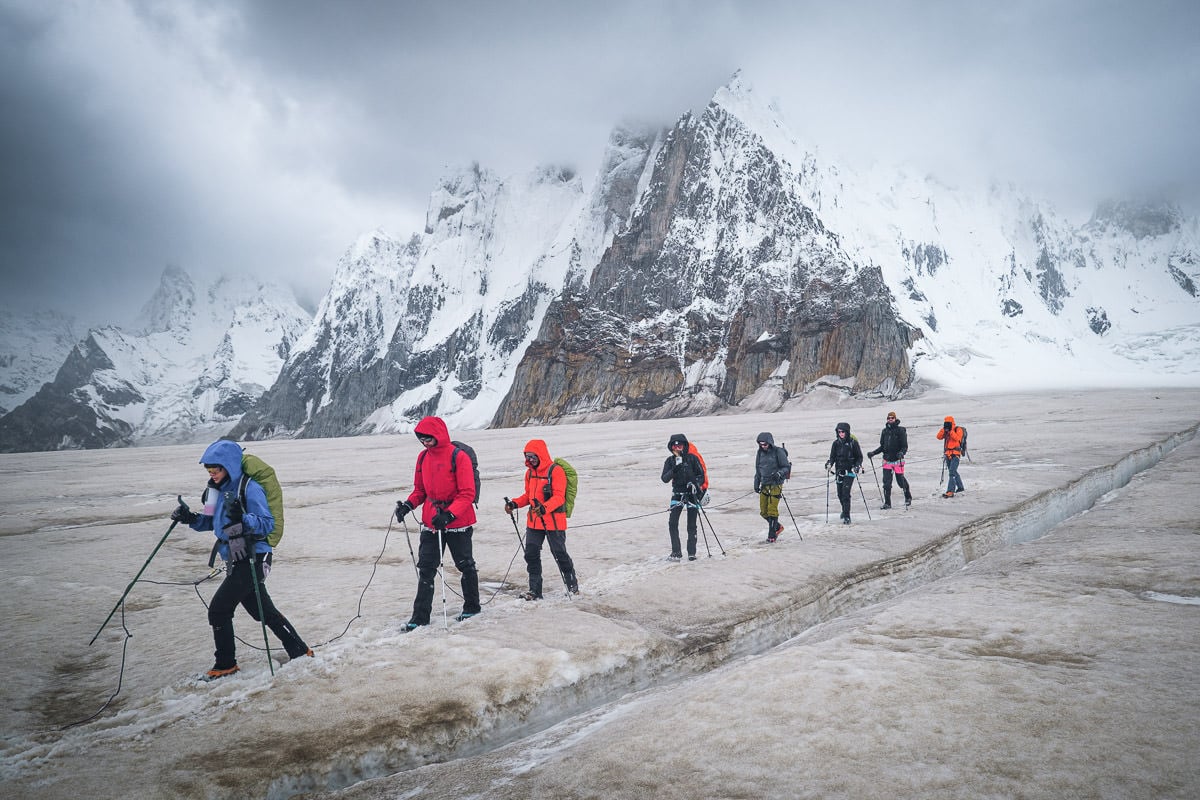
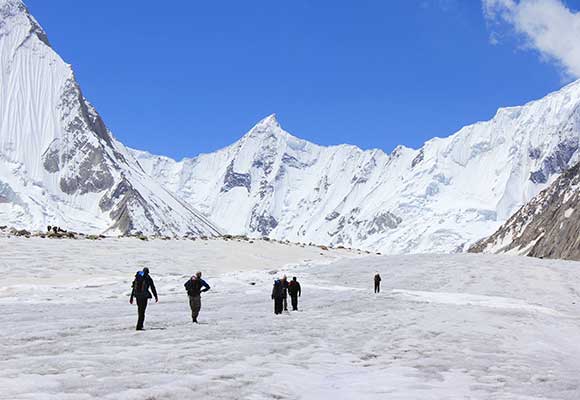
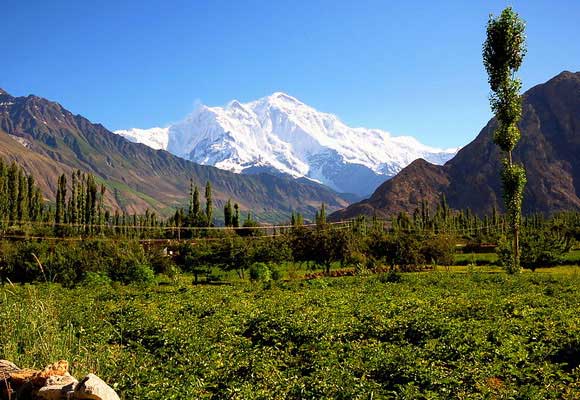
The rakaposhi base camp Hunza valley trek is one of the most breathtaking adventures in northern Pakistan. Nestled in the Hunza Valley, this trek takes you up close to the majestic Rakaposhi (7,788 meters), the 27th highest mountain in the world. For adventure seekers, nature lovers, and photographers, it offers a rare opportunity to experience unspoiled alpine landscapes, glaciers, and the warm hospitality of the Hunza people.
When travelers search for the Best trekking trip in pakistan, Rakaposhi Base Camp is often at the top of the list, standing alongside world-famous trails such as the K2 Base Camp Trek and the Snow Lake trek. This guide will take you through everything you need to know about the trek—route details, cost, difficulty, cultural highlights, and practical preparation tips.

Overview Rakaposhi Base Camp Hunza Valley Trek
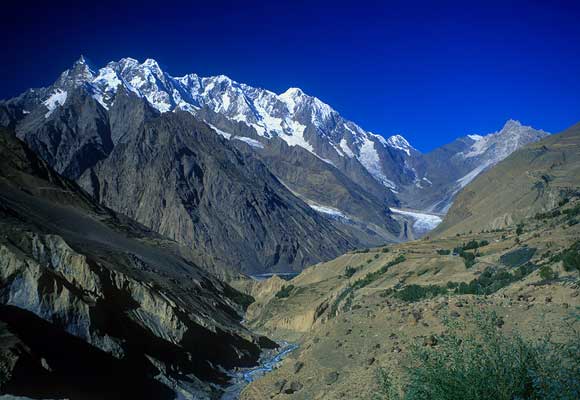
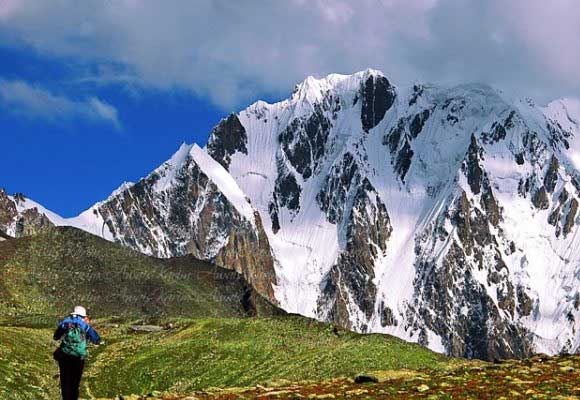
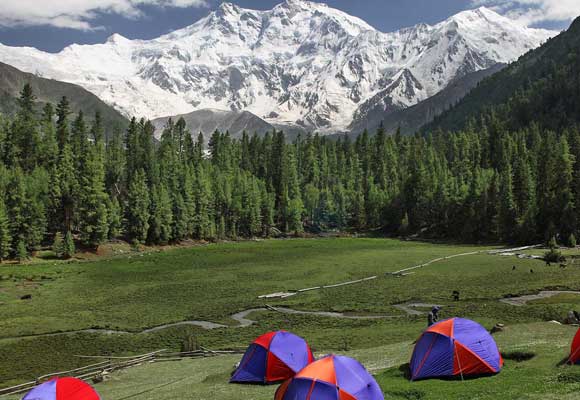
The Rakaposhi Base Camp Hunza Valley Trek is one of the most scenic trekking adventures in northern Pakistan, offering spectacular views of Rakaposhi Peak, one of the most beautiful mountains in the Karakoram Range. Located in the stunning Hunza and Nagar valleys of Gilgit-Baltistan, this trek combines alpine meadows, glaciers, forests, rivers, and traditional mountain culture.
The journey takes trekkers through lush green valleys and panoramic viewpoints toward Rakaposhi Base Camp, where travelers can witness the massive snow-covered peak rising dramatically above the landscape. Along the route, visitors also experience the hospitality, culture, and natural beauty of Hunza Valley.
Cost & Dates of Rakaposhi Base Camp Hunza Valley Trek
Start |
End |
Status |
Price |
Deposit |
Registration |
|---|---|---|---|---|---|
19 May |
07 June |
Guaranteed |
$1500 |
$300 |
|
27 May |
15 June |
Guaranteed |
$1500 |
$300 |
|
03 June |
22 June |
Guaranteed |
$1500 |
$300 |
|
09 June |
28 June |
Guaranteed |
$1500 |
$300 |
|
16 June |
05 July |
Guaranteed |
$1500 |
$300 |
|
23 June |
12 July |
Limited Space |
$1500 |
$300 |
|
30 June |
19 July |
Limited Space |
$1500 |
$300 |
|
07 July |
26 July |
Guaranteed |
$1500 |
$300 |
|
09 July |
28 July |
SOLD OUT |
$1500 |
$300 |
|
14 July |
02 Aug |
Guaranteed |
$1500 |
$300 |
|
21 July |
09 Aug |
Guaranteed |
$1500 |
$300 |
|
28 July |
16 Aug |
Guaranteed |
$1500 |
$300 |
|
06 Aug |
25 Aug |
Guaranteed |
$1500 |
$300 |
|
13 Aug |
01 Sep |
Guaranteed |
$1500 |
$300 |
|
18 Aug |
06 Sep |
Guaranteed |
$2,355 |
$300 |
|
25 Aug |
13 Sep |
Guaranteed |
$1500 |
$300 |
|
02 Sept |
21 Sept |
Guaranteed |
$1500 |
$300 |
|
02 Sept |
21 Sept |
Guaranteed |
$1500 |
$300 |
|
09 Sept |
28 Sept |
Guaranteed |
$1500 |
$300 |
|
16 Sept |
05 Oct |
Guaranteed |
$1500 |
$300 |
|
23 Sept |
12 Oct |
Guaranteed |
$1500 |
$300 |
|
30 Sept |
19 Oct |
Guaranteed |
$1500 |
$300 |
|
07 Oct |
26 Oct |
Guaranteed |
$1500 |
$300 |
|
14 Oct |
02 Nov |
Guaranteed |
$1500 |
$300 |
|
21 Oct |
09 Nov |
Guaranteed |
$1500 |
$300 |
|
28 Oct |
16 Nov |
Guaranteed |
$1500 |
$300 |
|
04 Nov |
23 Nov |
Guaranteed |
$1500 |
$300 |
|
06 Dec |
25 Dec |
Guaranteed |
$1500 |
$300 |
|
08 Dec |
27 Dec |
Guaranteed |
$1500 |
$300 |
Rakaposhi Base Camp Hunza Valley Trek – 14 Days Complete Detailed Itinerary
Day 1 – Arrival in Islamabad
Arrive at Islamabad International Airport and transfer to the hotel. Meet the trekking team for a briefing regarding the Rakaposhi Base Camp Hunza Valley Trek, safety procedures, route details, and equipment preparation. Overnight stay in Islamabad.
Day 2 – Islamabad City Tour and Preparation
Visit Faisal Mosque, Pakistan Monument, Lok Virsa Museum, and local markets. Complete final trekking preparations and equipment inspection. Overnight stay in Islamabad.
Day 3 – Drive from Islamabad to Chilas
Travel along the scenic Karakoram Highway beside the Indus River toward Chilas. Enjoy mountain landscapes, valleys, and traditional villages along the route. Overnight stay in Chilas.
Day 4 – Drive from Chilas to Hunza Valley
Continue driving toward Hunza Valley with spectacular views of Rakaposhi Peak and surrounding mountains. Arrive in Karimabad and relax. Overnight stay in Hunza.
Day 5 – Explore Hunza Valley
Visit Baltit Fort, Altit Fort, Karimabad Bazaar, and Eagle’s Nest viewpoint. Experience the culture, hospitality, and natural beauty of Hunza Valley. Overnight stay in Hunza.
Day 6 – Drive to Minapin and Trek to Hapakun
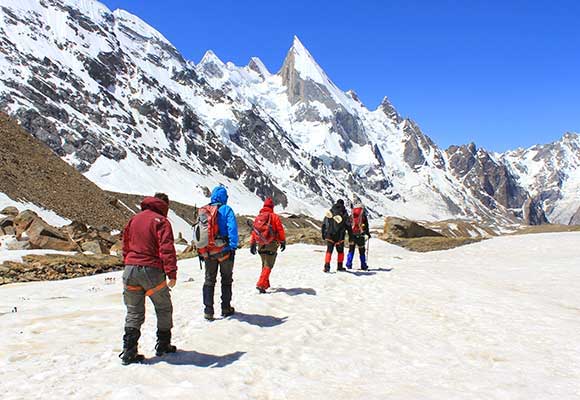
Drive to Minapin Village, the starting point of the trek. Begin trekking through forests and alpine meadows toward Hapakun campsite. Overnight camping at Hapakun.
Day 7 – Trek from Hapakun to Rakaposhi Base Camp
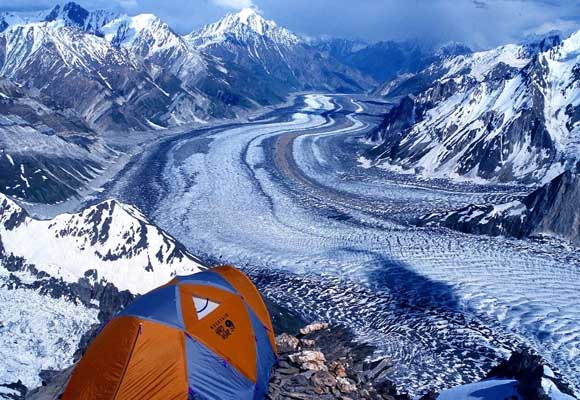
Continue trekking toward Rakaposhi Base Camp while enjoying magnificent views of glaciers, valleys, and towering snow-covered peaks. Overnight camping at Rakaposhi Base Camp.
Day 8 – Exploration Day at Rakaposhi Base Camp
Spend the day exploring the Rakaposhi Base Camp region, glacier viewpoints, and surrounding alpine landscapes. Enjoy photography and mountain scenery. Overnight camping.
Day 9 – Optional Trek to Diran Base Camp Area
Optional excursion toward Diran Peak Base Camp area for panoramic views of Rakaposhi, Diran Peak, and nearby glaciers. Return to Rakaposhi Base Camp for overnight stay.
Day 10 – Trek Back to Hapakun
Begin descending through alpine meadows and forest trails back toward Hapakun campsite. Overnight camping.
Day 11 – Trek to Minapin and Drive to Hunza
Complete the trek back to Minapin Village before driving to Hunza Valley. Relax and enjoy comfortable accommodation. Overnight stay in Hunza.
Day 12 – Excursion to Attabad Lake and Passu
Visit Attabad Lake, Passu Cones, Hussaini Suspension Bridge, and surrounding scenic attractions in Upper Hunza. Return to Hunza for overnight stay.
Day 13 – Drive from Hunza to Islamabad
Begin the return journey toward Islamabad via the Karakoram Highway with scenic stops along the route. Overnight stay in Islamabad.
Day 14 – International Departure
Transfer to Islamabad International Airport for onward international flights. End of the unforgettable Rakaposhi Base Camp Hunza Valley Trek adventure in Pakistan.
FAQs
How long is the Rakaposhi Base Camp trek?
It usually takes 5–7 days depending on pace and itinerary.
Do I need a permit?
Yes, local permits are required, usually arranged by trekking agencies.
Is it suitable for beginners?
Yes, it’s one of the most beginner-friendly options for those who want to trek pakistan.
What’s the altitude at Rakaposhi Base Camp?
Around 3,500–3,800 meters above sea level.
Can I combine this trek with others?
Yes, many combine it with the Snow Lake trek or K2 and Gondogoro La Trek Pakistan 2026.
Why Choose Rakaposhi Base Camp Hunza Valley Trek?
- Offers stunning panoramic views of Rakaposhi and surrounding peaks.
- Less crowded compared to the K2 and Gondogoro La Trek Pakistan 2026.
- Easier access from Gilgit and Hunza, making it suitable for trekkers with limited time.
- A chance to combine trekking with cultural experiences like the kalash festival tour and shandoor Polo festival.
Difficulty Level & Who Can Join
This trek is considered moderate.
- Requires good physical fitness but no prior mountaineering experience.
- Families, solo travelers, and small groups can all join.
- Easier than the K2 Base Camp Trek in pakistan but offers equally rewarding landscapes.
Best Time to Go
The best trekking in pakistan generally falls between May to October. For the Rakaposhi Base Camp:
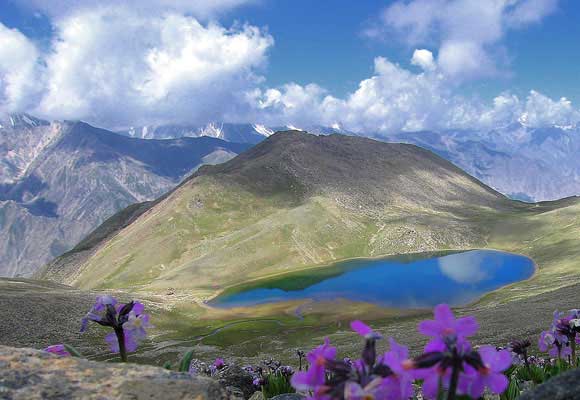
- May–June: Wildflowers and lush meadows.
- July–August: Peak trekking season with warm weather.
- September–October: Crystal-clear skies and stunning autumn colors.
Preparation Tips for the Trek
- Fitness: Train with regular hikes and cardio exercises before arrival.
- Gear: Bring layered clothing, trekking poles, waterproof boots, and a good sleeping bag.
- Guides & Permits: Local guides provide cultural insights and safety support.
- Add-On Treks: Extend your adventure with fairy meadows Trek in pakistan or attend local cultural events like the shandoor Polo festival.
Cultural Highlights Around Hunza
The Hunza Valley is rich in culture and traditions:
- Visit Karimabad Forts (Baltit and Altit).
- Experience Hunza cuisine and hospitality.
- Attend festivals like the kalash festival tour to combine trekking with cultural immersion.
Traveler Reviews
Sarah, UK: “The rakaposhi base camp Hunza valley trek was beyond words. The views of Rakaposhi glowing at sunrise were unforgettable.”
Ali, Pakistan: “Compared to my experience on the K2 Base Camp Trek, Rakaposhi felt more peaceful and accessible. Perfect for a shorter adventure.”
Mark, USA: “Combining the trek with the Indus valley civilization tour made it a complete cultural and adventure trip.”
Route Map
Route – Rakaposhi Base Camp Hunza Valley Trek
The Rakaposhi Base Camp Hunza Valley Trek follows one of the most scenic trekking routes in northern Pakistan through the beautiful Nagar and Hunza regions of Gilgit-Baltistan. The journey combines mountain highways, traditional villages, alpine forests, glaciers, and breathtaking Karakoram landscapes.
Main Trekking Route
Islamabad → Chilas → Hunza Valley → Minapin Village → Hapakun Camp → Rakaposhi Base Camp
Detailed Route Overview
- Islamabad to Chilas
Travel along the famous Karakoram Highway beside the Indus River through mountain valleys and scenic landscapes. - Chilas to Hunza Valley
Continue driving toward Hunza while enjoying spectacular views of Rakaposhi Peak, Diran Peak, and surrounding Karakoram mountains. - Hunza to Minapin Village
Drive to Minapin Village in Nagar Valley, the main starting point of the Rakaposhi Base Camp trek. - Minapin to Hapakun Camp
Trek through forests, wooden bridges, alpine meadows, and mountain trails toward Hapakun campsite with panoramic views of Rakaposhi. - Hapakun to Rakaposhi Base Camp
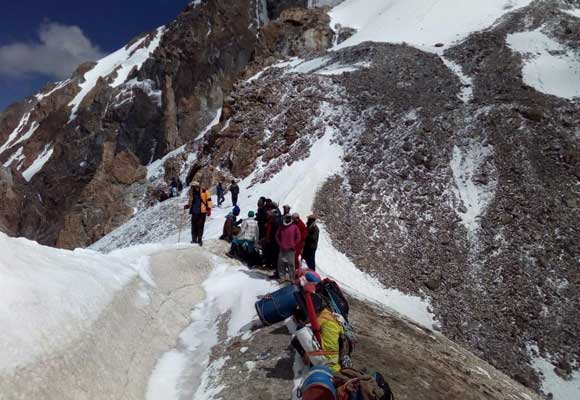
Continue ascending toward Rakaposhi Base Camp across glacier viewpoints and rocky mountain terrain surrounded by dramatic Himalayan scenery.
The Rakaposhi Base Camp Hunza Valley Trek is one of the most rewarding trekking experiences in Pakistan, combining breathtaking mountain scenery, rich local culture, and unforgettable adventure in the heart of the Karakoram Range. From the beautiful valleys of Hunza and Nagar to the dramatic glaciers and alpine meadows surrounding Rakaposhi Peak, every stage of the journey offers spectacular natural beauty.
This trek is ideal for trekkers, photographers, families, and nature lovers seeking a moderate yet highly scenic mountain adventure. Travelers not only experience close-up views of Rakaposhi and Diran Peak but also discover the warm hospitality and cultural heritage of northern Pakistan.
Whether you are exploring glaciers, camping beneath snow-covered peaks, or enjoying the peaceful landscapes of Hunza Valley, the Rakaposhi Base Camp Hunza Valley Trek delivers an unforgettable adventure filled with nature, culture, and mountain exploration.
K2 Base Camp and Gondogoro La Trek
K2 Base Camp Trek
K2 Base Camp Trek Concordia
Mashabrum & Gondogoro BC Trek
K6/K7 BC Trek
Thalle La Trek Pakistan
Spantik Base Camp & Haramosh La Trek
Rakaposhi Base Camp Trek
Batura Glacier Trek
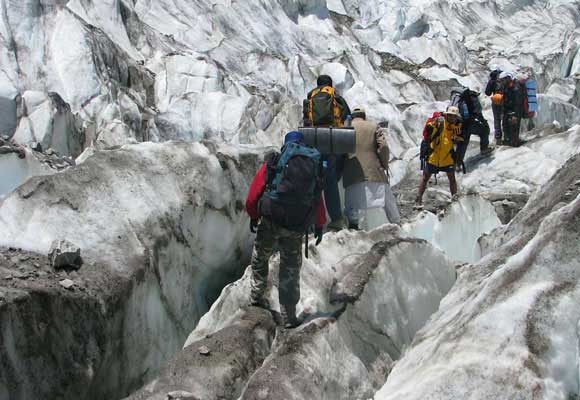
Patundas Trek
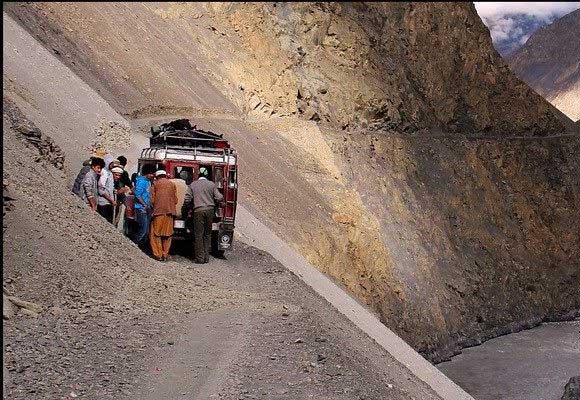
Shimshal Valley Trek
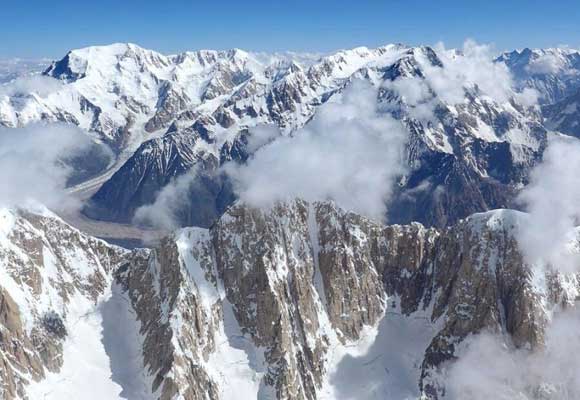
Tirich Mir Base Camp Trek
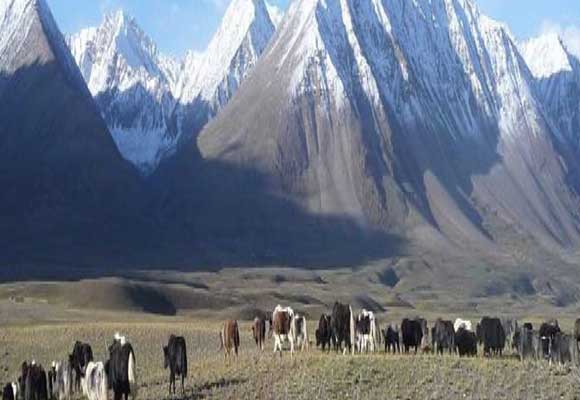
Wakhan Corridor Trek
Naltar Ishkoman Pass Trek
Darkot and Broghil Passes Trek
Around Nanga Parbat Mazeno Pass Trek
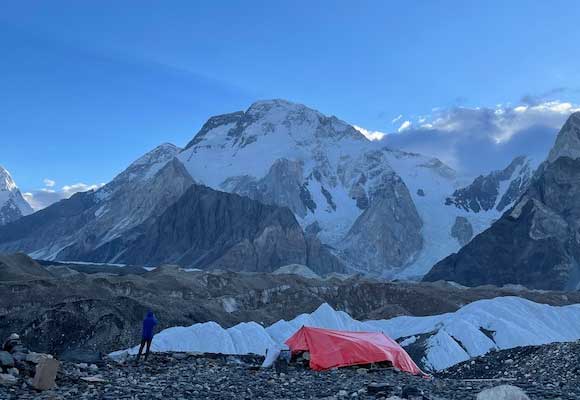
5X8000m Base Camp Trek
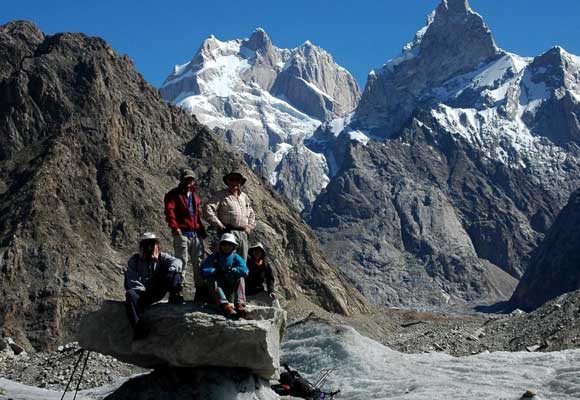
Great Karakorum Traverse Trek
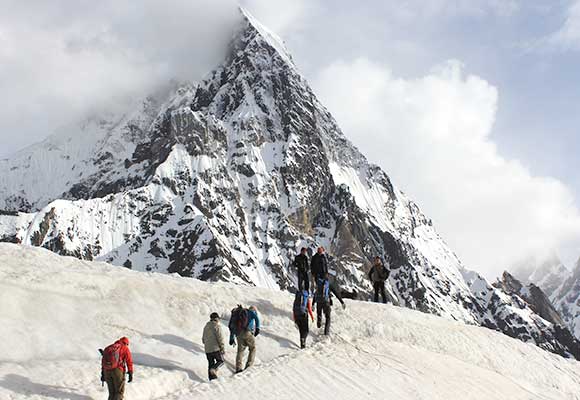
K2 Expedition (8611m)
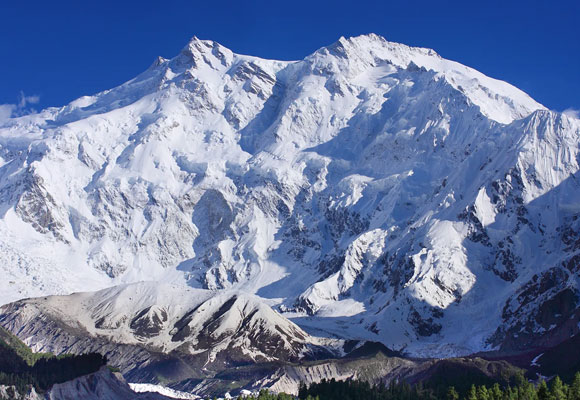
Nanga Parbat Expedition (8126m)
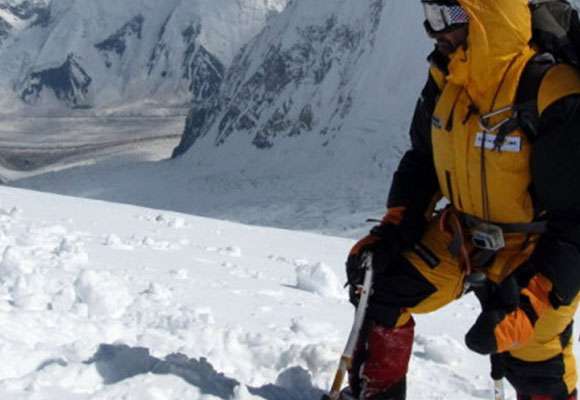
Broad Peak Expedition (8047m)
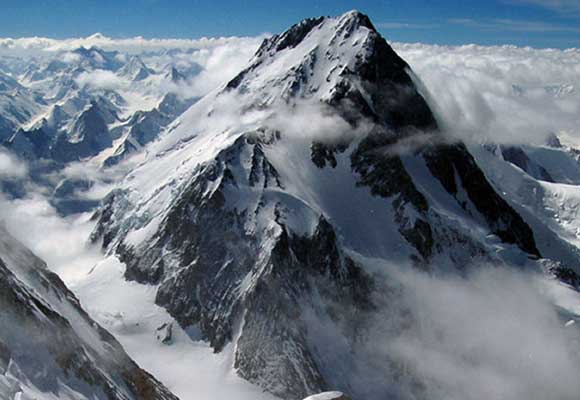
Gasherbrum 1 Expedition (8068m)
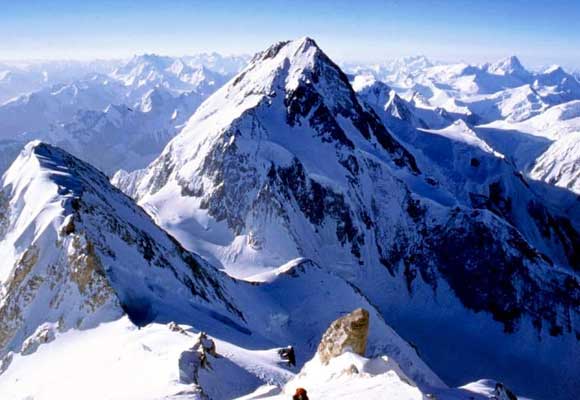
Gasherbrum II Expedition (8035m)
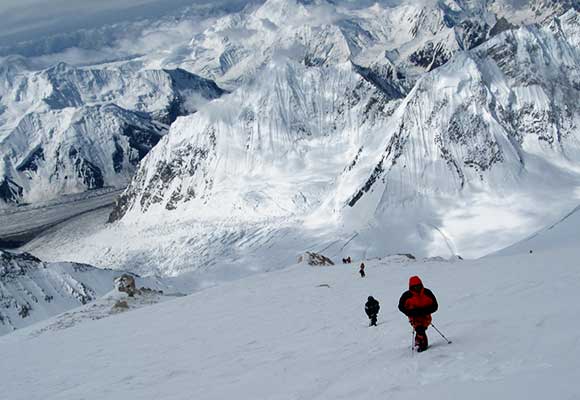
Gasherbrum III Expedition (7952m)
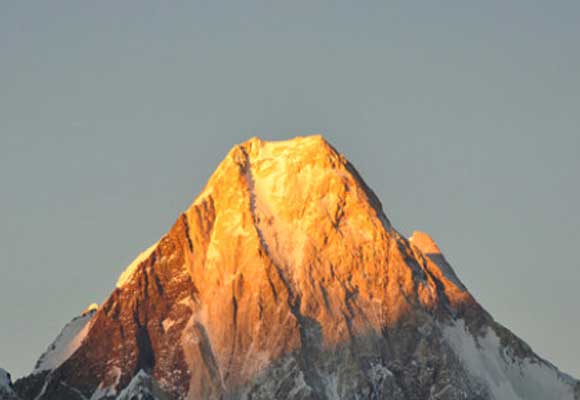
Gasherbrum IV Expedition (7925m)
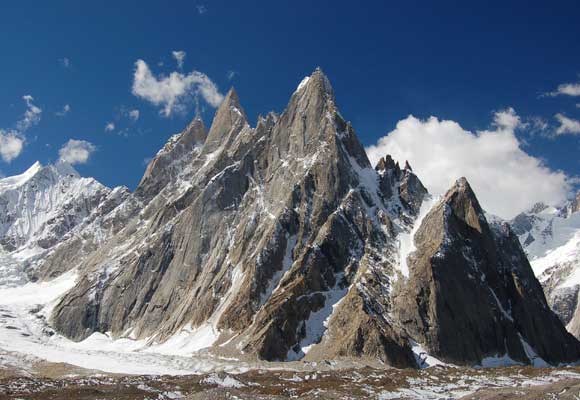
Masherbrum Expedition (7821m)
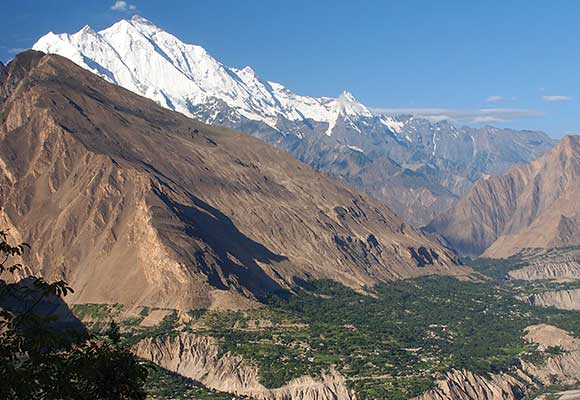
Rakaposhi Expedition (7788m)
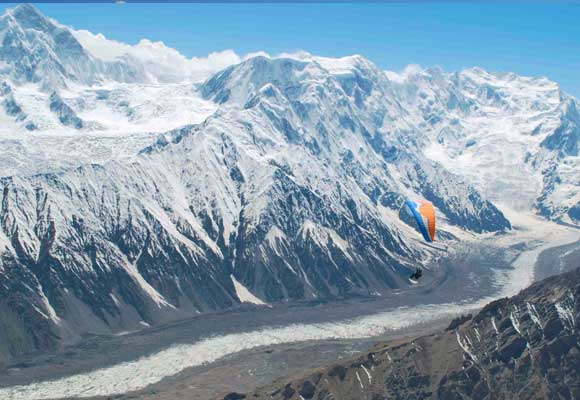
Batura Sar Expedition (7785 m)
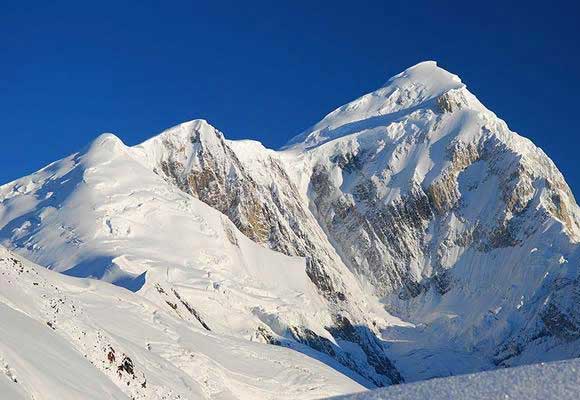
Tirich Mir Expedition (7708m)
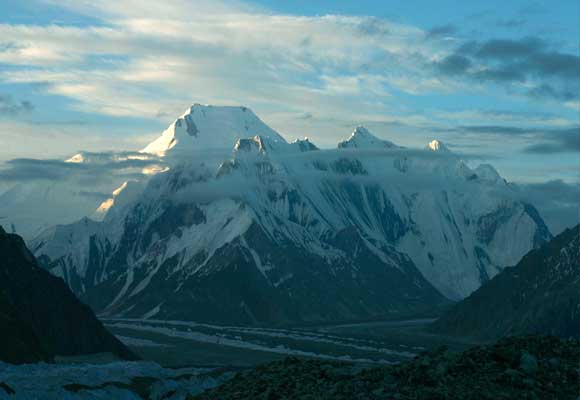
Chogolisa Expedition (7665 m)
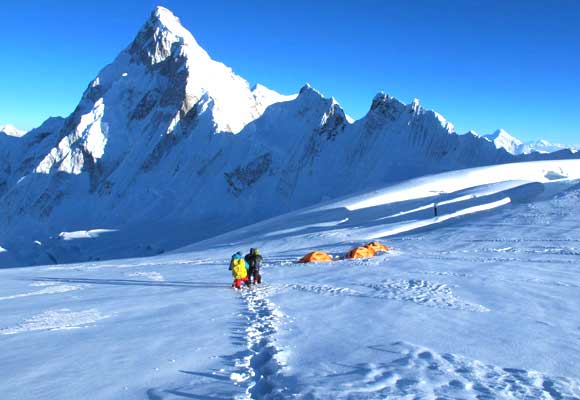
Passu Peak Expedition (7478m)
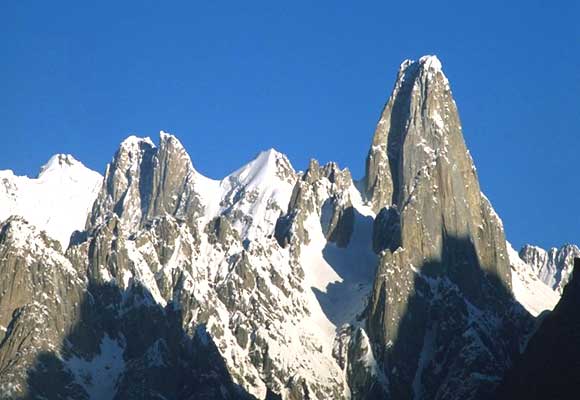
Muztagh Tower Expedition (7273m)
K6 Peak Expedition (6935m)
Diran Peak Expedition (7272m)
Latok 1 Expedition (7145 m)
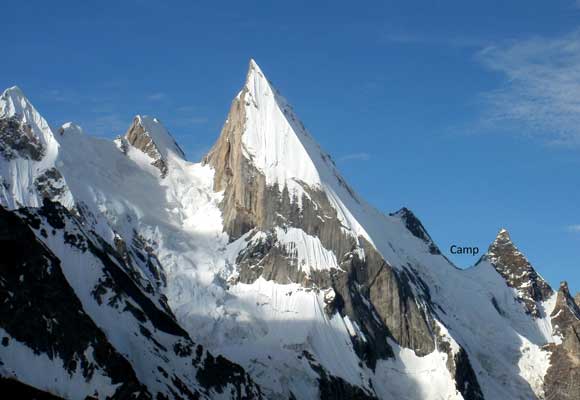
Laila Peak Expedition (6095m)
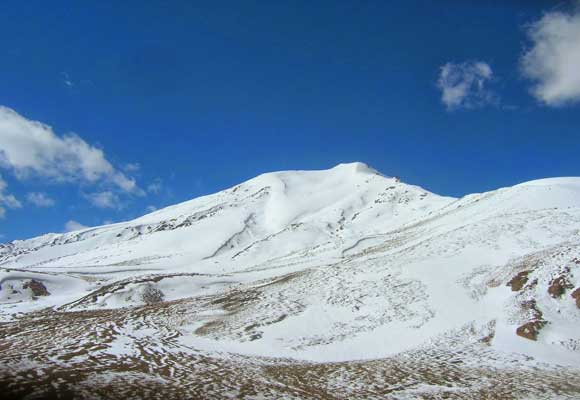
Minglik Sar Peak Expedition (6050m)
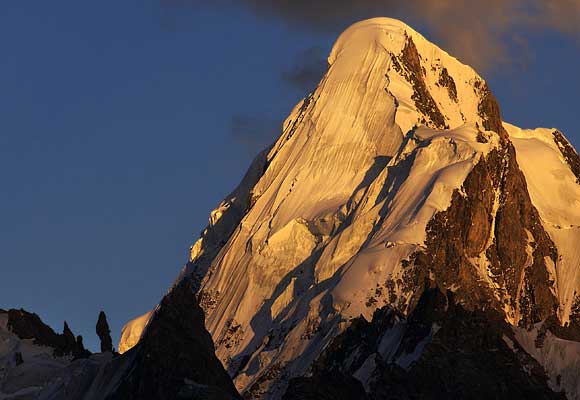
Rush Peak Expedition (5,098m)