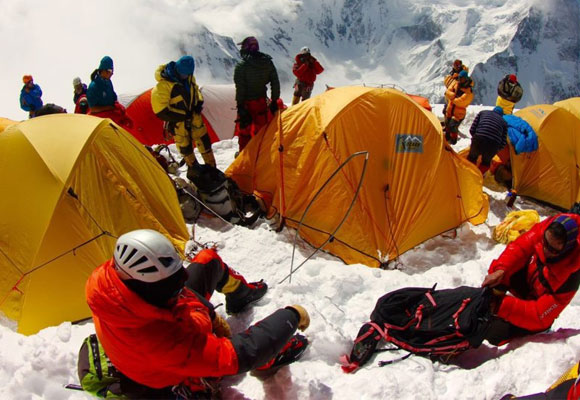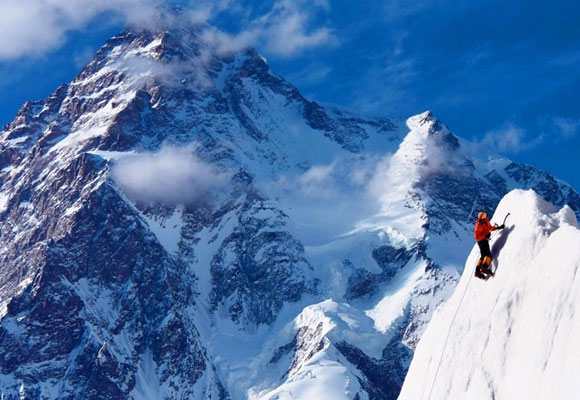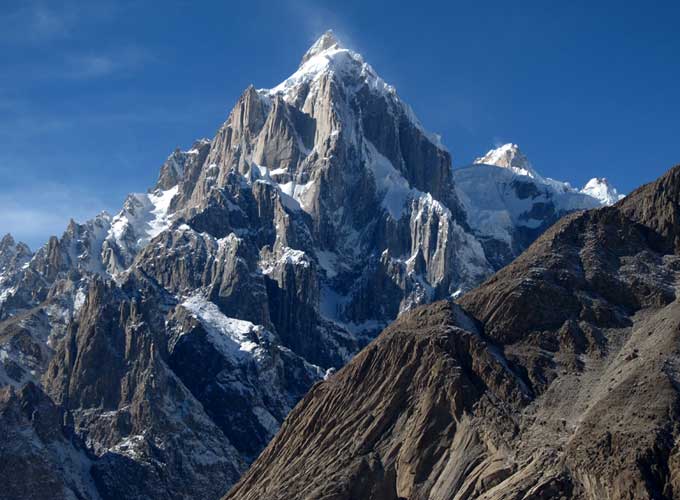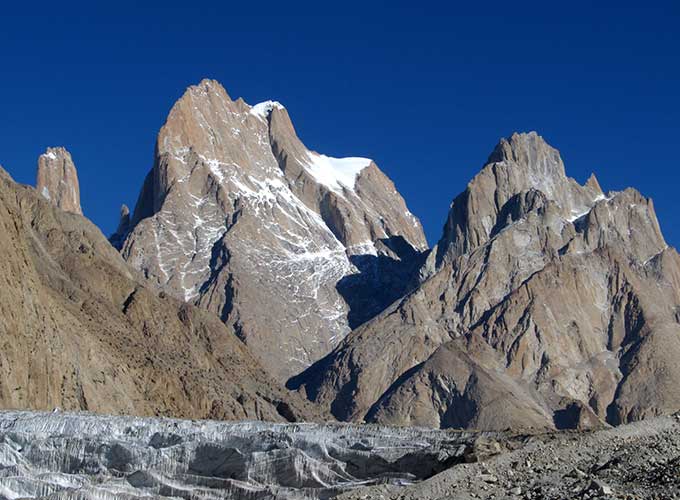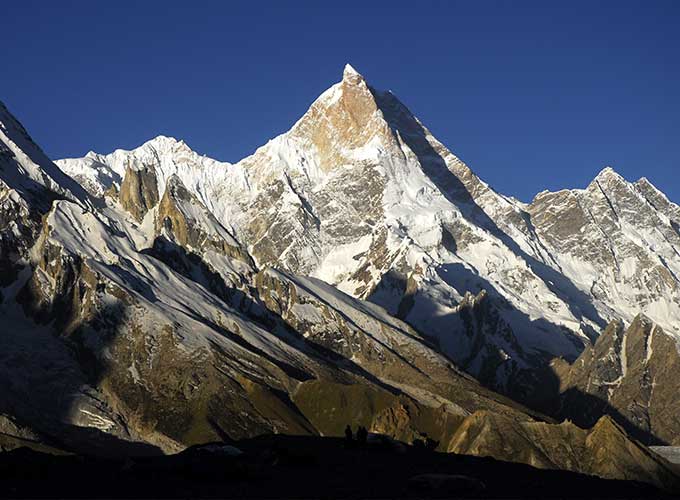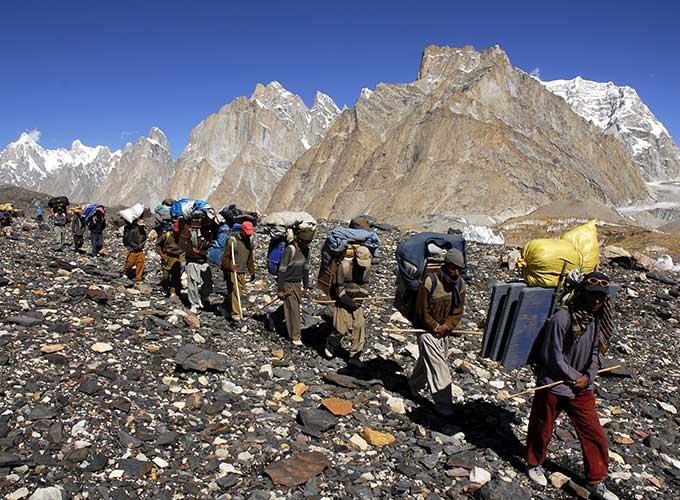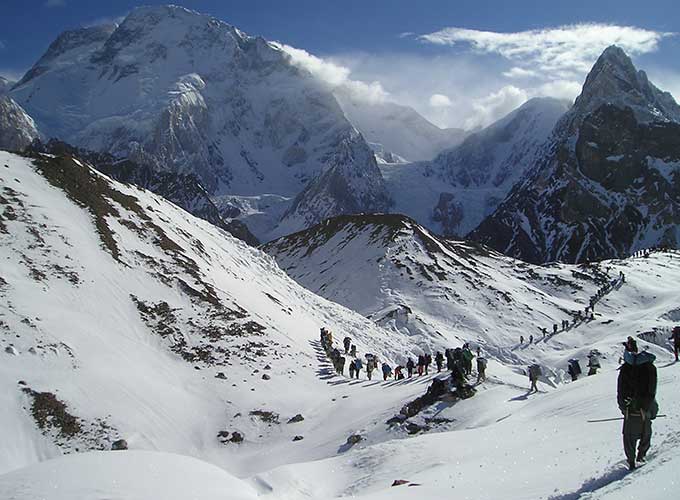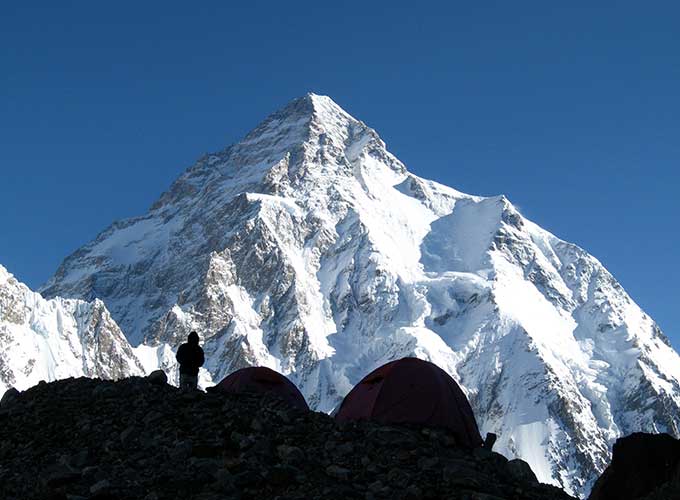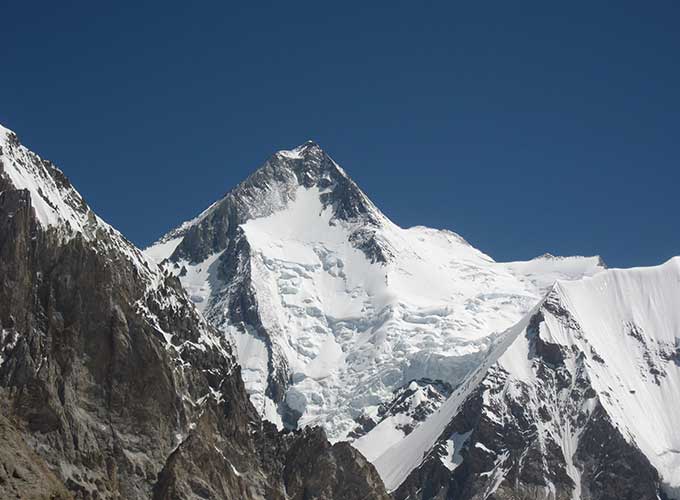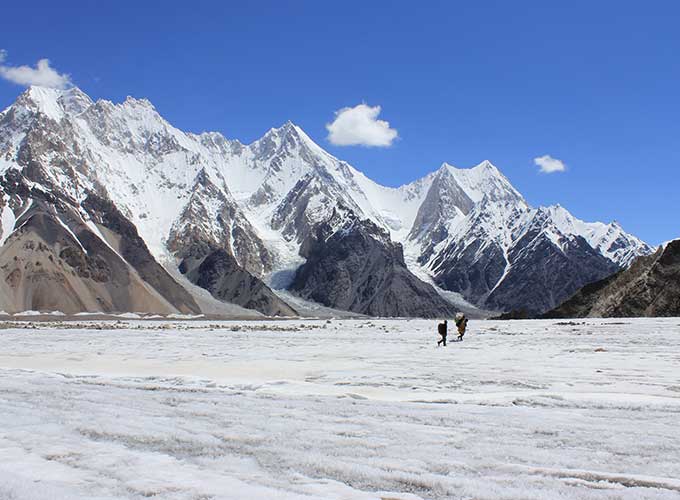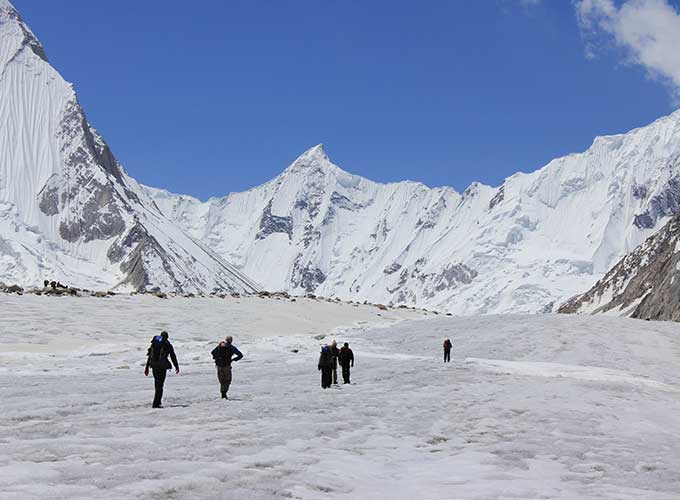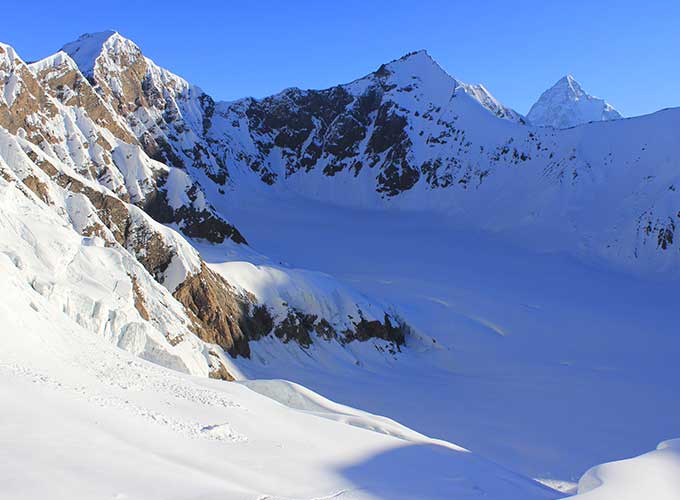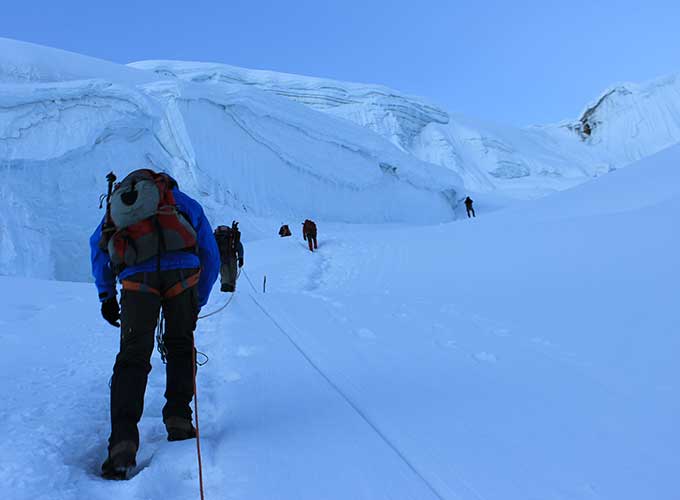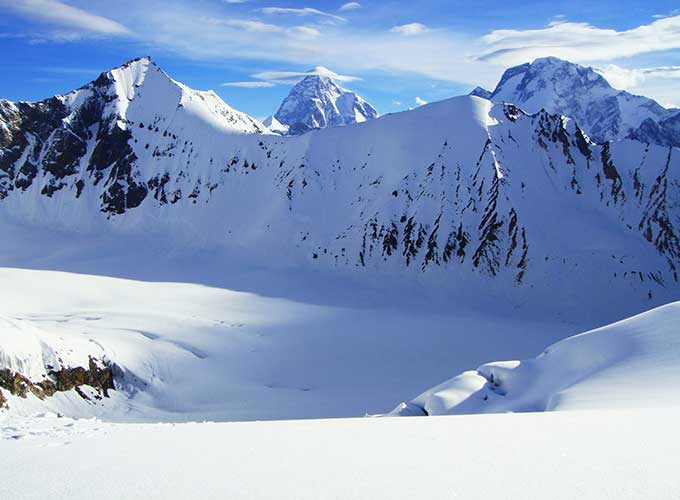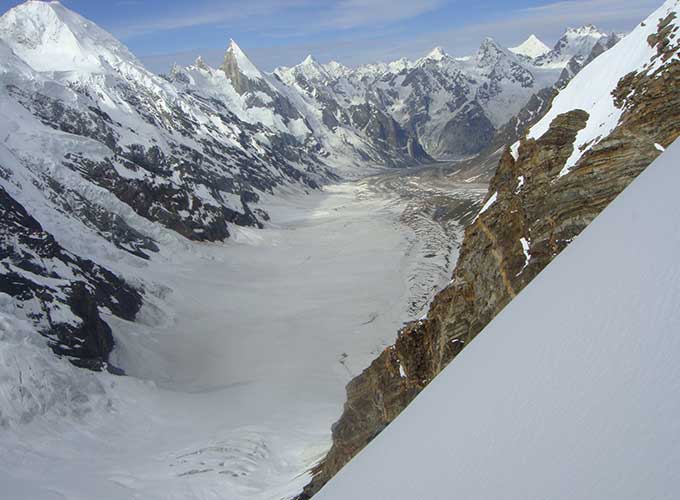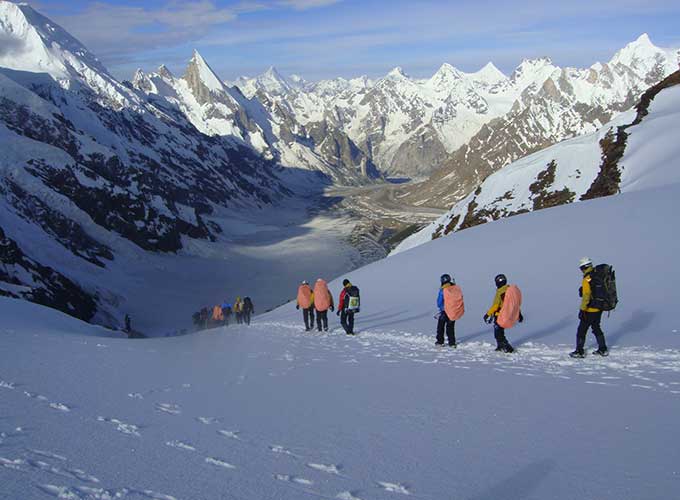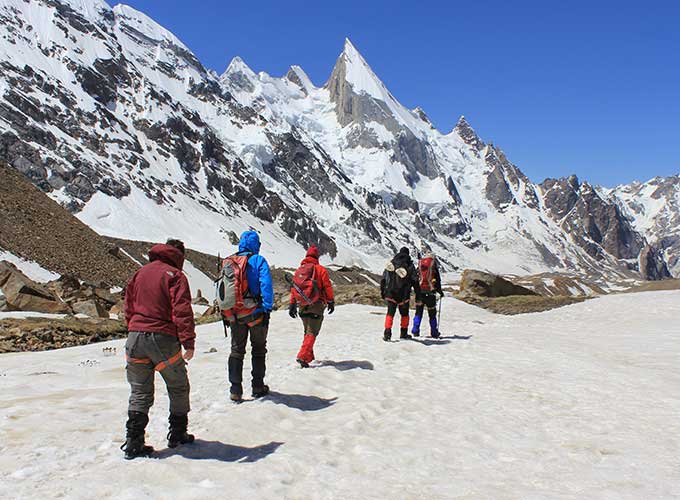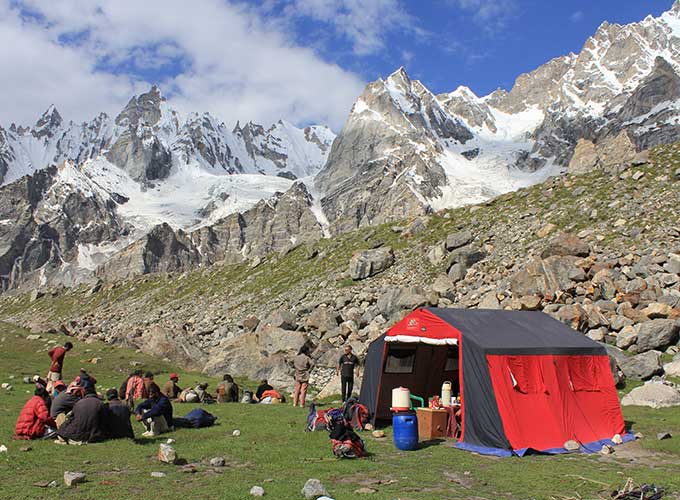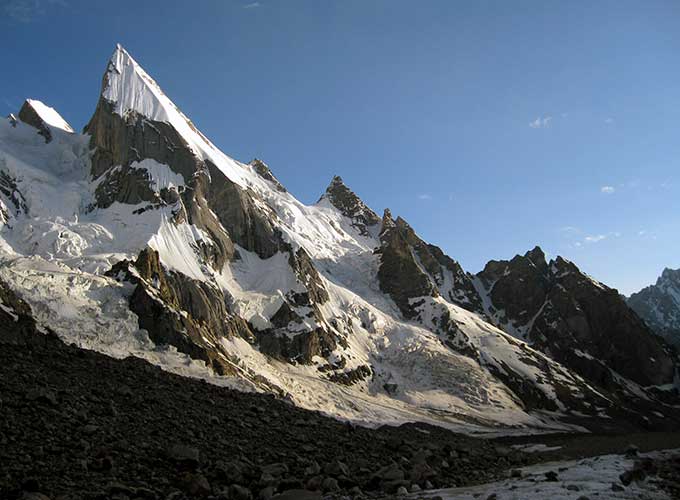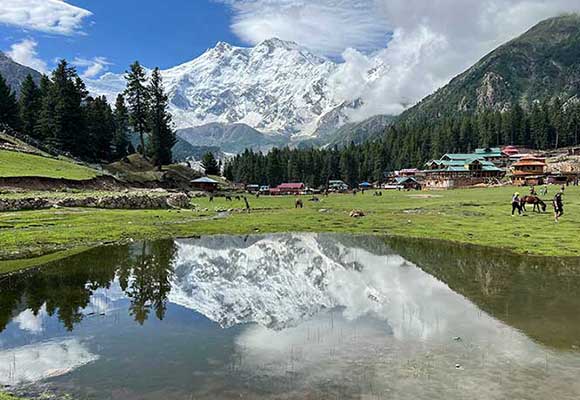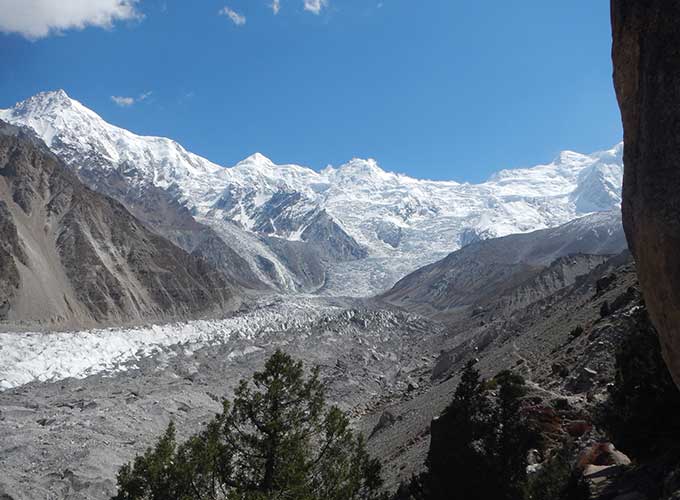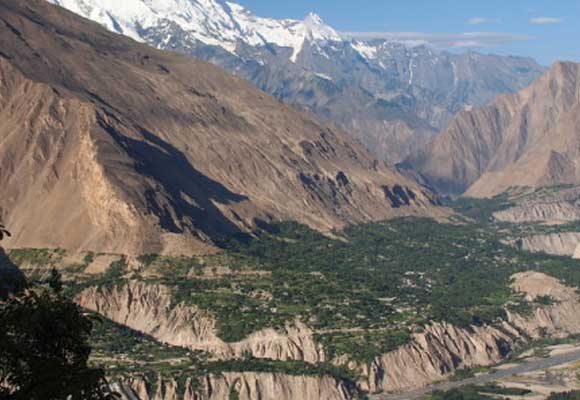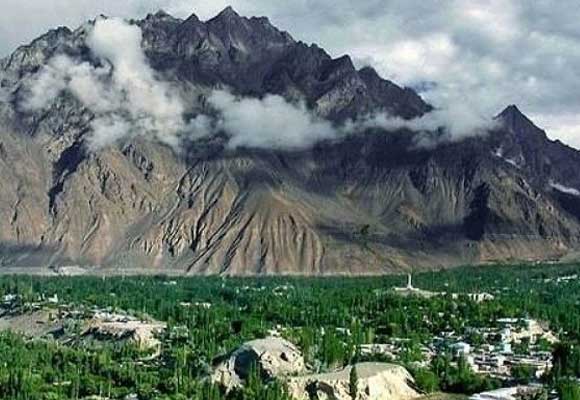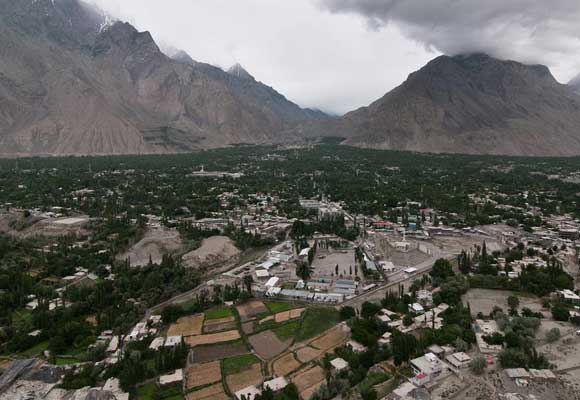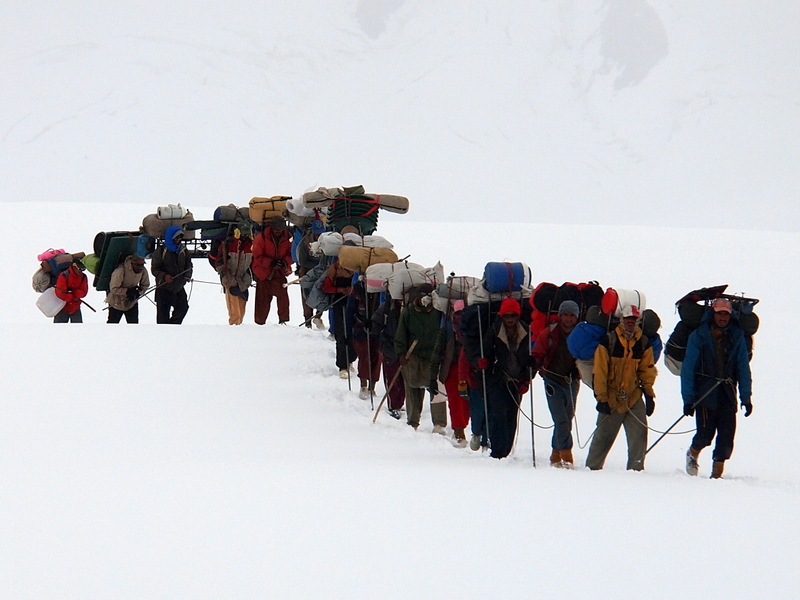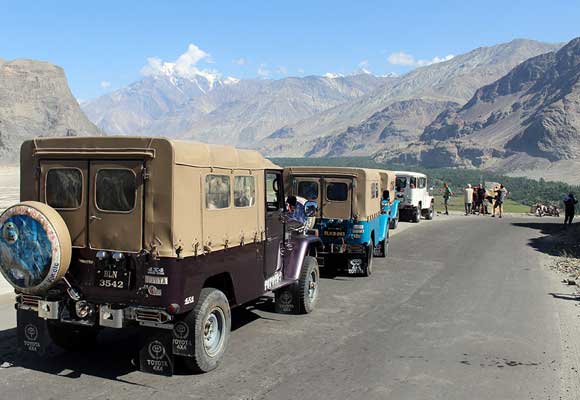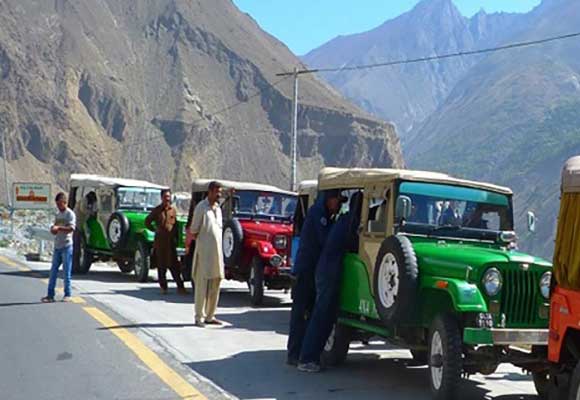
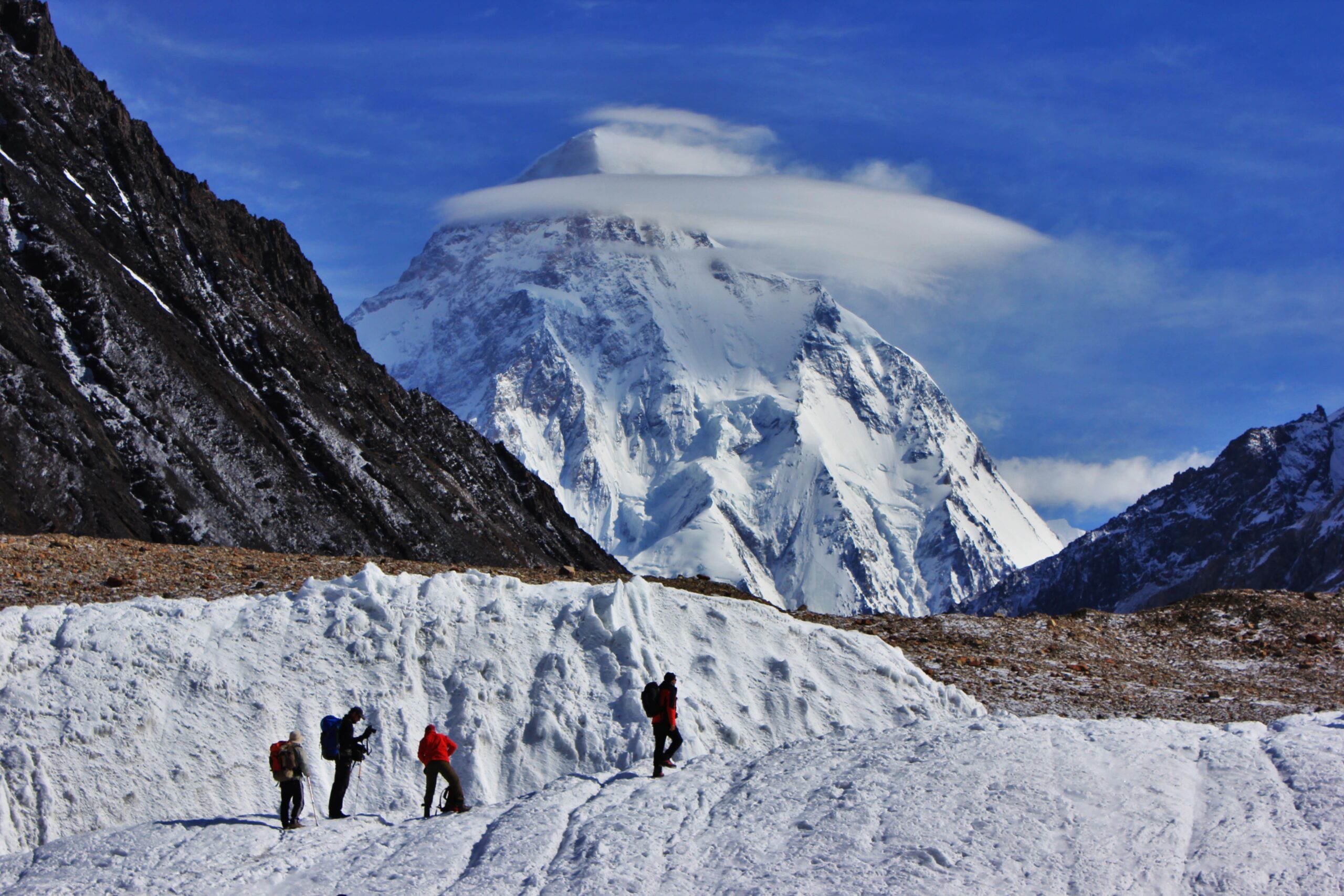
Explore the ultimate Himalayan adventure with the Five 8000m Base Camp Trek experience offered by AdventurePakistan.com. This extraordinary journey connects you to the world’s most iconic high-altitude base camps, including legendary peaks in Pakistan, Nepal, and beyond. Perfect for adventure seekers, this multi-destination trekking experience combines breathtaking landscapes, diverse cultures, and unforgettable mountain views. From challenging trails to scenic valleys, every step delivers a true sense of exploration and achievement. Whether you are an experienced trekker or an international traveler, our expert-guided packages ensure safety and comfort. Book your Five 8000m Base Camp Trek today and experience the world’s greatest mountains.
Introduction
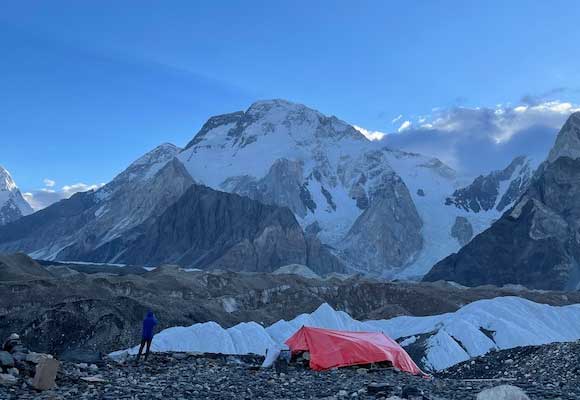
The Five 8000m Base Camp Trek Experience: K2, Everest, Annapurna & More Explained is a multi-destination adventure concept covering trekking routes to five of the world’s most iconic 8,000-meter peaks. These include Everest (Nepal), K2 (Pakistan), Annapurna (Nepal), and other Himalayan giants.
Each trek offers a different level of difficulty, culture, terrain, and cost. Together, they represent the ultimate high-altitude trekking portfolio for global adventure seekers.
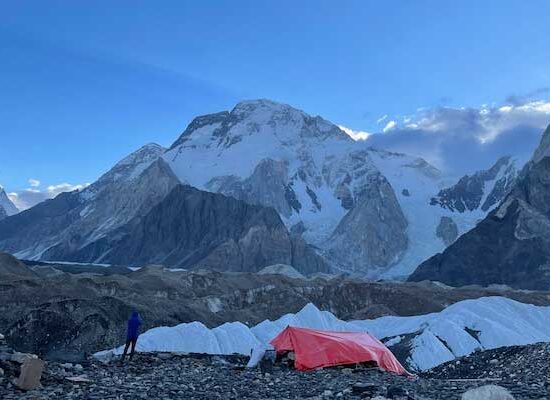
Expert Insight
As a South Asian mountain tourism analyst, Five 8000m Base Camp Trek routes are the backbone of global high-altitude tourism demand. Among them, Pakistan’s K2 corridor is the most technically demanding, while Everest is the most commercially developed.
The K2 Base Camp Trek remains the most remote and least commercialized of all 8000m base camp routes, while Everest is the most crowded but easiest to access.
The key industry trend in 2026 is rising demand for “multi-peak trekking experiences,” where travelers combine multiple 8000m base camp journeys across Nepal and Pakistan.
Overview of Five 8000m Base Camp Treks
1. Everest Base Camp (Nepal)
- Altitude: 5,364m
- Duration: 12–14 days
- Difficulty: Moderate
- Cost: $1,200–$2,500
2. K2 Base Camp (Pakistan)
- Altitude: 5,150m
- Duration: 12–20 days
- Difficulty: Very High
- Cost: $1,500–$3,500
3. Annapurna Base Camp (Nepal)
- Altitude: 4,130m
- Duration: 7–12 days
- Difficulty: Moderate
- Cost: $800–$1,800
4. Manaslu Circuit & Base Region
- Altitude: 5,100m+
- Duration: 14–18 days
- Difficulty: High
- Cost: $1,500–$3,000
5. Cho Oyu / Tibet Region Expeditions
- Altitude: 5,000m+
- Duration: 10–16 days
- Difficulty: High
- Cost: $2,000–$4,500
Pakistan Trekking Context (Key Comparison Layer)
Pakistan plays a central role in 8000m trekking through the Karakoram range:
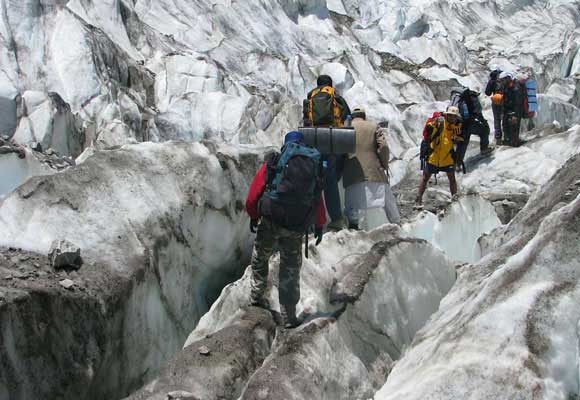
- K2 and Gondogoro La Trek Pakistan 2026 → Extreme glacier crossing expedition
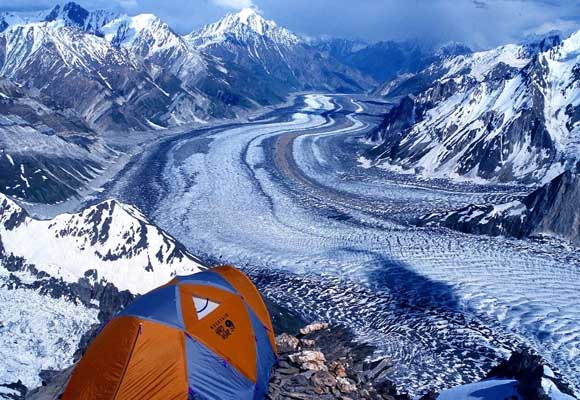
- Snow Lake trek → One of the largest glacier systems on Earth
- Rakaposhi base camp Hunza valley trek → Moderate scenic trekking option
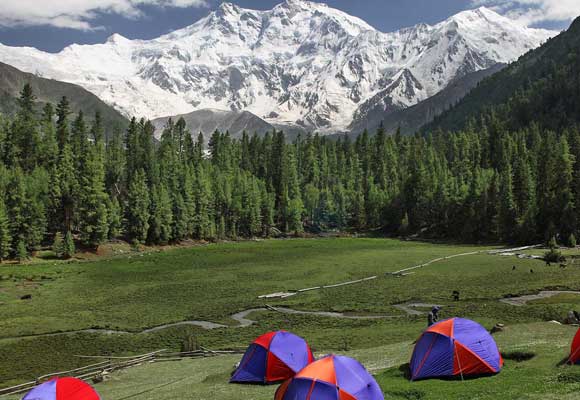
- Fairy meadows Trek → Entry-level Himalayan experience
Pros & Cons of 8000m Base Camp Trekking
Pros
- Access to world’s highest mountain landscapes
- Diverse cultural exposure across Nepal and Pakistan
- Wide difficulty range for all experience levels
- Strong global adventure tourism recognition
- High photographic and scenic value
Cons
- High altitude sickness risk
- Expensive logistics for remote regions
- Seasonal restrictions (weather-dependent)
- Long travel durations required
- Limited medical infrastructure in remote zones
Comparative Analysis Table
Trek |
Country |
Difficulty |
Duration |
Cost Range |
Key Feature |
|---|---|---|---|---|---|
Everest Base Camp |
Nepal |
Moderate |
12–14 days |
$1,200–$2,500 |
Most popular trek |
K2 Base Camp Trek |
Pakistan |
Very High |
12–20 days |
$1,500–$3,500 |
Most remote 8000m trek |
Annapurna Base Camp |
Nepal |
Moderate |
7–12 days |
$800–$1,800 |
Short and scenic |
Manaslu Region Trek |
Nepal |
High |
14–18 days |
$1,500–$3,000 |
Restricted area trek |
Cho Oyu Region Trek |
Tibet/Nepal |
High |
10–16 days |
$2,000–$4,500 |
High-altitude plateau |
Cultural & Alternative Travel Add-ons (Pakistan Focus)
Adventure travelers often combine trekking with cultural tours:
- Indus valley civilization tour → Ancient archaeological heritage exploration
- Shandoor Polo festival → High-altitude polo championship
- kalash festival tour → Indigenous cultural festival in Chitral
These add cultural depth to trekking itineraries.
Buyer Guidance / How to Choose the Right Trek
Everest Base Camp if:
- You want first-time 8000m experience
- You prefer well-developed infrastructure
- You want easier logistics and accessibility
K2 Base Camp if:
- You want extreme adventure trekking
- You prefer remote wilderness experience
- Consider K2 Base Camp Tour Package or a trusted K2 Base Camp Tour Company
Annapurna Base Camp if:
- You want shorter trekking duration
- You prefer moderate difficulty
- You are a beginner-intermediate trekker
Snow Lake or Glacier Expeditions if:
- You want technical glacier travel
- You are experienced in mountaineering
- Snow Lake trek Tour Company offers guided expedition support
Cost Comparison Overview
- K2 Base Camp Tour Cost is among the highest in Pakistan due to logistics
- Snow Lake trek Tour Cost reflects glacier expedition complexity
- Fairy Meadows Trek Cost is the most budget-friendly option
- Shandoor Polo Festival Tour Cost is cultural and moderate
- Annapurna Base Camp remains the most economical 8000m trek
Preparation Guide
Fitness Requirements
- High cardio endurance training
- Multi-day hiking practice
- Altitude simulation recommended
Essential Gear
- Insulated layering system
- Waterproof boots
- Sleeping bag (-10°C or lower)
- Trekking poles and hydration system
Safety Requirements
- Travel insurance with evacuation coverage
- Licensed guide support mandatory in restricted areas
- Acclimatization days included in itinerary
FAQs
1. What is a Five 8000m Base Camp Trek?
It refers to trekking experiences covering base camps of five major 8000m peaks globally.
2. Which is the hardest 8000m base camp trek?
K2 Base Camp Trek is the most difficult due to terrain and remoteness.
3. Which is the easiest 8000m trek?
Annapurna Base Camp is the easiest among major high-altitude treks.
4. How much does it cost overall?
Costs range from $800 to $5,000 depending on destination and services.
5. Is altitude sickness common?
Yes, especially above 3,500m without proper acclimatization.
6. Can beginners do these treks?
Only Everest and Annapurna are suitable for beginners; others require experience.
Conclusion
The Five 8000m Base Camp Trek Experience represents the ultimate global trekking journey across Nepal, Pakistan, and the Himalayas. It combines the world’s most iconic mountain routes into a single comparative adventure framework.
Among them, the K2 Base Camp Trek stands out as the most remote and technically demanding, while Everest remains the most accessible and popular. Annapurna offers the easiest entry point into high-altitude trekking.
Together with cultural experiences like the Indus Valley Civilization Tour, Shandoor Polo Festival, and Kalash Festival Tour, these journeys define the full spectrum of Himalayan adventure tourism for 2026.
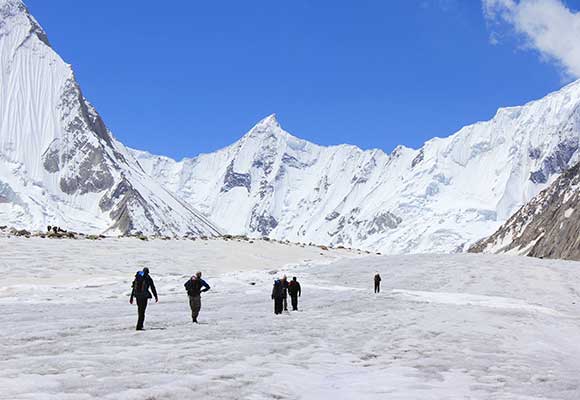
K2 Base Camp and Gondogoro La Trek
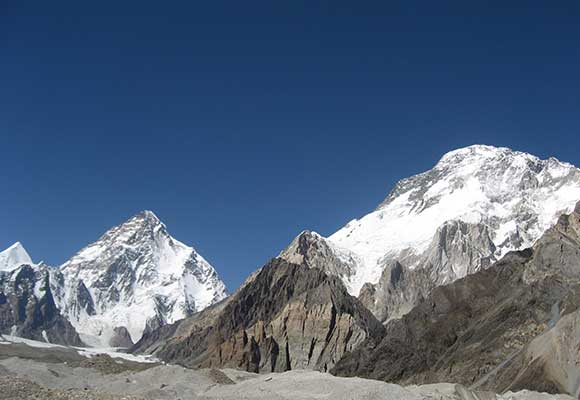
K2 Base Camp Trek
K2 Base Camp Trek Concordia
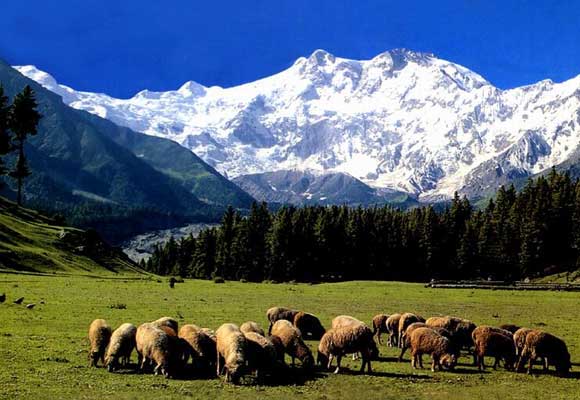
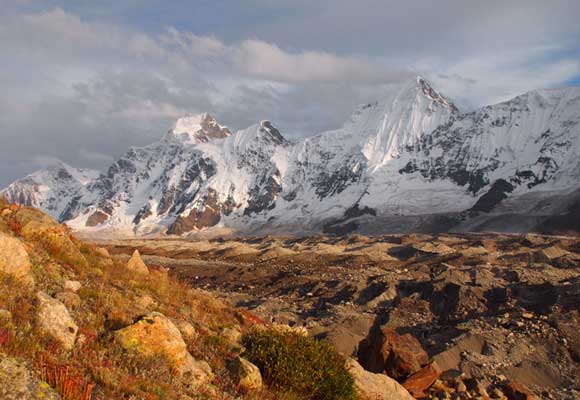
Mashabrum & Gondogoro BC Trek
K6/K7 BC Trek
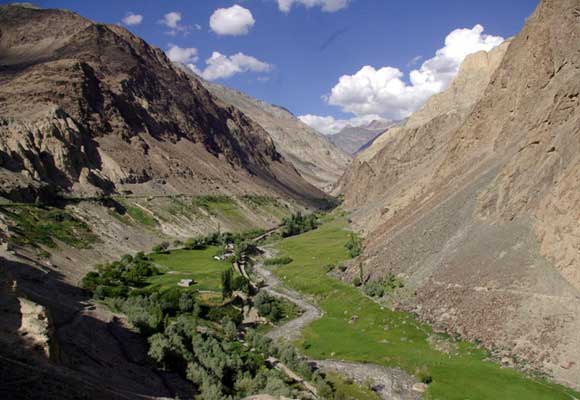
Thalle La Trek Pakistan
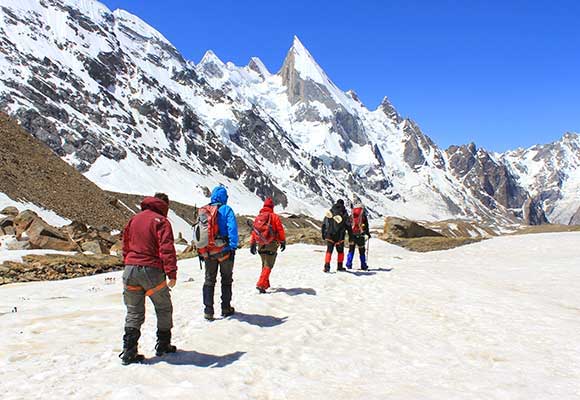
Spantik Base Camp & Haramosh La Trek
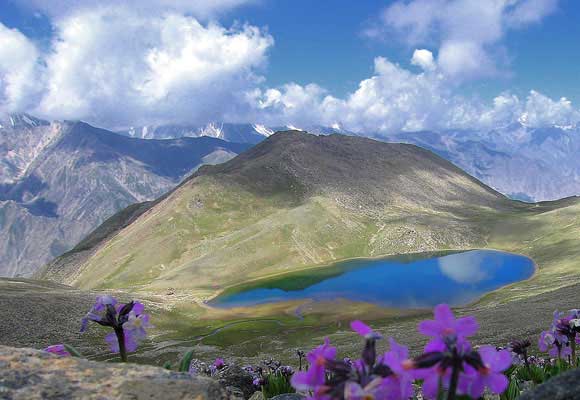
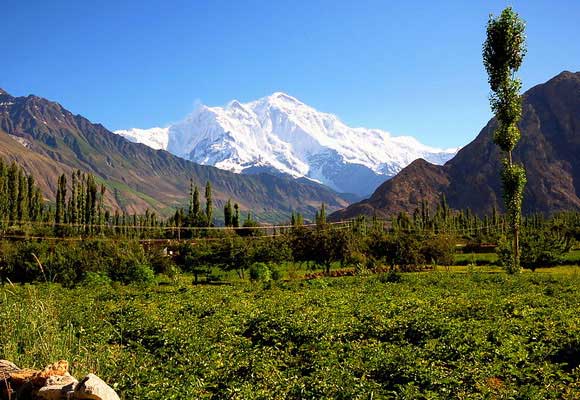
Rakaposhi Base Camp Trek
Batura Glacier Trek
Patundas Trek
Shimshal Valley Trek
Tirich Mir Base Camp Trek
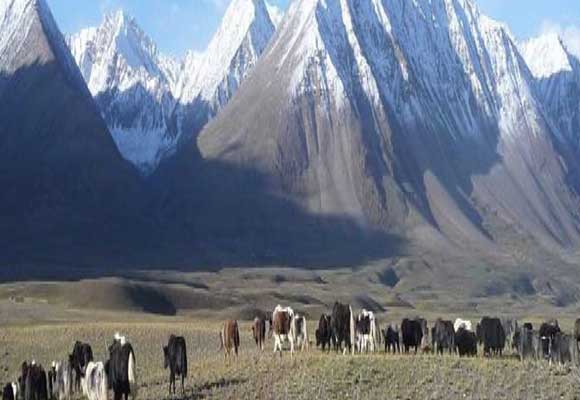
Wakhan Corridor Trek
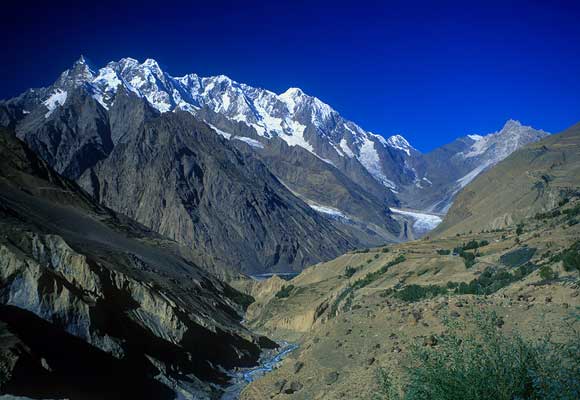
Naltar Ishkoman Pass Trek
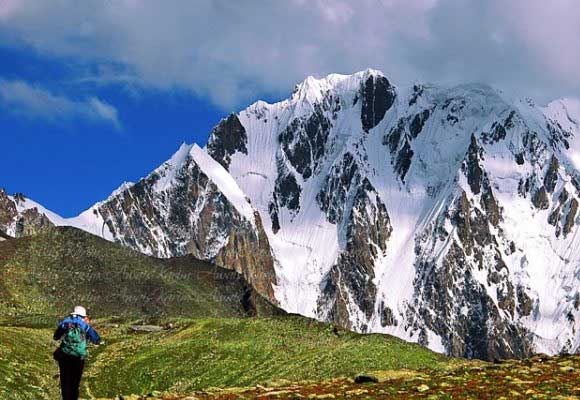
Darkot and Broghil Passes Trek
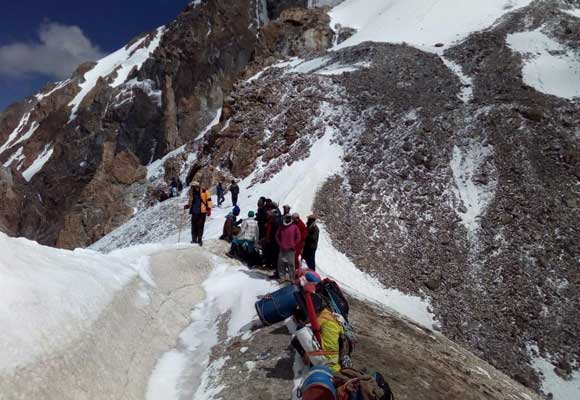
Around Nanga Parbat Mazeno Pass Trek
5X8000m Base Camp Trek
Great Karakorum Traverse Trek
K2 Expedition (8611m)
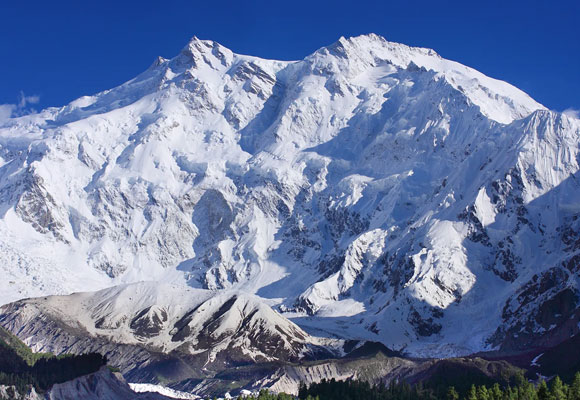
Nanga Parbat Expedition (8126m)
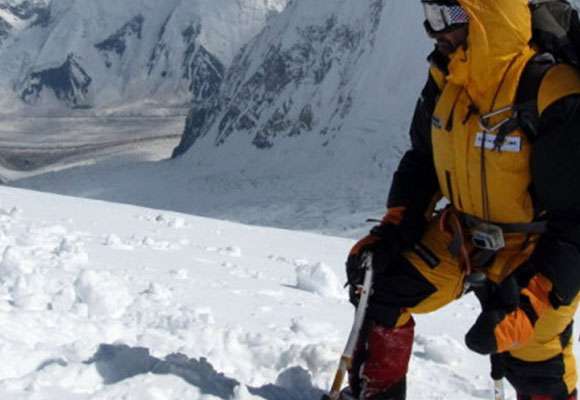
Broad Peak Expedition (8047m)
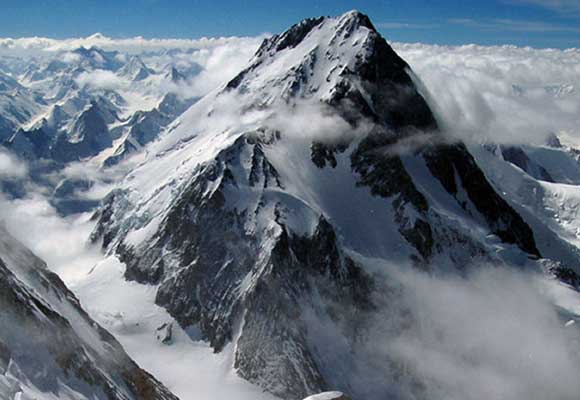
Gasherbrum 1 Expedition (8068m)
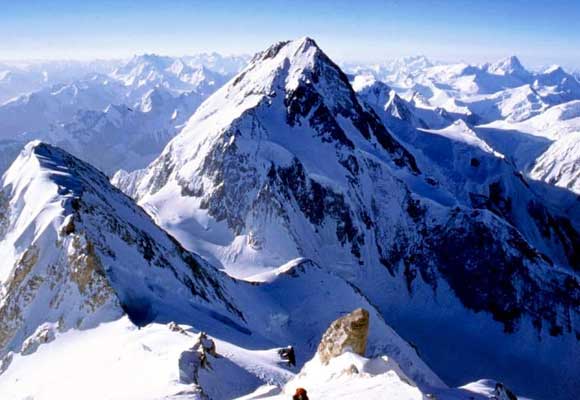
Gasherbrum II Expedition (8035m)
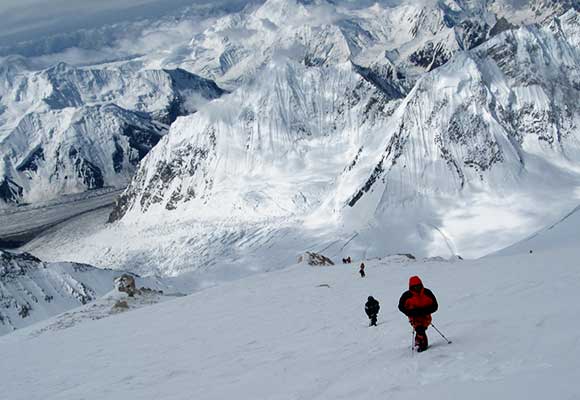
Gasherbrum III Expedition (7952m)
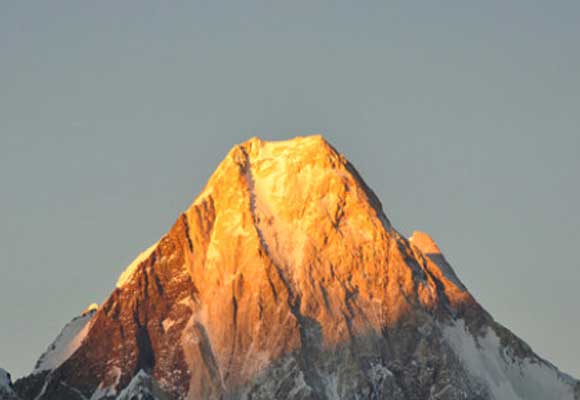
Gasherbrum IV Expedition (7925m)
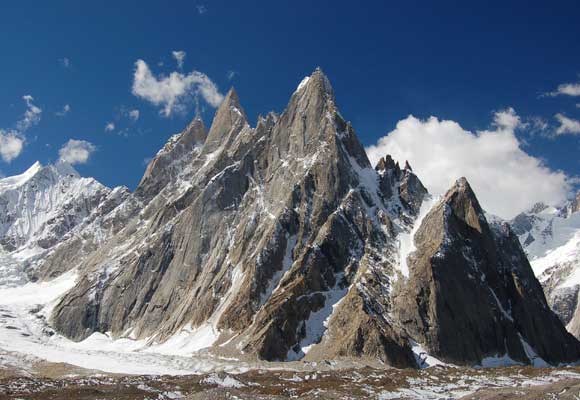
Masherbrum Expedition (7821m)
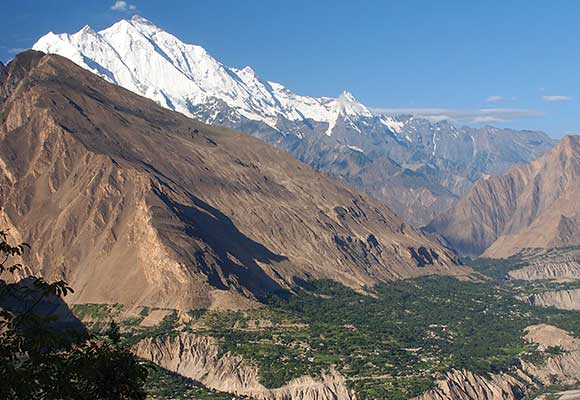
Rakaposhi Expedition (7788m)
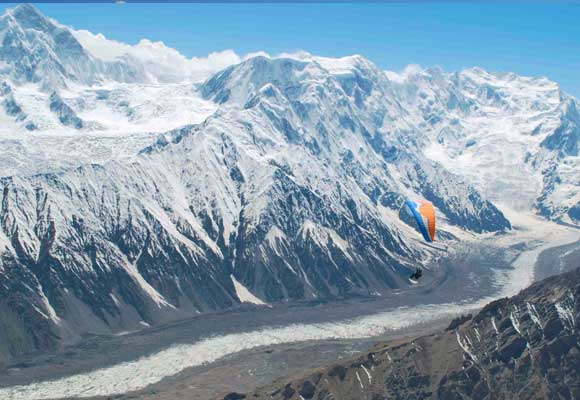
Batura Sar Expedition (7785 m)
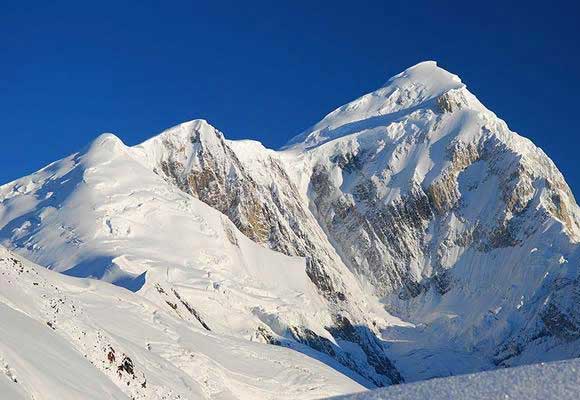
Tirich Mir Expedition (7708m)
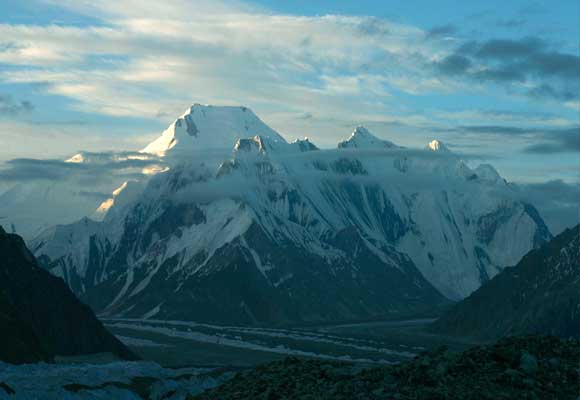
Chogolisa Expedition (7665 m)
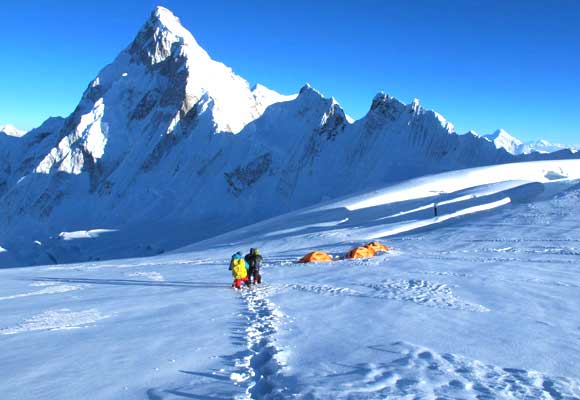
Passu Peak Expedition (7478m)
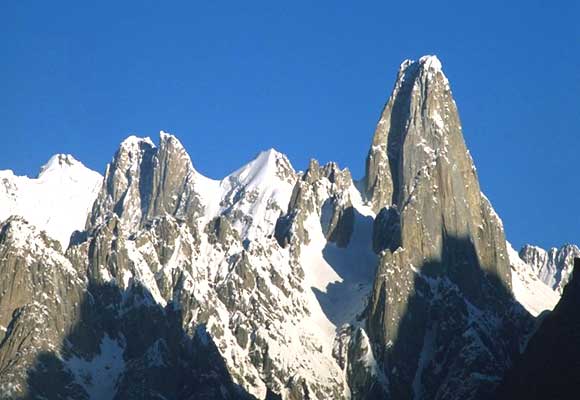
Muztagh Tower Expedition (7273m)
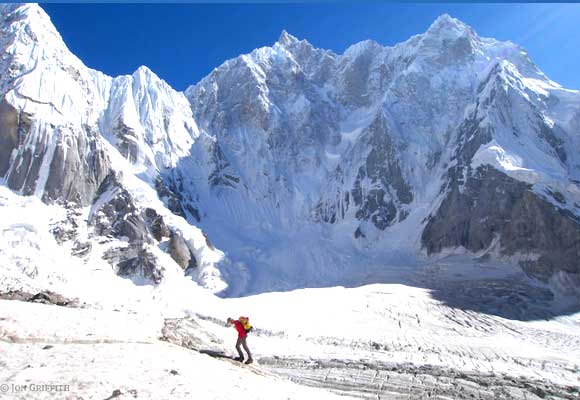
K6 Peak Expedition (6935m)
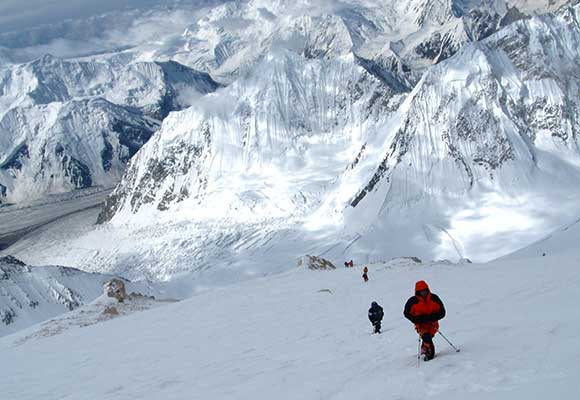
Diran Peak Expedition (7272m)
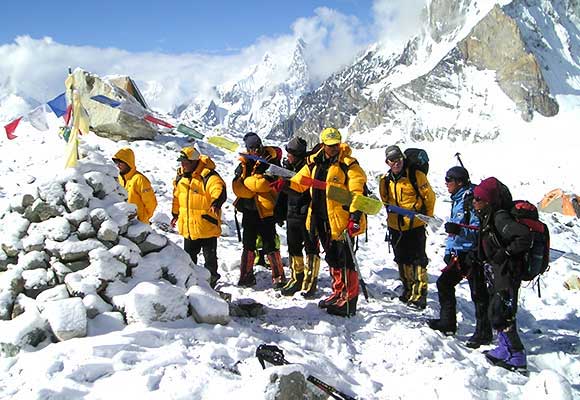
Latok 1 Expedition (7145 m)
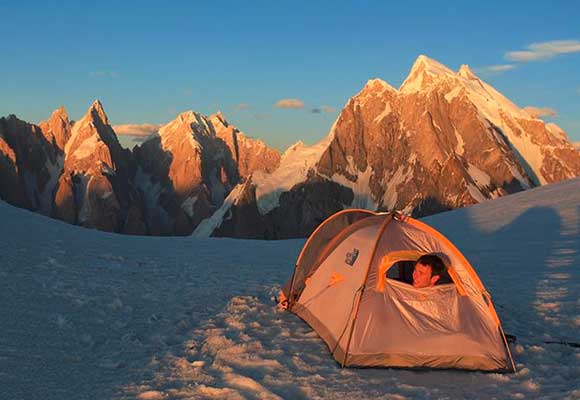
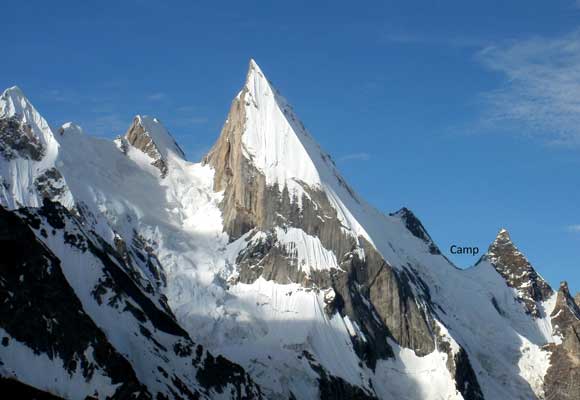
Laila Peak Expedition (6095m)
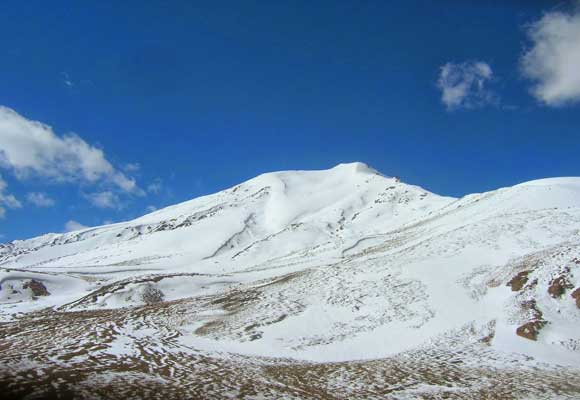
Minglik Sar Peak Expedition (6050m)
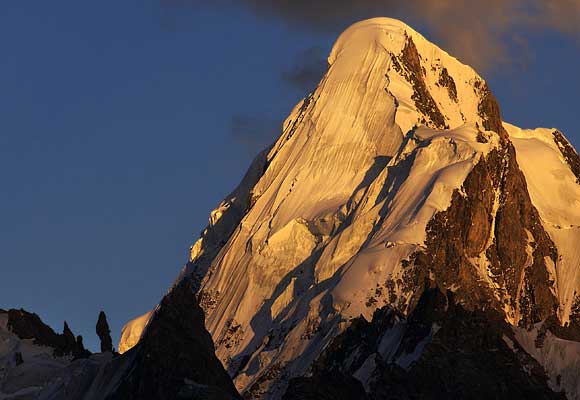
Rush Peak Expedition (5,098m)