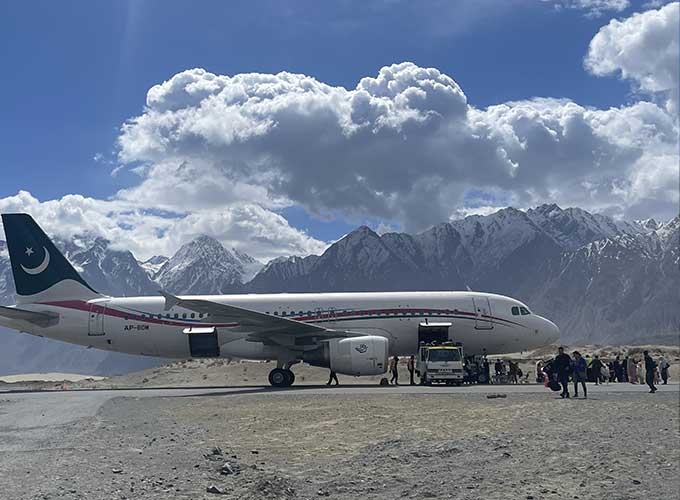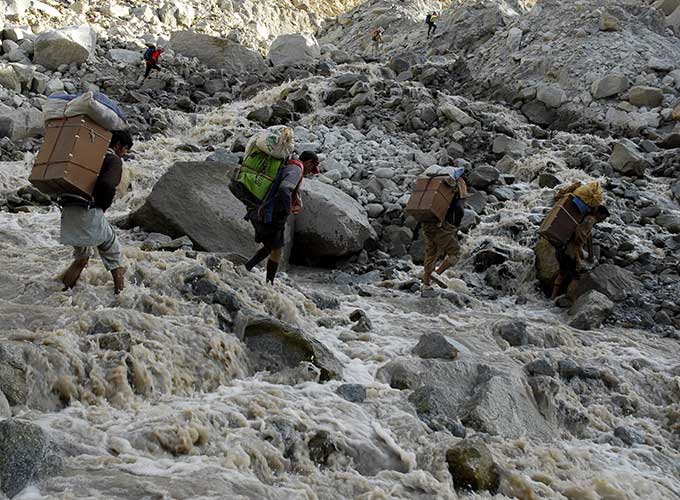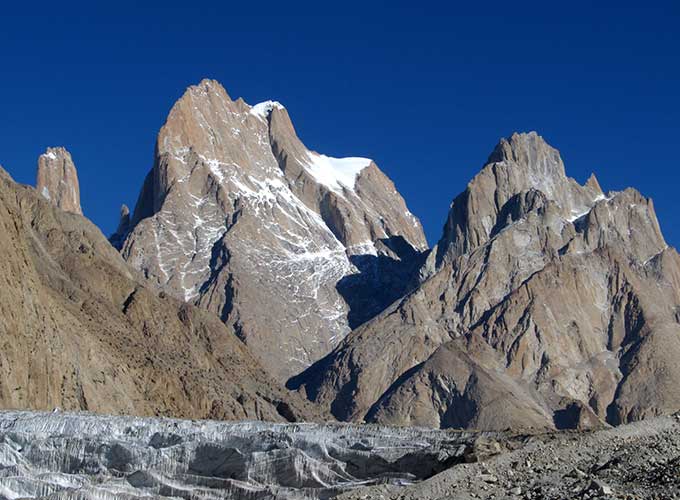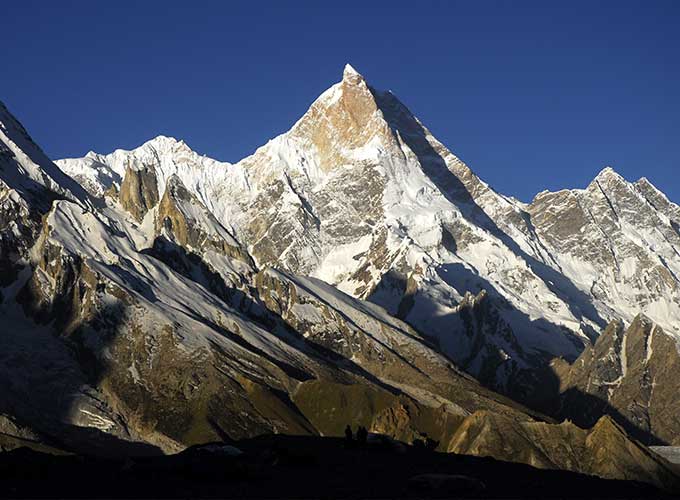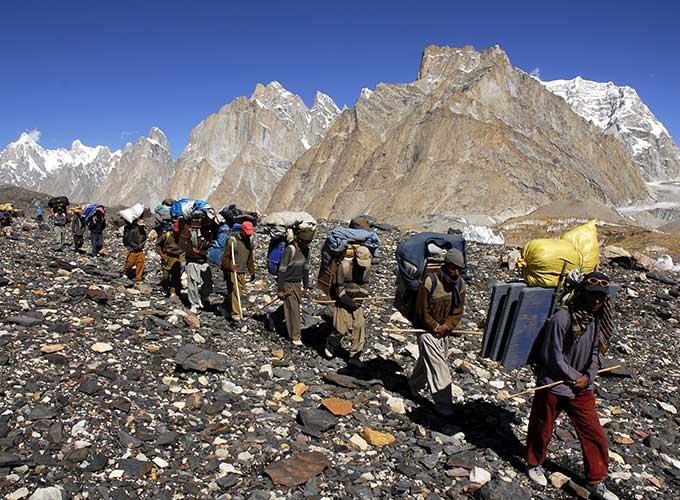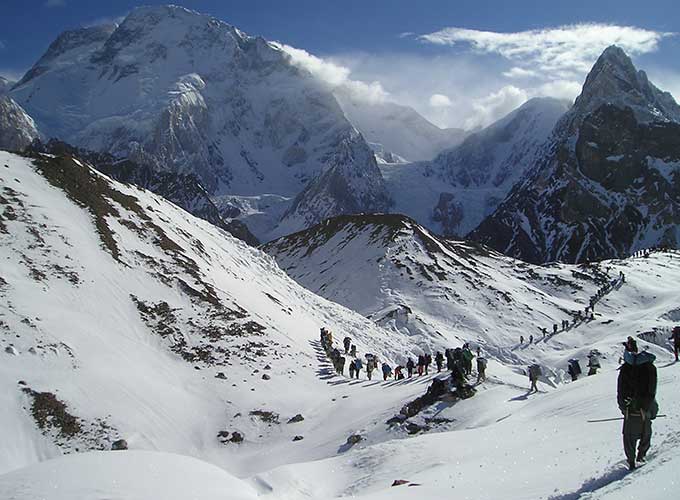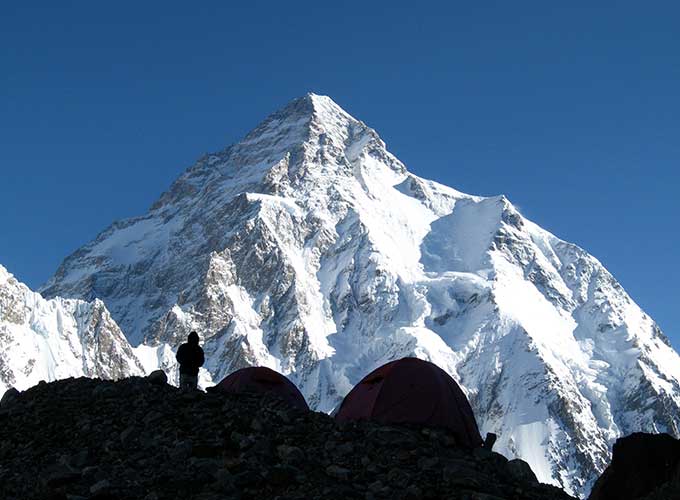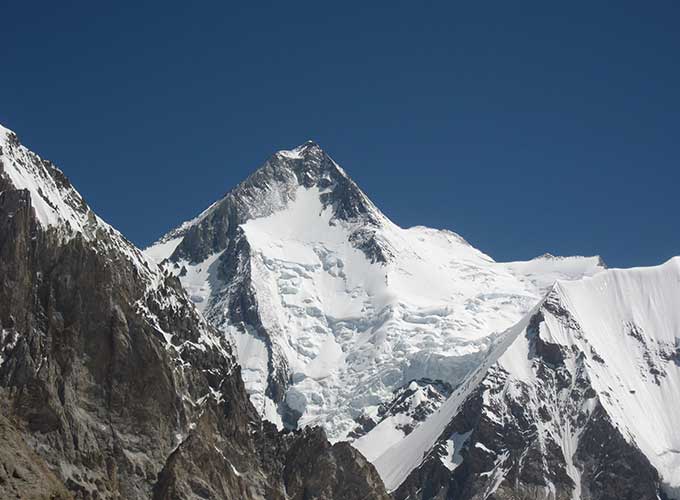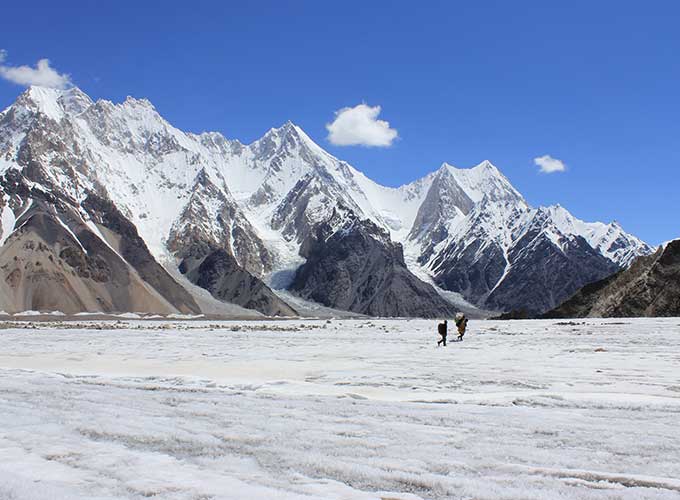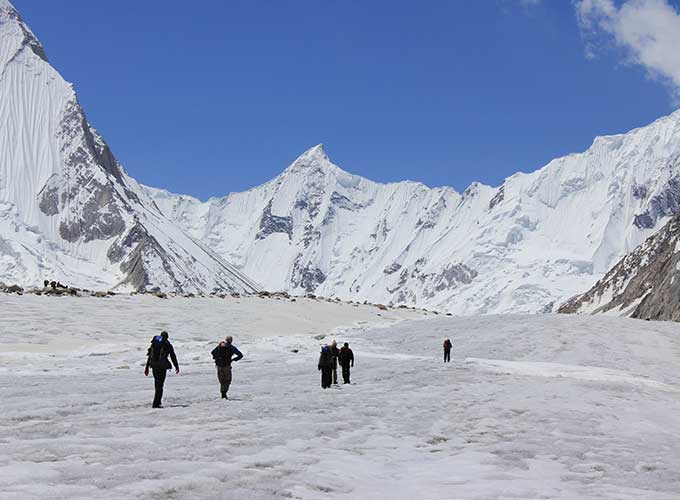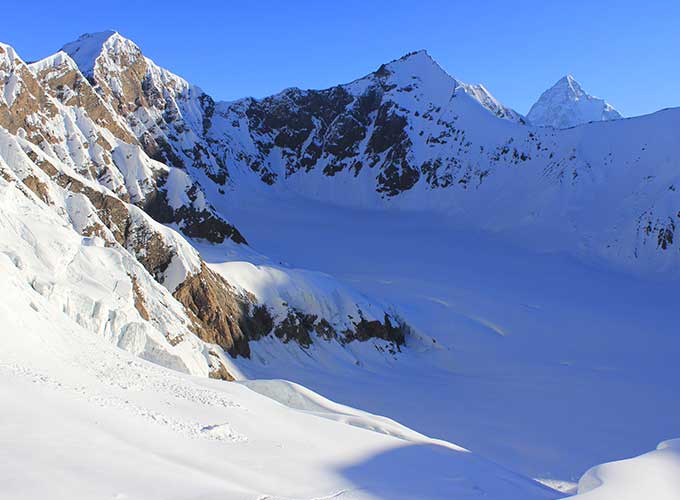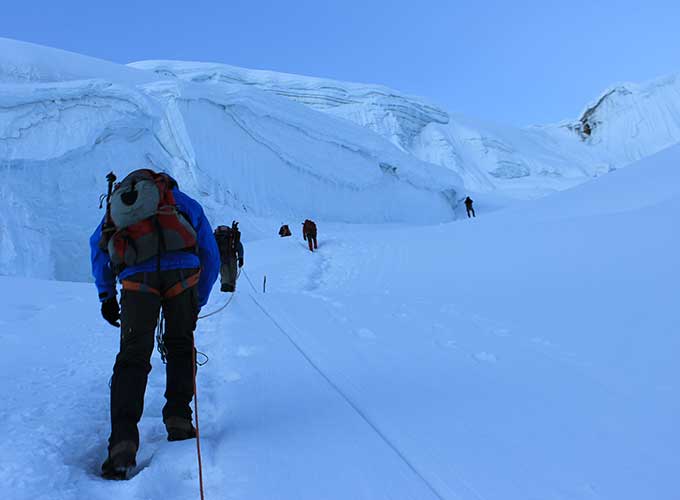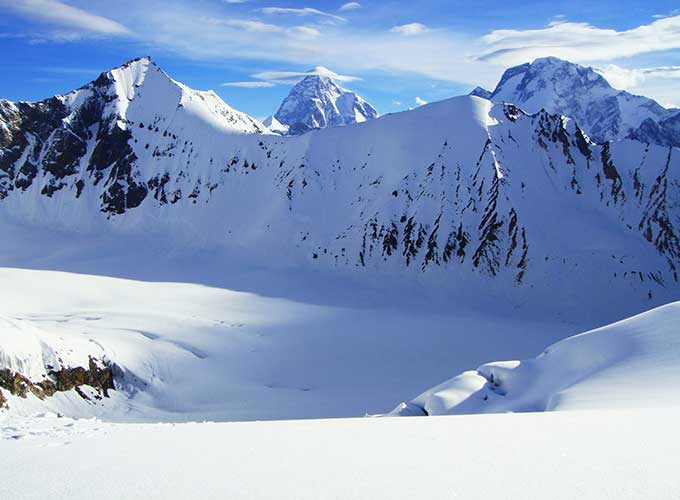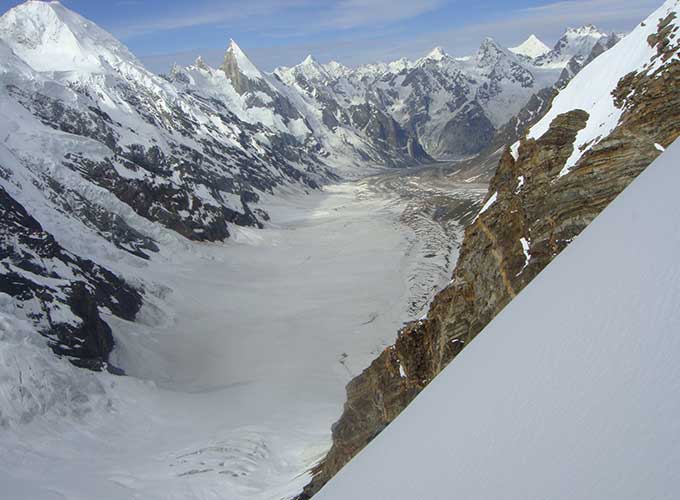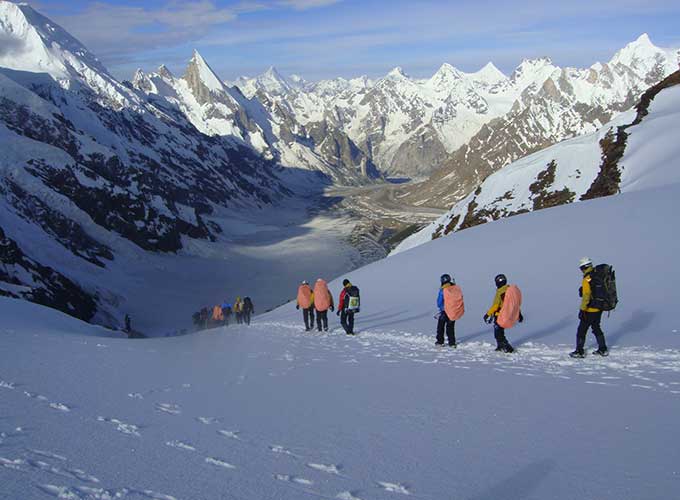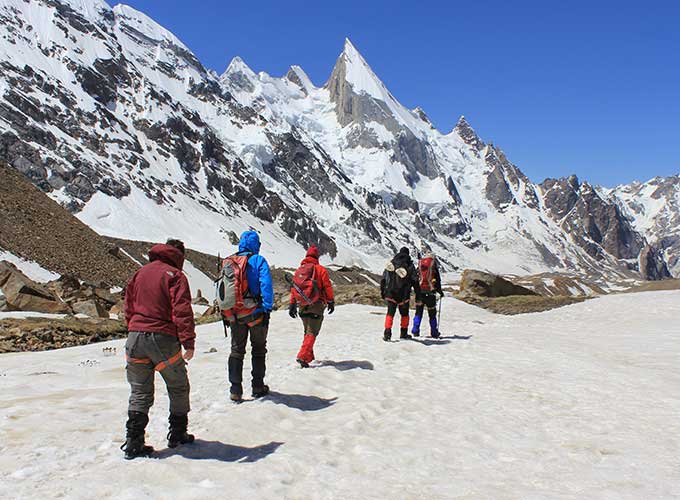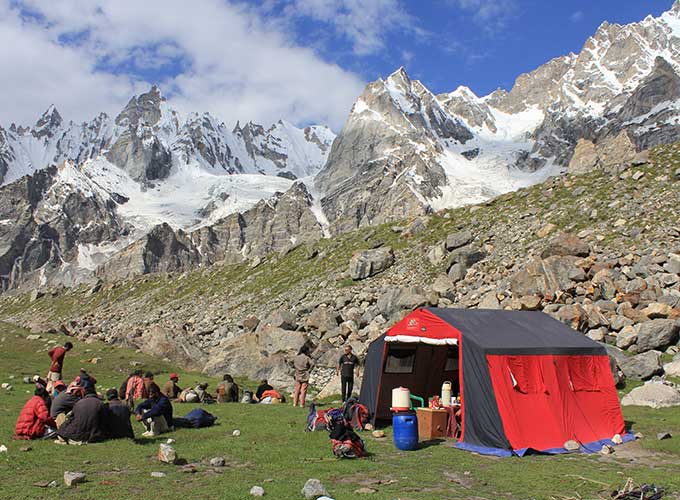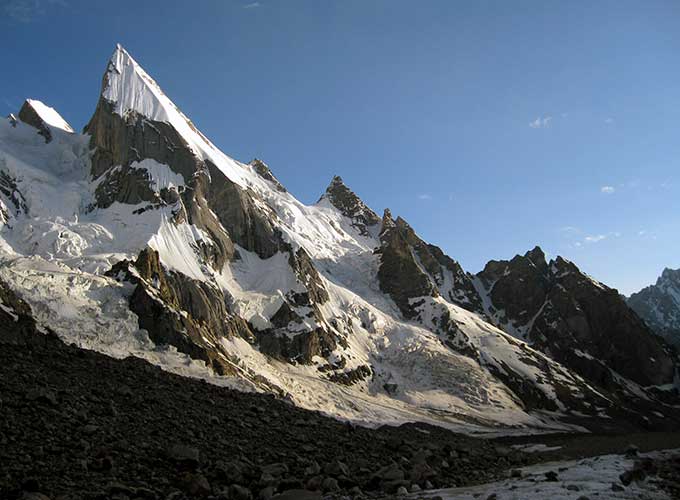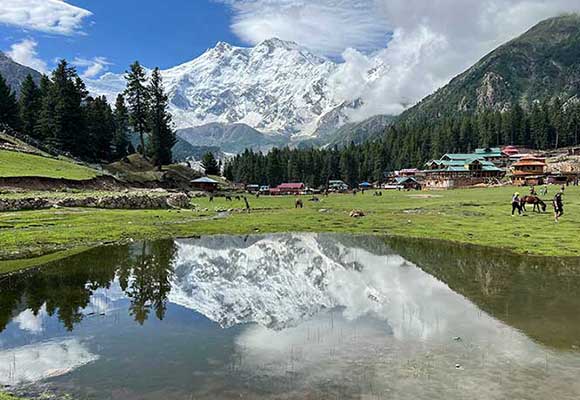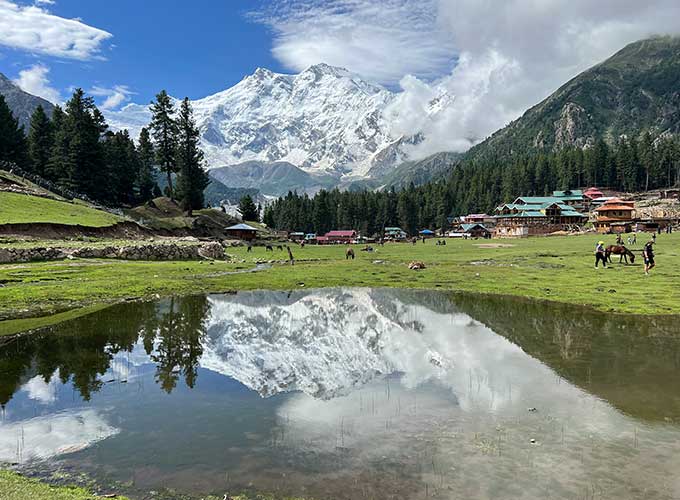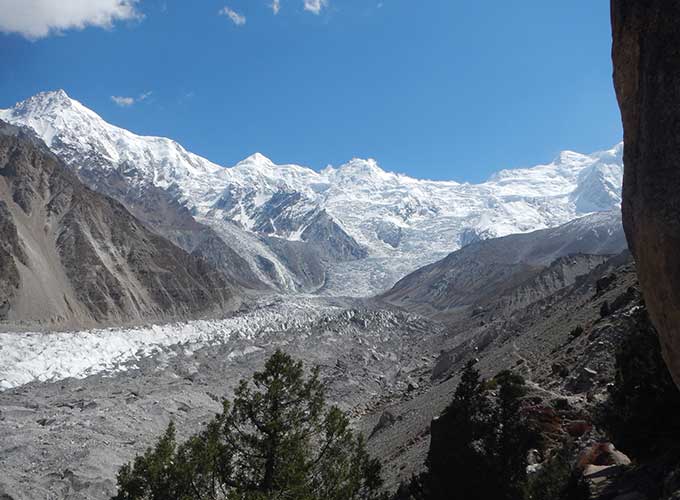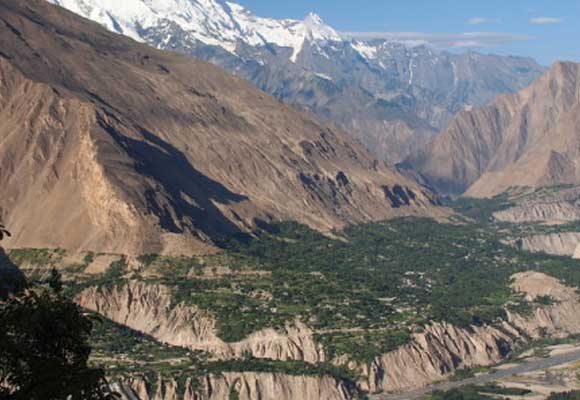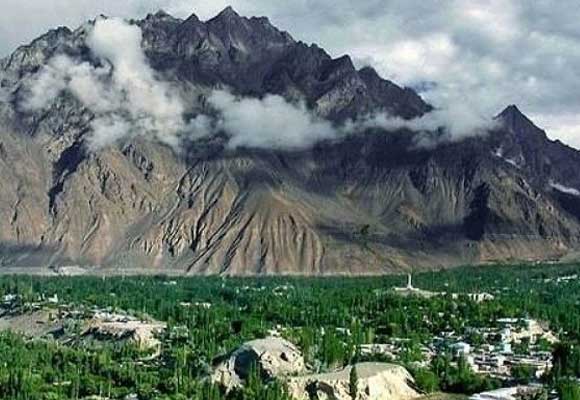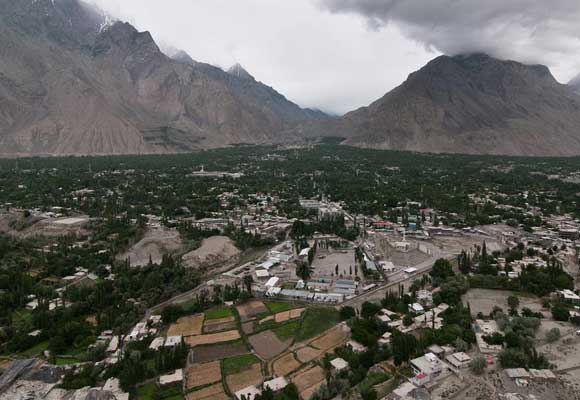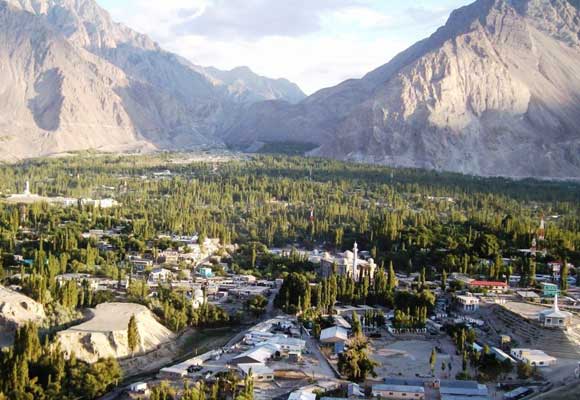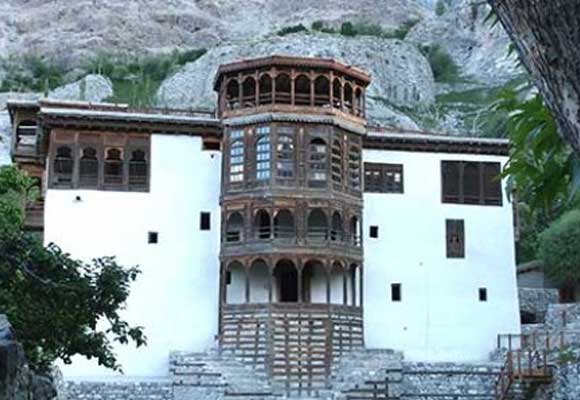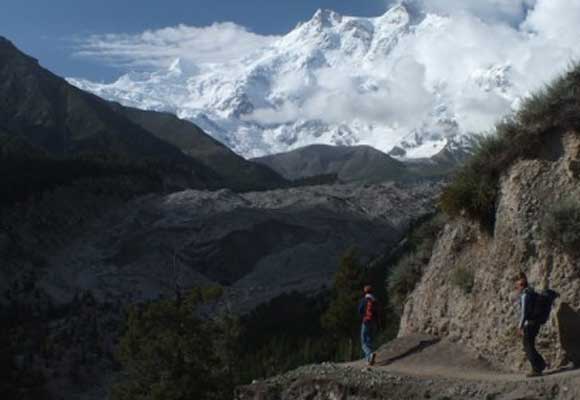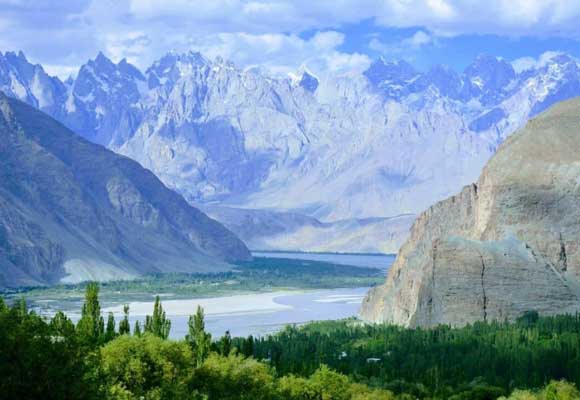
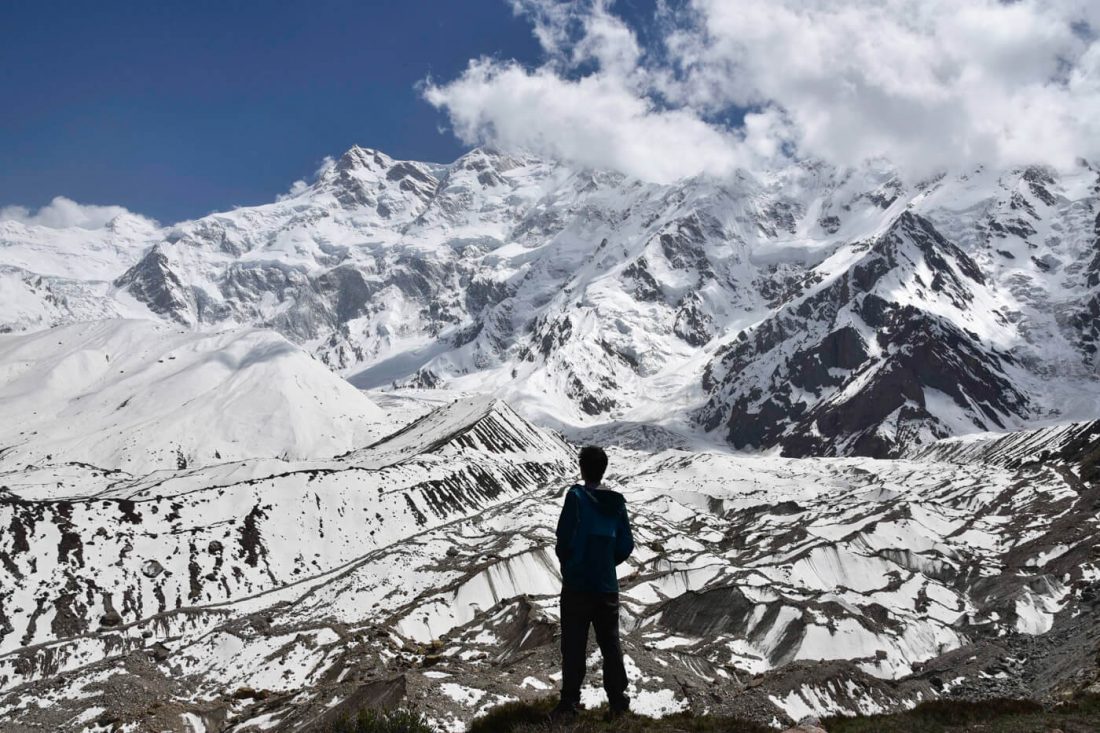
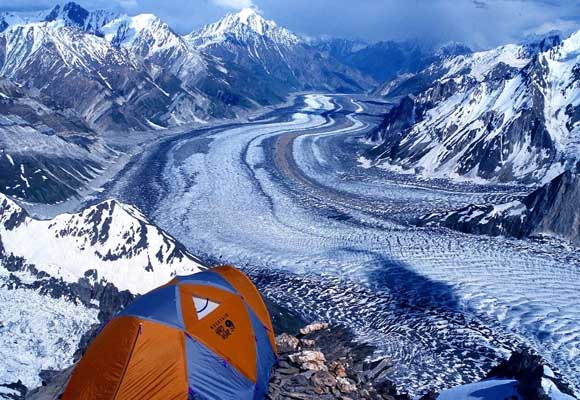
Embark on the ultimate high-altitude challenge with the Nanga Parbat Expedition with Adventure Pakistan, a legendary journey to the “Killer Mountain” of the Himalayas. This extreme adventure takes you through breathtaking glaciers, steep rock faces, and the dramatic Rupal and Diamer sides of Nanga Parbat. The Nanga Parbat Expedition is designed for experienced climbers and serious mountaineers seeking a world-class Himalayan challenge. Adventure Pakistan ensures expert guides, safety protocols, and full logistical support for a successful ascent. Book your Nanga Parbat Expedition with Adventure Pakistan in 2026 and experience one of the world’s most iconic and demanding mountain adventures.
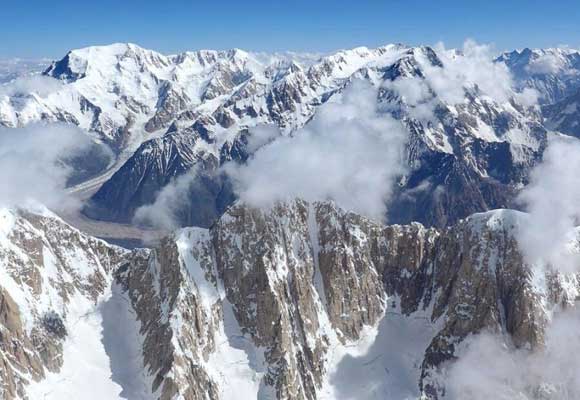
The Nanga Parbat Expedition 2026 Ultimate Climbing Guide to Killer Mountain is one of the most demanding, dangerous, and legendary mountaineering challenges in the world. Known as the “Killer Mountain,” Nanga Parbat (8,126m) is the ninth-highest peak on Earth and the western anchor of the Himalayas in Pakistan.
As an Adventure Pakistan market analyst tracking GCC and European high-altitude expedition trends, 2026 is expected to show increased interest in Nanga Parbat due to improved logistics, safer guided expeditions, and rising global mountaineering demand in Pakistan.
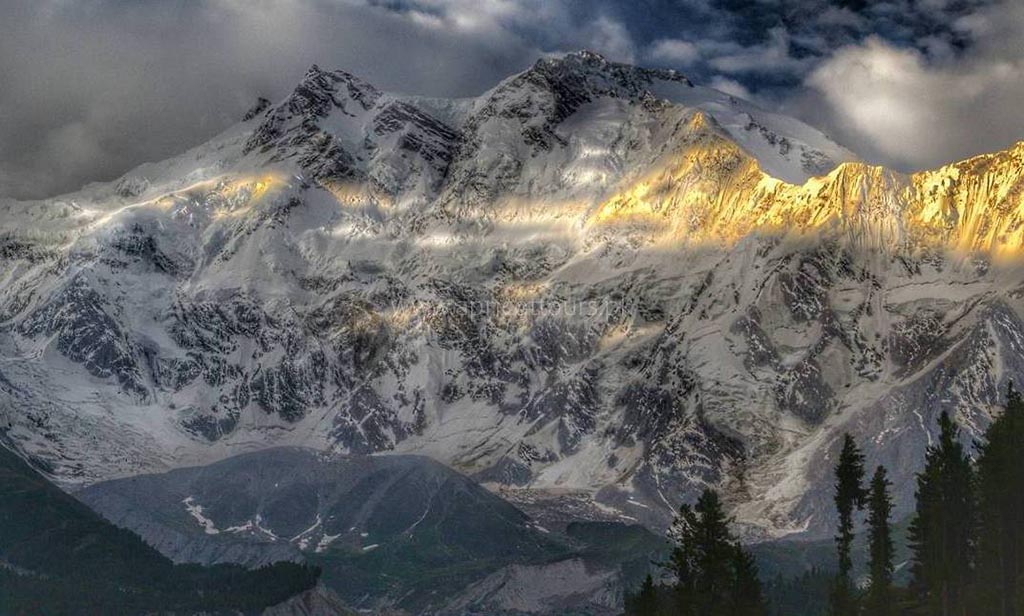
Overview of Nanga Parbat Expedition
The Nanga Parbat is famous for its extreme terrain, unpredictable weather, and high fatality history in early expeditions. It features three major climbing faces:
- Rupal Face (world’s tallest mountain face)
- Diamer Face (classic route)
- Rakhiot Face (historical route)
The expedition is strictly for experienced climbers with technical mountaineering skills.
Expedition Routes & Approach
1. Diamer Face Route (Most Popular)
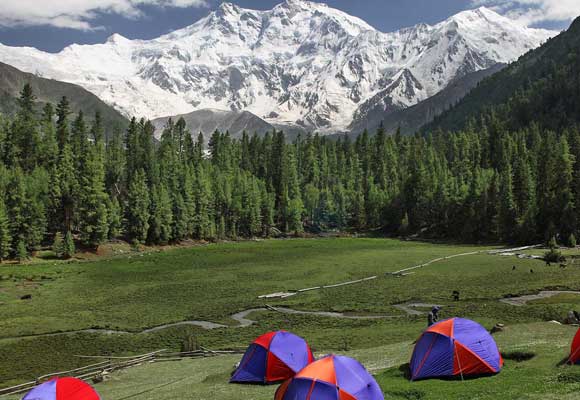
- Base: Fairy Meadows side
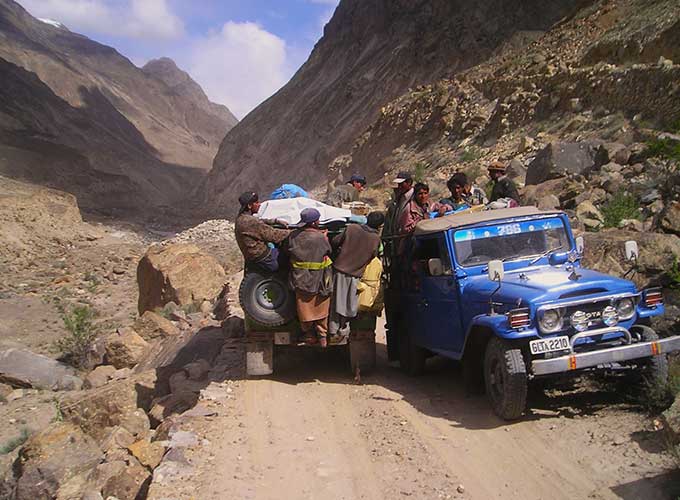
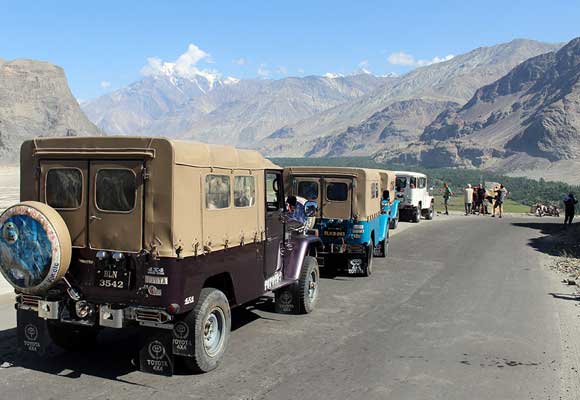
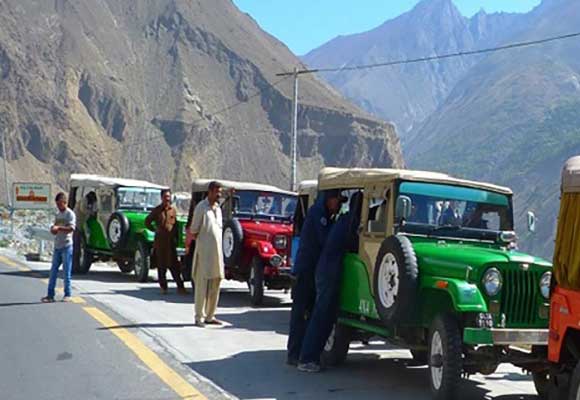
- Approach: Jeep track + trek
- Technical difficulty: Moderate to high
2. Rupal Face Route (Most Difficult)
- Known as world’s highest mountain wall
- Requires elite alpine climbing skills
3. Rakhiot Face Route (Historical Route)
- First explored by early German expeditions
- Less commonly used today
Expedition Itinerary (2026 Standard)
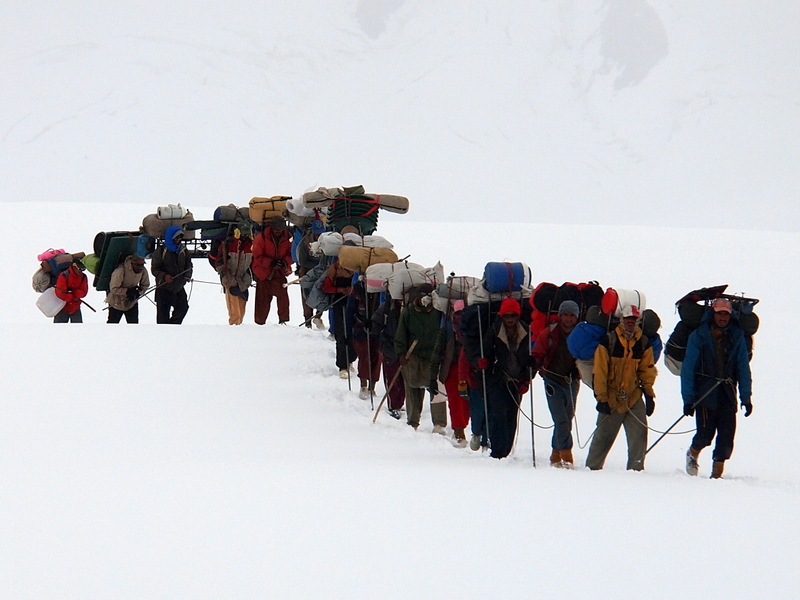
Typical 25–40 day expedition includes:
- Islamabad arrival & briefing
- Drive to Chilas
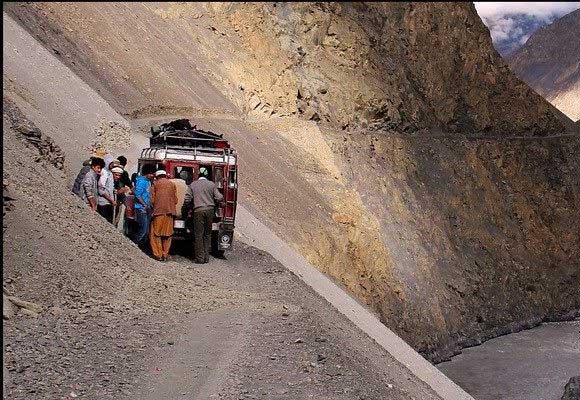
- Jeep to Fairy Meadows
- Trek to Nanga Parbat Base Camp
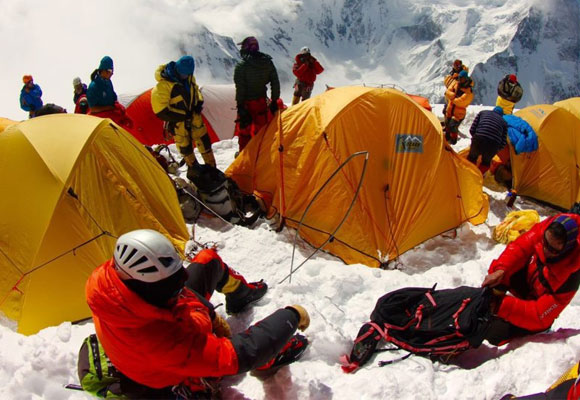
- Establish advanced camps (C1–C4)
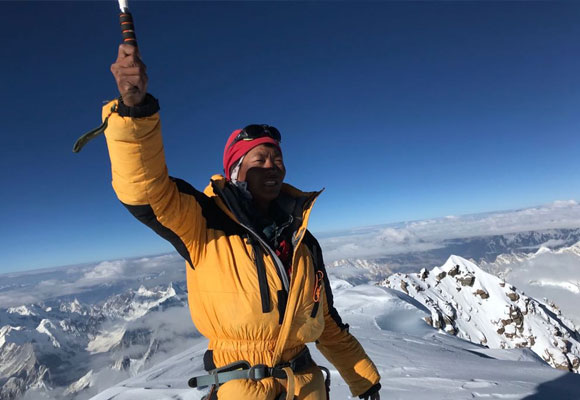
- Summit attempts
- Return descent
Weather windows are extremely narrow, often limiting summit attempts.
Difficulty Level & Risk Factor
Nanga Parbat is classified as extreme expedition level:
- Altitude: 8,126m
- Weather: highly unpredictable
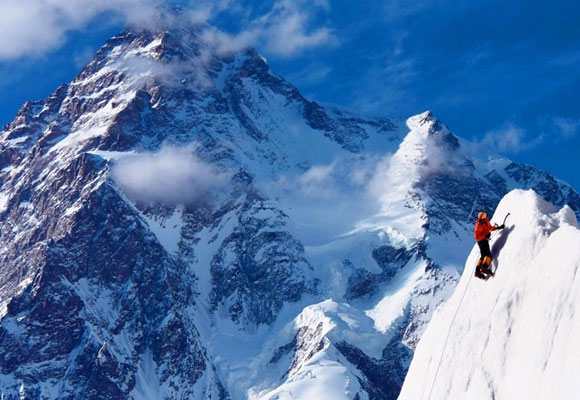
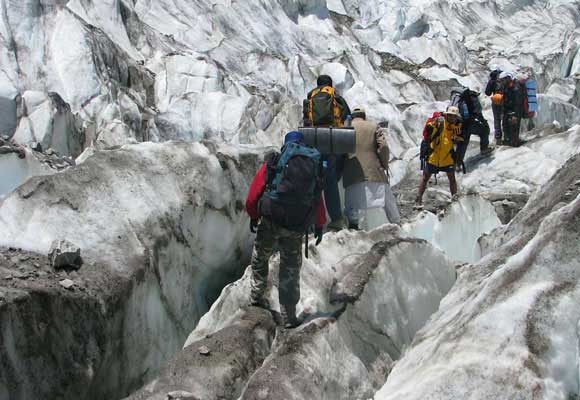
- Terrain: ice walls, rock bands, avalanche zones
- Technical requirement: advanced alpine climbing
Historically, it has one of the highest fatality rates among 8000m peaks.
Cost of Nanga Parbat Expedition (2026 Estimate)
As per Pakistan high-altitude expedition market analysis:
- Budget expeditions: $8,000 – $12,000
- Standard guided climbs: $12,000 – $18,000
- Premium guided support: $18,000 – $25,000+
Cost depends on logistics, oxygen support, Sherpa-equivalent porters, and weather window duration.
Best Season for Climbing
- June to August (primary climbing season)
- Mid-July: highest summit success rate
- Early September: weather instability increases
Winter expeditions are almost impossible due to extreme conditions.
Training & Preparation Requirements
Before attempting Nanga Parbat:
- High-altitude experience (6000m+)
- Ice climbing training
- Rope and crevasse rescue skills
- Physical endurance conditioning
Most climbers first attempt peaks like Broad Peak or Gasherbrum II.
Essential Gear Checklist
- Mountaineering boots (double insulated)
- Ice axe & crampons
- Down suit (-40°C rated)
- Fixed ropes & harness
- Oxygen system (optional but recommended)
- High-altitude sleeping system
Link to Other Adventure Pakistan Expeditions
Pakistan offers multiple world-class trekking and cultural experiences that complement expedition training.
K2 Base Camp Trek & Gondogoro La Trek
Related peaks:
Snow Lake Trek
One of the longest glacier systems in the world:
Rakaposhi Base Camp & Fairy Meadows Trek
Cultural Tourism in Pakistan
Indus Valley Civilization Tour
Explore ancient heritage sites:
Indus valley civilization tour
Shandoor Polo Festival
Kalash Festival Tour
Cultural heritage of Chitral Valley:
kalash festival tour
FAQs – Nanga Parbat Expedition 2026 (MOST IMPORTANT)
1. Why is Nanga Parbat called Killer Mountain?
Due to its extreme difficulty and historically high fatality rate during early climbs.
2. How long does the expedition take?
Typically 25–40 days depending on weather and acclimatization.
3. What is the success rate?
Around 30–40% depending on conditions and climber experience.
4. Do I need oxygen?
Optional but highly recommended above 7,500m.
5. Is it suitable for beginners?
No, only experienced high-altitude climbers should attempt it.
6. Which is the easiest route?
The Diamer Face via Fairy Meadows is considered the least technical.
Conclusion (MOST IMPORTANT)
The Nanga Parbat Expedition 2026 Ultimate Climbing Guide to Killer Mountain is one of the most challenging mountaineering adventures on Earth. Rising dramatically to 8,126 meters, Nanga Parbat tests not only physical endurance but also mental resilience and technical climbing ability.
Compared to trekking routes like K2 Base Camp Trek, Snow Lake Trek, or Fairy Meadows Trek, Nanga Parbat is a full-scale high-risk alpine expedition requiring elite preparation and experience.
Pakistan continues to grow as a global hub for adventure tourism, offering everything from cultural tours like Shandoor Polo Festival and Kalash Festival to extreme expeditions in the Karakoram and Himalayas.
For 2026, Nanga Parbat remains the ultimate dream for professional mountaineers seeking one of the last true climbing challenges on Earth.
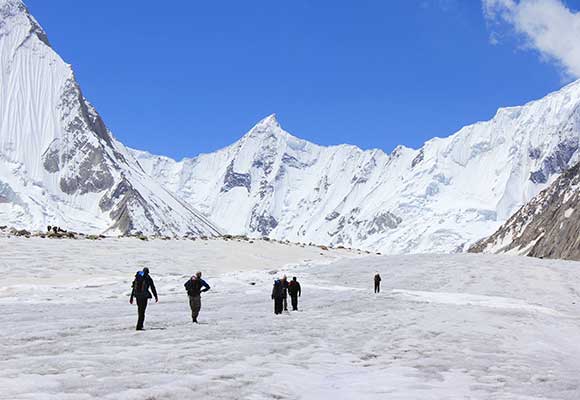
K2 Base Camp and Gondogoro La Trek
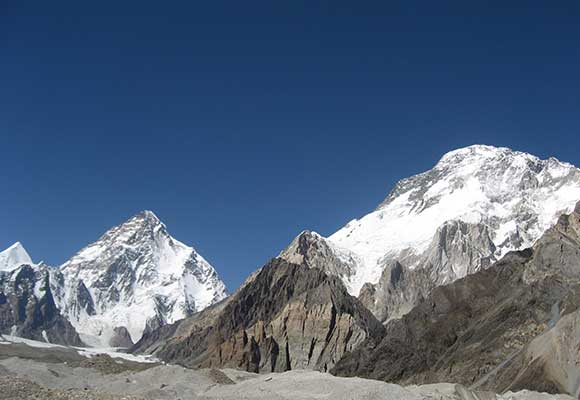
K2 Base Camp Trek
K2 Base Camp Trek Concordia
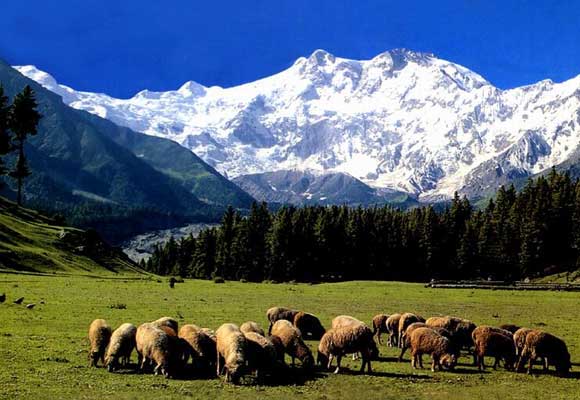
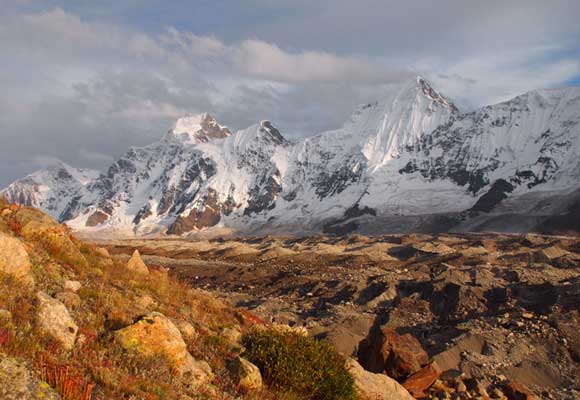
Mashabrum & Gondogoro BC Trek
K6/K7 BC Trek
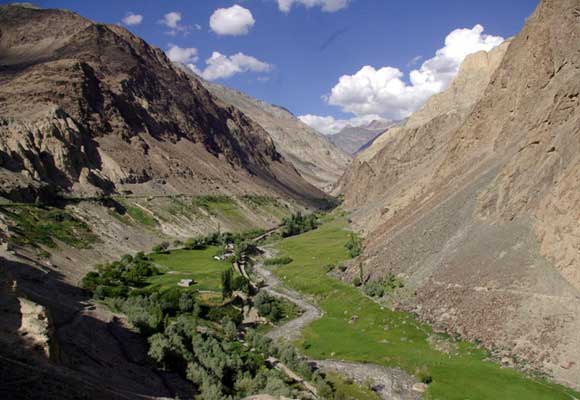
Thalle La Trek Pakistan
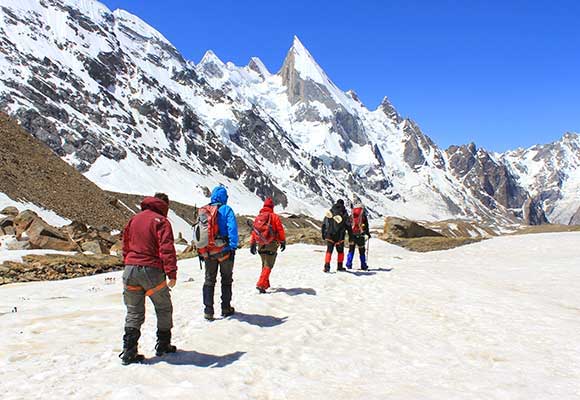
Spantik Base Camp & Haramosh La Trek
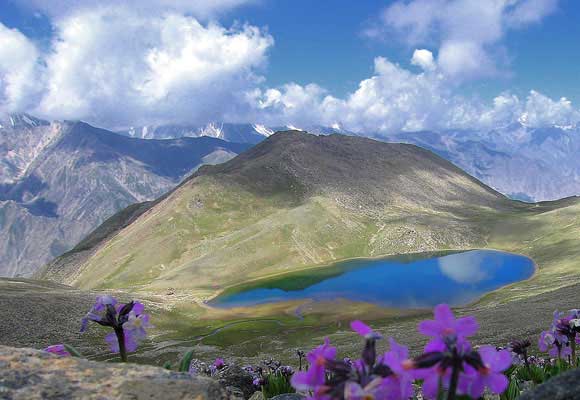
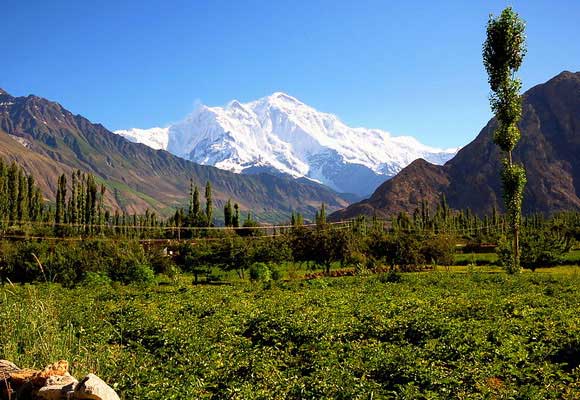
Rakaposhi Base Camp Trek
Batura Glacier Trek
Patundas Trek
Shimshal Valley Trek
Tirich Mir Base Camp Trek
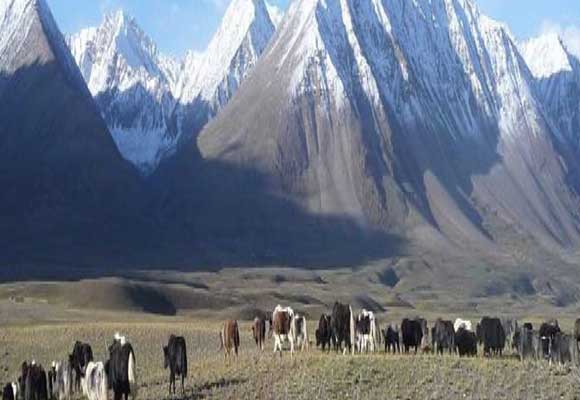
Wakhan Corridor Trek
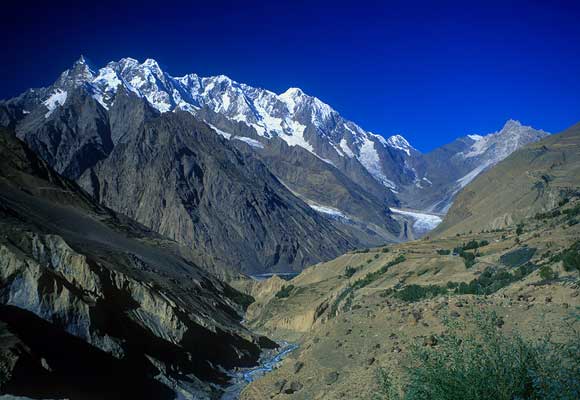
Naltar Ishkoman Pass Trek
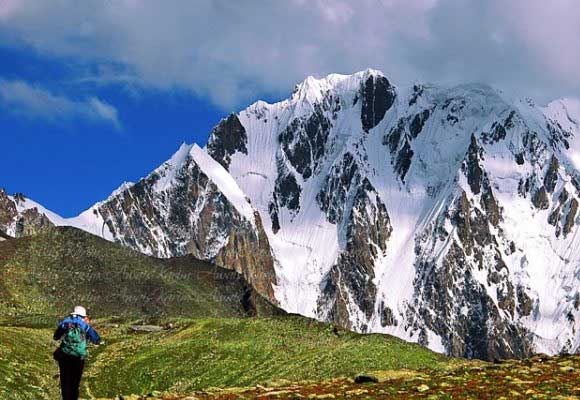
Darkot and Broghil Passes Trek
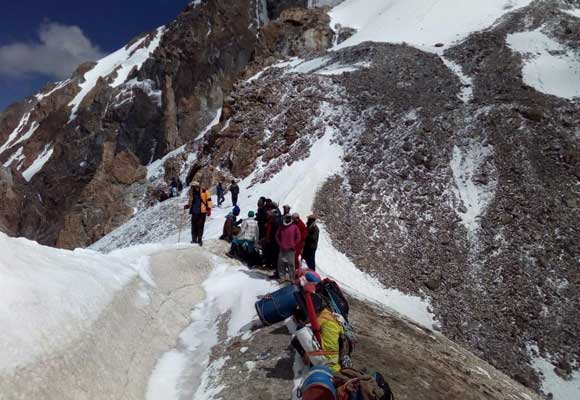
Around Nanga Parbat Mazeno Pass Trek
5X8000m Base Camp Trek
Great Karakorum Traverse Trek
K2 Expedition (8611m)
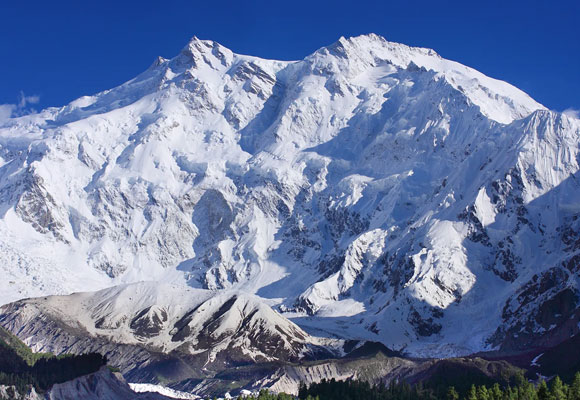
Nanga Parbat Expedition (8126m)
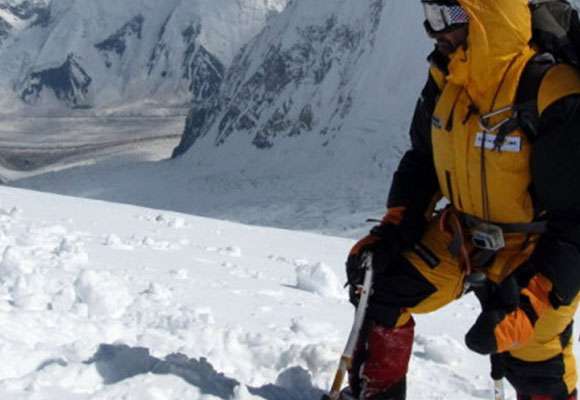
Broad Peak Expedition (8047m)
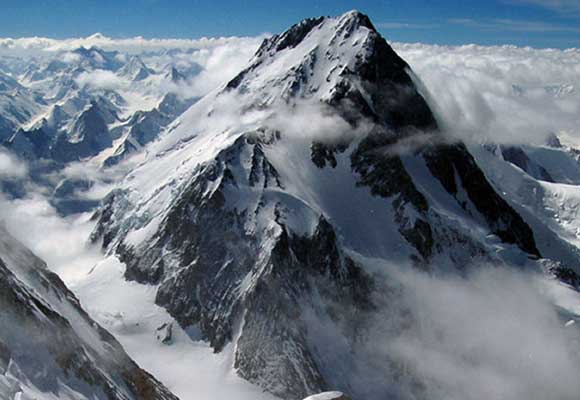
Gasherbrum 1 Expedition (8068m)
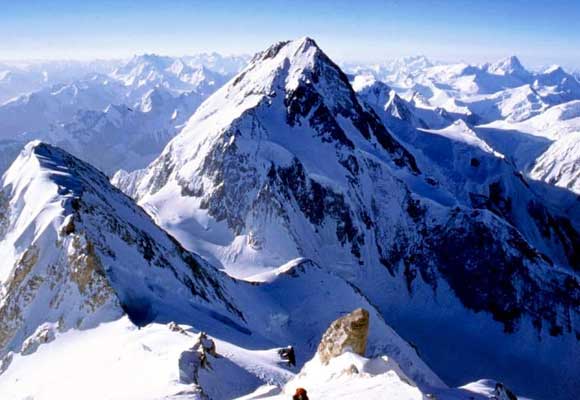
Gasherbrum II Expedition (8035m)
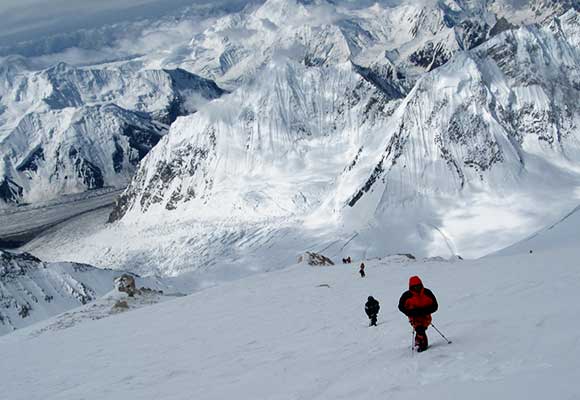
Gasherbrum III Expedition (7952m)
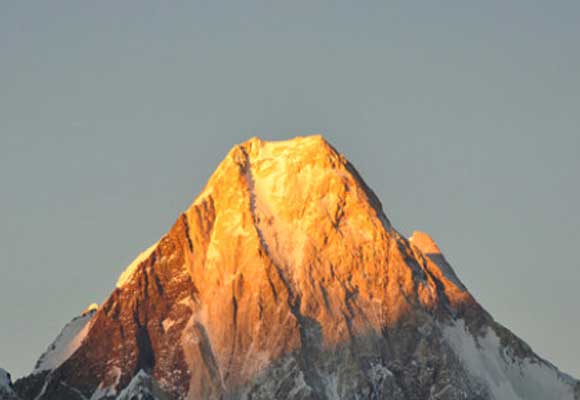
Gasherbrum IV Expedition (7925m)
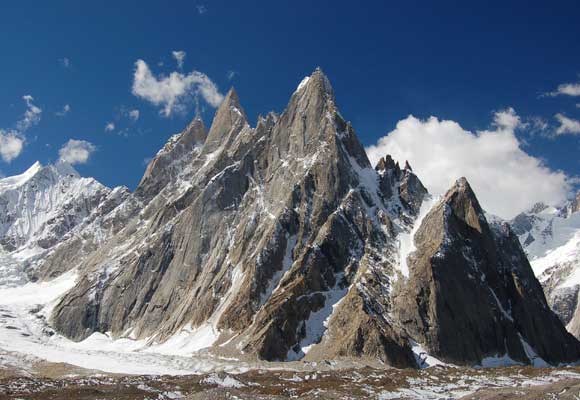
Masherbrum Expedition (7821m)
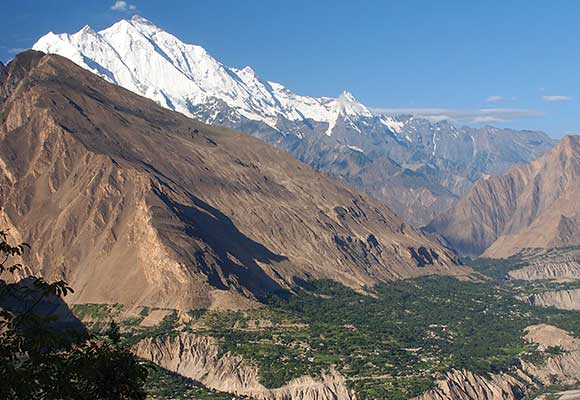
Rakaposhi Expedition (7788m)
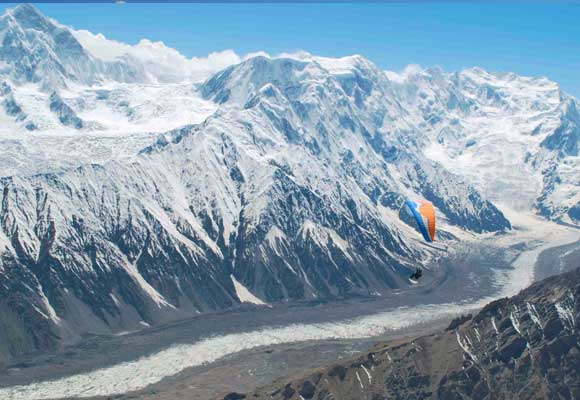
Batura Sar Expedition (7785 m)
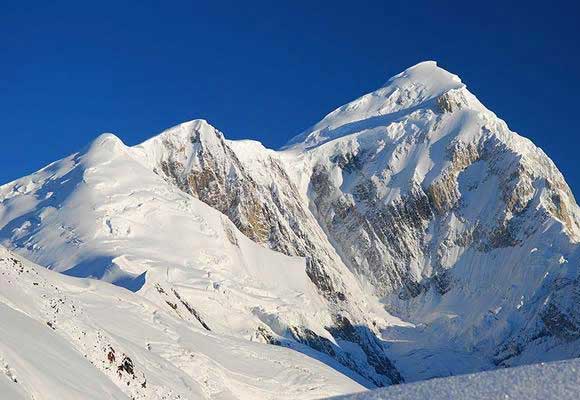
Tirich Mir Expedition (7708m)
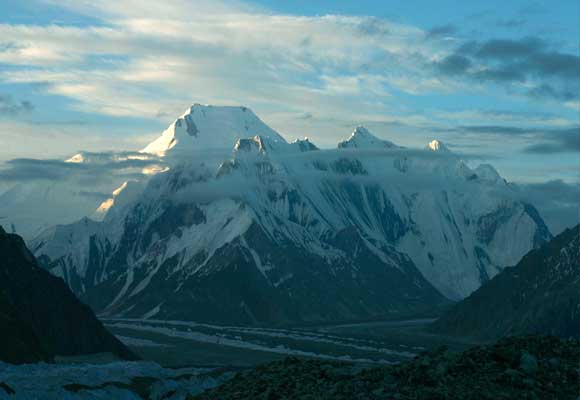
Chogolisa Expedition (7665 m)
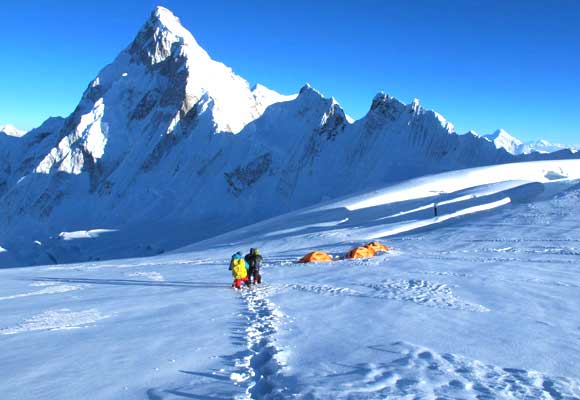
Passu Peak Expedition (7478m)
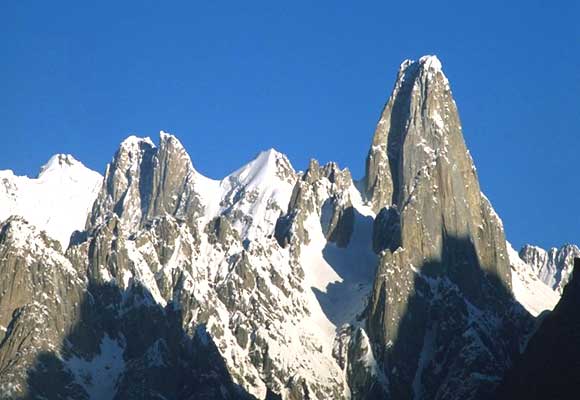
Muztagh Tower Expedition (7273m)
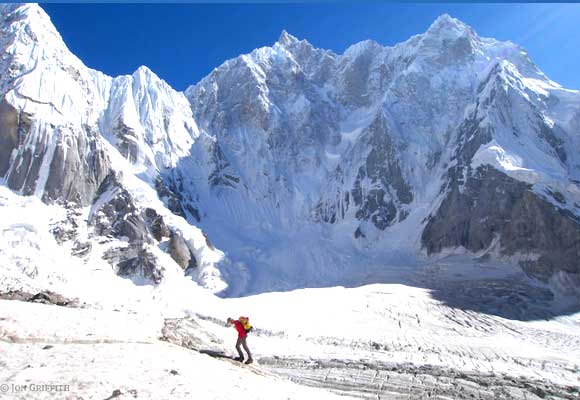
K6 Peak Expedition (6935m)
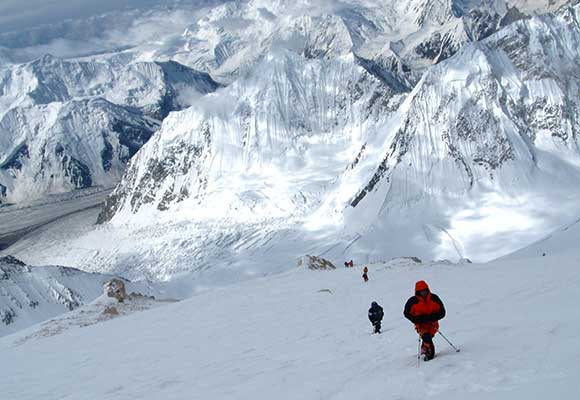
Diran Peak Expedition (7272m)
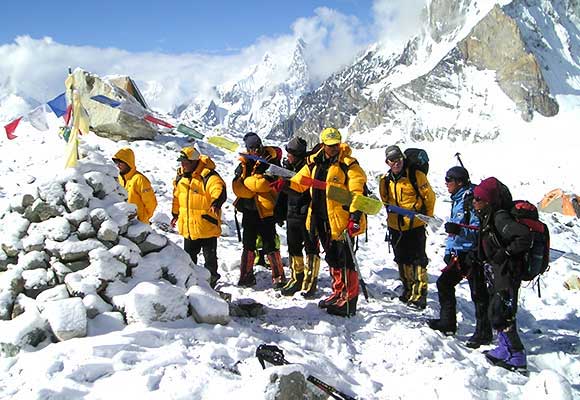
Latok 1 Expedition (7145 m)
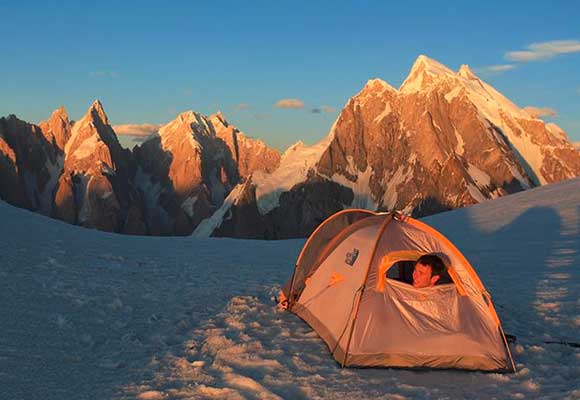
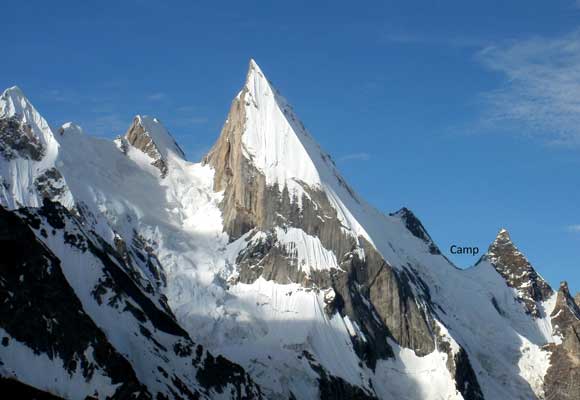
Laila Peak Expedition (6095m)
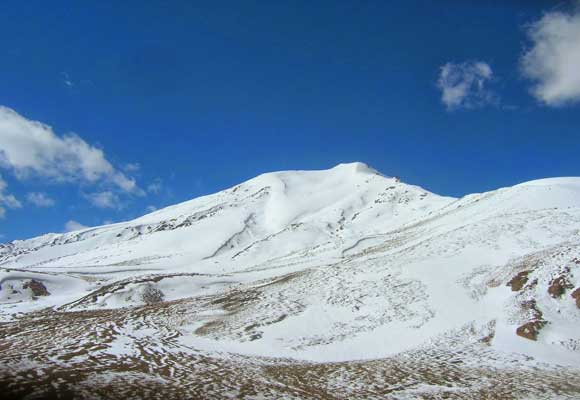
Minglik Sar Peak Expedition (6050m)
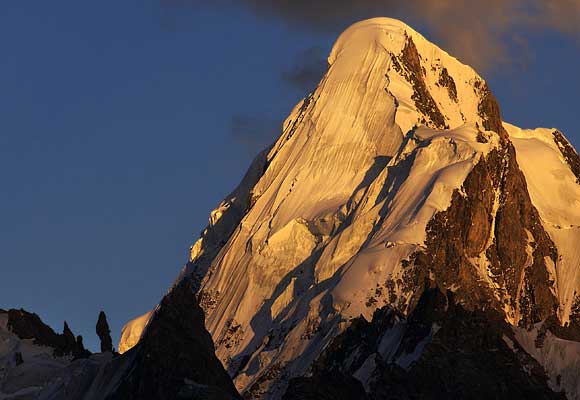
Rush Peak Expedition (5,098m)