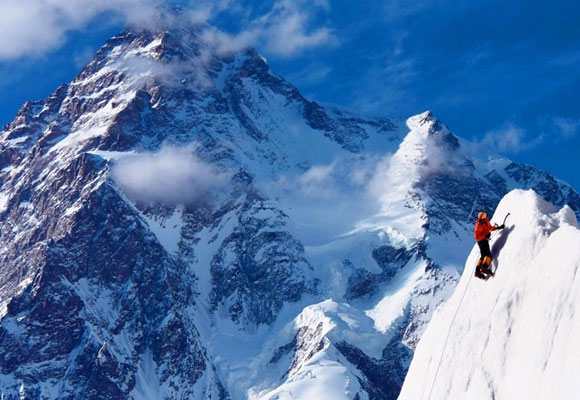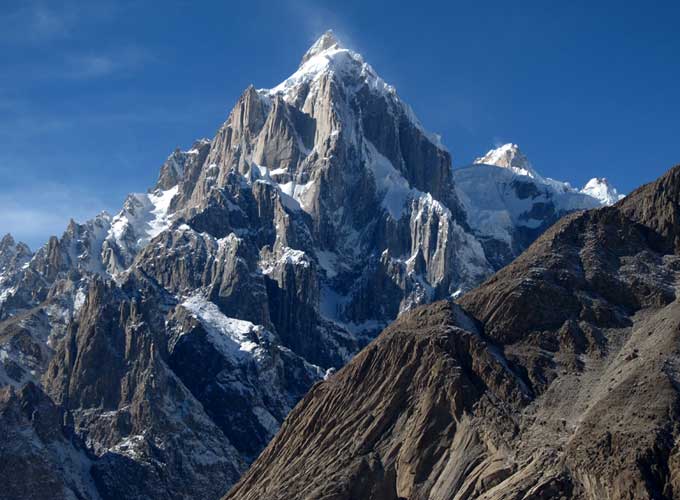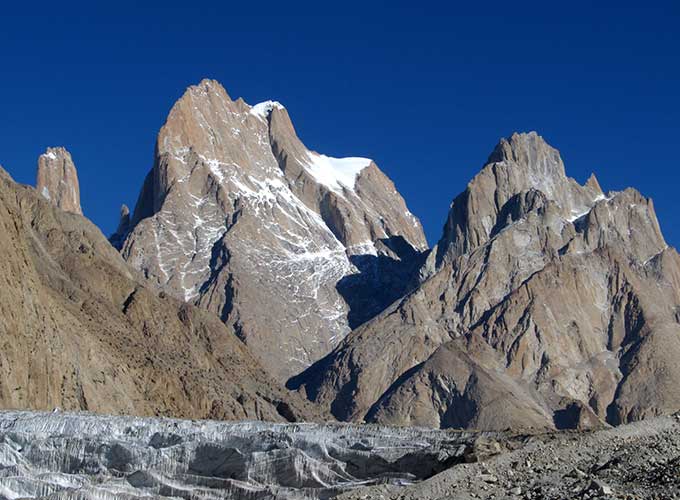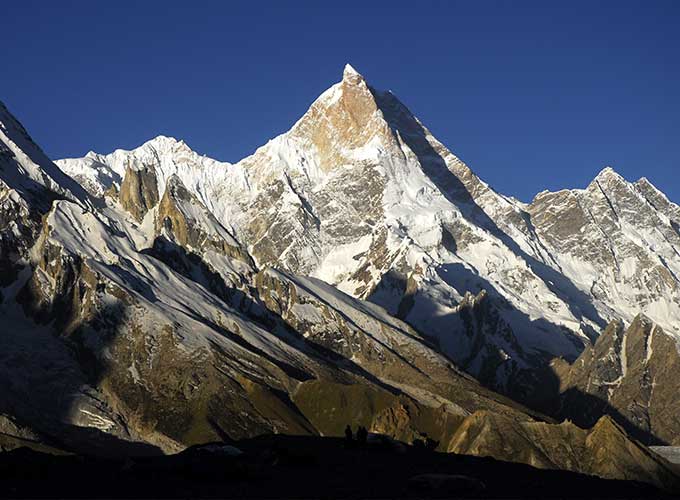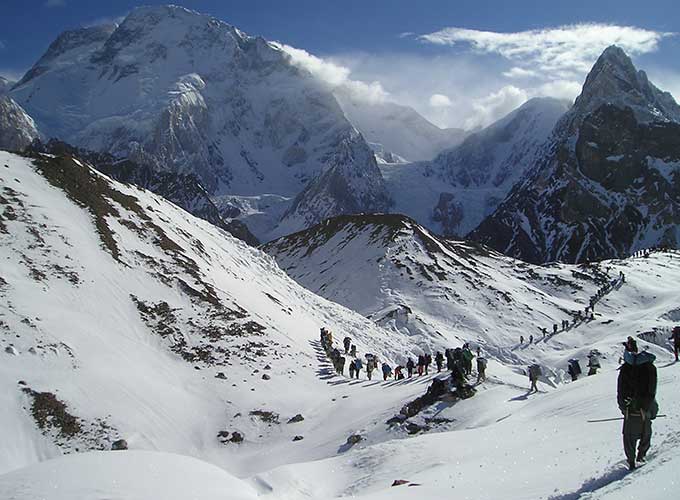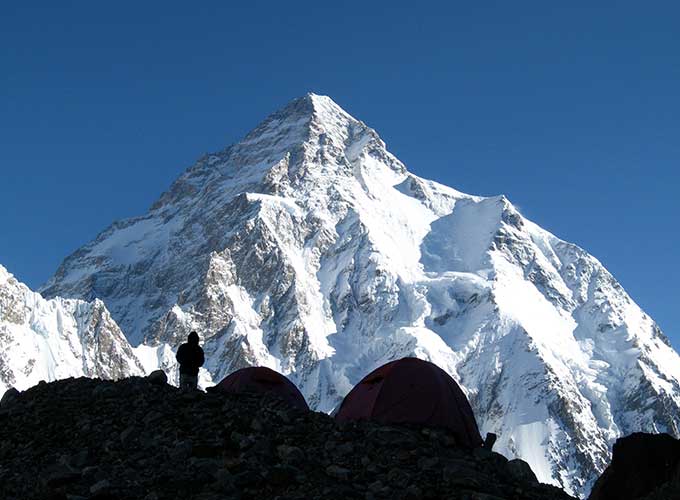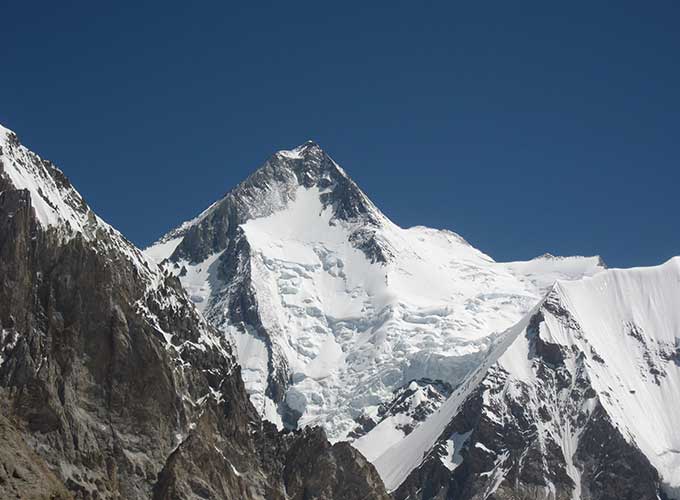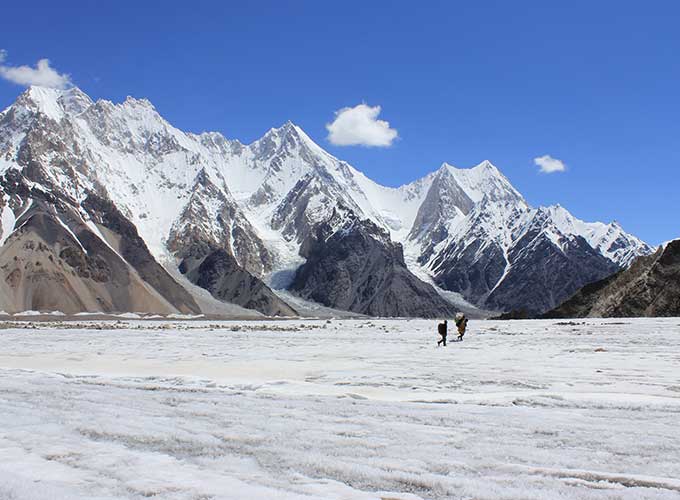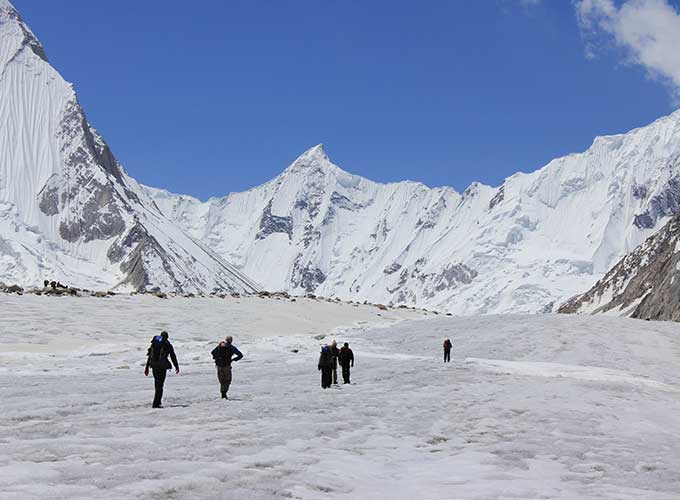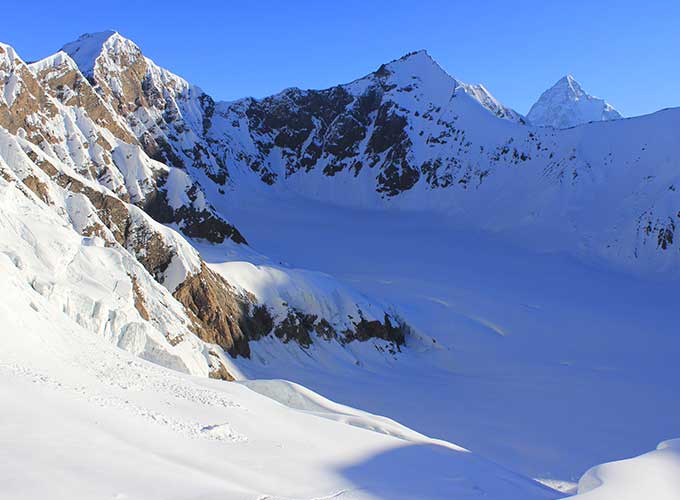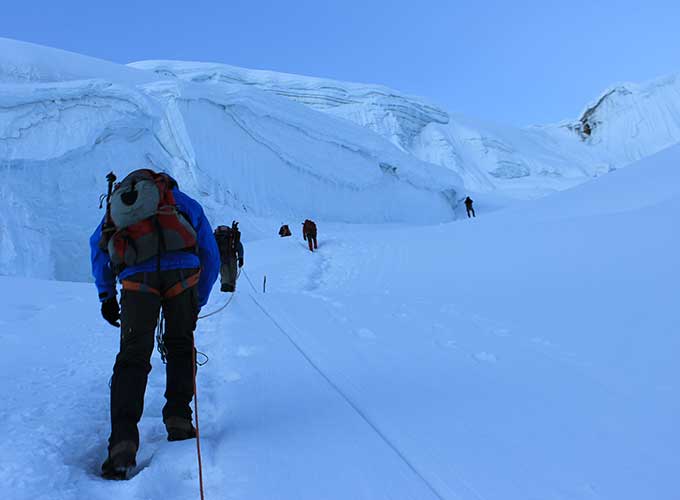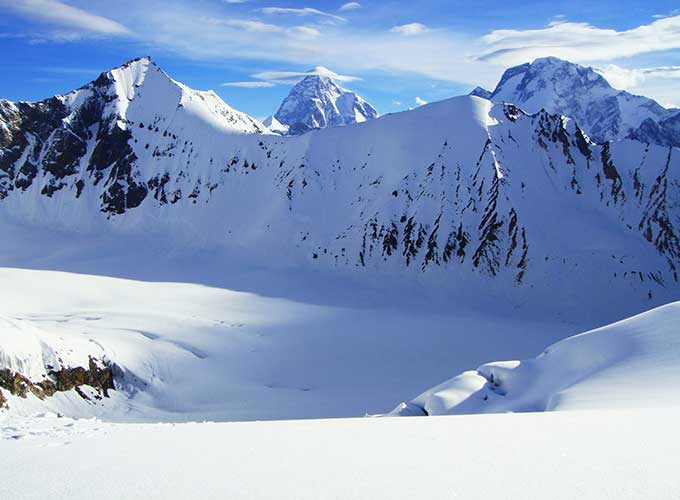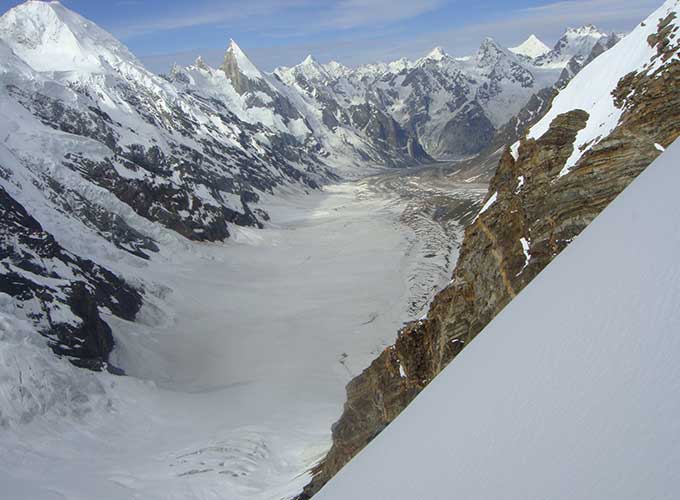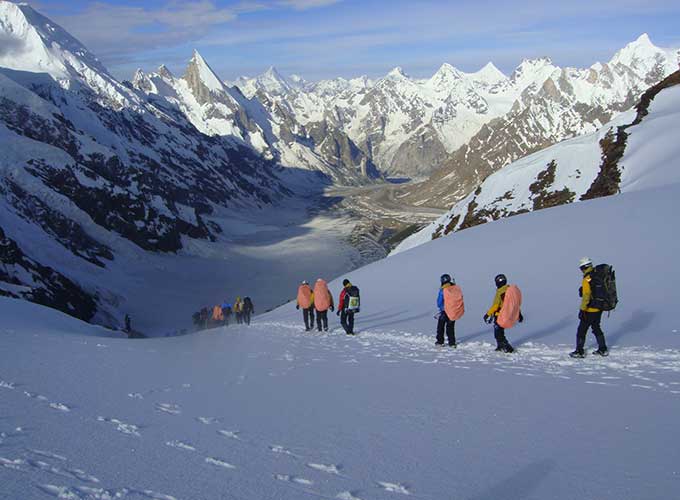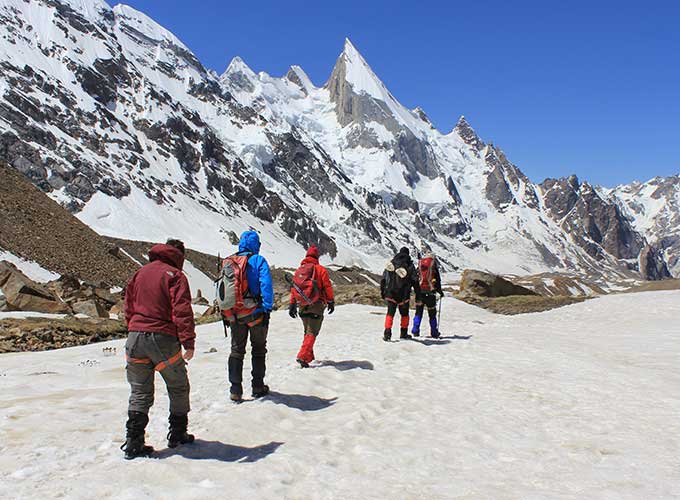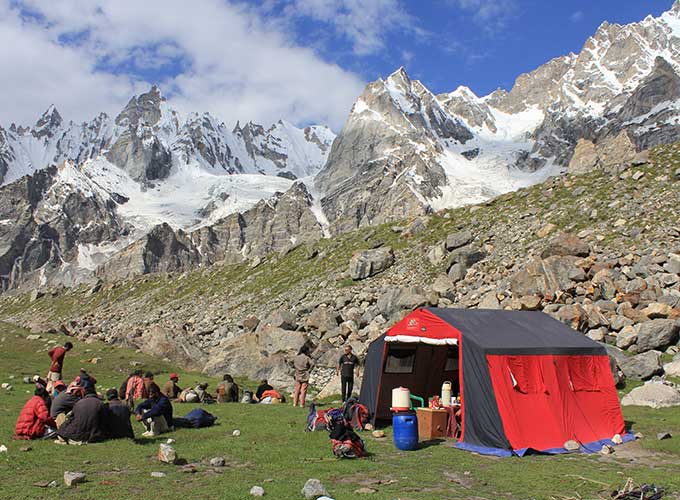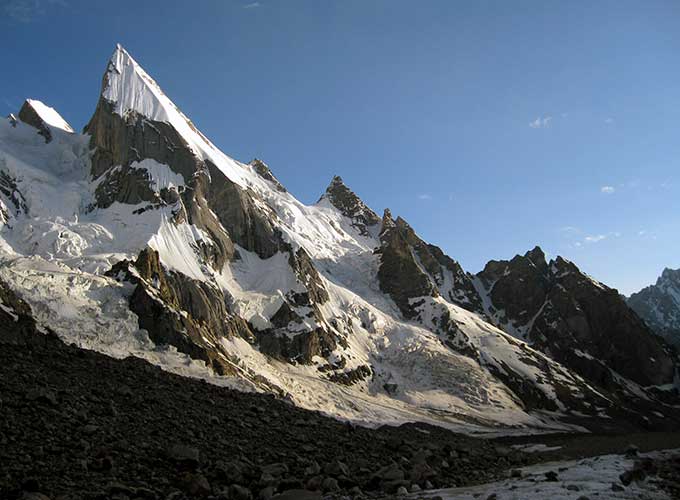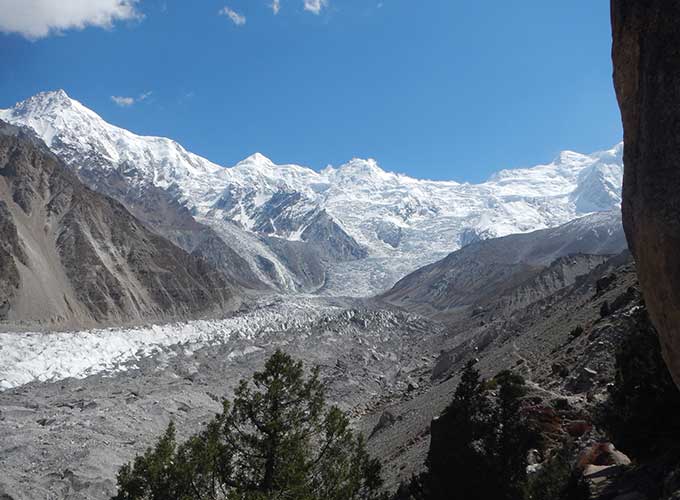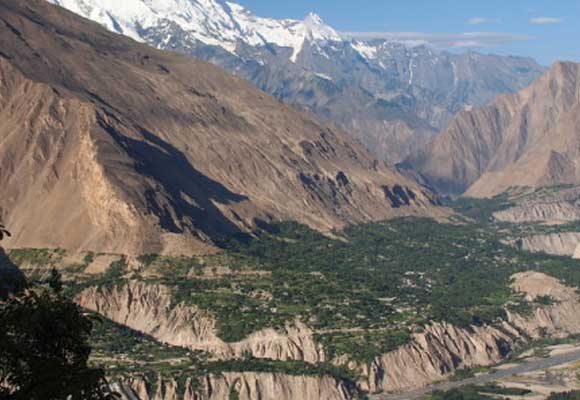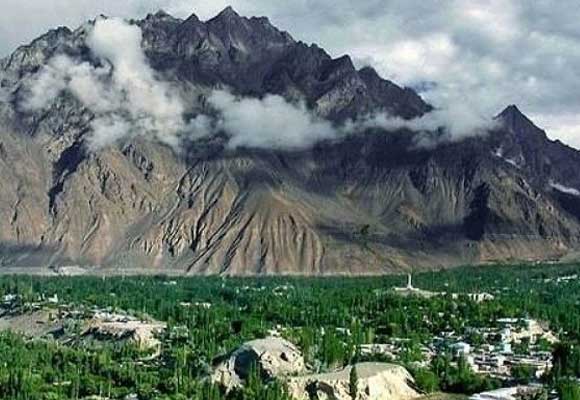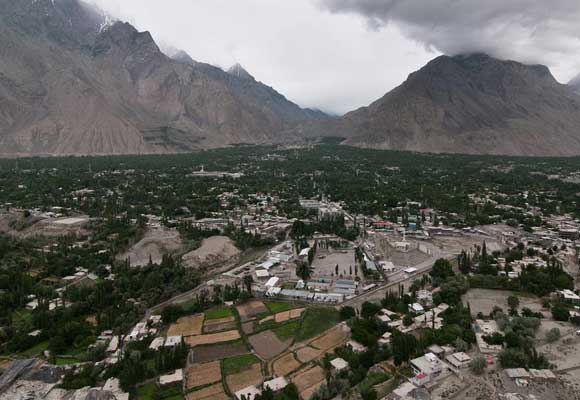

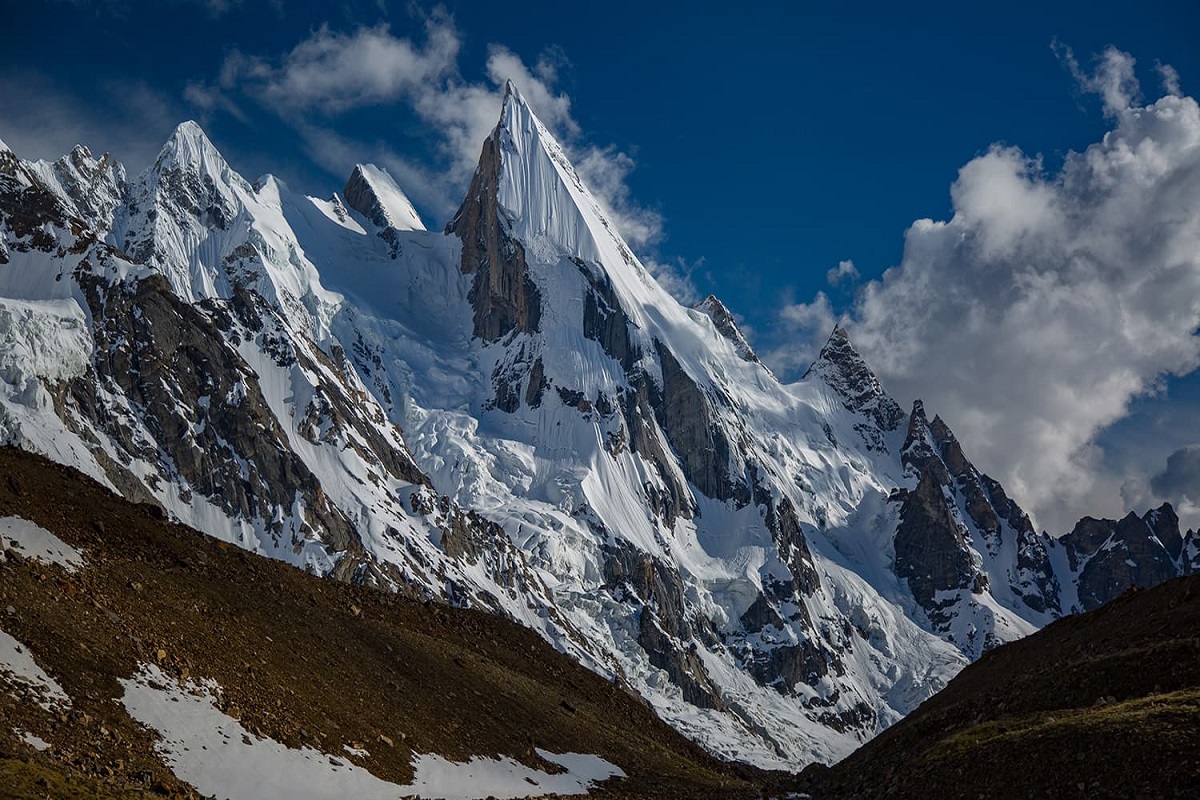
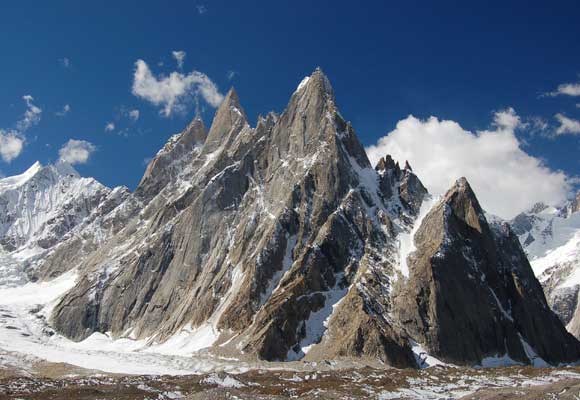
The Laila Peak Expedition Conquering the World’s Most Beautiful Geometric Spire stands as the definitive alpine challenge for technical climbers seeking absolute perfection in high-altitude rock and ice design. Piercing the heavens above the Hushe Valley at a razor-sharp 6,096 m (20,001 ft), Laila Peak is widely recognized by international mountaineers as the most breathtakingly beautiful, needle-shaped mountain profile on Earth. Its distinct northwest face sweeps upward in a near-perfect 45∘ to 50∘ icy geometric ramp, creating an elegant spearhead of granite and blue ice that demands a flawless mastery of front-pointing crampon technique, multi-pitch rope management, and absolute psychological composure.
As an Adventure Pakistan market analyst tracking luxury adventure tourism investments, high-altitude logistics supply lines, and seasonal permit distributions across Gilgit-Baltistan and Khyber Pakhtunkhwa, I have observed a structural transformation in the global mountaineering market. While monumental multi-week wilderness footpaths such as the world-renowned K2 Base Camp Trek or the challenging K2 and Gondogoro La Trek Pakistan 2026 consistently command the highest commercial booking volumes, elite alpinists are moving away from traditional trekking lines. Standalone, remote glacial expeditions like the vast Snow Lake trek attract wilderness purists, yet Laila Peak remains in an entirely separate tier. It offers extreme vertical exposure and complex mixed climbing, completely separated from the high-traffic commercial lines of the central Karakoram.
Whether your primary ambition is to ascend this legendary geometric arrowhead, explore lower alpine valley trails like the Rakaposhi base camp Hunza valley trek, or time your visit to explore unique local traditions on a kalash festival tour, navigating the strict logistical, economic, and technical frameworks of this project is critical. This comprehensive operational blueprint details the exact technical topography, certified cost structures, a 24-day master itinerary, and alternative adventure portfolios required to execute this pinnacle high-altitude triumph.
Laila Peak Expedition from Adventure Pakistan: Ultimate Overview
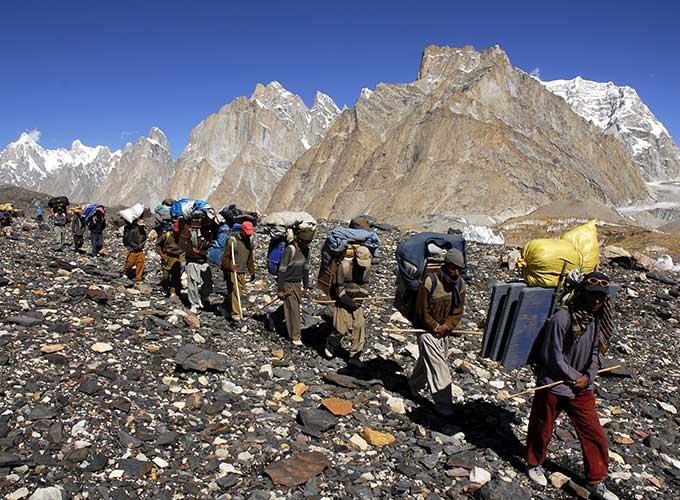
The Laila Peak Expedition from Adventure Pakistan offers elite mountaineers a premier opportunity to conquer Karakoram’s most visually striking 6,000-meter objective. Rising in Gilgit-Baltistan’s majestic Hushe Valley, this iconic, needle-shaped granite spire features a sweeping $45^\circ$ northwest face that presents a masterclass challenge in technical ice and mixed alpine climbing. Adventure Pakistan’s all-inclusive logistical blueprint features precision high-altitude guiding, dedicated High-Altitude Porter (HAP) networks, custom camp management, and meticulous regulatory permit clearances, delivering an unmatched combination of rugged wilderness isolation, rich Balti cultural immersion, and flawless operational safety.
Laila Peak Expedition Cost Analysis & Logistics Framework
From an infrastructure perspective, planning an expedition into the Hushe Valley requires careful allocation of resources for technical mountain safety gear and remote porter management. Because climbing Laila Peak involves technical ice multi-pitching rather than simple high-altitude walking, your gear list must include thousands of meters of static ropes, high-tensile snow stakes, and dynamic team rescue systems.
To put these investments in perspective against the wider adventure travel market, a look across different types of trips is helpful. For instance, a shorter, scenic walking itinerary like a Fairy Meadows Trek Tour managed by a registered Fairy Meadows Trek Tour Company has low administrative overhead. The overall Fairy Meadows Trek Cost or a direct Fairy Meadows Trek Price is highly economical, making a standard Fairy Meadows Trek Package a great choice for leisure hikers looking for a quick mountain getaway.
In contrast, launching a technical alpine project in the Karakoram demands significant capital for professional mountain safety staff, government peak royalties, and multi-layered porter logistics. The core cost variables are detailed below:
Start |
End |
Status |
Price |
Deposit |
Registration |
|---|---|---|---|---|---|
18 Jun |
27 Jul |
Guaranteed |
US$2,500 |
US$500 |
|
25 Jun |
03 Aug |
Guaranteed |
US$2,500 |
US$500 |
|
02 Jul |
10 Aug |
Guaranteed |
US$2,500 |
US$500 |
|
10 Jul |
18 Aug |
Guaranteed |
US$2,500 |
US$500 |
|
18 Jul |
26 Aug |
Guaranteed |
US$2,500 |
US$500 |
|
25 Jul |
02 Sep |
Guaranteed |
US$2,500 |
US$500 |
Analyst Financial Overview: While secure booking of a standard K2 Base Camp Tour through an accredited K2 Base Camp Tour Company yields a highly predictable K2 Base Camp Tour Cost, K2 Base Camp Price, or full K2 Base Camp Tour Package of roughly, a technical Laila Peak project typically ranges. This premium stems directly from the specialized high-angle guiding required, intensive technical gear allocations, and low team density on this exquisite vertical target.
Laila Peak Expedition – 40 Days Itinerary
Days 1–15
Day 1: Arrival in Islamabad
Arrival, expedition briefing, and equipment check.
Day 2: Fly or drive to Skardu
Transfer to Skardu and final preparations.
Day 3: Rest day in Skardu
Permit processing and gear organization.
Day 4: Drive to Hushe Village
Meet trekking staff and begin an expedition journey.
Day 5: Trek to Saicho Camp
Follow the Hushe River through scenic valleys.
Day 6: Trek to Dalzampa Camp
Gradual ascent through alpine terrain.
Day 7: Trek to Laila Peak Base Camp
Reach base camp beneath the iconic peak.
Day 8: Rest and acclimatization at Base Camp
Equipment checks and route planning.
Day 9: Training day at Base Camp
Practice climbing techniques and glacier travel.
Day 10: Load carry toward Camp I and return
Begin acclimatization rotations.
Day 11: Rest day at Base Camp
Recovery and preparation.
Day 12: Move to Camp I
First overnight stay at higher altitude.
Day 13: Acclimatization climb above Camp I
Gain altitude and return to camp.
Day 14: Descend to Base Camp
Recovery period.
Day 15: Rest day at Base Camp
Monitor weather and expedition progress.
Days 16–25
Day 16: Carry equipment to Camp I
Prepare camps for the summit phase.
Day 17: Move to Camp I
Continue acclimatization schedule.
Day 18: Climb toward Camp II
Establish higher camps and assess route conditions.
Day 19: Overnight at Camp II
Adapt to higher altitude.
Day 20: Descend to Base Camp
Rest and recovery.
Day 21: Rest day at Base Camp
Weather monitoring and planning.
Day 22: Training and equipment maintenance
Prepare for a summit attempt.
Day 23: Rest day
Recovery and nutrition focus.
Day 24: Load ferry to higher camps
Position supplies for summit push.
Day 25: Final preparations for summit window
Review safety procedures and weather forecasts.
Days 26–40
Day 26: Move to Camp I
Begin summit push.
Day 27: Move to Camp II
Continue ascent.
Day 28: Rest and acclimatization at Camp II
Prepare for higher climbing.
Day 29: Establish or move to Camp III
Position for summit attempt.
Day 30: Rest day or weather contingency
Flexible scheduling.
Day 31: Summit attempt on Laila Peak
Climb via the steep snow and ice ridge.
Day 32: Reserve summit day
Additional opportunity if needed.
Day 33: Descend to Camp II
Begin returning from the upper mountain.
Day 34: Descend to Base Camp
Celebrate successful climb and recovery.
Day 35: Reserve weather day
Extra day for summit opportunities or delays.
Day 36: Begin trek back to Dalzampa
Leave Base Camp.
Day 37: Trek to Saicho Camp
Continue descent through the valley.
Day 38: Trek to Hushe Village and drive toward Skardu
Complete the trekking portion.
Day 39: Fly or drive to Islamabad
Expedition debriefing and farewell.
Day 40: Departure from Islamabad
Airport transfer and end of the expedition.
Frequently Asked Questions (FAQs)
Why is Laila Peak considered more technically difficult than higher 6,000m trekking peaks?
Many popular 6,000-meter peaks feature non-technical routes that are essentially high-altitude glacier walks. Laila Peak, by contrast, is a serious alpine climbing objective. The defining northwest face requires scaling hundreds of meters of continuous 45∘ to 55∘ slopes of hard water-ice and steep snow, demanding excellent front-pointing crampon technique, technical ice tool placement, and continuous rope anchors.
What is the history of the first official summit of Laila Peak?
For many years, early climbs on Laila Peak were unofficial or undocumented. The first officially recognized and permitted summit was achieved in 1996 by a highly skilled British expedition team consisting of Simon Yates, Sean Smith, and Mark Miller. They successfully ascended via the technical northwest face, which has since become the standard route for modern alpine teams.
What type of ski mountaineering history does Laila Peak have?
Due to its remarkably consistent, long 45∘ icy ramp, Laila Peak has attracted extreme ski mountaineers from around the globe. In 2005, legendary skiers Jörgen Aamot and Fredrik Ericsson made a historic attempt to ski down the northwest face. In 2018, a French team successfully completed a full ski descent from very close to the summit, cementing its status as an elite high-altitude ski target.
What are the entry permits and regulatory rules for the Hushe Valley?
Because Laila Peak is located within Baltistan’s sensitive border region, it is classified as a restricted zone by tourism authorities. All international expeditions must secure an official mountaineering permit from the Gilgit-Baltistan council, post a formal environmental waste deposit bond, carry comprehensive mountain rescue insurance, and travel with a government-allocated Liaison Officer.
Why Choose the Laila Peak Expedition
Choosing the Laila Peak Expedition means targeting the most visually perfect, needle-shaped mountain spire on Earth.
- Iconic Spearhead Geometry: Sweeping upward like a razor-sharp granite arrowhead, Laila Peak ($6,096\text{ m}$) offers an elite alpine silhouette that makes it a dream prize for serious mountaineers.
- The Ultimate Ice Ramp: The ascent features a continuous, thrilling $45^\circ$ to $55^\circ$ northwest face ramp that demands flawless front-pointing crampon technique and precise ice tool placements.
- Elite Mountaineering Prestige: Free from commercial crowds, standing on this exclusive, restricted summit cone provides a level of pure technical climbing prestige that massive walking peaks simply cannot match.
Alternative Wilderness & Cultural Portfolios
For travelers mapping out their long-term adventure goals across northern Pakistan, understanding how different trekking, climbing, and cultural products complement one another is key to designing the perfect trip.
Trans-Glacial Alternatives
If the steep vertical ice faces of Laila Peak require a higher level of technical climbing experience than you currently possess, exploring a premium Snow Lake trek Tour is an incredible alternative. By connecting with a professional Snow Lake trek Tour Company, you can analyze current Snow Lake trek Tour Cost or Snow Lake trek Price frameworks. Booking a complete Snow Lake trek Package offers a massive, multi-week trans-glacial journey across the Biafo and Hispar glaciers without the hazards of near-vertical technical climbing. For a shorter alternative, a classic Fairy Meadows Trek or a Rakaposhi base camp Hunza valley trek provides spectacular mountain views with highly manageable trail conditions.
Cultural Festivals & Historical Exploration
To balance the physical demands of high-altitude trekking, adding a cultural or historical tour onto your itinerary provides a fantastic way to experience Pakistan’s rich heritage:
- The Shandur Polo Festival: Held every July on a mountain plateau at 3,700 m, this festival features fast-paced, traditional polo matches. Booking a structured Shandoor Polo festival tour through an experienced Shandoor Polo festival tour Company takes care of all remote campsite setups. Reviewing the Shandoor Polo festival Cost or Shandoor Polo festival Price options ensures you find a complete Shandoor Polo festival tour Package that aligns perfectly with your summer trekking window.
- The Kalash Valley Festivals: Located in the Hindu Kush near Chitral, the valleys of Bumburet, Rumbur, and Birir are home to the ancient Kalash people. Planning a dedicated kalash festival tour around their Spring, Summer, or Winter celebrations offers a beautiful window into their colorful, centuries-old traditions.
- Archaeological Heritage Exploration: For travelers who appreciate ancient history, combining a mountain trek with an Indus valley civilization tour lets you explore thousands of years of human heritage at world-famous archaeological sites like Mohenjo-daro and Harappa, offering a stunning historical contrast to the raw, frozen peaks of the north.

Technical Topography & Mountaineering Architecture
Laila Peak Expedition possesses a highly strategic structural orientation within the Baltoro region’s satellite valleys, sitting near the Gondogoro Glacier system. Its unique geometric profile is not an optical illusion; it is a striking masterpiece of natural rock and ice architecture.
The defining feature of the ascent is the Northwest Face Ramp. This section requires teams to climb sustained pitches of 45∘ to 55∘ hard water-ice and compacted alpine snow for over 1,500 vertical meters.
Because the summit cone is a sharp, restricted granite needle, space at the top is limited to just one or two climbers at a time. This requires exceptional rope teamwork and highly efficient anchors.
The descent is equally complex, demanding continuous, flawless rappel sequences down the icy ramp where errors cannot be tolerated.
The Laila Peak Expedition remains the ultimate dream for technical alpinists who prioritize striking mountain beauty, precise geometric lines, and demanding high-angle ice climbing. By utilizing a patient, highly structured 24-day itinerary, deploying top-tier fixed rope systems, and respecting the unpredictable weather windows of the Hushe Valley, climbing teams can safely conquer one of the most stunning and prestigious peaks on Earth.
While the extreme vertical exposure and remote logistical demands require immense physical preparation and financial investment, the reward of standing atop this legendary granite needle is entirely unmatched. Partnering with a highly experienced, professional expedition team ensures your base camp support, high-altitude porter networks, and safety protocols are executed flawlessly, allowing you to focus entirely on the historic, vertical lines of the spire ahead.
K2 Base Camp and Gondogoro La Trek
K2 Base Camp Trek
K2 Base Camp Trek Concordia
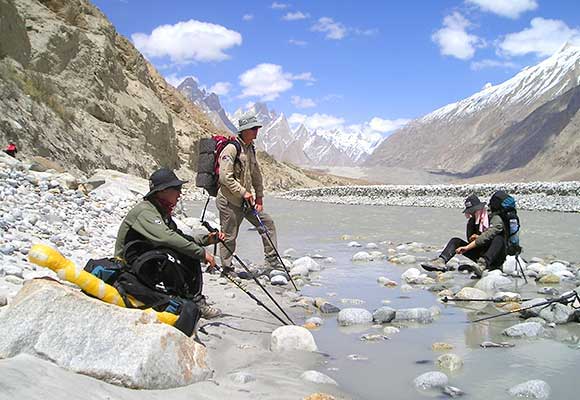
Mashabrum & Gondogoro BC Trek
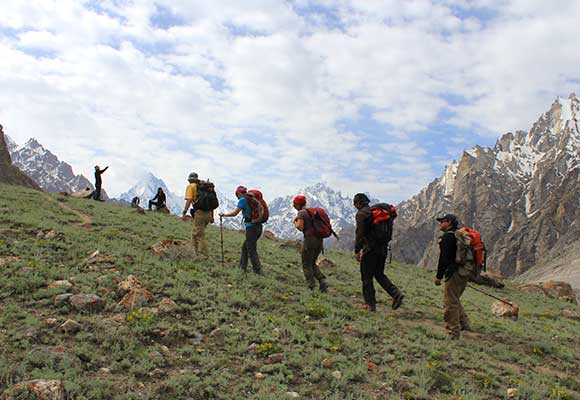
K6/K7 BC Trek
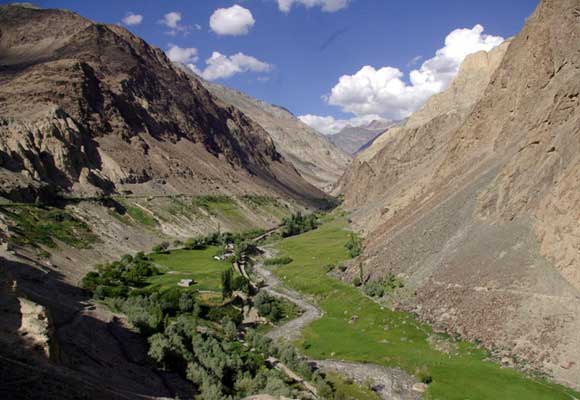
Thalle La Trek Pakistan
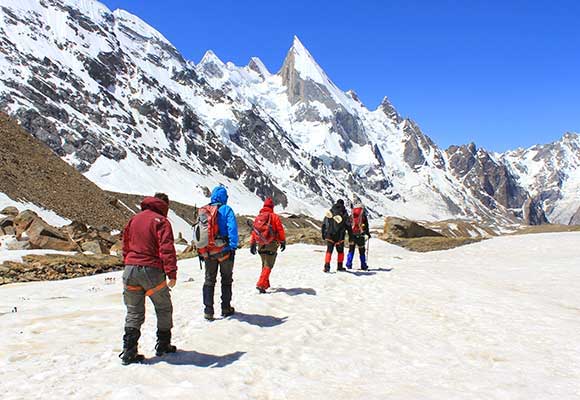
Spantik Base Camp & Haramosh La Trek
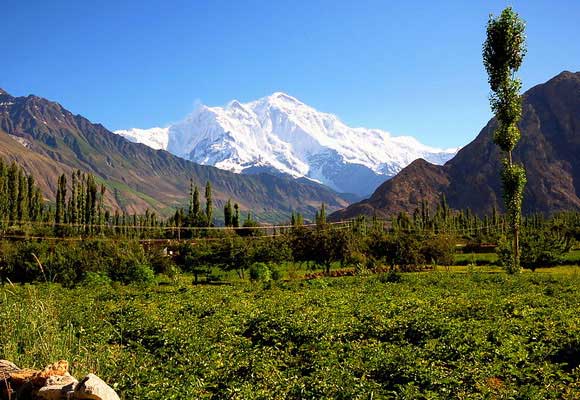
Rakaposhi Base Camp Trek
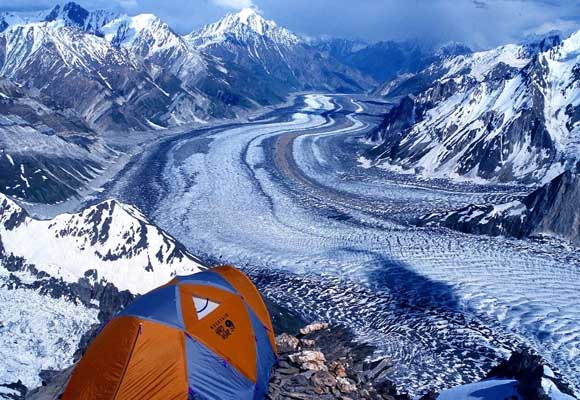
Batura Glacier Trek
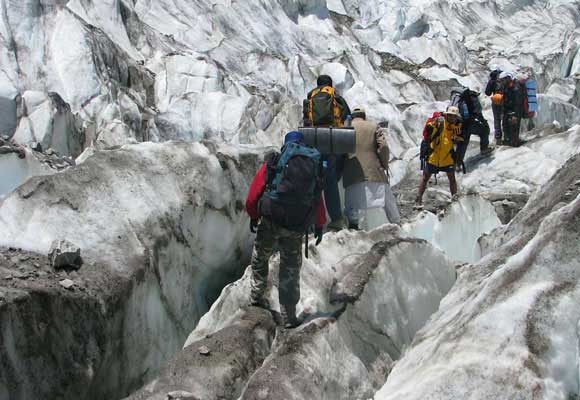
Patundas Trek
Shimshal Valley Trek
Tirich Mir Base Camp Trek
Wakhan Corridor Trek
Naltar Ishkoman Pass Trek
Darkot and Broghil Passes Trek
Around Nanga Parbat Mazeno Pass Trek
5X8000m Base Camp Trek
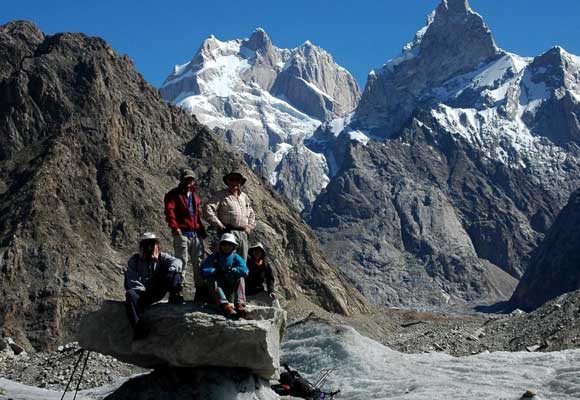
Great Karakorum Traverse Trek
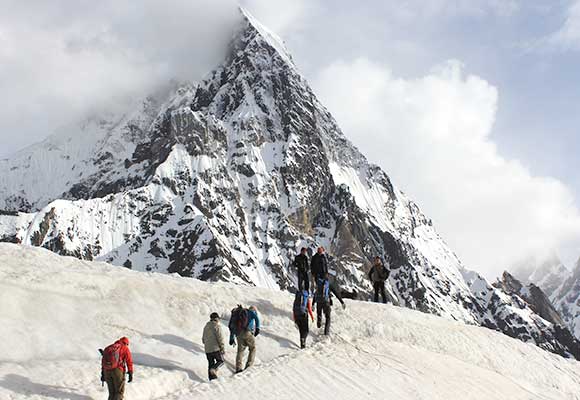
K2 Expedition (8611m)
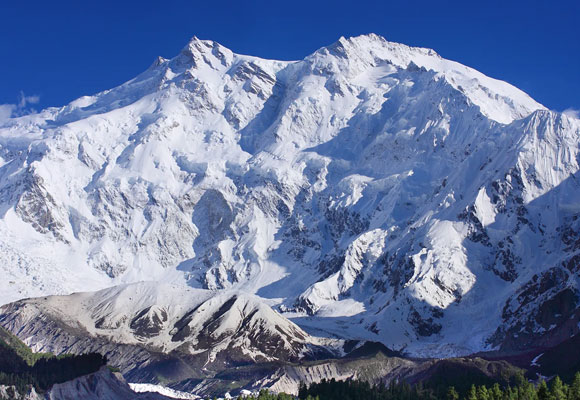
Nanga Parbat Expedition (8126m)
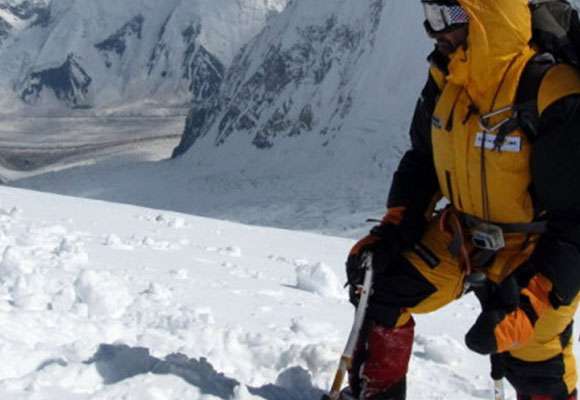
Broad Peak Expedition (8047m)
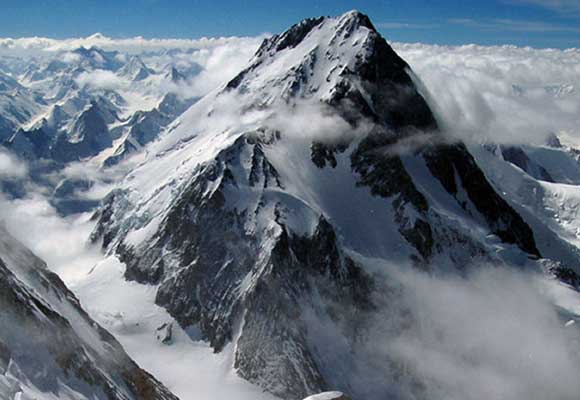
Gasherbrum 1 Expedition (8068m)
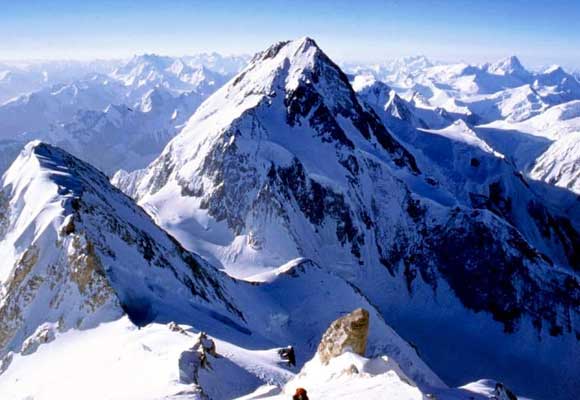
Gasherbrum II Expedition (8035m)
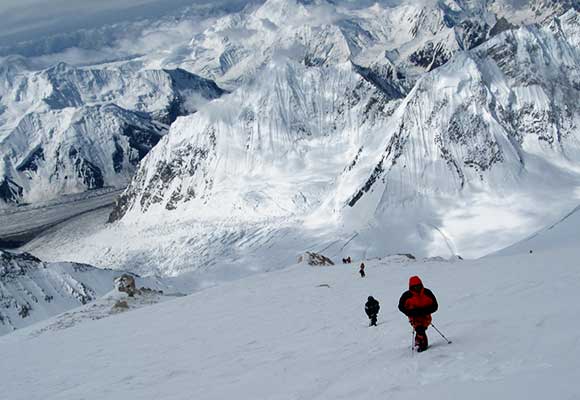
Gasherbrum III Expedition (7952m)
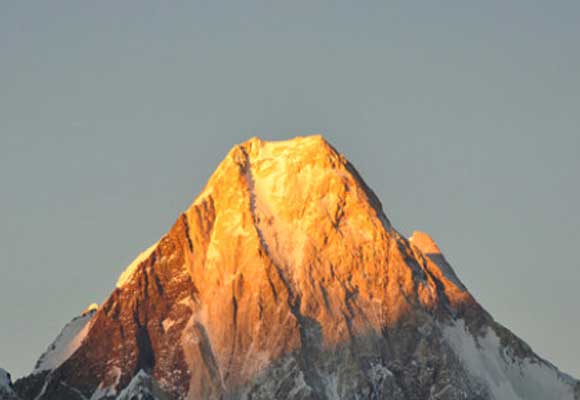
Gasherbrum IV Expedition (7925m)
Masherbrum Expedition (7821m)
Rakaposhi Expedition (7788m)
Batura Sar Expedition (7785 m)
Tirich Mir Expedition (7708m)
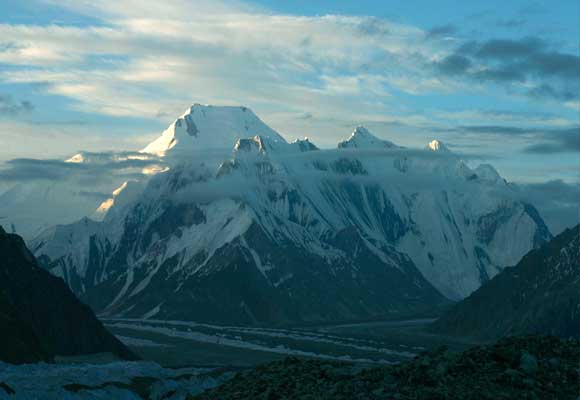
Chogolisa Expedition (7665 m)
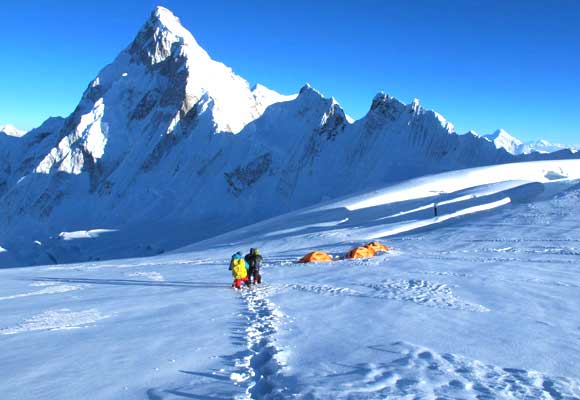
Passu Peak Expedition (7478m)
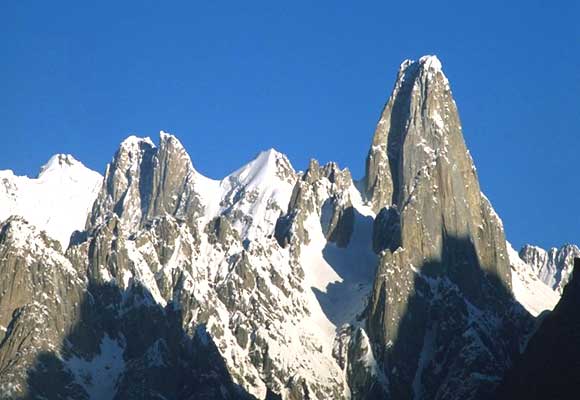
Muztagh Tower Expedition (7273m)
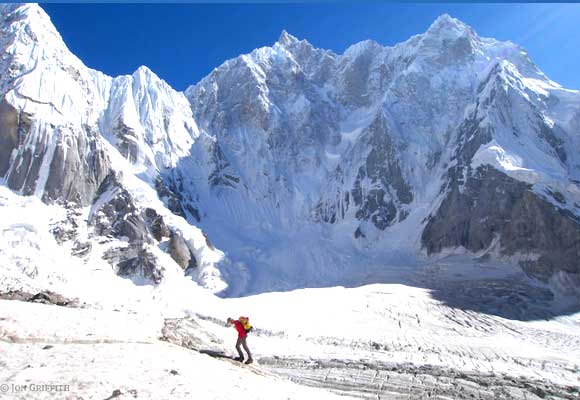
K6 Peak Expedition (6935m)
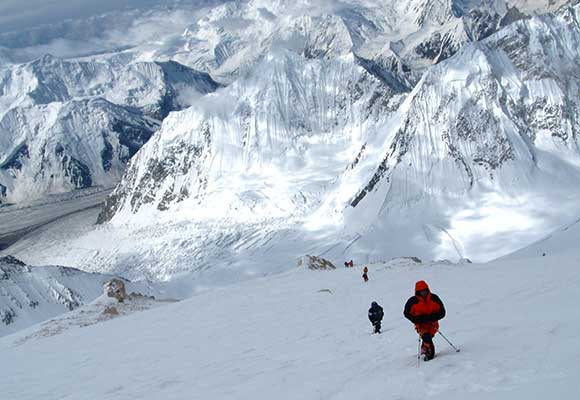
Diran Peak Expedition (7272m)
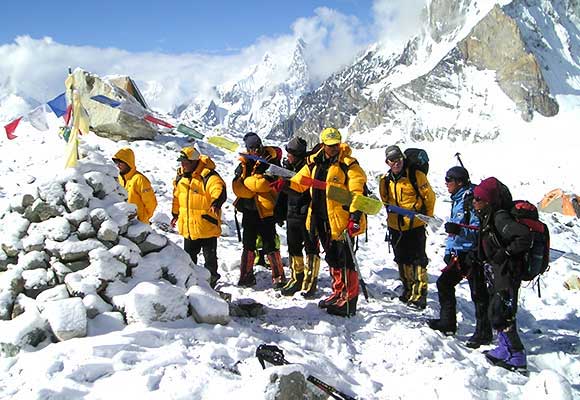
Latok 1 Expedition (7145 m)
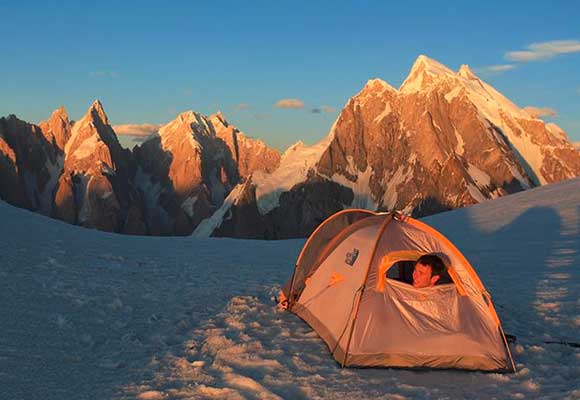
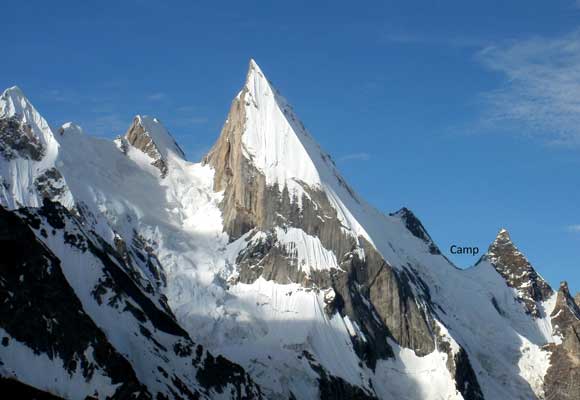
Laila Peak Expedition (6095m)
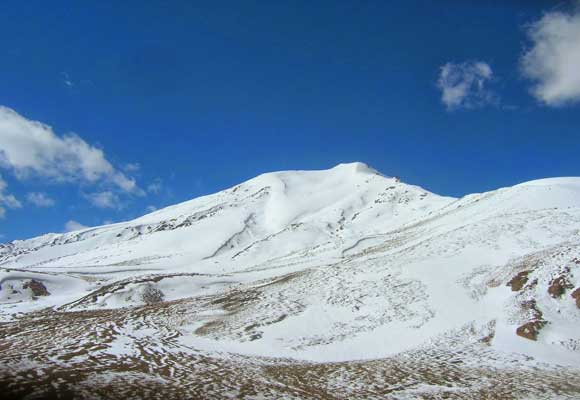
Minglik Sar Peak Expedition (6050m)
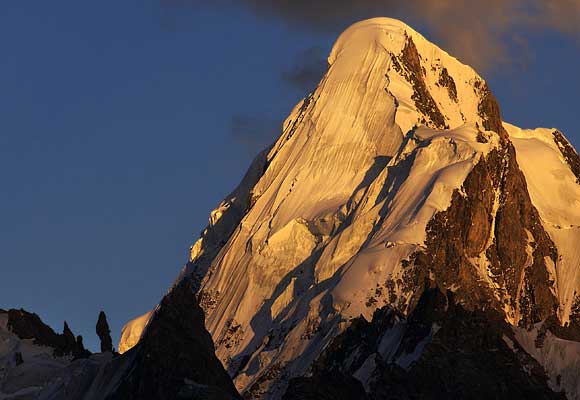
Rush Peak Expedition (5,098m)