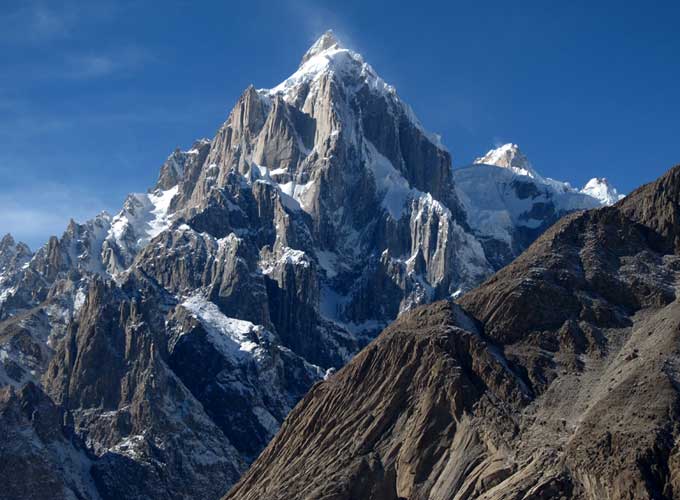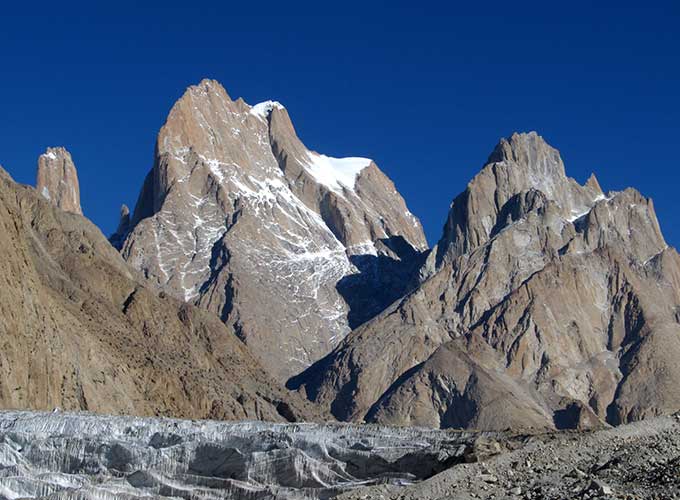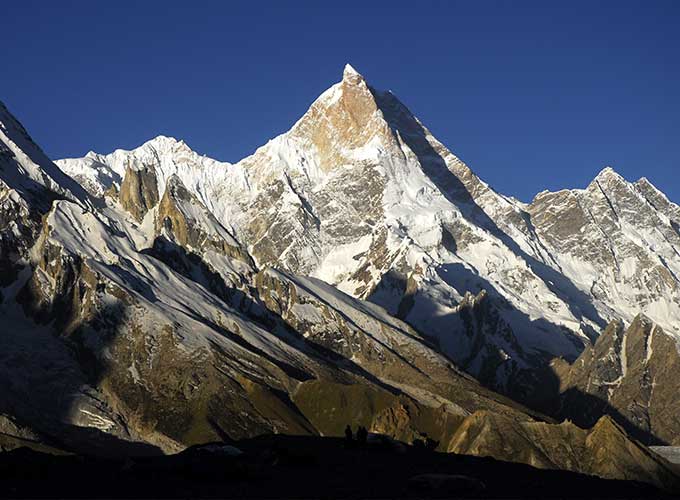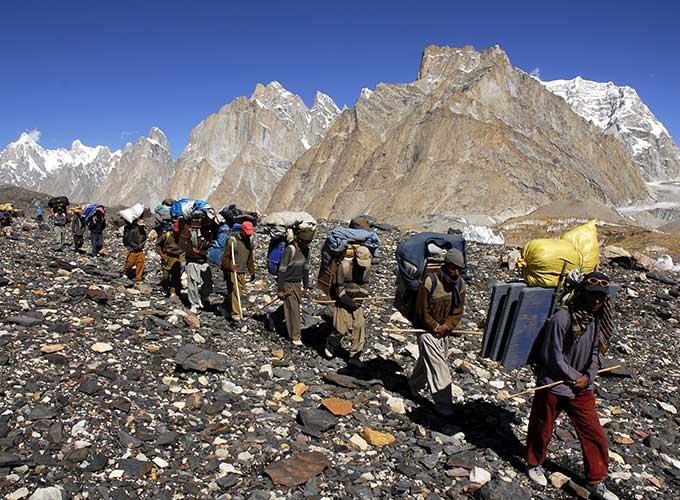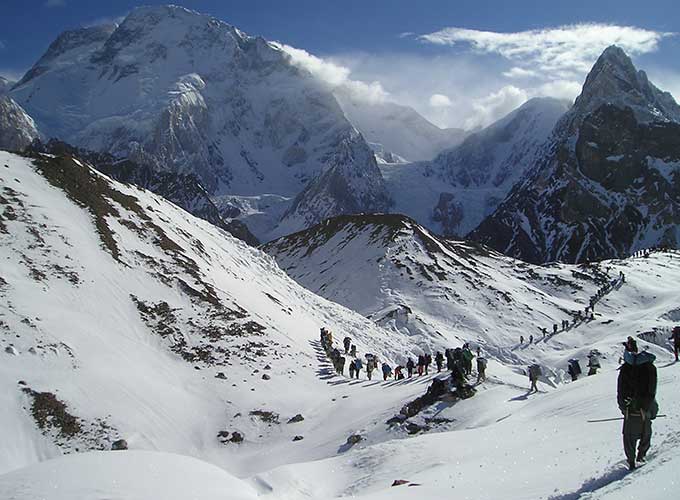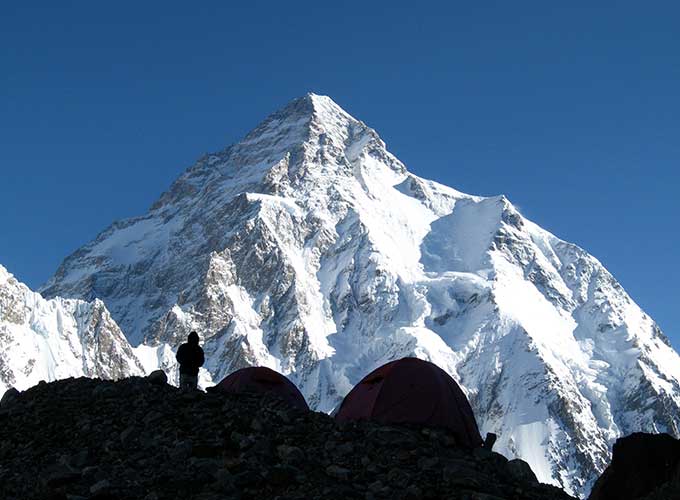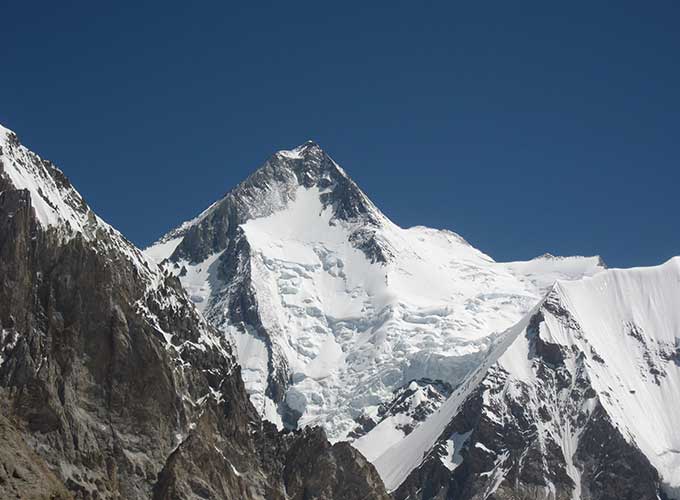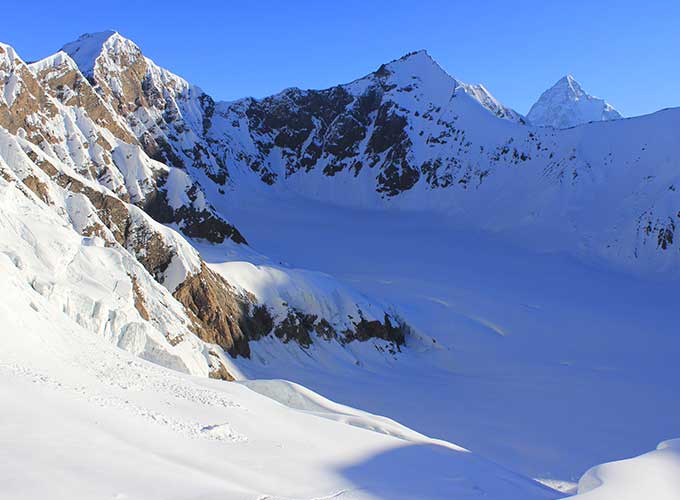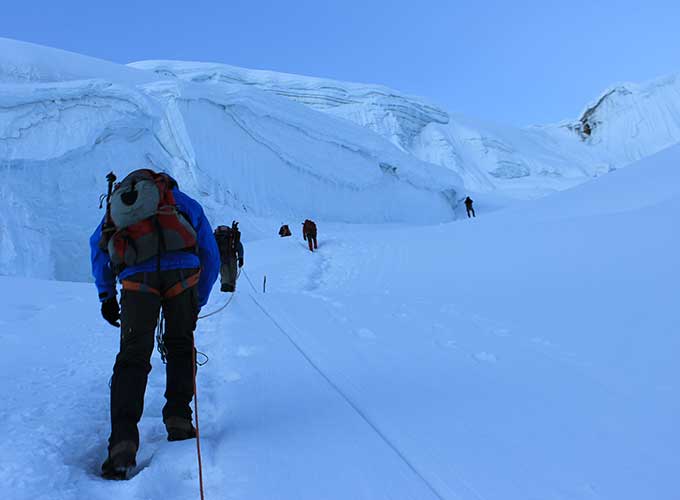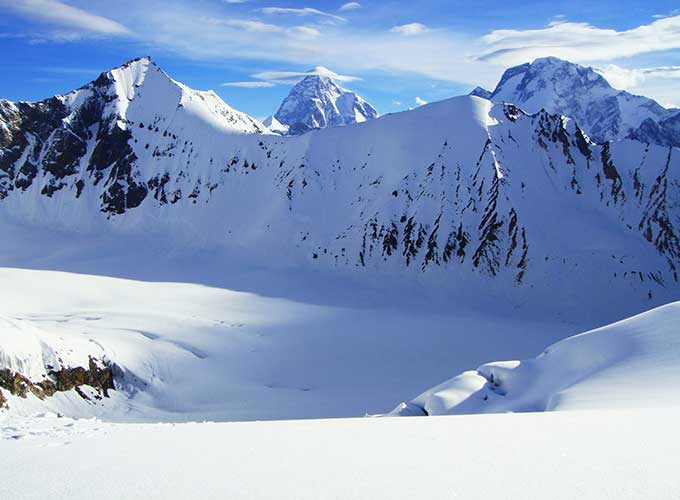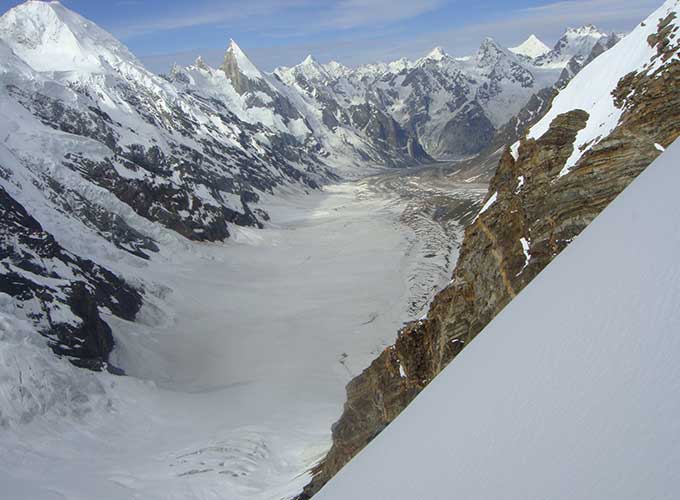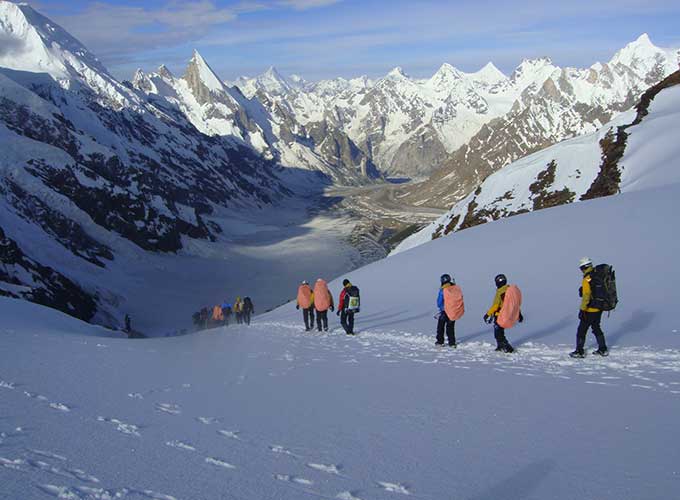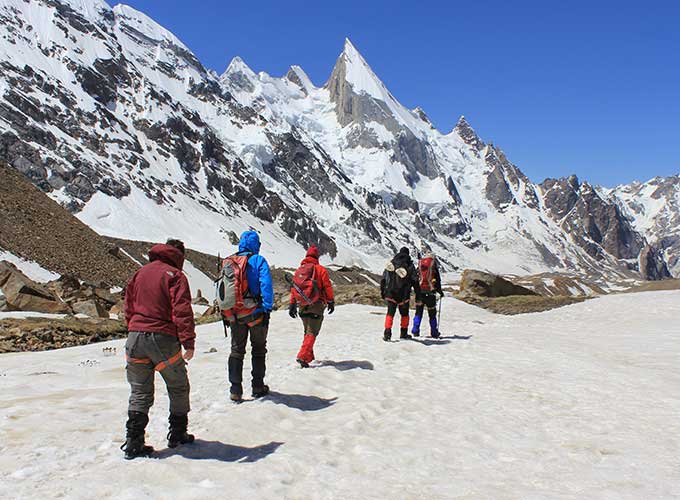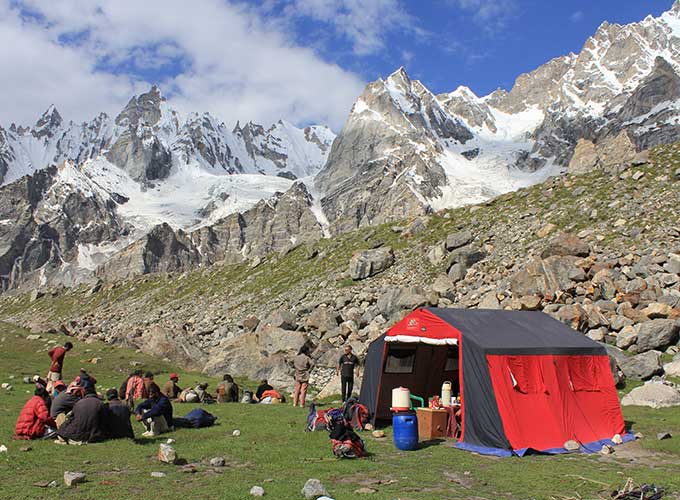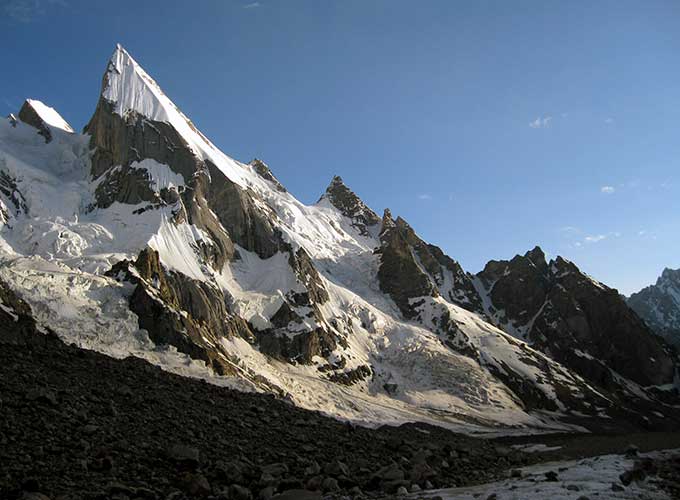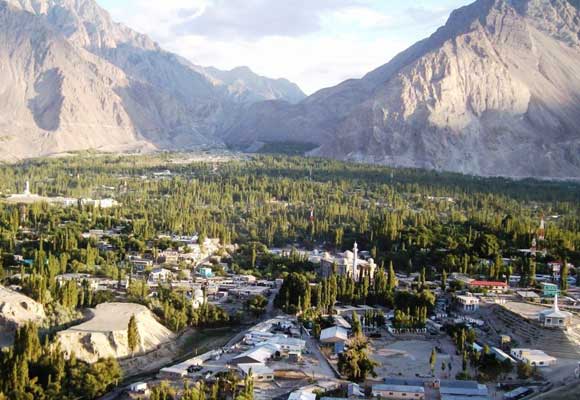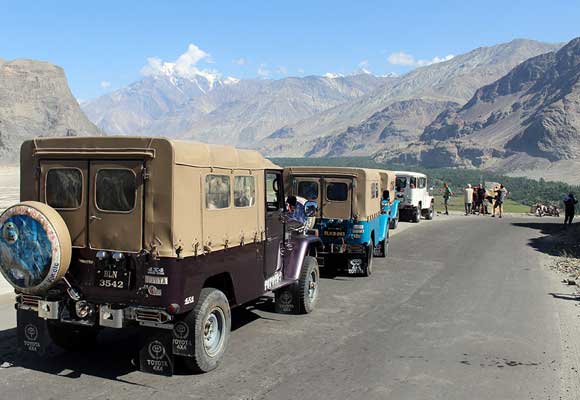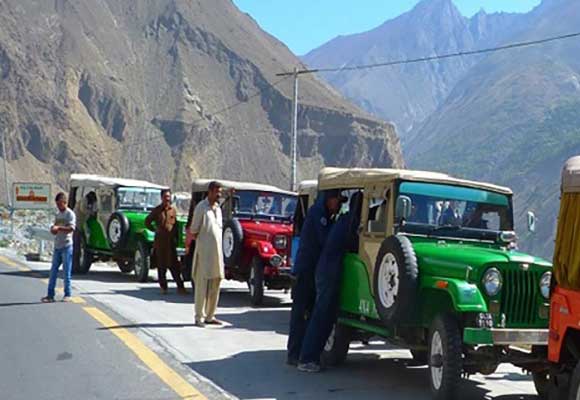
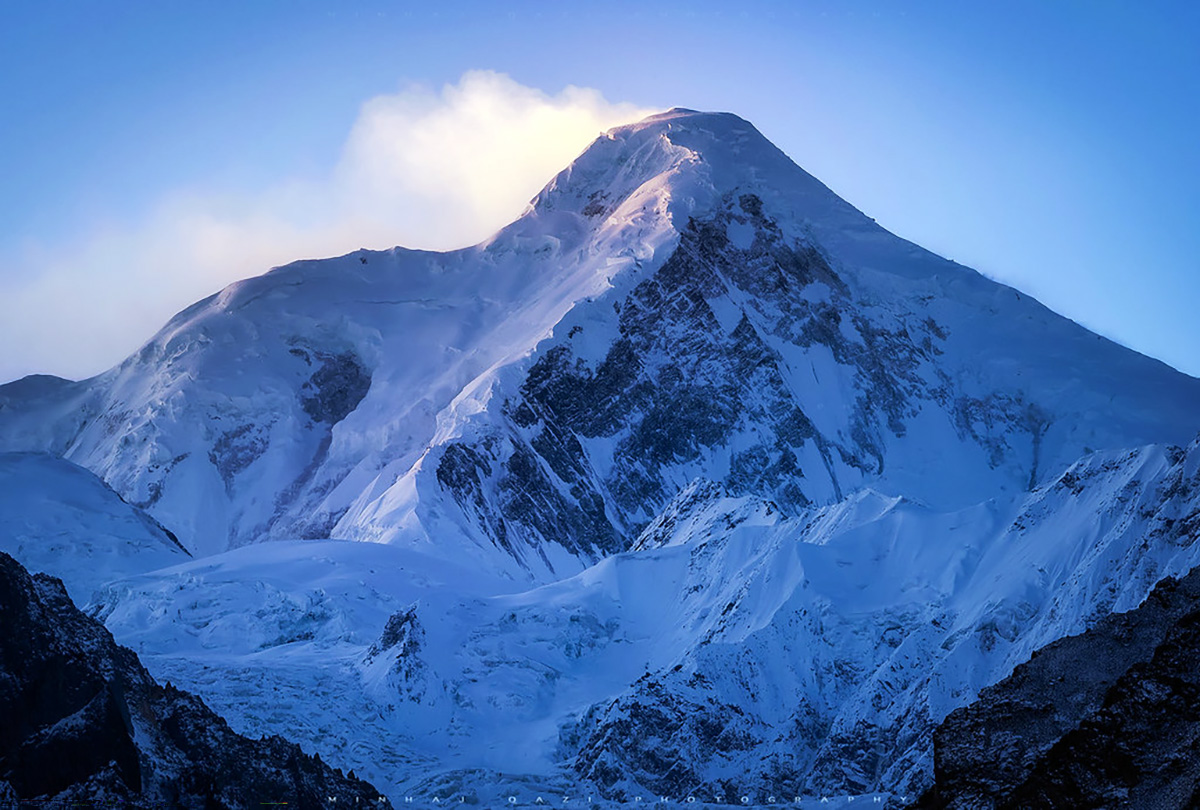
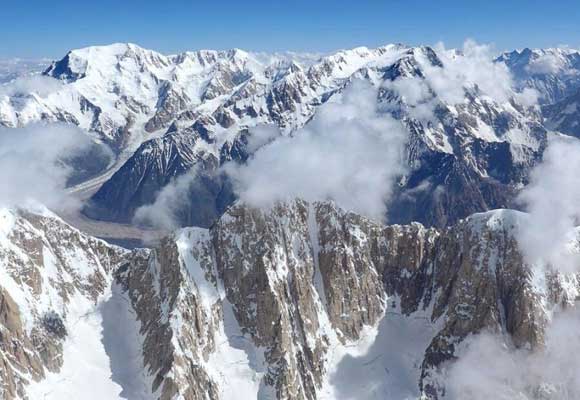
The Diran Peak Expedition 2026 Complete Expedition Guide for 2026 is one of the most popular introductory 7,000-meter mountaineering experiences in Pakistan’s Karakoram Range. Standing at approximately 7,266 meters, Diran Peak is located in the stunning Hunza Valley, near Rakaposhi, and offers a visually spectacular but technically manageable climbing objective for intermediate mountaineers.
As a Adventure Pakistan market analyst tracking alpine tourism trends, Diran Peak has gained strong attention from international climbers seeking their first high-altitude summit experience in Pakistan. Compared to extreme peaks like Gasherbrum IV or K2, Diran offers a balanced combination of glacier travel, moderate technical sections, and high-altitude exposure without extreme vertical climbing difficulty.
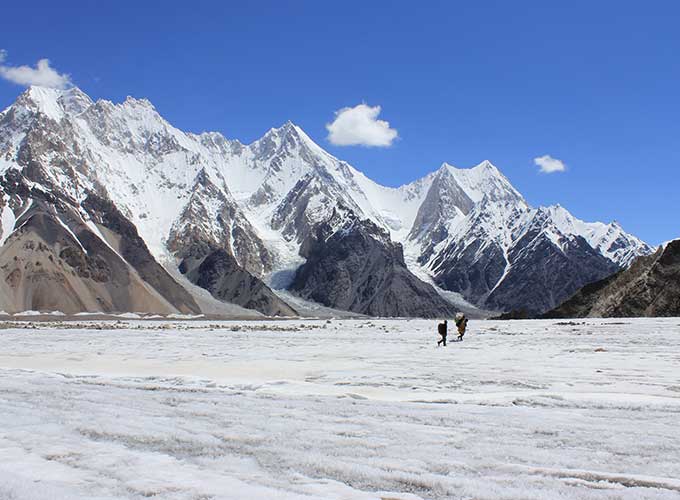
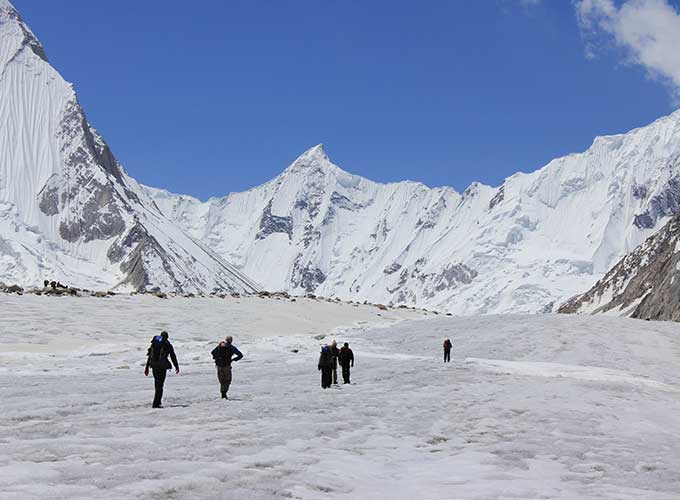
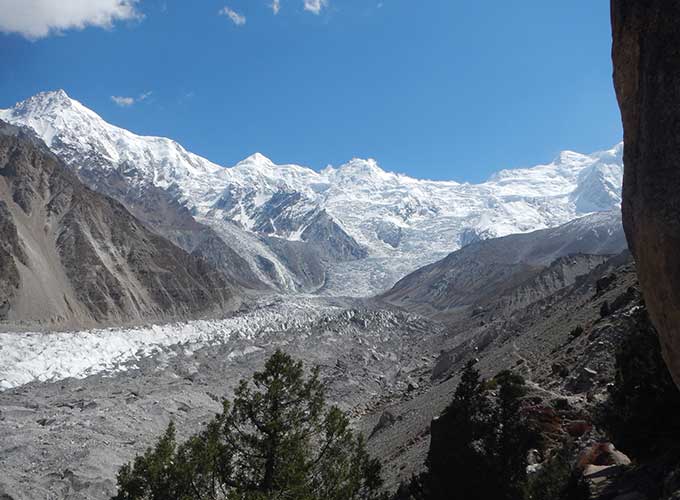
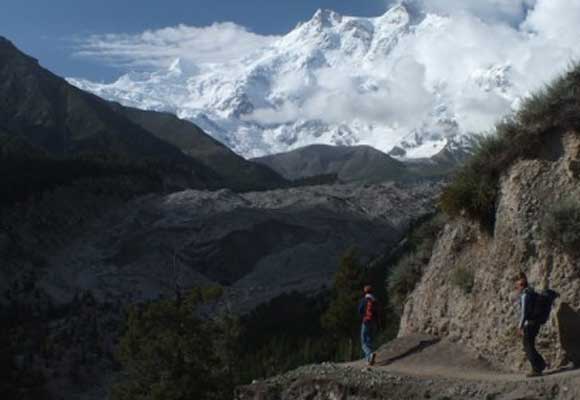
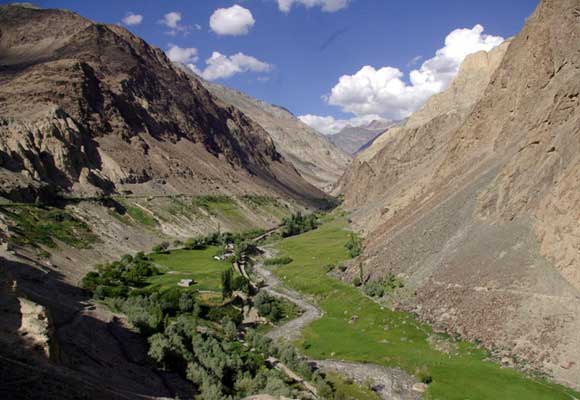
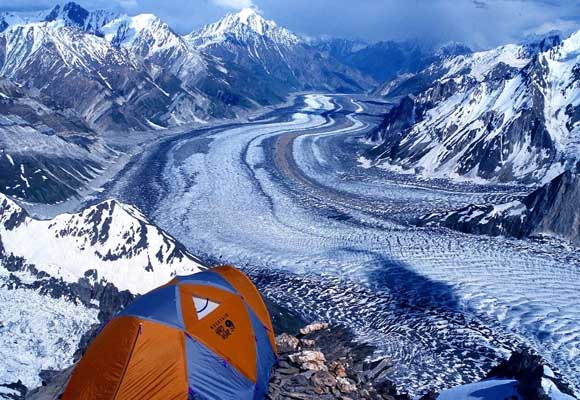
The approach route passes through lush valleys, alpine meadows, and the majestic Minapin Glacier, making it one of the most scenic expeditions in the Karakoram.
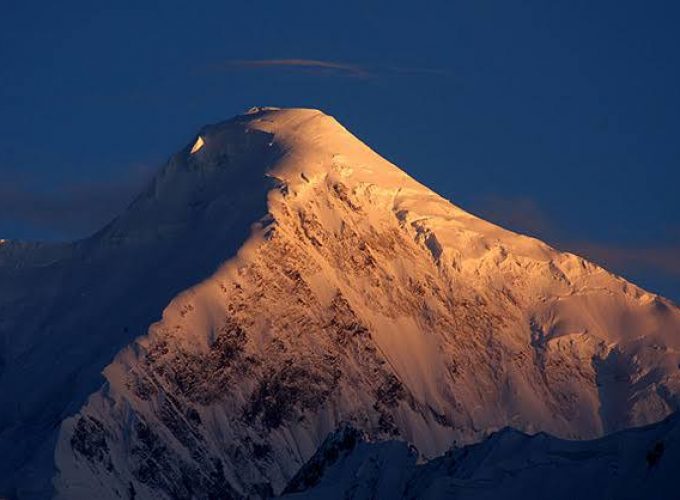
Overview Diran Peak Expedition
The Diran Peak Expedition is a popular high-altitude climbing objective located in the Nagar Valley near Hunza, Pakistan. Standing at approximately 7,266 meters, Diran Peak is known for its elegant pyramid shape, moderate technical difficulty, and breathtaking views of Rakaposhi and the surrounding Karakoram Range. The approach trek passes through Minapin village and the scenic Minapin Glacier, making it both visually stunning and physically rewarding. As a Adventure Pakistan market analyst tracking mountaineering trends, Diran Peak is considered an ideal 7,000m training summit for climbers preparing for higher peaks in 2026, offering a balanced mix of challenge and accessibility.
Diran Peak Expedition Cost (2026 Estimate)
As a Adventure Pakistan market analyst tracking mid-level expedition pricing, Diran Peak remains one of the most cost-accessible 7,000m climbs in Pakistan.
Estimated Cost Range:
- USD 3,000 – 6,500 per climber
Cost Includes:
- Climbing permits
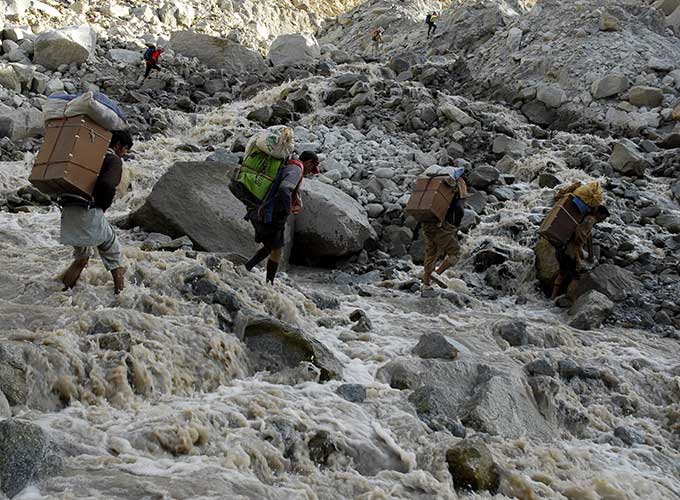
- Local guide and porter support
- Base camp logistics
- Food and accommodation
- Camping equipment
- Safety and rescue coordination
Optional Add-ons:
- Personal climbing guide
- Oxygen support (rarely required)
- Private expedition setup
Diran Peak Expedition Itinerary (40 Days)
The 40-day Diran Peak Expedition itinerary 2026 is designed for climbers aiming to summit one of Pakistan’s most accessible 7,000m peaks in the Karakoram Range. Located in the stunning Hunza Valley near Minapin Glacier, Diran Peak (7,266m) offers a balanced combination of trekking, glacier travel, and moderate technical climbing.
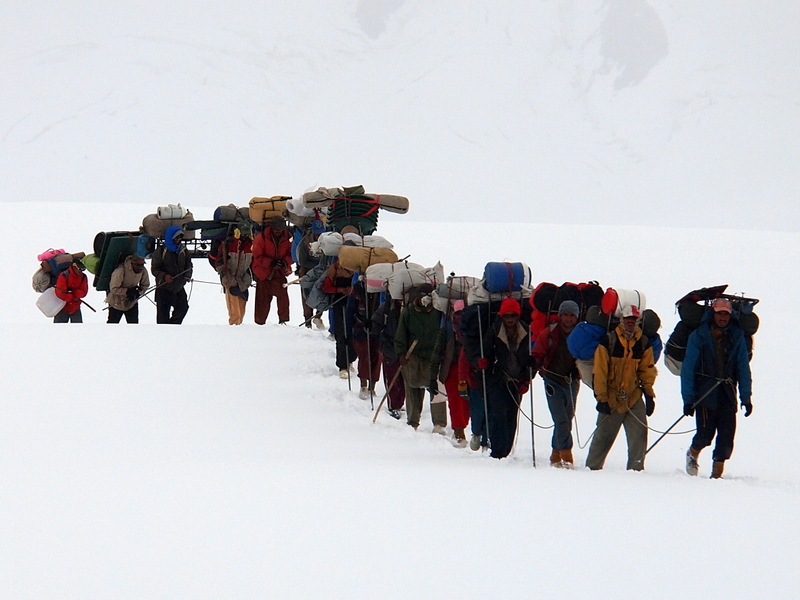
This itinerary includes full acclimatization, climbing rotations, and weather buffer days to increase summit success rates.
Days 1–10: Arrival, Travel & Hunza Valley Approach
Day 1: Arrival in Islamabad
Arrival at Islamabad International Airport, hotel transfer, and expedition briefing.
Day 2: Permit & Gear Check
Climbing permit confirmation, equipment inspection, and safety briefing.
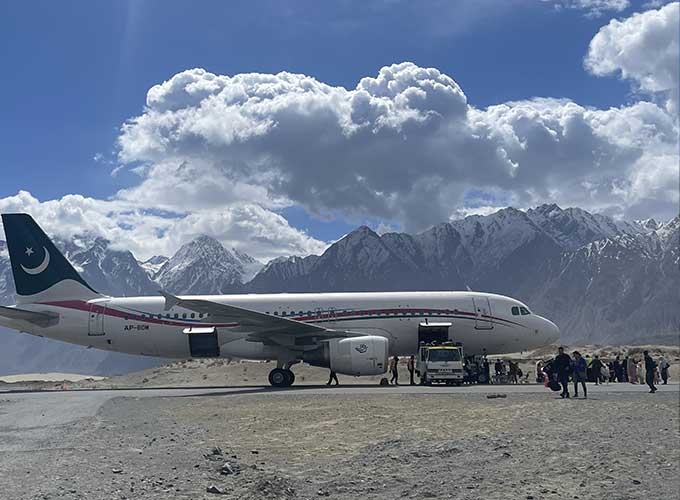
Day 3: Flight/Drive to Gilgit
Scenic flight over the Karakoram or road travel via Karakoram Highway.
Day 4: Drive to Hunza Valley
Travel to Karimabad, Hunza; rest and acclimatization.
Day 5: Drive to Minapin Village
Final road journey to expedition starting point.
Day 6: Rest & Preparation in Minapin
Porter coordination and trekking preparation.
Day 7: Minapin to Hapakun Camp
First trekking day through forested trails and alpine terrain.
Day 8: Hapakun to Tagaphari Camp
Steep ascent with glacier views beginning.
Day 9: Rest Day at Tagaphari
Acclimatization and short hikes.
Day 10: Preparation for Base Camp Push
Gear sorting and route briefing.
Days 11–20: Base Camp Establishment & Acclimatization
Day 11: Tagaphari to Diran Base Camp (4,200m)
Arrival at base camp near Minapin Glacier.
Day 12: Base Camp Setup
Tent installation, kitchen setup, and communication systems.
Day 13: Acclimatization Hike
Short climb above base camp for altitude adjustment.
Day 14: Rest Day
Recovery and hydration.
Day 15: Glacier Training Session
Basic ice climbing and rope techniques.
Day 16: Load Ferry to Camp 1 Route
Gear transport practice.
Day 17: Base Camp Strategy Planning
Summit plan and weather analysis.
Day 18: Rest Day
Medical checks and energy recovery.
Day 19: Camp 1 Route Reconnaissance
Route inspection on Minapin Glacier.
Day 20: Technical Preparation
Equipment checks and rope practice.
Days 21–30: Climbing Rotations Phase
Day 21: Base Camp to Camp 1
First rotation begins on glacier terrain.
Day 22: Camp 1 to Higher Zone
Ice slope navigation and technical climbing.
Day 23: Return to Base Camp
Recovery descent.
Day 24: Rest Day
Nutritional recovery and acclimatization.
Day 25: Weather Monitoring Day
Summit window forecasting.
Day 26: Second Rotation Begins
Base Camp to Camp 1 ascent.
Day 27: Camp 1 to Camp 2
Steeper snow and ice climbing.
Day 28: Camp 2 to Camp 1 Return
Controlled descent.
Day 29: Rest & Recovery
Full rest at base camp.
Day 30: Strategy Adjustment
Final planning for summit push.
Days 31–40: Summit Attempt & Return
Day 31: Base Camp to Camp 1
Final acclimatization push.
Day 32: Camp 1 to Camp 2
High-altitude technical zone.
Day 33: Camp 2 to Summit Camp
Final staging area above 6,000m.
Day 34: Summit Push Day
Attempt Diran Peak summit (7,266m) depending on weather.
Day 35: Descent to Camp 2
Careful descent after summit attempt.
Day 36: Return to Base Camp
Recovery phase begins.
Day 37: Buffer Day
Weather delay or emergency rest.
Day 38: Pack Down Base Camp
Dismantling expedition setup.
Day 39: Trek Back to Minapin
Descent through glacier and alpine trails.
Day 40: Drive to Gilgit / End Expedition
Return journey and expedition completion.
FAQs
Is Diran Peak suitable for beginners?
It is not for complete beginners but is suitable for intermediate climbers with trekking peak experience.
How high is Diran Peak?
Approximately 7,266 meters above sea level.
How long does the expedition take?
Typically 18–25 days depending on weather and acclimatization.
Do I need oxygen for Diran Peak?
Oxygen is generally not required for this peak.
What is the success rate?
Higher than most 7,000m Karakoram peaks due to moderate technical difficulty.
What is the best season?
June to September is ideal.
Why Choose Diran Peak Expedition?
1. Ideal 7,000m Training Peak
Diran Peak is widely considered:
- A perfect stepping stone to 8,000m peaks
- Suitable for climbers transitioning from trekking peaks
- Less technical than Gasherbrum or Broad Peak
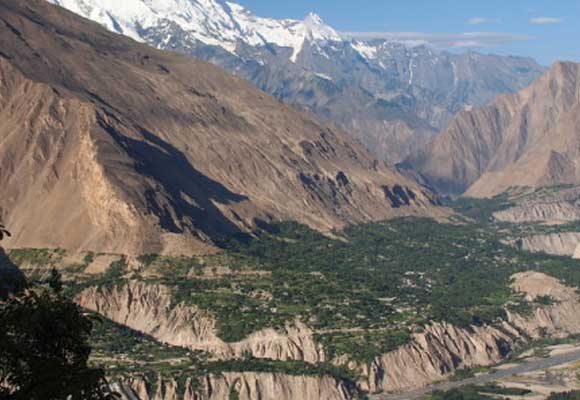
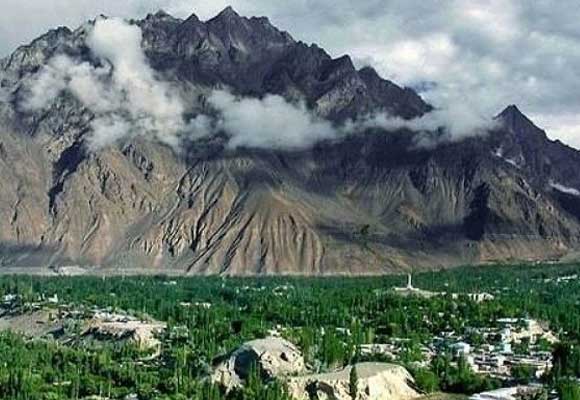
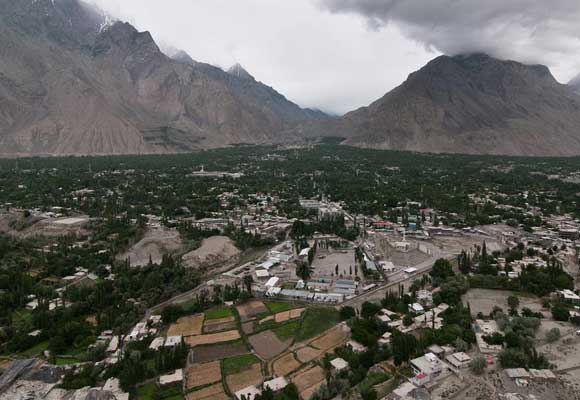
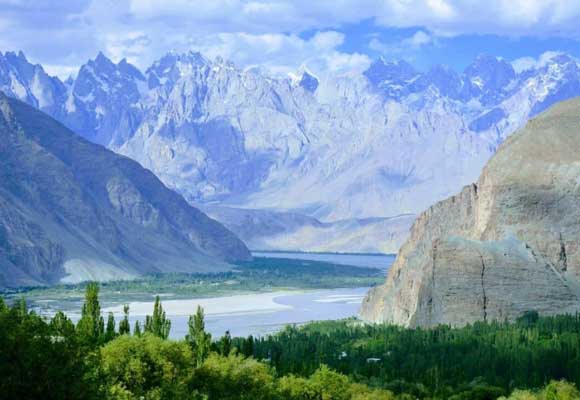
2. Stunning Hunza Valley Location
The expedition is based in one of Pakistan’s most beautiful regions:
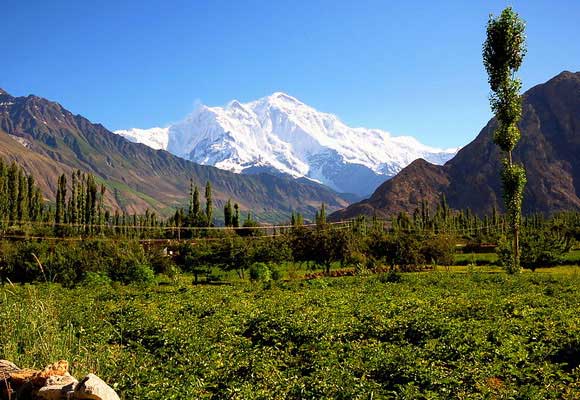
- Views of Rakaposhi (7,788m)
- Nagar Valley landscapes
- Hunza River and alpine villages
3. Balanced Technical Difficulty
Climbers experience:
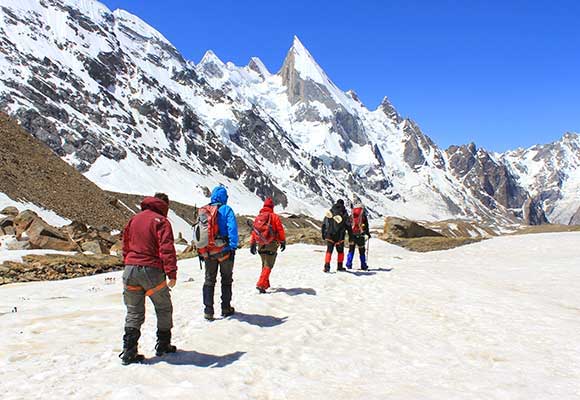
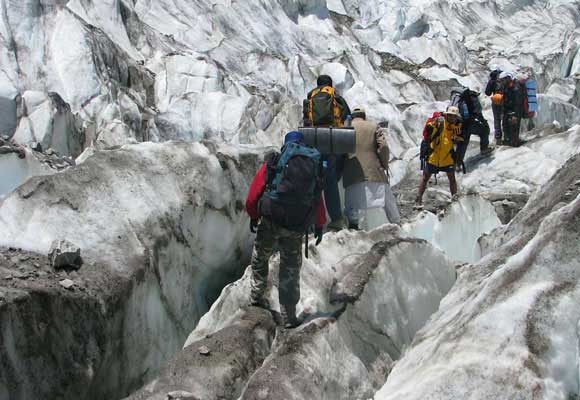
- Glacier walking on Minapin Glacier
- Moderate ice slopes
- Crevasse navigation training
- Fixed rope sections in upper camps
4. Strong Cultural Experience
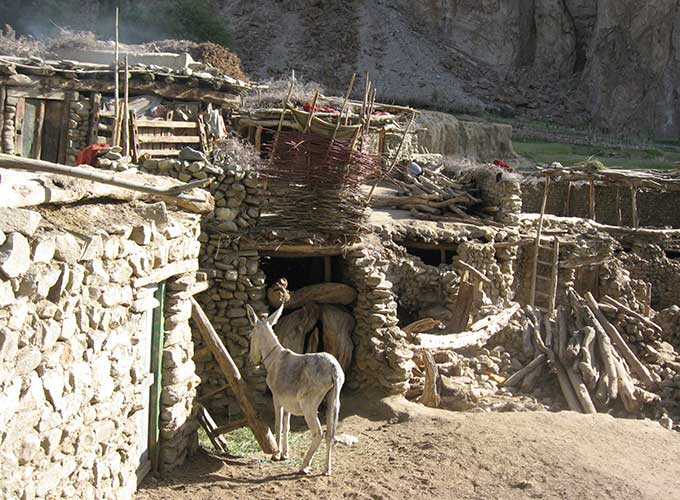
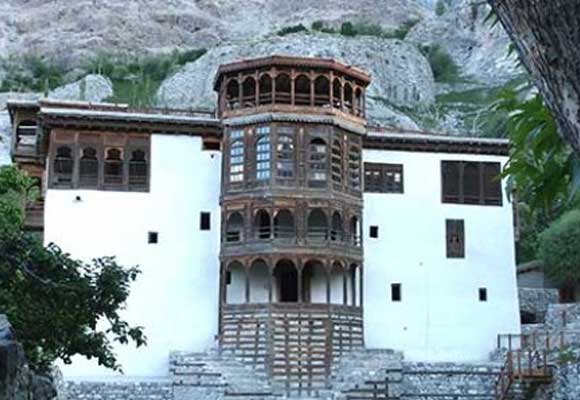
Climbers interact with local communities and can extend their trip to other adventures:
- K2 Base Camp Tour
- K2 Base Camp Tour Company
- K2 Base Camp Tour Cost
- K2 Base Camp Price
- K2 Base Camp Tour Package
- Snow Lake trek Tour
- Snow Lake trek Tour Company
- Snow Lake trek Tour Cost
- Snow Lake trek Price
- Snow Lake trek Package
- Shandoor Polo festival tour
- Fairy Meadows Trek Tour
- Rakaposhi base camp Hunza valley trek
- Indus valley civilization tour
- kalash festival tour
These routes make Pakistan one of the world’s most diverse adventure destinations.
Expedition Route Overview
The Diran Peak expedition follows a relatively accessible yet high-altitude alpine route:
Stage 1: Arrival in Pakistan
- Arrival in Islamabad
- Domestic travel to Gilgit or Skardu
- Transfer to Hunza Valley
Stage 2: Base Camp Approach
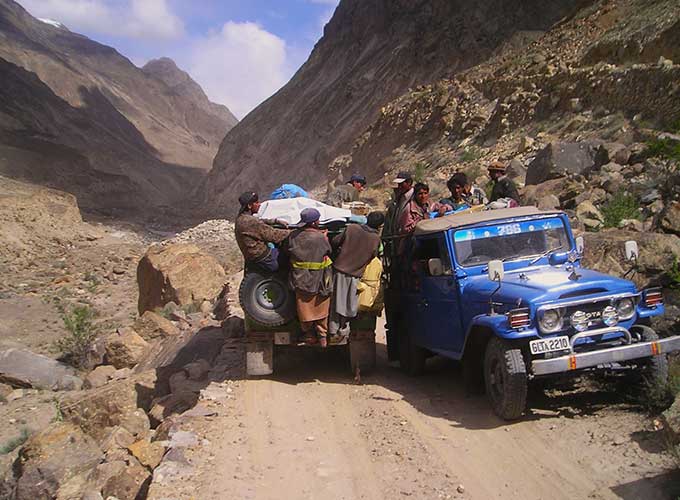
- Drive to Minapin Village (starting point)
- Trek through pine forests and alpine terrain
- Arrival at Base Camp (~4,200m)
Stage 3: Climbing Phase
- Camp 1 establishment (glacier base zone)
- Camp 2 technical ascent zone
- Summit push via steep snow and ice slopes
Stage 4: Descent & Return
- Return to base camp
- Trek back to Minapin village
- Drive back to Gilgit/Islamabad
Difficulty Level of Diran Peak
Diran Peak is classified as:
- Moderate to difficult (compared to trekking peaks)
- Suitable for intermediate climbers
- Less technical than 7,500m+ Karakoram giants
Key challenges include:
- Crevasses on Minapin Glacier
- Weather instability above 6,000m
- Altitude acclimatization pressure
- Long summit day endurance
However, it remains significantly safer than technical peaks like Gasherbrum IV.
Best Time for Diran Peak Expedition
June to September (Recommended Season)
- Stable weather conditions
- Clear glacier visibility
- Lower avalanche risk
July and August are considered peak climbing months in Hunza.
Training Requirements
While Diran Peak is not extremely technical, proper preparation is necessary:
Recommended Experience:
- Trekking peak experience (5,000m+)
- Basic glacier walking knowledge
- High-altitude fitness conditioning
Essential Skills:
- Crampon usage
- Rope handling basics
- Ice axe self-arrest techniques
Safety Considerations
Although safer than extreme peaks, risks still exist:
Main hazards:
- Crevasses on glacier routes
- Sudden snowstorms
- Altitude sickness (AMS)
- Icefall movement zones
Proper acclimatization significantly reduces risks.
The Diran Peak Expedition 2026 Complete Expedition Guide for 2026 is one of the most rewarding high-altitude climbing experiences in Pakistan for intermediate mountaineers. It offers a rare combination of accessibility, scenic beauty, and genuine Himalayan-Karakoram altitude challenge without the extreme technical risks of higher peaks.
As a Adventure Pakistan market analyst observing global climbing trends, Diran Peak continues to attract first-time 7,000m climbers who later progress to more demanding expeditions like K2 and Gasherbrum.
Beyond climbing, Pakistan offers unmatched diversity—from K2 Base Camp Trek to cultural festivals like Shandoor Polo festival and Kalash festival tour, making it a complete adventure and cultural destination.
Diran Peak stands as the perfect gateway into serious mountaineering in Karakoram.
K2 Base Camp and Gondogoro La Trek
K2 Base Camp Trek
K2 Base Camp Trek Concordia
Mashabrum & Gondogoro BC Trek
K6/K7 BC Trek
Thalle La Trek Pakistan
Spantik Base Camp & Haramosh La Trek
Rakaposhi Base Camp Trek
Batura Glacier Trek
Patundas Trek
Shimshal Valley Trek
Tirich Mir Base Camp Trek
Wakhan Corridor Trek
Naltar Ishkoman Pass Trek
Darkot and Broghil Passes Trek
Around Nanga Parbat Mazeno Pass Trek
5X8000m Base Camp Trek
Great Karakorum Traverse Trek
K2 Expedition (8611m)
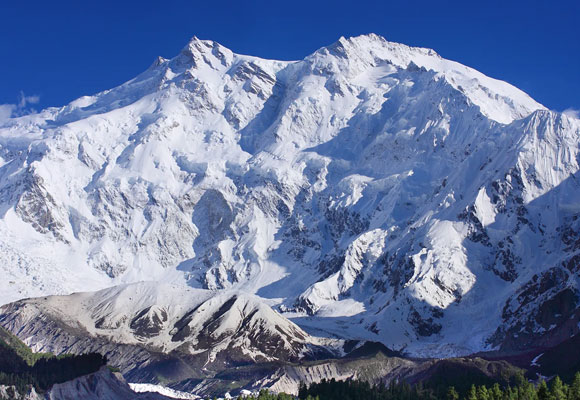
Nanga Parbat Expedition (8126m)
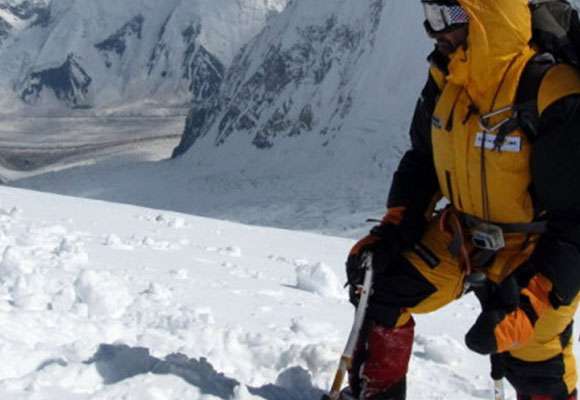
Broad Peak Expedition (8047m)
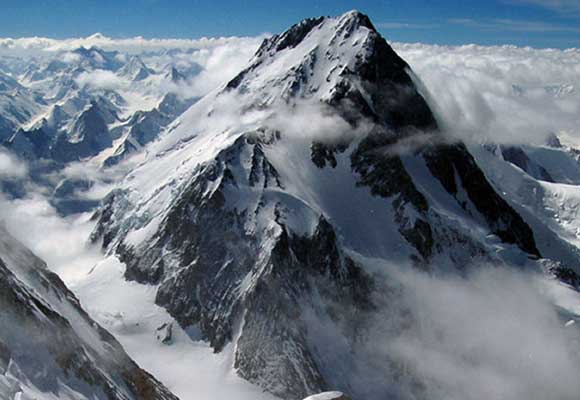
Gasherbrum 1 Expedition (8068m)
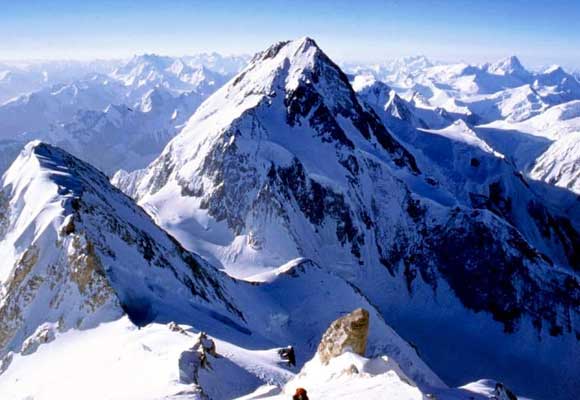
Gasherbrum II Expedition (8035m)
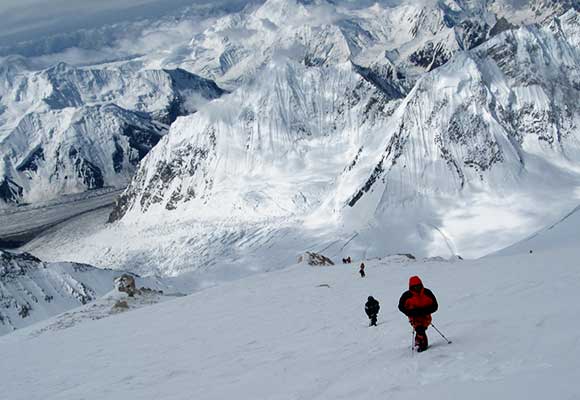
Gasherbrum III Expedition (7952m)
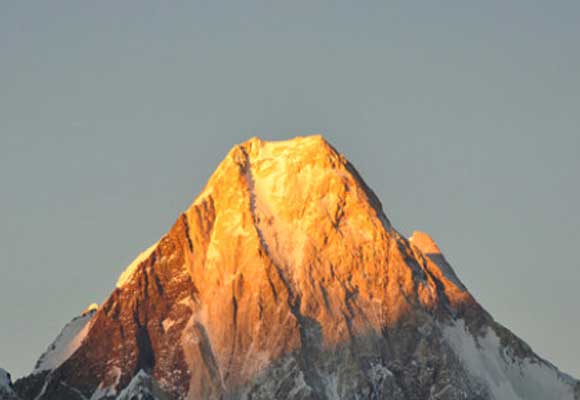
Gasherbrum IV Expedition (7925m)
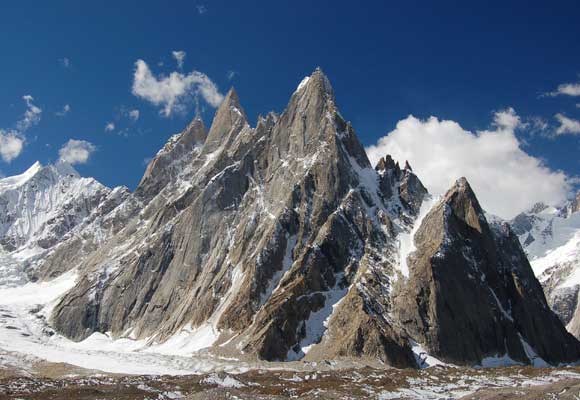
Masherbrum Expedition (7821m)
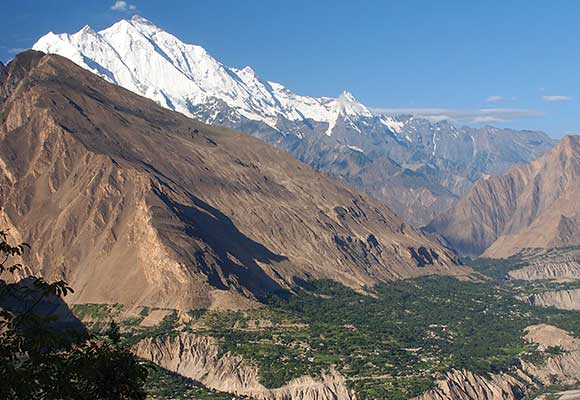
Rakaposhi Expedition (7788m)
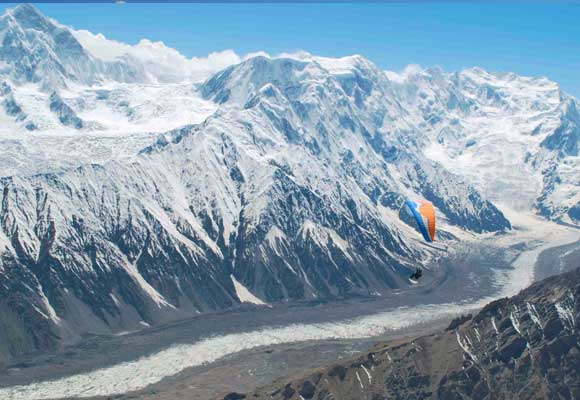
Batura Sar Expedition (7785 m)
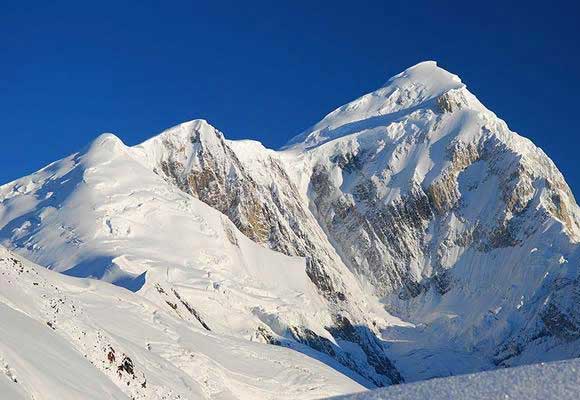
Tirich Mir Expedition (7708m)
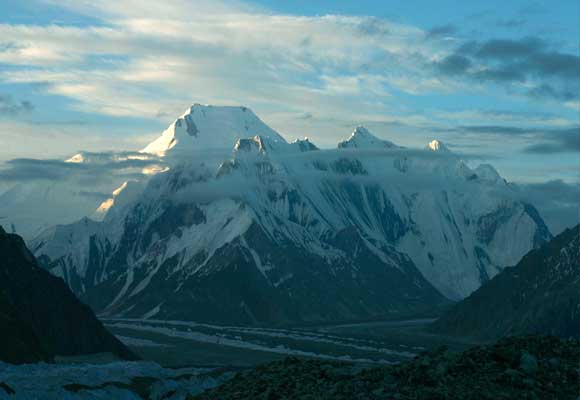
Chogolisa Expedition (7665 m)
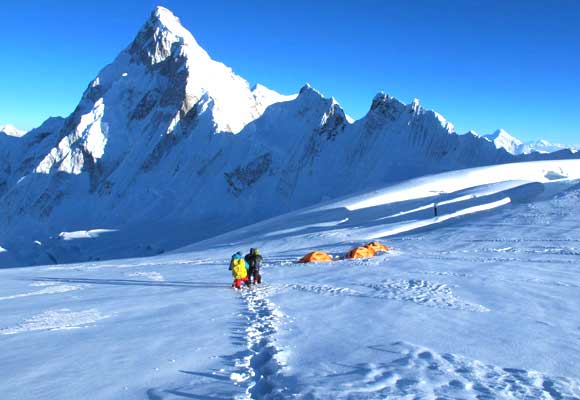
Passu Peak Expedition (7478m)
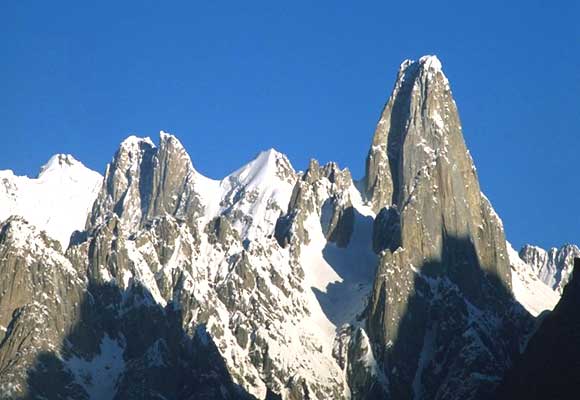
Muztagh Tower Expedition (7273m)
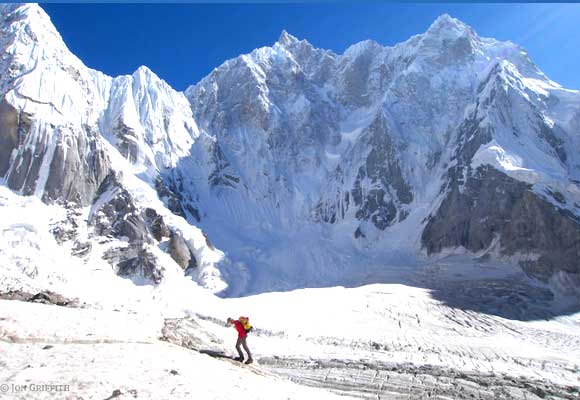
K6 Peak Expedition (6935m)
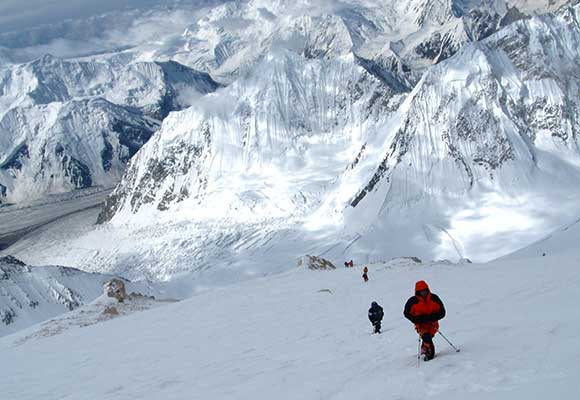
Diran Peak Expedition (7272m)
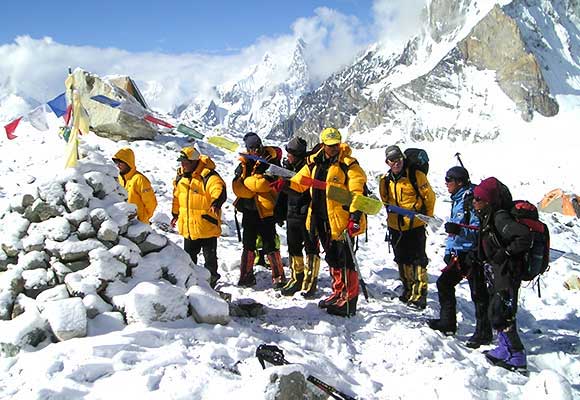
Latok 1 Expedition (7145 m)
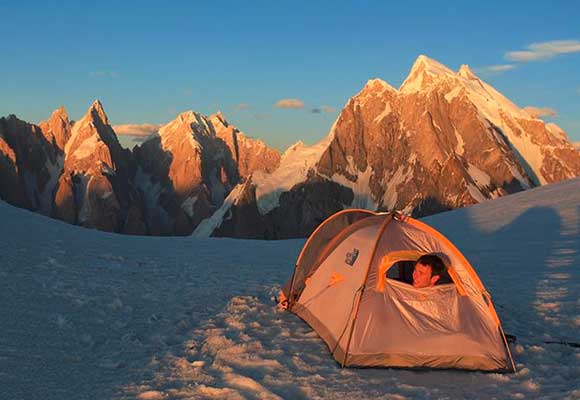
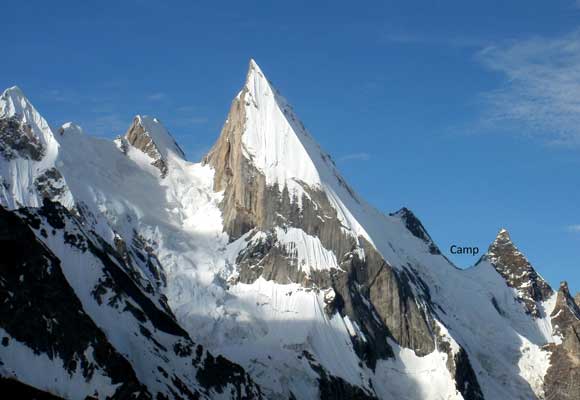
Laila Peak Expedition (6095m)
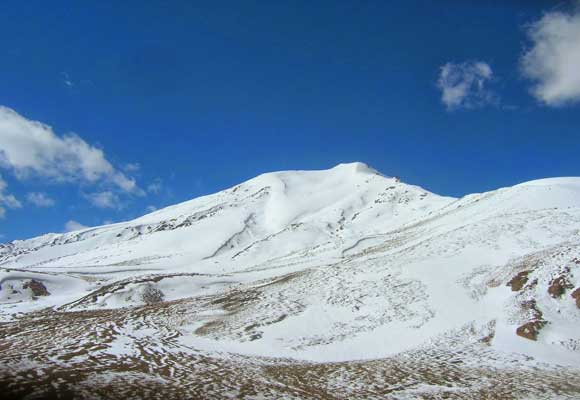
Minglik Sar Peak Expedition (6050m)
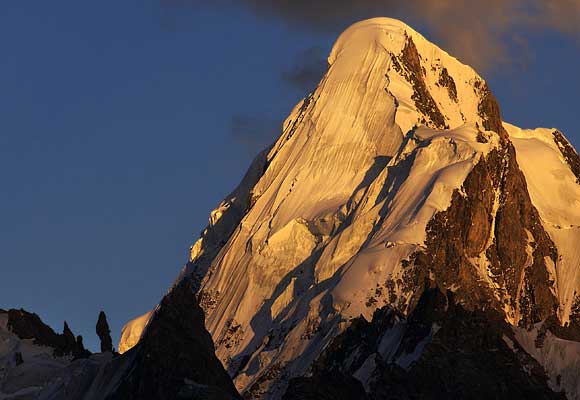
Rush Peak Expedition (5,098m)