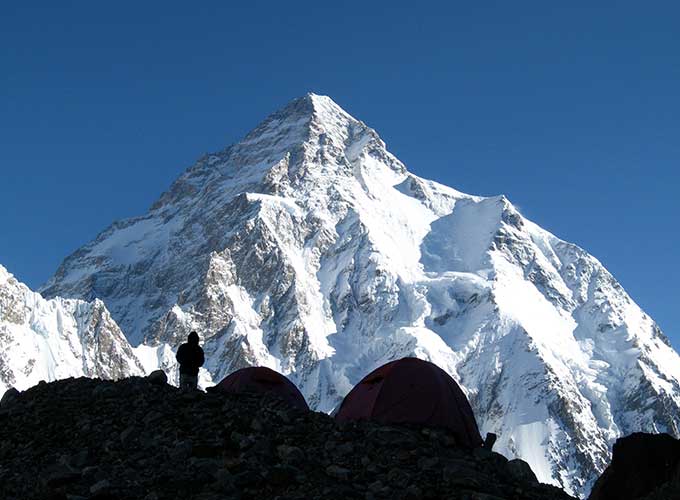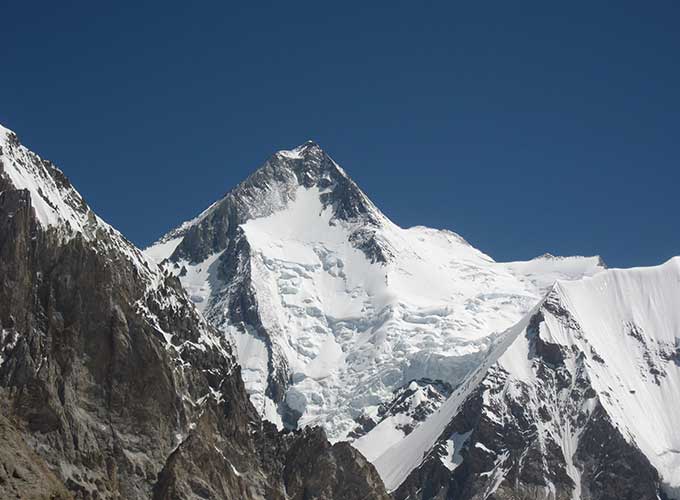
Is K2 a Harder Climb Than Everest? | Climbing Difficulty & Key Differences is one of the most common questions among mountaineers and adventure travelers interested in the world’s highest peaks. Although Everest is higher at 8,848.86 meters, K2 reaches 8,611 meters and is widely regarded as a more technically demanding and objectively hazardous climb. The difference is not simply altitude. Route steepness, weather, avalanche exposure, rock and ice climbing, route-finding, and the difficulty of retreat all influence the overall challenge.
As an Adventure Pakistan market analyst tracking high-altitude tourism in Pakistan, it is important to distinguish between climbing K2 and completing the K2 Base Camp Trek. Reaching K2 Base Camp is a demanding trek but does not require climbing the mountain itself. Summit expeditions to K2 require advanced mountaineering skills, extensive preparation, specialist equipment, and significant high-altitude experience.
Overview | Is K2 a Harder Climb Than Everest?
Is K2 a Harder Climb Than Everest? K2 is generally considered a more technically challenging and demanding mountain to climb, even though Everest is higher. At 8,611 meters, K2 presents steep rock and ice, unpredictable weather, difficult route-finding, and limited opportunities for retreat. Everest reaches 8,848.86 meters and creates greater altitude-related challenges, but its standard routes have more established infrastructure and climbing support. K2’s remote location in Pakistan’s Karakoram further increases logistical difficulty. This guide compares K2 and Everest across altitude, technical climbing, weather, terrain, risk, and expedition conditions while explaining why K2 has earned its reputation as one of the world’s most difficult mountains.
Why the K2 Base Camp Trek Is Still Challenging
Although it is not a summit climb, the K2 Base Camp Trek should not be underestimated.
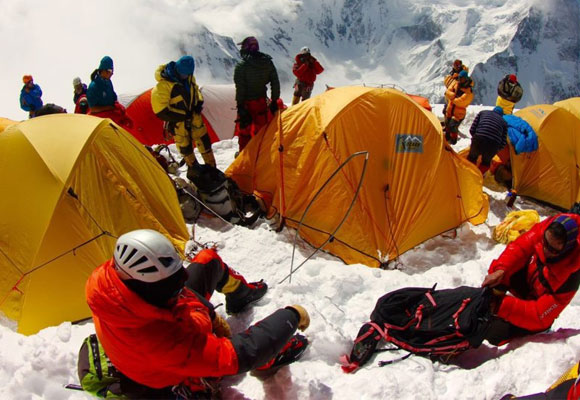
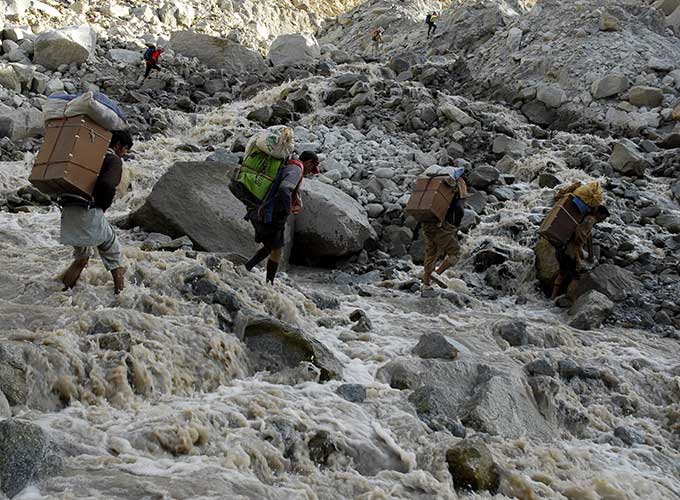
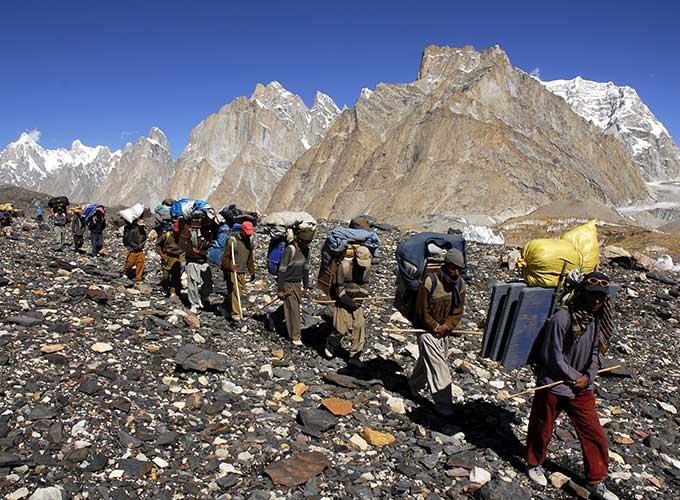
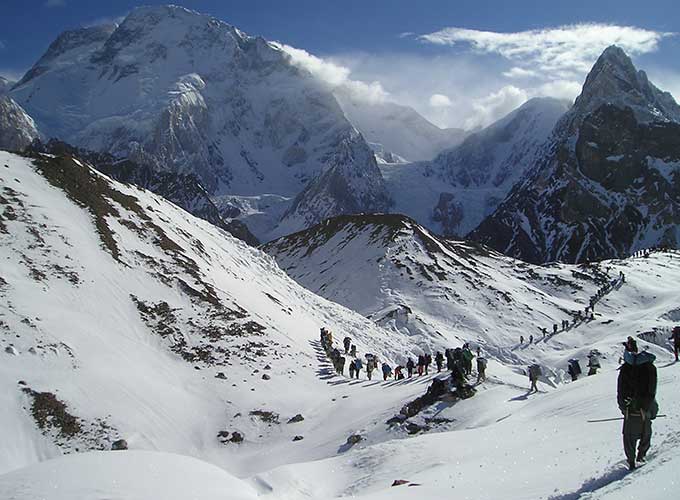
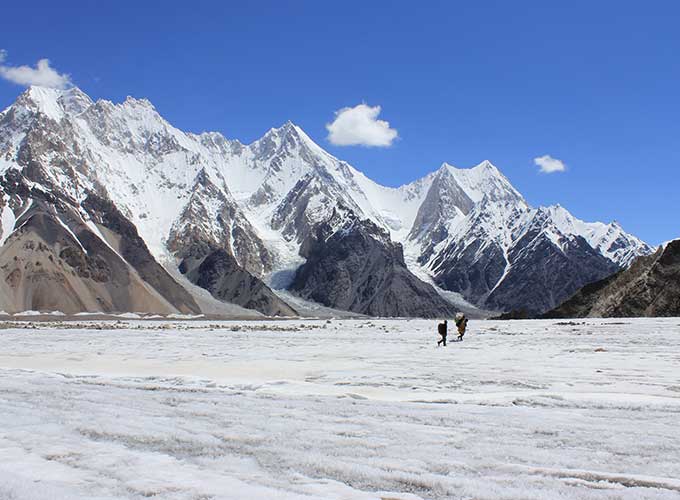
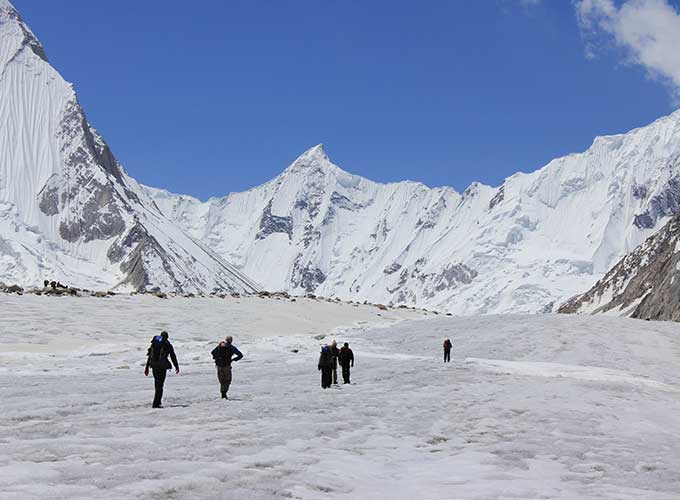
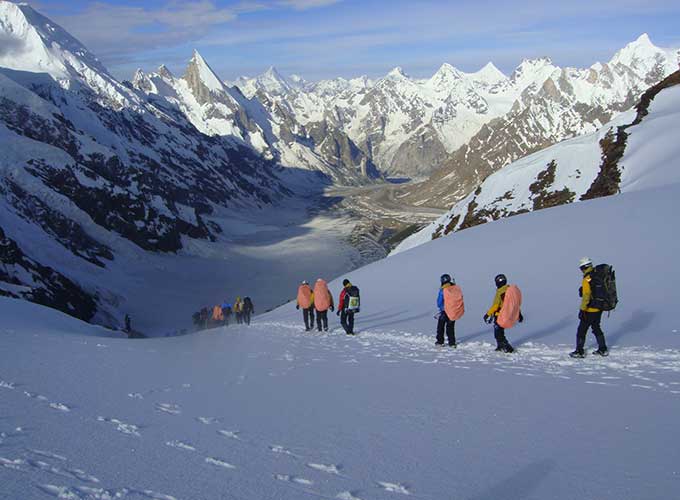
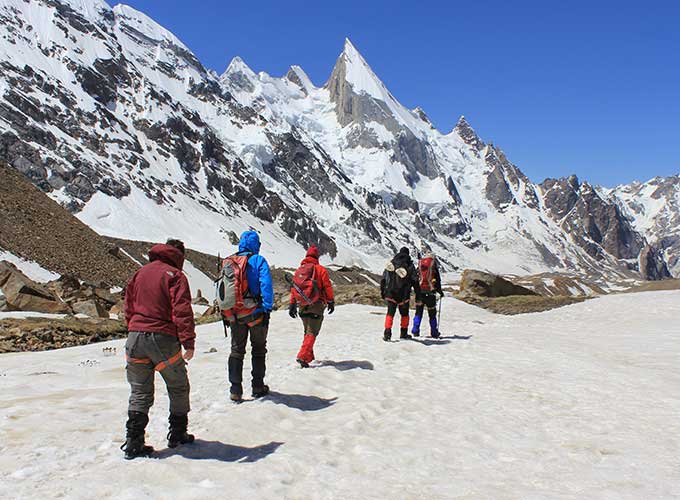
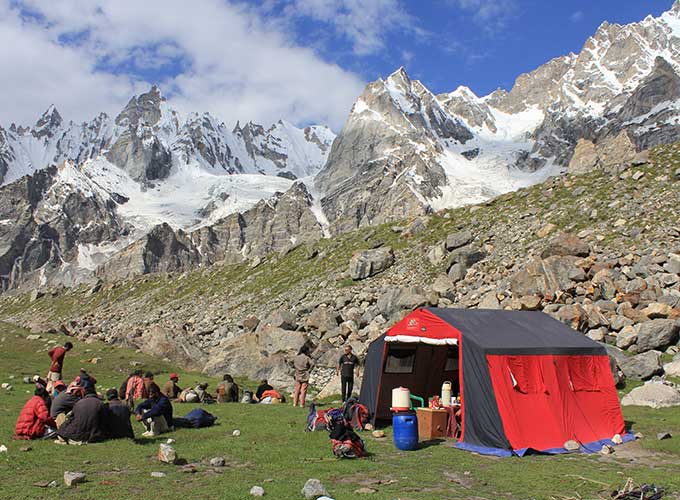
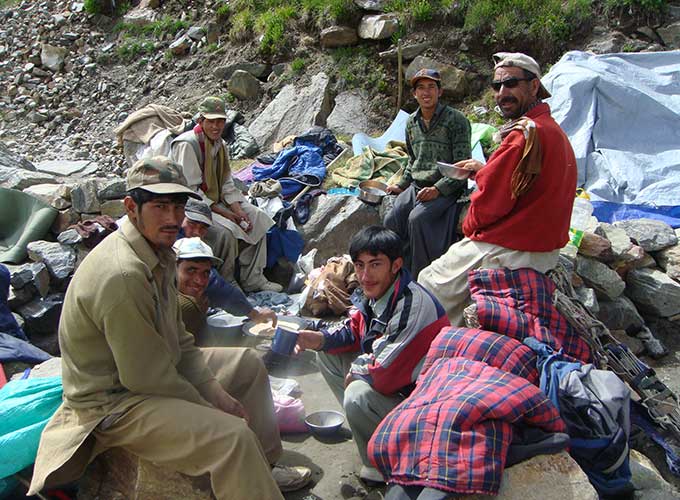
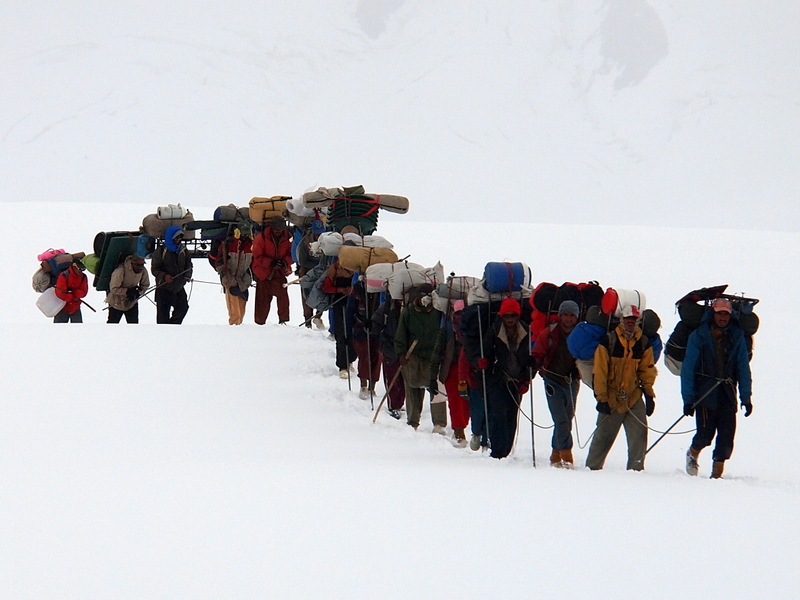
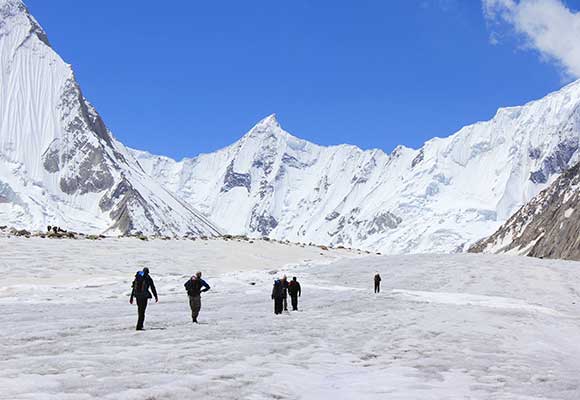
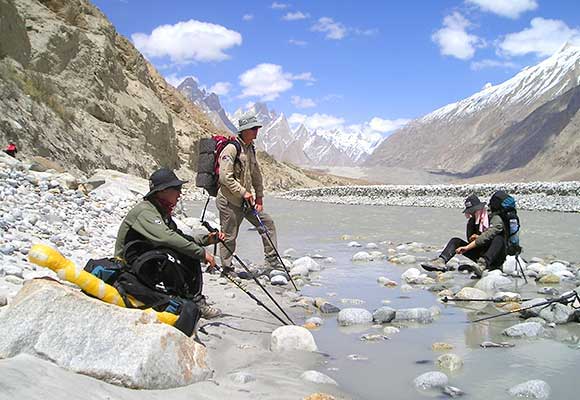
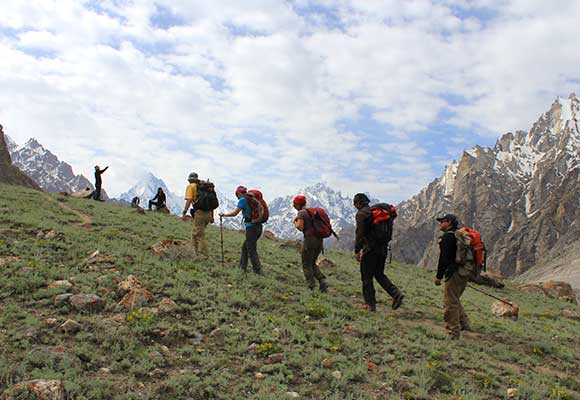
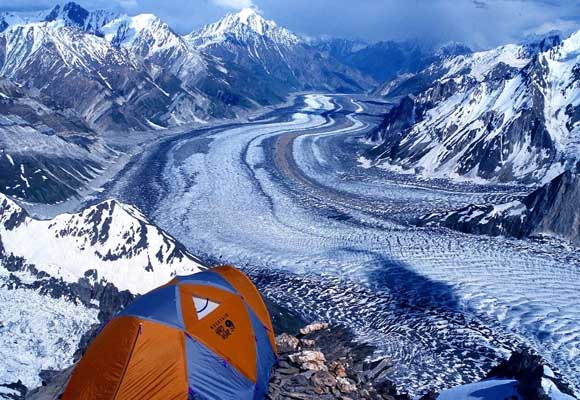
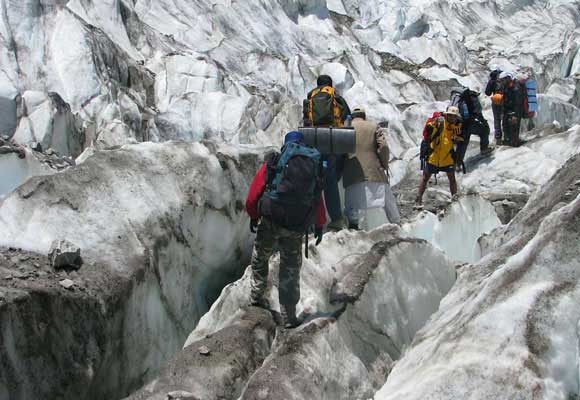
Trekkers cross rugged trails, glacier moraine and high-altitude terrain. The journey includes long walking days and remote camping.
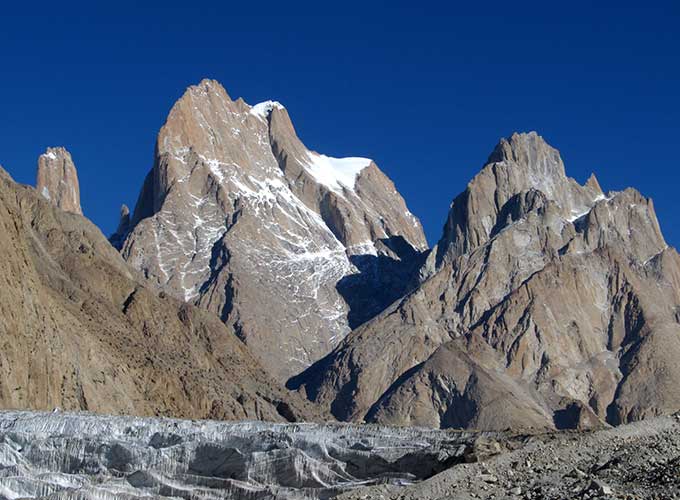
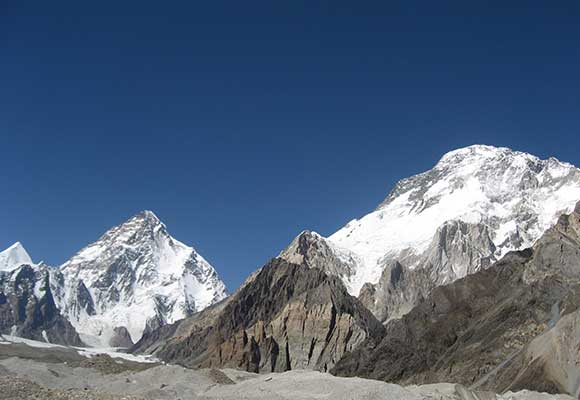
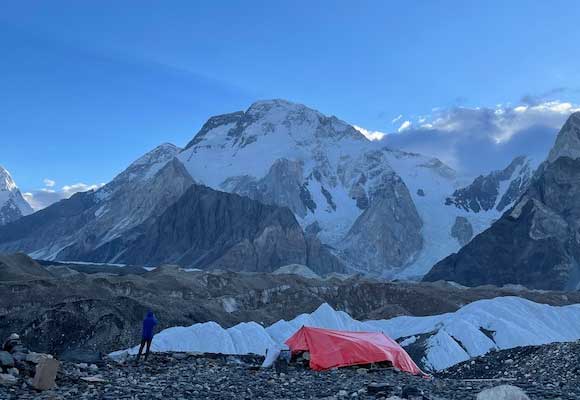
Concordia is one of the most spectacular points on the route because it provides an extraordinary panorama of the surrounding Karakoram.
The route then continues toward Broad Peak Base Camp and K2 Base Camp.
For travelers interested in this experience, a K2 Base Camp Tour can provide organized transportation, accommodation, guides, porters and trekking logistics.
When comparing K2 Base Camp Tour Company options, travelers should evaluate experience, itinerary, safety procedures and exactly what is included.
Likewise, research the K2 Base Camp Tour Cost and K2 Base Camp Price carefully rather than comparing only the headline package price.
A properly organized K2 Base Camp Tour Package can make the complicated logistics of the Karakoram considerably easier to manage.
What Makes Everest Difficult?
It is important not to make the comparison unfair to Everest.
Everest presents several major hazards:
Extreme altitude
At 8,848.86 meters, Everest exposes climbers to some of the lowest oxygen levels encountered during mountaineering.
Khumbu Icefall
The Khumbu Icefall is a constantly changing glacier section containing crevasses, seracs and unstable ice.
Lhotse Face
The steep Lhotse Face presents a demanding high-altitude climb, particularly when climbers are already exhausted.
Cold and wind
Temperatures near the summit can be extremely low, with strong winds creating dangerous wind-chill conditions.
Fatigue
The final summit push can take many hours, requiring climbers to remain focused despite extreme exhaustion.
Therefore, saying “K2 is harder” should never be interpreted as “Everest is easy.”
K2 Base Camp Trek — 20-Day Itinerary
Days 1–10
Day 1: Introduction — K2 vs Everest
Introduce the central question: Is K2 a harder climb than Everest? Explain that Everest is higher, while K2 is generally considered more technically difficult.
Day 2: Comparing Mountain Heights
Compare Everest at 8,848.86 meters with K2 at 8,611 meters. Explain why elevation alone does not determine climbing difficulty.
Day 3: Why K2 Is Considered Harder
Discuss K2’s steep terrain, technical climbing, unpredictable weather, exposure, and remote location.
Day 4: Everest Climbing Difficulty
Explain the major challenges of Everest, including extreme altitude, the Khumbu Icefall, Lhotse Face, cold, wind, and exhaustion.
Day 5: K2 Technical Climbing
Cover the technical sections of K2, including steep rock, ice, mixed terrain, fixed ropes, and difficult route-finding.
Day 6: Weather on K2 vs Everest
Compare the weather challenges on both mountains, focusing on storms, high winds, snowfall, cold temperatures, and limited summit windows.
Day 7: Route and Terrain Comparison
Explain how the standard K2 and Everest routes differ in steepness, technical sections, glacier crossings, and exposure.
Day 8: K2’s Remote Location
Discuss K2’s location in Pakistan’s Karakoram and the demanding approach to K2 Base Camp through the Baltoro region.
Day 9: Rescue and Emergency Challenges
Explain why rescue and retreat can be more complicated on K2 because of its remote location, steep terrain, weather, and limited infrastructure.
Day 10: Summit Success and Historical Difficulty
Discuss the historical reputation of K2 and explain why its summit success rate and climbing history contribute to its reputation as one of the world’s hardest mountains.
Days 11–20
Day 11: K2 Base Camp vs K2 Summit
Clarify the important difference between completing the K2 Base Camp Trek and attempting to climb K2 itself. Explain that reaching base camp does not require technical summit-climbing skills.
Day 12: K2 Base Camp Trek Route
Introduce the classic route from Islamabad and Skardu through Askole/Jhola, Paiju, Urdukas, Goro II, Concordia, Broad Peak Base Camp, and K2 Base Camp.
Day 13: K2 Base Camp Trek Difficulty
Explain the physical demands of the trek, including altitude, long walking days, glacier moraine, remote camping, cold conditions, and acclimatization.
Day 14: K2 and Gondogoro La Trek
Discuss the K2 and Gondogoro La Trek Pakistan 2026 as a more demanding trekking option involving a high-altitude pass and technical sections.
Day 15: K2 vs Everest — Skills Required
Compare the mountaineering experience, technical climbing ability, glacier skills, altitude experience, equipment, and expedition preparation required for each mountain.
Day 16: Other Pakistan Trekking Adventures
Introduce alternatives such as the Snow Lake trek, Rakaposhi base camp Hunza valley trek, and Fairy Meadows Trek for travelers interested in Pakistan’s mountain landscapes.
Day 17: Pakistan Cultural Experiences
Highlight the Indus valley civilization tour, Shandoor Polo festival, and kalash festival tour as cultural experiences that can complement an adventure trip through Pakistan.
Day 18: Preparation and Safety
Explain physical training, acclimatization, appropriate equipment, weather awareness, professional guides, contingency planning, and the importance of turning around when conditions become unsafe.
Day 19: FAQs — K2 vs Everest
Answer key questions such as:
- Is K2 harder than Everest?
- Is Everest higher than K2?
- Which mountain is more technical?
- Is K2 Base Camp the same as climbing K2?
- Can beginners climb K2?
- Is Gondogoro La harder than the standard K2 Base Camp route?
Day 20: Conclusion
Summarize the comparison: Everest is higher, but K2 is generally considered harder to climb because of its technical terrain, steepness, severe weather, exposure, and remoteness. End by distinguishing a K2 Base Camp Trek from a technical K2 summit expedition and emphasizing preparation, experience, and professional support.
FAQs
Is K2 harder to climb than Everest?
Yes. K2 is generally considered technically and objectively more difficult than Everest because of its steep terrain, technical climbing, severe weather, route exposure and limited infrastructure. Everest, however, remains an extremely dangerous and demanding high-altitude climb.
Is K2 higher than Everest?
No. Everest is higher at 8,848.86 meters, while K2 is 8,611 meters. K2’s greater difficulty comes primarily from its technical and environmental challenges rather than elevation.
Which mountain has more technical climbing, K2 or Everest?
K2 generally requires more sustained technical climbing on its standard routes. Climbers encounter steep rock, ice and mixed terrain at extreme altitude.
Is the K2 Base Camp Trek the same as climbing K2?
No. The K2 Base Camp Trek takes trekkers to the base camp area but does not involve climbing K2. A summit expedition requires advanced mountaineering skills and specialist equipment.
How difficult is the K2 Base Camp Trek?
The trek is physically demanding because of long walking days, high altitude, rugged terrain, glacier moraine and remote camping. However, it is substantially different from a technical K2 summit expedition.
Can a beginner climb K2?
K2 is not an appropriate objective for inexperienced climbers. A successful summit attempt requires substantial high-altitude and technical mountaineering experience.
Why is K2 called the Savage Mountain?
The nickname reflects K2’s reputation for extreme technical difficulty, severe weather, steep terrain and historically high risks among 8,000-meter peaks.
Which is safer, K2 or Everest?
Neither mountain should be considered safe. Everest’s standard commercial route has considerably more established infrastructure and rescue resources, while K2 is more remote and technically demanding. Conditions can change rapidly on both mountains.
Is Gondogoro La harder than K2 Base Camp?
Gondogoro La is significantly more technically demanding than the standard K2 Base Camp return route because the pass involves steep high-altitude terrain and technical glacier sections. However, it is still a trekking route and should not be compared directly with a K2 summit climb.
K2 vs Everest: Which Mountain Is Harder?
In simple terms, K2 is generally considered harder to climb than Everest.
Everest is higher, but its standard Nepalese route has been developed into a comparatively established commercial climbing route. K2 has fewer climbers, more technical terrain, steeper sections, more complex route-finding, and notoriously severe weather.
This does not mean Everest is easy. Climbing Everest remains an extremely serious undertaking involving altitude, cold, crevasses, avalanche hazards, exhaustion, and potentially life-threatening conditions.
The difference is that K2 combines extreme altitude with a particularly demanding technical route.
1. Altitude: Everest Has the Advantage in Height
Everest is the highest mountain on Earth at 8,848.86 meters above sea level.
K2 stands at 8,611 meters, making it the second-highest mountain.
At first glance, this might suggest Everest should be harder. Altitude is certainly one of the biggest challenges on both mountains.
Above 8,000 meters, climbers enter the so-called death zone, where atmospheric oxygen is dramatically reduced. Human performance deteriorates rapidly, and prolonged exposure becomes increasingly dangerous.
However, altitude is only one part of climbing difficulty.
K2’s lower elevation does not make it easier because its route presents greater technical and environmental challenges.
2. K2 Is More Technically Difficult
One of the biggest differences between K2 and Everest is technical climbing difficulty.
The standard Everest routes include technically challenging sections, particularly the Khumbu Icefall, Lhotse Face, Hillary Step area and upper mountain. Nevertheless, extensive commercial infrastructure and established route systems have developed around the popular Nepal route.
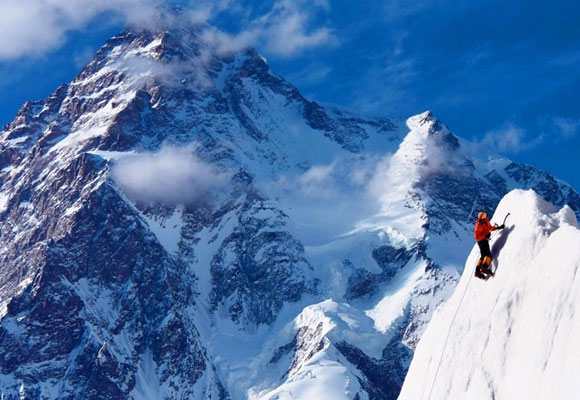
K2’s Abruzzi Spur contains steep rock, ice, snow and mixed climbing.
Sections such as House’s Chimney, the Black Pyramid, and the Bottleneck demand serious technical ability and careful decision-making.
The Bottleneck is particularly notorious because climbers must negotiate steep terrain beneath an unstable serac barrier. The combination of steep climbing and falling ice makes this section especially dangerous.
For experienced mountaineers, this technical character is one of the main reasons K2 is considered harder.
3. K2 Has More Severe Weather
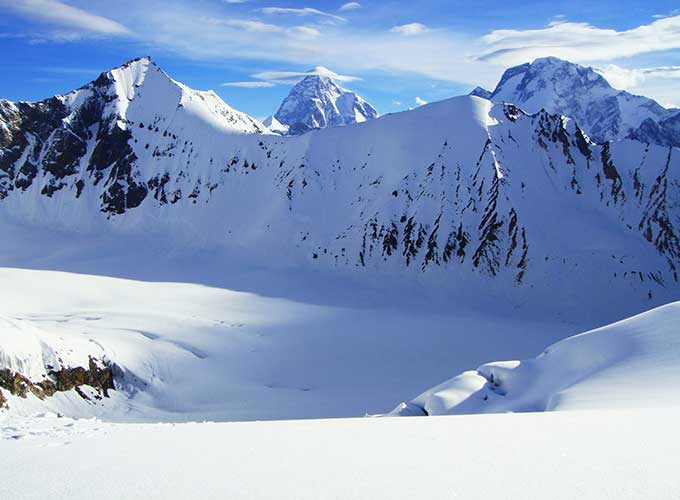
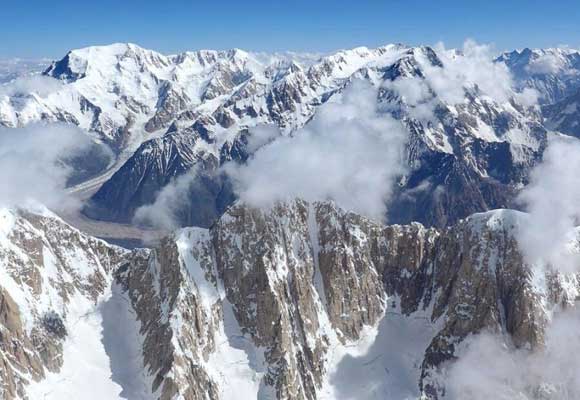
Karakoram is famous for rapidly changing mountain weather.
K2 is particularly exposed to powerful storms. Strong winds, heavy snowfall, low temperatures and poor visibility can prevent climbers from reaching the summit even when they are physically prepared.
Weather windows can be limited.
A successful K2 expedition therefore requires patience and flexibility. Climbers may spend considerable time waiting for suitable conditions before attempting higher sections.
Everest also experiences extreme weather, especially around the summit and during the pre-monsoon climbing season. However, K2’s combination of technical terrain and severe weather makes its climbing environment particularly unforgiving.
4. The K2 Route Is Steeper
K2’s climbing routes contain long sections of steep terrain.
The Abruzzi Spur requires climbers to negotiate rock, ice and mixed terrain at high altitude. The technical difficulty becomes especially significant because climbers are operating in an environment where fatigue and oxygen deprivation reduce physical and mental performance.
On Everest, climbers also encounter steep sections, but much of the standard route has established fixed ropes and extensive expedition infrastructure.
The difference is not that Everest lacks technical climbing. Rather, K2 requires a greater proportion of advanced technical climbing under extreme conditions.
5. K2 Is More Remote
Location also matters.
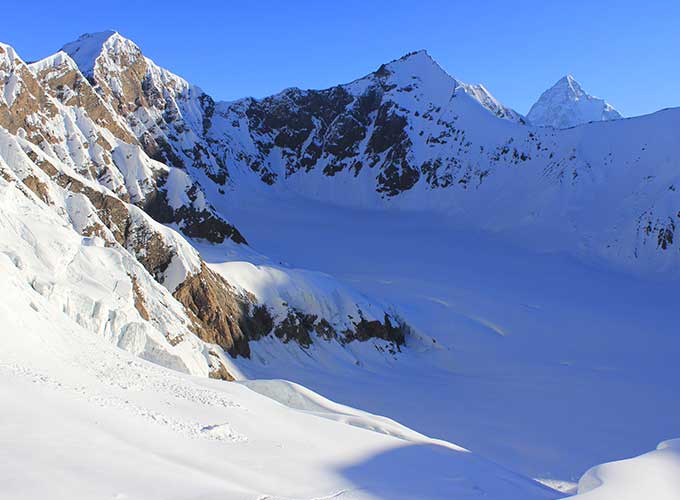
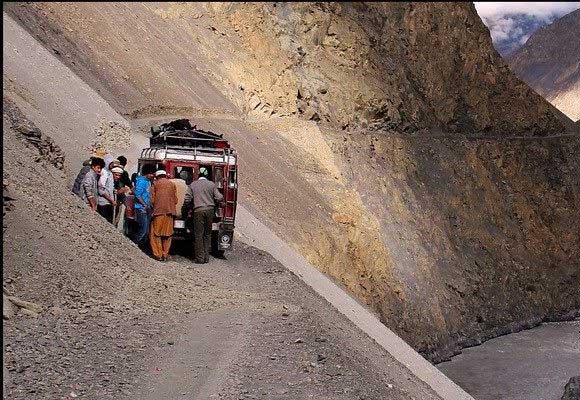
K2 is situated in Pakistan’s remote Karakoram, far from major population centers. Access to K2 Base Camp itself requires a lengthy trek through the Baltoro Glacier region.
The approach is part of the adventure.
A typical K2 Base Camp Trek travels from Skardu toward Askole and then through the Braldu Valley, Paiju, Urdukas, Goro II and Concordia before continuing toward K2 Base Camp.
For climbers attempting the summit, this remote setting adds logistical complexity.
Everest’s Nepalese south-side route also involves a substantial approach trek, but the Everest region has a much larger established tourism and mountaineering infrastructure.
6. Rescue and Retreat Are More Complicated on K2
One of the most important differences between the mountains is the difficulty of rescue and retreat.
On a commercial Everest expedition, climbers are supported by a large network of guides, Sherpas, camps and established infrastructure.
K2 is more isolated.
When something goes wrong at high altitude, evacuation can be extremely complicated. Weather, steep terrain, altitude and distance from lower camps can all complicate rescue operations.
This makes decision-making especially important.
On a difficult mountain, turning around early can be the difference between a manageable retreat and a serious emergency.
7. K2 Has a Lower Summit Success Rate
Historically, K2 has had a significantly lower summit success rate than Everest.
The exact figures vary substantially by year, route, expedition strategy and climbing conditions, so a single percentage should not be treated as a permanent measure of difficulty.
Nevertheless, historical mountaineering records consistently demonstrate that K2 has been substantially less frequently summited than Everest relative to attempts.
This reflects the mountain’s technical difficulty, weather, route complexity and logistical challenges.
Modern equipment, forecasting, fixed ropes, improved expedition logistics and climbing experience have improved outcomes on both mountains, but K2 remains an exceptionally difficult objective.
K2 Base Camp Trek vs K2 Summit Climb
This distinction is essential for travelers searching for information about K2.
The K2 Base Camp Trek is a trekking adventure.
Climbers do not attempt to summit K2 during the standard base camp trek.
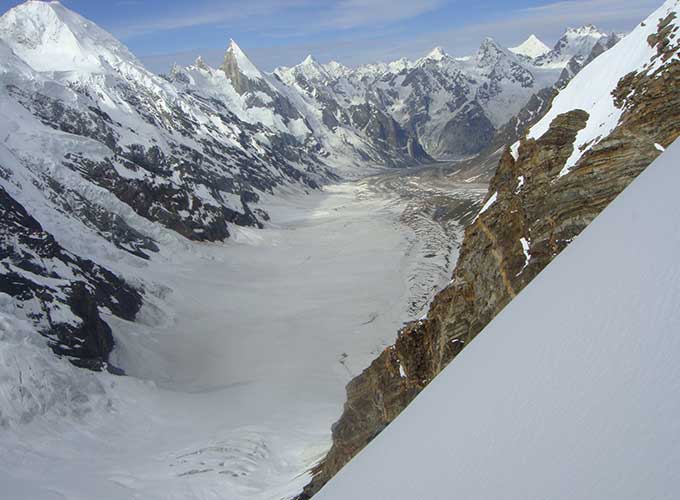
The route generally follows the Baltoro Glacier and reaches the K2 Base Camp area at roughly 5,150 meters. The trek requires endurance, acclimatization and preparation for rugged terrain, but it does not involve climbing K2’s upper technical sections.
A summit expedition is completely different.
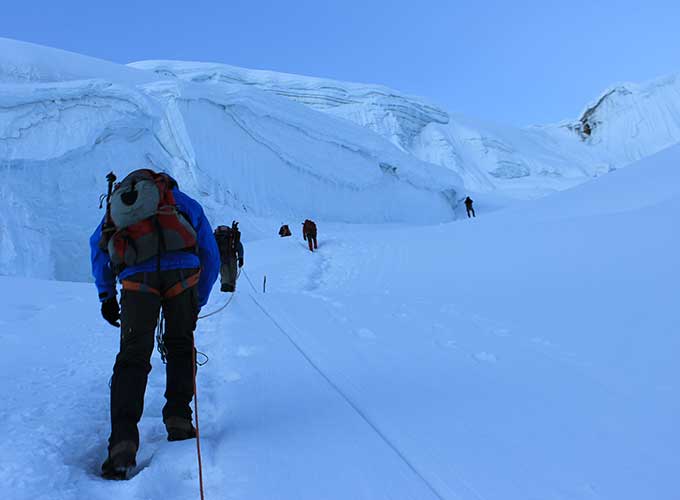
A K2 climbing expedition requires advanced mountaineering experience, glacier travel knowledge, technical rock and ice climbing skills, rope techniques, high-altitude experience, specialized equipment and the ability to operate safely in severe conditions.
K2 and Gondogoro La Trek: An Advanced Trekking Option
Travelers seeking a more demanding experience can consider the K2 and Gondogoro La Trek Pakistan 2026.
This route combines the K2 Base Camp experience with the Gondogoro La crossing.
Gondogoro La is a high-altitude mountain pass requiring greater technical ability than the standard K2 Base Camp return route. The crossing can involve steep terrain, glacier travel and fixed-rope sections.
It should therefore be considered an advanced trekking objective rather than a simple extension of a conventional hiking trip.
K2 and Everest: Key Differences at a Glance
Factor |
K2 |
Everest |
Elevation |
8,611 m |
8,848.86 m |
Rank |
2nd highest |
Highest |
Technical difficulty |
Generally higher |
High |
Standard commercial infrastructure |
More limited |
More developed |
Weather |
Extremely severe |
Extremely severe |
Route character |
Steep, technical and exposed |
High-altitude with technical sections |
Remote setting |
Very remote |
More established approach |
Summit experience |
Advanced mountaineering |
Advanced mountaineering |
Base Camp trek |
Demanding |
Demanding |
Overall climbing reputation |
Generally harder |
Extremely challenging |
The table should not be interpreted as suggesting Everest is safe or easy. Both mountains require serious preparation and professional expedition management.
Other Adventure Experiences in Pakistan
Pakistan offers many mountain adventures beyond K2.
The Snow Lake trek is an exceptional glacier journey for experienced trekkers.
Travelers can explore a Snow Lake trek Tour, compare a Snow Lake trek Tour Company, and research the Snow Lake trek Tour Cost, Snow Lake trek Price and Snow Lake trek Package.
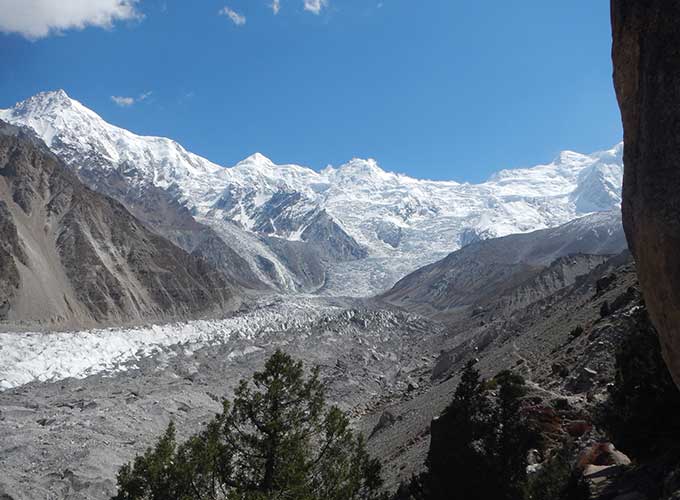
The Rakaposhi base camp Hunza valley trek is another excellent option for mountain travelers seeking dramatic views without undertaking an 8,000-meter summit expedition.
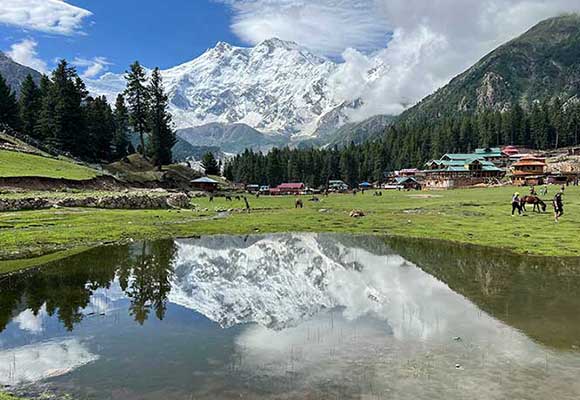
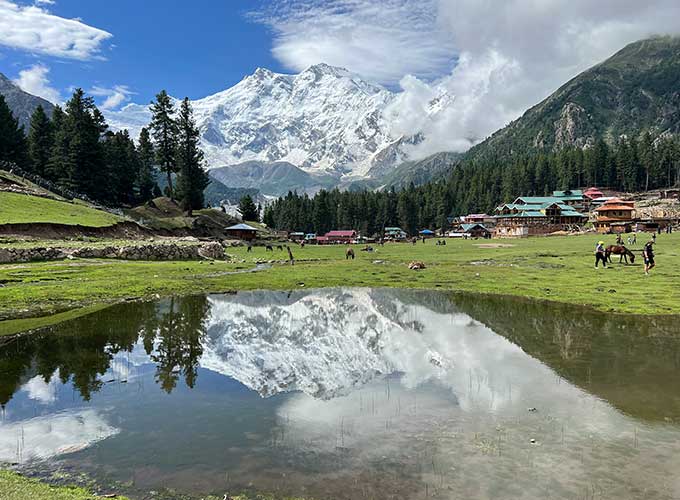
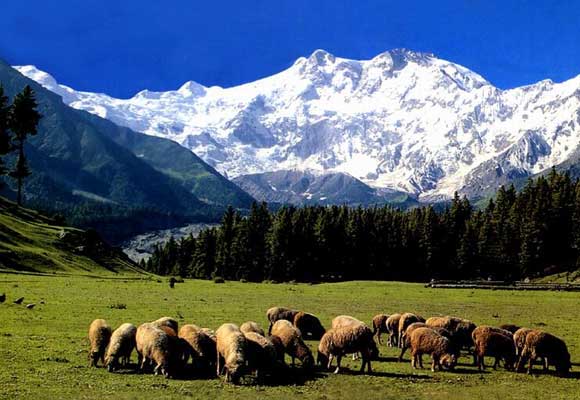
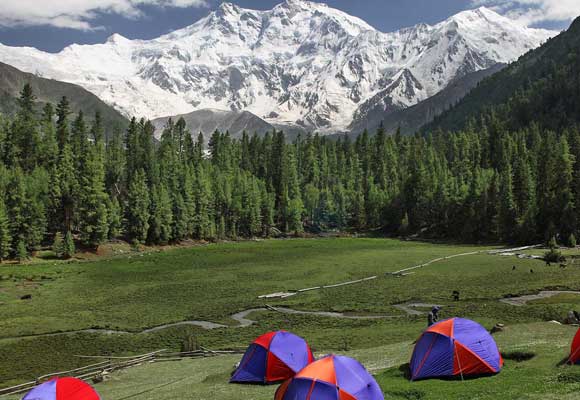
For a comparatively accessible mountain experience, the Fairy Meadows Trek offers spectacular scenery beneath Nanga Parbat.
Travelers can compare a Fairy Meadows Trek Tour, Fairy Meadows Trek Tour Company, Fairy Meadows Trek Cost, Fairy Meadows Trek Price and Fairy Meadows Trek Package.
Cultural Experiences Around Pakistan
Pakistan’s tourism opportunities extend beyond mountains.
An Indus valley civilization tour offers travelers an opportunity to explore important archaeological and historical sites associated with one of the world’s earliest urban civilizations.
The Shandoor Polo festival provides a completely different experience, combining mountain landscapes with traditional polo at Shandur Pass.
Visitors can explore a Shandoor Polo festival tour, Shandoor Polo festival tour Company, Shandoor Polo festival Cost, Shandoor Polo festival Price and Shandoor Polo festival tour Package.
The kalash festival tour offers travelers an opportunity to experience the distinctive cultural traditions and festivals of the Kalash communities.
Is K2 a Harder Climb Than Everest? | Climbing Difficulty & Key Differences has a clear answer: K2 is generally regarded as the harder mountain to climb, even though Everest is higher.
Everest’s primary challenge is extreme altitude combined with serious glacier, weather and endurance hazards. K2 adds a greater level of technical climbing, steep terrain, severe weather, exposure and remoteness. Its demanding route means climbers need advanced skills and extensive high-altitude experience.
For adventure travelers who want to experience the K2 region without attempting a summit, the K2 Base Camp Trek is a remarkable alternative. It provides access to Concordia, Broad Peak Base Camp and the K2 Base Camp area while avoiding the technical climbing required above base camp.
Whether choosing K2 Base Camp, the K2 and Gondogoro La Trek Pakistan 2026, Snow Lake trek, Rakaposhi base camp Hunza valley trek, or Fairy Meadows Trek, proper preparation and professional guidance remain essential. Pakistan’s Karakoram offers extraordinary opportunities for adventure, but its mountains demand respect, careful planning and realistic expectations.
K2 Base Camp and Gondogoro La Trek
K2 Base Camp Trek
K2 Base Camp Trek Concordia
Mashabrum & Gondogoro BC Trek
K6/K7 BC Trek
Thalle La Trek Pakistan
Spantik Base Camp & Haramosh La Trek
Rakaposhi Base Camp Trek
Batura Glacier Trek
Patundas Trek
Shimshal Valley Trek
Tirich Mir Base Camp Trek
Wakhan Corridor Trek
Naltar Ishkoman Pass Trek
Darkot and Broghil Passes Trek
Around Nanga Parbat Mazeno Pass Trek
5X8000m Base Camp Trek
Great Karakorum Traverse Trek
K2 Expedition (8611m)
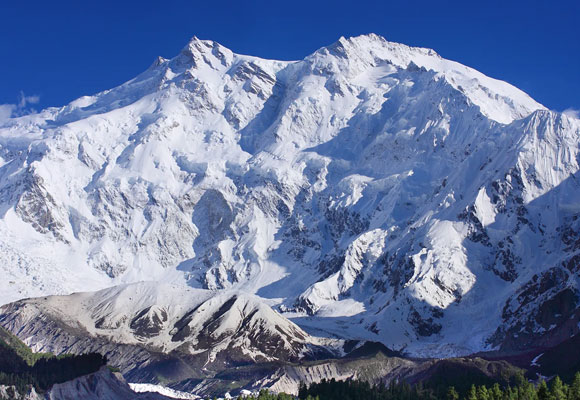
Nanga Parbat Expedition (8126m)
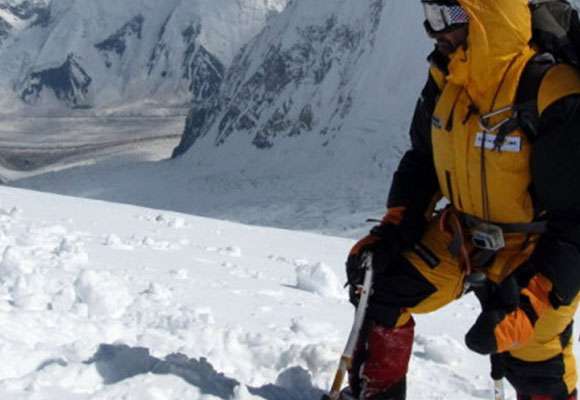
Broad Peak Expedition (8047m)
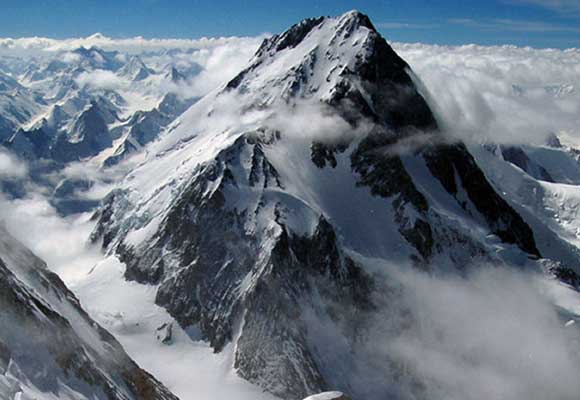
Gasherbrum 1 Expedition (8068m)
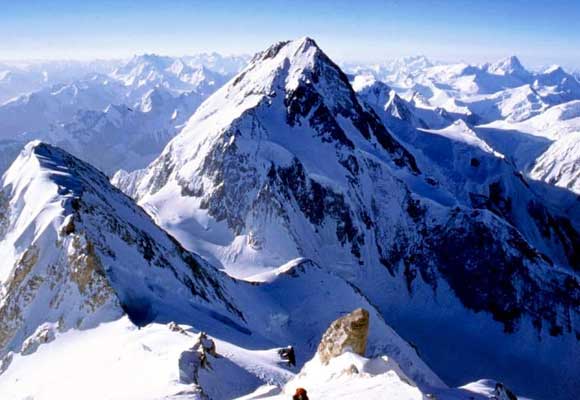
Gasherbrum II Expedition (8035m)
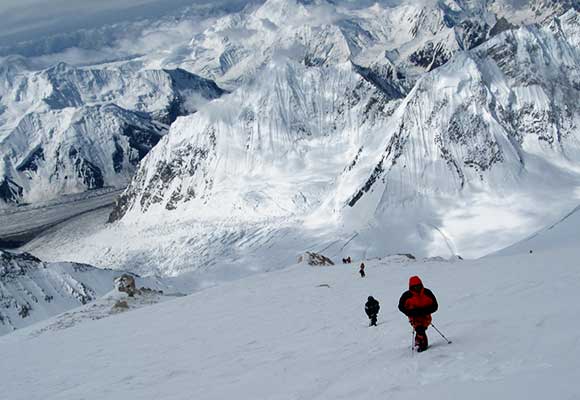
Gasherbrum III Expedition (7952m)
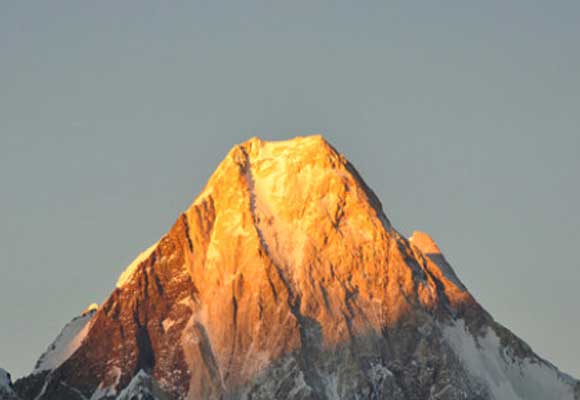
Gasherbrum IV Expedition (7925m)
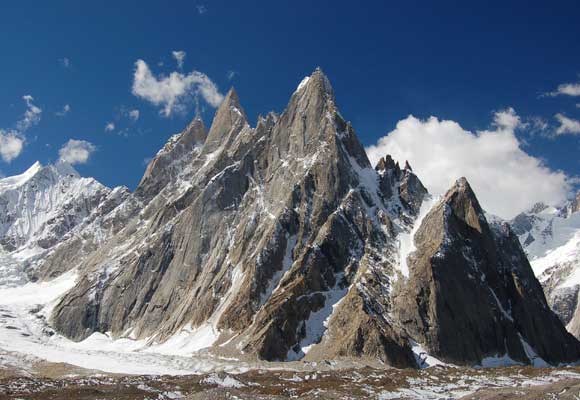
Masherbrum Expedition (7821m)
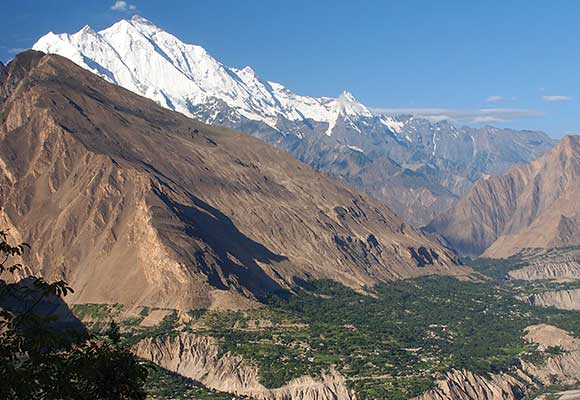
Rakaposhi Expedition (7788m)
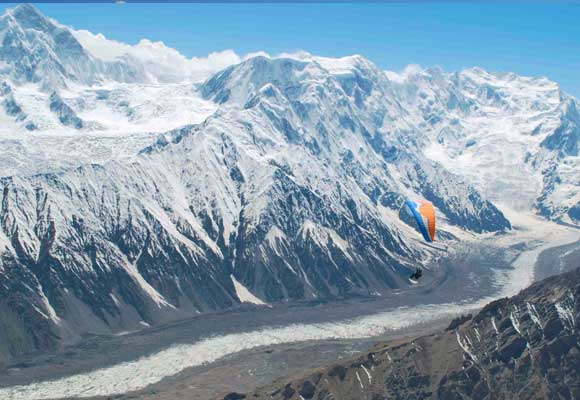
Batura Sar Expedition (7785 m)
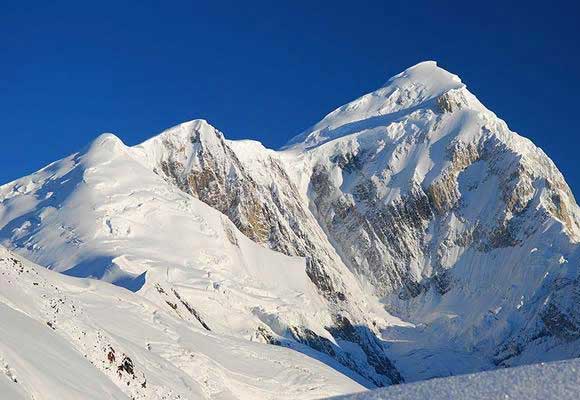
Tirich Mir Expedition (7708m)
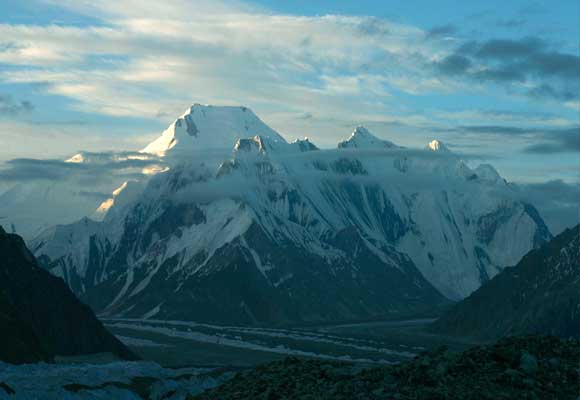
Chogolisa Expedition (7665 m)
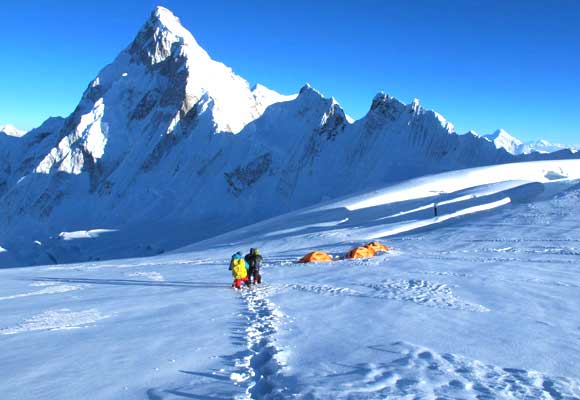
Passu Peak Expedition (7478m)
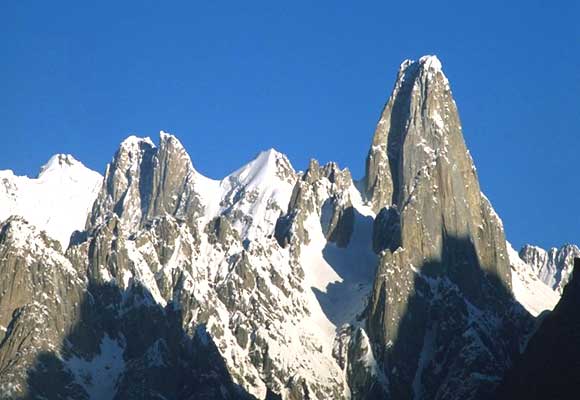
Muztagh Tower Expedition (7273m)
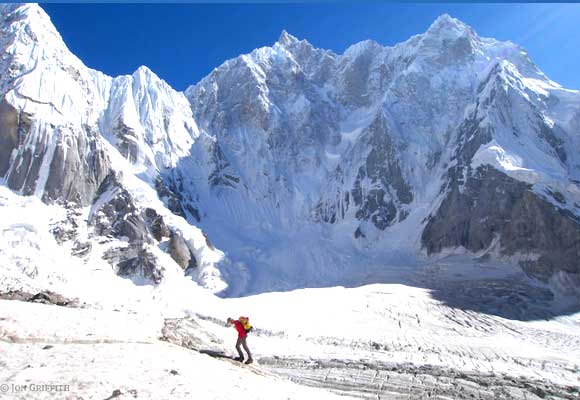
K6 Peak Expedition (6935m)
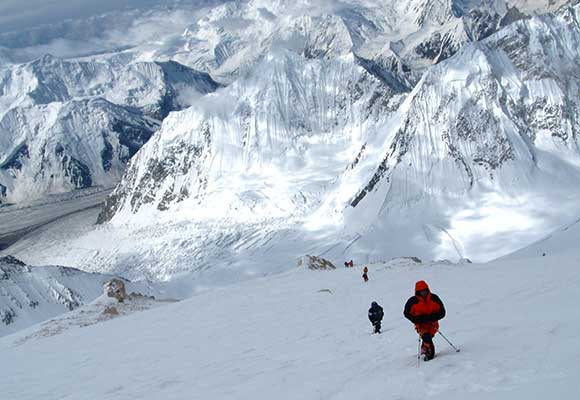
Diran Peak Expedition (7272m)
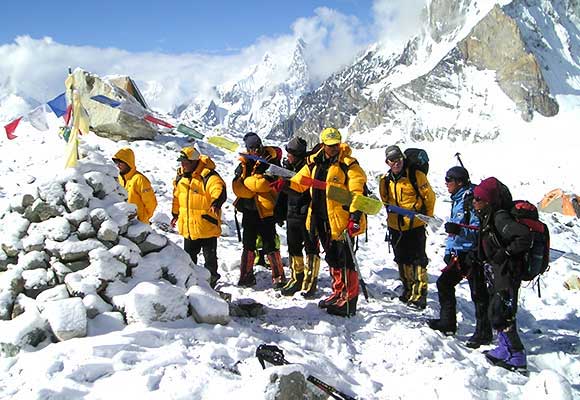
Latok 1 Expedition (7145 m)
Laila Peak Expedition (6095m)
Minglik Sar Peak Expedition (6050m)
Rush Peak Expedition (5,098m)