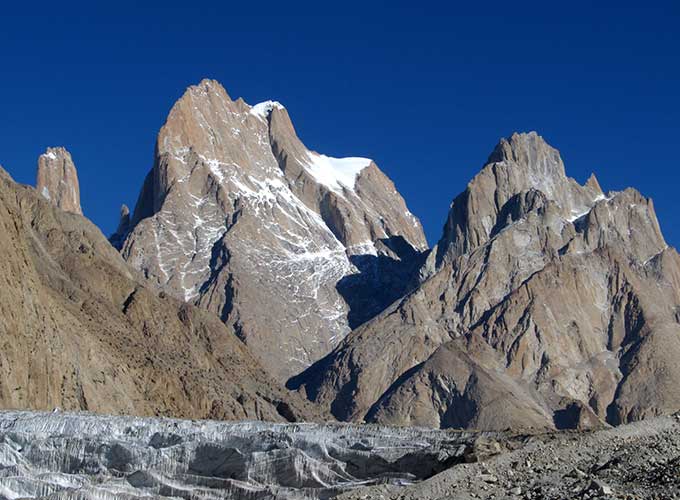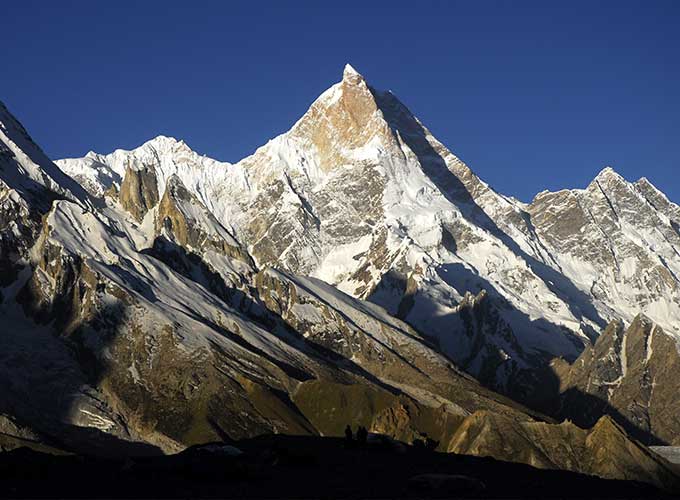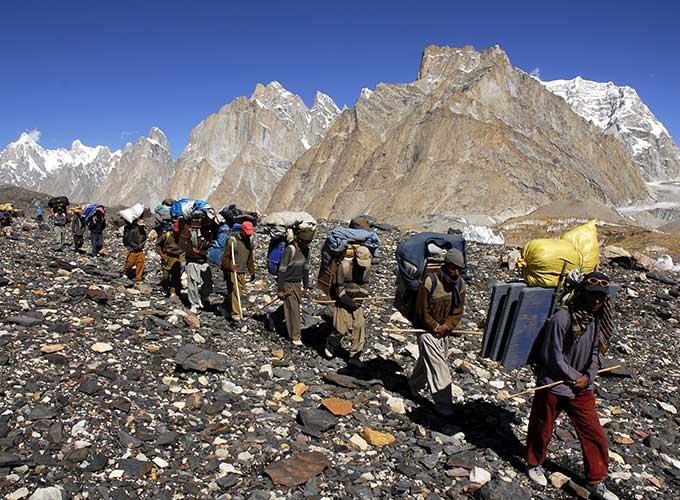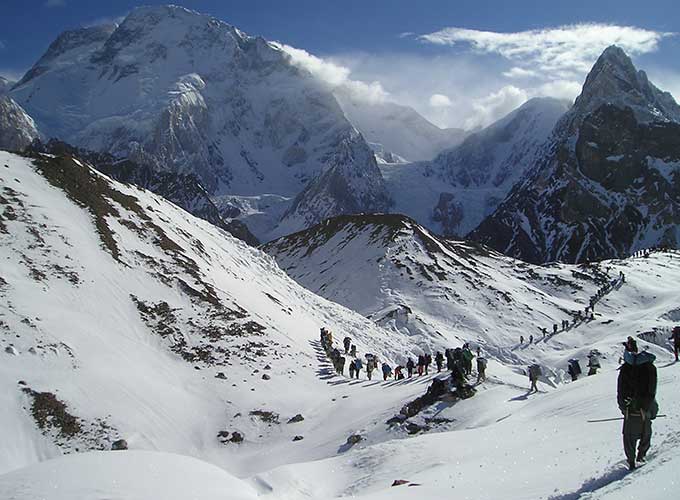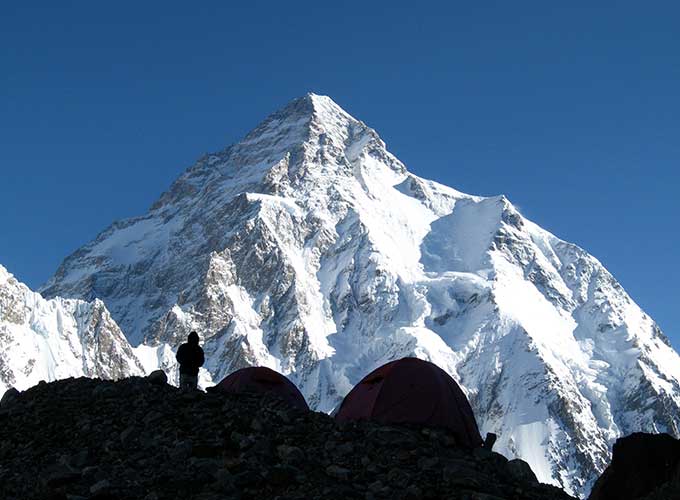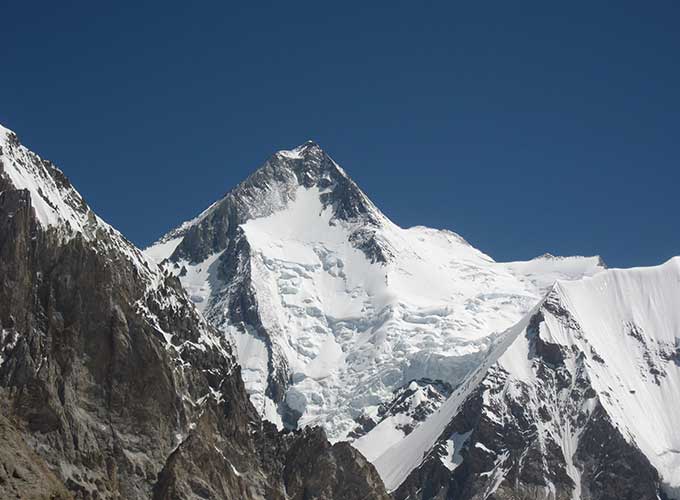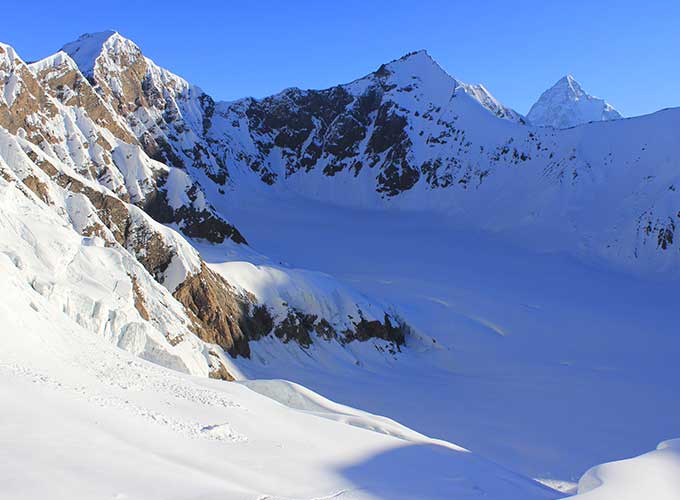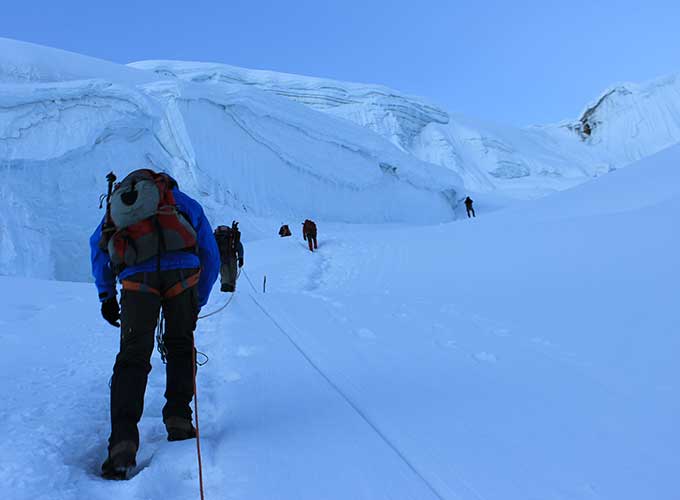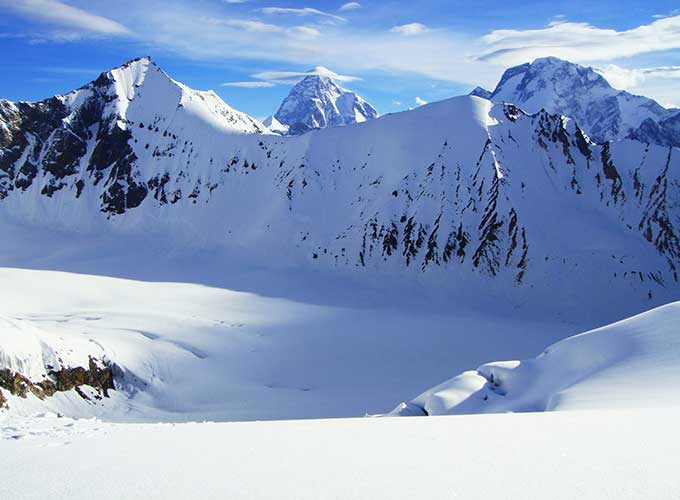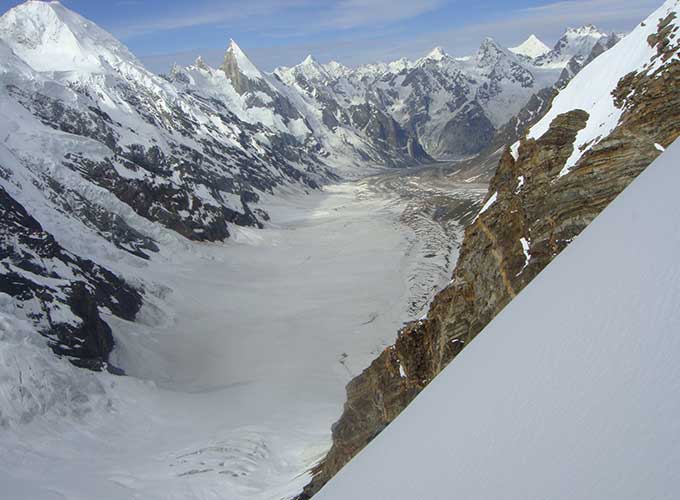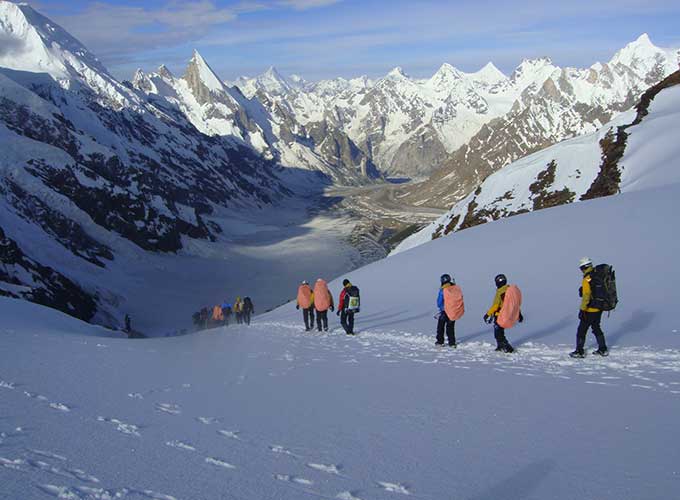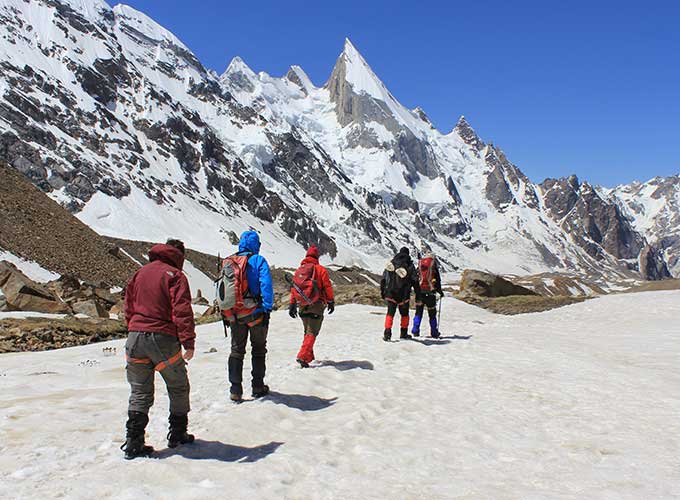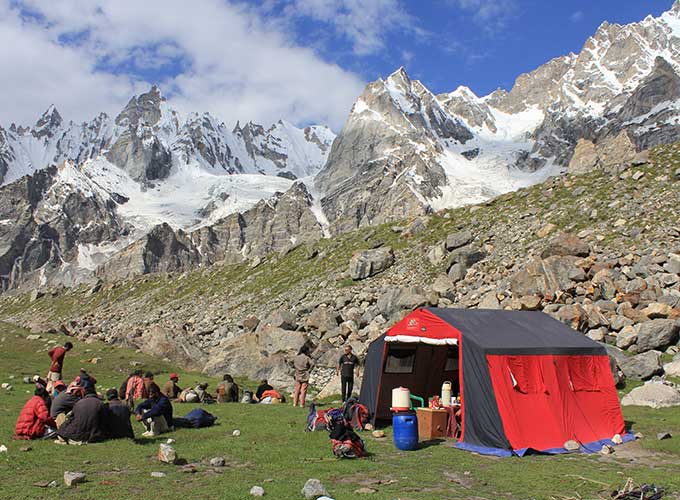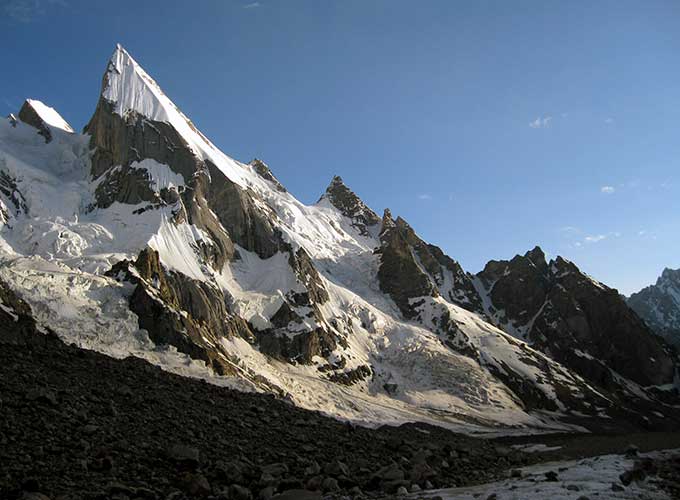
Planning a high-altitude climbing adventure requires more than selecting a destination. Choosing the right K2 Expedition Company is essential for climbers preparing to attempt K2, the world’s second-highest mountain at approximately 8,611 meters. A professional expedition requires detailed logistics, experienced mountain leadership, acclimatization, technical equipment, permits, base-camp support, and carefully managed safety procedures.
As an Adventure Pakistan market analyst tracking Pakistan’s trekking and mountaineering tourism sector, I recommend comparing expedition operators based on experience, climbing support, route planning, emergency procedures, accommodation, transportation, and transparent package inclusions. K2 is an extremely demanding mountaineering objective, and no operator can eliminate the natural risks associated with altitude, weather, glaciers, steep terrain, and avalanches.
For travelers who want to explore the Karakoram without attempting the summit, K2 Base Camp Trek and K2 and Gondogoro La Trek Pakistan 2026 provide outstanding alternatives. This guide explains K2 expedition planning, company selection, preparation, costs, safety, and other Adventure Pakistan experiences.
K2 Expedition Company | Overview
A K2 Expedition Company provides professional planning and logistical support for climbers preparing to attempt K2, the world’s second-highest mountain at approximately 8,611 meters. A well-organized expedition may include permits, transportation, accommodation, experienced mountain guides, porters, base-camp facilities, meals, communication systems, and high-altitude support. K2 is an extremely challenging mountaineering objective, requiring previous technical climbing experience, strong physical fitness, proper acclimatization, and specialized equipment. When choosing a K2 Expedition Company, climbers should carefully review expedition experience, guide qualifications, safety procedures, itinerary, package inclusions, emergency planning, and overall logistics. Professional support can make expedition planning more organized while helping climbers prepare responsibly for demanding Karakoram conditions.
What Is a K2 Expedition Company?
A K2 Expedition Company organizes the complex services required for an international or domestic mountaineering expedition. K2 is located in the remote Karakoram, meaning that successful logistics are an important part of the expedition.
A professional operator may coordinate:
- Expedition permits and documentation
- Airport transfers
- Hotel accommodation
- Domestic transportation
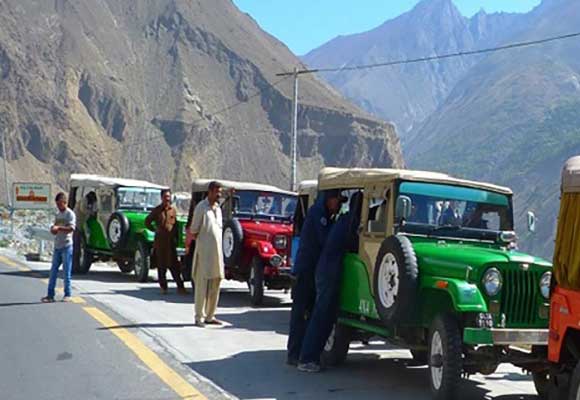
- Travel toward Skardu and Askole
- Trekking and climbing staff
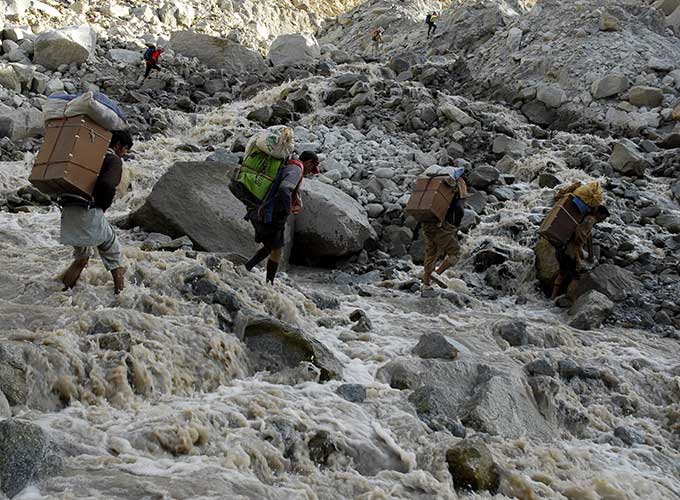
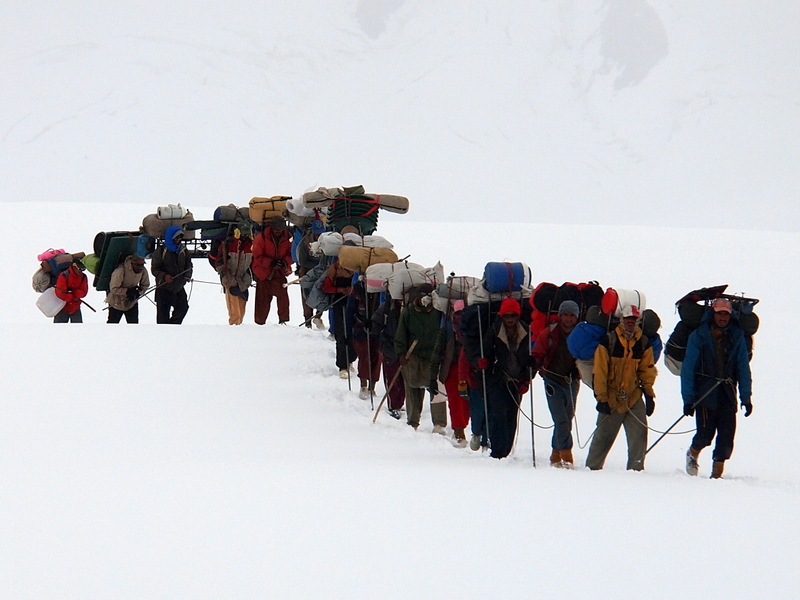
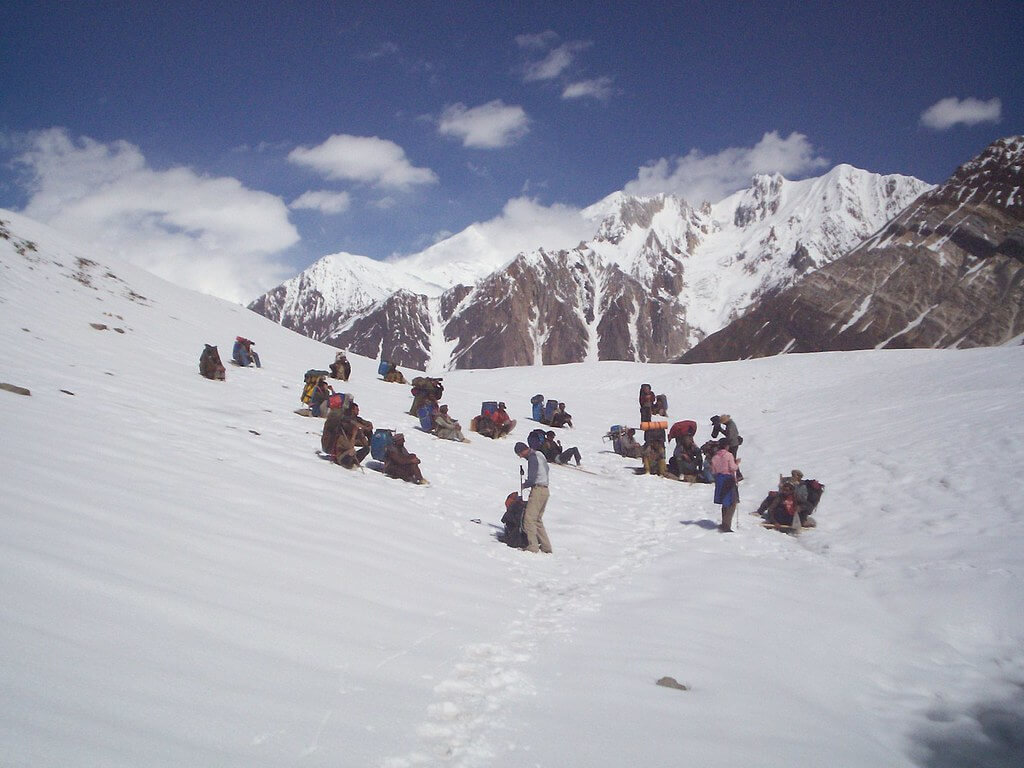
- Porters and high-altitude support
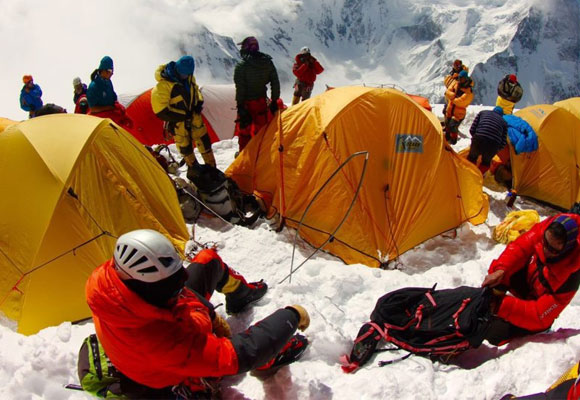
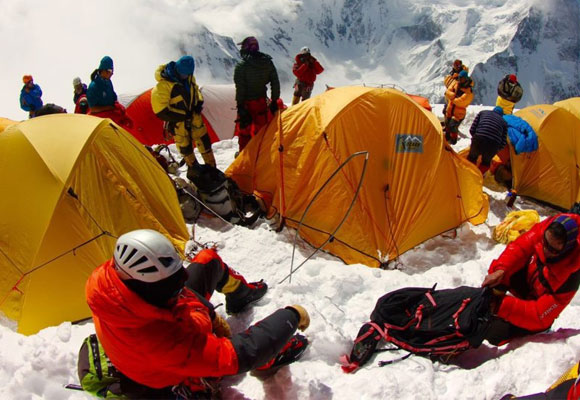
- Base-camp facilities
- Food and kitchen services
- Communication equipment
- Fixed-rope support
- Climbing logistics
- Emergency planning
- Return transportation
The exact services depend on the company and expedition package, so climbers should request a detailed itinerary before making a booking.
Why Choose a Professional K2 Expedition Company?
K2 is not a beginner-level mountain. The ascent requires significant mountaineering experience, technical climbing skills, high-altitude knowledge, physical endurance, and the ability to make safe decisions under difficult conditions.
A professional expedition company can help organize the logistical side of the journey and provide experienced mountain personnel. However, an operator cannot guarantee a summit or remove the inherent risks of climbing K2.
A responsible company should prioritize:
- Safety over summit ambitions
- Realistic acclimatization
- Experienced leadership
- Clear communication
- Weather monitoring
- Appropriate turnaround decisions
- Emergency preparedness
- Transparent pricing
When comparing companies, climbers should consider these factors rather than selecting an operator solely because it offers the lowest price.
How to Select the Best K2 Expedition Company
1. Check Expedition Experience
Look for a company with genuine experience organizing expeditions in the Karakoram and other high-altitude environments.
2. Evaluate the Climbing Team
Ask about the experience and qualifications of expedition leaders, guides, and high-altitude support staff.
3. Review the Acclimatization Strategy
A suitable itinerary should provide enough time for climbers to adapt to increasing elevation.
4. Examine Base-Camp Support
Find out what the company provides at base camp, including accommodation, dining facilities, food, communication systems, and support staff.
5. Ask About High-Altitude Support
Clarify whether high-altitude porters, specialist climbing personnel, oxygen systems, and other equipment are included.
6. Understand Emergency Procedures
Ask how the company handles serious illness, injury, severe weather, or evacuation.
7. Compare Package Inclusions
Request a written quotation showing exactly what is included and excluded.
K2 Expedition Cost Factors
There is no single fixed K2 expedition price. The final cost can vary substantially depending on the level of support and expedition structure.
K2 Expedition – Basecamp Services
Start |
End |
Status |
Price |
Deposit |
Registration |
|---|---|---|---|---|---|
19 Jun |
17 Aug |
Guaranteed |
US$13,000 |
US$1,000 |
K2 Expedition – Full Board Services
Start |
End |
Status |
Price |
Deposit |
Registration |
|---|---|---|---|---|---|
19 Jun |
17 Aug |
Guaranteed |
US$30,000 |
US$15,000 |
Important cost factors include:
- Expedition permits
- Duration
- Group size
- Guide services
- High-altitude staff
- Porter services
- Base-camp infrastructure
- Food
- Camping
- Transportation
- Hotels
- Domestic flights
- Technical equipment
- Oxygen
- Communication systems
- Insurance
- Emergency arrangements
A lower advertised price may exclude important services that must later be purchased separately. Comparing complete packages provides a more accurate understanding of value.
K2 Expedition 60-Day Itinerary
A 60-day K2 Expedition requires a long expedition schedule because climbers need time for the approach trek, acclimatization, establishing higher camps, weather contingencies, and the summit attempt. The following is a sample 60-day itinerary; actual dates and camp movements can change because of weather, route conditions, permits, health, and expedition leadership decisions.
Days 1–30
Day 1: Arrival in Islamabad
Arrive in Islamabad, meet the expedition team, transfer to the hotel, and attend an initial briefing.
Day 2: Islamabad – Expedition Preparation
Complete administrative arrangements, review equipment, and prepare personal and group gear for the Karakoram journey.
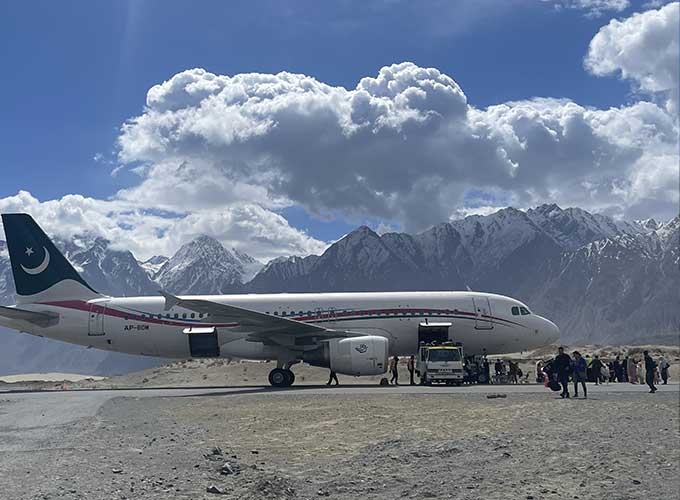
Day 3: Islamabad – Skardu
Fly to Skardu, weather permitting. Enjoy views of the northern mountains and transfer to the hotel.
Day 4: Skardu – Acclimatization
Spend the day in Skardu for acclimatization and final expedition preparations.
Day 5: Skardu – Expedition Briefing
Complete equipment checks, meet support staff, and finalize food, baggage, and transportation arrangements.
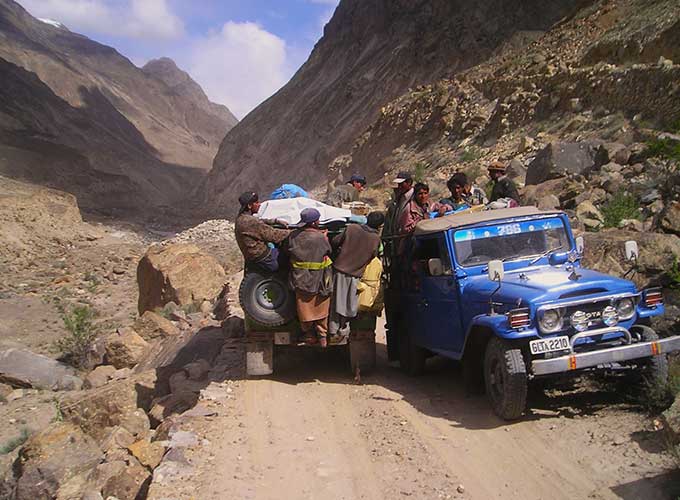
Day 6: Skardu – Askole
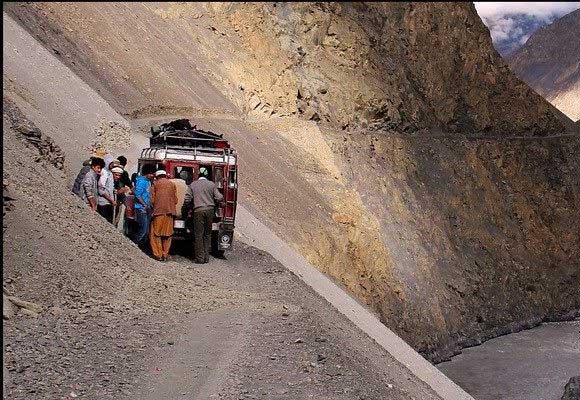
Drive toward Askole, the traditional gateway for the Baltoro region. Overnight arrangements are made near the trekking starting point.
Day 7: Askole – Jhola
Begin trekking toward Jhola along the Braldu Valley and camp overnight.
Day 8: Jhola – Paiju
Continue along the trail toward Paiju, following the river through the rugged mountain landscape.
Day 9: Paiju – Acclimatization/Rest
Take a rest and acclimatization day at Paiju. Prepare for the longer glacier approach ahead.
Day 10: Paiju – Khoburtse
Enter the Baltoro region and trek toward Khoburtse, with increasingly impressive views of the surrounding peaks.
Day 11: Khoburtse – Urdukas
Continue along the Baltoro Glacier toward Urdukas and establish camp.
Day 12: Urdukas – Goro II
Trek across increasingly rugged glacier terrain toward Goro II.
Day 13: Goro II – Concordia
Continue to Concordia, one of the most spectacular viewpoints in Karakoram.
Day 14: Concordia – K2 Base Camp
Trek toward K2 Base Camp through the upper Baltoro and Godwin-Austen Glacier area.
Day 15: K2 Base Camp – Acclimatization
Settle into base camp, organize equipment, and begin the acclimatization phase.
Day 16: Base Camp – Rest & Preparation
Rest while the expedition team checks climbing equipment, communications, ropes, oxygen systems, and camp logistics.
Day 17: Base Camp – Acclimatization
Undertake a controlled acclimatization activity around the base-camp area before returning to camp.
Day 18: Base Camp – Rest
Rest, hydrate, eat well, and prepare for the first higher-altitude rotation.
Day 19: Base Camp – Camp I
Begin the first climbing rotation toward Camp I, following the established route and fixed ropes where available.
Day 20: Camp I – Camp II
Continue upward toward Camp II while carrying or positioning essential equipment.
Day 21: Camp II – Camp I
Descend toward Camp I after the acclimatization push.
Day 22: Camp I – Base Camp
Return to base camp for recovery, nutrition, and further acclimatization.
Day 23: Base Camp – Rest
Complete a full recovery day and review physical condition with the expedition leadership.
Day 24: Base Camp – Equipment Preparation
Check climbing equipment and prepare supplies for the next acclimatization rotation.
Day 25: Base Camp – Camp I
Climb from base camp toward Camp I for the second acclimatization rotation.
Day 26: Camp I – Camp II
Continue toward Camp II and spend time adapting to the higher altitude.
Day 27: Camp II – Camp III Area
Depending on route conditions and expedition strategy, progress toward the Camp III area.
Day 28: Camp III – Camp II
Descend carefully toward Camp II and begin recovery.
Day 29: Camp II – Base Camp
Return to base camp and rest after the second higher-altitude rotation.
Day 30: Base Camp – Rest & Weather Assessment
Spend the day recovering while the expedition team monitors weather forecasts and route conditions.
Days 31–60
Day 31: Base Camp – Recovery
Focus on nutrition, hydration, rest, and physical recovery after the acclimatization rotations.
Day 32: Base Camp – Climbing Preparation
Inspect clothing, climbing equipment, oxygen systems, communication equipment, and summit supplies.
Day 33: Base Camp – Weather Monitoring
Remain at base camp while monitoring conditions on the upper mountain.
Day 34: Base Camp – Rest
Continue recovery and maintain fitness with light activity around camp.
Day 35: Base Camp – Final Rotation Preparation
Organize equipment and supplies for the summit rotation.
Day 36: Base Camp – Camp I
Begin the final major acclimatization or summit rotation toward Camp I.
Day 37: Camp I – Camp II
Climb toward Camp II and continue adapting to the altitude.
Day 38: Camp II – Camp III
Progress toward Camp III, depending on route conditions and the expedition leader’s assessment.
Day 39: Camp III – Camp IV Area
Move toward the upper mountain and, if conditions permit, prepare for the final summit push.
Day 40: Camp IV – Summit Attempt
Begin the summit push if weather, route conditions, acclimatization, and team health are suitable.
Day 41: Summit Day / Descent
Complete the summit attempt and descend to a safer lower camp when conditions allow. Summit success is never guaranteed.
Day 42: High Camp – Camp II
Continue descending from the upper mountain toward Camp II.
Day 43: Camp II – Base Camp
Return to K2 Base Camp and begin full recovery after the summit attempt.
Day 44: Base Camp – Rest
Take a complete rest day and recover from the summit push.
Day 45: Base Camp – Weather Contingency
Keep this day available for unfavorable weather, route delays, or additional recovery.
Day 46: Base Camp – Contingency Day
Continue monitoring the mountain. This day can be used if an additional summit window becomes available.
Day 47: Base Camp – Contingency
Remain flexible for weather or route-related delays and maintain expedition readiness.
Day 48: Base Camp – Final Mountain Operations
Complete final checks and organize equipment for departure from base camp.
Day 49: Base Camp – Concordia
Begin the return trek toward Concordia through the Godwin-Austen and Baltoro Glacier region.
Day 50: Concordia – Goro II
Trek back across the Baltoro Glacier toward Goro II.
Day 51: Goro II – Urdukas
Continue descending toward Urdukas.
Day 52: Urdukas – Paiju
Follow the Baltoro route toward Paiju.
Day 53: Paiju – Jhola
Continue through the Braldu Valley toward Jhola.
Day 54: Jhola – Askole
Complete the final trekking section and return to Askole.
Day 55: Askole – Skardu
Drive from Askole toward Skardu. Rest at the hotel after completing the expedition trek.
Day 56: Skardu – Recovery Day
Take a recovery day in Skardu and organize expedition equipment.
Day 57: Skardu – Islamabad
Fly from Skardu to Islamabad, weather permitting.
Day 58: Islamabad – Contingency Day
Keep a contingency day for flight delays or unexpected logistical issues. If schedules remain on track, explore Islamabad or rest.
Day 59: Islamabad – Expedition Debrief
Complete the expedition debriefing, organize equipment, and prepare for departure.
Day 60: Departure from Pakistan
Transfer to Islamabad International Airport for the onward journey, completing the 60-day K2 Expedition.
Frequently Asked Questions
What does a K2 Expedition Company provide?
A K2 Expedition Company may coordinate permits, transportation, accommodation, guides, porters, base-camp facilities, food, communication systems, climbing support, and emergency logistics. Exact inclusions vary by operator.
Is K2 suitable for beginners?
No. K2 is an extremely challenging high-altitude climbing objective. Climbers should have substantial technical climbing and high-altitude experience.
How high is K2?
K2 reaches approximately 8,611 meters (28,251 feet) above sea level, making it the second-highest mountain on Earth.
How much does a K2 expedition cost?
There is no universal price. Costs vary according to permits, expedition duration, guide and high-altitude support, accommodation, transportation, equipment, oxygen, and other services.
What is the difference between K2 Base Camp Trek and K2 Expedition?
The K2 Base Camp Trek ends at the base-camp area and is a trekking adventure. A K2 expedition continues beyond base camp and involves attempting to climb K2, requiring advanced technical mountaineering skills.
What experience is recommended for K2?
Climbers should have significant high-altitude and technical mountaineering experience. Experience on demanding peaks and glaciers is highly valuable before attempting an objective as serious as K2.
When is the K2 climbing season?
The main climbing season is generally during the summer period, although exact dates depend on weather, route conditions, permits, and expedition planning.
Is Gondogoro La part of the K2 expedition?
Not necessarily. Gondogoro La is generally included in specialized trekking itineraries such as the K2 and Gondogoro La Trek Pakistan 2026. It is separate from the standard K2 summit expedition route.
What should I ask an expedition company before booking?
Ask about previous K2 or Karakoram experience, guide qualifications, acclimatization, base-camp facilities, high-altitude support, oxygen, emergency procedures, permits, insurance, equipment, and the complete list of inclusions and exclusions.
K2 Expedition Route
A K2 expedition normally begins in Islamabad before moving north toward Karakoram.
Islamabad
International climbers generally arrive in Islamabad, where they meet the expedition team and complete initial preparations.
Skardu
Skardu serves as an important logistical center for expeditions heading into the Karakoram. Domestic flights can be affected by mountain weather, so contingency time is important.
Askole
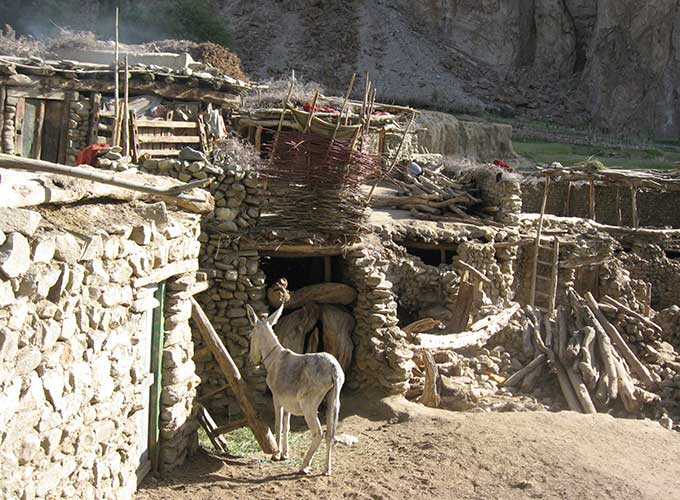
Askole is the traditional gateway for the trek toward the Baltoro Glacier. From here, the journey becomes increasingly remote.
Baltoro Glacier
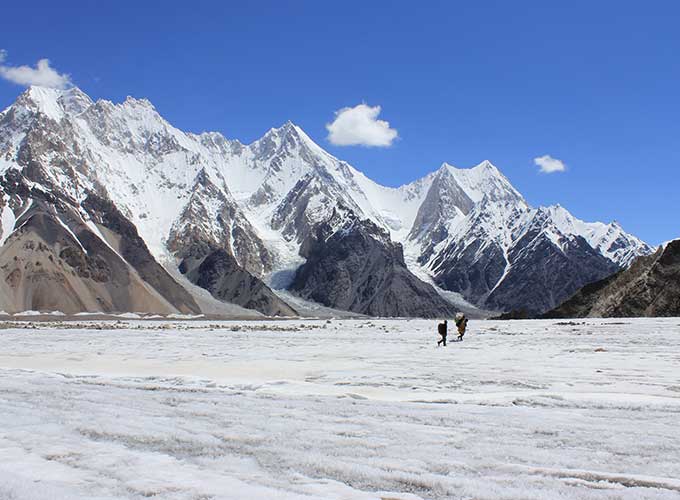
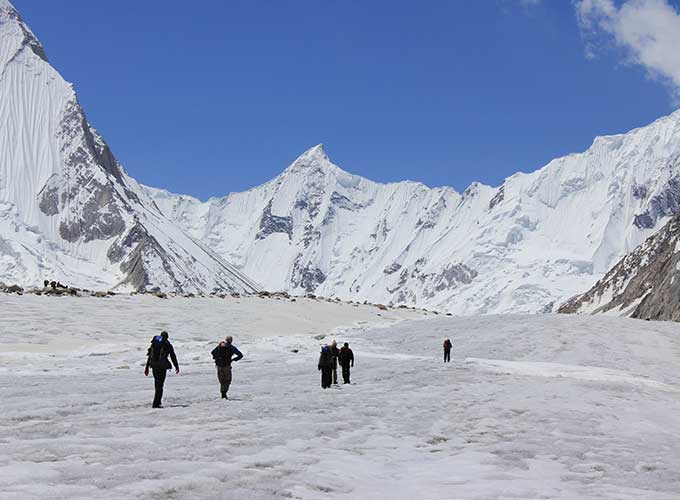
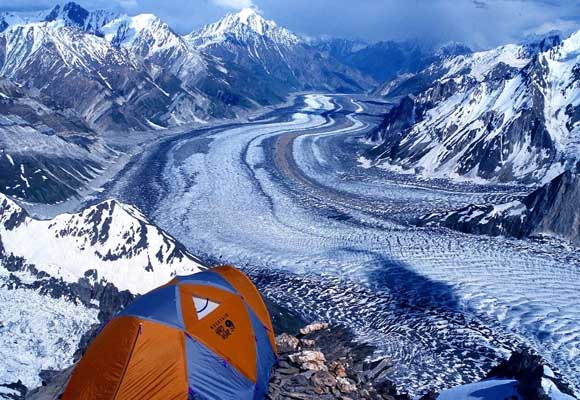
The approach follows the spectacular Baltoro Glacier region. Climbers encounter enormous glaciers, rugged valleys, and some of the most impressive peaks in the Karakoram.
Concordia
Concordia is one of the major landmarks of the approach and provides spectacular views of K2 and surrounding peaks.
K2 Base Camp
The expedition eventually reaches K2 Base Camp. Here, climbers establish themselves for the acclimatization and climbing phase.
Higher Camps
The climbing strategy varies depending on route conditions, weather, team experience, and the expedition operator. Climbers progressively move toward higher camps while allowing their bodies to acclimatize.
Summit Attempt
A summit attempt depends on weather, route safety, snow and ice conditions, physical condition, acclimatization, and decisions by the expedition leadership.
K2 Base Camp Trek vs. K2 Climbing Expedition
Understanding the difference between trekking to base camp and climbing K2 is important.
The K2 Base Camp Trek is a demanding high-altitude trekking adventure. Trekkers travel through the Baltoro region toward K2 Base Camp but do not attempt to climb the mountain.
A climbing expedition is significantly more technical. It involves climbing beyond base camp and requires advanced mountaineering skills and specialist equipment.
Travelers looking for a professionally organized K2 Base Camp Tour can compare the available trekking arrangements before choosing their itinerary.
A reliable K2 Base Camp Tour Company should clearly explain transportation, accommodation, meals, permits, guides, porters, and camping arrangements.
When researching K2 Base Camp Tour Cost, compare the complete list of services rather than focusing only on the advertised starting price.
The K2 Base Camp Price can vary according to the itinerary, group size, accommodation, transportation, and other services.
A comprehensive K2 Base Camp Tour Package can simplify the planning process by combining several logistical services.
K2 and Gondogoro La Trek Pakistan 2026
The K2 and Gondogoro La Trek Pakistan 2026 is a popular alternative for experienced trekkers who want to explore the K2 region without attempting an 8,000-meter summit.
The trek combines the K2 Base Camp route with the Gondogoro La crossing. Gondogoro La rises to approximately 5,585 meters and can involve steep and technical terrain.
Because of the altitude and route conditions, proper acclimatization, physical preparation, suitable equipment, and experienced mountain support are important.
This trek should not be confused with a K2 climbing expedition. It is a challenging trekking adventure rather than an attempt to summit K2.
Physical Preparation for K2
K2 preparation should begin months before the expedition.
Climbers should develop:
- Cardiovascular endurance
- Leg strength
- Core strength
- Hiking endurance
- Technical climbing ability
- High-altitude experience
- Load-carrying capacity
Training can include long-distance hiking, uphill walking, stair climbing, cycling, running, strength training, and loaded-pack sessions.
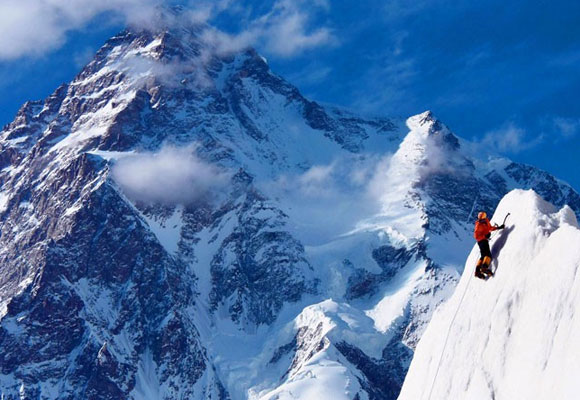
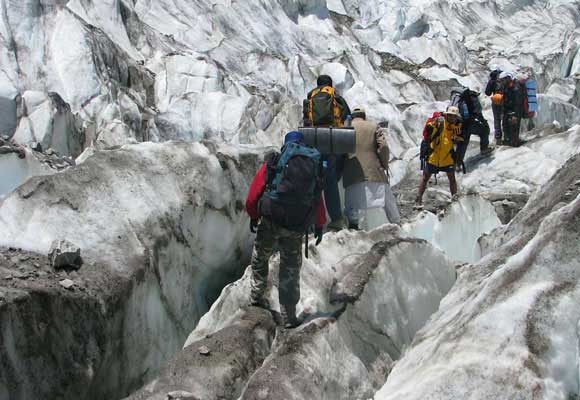
Technical climbing practice is particularly important. Climbers should already understand rope systems, crampon techniques, ice-axe use, glacier travel, and other relevant mountaineering skills before attempting a mountain like K2.
K2 Expedition Equipment
Equipment requirements vary by route and operator, but a serious K2 expedition may require:
- High-altitude mountaineering boots
- Crampons
- Ice axe
- Climbing harness
- Helmet
- Carabiners
- Ascender and descender
- Technical clothing
- Down insulation
- Waterproof shell
- High-altitude sleeping bag
- Mountaineering gloves
- Goggles
- Sunglasses
- Headlamp
- Trekking poles
- Backpack
- Personal medical supplies
The expedition company should provide a comprehensive equipment checklist before departure.
Weather and Acclimatization
Weather is one of the most important considerations on K2. Conditions at extreme altitude can change rapidly, and summit opportunities can depend on relatively short periods of favorable weather.
Acclimatization is equally important. Climbers need time to adapt as they move higher. A responsible expedition plan should include appropriate rest periods and altitude-management strategies.
If a climber develops serious altitude-related symptoms, continuing upward can be dangerous. Descending and receiving appropriate medical attention may become necessary.
Safety Considerations
K2 climbing involves objective hazards that cannot be completely eliminated.
Important considerations include:
- Avalanche risk
- Rockfall
- Glacier crevasses
- Extreme cold
- High winds
- Altitude illness
- Technical climbing hazards
- Changing weather
- Fatigue
- Limited rescue accessibility
Professional leadership and good planning can help manage these risks, but climbers must remain prepared for changing conditions.
Other Adventure Pakistan Trekking Experiences
Pakistan offers a wide variety of mountain adventures beyond K2.
Snow Lake Trek
The Snow Lake trek is a demanding wilderness journey through the Biafo and Hispar glacier systems.
Travelers can explore a Snow Lake trek Tour for organized trekking logistics.
When comparing a Snow Lake trek Tour Company, examine the itinerary, guide services, camping, transportation, meals, and safety arrangements.
The Snow Lake trek Tour Cost depends on duration, group size, staffing, transportation, and package inclusions.
Likewise, the Snow Lake trek Price should be compared with the complete list of included services.
A Snow Lake trek Package may include accommodation, camping, meals, guides, porters, and transportation.
Rakaposhi Base Camp Hunza Valley Trek
The Rakaposhi base camp Hunza valley trek offers a spectacular mountain experience in the Hunza region.
It is an attractive option for trekkers who want impressive views of Rakaposhi and the surrounding Karakoram without attempting an 8,000-meter summit.
Fairy Meadows Trek
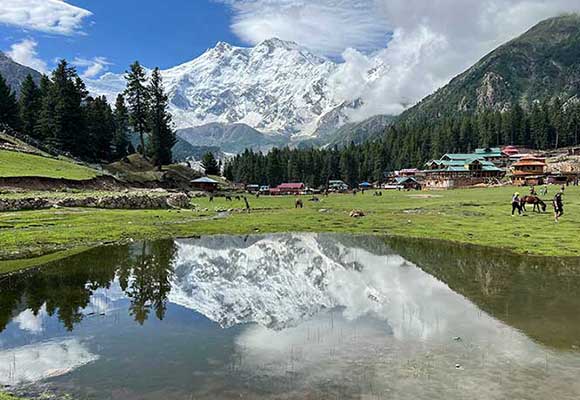
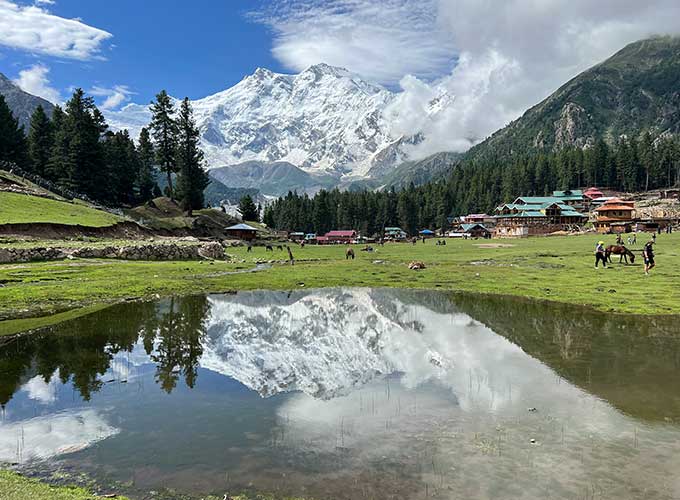
The Fairy Meadows Trek is another popular mountain adventure in northern Pakistan, offering spectacular views toward Nanga Parbat.
A Fairy Meadows Trek Tour can organize transportation, accommodation, and trekking logistics.
Travelers can compare a Fairy Meadows Trek Tour Company based on its itinerary and included services.
The Fairy Meadows Trek Cost varies depending on accommodation, transportation, duration, and group arrangements.
The Fairy Meadows Trek Price should therefore be considered alongside the complete package details.
A complete Fairy Meadows Trek Package can simplify travel planning.
Cultural Tours in Pakistan
Mountain travelers can also explore Pakistan’s cultural heritage.
An Indus valley civilization tour introduces travelers to archaeological heritage associated with one of the world’s earliest urban civilizations.
The Shandoor Polo festival provides an opportunity to experience a distinctive sporting and cultural event in northern Pakistan.
A Shandoor Polo festival tour can combine the event with sightseeing and travel through northern areas.
When selecting a Shandoor Polo festival tour Company, compare accommodation, transportation, sightseeing, and festival arrangements.
The Shandoor Polo festival Cost varies according to the itinerary and included services.
Similarly, the Shandoor Polo festival Price should be evaluated against the complete package.
A Shandoor Polo festival tour Package can make arrangements easier for travelers.
The kalash festival tour provides another opportunity to experience the unique cultural traditions of the Kalash communities in Chitral.
Choosing the right K2 Expedition Company is one of the most important decisions for anyone planning a K2 climbing adventure in Pakistan. K2 is an extreme high-altitude mountaineering objective requiring technical skills, substantial experience, physical preparation, acclimatization, appropriate equipment, and professional logistical support.
The best operator is not necessarily the company offering the lowest price. Climbers should evaluate experience, expedition leadership, base-camp facilities, high-altitude support, safety procedures, communication, itinerary design, and pricing transparency.
For travelers who are not planning a summit attempt, the K2 Base Camp Trek and K2 and Gondogoro La Trek Pakistan 2026 provide exceptional ways to experience the Karakoram. The Snow Lake trek, Rakaposhi base camp Hunza valley trek, and Fairy meadows Trek offer additional trekking opportunities.
Travelers can also combine mountain adventures with an Indus valley civilization tour, Shandoor Polo festival, or kalash festival tour.
With thorough preparation, realistic expectations, experienced leadership, and careful company selection, a K2 expedition can become an extraordinary mountaineering experience in the Pakistan Karakoram.
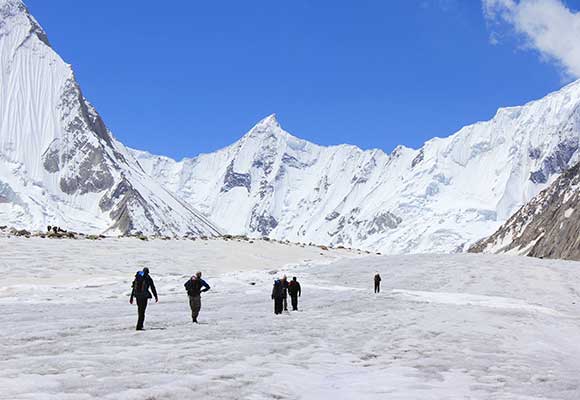
K2 Base Camp and Gondogoro La Trek
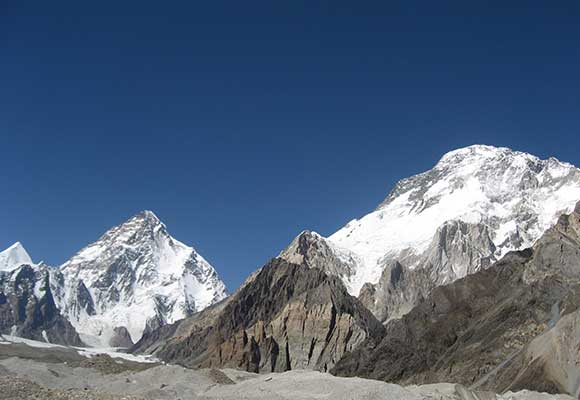
K2 Base Camp Trek
K2 Base Camp Trek Concordia
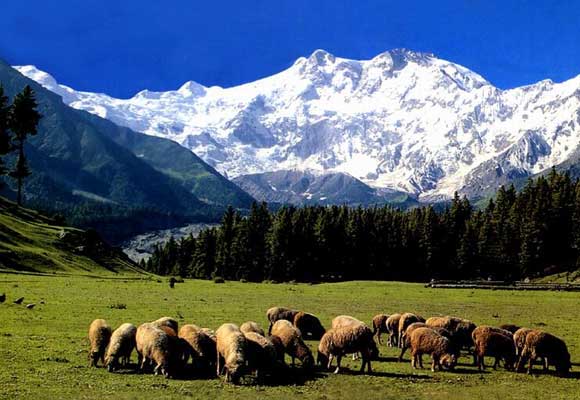
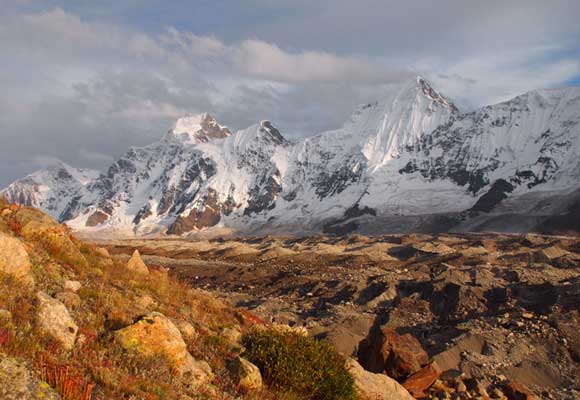
Mashabrum & Gondogoro BC Trek
K6/K7 BC Trek
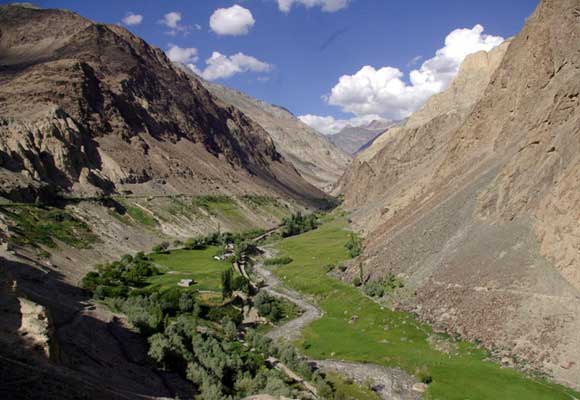
Thalle La Trek Pakistan
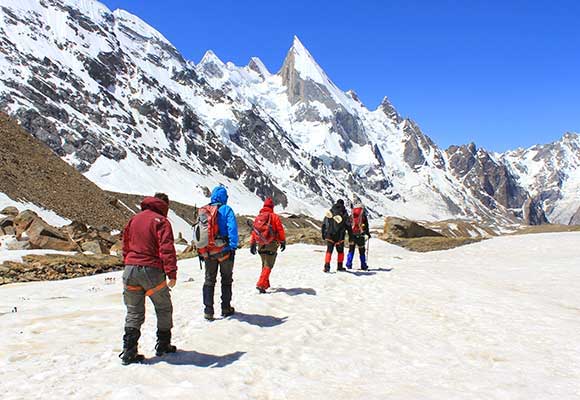
Spantik Base Camp & Haramosh La Trek
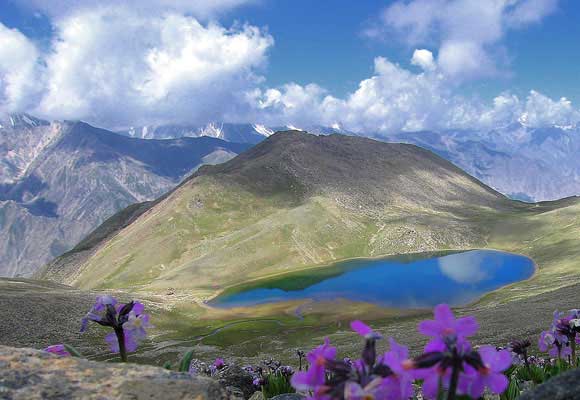
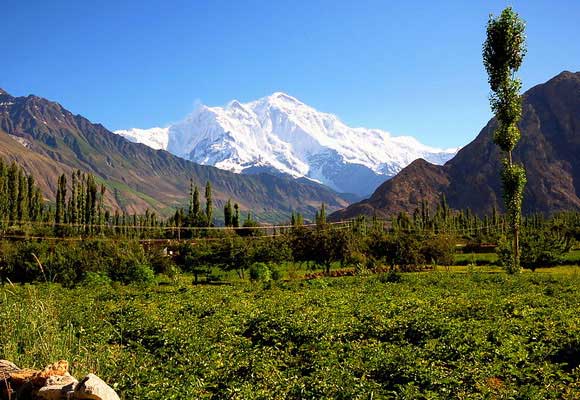
Rakaposhi Base Camp Trek
Batura Glacier Trek
Patundas Trek
Shimshal Valley Trek
Tirich Mir Base Camp Trek
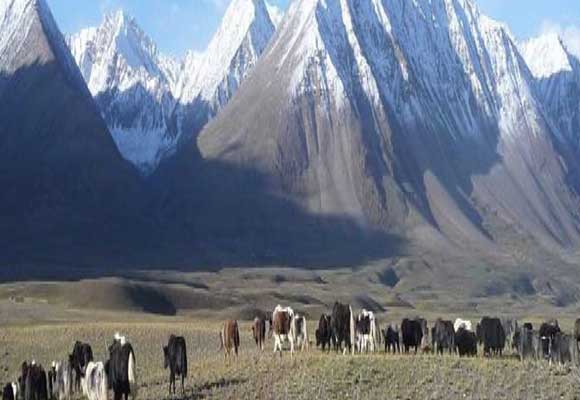
Wakhan Corridor Trek
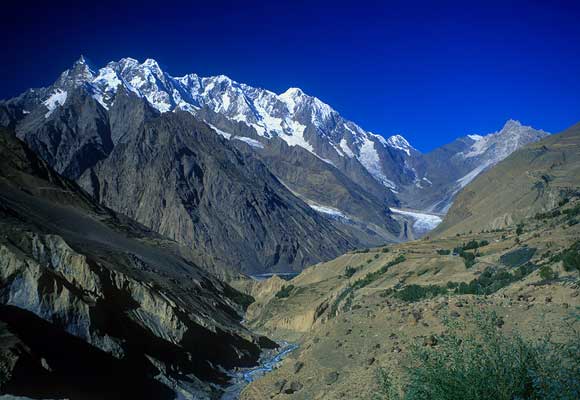
Naltar Ishkoman Pass Trek
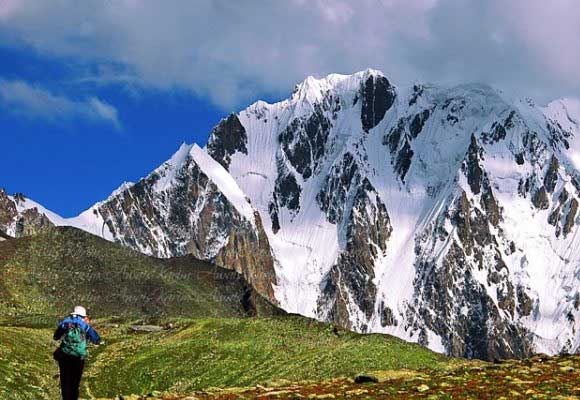
Darkot and Broghil Passes Trek
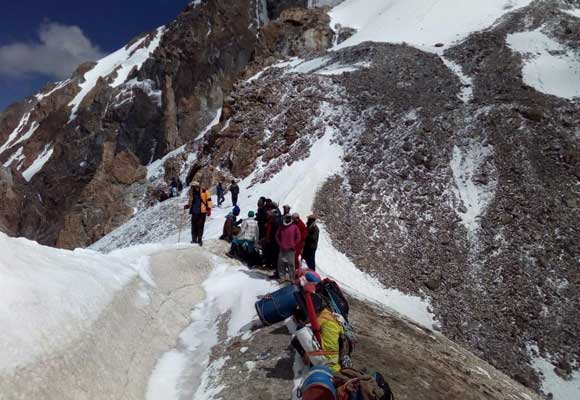
Around Nanga Parbat Mazeno Pass Trek
5X8000m Base Camp Trek
Great Karakorum Traverse Trek
K2 Expedition (8611m)
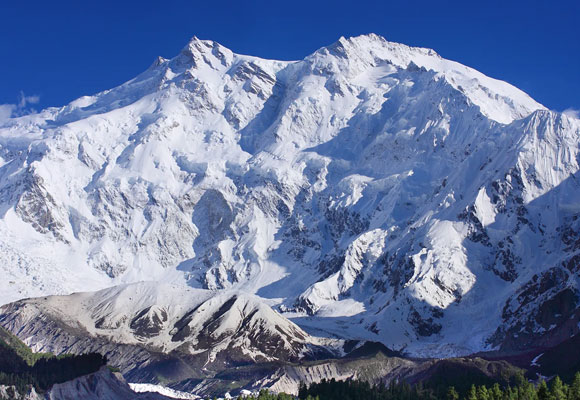
Nanga Parbat Expedition (8126m)
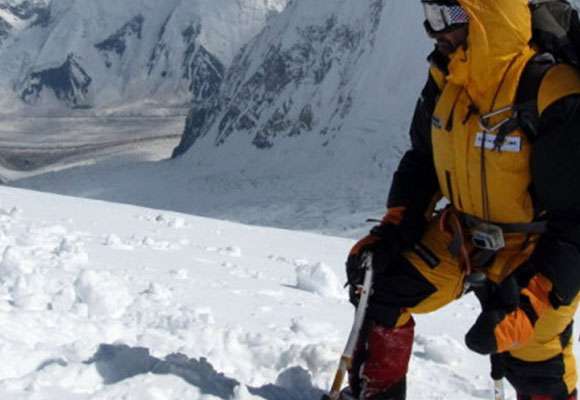
Broad Peak Expedition (8047m)
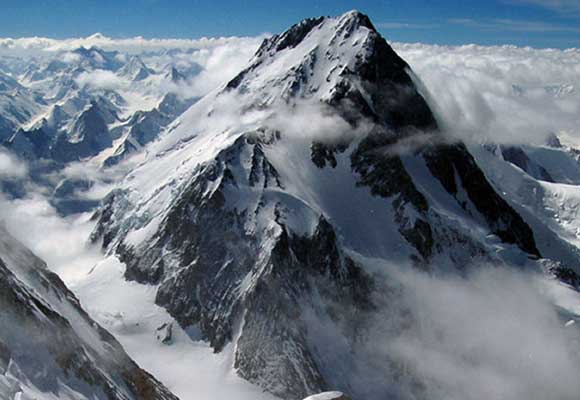
Gasherbrum 1 Expedition (8068m)
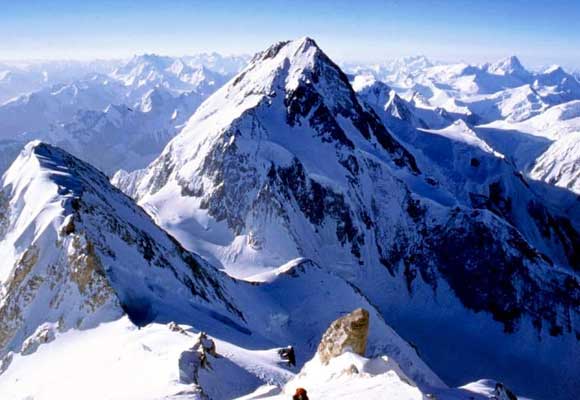
Gasherbrum II Expedition (8035m)
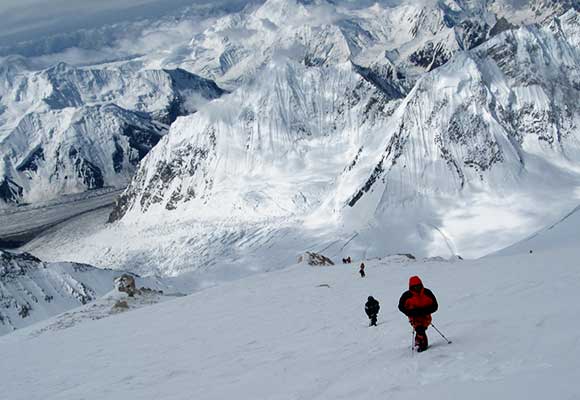
Gasherbrum III Expedition (7952m)
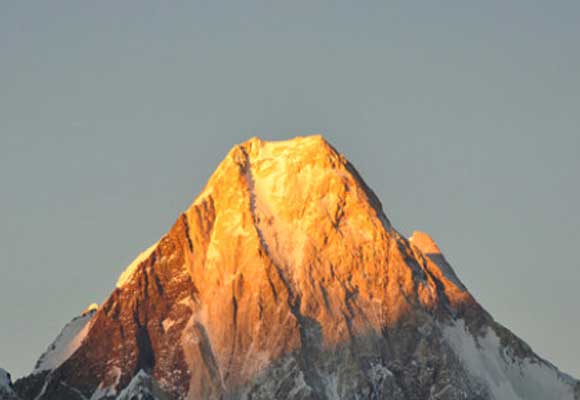
Gasherbrum IV Expedition (7925m)
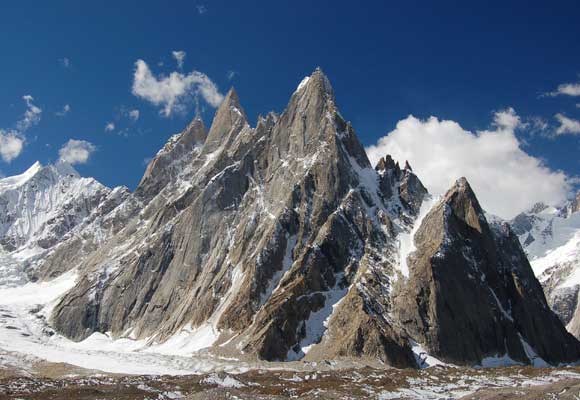
Masherbrum Expedition (7821m)
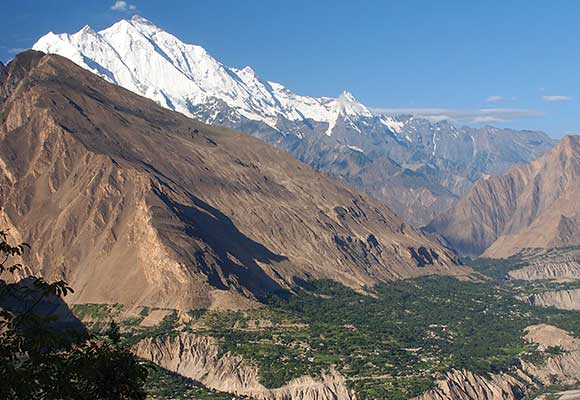
Rakaposhi Expedition (7788m)
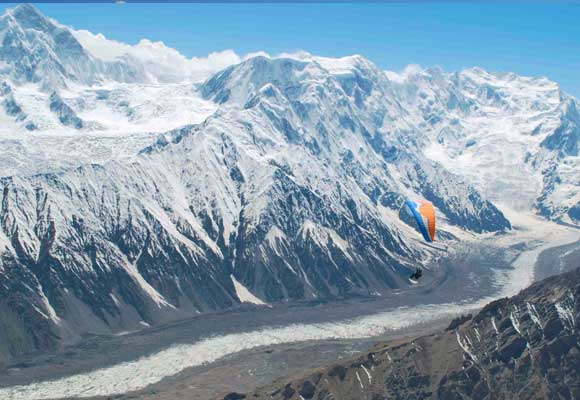
Batura Sar Expedition (7785 m)
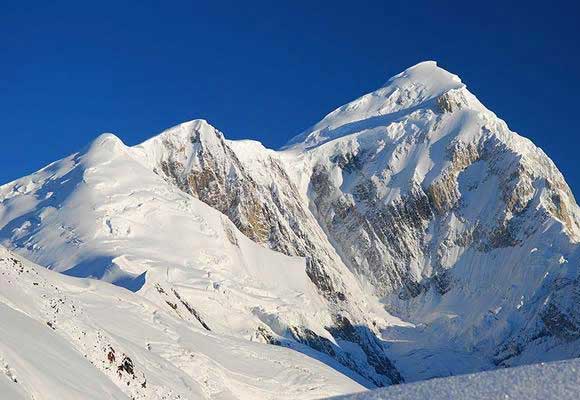
Tirich Mir Expedition (7708m)
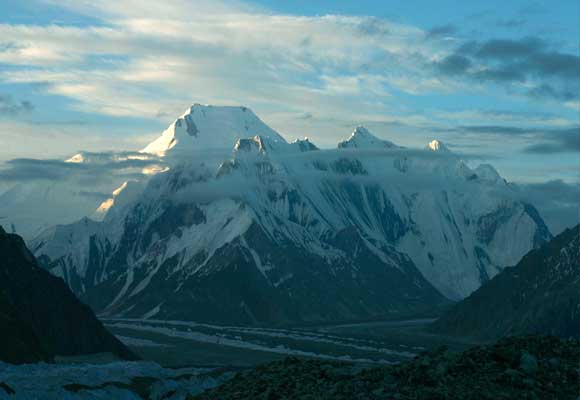
Chogolisa Expedition (7665 m)
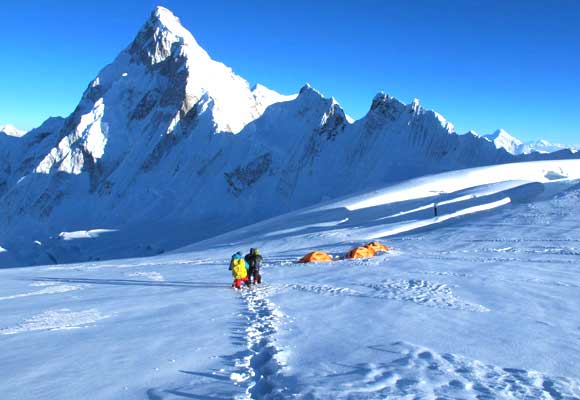
Passu Peak Expedition (7478m)
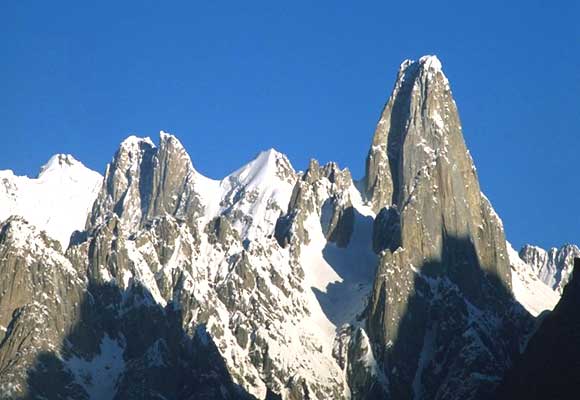
Muztagh Tower Expedition (7273m)
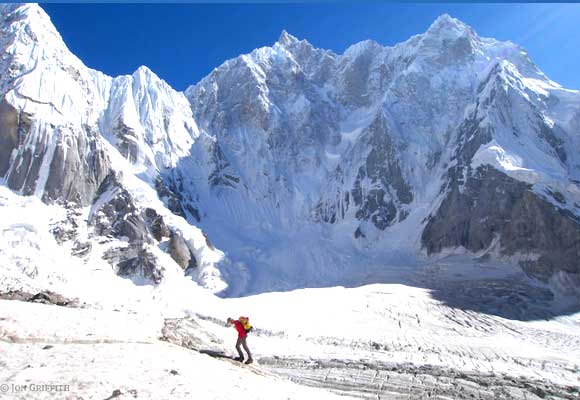
K6 Peak Expedition (6935m)
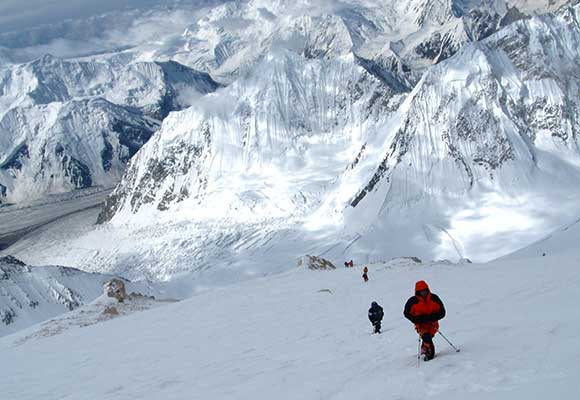
Diran Peak Expedition (7272m)
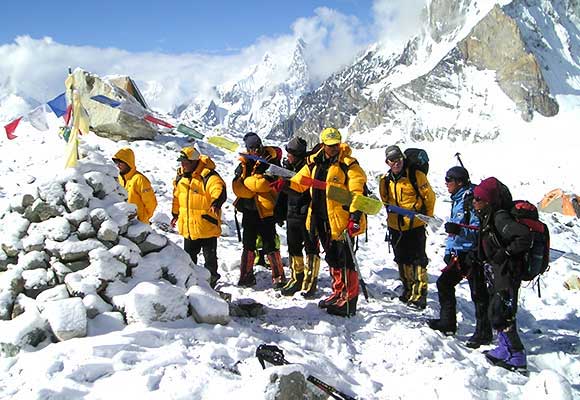
Latok 1 Expedition (7145 m)
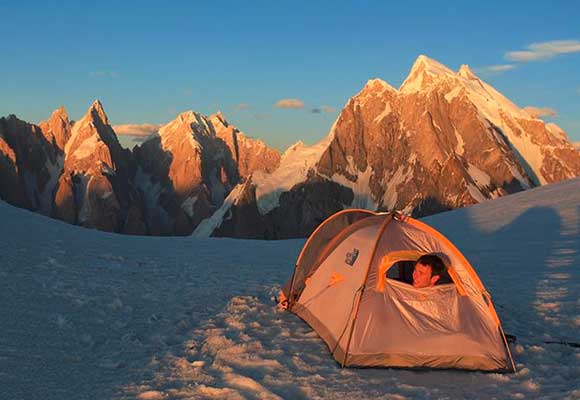
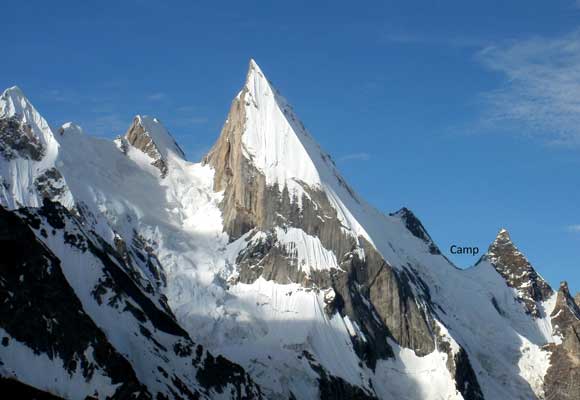
Laila Peak Expedition (6095m)
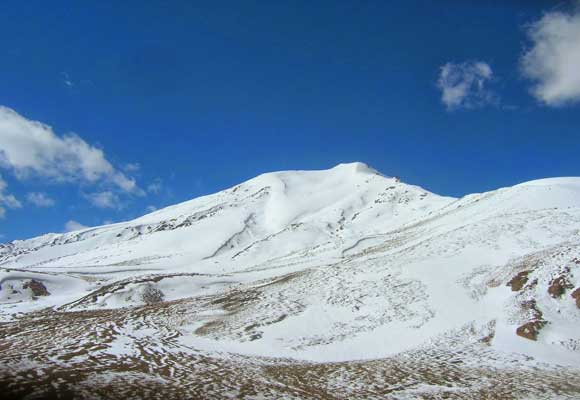
Minglik Sar Peak Expedition (6050m)
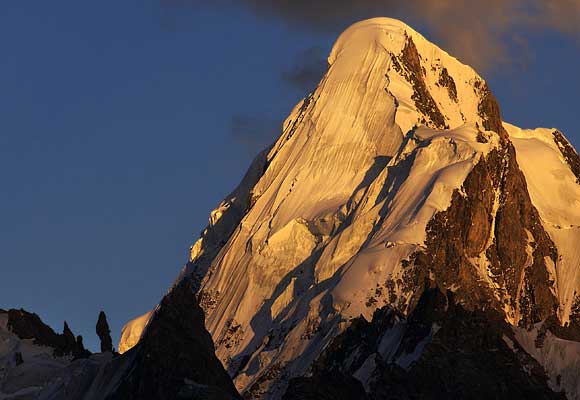
Rush Peak Expedition (5,098m)