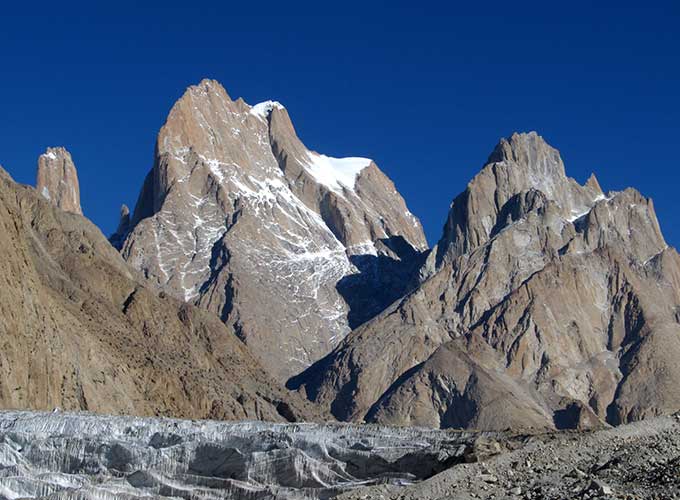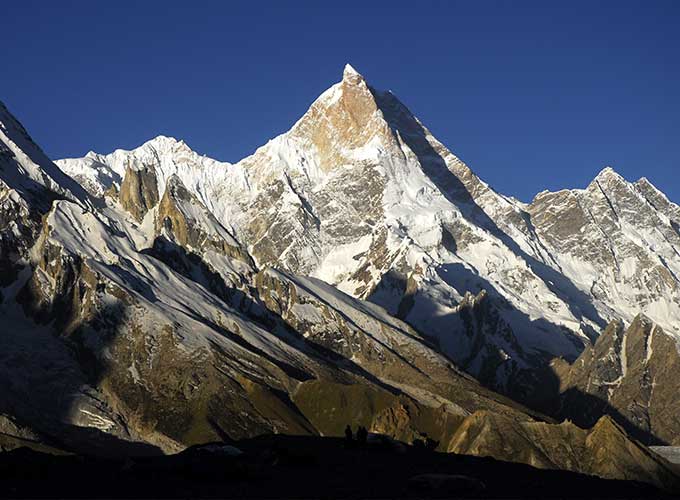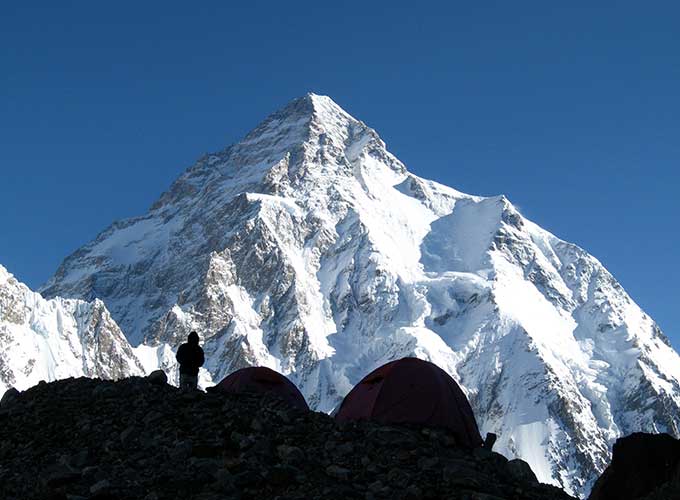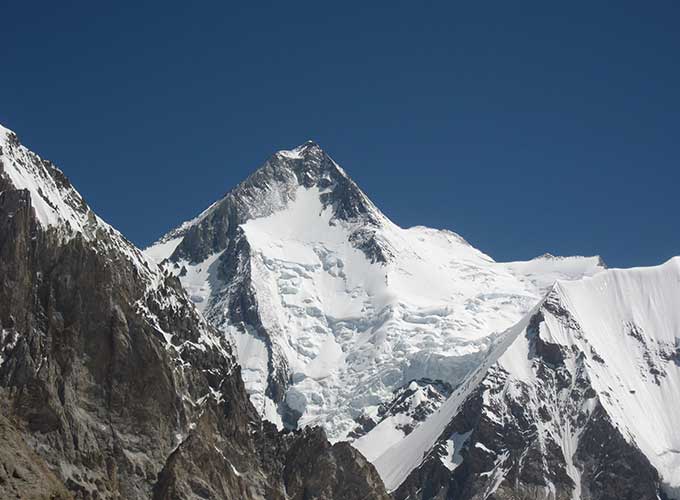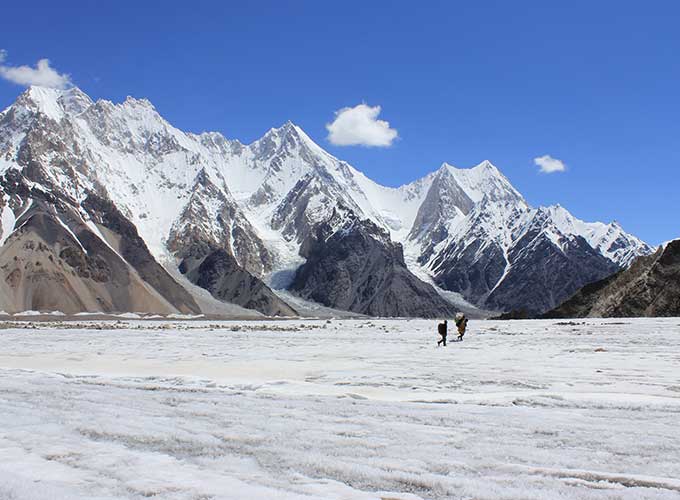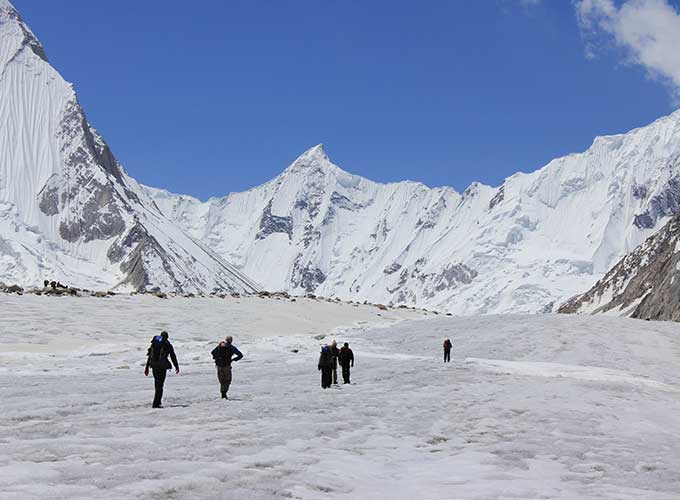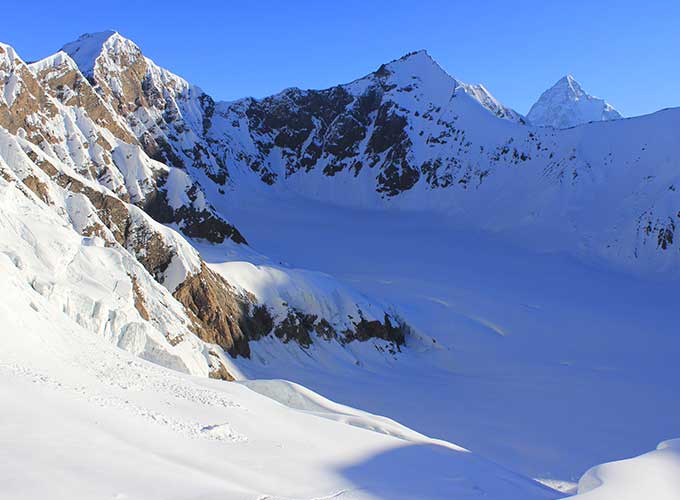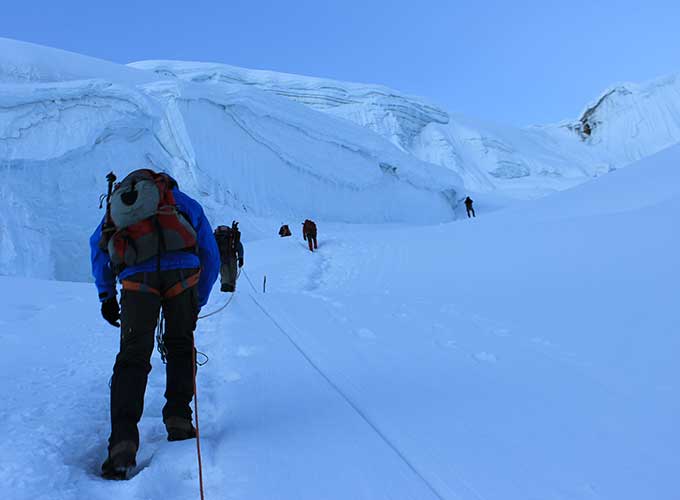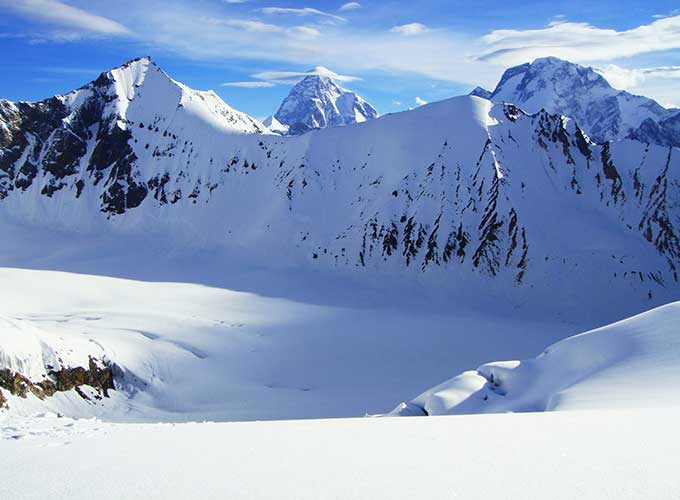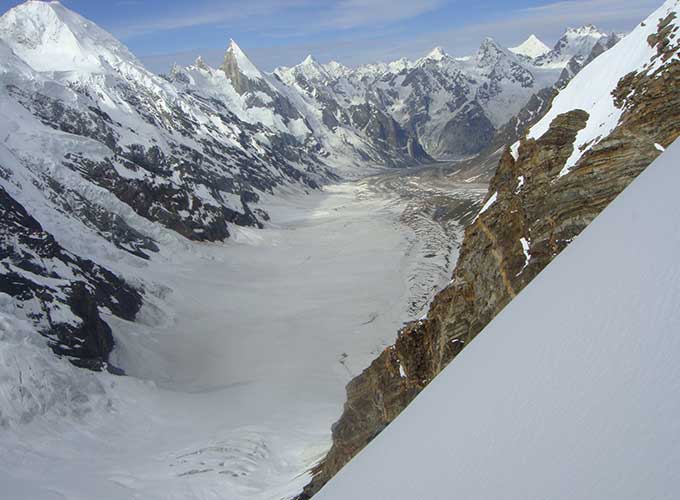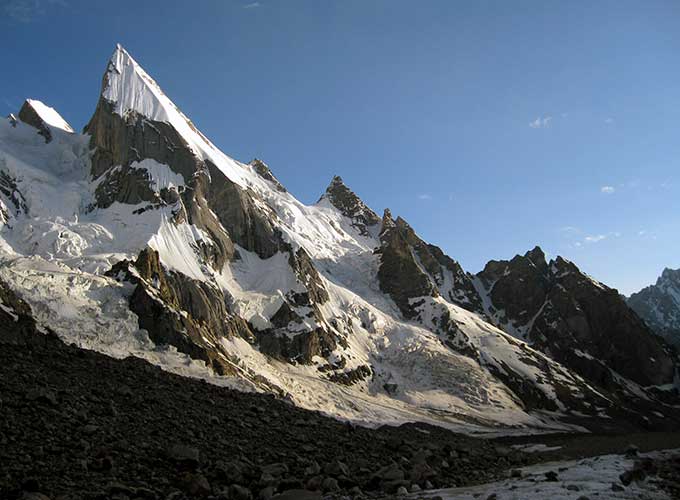
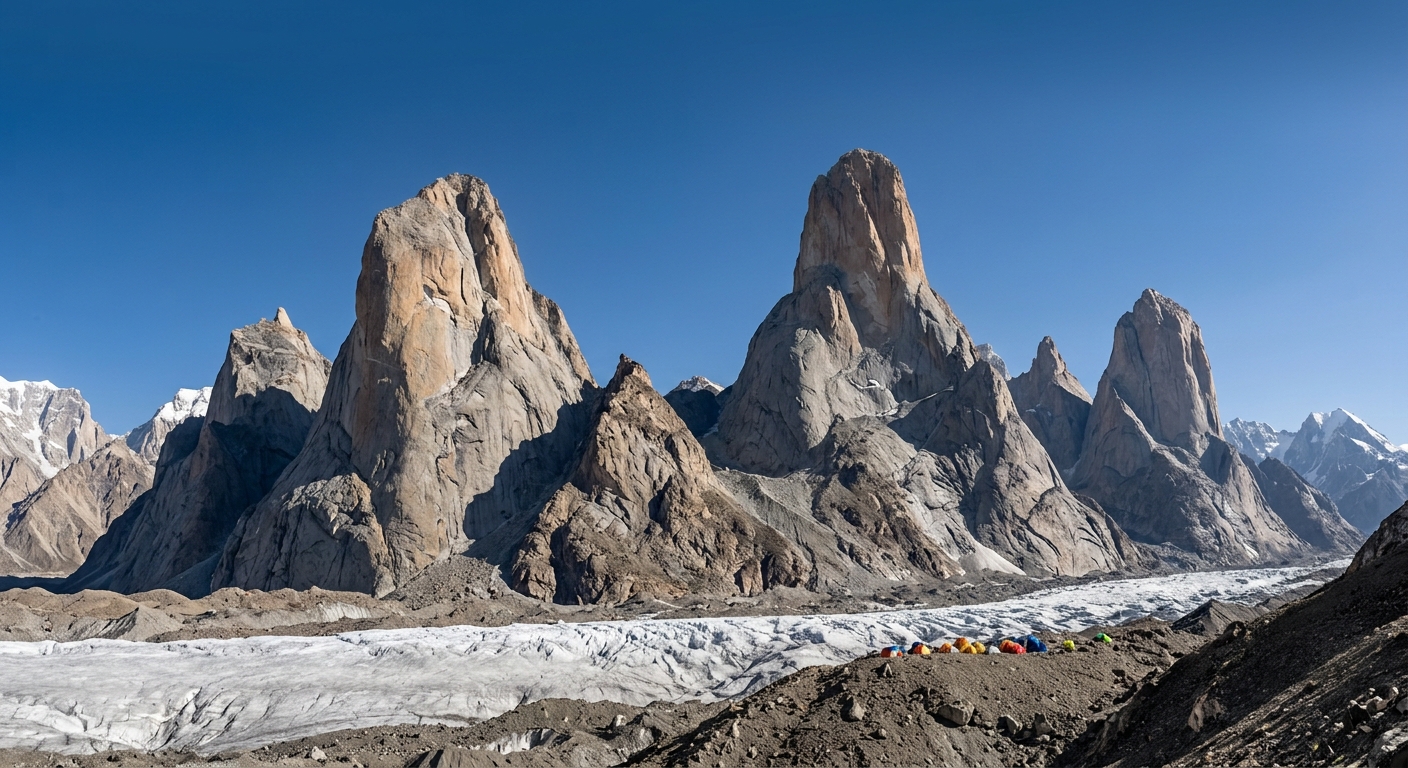
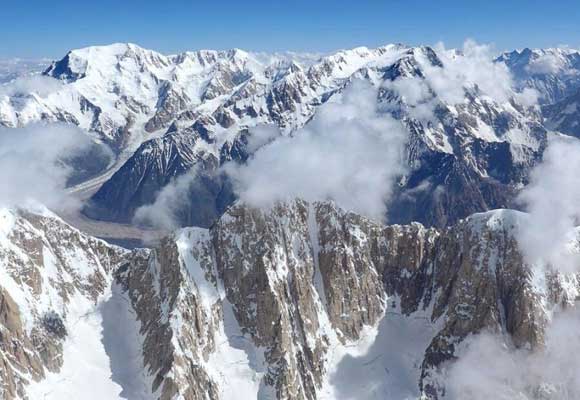
The Trango Tower Climbing Grade 2026 How Difficult Is Trango Tower? guide explains the technical difficulty, route grades, climbing requirements, altitude, and preparation needed for one of Pakistan’s most famous big-wall objectives. Located in the Baltoro Muztagh of the Karakoram, Trango Tower—commonly referring to Nameless Tower—rises to roughly 6,250 meters, while Great Trango Tower reaches about 6,286 meters. The climbing challenge comes less from absolute elevation alone and more from enormous vertical granite walls, sustained technical climbing, exposure, altitude, weather, and remote expedition logistics.
For experienced mountaineers, the Trango Towers represent an advanced technical climbing objective rather than a conventional trekking destination. Famous routes such as Eternal Flame combine difficult free climbing with aid sections, mixed terrain, complex descents, and high-altitude exposure. The American Alpine Club records Eternal Flame’s first free ascent at approximately 7c+/5.13a, with the route extending for around 1,000 meters.
This guide examines what the Trango Tower Climbing Grade actually means, how the major routes compare, what skills climbers need, and why proper preparation is essential for a 2026 expedition.
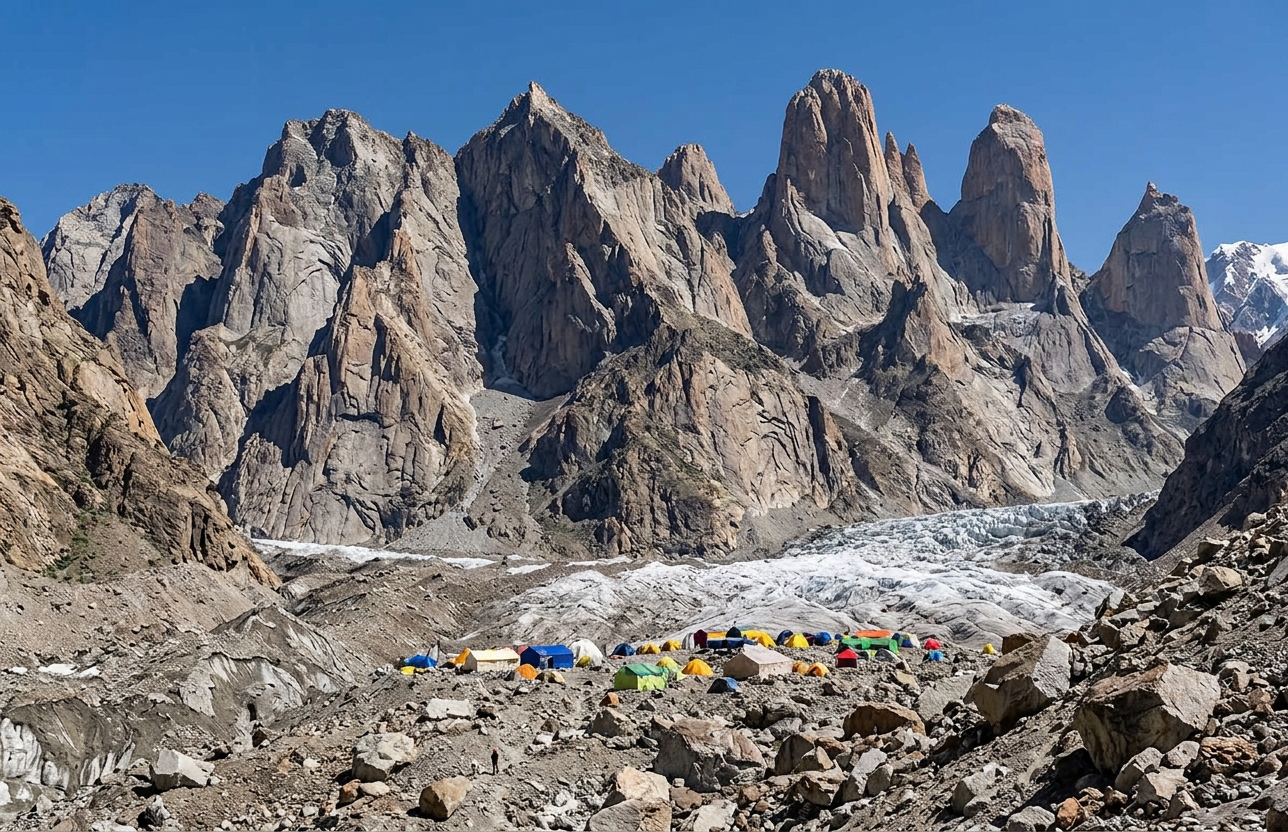
Trango Tower Climbing Grade 2026 | Overview
The Trango Tower Climbing Grade 2026 reflects one of Pakistan’s most demanding high-altitude climbing challenges. Trango Tower, also known as Nameless Tower, stands at approximately 6,250 meters in the Karakoram. Its famous Eternal Flame route reaches around 7c+/5.13a in its fully free-climbed form, making it an exceptionally difficult big-wall route. The challenge combines sustained granite climbing, long multi-pitch sections, exposure, altitude, changing weather, and complex expedition logistics. Climbers need advanced crack-climbing, aid-climbing, alpine, and big-wall experience. For 2026, careful acclimatization, route-specific preparation, reliable equipment, weather planning, and experienced expedition support are essential.
What Is the Trango Tower Climbing Grade?
There is no single climbing grade that accurately describes the entire Trango Tower experience. Different routes and individual pitches have different grades, and the overall difficulty depends on the climbing style.
A route may include several grading systems, including:
- French sport or free-climbing grades
- UIAA grades
- Yosemite Decimal System grades
- Aid grades such as A1, A2, or A3
- Mixed climbing grades
- Alpine or expedition-style route grades
For example, the famous Eternal Flame has been described at 7c+/5.13a for its first complete free ascent. Earlier ascents involved aid climbing, and historical descriptions record sections reaching 5.12 and A2.
Therefore, asking simply “What is the Trango Tower grade?” can be misleading. A better question is: Which Trango route, which climbing style, and which conditions?
How Difficult Is Trango Tower?
Trango Tower is extremely difficult for climbers without advanced big-wall experience.
The technical difficulty is created by the combination of:
- Steep granite walls
- Sustained crack climbing
- High-altitude exposure
- Long multi-pitch routes
- Aid-climbing sections on some lines
- Difficult route-finding
- Complex rappelling and descent
- Remote approach logistics
- Variable Karakoram weather
- Limited opportunities for rapid rescue
Eternal Flame, for example, is approximately 1,000 meters long and has been climbed as a roughly 24-pitch free ascent in modern repeats. A 2022 report records three free ascents, highlighting the continued technical importance of the route.
This means a climber must be able to perform consistently for many pitches rather than simply complete one difficult pitch.
Trango Towers Pakistan: Why the Mountain Is Famous
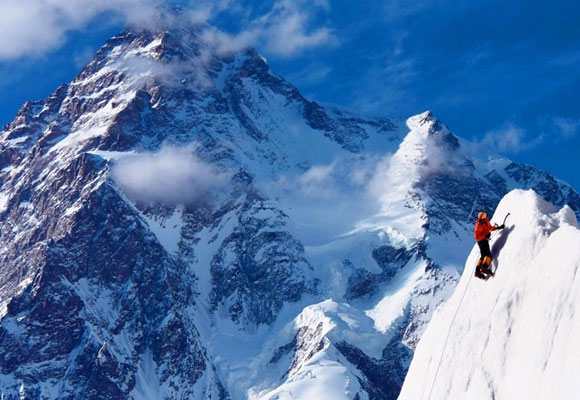
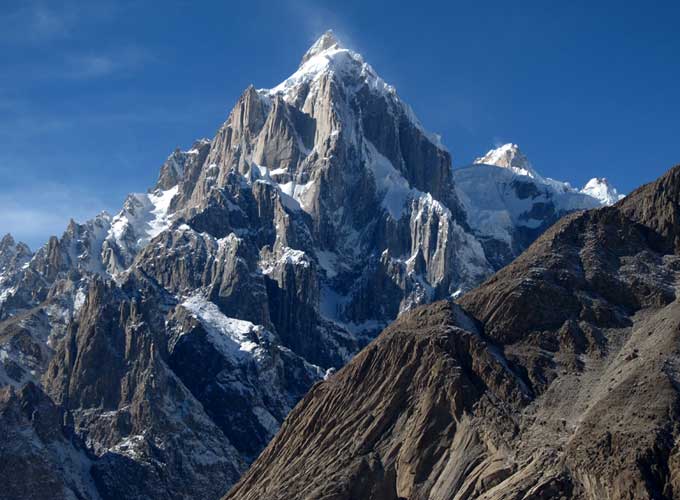
The Trango Towers Pakistan are internationally recognized for their dramatic granite architecture and exceptional big-wall routes.
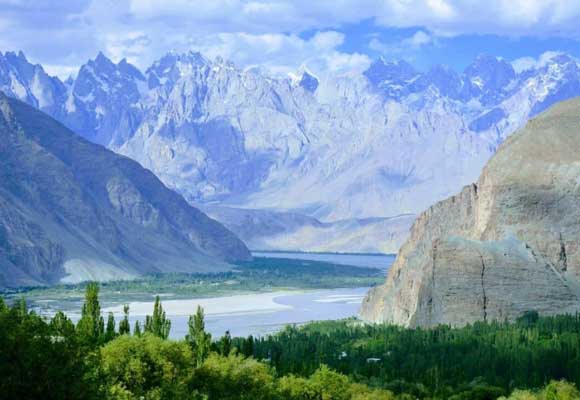
The group lies in the Baltoro Muztagh of Pakistan’s Karakoram. The famous Nameless Tower is approximately 6,239–6,250 meters depending on the source and measurement convention, while Great Trango Tower reaches approximately 6,286 meters.
The towers became particularly famous through pioneering ascents during the 1970s and 1980s. The first ascent of Nameless Tower was completed in 1976, while subsequent routes established the area as one of the world’s premier high-altitude rock-climbing destinations.
Trango Towers Location
The Trango Towers Location is north of the Baltoro Glacier in Gilgit-Baltistan, Pakistan.
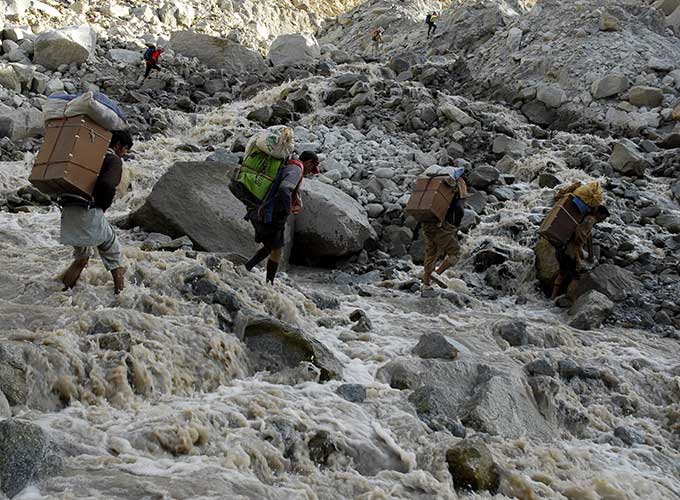
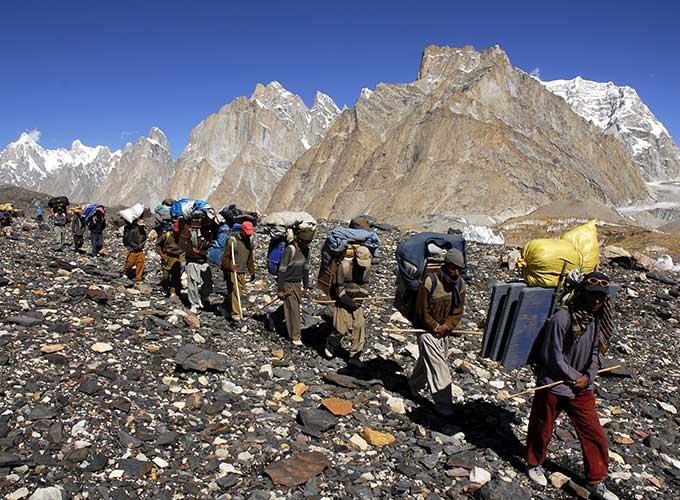
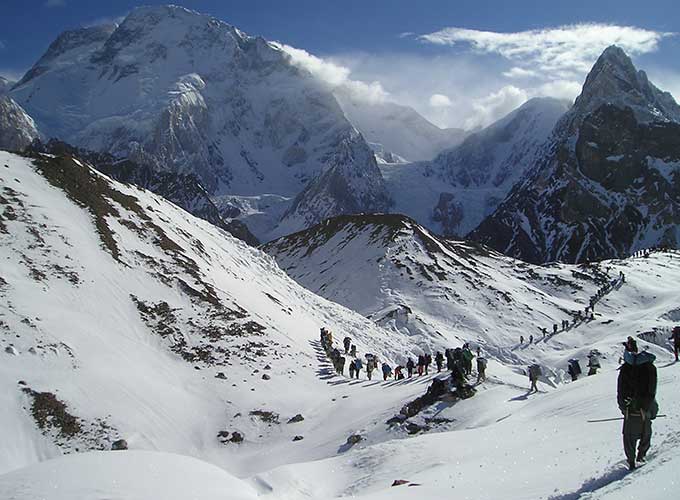
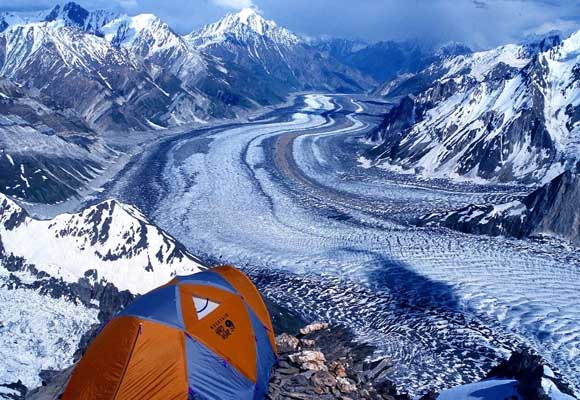
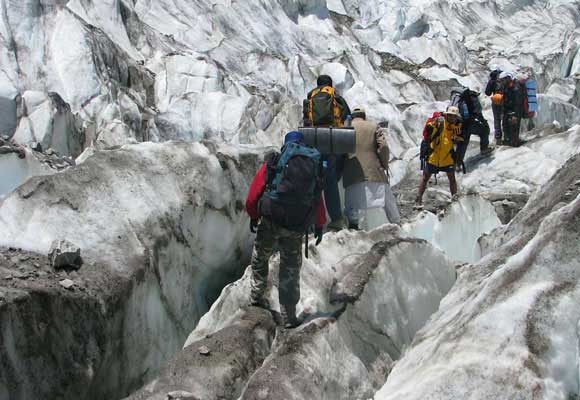
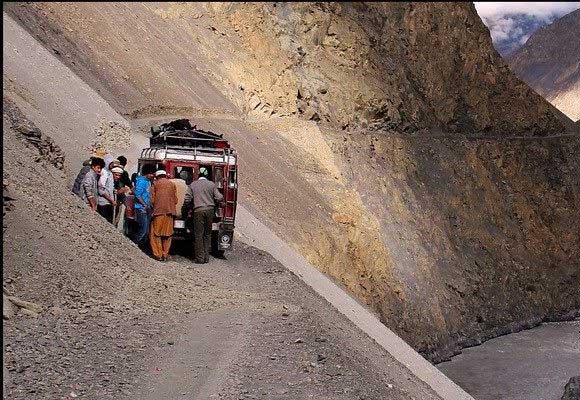
The approach takes climbers deep into the Karakoram, making the expedition considerably more complex than a conventional rock-climbing trip. Teams must manage transportation, trekking logistics, glacier travel, equipment movement, base-camp organization, acclimatization, and technical climbing.
This remoteness is an important component of the overall difficulty. A climber must be prepared not only to climb but also to operate effectively in an isolated mountain environment.
Trango Tower Climbing Grade 2026 — 38-Day Itinerary
This 38-day itinerary is designed for an advanced technical climbing expedition, combining the approach to Trango Base Camp, acclimatization, route preparation, climbing days, summit attempts, contingency time, and return travel. Exact climbing days can change according to weather, route conditions, and the selected Trango Tower route.
Days 1–20
Day 1 – Arrival in Islamabad
Arrive in Islamabad, transfer to the hotel, meet the expedition team, and attend an initial briefing. Review permits, insurance, climbing equipment, and expedition arrangements.
Day 2 – Islamabad Preparation Day
Complete administrative procedures and inspect technical equipment. Organize climbing hardware, ropes, clothing, personal gear, and expedition baggage.
Day 3 – Islamabad to Skardu
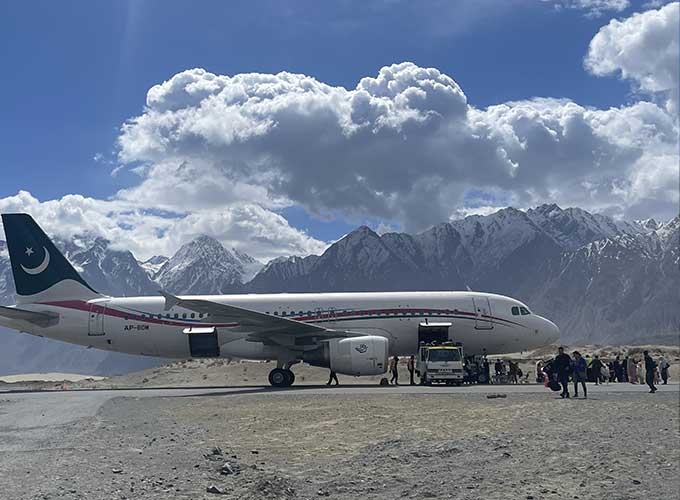
Fly from Islamabad to Skardu, subject to weather and flight availability. Skardu is the primary logistical gateway for the Baltoro region.
Day 4 – Skardu Acclimatization & Preparation
Rest and acclimatize in Skardu. Finalize food, fuel, porter arrangements, communications equipment, and technical climbing supplies.
Day 5 – Skardu to Askole
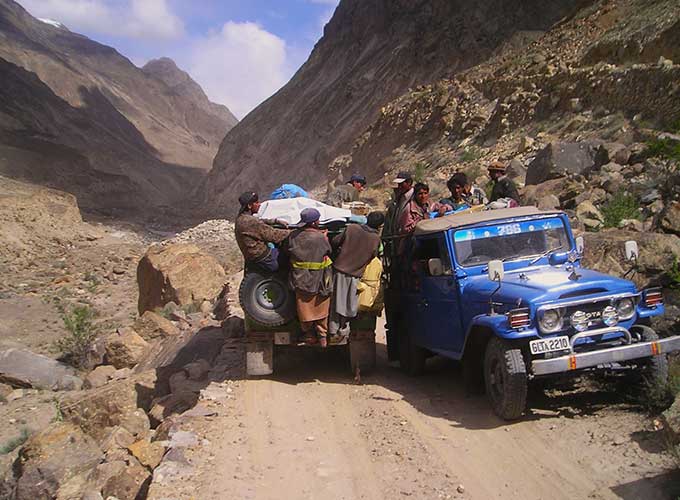
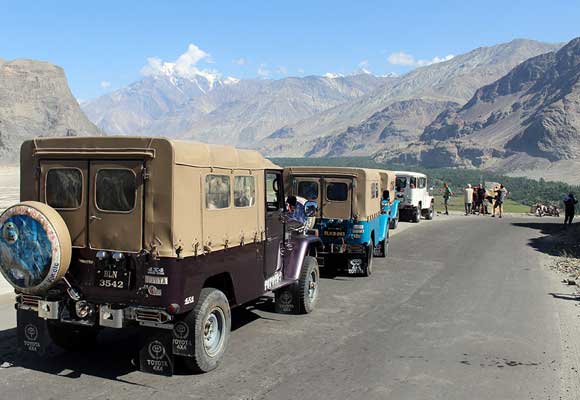
Travel by jeep toward Askole through the Shigar and Braldu valleys. Askole marks the beginning of the classic trekking approach toward the Baltoro Glacier.
Day 6 – Askole to Jhola
Start trekking toward Jhola. Follow the Braldu Valley and gradually increase walking distance while conserving energy for the higher sections.
Day 7 – Jhola to Paiju
Continue toward Paiju through rugged mountain terrain. Paiju is an important staging point before entering the main Baltoro Glacier environment.
Day 8 – Paiju to Baltoro Glacier
Trek toward the Baltoro Glacier. The enormous granite peaks of the Karakoram gradually become more prominent.
Day 9 – Baltoro Glacier Trek
Continue along the Baltoro Glacier toward the Trango region. Maintain a steady pace and monitor hydration and acclimatization.
Day 10 – Trek Toward Trango Junction
Proceed deeper into the Baltoro region and approach the junction leading toward the Trango Towers. Organize loads and prepare for the technical phase.
Day 11 – Trango Base Camp Approach
Continue toward the Trango climbing area. Depending on conditions and the selected objective, the exact camping location may vary.
Day 12 – Establish Trango Base Camp
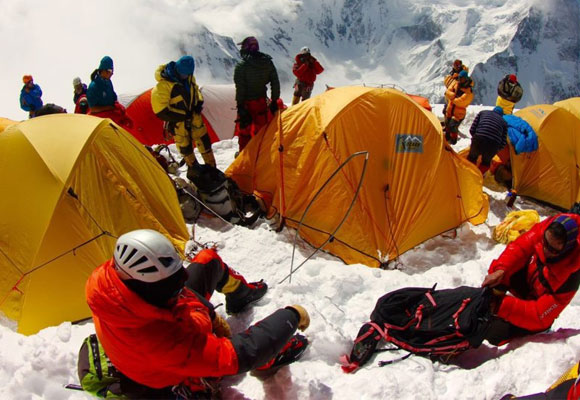
Establish base camp and organize tents, food, communications, technical equipment, and climbing supplies. Complete a detailed route and safety briefing.
Day 13 – Rest & Acclimatization
Take a rest day at base camp. Monitor altitude adaptation, hydration, nutrition, sleep, and general fitness.
Day 14 – Trango Route Reconnaissance
Study the selected Trango Towers Routes. Assess rock quality, snow and ice conditions, fixed lines, potential hazards, climbing pitches, and descent options.
Day 15 – Technical Equipment Preparation
Prepare ropes, protection, harnesses, helmets, climbing shoes, crampons, ice tools, aid equipment, bivouac systems, and hauling equipment.
Day 16 – Acclimatization Climbing
Complete controlled climbing activities near base camp where conditions allow. Practice rope management, anchors, belaying, rappelling, and movement on technical terrain.
Day 17 – Lower Route Preparation
Begin route preparation and, where appropriate, establish or inspect fixed lines. Climbers should confirm the strategy for ascending and descending the selected route.
Day 18 – Begin Technical Climbing
Start the main technical climbing phase. Progress depends on the route’s difficulty, weather, rock conditions, equipment hauling, and team efficiency.
Day 19 – Multi-Pitch Granite Climbing
Continue upward through technical granite terrain. Focus on efficient rope systems, protection, communication, and conserving energy.
Day 20 – Advanced Wall Progression
Continue climbing toward the higher sections of the route. Reassess weather, fatigue, equipment, food, water, and the possibility of reaching the planned high point.
Days 21–38
Day 21 – Technical Climbing Day
Continue the ascent on the selected Trango route. Climbers tackle sustained technical sections while maintaining careful rope and protection management.
Day 22 – Difficult Granite Sections
Progress through demanding cracks, slabs, corners, or other route-specific features. Depending on the line, free and aid techniques may be required.
Day 23 – High-Altitude Wall Climbing
Continue toward the upper wall. Manage altitude, cold, hydration, nutrition, and exposure while maintaining a controlled climbing pace.
Day 24 – Upper Route Preparation
Review the route ahead and evaluate the summit strategy. Check weather forecasts, equipment, turnaround times, and descent plans.
Day 25 – Main Summit Push
Begin the principal summit attempt if weather and route conditions are favorable. This is expected to be one of the most demanding days of the expedition.
Day 26 – Summit Attempt / Weather Contingency
Continue the summit attempt or use the reserved contingency day if weather or route conditions prevent safe progress. Safety takes priority over the planned schedule.
Day 27 – Summit & Descent
If conditions permit, complete the summit objective and begin descending. The descent remains a serious technical phase requiring careful rappelling and rope management.
Day 28 – Upper Wall Descent
Continue descending through the technical sections. Recover equipment where possible and maintain strict communication between team members.
Day 29 – Return to Trango Base Camp
Complete the descent and return to base camp. Rest, rehydrate, organize equipment, and assess the team’s condition.
Day 30 – Base Camp Recovery & Packing
Use the day for recovery and expedition organization. Pack climbing equipment, remove waste, organize porter loads, and prepare for the return trek.
Day 31 – Trango Base Camp to Paiju
Begin the return journey through the Baltoro region toward Paiju. Descending to lower elevations provides an opportunity for recovery after the technical climbing phase.
Day 32 – Paiju to Jhola
Continue trekking toward Jhola. The terrain becomes progressively lower as the team retraces its approach route.
Day 33 – Jhola to Askole
Complete the trek toward Askole. This marks the final major section of the wilderness approach.
Day 34 – Askole to Skardu
Travel by jeep from Askole back to Skardu. Road conditions can affect travel time, so flexibility is important.
Day 35 – Skardu Rest Day
Recover in Skardu after the expedition. Review equipment, rest, and prepare for the return journey to Islamabad.
Day 36 – Skardu to Islamabad
Fly to Islamabad when weather and flight operations permit. A road contingency may be required if mountain flights are disrupted.
Day 37 – Islamabad Debriefing
Complete the expedition debriefing, organize remaining equipment, and review the climbing experience. Prepare documents and luggage for departure.
Day 38 – Departure from Pakistan
Transfer to Islamabad International Airport for the onward journey. The Trango Tower Climbing Grade 2026 expedition officially concludes.
Frequently Asked Questions
What is the Trango Tower Climbing Grade?
There is no single grade for the entire Trango Tower. Different routes have different difficulties. The famous Eternal Flame has reached approximately 7c+/5.13a in its all-free form, while historical ascents included aid climbing.
How difficult is Trango Tower?
Trango Tower is an advanced technical climbing objective. The combination of difficult granite, long routes, altitude, exposure, weather, and remote logistics makes it substantially harder than ordinary rock climbing.
What is the hardest Trango Tower route?
Eternal Flame is one of the most famous and technically demanding routes on Nameless Tower. Its modern all-free difficulty is approximately 7c+/5.13a.
How high is Trango Tower?
Nameless Tower, commonly referred to as Trango Tower, is approximately 6,250 meters high. Great Trango Tower is approximately 6,286 meters.
Can an intermediate climber climb Trango Tower?
Generally, no. Climbers should have extensive experience with difficult multi-pitch climbing, crack systems, big walls, alpine environments, and high-altitude expeditions.
Is Eternal Flame a free-climbing route?
It has been climbed entirely free. The first all-free ascent was completed by Alexander and Thomas Huber in 2009, with difficulties around 7c+/5.13a.
What equipment is needed?
Equipment varies by route and current conditions but can include climbing ropes, harnesses, helmets, protection, aid gear, climbing shoes, crampons, ice tools, bivouac equipment, high-altitude clothing, communication equipment, and rescue equipment.
Is Trango Tower more difficult than K2 Base Camp Trek?
They are not directly comparable. The K2 Base Camp Trek is a trekking objective, while Trango Tower is a technical climbing objective requiring advanced climbing skills.
How much does a Trango Tower expedition cost?
The Trango Tower Expedition Price depends on route, duration, permits, transport, porters, base-camp services, technical support, equipment, insurance, and contingency requirements. A detailed expedition quotation is necessary for an accurate 2026 budget.
Trango Tower Height and Its Effect on Difficulty
The Trango Tower Height is roughly 6,250 meters for Nameless Tower, while Great Trango reaches approximately 6,286 meters.
At these elevations, physical performance is affected by reduced oxygen availability. Even a familiar rock-climbing movement becomes more demanding when repeated thousands of meters above sea level.
The height also contributes to:
- Faster fatigue
- Longer recovery periods
- Increased cold exposure
- Greater dehydration risk
- More difficult decision-making
- Potential altitude illness
However, altitude is only one part of the equation. The extraordinary verticality of the granite faces is what makes the Trango group particularly famous.
Eternal Flame: The Most Famous Trango Route
When people discuss the Trango Tower Climbing Grade, Eternal Flame is usually the route that receives the most attention.
Established in 1989 by Kurt Albert, Wolfgang Güllich, Milan Sykora, and Christoph Stiegler, Eternal Flame follows the south face of Nameless Tower. The original team described approximately 35 pitches with numerous difficult free-climbing sections and aid climbing.
The route was later progressively freed. Alexander and Thomas Huber completed the first all-free ascent in 2009, with difficulties reaching approximately 7c+/5.13a.
That grade is significant. It places the hardest climbing well beyond the level expected of a recreational climber.
What Makes Eternal Flame So Difficult?
The challenge is not simply the hardest pitch.
The route combines:
- Long crack systems
- Sustained technical climbing
- High-altitude free climbing
- Aid sections depending on style
- Exposure
- Multi-day wall logistics
- Difficult weather
- Complex descent requirements
Historical reports describe climbers spending many days on the wall and dealing with snow, wind, cold, and changing conditions.
A modern free ascent requires the ability to climb hard grades repeatedly at altitude while managing food, water, equipment, ropes, bivouac systems, and weather.
Trango Towers Routes and Their Grades
The Trango Towers Routes vary considerably.
Eternal Flame
Eternal Flame is the best-known route on Nameless Tower. Its modern free-climbing difficulty is approximately 7c+/5.13a, with historical aid sections and difficult mixed terrain near the upper mountain.
Yugoslav Route
The Yugoslav Route is another historically important line on Nameless Tower. It was established in 1987 and has been used as part of later climbing strategies on the tower. Historical accounts describe difficult technical climbing on the route.
Great Trango Normal Route
Great Trango Tower has a significantly different character from the steep free-climbing lines of Nameless Tower. The north-northwest face normal route includes snow and ice terrain, with historical reports describing sections from roughly 40° to 60° and steeper terrain reaching approximately 80°.
The 1984 route became an important line on Great Trango and was subsequently used for notable ascents and descents.
Other Trango Routes
The wider Trango group contains numerous technical lines with different combinations of rock, aid, snow, ice, and mixed climbing.
The American Alpine Club’s historical records document multiple routes on Nameless Tower, demonstrating that the group cannot be reduced to one universal grade.
Understanding the 5.13a Grade at Altitude
A 5.13a or 7c+ free-climbing grade represents difficult technical rock climbing even at sea level.
Doing that type of climbing around 6,000 meters creates an entirely different physical and mental challenge.
At altitude:
- Recovery is slower.
- Muscular endurance becomes more important.
- Cold can affect finger strength and grip.
- Hydration becomes critical.
- Carrying equipment adds additional load.
- Weather can interrupt climbing.
- Route-finding becomes more consequential.
The first free ascent of Eternal Flame demonstrates this difference. The Huber brothers climbed the route after extensive preparation, and subsequent climbers have also required significant time and commitment.
Who Can Climb Trango Tower?
The mountain is appropriate only for climbers with advanced experience.
A suitable candidate should have strong experience in:
Multi-Pitch Climbing
A climber must be comfortable managing long sequences of pitches, anchors, rope systems, belays, and route-finding.
Crack Climbing
Eternal Flame is particularly known for its high-quality granite cracks. Strong hand, finger, and off-width crack skills can be essential depending on the chosen line.
Big-Wall Climbing
Multi-day wall climbing requires knowledge of hauling, bivouacs, fixed ropes, ascending ropes, managing equipment, and minimizing unnecessary weight.
Aid Climbing
Some Trango routes include aid climbing. Climbers attempting such routes need appropriate aid systems and experience using them safely.
Alpine Climbing
Snow, ice, mixed terrain, glacier travel, and changing conditions may form part of the approach or upper sections of a route.
High-Altitude Experience
Climbers should already understand acclimatization, altitude symptoms, hydration, nutrition, pacing, and high-altitude decision-making.
Trango Tower Expedition Price
The Trango Tower Expedition Price cannot be represented accurately by one universal figure.
The final budget depends on:
- Selected route
- Expedition duration
- Number of climbers
- Technical equipment
- Porters
- Base-camp services
- Transportation
- Accommodation
- Food
- Permits
- Communication
- Insurance
- Emergency arrangements
- Weather contingency days
Technical climbing expeditions require considerably more planning than standard trekking packages.
For 2026, climbers should request an itemized quotation that clearly states what is included. A low headline price may exclude important logistics or technical support.
Trango Towers Deaths and Risk
Searches for Trango Towers Deaths highlight the serious nature of climbing in this environment, but accident statistics should be interpreted cautiously because historical records are not always complete.
The major risks include:
- Rockfall
- Falling ice
- Avalanches
- Severe weather
- Altitude illness
- Falls
- Equipment failure
- Exhaustion
- Route-finding errors
- Difficult descents
- Delayed rescue
A technical grade does not measure all these hazards.
A comparatively moderate pitch can still become dangerous if it is wet, icy, exposed, or affected by falling rock.
For that reason, professional climbers evaluate objective danger separately from climbing difficulty.
Preparing for a 2026 Trango Expedition
Preparation should begin well before arriving in Pakistan.
Build Technical Strength
Training should include advanced multi-pitch and crack climbing appropriate to the chosen route.
Develop Endurance
Long routes require sustained effort. Climbers should be comfortable spending many hours climbing while carrying equipment.
Practice Big-Wall Systems
Hauling, jumaring, rappelling, anchors, bivouacs, and rope management should be practiced before the expedition.
Gain Alpine Experience
Snow, ice, glacier travel, and mixed terrain should not be completely new skills on a Trango expedition.
Acclimatize Properly
Do not assume excellent rock-climbing fitness automatically equals high-altitude readiness.
Prepare for Bad Weather
The Karakoram can disrupt schedules. Teams should carry adequate food, fuel, clothing, shelter, and contingency time.
Trango Tower Compared With Trekking in the Karakoram
The K2 Base Camp Trek is fundamentally different from technical Trango climbing. A trekking route can take travelers through the same extraordinary Karakoram environment without requiring them to climb a 6,000-meter granite wall.
Travelers considering a K2 Base Camp Tour can explore the Baltoro region while keeping the trip focused on trekking.
A K2 Base Camp Tour Company can help arrange the approach, logistics, accommodation, guides, and support required for the trekking itinerary.
Before booking, travelers should compare the K2 Base Camp Tour Cost, K2 Base Camp Price, and K2 Base Camp Tour Package according to inclusions, duration, transportation, and support.
Other Adventure Pakistan Experiences
Not every traveler needs the technical difficulty of Trango Tower.
The K2 and Gondogoro La Trek Pakistan 2026 is an excellent option for experienced trekkers who want a demanding Karakoram adventure.
The Snow Lake trek offers a remote glacier experience through the Biafo-Hispar region. Travelers can also explore a Snow Lake trek Tour, Snow Lake trek Tour Company, Snow Lake trek Tour Cost, Snow Lake trek Price, and Snow Lake trek Package.
For Hunza travelers, the Rakaposhi base camp Hunza valley trek provides another spectacular mountain experience.
The Fairy Meadows Trek is a more accessible option for travelers wanting extraordinary views of Nanga Parbat. Visitors can compare a Fairy Meadows Trek Tour, Fairy Meadows Trek Tour Company, Fairy Meadows Trek Cost, Fairy Meadows Trek Price, and Fairy Meadows Trek Package.
Adventure Pakistan also provides opportunities beyond trekking and climbing. History enthusiasts can consider an Indus valley civilization tour, while cultural travelers can explore the Shandoor Polo festival or a kalash festival tour.
For visitors planning the polo experience, options include a Shandoor Polo festival tour, Shandoor Polo festival tour Company, Shandoor Polo festival Cost, Shandoor Polo festival Price, and Shandoor Polo festival tour Package.
The Trango Tower Climbing Grade 2026 How Difficult Is Trango Tower? question has no single numerical answer because the Trango group contains multiple routes with very different technical characteristics. The famous Eternal Flame provides the clearest benchmark: its modern all-free difficulty reaches approximately 7c+/5.13a, while historical versions included aid climbing and mixed terrain.
What truly makes Trango Tower difficult is the combination of technical climbing and expedition conditions. Climbers must manage sustained granite climbing, long multi-pitch sequences, high altitude, exposure, weather, route-finding, bivouacs, equipment, and complicated descent logistics.
As an Adventure Pakistan market analyst tracking Pakistan’s mountain tourism and climbing sector, I would classify Trango Tower as an objective for highly experienced climbers rather than an introductory expedition. A strong gym climber or intermediate outdoor climber should build substantial experience before considering these walls.
The Trango Towers Pakistan remain among the world’s most distinctive high-altitude rock-climbing destinations. For those who possess the appropriate skills and experience, the combination of exceptional granite, dramatic Karakoram scenery, and historic routes makes the area an extraordinary climbing objective.
For travelers who want to experience the surrounding Karakoram without undertaking technical climbing, alternatives such as the K2 Base Camp Trek, K2 and Gondogoro La Trek Pakistan 2026, Snow Lake trek, Rakaposhi base camp Hunza valley trek, and Fairy Meadows Trek offer very different but equally memorable ways to explore northern Pakistan.
Ultimately, the right 2026 objective depends on experience. Trango Tower should be approached as a serious technical expedition, with route-specific preparation, appropriate acclimatization, current weather information, reliable logistics, and a willingness to retreat whenever conditions become unsafe.
K2 Base Camp and Gondogoro La Trek
K2 Base Camp Trek
K2 Base Camp Trek Concordia
Mashabrum & Gondogoro BC Trek
K6/K7 BC Trek
Thalle La Trek Pakistan
Spantik Base Camp & Haramosh La Trek
Rakaposhi Base Camp Trek
Batura Glacier Trek
Patundas Trek
Shimshal Valley Trek
Tirich Mir Base Camp Trek
Wakhan Corridor Trek
Naltar Ishkoman Pass Trek
Darkot and Broghil Passes Trek
Around Nanga Parbat Mazeno Pass Trek
5X8000m Base Camp Trek
Great Karakorum Traverse Trek
K2 Expedition (8611m)
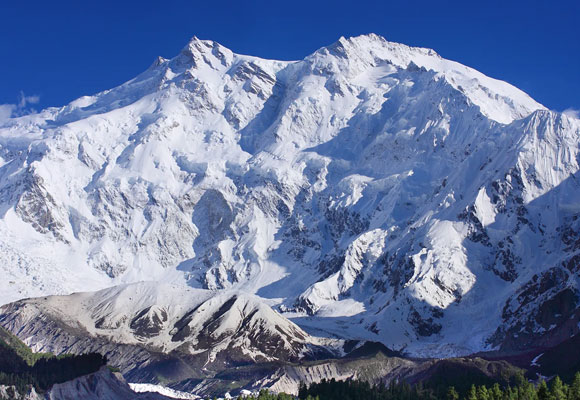
Nanga Parbat Expedition (8126m)
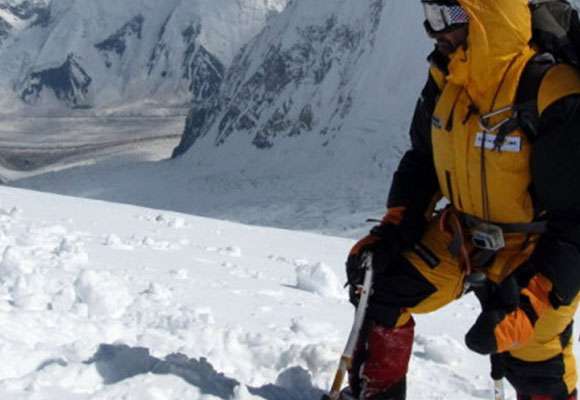
Broad Peak Expedition (8047m)
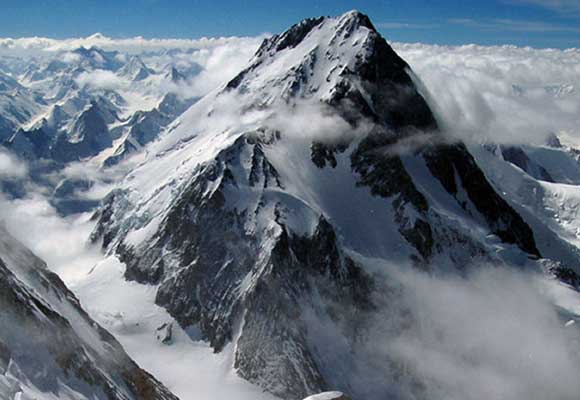
Gasherbrum 1 Expedition (8068m)
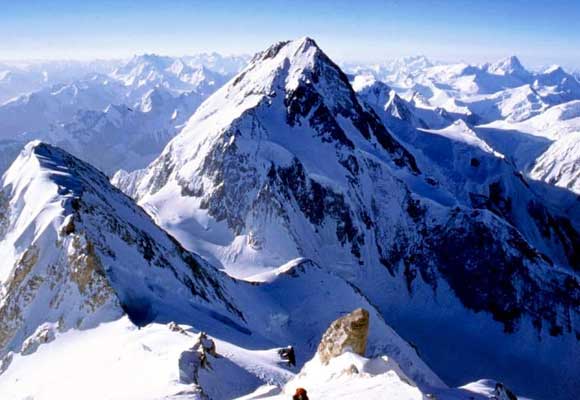
Gasherbrum II Expedition (8035m)
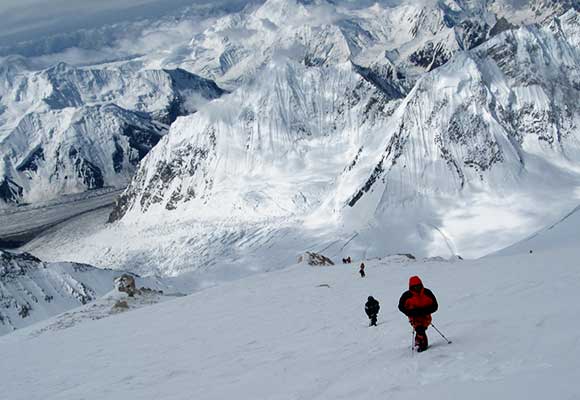
Gasherbrum III Expedition (7952m)
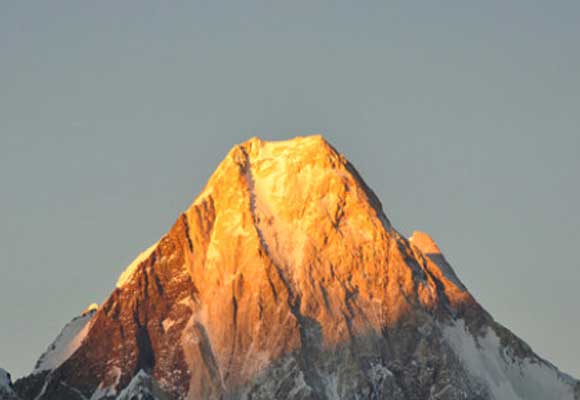
Gasherbrum IV Expedition (7925m)
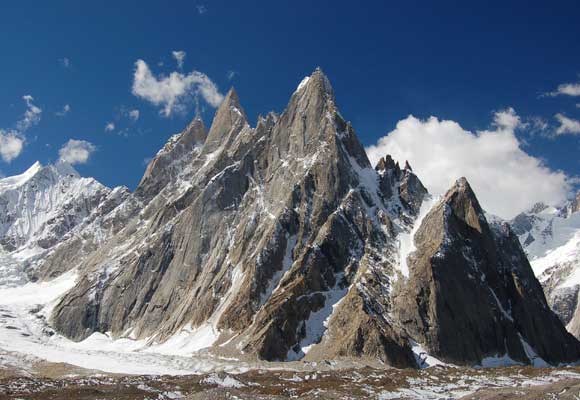
Masherbrum Expedition (7821m)
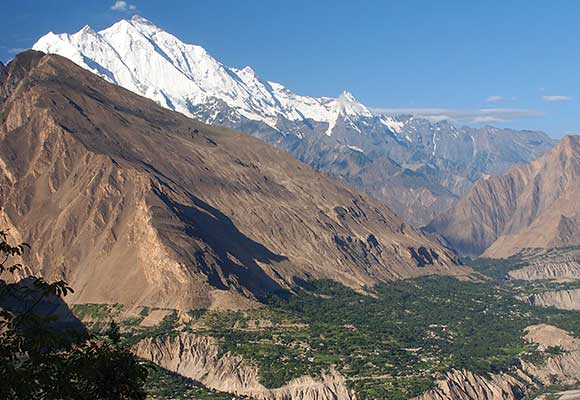
Rakaposhi Expedition (7788m)
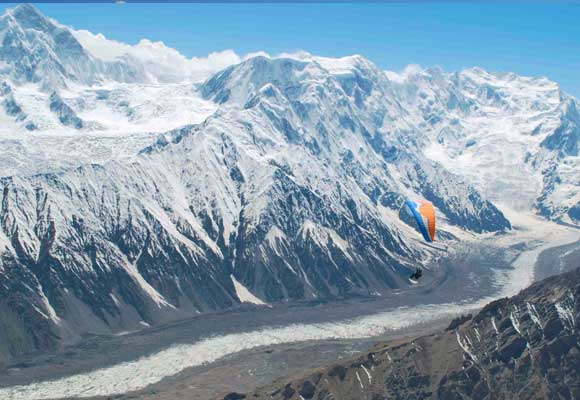
Batura Sar Expedition (7785 m)
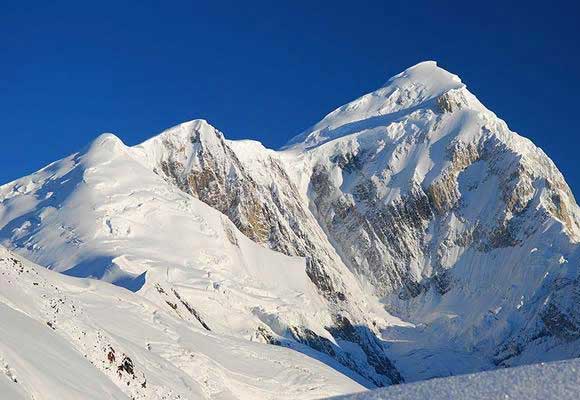
Tirich Mir Expedition (7708m)
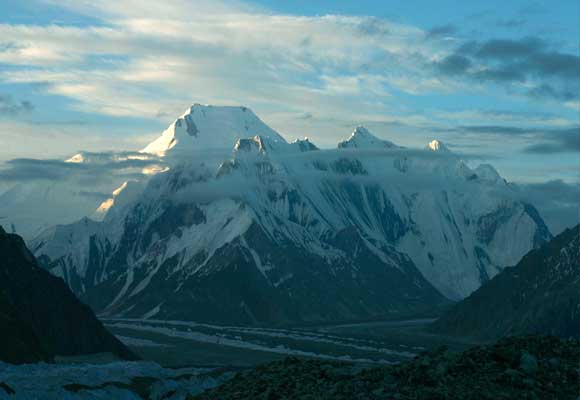
Chogolisa Expedition (7665 m)
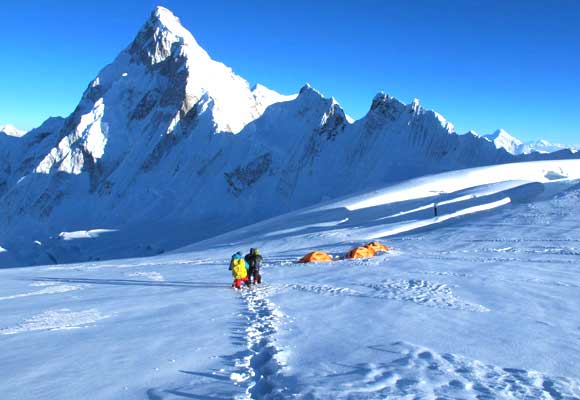
Passu Peak Expedition (7478m)
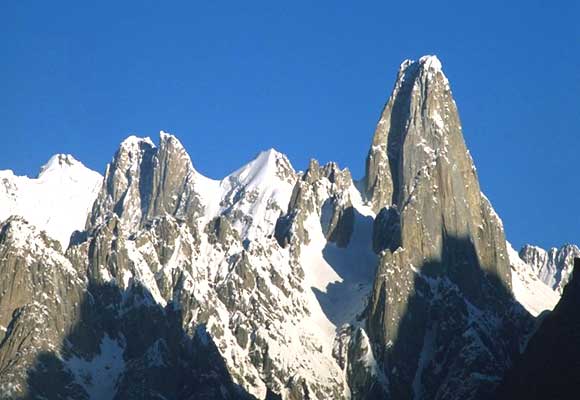
Muztagh Tower Expedition (7273m)
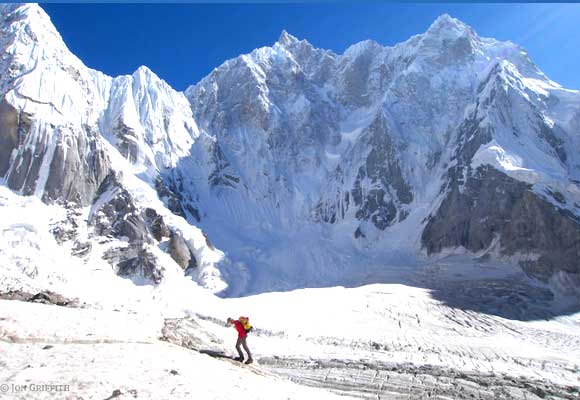
K6 Peak Expedition (6935m)
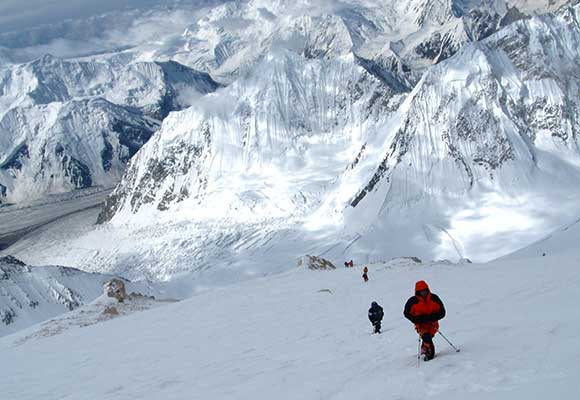
Diran Peak Expedition (7272m)
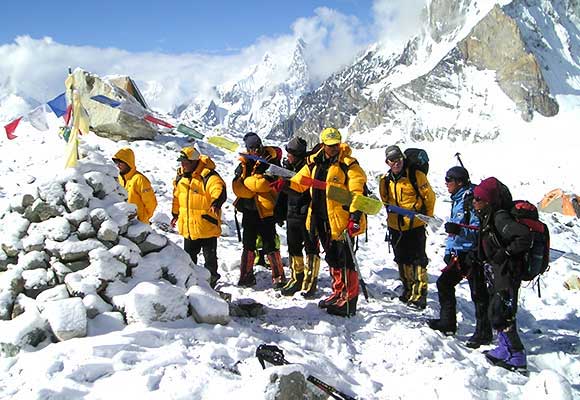
Latok 1 Expedition (7145 m)
Laila Peak Expedition (6095m)
Minglik Sar Peak Expedition (6050m)
Rush Peak Expedition (5,098m)