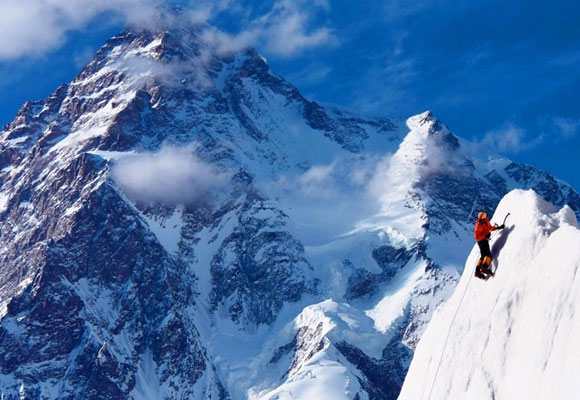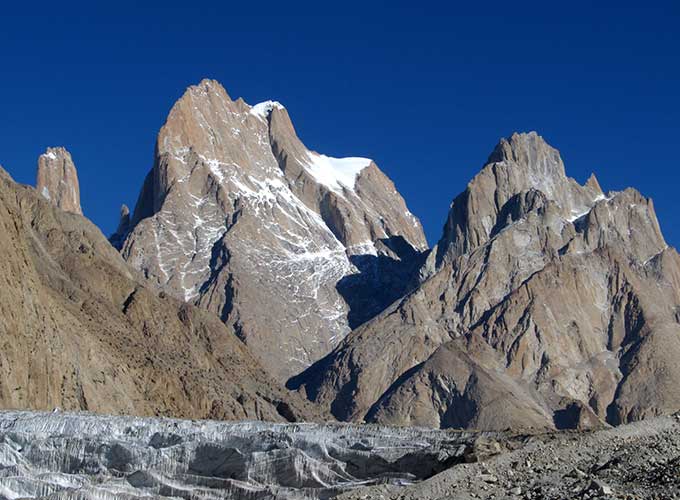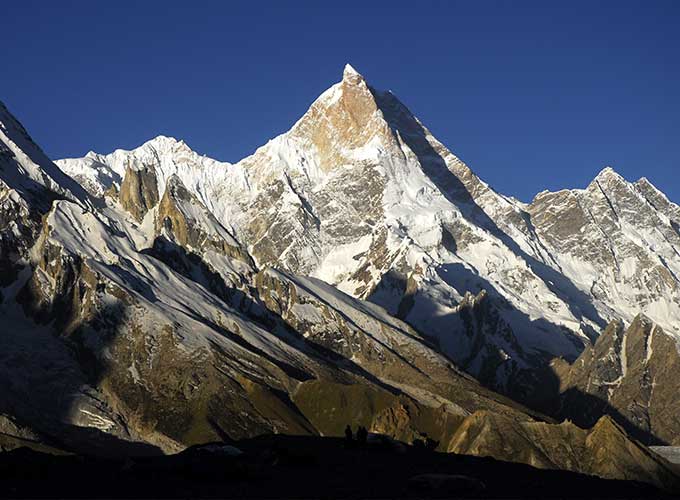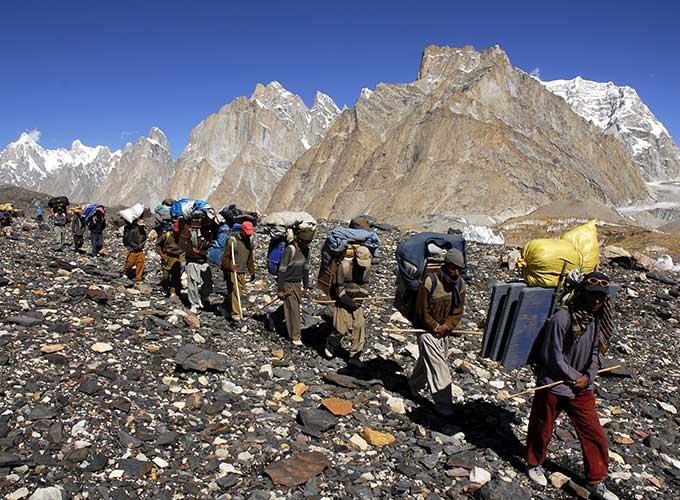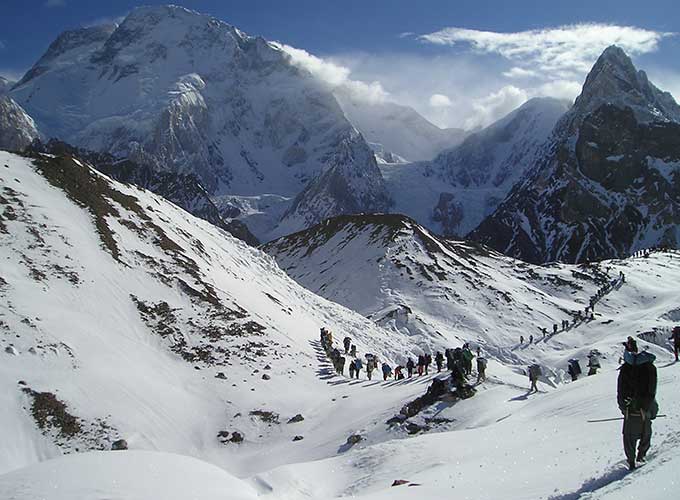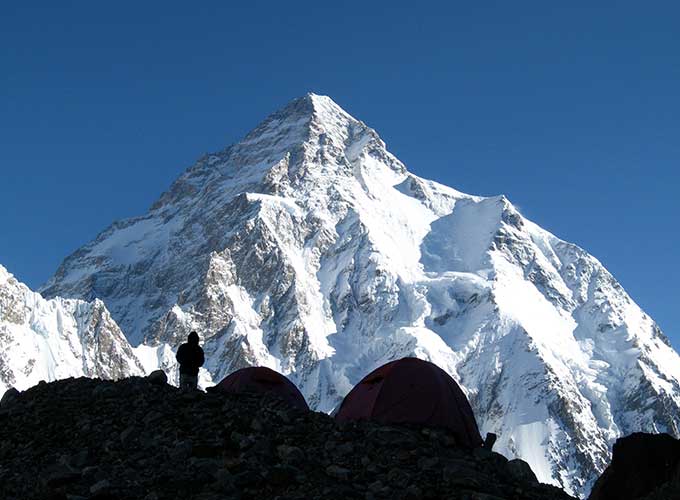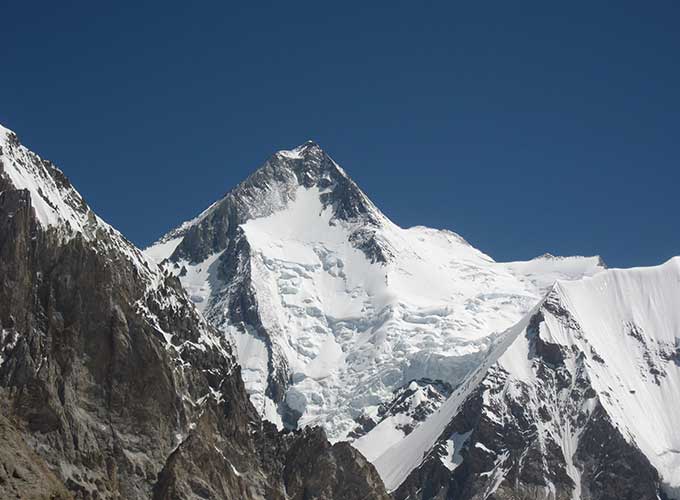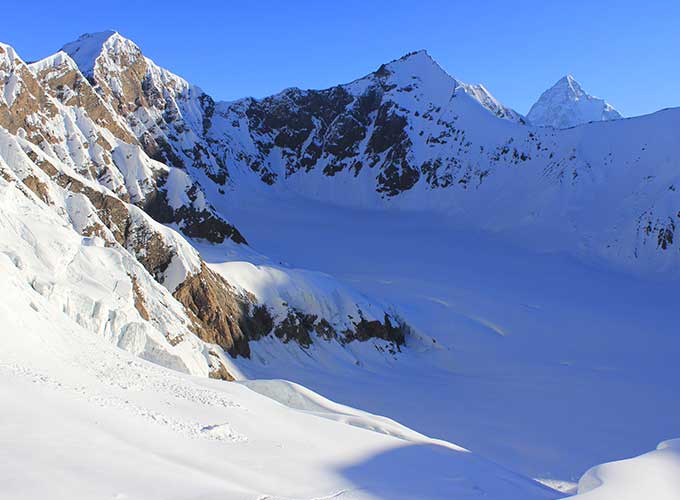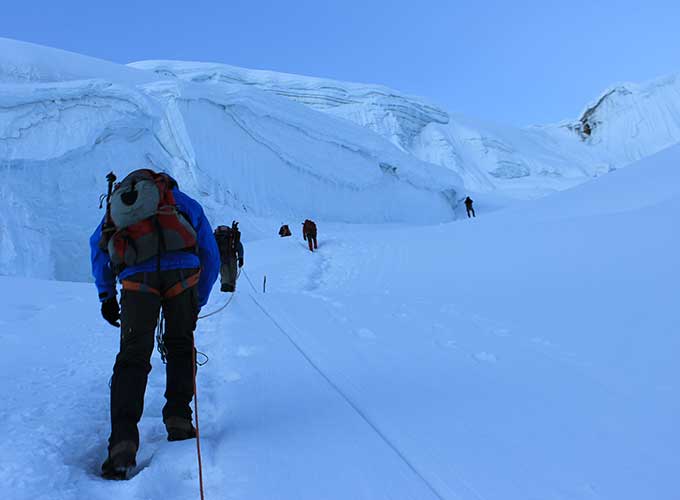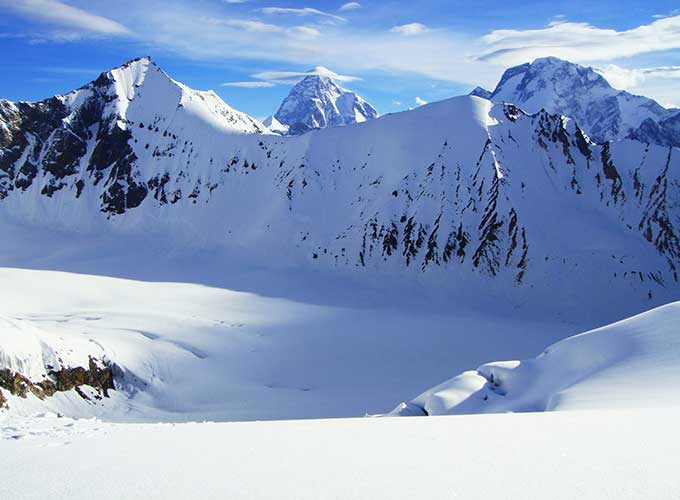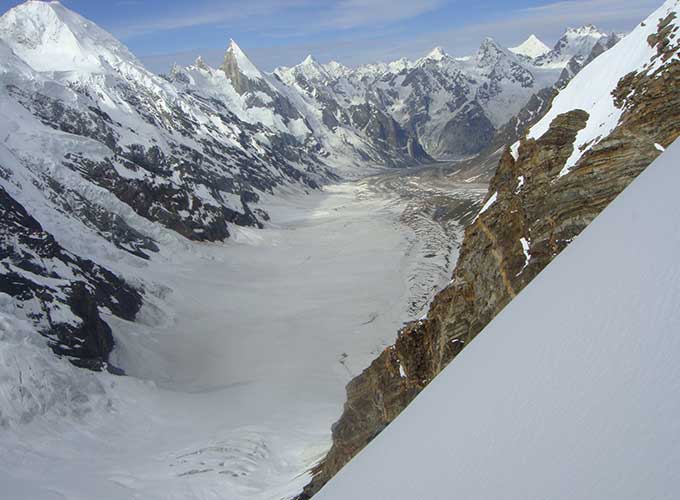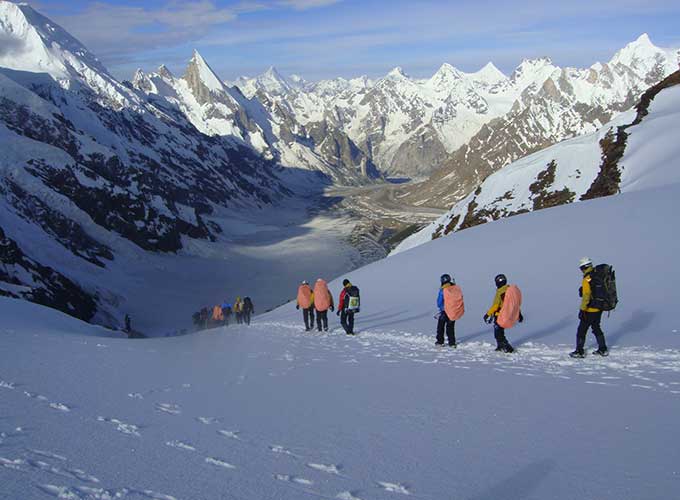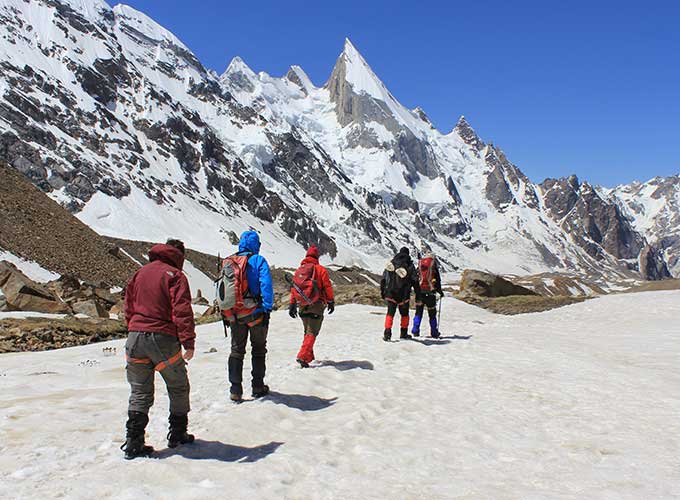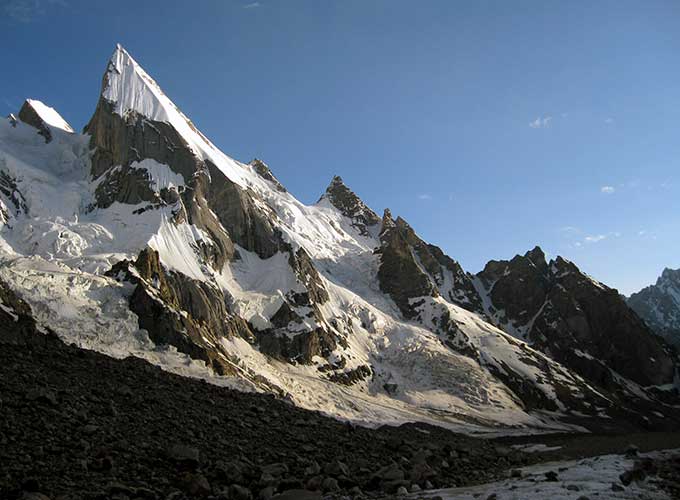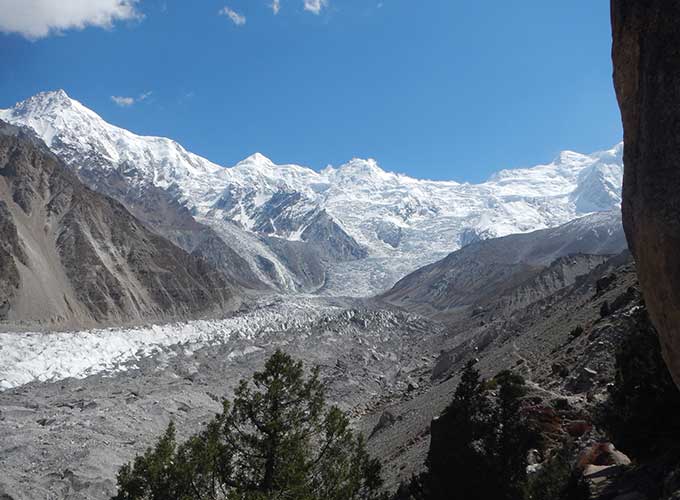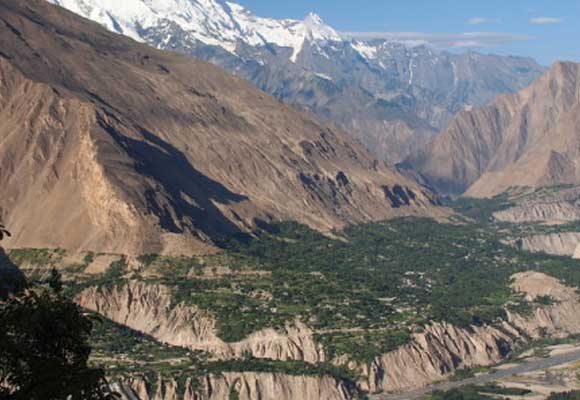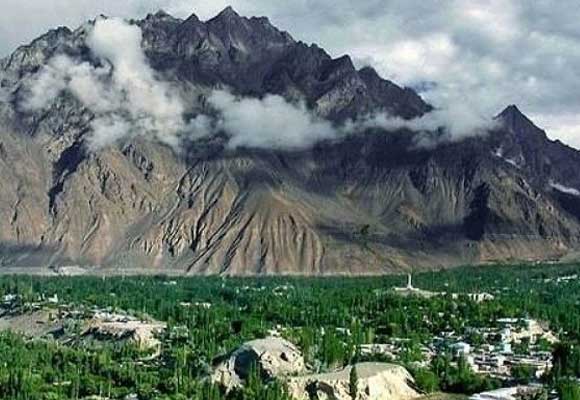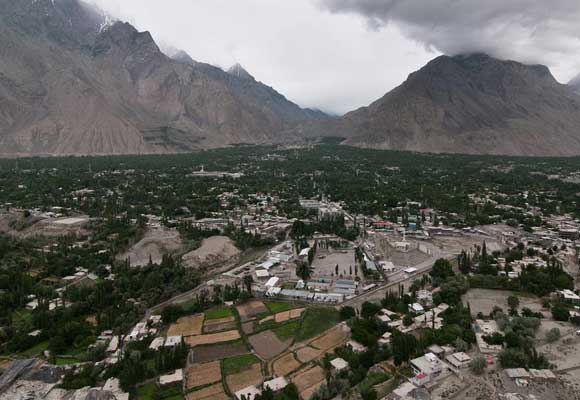
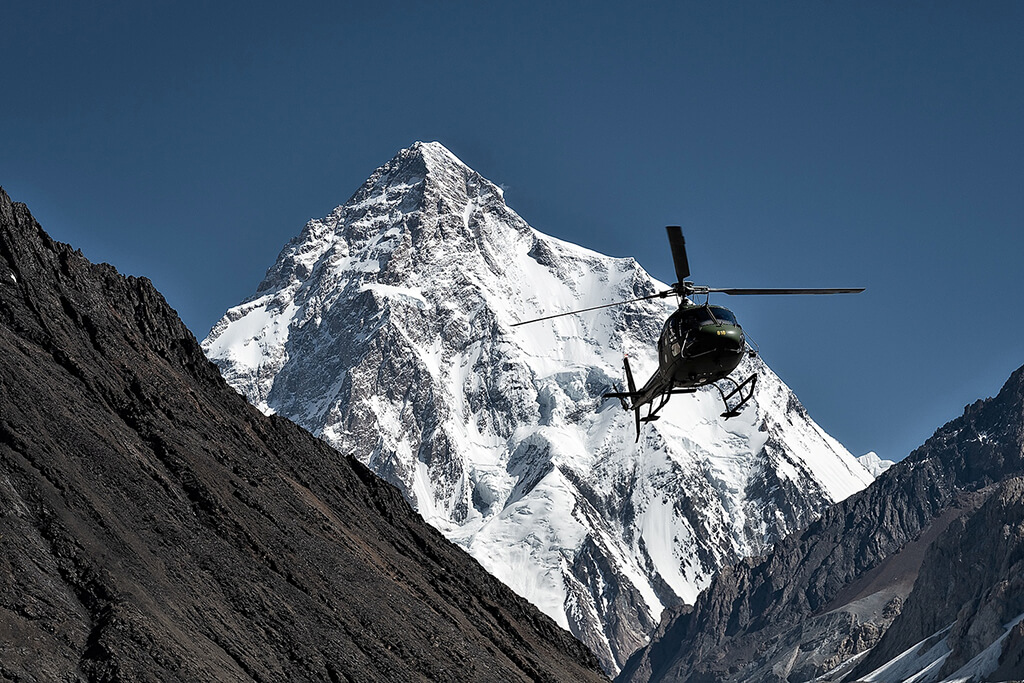
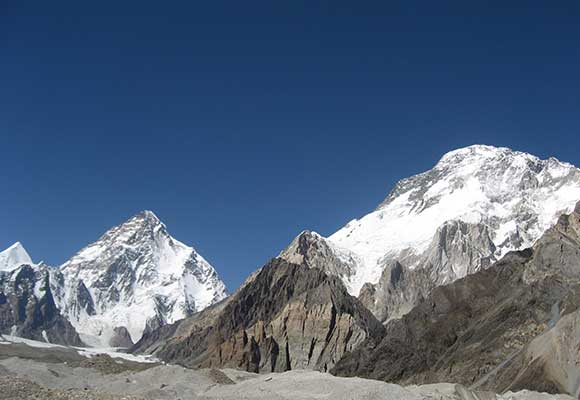
The K2 Climbing 2026 Ultimate Mountaineering Expedition in Pakistan is one of the world’s most demanding high-altitude mountaineering challenges. Rising to approximately 8,611 meters, K2 is the world’s second-highest mountain and one of Pakistan’s most iconic peaks. Unlike a trekking journey, climbing K2 requires advanced technical skills, previous high-altitude experience, specialized equipment, extensive acclimatization, and professional expedition support.
As an Adventure Pakistan market analyst tracking Pakistan’s adventure tourism sector, I recommend treating a K2 expedition as a serious mountaineering project rather than a conventional mountain tour. Climbers must prepare for extreme altitude, severe weather, steep terrain, glaciers, snow, ice, and prolonged exposure to challenging conditions.
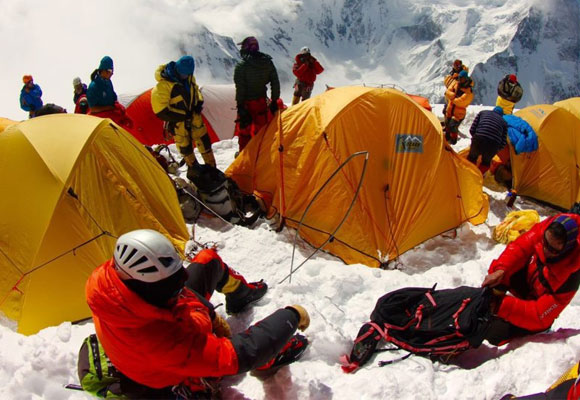
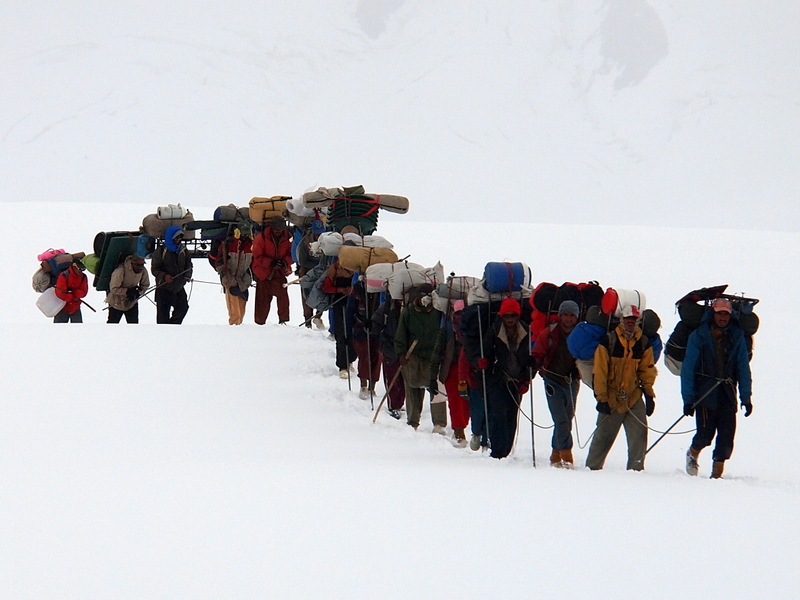
The expedition generally involves an approach through the Baltoro region, establishment of K2 Base Camp, acclimatization rotations, climbing through higher camps, waiting for suitable weather, attempting the summit, and descending safely. The exact schedule depends on weather, route conditions, team progress, and expedition logistics.
Overview | K2 Climbing 2026
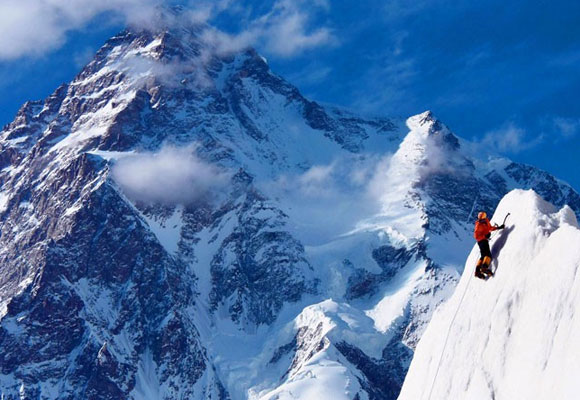
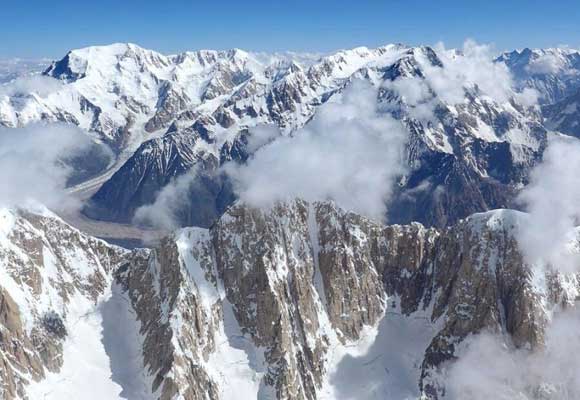
K2 Climbing 2026 offers an extraordinary high-altitude mountaineering adventure in Pakistan’s spectacular Karakoram range. Rising to approximately 8,611 meters, K2 is the world’s second-highest mountain and one of the most technically demanding climbing objectives on Earth. The expedition involves traveling through the Baltoro region, reaching K2 Base Camp, completing acclimatization rotations, establishing higher camps, and preparing for a carefully selected summit window. K2 Climbing 2026 requires advanced mountaineering experience, excellent physical fitness, technical climbing skills, specialized equipment, and professional expedition support. Weather, route conditions, and altitude can significantly affect the schedule, making flexibility and safety essential throughout the expedition.
Why Choose K2 Climbing 2026?
K2 offers a unique combination of extreme altitude and technical climbing. The mountain is located in the Karakoram, surrounded by some of the most spectacular landscapes in northern Pakistan.
Experienced mountaineers choose K2 because it offers an opportunity to:
- Attempt one of the world’s highest mountains
- Experience the remote Karakoram
- Test advanced climbing skills
- Develop high-altitude expedition experience
- Travel across the Baltoro Glacier
- Experience K2 Base Camp
- Explore Pakistan’s mountain culture and landscapes
However, K2 is not suitable for beginners. Climbers should have substantial experience in high-altitude and technical mountaineering before considering the expedition.
K2 Climbing vs K2 Base Camp Trek
It is essential to understand the difference between climbing K2 and trekking to its base.
The K2 Base Camp Trek is a demanding trekking journey through the Baltoro region toward K2 Base Camp. Trekkers do not attempt to climb the mountain.
K2 Climbing 2026, on the other hand, continues above Base Camp and requires technical mountaineering equipment, climbing skills, acclimatization, and specialized expedition support.
Travelers who want to experience the mountain without attempting the summit can consider a K2 Base Camp Tour.
Before booking, compare the K2 Base Camp Tour Company, K2 Base Camp Tour Cost, K2 Base Camp Price, and K2 Base Camp Tour Package to understand what services and logistics are included.
K2 Climbing 2026 Best Cost & Packages
K2 Expedition – Basecamp Services
Start |
End |
Status |
Price |
Deposit |
Registration |
|---|---|---|---|---|---|
19 Jun |
17 Aug |
Guaranteed |
US$13,000 |
US$1,000 |
K2 Expedition – Full Board Services
Start |
End |
Status |
Price |
Deposit |
Registration |
|---|---|---|---|---|---|
19 Jun |
17 Aug |
Guaranteed |
US$30,000 |
US$15,000 |
K2 Climbing 2026 – 20-Day Itinerary
Days 1–10
Day 1: Arrival in Islamabad
Arrive in Islamabad, meet the expedition team, transfer to the hotel, and attend an introductory briefing. Review permits, equipment, weather planning, and expedition procedures. Overnight in Islamabad.
Day 2: Islamabad – Skardu
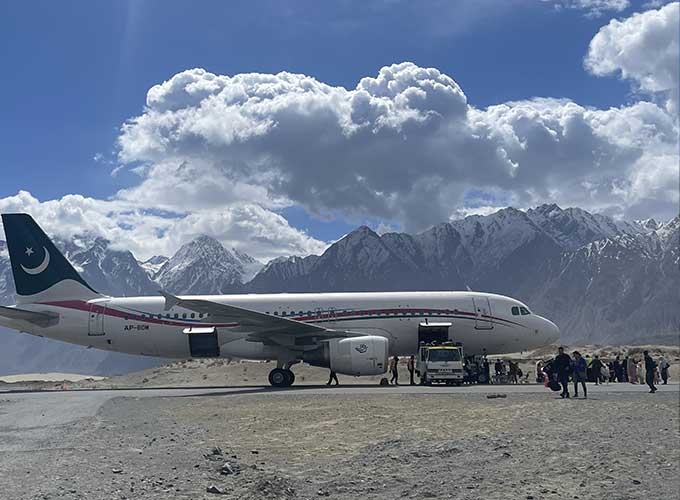
Travel to Skardu by domestic flight, subject to weather and flight availability. Upon arrival, meet the local support team and transfer to the hotel. Rest and prepare expedition equipment. Overnight in Skardu.
Day 3: Skardu – Expedition Preparation
Spend the day preparing for the K2 expedition. Conduct equipment checks, organize loads, meet climbing staff, and complete necessary preparations. Overnight in Skardu.
Day 4: Skardu – Askole
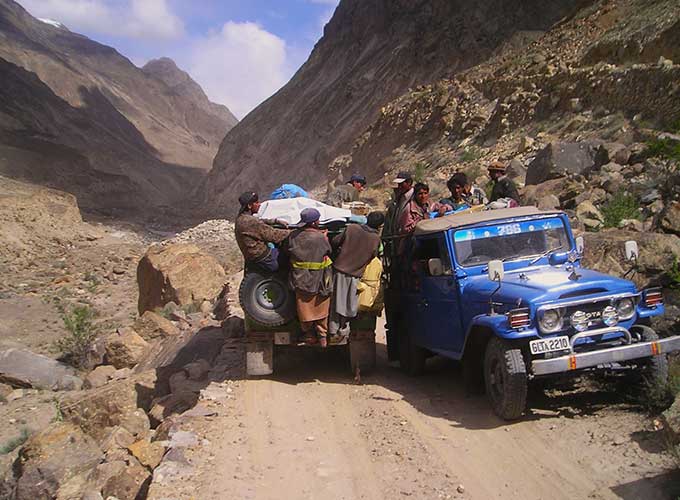
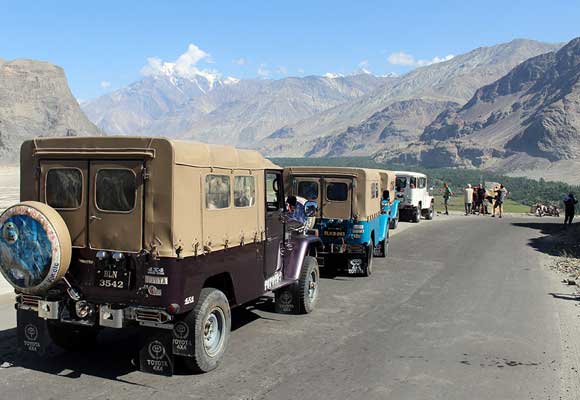
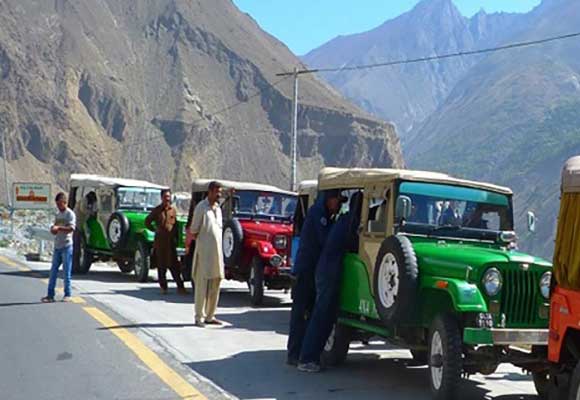
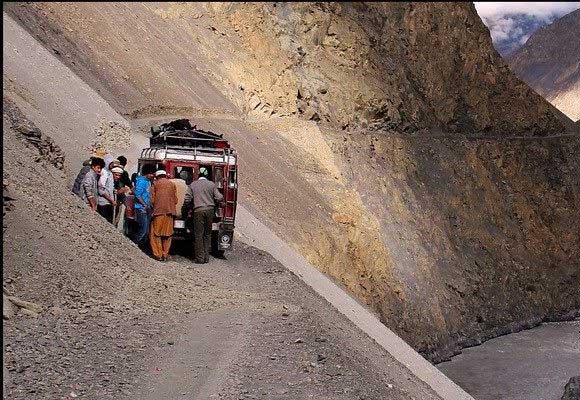
Travel by 4×4 vehicles toward Askole, the traditional starting point for the Baltoro approach. The journey passes through rugged valleys and mountain landscapes. Overnight at a campsite or local accommodation depending on logistics.
Day 5: Askole – Jhola
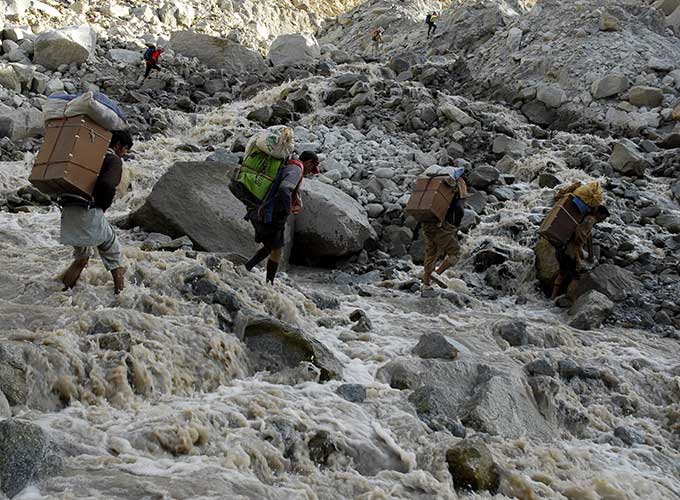
Begin the trekking approach toward K2. Walk through the Braldu Valley toward Jhola, following mountain trails and river crossings. Overnight at Jhola Camp.
Day 6: Jhola – Paiju
Continue toward Paiju along the Baltoro approach. Enjoy views of the surrounding Karakoram peaks while gradually increasing trekking altitude. Overnight at Paiju Camp.
Day 7: Paiju – Khoburtse
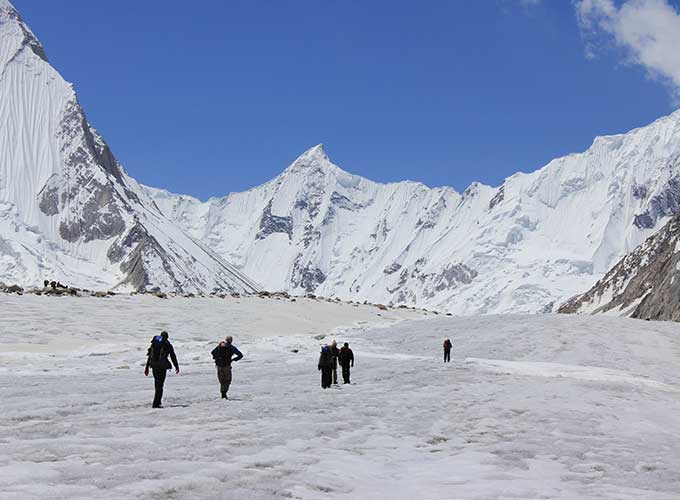
Trek deeper into the Baltoro region. The trail becomes increasingly glacial and mountainous as the expedition approaches the heart of the Karakoram. Overnight at Khoburtse Camp.
Day 8: Khoburtse – Urdukas
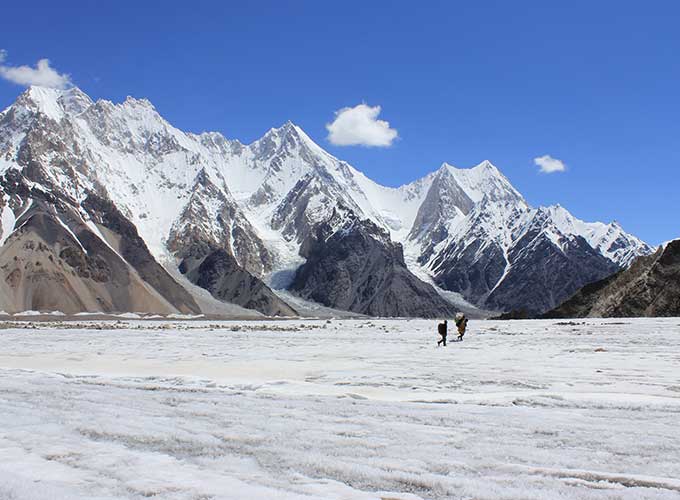
Continue along the Baltoro Glacier toward Urdukas. Enjoy dramatic views of Trango Towers and surrounding peaks. Overnight at Urdukas Camp.
Day 9: Urdukas – Goro II
Cross further into the Baltoro Glacier region toward Goro II. The landscape becomes colder and more remote as the team approaches Concordia. Overnight at Goro II Camp.
Day 10: Goro II – Concordia
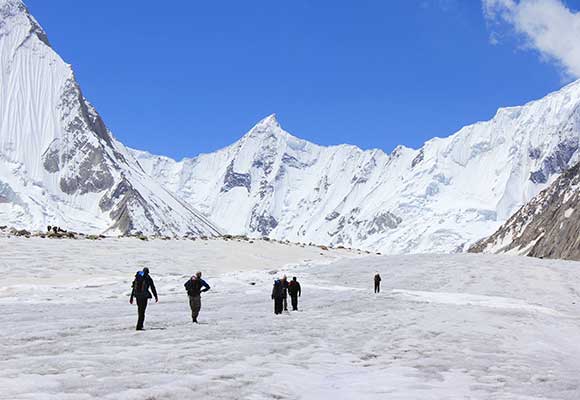
Trek toward Concordia, one of the most spectacular mountain junctions in the Karakoram. Weather permitting, enjoy views of K2 and several surrounding peaks. Overnight at Concordia.
Days 11–20
Day 11: Concordia – K2 Base Camp
Continue toward K2 Base Camp through the upper Baltoro region. Reach the expedition’s main base and settle into camp. Begin detailed preparation for the climbing phase.
Day 12: K2 Base Camp – Acclimatization & Preparation
Spend the day at Base Camp for acclimatization and recovery. Check climbing equipment, review route conditions, communicate with the expedition team, and monitor weather forecasts.
Day 13: Acclimatization Rotation – Camp I
Begin the first climbing rotation above Base Camp. Move toward Camp I while practicing fixed-rope techniques and becoming accustomed to higher altitude. Return or remain at the appropriate camp depending on conditions and expedition strategy.
Day 14: Camp I – Camp II Rotation
Continue the acclimatization process toward Camp II if conditions permit. Practice efficient movement at altitude and familiarize yourself with the climbing route. Return to a lower camp for recovery according to the expedition plan.
Day 15: Return to K2 Base Camp
Descend to Base Camp for rest, recovery, nutrition, and equipment preparation. The expedition team monitors weather forecasts and identifies a suitable potential summit window.
Day 16: K2 Base Camp – Higher Camp Rotation
Begin another climbing rotation toward the higher camps. Move carefully using fixed ropes and technical equipment. The exact destination depends on weather, route conditions, acclimatization, and team performance.
Day 17: Higher Camp – Summit Preparation
Continue the higher-altitude rotation and prepare for a potential summit attempt. Rest as much as conditions allow, check oxygen and climbing equipment where applicable, and receive the latest weather information from the expedition leadership.
Day 18: Summit Attempt – K2
Begin the summit push during the selected weather window. Climbers ascend through the upper mountain according to the established route and expedition strategy. Summit timing and progress depend entirely on weather, route safety, individual condition, and team decisions.
Day 19: K2 Summit Area – Descent to Lower Camp/Base Camp
Descend carefully after the summit attempt. The descent remains a critical part of the expedition, requiring controlled movement, hydration, rest, and careful monitoring of weather and physical condition.
Day 20: K2 Base Camp – Return Journey
Begin the return journey from K2 Base Camp toward the lower Baltoro region, depending on the team’s condition and logistics. The expedition schedule may require additional days because of weather, acclimatization, route conditions, or delays.
FAQs About K2 Climbing 2026
How high is K2?
K2 is approximately 8,611 meters high, making it the world’s second-highest mountain after Mount Everest.
Is K2 suitable for beginners?
No. K2 is a highly technical and dangerous mountaineering objective. Climbers need significant high-altitude and technical climbing experience.
What is the difference between K2 climbing and the K2 Base Camp Trek?
The K2 Base Camp Trek is a trekking journey ending at or around K2 Base Camp. K2 climbing continues above Base Camp and requires advanced mountaineering skills and equipment.
What skills are required for K2?
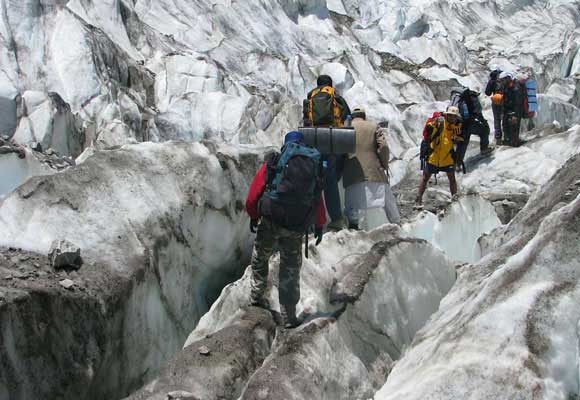
Climbers should have experience with glacier travel, crampons, ice axes, fixed ropes, snow and ice climbing, high-altitude camping, and technical mountain movement.
What is the best time for K2 climbing?
The main climbing season is generally during summer, but actual climbing opportunities depend heavily on weather and mountain conditions.
How long does a K2 expedition take?
A complete expedition can take several weeks or longer because of the approach trek, acclimatization, higher-camp rotations, weather delays, summit attempts, and descent.
Is K2 Base Camp easier than K2 climbing?
Yes. K2 Base Camp trekking is significantly less technical than climbing the mountain, although it remains a demanding high-altitude trekking experience.
Can I combine K2 with other Pakistan tours?
Yes. Depending on the expedition schedule, travelers may add destinations such as Hunza, Fairy Meadows, Rakaposhi, Chitral, or cultural attractions.
What makes K2 different from other 8,000-meter mountains?
K2 is known for its extreme altitude, steep technical terrain, challenging weather, and demanding climbing environment. It is considered one of the most serious objectives in high-altitude mountaineering.
K2 Expedition Route
A typical K2 Expedition starts with arrival in Pakistan followed by travel toward the northern mountain region. The approach then continues toward the Baltoro Glacier and eventually K2 Base Camp.
A general expedition sequence may include:
- Arrival in Pakistan
- Expedition preparation and briefing
- Travel to Skardu
- Approach trek through the Baltoro region
- Arrival at K2 Base Camp
- Acclimatization and equipment preparation
- Higher-camp rotations
- Weather monitoring
- Summit attempt
- Descent and return journey
The actual itinerary can change because of weather, trail conditions, acclimatization, permits, route changes, and team requirements.
K2 Base Camp and Higher Camps
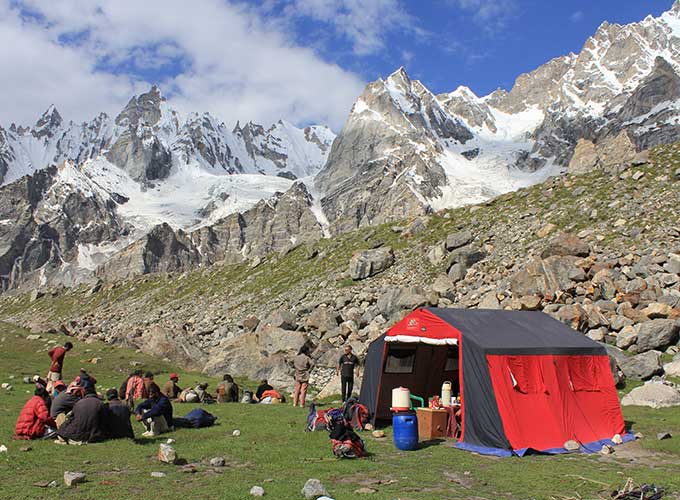
K2 Base Camp becomes the main operational center once the climbing team reaches the mountain. Climbers use the base camp to rest, organize equipment, monitor weather, acclimatize, and prepare for higher-altitude rotations.
Climbers progressively move toward higher camps as conditions allow. The exact number and positioning of camps can vary according to the selected route, current mountain conditions, expedition strategy, and climbing team.
At extreme altitude, oxygen availability is significantly reduced. Cold, wind, snow, ice, and rapidly changing weather make efficient preparation essential.
Technical Skills Required for K2
K2 should only be attempted by climbers with appropriate technical experience.
Important skills include:
- Glacier travel
- Crampon techniques
- Ice-axe use
- Snow and ice climbing
- Fixed-rope climbing
- Ascender and descender techniques
- Rope management
- Crevasse awareness
- High-altitude camping
- Avalanche awareness
- Technical descent techniques
- Expedition decision-making
Previous experience on demanding high-altitude mountains can provide valuable preparation. Climbers should be comfortable using technical equipment before arriving at K2.
Physical Preparation for K2 Climbing 2026
Physical preparation should begin months before the expedition.
A strong cardiovascular base is important because climbers may spend long periods moving through steep or uneven terrain. Strength training is also valuable for carrying equipment and maintaining stability.
Endurance Training
Hiking, running, cycling, stair climbing, and other aerobic activities can improve endurance.
Strength Training
Focus on legs, core, shoulders, and upper body to prepare for long days carrying a pack.
Mountain Training
Regular long-distance hikes help the body adapt to sustained physical effort.
Technical Training
Practice glacier travel, crampon techniques, rope systems, ice climbing, and fixed-line movement before attempting K2.
Physical fitness alone is not enough. Technical competence and mountain judgment are equally important.
Best Time for K2 Climbing
K2 Climbing is highly seasonal, with expeditions traditionally focusing on the summer climbing window.
Even during the main climbing season, weather can create long delays. Strong winds, snowfall, low temperatures, poor visibility, and other mountain hazards can prevent teams from moving or attempting the summit.
For this reason, climbers should plan for flexibility. A successful expedition cannot depend on a fixed summit date because mountain conditions determine when safe climbing opportunities become available.
K2 and Gondogoro La Trek Pakistan 2026
The K2 and Gondogoro La Trek Pakistan 2026 is an excellent alternative for experienced trekkers who want a challenging Karakoram journey without attempting an 8,000-meter summit.
The route combines the K2 Base Camp region with Gondogoro La Pass, creating a demanding high-altitude trekking experience.
Compared with K2 climbing, this route requires less technical mountaineering equipment but still demands good fitness, altitude preparation, and experience with challenging mountain terrain.
Snow Lake Trek
The Snow Lake trek is another major Karakoram adventure.
Snow Lake is associated with the Biafo and Hispar glacier systems and offers a remote wilderness environment. The route involves long trekking days, high-altitude terrain, glacier travel, and limited access to conventional services.
Travelers interested in this experience can explore the Snow Lake trek Tour and research the Snow Lake trek Tour Company before planning.
It is also important to compare the Snow Lake trek Tour Cost, Snow Lake trek Price, and Snow Lake trek Package based on inclusions, logistics, accommodation, transportation, and support services.
Rakaposhi Base Camp Hunza Valley Trek
The Rakaposhi base camp Hunza valley trek offers another spectacular mountain experience.
The route provides views of Rakaposhi and the surrounding Karakoram landscape while allowing travelers to experience the culture and scenery of Hunza Valley.
This trek can be an excellent alternative for travelers who want a high-altitude adventure without attempting an 8,000-meter summit.
Fairy Meadows Trek
The Fairy Meadows Trek is one of Pakistan’s most recognizable mountain journeys.
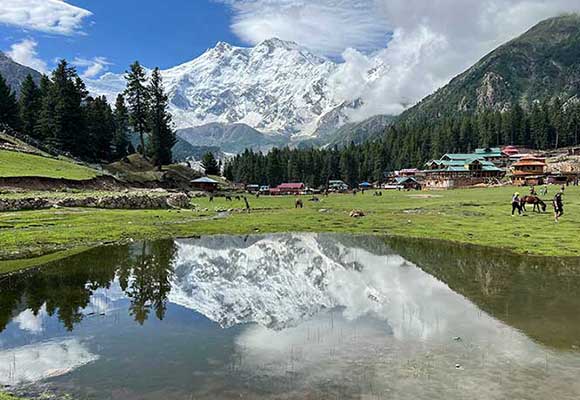
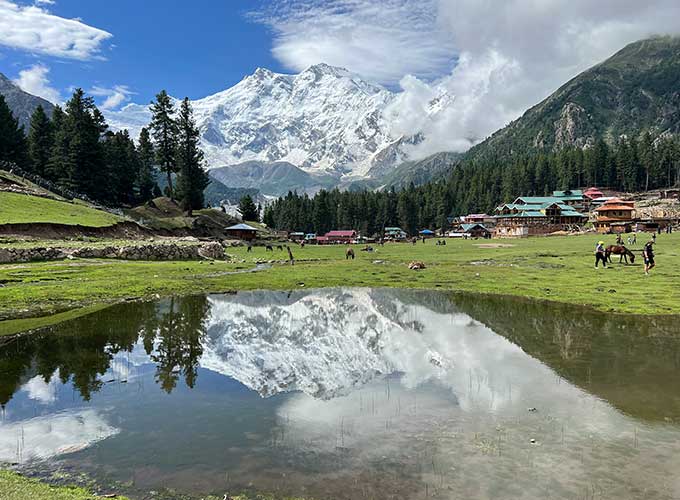
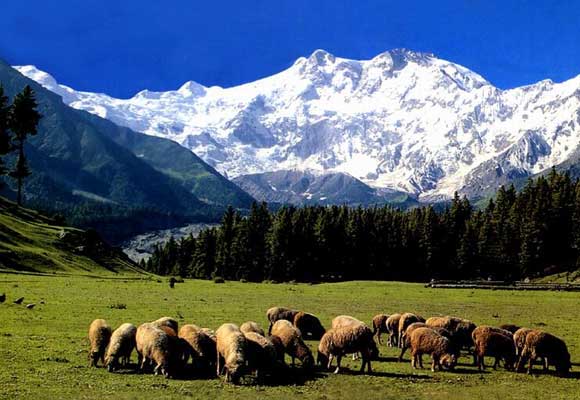
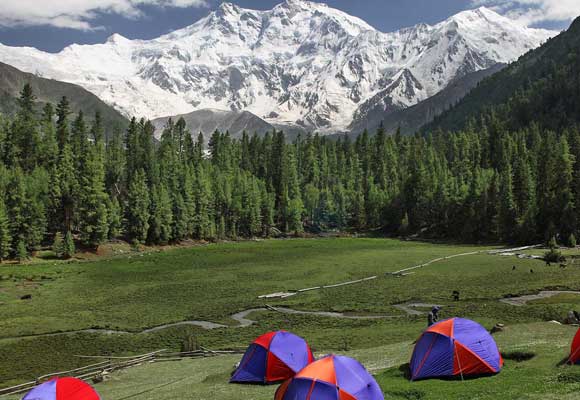
Fairy Meadows provides alpine scenery and impressive views toward Nanga Parbat. Compared with K2 climbing, it is much more accessible and focuses on trekking, nature, photography, and mountain scenery.
Travelers can explore the Fairy Meadows Trek Tour, Fairy Meadows Trek Tour Company, Fairy Meadows Trek Cost, Fairy Meadows Trek Price, and Fairy Meadows Trek Package when comparing travel options.
Cultural Experiences in Pakistan
A K2 Expedition can also be combined with cultural and historical experiences depending on the overall travel schedule.
Indus Valley Civilization Tour
The Indus valley civilization tour offers travelers an opportunity to explore Pakistan’s ancient history and archaeological heritage.
The Indus civilization represents one of the world’s important ancient urban cultures, making this type of tour an interesting addition to an adventure-focused Pakistan itinerary.
Shandoor Polo Festival
The Shandoor Polo festival provides a distinctive cultural experience in northern Pakistan.
Visitors interested in the event can explore the Shandoor Polo festival tour and Shandoor Polo festival tour Company.
Before making arrangements, compare the Shandoor Polo festival Cost, Shandoor Polo festival Price, and Shandoor Polo festival tour Package to understand the services included.
Kalash Festival Tour
The kalash festival tour offers an opportunity to experience the distinctive traditions and cultural heritage of the Kalash communities in Chitral.
Adding a cultural tour can turn a mountain-focused journey into a broader Pakistan travel experience.
K2 Climbing Equipment
A K2 Expedition requires specialized mountaineering equipment. The exact list should be prepared with experienced expedition professionals according to the route and conditions.
Important equipment can include:
- High-altitude mountaineering boots
- Crampons
- Ice axe
- Climbing harness
- Helmet
- Ascender and descender
- Carabiners
- Technical climbing equipment
- Down suit
- Insulated gloves
- Base layers
- High-altitude sleeping bag
- Four-season tent
- Goggles
- Sunglasses
- Headlamp
- Hydration equipment
- Personal medical supplies
- Communication equipment
- High-altitude nutrition
Equipment should be tested and familiar before the expedition begins.
Safety During K2 Climbing
Safety must remain the highest priority during the entire expedition.
K2 involves serious hazards, including avalanche exposure, rockfall, icefall, crevasses, extreme cold, altitude illness, exhaustion, high winds, and falls.
Climbers should:
- Follow experienced expedition leadership
- Monitor weather forecasts
- Maintain proper acclimatization
- Recognize altitude-illness symptoms
- Use fixed ropes correctly
- Maintain communication
- Stay hydrated and properly nourished
- Respect turnaround decisions
- Avoid unnecessary exposure
- Prioritize safe descent
Reaching the summit is never more important than returning safely.
K2 Climbing 2026 Ultimate Mountaineering Expedition in Pakistan is a serious challenge designed for experienced mountaineers who want to test their technical ability and high-altitude preparation on one of the world’s most iconic peaks.
K2 requires much more than physical fitness. Climbers need technical skills, appropriate equipment, acclimatization, weather awareness, professional support, strong teamwork, and the discipline to make safe decisions when conditions deteriorate.
For travelers who want to experience the Karakoram without attempting the K2 summit, the K2 Base Camp Trek, K2 and Gondogoro La Trek Pakistan 2026, Snow Lake trek, Rakaposhi base camp Hunza valley trek, and Fairy Meadows Trek provide outstanding alternatives.
Travelers can also extend their journey through cultural experiences such as the Indus valley civilization tour, Shandoor Polo festival, and kalash festival tour.
Ultimately, responsible preparation is the foundation of a successful K2 expedition. Climbers should work with experienced professionals, understand the risks, prepare thoroughly, respect mountain conditions, and always place safety above summit success.
K2 Base Camp and Gondogoro La Trek
K2 Base Camp Trek
K2 Base Camp Trek Concordia
Mashabrum & Gondogoro BC Trek
K6/K7 BC Trek
Thalle La Trek Pakistan
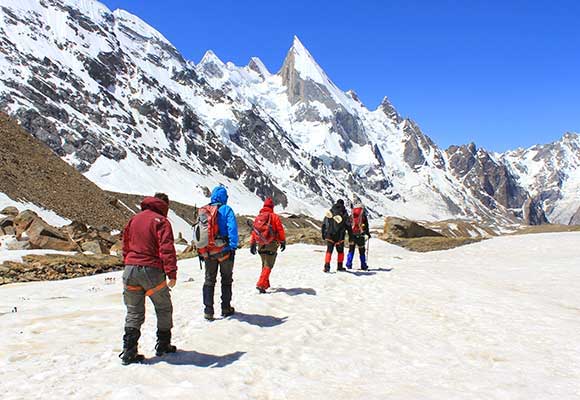
Spantik Base Camp & Haramosh La Trek
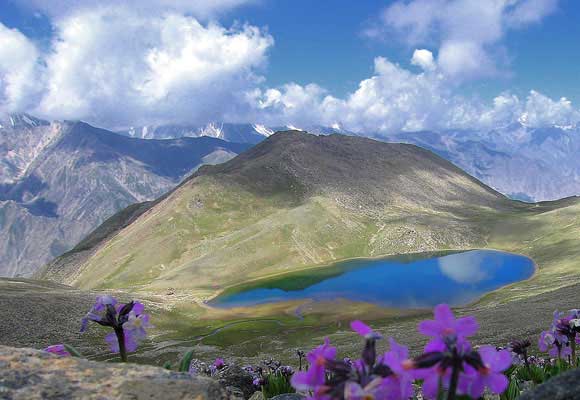
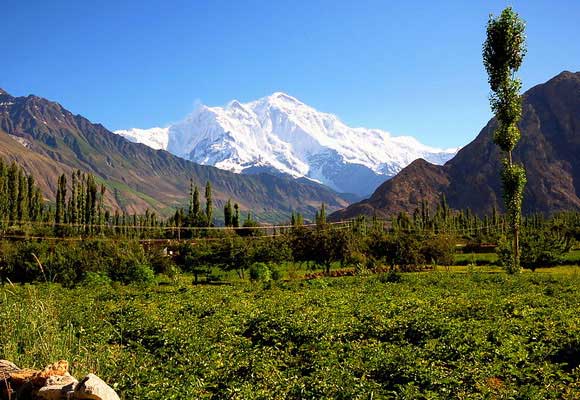
Rakaposhi Base Camp Trek
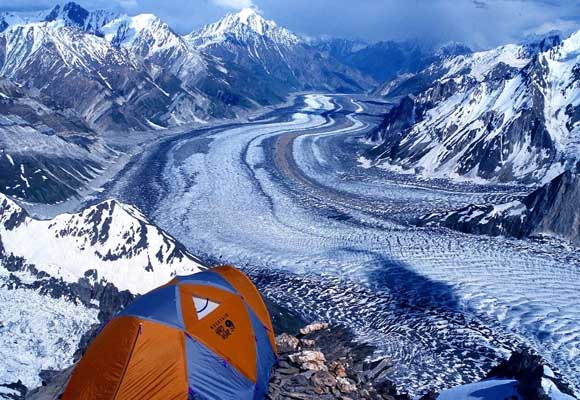
Batura Glacier Trek
Patundas Trek
Shimshal Valley Trek
Tirich Mir Base Camp Trek
Wakhan Corridor Trek
Naltar Ishkoman Pass Trek
Darkot and Broghil Passes Trek
Around Nanga Parbat Mazeno Pass Trek
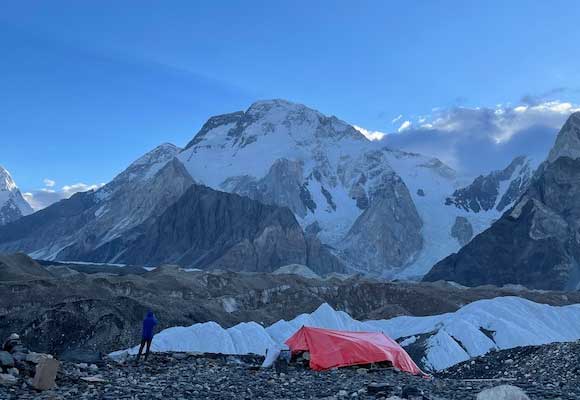
5X8000m Base Camp Trek
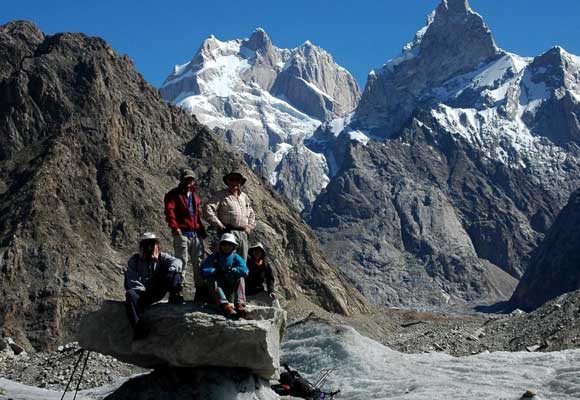
Great Karakorum Traverse Trek
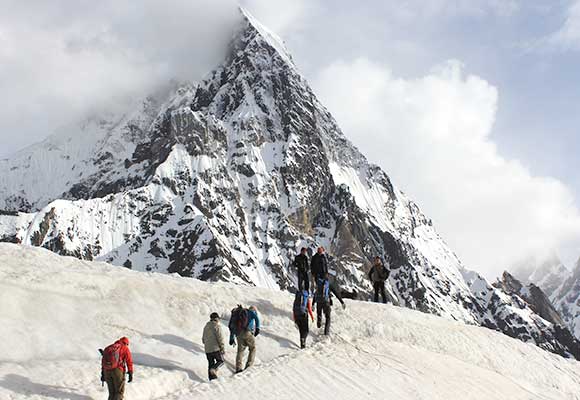
K2 Expedition (8611m)
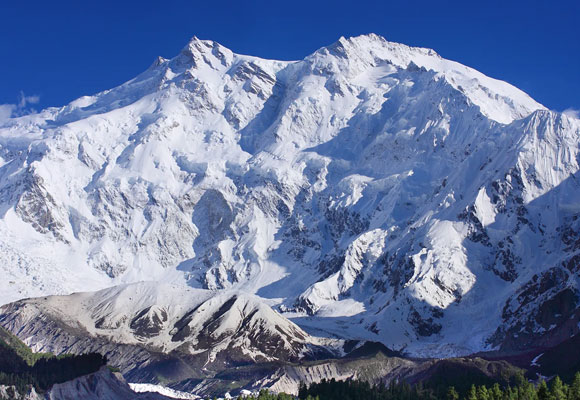
Nanga Parbat Expedition (8126m)
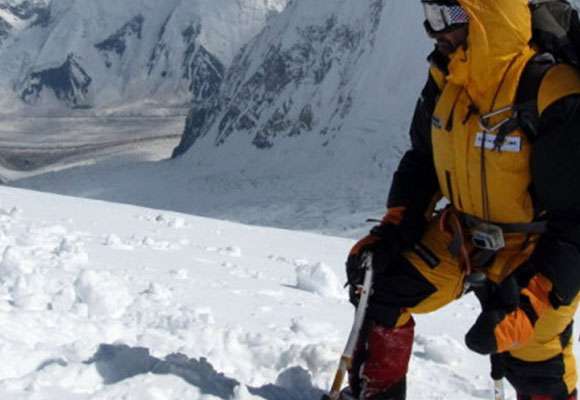
Broad Peak Expedition (8047m)
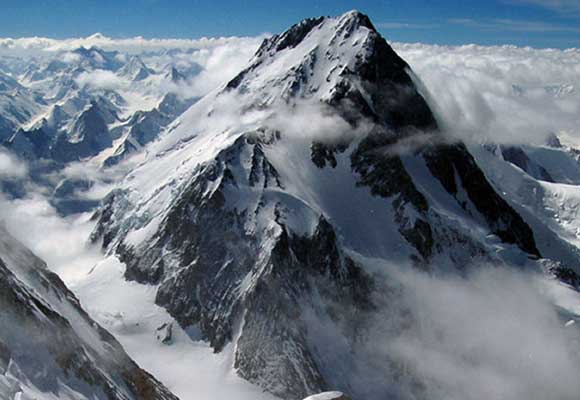
Gasherbrum 1 Expedition (8068m)
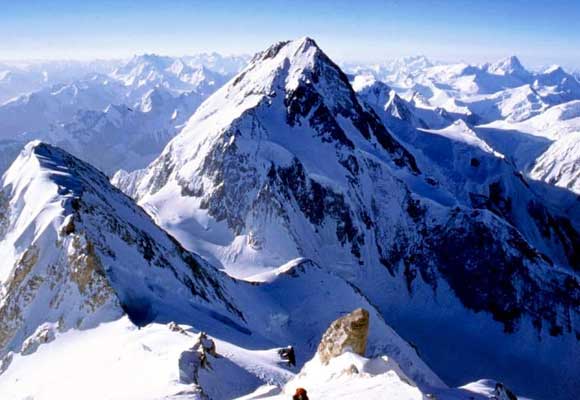
Gasherbrum II Expedition (8035m)
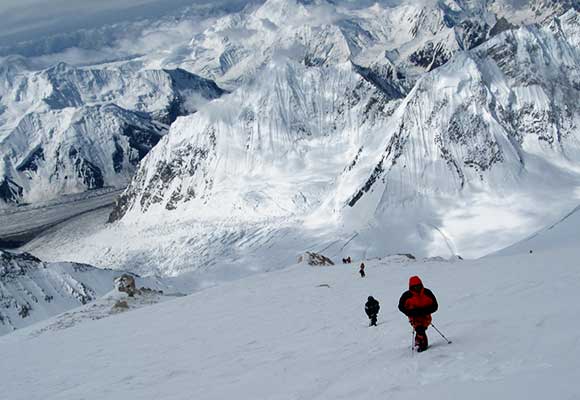
Gasherbrum III Expedition (7952m)
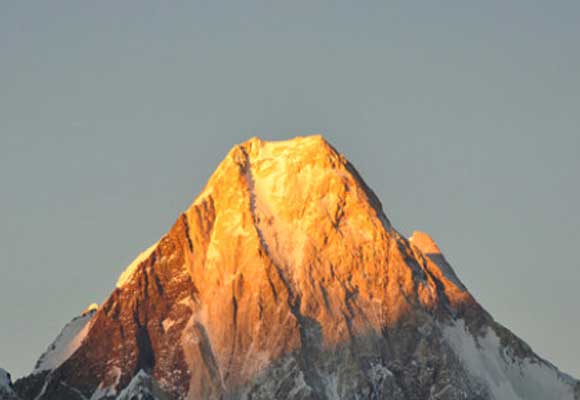
Gasherbrum IV Expedition (7925m)
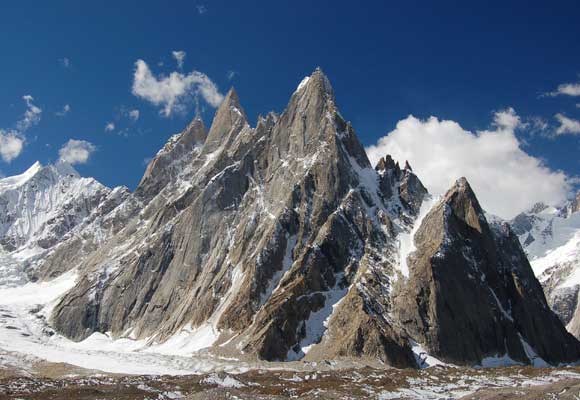
Masherbrum Expedition (7821m)
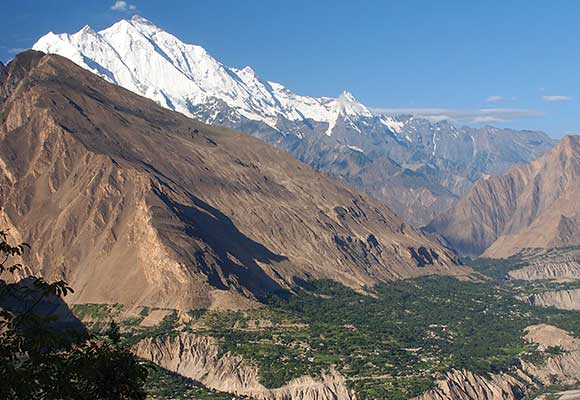
Rakaposhi Expedition (7788m)
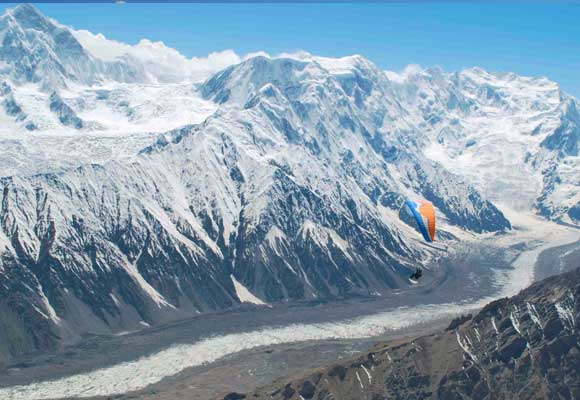
Batura Sar Expedition (7785 m)
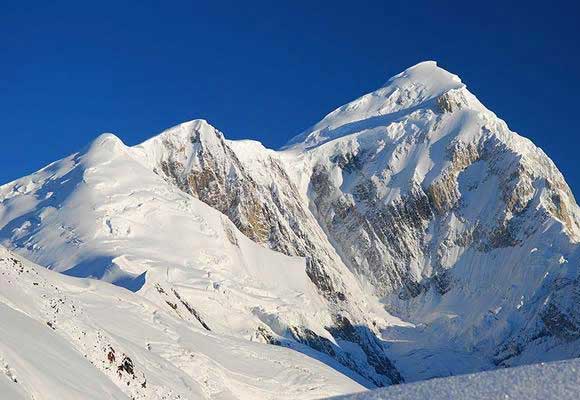
Tirich Mir Expedition (7708m)
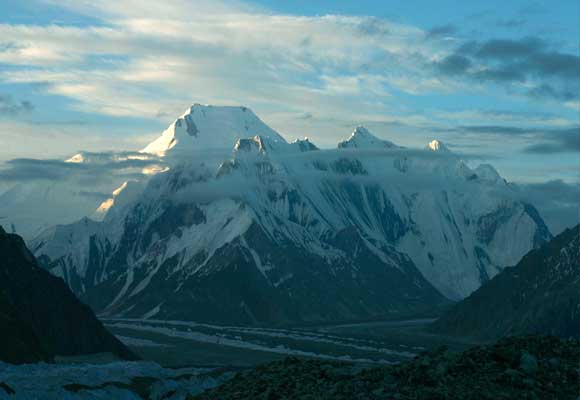
Chogolisa Expedition (7665 m)
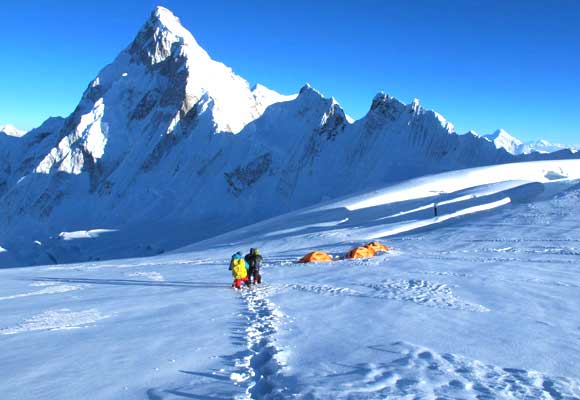
Passu Peak Expedition (7478m)
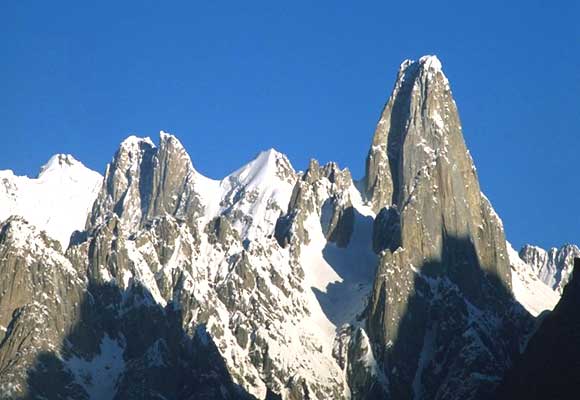
Muztagh Tower Expedition (7273m)
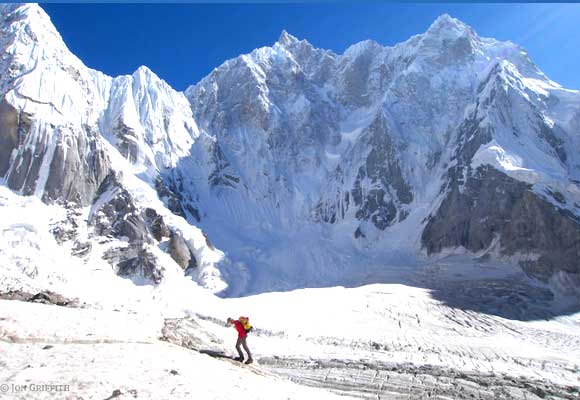
K6 Peak Expedition (6935m)
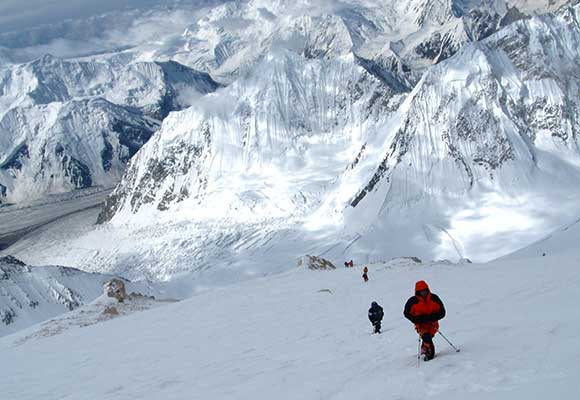
Diran Peak Expedition (7272m)
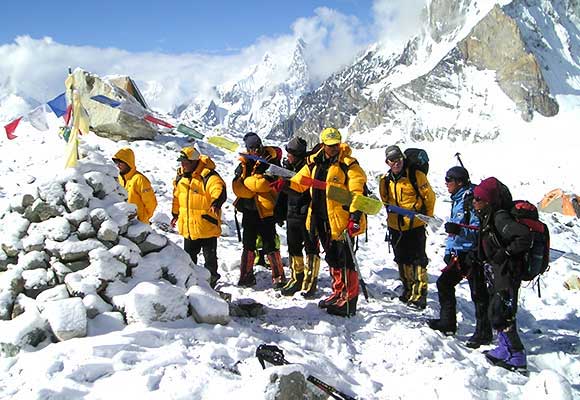
Latok 1 Expedition (7145 m)
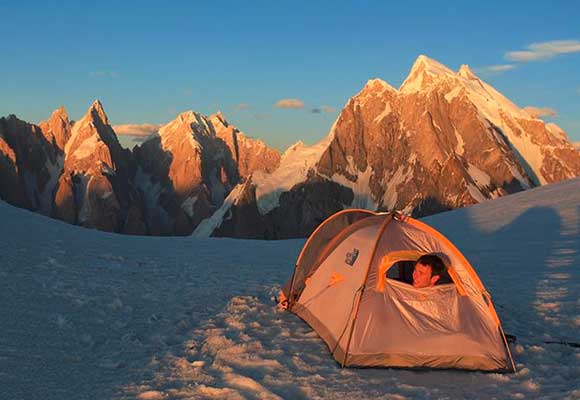
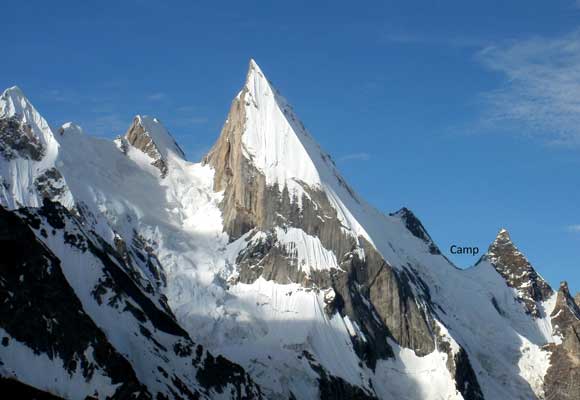
Laila Peak Expedition (6095m)
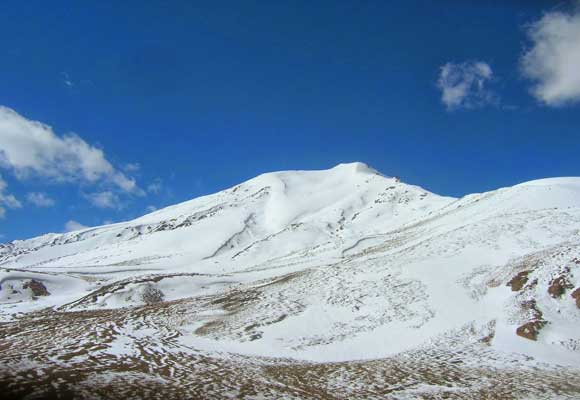
Minglik Sar Peak Expedition (6050m)
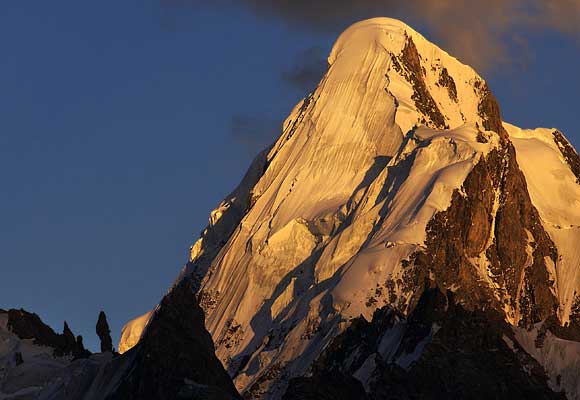
Rush Peak Expedition (5,098m)