Nanga Parbat Trek: Best Route, Itinerary & Travel Tips Explained
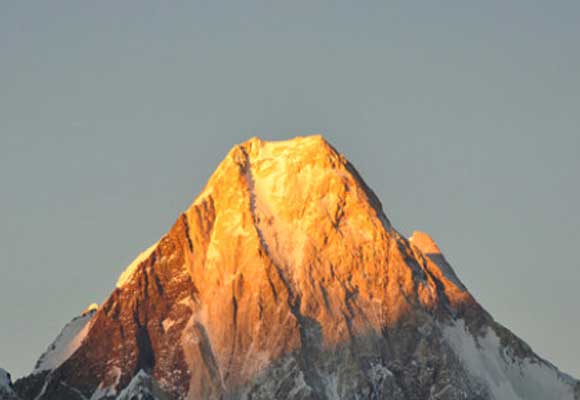
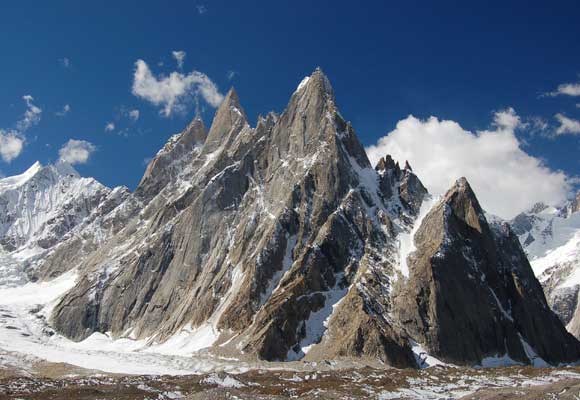
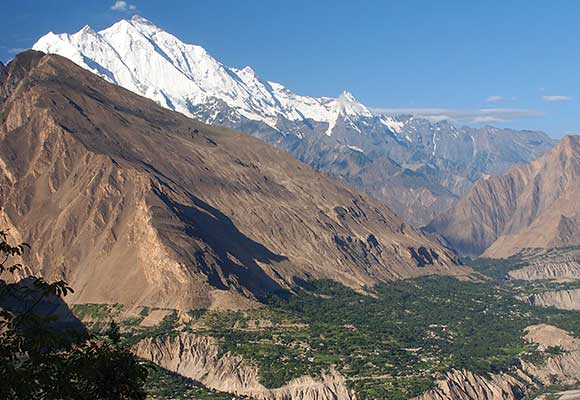
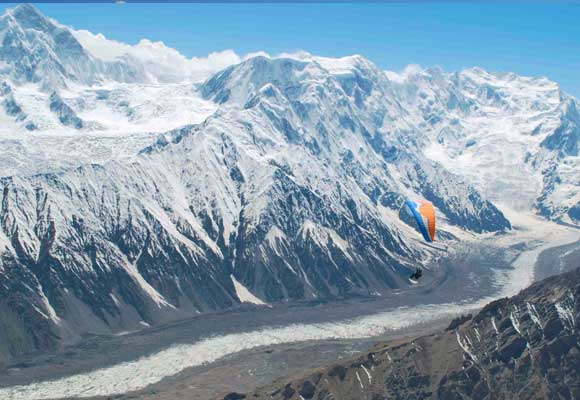
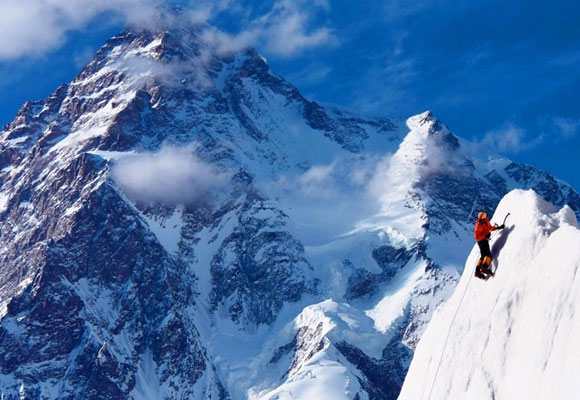
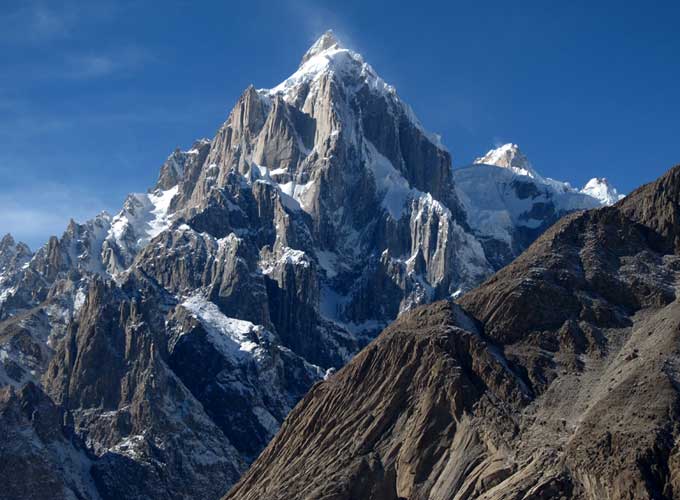
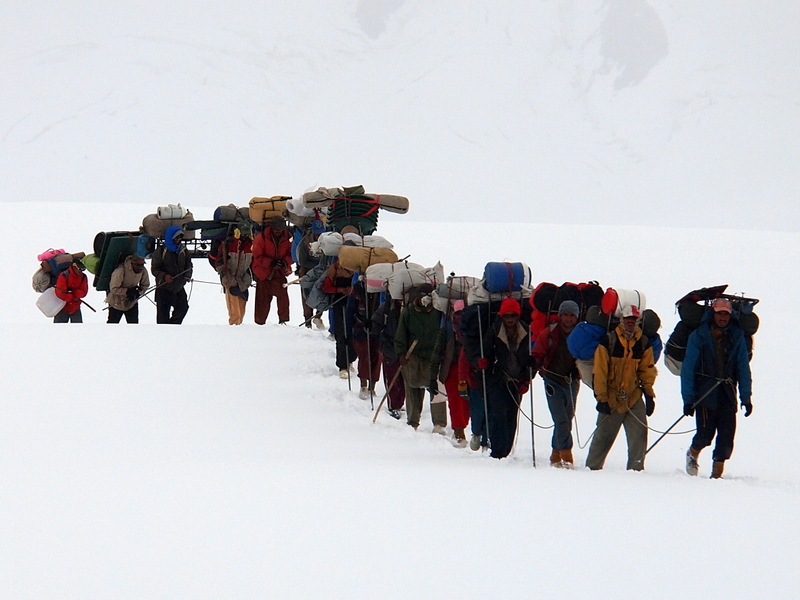
Discover the thrilling Nanga Parbat Treak with Adventure Pakistan, your trusted partner for unforgettable mountain adventures. Explore the breathtaking beauty of Fairy Meadows and journey toward the base camp of Nanga Parbat, the world’s ninth-highest and most iconic peak. This scenic trek offers lush green meadows, dramatic Himalayan views, and an unforgettable camping experience under the “Killer Mountain.” Perfect for beginners and adventure lovers, the Nanga Parbat Treak ensures safe travel, expert guides, and well-organized packages. Book your adventure with Adventure Pakistan today and experience the raw beauty, culture, and serenity of Pakistan’s northern mountains like never before.
Introduction to Nanga Parbat Trek
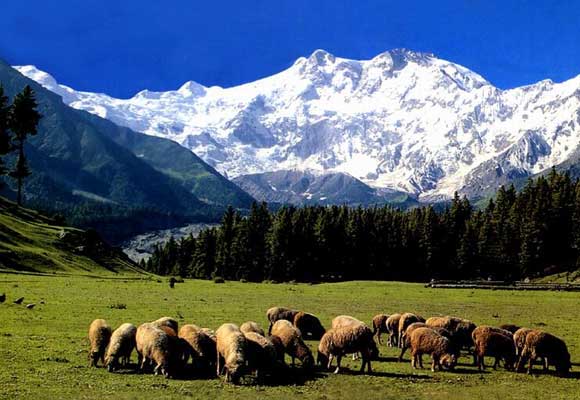
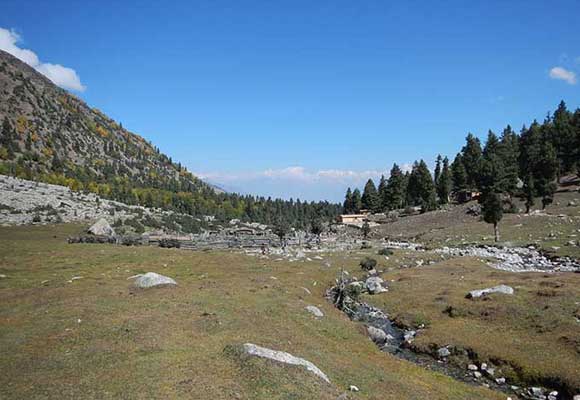
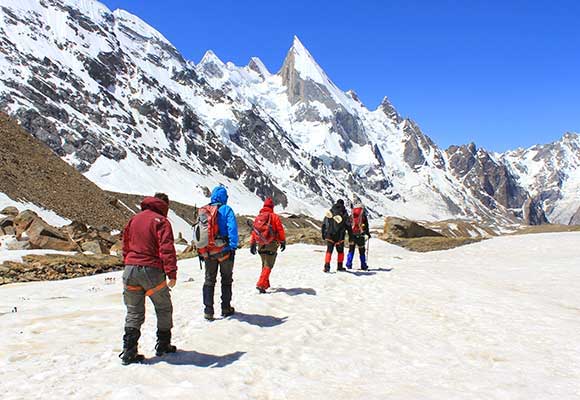
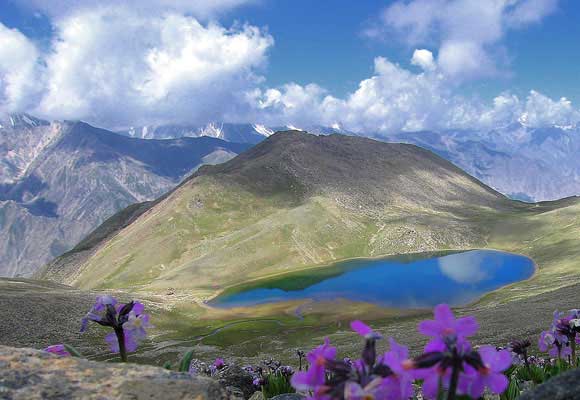
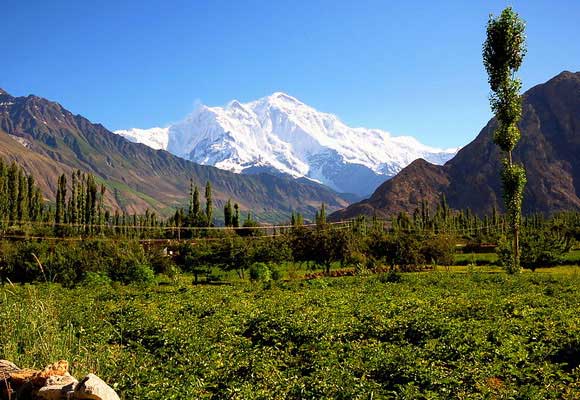
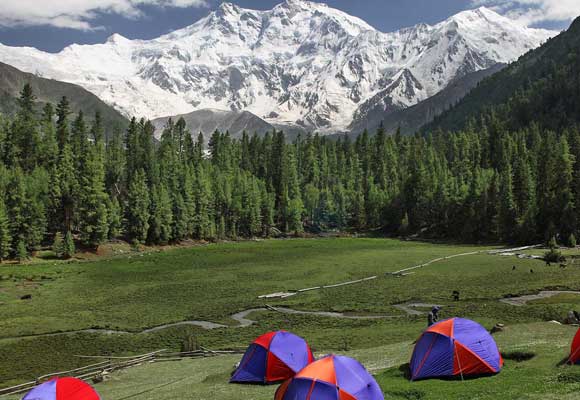
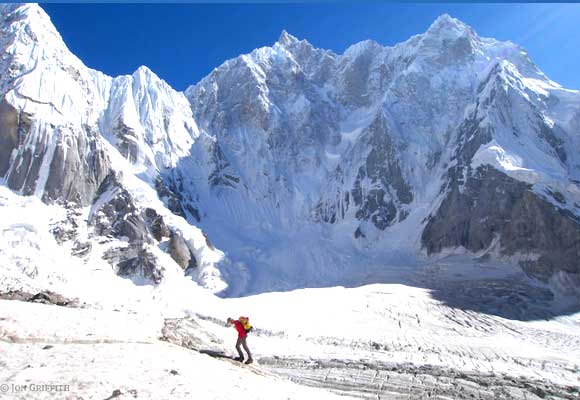
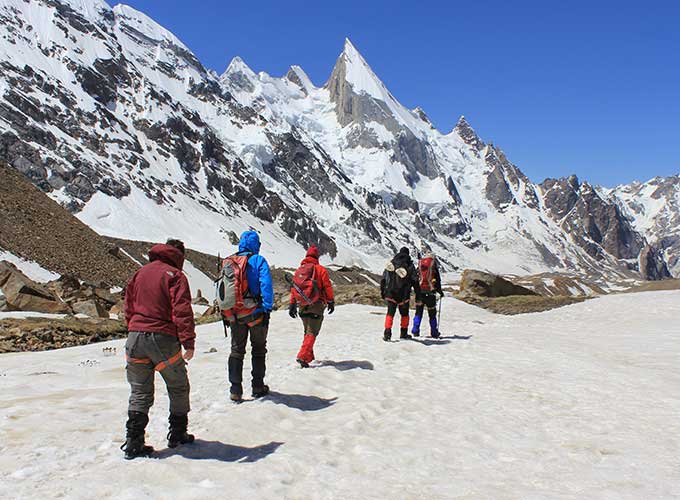
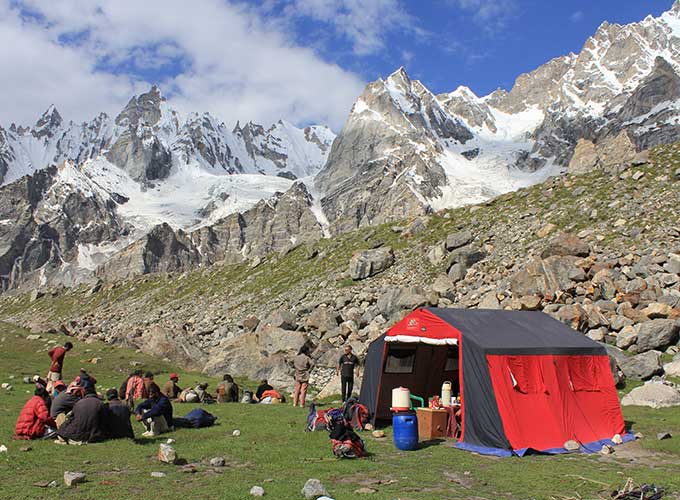
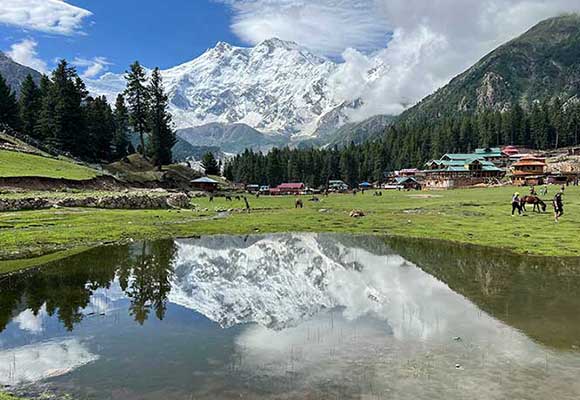
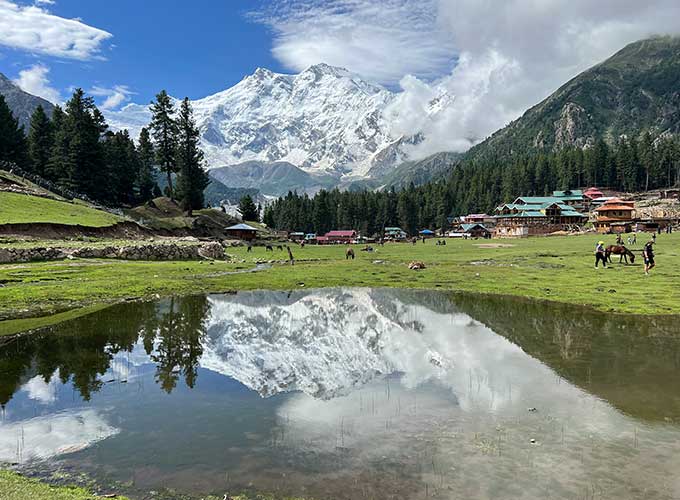
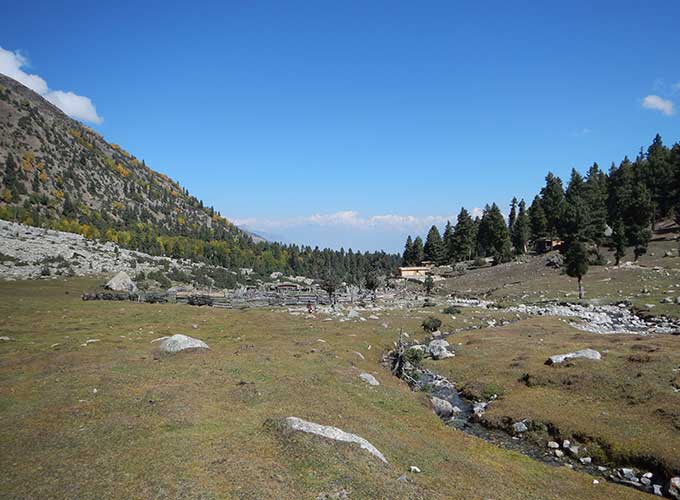
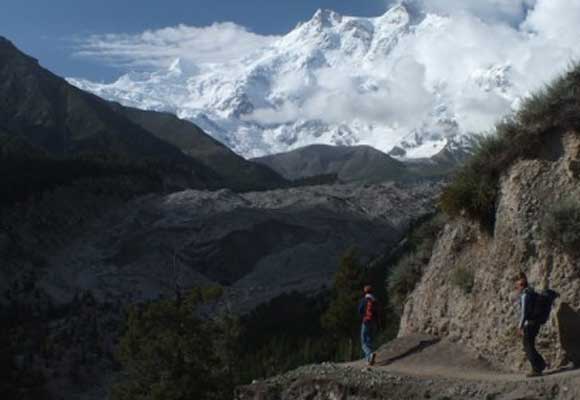
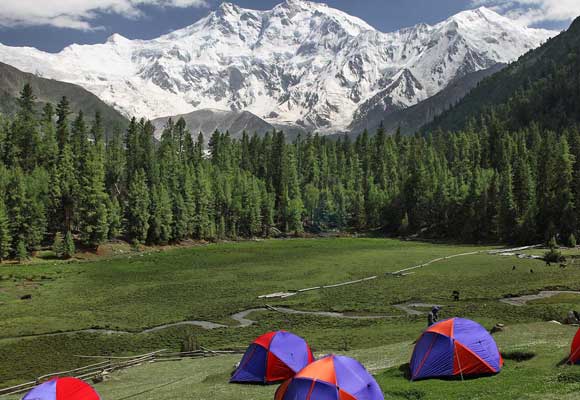
The Fairy Meadows Trek route to Nanga Parbat Base Camp is the most popular and scenic approach. It takes travelers through lush green meadows, dense pine forests, and dramatic mountain viewpoints.
Key highlights include:
- Fairy Meadows alpine village
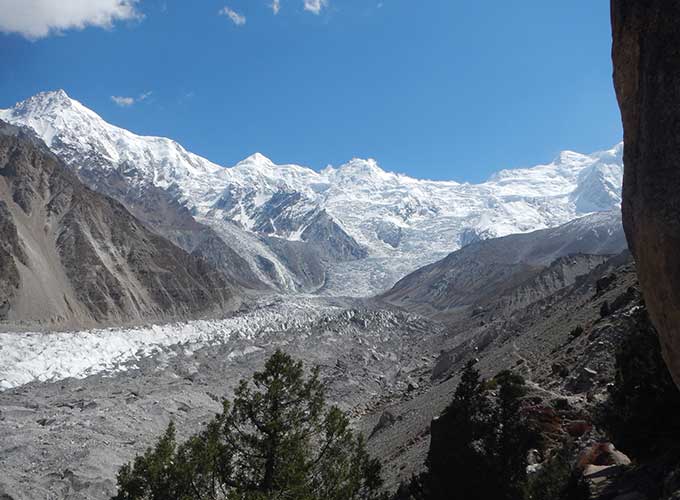
- Raikot Glacier viewpoint
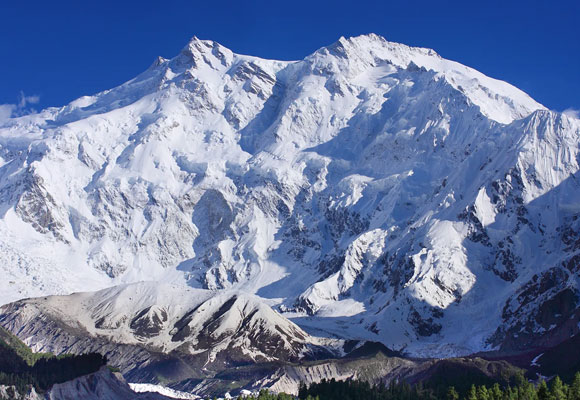
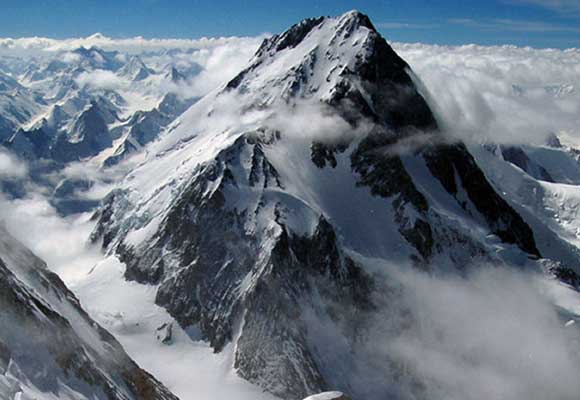
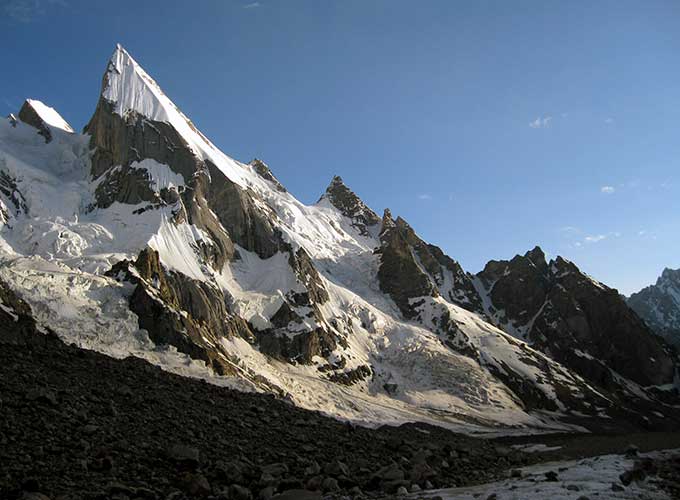
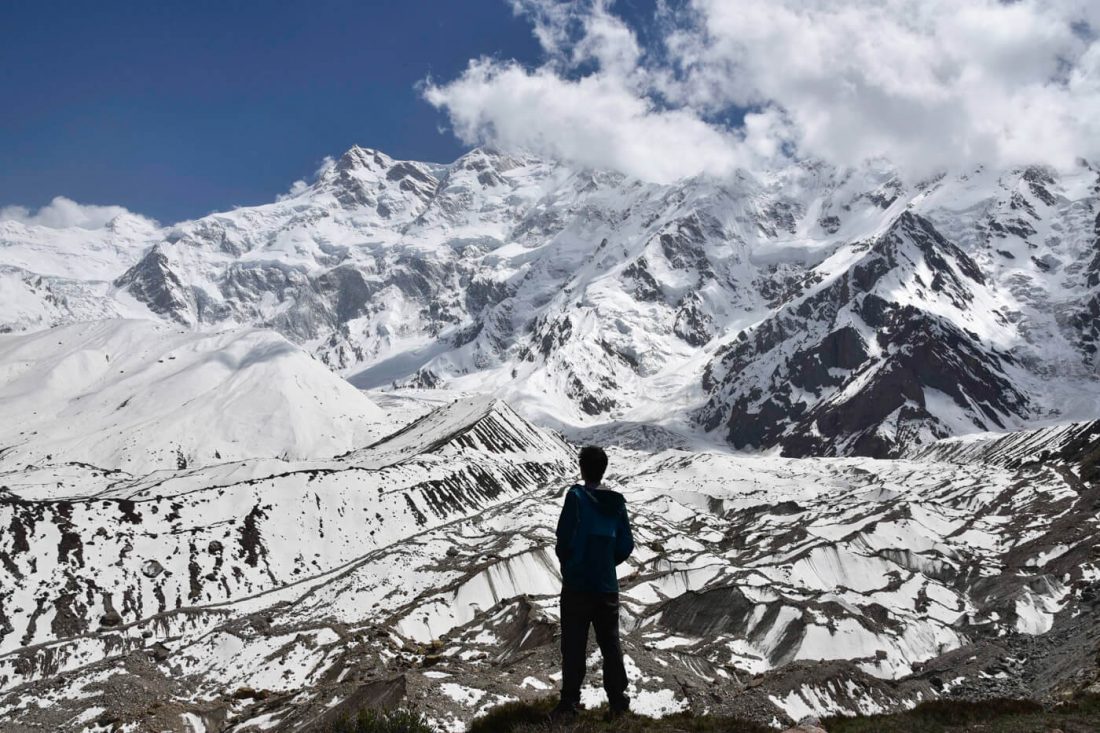
- Nanga Parbat North and Raikot face views
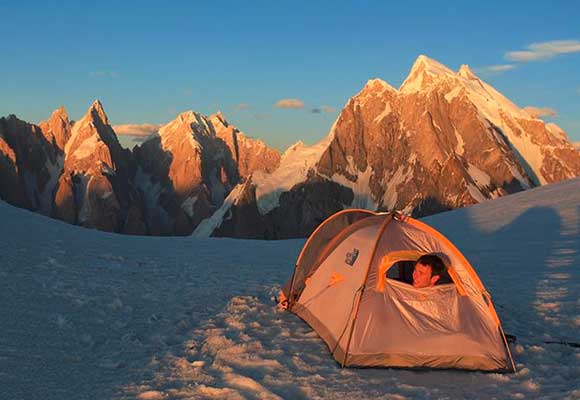
- Camping under star-filled skies
This trek is widely considered Pakistan’s most beautiful short trekking experience.
Why Nanga Parbat Trek is So Popular
The popularity of the Nanga Parbat trek is driven by:
- Easy accessibility compared to high-altitude expeditions
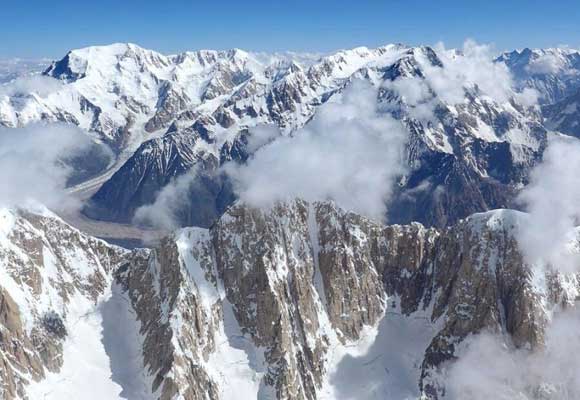
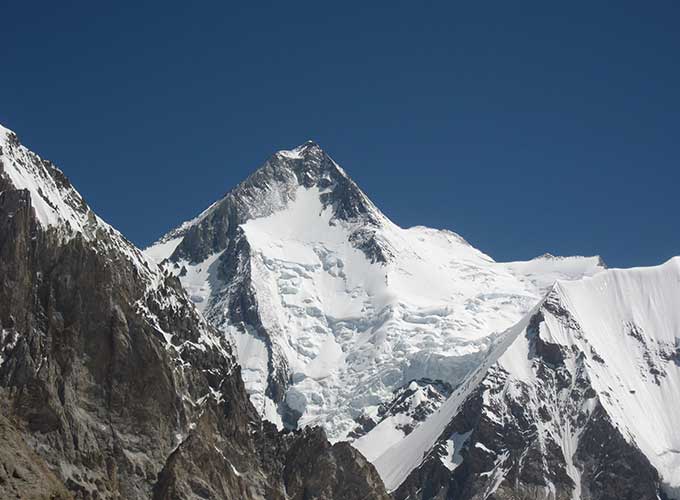
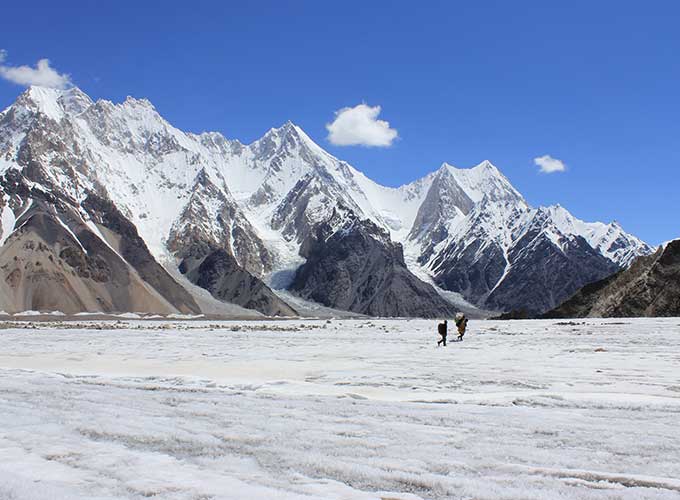
- Stunning close-up views of Nanga Parbat
- Ideal duration (2–4 days)
- Beginner-friendly difficulty level
- Strong tourism infrastructure in Fairy Meadows
It is often the first major trekking experience for international tourists visiting Pakistan.
Scenic Route of Nanga Parbat Trek
The journey typically follows this route:
- Islamabad to Raikot Bridge
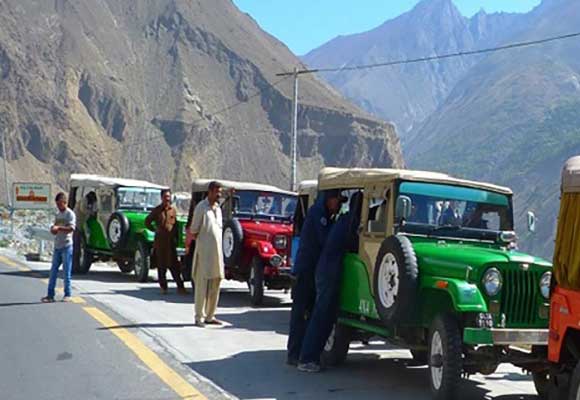
- Jeep ride to Tattu Village
- Trek from Tattu to Fairy Meadows
- Day hike to Nanga Parbat Base Camp viewpoint
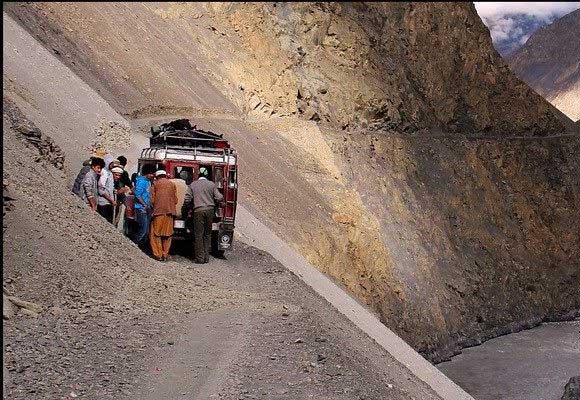
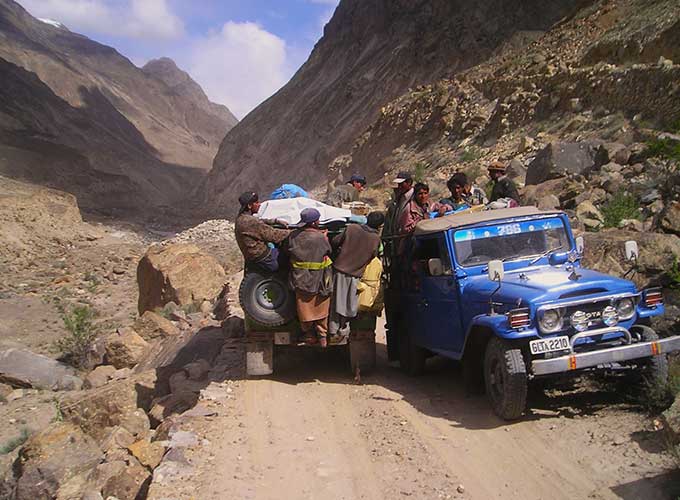
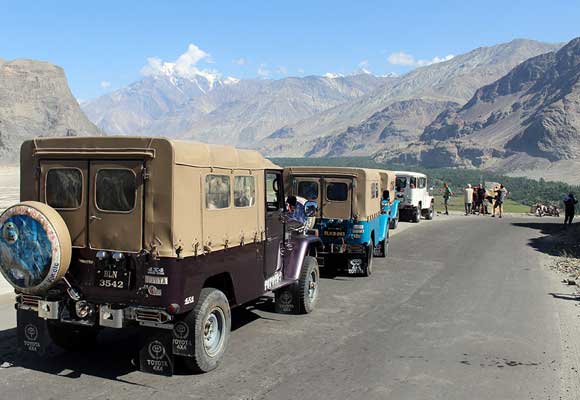
The jeep road from Raikot Bridge to Tattu is considered one of the most adventurous drives in the world.
Difficulty Level and Fitness Requirements
The Nanga Parbat trek is classified as easy to moderate.
Requirements include:
- Basic fitness level
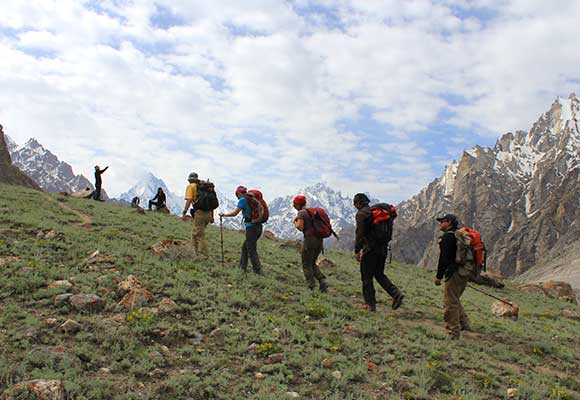
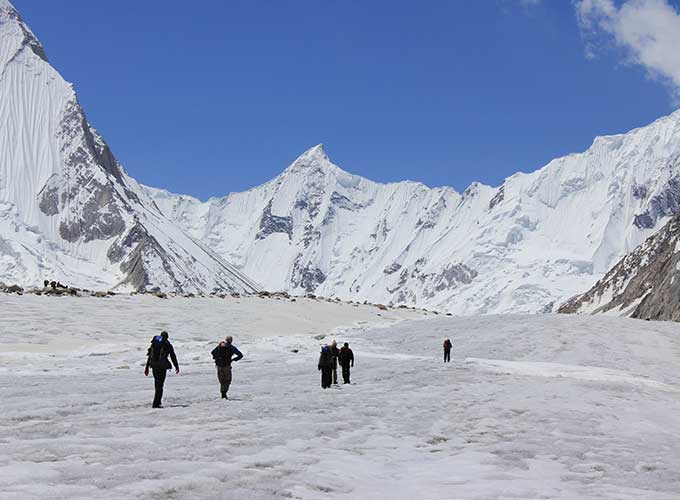
- Ability to hike 3–5 hours daily
- No technical climbing skills required
- Suitable for beginners and families
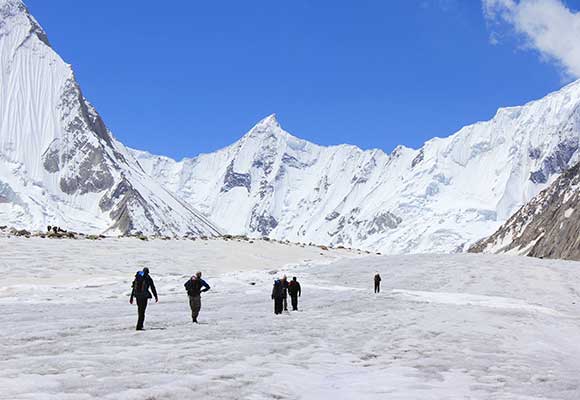
Compared to extreme expeditions like K2 Base Camp or Snow Lake, this trek is highly accessible.
Comparison with Other Major Pakistan Treks
Pakistan offers a wide range of trekking experiences across different difficulty levels.
High-Altitude Expeditions
The K2 Base Camp Trek is one of the world’s most challenging treks.
Other options include:
- K2 Base Camp Tour
- K2 Base Camp Tour Company
- K2 Base Camp Tour Cost
- K2 Base Camp Price
- K2 Base Camp Tour Package
Advanced trekkers often upgrade to:
Glacier Expeditions
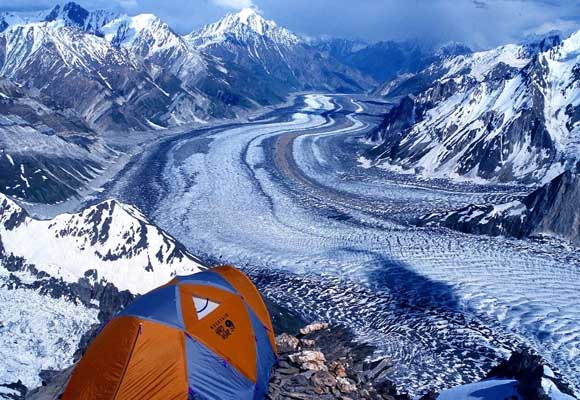
The Snow Lake trek is one of the longest glacier traverses in the world.
Packages include:
- Snow Lake trek Tour
- Snow Lake trek Tour Company
- Snow Lake trek Tour Cost
- Snow Lake trek Price
- Snow Lake trek Package
Scenic Moderate Treks
Fairy Meadows remains the most popular scenic short trek in Pakistan.
Packages include:
- Fairy Meadows Trek Tour
- Fairy Meadows Trek Tour Company
- Fairy Meadows Trek Cost
- Fairy Meadows Trek Price
- Fairy Meadows Trek Package
Cultural Tourism in Pakistan
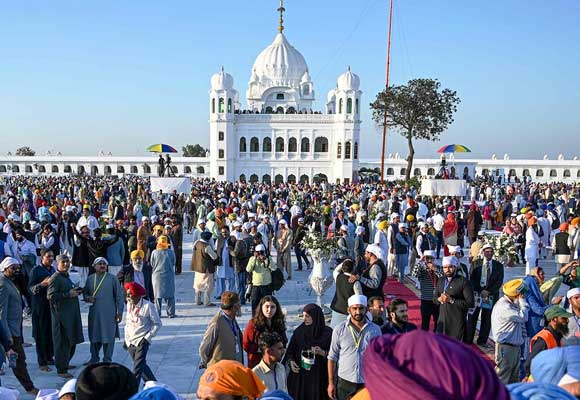
Pakistan offers more than trekking—it offers cultural depth and historical richness.
Indus Valley Civilization Tour
The Indus valley civilization tour explores ancient sites like Mohenjo-Daro and Harappa.
Shandoor Polo Festival
The Shandoor Polo festival is held at the world’s highest polo ground.
Packages include:
- Shandoor Polo festival tour
- Shandoor Polo festival tour Company
- Shandoor Polo festival Cost
- Shandoor Polo festival Price
- Shandoor Polo festival tour Package
Kalash Festival Tour
The kalash festival tour showcases the unique traditions of the Kalash Valley in Chitral.
Best Time to Visit Nanga Parbat Trek
The ideal trekking season is:
- May to September
During this period:
- Weather is stable
- Trails are accessible
- Clear views of Nanga Parbat are possible
Winter is not recommended due to snow and road closures.
Travel Tips for Nanga Parbat Trek
- Start early from Tattu village
- Carry warm clothing even in summer
- Book accommodation in advance during peak season
- Hire licensed local guides
- Stay hydrated during trekking
- Respect local culture and environment
FAQs (Most Important Section)
1. How difficult is Nanga Parbat Trek?
It is an easy to moderate trek suitable for beginners and families.
2. How long does the trek take?
The full trip usually takes 2–4 days depending on itinerary.
3. What is the best time to visit Nanga Parbat?
May to September is the best season for clear weather and safe trekking conditions.
4. Is Fairy Meadows the only route?
Yes, Fairy Meadows is the most popular and scenic route to Nanga Parbat Base Camp.
5. Do I need a guide?
Yes, hiring a local guide is recommended for safety and navigation.
6. Is it more difficult than K2 Base Camp Trek?
No, K2 Base Camp Trek is significantly more difficult and high-altitude.
7. What accommodation is available?
Basic hotels, wooden huts, and camping options are available in Fairy Meadows.
Conclusion (Most Important Section)
The Nanga Parbat Trek Best Scenic Route, Itinerary & Travel Tips Explained highlights one of Pakistan’s most accessible yet breathtaking mountain adventures. Unlike extreme expeditions such as the K2 Base Camp Trek, Snow Lake trek, or K2 and Gondogoro La Trek Pakistan 2026, this trek offers a perfect balance of accessibility and world-class scenery.
Combined with other travel experiences like the Rakaposhi Base Camp Hunza Valley Trek, Fairy Meadows Trek, and cultural journeys such as the Indus Valley Civilization Tour, Shandoor Polo Festival, and Kalash Festival Tour, Pakistan emerges as one of the most diverse adventure tourism destinations in the world.
For travelers seeking an unforgettable mountain experience without technical difficulty, Nanga Parbat via Fairy Meadows remains the ultimate scenic short trek in Pakistan—offering unmatched views, cultural warmth, and the timeless beauty of the Himalayas.