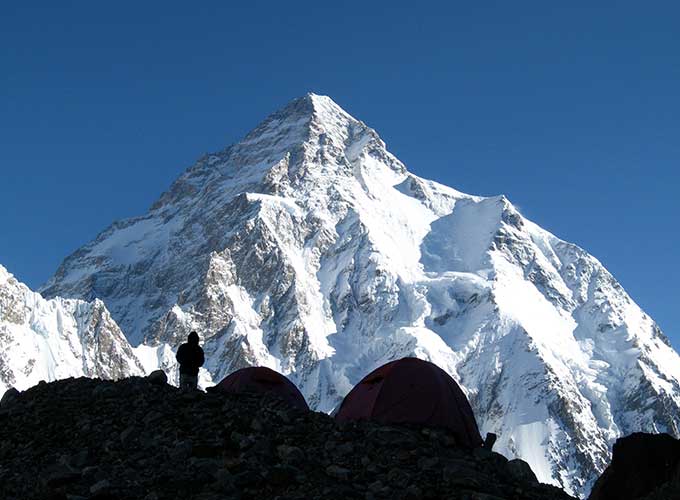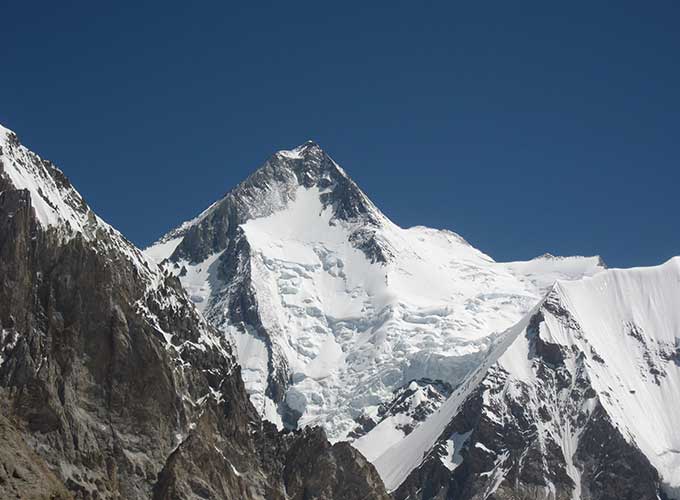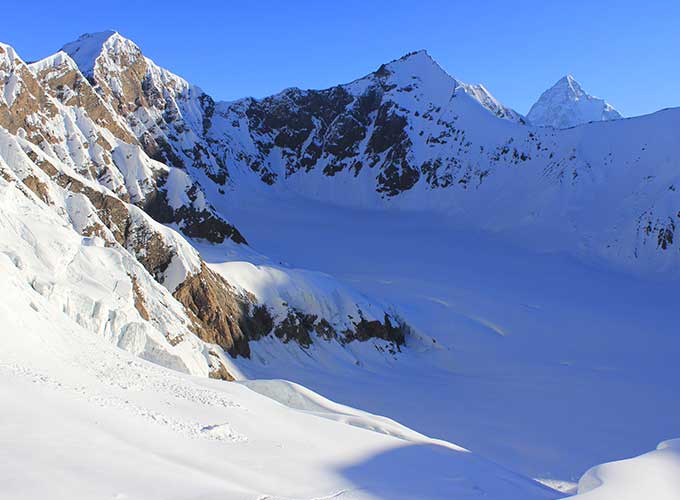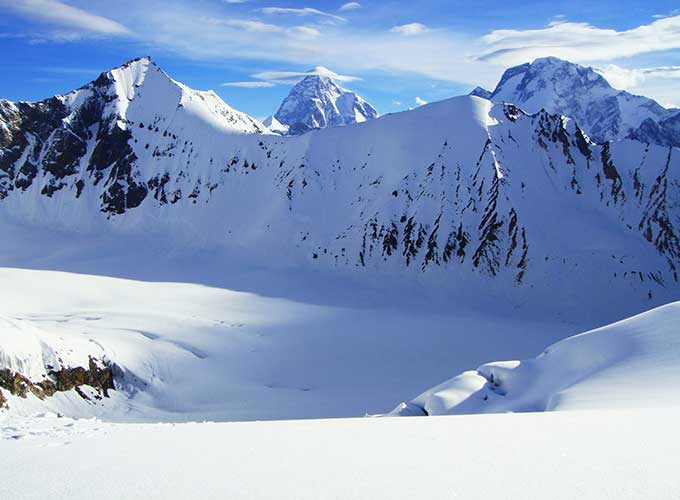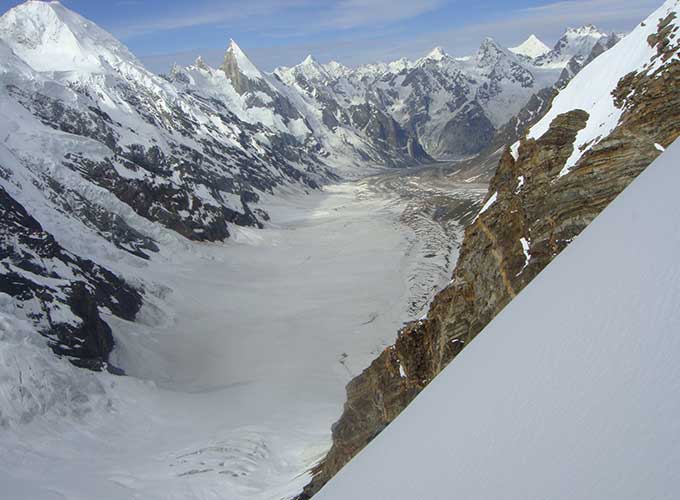
Can I Climb K2 With No Experience? | Is It Possible or Too Dangerous? This is an important question for anyone fascinated by the world’s most challenging mountains. The short answer is no—not safely or responsibly without substantial mountaineering experience. K2 rises to 8,611 meters in Pakistan’s Karakoram and is widely regarded as one of the most technically difficult and dangerous mountains in the world.
As an Adventure Pakistan market analyst tracking high-altitude tourism in Pakistan, it is important to make a clear distinction between climbing K2 and visiting K2 Base Camp. A K2 Base Camp Trek is a demanding trekking adventure that does not involve attempting the K2 summit. A K2 summit expedition, by contrast, requires advanced technical climbing skills, glacier experience, high-altitude knowledge, specialized equipment, strong physical conditioning, and experience making decisions in severe mountain environments.
For someone with no mountaineering background, the realistic goal is to build experience gradually rather than attempt K2 immediately.
Overview | Can I Climb K2 With No Experience?
Can I Climb K2 With No Experience? Climbing K2 without mountaineering experience is not a realistic or responsible goal. At 8,611 meters, K2 combines extreme altitude with steep rock and ice, unpredictable weather, avalanche and search hazards, glacier travel, and difficult rescue conditions. Aspiring climbers need extensive experience in technical climbing, high-altitude expeditions, rope systems, crampon techniques, glacier travel, and emergency decision-making. Beginners can, however, consider the K2 Base Camp Trek, which offers an opportunity to experience the spectacular Karakoram without attempting the summit. This guide explains the skills, training, preparation, risks, and progressive experience required before considering a future K2 expedition.
Can a Beginner Climb K2?
A complete beginner should not attempt to climb K2.
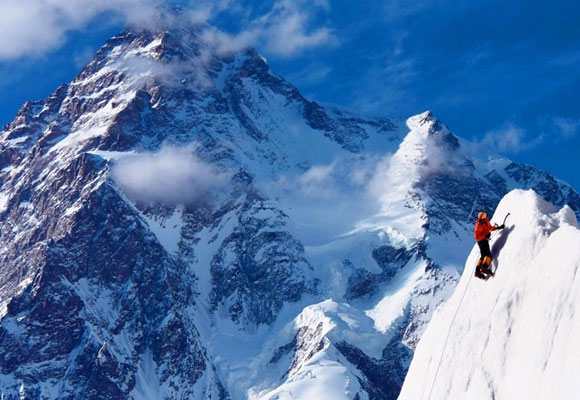
K2 is not an appropriate first mountaineering objective. The mountain combines extreme altitude with steep rock and ice, exposed climbing, unpredictable weather, avalanche and serac hazards, crevasses, and difficult retreat options.
Even experienced climbers can encounter situations on K2 that are impossible to control.
A climber considering K2 should ideally have years of relevant experience, including high-altitude expeditions and technical climbing. Experience on progressively more difficult mountains is much more valuable than simply having strong fitness.
Being able to run, hike or complete long trekking routes does not automatically prepare someone for K2.
Why Is K2 So Difficult?
1. Extreme Altitude
K2 reaches 8,611 meters above sea level.
At this altitude, the human body receives dramatically less oxygen than at sea level. Even highly trained athletes experience substantial physical limitations.
Altitude-related problems can become life-threatening, including acute mountain sickness, high-altitude pulmonary edema and high-altitude cerebral edema.
Climbers therefore need extensive acclimatization and must understand how their bodies respond to altitude.
2. Technical Rock and Ice Climbing
K2 is not simply a very high hiking route.
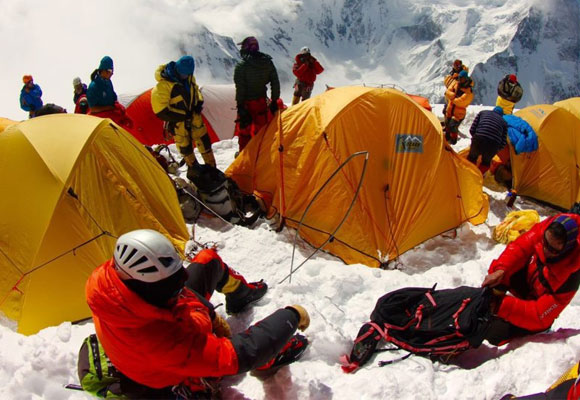
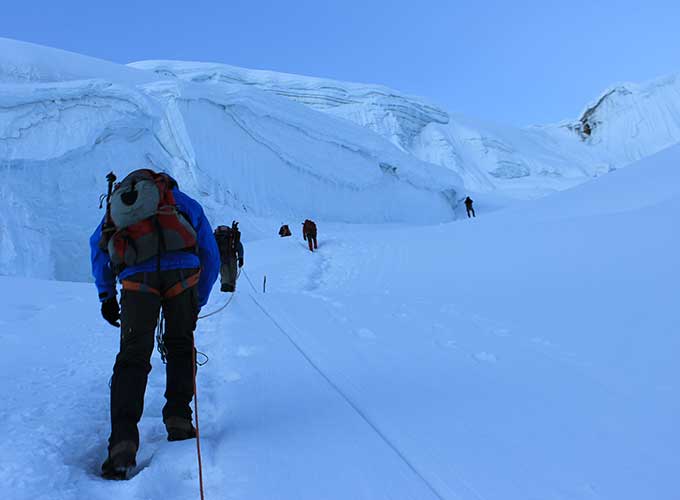
The mountain contains steep rock, snow, ice and mixed climbing. Climbers need to move efficiently while using technical equipment such as crampons, ice axes, harnesses and ropes.
Depending on route and conditions, climbers may need to:
- Climb steep snow and ice
- Use fixed ropes
- Perform technical rock climbing
- Cross exposed terrain
- Manage glacier hazards
- Protect themselves on steep sections
- Ascend and descend safely while carrying equipment
These are skills that cannot be learned adequately immediately before a K2 expedition.
3. Unpredictable Karakoram Weather
Karakoram is known for rapidly changing weather.
A clear morning can develop into dangerous conditions, with high winds, snowfall, poor visibility and extreme cold.
For a K2 expedition, weather forecasting is an important part of expedition planning. Climbers must understand when conditions are acceptable and when retreat is necessary.
The ability to turn around is an essential mountaineering skill.
On a mountain such as K2, reaching a certain altitude or camp is never a guarantee that continuing is safe.
4. Avalanche and Serac Hazards
K2 contains objective hazards that are not eliminated by technical skill.
Avalanches can occur without warning. Seracs—large blocks of unstable glacier ice—can collapse and create serious danger.
The mountain’s steep terrain can also increase exposure to falling rocks and ice.
This is one reason K2 cannot be treated like an ordinary trekking destination.
5. Difficult Rescue Conditions
K2 is located in a remote section of Pakistan’s Karakoram.
The combination of altitude, steep terrain, weather and remoteness can make emergency rescue extremely complicated.
At extreme altitude, an injured climber may find it difficult or impossible to move quickly.
Therefore, expedition teams must emphasize prevention, preparation, communication and conservative decision-making.
Climb K2 Cost & Packages
K2 Expedition – Basecamp Services
Start |
End |
Status |
Price |
Deposit |
Registration |
|---|---|---|---|---|---|
19 Jun |
17 Aug |
Guaranteed |
US$13,000 |
US$1,000 |
K2 Expedition – Full Board Services
Start |
End |
Status |
Price |
Deposit |
Registration |
|---|---|---|---|---|---|
19 Jun |
17 Aug |
Guaranteed |
US$30,000 |
US$15,000 |
Climb K2 — 20-Day Article Itinerary
Days 1–10
Day 1: Can a Beginner Climb K2?
Introduce the question of whether someone with no mountaineering experience can climb K2. Establish that K2 is an advanced technical objective and is not suitable as a first major climb.
Day 2: Understanding K2’s Difficulty
Explain why K2 is considered one of the world’s most challenging mountains, focusing on its 8,611-meter altitude, steep terrain, technical climbing and remote environment.
Day 3: K2 vs Everest
Compare K2 with Everest, explaining why K2 is generally considered more technically difficult despite Everest being the world’s highest mountain.
Day 4: Technical Climbing Skills
Discuss the rock, snow, ice and mixed-climbing skills required for K2, including crampon use, ice-axe techniques, rope systems and climbing protection.
Day 5: High-Altitude Experience
Explain why climbers need substantial experience at progressively higher elevations before considering an 8,000-meter expedition.
Day 6: Glacier Travel & Crevasse Skills
Cover glacier navigation, crevasse awareness, rope techniques, rescue systems and safe movement across complex mountain terrain.
Day 7: Weather & Mountain Hazards
Discuss extreme cold, high winds, snowfall, avalanches, serac collapse, rockfall and rapidly changing weather conditions on K2.
Day 8: K2 Route & Major Sections
Introduce the typical K2 climbing route and major features such as Base Camp, Advanced Base Camp, the Abruzzi Spur, House’s Chimney, Black Pyramid and Bottleneck.
Day 9: Acclimatization & Camp Rotations
Explain why climbers spend considerable time acclimatizing and making rotations between camps rather than simply climbing directly toward the summit.
Day 10: Physical & Mental Preparation
Discuss cardiovascular endurance, strength, altitude preparation, technical training, psychological resilience and the ability to make conservative decisions under pressure.
Days 11–20
Day 11: K2 Base Camp Trek vs K2 Climb
Clearly distinguish the K2 Base Camp Trek from a K2 summit expedition. Explain that reaching Base Camp does not require climbing K2.
Day 12: K2 Base Camp Experience
Describe the approach through the Baltoro region, including Skardu, Askole, Paiju, Urdukas, Goro II and Concordia before reaching K2 Base Camp.
Day 13: K2 Expedition Equipment
Cover essential categories of equipment, including technical climbing equipment, clothing systems, crampons, ice axes, harnesses, ropes, tents and high-altitude gear.
Day 14: K2 and Gondogoro La Trek
Introduce the K2 and Gondogoro La Trek Pakistan 2026 as a demanding trekking alternative for travelers who want a challenging Karakoram experience without attempting the K2 summit.
Day 15: Building Experience Before K2
Explain a realistic progression from hiking and trekking to mountaineering courses, glacier travel, technical climbs, high-altitude expeditions and eventually advanced objectives.
Day 16: Alternative Pakistan Mountain Adventures
Discuss the Snow Lake trek, Rakaposhi base camp Hunza valley trek, and Fairy Meadows Trek as other mountain experiences in Pakistan.
Day 17: Cultural Adventures in Pakistan
Introduce the Indus valley civilization tour, Shandoor Polo festival, and kalash festival tour to demonstrate Pakistan’s wider adventure and cultural tourism opportunities.
Day 18: Safety, Rescue & Emergency Planning
Explain the importance of professional expedition leadership, weather monitoring, communication, emergency procedures, evacuation planning and knowing when to turn around.
Day 19: FAQs About Climbing K2
Answer common questions:
- Can I climb K2 with no experience?
- How difficult is K2?
- Is K2 harder than Everest?
- How much mountaineering experience is needed?
- Can beginners do the K2 Base Camp Trek?
- What technical skills are required?
- How dangerous is K2?
Day 20: Conclusion — Is K2 Possible for a Beginner?
Conclude that K2 should not be attempted without extensive technical and high-altitude experience. Emphasize gradual preparation, professional guidance, appropriate training and realistic objectives. For beginners, recommend starting with trekking and progressively developing mountaineering skills rather than attempting the K2 summit immediately.
FAQs
Can I climb K2 with no experience?
No. Attempting K2 without substantial mountaineering experience would expose a beginner to risks they are not equipped to manage. K2 requires advanced technical climbing, glacier, altitude and expedition skills.
Can beginners visit K2 Base Camp?
Potentially, yes. The K2 Base Camp Trek is a trekking adventure rather than a summit climb. Beginners still need good fitness, preparation and professional support because the route reaches high altitude and passes through remote terrain.
How many years of experience do I need to climb K2?
There is no universal number of years. What matters is the quality and depth of experience. A prospective K2 climber should have substantial technical climbing, glacier travel, high-altitude and expedition experience.
Is K2 harder than Everest?
K2 is generally considered more technically difficult than Everest. Its steep terrain, technical climbing, severe weather and remote location contribute to this reputation. Everest is higher and presents exceptional altitude-related challenges.
Is the K2 Base Camp Trek dangerous?
The trek carries genuine high-altitude and remote-environment risks. Weather, altitude, glacier moraine, long trekking days and limited facilities require careful preparation.
Can I train for K2 by doing only gym workouts?
No. Gym training can improve strength and cardiovascular fitness, but it cannot replace mountain experience. Climbers need practical experience with altitude, technical climbing, glacier travel, ropes, crampons and mountain decision-making.
Is Gondogoro La suitable for beginners?
It is more demanding than a standard trekking route because of its steep, high-altitude and technical sections. Experience and appropriate professional support are important.
Can I climb K2 after completing the K2 Base Camp Trek?
Completing the trek can provide useful high-altitude trekking experience, but it does not qualify someone to climb K2. Summit climbing requires a substantially higher level of technical mountaineering experience.
K2 Base Camp Trek Is Different From Climbing K2
One of the most important distinctions for beginners is the difference between K2 Base Camp and the K2 summit.
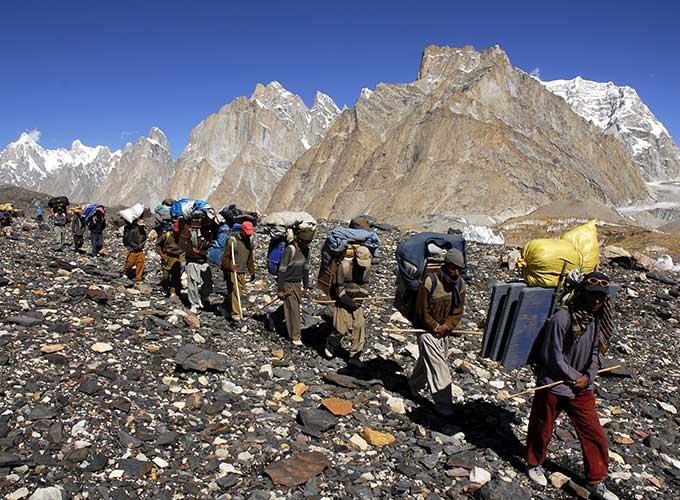
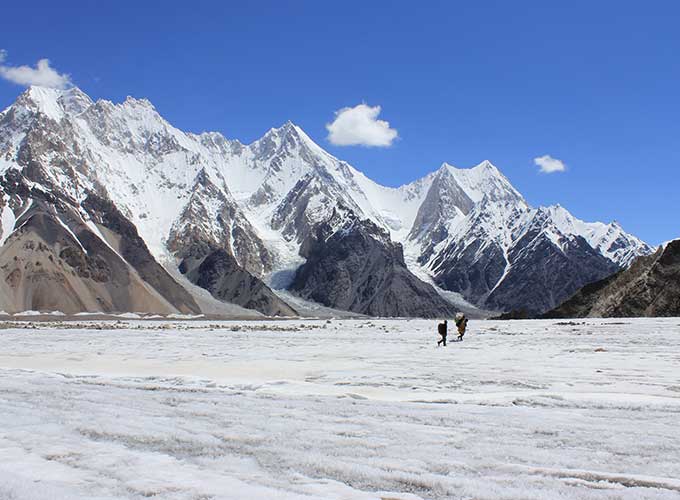
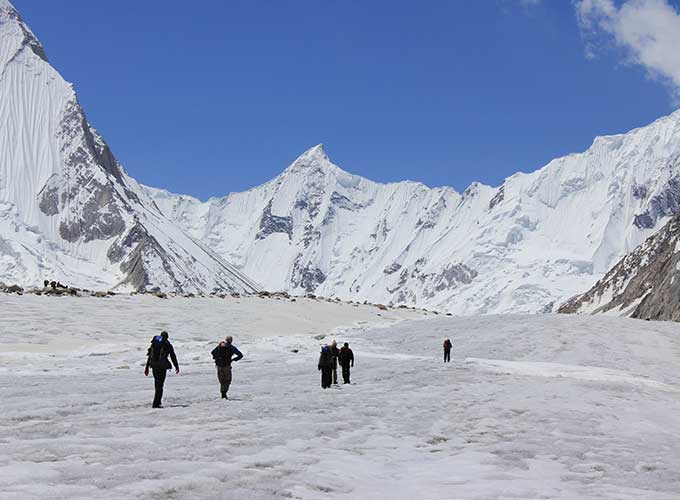
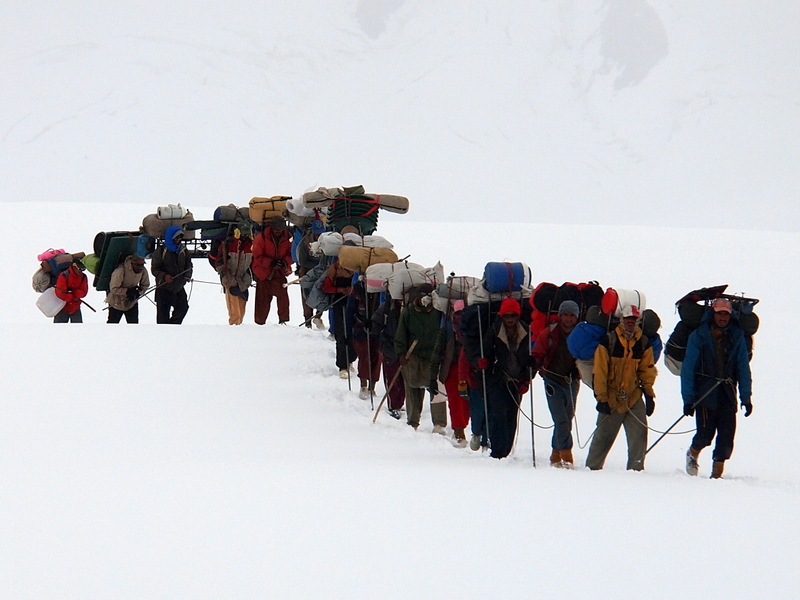
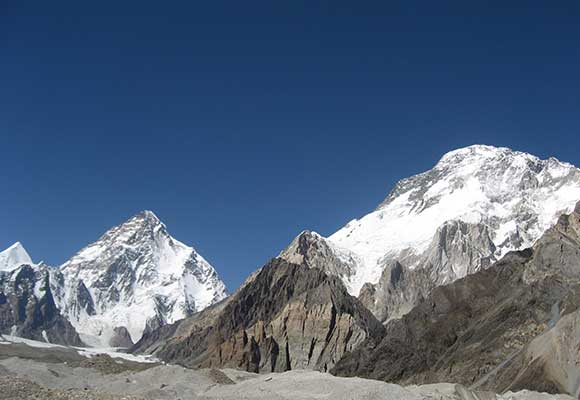
The K2 Base Camp Trek takes trekkers through the spectacular Baltoro region toward K2 Base Camp. It does not involve climbing the mountain.
A typical route includes areas around Askole, Paiju, Urdukas, Goro II, Concordia and Broad Peak Base Camp before reaching K2 Base Camp.
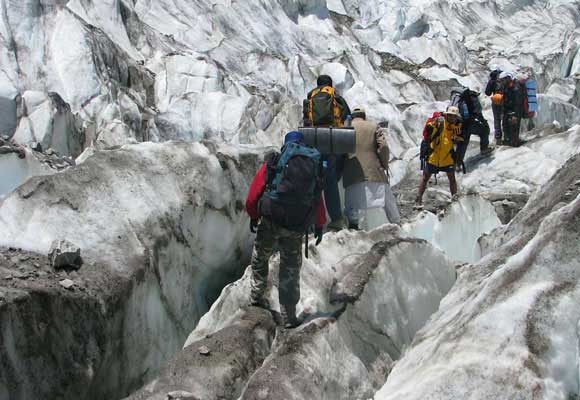
The trek is physically demanding because of altitude, long walking days, rugged terrain and glacier moraine. However, it is fundamentally different from a technical K2 climbing expedition.
This makes the base camp trek a realistic way for adventure travelers to experience the K2 region without attempting the summit.
Can Someone With No Experience Do the K2 Base Camp Trek?
Having no mountaineering experience does not necessarily mean you cannot consider the K2 Base Camp Trek.
The important distinction is that trekking and mountaineering are different activities.
A person without technical climbing experience may be able to undertake a well-organized high-altitude trek if they have appropriate fitness, preparation, acclimatization and professional support.
However, the trek should still be taken seriously.
Before traveling, trekkers should prepare for:
- Long-distance walking
- High-altitude conditions
- Cold temperatures
- Remote camping
- Uneven terrain
- Limited facilities
- Variable weather
- Several consecutive trekking days
For beginners interested in the region, a professional K2 Base Camp Tour can provide organized logistics and experienced local support.
When comparing a K2 Base Camp Tour Company, look at the itinerary, guide experience, safety procedures, inclusions and emergency arrangements.
Similarly, compare the K2 Base Camp Tour Cost and K2 Base Camp Price carefully.
A complete K2 Base Camp Tour Package should clearly explain what is included and excluded rather than relying only on a low advertised price.
What Experience Do You Need Before Attempting K2?
There is no single universal checklist that guarantees someone is ready for K2.
However, aspiring climbers should build experience progressively.
Start With Basic Mountaineering
Beginners should learn fundamental skills such as:
- Crampon use
- Ice-axe techniques
- Rope management
- Glacier travel
- Crevasse rescue
- Self-arrest
- Belaying
- Navigation
- Avalanche awareness
- Emergency procedures
These skills should be practiced under qualified instruction.
Gain High-Altitude Experience
Before considering an 8,000-meter mountain, climbers should have experience at progressively higher elevations.
The objective is not simply to collect mountain summits. It is to learn how the body, equipment and decision-making process respond to altitude.
Develop Technical Climbing Ability
K2 requires far more than hiking fitness.
Aspiring climbers need substantial experience on steep rock, snow and ice. They must also be comfortable climbing while carrying expedition equipment.
Learn Expedition Decision-Making
A strong climber must know when to stop.
Weather, health, fatigue, equipment problems and route conditions can all require a change of plan.
On K2, successful decision-making means prioritizing survival over reaching the summit.
Fitness Requirements for K2
Physical fitness is essential but does not replace experience.
A K2 climber needs strong cardiovascular endurance, muscular strength and the ability to perform repeatedly at altitude.
Useful preparation can include:
Cardiovascular training
Long hikes, uphill walking, running and stair sessions can improve endurance.
Strength training
Legs, core, back and upper body should be conditioned for carrying equipment and climbing.
Long-duration training
Expedition days can be lengthy. Training should therefore include extended outings rather than only short, intense workouts.
Altitude preparation
Where possible, previous high-altitude experience is valuable because altitude response varies considerably between individuals.
A training plan should be developed according to the climber’s existing experience and physical condition.
K2 and Gondogoro La Trek: A More Advanced Trekking Option
For experienced trekkers looking for a more challenging Pakistan adventure, the K2 and Gondogoro La Trek Pakistan 2026 combines the K2 Base Camp region with the Gondogoro La crossing.
Gondogoro La involves steep and technical terrain and can require fixed-rope travel.
It is therefore more demanding than a standard trekking route and should be undertaken with appropriate preparation and professional guidance.
Importantly, however, it remains a trekking objective rather than a K2 summit expedition.
Alternative Pakistan Treks for Building Experience
If K2 is your long-term ambition, there are many ways to gain trekking and high-altitude experience in Pakistan.
The Snow Lake trek is an exceptional high-altitude glacier adventure.
Travelers can research a Snow Lake trek Tour, compare a Snow Lake trek Tour Company and review the Snow Lake trek Tour Cost, Snow Lake trek Price and Snow Lake trek Package.
The Rakaposhi base camp Hunza valley trek offers another excellent high-mountain experience in the Hunza region.
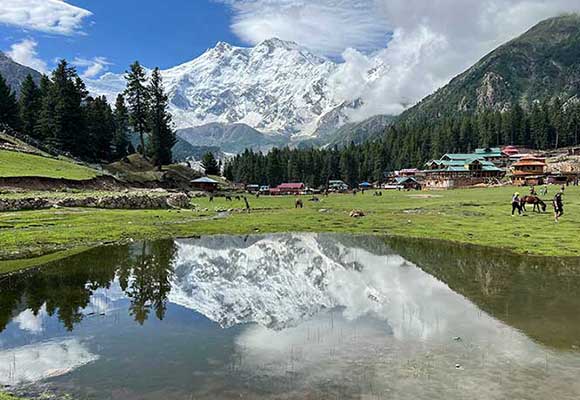
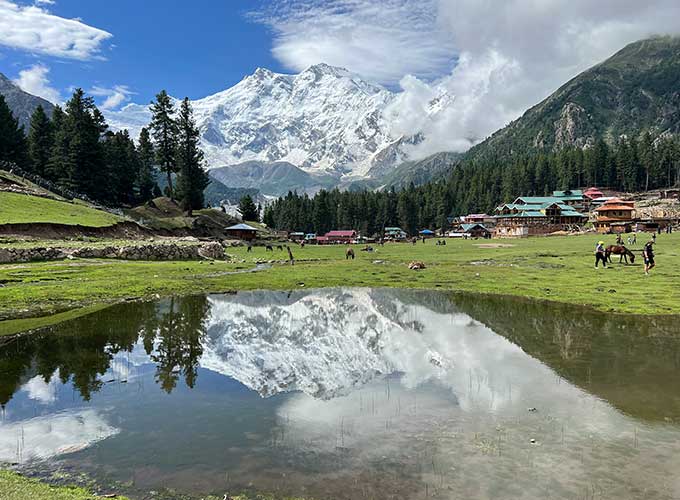
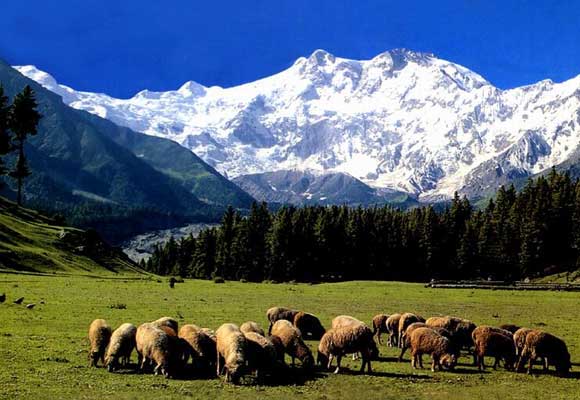
The Fairy meadows Trek is another popular option, providing spectacular views toward Nanga Parbat.
Travelers can compare a Fairy Meadows Trek Tour, Fairy Meadows Trek Tour Company, Fairy Meadows Trek Cost, Fairy Meadows Trek Price and Fairy Meadows Trek Package.
These adventures can help travelers develop endurance and experience in mountain environments, but they should not be considered substitutes for technical mountaineering training.
Pakistan’s Cultural Adventures
A trip to Pakistan does not have to focus exclusively on climbing.
An Indus valley civilization tour offers an opportunity to explore the country’s ancient archaeological heritage.
The Shandoor Polo festival provides a spectacular cultural and sporting experience in a high-altitude mountain setting.
Travelers interested in attending can explore a Shandoor Polo festival tour, Shandoor Polo festival tour Company, Shandoor Polo festival Cost, Shandoor Polo festival Price and Shandoor Polo festival tour Package.
The kalash festival tour is another distinctive cultural experience, offering visitors an opportunity to discover the traditions and celebrations of the Kalash communities.
A Realistic Progression Toward K2
Someone starting with no experience should think in terms of years of progressive development, not a single jump from beginner to K2.
A sensible progression might look like:
Stage 1: Build general hiking and endurance experience.
Stage 2: Complete progressively harder mountain treks.
Stage 3: Take formal mountaineering courses.
Stage 4: Learn glacier travel, rope systems, crampon techniques and ice climbing.
Stage 5: Complete technical alpine climbs.
Stage 6: Gain experience at progressively higher elevations.
Stage 7: Participate in serious expedition-style climbs.
Stage 8: Seek assessment from experienced mountaineering professionals before considering an 8,000-meter objective.
The exact progression will differ according to a climber’s background, training, skills and objectives.
Can I Climb K2 With No Experience? | Is It Possible or Too Dangerous? The responsible answer is no. K2 is not a suitable first mountain or beginner climbing objective. Its 8,611-meter altitude, technical rock and ice climbing, severe weather, exposure, avalanche and search hazards, remote location and difficult rescue environment make it one of the world’s most demanding mountaineering challenges.
However, having no climbing experience does not mean you must give up on the dream of experiencing K2. The K2 Base Camp Trek offers a very different and more accessible way to explore the legendary Karakoram. From there, aspiring mountaineers can progressively build hiking, glacier, technical climbing and high-altitude experience.
For anyone seriously considering a future K2 expedition, the best approach is gradual progression: build fitness, learn technical skills, gain mountain experience, climb progressively harder objectives, and seek guidance from qualified professionals. On K2, preparation is not optional—it is a fundamental part of staying safe.
K2 Base Camp and Gondogoro La Trek
K2 Base Camp Trek
K2 Base Camp Trek Concordia
Mashabrum & Gondogoro BC Trek
K6/K7 BC Trek
Thalle La Trek Pakistan
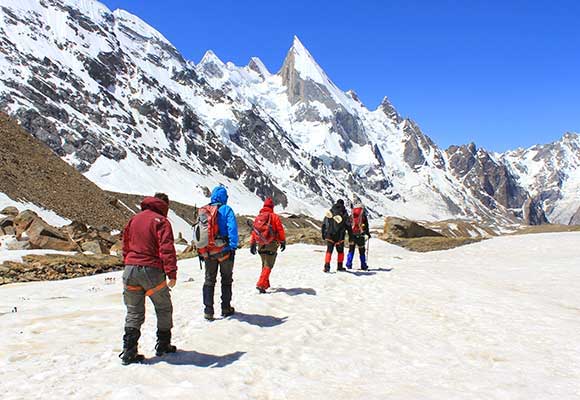
Spantik Base Camp & Haramosh La Trek
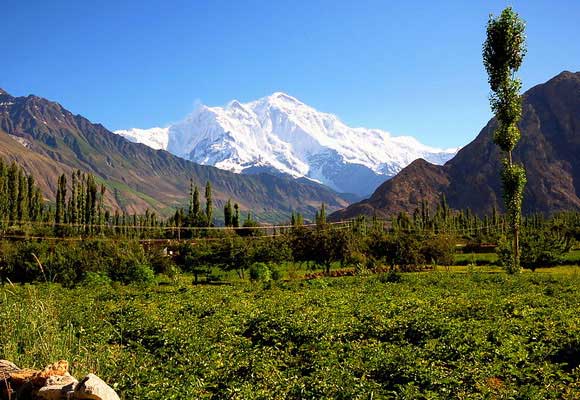
Rakaposhi Base Camp Trek
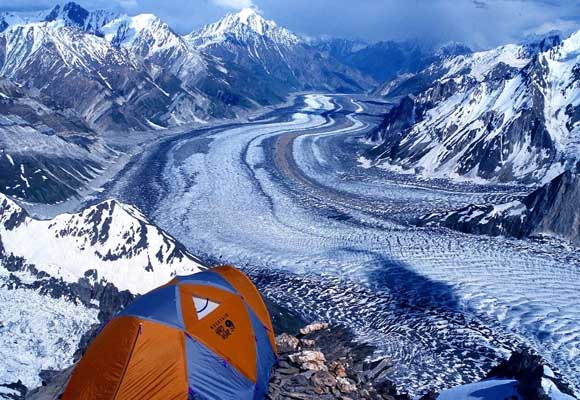
Batura Glacier Trek
Patundas Trek
Shimshal Valley Trek
Tirich Mir Base Camp Trek
Wakhan Corridor Trek
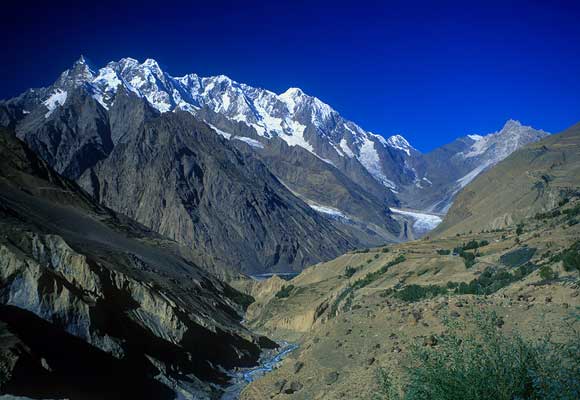
Naltar Ishkoman Pass Trek
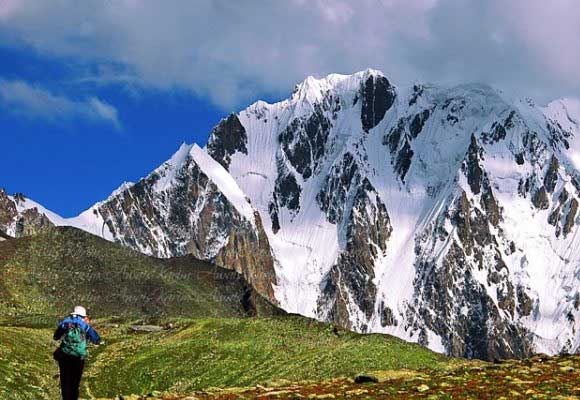
Darkot and Broghil Passes Trek
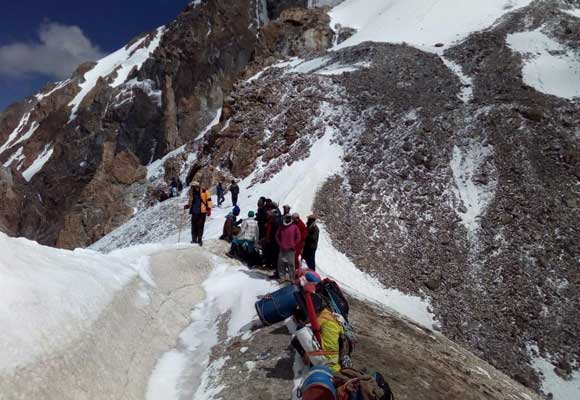
Around Nanga Parbat Mazeno Pass Trek
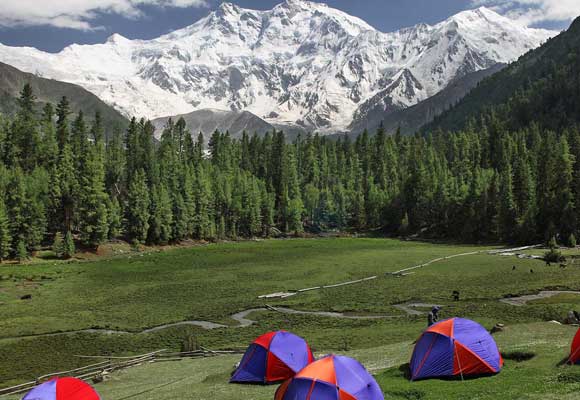
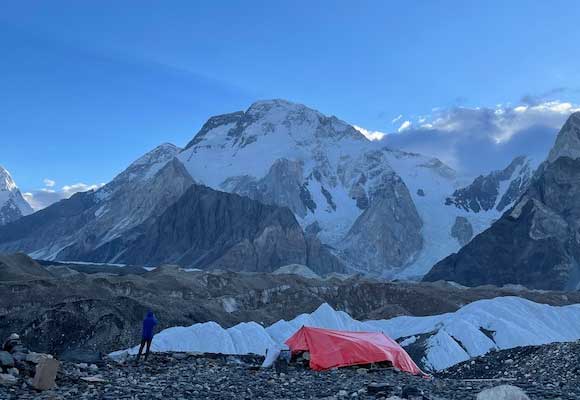
5X8000m Base Camp Trek
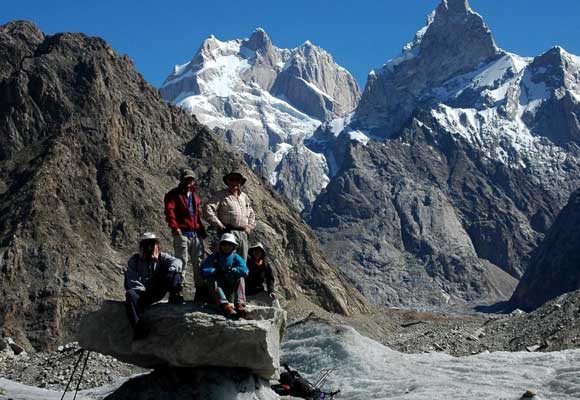
Great Karakorum Traverse Trek
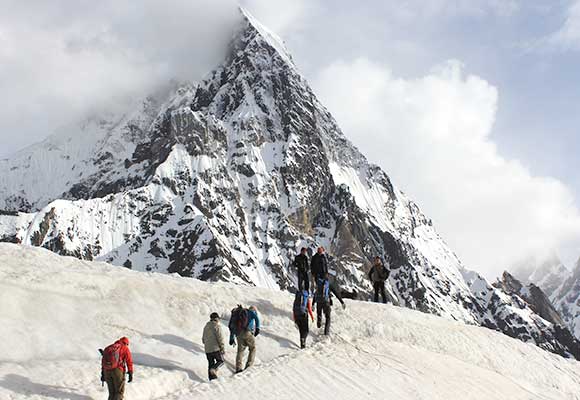
K2 Expedition (8611m)
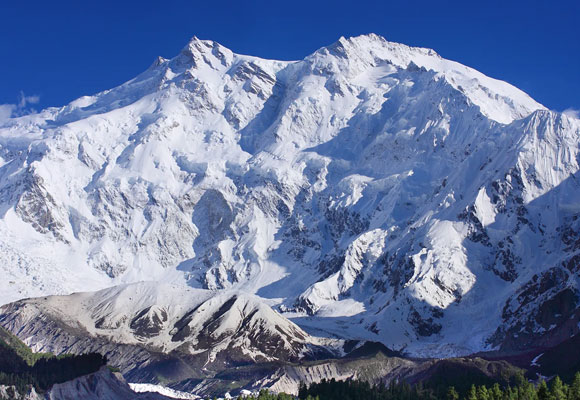
Nanga Parbat Expedition (8126m)
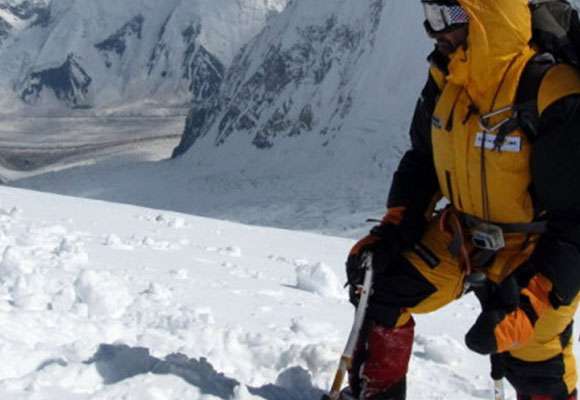
Broad Peak Expedition (8047m)
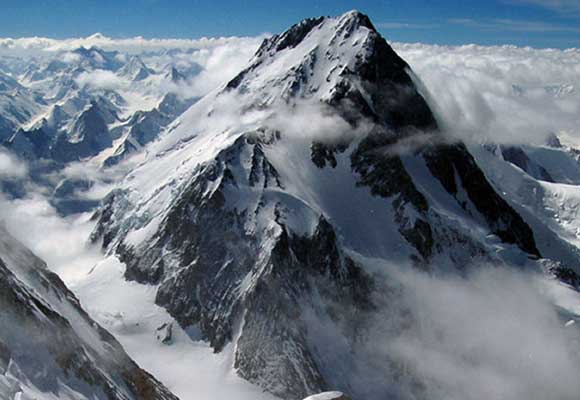
Gasherbrum 1 Expedition (8068m)
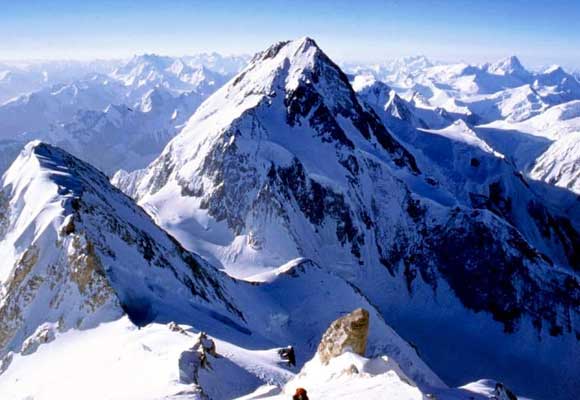
Gasherbrum II Expedition (8035m)
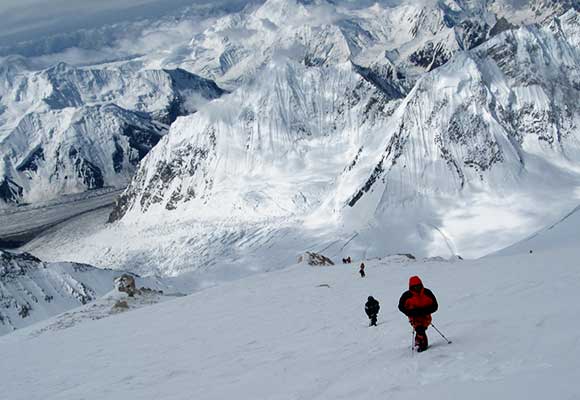
Gasherbrum III Expedition (7952m)
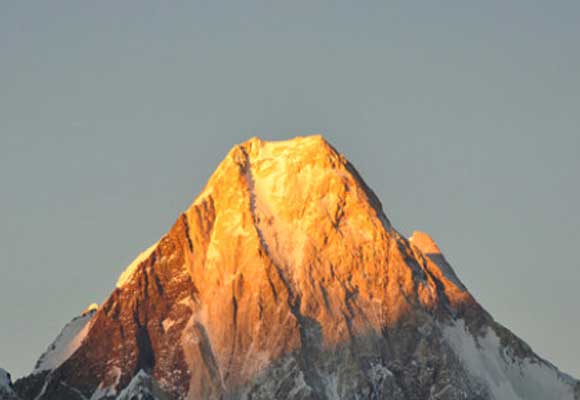
Gasherbrum IV Expedition (7925m)
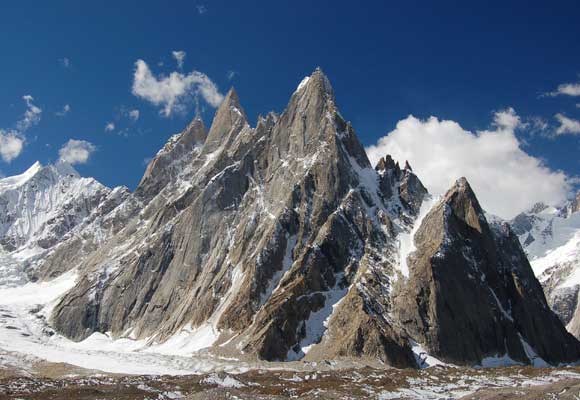
Masherbrum Expedition (7821m)
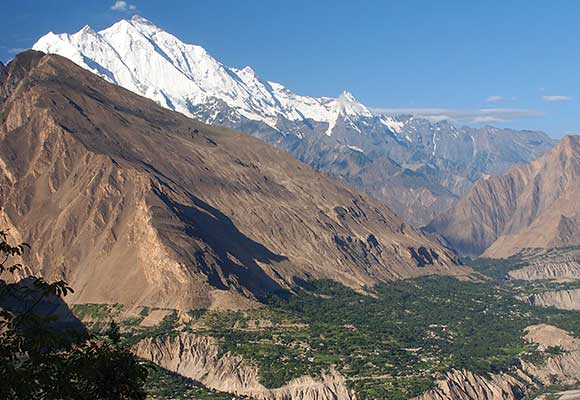
Rakaposhi Expedition (7788m)
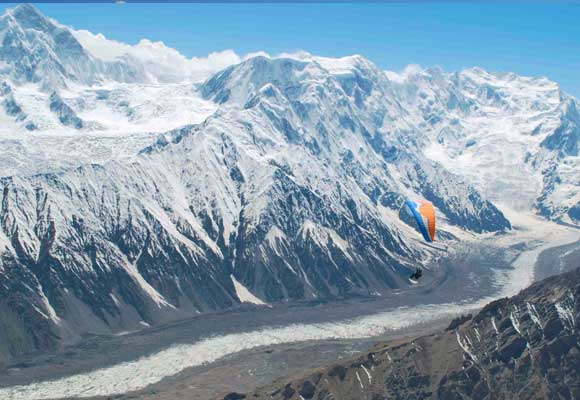
Batura Sar Expedition (7785 m)
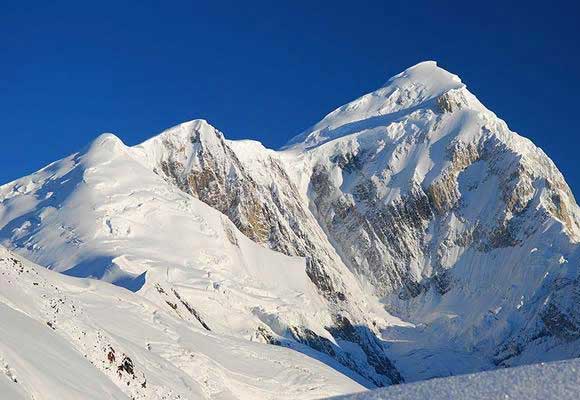
Tirich Mir Expedition (7708m)
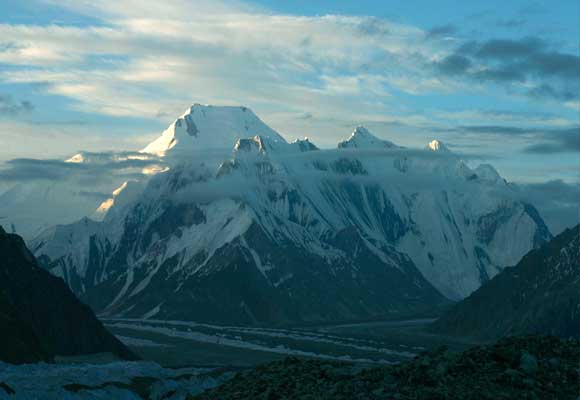
Chogolisa Expedition (7665 m)
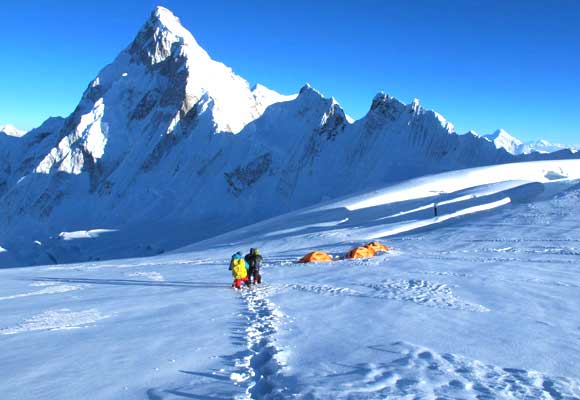
Passu Peak Expedition (7478m)
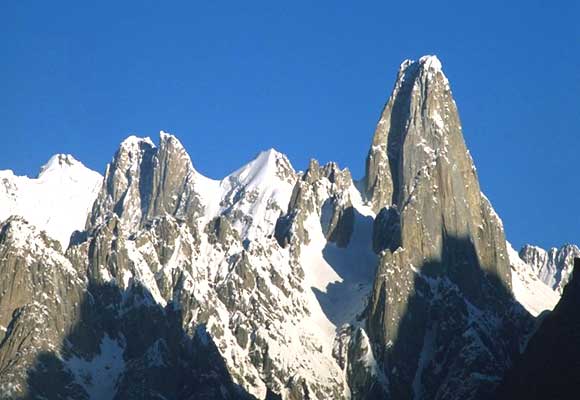
Muztagh Tower Expedition (7273m)
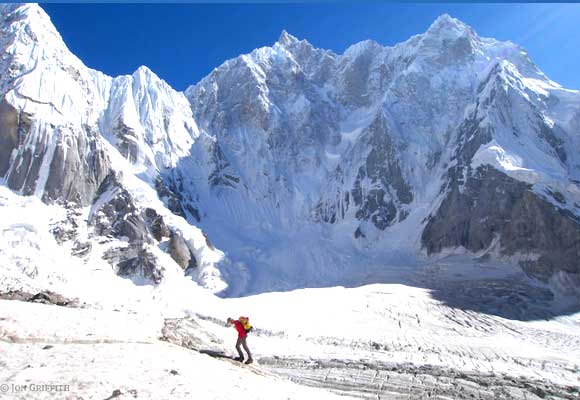
K6 Peak Expedition (6935m)
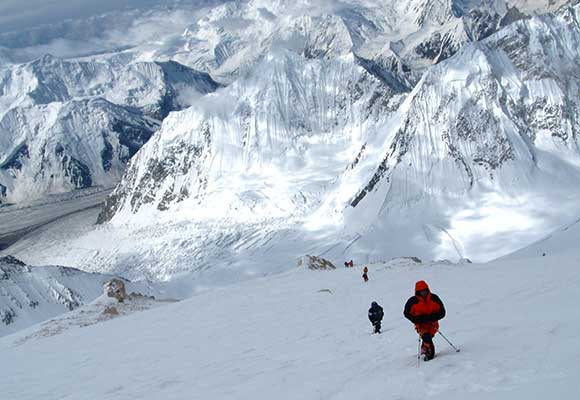
Diran Peak Expedition (7272m)
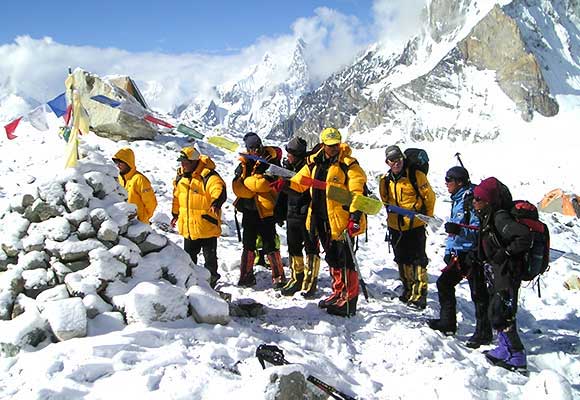
Latok 1 Expedition (7145 m)
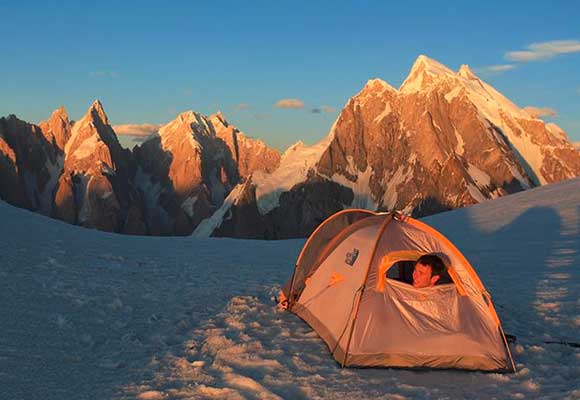
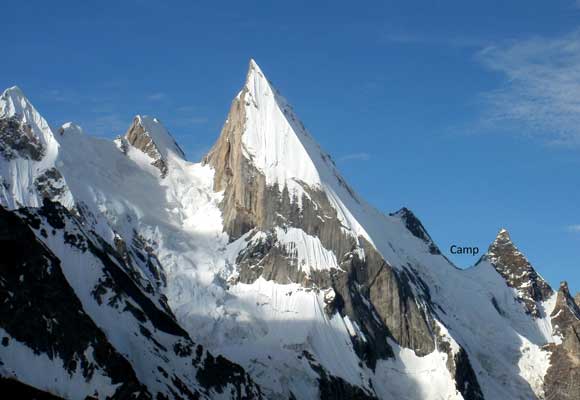
Laila Peak Expedition (6095m)
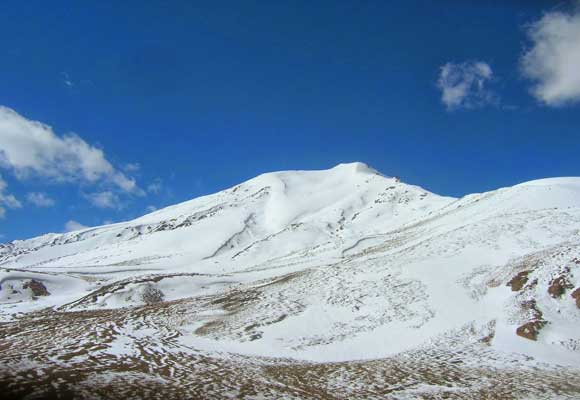
Minglik Sar Peak Expedition (6050m)
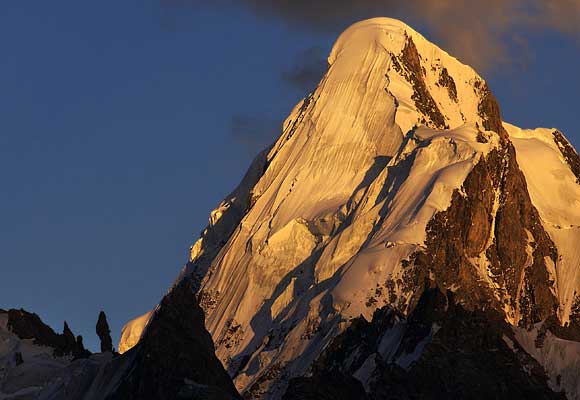
Rush Peak Expedition (5,098m)