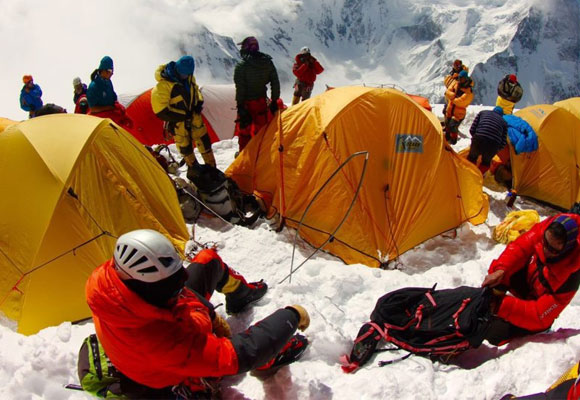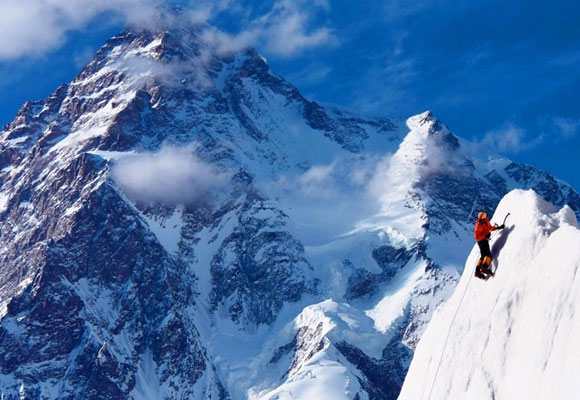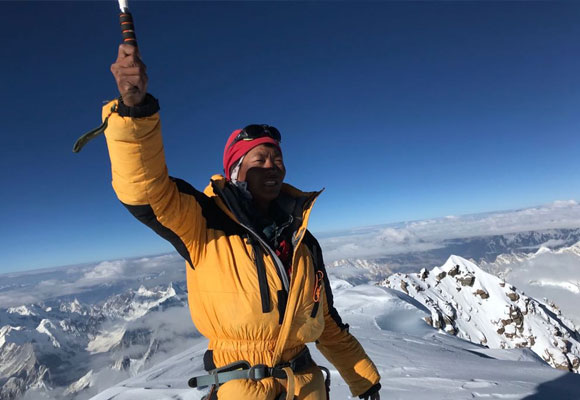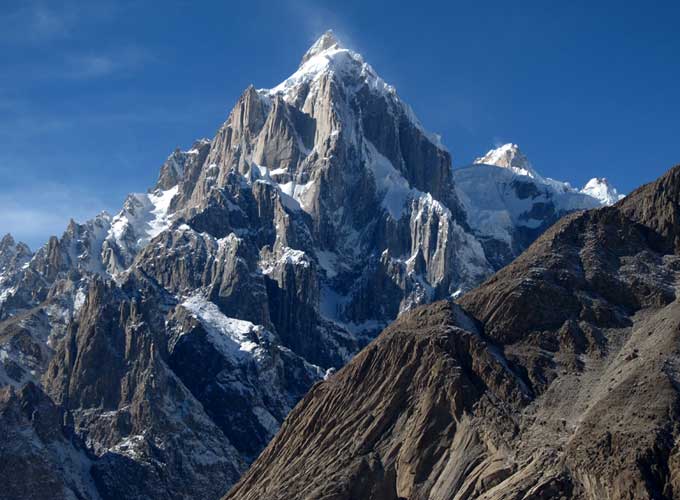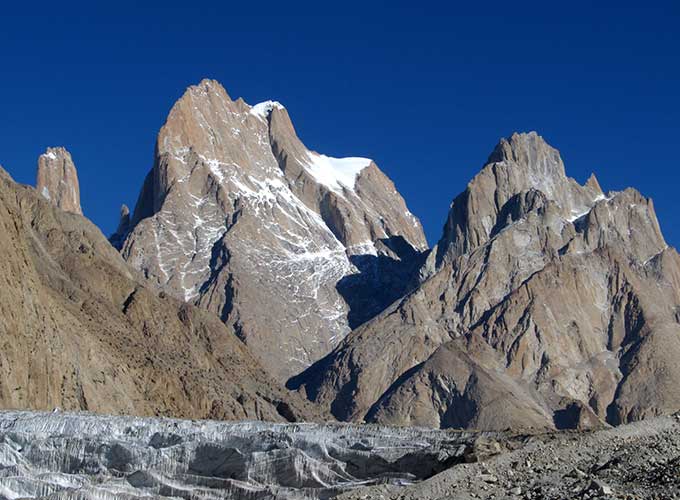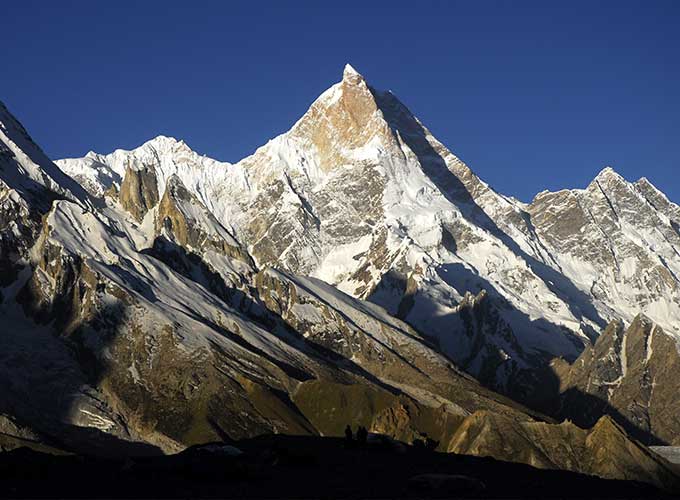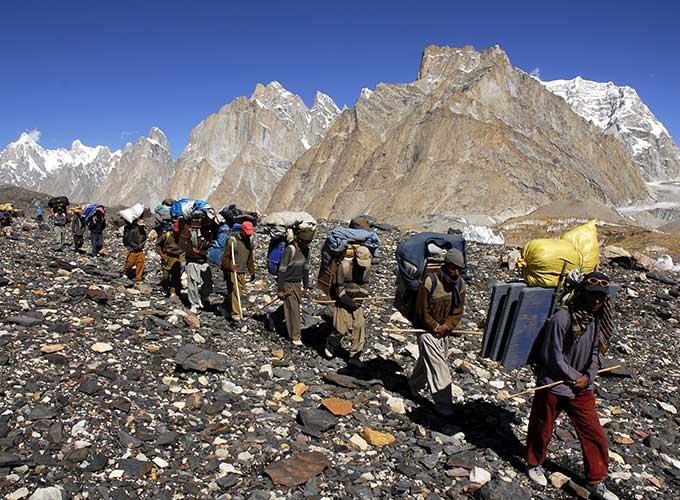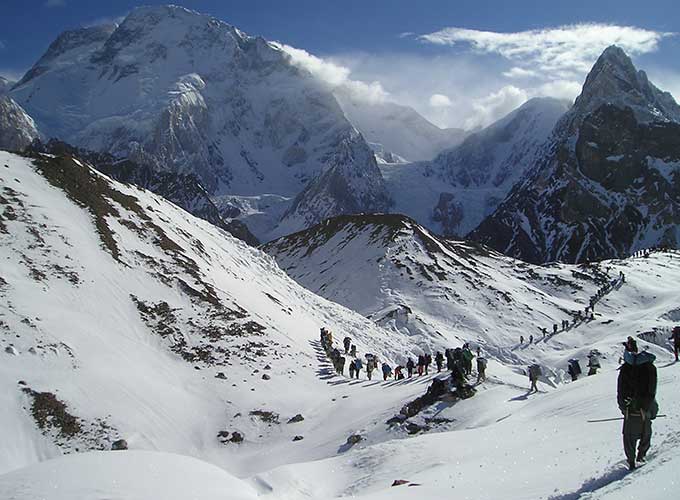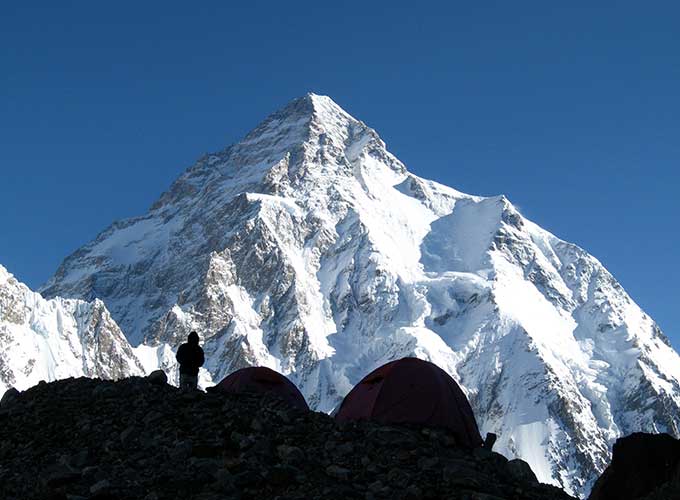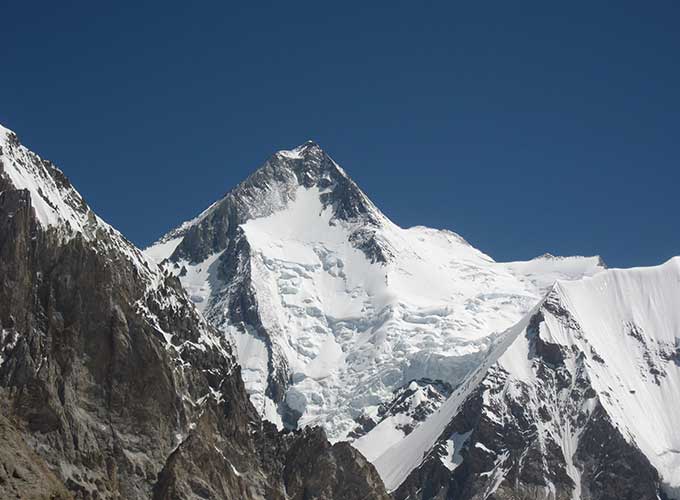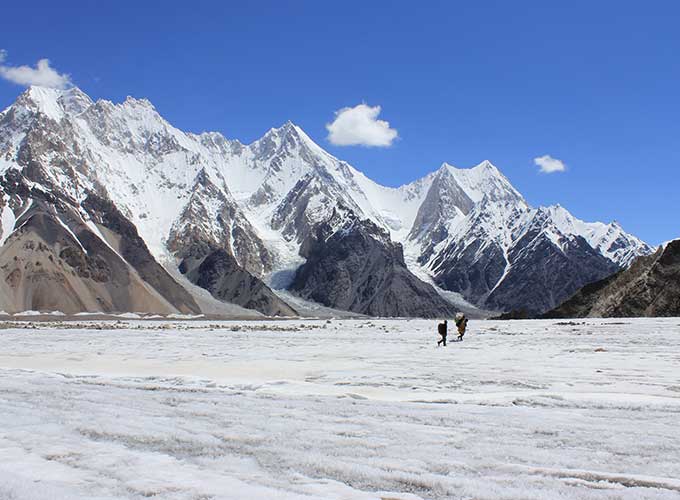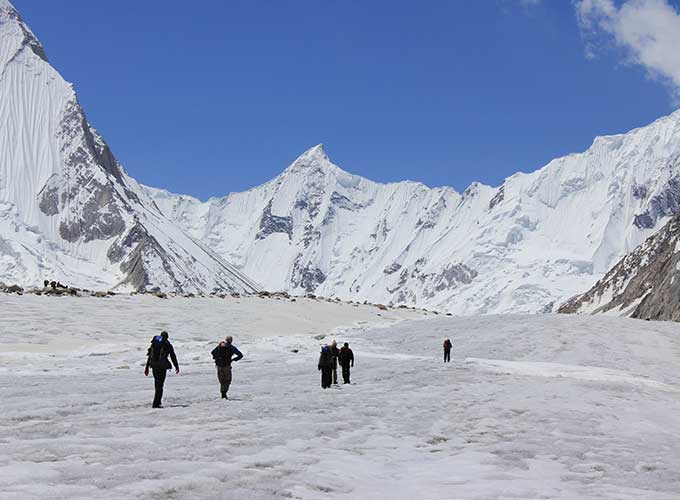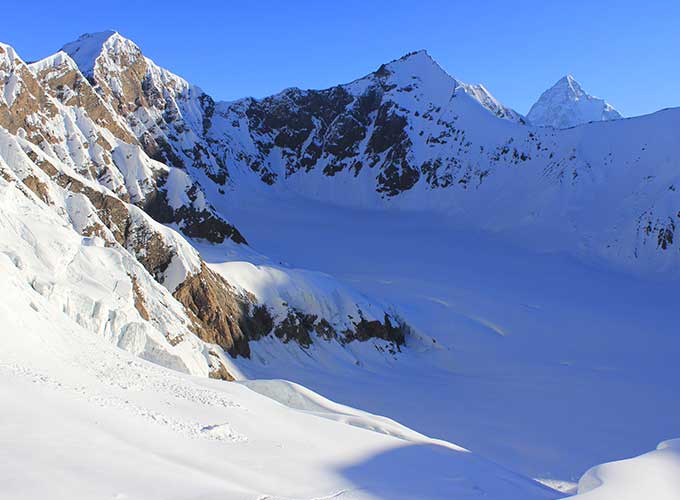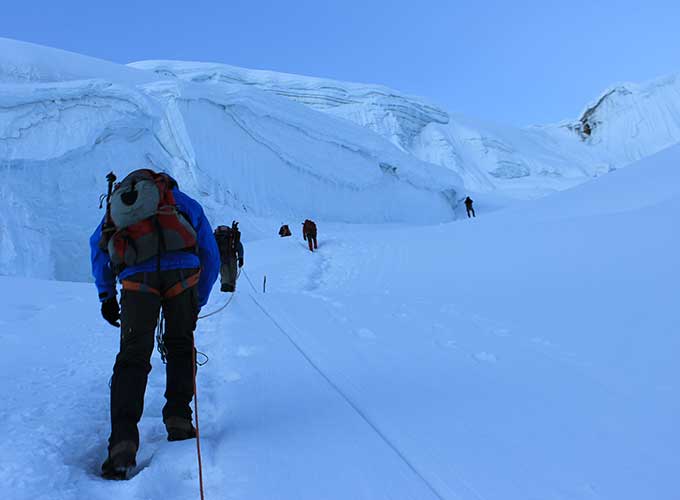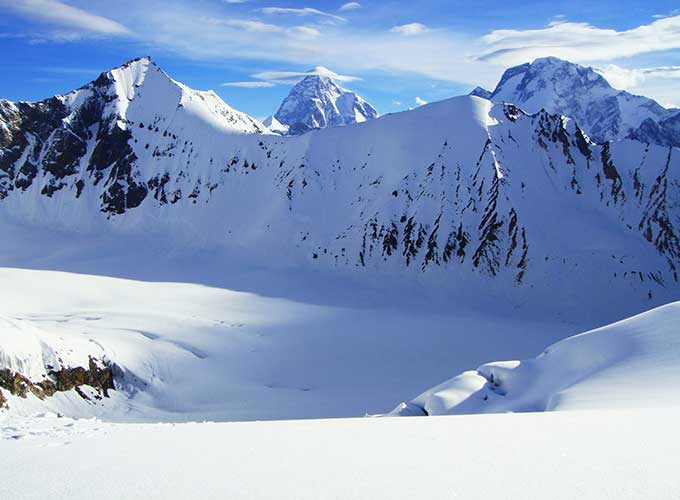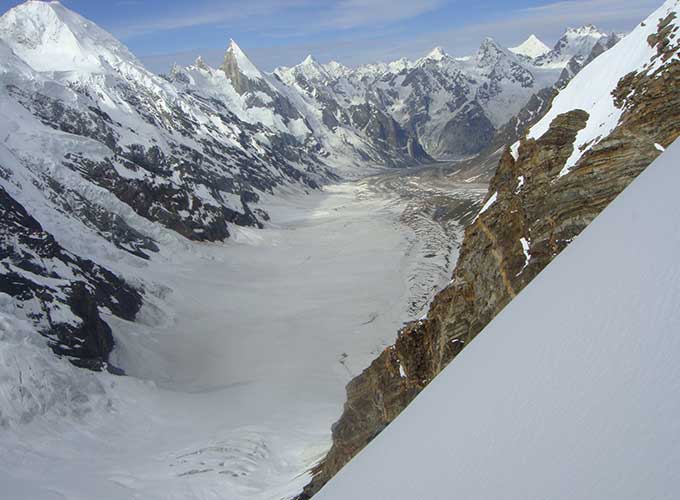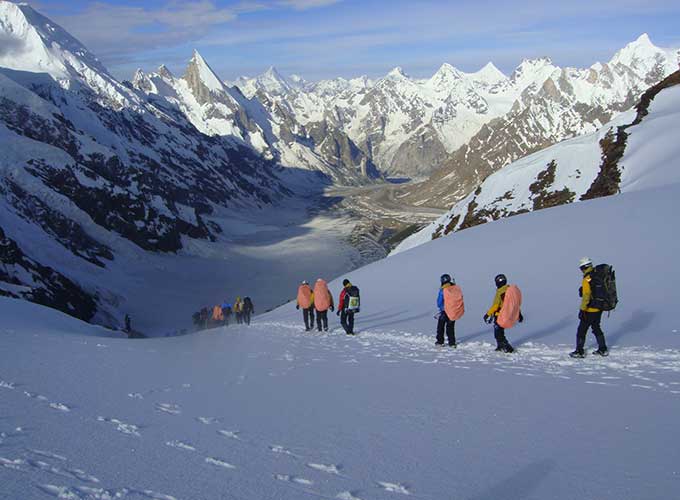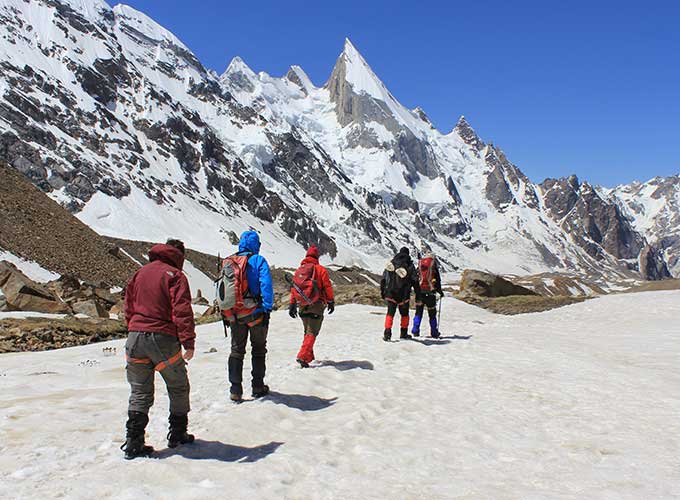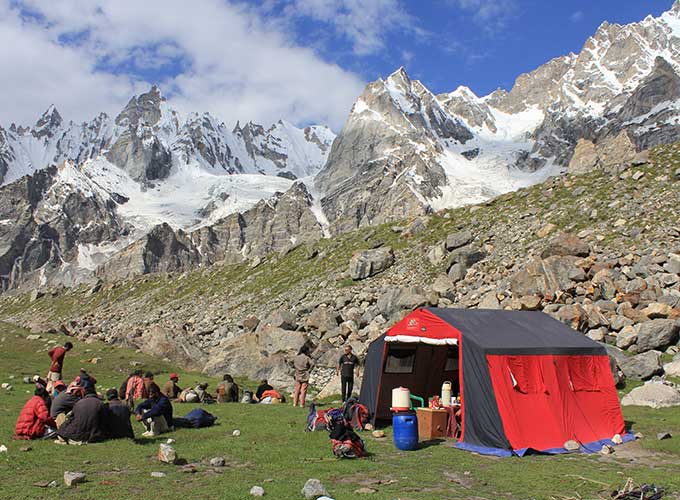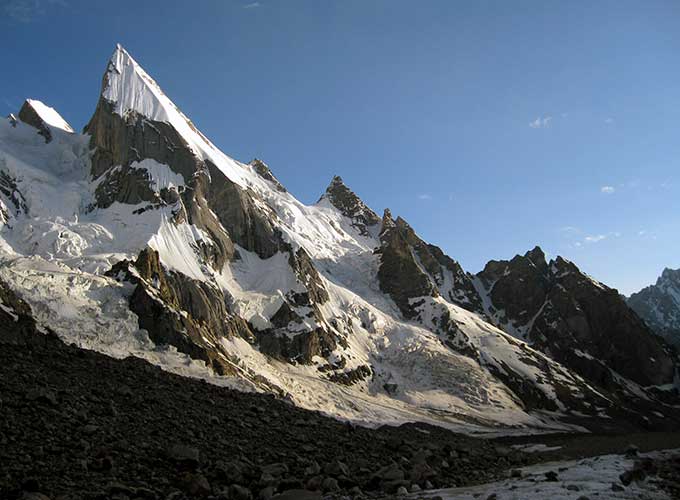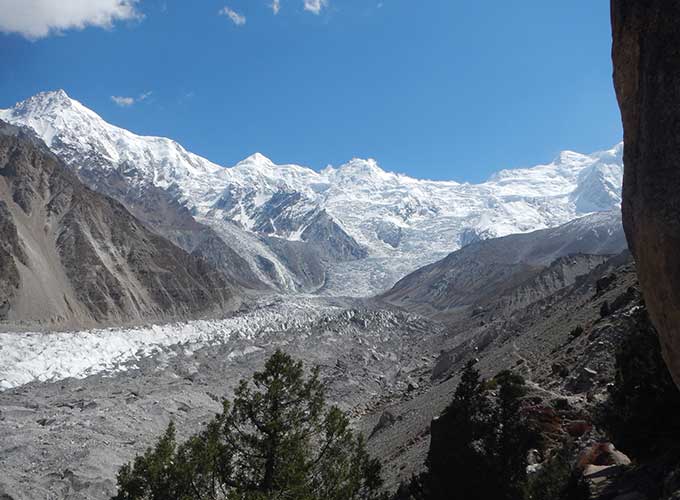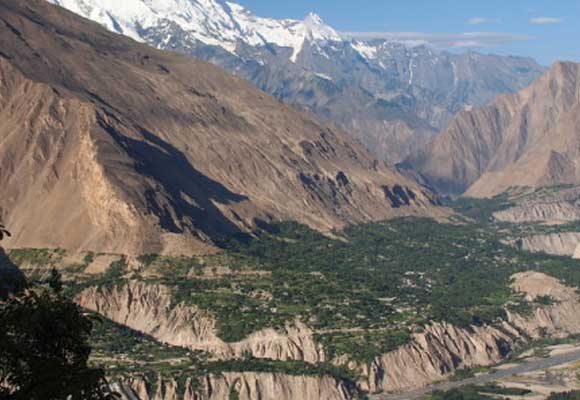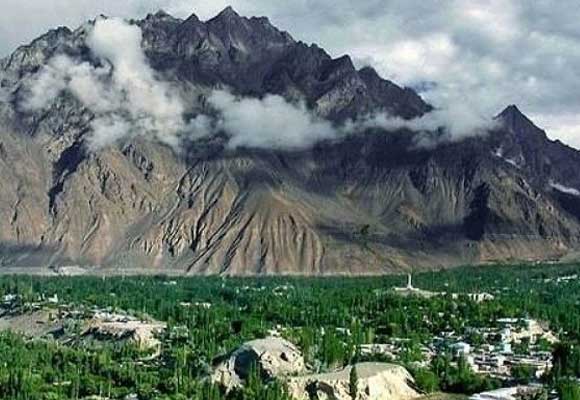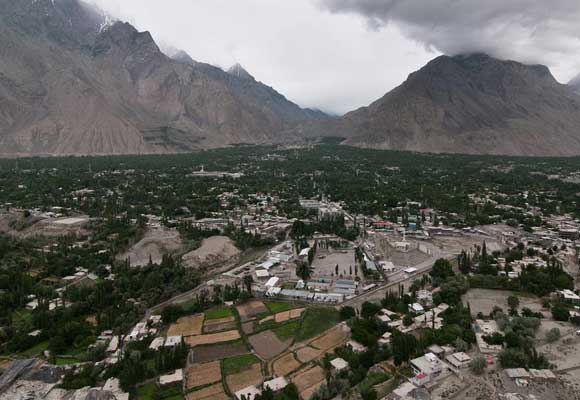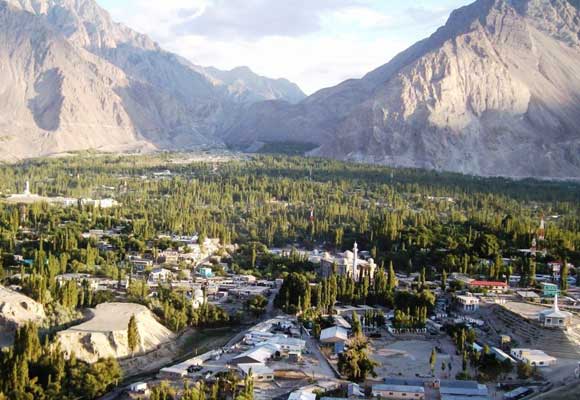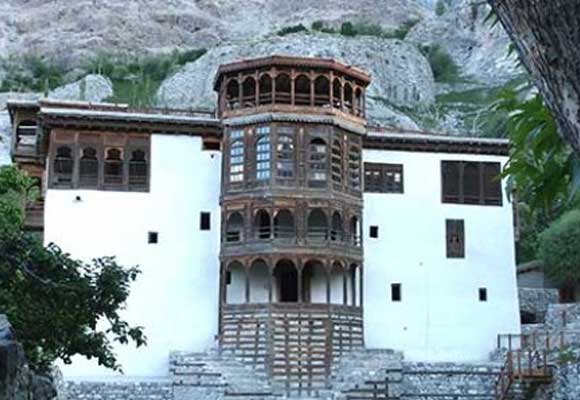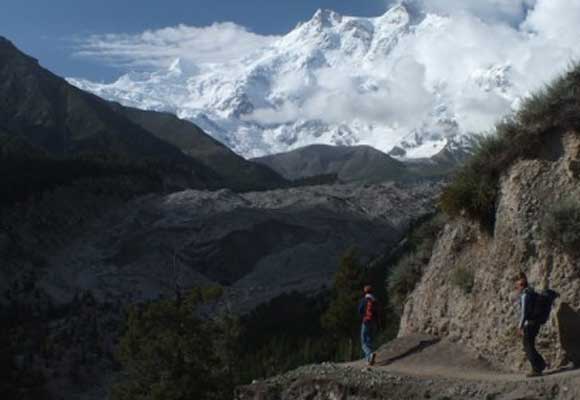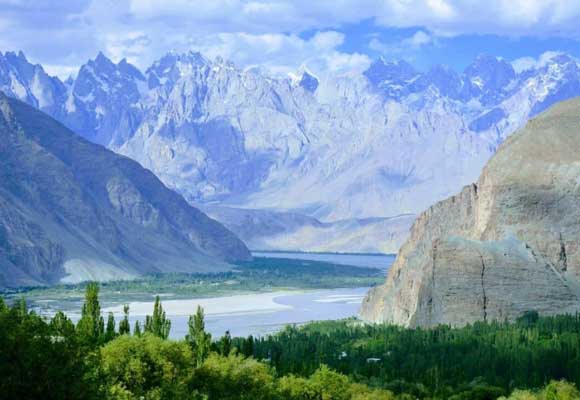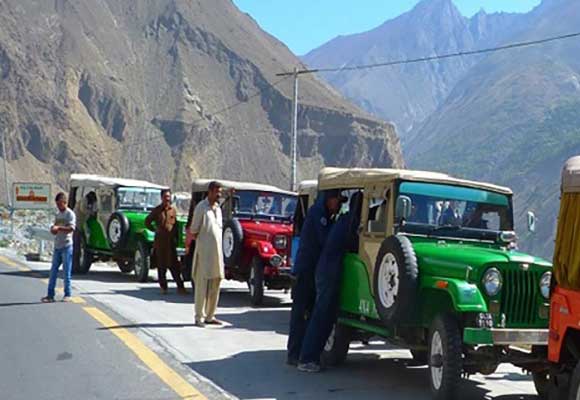
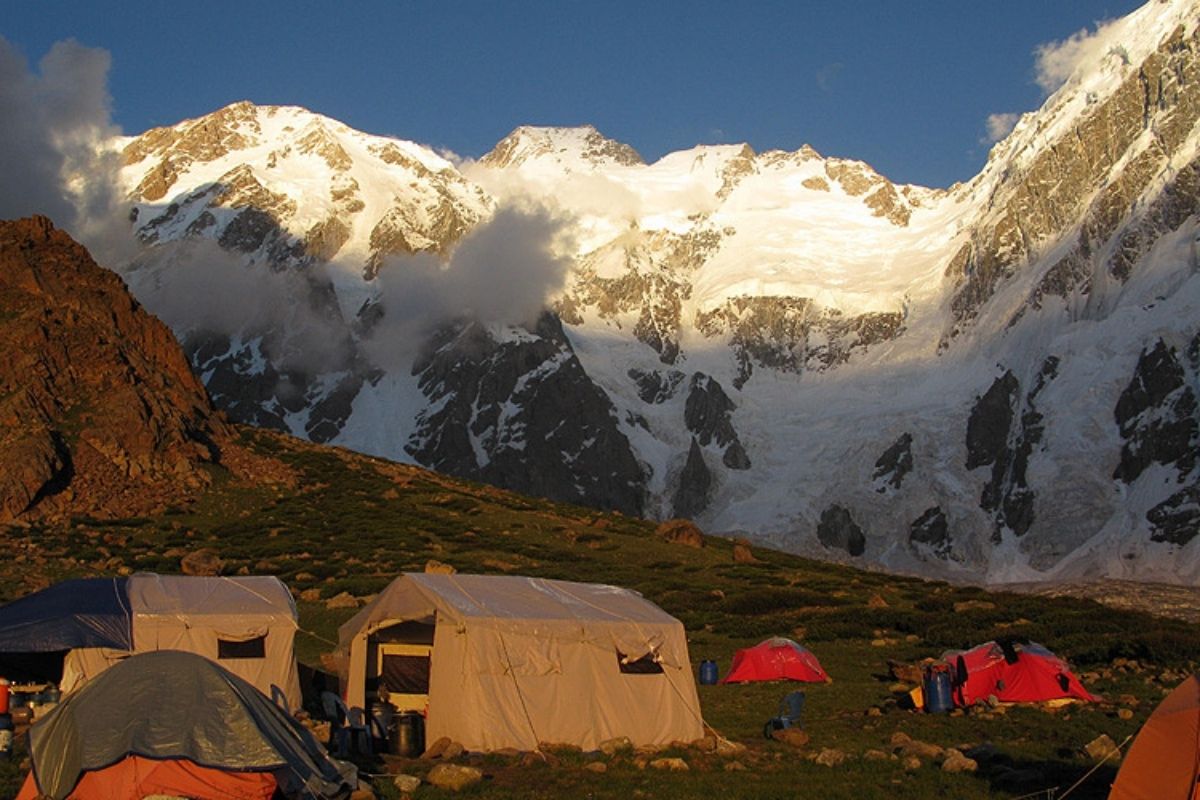
The Climb K2 2026 K2 Expedition Cost, Route & Climbing Guide is designed for experienced mountaineers seeking one of the world’s most demanding high-altitude objectives. At approximately 8,611 meters, K2 is the world’s second-highest mountain and stands in Pakistan’s spectacular Karakoram range. Unlike a normal trekking adventure, climbing K2 requires advanced technical skills, previous high-altitude experience, exceptional physical preparation, specialized equipment, acclimatization, and professional expedition support.
As an Adventure Pakistan market analyst tracking Pakistan’s mountaineering and adventure tourism sector, I recommend understanding the difference between a K2 trek and an actual summit expedition before planning. Reaching K2 Base Camp is already a challenging high-altitude trek, while climbing beyond Base Camp involves technical terrain, fixed ropes, steep snow and ice, extreme weather, and serious altitude-related risks.
A successful expedition depends on preparation, patience, weather awareness, teamwork, and the willingness to turn around when conditions become unsafe.
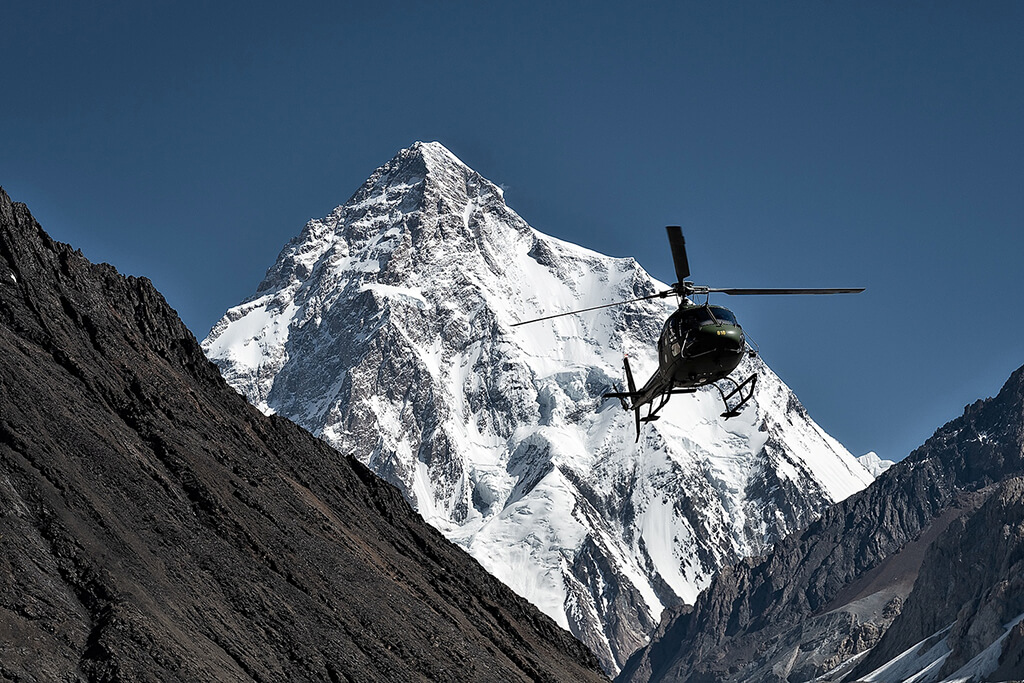
Overview | K2 Climbing 2026
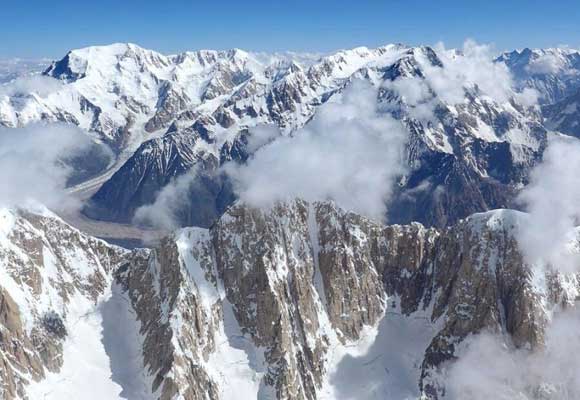
Climb K2 2026 is an extraordinary high-altitude mountaineering adventure in Pakistan’s legendary Karakoram range. Standing at approximately 8,611 meters, K2 is the world’s second-highest mountain and one of the most technically demanding climbing objectives. The expedition involves traveling through the Baltoro region, reaching K2 Base Camp, completing acclimatization rotations, establishing higher camps, and preparing for a suitable summit window. Climb K2 2026 requires advanced mountaineering experience, excellent physical fitness, technical climbing skills, specialized equipment, and professional expedition support. Weather, route conditions, and altitude can significantly influence the schedule, making flexibility, patience, teamwork, and safety essential throughout the journey.
What Makes K2 Climbing So Challenging?
K2 is famous for its combination of extreme altitude and technical climbing. The mountain’s remote location in Karakoram adds another layer of logistical difficulty.
Climbers must manage several challenges, including:
- Extreme altitude and reduced oxygen availability
- Steep snow, ice, and rock
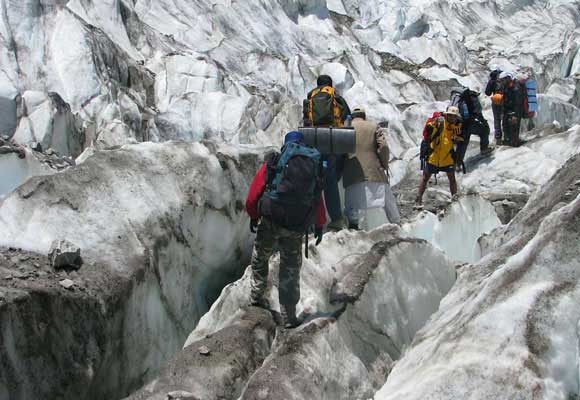
- Glaciers and crevasse hazards
- Avalanches and falling ice
- Severe cold and strong winds
- Rapidly changing mountain weather
- Long periods at high altitude
- Limited opportunities for rescue
- Physical and mental exhaustion
For these reasons, Climb K2 2026 should be considered an advanced mountaineering expedition rather than a conventional adventure tour.
K2 Climbing vs K2 Base Camp Trek
One of the most important considerations for travelers is understanding the difference between K2 climbing and trekking to the mountain.
The K2 Base Camp Trek takes trekkers through the Baltoro region toward K2 Base Camp. It is a demanding trekking experience but does not involve climbing K2 itself.
A K2 summit expedition continues above Base Camp and requires technical climbing skills, specialized equipment, acclimatization rotations, and experienced expedition leadership.
If your goal is to experience the Karakoram and see K2 without attempting the summit, a K2 Base Camp Tour can be a more appropriate option.
Travelers should also compare the K2 Base Camp Tour Company, K2 Base Camp Tour Cost, K2 Base Camp Price, and K2 Base Camp Tour Package before making a trekking decision.
K2 Expedition Cost: What Influences the Price?
The cost of climbing K2 varies significantly depending on the expedition operator, services, duration, staffing, equipment, logistics, permits, and level of support.
Rather than relying on a single advertised number, climbers should examine exactly what an expedition package includes.
Major cost factors can include:
Permits and Official Fees
Mountaineering permits and related government or administrative costs form part of the overall expedition budget.
Transportation
Transportation from Islamabad toward Skardu and onward to the trekking trailhead contributes to the cost.
Trekking and Porter Support
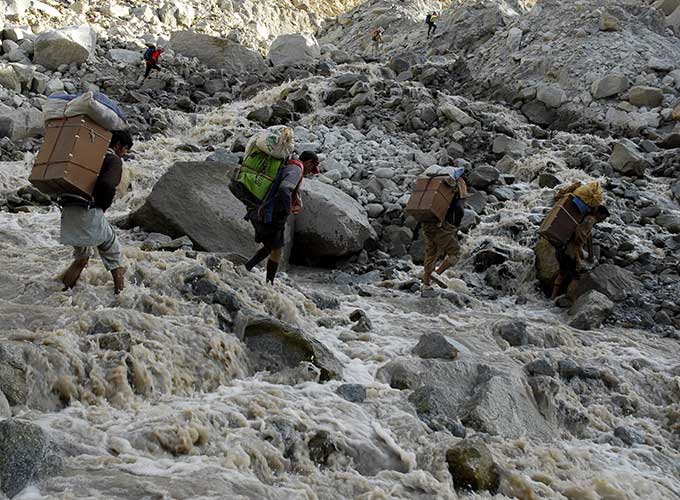
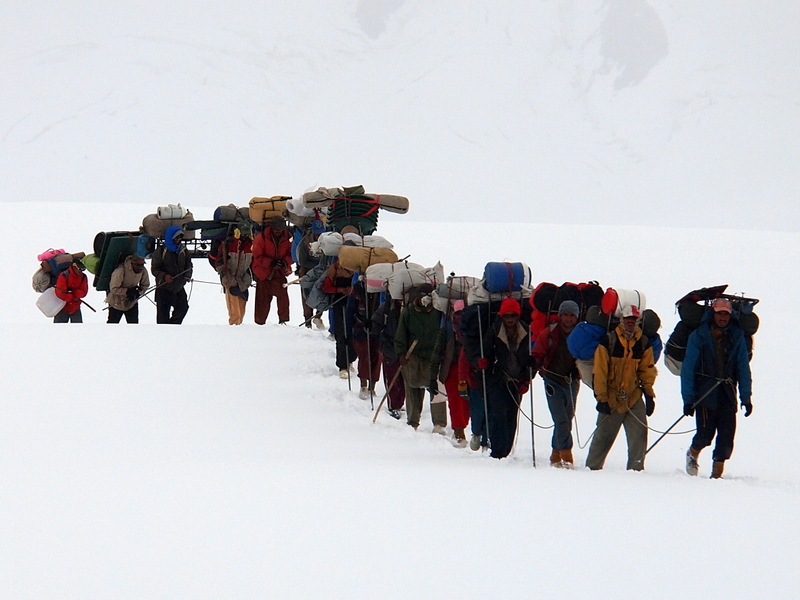
The approach to K2 Base Camp requires logistical support for equipment, food, tents, and other supplies.
Expedition Staff
Experienced guides, climbing support staff, high-altitude workers, cooks, and other personnel can significantly affect the total package price.
Accommodation and Meals
The expedition budget may include hotels before and after the mountain journey, camps, meals, and expedition supplies.
Technical Equipment
Climbers may need specialized equipment such as crampons, ice axes, climbing harnesses, helmets, high-altitude clothing, and technical rope equipment.
Emergency and Communication Support
Communication systems, emergency planning, and expedition coordination are important considerations when comparing packages.
The cheapest option is not necessarily the best option for an expedition of this difficulty. Climbers should prioritize experienced leadership, transparent logistics, safety procedures, and appropriate support.
Climb K2 2026 Preferable Cost & Prices
K2 Expedition – Basecamp Services
Start |
End |
Status |
Price |
Deposit |
Registration |
|---|---|---|---|---|---|
19 Jun |
17 Aug |
Guaranteed |
US$13,000 |
US$1,000 |
K2 Expedition – Full Board Services
Start |
End |
Status |
Price |
Deposit |
Registration |
|---|---|---|---|---|---|
19 Jun |
17 Aug |
Guaranteed |
US$30,000 |
US$15,000 |
Climb K2 2026 – 20-Day Itinerary
Days 1–10
Day 1: Arrival in Islamabad
Arrive in Islamabad and transfer to the hotel. Meet the expedition team, review the overall program, and begin final preparations for the journey into the Karakoram.
Day 2: Expedition Briefing & Preparation in Islamabad
Attend the expedition briefing and check climbing equipment, documents, personal gear, and logistics. Use the day to rest and prepare for the high-altitude journey.
Day 3: Islamabad – Skardu
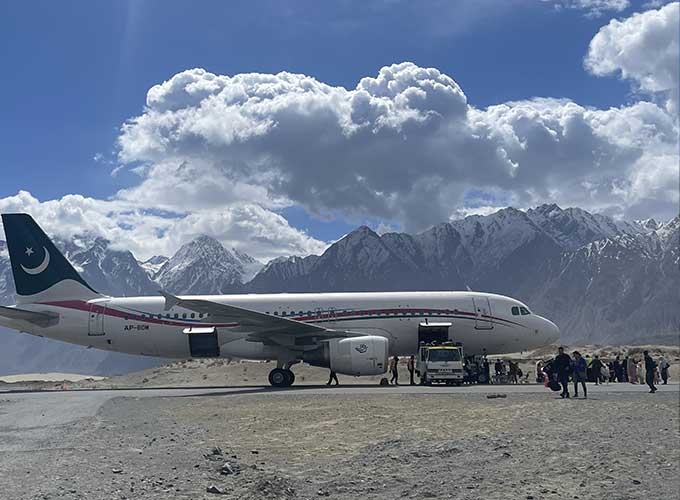
Fly from Islamabad to Skardu, subject to weather and flight availability. Skardu is the main gateway to the Baltistan region and the K2 approach.
Day 4: Skardu – Final Expedition Preparation
Complete equipment checks, organize expedition loads, meet local staff, and review transportation and trekking arrangements. Take time to acclimatize to Skardu’s elevation.
Day 5: Skardu – Askole
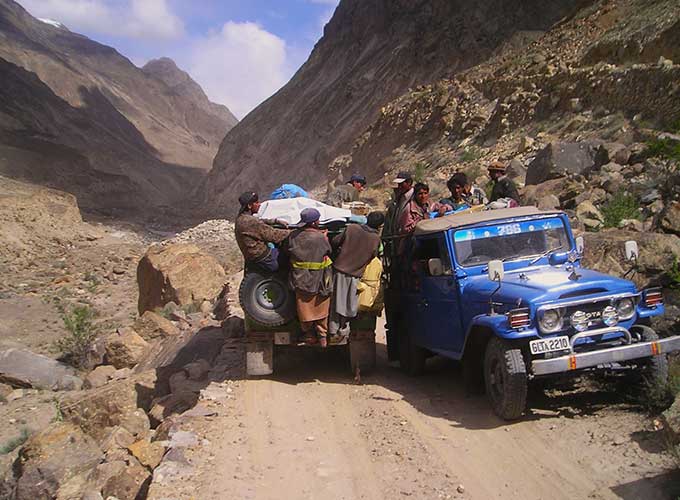
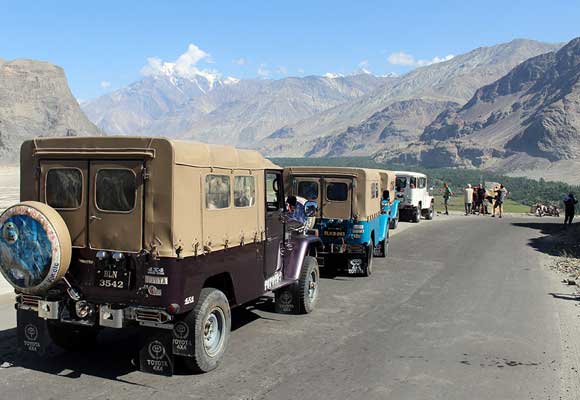
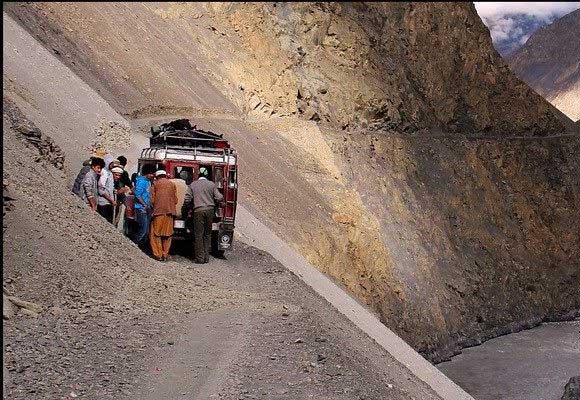
Travel by 4×4 toward Askole through the Shigar and Braldu valleys. Askole is the traditional gateway to the Baltoro approach.
Day 6: Askole – Jhola
Begin the approach trek toward Jhola. Follow the mountain trail along the Braldu Valley while the support team manages expedition loads.
Day 7: Jhola – Paiju
Continue toward Paiju through rugged terrain. The surrounding landscape gradually becomes more mountainous as the team approaches the Baltoro region.
Day 8: Paiju – Acclimatization & Rest
Take a planned rest and acclimatization day at Paiju. This provides an opportunity to recover, hydrate, organize equipment, and prepare for the glacier stages.
Day 9: Paiju – Khoburtse
Continue toward Khoburtse and enter the Baltoro Glacier environment. The landscape becomes increasingly dominated by glacier, moraine, rock, and towering Karakoram peaks.
Day 10: Khoburtse – Urdukas
Trek toward Urdukas beneath spectacular granite peaks and ridges. Urdukas is an important stage on the route toward the upper Baltoro Glacier.
Days 11–20
Day 11: Urdukas – Goro II
Continue deeper into the Baltoro Glacier toward Goro II. The team gains altitude gradually while preparing physically for the approach to K2 Base Camp.
Day 12: Goro II – Concordia
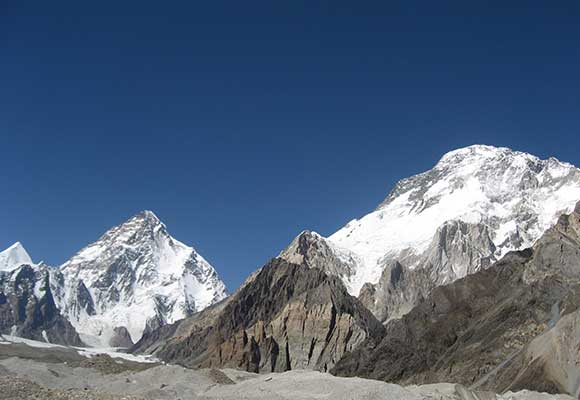
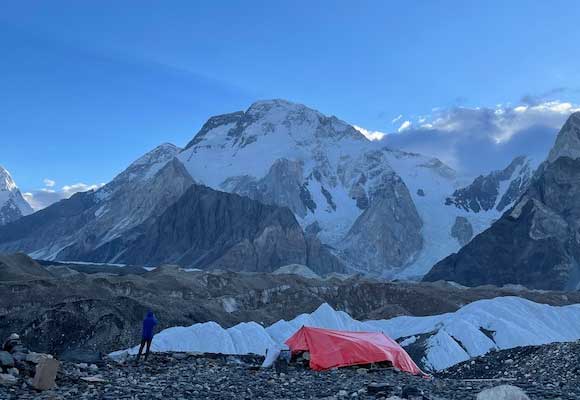
Trek toward Concordia, one of the great viewpoints of the Karakoram. The surrounding landscape provides spectacular views toward K2, Broad Peak, and other major peaks.
Day 13: Concordia – K2 Base Camp
Follow the Godwin-Austen Glacier toward K2 Base Camp. Upon arrival, establish the expedition’s main camp and begin preparing for the technical climbing phase.
Day 14: K2 Base Camp – Acclimatization & Skills Review
Rest and acclimatize at Base Camp. Review climbing equipment, fixed-rope procedures, communication systems, weather information, and individual health before moving higher.
Day 15: First Rotation Toward Camp I
Begin the first acclimatization rotation above Base Camp. Carry equipment toward Camp I and practice efficient movement on snow, ice, glacier terrain, and fixed ropes where required.
Day 16: Camp I – Camp II Acclimatization
Continue higher toward Camp II if weather and route conditions permit. The objective is acclimatization rather than speed. Return to a lower camp for recovery according to the expedition leader’s plan.
Day 17: Recovery & Weather Monitoring
Rest and recover while the expedition team monitors weather, route conditions, and climber health. Proper recovery is essential before attempting additional altitude.
Day 18: Second Higher-Camp Rotation
Begin another rotation toward the higher camps. Climbers may progress toward Camp II or beyond depending on acclimatization, route safety, and the expedition strategy.
Day 19: Summit Preparation / Weather Window
If the team is adequately acclimatized and conditions are favorable, prepare for a potential summit push. Check clothing, climbing equipment, communication devices, nutrition, hydration, and other essential supplies.
Day 20: K2 Summit Attempt or Contingency Day
Begin the summit attempt only if the expedition leader determines that conditions are appropriate. Otherwise, use the day as a weather or acclimatization contingency day. A real K2 program needs substantial additional time for rotations, summit-window waiting, descent, and weather delays.
FAQs About Climb K2 2026
How high is K2?
K2 is approximately 8,611 meters (28,251 feet) high, making it the world’s second-highest mountain.
How much does it cost to climb K2?
There is no single universal K2 expedition cost. The total budget depends on permits, expedition support, transportation, guides, high-altitude staff, equipment, accommodation, food, logistics, and the duration of the expedition.
Can beginners climb K2?
No. K2 is an advanced mountaineering objective. Climbers should have extensive technical climbing and high-altitude experience before attempting it.
Is K2 harder than the K2 Base Camp Trek?
Yes. The K2 Base Camp Trek is a demanding trek, while climbing K2 involves technical mountaineering at extreme altitude.
What is the best time to climb K2?
The traditional climbing season is during summer, although weather and mountain conditions ultimately determine the practical climbing window.
How long does a K2 expedition take?
A complete expedition generally requires several weeks or more because of the approach trek, acclimatization, rotations, weather delays, summit attempt, and descent.
What technical skills are needed?
Climbers should understand glacier travel, crampons, ice axes, fixed ropes, snow and ice climbing, crevasse safety, rope systems, and high-altitude expedition procedures.
Can I visit K2 without climbing it?
Yes. The K2 Base Camp Trek allows travelers to experience the spectacular Baltoro region and reach the area around K2 Base Camp without attempting the summit.
Is the K2 Base Camp Trek suitable for beginners?
It is considerably less technical than K2 climbing but remains a demanding high-altitude trek. Appropriate fitness and preparation are important.
Can I combine K2 with other Pakistan destinations?
Yes. Depending on the schedule, travelers can combine a Karakoram journey with Hunza, Fairy Meadows, Rakaposhi, Chitral, cultural sites, or festivals.
K2 Climbing Route
The K2 approach begins in Pakistan before the expedition moves toward Karakoram.
A simplified route sequence generally includes:
Islamabad → Skardu → Askole → Baltoro Glacier → Concordia → K2 Base Camp → Higher Camps → Summit
The approach through the Baltoro region is itself a major mountain journey. Trekkers and climbers pass through spectacular landscapes surrounded by some of the world’s most impressive Karakoram peaks.
From Base Camp, the climbing team begins the technical phase of the expedition. Climbers progressively move toward higher camps as part of their acclimatization and summit strategy.
The precise climbing route and camp strategy can vary according to current mountain conditions, expedition planning, route conditions, and climbing leadership.
K2 Base Camp and Acclimatization
K2 Base Camp is the primary operational center for the expedition.
Climbers use Base Camp to:
- Rest and recover
- Acclimatize
- Prepare climbing equipment
- Monitor weather
- Review route conditions
- Complete climbing rotations
- Maintain nutrition and hydration
- Coordinate with expedition staff
Acclimatization is essential because the body needs time to adapt to reduced oxygen levels.
A typical expedition uses climbing rotations, allowing climbers to move higher, return to lower elevations for recovery, and gradually improve their tolerance to altitude.
The schedule is never completely predictable. Weather and individual acclimatization can influence the timing of every stage.
Higher Camps on K2
After sufficient acclimatization, climbers begin moving toward higher camps.
The mountain’s upper sections involve increasingly difficult terrain and colder conditions. Fixed ropes may be used on technical sections, and climbers must be comfortable ascending and descending with appropriate equipment.
Higher camps provide staging points for the summit attempt.
The exact camp arrangement can change depending on the route and conditions, so climbers should follow the expedition leader’s current strategy rather than relying solely on a predetermined itinerary.
K2 Summit Attempt
The summit attempt is the most demanding stage of the expedition.
Climbers wait for an appropriate weather window before beginning the final ascent. Strong winds, heavy snowfall, poor visibility, extreme cold, or unsafe route conditions can delay the attempt.
A summit push requires:
- Strong physical condition
- Proper acclimatization
- Technical climbing ability
- Reliable equipment
- Weather awareness
- Careful pacing
- Adequate hydration and nutrition
- Strong teamwork
The summit should never be treated as a guaranteed outcome. Mountain conditions ultimately determine whether an attempt can safely continue.
Best Time to Climb K2
K2 climbing is highly seasonal. Expeditions traditionally target the summer climbing period because conditions can become particularly severe outside the primary climbing window.
However, even during the main season, weather can change quickly.
Climbers should plan for:
- Weather delays
- Route changes
- Rest days
- Additional acclimatization
- Summit-window changes
- Transportation delays
A flexible itinerary is therefore essential.
Physical Training for K2
Preparation should begin months before arriving in Pakistan.
K2 requires exceptional endurance because climbers may spend long periods moving through steep and technical terrain.
Cardiovascular Training
Running, cycling, stair climbing, uphill walking, and long-distance hiking can help develop aerobic capacity.
Strength Training
Strengthen the legs, core, back, and upper body to improve stability and carrying capacity.
Long-Distance Hiking
Regular mountain hikes help prepare the body for extended periods of physical activity.
Technical Training
Physical fitness should be combined with technical training in:
- Crampon movement
- Ice-axe techniques
- Glacier travel
- Fixed-rope systems
- Snow and ice climbing
- Crevasse awareness
- Rope management
Technical skills should be practiced before the expedition rather than learned for the first time on K2.
Essential K2 Equipment
A K2 expedition requires specialized mountaineering equipment.
Typical equipment may include:
- High-altitude mountaineering boots
- Crampons
- Ice axe
- Climbing harness
- Helmet
- Carabiners
- Ascender
- Descender
- Technical ropes
- Down suit
- Insulated gloves
- Base layers
- High-altitude sleeping bag
- Four-season tent
- Goggles
- Sunglasses
- Headlamp
- Hydration system
- Personal medical supplies
- Communication equipment
The exact equipment list should be confirmed with the expedition operator and climbing leadership.
K2 and Gondogoro La Trek Pakistan 2026
For experienced trekkers who want a major Karakoram challenge without attempting the K2 summit, the K2 and Gondogoro La Trek Pakistan 2026 is an excellent alternative.
This route combines the K2 Base Camp region with the challenging Gondogoro La Pass.
Although it does not involve an 8,000-meter summit attempt, it still requires strong physical preparation and experience with high-altitude trekking.
It can be an excellent choice for adventure travelers interested in dramatic Karakoram landscapes without committing to a full K2 climbing expedition.
Snow Lake Trek
The Snow Lake trek offers another remote Karakoram adventure.
The route explores the Biafo-Hispar glacier region and provides an expedition-style trekking experience in a remote mountain environment.
Travelers can explore the Snow Lake trek Tour and compare a suitable Snow Lake trek Tour Company.
When planning, also consider the Snow Lake trek Tour Cost, Snow Lake trek Price, and Snow Lake trek Package based on the services and logistics provided.
Rakaposhi Base Camp Hunza Valley Trek
The Rakaposhi base camp Hunza valley trek provides an opportunity to explore another spectacular section of the Karakoram.
Rakaposhi dominates the surrounding landscape and offers impressive mountain scenery. The trek can be suitable for travelers seeking a challenging Himalayan-style adventure without attempting an 8,000-meter summit.
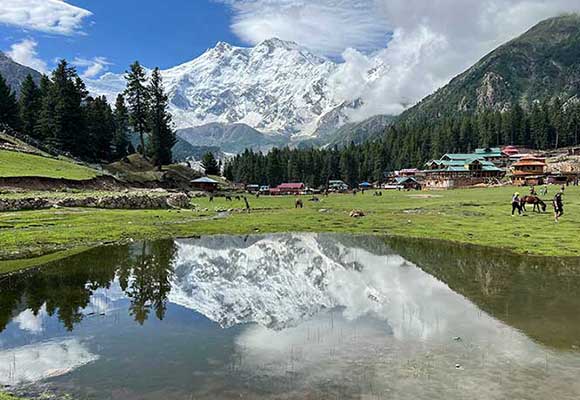
Fairy Meadows Trek
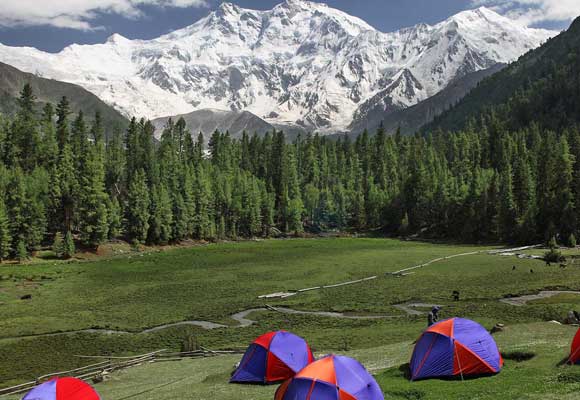
The Fairy Meadows Trek is a popular choice for travelers who want dramatic mountain views and alpine landscapes.
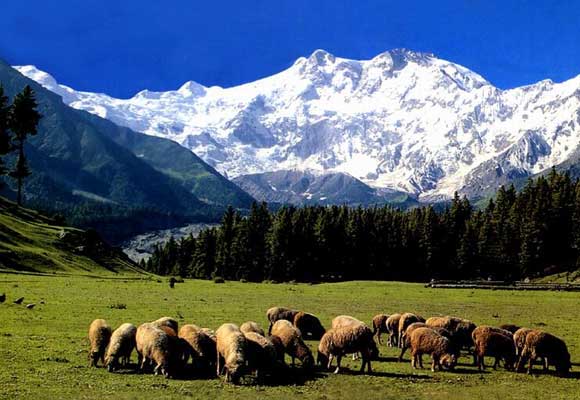
Fairy Meadows is particularly known for its views toward Nanga Parbat.
Travelers can compare the Fairy Meadows Trek Tour, Fairy Meadows Trek Tour Company, Fairy Meadows Trek Cost, Fairy Meadows Trek Price, and Fairy Meadows Trek Package when planning their trip.
Cultural Experiences to Add to a Pakistan Adventure
K2 is only one part of Pakistan’s travel landscape. Depending on the itinerary, travelers can combine mountain adventures with cultural experiences.
Indus Valley Civilization Tour
The Indus valley civilization tour offers insight into Pakistan’s ancient archaeological heritage.
Travelers interested in history can use this type of experience to complement an adventure-focused itinerary.
Shandoor Polo Festival
The Shandoor Polo festival provides a unique opportunity to experience mountain culture and traditional polo in northern Pakistan.
Visitors can explore a Shandoor Polo festival tour and research a suitable Shandoor Polo festival tour Company.
Before booking, travelers should compare the Shandoor Polo festival Cost, Shandoor Polo festival Price, and Shandoor Polo festival tour Package.
Kalash Festival Tour
The kalash festival tour provides an opportunity to experience the cultural heritage and traditional celebrations of the Kalash communities in Chitral.
Combining cultural tourism with mountain travel can make a Pakistan itinerary more diverse and memorable.
Safety Considerations for K2
K2 presents serious hazards, and no expedition can remove all mountain risks.
Potential dangers include:
- Altitude illness
- Avalanche exposure
- Rockfall
- Icefall
- Crevasses
- Extreme cold
- High winds
- Exhaustion
- Falls
- Rapid weather changes
Climbers should always follow professional expedition leadership and respect decisions regarding weather and route safety.
The most important rule is simple: the summit is optional, but a safe return is essential.
Climb K2 2026 | K2 Expedition Cost, Route & Climbing Guide represents one of the most demanding mountaineering opportunities available in Pakistan. K2’s extreme altitude, technical terrain, remote location, severe weather, and complex logistics mean that preparation must begin long before the expedition reaches the Karakoram.
Successful planning involves understanding the K2 expedition cost, selecting experienced expedition support, preparing physically and technically, carrying appropriate equipment, allowing sufficient time for acclimatization, and remaining flexible because mountain conditions can change rapidly.
For travelers who want the K2 experience without attempting the summit, the K2 Base Camp Trek and K2 and Gondogoro La Trek Pakistan 2026 offer compelling alternatives. Other adventures such as the Snow Lake trek, Rakaposhi base camp Hunza valley trek, and Fairy Meadows Trek provide additional ways to explore Pakistan’s spectacular mountain landscapes.
Travelers can also broaden their journey through the Indus valley civilization tour, Shandoor Polo festival, and kalash festival tour.
Above all, K2 should be approached with respect. Technical preparation, professional guidance, proper acclimatization, sound judgment, and safety-first decision-making are the foundations of a responsible Climb K2 2026 expedition.
K2 Base Camp and Gondogoro La Trek
K2 Base Camp Trek
K2 Base Camp Trek Concordia
Mashabrum & Gondogoro BC Trek
K6/K7 BC Trek
Thalle La Trek Pakistan
Spantik Base Camp & Haramosh La Trek
Rakaposhi Base Camp Trek
Batura Glacier Trek
Patundas Trek
Shimshal Valley Trek
Tirich Mir Base Camp Trek
Wakhan Corridor Trek
Naltar Ishkoman Pass Trek
Darkot and Broghil Passes Trek
Around Nanga Parbat Mazeno Pass Trek
5X8000m Base Camp Trek
Great Karakorum Traverse Trek
K2 Expedition (8611m)
Nanga Parbat Expedition (8126m)
Broad Peak Expedition (8047m)
Gasherbrum 1 Expedition (8068m)
Gasherbrum II Expedition (8035m)
Gasherbrum III Expedition (7952m)
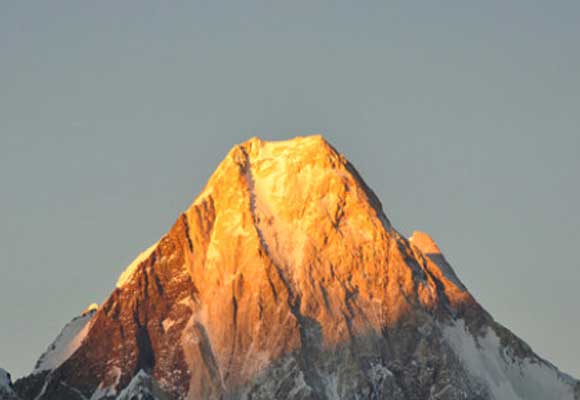
Gasherbrum IV Expedition (7925m)
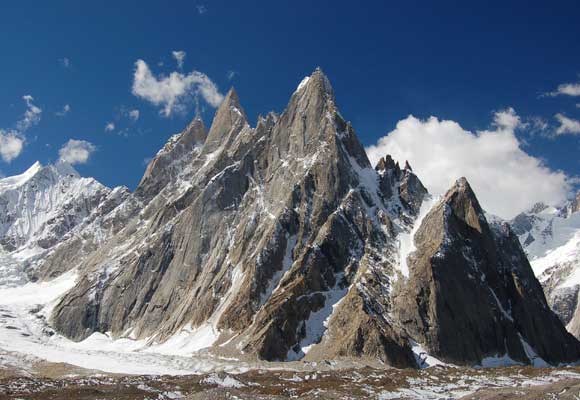
Masherbrum Expedition (7821m)
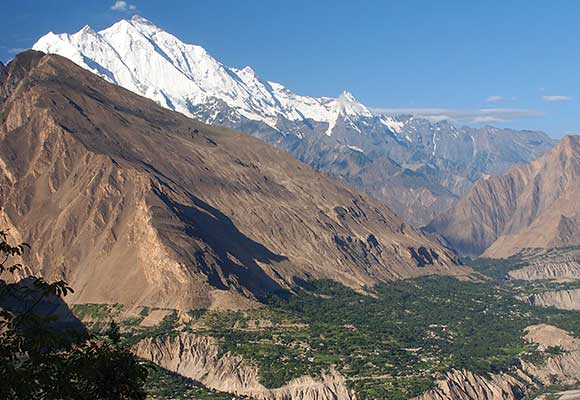
Rakaposhi Expedition (7788m)
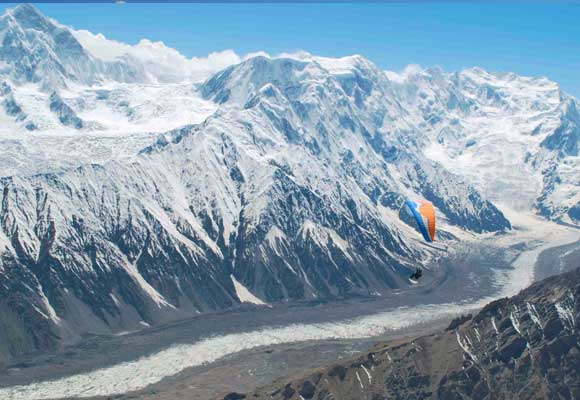
Batura Sar Expedition (7785 m)
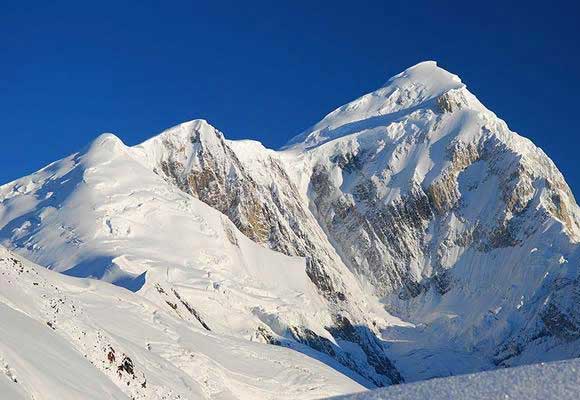
Tirich Mir Expedition (7708m)
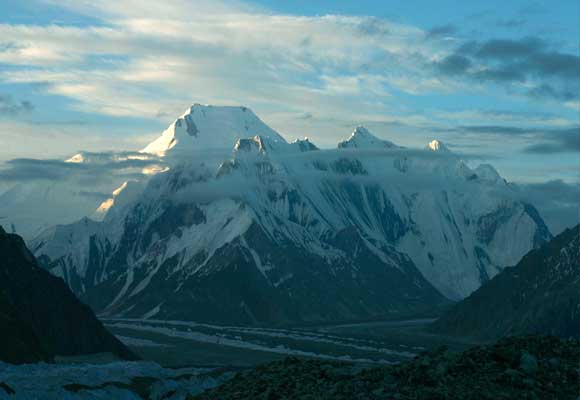
Chogolisa Expedition (7665 m)
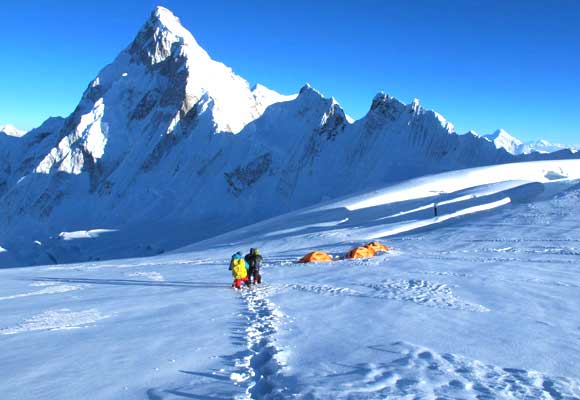
Passu Peak Expedition (7478m)
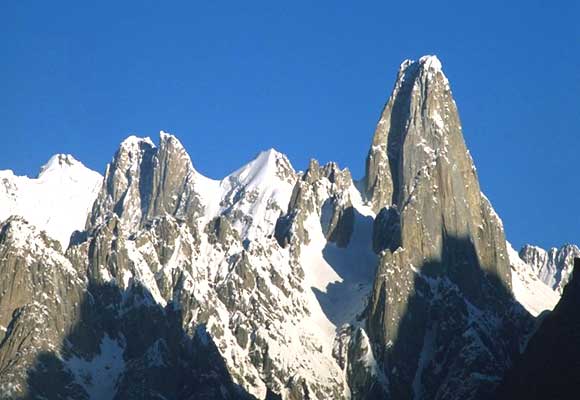
Muztagh Tower Expedition (7273m)
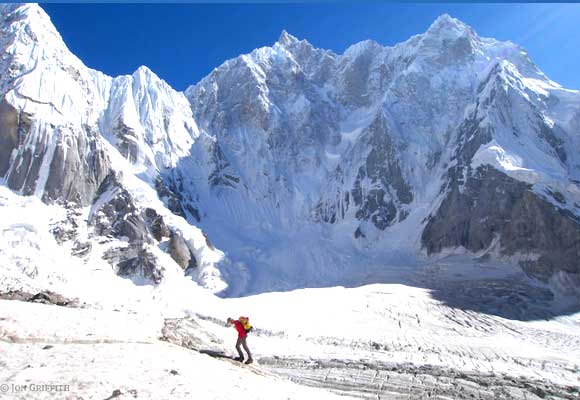
K6 Peak Expedition (6935m)
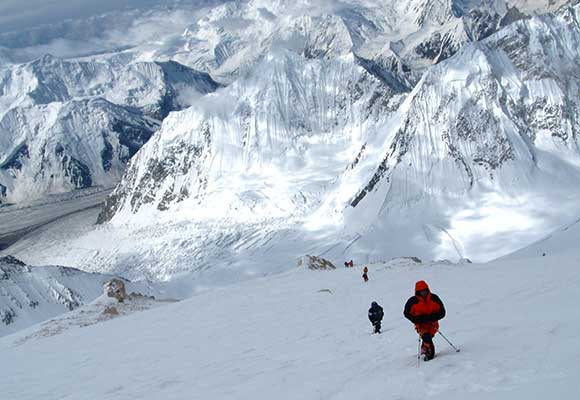
Diran Peak Expedition (7272m)
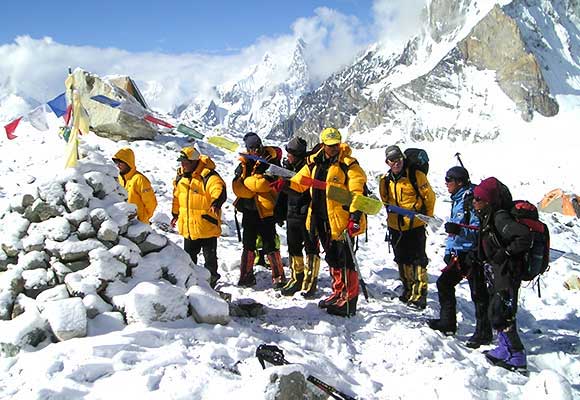
Latok 1 Expedition (7145 m)
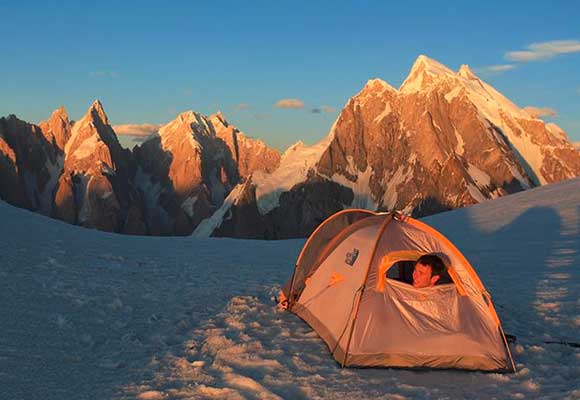
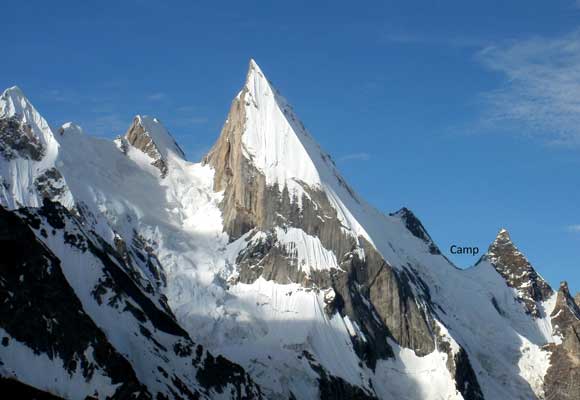
Laila Peak Expedition (6095m)
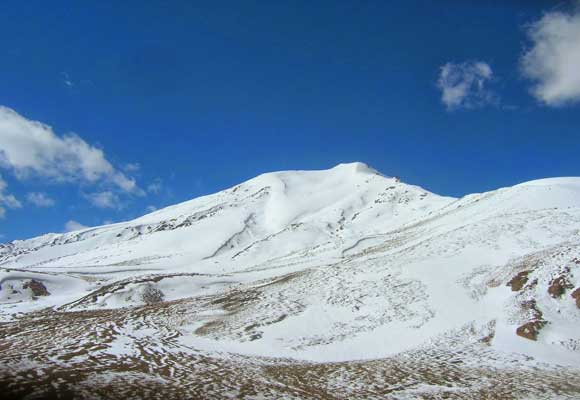
Minglik Sar Peak Expedition (6050m)
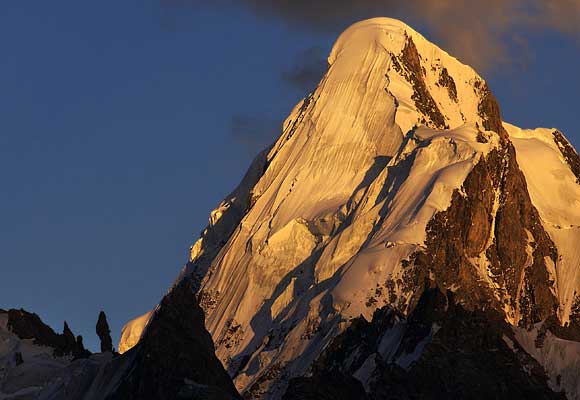
Rush Peak Expedition (5,098m)