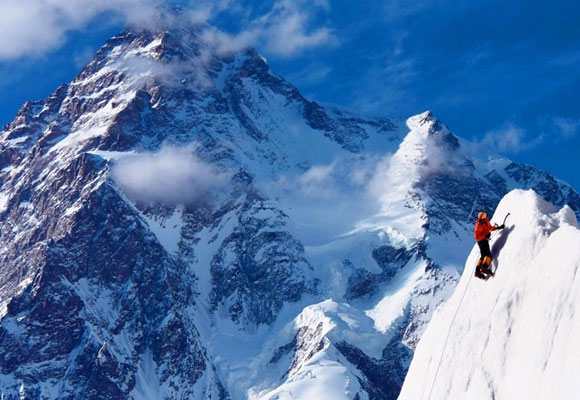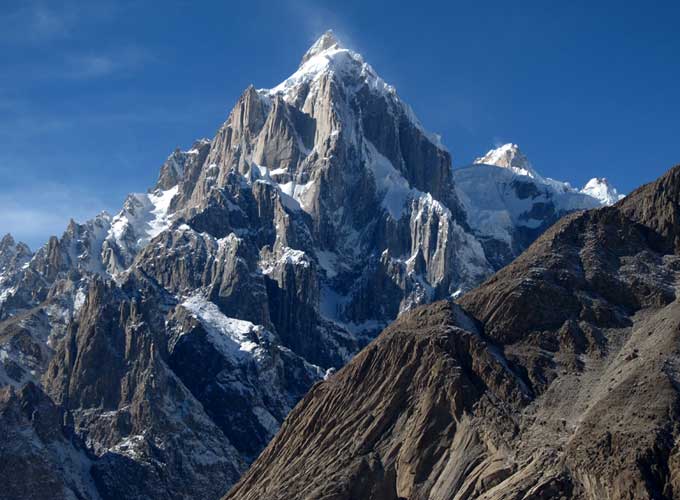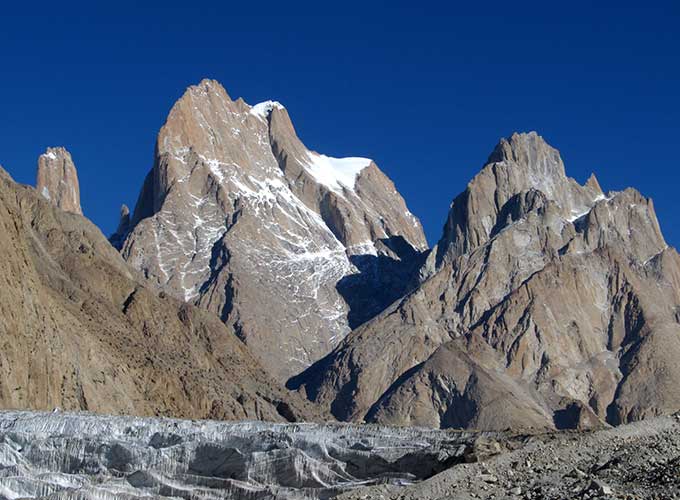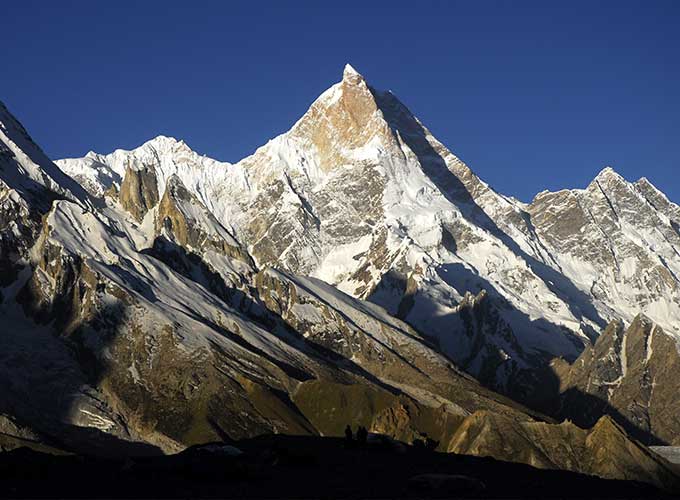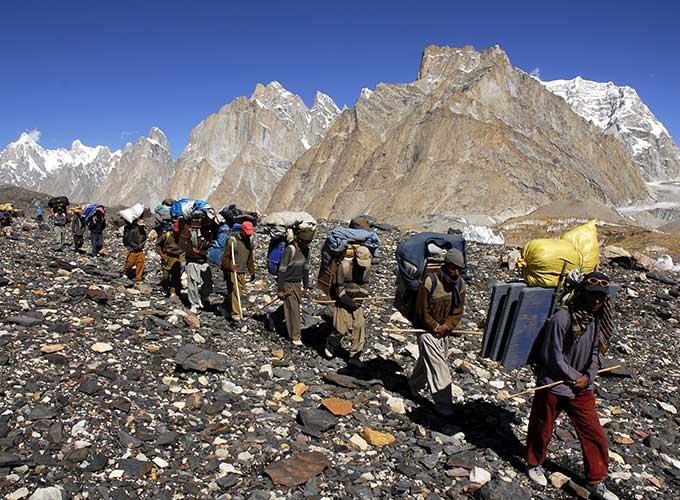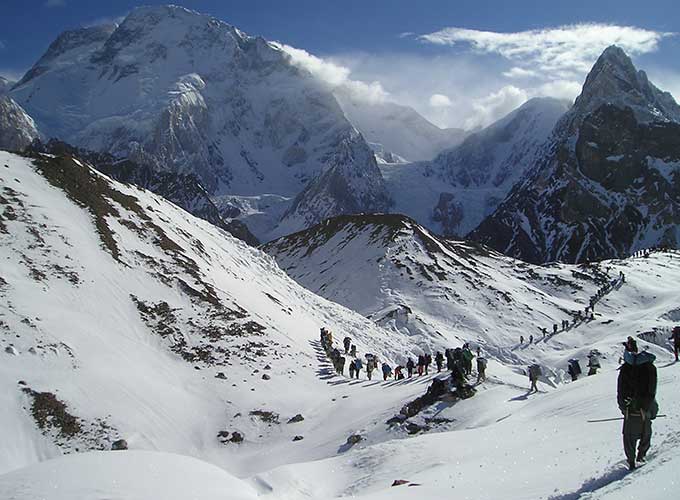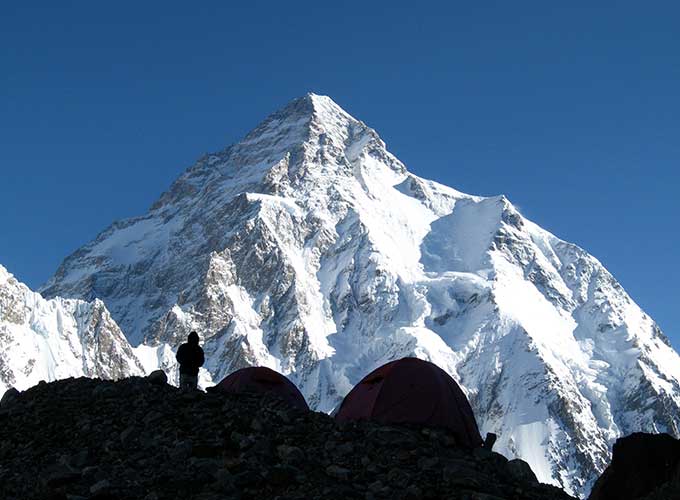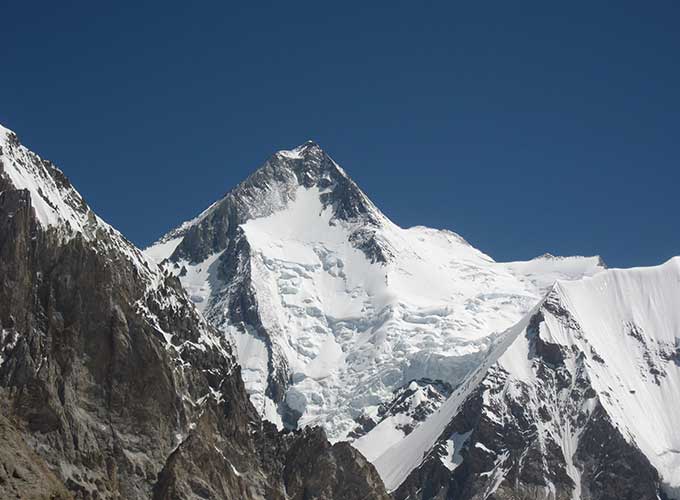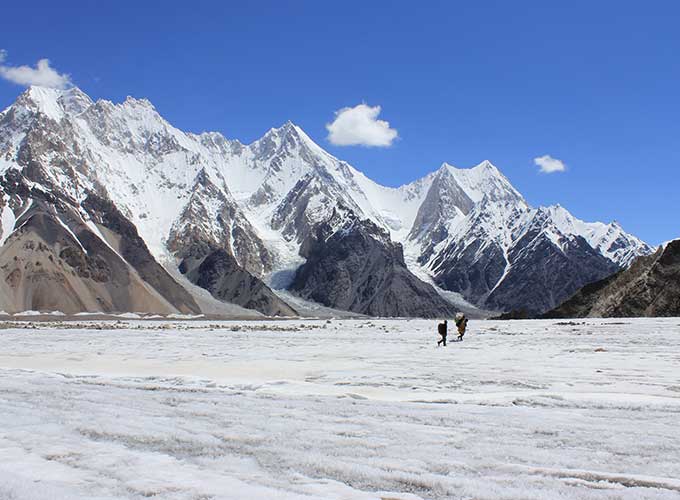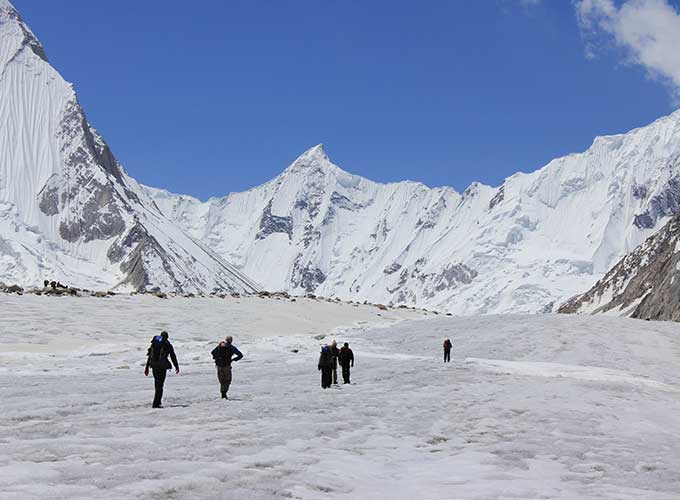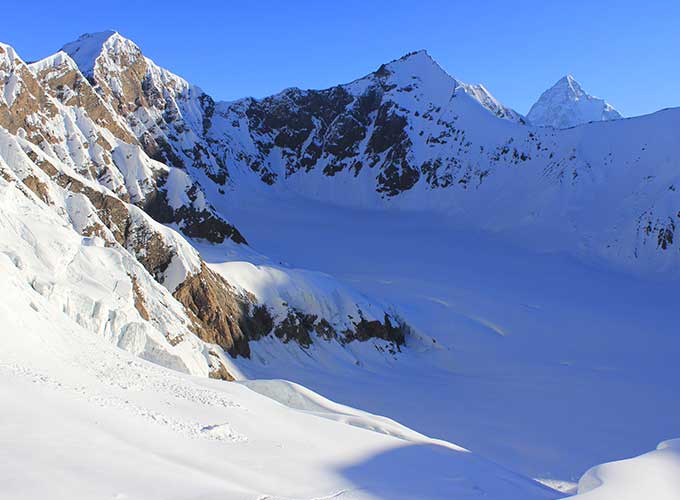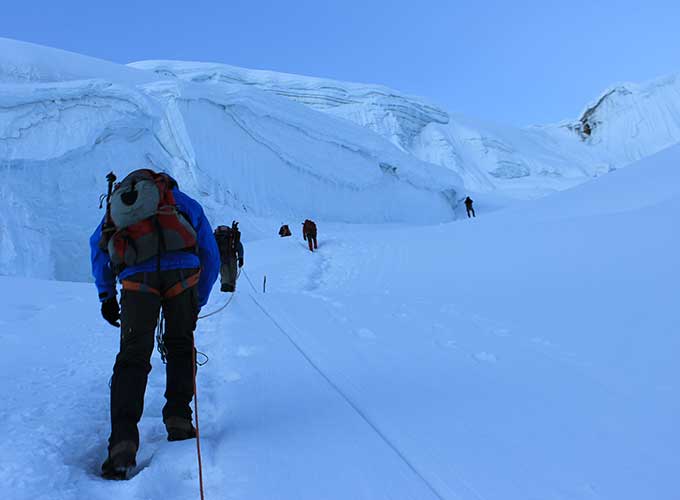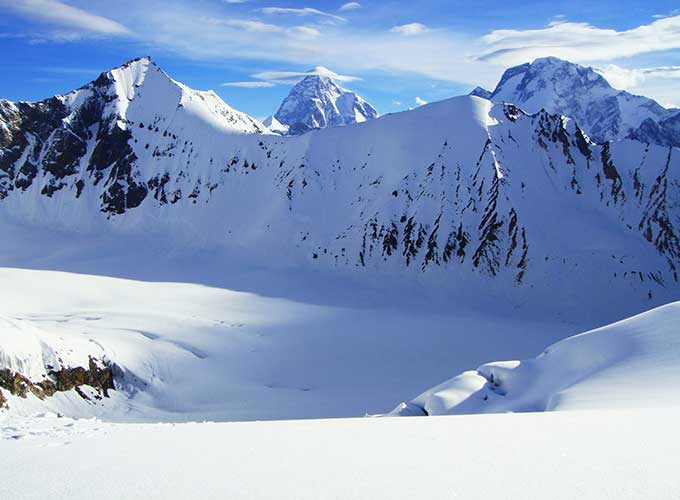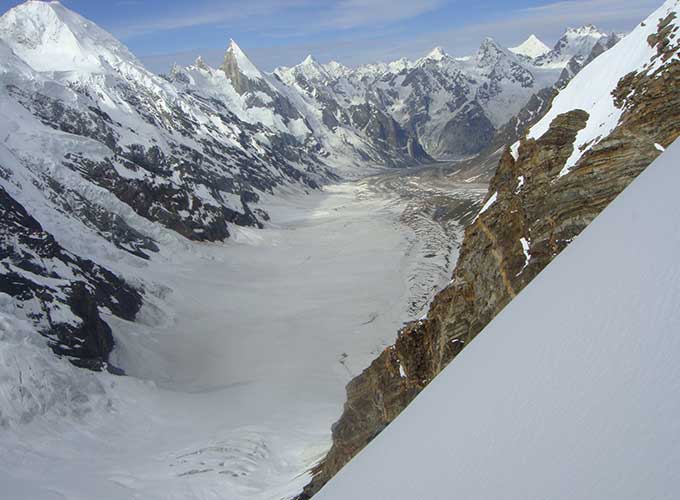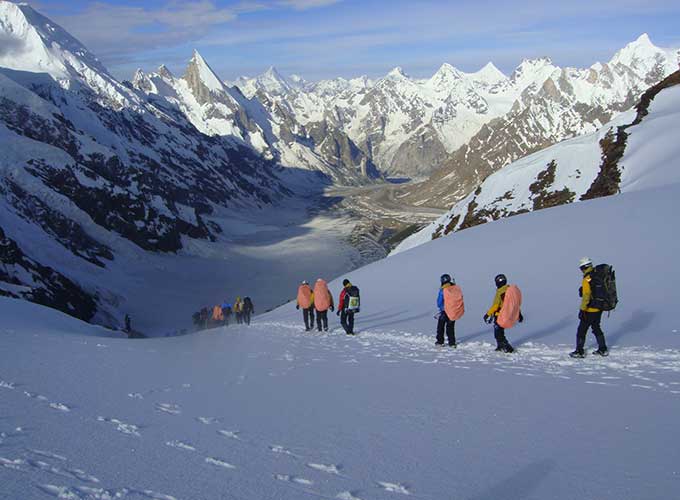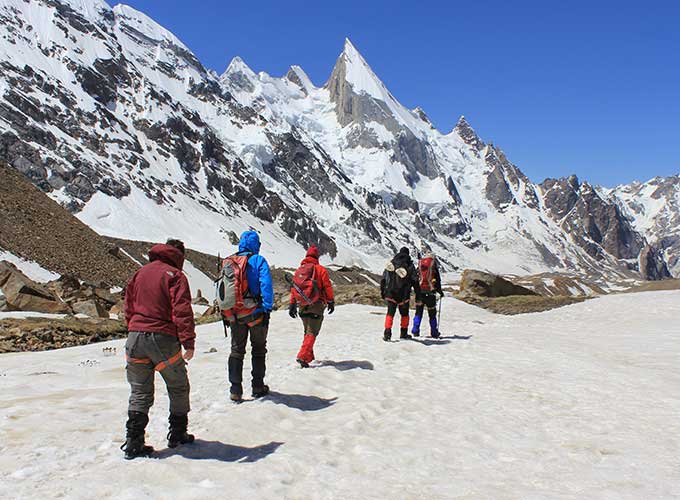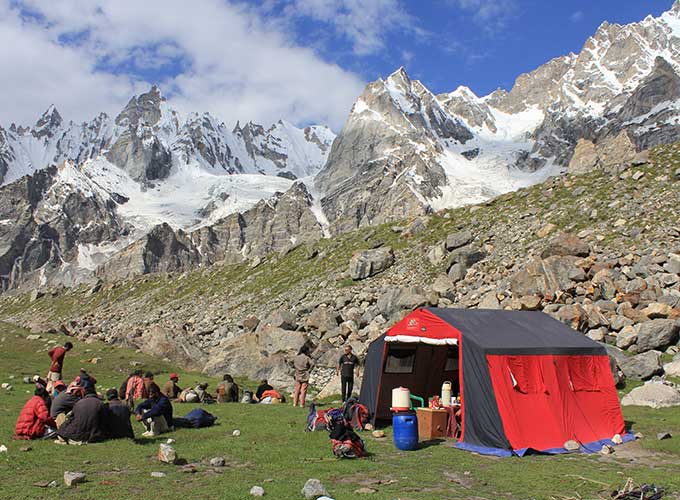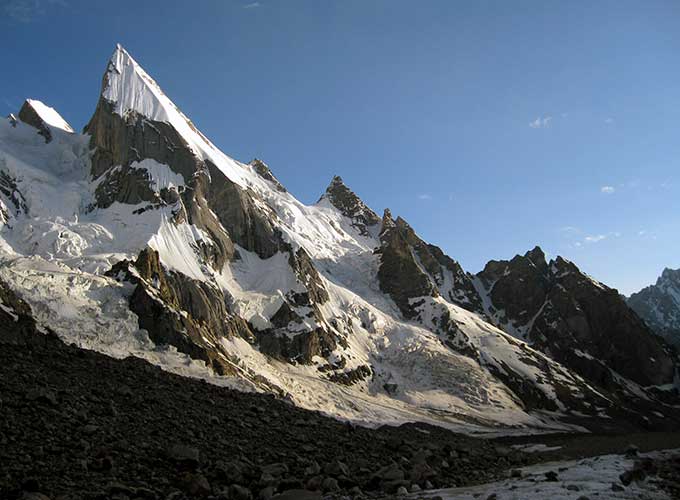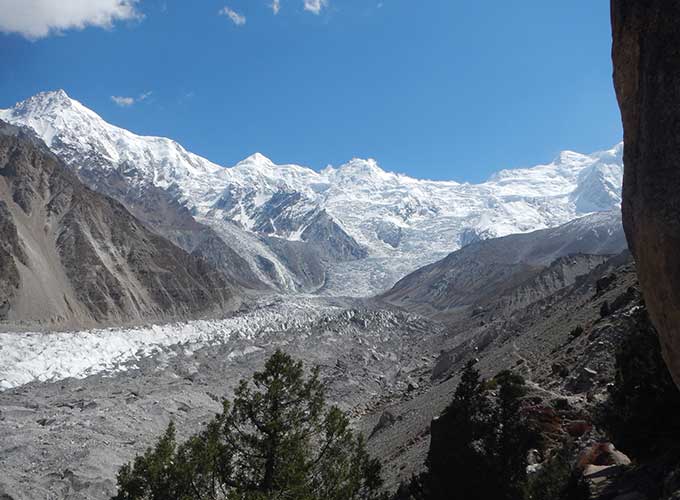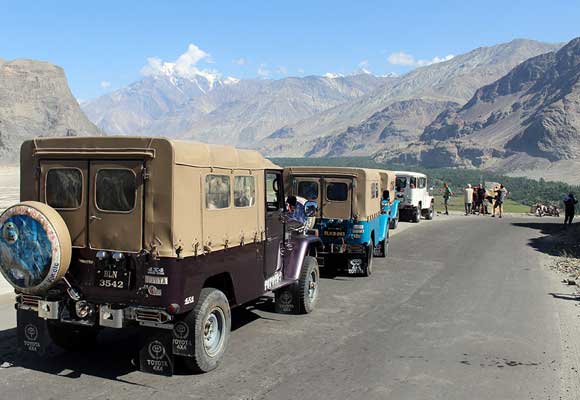
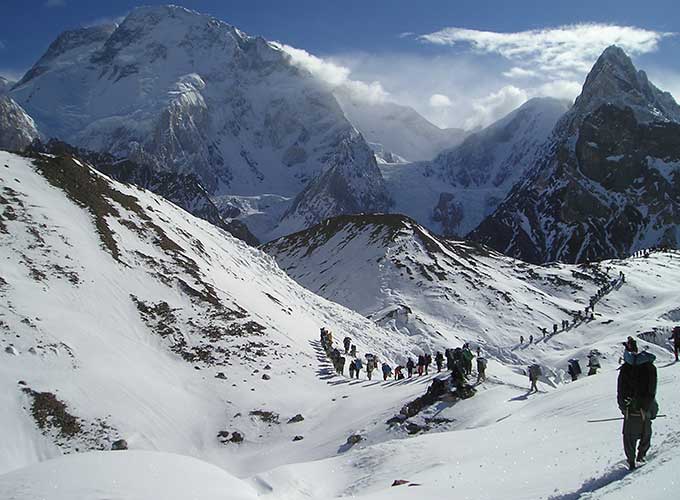
The Gasherbrum II Expedition Guide 2026 | Everything You Need to Know is designed for climbers, trekkers, and adventure enthusiasts planning to explore one of the most achievable 8,000-meter peaks in Pakistan’s Karakoram Range. Gasherbrum II (8,035m) is the 13th highest mountain in the world and is widely considered the “entry-level” 8,000er for experienced mountaineers due to its relatively stable climbing routes compared to other giants.
As a Adventure Pakistan market analyst tracking Adventure Tourism demand and international expedition pricing trends, Gasherbrum II remains one of the most popular high-altitude climbing objectives in Pakistan for 2026. Its accessibility via the Baltoro Glacier route, combined with strong expedition infrastructure, makes it a preferred choice for climbers transitioning from advanced trekking to technical mountaineering.
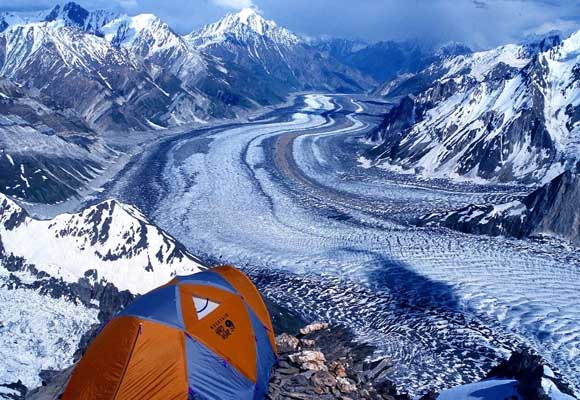
The journey to Gasherbrum II Base Camp passes through some of the world’s most dramatic landscapes, including Concordia, Baltoro Glacier, and the surrounding Karakoram peaks. While the expedition is challenging, it is less technical than Gasherbrum I or K2, making it a strategic goal for serious climbers.
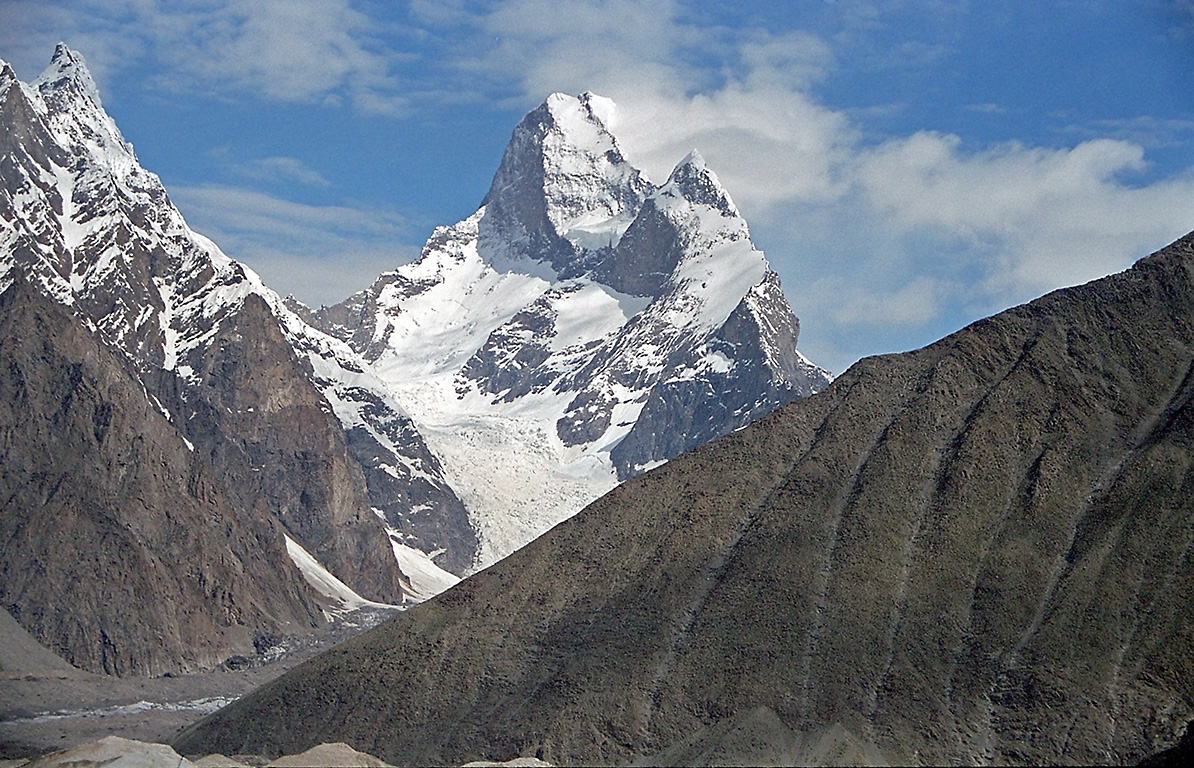
Overview: Gasherbrum II Expedition
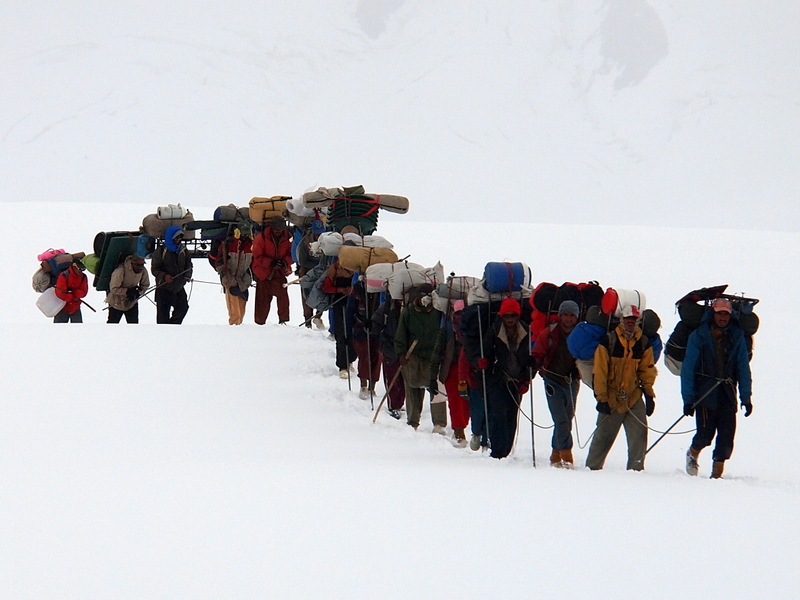
The Gasherbrum II Expedition is one of the most popular high-altitude mountaineering adventures in Pakistan’s Karakoram Range, standing at 8,035 meters. Known as one of the more accessible 8000-meter peaks, Gasherbrum II attracts experienced climbers aiming to step into extreme Himalayan climbing. The expedition route passes through Skardu, Askole, Baltoro Glacier, and Concordia before reaching base camp. Climbers face challenging ice walls, altitude risks, and unpredictable weather conditions. As a Adventure Pakistan market analyst tracking regional expedition trends, Gasherbrum II remains a top choice in 2026 for mountaineers seeking a balance of technical challenge and achievable summit success in Pakistan.
Gasherbrum II Expedition Cost Factors (2026)
As an Adventure Pakistan market analyst tracking expedition pricing trends, the cost varies depending on services and safety level.
Gasherbrum II Expedition – Basecamp Services
Start |
End |
Status |
Price |
Deposit |
Registration |
|---|---|---|---|---|---|
18 Jun |
02 Aug |
Guaranteed |
US$9,000 |
US$1000 |
Gasherbrum II Expedition – Full Board Services
Start |
End |
Status |
Price |
Deposit |
Registration |
|---|---|---|---|---|---|
18 Jun |
02 Aug |
Guaranteed |
US$20,000 |
US$5,000 |
Main cost components:
- Government climbing permits
- Liaison officer fees
- Domestic transport (Islamabad–Skardu–Askole)
- Expedition guides and Sherpas
- Base camp logistics
- Oxygen supply (optional)
- Food and medical backup
Gasherbrum II Expedition Itinerary (46 Days)
This Gasherbrum II Expedition itinerary (46 days) is designed for climbers who want a realistic, professionally structured plan covering logistics, acclimatization, climbing rotations, summit strategy, and safe return in Pakistan’s Karakoram Range.
Days 1–10: Arrival in Pakistan, Preparation & Trek Approach Start
Day 1: Arrival in Islamabad
Arrival at Islamabad International Airport. Meet the expedition team, transfer to a hotel, and rest after international travel. Initial briefing covers weather, permits, and gear checklist.
Day 2: Expedition Briefing & Gear Check
Full equipment inspection. Climbing gear is reviewed (boots, crampons, harness, ropes, oxygen systems). Permit verification and safety protocols are finalized.
Day 3: Fly/Drive to Skardu
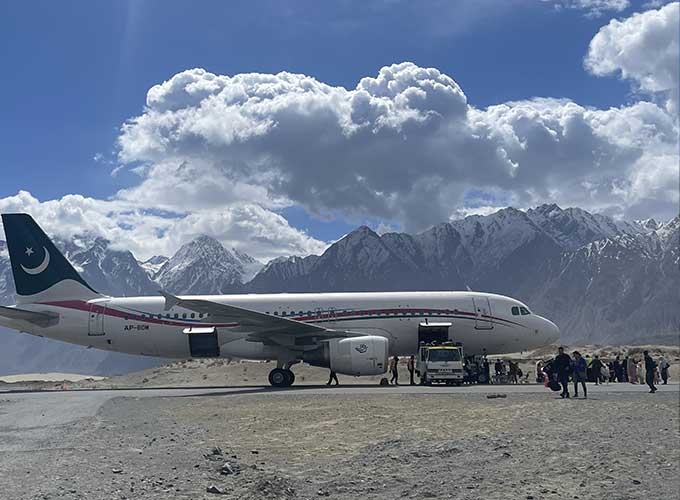
Domestic flight (weather dependent) or road travel to Skardu. Skardu is the main gateway to the Karakoram expeditions.
Day 4: Acclimatization in Skardu
Rest day for altitude adjustment. Optional visit to Skardu bazaar and nearby landscapes.
Day 5: Jeep to Askole (Trek Start Point)
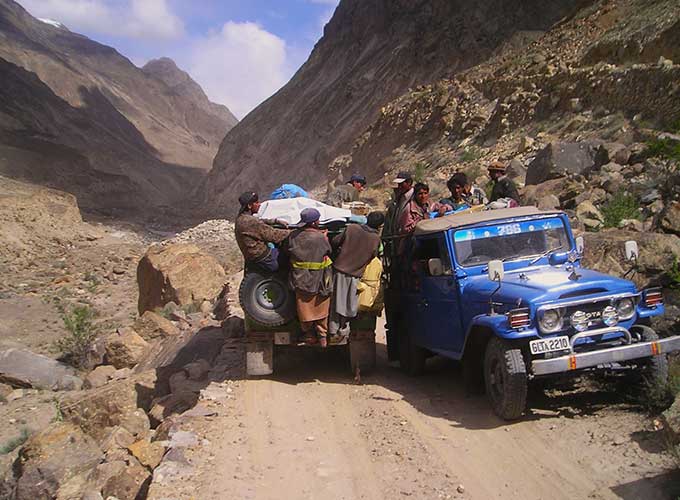
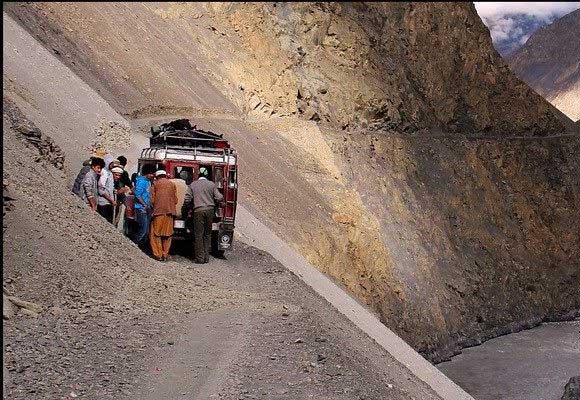
Rough jeep ride from Skardu to Askole village. Overnight camping at the last inhabited point.
Day 6: Askole → Korofong
First trekking day along Braldu River valley. Moderate walk, introduction to rugged terrain.
Day 7: Korofong → Bardumal
Gradual ascent. Glimpses of granite cliffs and glacier-fed rivers.
Day 8: Bardumal → Paiju
Reach Paiju camp near Baltoro Glacier. First clear views of towering peaks.
Day 9: Rest Day at Paiju
Acclimatization, laundry, and glacier preparation training.
Day 10: Paiju → Khoburtse
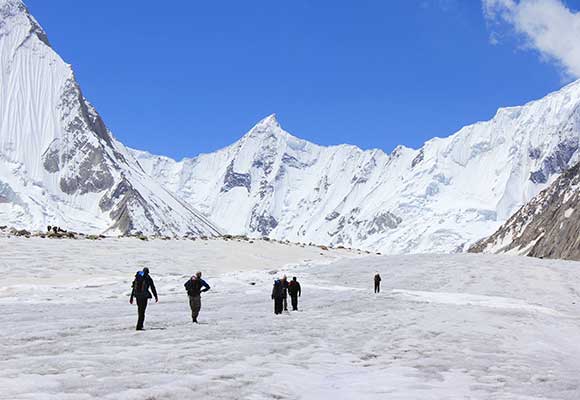
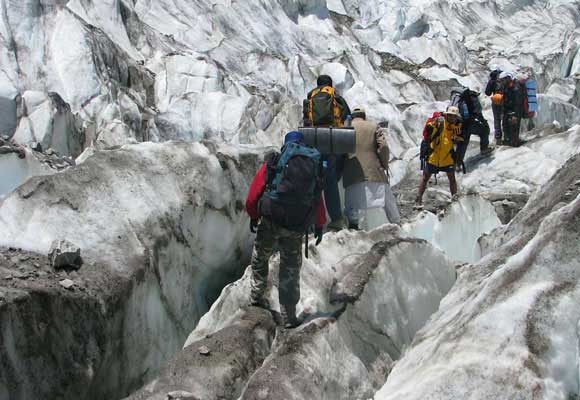
Enter the Baltoro Glacier zone. First real glacier walking experience begins.
Days 11–20: Baltoro Glacier Traverse & Base Camp Arrival
Day 11: Khoburtse → Urdukas
Steeper terrain with dramatic mountain views including Trango Towers.
Day 12: Urdukas → Goro II
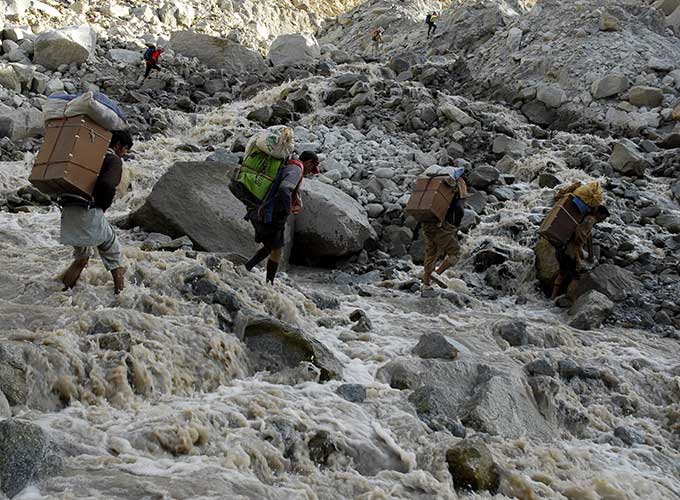
Full glacier crossing day. Cold temperatures and altitude gain.
Day 13: Goro II → Concordia
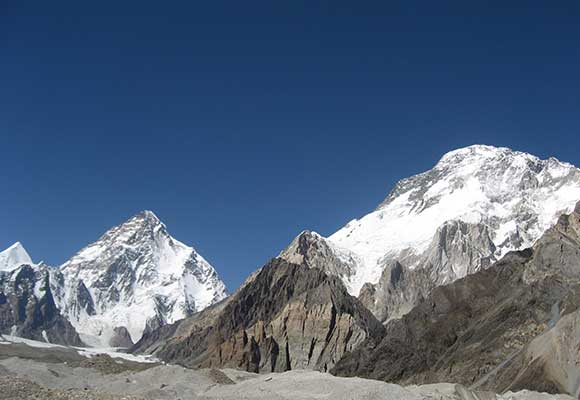
Arrival at Concordia, known as “Throne Room of the Mountain Gods.” Views of K2, Broad Peak, Gasherbrum peaks.
Day 14: Rest at Concordia
Critical acclimatization and oxygen adaptation.
Day 15: Concordia → Gasherbrum Base Camp Route Start
Short trek toward Gasherbrum valley system.
Day 16: Arrival at Gasherbrum Base Camp
Establishment of an expedition base camp at approximately 5,000m altitude.
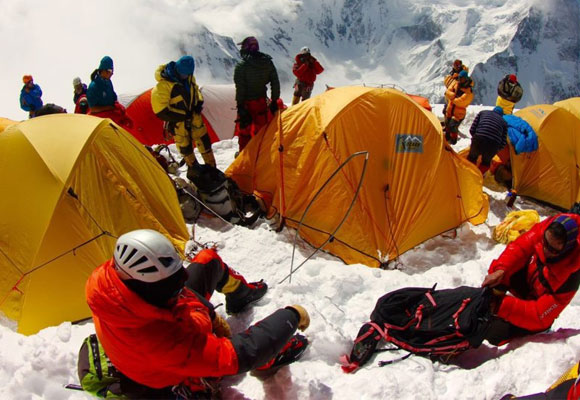
Day 17: Base Camp Setup
Tents, kitchen, communication systems, and medical stations were established.
Day 18: Logistics Organization
Food supplies, climbing ropes, oxygen systems, and load distribution.
Day 19: Acclimatization Hikes
Short climbs around base camp to adapt to altitude.
Day 20: Technical Training Day
Ice climbing, rope fixing, ladder crossing, and avalanche awareness training.
Days 21–30: Acclimatization Rotations Begin
Day 21: Rest & Weather Monitoring
Weather reports and summit strategy planning.
Day 22: Load Ferry to Camp 1
Carry equipment to higher camp and return to base camp.
Day 23: Recovery Day
Rest and hydration at base camp.
Day 24: Preparation for Rotation Cycle
Final checks of climbing gear.
Day 25: Base Camp Strategy Meeting
Summit window planning and oxygen usage discussion.
Day 26: Base Camp → Camp 1
First full ascent to Camp 1 for acclimatization.
Day 27: Camp 1 → Camp 2
Technical climbing through ice and snow slopes.
Day 28: Camp 2 → Base Camp Descent
Return for the recovery phase.
Day 29: Rest Day
Muscle recovery and weather analysis.
Day 30: Second Rotation Begins
Repeat ascent cycle for stronger acclimatization.
Days 31–40: High-Altitude Climbing Rotations
Day 31: Base Camp → Camp 1
Re-entry into climbing rotation.
Day 32: Camp 1 → Camp 2
Steeper slopes and thinner oxygen levels.
Day 33: Camp 2 → Camp 3 Attempt
Higher altitude push depending on weather.
Day 34: Descent to Base Camp
Recovery and oxygen rebalancing.
Day 35: Rest Day
Full rest and medical check.
Day 36: Summit Strategy Finalization
Final weather window confirmation.
Day 37: Summit Push Begins
Leave Base Camp for final ascent.
Day 38: Camp 1 (Summit Push)
Climb through fixed rope sections.
Day 39: Camp 2
Severe altitude conditions begin.
Day 40: Camp 3 (High Camp)
Final camp before summit attempt.
Days 41–46: Summit Attempt, Descent & Return
Day 41: SUMMIT DAY
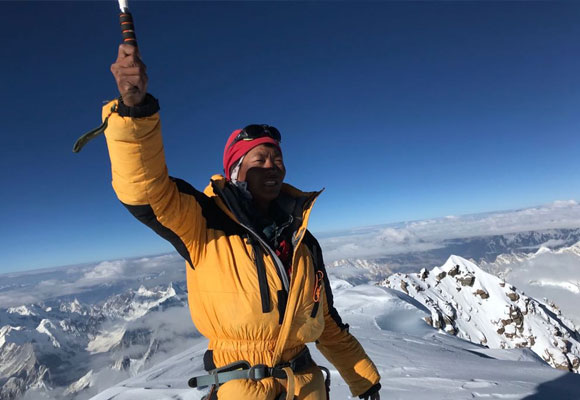
Final push to Gasherbrum II summit (8,035m), weather permitting. Return to high camp afterward.
Day 42: Descent to Lower Camps
Careful descent to reduce altitude risk.
Day 43: Return to Base Camp
The celebration and recovery phase begins.
Day 44: Reserve Weather Day
Buffer day for delayed descent or safety.
Day 45: Expedition Wrap-Up
Equipment packing, debriefing, and team closure.
Day 46: Departure from Base Camp
Trek back toward Skardu and the return journey begins.
FAQs
What will the Gasherbrum II expedition cost in 2026?
It ranges from USD 18,000 to 60,000 depending on services, logistics, and expedition type.
Is Gasherbrum II easier than K2?
Yes, it is less technical but still extremely high-altitude and dangerous.
How long does the expedition take?
Typically 40 to 60 days depending on weather and acclimatization.
Do I need prior climbing experience?
Yes, at least high-altitude mountaineering experience is required.
What is included in the package?
Permits, guides, porters, base camp support, food, and climbing logistics.
When is the best time to climb?
June to August is the safest and most stable climbing window.
Why Choose Gasherbrum II Expedition?
1. More Accessible 8000m Peak
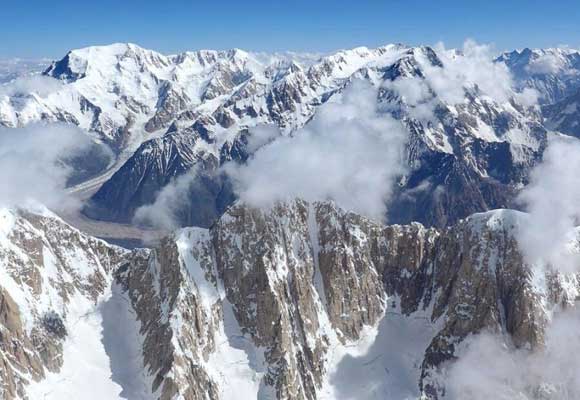
Gasherbrum II is considered one of the most accessible peaks above 8,000 meters. It offers a balance of challenge and safety compared to more technical summits.
2. Stunning Karakoram Landscape
Climbers experience unmatched views of:
- K2 massif
- Broad Peak
- Gasherbrum I
- Baltoro Glacier
3. Ideal for Skill Progression
Many climbers use Gasherbrum II as preparation for more technical peaks like K2.
4. Strong Expedition Support
Pakistan’s northern region offers:
- Experienced high-altitude guides
- Established base camp logistics
- Reliable porter networks
5. Adventure Gateway to Pakistan Himalayas
Before or after Gasherbrum II, travelers often explore iconic treks such as:
- K2 Base Camp Trek
- K2 and Gondogoro La Trek Pakistan 2026
- Snow Lake trek
- Rakaposhi base camp Hunza valley trek
- Fairy Meadows Trek
- Indus valley civilization tour
- Shandoor Polo festival
- kalash festival tour
These routes help climbers acclimatize and explore Pakistan’s cultural diversity before or after expeditions.
Expedition Route Overview
The Gasherbrum II expedition follows the classic Baltoro Glacier route:
Stage 1: Arrival in Pakistan
- Islamabad arrival
- Briefing and permit verification
- Flight or drive to Skardu
Stage 2: Approach Trek
- Skardu to Askole
- Trek through Baltoro Glacier
- Camps at Paiju, Urdukas, Goro II
Stage 3: Concordia to Base Camp
- Trek to Concordia (The throne room of mountains)
- Continue toward Gasherbrum Base Camp
Stage 4: Climbing Phase
- Camp 1 to Camp 2 rotations
- Ice wall and glacier navigation
- Summit push on stable weather window
Gasherbrum II Difficulty Level
Gasherbrum II is rated as:
- Moderate to difficult (for 8000m standards)
- Less technical than Gasherbrum I
- Suitable for experienced 7000m climbers transitioning upward
However, challenges include:
- Extreme altitude (oxygen deficiency)
- Unpredictable Karakoram weather
- Avalanche-prone zones
- Long expedition duration (40–60 days)
Best Time for Gasherbrum II Expedition
The ideal climbing season is:
- June to August
- Stable weather windows
- Lower snowfall risk
- Better glacier conditions
Outside this period, conditions become highly unpredictable.
Cultural and Adventure Extensions in Pakistan
Many climbers combine expeditions with cultural tourism for a complete experience.
K2 Region Treks
- K2 Base Camp Tour
- K2 Base Camp Tour Company
- K2 Base Camp Tour Cost
- K2 Base Camp Price
- K2 Base Camp Tour Package
These routes are ideal for acclimatization and scenic exploration.
Snow Lake Expedition
The Snow Lake trek is one of the most remote glacier crossings in the world.
Cultural Festivals of Northern Pakistan
- Shandoor Polo festival offers high-altitude sports and cultural immersion
- kalash festival tour showcases unique indigenous traditions
Fairy Meadows & Hunza Valleys
- Fairy Meadows Trek Tour
- Fairy Meadows Trek Company
- Fairy Meadows Trek Cost
- Fairy Meadows Trek Price
- Fairy Meadows Trek Package
Safety and Preparation
Preparation is critical for Gasherbrum II success:
- High-altitude training (6,000m+ experience recommended)
- Technical ice climbing skills
- Proper acclimatization strategy
- Expedition insurance coverage
- Weather monitoring systems
Climbers must be physically and mentally prepared for long exposure to extreme cold and altitude.
The Gasherbrum II Expedition Guide 2026 | Everything You Need to Know highlights why this peak remains one of Pakistan’s most attractive high-altitude climbing destinations. It offers a rare combination of accessibility, technical challenge, and breathtaking Karakoram scenery.
As a Adventure Pakistan market analyst tracking global mountaineering trends, Gasherbrum II continues to be a preferred 8000m objective for climbers preparing for more extreme peaks like K2 or Gasherbrum I.
Beyond climbing, Pakistan offers unmatched adventure diversity—from K2 Base Camp Trek to cultural experiences like Shandoor Polo festival and Kalash festival tour, making it one of the world’s most complete adventure tourism destinations.
Gasherbrum II is not just a mountain—it is a gateway into the heart of the Karakoram and a defining milestone in any serious climber’s journey.
K2 Base Camp and Gondogoro La Trek
K2 Base Camp Trek
K2 Base Camp Trek Concordia
Mashabrum & Gondogoro BC Trek
K6/K7 BC Trek
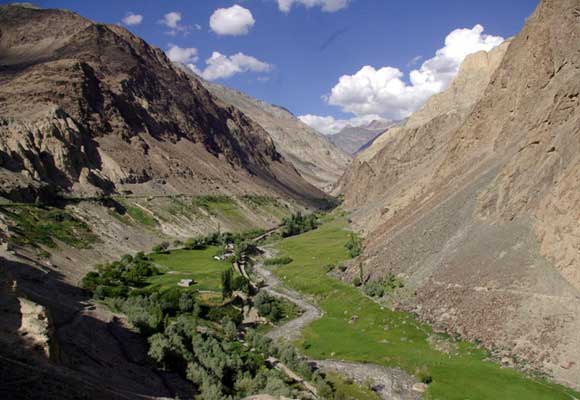
Thalle La Trek Pakistan
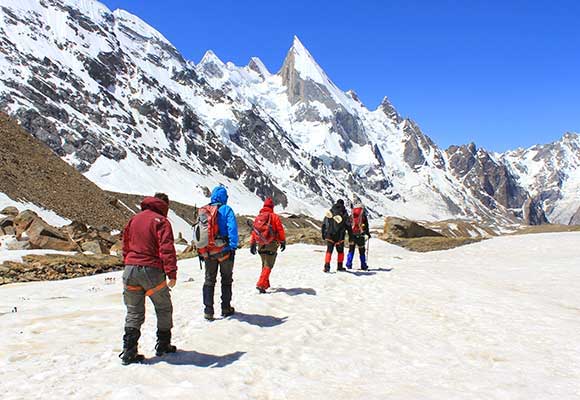
Spantik Base Camp & Haramosh La Trek
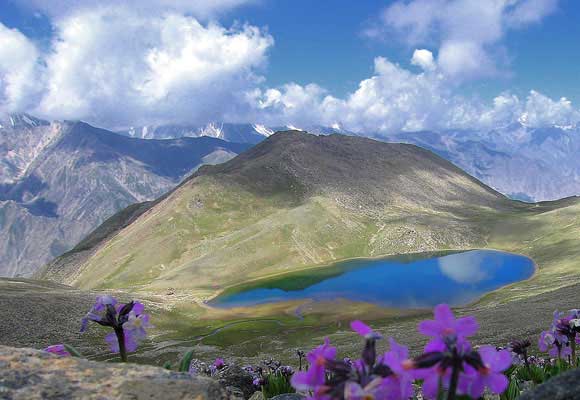
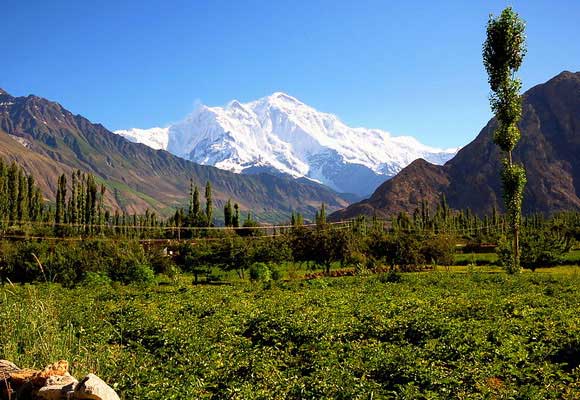
Rakaposhi Base Camp Trek
Batura Glacier Trek
Patundas Trek
Shimshal Valley Trek
Tirich Mir Base Camp Trek
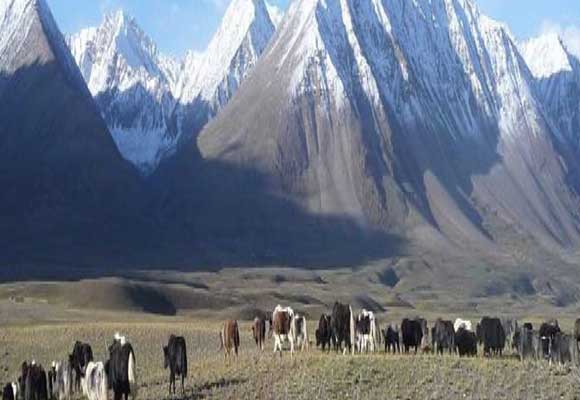
Wakhan Corridor Trek
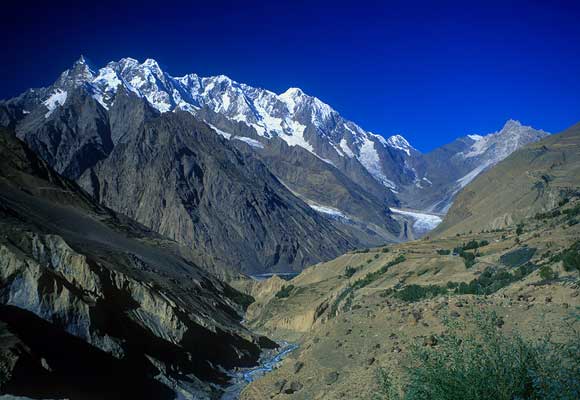
Naltar Ishkoman Pass Trek
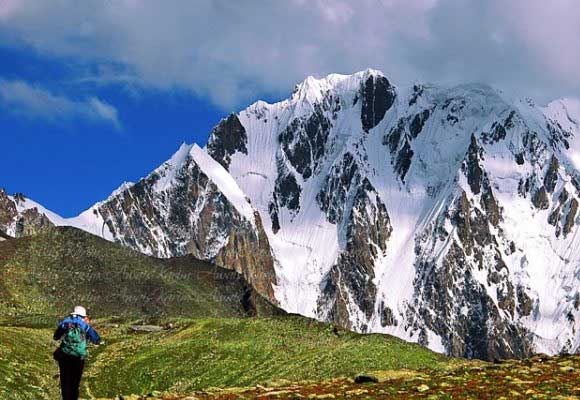
Darkot and Broghil Passes Trek
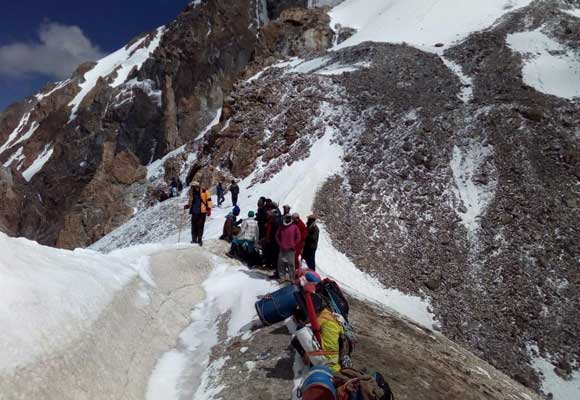
Around Nanga Parbat Mazeno Pass Trek
5X8000m Base Camp Trek
Great Karakorum Traverse Trek
K2 Expedition (8611m)
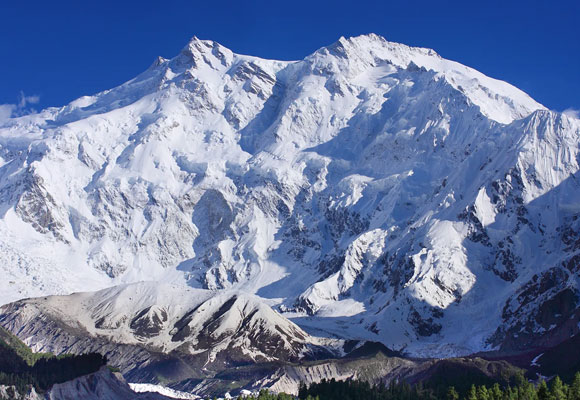
Nanga Parbat Expedition (8126m)
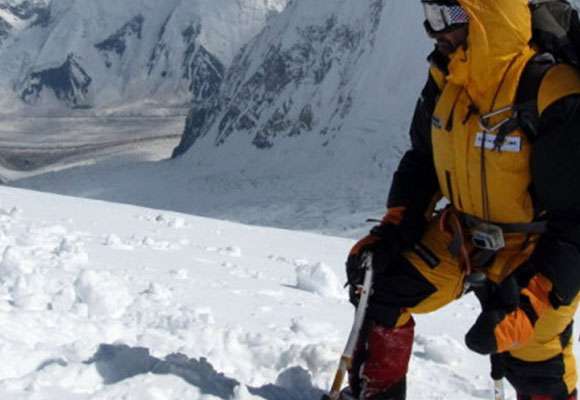
Broad Peak Expedition (8047m)
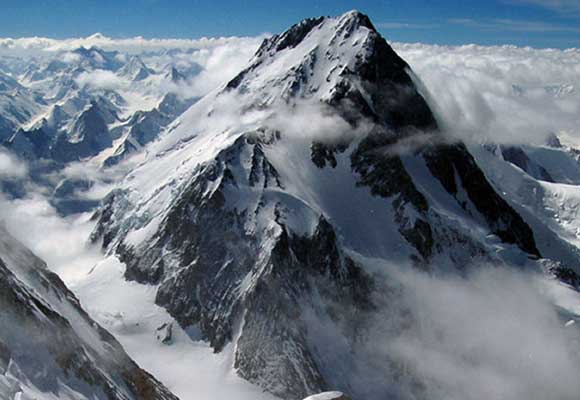
Gasherbrum 1 Expedition (8068m)
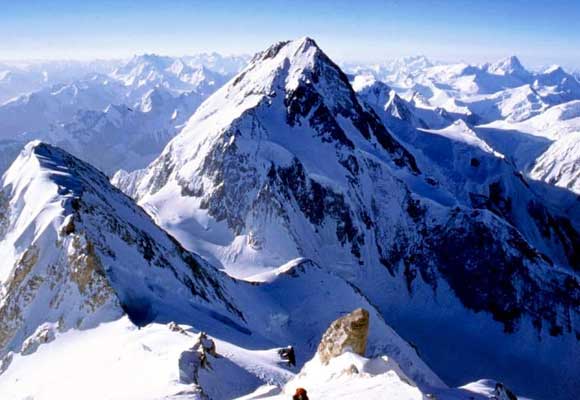
Gasherbrum II Expedition (8035m)
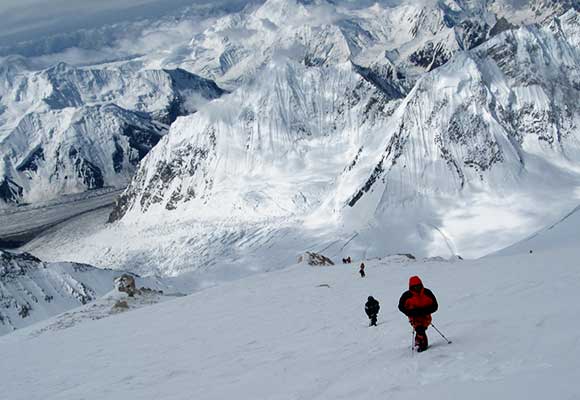
Gasherbrum III Expedition (7952m)
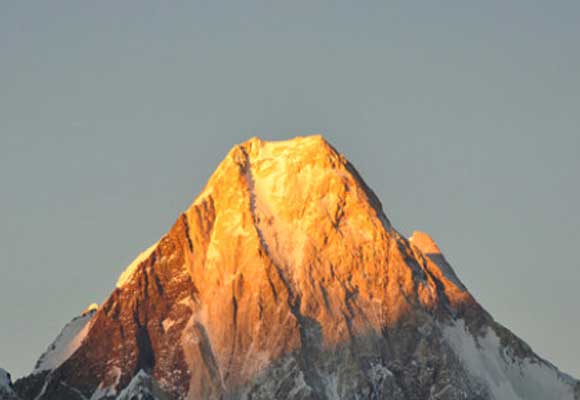
Gasherbrum IV Expedition (7925m)
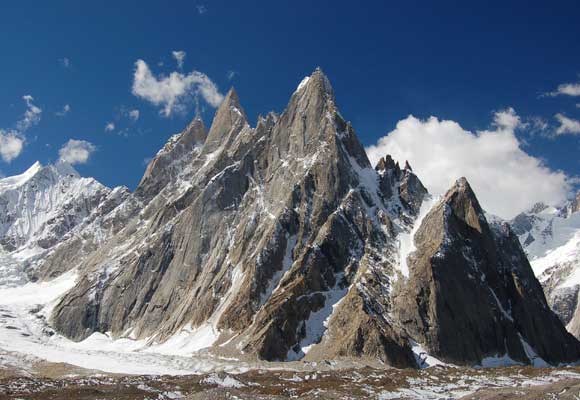
Masherbrum Expedition (7821m)
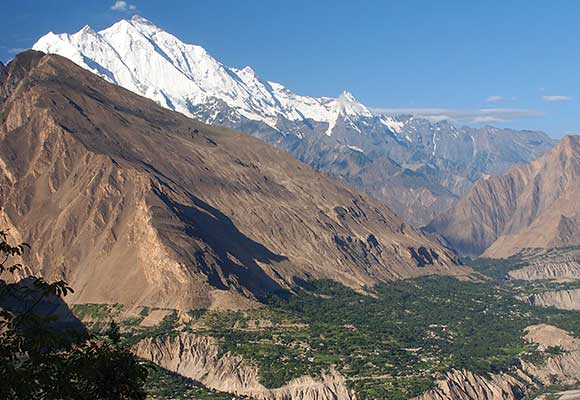
Rakaposhi Expedition (7788m)
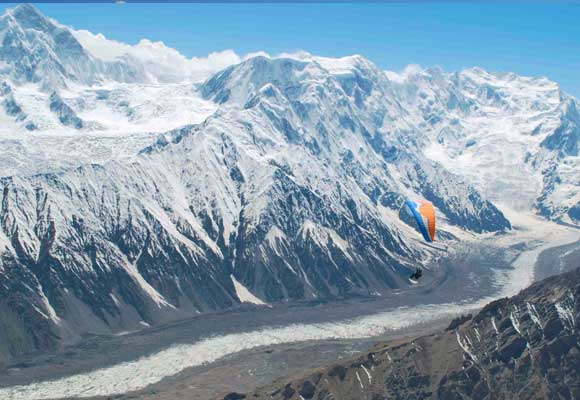
Batura Sar Expedition (7785 m)
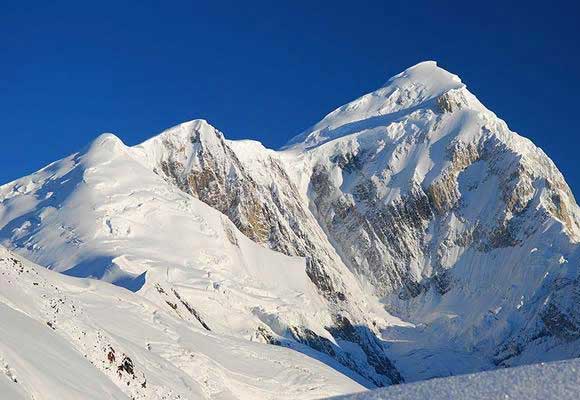
Tirich Mir Expedition (7708m)
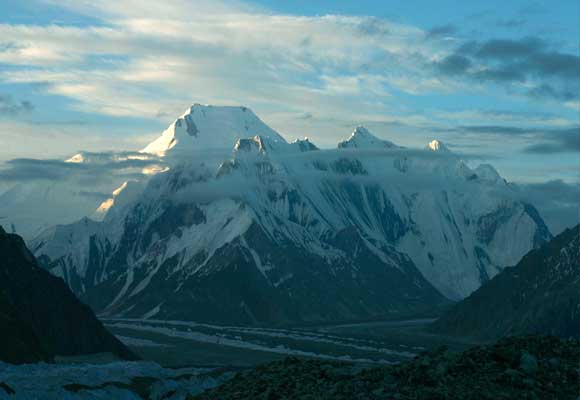
Chogolisa Expedition (7665 m)
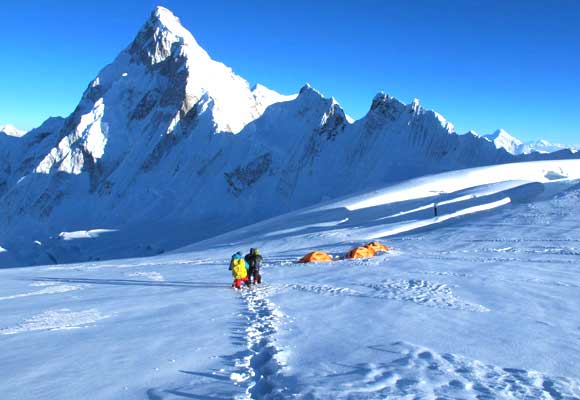
Passu Peak Expedition (7478m)
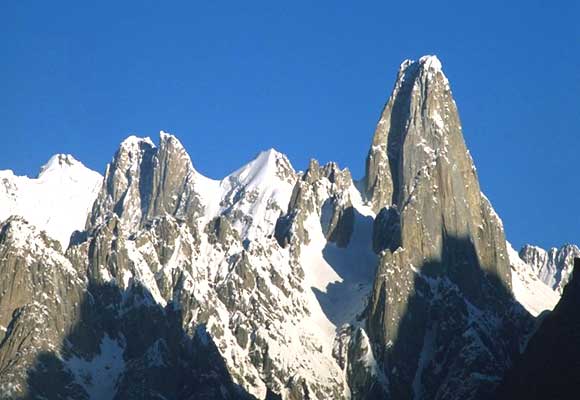
Muztagh Tower Expedition (7273m)
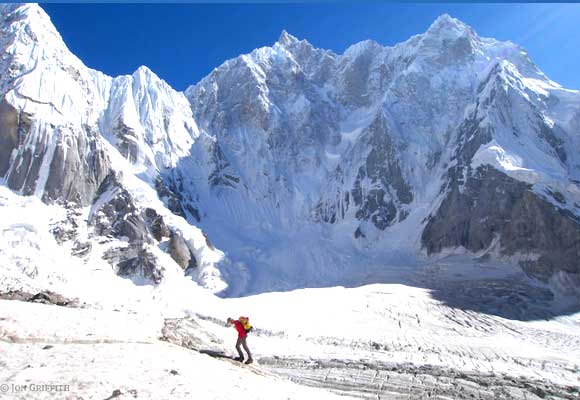
K6 Peak Expedition (6935m)
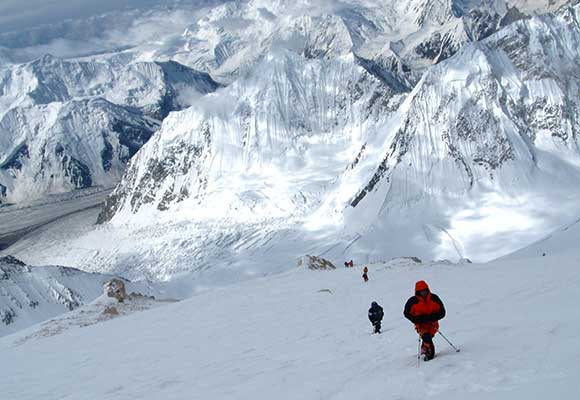
Diran Peak Expedition (7272m)
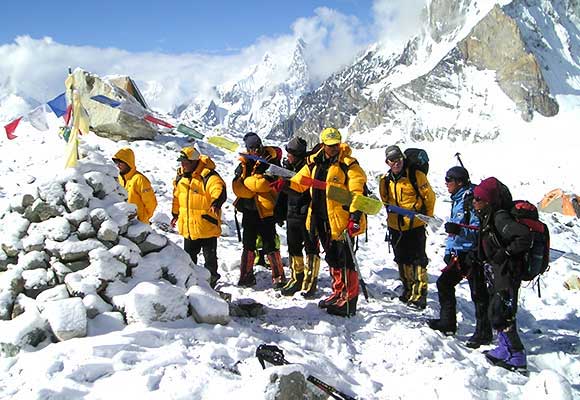
Latok 1 Expedition (7145 m)
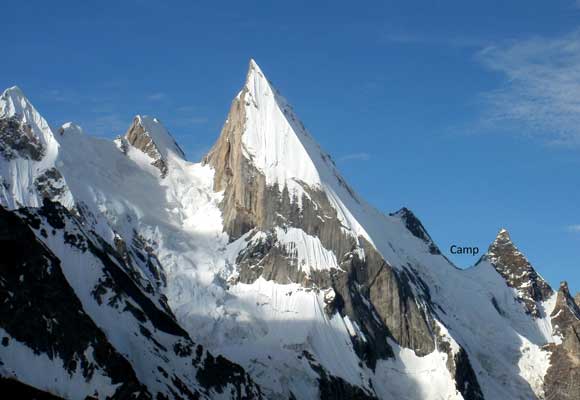
Laila Peak Expedition (6095m)
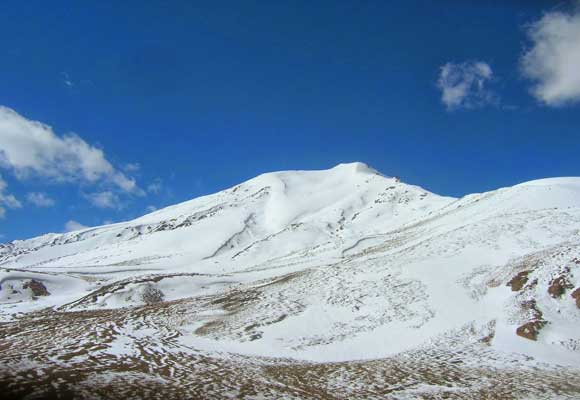
Minglik Sar Peak Expedition (6050m)
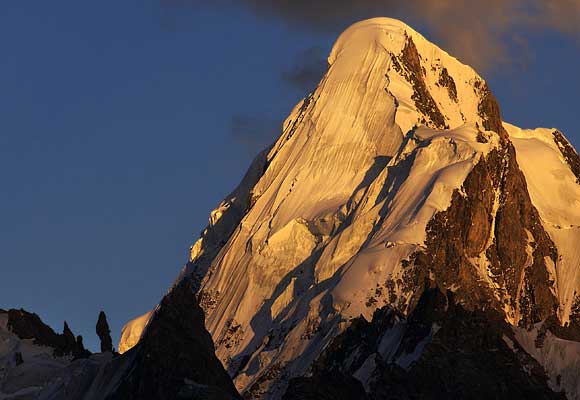
Rush Peak Expedition (5,098m)