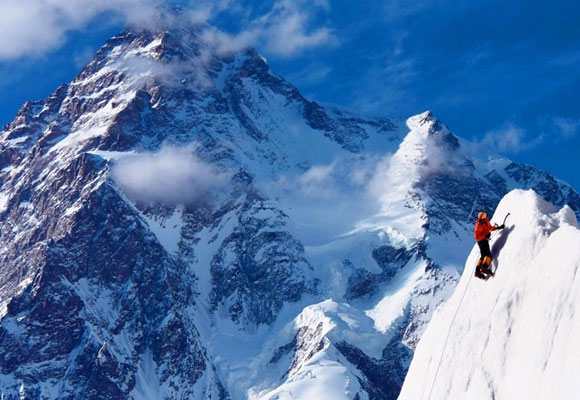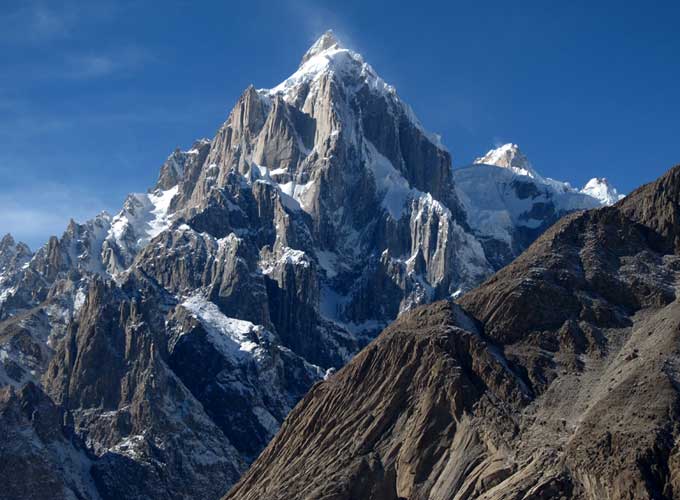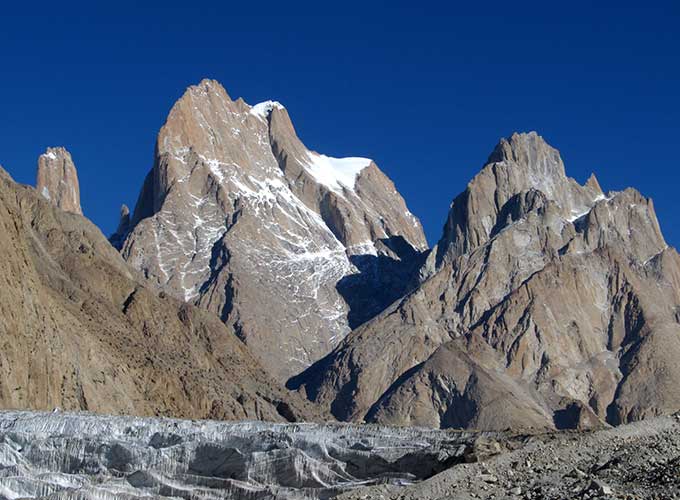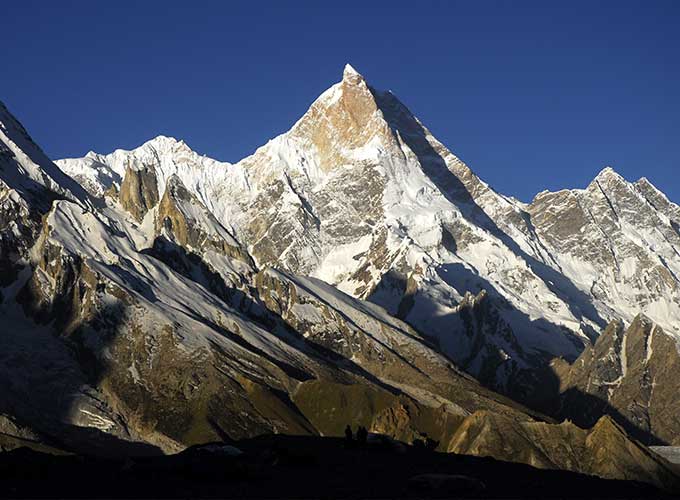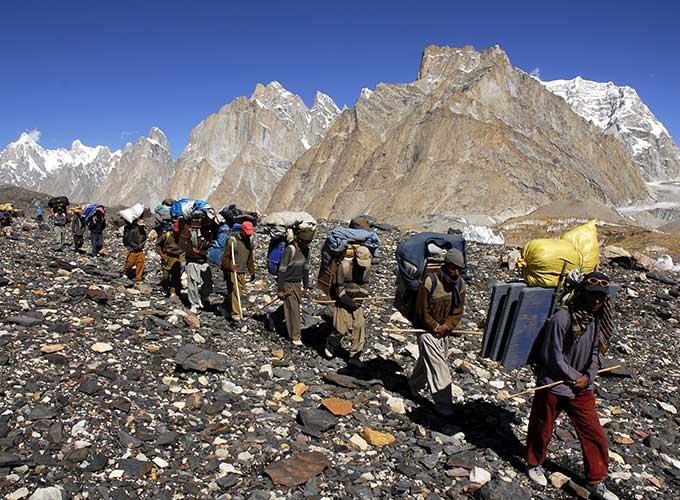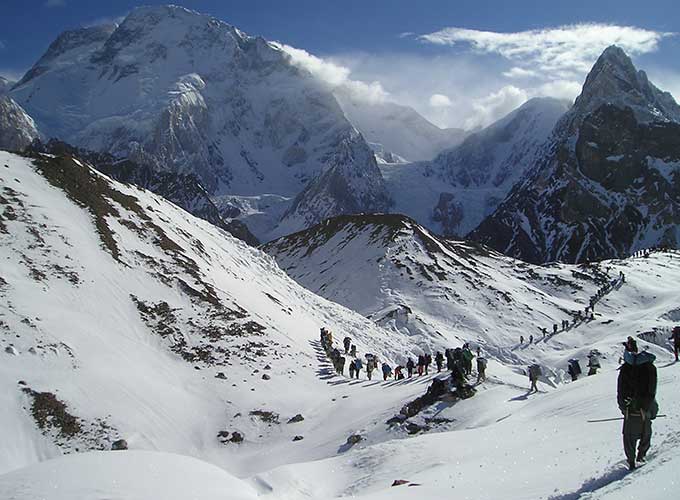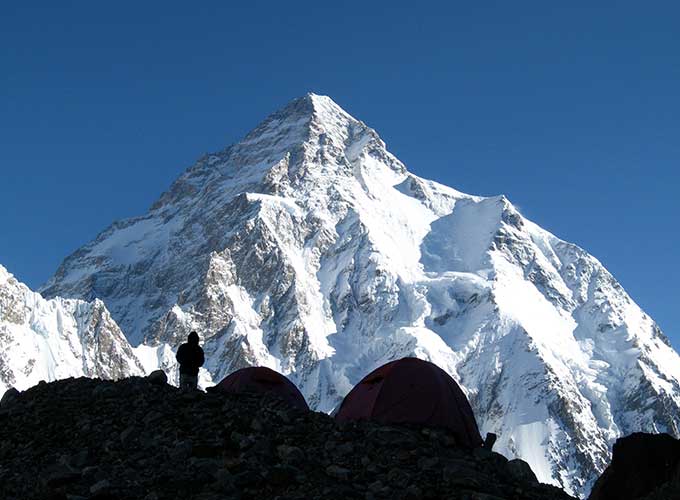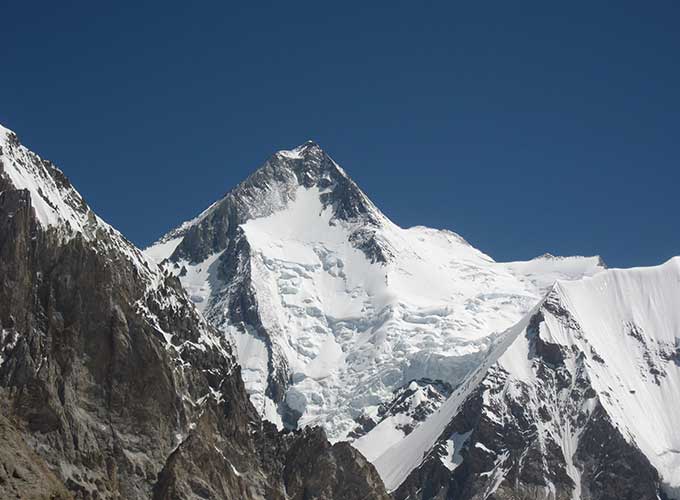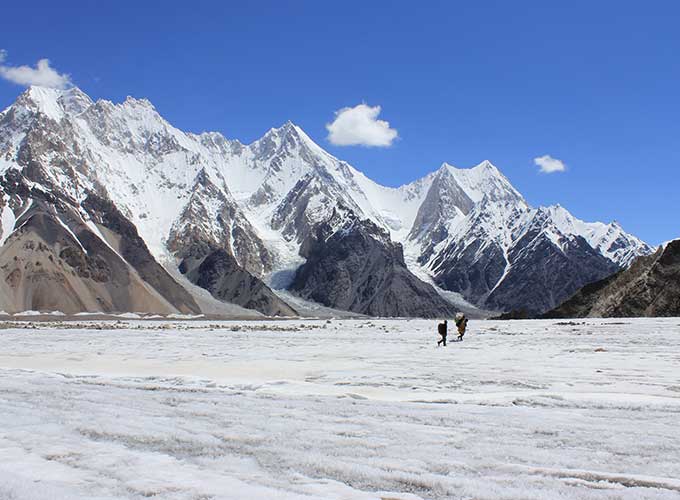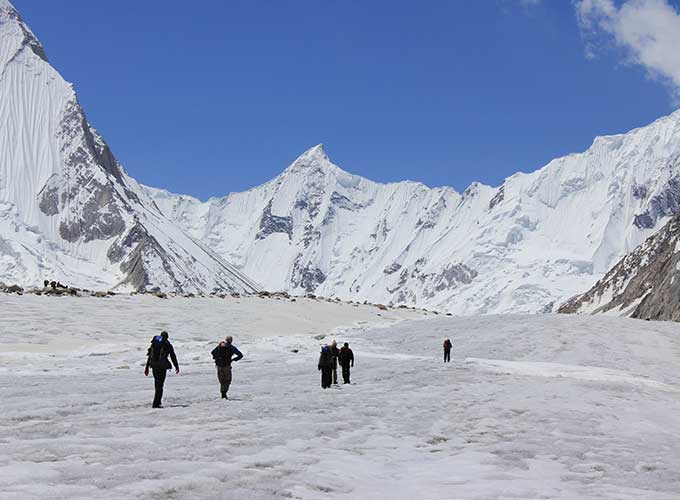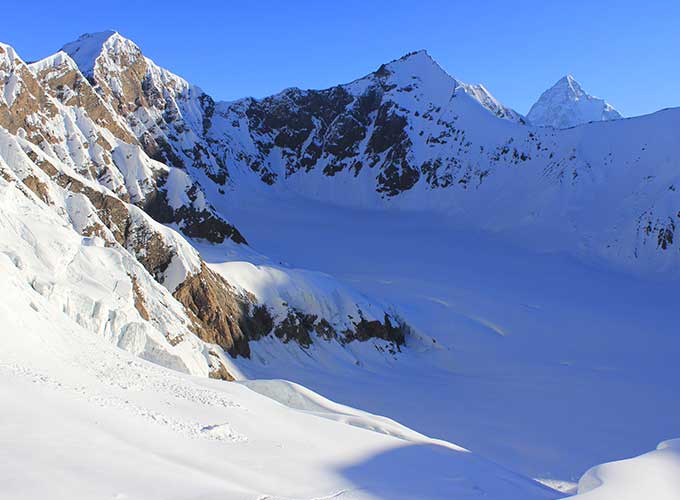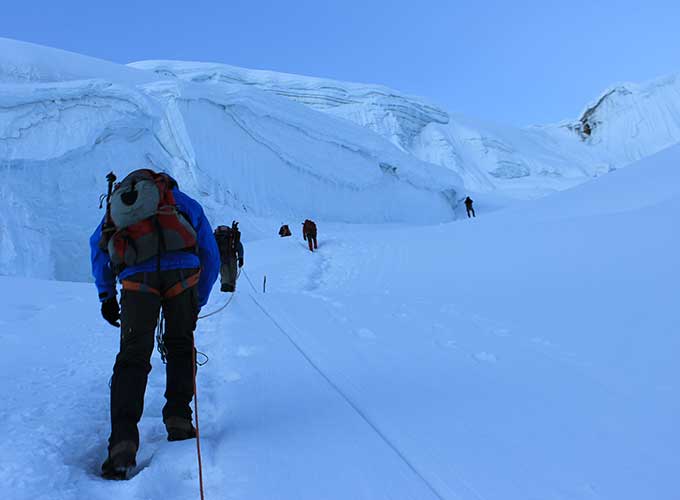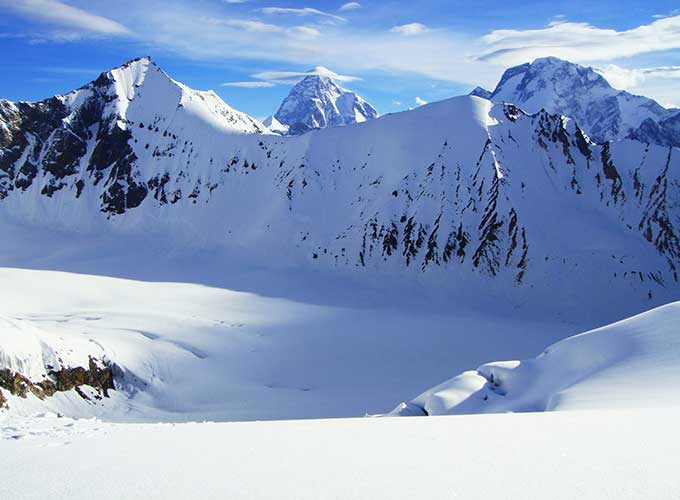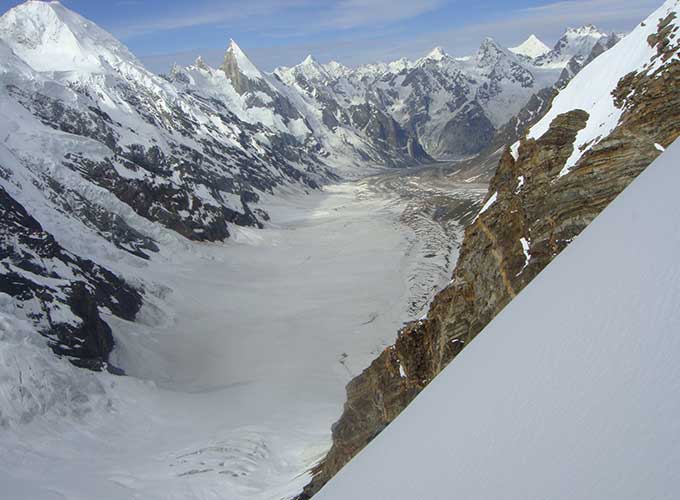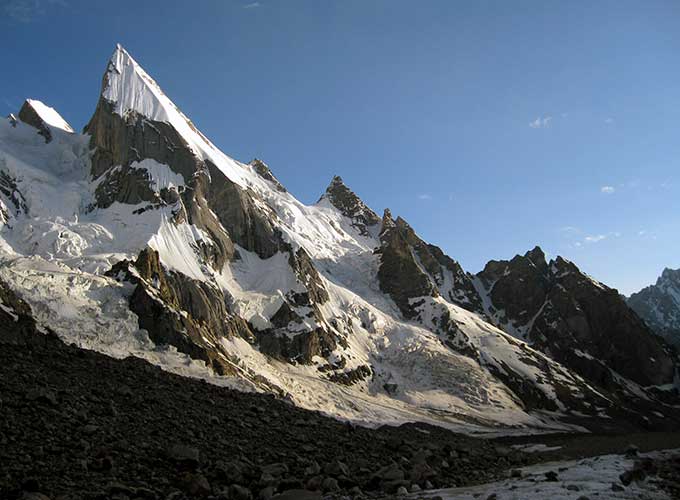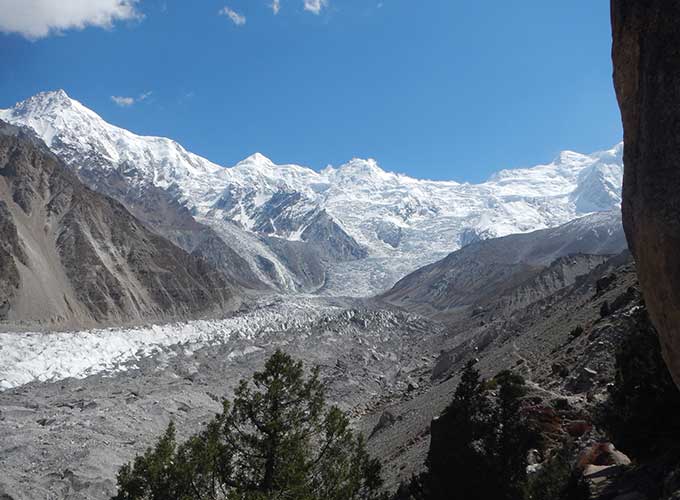
The Gasherbrum III Expedition Pakistan 2026 | Route, Cost & Complete Guide is one of the most specialized and rarely attempted high-altitude mountaineering challenges in the Karakoram Range. Gasherbrum III stands at approximately 7,952 meters and is located in close proximity to Gasherbrum I and II, forming part of the legendary Gasherbrum massif near the Chinese border in Gilgit-Baltistan, Pakistan.
As an Adventure Pakistan market analyst tracking high-altitude expedition demand and alpine tourism trends in the Karakoram region, Gasherbrum III is considered a technically restricted peak. Unlike commercial trekking routes, this expedition is rarely climbed due to permit limitations and its integration with Gasherbrum I & II access routes. It is often treated as a combined objective or a side peak attempt during elite expeditions.
Overview: Gasherbrum III Expedition
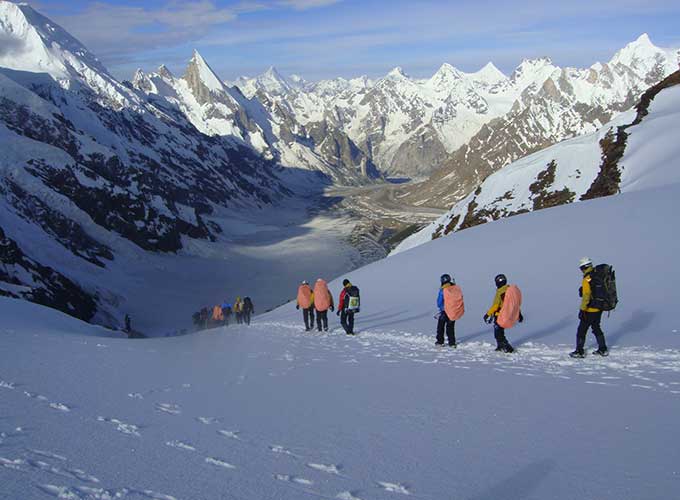
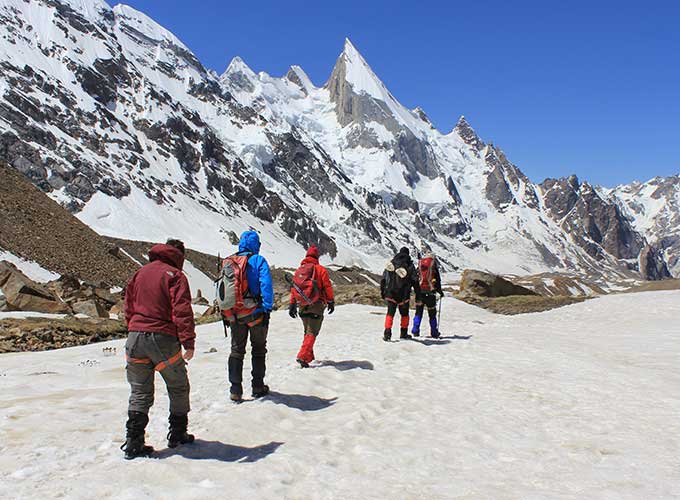
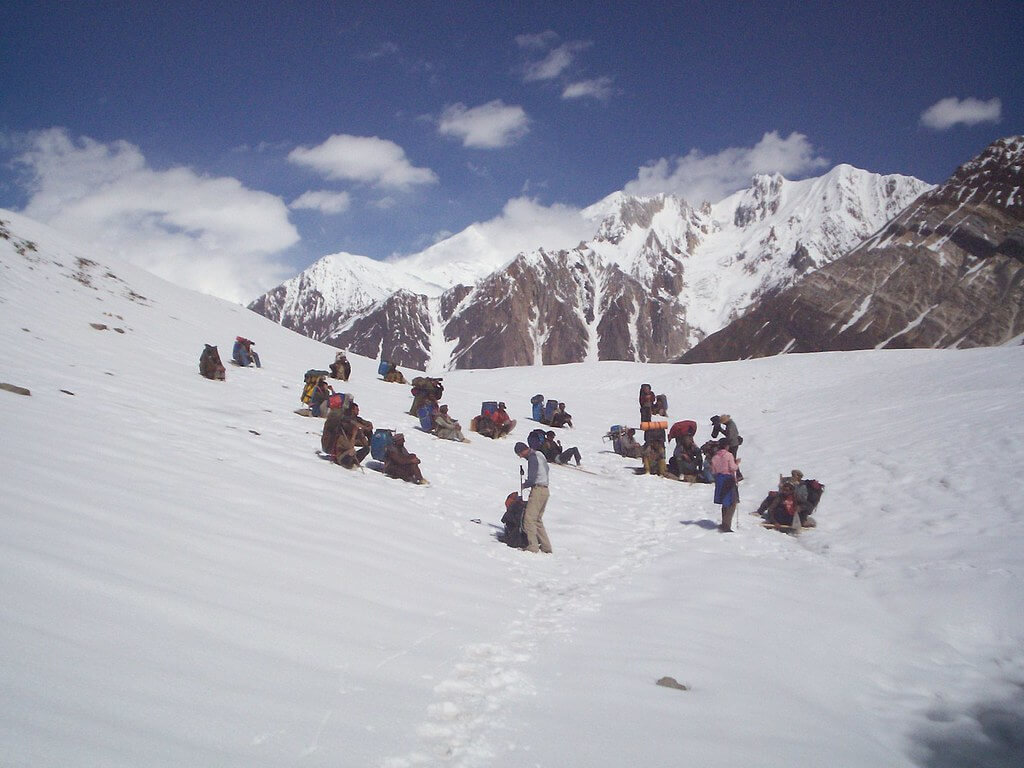
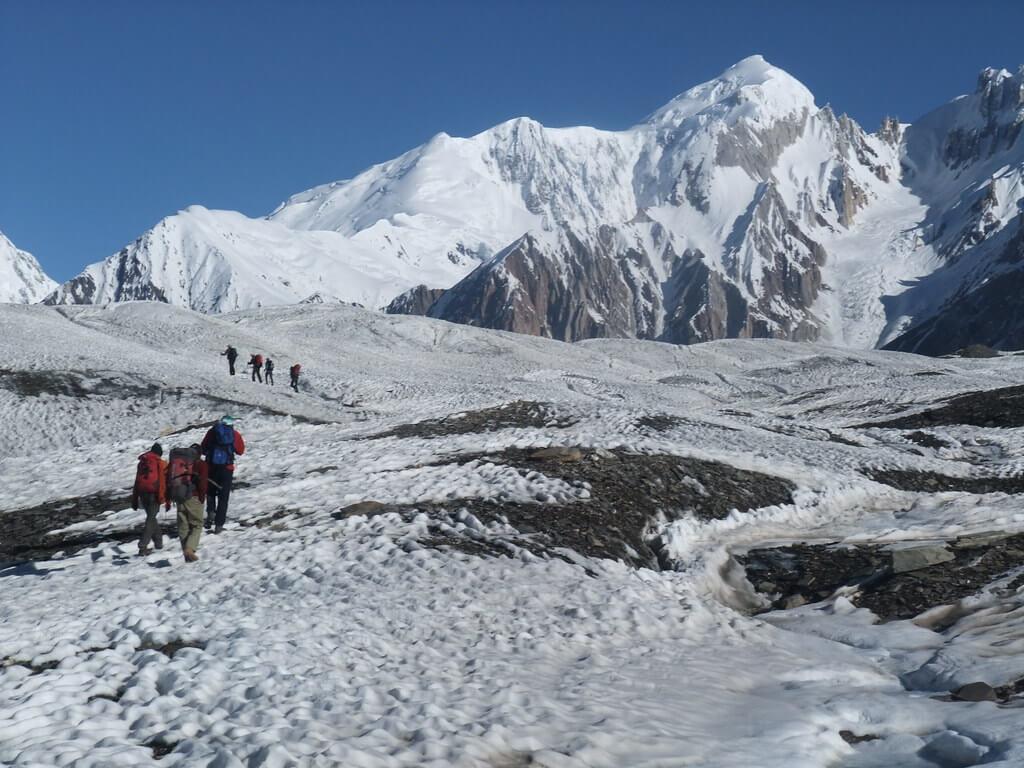
The Gasherbrum III Expedition is a highly rare and technically demanding high-altitude climbing objective located in Pakistan’s Karakoram Range. Rising to approximately 7,952 meters, Gasherbrum III sits near Gasherbrum I and II in one of the most remote and extreme mountain regions in the world. Unlike commercial trekking peaks, it is not commonly climbed due to permit restrictions and difficult technical terrain. The expedition involves glacier travel, steep ice sections, and extreme weather conditions above 6,000 meters. As a Adventure Pakistan market analyst tracking elite mountaineering trends, Gasherbrum III remains an exclusive challenge for highly experienced climbers in 2026.
Gasherbrum III Expedition Cost (2026 Estimate)
As an Adventure Pakistan market analyst tracking premium expedition pricing in Gilgit-Baltistan, Gasherbrum III does not have a fixed commercial price due to its rare permit status and technical nature.
Gasherbrum III Expedition – Basecamp Services
Start |
End |
Status |
Price |
Deposit |
Registration |
|---|---|---|---|---|---|
17 Jun |
01 Aug |
Guaranteed |
US$9,000 |
US$1000 |
Gasherbrum III Expedition – Full Board Services
Start |
End |
Status |
Price |
Deposit |
Registration |
|---|---|---|---|---|---|
17 Jun |
01 Aug |
Guaranteed |
US$20,000 |
US$5,000 |
Cost factors include:
- Government permits (restricted access peak)
- High-altitude guide support
- Technical climbing Sherpas
- Base camp logistics
- Oxygen systems (optional)
- Food, fuel, and weather standby costs
- Emergency evacuation insurance
Because Gasherbrum III is rarely climbed independently, costs are usually merged with larger Gasherbrum expedition programs.
Gasherbrum III Expedition Itinerary (45 Days)
This 45-day Gasherbrum III expedition itinerary is designed based on standard Karakoram access routes, combined Gasherbrum massif logistics, and typical high-altitude acclimatization cycles used in elite expeditions in Pakistan.
Gasherbrum III (7,952m) is rarely climbed as an independent commercial objective, so most itineraries follow the Baltoro Glacier → Concordia → Gasherbrum Base Camp approach, with extended acclimatization and technical rotations.
Days 1–10: Arrival, Briefing & Approach to Baltoro Region
Day 1: Arrival in Islamabad
Arrival at Islamabad International Airport. Transfer to hotel, rest, and expedition orientation.
Day 2: Permit & Technical Briefing
Full briefing with guides, review of climbing permits, weather patterns, and equipment checklist.
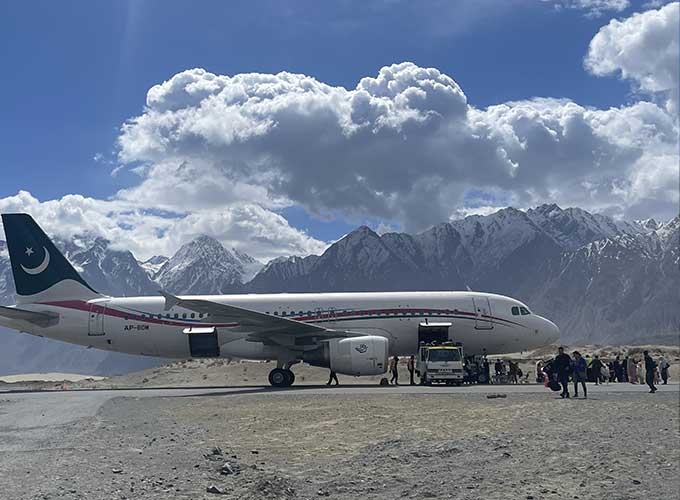
Day 3: Flight to Skardu
Scenic flight over the Himalayas or road travel via Karakoram Highway if weather delays occur.
Day 4: Rest & Acclimatization in Skardu
Local sightseeing, gear finalization, and expedition load confirmation.
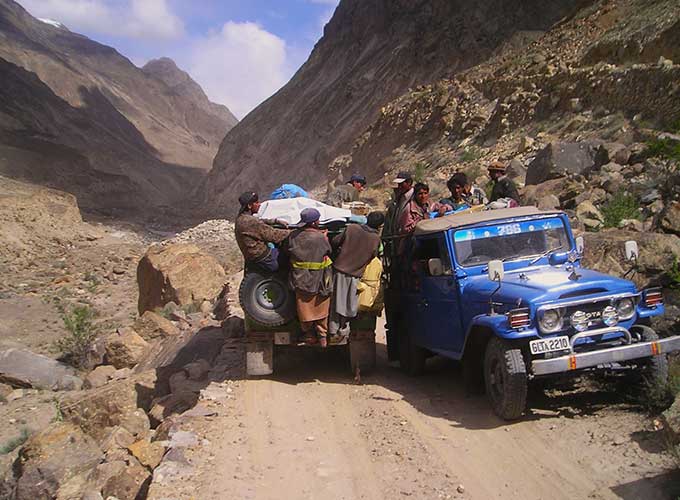
Day 5: Drive to Askole (Last Village)
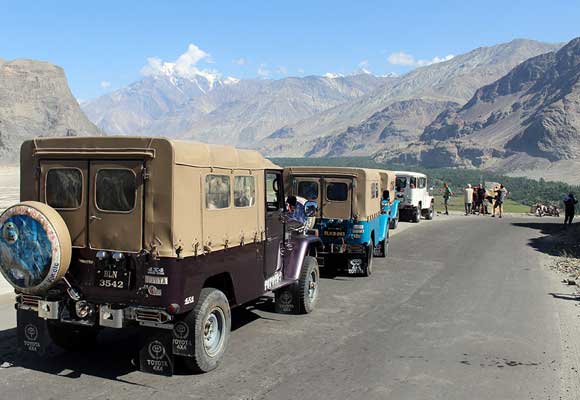
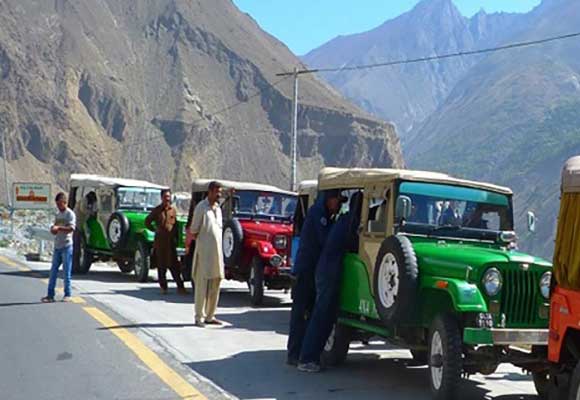
Rough jeep journey to Askole, the final settlement before the Baltoro Glacier.
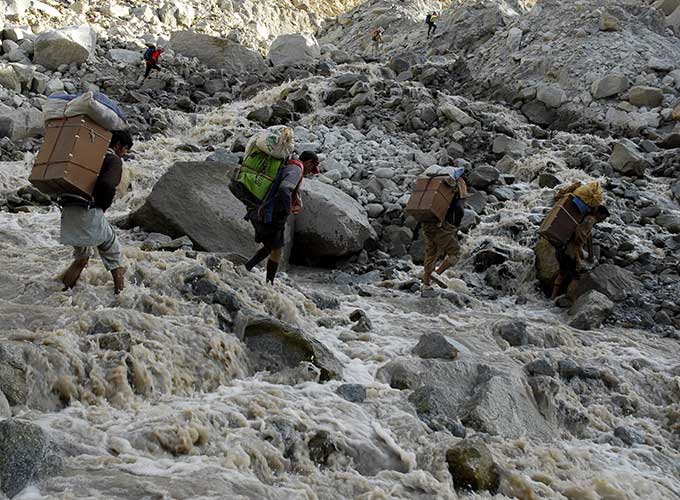
Day 6: Askole to Jhola
First trekking day through Braldu Valley with river crossings.
Day 7: Jhola to Paiyu
Moderate ascent with first distant glacier views.
Day 8: Rest Day at Paiyu
Acclimatization and trekking preparation.
Day 9: Paiyu to Khuburse
Enter the Baltoro Glacier zone, rocky and icy terrain begins.
Day 10: Khuburse to Urdukas
Steep ascent with dramatic views of Trango Towers.
Days 11–20: Baltoro Glacier Traverse to Concordia
Day 11: Urdukas to Goro II
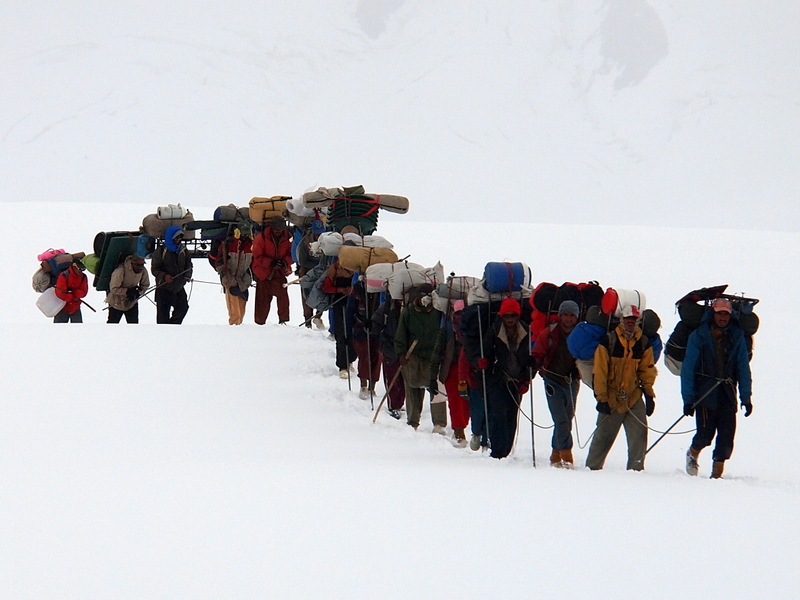
Full glacier crossing day with increasing altitude exposure.
Day 12: Goro II to Concordia
Arrival at Concordia, “Throne Room of the Mountain Gods.”
Day 13: Rest at Concordia
Critical acclimatization day with views of K2, Broad Peak, Gasherbrum peaks.
Day 14: Concordia Exploration
Short hikes for altitude adaptation and glacier assessment.
Day 15: Concordia to Gasherbrum Valley Entry
Begin movement toward Gasherbrum massif region.
Day 16: Arrival at Gasherbrum Base Camp
Establish base camp at around 4,900–5,000m.
Day 17: Base Camp Setup
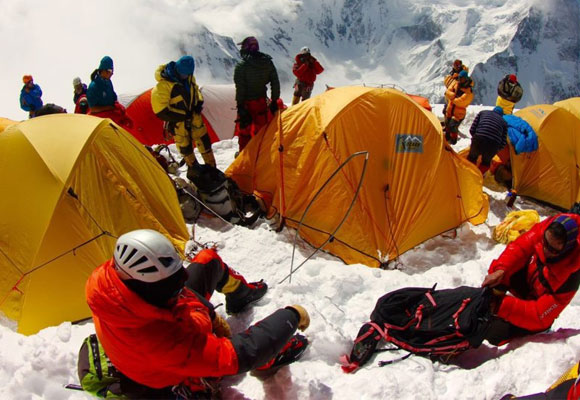
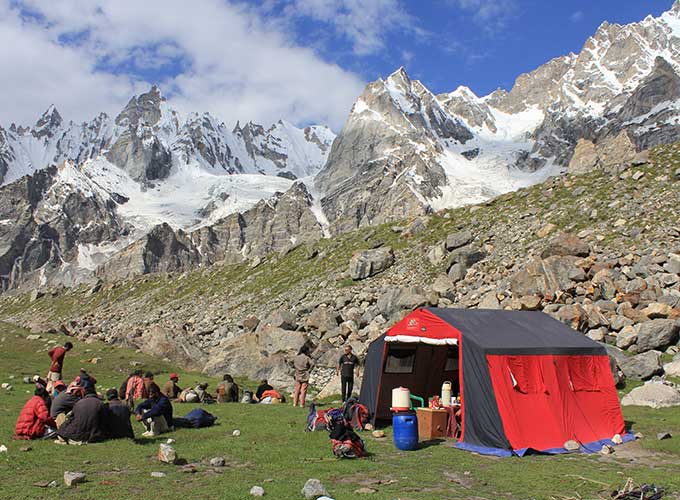
Tents, kitchen, communication systems, and medical camp installation.
Day 18: Load Organization
Sorting food, oxygen systems, ropes, and climbing gear.
Day 19: Acclimatization Hike
Short climbs around base camp for altitude adaptation.
Day 20: Technical Training
Ice climbing practice, rope fixing, crevasse rescue drills.
Days 21–30: Acclimatization Rotations Begin
Day 21: Weather Observation Day
Monitoring wind conditions and glacier stability.
Day 22: Load Carry to Camp 1
First gear ferrying mission to higher altitude camp.
Day 23: Return to Base Camp
Rest and hydration recovery.
Day 24: Rest Day
Medical checkups and oxygen level monitoring.
Day 25: Strategy Planning
Summit window forecasting and rotation planning.
Day 26: Base Camp to Camp 1
First full ascent rotation begins.
Day 27: Camp 1 to Camp 2
Technical climbing on steep ice slopes.
Day 28: Descent to Base Camp
Recovery phase after rotation.
Day 29: Rest & Recovery
Muscle recovery and weather reassessment.
Day 30: Second Rotation Preparation
Gear checks and second acclimatization cycle begins.
Days 31–40: High Camp Rotations & Summit Preparation
Day 31: Base Camp to Camp 1
Repeat ascent for stronger acclimatization.
Day 32: Camp 1 to Camp 2
Steeper terrain, thinner oxygen levels.
Day 33: Camp 2 to High Camp Attempt
Optional Camp 3 establishment depending on weather.
Day 34: Return to Base Camp
Rest cycle and nutrition recovery.
Day 35: Rest Day
Medical evaluation and summit readiness.
Day 36: Final Weather Window Briefing
Decision point for summit push.
Day 37: Summit Push Begins
Depart base camp for final ascent phase.
Day 38: Climb to Camp 1
Fixed rope sections and glacier navigation.
Day 39: Camp 2 Ascent
Severe altitude stress zone begins.
Day 40: High Camp (Camp 3)
Final staging camp before summit attempt.
Days 41–45: Summit Attempt & Return
Day 41: Summit Attempt Day
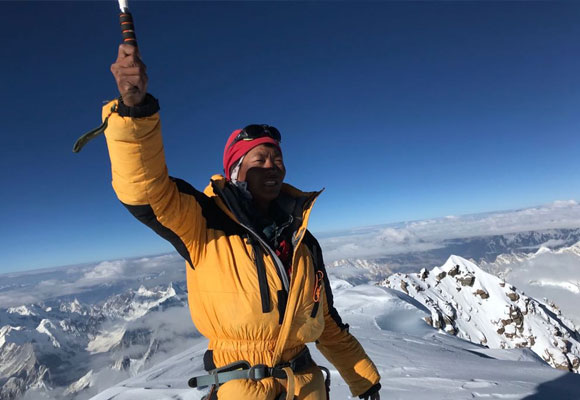
Push toward Gasherbrum III summit (7,952m) depending on weather conditions.
Day 42: Descent to Lower Camps
Careful descent to reduce altitude-related risks.
Day 43: Return to Base Camp
Recovery and expedition success phase.
Day 44: Buffer / Emergency Reserve Day
Used for weather delays or safety recovery.
Day 45: Expedition Wrap-Up
Packing, debriefing, and logistics breakdown before return trek to Skardu.
FAQs
Is Gasherbrum III open for commercial expeditions?
No, it is a highly restricted and rarely issued permit peak, often combined with other Gasherbrum expeditions.
How difficult is Gasherbrum III?
It is extremely difficult and only suitable for elite mountaineers with prior high-altitude experience.
What is the altitude of Gasherbrum III?
Approximately 7,952 meters above sea level.
How long does the expedition take?
If attempted, it can take 40–60 days depending on weather and logistics.
Can beginners attempt Gasherbrum III?
No, it is strictly for advanced and professional climbers only.
What is the best season for climbing?
June to August is the only viable climbing window.
Why Choose Gasherbrum III Expedition?
1. Rare and Exclusive Climbing Objective
Gasherbrum III is not a mass-market peak. Very few climbers attempt it due to access restrictions and technical difficulty, making it one of the most exclusive expeditions in the world.
2. Extreme Technical Challenge
The peak requires:
- Advanced ice climbing skills
- Mixed rock and glacier navigation
- High-altitude endurance above 7,000m
It is considered significantly harder than standard trekking peaks.
3. Unique Karakoram Location
Gasherbrum III sits among iconic giants:
- Gasherbrum I (Hidden Peak)
- Gasherbrum II
- Broad Peak
- K2 massif region nearby
This gives climbers a rare “elite summit corridor” experience.
4. Training Ground for Elite Climbers
Many mountaineers use Gasherbrum region expeditions to prepare for:
- Technical 8,000m climbs
- High-altitude rescue scenarios
- Extreme weather adaptation
5. Access to Pakistan’s Adventure Network
Climbers typically combine expeditions with major trekking routes:
- K2 Base Camp Trek
- K2 and Gondogoro La Trek Pakistan 2026
- Snow Lake trek
- Rakaposhi base camp Hunza valley trek
- Fairy Meadows Trek
- Indus valley civilization tour
- Shandoor Polo festival
- kalash festival tour
These routes help climbers acclimatize and experience Pakistan’s cultural diversity before or after the expedition.
Expedition Route Overview
The Gasherbrum III expedition follows the classic Karakoram access route through Baltoro Glacier:
Stage 1: Arrival in Pakistan
- Arrival in Islamabad
- Expedition briefing and permit processing
- Travel to Skardu
Stage 2: Approach Trek
- Skardu to Askole (road journey)
- Trek through Baltoro Glacier
- Camps: Paiju, Urdukas, Goro II
Stage 3: Concordia Region Entry
- Arrival at Concordia
- Access toward Gasherbrum glacier system
Stage 4: Gasherbrum Massif Approach
- Base camp establishment
- Technical acclimatization rotations
- High camp establishment (Camp 1, Camp 2, optional Camp 3)
Stage 5: Summit Attempt (Limited)
- Only possible under ideal weather and permit conditions
- Often combined with Gasherbrum I/II logistics
Difficulty Level of Gasherbrum III
Gasherbrum III is classified as:
- Extremely technical (elite mountaineering level)
- Not a standard commercial expedition peak
- Requires prior experience on 7,000–8,000m mountains
Key challenges:
- Unstable ice formations
- Avalanche-prone slopes
- Thin oxygen levels above 6,000m
- Severe Karakoram weather systems
Best Time for Gasherbrum III Expedition
The only realistic climbing season is:
June to August
- Stable weather windows
- Lower snowfall accumulation
- Safer glacier crossings
Outside this period, climbing conditions become highly unpredictable and dangerous.
Training Requirements
Climbers attempting Gasherbrum III must have:
- Prior 7,000m peak experience
- Strong ice climbing skills
- Rope fixing and crevasse rescue knowledge
- High-altitude acclimatization experience
- Multi-day endurance capacity
Recommended preparation climbs:
- 6,000m training peaks in Nepal or Pakistan
- Technical alpine routes in Karakoram
Safety Considerations
Gasherbrum III is not suitable for beginners. Key risks include:
- Sudden weather storms
- Ice collapse zones
- Hidden crevasses
- High-altitude cerebral edema (HACE)
- Severe frostbite risk
Proper acclimatization and guide supervision are mandatory.
Related Adventure Experiences in Pakistan
Climbers often combine expeditions with cultural and trekking experiences:
Major Trekking Routes
- K2 Base Camp Tour
- K2 Base Camp Tour Company
- K2 Base Camp Tour Cost
- K2 Base Camp Price
- K2 Base Camp Tour Package
Snow and Glacier Expeditions
- Snow Lake trek Tour
- Snow Lake trek Tour Company
- Snow Lake trek Tour Cost
- Snow Lake trek Price
- Snow Lake trek Package
Cultural and Scenic Tours
These experiences provide essential acclimatization and cultural immersion before extreme climbs.
The Gasherbrum III Expedition Pakistan 2026 | Route, Cost & Complete Guide highlights one of the rarest and most technical mountaineering objectives in the Karakoram Range. Unlike commercial trekking peaks, Gasherbrum III represents elite-level climbing reserved for highly experienced alpinists.
As a Adventure Pakistan market analyst observing high-altitude expedition trends, Gasherbrum III stands out not for popularity, but for exclusivity and technical difficulty. It is often overshadowed by neighboring giants like Gasherbrum I, Gasherbrum II, and K2, yet it remains a significant achievement for the world’s top climbers.
Pakistan continues to offer unmatched adventure diversity, from high peaks to cultural journeys like Shandoor Polo festival, kalash festival tour, and legendary treks across the Karakoram. Gasherbrum III is not just a climb—it is a rare test of human endurance in one of the planet’s most extreme environments.
K2 Base Camp and Gondogoro La Trek
K2 Base Camp Trek
K2 Base Camp Trek Concordia
Mashabrum & Gondogoro BC Trek
K6/K7 BC Trek
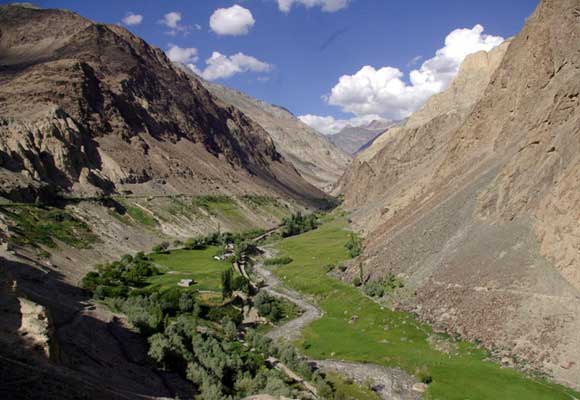
Thalle La Trek Pakistan
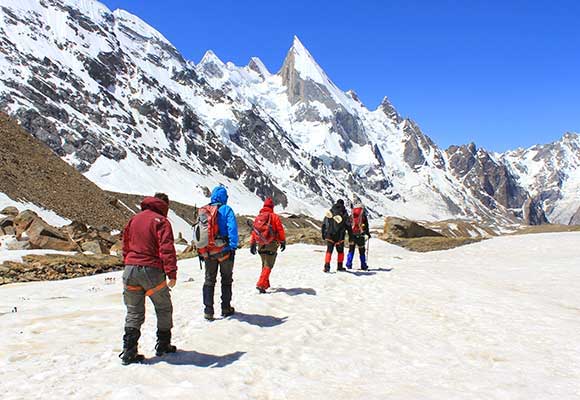
Spantik Base Camp & Haramosh La Trek
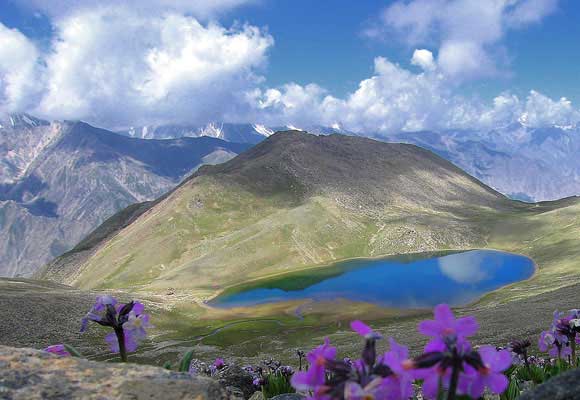
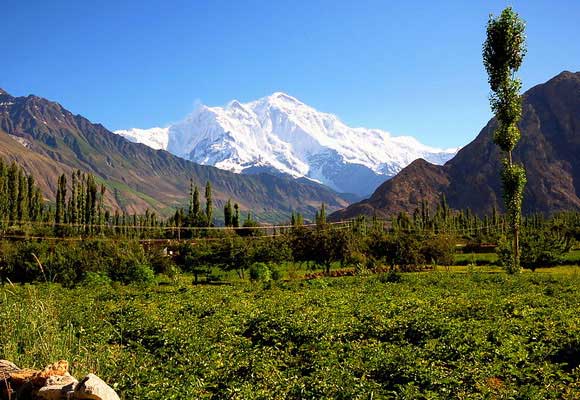
Rakaposhi Base Camp Trek
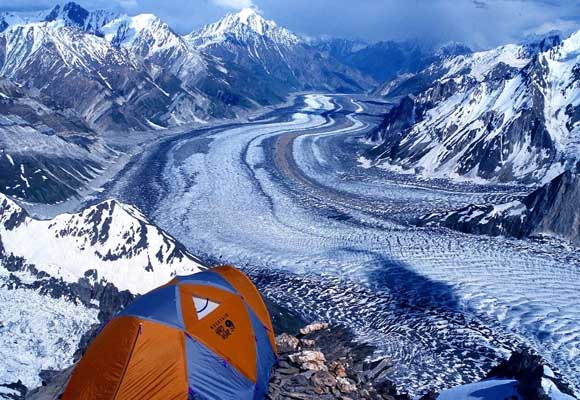
Batura Glacier Trek
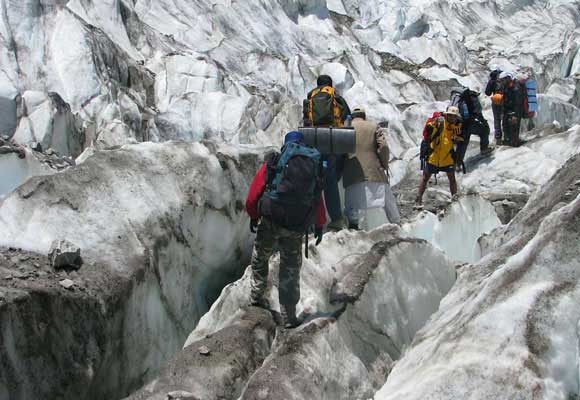
Patundas Trek
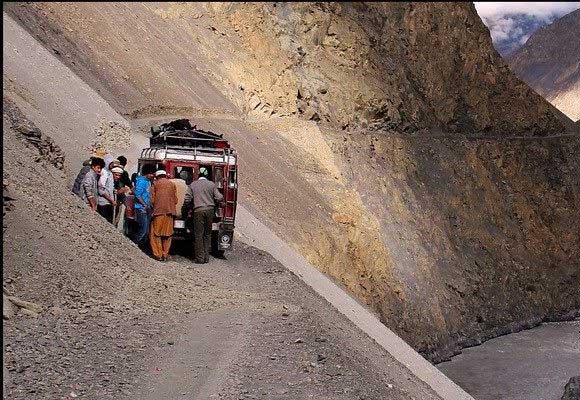
Shimshal Valley Trek
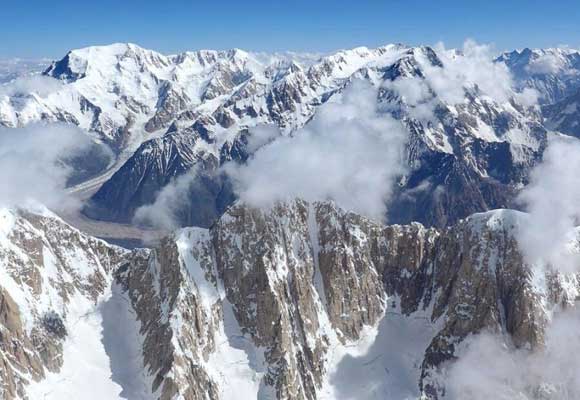
Tirich Mir Base Camp Trek
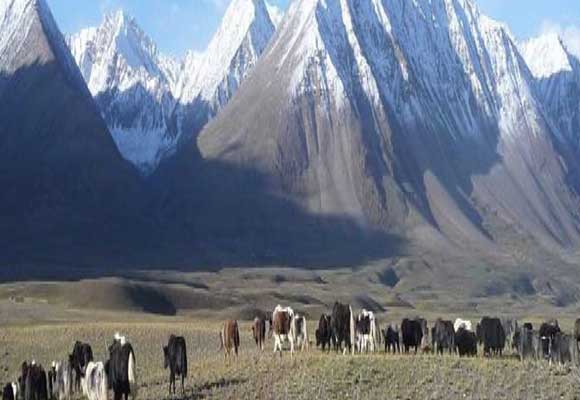
Wakhan Corridor Trek
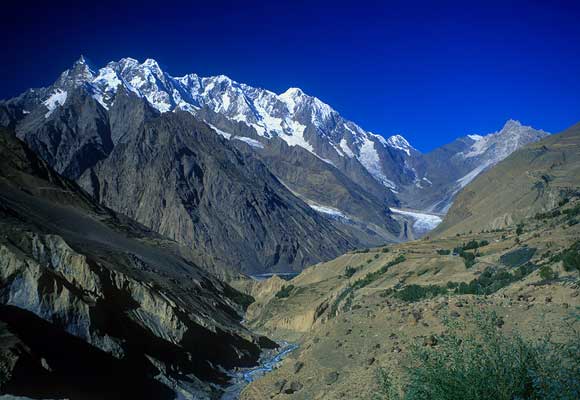
Naltar Ishkoman Pass Trek
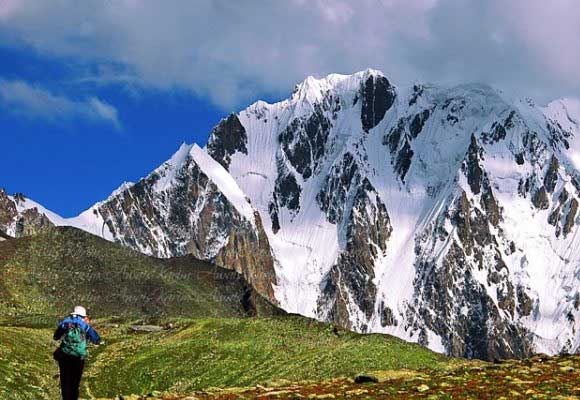
Darkot and Broghil Passes Trek
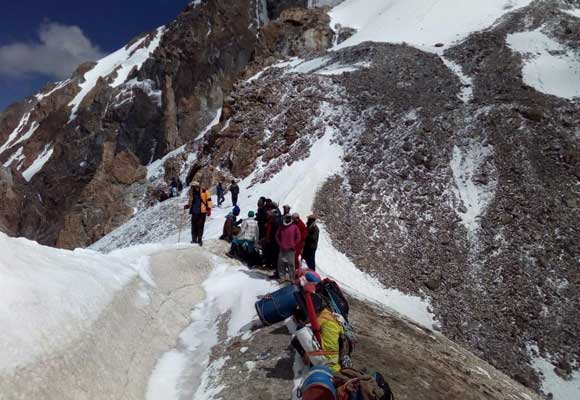
Around Nanga Parbat Mazeno Pass Trek
5X8000m Base Camp Trek
Great Karakorum Traverse Trek
K2 Expedition (8611m)
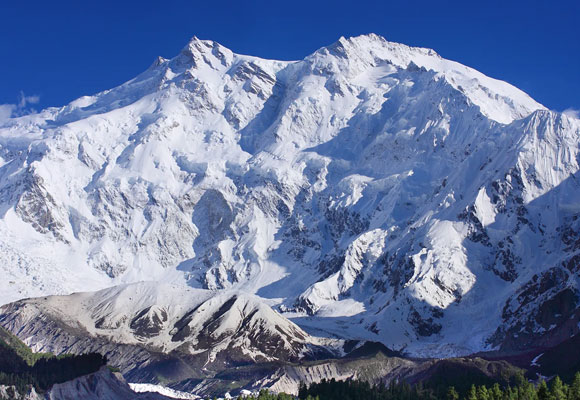
Nanga Parbat Expedition (8126m)
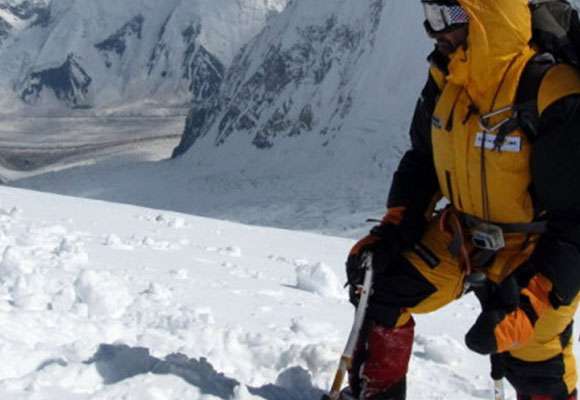
Broad Peak Expedition (8047m)
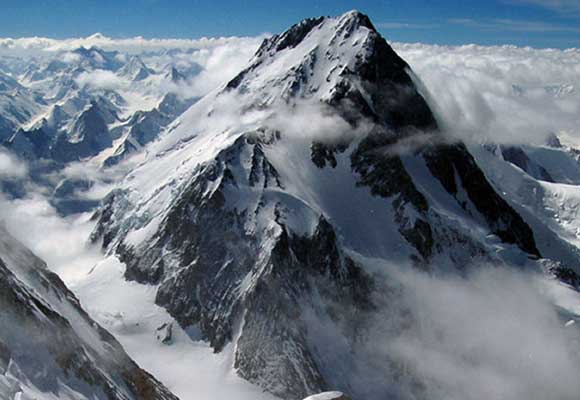
Gasherbrum 1 Expedition (8068m)
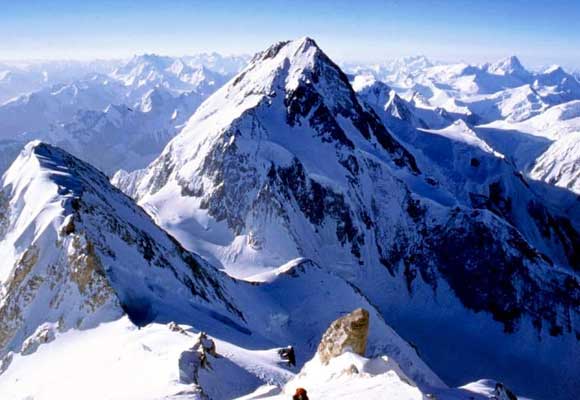
Gasherbrum II Expedition (8035m)
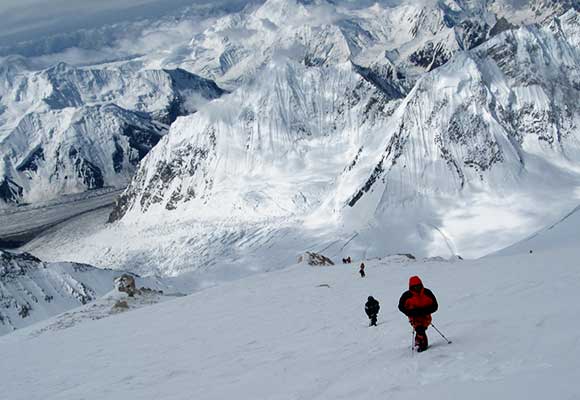
Gasherbrum III Expedition (7952m)
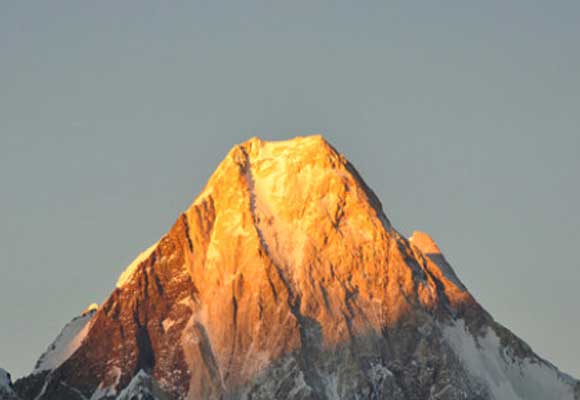
Gasherbrum IV Expedition (7925m)
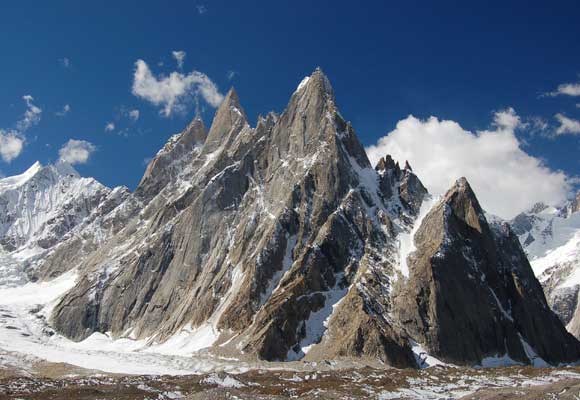
Masherbrum Expedition (7821m)
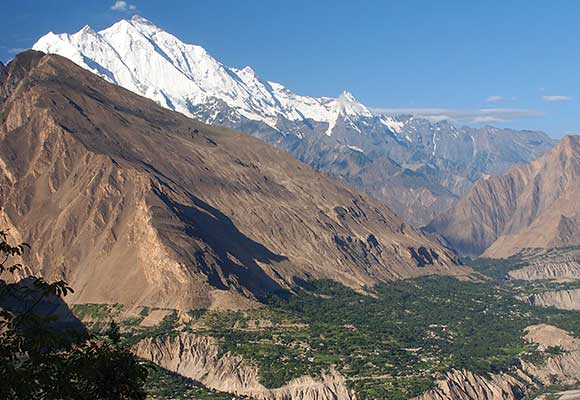
Rakaposhi Expedition (7788m)
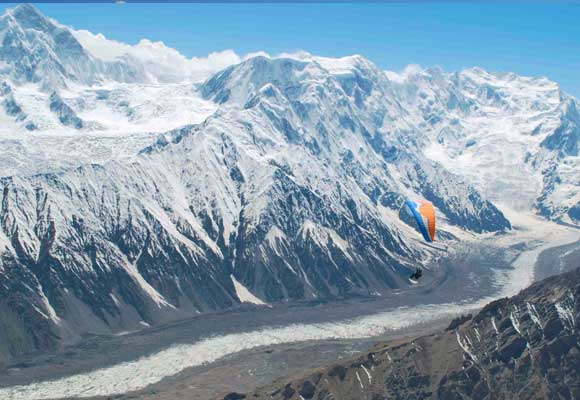
Batura Sar Expedition (7785 m)
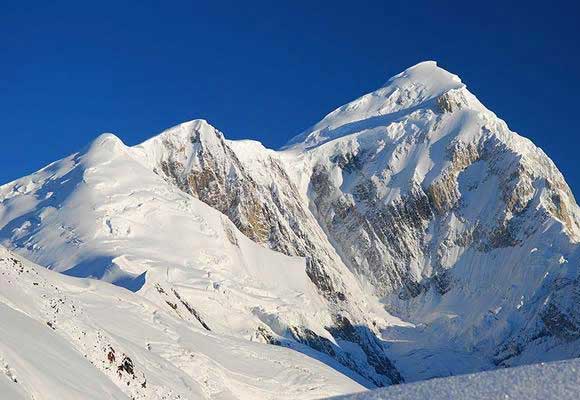
Tirich Mir Expedition (7708m)
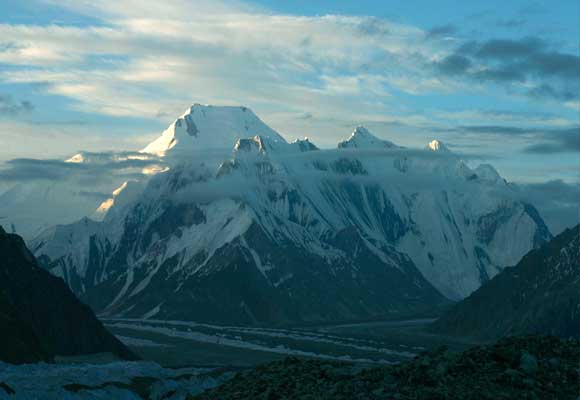
Chogolisa Expedition (7665 m)
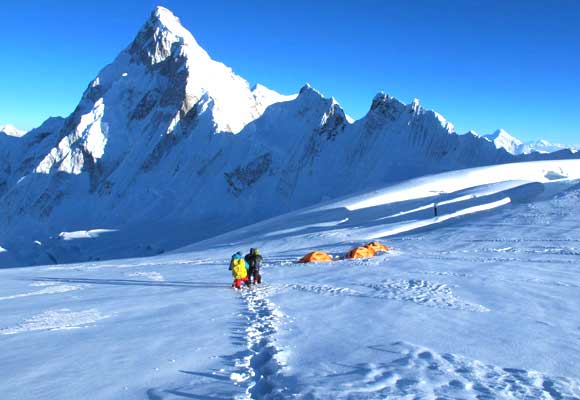
Passu Peak Expedition (7478m)
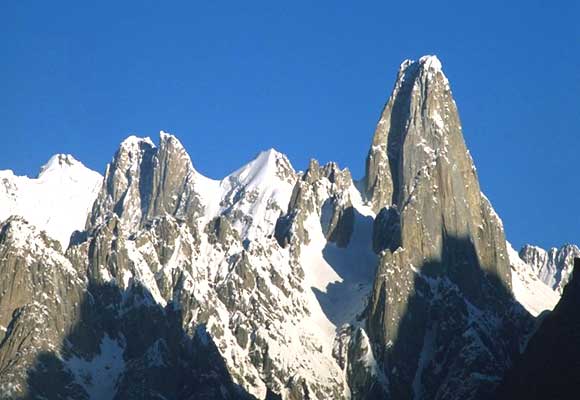
Muztagh Tower Expedition (7273m)
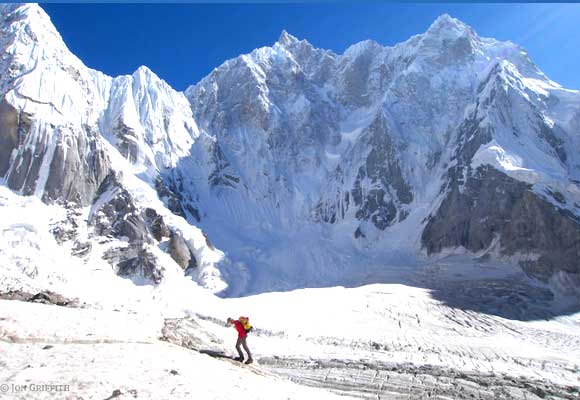
K6 Peak Expedition (6935m)
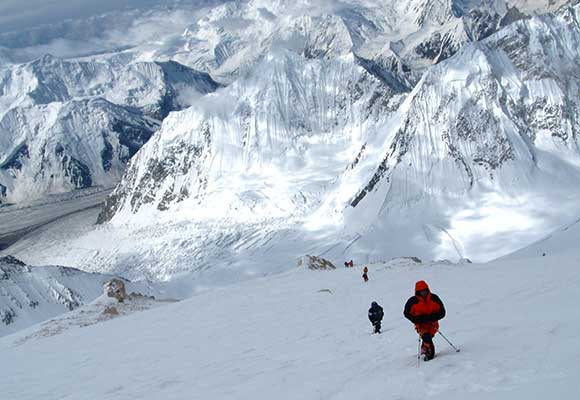
Diran Peak Expedition (7272m)
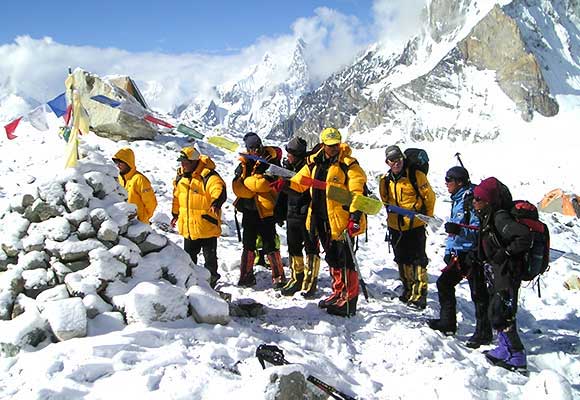
Latok 1 Expedition (7145 m)
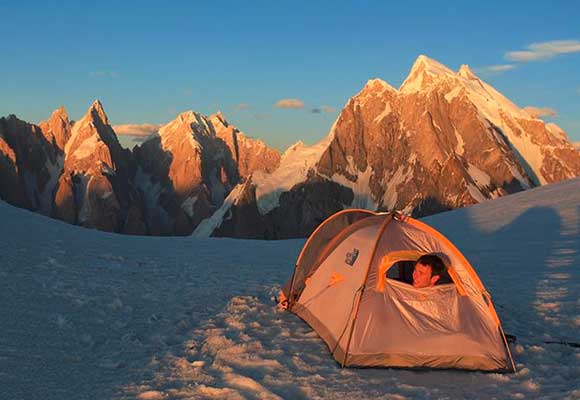
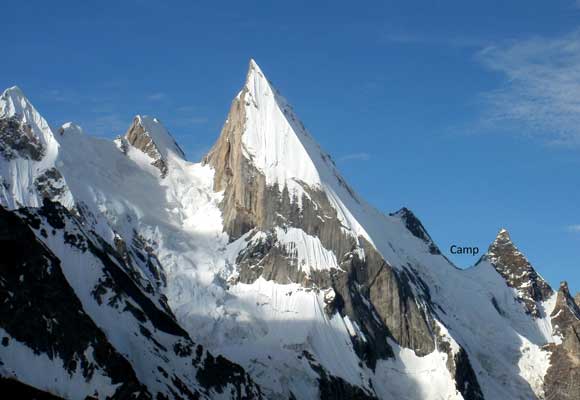
Laila Peak Expedition (6095m)
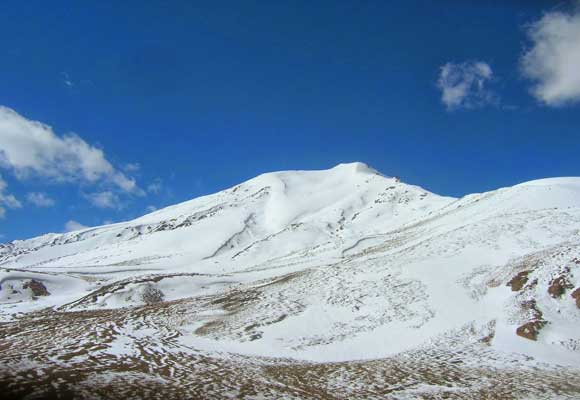
Minglik Sar Peak Expedition (6050m)
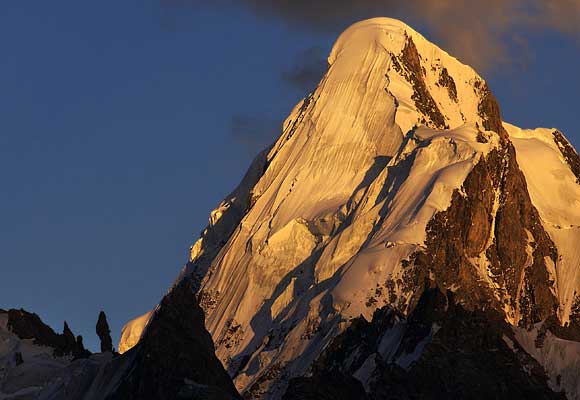
Rush Peak Expedition (5,098m)