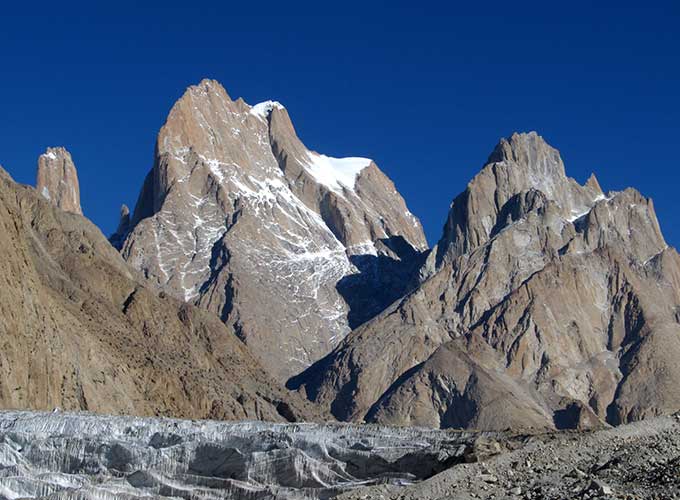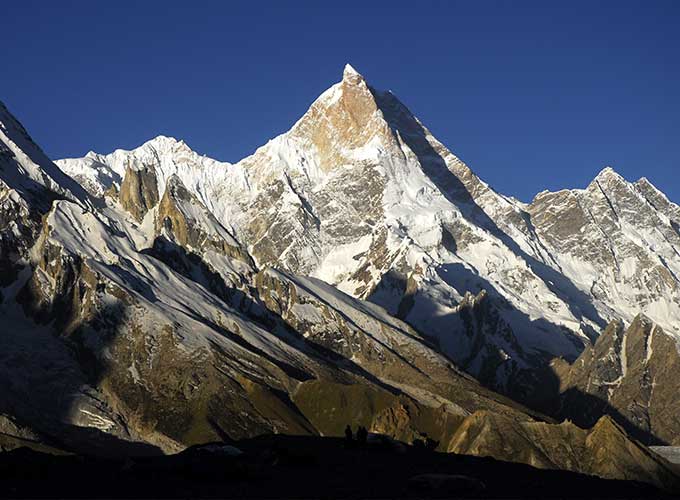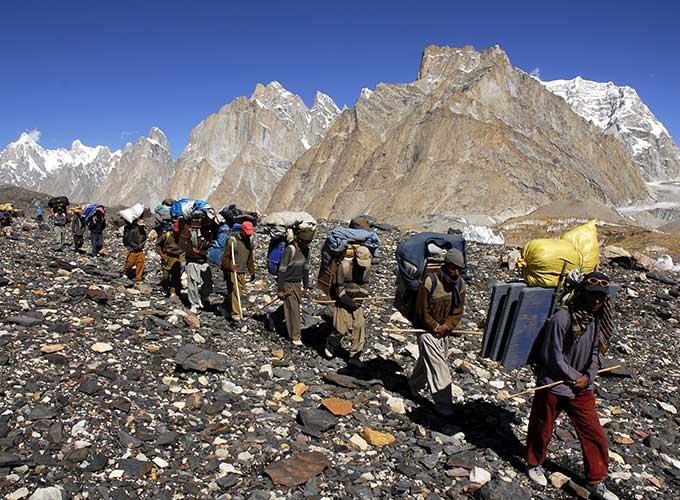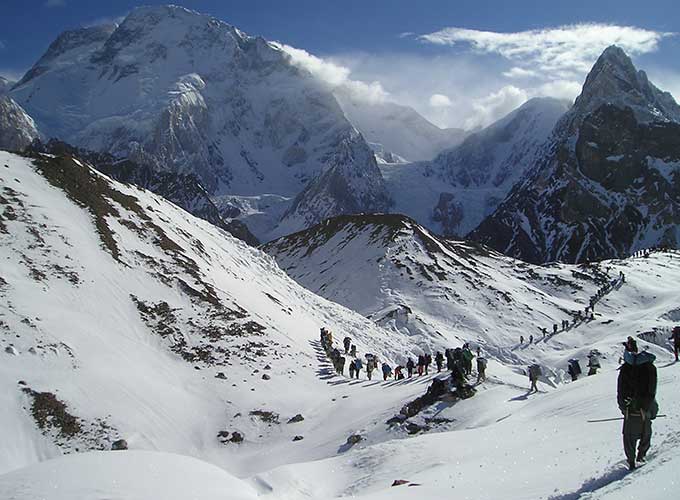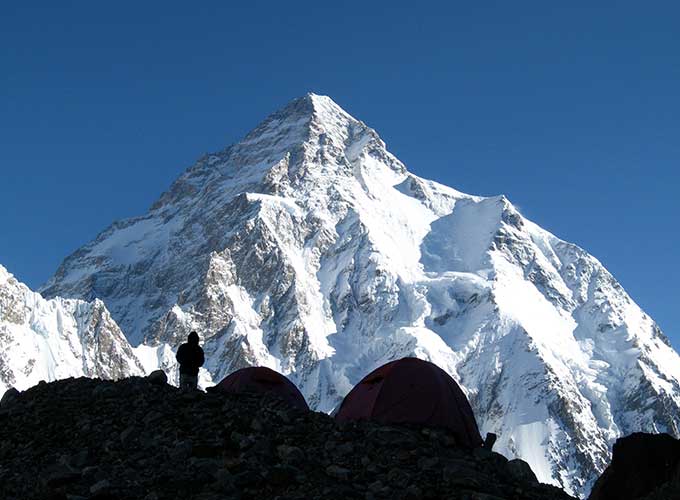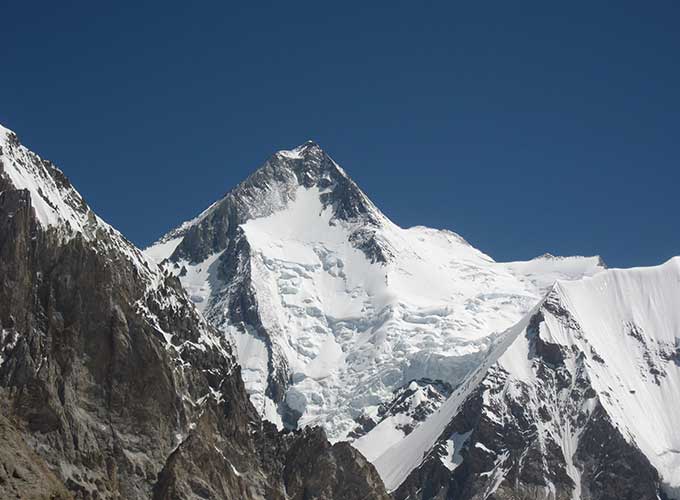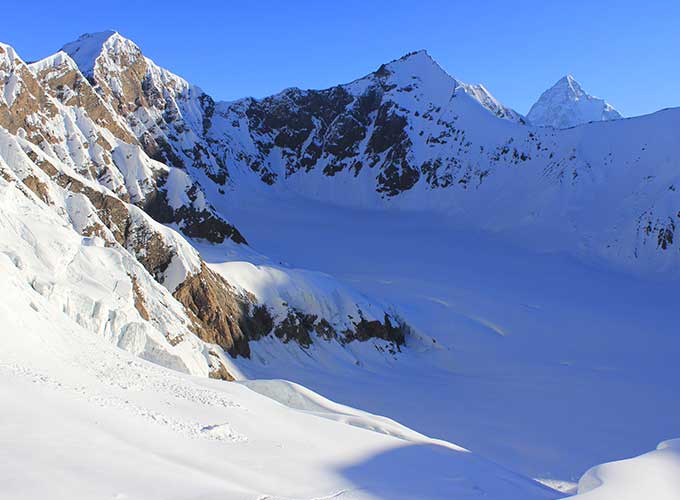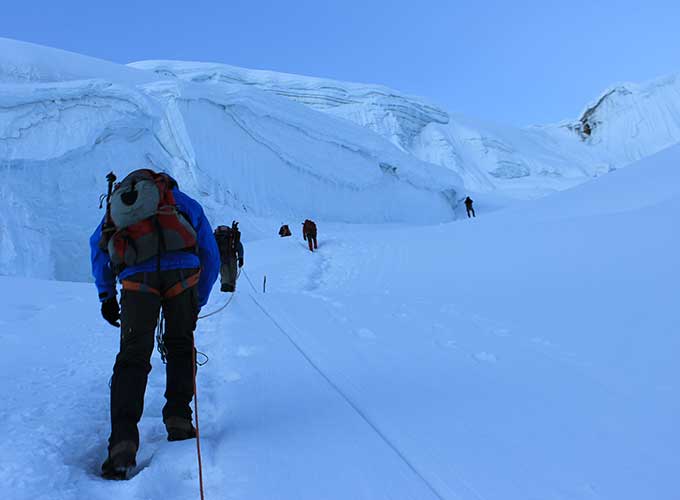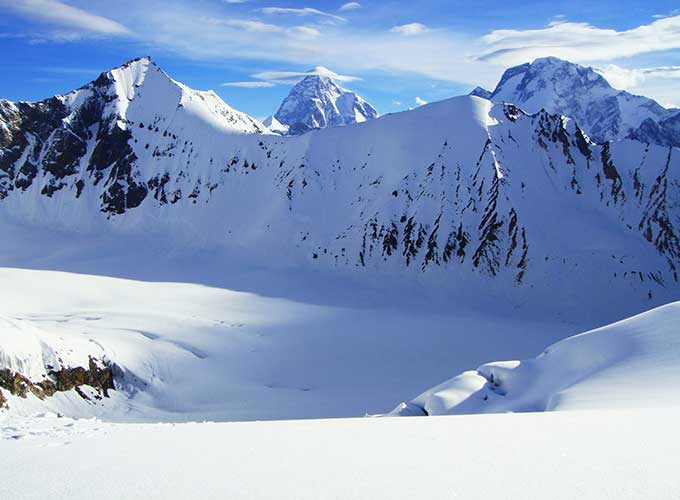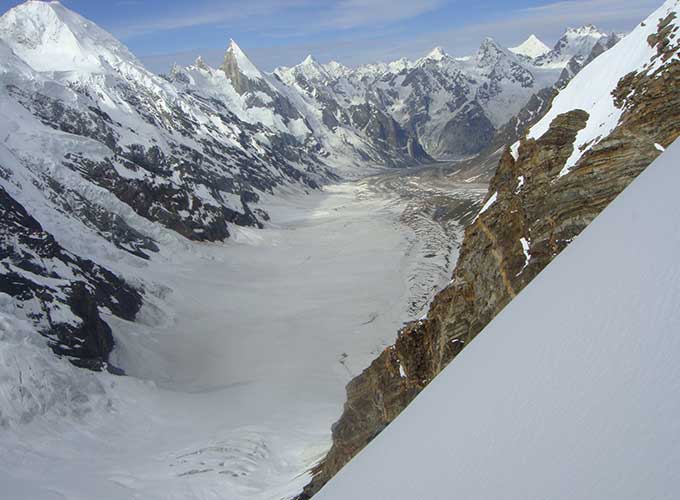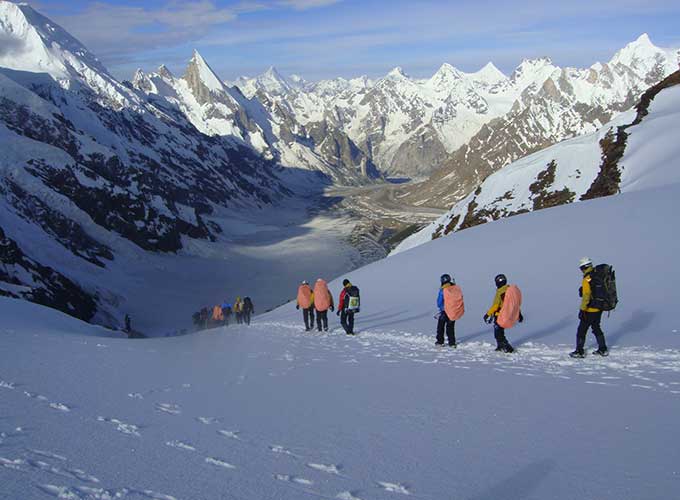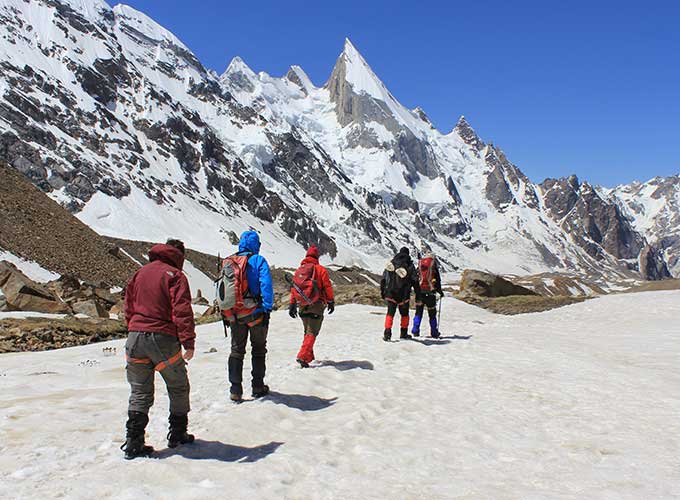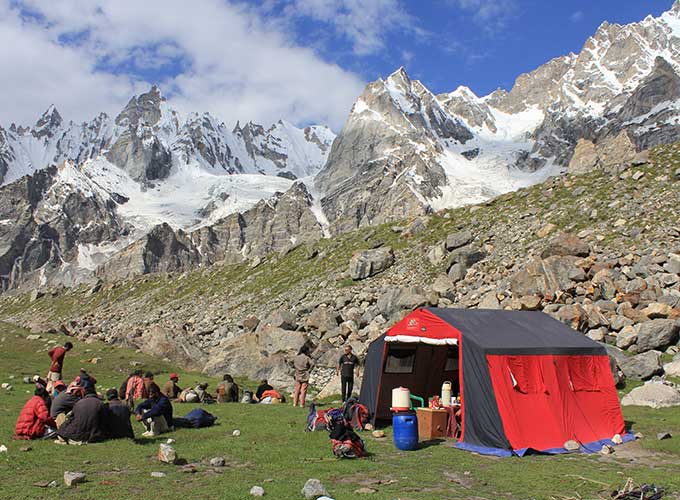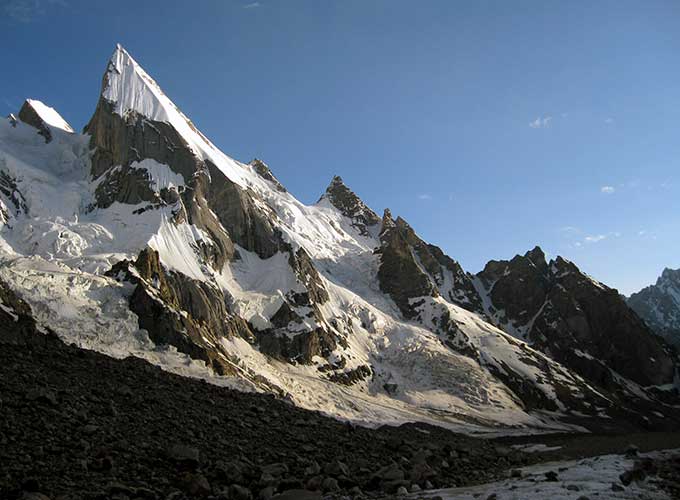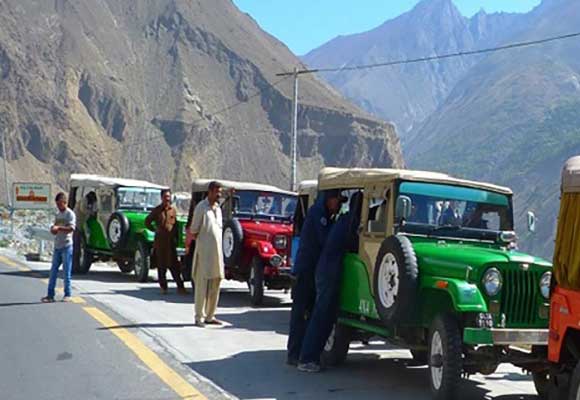
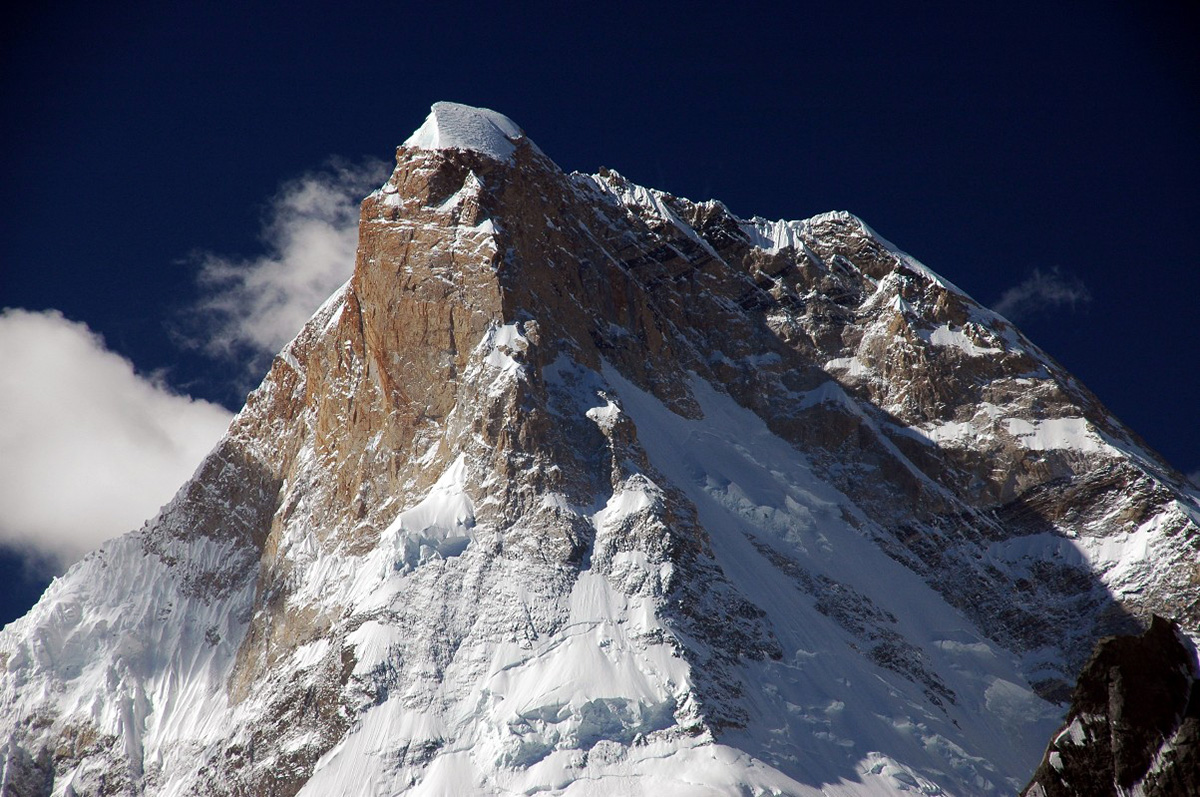
How to Climb K2 Mountain is the essential resource for mountaineers planning to summit the world’s second-highest peak. Rising to 8,611 metres (28,251 feet) in Pakistan’s Karakoram Range, K2 is widely recognised as one of the most technically demanding and dangerous mountains on Earth. Unlike Everest, K2 requires advanced mountaineering skills, exceptional physical fitness, extensive high-altitude experience, and meticulous planning.
As an Adventure Pakistan market analyst tracking Pakistan’s adventure tourism industry, I have seen growing international interest in K2 expeditions as more climbers seek the ultimate mountaineering challenge. However, climbing K2 is not simply about reaching the summit—it demands months of preparation, professional guidance, specialised equipment, and respect for the mountain’s unpredictable conditions.
This comprehensive guide explains every stage of climbing K2, from training and permits to choosing an expedition company, while also introducing other incredible trekking and cultural adventures available throughout Pakistan.
Overview How to Climb K2 Mountain
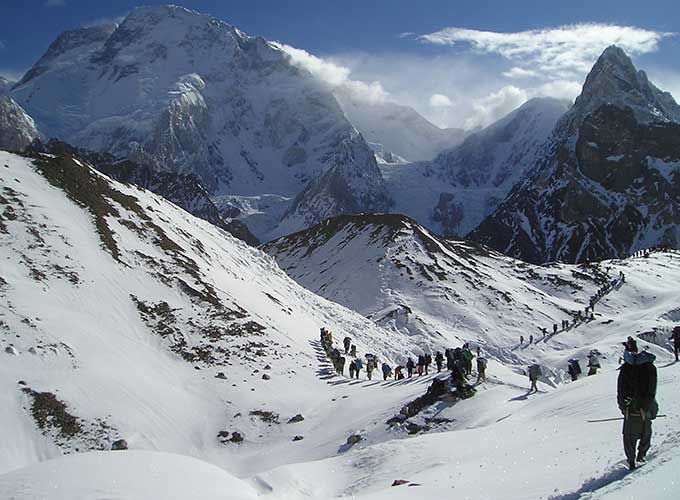
How to Climb K2 Mountain is a question every aspiring mountaineer asks before attempting one of the world’s most demanding peaks. Standing at 8,611 metres in Pakistan’s Karakoram Range, K2 requires exceptional fitness, advanced technical climbing skills, careful acclimatisation, and detailed expedition planning. This comprehensive guide covers everything from training, permits, equipment, and climbing routes to safety tips, costs, and the best time to climb. Whether you’re preparing for a future expedition or simply researching the challenge, you’ll gain valuable insights to help you understand what it truly takes to climb K2 safely and successfully in 2026.
How to Climb K2 Mountain – Complete 60-Day Expedition Itinerary
Days 1–25: Arrival, Travel & K2 Base Camp Trek
Day |
Itinerary |
Day 1 |
Arrive in Islamabad, expedition briefing, equipment inspection, and welcome dinner. |
Day 2 |
Complete permit formalities, final gear checks, and explore Islamabad. |
Day 3 |
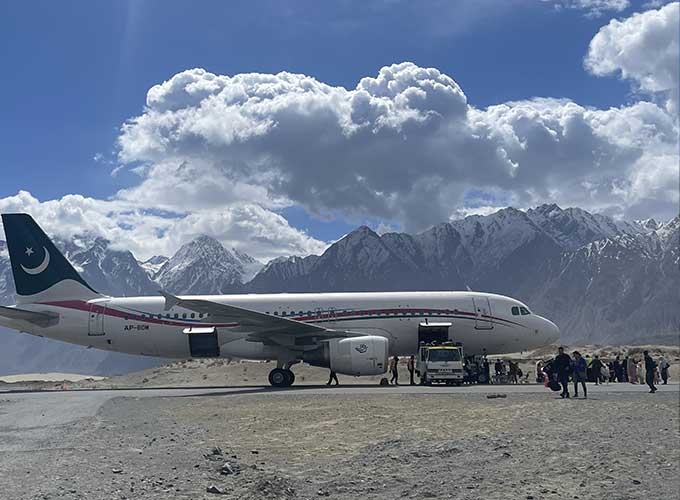
Fly or drive to Skardu. Overnight in Skardu. |
Day 4 |
Rest day in Skardu for acclimatisation and expedition preparation. |
Day 5 |
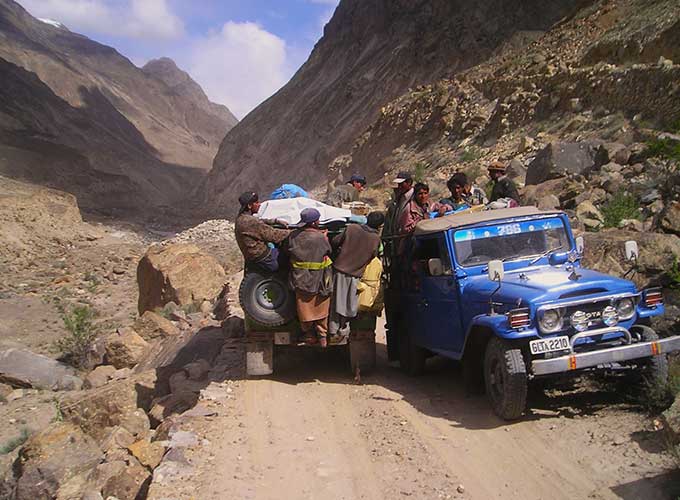
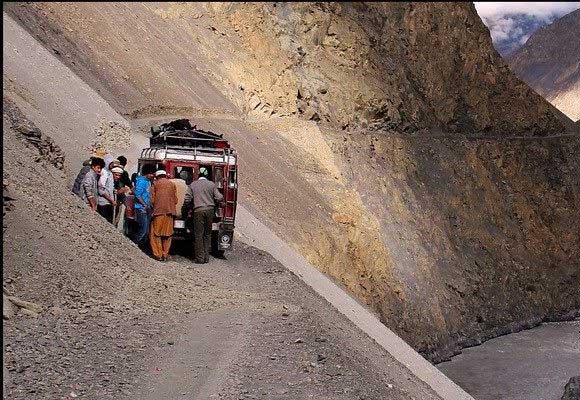
Drive from Skardu to Askole, the starting point of the trek. |
Day 6 |
Trek from Askole to Jhula Camp. |
Day 7 |
Trek from Jhula to Paiju Camp. |
Day 8 |
Rest and acclimatisation day at Paiju Camp. |
Day 9 |
Trek from Paiju to Khoburtse Camp. |
Day 10 |
Trek from Khoburtse to Urdukas Camp. |
Day 11 |
Trek from Urdukas to Goro II Camp. |
Day 12 |
Trek from Goro II to Concordia. |
Day 13 |
Trek from Concordia to K2 Base Camp. |
Day 14 |
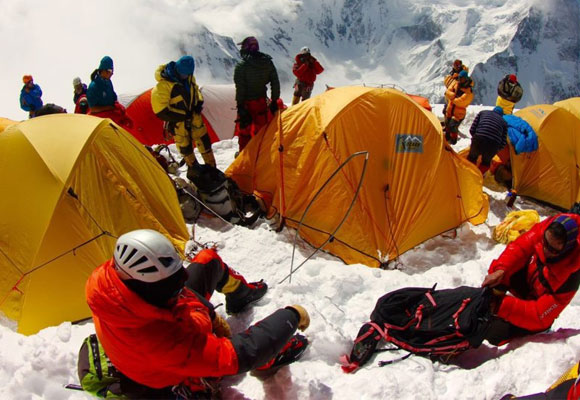
Rest and organise climbing equipment at Base Camp. |
Day 15 |
Medical check, glacier training, and fixed-rope practice. |
Day 16 |
Acclimatisation hike above Base Camp. |
Day 17 |
Ice climbing and rescue practice. |
Day 18 |
Expedition briefing and weather planning. |
Day 19 |
Load ferry to Advanced Base Camp. |
Day 20 |
Additional acclimatisation climb. |
Day 21 |
Rest and nutrition recovery day. |
Day 22 |
Review summit equipment and oxygen systems. |
Day 23 |
Weather monitoring and climbing strategy meeting. |
Day 24 |
Final preparation before the first rotation. |
Day 25 |
Begin Rotation 1 to Camp 1. |
Days 26–45: Acclimatisation Rotations & Summit Preparation
Day |
Itinerary |
Day 26 |
Climb from Camp 1 to Camp 2. |
Day 27 |
Descend to Base Camp for recovery. |
Day 28 |
Rest at Base Camp. |
Day 29 |
Weather assessment and recovery. |
Day 30 |
Begin Rotation 2 to Camp 1. |
Day 31 |
Climb to Camp 2. |
Day 32 |
Continue to Camp 3. |
Day 33 |
Descend to Camp 1. |
Day 34 |
Return to Base Camp. |
Day 35 |
Full recovery day. |
Day 36 |
Medical assessment and equipment maintenance. |
Day 37 |
Summit planning and weather briefing. |
Day 38 |
Rest and hydration. |
Day 39 |
Prepare oxygen cylinders and food supplies. |
Day 40 |
Begin summit rotation to Camp 1. |
Day 41 |
Climb to Camp 2. |
Day 42 |
Climb to Camp 3. |
Day 43 |
Move to Camp 4. |
Day 44 |
Rest briefly at Camp 4 and prepare for the summit push. |
Day 45 |
Final weather confirmation before summit day. |
Days 46–60: Summit Push & Return Journey
Day |
Itinerary |
Day 46 |
Midnight summit push towards the summit of K2. |
Day 47 |
Reach the summit (weather permitting) and descend to Camp 4 or Camp 3. |
Day 48 |
Descend safely to Camp 2. |
Day 49 |
Return to K2 Base Camp and celebrate the successful climb. |
Day 50 |
Reserve day for bad weather or additional summit attempt if required. |
Day 51 |
Begin trekking from Base Camp to Concordia. |
Day 52 |
Trek from Concordia to Goro II. |
Day 53 |
Trek from Goro II to Urdukas. |
Day 54 |
Trek from Urdukas to Khoburtse. |
Day 55 |
Trek from Khoburtse to Paiju. |
Day 56 |
Trek from Paiju to Jhula. |
Day 57 |
Trek from Jhula to Askole. |
Day 58 |
Drive from Askole to Skardu. |
Day 59 |
Fly or drive from Skardu to Islamabad. Farewell dinner and expedition debriefing. |
Day 60 |
Departure from Islamabad, marking the end of your How to Climb K2 Mountain expedition. |
Frequently Asked Questions (FAQs)
1. Is K2 harder to climb than Mount Everest?
Yes. K2 is generally considered more technically difficult because of its steeper terrain, more challenging ice and rock climbing, greater objective hazards, and less predictable weather.
2. Can beginners climb K2?
No. K2 is suitable only for experienced mountaineers with extensive high-altitude and technical climbing experience.
3. How long does a K2 expedition take?
Most expeditions last 45 to 60 days, including travel, trekking to Base Camp, acclimatisation, climbing rotations, summit attempts, and the return journey.
4. Do climbers use supplemental oxygen?
Many climbers use supplemental oxygen above Camp 3 or Camp 4, although some elite mountaineers climb without it.
5. What is the first stage of every K2 expedition?
Nearly every expedition begins with the K2 Base Camp Trek before climbers establish Base Camp and begin acclimatisation.
6. Which preparation trek is recommended before climbing K2?
Many climbers gain valuable experience on the K2 and Gondogoro La Trek Pakistan 2026 or the Snow Lake trek before attempting K2.
7. Is the Rakaposhi Base Camp Trek suitable for training?
Yes. The Rakaposhi base camp Hunza valley trek is an excellent introduction to multi-day trekking at altitude and helps build endurance.
8. What other scenic treks can I explore in Pakistan?
Adventure Pakistan also offers the Fairy meadows Trek and Shimshal Pass Trek 2026, both of which showcase the spectacular beauty of the Karakoram and Himalayan regions.
9. Can I combine mountaineering with cultural tours?
Absolutely. Many travellers extend their visit by joining the Indus valley civilization tour, attending the Shandoor Polo festival, or experiencing the vibrant kalash festival tour.
10. Why choose Adventure Pakistan for a K2 expedition?
Adventure Pakistan provides experienced expedition leaders, professional logistics, permit assistance, transportation, Base Camp support, and comprehensive safety planning, helping climbers prepare for one of the world’s most demanding mountaineering challenges.
11. How important is acclimatisation?
Acclimatisation is essential. Spending sufficient time adapting to altitude greatly reduces the risk of serious altitude illnesses and improves the chances of a safe summit attempt.
12. What is the biggest mistake first-time K2 climbers make?
The most common mistakes include inadequate preparation, insufficient high-altitude experience, rushing acclimatisation, and underestimating the mountain’s technical difficulty.
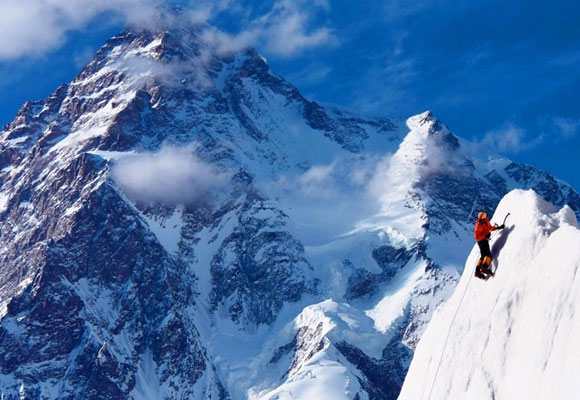
Why Is K2 Considered the World’s Toughest Mountain?
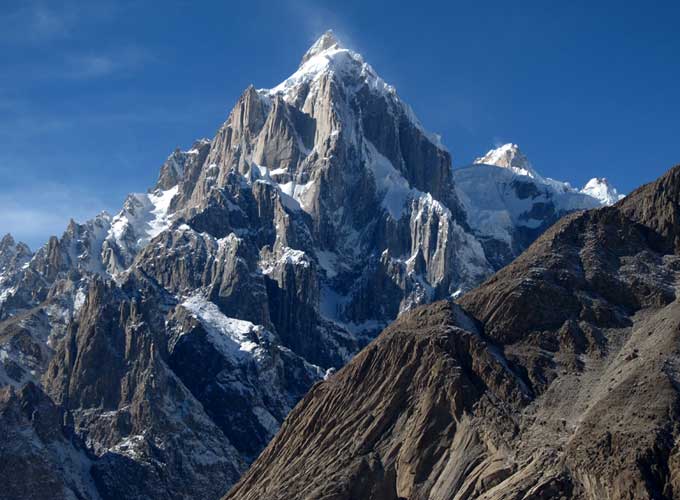
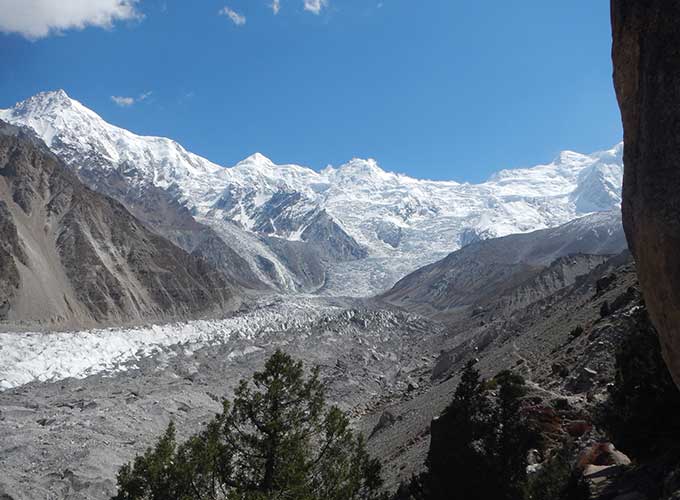
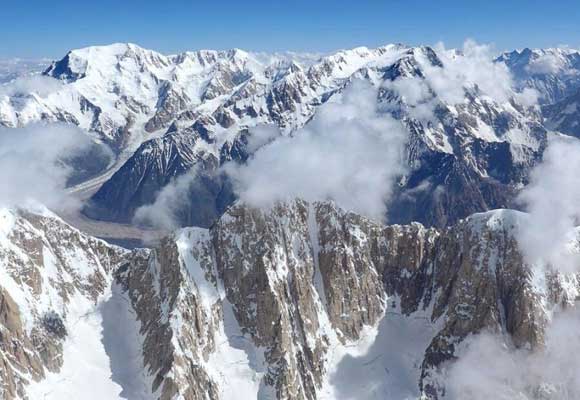
K2 is located in Pakistan’s Gilgit-Baltistan region and forms part of the spectacular Karakoram Mountain Range.
Several factors make K2 exceptionally difficult:
- Extremely steep climbing sections
- Technical rock and ice climbing
- Frequent avalanches
- Unpredictable weather
- Strong winds above 8,000 metres
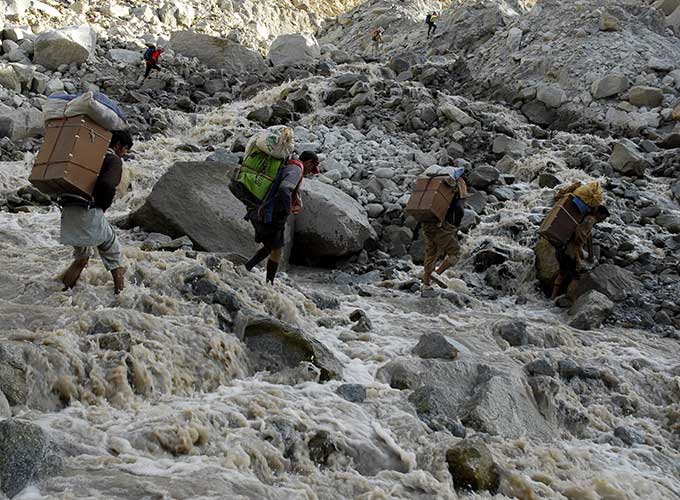
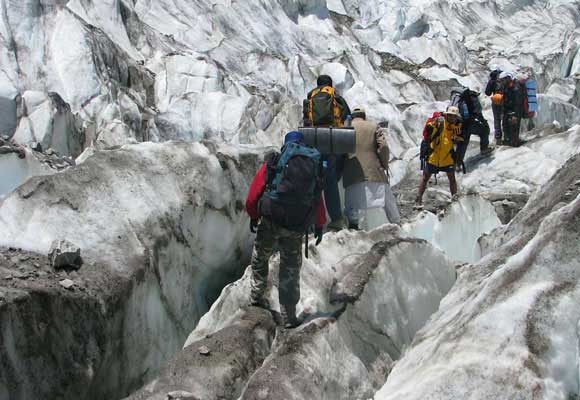
- Long glacier approaches
- High objective risk
- Thin oxygen at extreme altitude
Unlike many commercial peaks, climbers cannot rely solely on endurance. Technical climbing ability is essential throughout the expedition.
Where Is K2 Located?
K2 lies on the Pakistan-China border within the Karakoram Mountains.
Most expeditions begin in:
- Islamabad
- Skardu
- Askole
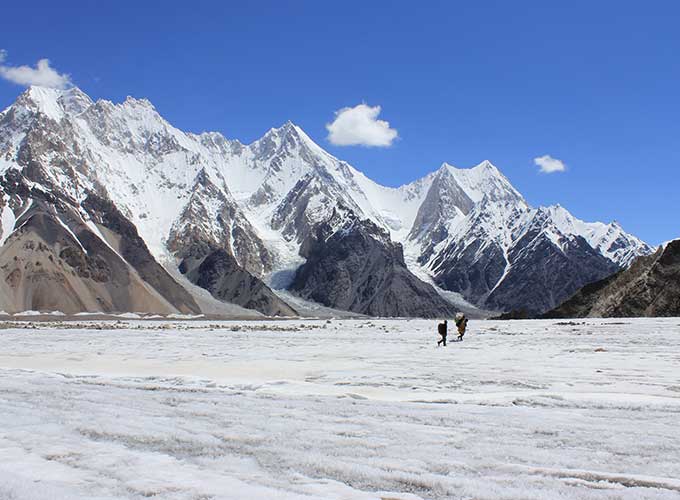
- Baltoro Glacier
- Concordia
- K2 Base Camp
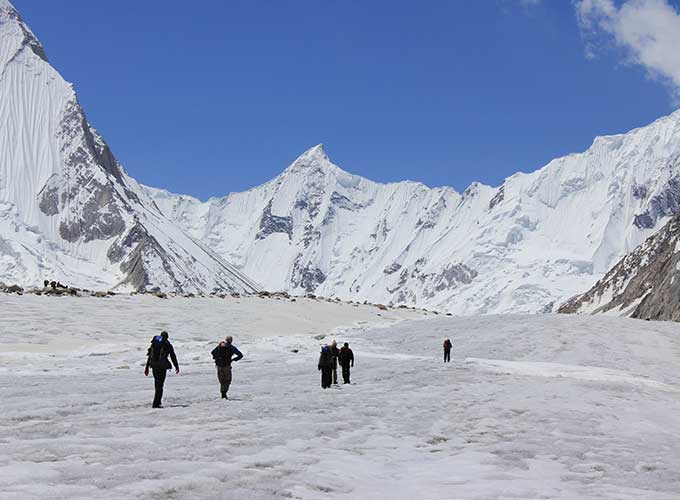
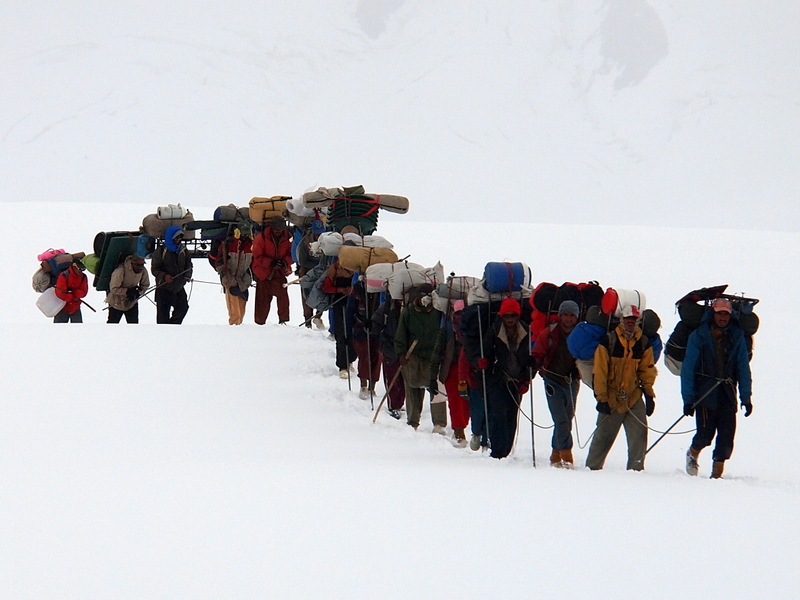
Nearly every expedition starts with the famous K2 Base Camp Trek, which serves as the gateway to the mountain.
Who Should Attempt to Climb K2?
K2 is not suitable for beginner climbers.
Successful climbers typically have experience with:
- 6,000-metre peaks
- 7,000-metre expeditions
- Technical alpine climbing
- Ice climbing
- Glacier travel
- Rope management
- Crevasse rescue
- High-altitude camping
Previous experience on mountains such as Aconcagua, Denali, Ama Dablam, or 8,000-metre peaks greatly improves readiness.
Reach K2 Base Camp
Every K2 expedition begins with the spectacular K2 Base Camp Trek.
The trek passes through:
- Askole
- Jhula
- Paiju
- Urdukas
- Goro II
- Concordia
- K2 Base Camp
Many climbers also compare the K2 Base Camp Tour Cost, K2 Base Camp Price, and different K2 Base Camp Tour Package options before selecting an expedition that matches their experience level and budget. Booking through a reliable K2 Base Camp Tour operator ensures permits, transport, camping logistics, and support staff are professionally organised.
Why Train in Pakistan Before Climbing K2?
Many climbers spend additional time exploring Pakistan’s mountains before attempting K2.
Excellent preparation treks include:
- K2 and Gondogoro La Trek Pakistan 2026
- Snow Lake trek
- Rakaposhi base camp Hunza valley trek
- Fairy Meadows Trek
- Shimshal Pass Trek 2026
These expeditions improve endurance, acclimatisation, and familiarity with Pakistan’s mountain environment while providing unforgettable trekking experiences.
Experience Pakistan Beyond Mountaineering
Many international visitors extend their expedition by discovering Pakistan’s rich history and vibrant culture.
Popular experiences include the Indus valley civilization tour, witnessing the exciting Shandoor Polo festival, and exploring the colourful traditions of the kalash festival tour.
These cultural journeys perfectly complement a mountaineering expedition, allowing visitors to experience Pakistan’s heritage alongside its world-famous mountains.
Weather Plays a Critical Role
K2 is famous for rapidly changing mountain weather.
Expeditions closely monitor:
- Wind speed
- Snowfall
- Avalanche conditions
- Temperature
- Cloud cover
- Jet stream movement
Most summit attempts take place during a short weather window between late July and early August.
If conditions deteriorate, experienced expedition leaders postpone summit attempts until a safer opportunity becomes available.
Oxygen on K2
Many climbers use supplemental oxygen during the summit push.
Benefits include:
- Improved decision-making
- Better endurance
- Reduced fatigue
- Lower risk of severe altitude illness
However, some elite mountaineers choose to climb without supplemental oxygen, requiring exceptional experience and physical conditioning.
Safety Is the Highest Priority
Successful K2 expeditions prioritise safety over reaching the summit.
Essential safety practices include:
- Following guide instructions
- Monitoring health continuously
- Staying properly hydrated
- Conserving energy
- Using correctly fitted climbing equipment
- Respecting weather forecasts
- Turning back when necessary
No summit is worth risking your life.
Typical Expedition Timeline
A complete K2 expedition usually lasts 45 to 60 days, including travel, trekking, acclimatisation, climbing rotations, summit attempts, and return.
A typical schedule includes:
- Arrival in Islamabad
- Travel to Skardu
- Jeep transfer to Askole
- K2 Base Camp Trek
- Base Camp acclimatisation
- Multiple climbing rotations
- Summit attempt
- Descent
- Return to Islamabad
Patience is essential, as weather delays are common.
Preparing Through Other Pakistan Treks
Before attempting K2, many climbers gain valuable experience on other high-altitude expeditions organised by Adventure Pakistan.
Snow Lake Trek
The Snow Lake trek is among the world’s finest glacier expeditions and an excellent preparation for longer mountain journeys.
Adventure Pakistan also offers:
- Snow Lake trek Tour
- Snow Lake trek Tour Company
- Snow Lake trek Tour Cost
- Snow Lake trek Price
- Snow Lake trek Package
Fairy Meadows Trek
The Fairy Meadows Trek is one of Pakistan’s most scenic adventures and provides excellent experience trekking at altitude.
Adventure Pakistan provides:
- Fairy Meadows Trek Tour
- Fairy Meadows Trek Tour Company
- Fairy Meadows Trek Cost
- Fairy Meadows Trek Price
- Fairy Meadows Trek Package
Shandoor Polo Festival
After your mountain adventure, experience Pakistan’s unique cultural heritage at the Shandoor Polo festival.
Adventure Pakistan also offers:
- Shandoor Polo festival tour
- Shandoor Polo festival tour Company
- Shandoor Polo festival Cost
- Shandoor Polo festival Price
- Shandoor Polo festival tour Package
The annual event combines thrilling freestyle polo, mountain landscapes, music, and traditional culture.
Why Choose Adventure Pakistan?
Adventure Pakistan has extensive experience organising trekking and mountaineering expeditions throughout Gilgit-Baltistan and the Karakoram.
Their services include:
- Experienced expedition leaders
- Professional local guides
- High-altitude logistics
- Base Camp support
- Camping equipment
- Permit assistance
- Transportation
- Safety-focused planning
- Custom expedition itineraries
Whether you’re planning your first K2 Base Camp Trek or preparing for a future K2 summit attempt, experienced logistical support can make a significant difference to your expedition.
Best Time to Climb K2
The K2 climbing season is extremely short. Most expeditions are organised between late June and early August, when snow conditions, temperatures, and weather windows are generally most favourable.
Late June
- Arrival of expedition teams
- Establishment of Base Camp
- Acclimatisation begins
- Glacier conditions are usually stable
July
- Peak climbing season
- Fixed ropes installed
- Summit rotations begin
- Most climbers attempt the summit
Early August
- Final summit opportunities
- Weather becomes increasingly unpredictable
- Many expeditions begin their descent
Outside this period, heavy snowfall, severe storms, and extreme cold make climbing significantly more dangerous.
Budgeting Tips for a K2 Expedition
Climbing K2 requires careful financial planning as well as physical preparation.
Consider the following tips:
- Book your expedition well in advance.
- Choose an experienced expedition operator rather than focusing only on price.
- Invest in high-quality mountaineering equipment.
- Budget for travel insurance with high-altitude rescue cover.
- Allow contingency funds for weather delays.
- Train extensively before arrival to reduce the risk of expedition failure.
- Confirm exactly what is included in your expedition package before booking.
A well-planned expedition improves both safety and the overall climbing experience.
Learning How to Climb K2 Mountain involves much more than reaching the summit. It requires years of mountaineering experience, disciplined physical training, technical climbing skills, careful acclimatisation, and the support of an experienced expedition team. As the world’s second-highest peak, K2 continues to challenge even elite climbers with its steep terrain, unpredictable weather, and demanding high-altitude environment.
As an Adventure Pakistan market analyst tracking Pakistan’s adventure tourism industry, I have witnessed Pakistan become one of the world’s leading destinations for serious mountaineers and adventure travellers. While K2 remains the ultimate objective, preparation is equally important. Many climbers first explore the K2 Base Camp Trek, K2 and Gondogoro La Trek Pakistan 2026, Snow Lake trek, Rakaposhi base camp Hunza valley trek, Fairy Meadows Trek, and Shimshal Pass Trek 2026 to build experience before attempting the summit.
Beyond mountaineering, Pakistan offers extraordinary cultural experiences through the Indus valley civilization tour, the internationally renowned Shandoor Polo festival, and the colourful kalash festival tour.
If climbing K2 is your ultimate ambition, begin your preparation early, train consistently, gain experience on high-altitude expeditions, and choose a trusted expedition operator. With expert planning, the right mindset, and professional support from Adventure Pakistan, you can take the first steps towards one of the greatest mountaineering achievements on Earth.
K2 Base Camp and Gondogoro La Trek
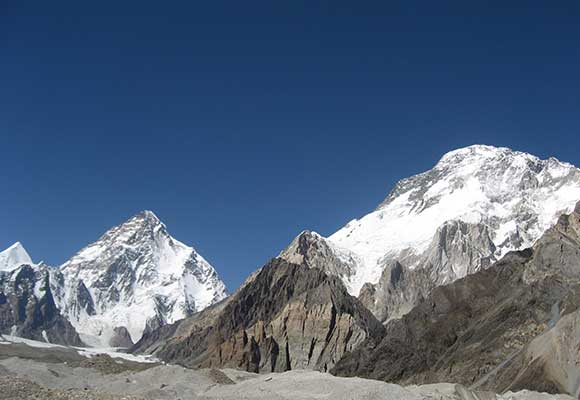
K2 Base Camp Trek
K2 Base Camp Trek Concordia
Mashabrum & Gondogoro BC Trek
K6/K7 BC Trek
Thalle La Trek Pakistan
Spantik Base Camp & Haramosh La Trek
Rakaposhi Base Camp Trek
Batura Glacier Trek
Patundas Trek
Shimshal Valley Trek
Tirich Mir Base Camp Trek
Wakhan Corridor Trek
Naltar Ishkoman Pass Trek
Darkot and Broghil Passes Trek
Around Nanga Parbat Mazeno Pass Trek
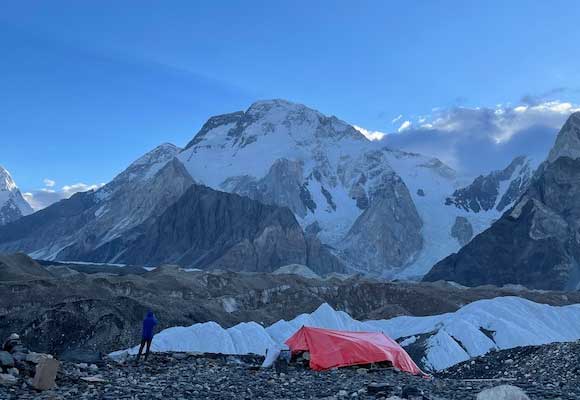
5X8000m Base Camp Trek
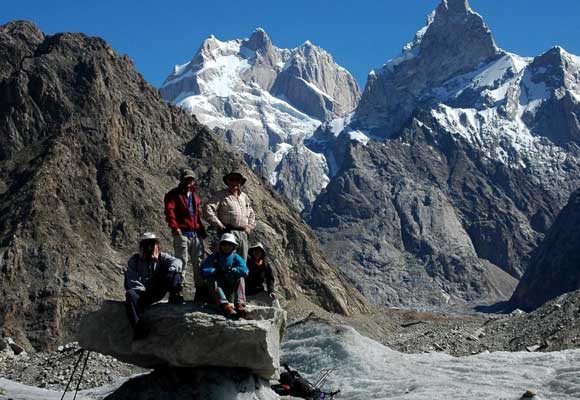
Great Karakorum Traverse Trek
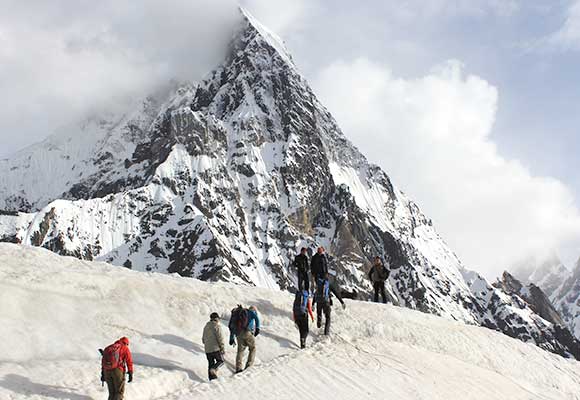
K2 Expedition (8611m)
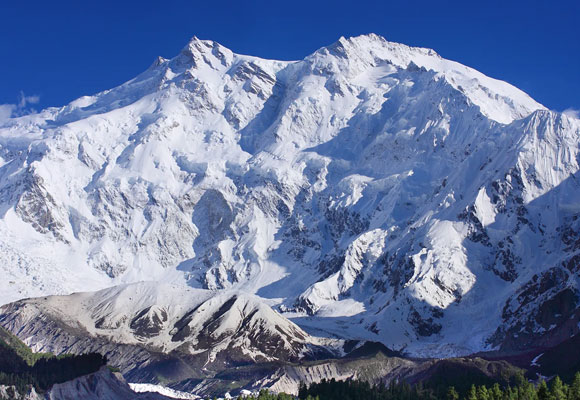
Nanga Parbat Expedition (8126m)
Broad Peak Expedition (8047m)
Gasherbrum 1 Expedition (8068m)
Gasherbrum II Expedition (8035m)
Gasherbrum III Expedition (7952m)
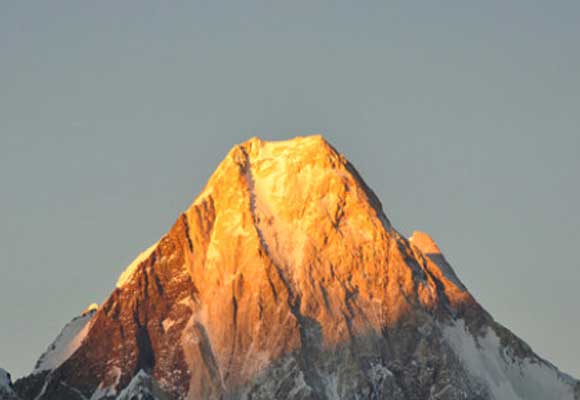
Gasherbrum IV Expedition (7925m)
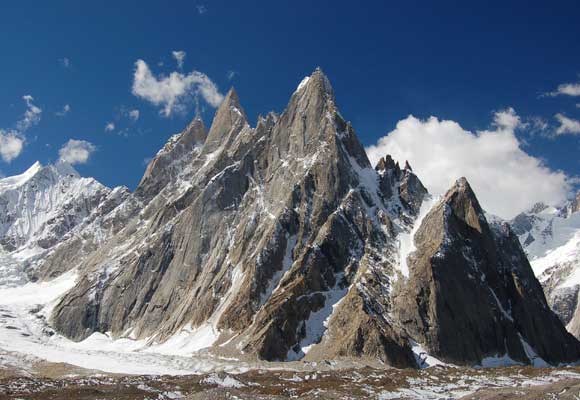
Masherbrum Expedition (7821m)
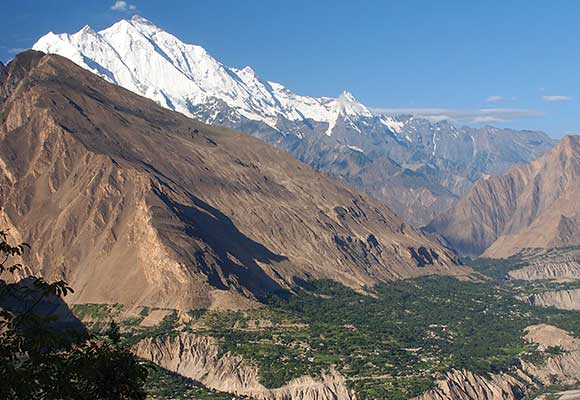
Rakaposhi Expedition (7788m)
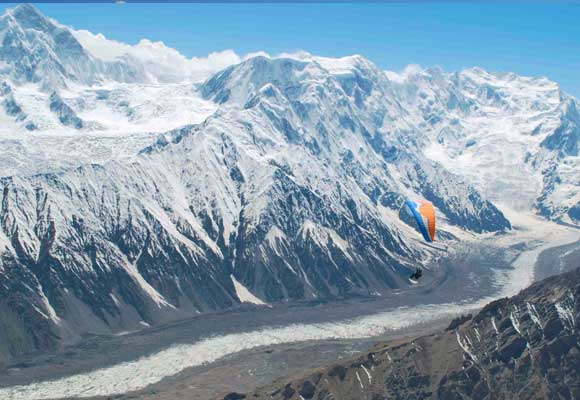
Batura Sar Expedition (7785 m)
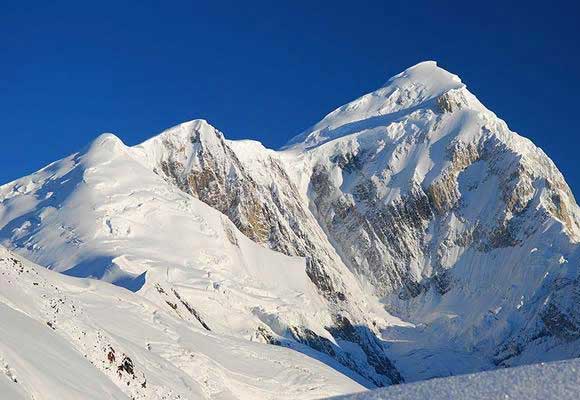
Tirich Mir Expedition (7708m)
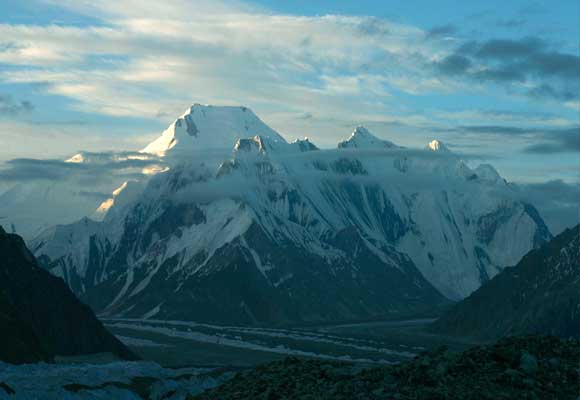
Chogolisa Expedition (7665 m)
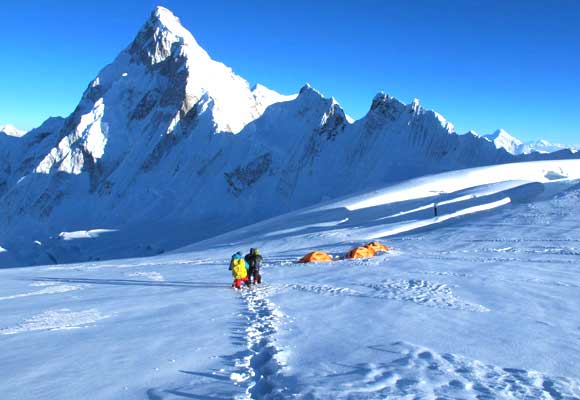
Passu Peak Expedition (7478m)
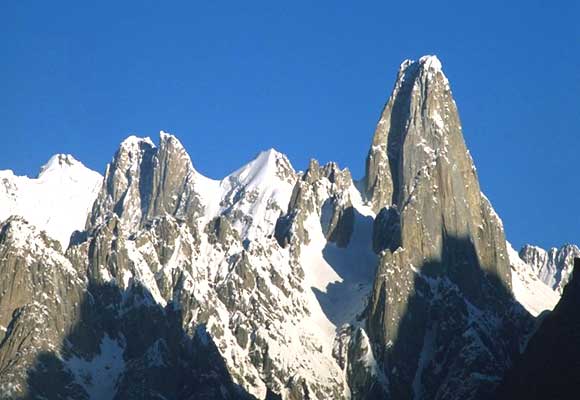
Muztagh Tower Expedition (7273m)
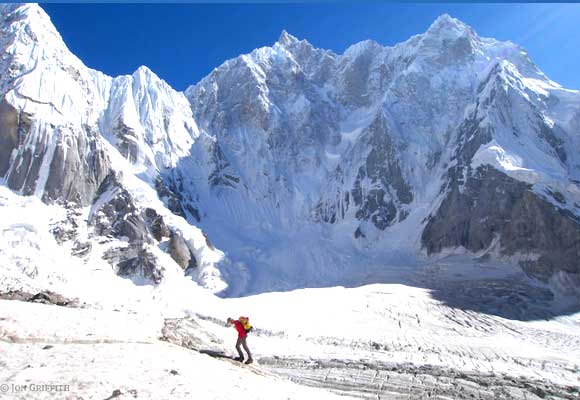
K6 Peak Expedition (6935m)
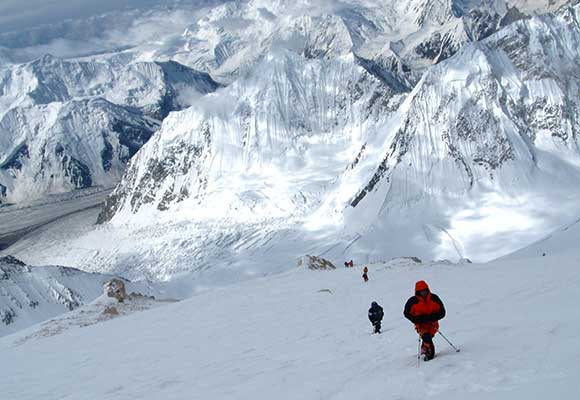
Diran Peak Expedition (7272m)
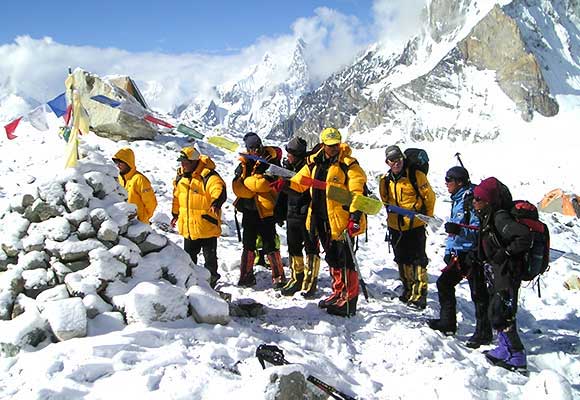
Latok 1 Expedition (7145 m)
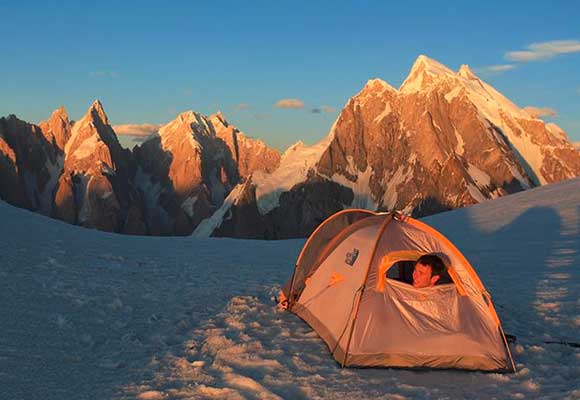
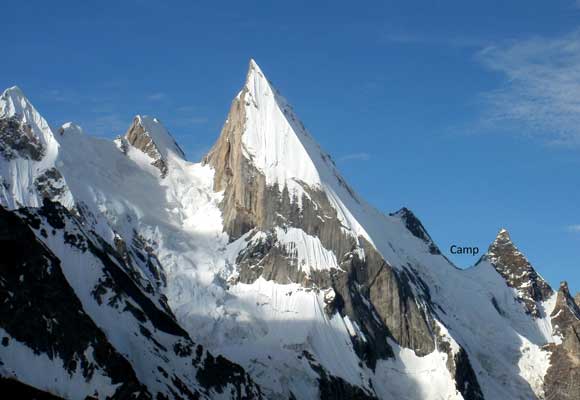
Laila Peak Expedition (6095m)
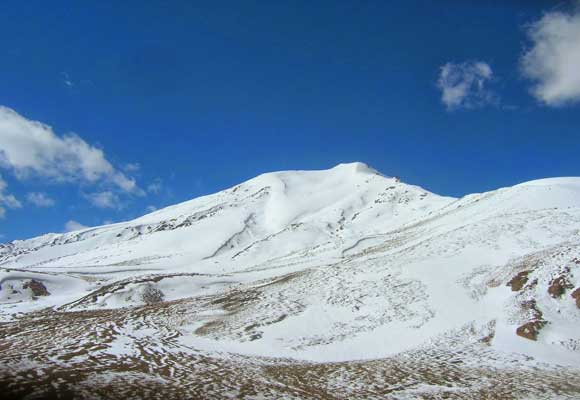
Minglik Sar Peak Expedition (6050m)
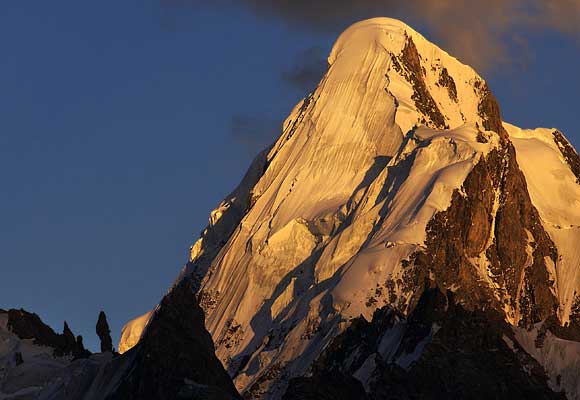
Rush Peak Expedition (5,098m)