Explore the ancient roots of South Asia with the Indus Valley Civilization Tour by Adventure Pakistan, your trusted travel partner for cultural and historical exploration. Step back over 5,000 years as you visit legendary archaeological sites like Mohenjo-Daro and Harappa, uncovering the secrets of one of the world’s earliest urban civilizations. Our expertly guided Indus Valley Civilization Tour offers comfortable transport, professional historians, and immersive storytelling experiences. Perfect for history lovers and cultural travelers, this journey brings Pakistan’s rich heritage to life. Book your Indus Valley Civilization Tour with Adventure Pakistan and experience history like never before in 2026.
The Indus Valley Civilization Tour Pakistan History, Routes, and Cultural Guide (2026) is one of the most significant cultural tourism experiences in South Asia, offering travelers a rare opportunity to explore the roots of one of the world’s oldest urban civilizations. As an Adventure Pakistan market analyst tracking GCC and European cultural tourism trends, demand for heritage-based travel in Pakistan has increased significantly in 2026, especially among history enthusiasts, academic groups, and cultural explorers.
Unlike adventure treks such as the K2 Base Camp Trek or Fairy Meadows Trek, this journey focuses on archaeology, ancient city planning, and early human civilization development.
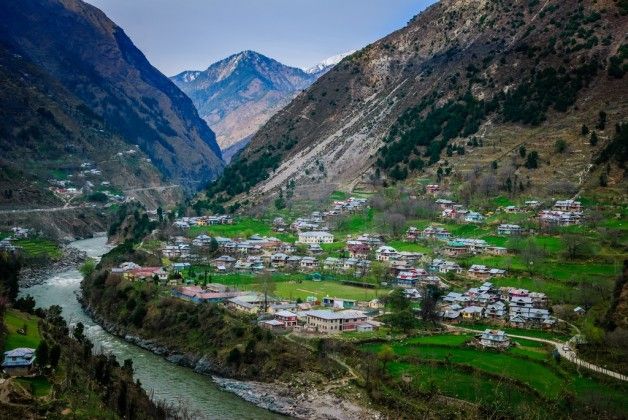
Overview of Indus Valley Civilization Tour
The Indus Valley Civilization (IVC), also known as the Harappan Civilization, dates back to approximately 2600 BCE–1900 BCE. It is one of the earliest urban cultures in the world, featuring advanced city planning, drainage systems, and trade networks.
Key archaeological sites in Pakistan include:
- Mohenjo-Daro (Sindh)
- Harappa (Punjab)
- Kot Diji Fort
- Mehrgarh (Balochistan region influence)
This tour is ideal for travelers interested in history, archaeology, anthropology, and cultural heritage exploration.
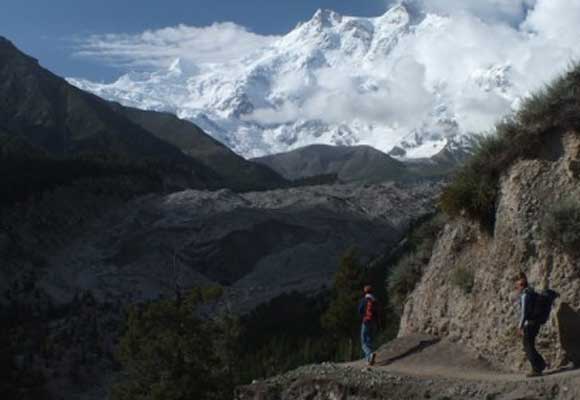
For travelers combining cultural and adventure tourism, Pakistan offers diverse experiences like the Rakaposhi base camp Hunza valley trek and mountain expeditions in the north.
Tour Cost and Indus valley civilization tour Experience (2026)
As per Adventure Pakistan tourism analysis:
Start |
End |
Status |
Price |
Deposit |
Registration |
|---|---|---|---|---|---|
15 October |
28 October |
Available |
USD $2800 |
USD $300 |
|
04 November |
17 November |
Available |
USD $2800 |
USD $300 |
|
28 November |
11 December |
Available |
USD $2800 |
USD $300 |
|
15 January |
28 January |
Available |
USD $2800 |
USD $300 |
|
03 February |
16 February |
Available |
USD $2800 |
USD $300 |
|
24 February |
08 March |
Available |
USD $2800 |
USD $300 |
|
10 March |
23 March |
Available |
USD $2800 |
USD $300 |
|
06 April |
19 April |
Available |
USD $2800 |
USD $300 |
|
11 May |
24 May |
Available |
USD $2800 |
USD $300 |
|
08 June |
21 June |
Available |
USD $2800 |
USD $300 |
|
06 July |
19 July |
Available |
USD $2800 |
USD $300 |
|
03 August |
16 August |
Available |
USD $2800 |
USD $300 |
|
07 September |
20 September |
Available |
USD $2800 |
USD $300 |
|
09 October |
22 October |
Available |
USD $2800 |
USD $300 |
|
04 November |
17 November |
Available |
USD $2800 |
USD $300 |
|
07 December |
20 December |
Available |
USD $2800 |
USD $300 |
Packages usually include:
- Transport
- Archaeological guides
- Museum entries
- Accommodation
- Documentary-style storytelling tours
Indus Valley Civilization Tour – 13 Days Complete Detailed Itinerary
Day 1 – Arrival in Islamabad
Arrive at Islamabad International Airport and transfer to the hotel. Meet the tour guide for a briefing about the Indus Valley Civilization Tour, historical sites, cultural experiences, and travel plans. Overnight stay in Islamabad.
Day 2 – Islamabad City Tour
Explore the capital city including Faisal Mosque, Pakistan Monument, Lok Virsa Museum, and Rawalpindi’s traditional markets. Learn about Pakistan’s cultural and historical heritage. Overnight stay in Islamabad.
Day 3 – Drive from Islamabad to Taxila and Peshawar
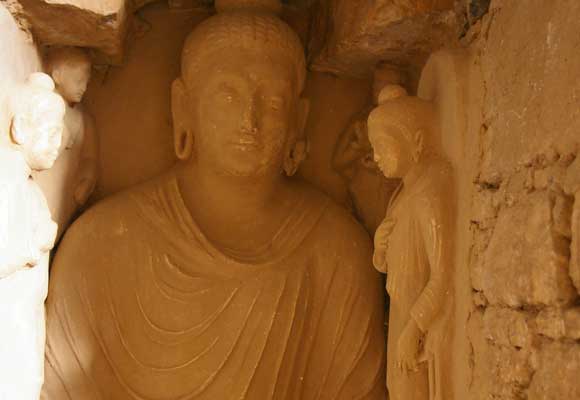
Visit the ancient archaeological sites of Taxila, a UNESCO World Heritage Site known for Gandhara Civilization remains, monasteries, and museums. Continue to Peshawar for overnight stay.
Day 4 – Explore Peshawar
Visit Bala Hisar Fort, Qissa Khwani Bazaar, Peshawar Museum, and historical old city areas. Experience local culture, architecture, and traditional cuisine. Overnight stay in Peshawar.
Day 5 – Drive from Peshawar to Swat Valley
Travel toward the beautiful Swat Valley while exploring Buddhist archaeological sites and ancient cultural landmarks along the route. Overnight stay in Swat.
Day 6 – Explore Swat Valley
Visit Butkara Stupa, Swat Museum, Mingora Bazaar, and nearby archaeological ruins connected to ancient Buddhist civilization. Overnight stay in Swat Valley.
Day 7 – Drive from Swat to Lahore
Travel toward Lahore through scenic plains and countryside. Arrive in Lahore and relax at the hotel. Overnight stay in Lahore.
Day 8 – Lahore Historical City Tour
Explore Lahore Fort, Badshahi Mosque, Shalimar Gardens, Walled City, and Lahore Museum. Learn about Mughal architecture and historical heritage. Overnight stay in Lahore.
Day 9 – Drive from Lahore to Multan
Travel south toward Multan, one of the oldest cities in South Asia. Explore traditional bazaars and historical architecture. Overnight stay in Multan.
Day 10 – Explore Multan and Drive to Sukkur
Visit famous shrines, old markets, and cultural landmarks in Multan before continuing the journey toward Sukkur along the Indus River. Overnight stay in Sukkur.
Day 11 – Visit Mohenjo-Daro Archaeological Site
Travel to the ancient city of Mohenjo-Daro, one of the greatest archaeological sites of the Indus Valley Civilization and a UNESCO World Heritage Site. Explore ruins, streets, drainage systems, and museums. Overnight stay near Mohenjo-Daro.
Day 12 – Drive to Karachi
Travel toward Karachi while enjoying views of Sindh’s rural landscapes and the Indus plains. Arrive in Karachi for overnight stay.
Day 13 – Karachi City Tour and Departure
Visit Quaid-e-Azam Mausoleum, Clifton Beach, National Museum of Pakistan, and historical colonial buildings before transfer to Karachi International Airport for onward flights. End of the Indus Valley Civilization Tour in Pakistan.
FAQs – Indus Valley Civilization Tour Pakistan (2026)
1. What is the Indus Valley Civilization Tour?
It is a cultural heritage tour covering ancient archaeological sites like Mohenjo-Daro and Harappa in Pakistan.
2. How long is the Indus Valley Civilization Tour?
Typically 5 to 7 days depending on itinerary and travel route.
3. What is the cost of the Indus Valley Civilization Tour in 2026?
Costs range from $400 to $1500 depending on package type and services included.
4. Which cities are included in the tour?
Main destinations include Mohenjo-Daro, Harappa, and Kot Diji Fort, with extensions possible from Karachi and Lahore.
5. Is the Indus Valley Civilization Tour suitable for families?
Yes, it is suitable for families, students, researchers, and cultural tourists.
6. What is the best season for this tour?
October to March is ideal due to mild weather conditions in southern Pakistan.
7. Can I combine this tour with northern Pakistan trips?
Yes, many tourists combine it with trekking destinations like Hunza, Fairy Meadows, and Skardu.
Why Choose the Indus Valley Civilization Tour?
The Indus Valley Civilization Tour is one of Pakistan’s most fascinating cultural and historical journeys, offering travelers the opportunity to explore one of the world’s oldest civilizations. This unique tour takes visitors to legendary archaeological sites such as Mohenjo-Daro, Taxila, Harappa, and ancient Buddhist and Gandhara heritage locations across Pakistan.
Major Sites Included in the Tour
1. Mohenjo-Daro (Sindh)
One of the most important archaeological sites in the world, Mohenjo-Daro showcases:
- Grid-based urban planning
- Advanced drainage systems
- Public baths and marketplaces
2. Harappa (Punjab)
Harappa reveals early industrial and trading systems:
- Granaries and storage facilities
- Seals and trade artifacts
- Residential structures
3. Kot Diji Fort
Located near Khairpur, this site connects pre-Harappan and Harappan civilizations.
Cultural Importance of Indus Valley Civilization
As per archaeological research and UNESCO documentation, the Indus Valley Civilization represents:
- One of the earliest known urban societies
- Early examples of sanitation systems
- Evidence of standardized weights and trade systems
- Non-militaristic urban development model
This makes it a crucial destination for global academic tourism.
Best Time for Indus Valley Tour
- October to March: Best weather conditions
- Summer months (April–June) can be extremely hot in Sindh and Punjab plains
Combining Cultural and Adventure Tourism in Pakistan
Many international travelers combine heritage tours with northern Pakistan adventures for a complete experience.
Mountain Expeditions
Snow Lake Packages:
Short Trekking Experiences
Cultural Festivals in Pakistan
Shandoor Packages:
Cultural Diversity Tours
Why Indus Valley Civilization Tour is Important in 2026
As tourism trends shift globally, cultural and heritage tourism is growing faster than traditional sightseeing. The Indus Valley Civilization Tour is gaining popularity because:
- It offers UNESCO-level archaeological experience
- Strong academic and research tourism demand
- Increasing interest from GCC and European travelers
- Integration with Pakistan’s tourism branding strategy
- Accessibility via Karachi and Lahore gateways
Unlike adventure treks, this tour focuses on education, history, and human civilization evolution.
The Indus Valley Civilization Tour Pakistan History, Routes, and Cultural Guide (2026) is one of the most intellectually enriching travel experiences in South Asia. It allows travelers to step back more than 4,000–5,000 years into one of the world’s earliest urban civilizations and witness the foundations of human development in architecture, trade, and city planning.
While Pakistan is globally known for its adventure tourism through the K2 Base Camp Trek, K2 and Gondogoro La Trek Pakistan 2026, and the Snow Lake trek, its cultural heritage dimension is equally powerful and globally significant. The Indus Valley Civilization Tour adds depth to Pakistan’s tourism identity by showcasing its ancient roots.
As per 2026 tourism market trends, combining cultural exploration with adventure tourism—ranging from Rakaposhi base camp Hunza valley trek to Shandoor Polo festival and kalash festival tour—is becoming the preferred travel model for international visitors.
Ultimately, this tour is not just a journey through Pakistan; it is a journey through the origins of human civilization itself.
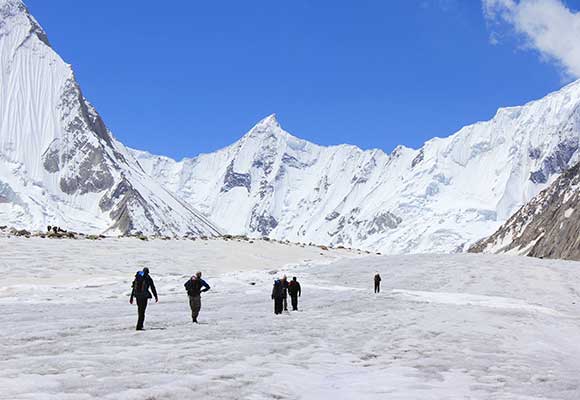
K2 Base Camp and Gondogoro La Trek
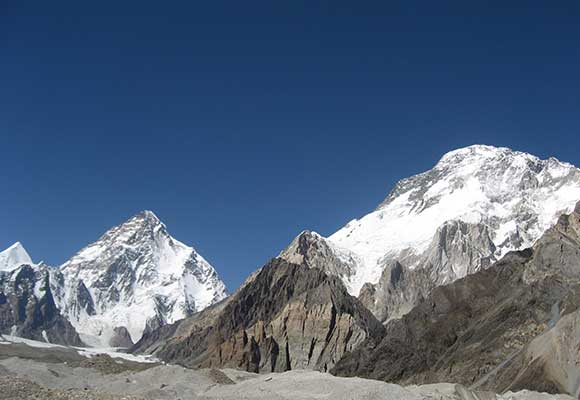
K2 Base Camp Trek
K2 Base Camp Trek Concordia
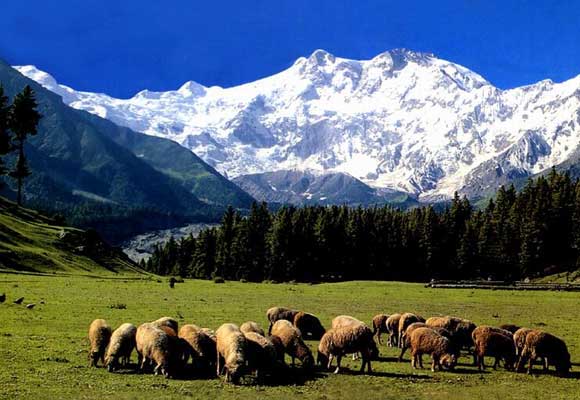
Mashabrum & Gondogoro BC Trek
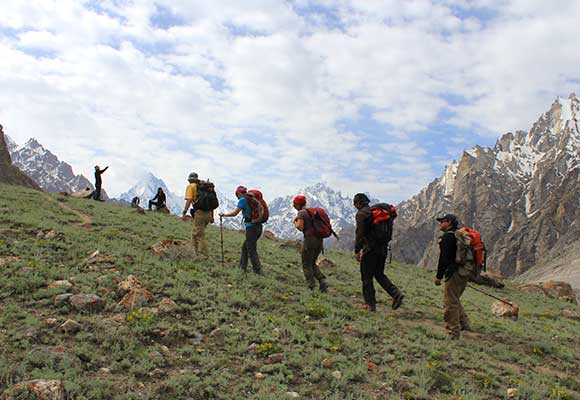
K6/K7 BC Trek
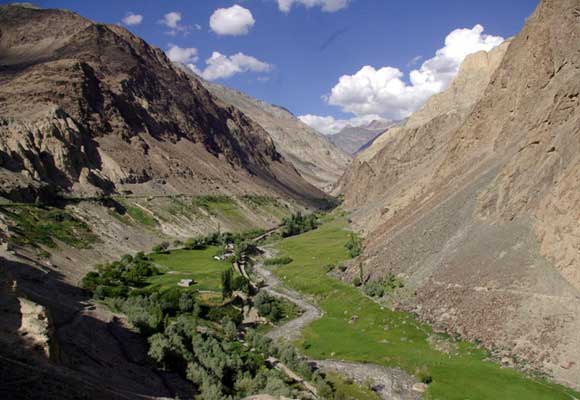
Thalle La Trek Pakistan
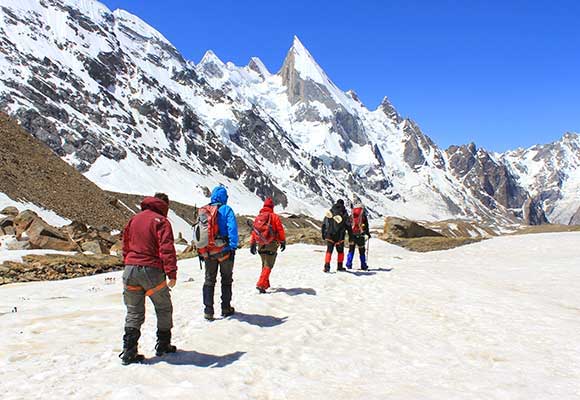
Spantik Base Camp & Haramosh La Trek
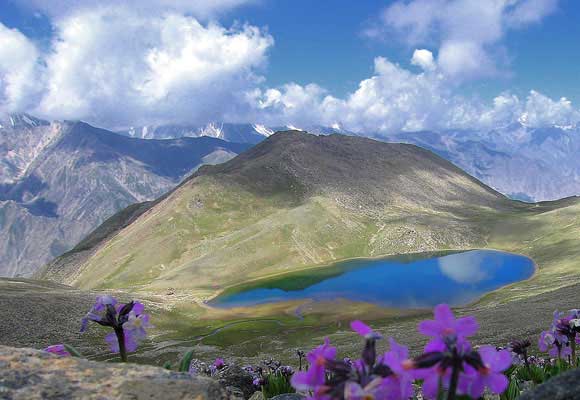
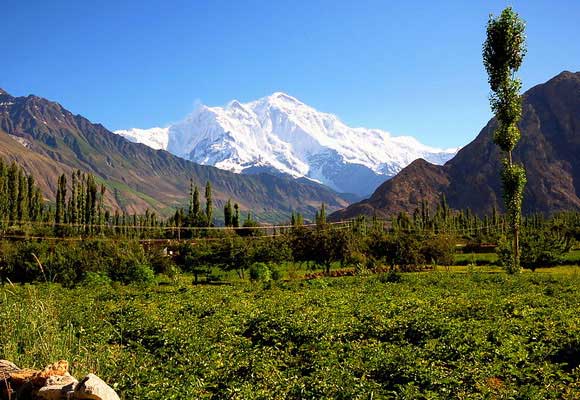
Rakaposhi Base Camp Trek
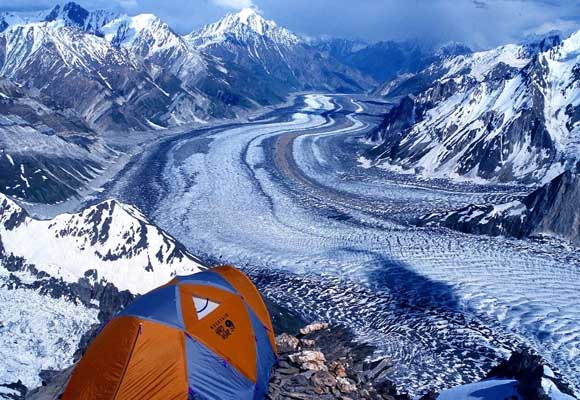
Batura Glacier Trek
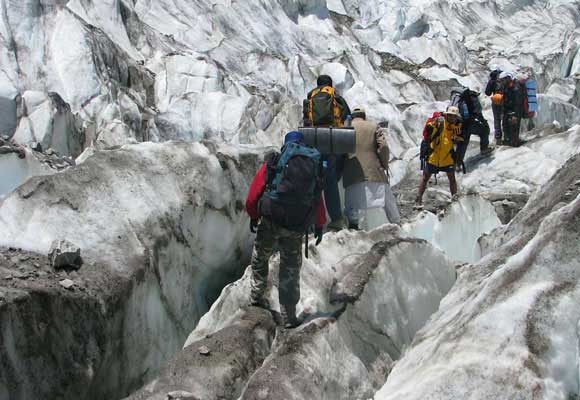
Patundas Trek
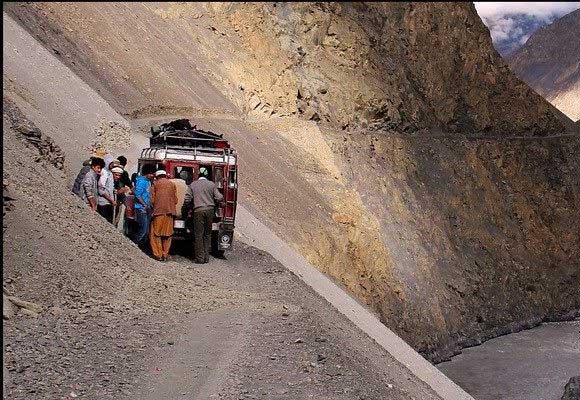
Shimshal Valley Trek
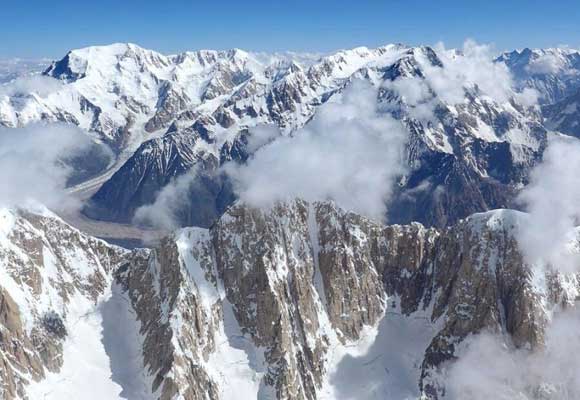
Tirich Mir Base Camp Trek
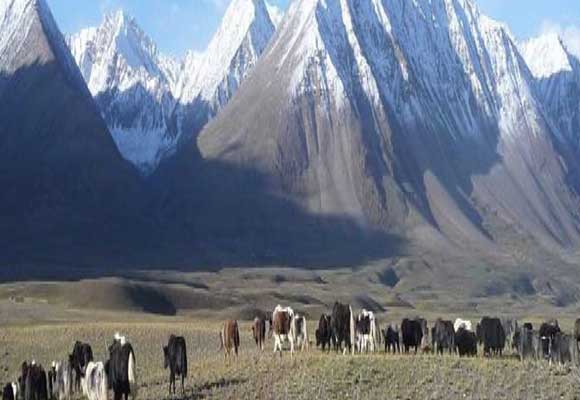
Wakhan Corridor Trek
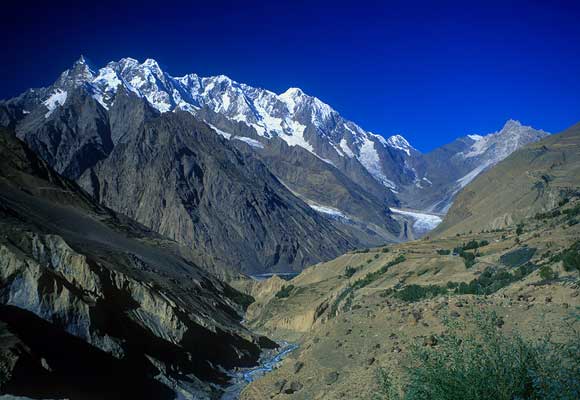
Naltar Ishkoman Pass Trek
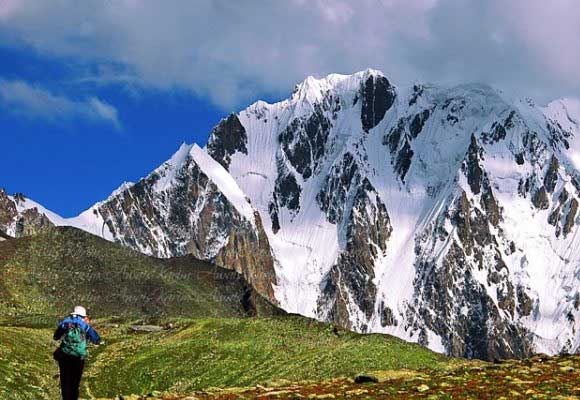
Darkot and Broghil Passes Trek
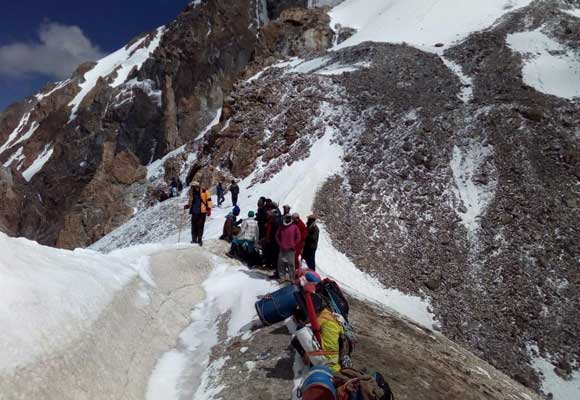
Around Nanga Parbat Mazeno Pass Trek
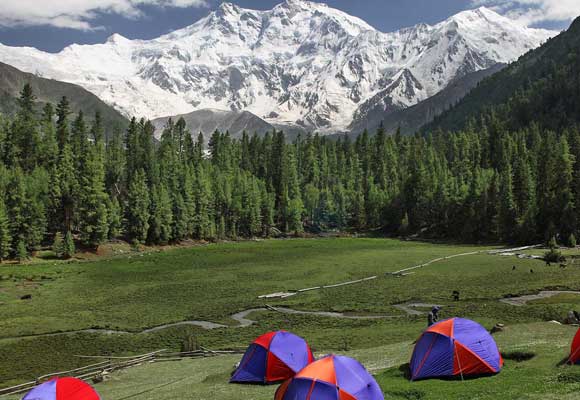
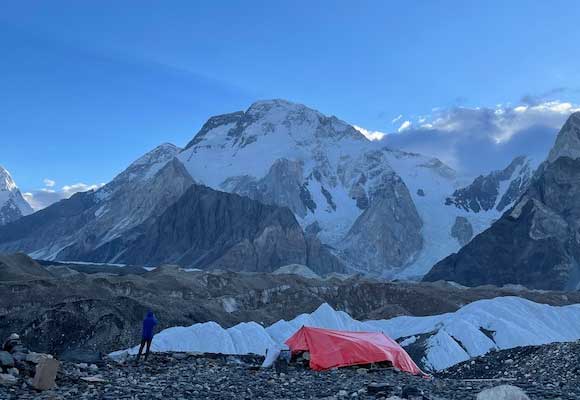
5X8000m Base Camp Trek
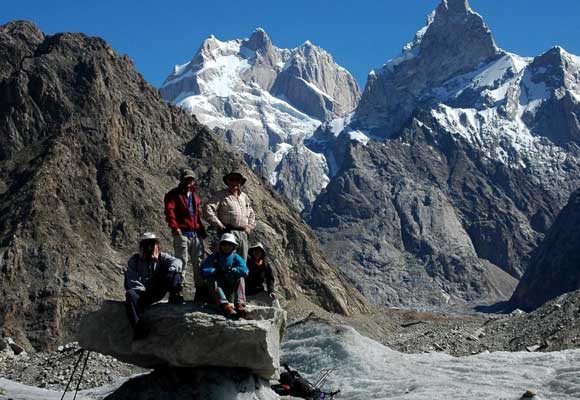
Great Karakorum Traverse Trek
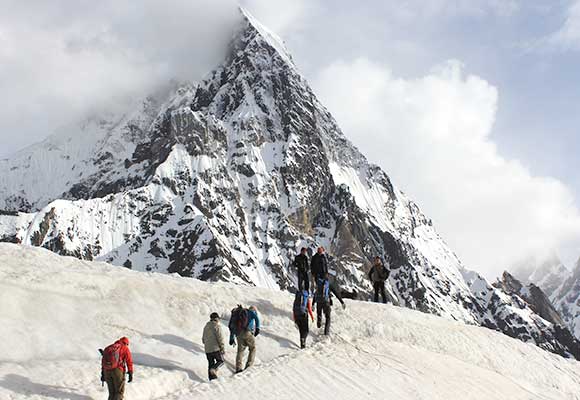
K2 Expedition (8611m)
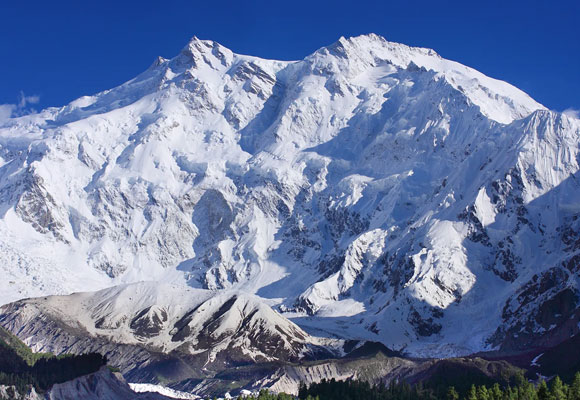
Nanga Parbat Expedition (8126m)

Broad Peak Expedition (8047m)
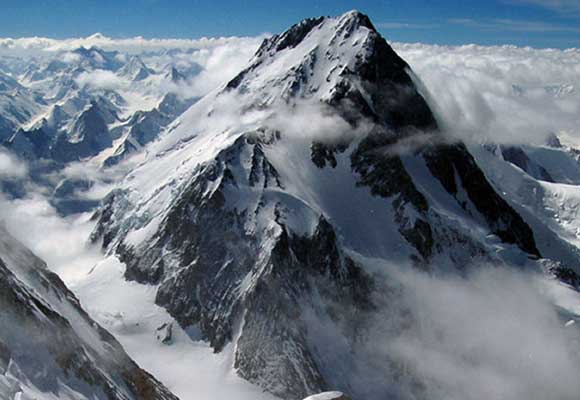
Gasherbrum 1 Expedition (8068m)
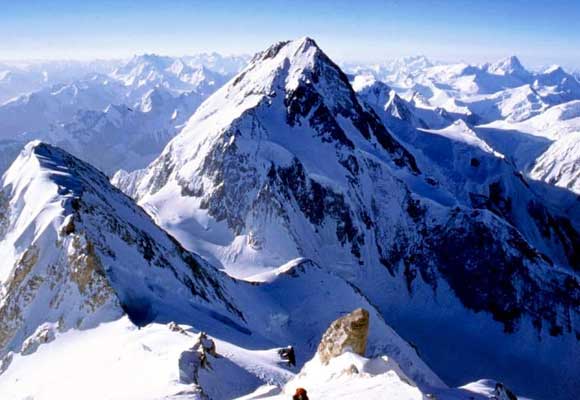
Gasherbrum II Expedition (8035m)
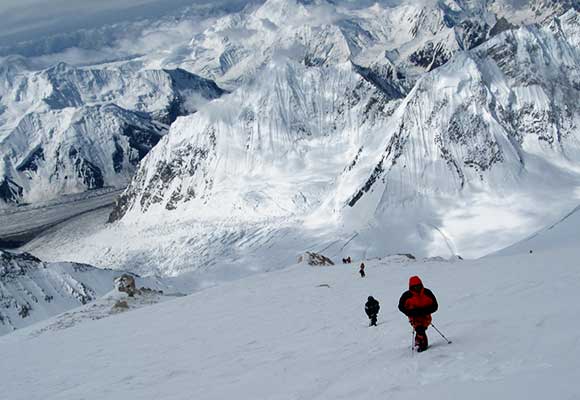
Gasherbrum III Expedition (7952m)
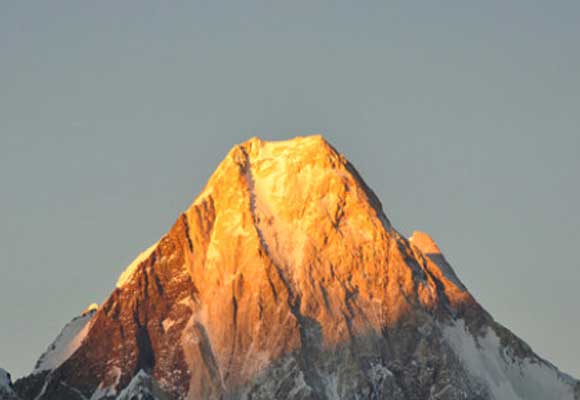
Gasherbrum IV Expedition (7925m)
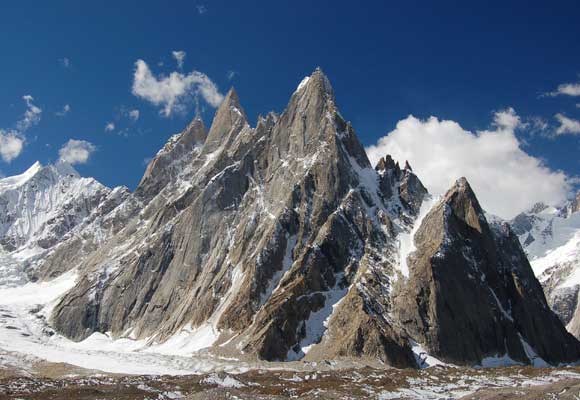
Masherbrum Expedition (7821m)
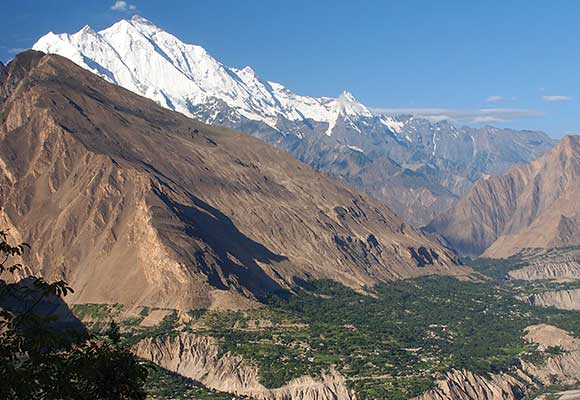
Rakaposhi Expedition (7788m)
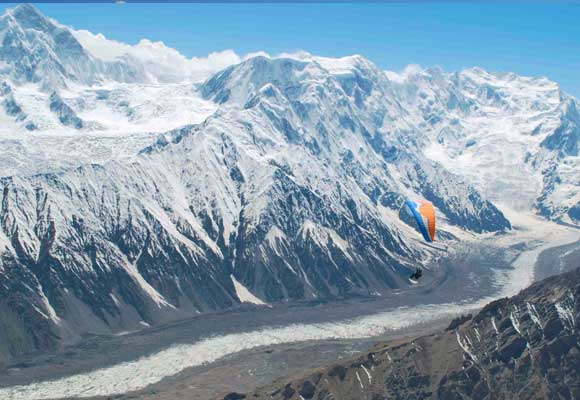
Batura Sar Expedition (7785 m)
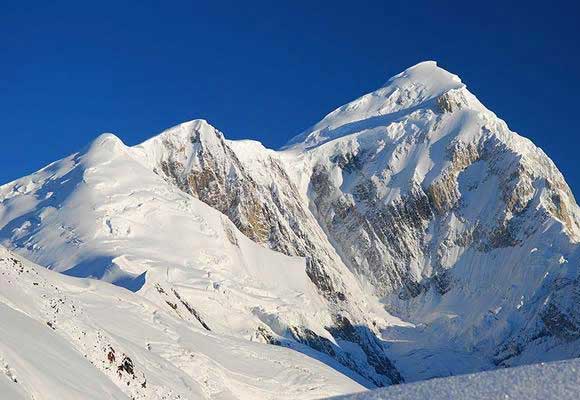
Tirich Mir Expedition (7708m)
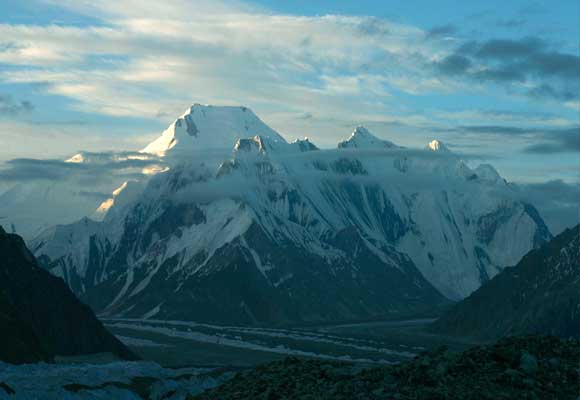
Chogolisa Expedition (7665 m)
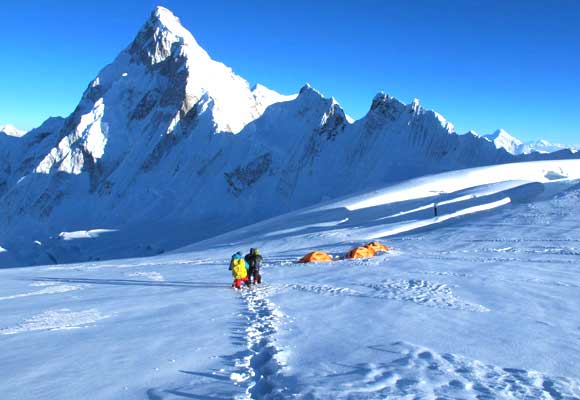
Passu Peak Expedition (7478m)
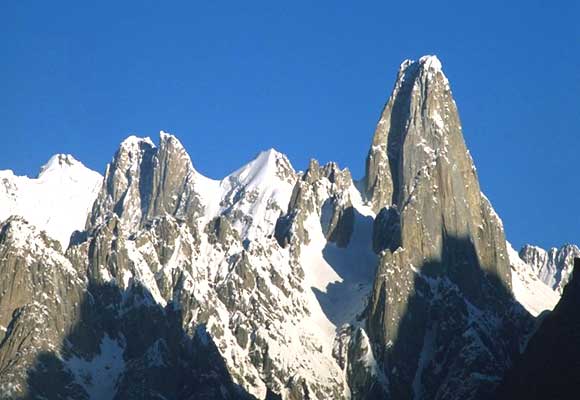
Muztagh Tower Expedition (7273m)
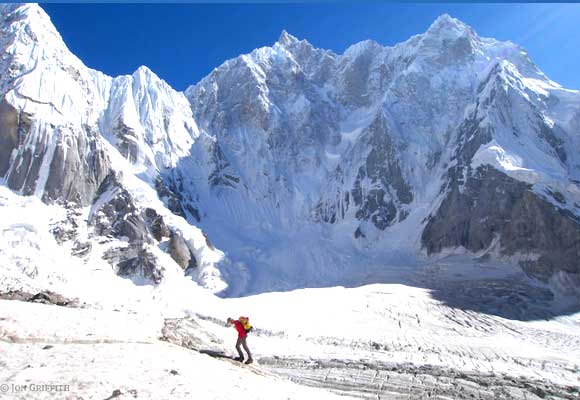
K6 Peak Expedition (6935m)
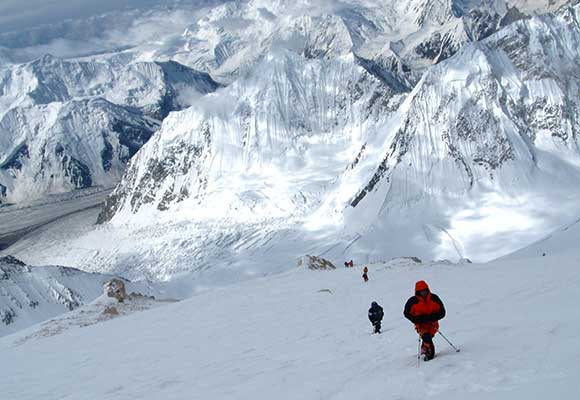
Diran Peak Expedition (7272m)
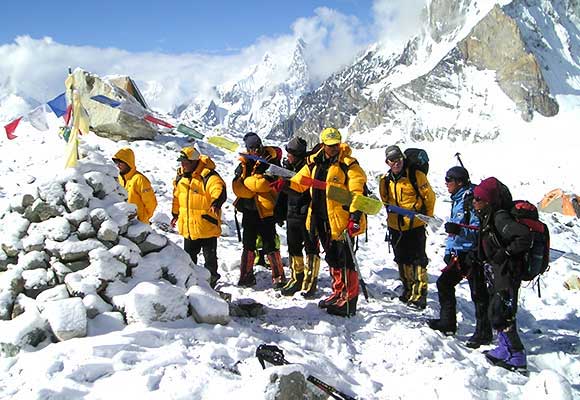
Latok 1 Expedition (7145 m)
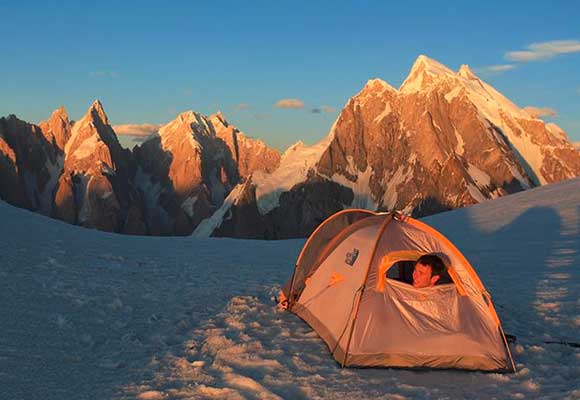
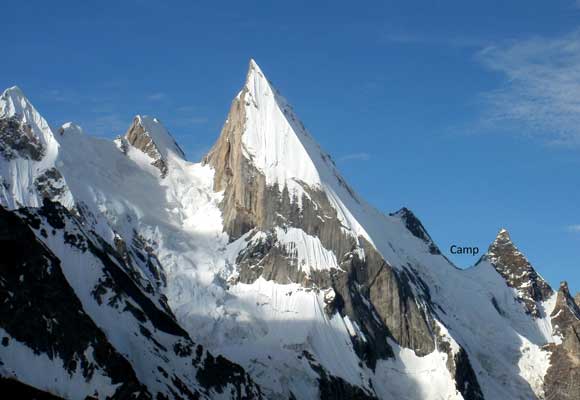
Laila Peak Expedition (6095m)
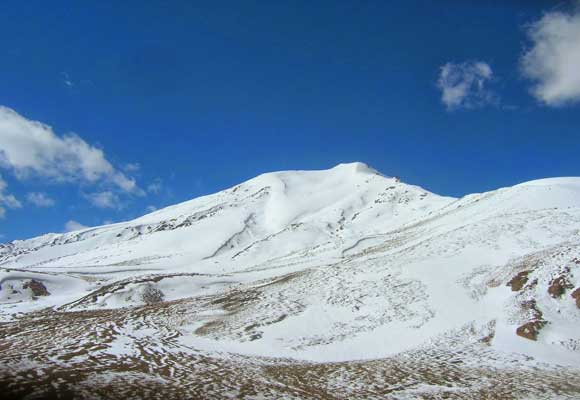
Minglik Sar Peak Expedition (6050m)
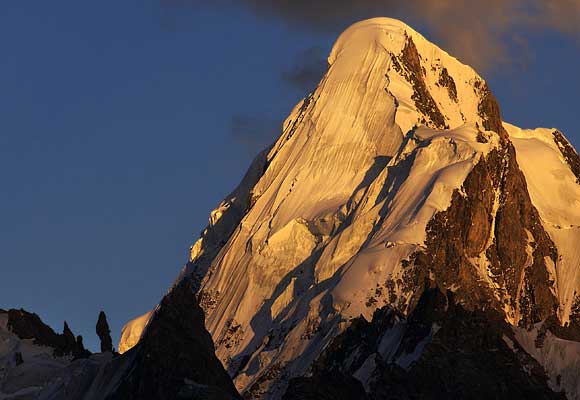
Rush Peak Expedition (5,098m)