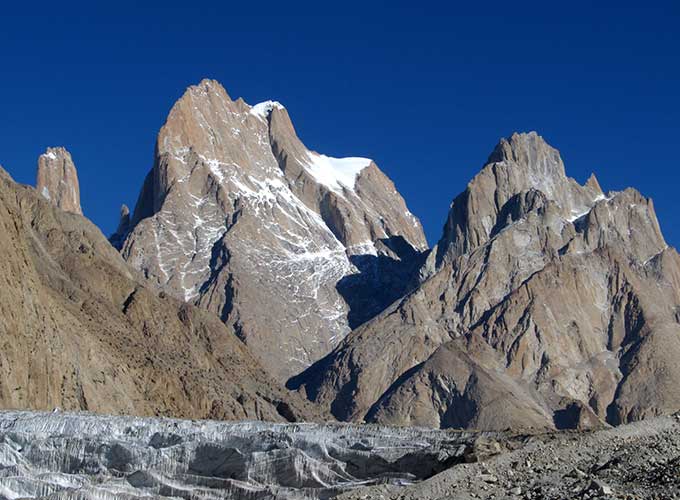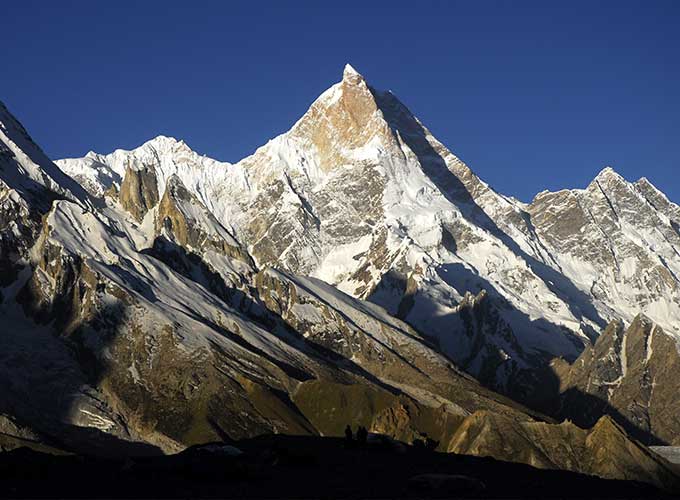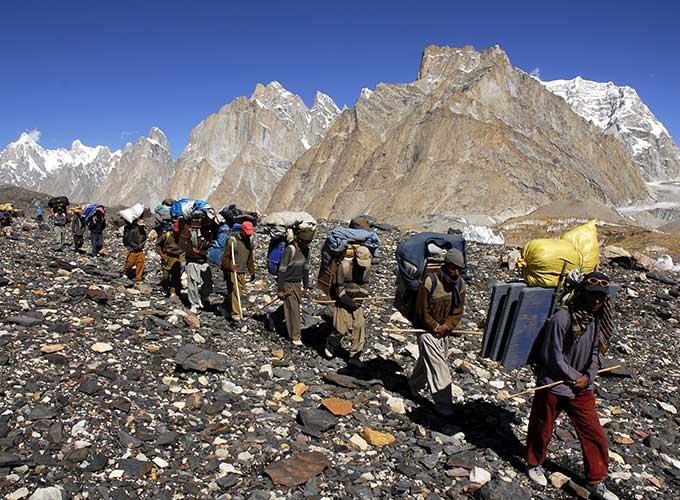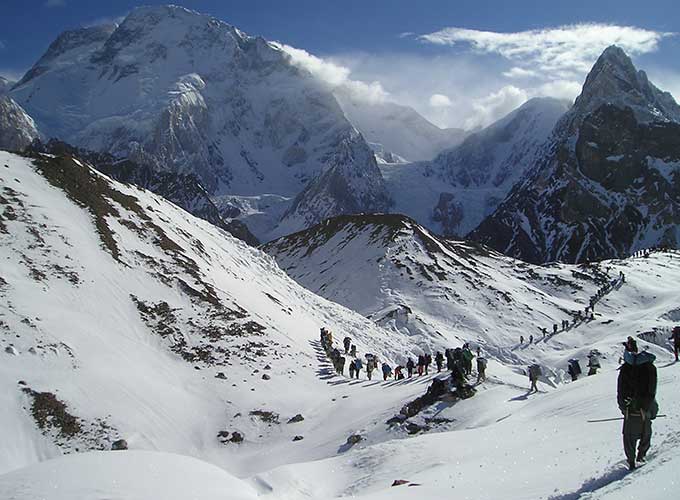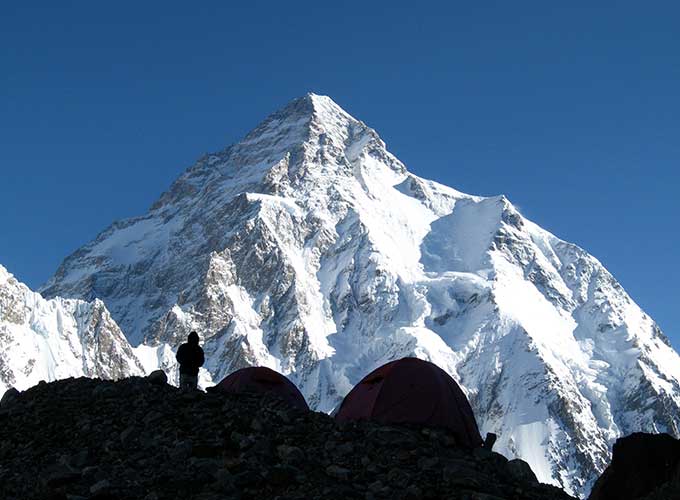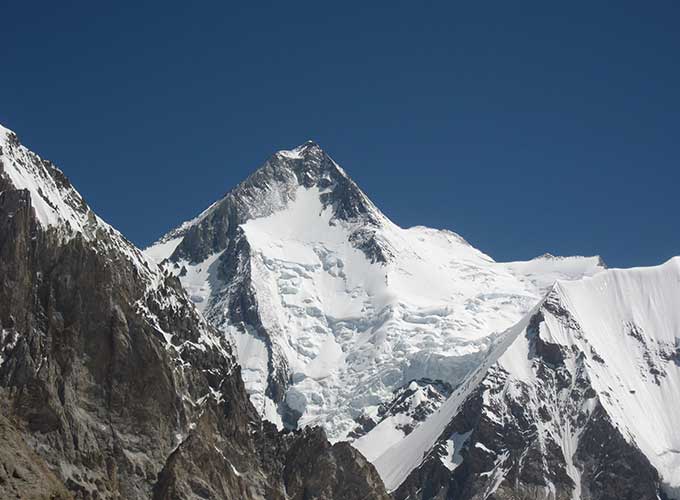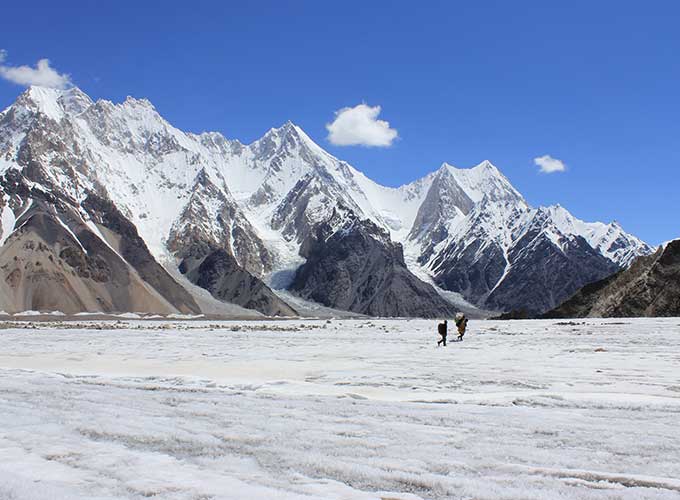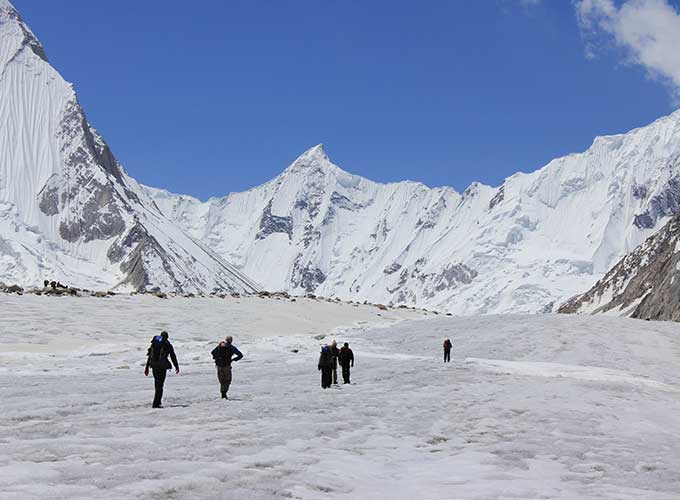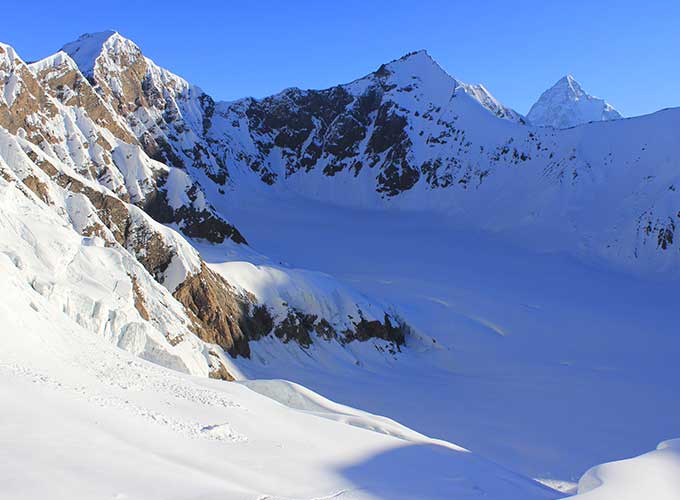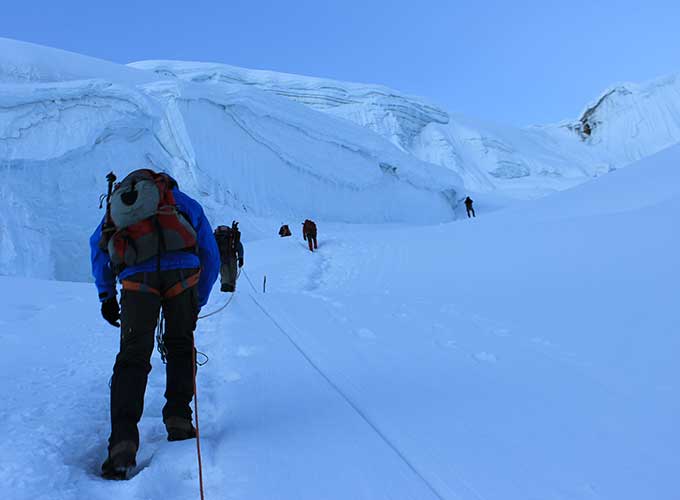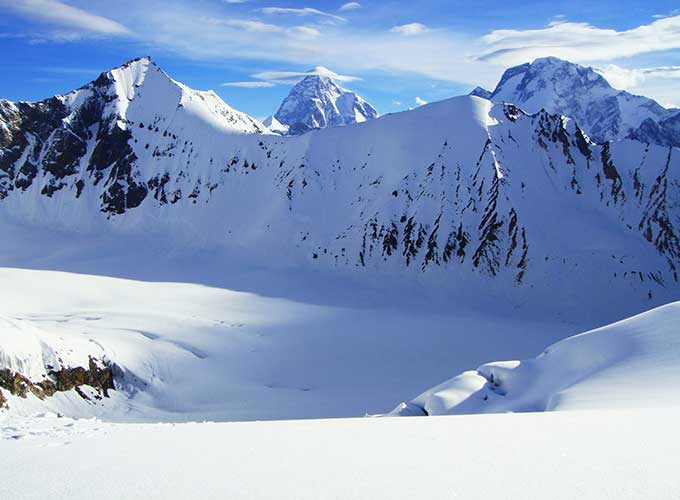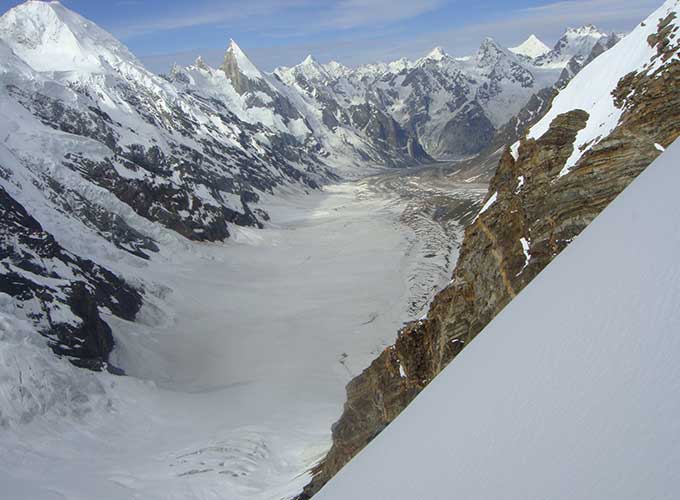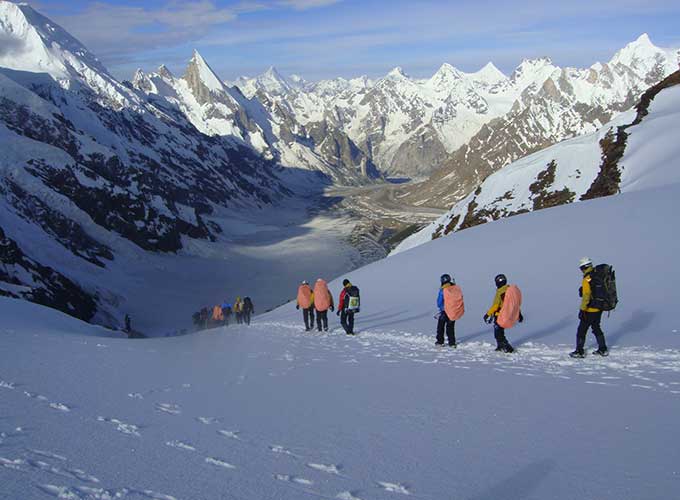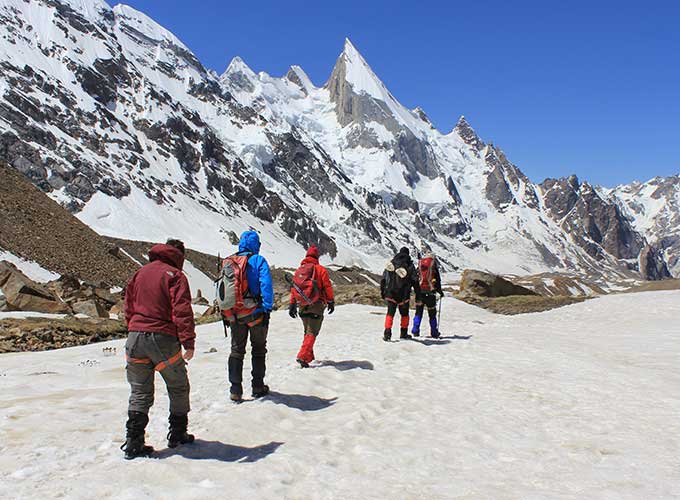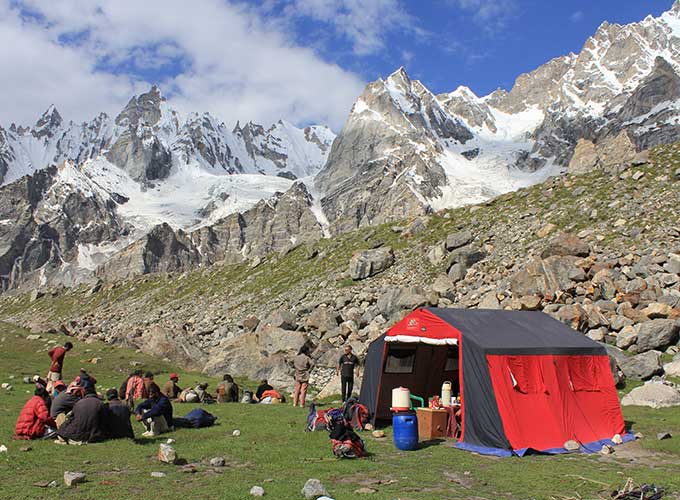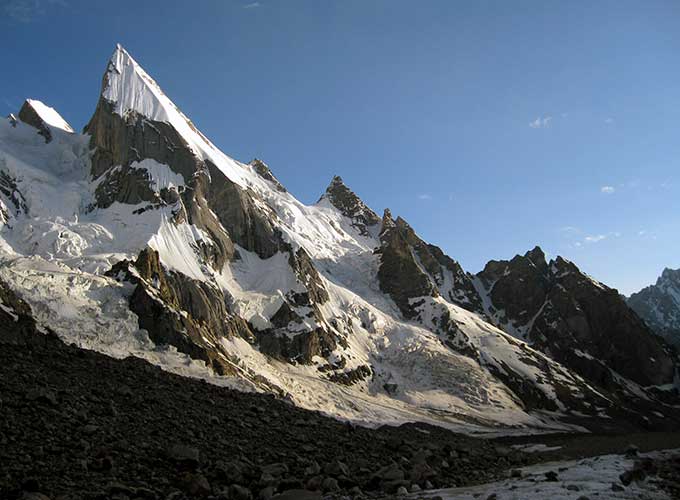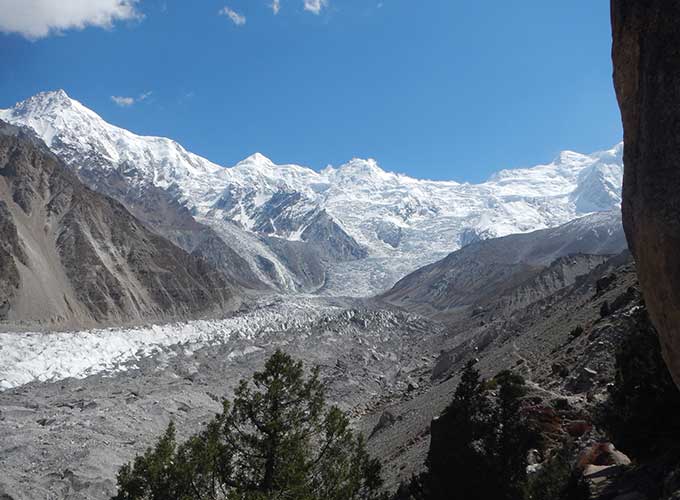
Experience the ultimate high-altitude challenge with the K2 Expedition by Adventure Pakistan, your trusted expert in Himalayan and Karakoram mountaineering. Known as the “Savage Mountain,” K2 is the world’s second-highest peak and one of the most demanding climbs on Earth. This expedition offers a life-changing journey through rugged glaciers, extreme weather, and breathtaking alpine scenery. With professional guides, advanced logistics, and full safety support, Adventure Pakistan ensures a world-class climbing experience. Join the K2 Expedition and push your limits on the most iconic peak in Pakistan’s Karakoram Range. Book now for an unforgettable adventure in 2026.
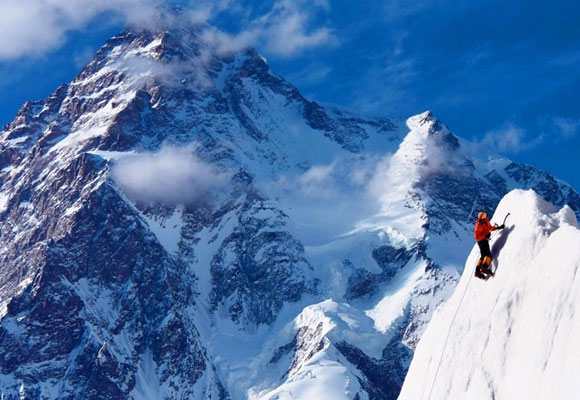
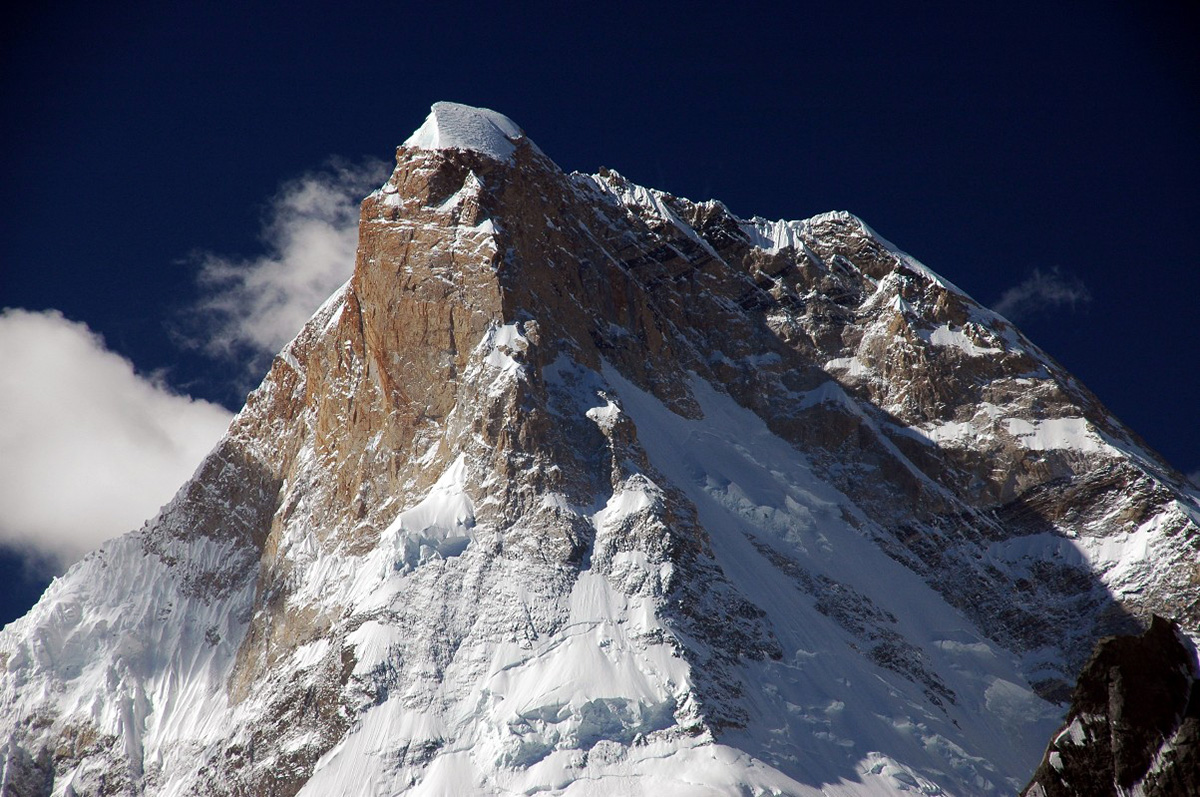
The K2 Expedition Pakistan Ultimate Guide, Route, Cost & Difficulty (2026) represents the pinnacle of high-altitude mountaineering in the Karakoram Range. Standing at 8,611 meters, K2 is the world’s second-highest mountain and widely regarded as the most technically challenging 8,000-meter peak on Earth due to its steep slopes, unpredictable weather, and high fatality rate.
As an Adventure Pakistan market analyst tracking GCC and global expedition demand, 2026 shows increasing interest in guided K2 summit climbs, especially among elite climbers seeking alternatives to overcrowded Himalayan routes.
Overview of K2 Expedition
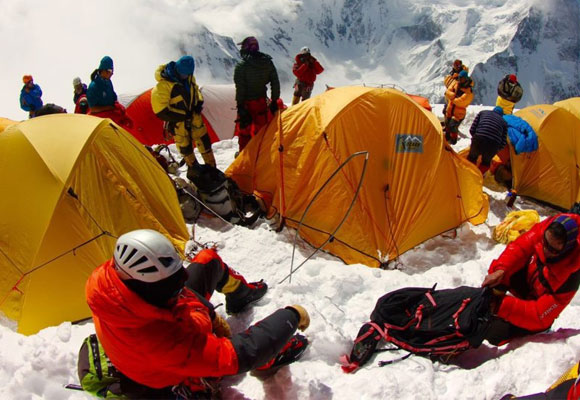
The K2 Expedition is a full-scale mountaineering journey located in Gilgit-Baltistan, Pakistan. Unlike trekking routes such as the K2 Base Camp journey, this expedition involves technical climbing, ice navigation, and high-altitude survival skills.
Key features include:
- 8,611m summit attempt
- Abruzzi Spur or other technical routes
- Extreme weather conditions
- Glacial and icefall navigation
This expedition is significantly more demanding than the K2 Base Camp Trek.
2026 Cost Breakdown of K2 Expedition
As per Adventure Pakistan expedition market data:
K2 Expedition – Basecamp Services
Start |
End |
Status |
Price |
Deposit |
Registration |
|---|---|---|---|---|---|
19 Jun |
17 Aug |
Guaranteed |
US$13,000 |
US$1,000 |
K2 Expedition – Full Board Services
Start |
End |
Status |
Price |
Deposit |
Registration |
|---|---|---|---|---|---|
19 Jun |
17 Aug |
Guaranteed |
US$30,000 |
US$15,000 |
Costs include:
- Climbing permits
- High-altitude logistics
- Base camp services
- Sherpa/guide teams
- Oxygen systems
- Rescue coordination
60-Day K2 Expedition Itinerary
Day 1 – Arrival in Islamabad
Arrive in Islamabad where expedition members meet guides, climbers, and logistics staff. Equipment inspection, permit verification, and briefing sessions are conducted before the Karakoram journey begins.
Day 2 – Expedition Briefing and Preparation
Attend official expedition meetings with tourism authorities and climbing organizers. Team members check climbing gear, oxygen systems, ropes, communication devices, and food supplies.
Day 3 – Fly to Skardu
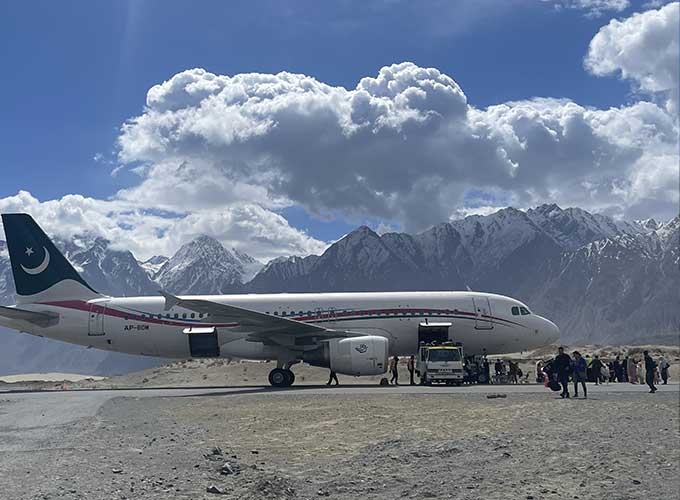
Take a scenic flight to Skardu surrounded by dramatic Karakoram peaks. If flights are canceled due to weather, road travel via the Karakoram Highway begins.
Day 4 – Rest and Acclimatization in Skardu
Spend the day adjusting to altitude while finalizing porter arrangements, food packing, and technical climbing equipment. Optional sightseeing around Skardu Valley.
Day 5 – Drive from Skardu to Askole
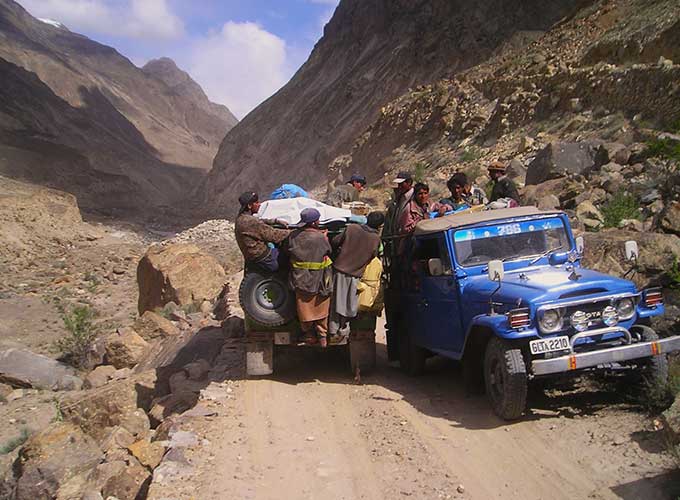
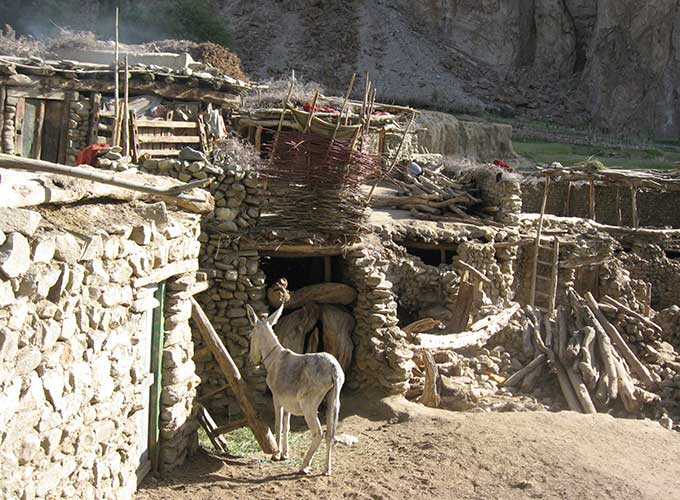
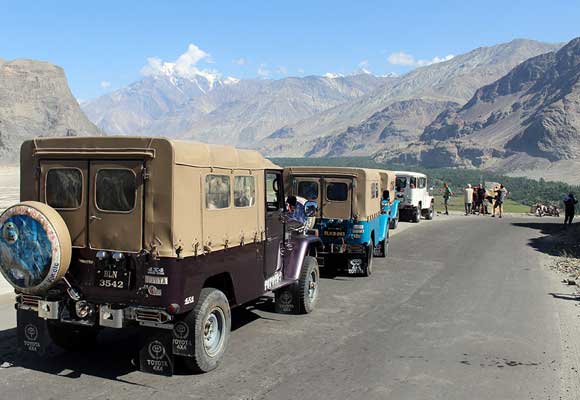
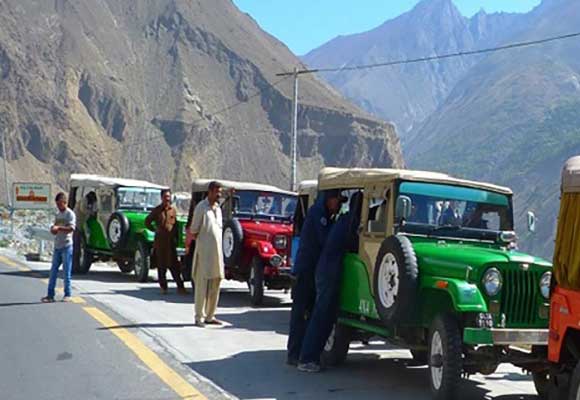
Travel by jeep to Askole, the last village before entering the Baltoro Glacier region. Overnight camping in Askole.
Day 6 – Trek from Askole to Jhola
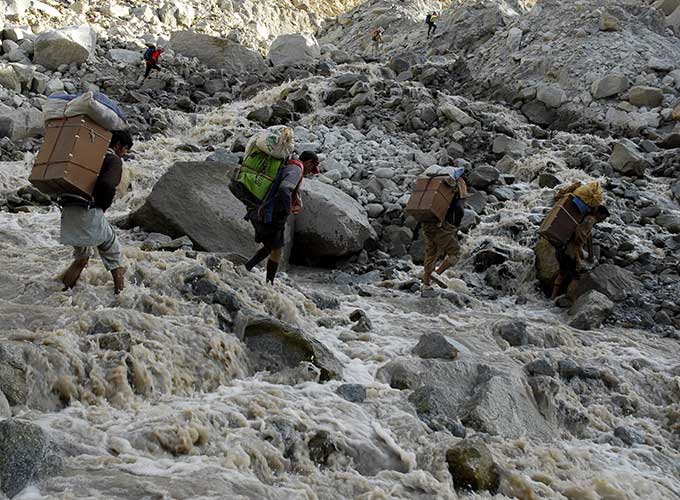
Begin trekking along the Braldu River through rocky terrain and remote mountain landscapes. Camp overnight at Jhola.
Day 7 – Trek from Jhola to Paiju
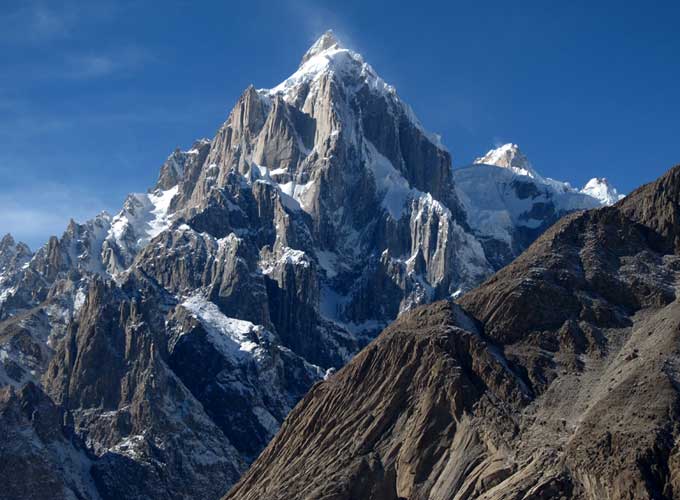
Continue trekking toward Paiju with excellent views of Paiju Peak and surrounding granite towers.
Day 8 – Rest Day at Paiju
Acclimatization day at Paiju. Porters bake bread and prepare supplies for glacier travel while climbers rest and hydrate.
Day 9 – Trek from Paiju to Khoburtse
Step onto the massive Baltoro Glacier and trek across glacier terrain toward Khoburtse Camp.
Day 10 – Trek from Khoburtse to Urdukas
Continue along the Baltoro Glacier to Urdukas, one of the most scenic campsites of the expedition route.
Day 11 – Trek from Urdukas to Goro II
Move deeper into the Karakoram while surrounded by giant snow-covered peaks and icy glacier landscapes.
Day 12 – Trek from Goro II to Concordia
Arrive at Concordia, famous for panoramic views of K2, Broad Peak, and Gasherbrum peaks.
Day 13 – Trek from Concordia to K2 Base Camp
Trek along the Godwin-Austen Glacier to K2 Base Camp where the climbing expedition officially begins.
Day 14 – Establish Base Camp
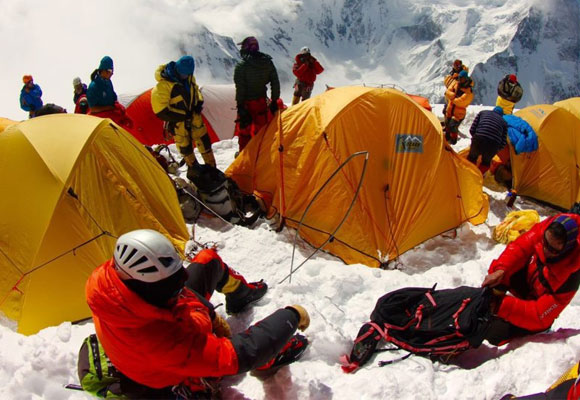
Set up tents, kitchen facilities, communication systems, and medical support at K2 Base Camp. Climbers organize climbing gear and supplies.
Day 15 – Rest and Acclimatization at Base Camp
A recovery day helps climbers adjust to the altitude while guides discuss route conditions and climbing strategy.
Day 16 – Ice Training and Technical Practice
Climbers practice rope handling, ladder crossings, crampon techniques, and fixed-line ascents near Base Camp.
Day 17 – Carry Load to Advanced Base Camp
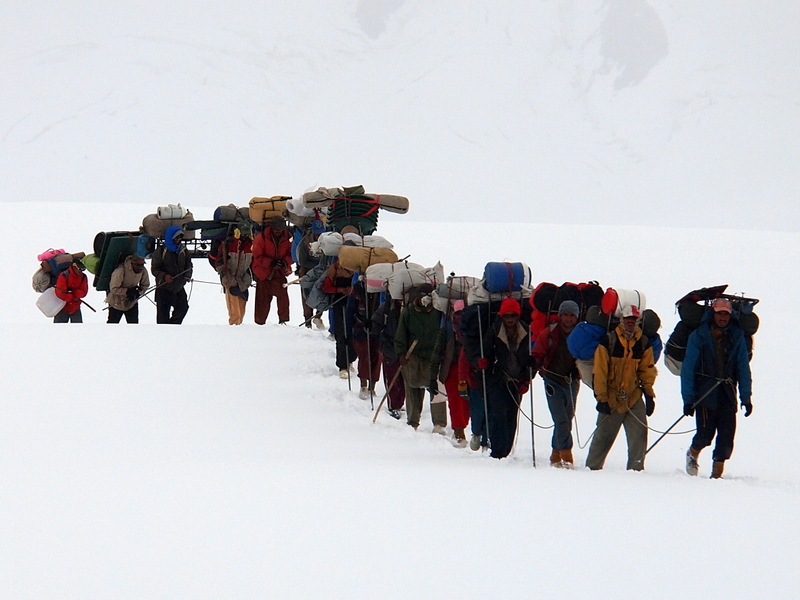
Transport equipment and supplies higher up the mountain to establish the expedition route.
Day 18 – Return to Base Camp
Descend back to Base Camp after load-carrying activities to rest and recover.
Day 19 – Climb Toward Camp 1
Begin the first rotation climb toward Camp 1 through steep snow and ice terrain.
Day 20 – Overnight at Camp 1
Spend the night acclimatizing at higher altitude while monitoring weather and physical condition.
Day 21 – Descend to Base Camp
Return to Base Camp for recovery after the first acclimatization rotation.
Day 22 – Rest Day at Base Camp
Hydration, nutrition, and medical checks are prioritized before the next climbing phase.
Day 23 – Weather Monitoring and Preparation
Expedition meteorologists provide weather forecasts while climbers prepare oxygen and technical equipment.
Day 24 – Second Rotation to Camp 1
Climbers ascend again toward Camp 1 carrying additional equipment and supplies.
Day 25 – Climb to Camp 2
Continue ascending toward Camp 2 across technical mixed terrain and fixed rope sections.
Day 26 – Overnight at Camp 2
Climbers acclimatize at higher elevation while evaluating route safety and weather conditions.
Day 27 – Descend to Base Camp
Return to Base Camp for recovery after successful acclimatization climbs.
Day 28 – Rest and Medical Evaluation
Expedition doctors assess climbers for altitude adaptation and overall physical condition.
Day 29 – Equipment Maintenance Day
Repair tents, ropes, oxygen systems, and climbing gear before summit preparations continue.
Day 30 – Training and Route Discussions
Guides review avalanche safety, bottleneck conditions, and summit strategies with the team.
Day 31 – Rest Day at Base Camp
A full recovery day helps preserve energy for higher-altitude climbing rotations.
Day 32 – Third Rotation Toward Camp 2
Climbers ascend rapidly using acclimatization gained during previous rotations.
Day 33 – Climb from Camp 2 to Camp 3
Move toward Camp 3 through steep ice sections and exposed terrain.
Day 34 – Overnight at Camp 3
Spend a night at extreme altitude to improve acclimatization before descending.
Day 35 – Descend Back to Base Camp
Return to Base Camp for extended recovery and summit preparation.
Day 36 – Recovery and Nutrition Day
Climbers focus on hydration, calorie intake, and physical recovery.
Day 37 – Weather Forecast Analysis
Meteorologists identify possible summit windows for the expedition.
Day 38 – Equipment Checks and Oxygen Planning
Summit oxygen systems, regulators, and masks are inspected carefully.
Day 39 – Base Camp Rest Day
Mental and physical preparation continues before summit push.
Day 40 – Begin Summit Push to Camp 1
Climbers officially begin the summit attempt depending on weather conditions.
Day 41 – Camp 1 to Camp 2
Ascend fixed rope sections while carrying summit gear and oxygen supplies.
Day 42 – Camp 2 to Camp 3
Move higher toward Camp 3 under extremely cold and demanding conditions.
Day 43 – Camp 3 to Camp 4
Climb toward Camp 4 located near the infamous Bottleneck section.
Day 44 – Rest and Summit Preparation at Camp 4
Climbers hydrate, prepare oxygen systems, and monitor weather before summit night.
Day 45 – Summit Attempt on K2
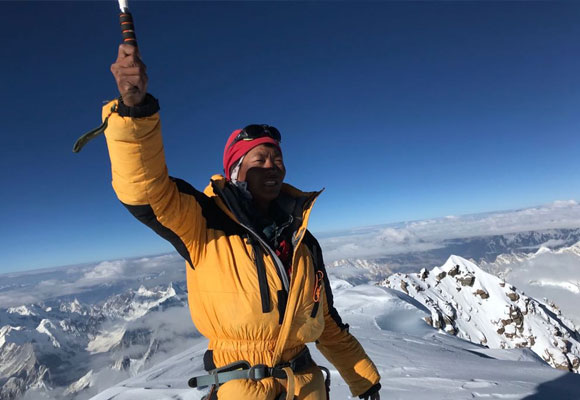
The team begins the summit push during the night toward K2 summit at 8,611 meters.
Day 46 – Descend to Camp 3
After summit success, climbers descend carefully to Camp 3 for safety and recovery.
Day 47 – Descend to Base Camp
Return safely to K2 Base Camp after completing the summit expedition.
Day 48 – Celebration and Recovery Day
The team celebrates summit achievements while resting and recovering physically.
Day 49 – Reserve Weather Day
Extra day reserved for delays caused by storms or dangerous mountain conditions.
Day 50 – Begin Trek Back to Concordia
Start descending from Base Camp toward Concordia across the Godwin-Austen Glacier.
Day 51 – Trek from Concordia to Goro II
Continue trekking back through glacier landscapes and high mountain scenery.
Day 52 – Trek from Goro II to Urdukas
Descend further along the Baltoro Glacier toward Urdukas Camp.
Day 53 – Trek from Urdukas to Khoburtse
Continue the return journey through rugged glacier terrain.
Day 54 – Trek from Khoburtse to Paiju
Leave glacier terrain behind and return to greener campsites near Paiju.
Day 55 – Trek from Paiju to Jhola
Descend gradually through river valleys and rocky trails.
Day 56 – Trek from Jhola to Askole
Complete the trekking section and arrive back at Askole village.
Day 57 – Drive from Askole to Skardu
Travel by jeep back to Skardu after completing the expedition.
Day 58 – Rest Day in Skardu
Enjoy hotel accommodation, warm meals, and recovery after the expedition.
Day 59 – Fly to Islamabad
Return to Islamabad by domestic flight depending on weather conditions.
Day 60 – International Departure
Transfer to the airport for international departure after completing the legendary K2 Expedition in Pakistan.
FAQs – K2 Expedition Pakistan 2026
1. Why is K2 called the “Savage Mountain”?
Due to its extreme difficulty, high fatality rate, and unpredictable weather conditions.
2. How difficult is the K2 Expedition?
It is one of the hardest climbs in the world, requiring elite mountaineering skills.
3. What is the height of K2?
K2 stands at 8,611 meters above sea level.
4. How long does the expedition take?
Typically 50–70 days including acclimatization and summit rotation.
5. Do I need prior climbing experience?
Yes, climbers should have experience on 7,000m+ peaks.
6. Which is the standard route?
The Abruzzi Spur is the most commonly used route.
7. What is included in expedition packages?
Permits, logistics, guides, base camp support, oxygen systems, and rescue coordination.
Why Choose K2 Expedition Pakistan
A K2 Expedition in Pakistan is the ultimate challenge for serious mountaineers seeking adventure on the world’s second-highest mountain. Located in the mighty Karakoram Range, K2 offers extreme climbing conditions, breathtaking glacier scenery, and a true high-altitude expedition experience. Climbers choose K2 for its technical difficulty, legendary reputation, and unmatched mountain beauty. The expedition also provides incredible views of Broad Peak, Gasherbrum peaks, and the famous Concordia region. With experienced guides, professional logistics, and world-class trekking routes, K2 Expedition Pakistan delivers one of the most unforgettable mountaineering adventures on Earth for elite climbers and adventure enthusiasts.
Major Routes of K2 Expedition
1. Abruzzi Spur (Most Popular Route)
- Standard climbing route
- Technical rock and ice sections
- High exposure zones
2. Cesen Route
- Less crowded but technically challenging
- Avalanche-prone sections
3. North Ridge (Very Rare)
- Highly technical and rarely attempted
Each route requires advanced alpine climbing skills.
Difficulty Level of K2 Expedition
K2 is classified as extreme difficulty (ED+), making it one of the hardest mountains in the world.
Challenges include:
- Severe avalanches and rockfall risk
- Long summit pushes above 8,000m
- Extreme cold (-40°C conditions)
- Technical ice climbing sections
- High altitude oxygen deprivation
K2 Base Camp Approach Trek
Before summit attempts, climbers usually trek to Concordia via Baltoro Glacier.
Explore:
Supporting Trekking Routes in Pakistan
-
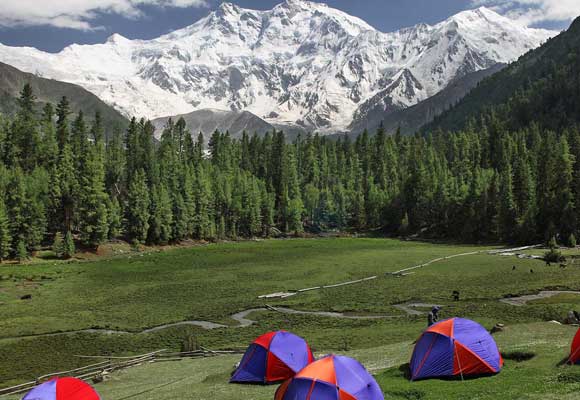
- Fairy meadows Trek
Cultural & Adventure Tourism in Pakistan
Many climbers combine expeditions with cultural experiences:
Indus Valley Civilization Tour
Shandoor Polo Festival
Packages:
Kalash Festival Tour
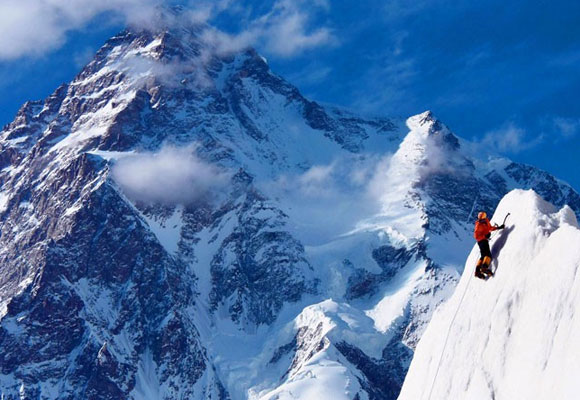
Expert Market Insight (2026)
As an Adventure Pakistan analyst tracking GCC and European expedition tourism:
- K2 remains the most prestigious 8,000m summit after Everest
- Increasing demand for certified guided climbs
- Rising participation from UAE, UK, and Germany
- Shift toward full-service expedition packages
- Pakistan emerging as a global alpine expedition hub
Safety Considerations
- Only certified high-altitude guides recommended
- Continuous weather monitoring required
- Fixed rope systems essential
- Avalanche risk management mandatory
- Oxygen support strongly advised for summit push
The K2 Expedition Pakistan Ultimate Guide, Route, Cost & Difficulty (2026) stands as the ultimate test of human endurance in the world of mountaineering. Unlike trekking experiences such as K2 Base Camp or Snow Lake, this expedition requires elite technical climbing ability, extreme physical conditioning, and mental resilience under life-threatening conditions.
K2 is not just a mountain—it is a symbol of challenge, respect, and achievement in global alpinism. Its harsh environment, unpredictable weather, and technical complexity make it one of the most respected climbs on Earth.
As Pakistan continues to strengthen its expedition infrastructure in 2026, K2 remains the crown jewel of high-altitude adventure tourism. For elite climbers worldwide, summiting K2 is not just an expedition—it is the ultimate career-defining achievement in mountaineering.
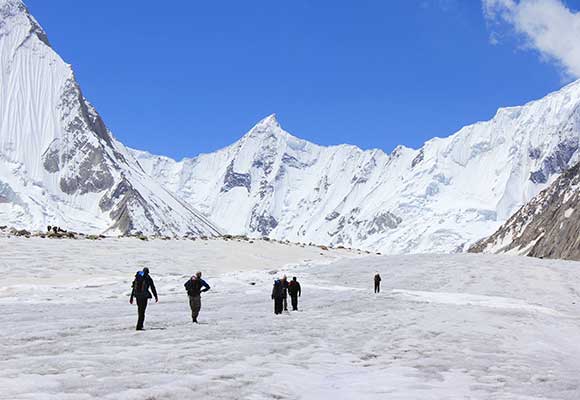
K2 Base Camp and Gondogoro La Trek
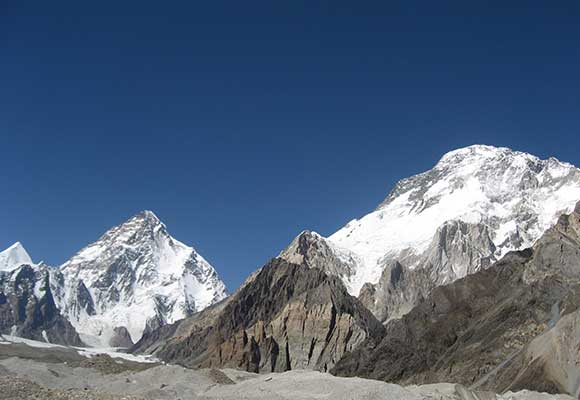
K2 Base Camp Trek
K2 Base Camp Trek Concordia
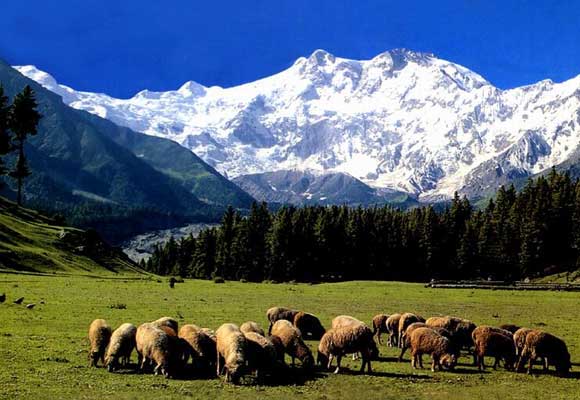
Mashabrum & Gondogoro BC Trek
K6/K7 BC Trek
Thalle La Trek Pakistan
Spantik Base Camp & Haramosh La Trek
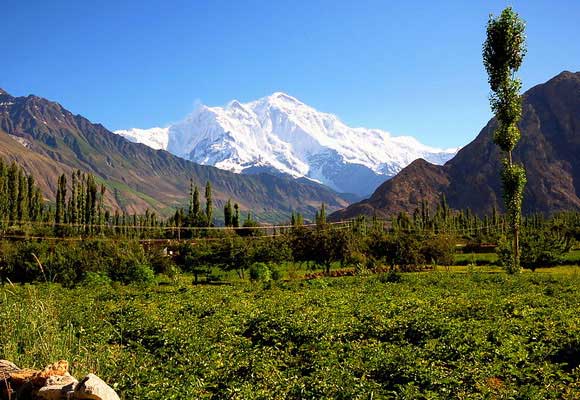
Rakaposhi Base Camp Trek
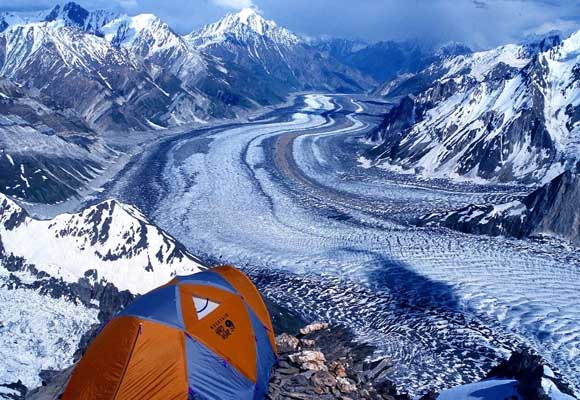
Batura Glacier Trek
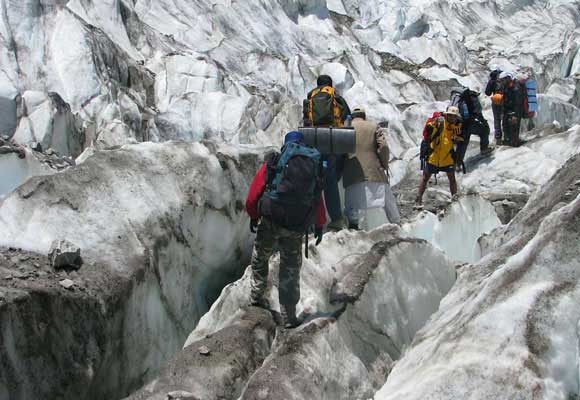
Patundas Trek
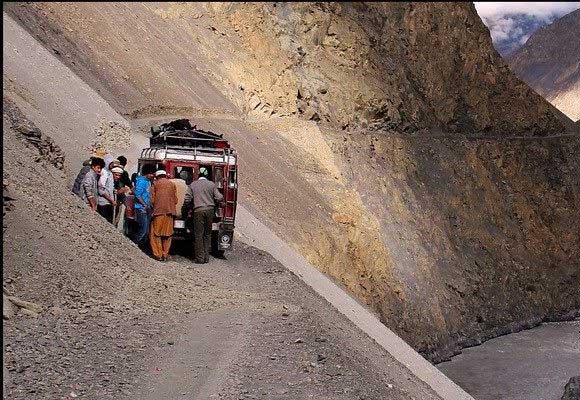
Shimshal Valley Trek
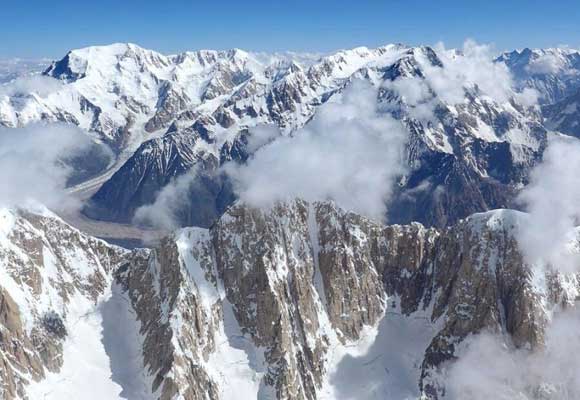
Tirich Mir Base Camp Trek
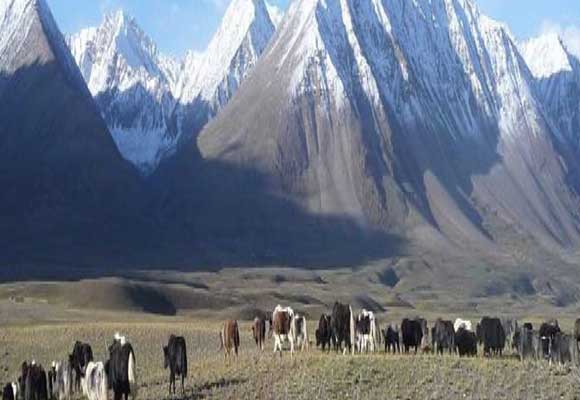
Wakhan Corridor Trek
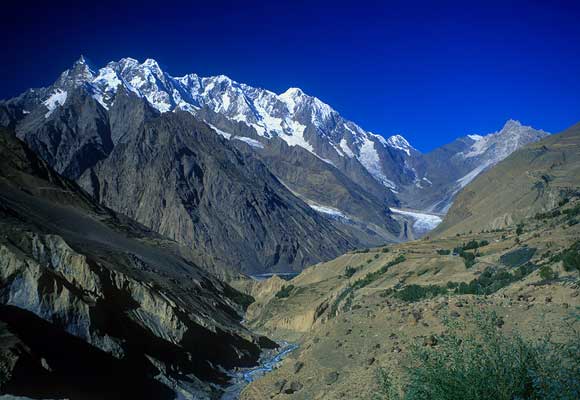
Naltar Ishkoman Pass Trek
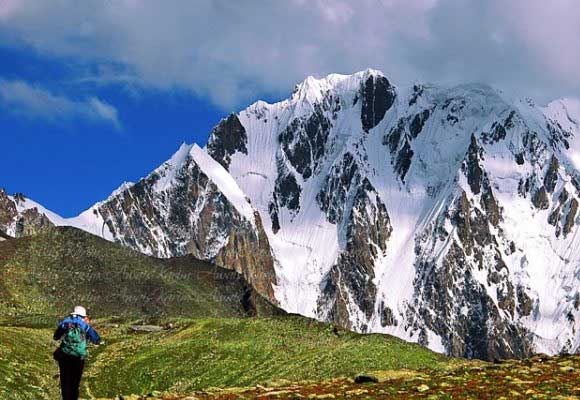
Darkot and Broghil Passes Trek
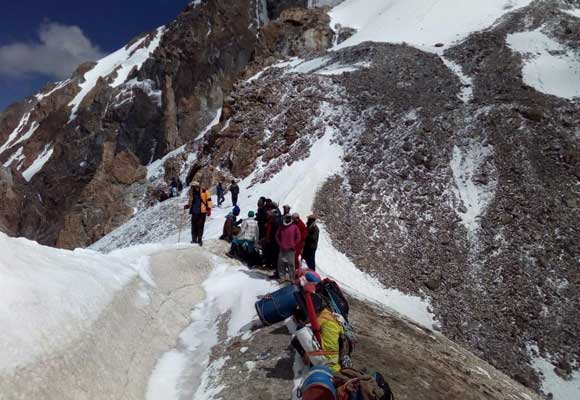
Around Nanga Parbat Mazeno Pass Trek
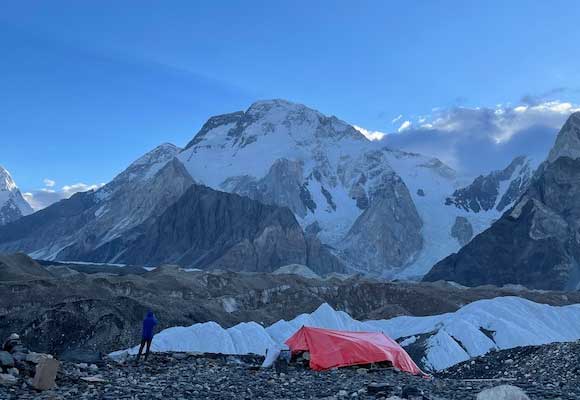
5X8000m Base Camp Trek
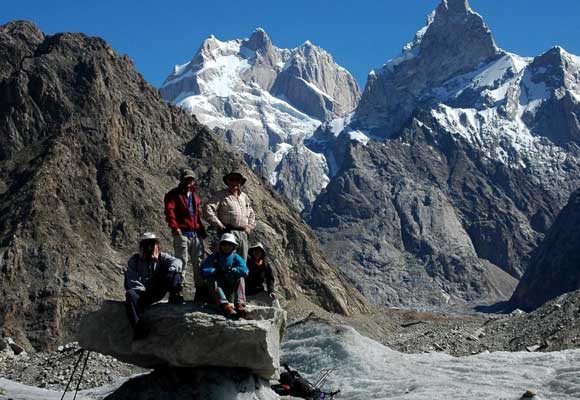
Great Karakorum Traverse Trek
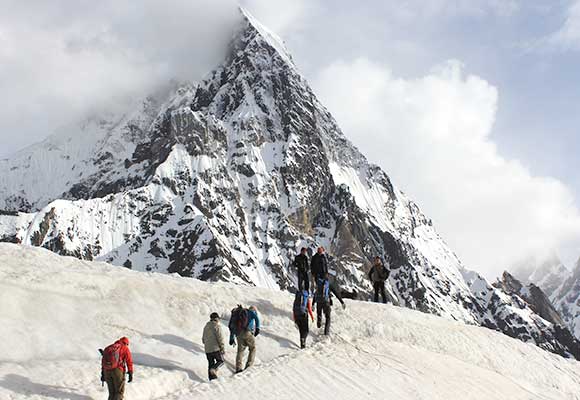
K2 Expedition (8611m)
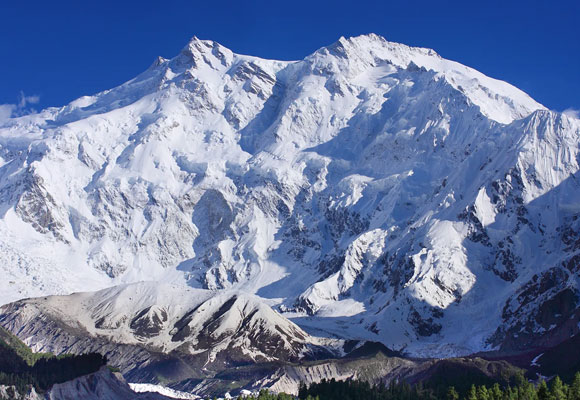
Nanga Parbat Expedition (8126m)
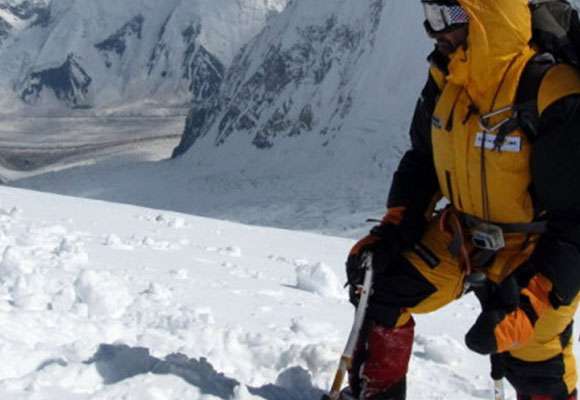
Broad Peak Expedition (8047m)
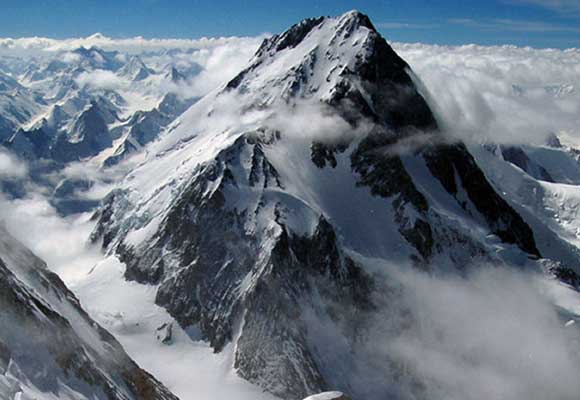
Gasherbrum 1 Expedition (8068m)
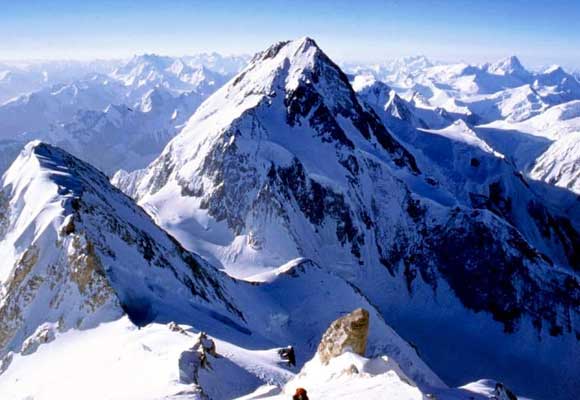
Gasherbrum II Expedition (8035m)
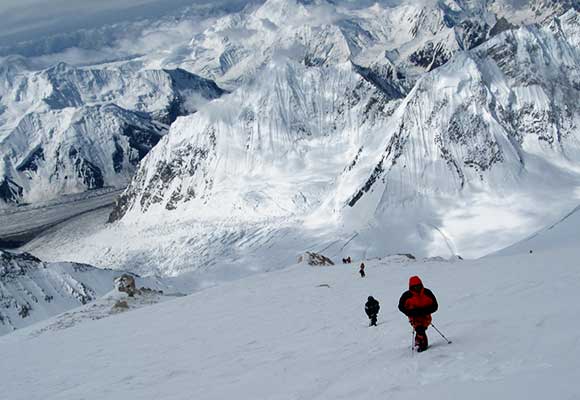
Gasherbrum III Expedition (7952m)
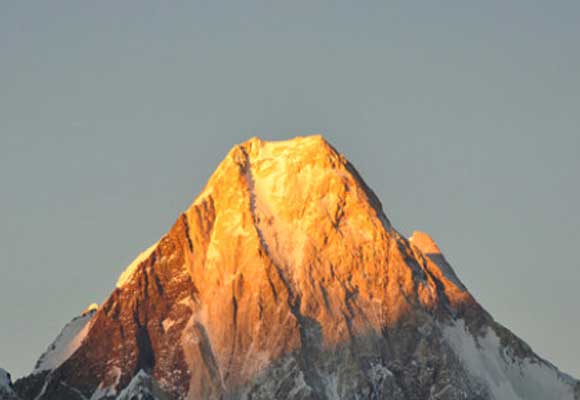
Gasherbrum IV Expedition (7925m)
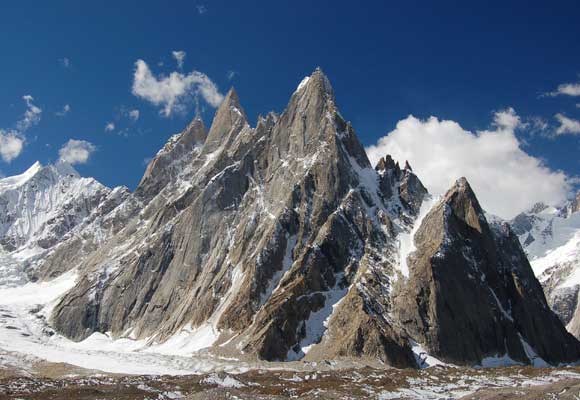
Masherbrum Expedition (7821m)
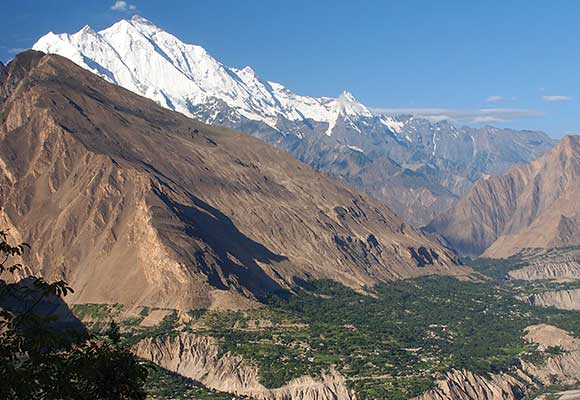
Rakaposhi Expedition (7788m)
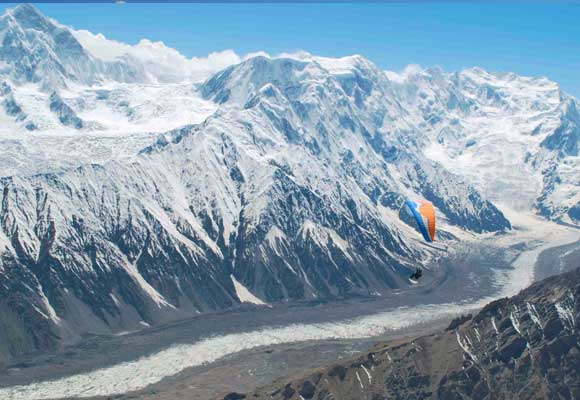
Batura Sar Expedition (7785 m)
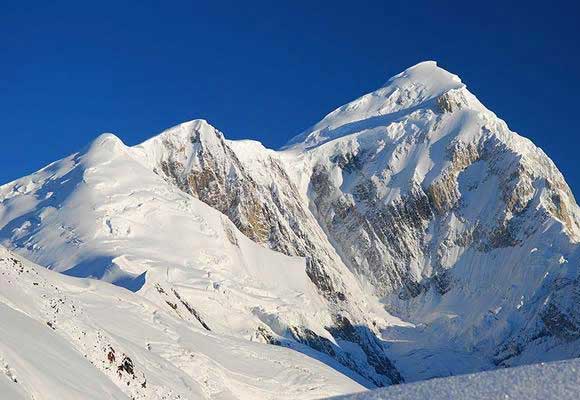
Tirich Mir Expedition (7708m)
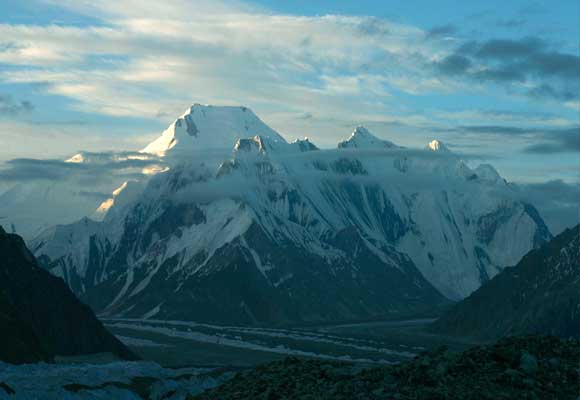
Chogolisa Expedition (7665 m)
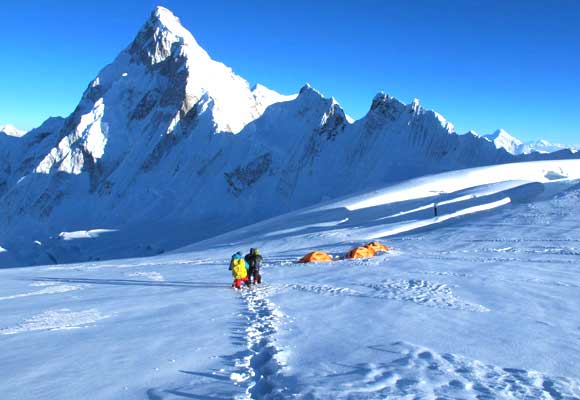
Passu Peak Expedition (7478m)
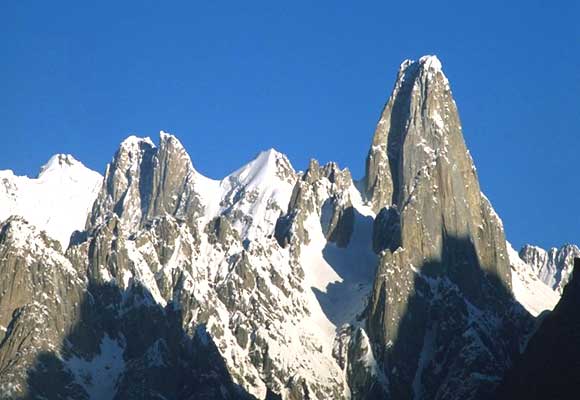
Muztagh Tower Expedition (7273m)
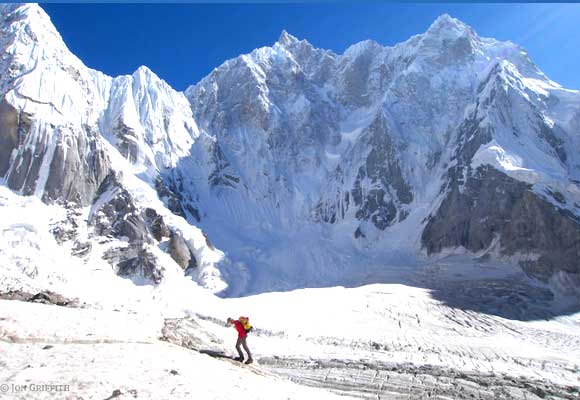
K6 Peak Expedition (6935m)
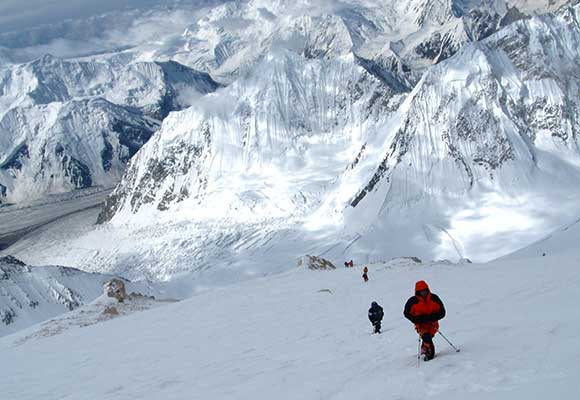
Diran Peak Expedition (7272m)
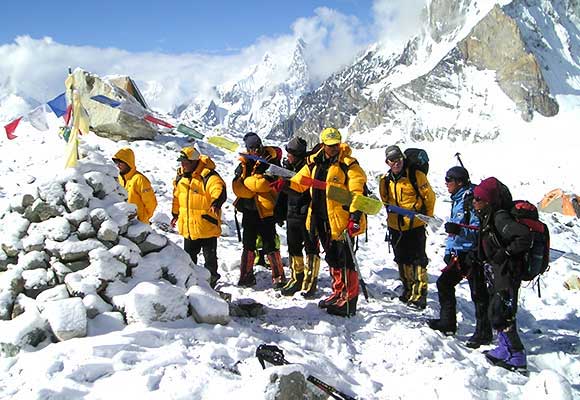
Latok 1 Expedition (7145 m)
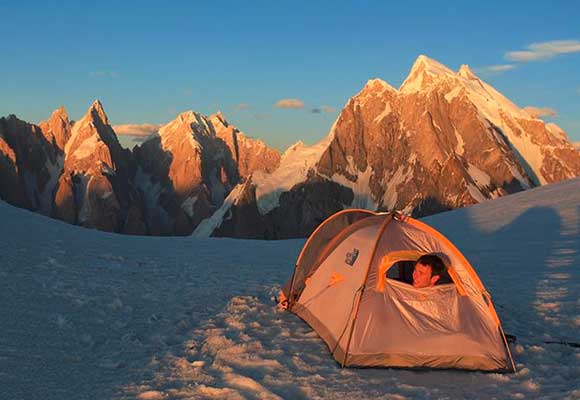
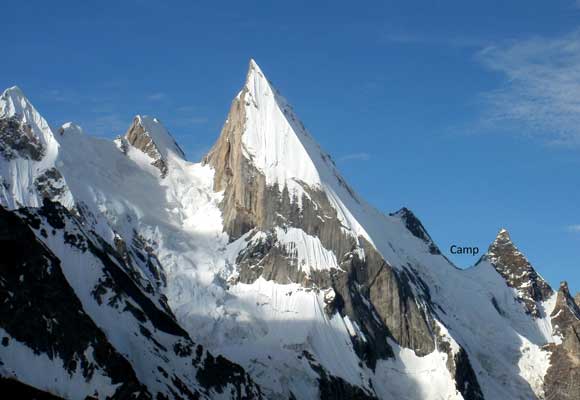
Laila Peak Expedition (6095m)
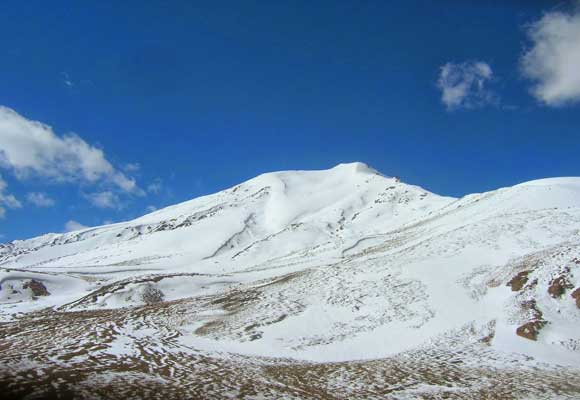
Minglik Sar Peak Expedition (6050m)
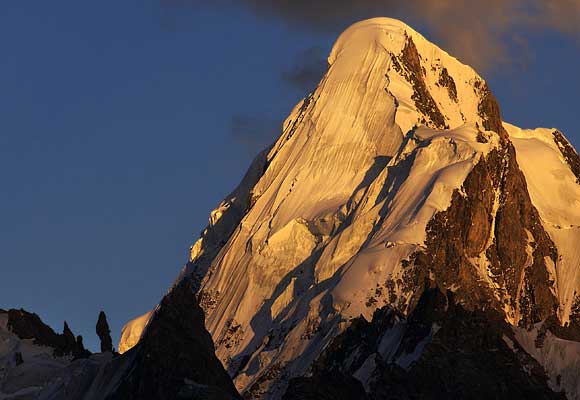
Rush Peak Expedition (5,098m)