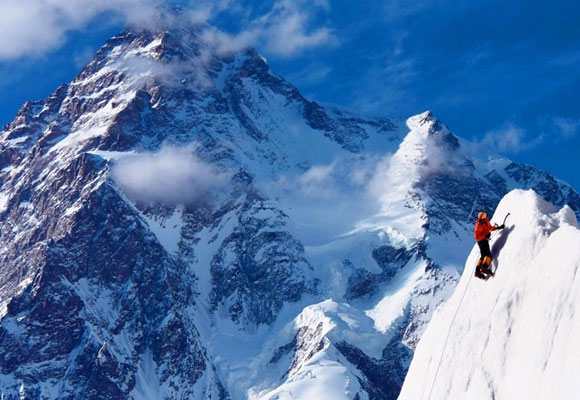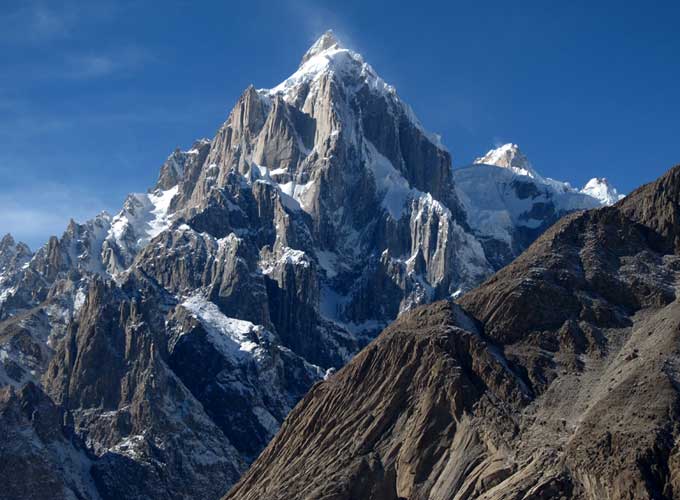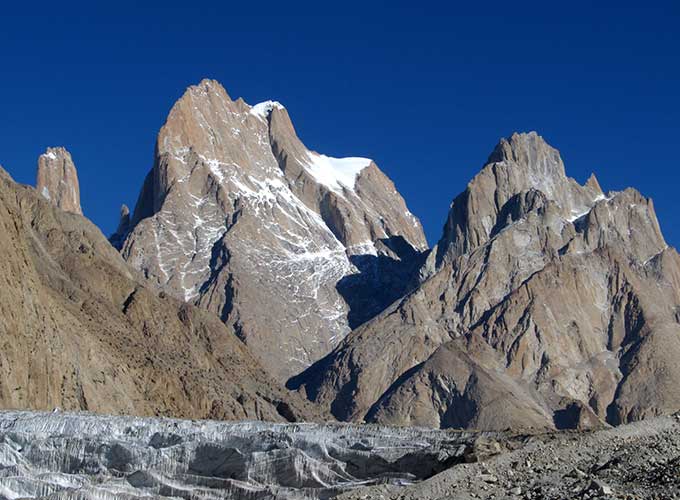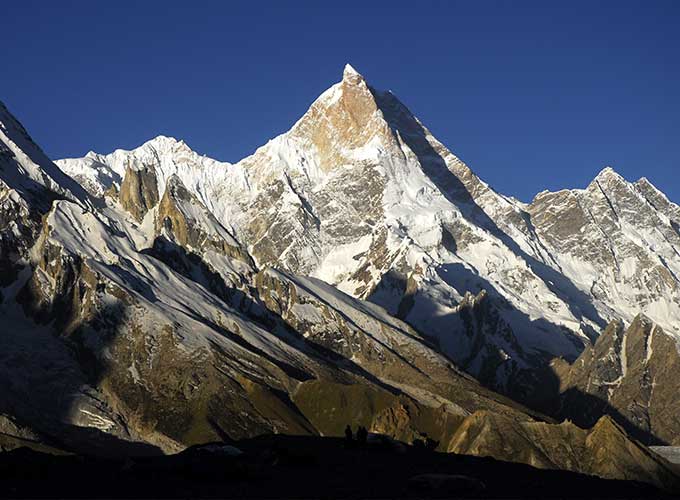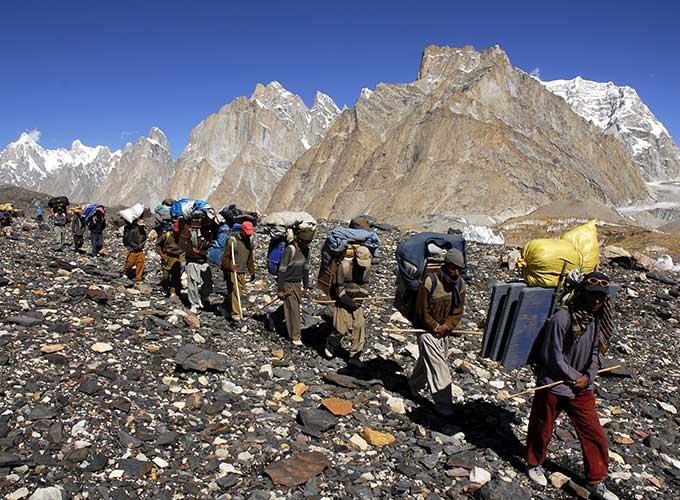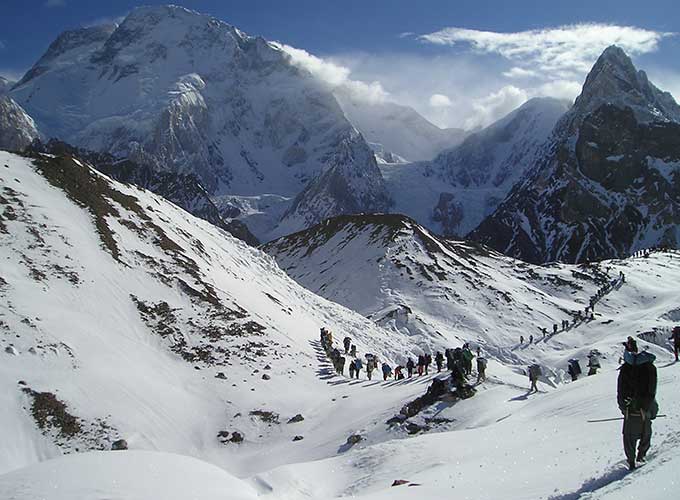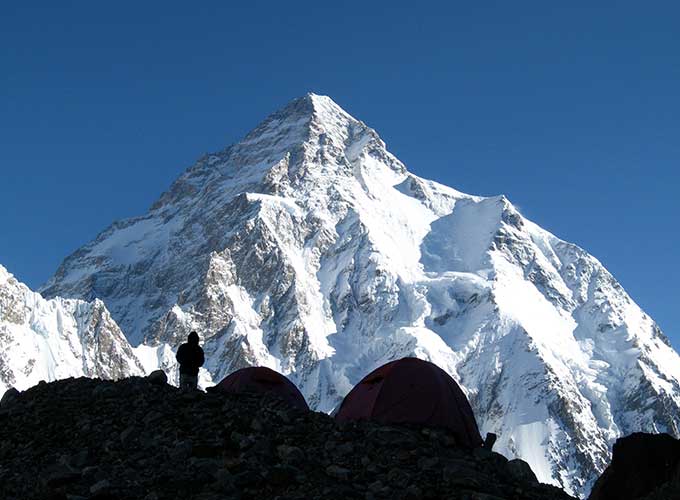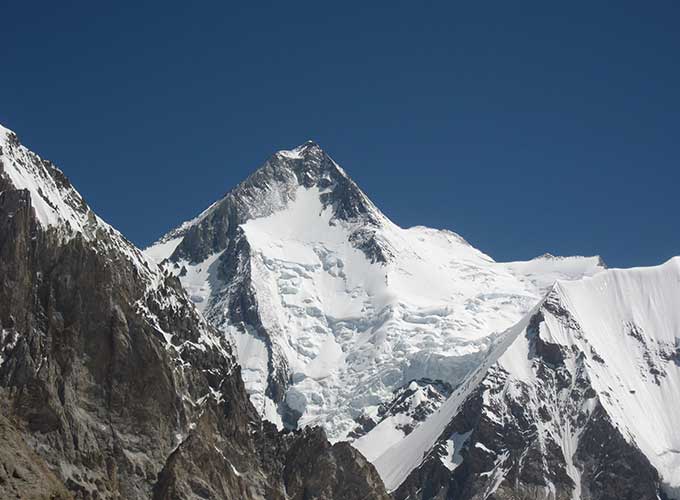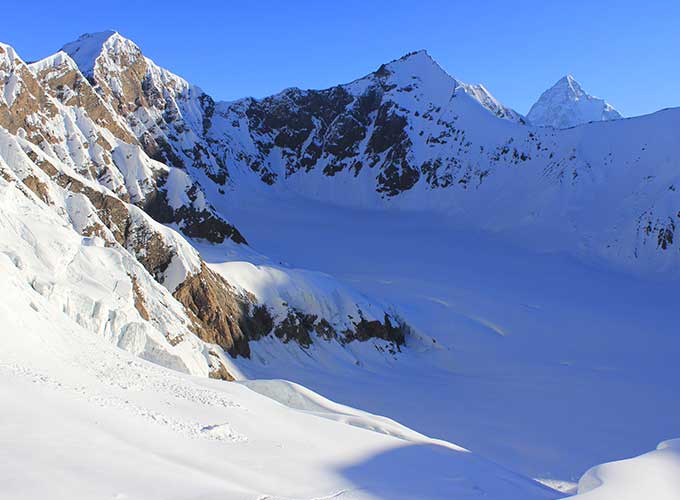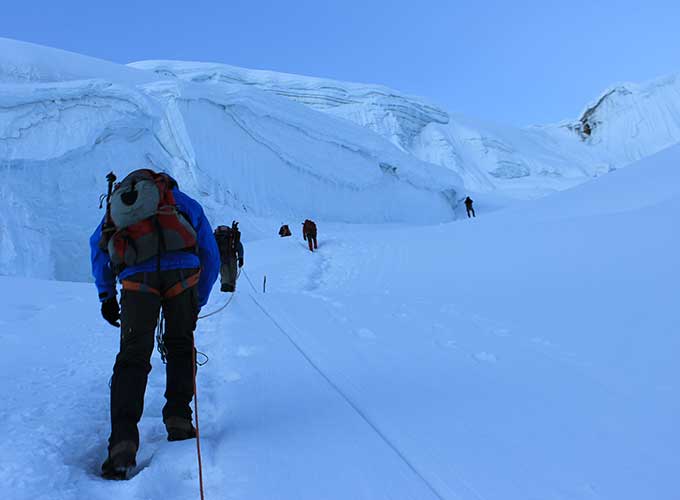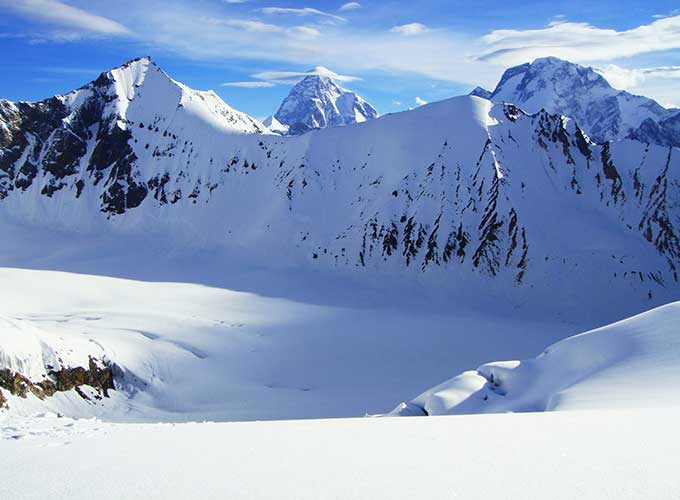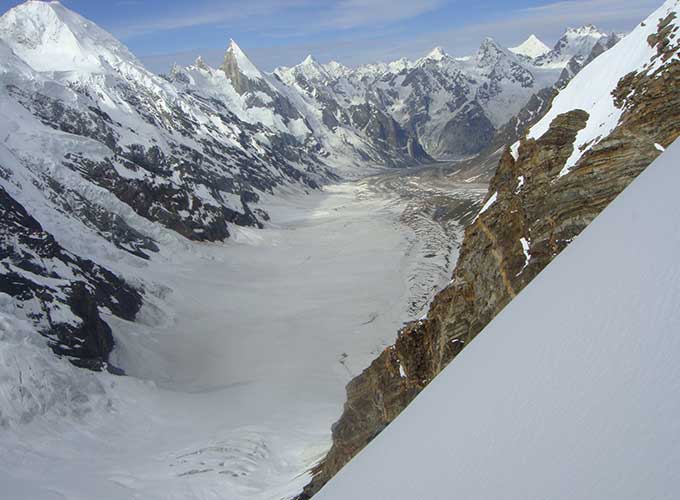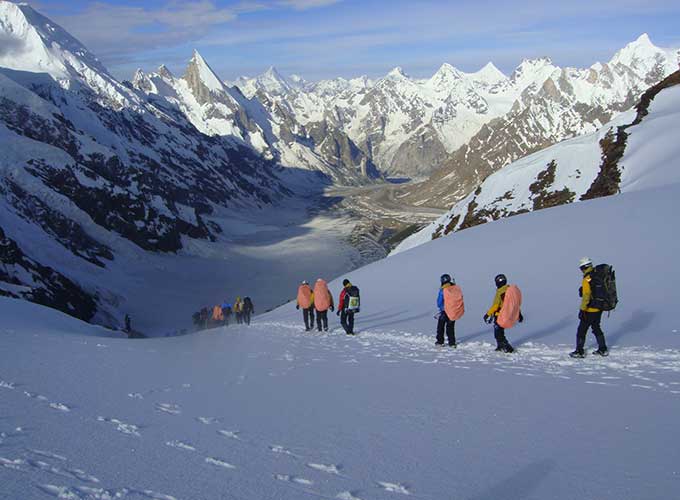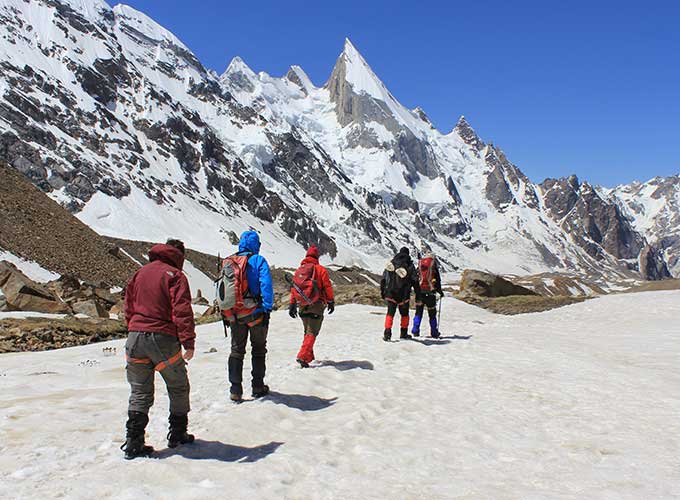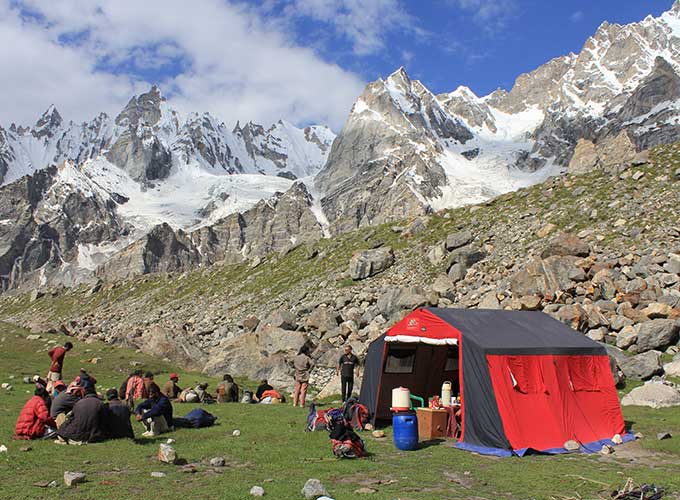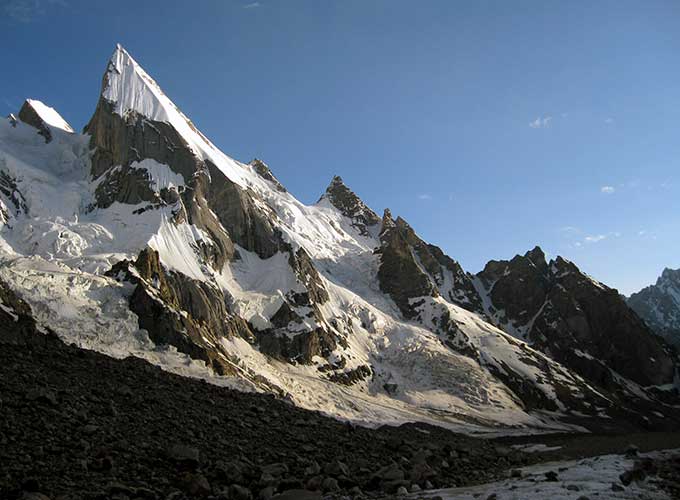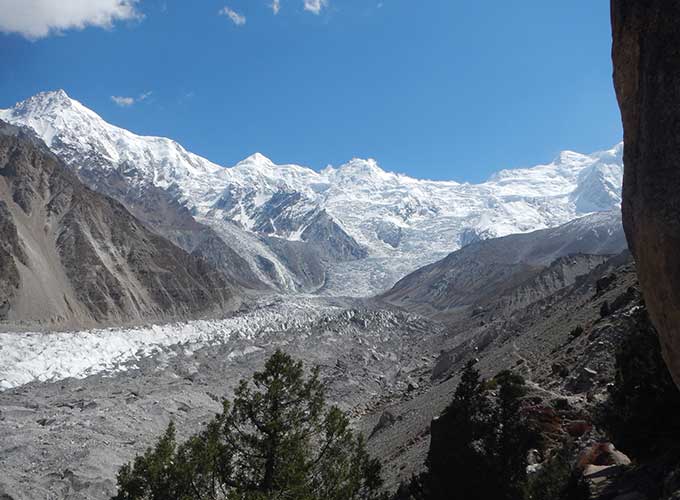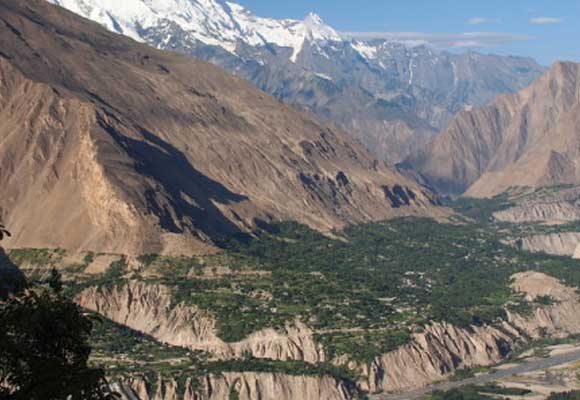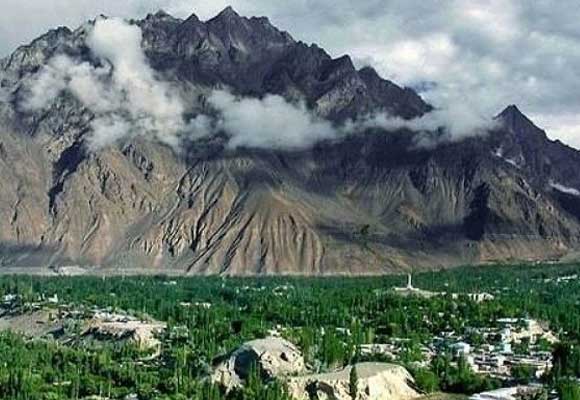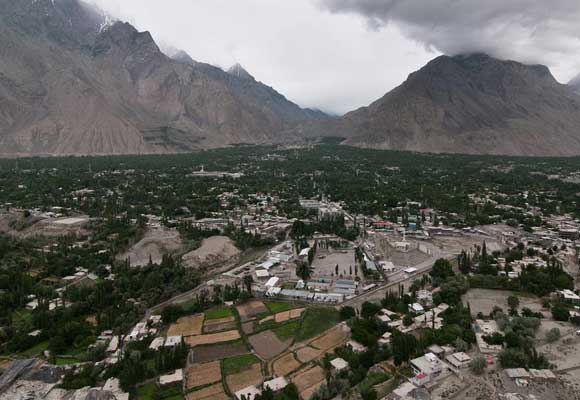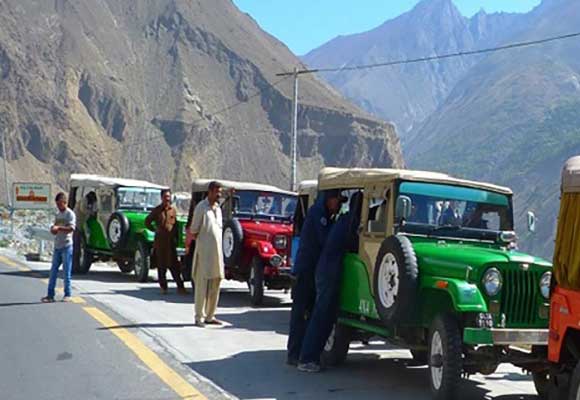
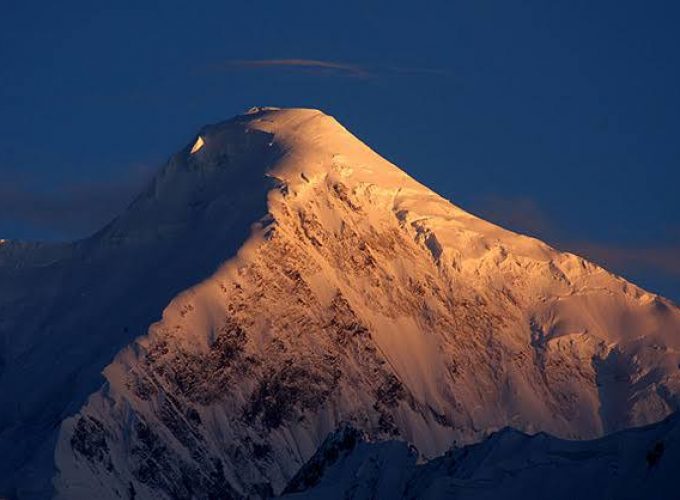
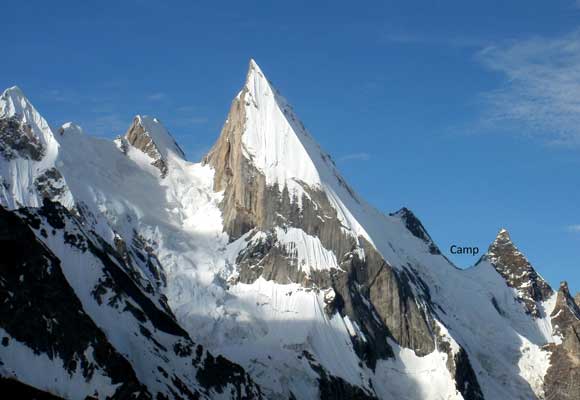
The Laila Peak Expedition Pakistan 2026 Full Expedition Guide for 2026 Trekkers is one of the most visually iconic and technically demanding climbing objectives in the Karakoram Range. Standing at approximately 6,096 meters, Laila Peak is famous worldwide for its sharp, needle-like shape and extremely steep climbing face, often described as one of the most beautiful mountains on Earth.
As a Adventure Pakistan market analyst tracking alpine tourism demand and technical climbing trends, Laila Peak continues to attract elite mountaineers and experienced climbers seeking steep ice and mixed climbing challenges. Unlike trekking peaks, this expedition requires advanced alpine skills, glacier navigation, and experience with vertical ice terrain.
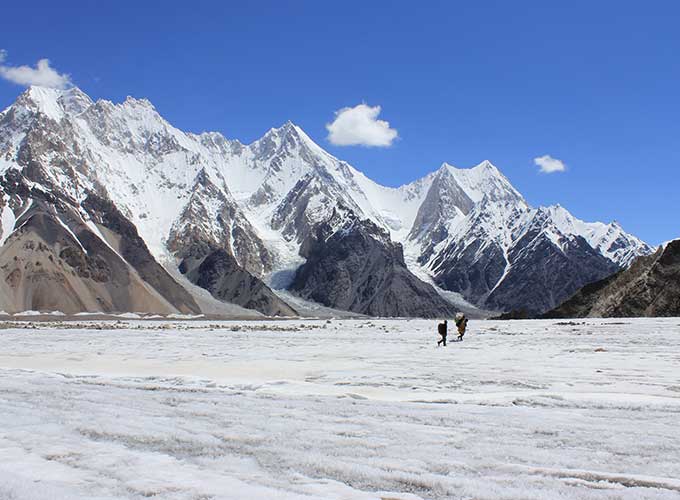
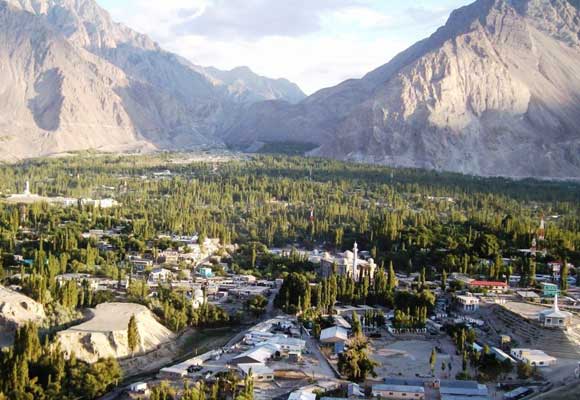
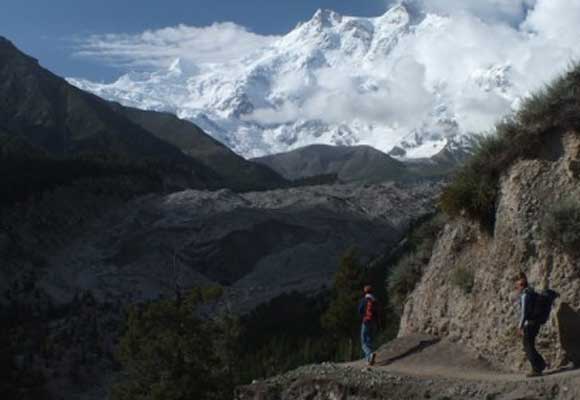
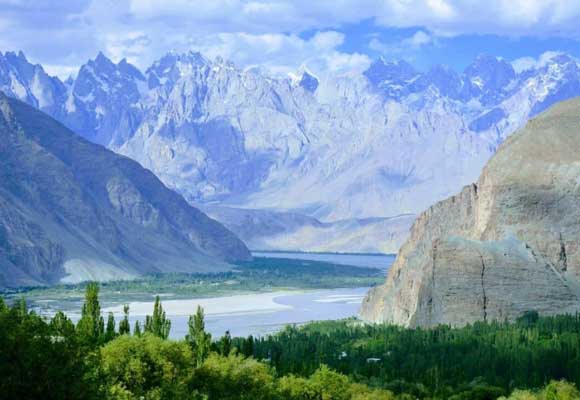
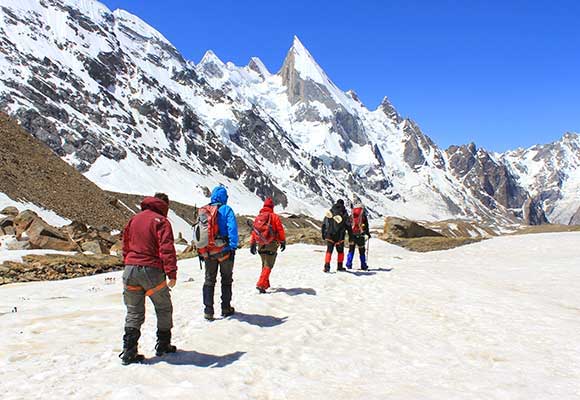
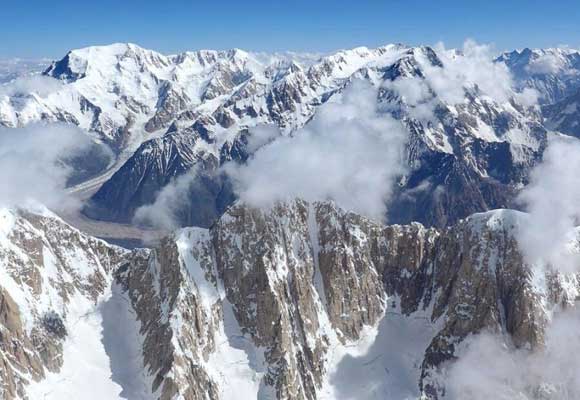
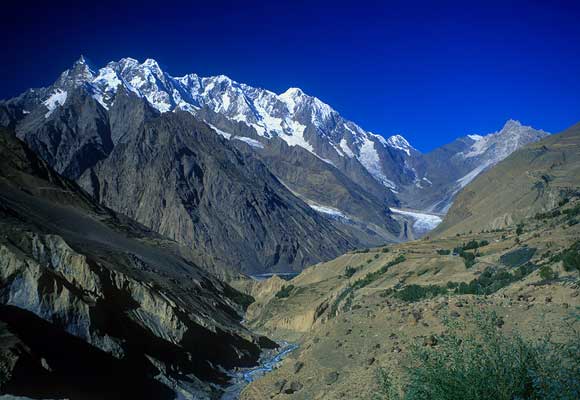
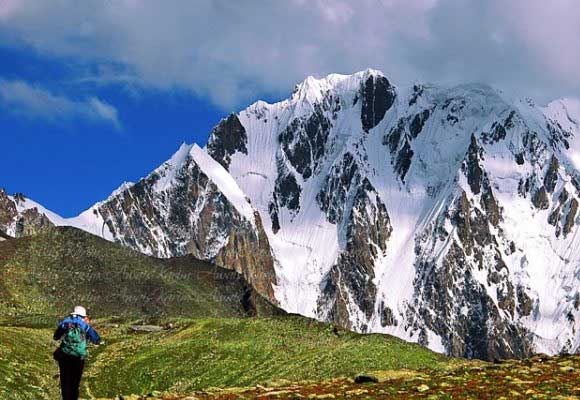
Located in the Hushe Valley near the Gondogoro Glacier, Laila Peak offers dramatic views of Masherbrum, K6, and the surrounding Karakoram giants. The approach trek itself passes through some of the most remote and scenic valleys in Pakistan, making it a complete adventure experience combining trekking and technical mountaineering.
Overview Laila Peak Expedition
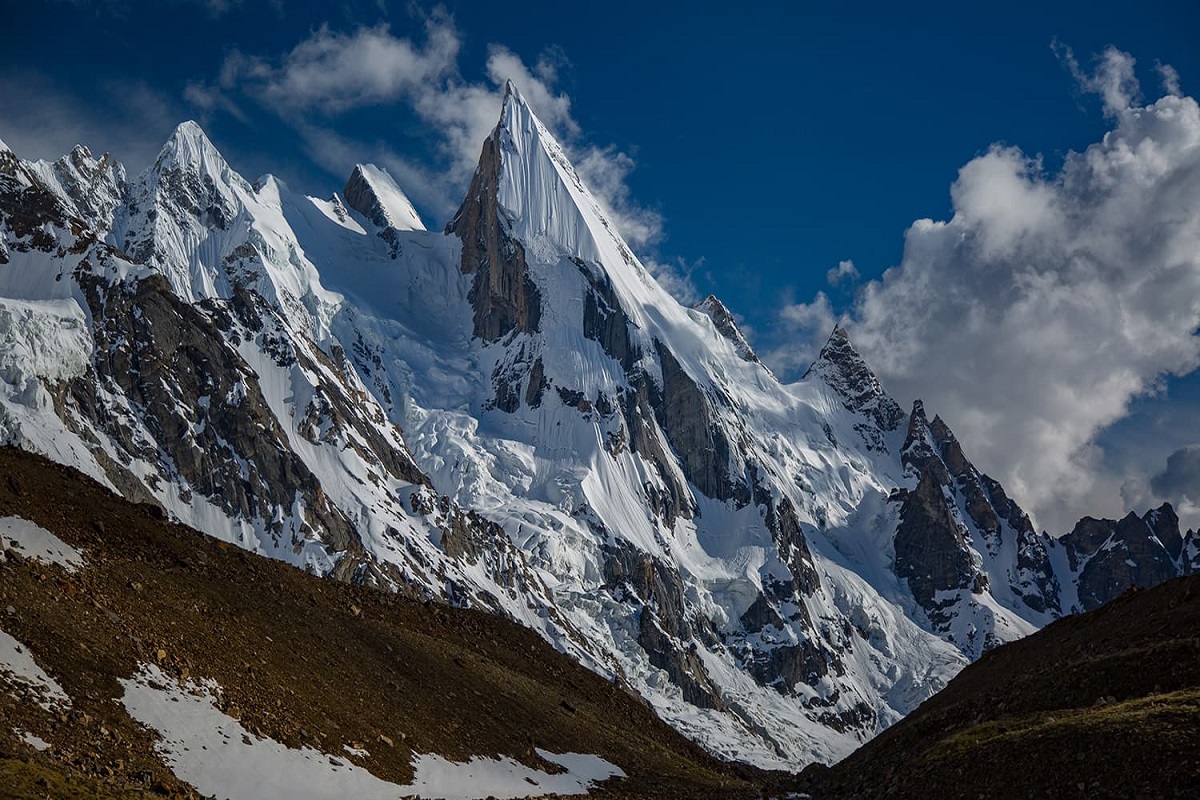
The Laila Peak Expedition is one of the most visually striking and technically demanding mountaineering objectives in Pakistan’s Karakoram Range. Located in the Hushe Valley near the Gondogoro Glacier, Laila Peak rises to approximately 6,096 meters and is famous for its perfectly sharp, spear-like summit shape. Despite its relatively moderate altitude, the peak is highly technical due to steep ice faces, avalanche-prone slopes, and mixed climbing sections. As a Adventure Pakistan market analyst tracking high-altitude climbing demand, Laila Peak is considered a premium alpine objective for experienced climbers in 2026 seeking both beauty and extreme technical challenge in one expedition.
Laila Peak Expedition Cost (2026 Estimate)
As an Adventure Pakistan market analyst tracking technical alpine expeditions, Laila Peak pricing depends on guide level and logistics complexity.
Start |
End |
Status |
Price |
Deposit |
Registration |
|---|---|---|---|---|---|
18 Jun |
27 Jul |
Guaranteed |
US$2,500 |
US$500 |
|
25 Jun |
03 Aug |
Guaranteed |
US$2,500 |
US$500 |
|
02 Jul |
10 Aug |
Guaranteed |
US$2,500 |
US$500 |
|
10 Jul |
18 Aug |
Guaranteed |
US$2,500 |
US$500 |
|
18 Jul |
26 Aug |
Guaranteed |
US$2,500 |
US$500 |
|
25 Jul |
02 Sep |
Guaranteed |
US$2,500 |
US$500 |
Cost Includes:
- Climbing permits
- Local guide and porter support
- Base camp logistics
- Food and accommodation
- Safety coordination
Optional Costs:
- Professional high-altitude guide
- Personal climbing gear rental
- Emergency evacuation insurance
Laila Peak Expedition Itinerary (40 Days)
The 40-day Laila Peak Expedition itinerary 2026 is designed for experienced climbers aiming to summit one of the most iconic and technical peaks in the Hushe Valley, Karakoram Range, Pakistan. Known for its sharp needle-like structure and steep ice faces, Laila Peak (6,096m) requires proper acclimatization, technical preparation, and flexible weather planning.
This 40-day structure ensures gradual altitude gain, multiple climbing rotations, and safety-focused summit strategy.
Days 1–10: Arrival, Travel & Acclimatization Phase
Day 1: Arrival in Islamabad
Arrival at Islamabad International Airport, expedition briefing, hotel check-in, and gear verification.
Day 2: Permit Processing & Preparation
Submission of climbing permits, documentation, and final logistics confirmation.
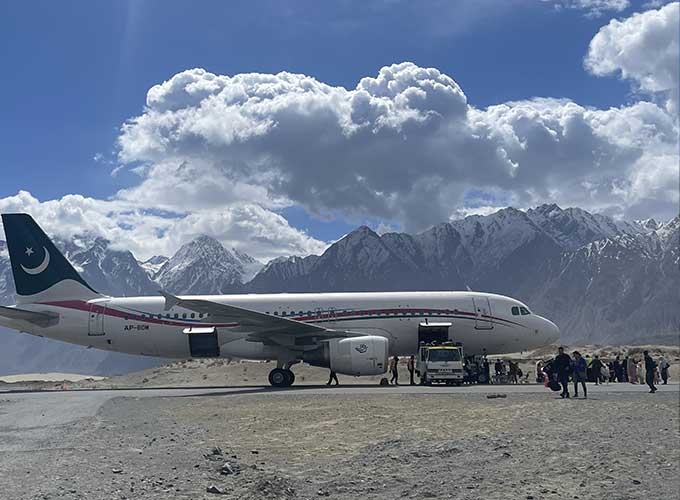
Day 3: Flight/Drive to Skardu
Scenic flight over Nanga Parbat (weather dependent) or road travel via Karakoram Highway.
Day 4: Rest & Acclimatization in Skardu
Medical check, gear sorting, and expedition team meeting.
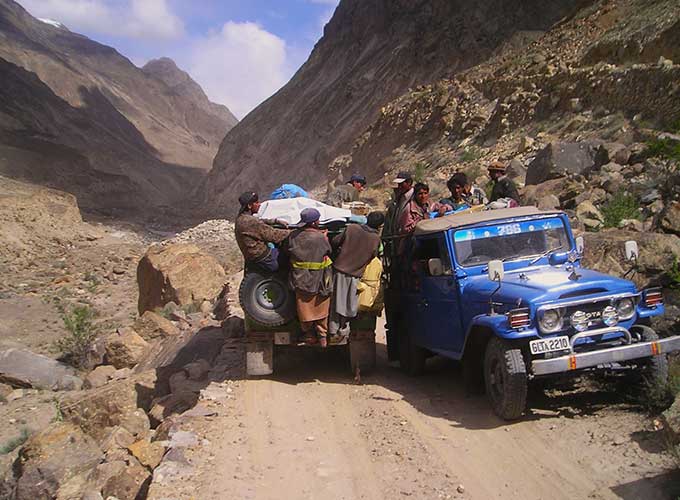
Day 5: Drive to Hushe Village
Journey through Shigar Valley into the remote Hushe region.
Day 6: Trek Preparation Day
Porter hiring, packing organization, and route briefing.
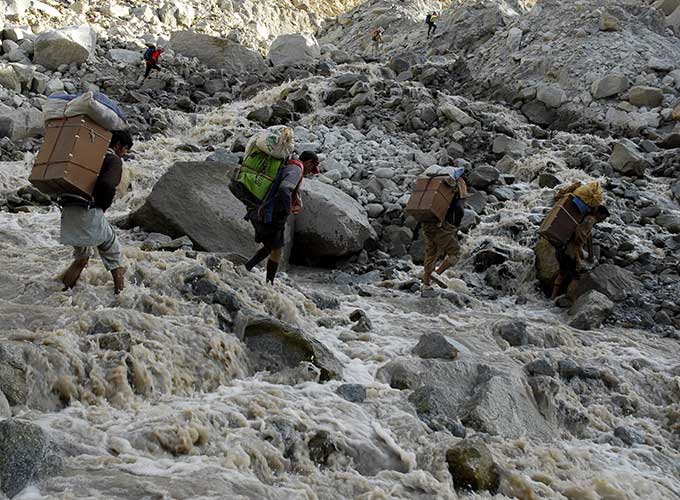
Day 7: Hushe to Saitcho Camp
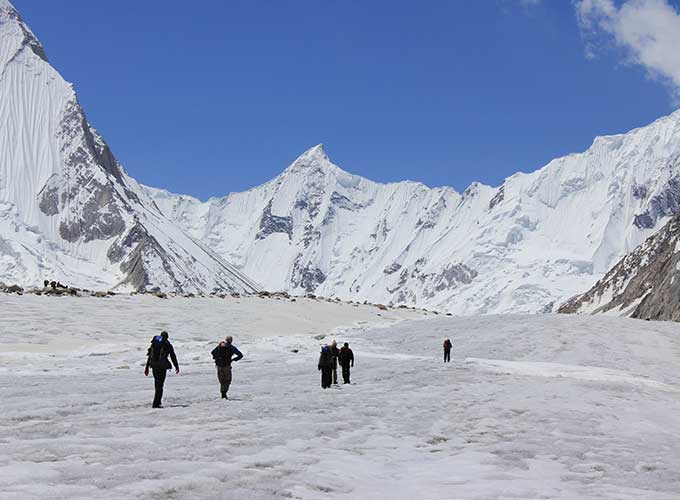
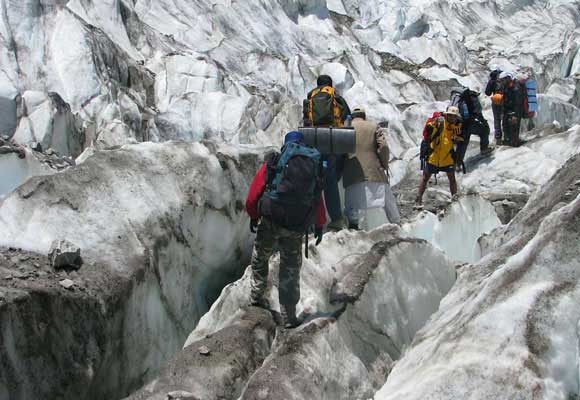
Begin trek along the glacier valley route.
Day 8: Saitcho to Base Camp Approach
Gradual ascent with views of Masherbrum and Laila Peak.
Day 9: Arrival at Laila Peak Base Camp (4,000–4,500m)
Establish base camp, tent setup, and communication systems.
Day 10: Rest & Acclimatization
Short hike and oxygen level monitoring.
Days 11–25: Base Camp Training & Climbing Rotations
Day 11: Technical Skills Training
Ice axe, crampon practice, and rope systems training.
Day 12: Route Reconnaissance
Study of ice walls and avalanche zones.
Day 13: Acclimatization Hike
Climb above base camp for altitude adaptation.
Day 14: Rest Day
Hydration and recovery phase.
Day 15: Load Ferry to Camp 1
Carry equipment to higher elevation routes.
Day 16: Base Camp Strategy Session
Weather analysis and summit planning.
Day 17: Camp 1 Establishment Attempt
First push toward steep ice sections.
Day 18: Return to Base Camp
Controlled descent and recovery.
Day 19: Rest Day
Physical recovery and nutrition intake.
Day 20: Camp 1 Rotation
Second acclimatization climb.
Day 21: Camp 1 to Ice Zone
Technical climbing on a steep ice face begins.
Day 22: Return to Base Camp
Safety descent.
Day 23: Weather Monitoring Day
Wait for a stable summit window.
Day 24: Gear Check & Fix Rope Preparation
Final technical preparations.
Day 25: Rest & Mental Preparation
Energy conservation before summit phase.
Days 26–40: Summit Push & Return Phase
Day 26: Base Camp to Camp 1
Final acclimatization ascent.
Day 27: Camp 1 to Higher Ice Camp
Steep mixed climbing section.
Day 28: Camp 2 Establishment
High camp setup above technical ridge.
Day 29: Summit Attempt Day
Early morning summit push (weather permitting).
Day 30: Summit Descent to Camp 2
Careful descent after summit attempt.
Day 31: Camp 2 to Base Camp
Full return to base.
Day 32: Rest Day
Recovery and hydration.
Day 33: Buffer Day for Weather
Alternate summit opportunity.
Day 34: Equipment Packing
Dismantling base camp.
Day 35: Trek Back to Saitcho
Downhill glacier descent.
Day 36: Saitcho to Hushe Village
Return to civilization begins.
Day 37: Drive to Skardu
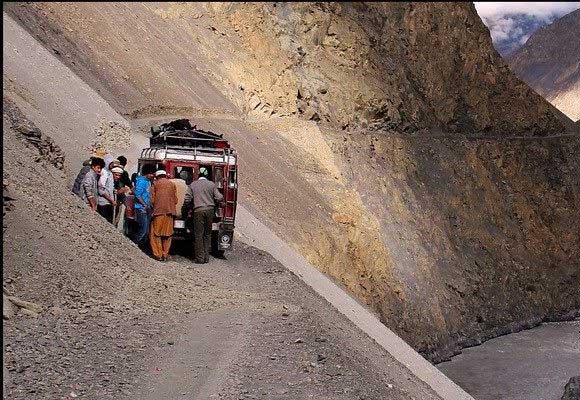
Vehicle transfer via Hushe road.
Day 38: Rest in Skardu
Post-expedition recovery.
Day 39: Return to Islamabad
Flight or road journey.
Day 40: Departure
End of expedition program.
FAQs
Is Laila Peak suitable for beginners?
No, it is strictly for experienced climbers.
How high is Laila Peak?
Approximately 6,096 meters above sea level.
How long does the expedition take?
Typically 18–30 days depending on weather and route conditions.
What makes Laila Peak famous?
Its unique spear-like shape and extreme visual beauty.
Is oxygen required?
No, oxygen is not normally used for this peak.
What is the best season?
June to August is the safest and most stable period.
Why Choose Laila Peak Expedition?
1. One of the Most Beautiful Peaks in the World
Laila Peak is globally recognized for:
- Its perfectly straight, spear-like summit ridge
- Unique pyramidal structure
- Iconic photography status in the Karakoram
2. Technical Climbing Challenge
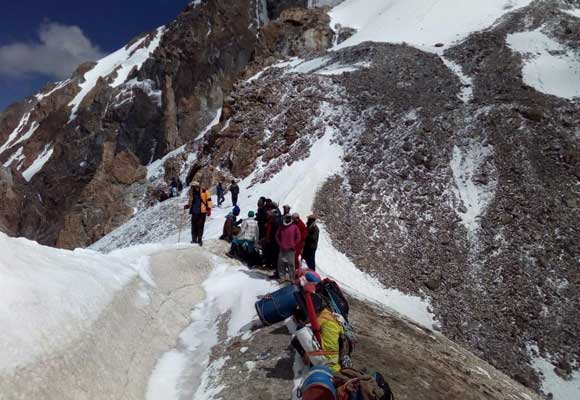
This expedition is not a trekking peak. Climbers face:
- Steep ice walls (50–70° gradients)
- Mixed rock and ice climbing
- High avalanche exposure zones
- Fixed rope ascent sections
3. Remote Karakoram Adventure Experience
The journey includes:
- Hushe Valley approach trek
- Gondogoro Glacier region
- Views of Baltoro and Masherbrum ranges
4. Gateway to Pakistan’s Adventure Circuit
Many climbers combine Laila Peak preparation or acclimatization with major expeditions and cultural journeys:
- K2 Base Camp Tour
- K2 Base Camp Tour Company
- K2 Base Camp Tour Cost
- K2 Base Camp Price
- K2 Base Camp Tour Package
- Snow Lake trek Tour
- Snow Lake trek Tour Company
- Snow Lake trek Tour Cost
- Snow Lake trek Price
- Snow Lake trek Package
- Shandoor Polo festival tour
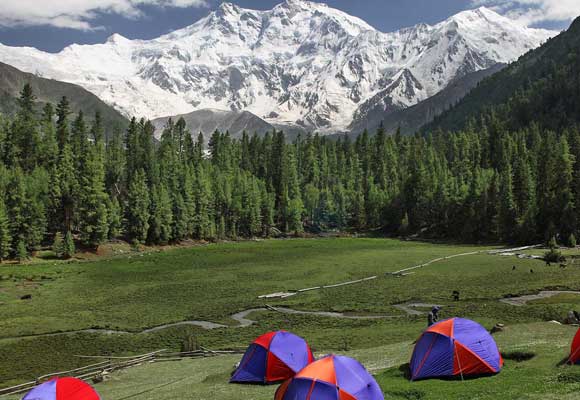
- Fairy Meadows Trek Tour
- Rakaposhi base camp Hunza valley trek
- Indus valley civilization tour
- kalash festival tour
These experiences represent the diversity of Pakistan’s adventure tourism industry, from extreme climbing to cultural exploration.
Expedition Route Overview
The Laila Peak expedition follows the Hushe Valley approach into the Karakoram:
Stage 1: Arrival in Pakistan
- Arrival in Islamabad
- Transfer to Skardu via flight or road
- Expedition briefing and gear check
Stage 2: Approach Trek
- Skardu to Hushe Valley
- Trek through villages like Sardi and Gondogoro region
- Base camp establishment near Laila Peak (~4,000–4,500m)
Stage 3: Climbing Phase
- Camp 1 on glacier slopes
- Camp 2 on steep ice walls
- Summit push via technical mixed terrain
Stage 4: Return Phase
- Descent to base camp
- Trek back to Hushe village
- Return to Skardu and Islamabad
Difficulty Level of Laila Peak
Laila Peak is classified as:
- Highly technical alpine climb
- Suitable only for experienced mountaineers
- More difficult than many 6,000m peaks in Pakistan
Key challenges include:
- Steep continuous ice slopes
- Avalanche-prone sections
- Complex rope climbing systems
- Rapid weather changes
Even though it is lower in altitude than 7,000m peaks, its technical difficulty is significantly higher.
Best Time for Laila Peak Expedition
June to August (Ideal Season)
- Stable weather windows
- Better glacier safety conditions
- Increased summit success probability
July is considered the peak climbing month in the Hushe Valley region.
Training Requirements
Laila Peak requires serious preparation:
Recommended Experience:
- Prior technical alpine climbs (5,000m+)
- Ice climbing experience
- Glacier travel knowledge
Essential Skills:
- Crampon and ice axe control
- Fixed rope climbing
- High-altitude endurance
Safety Considerations
Laila Peak is visually stunning but risky:
Major risks include:
- Icefall collapse zones
- Avalanches
- Sudden weather storms
- Technical climbing fatigue
Proper planning and experienced guides are essential for safety.
The Laila Peak Expedition Pakistan 2026 Full Expedition Guide for 2026 Trekkers is one of the most iconic technical climbing adventures in the Karakoram Range. It combines extreme alpine challenges with unmatched scenic beauty, making it a dream objective for experienced climbers worldwide.
As a Adventure Pakistan market analyst observing global adventure tourism trends, Laila Peak continues to grow in popularity among elite climbers seeking a visually striking yet technically demanding ascent.
Beyond climbing, Pakistan offers unmatched diversity—from K2 Base Camp Trek to cultural experiences like Shandoor Polo festival and Kalash festival tour, making it one of the most complete adventure destinations on Earth.
Laila Peak stands as a symbol of beauty, danger, and pure alpine challenge in the heart of the Karakoram.
K2 Base Camp and Gondogoro La Trek
K2 Base Camp Trek
K2 Base Camp Trek Concordia
Mashabrum & Gondogoro BC Trek
K6/K7 BC Trek
Thalle La Trek Pakistan
Spantik Base Camp & Haramosh La Trek
Rakaposhi Base Camp Trek
Batura Glacier Trek
Patundas Trek
Shimshal Valley Trek
Tirich Mir Base Camp Trek
Wakhan Corridor Trek
Naltar Ishkoman Pass Trek
Darkot and Broghil Passes Trek
Around Nanga Parbat Mazeno Pass Trek
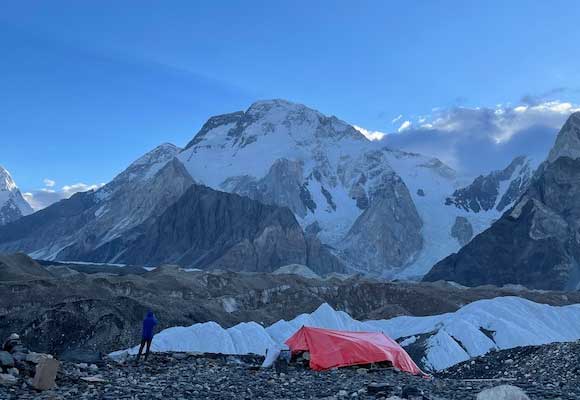
5X8000m Base Camp Trek
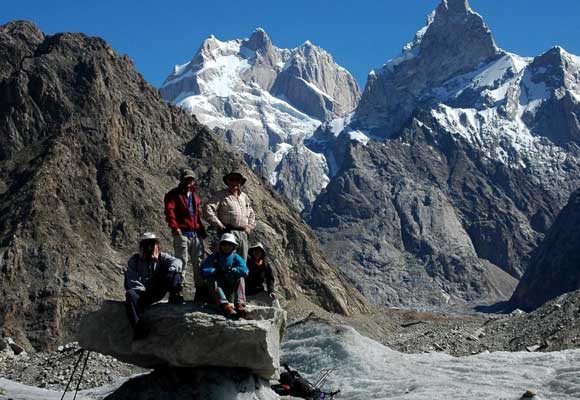
Great Karakorum Traverse Trek
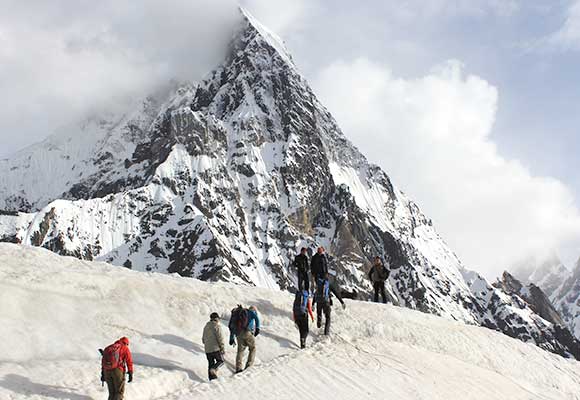
K2 Expedition (8611m)
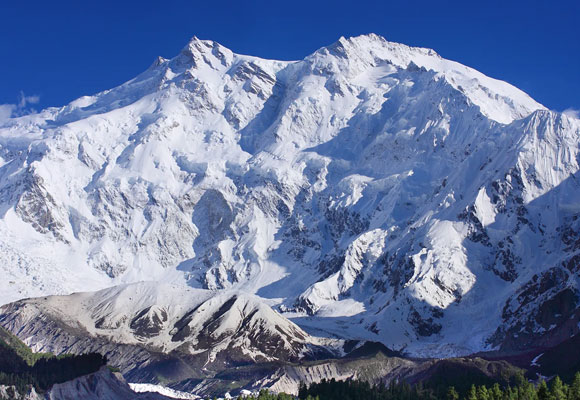
Nanga Parbat Expedition (8126m)
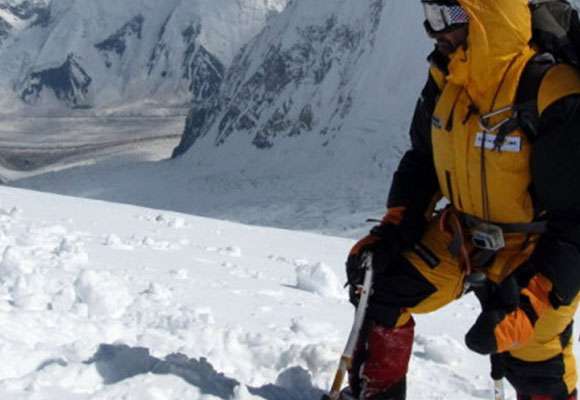
Broad Peak Expedition (8047m)
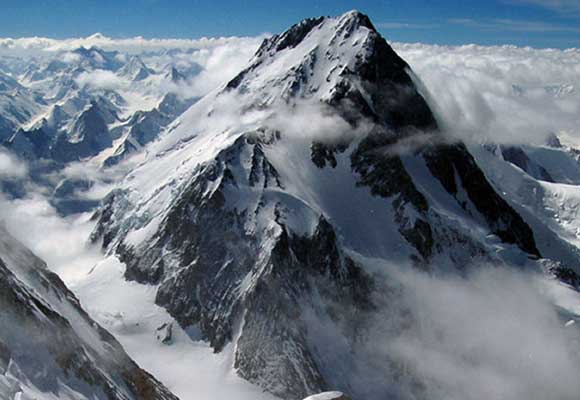
Gasherbrum 1 Expedition (8068m)
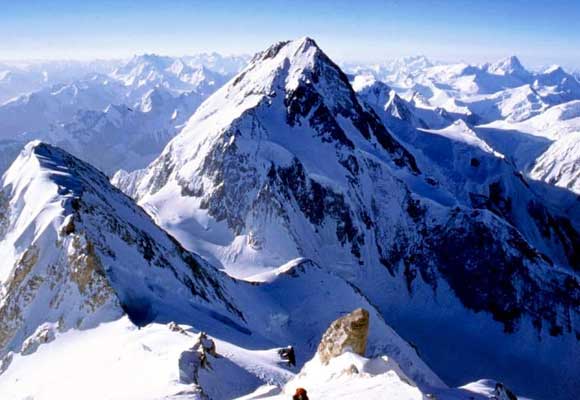
Gasherbrum II Expedition (8035m)
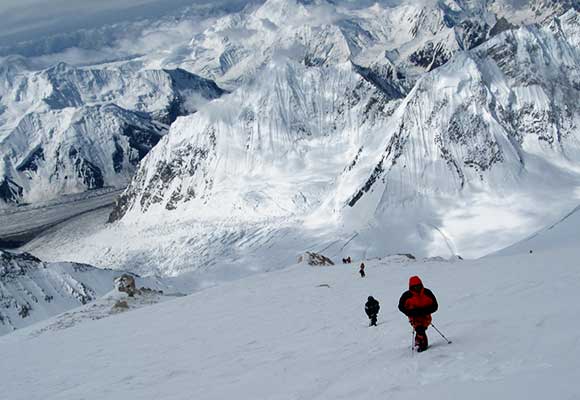
Gasherbrum III Expedition (7952m)
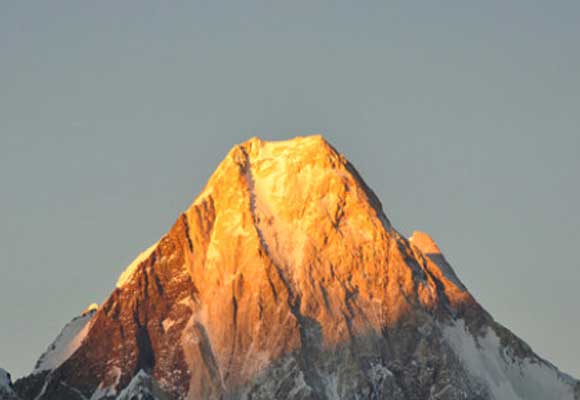
Gasherbrum IV Expedition (7925m)
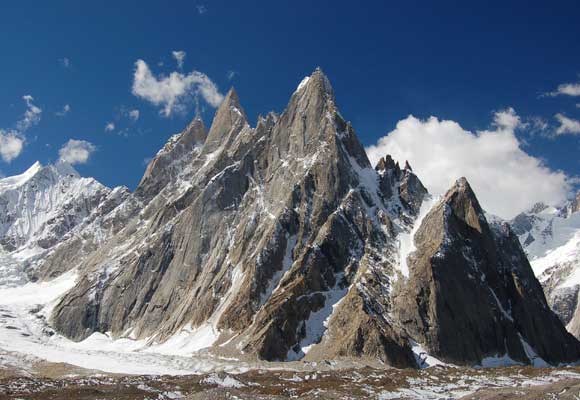
Masherbrum Expedition (7821m)
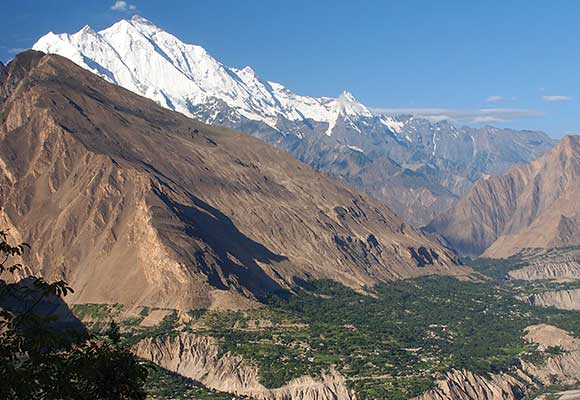
Rakaposhi Expedition (7788m)
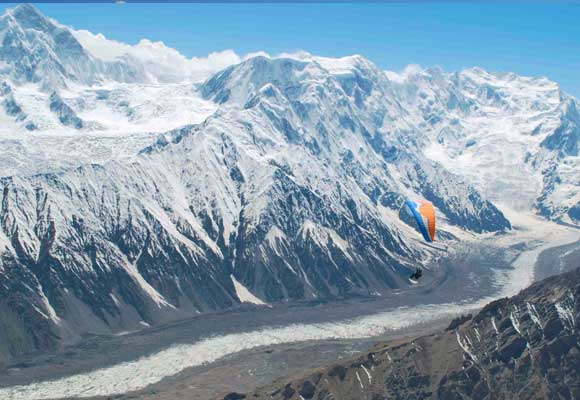
Batura Sar Expedition (7785 m)
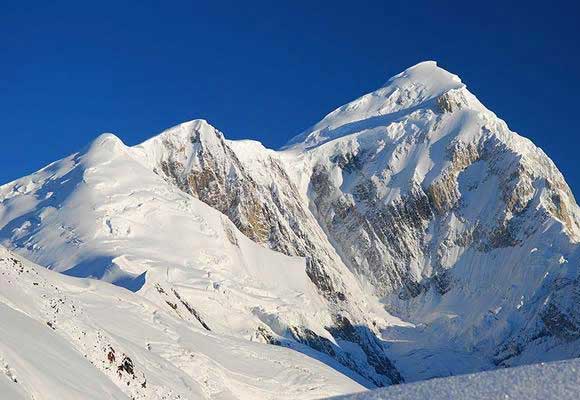
Tirich Mir Expedition (7708m)
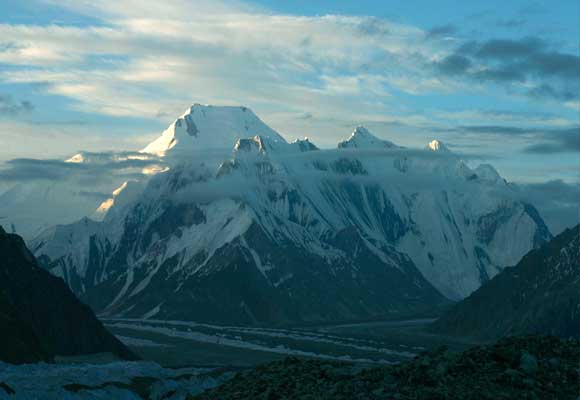
Chogolisa Expedition (7665 m)
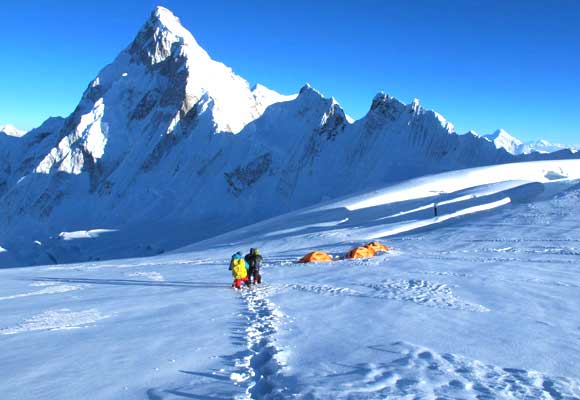
Passu Peak Expedition (7478m)
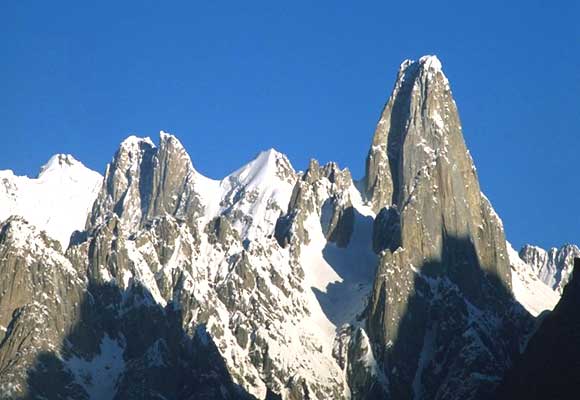
Muztagh Tower Expedition (7273m)
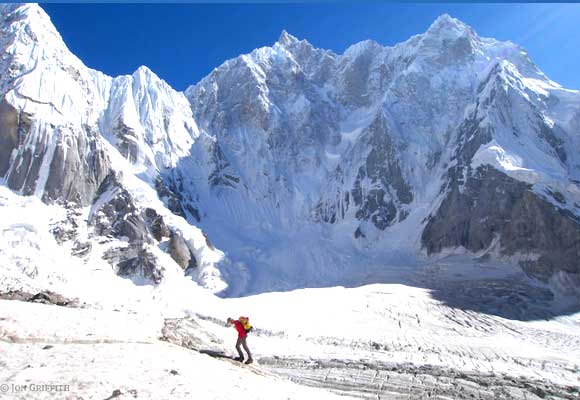
K6 Peak Expedition (6935m)
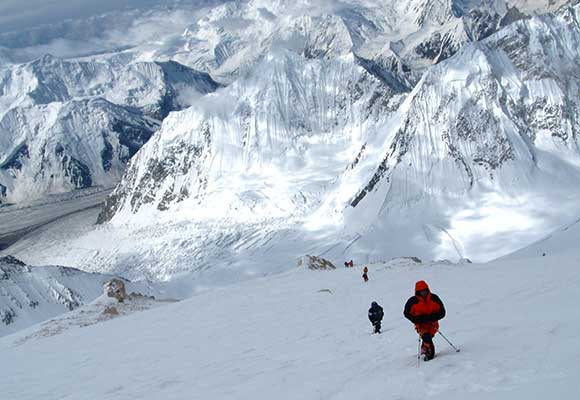
Diran Peak Expedition (7272m)
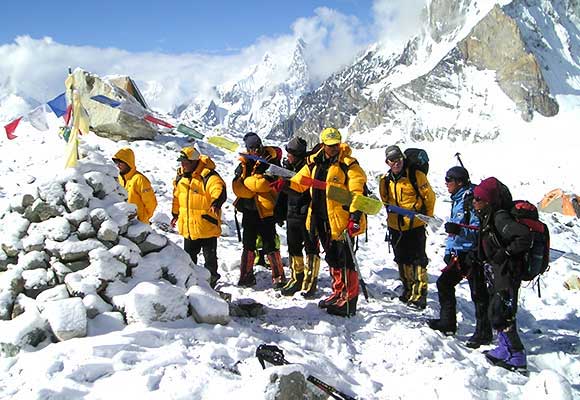
Latok 1 Expedition (7145 m)
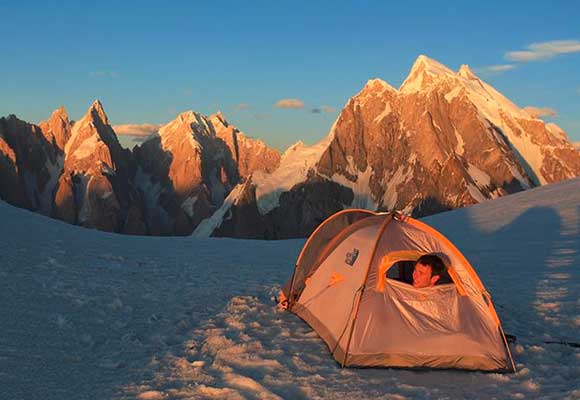
Laila Peak Expedition (6095m)
Minglik Sar Peak Expedition (6050m)
Rush Peak Expedition (5,098m)