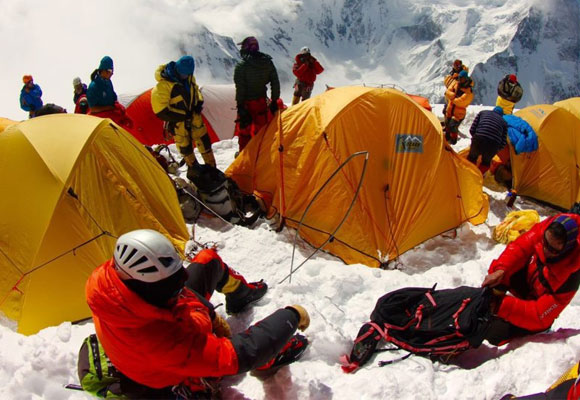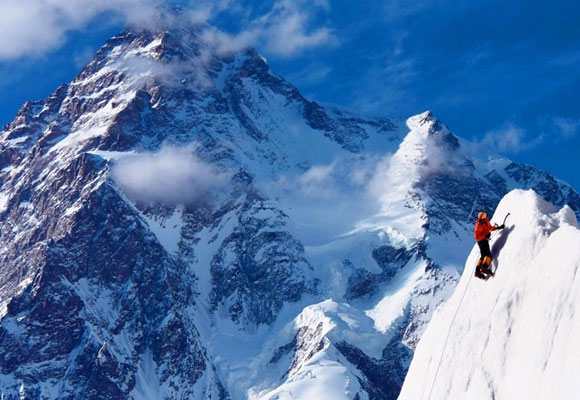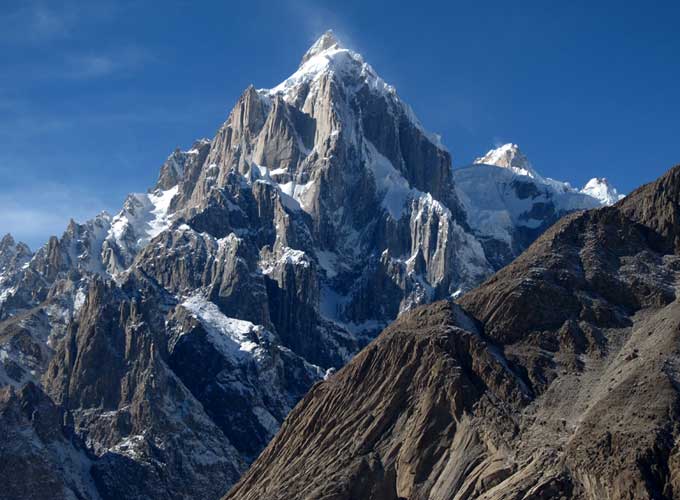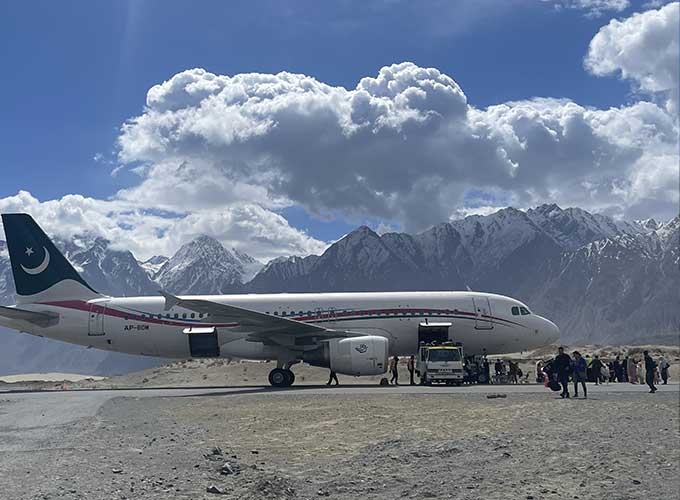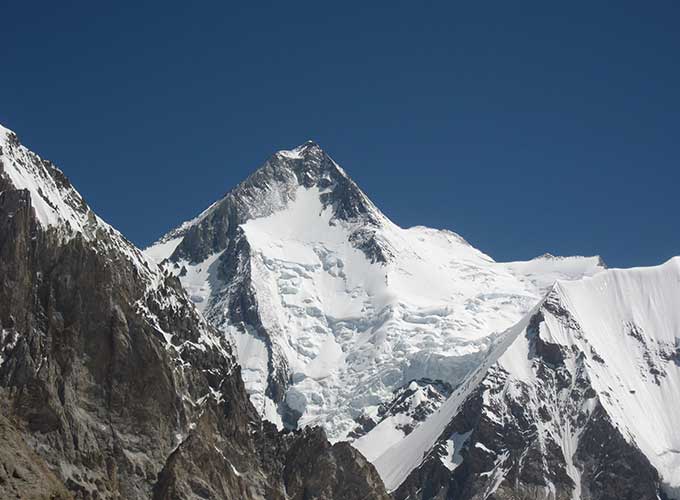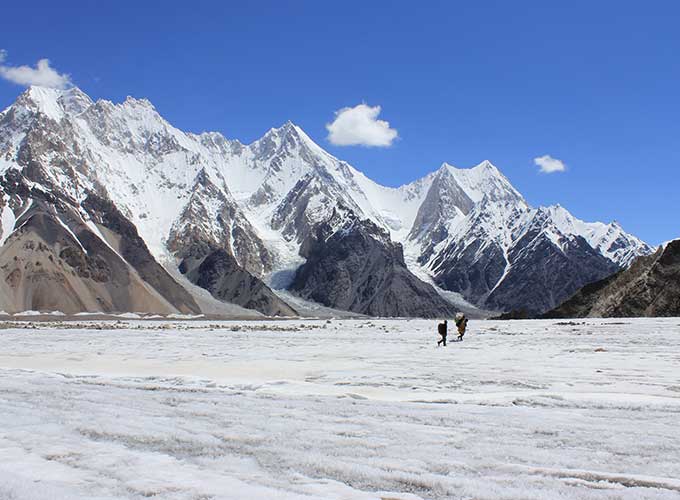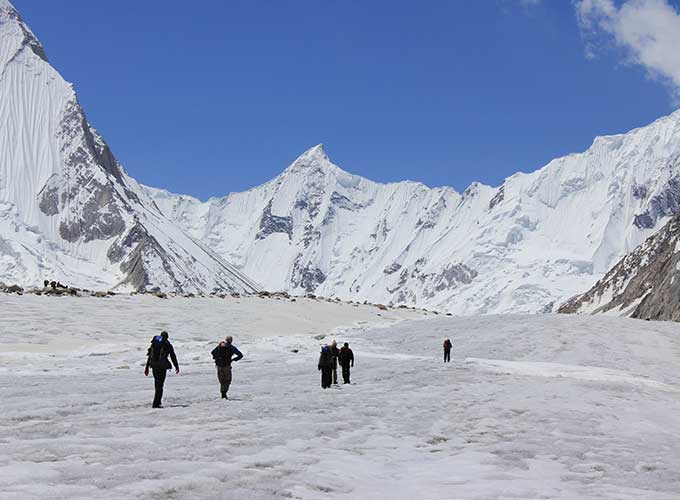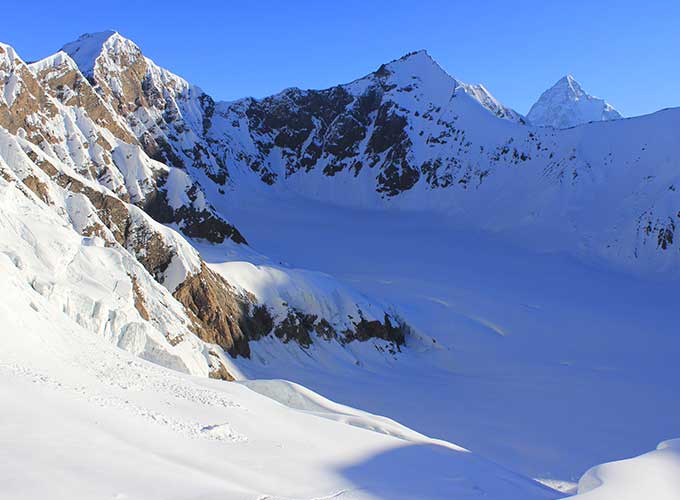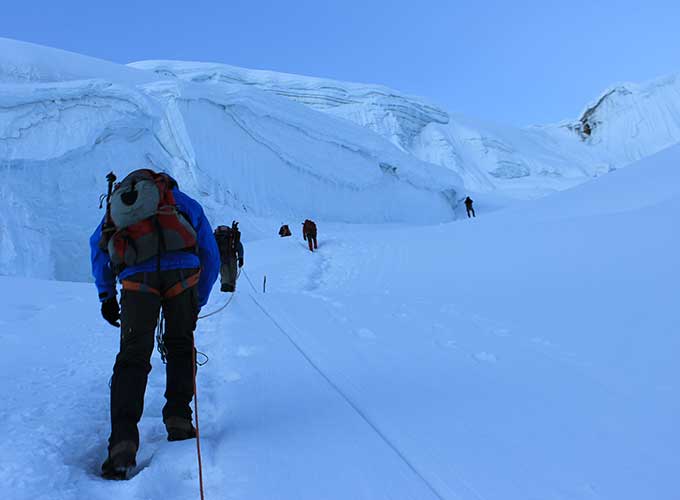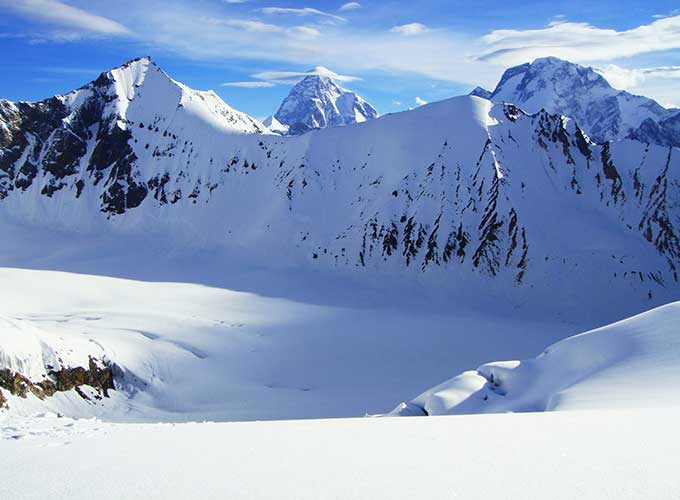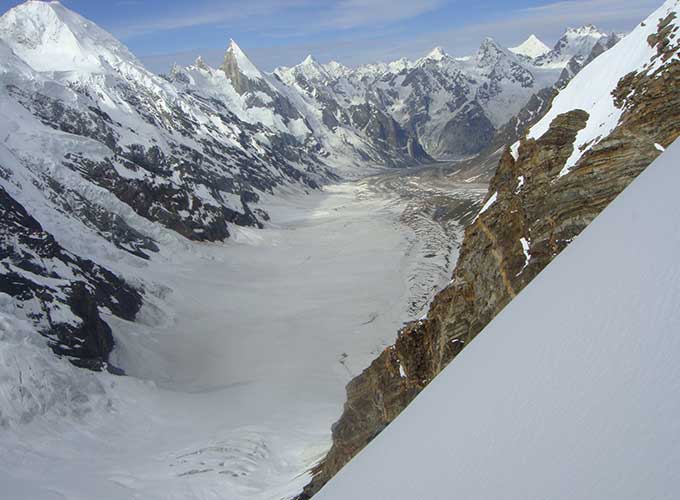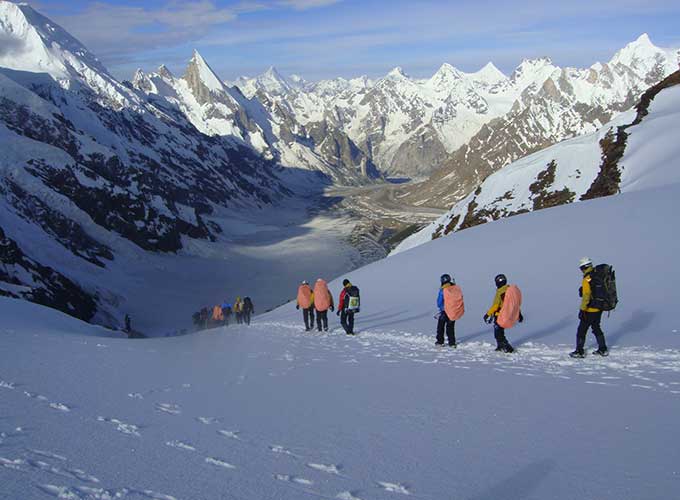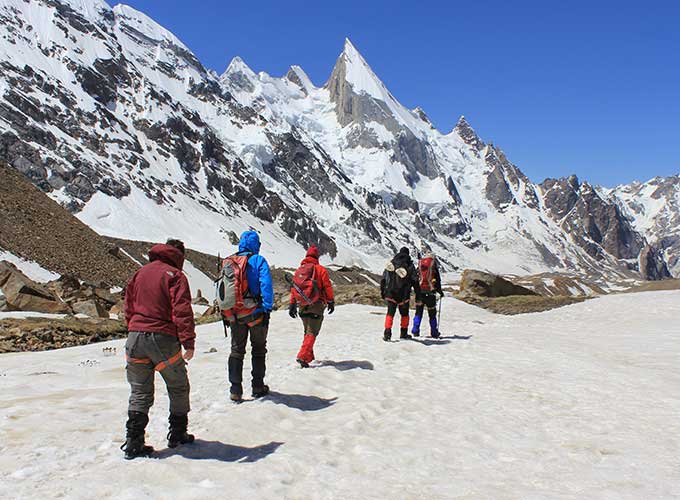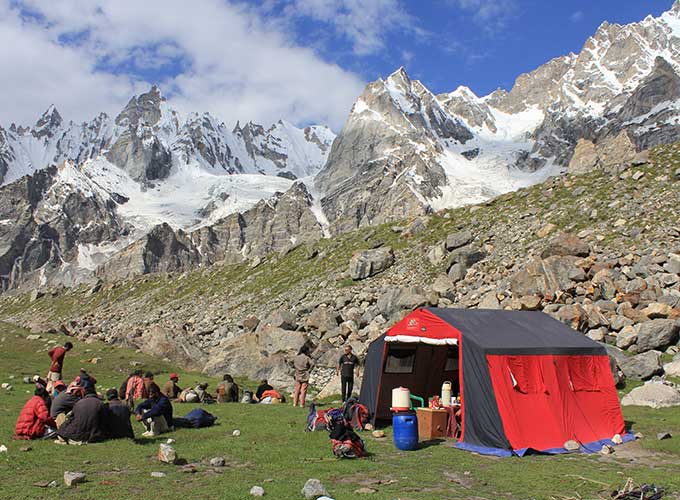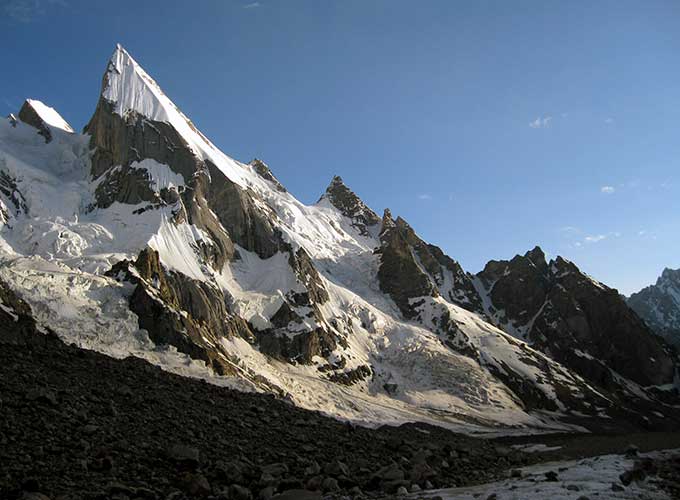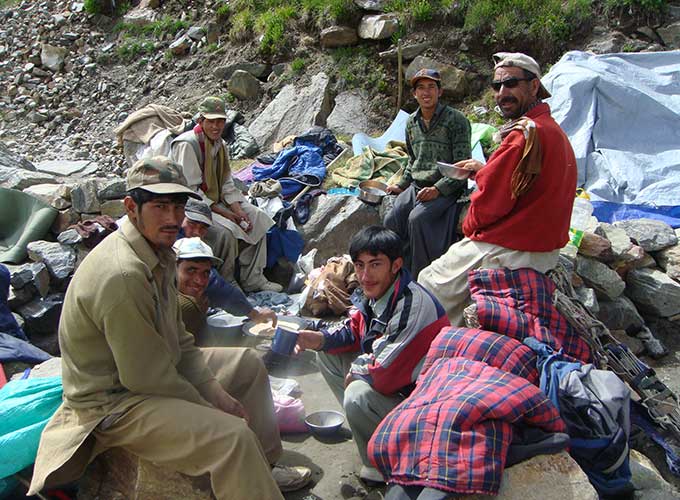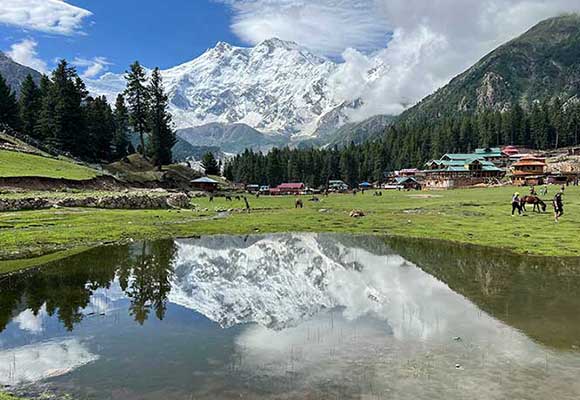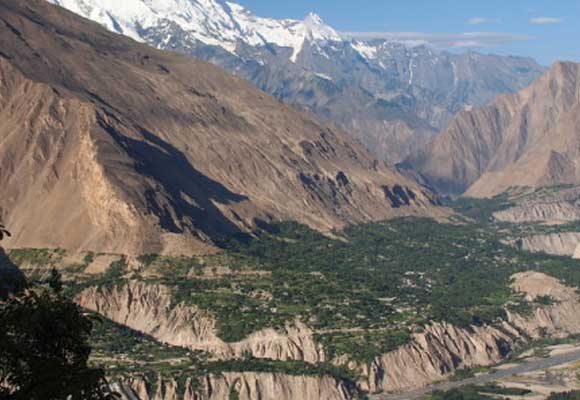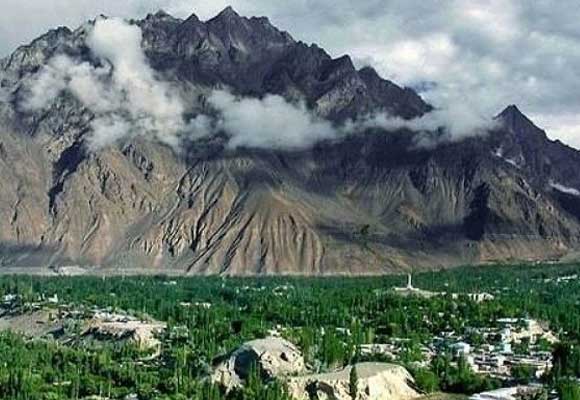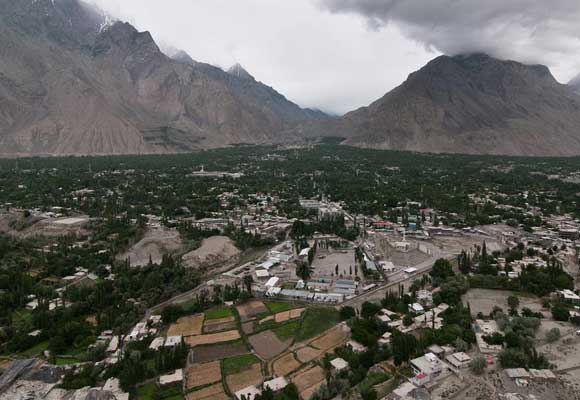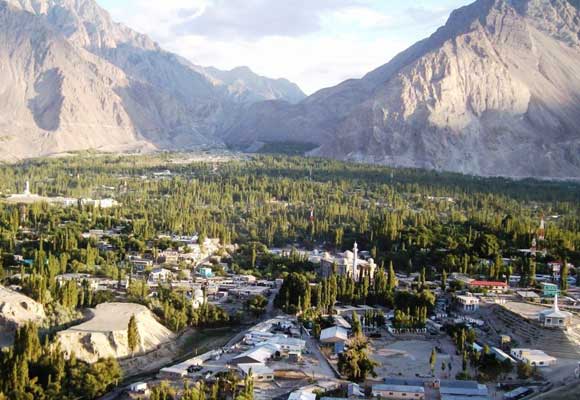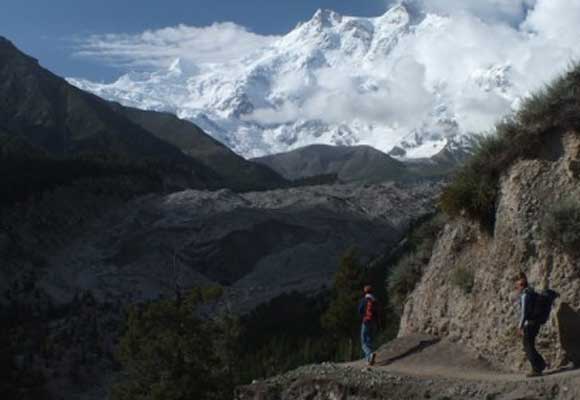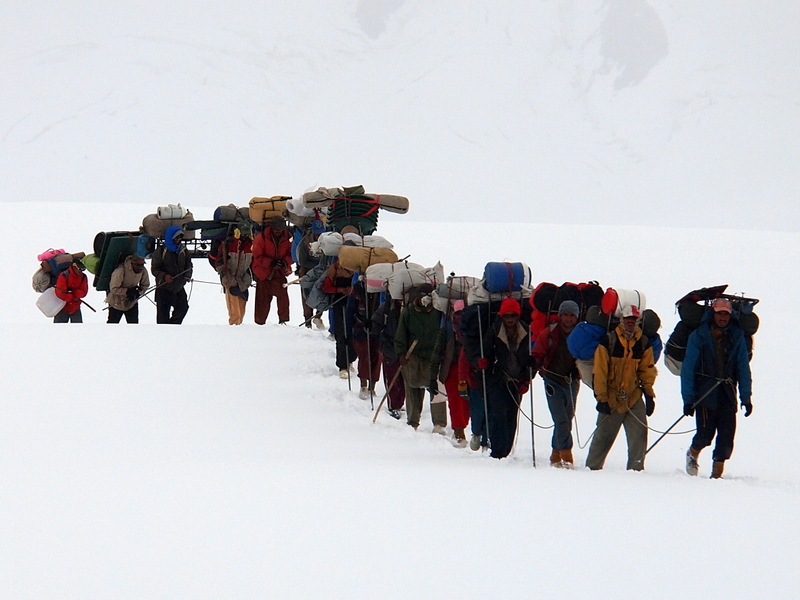
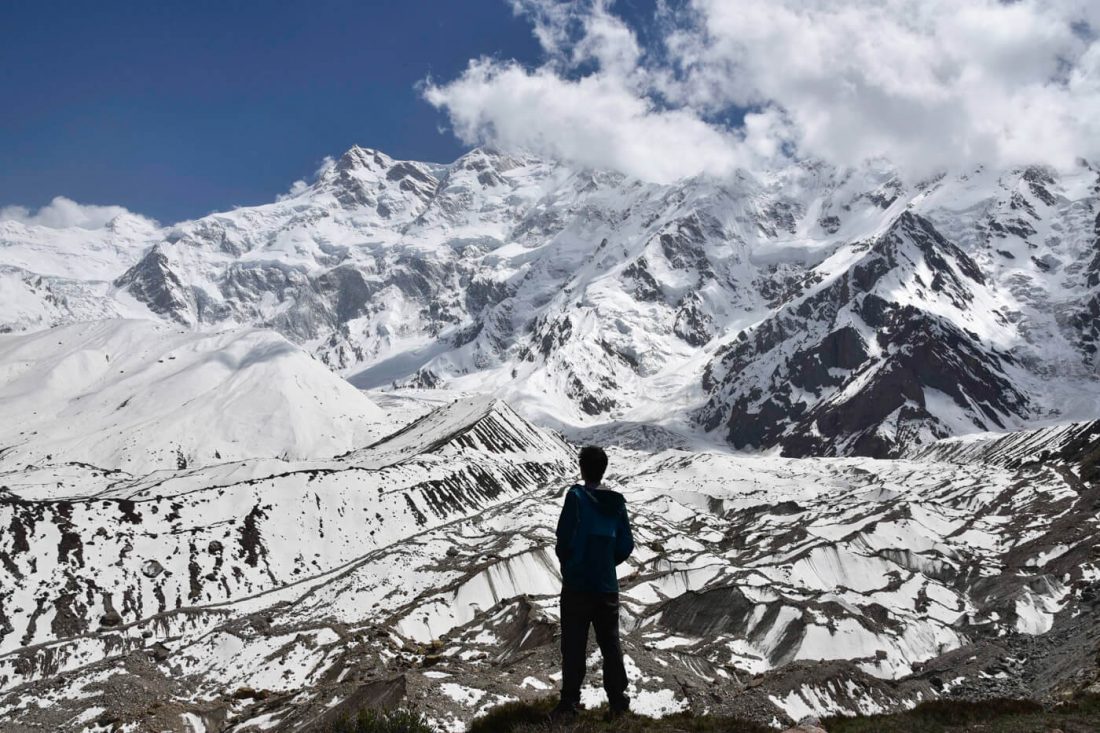
Experience the ultimate high-altitude challenge with the Nanga Parbat Expedition by Adventure Pakistan, your trusted partner for world-class mountaineering adventures. Known as the “Killer Mountain,” Nanga Parbat offers a thrilling ascent through dramatic glaciers, steep ridges, and breathtaking Himalayan scenery. This expedition is designed for serious climbers seeking a life-changing adventure in Pakistan’s northern mountains. With expert guides, full logistics support, and safe expedition planning, Adventure Pakistan ensures a professional and unforgettable experience. Join the Nanga Parbat Expedition today and conquer one of the world’s most iconic and demanding peaks with confidence, safety, and world-class support.
The Nanga Parbat Expedition Pakistan Ultimate Guide, Routes, Cost & Difficulty (2026) is one of the most comprehensive resources for climbers and adventure travelers planning to attempt the world’s ninth-highest mountain, famously known as the “Killer Mountain.” Rising to 8,126 meters in the western Himalayas, Nanga Parbat is one of the most technically demanding and historically significant peaks in global mountaineering.
As an Adventure Pakistan market analyst tracking GCC and international alpine tourism trends, 2026 shows increased demand for guided Himalayan expeditions, especially from experienced climbers seeking alternatives to overcrowded routes in Nepal.
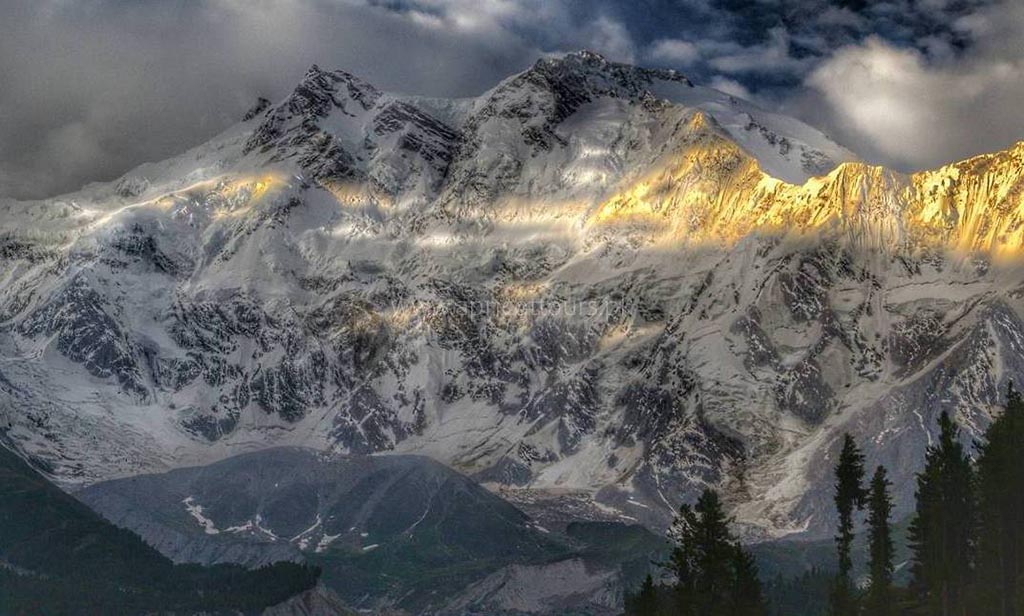
Overview of Nanga Parbat Expedition
The Nanga Parbat Expedition is a high-altitude mountaineering journey located in Gilgit-Baltistan, Pakistan. It offers multiple climbing routes, dramatic vertical relief, and extreme weather conditions.
Key features include:
- 8,126m summit altitude
- Massive Rupal and Diamer faces
- Harsh alpine weather systems
- Technical climbing sections
Unlike trekking routes such as K2 Base Camp Trek, this expedition requires advanced mountaineering skills.
2026 Nanga Parbat Expedition Cost Breakdown
As per Adventure Pakistan expedition market analysis:
Nanga Parbat Expedition – Basecamp Services
Start |
End |
Status |
Price |
Deposit |
Registration |
|---|---|---|---|---|---|
17 Jun |
31 Jul |
Guaranteed |
US$14,000 |
US$1,000 |
Nanga Parbat Expedition – Full Board Services
Start |
End |
Status |
Price |
Deposit |
Registration |
|---|---|---|---|---|---|
17 Jun |
31 Jul |
Guaranteed |
US$35,000 |
US$15,000 |
Costs include:
- Permits
- Base camp logistics
- Sherpa/guide services
- Oxygen support (optional)
- Rescue coordination
Nanga Parbat Expedition – 45 Days Complete Detailed Itinerary
Days 1–10 Complete Details
Day 1 – Arrival in Islamabad
Arrive at Islamabad International Airport and transfer to the hotel. Meet the expedition team and attend a detailed briefing regarding the Nanga Parbat Expedition, climbing permits, equipment, weather conditions, and safety procedures. Overnight stay in Islamabad.
Day 2 – Official Briefing in Islamabad
Attend the mandatory government mountaineering briefing. Complete permit verification, liaison officer formalities, and expedition documentation. Final equipment inspection and preparation. Overnight in Islamabad.
Day 3 – Drive from Islamabad to Chilas
Travel along the Karakoram Highway beside the Indus River toward Chilas. Enjoy mountain scenery, valleys, and dramatic landscapes during the drive. Overnight stay in Chilas.
Day 4 – Drive to Raikot Bridge and Trek to Fairy Meadows
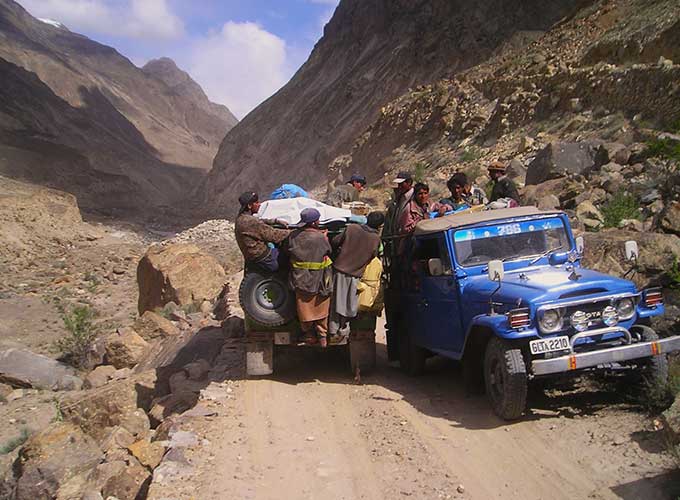
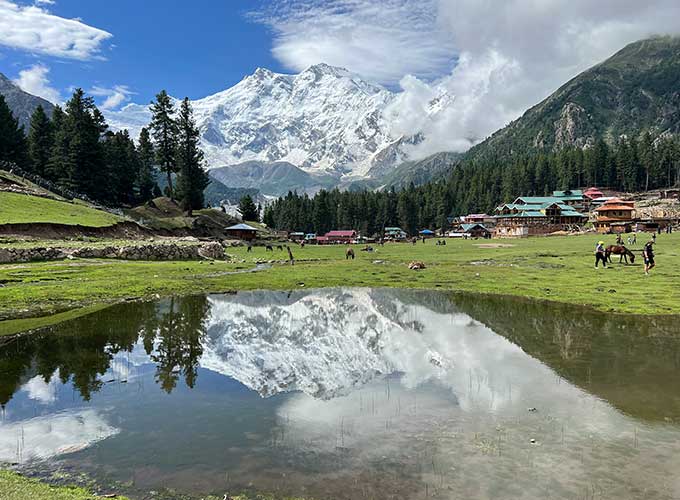
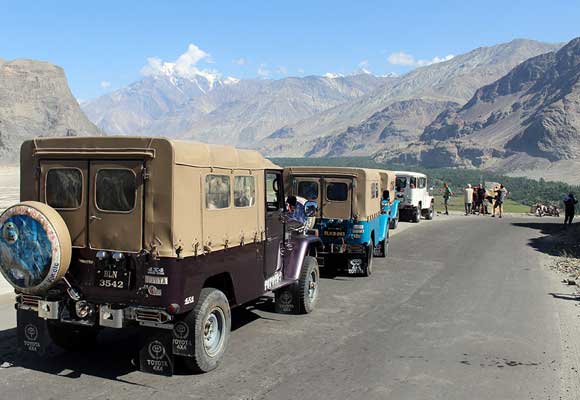
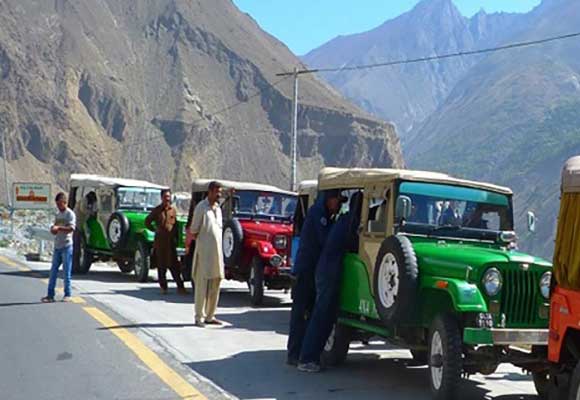
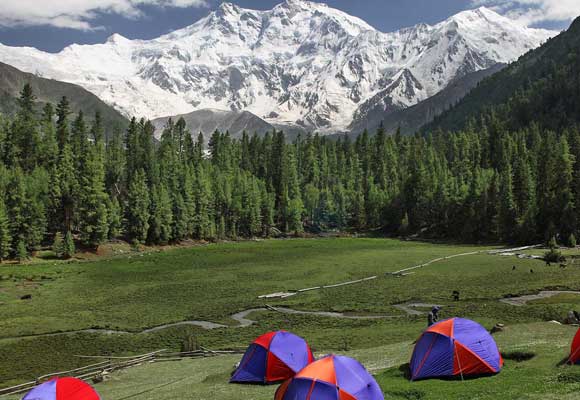
Drive to Raikot Bridge and transfer to local jeeps for the thrilling mountain road to Tattu Village. Begin the scenic hike through pine forests to Fairy Meadows. Overnight stay at Fairy Meadows.
Day 5 – Trek to Nanga Parbat Base Camp
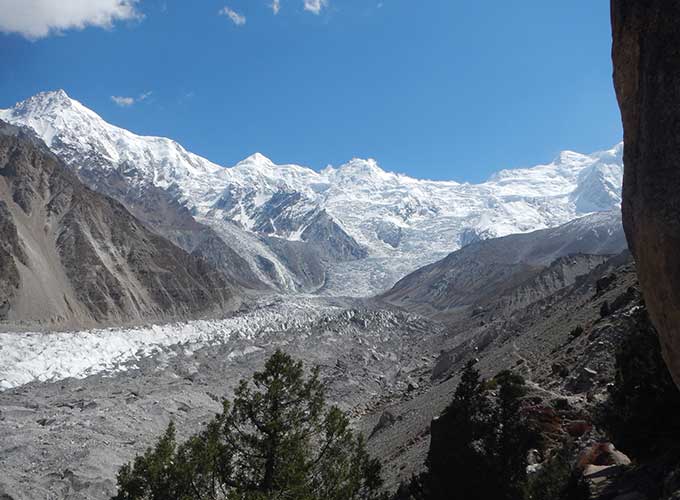
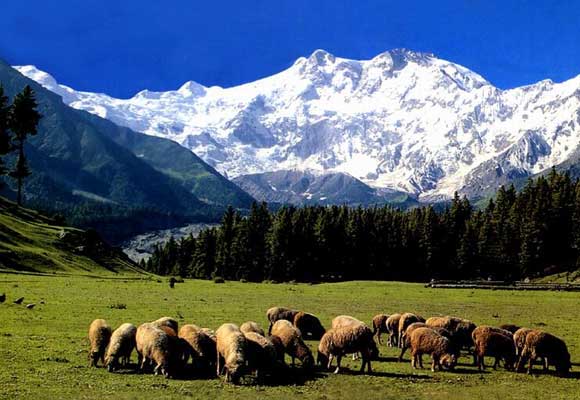
Continue trekking via Beyal Camp toward Nanga Parbat Base Camp. Enjoy magnificent views of the massive Nanga Parbat mountain and surrounding glaciers. Overnight camping at Base Camp.
Day 6 – Base Camp Setup Day
Organize expedition tents, communication systems, medical station, kitchen, and climbing equipment at base camp. Rest and acclimatization day.
Day 7 – Acclimatization Hike Near Base Camp
Short hikes around the glacier and nearby ridges to improve acclimatization. Practice movement on glacier terrain and basic climbing techniques.
Day 8 – Technical Training Day
Practice fixed rope climbing, ice climbing techniques, crampon use, and glacier rescue skills near base camp.
Day 9 – Equipment Inspection and Preparation
Inspect ropes, harnesses, ice axes, crampons, oxygen systems, and summit clothing. Organize climbing loads for higher camps.
Day 10 – Acclimatization Rotation Preparation
The expedition leader discusses climbing strategy, weather updates, and acclimatization schedule before moving higher on the mountain.
Days 11–25 Complete Details
Day 11 – Carry Equipment to Camp 1
Begin the first acclimatization rotation by carrying equipment and supplies toward Camp 1. Return to Base Camp after load carry.
Day 12 – Rest Day at Base Camp
Recovery day for hydration, nutrition, and acclimatization monitoring.
Day 13 – Climb to Camp 1
Ascend snow slopes and glacier terrain to Camp 1. Overnight stay at Camp 1.
Day 14 – Acclimatization at Camp 1
Short acclimatization hikes above Camp 1 followed by rest and recovery at altitude.
Day 15 – Climb to Camp 2
Continue ascending through steep snow and ice sections toward Camp 2. Overnight stay at Camp 2.
Day 16 – Descend to Base Camp
Return safely to Base Camp for recovery and rest after the first major acclimatization rotation.
Day 17 – Full Rest Day at Base Camp
Rest and recovery day with medical checkups and weather forecast review.
Day 18 – Ice Climbing and Rescue Practice
Technical climbing practice focused on crevasse rescue, fixed ropes, and ice wall movement near base camp.
Day 19 – Equipment Reorganization Day
Prepare oxygen bottles, summit clothing, climbing ropes, and communication devices for the next rotation.
Day 20 – Climb Back to Camp 1
Start the second acclimatization rotation. Overnight stay at Camp 1.
Day 21 – Move from Camp 1 to Camp 2
Climb higher through mixed snow and ice terrain toward Camp 2. Overnight stay at Camp 2.
Day 22 – Touch Camp 3 and Descend to Camp 2
Reach higher altitude near Camp 3 for acclimatization before descending back to Camp 2.
Day 23 – Descend to Base Camp
Return to Base Camp for extended recovery and preparation for summit push.
Day 24 – Rest and Weather Observation Day
The expedition leader analyzes weather forecasts and identifies possible summit windows.
Day 25 – Summit Push Planning Day
Prepare summit equipment, food supplies, oxygen systems, and final climbing strategy for the summit attempt.
Days 26–45 Complete Details
Day 26 – Rest Day at Base Camp
Final rest and hydration day before summit rotation begins.
Day 27 – Climb to Camp 1
Begin summit push from Base Camp toward Camp 1. Overnight stay at Camp 1.
Day 28 – Move from Camp 1 to Camp 2
Continue ascending steep snow slopes and glacier terrain toward Camp 2. Overnight stay.
Day 29 – Climb to Camp 3
Ascend higher on Nanga Parbat toward Camp 3 using fixed ropes and technical climbing sections. Overnight at Camp 3.
Day 30 – Rest and Acclimatization at Camp 3
Short rest and acclimatization day while monitoring summit weather conditions.
Day 31 – Move to Camp 4
Climb toward Camp 4, the final high camp before summit attempt. Prepare equipment and oxygen systems.
Day 32 – Summit Attempt on Nanga Parbat
Begin summit push during early morning hours. Climb steep snow and ice slopes toward the summit of Nanga Parbat at 8,126 meters. Descend carefully back toward Camp 4 or Camp 3.
Day 33 – Descend to Camp 2
Continue descending from higher camps toward Camp 2 after summit attempt.
Day 34 – Return to Base Camp
Arrive safely back at Base Camp for rest and celebration with the expedition team.
Day 35 – Reserve Weather Day
Additional day reserved for bad weather or secondary summit attempt if necessary.
Day 36 – Recovery Day at Base Camp
Medical evaluation, recovery, and equipment drying day at Base Camp.
Day 37 – Equipment Packing Day
Organize expedition cargo, ropes, tents, and climbing equipment for return journeys.
Day 38 – Trek from Base Camp to Fairy Meadows
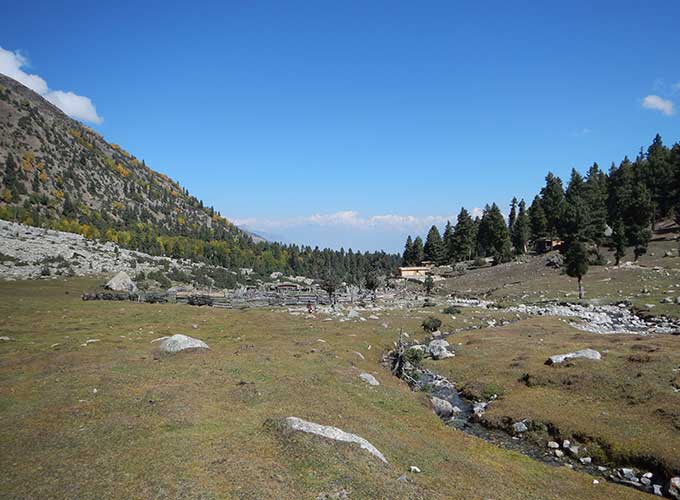
Begin return trek from Base Camp to Fairy Meadows through alpine meadows and forests. Overnight stay at Fairy Meadows.
Day 39 – Trek to Tattu Village and Drive to Chilas
Descend to Tattu Village and transfer by jeep to Raikot Bridge before driving to Chilas. Overnight stay in Chilas.
Day 40 – Drive from Chilas to Islamabad
Travel back to Islamabad along the Karakoram Highway. Overnight stay in Islamabad.
Day 41 – Free Day in Islamabad
Reserve day for delayed travel, sightseeing, or shopping in Islamabad.
Day 42 – Expedition Debriefing Day
Meet expedition management team for debriefing, certificate distribution, and logistics closure.
Day 43 – Relaxation and Cultural Visit Day
Optional sightseeing tour in Islamabad or Rawalpindi including local markets and historical sites.
Day 44 – Departure Preparations
Pack expedition equipment, finalize airport transfers, and prepare for international departure.
Day 45 – International Departure
Transfer to Islamabad International Airport for onward international flights. End of the Nanga Parbat Expedition in Pakistan.
FAQs – Nanga Parbat Expedition Pakistan 2026
1. Why is Nanga Parbat called the Killer Mountain?
Due to its extremely high fatality rate and difficult climbing conditions.
2. How difficult is the Nanga Parbat Expedition?
It is one of the hardest 8,000m peaks in the world, requiring advanced mountaineering skills.
3. What is the height of Nanga Parbat?
It stands at 8,126 meters above sea level.
4. How long does the expedition take?
Typically 45–60 days including acclimatization and summit rotation.
5. Do I need prior experience?
Yes, climbers should have experience on 7,000m+ peaks.
6. Which route is easiest?
The Diamer Face is considered the most commonly used route, though still extremely difficult.
7. What is included in the expedition cost?
Permits, logistics, guides, base camp support, and rescue coordination.
Why Choose the Nanga Parbat Expedition?
The Nanga Parbat Expedition is one of the most thrilling and prestigious mountaineering adventures in Pakistan. Standing at 8,126 meters, Nanga Parbat is the ninth-highest mountain in the world and is famously known as the “Killer Mountain” due to its dramatic terrain and climbing history. The expedition offers climbers an unforgettable challenge in the heart of the western Himalayas.
Expedition Difficulty Level
Nanga Parbat is classified as extreme difficulty (Grade ED+).
Challenges include:
- Severe weather instability
- Avalanche-prone slopes
- Crevasse fields
- Technical ice and rock climbing above 6,000m
This is not a trekking peak; prior experience above 7,000m is strongly recommended.
Base Camp & Approach Trek
The base camp trek to Nanga Parbat is relatively easier compared to the summit climb. It can be accessed via Fairy Meadows.
Explore:
-
- Fairy meadows Trek
Best Time for Nanga Parbat Expedition
The optimal climbing season is:
- June to August (Summer window)
This period offers the most stable weather conditions, though sudden storms are still common.
Essential Gear for Climbers
- High-altitude mountaineering boots
- Fixed ropes and ice protection gear
- Crampons & ice axes
- Oxygen systems (for summit push)
- Extreme cold sleeping systems (-30°C rated)
- Avalanche transceiver
Comparison with Other Pakistan Adventures
Pakistan offers diverse adventure experiences for all levels:
High-Altitude Treks
Cultural & Scenic Tours
Packages:
Major Routes of Nanga Parbat
There are three main climbing routes:
1. Diamer Face (Killer Route)
- Most commonly used route
- High avalanche exposure
- Technical ice climbing sections
2. Rupal Face (Highest Mountain Face in the World)
- Extremely steep vertical wall
- Considered one of the hardest climbs globally
3. Rakhiot Face (Historic Route)
- First successful ascent route (1953)
Each route demands expert-level technical climbing experience.
Expert Market Insight (2026)
As an Adventure Pakistan analyst tracking GCC and European mountaineering demand:
- Nanga Parbat is gaining popularity as an “elite climber’s alternative” to Everest
- Increased demand for certified guided expeditions
- Growth in UAE, Germany, and UK climber participation
- Rising preference for Pakistan Himalaya expeditions over Nepal overcrowding
Pakistan is rapidly positioning itself as a premium high-altitude expedition hub.
The Nanga Parbat Expedition Pakistan Ultimate Guide, Routes, Cost & Difficulty (2026) represents one of the most extreme and prestigious mountaineering challenges in the world. Unlike trekking routes such as K2 Base Camp or Snow Lake, this expedition demands full technical climbing ability, psychological endurance, and high-altitude expertise.
From the brutal Diamer Face to the towering Rupal Wall, Nanga Parbat is not just a mountain—it is a test of human resilience. Its reputation as the “Killer Mountain” reflects both its danger and its unmatched allure for elite climbers.
As Pakistan’s adventure tourism sector continues to grow in 2026, Nanga Parbat remains a flagship destination for serious mountaineers seeking one of the last great alpine challenges on Earth.
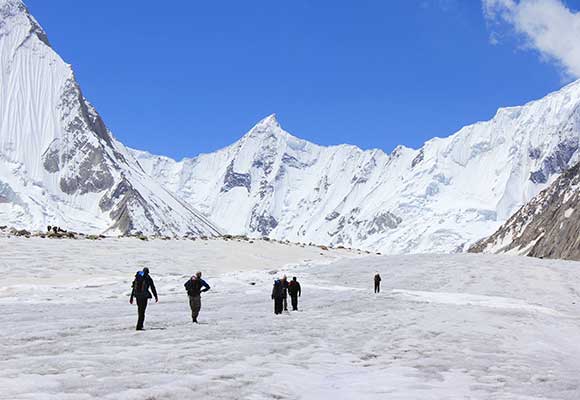
K2 Base Camp and Gondogoro La Trek
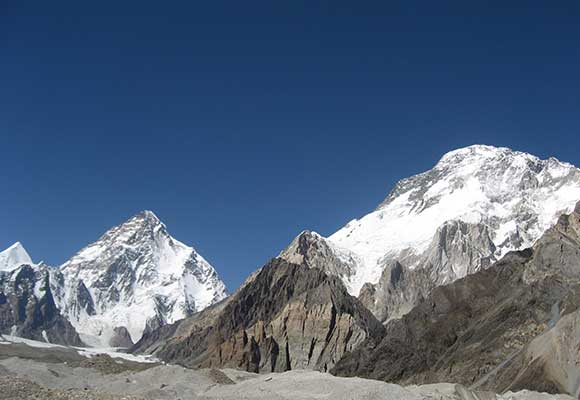
K2 Base Camp Trek
K2 Base Camp Trek Concordia
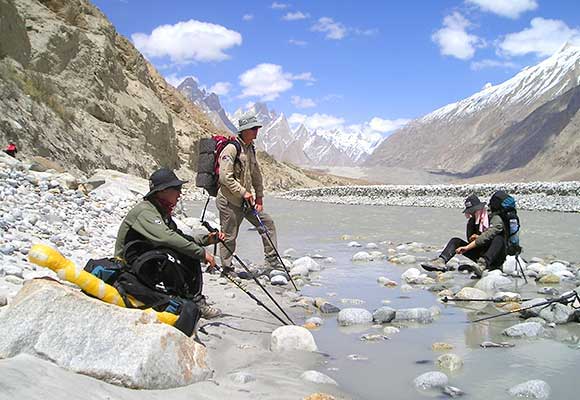
Mashabrum & Gondogoro BC Trek
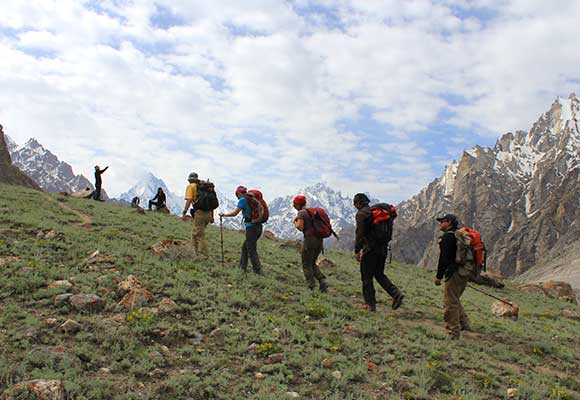
K6/K7 BC Trek
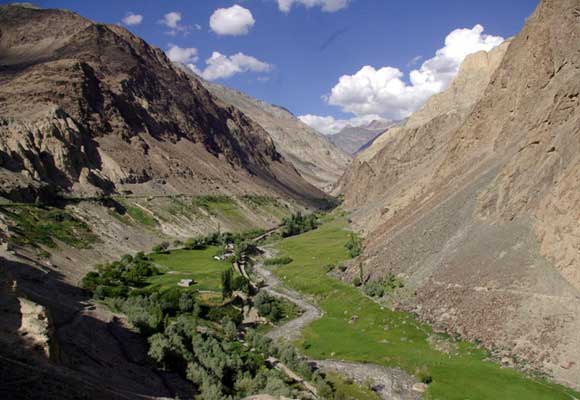
Thalle La Trek Pakistan
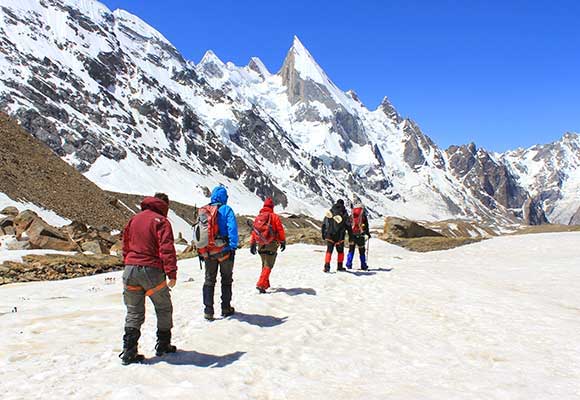
Spantik Base Camp & Haramosh La Trek
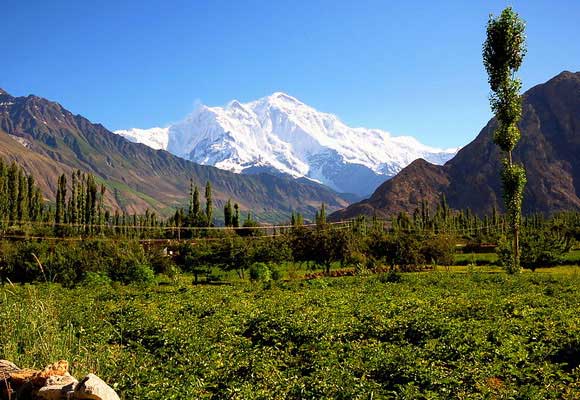
Rakaposhi Base Camp Trek
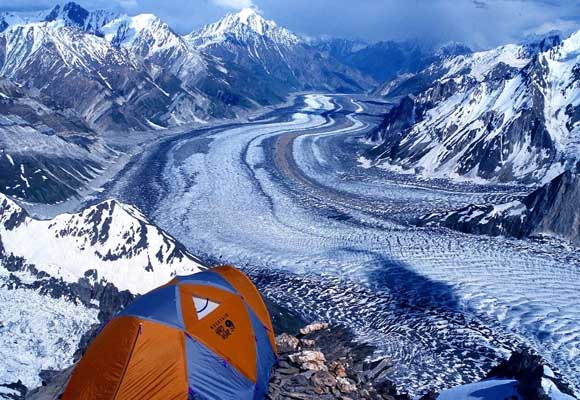
Batura Glacier Trek
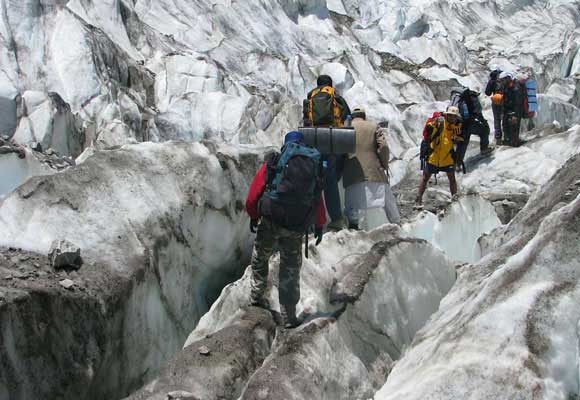
Patundas Trek
Shimshal Valley Trek
Tirich Mir Base Camp Trek
Wakhan Corridor Trek
Naltar Ishkoman Pass Trek
Darkot and Broghil Passes Trek
Around Nanga Parbat Mazeno Pass Trek
5X8000m Base Camp Trek
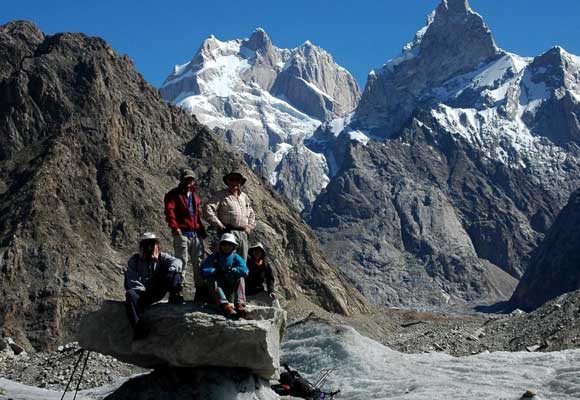
Great Karakorum Traverse Trek
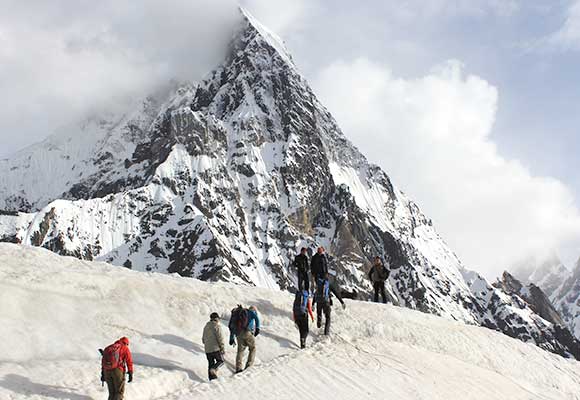
K2 Expedition (8611m)
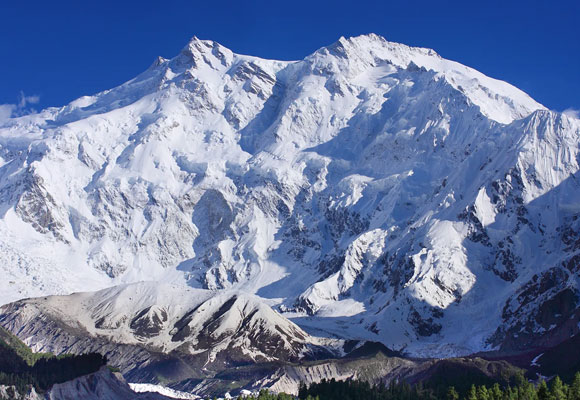
Nanga Parbat Expedition (8126m)
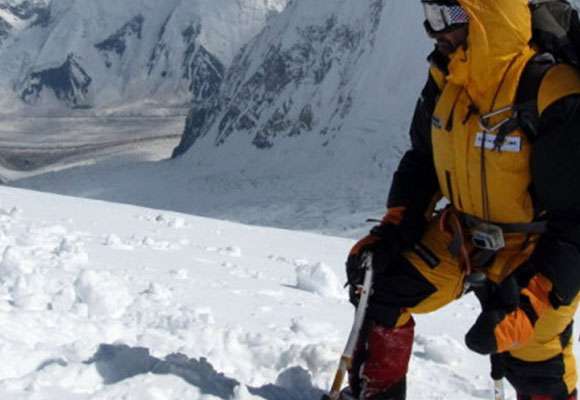
Broad Peak Expedition (8047m)
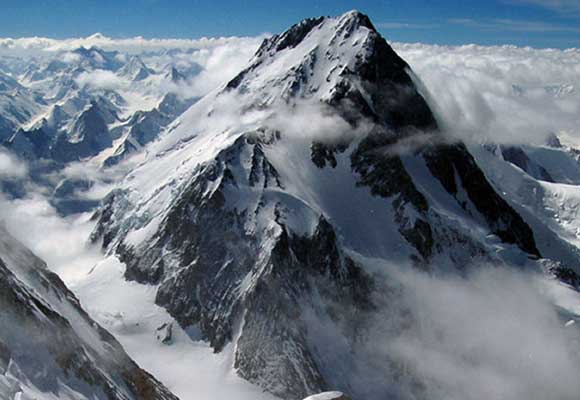
Gasherbrum 1 Expedition (8068m)
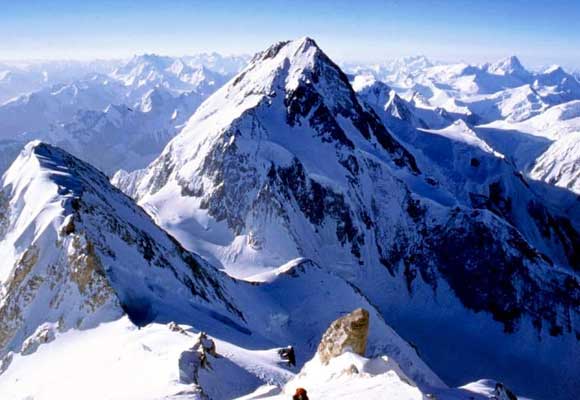
Gasherbrum II Expedition (8035m)
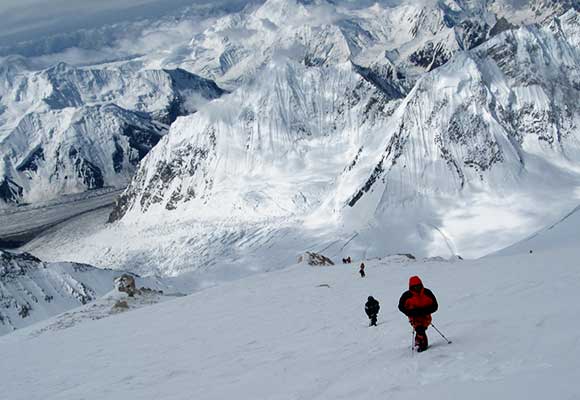
Gasherbrum III Expedition (7952m)
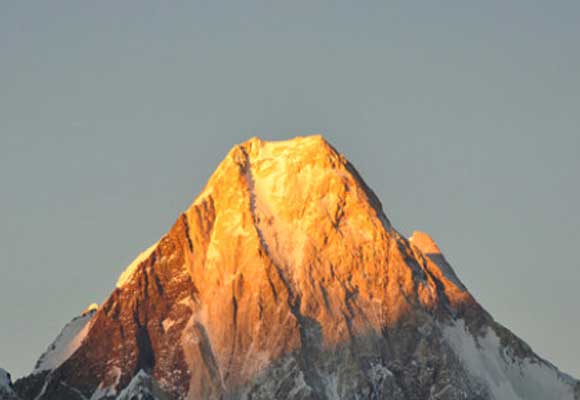
Gasherbrum IV Expedition (7925m)
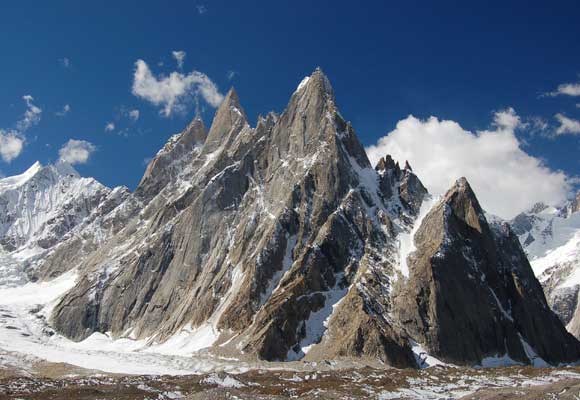
Masherbrum Expedition (7821m)
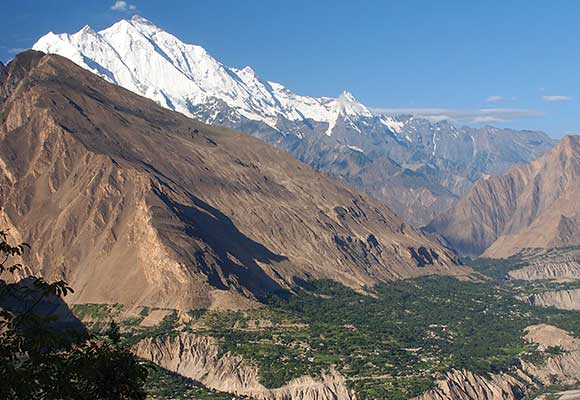
Rakaposhi Expedition (7788m)
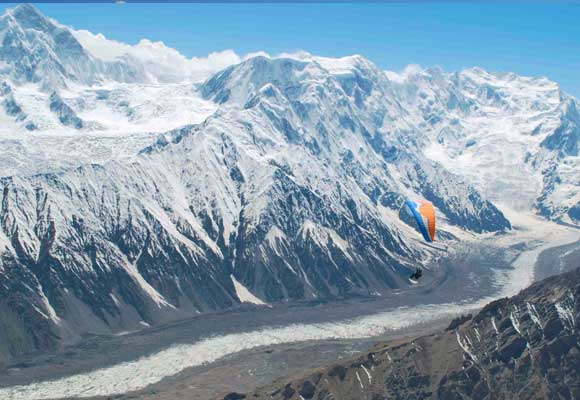
Batura Sar Expedition (7785 m)
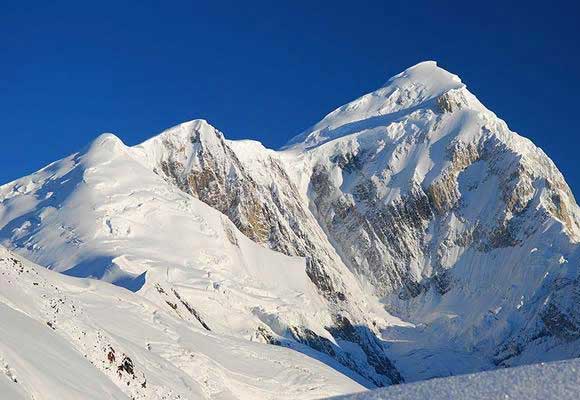
Tirich Mir Expedition (7708m)
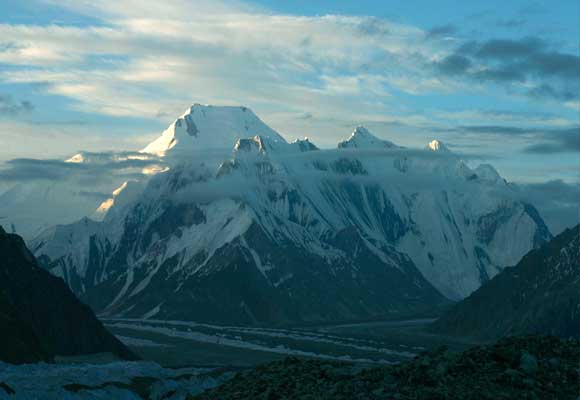
Chogolisa Expedition (7665 m)
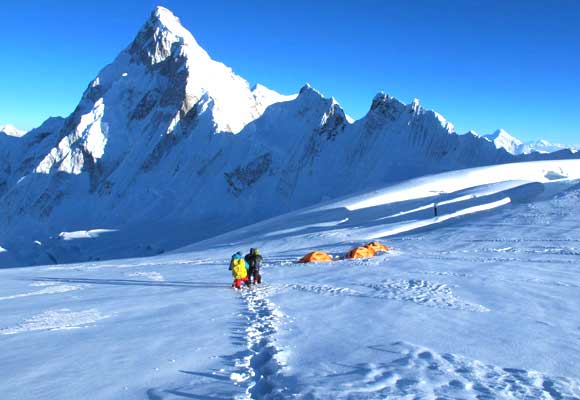
Passu Peak Expedition (7478m)
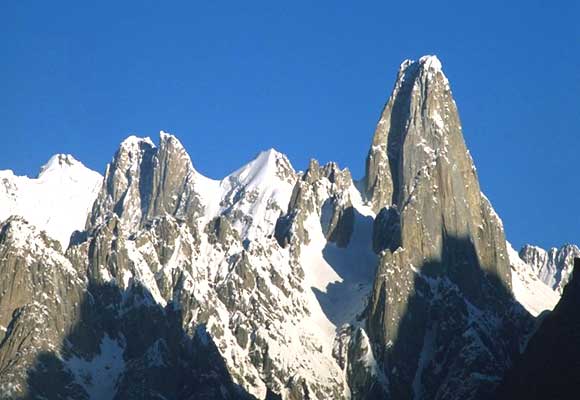
Muztagh Tower Expedition (7273m)
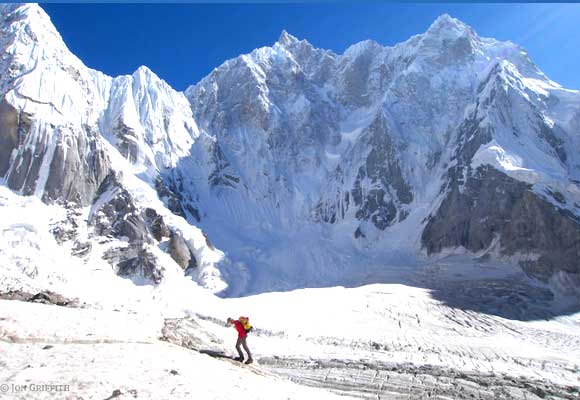
K6 Peak Expedition (6935m)
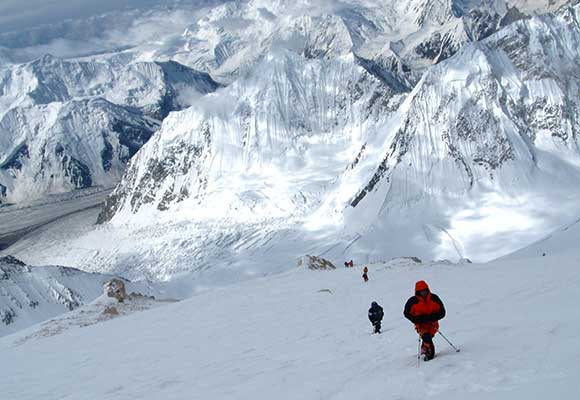
Diran Peak Expedition (7272m)
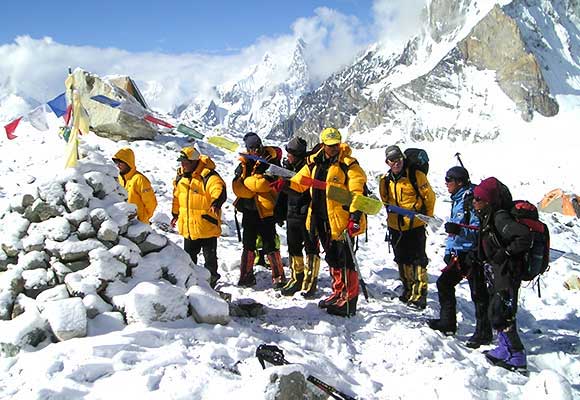
Latok 1 Expedition (7145 m)
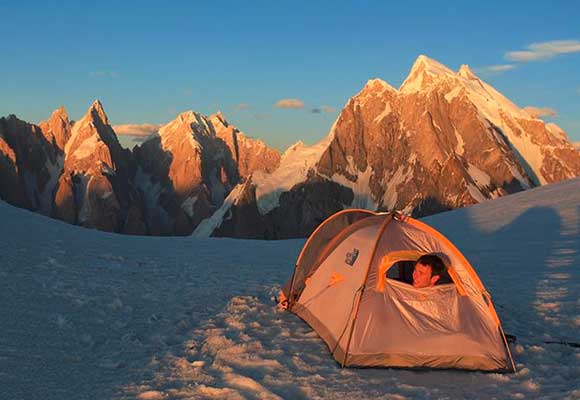
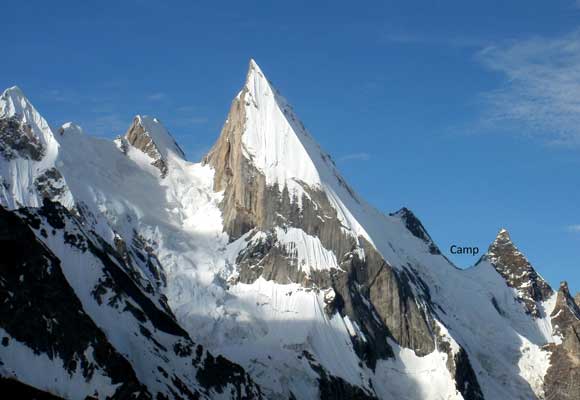
Laila Peak Expedition (6095m)
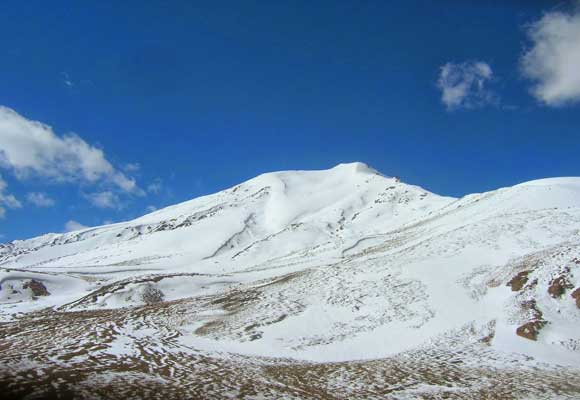
Minglik Sar Peak Expedition (6050m)
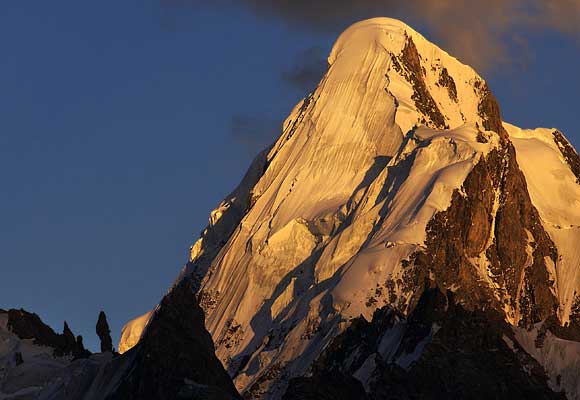
Rush Peak Expedition (5,098m)