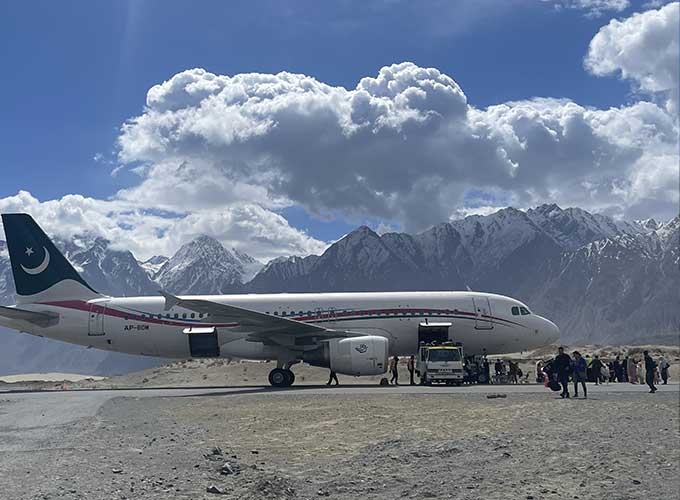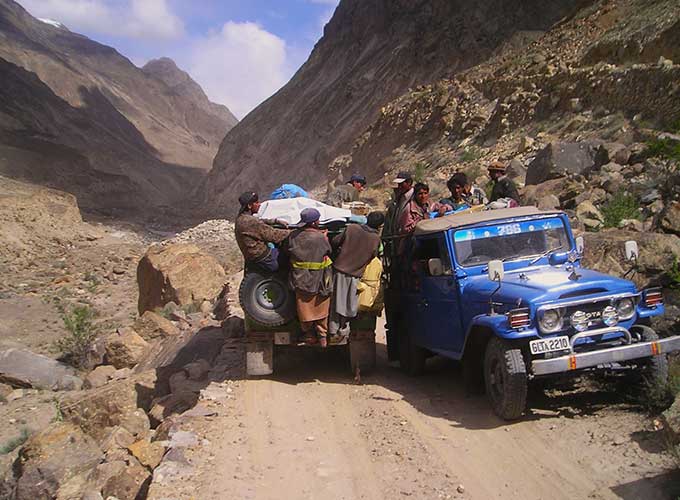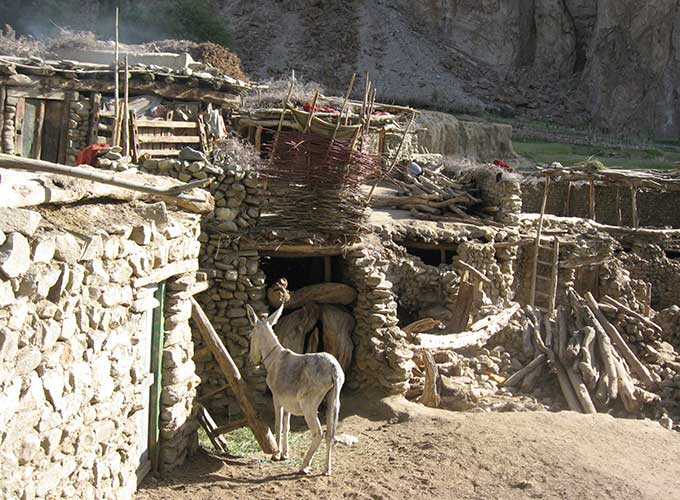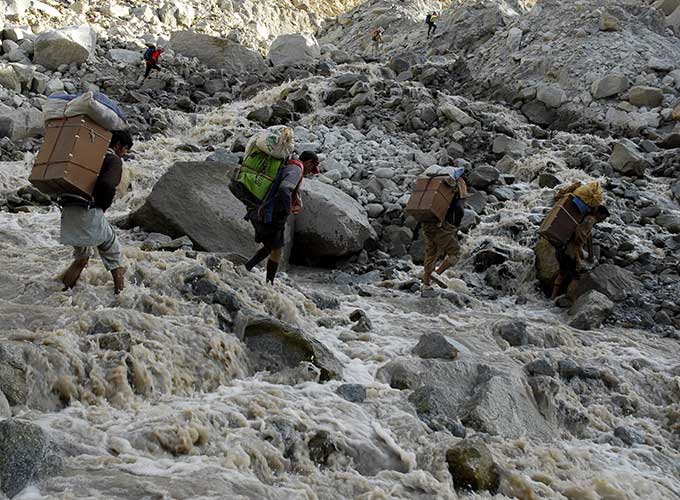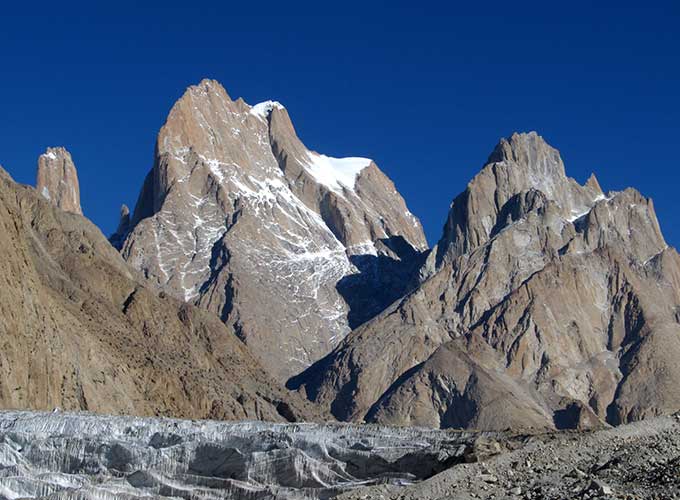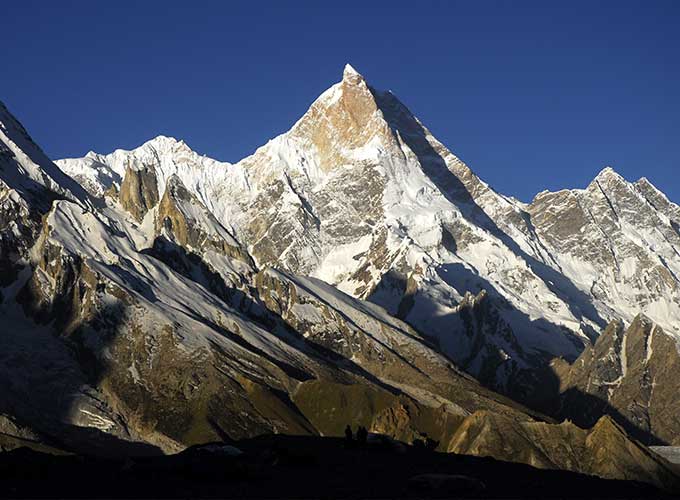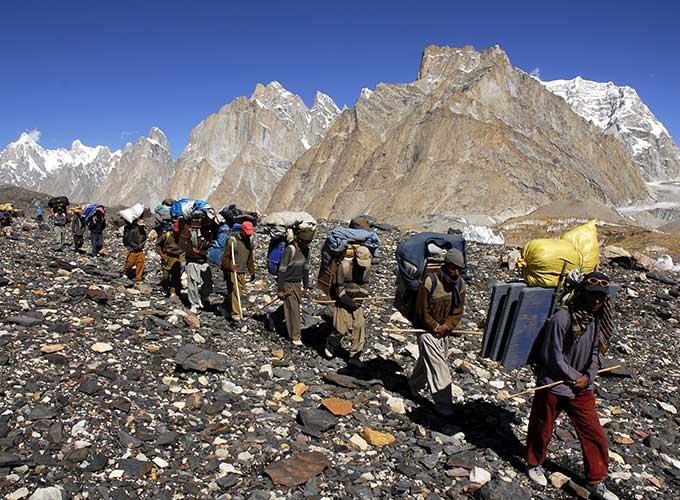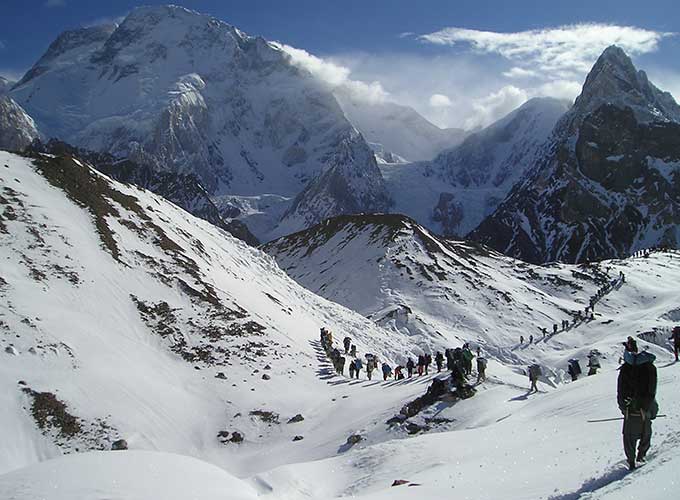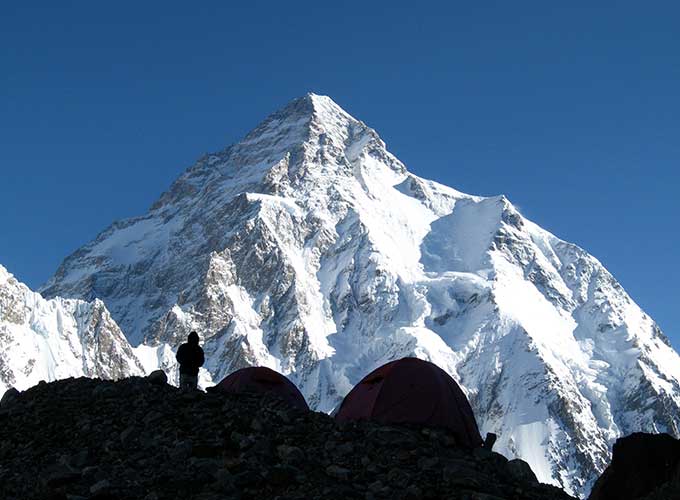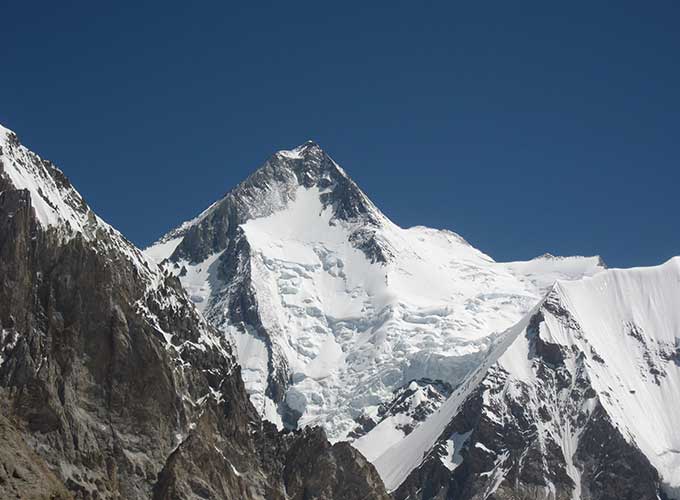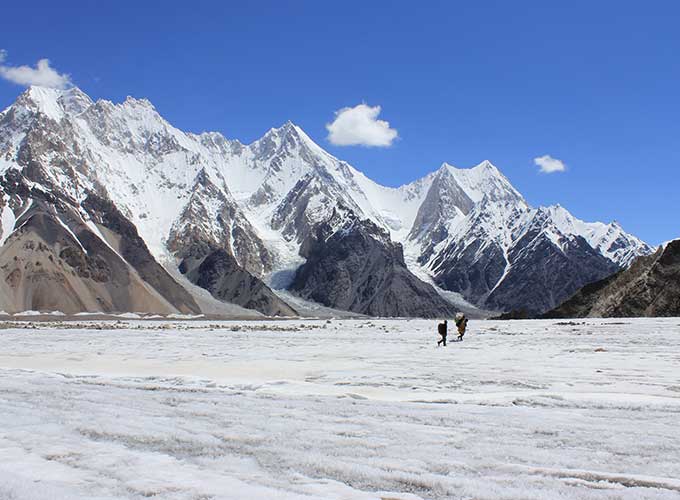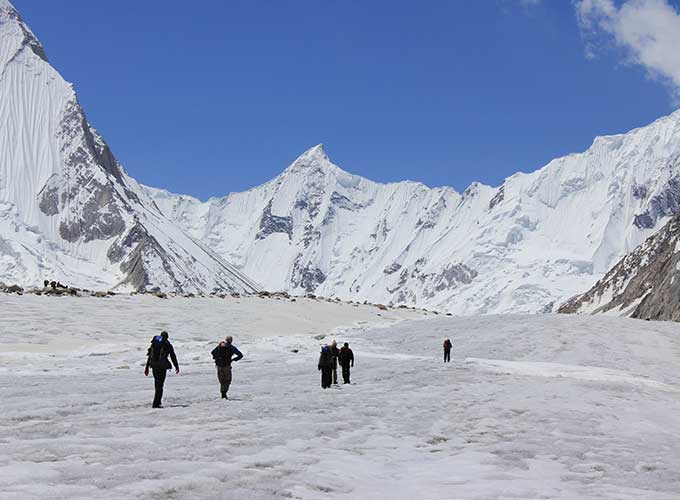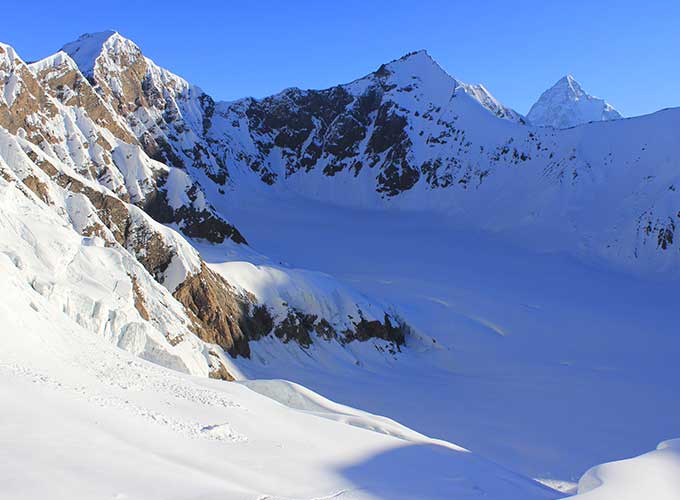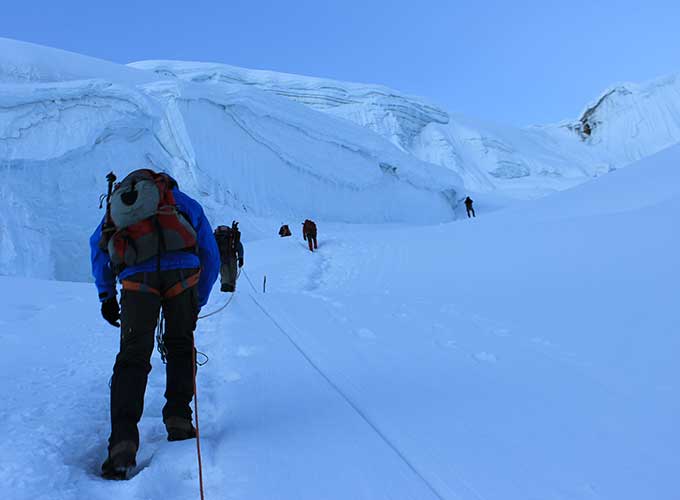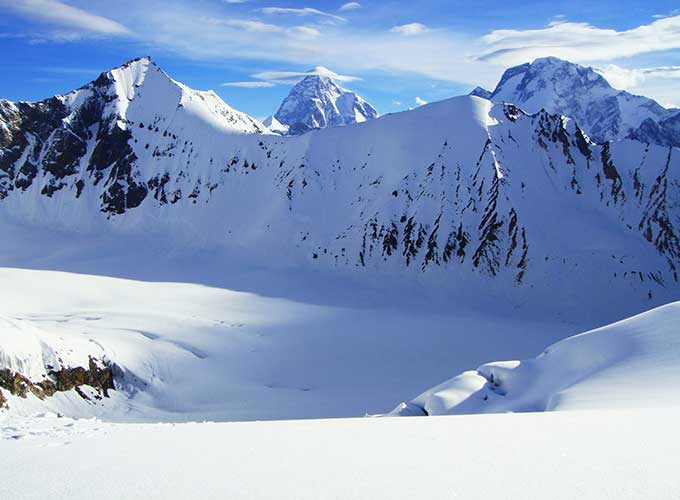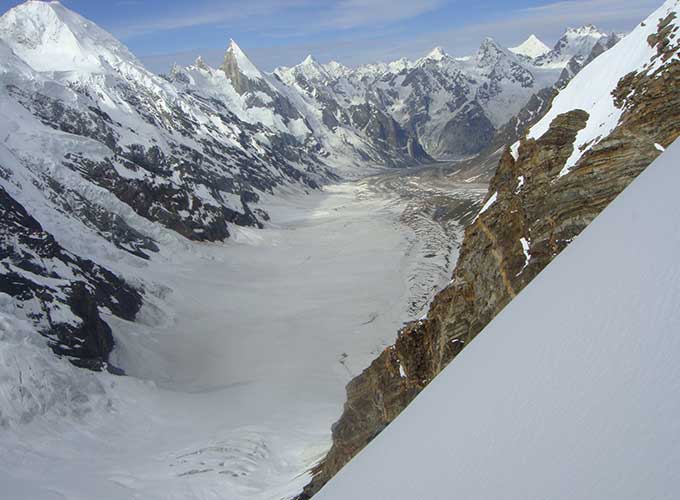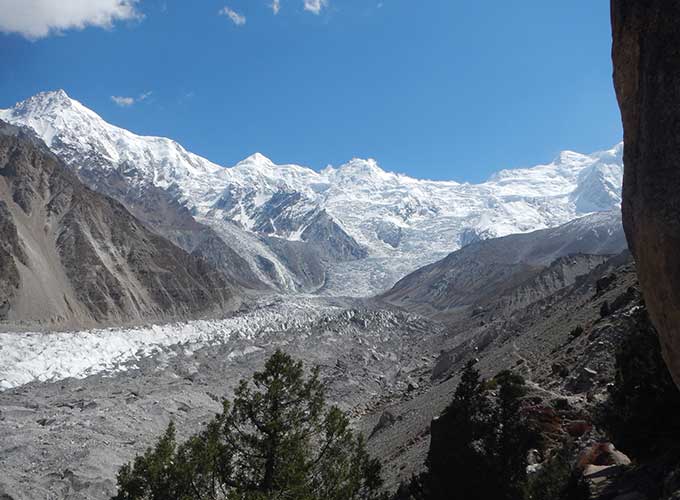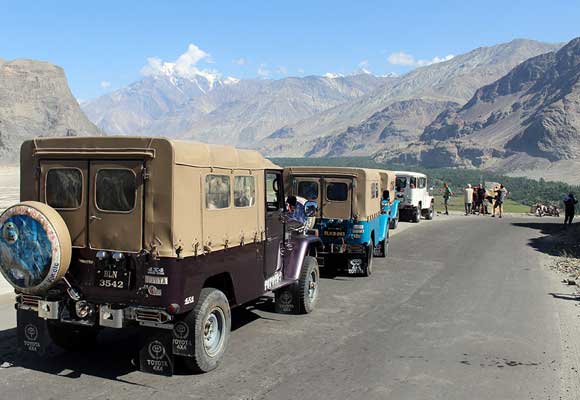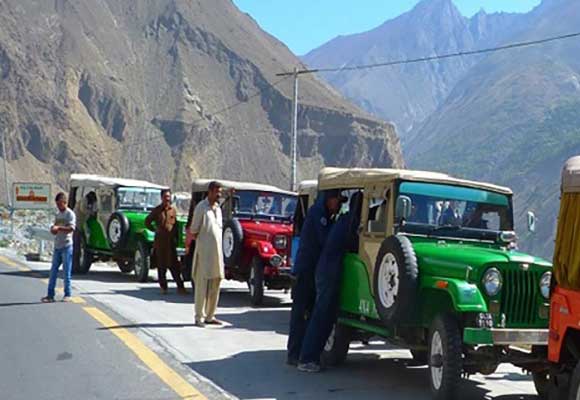
The Nanga Parbat Rupal Face Trek Everything You Need to Know Before You Go serves as the ultimate handbook for trekkers looking to confront the most imposing wall of rock and ice on the planet. As an Adventure Pakistan market analyst tracking GCC prices and global mountaineering trends, I have witnessed a major shift in how international adventurers approach the Karakoram and Western Himalayan horizons. While mainstream alpine routes suffer from commercial over-saturation, the Rupal Face of Nanga Parbat remains a monumental, pristine sanctuary of raw geographical power. Rising uninterrupted from the valley floor, this southern wall is the largest vertical mountain face on Earth, offering an immersive trekking experience that challenges your stamina and rewards you with views that defy imagination.
The landscape of adventure tourism within Pakistan is experiencing a profound evolution heading into 2026. Global travelers are expanding their itineraries beyond the traditional circuits, discovering that the country’s northern territories offer a rare combination of extreme topography and living ancient history. Safely navigating this demanding terrain requires field-tested logistical insights, strict budgeting analysis, and an expert-led framework.
Overview of the Nanga Parbat Rupal Face Trek
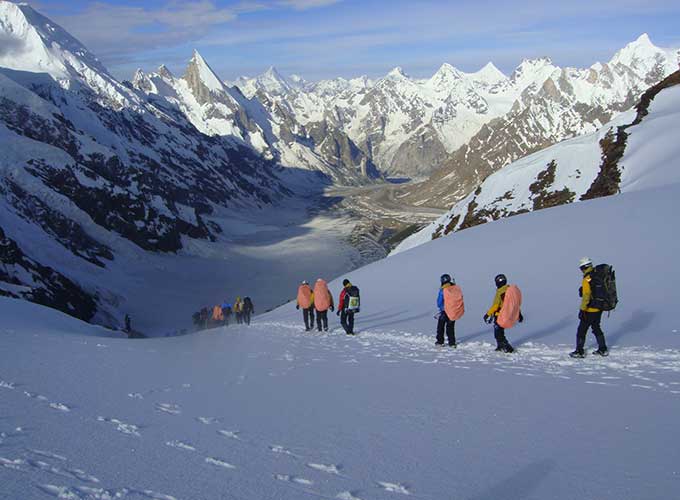
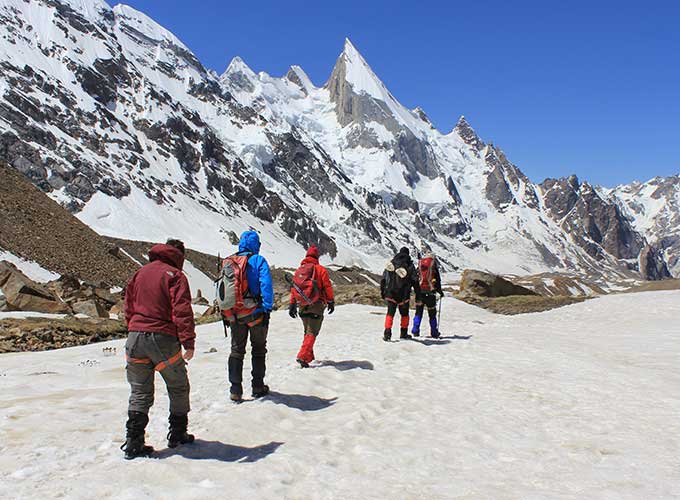
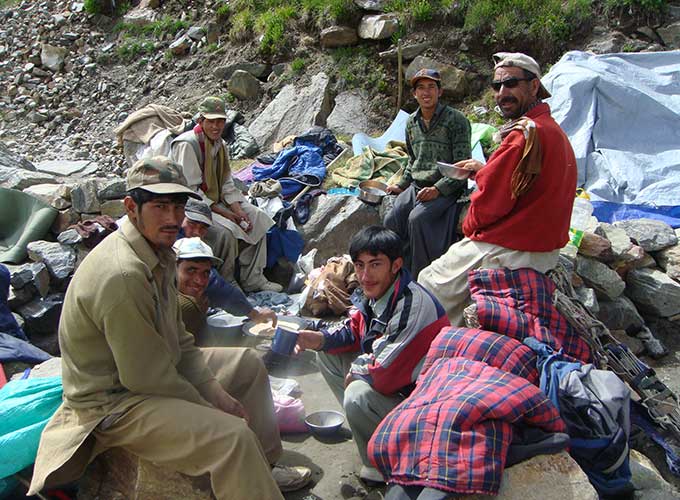
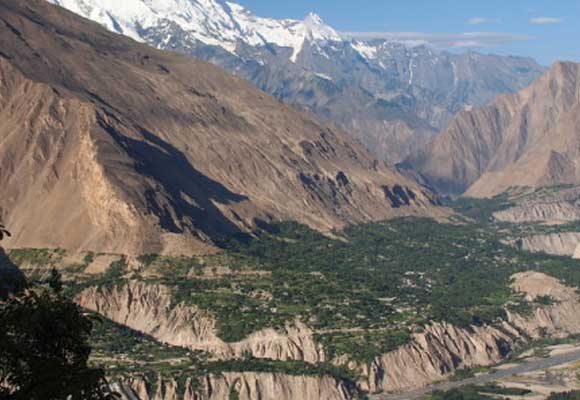
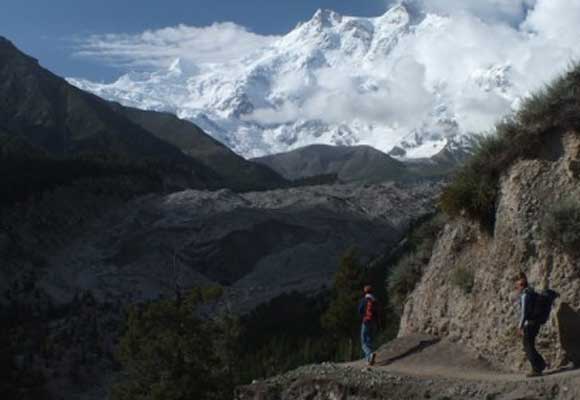
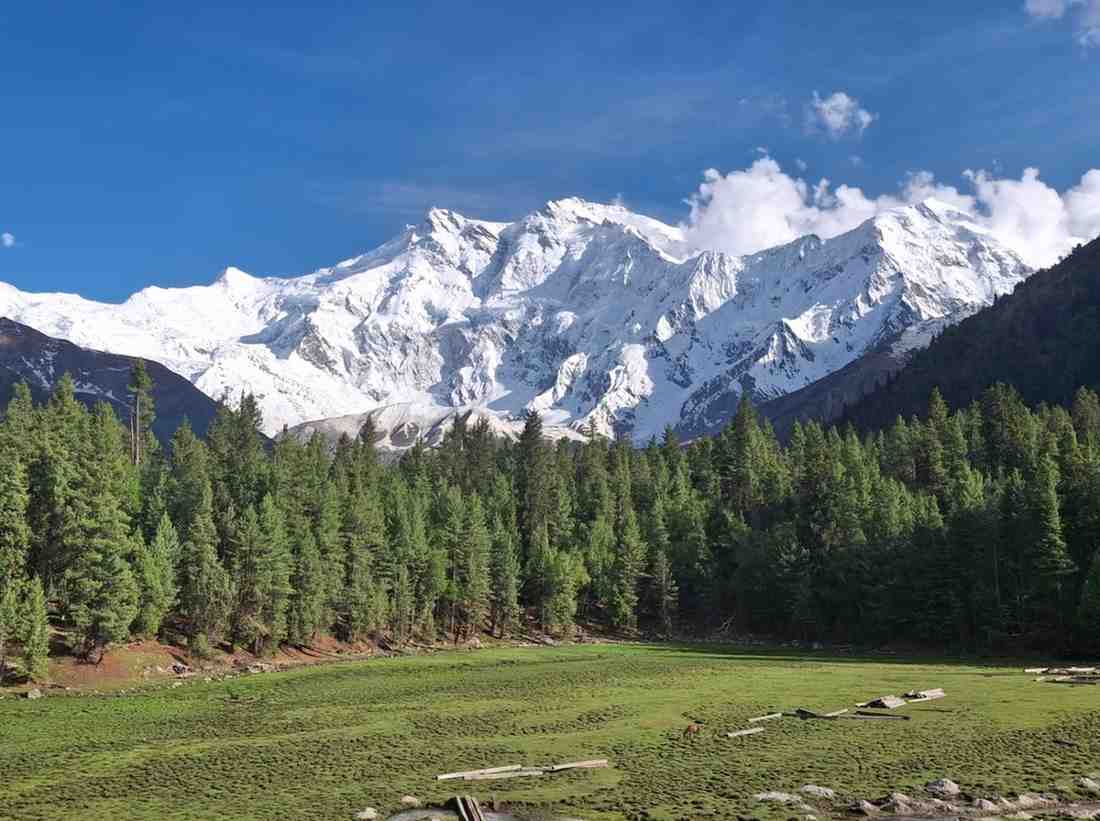
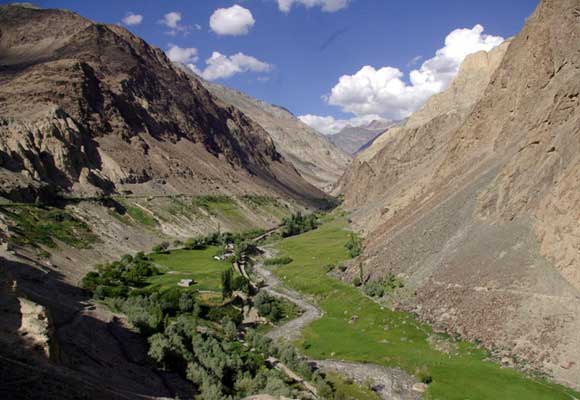
The journey to the southern base of Nanga Parbat takes you deep into the heart of the Astore District in Gilgit-Baltistan. The trek generally kicks off from the village of Tarashing, a striking green oasis fed by glacial meltwater. From here, the trail climbs steadily along the edge of the massive Tarashing and Rupal glaciers.
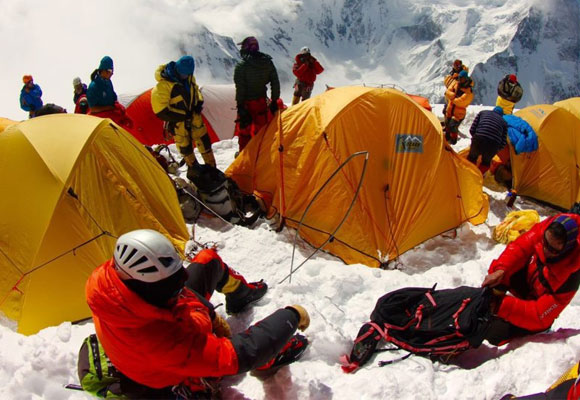
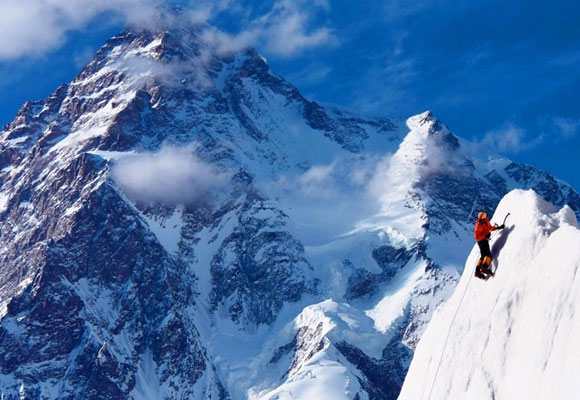
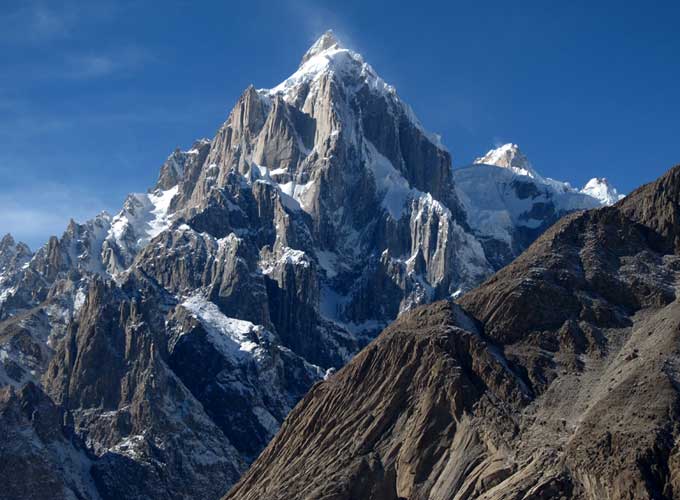
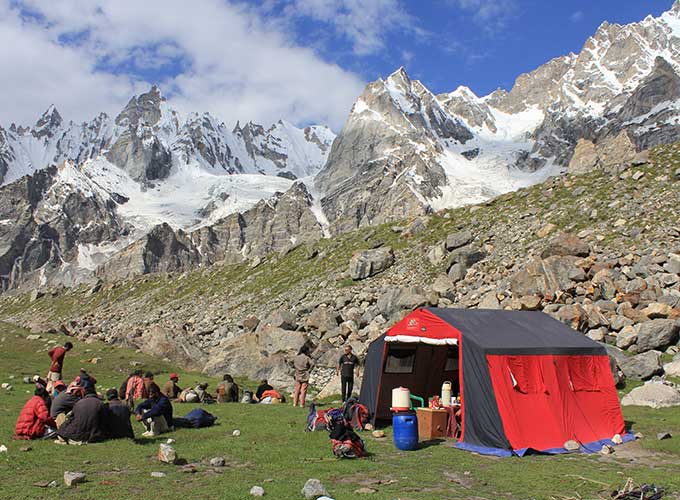
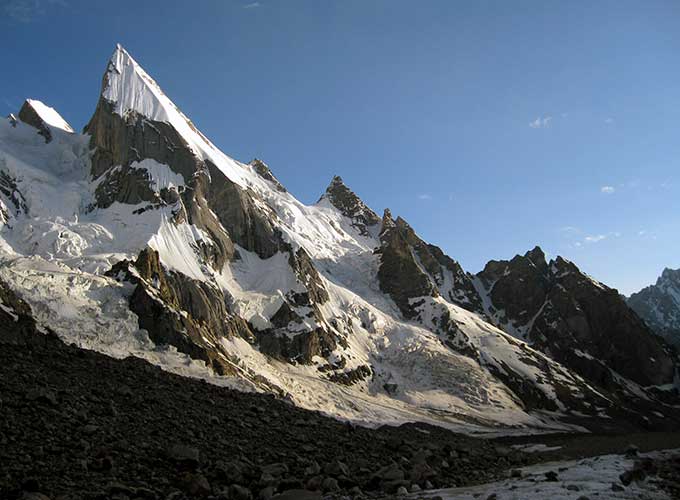
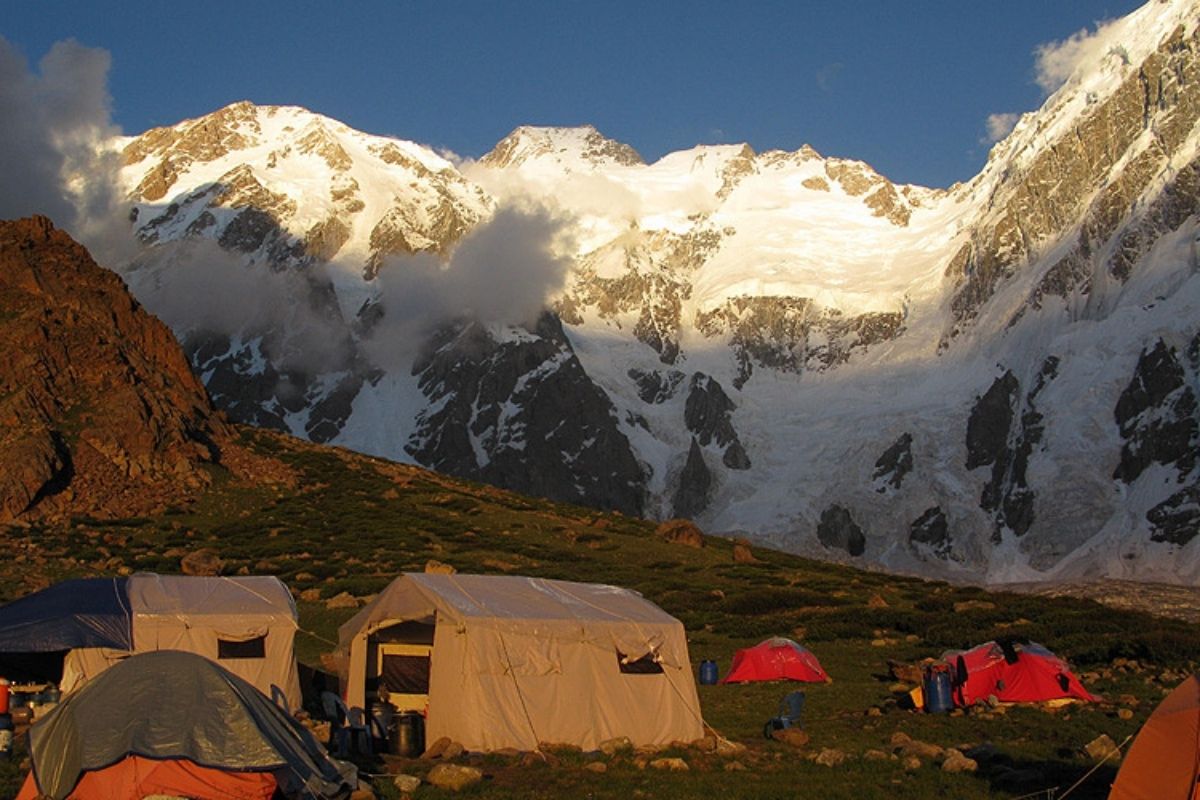
- The Sheer Scale: Standing at the Rupal Base Camp (Herrligkoffer Base Camp) places you directly beneath a terrifyingly grand wall of hanging glaciers, steep avalanche chutes, and massive granite buttresses that climb all the way to the main peak.
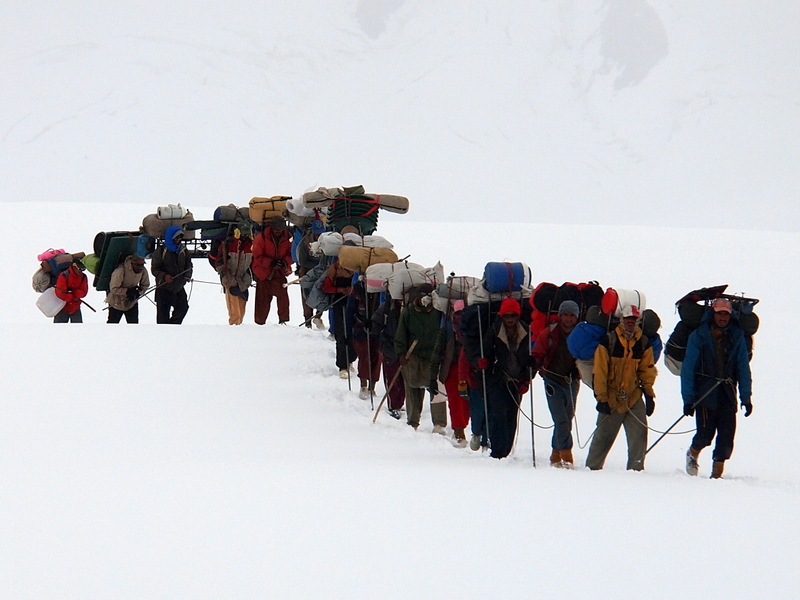
- Physical Intensity: While it doesn’t require complex rope work, the terrain involves navigating unstable rocky moraines, crossing steep scree slopes, and adjusting to elevations that cross well over.
For travelers eager to combine this experience with other iconic routes in the region, the legendary K2 Base Camp Trek provides an excellent, higher-altitude progression over the Baltoro Glacier, leading into the heart of the neighboring Karakoram giant.
Nanga Parbat Rupal Face Trek Costs & Packages
From an operational and analytical standpoint, the cost of adventure packages in Pakistan is tied to field logistics, private transport requirements, mountain crew welfare, and equipment standards. Below is an expert market breakdown to help you analyze your budget for the 2026 season.
Start |
End |
Status |
Price |
Deposit |
Registration |
|---|---|---|---|---|---|
05 June |
17 June |
Guaranteed |
$1,500 |
$500 |
|
15 June |
27 June |
Limited Space |
$1,500 |
$500 |
|
01 July |
13 July |
Guaranteed |
$1,500 |
$500 |
|
15 July |
27 July |
Limited Space |
$1,500 |
$500 |
|
01 August |
13 August |
Guaranteed |
$1,500 |
$500 |
|
15 August |
27 August |
Limited Space |
$1,500 |
$500 |
|
01 September |
13 September |
Guaranteed |
$1,500 |
$500 |
1. K2 Base Camp Logistics & Pricing
When organizing or booking a comprehensive K2 Base Camp Tour, it is critical to evaluate what your logistics cover. Selecting an established, premium K2 Base Camp Tour Company ensures that high-altitude porter welfare, emergency satellite infrastructure, and reliable helicopter evacuation insurance are handled smoothly.
The baseline K2 Base Camp Tour Cost or standard market K2 Base Camp Price varies widely between basic non-guided porter support and a fully VIP-catered K2 Base Camp Tour Package featuring western-certified mountain guides and customized meal plans.
2. Snow Lake Expedition Budgets
Traversing the wilderness of the Biafo-Hispar requires robust backup plans. Securing an all-inclusive Snow Lake trek Package via a verified Snow Lake trek Tour Company ensures that your group travels with complete medical oxygen sets and high-altitude emergency radios.
Always cross-examine the Snow Lake trek Tour Cost and individual Snow Lake trek Price against the track record of the agency. A premium, professionally mapped Snow Lake trek Tour includes built-in weather contingency days, reducing the risk of a forced turnaround.
3. Alpine Valley Trek Costing
For short alpine access routes, budgeting is more accessible but still requires structured ground coordination. Booking a dedicated Fairy Meadows Trek Package through a dedicated Fairy Meadows Trek Tour Company eliminates hidden costs associated with hiring local 4×4 mountain jeeps from Raikot Bridge.
Reviewing a clear breakdown of the Fairy Meadows Trek Cost and final upfront Fairy Meadows Trek Price ensures your Fairy Meadows Trek Tour features comfortable alpine cabin stays with safe, treated drinking water throughout the journey.
4. Cultural Festival Tour Pricing
Attending remote festivals requires booking early due to strict seasonal limits on local valley logistics. Securing an integrated Shandoor Polo festival tour Package from a reputable Shandoor Polo festival tour Company guarantees your private transport permissions and pre-arranged high-quality camp setups.
The seasonal Shandoor Polo festival Cost and market-wide Shandoor Polo festival Price increase quickly as summer approaches, making an upfront, professionally managed Shandoor Polo festival tour the safest financial choice for international groups.
Nanga Parbat Rupal Face Trek Itinerary (13 Days)
Day 1 – Arrival in Islamabad
- Arrive at Islamabad International Airport
- Meet trekking guide and support team
- Transfer to hotel
- Trek briefing and equipment check
- Overnight stay in Islamabad
Day 2 – Drive from Islamabad to Chilas
- Scenic drive via the Karakoram Highway
- Pass through Besham and Kohistan region
- Enjoy views of the Indus River
- Overnight stay in Chilas
- Driving time: 10–12 hours
Day 3 – Drive from Chilas to Tarashing (Astore Valley)
- Continue journey toward Astore Valley
- Drive through lush mountain landscapes
- Reach Tarashing Village, the starting point of the trek
- Meet local porters and finalize trekking arrangements
- Overnight camping or guesthouse in Tarashing
Day 4 – Trek from Tarashing to Herrligkoffer Base Camp
- Begin trekking through alpine terrain
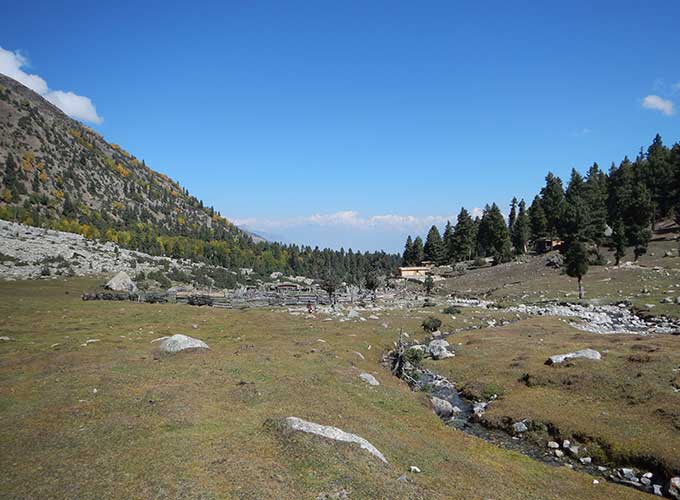
- Cross streams and scenic meadows
- Reach Herrligkoffer Base Camp (3,500m)
- Stunning views of Nanga Parbat’s Rupal Face
- Trek duration: 5–6 hours
- Overnight camping
Day 5 – Trek to Rupal Base Camp
- Follow glacier-fed trails
- Approach the base of the world’s highest mountain face
- Spectacular views of Nanga Parbat (8,126m)
- Arrive at Rupal Base Camp (3,650m)
- Trek duration: 4–5 hours
- Overnight camping
Day 6 – Exploration Day at Rupal Base Camp
- Acclimatization and rest day
- Explore surrounding glaciers and viewpoints
- Photography opportunities of the massive Rupal Wall
- Optional short hikes around base camp
- Overnight camping
Day 7 – Trek to Shaigiri View Point
- Hike toward Shaigiri Glacier area
- Exceptional panoramic views of Nanga Parbat
- Observe icefalls and hanging glaciers
- Return to Rupal Base Camp
- Overnight camping
Day 8 – Trek from Rupal Base Camp to Latobo Meadow
- Descend gradually through alpine pastures
- Enjoy mountain scenery and wildflowers
- Reach Latobo camping area
- Trek duration: 5–6 hours
- Overnight camping
Day 9 – Trek from Latobo to Tarashing
- Continue descent toward Tarashing Valley
- Visit local shepherd settlements
- Reach Tarashing Village
- Celebrate completion of the trek
- Overnight guesthouse or camping
Day 10 – Drive from Tarashing to Skardu
- Scenic drive through Astore and Deosai region (season permitting)
- Enjoy mountain landscapes and local villages
- Arrive in Skardu
- Overnight stay in hotel
Day 11 – Explore Skardu
- Visit Skardu Bazaar
- Explore Kharpocho Fort
- Visit Satpara Lake or Shangrila Resort
- Free time for shopping and sightseeing
- Overnight stay in Skardu
Day 12 – Fly or Drive to Islamabad
- Flight from Skardu to Islamabad (weather permitting)
- Alternative drive via Karakoram Highway
- Arrival and transfer to hotel
- Farewell dinner
- Overnight stay in Islamabad
Day 13 – Departure from Islamabad
- Free time depending on flight schedule
- Airport transfer
- End of Nanga Parbat Rupal Face Trek services
Frequently Asked Questions (FAQs)
What is the best time of year to complete the Nanga Parbat Rupal Face Trek?
The ideal window runs from mid-June to mid-September. During these summer months, the high passes are mostly clear of winter snow, and daytime temperatures in the valley are comfortable for trekking. However, mountain weather remains notoriously volatile; sudden afternoon storms, heavy rain, or high-altitude snowfall can occur at any time, requiring flexible itineraries.
What kind of physical fitness and preparation is required for this route?
This trek is classified as moderate to strenuous. You do not need technical climbing skills, but you must be in excellent cardiovascular shape. Training should focus on long-distance hiking with a weighted pack, stair-climbing intervals, and core-strengthening exercises. Being able to hike comfortably for 6 to 8 hours daily over uneven, rocky trails is essential.
How are safety, communication, and medical emergencies handled on the trail?
Reputable guiding agencies equip their lead guides with satellite communication devices or VHF radios, as cellular networks drop off completely past the main villages. First-aid kits with specific altitude medications (like Diamox) are carried by the crew. In the event of a severe medical emergency or acute mountain sickness (AMS), helicopter evacuation protocols are managed through Adventure Pakistan’s operations base in coordination with Askari Aviation. Trekkers must hold valid high-altitude insurance that explicitly covers emergency heli-evacuation up to $6,000\text{ meters}$.
Why Choose the Nanga Parbat Rupal Face Trek?
For seasoned trekkers evaluating their global objectives, selecting the Rupal Face over more common alpine base camps comes down to scale, raw wilderness, and tactical positioning. Unlike the northern face of the mountain—which is accessed via the popular and heavily visited Fairy Meadows Trek—the southern Rupal side is less crowded, offering an isolated trail through traditional alpine villages, cedar forests, and dramatic glacial moraines.
From a market analyst perspective, the Rupal Face circuit delivers an exceptional value-to-intensity ratio. It provides wilderness lovers with an up-close look at extreme high-altitude mountaineering history without the technical hazards or expensive permits required for a climbing summit. It is an honest, physical journey that stands out as a unique highlight for true backcountry explorers.
Exploring the Great Glacial Highways of Gilgit-Baltistan
Beyond the immediate shadow of Nanga Parbat, Pakistan’s high-altitude wilderness features some of the largest non-polar glacial networks on the planet. These remote passes and routes serve as world-class training grounds for mountaineers and elite objectives for long-distance trekkers.
The K2 and Gondogoro La Technical Circuit
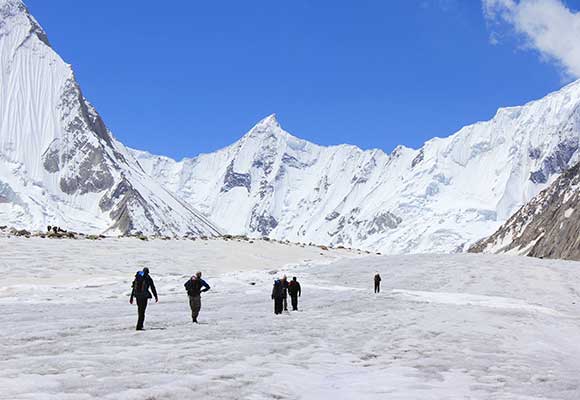
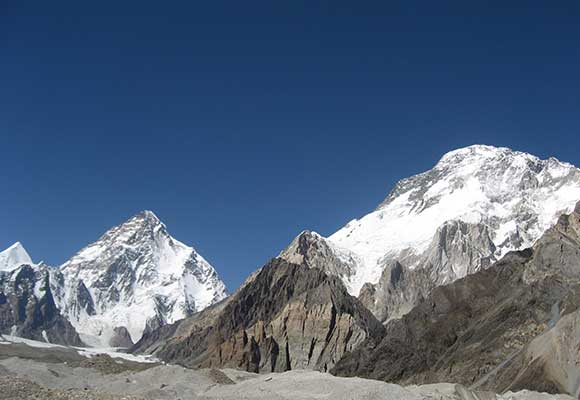
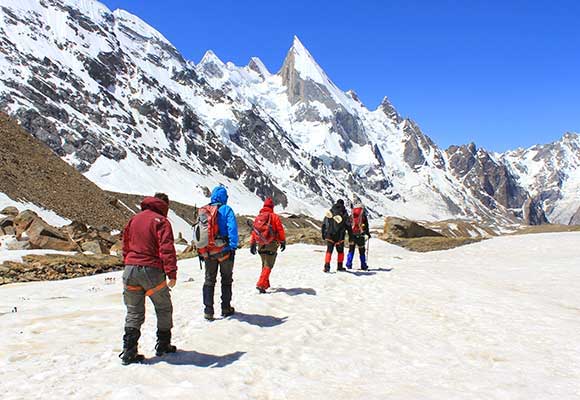
For those demanding a higher level of physical and technical commitment, pairing a baseline trek with the K2 and Gondogoro La Trek Pakistan 2026 adds a spectacular dimension to an adventure season. Crossing this high-altitude pass at requires fundamental mountaineering skills, including basic crampon coordination, rope management, and ice axe self-arrest capabilities. The reward from the top of the pass is an incomparable view of four giants: K2, Broad Peak, Gasherbrum I, and Gasherbrum II.
The Wilderness of Snow Lake
If your preference leans toward vast, untamed isolation, the Snow Lake trek (the Biafo-Hispar glacial highway) represents the absolute pinnacle of wilderness trekking. This high-altitude glacial basin, stretching across a high plateau at over, creates an otherworldly expanse of ice and snow surrounded by jagged granite spires. It is a logistically punishing route that requires self-sufficient camping, precise navigation across hidden crevasses, and an ironclad mindset.
Alpine Trekking and Iconic Valley Viewpoints
Not every journey into Pakistan’s northern territories requires scaling massive ice walls or enduring multi-week glacier crossings. The region offers accessible alpine treks that deliver dramatic visual rewards over shorter durations.
Rakaposhi Base Camp: The Pride of Hunza
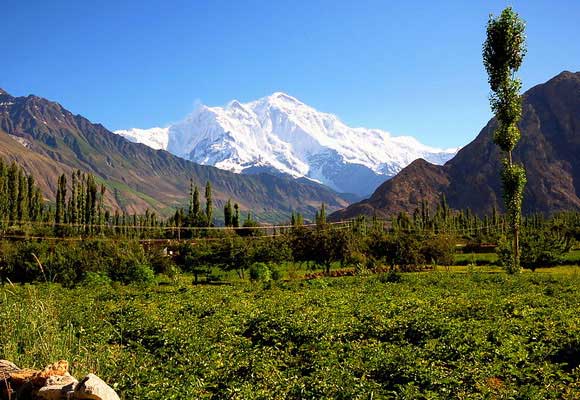
The Rakaposhi base camp Hunza valley trek provides one of the fastest transitions from a lush, inhabited valley floor to the sheer, intimidating wall of a mountain. Starting from the village of Minapin, the trail climbs through green pastures and terraced fields, placing you directly beneath a massive vertical rise of ice and rock that dominates the Hunza skyline.
Fairy Meadows: Nanga Parbat’s Northern Face
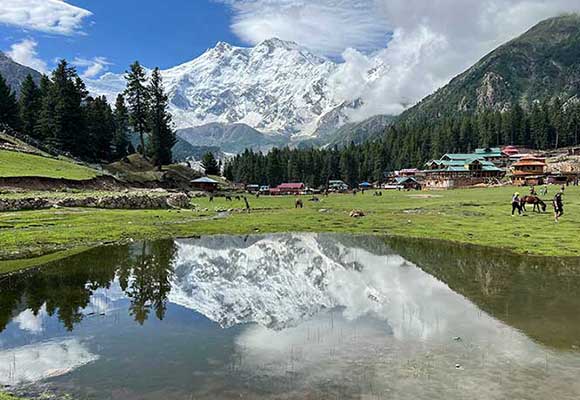
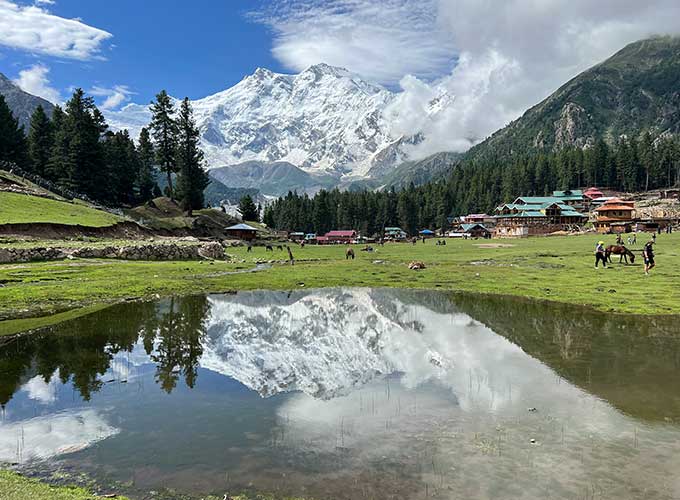
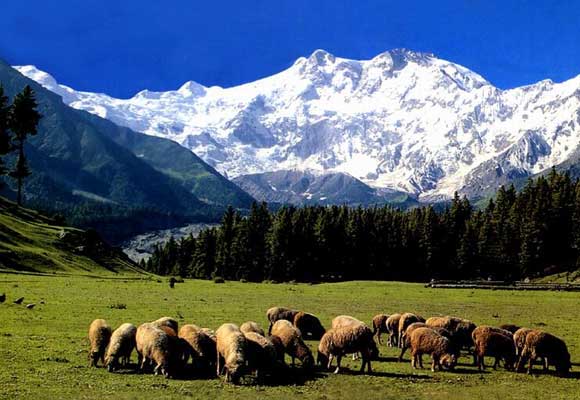
Further south, tucked away in the Diamer district, lies the iconic Fairy Meadows Trek. This sub-alpine meadow offers an uninterrupted view of the “Killer Mountain,” Nanga Parbat. It remains a quintessential introductory route for travelers seeking to experience the raw scale of the western Himalayas while enjoying the relative comforts of wooden alpine cabins and evening campfires.
Ancient Legacies and Vibrant Cultural Festivals
While the mountains form the geographical backbone of Pakistan’s tourism, the country’s rich cultural tapestry provides an equally compelling reason to visit. The historical and living heritage found within these valleys offers a fascinating window into ancient civilizations and vibrant, isolated traditions.
Discovering the Cradle of Civilization
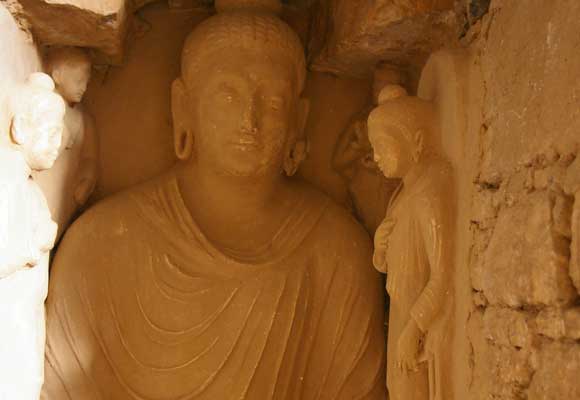
For travelers who prefer historical exploration over mountain passes, the Indus valley civilization tour takes you across thousands of years of urban history. Exploring ancient archaeological sites like Mohenjo-daro and Harappa reveals advanced bronze-age engineering, sophisticated grid-based city planning, complex drainage networks, and artistic legacies that predate many modern western civilizations.
The Highest Polo Ground on Earth
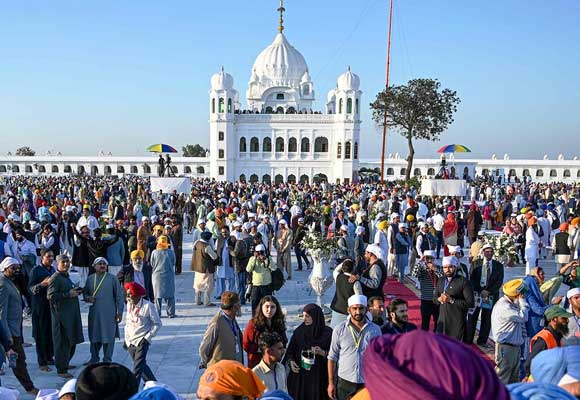
High up on the border between Chitral and Gilgit-Baltistan lies the Shandoor Pass. Every summer, this isolated plateau hosts the Shandoor Polo festival, a fierce, unrefereed tournament where rival teams play a raw, historical variant of the king’s sport at an elevation. The event turns the desolate mountain pass into a lively tent city filled with traditional music, folk dancing, and intense local passion.
The Living Traditions of the Kalash Valleys
In the remote valleys of Chitral, the indigenous Kalash people have preserved their distinct cultural identity, polytheistic beliefs, and ancient traditions for centuries. Booking a kalash festival tour during seasonal celebrations like Chilam Joshi, Uchal, or Chawmos allows travelers to experience vibrant attire, rhythmic communal dances, and deep-rooted spiritual rituals that stand out uniquely against the surrounding cultural landscapes.
The southern wilderness of Nanga Parbat remains one of the world’s most spectacular, raw, and geographically overwhelming settings for mountain exploration. From the sheer, humbling verticality highlighted in Nanga Parbat Rupal Face Trek Everything You Need to Know Before You Go to the expansive glacial systems and rich cultural festivals found throughout the region, Pakistan offers an unmatched arena for adventure.
Succeeding in these environments requires balancing a spirit of adventure with thorough preparation, a reliable local team, and a deep respect for unpredictable high-altitude weather patterns. By aligning your travel plans with seasoned operators, investing in high-quality gear, and training your body for the physical demands of the trail, you can safely immerse yourself in the timeless legacy of the Western Himalayas.
K2 Base Camp and Gondogoro La Trek
K2 Base Camp Trek
K2 Base Camp Trek Concordia
Mashabrum & Gondogoro BC Trek
K6/K7 BC Trek
Thalle La Trek Pakistan
Spantik Base Camp & Haramosh La Trek
Rakaposhi Base Camp Trek
Batura Glacier Trek
Patundas Trek
Shimshal Valley Trek
Tirich Mir Base Camp Trek
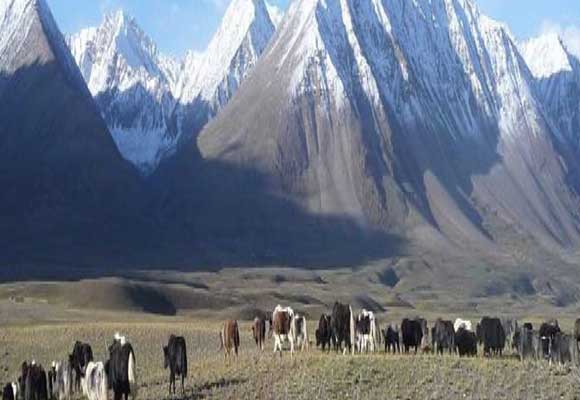
Wakhan Corridor Trek
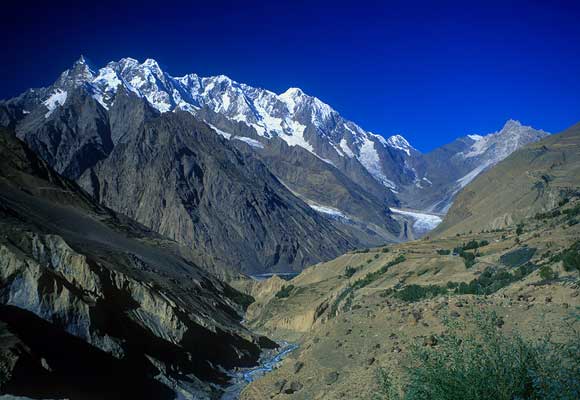
Naltar Ishkoman Pass Trek
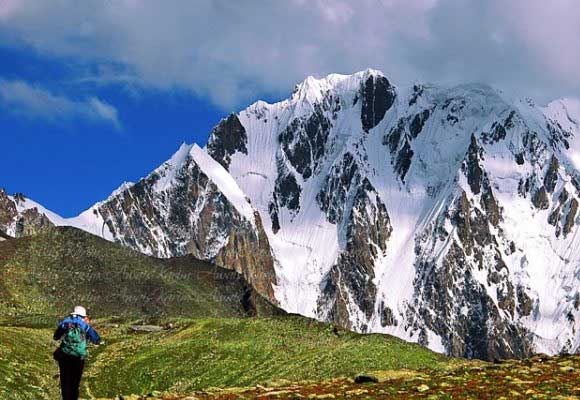
Darkot and Broghil Passes Trek
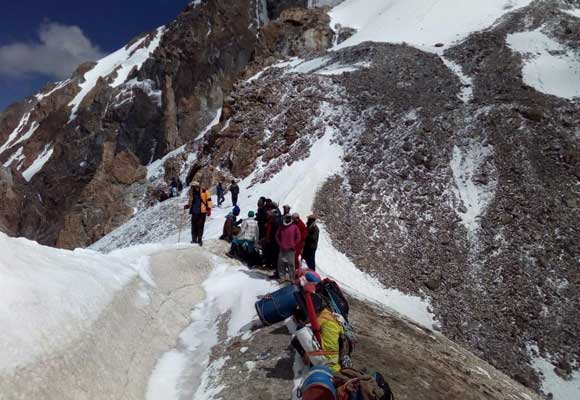
Around Nanga Parbat Mazeno Pass Trek
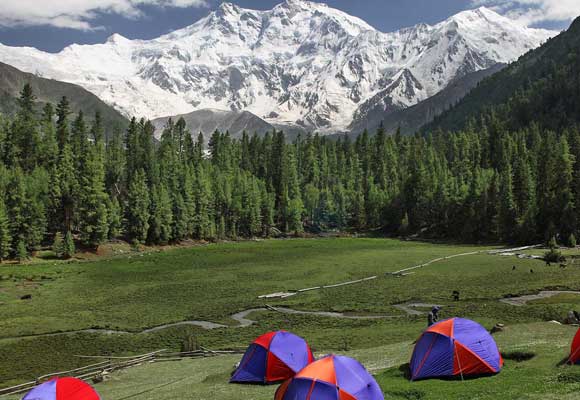
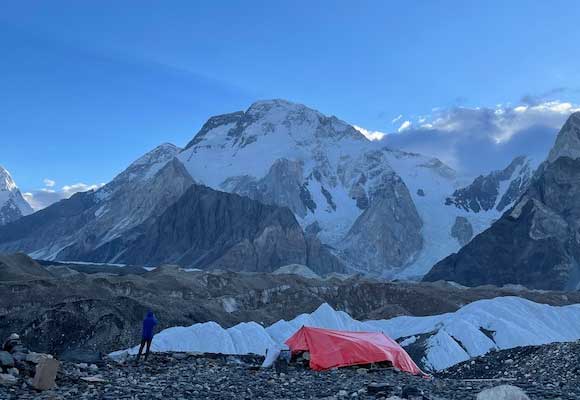
5X8000m Base Camp Trek
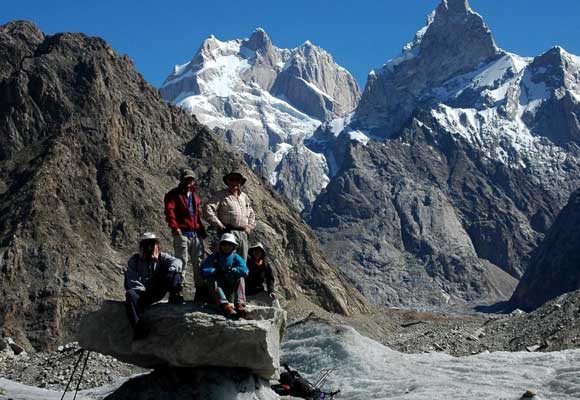
Great Karakorum Traverse Trek
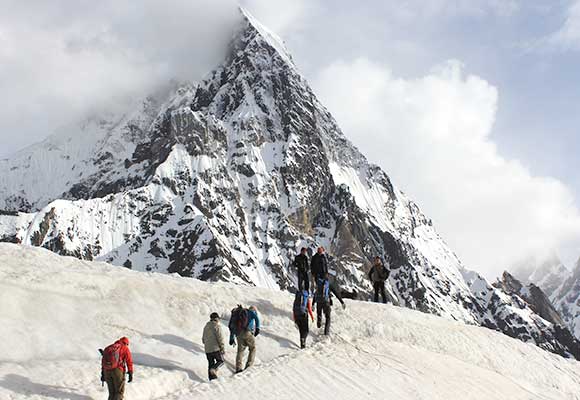
K2 Expedition (8611m)
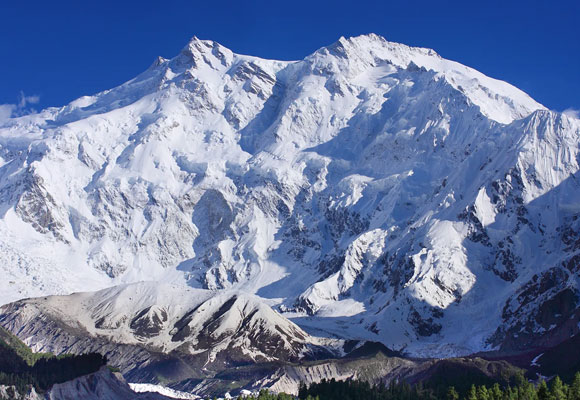
Nanga Parbat Expedition (8126m)
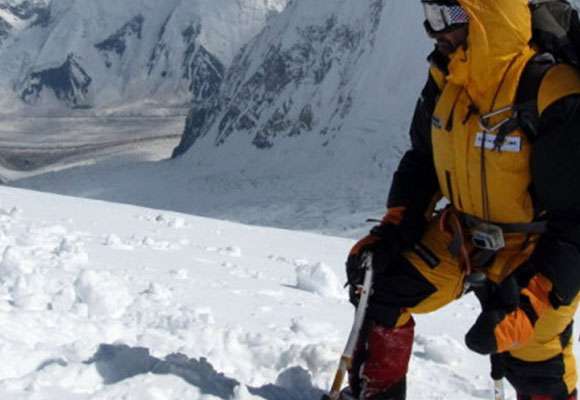
Broad Peak Expedition (8047m)
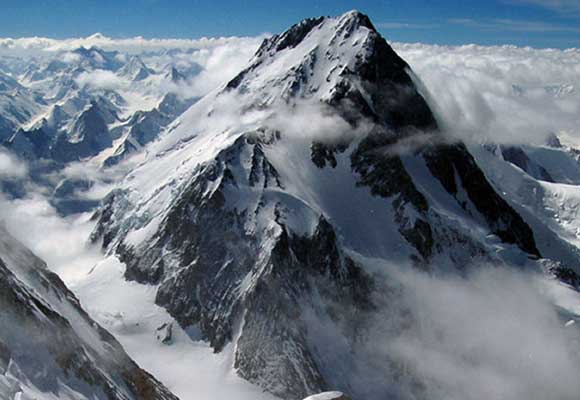
Gasherbrum 1 Expedition (8068m)
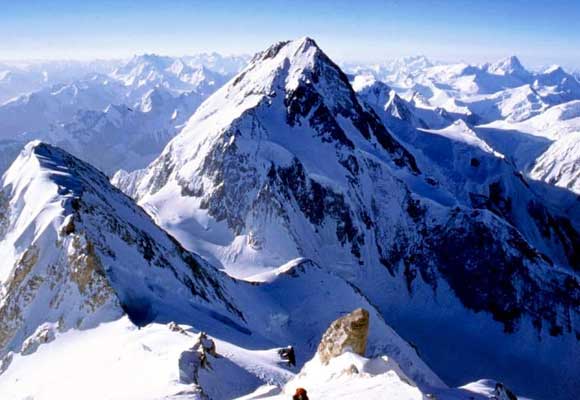
Gasherbrum II Expedition (8035m)
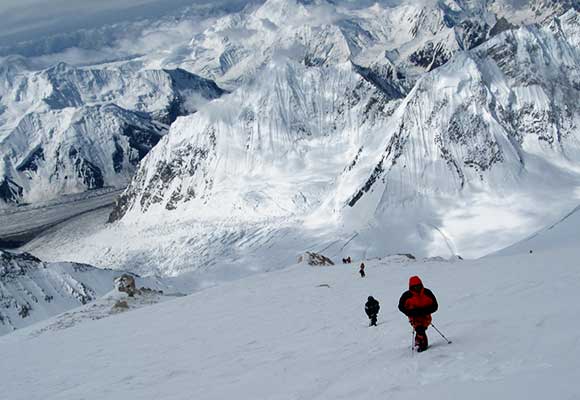
Gasherbrum III Expedition (7952m)
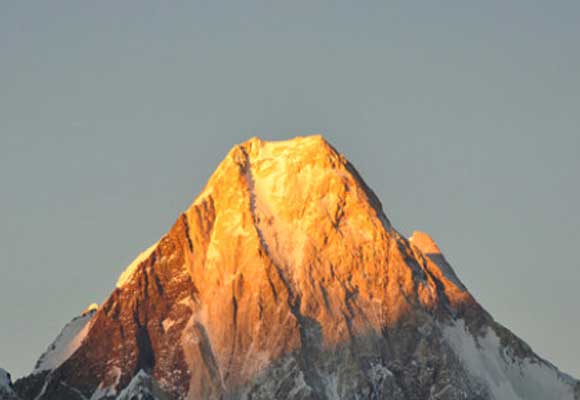
Gasherbrum IV Expedition (7925m)
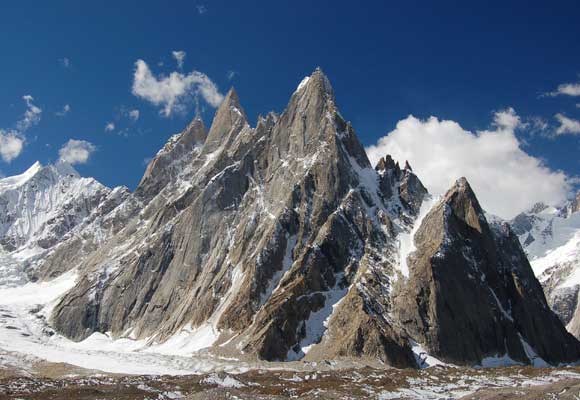
Masherbrum Expedition (7821m)
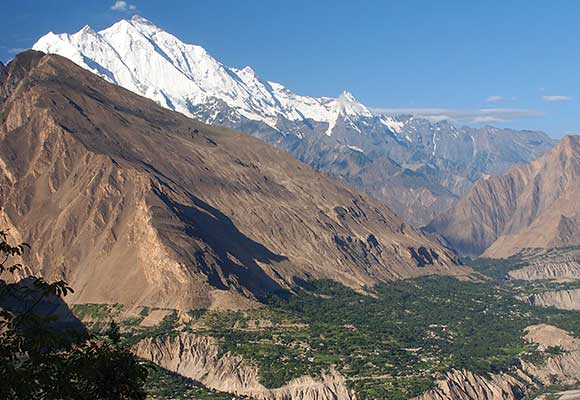
Rakaposhi Expedition (7788m)
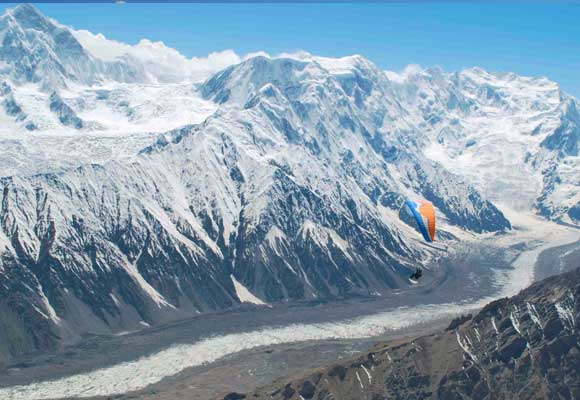
Batura Sar Expedition (7785 m)
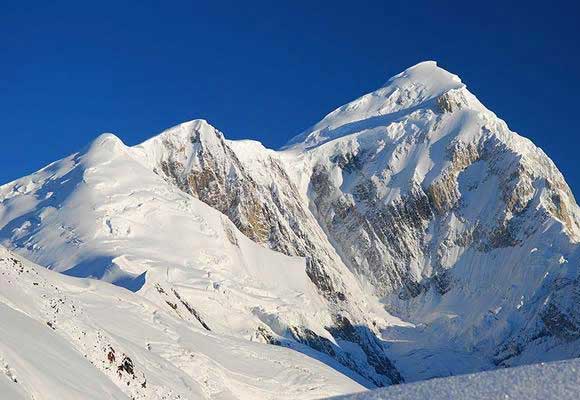
Tirich Mir Expedition (7708m)
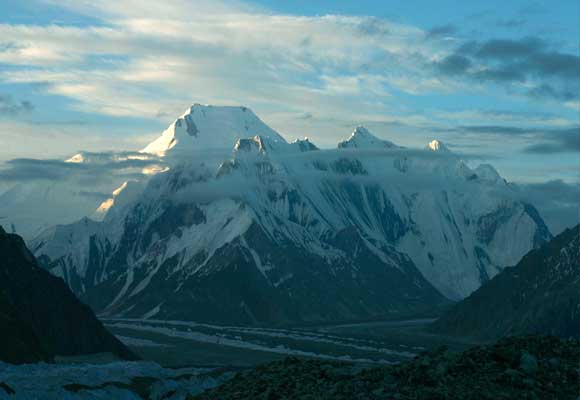
Chogolisa Expedition (7665 m)
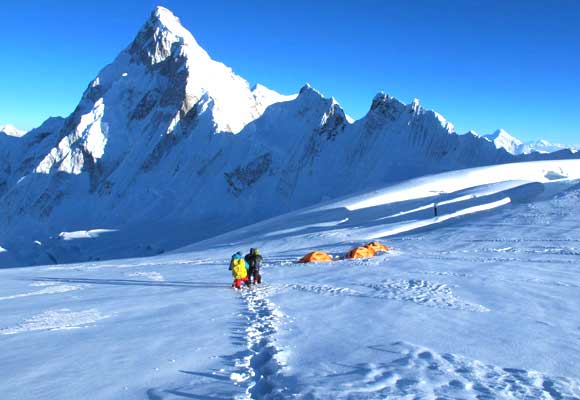
Passu Peak Expedition (7478m)
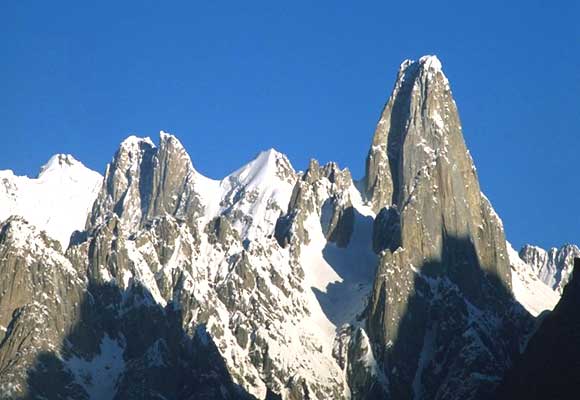
Muztagh Tower Expedition (7273m)
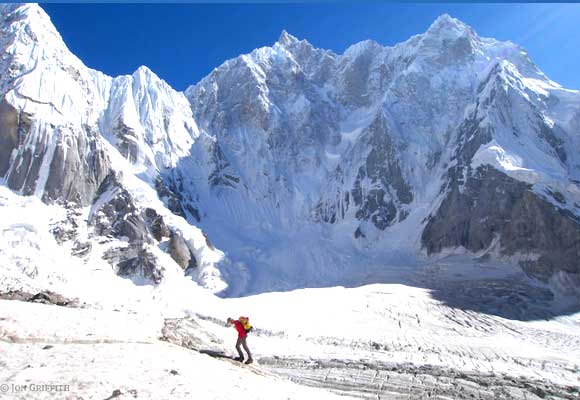
K6 Peak Expedition (6935m)
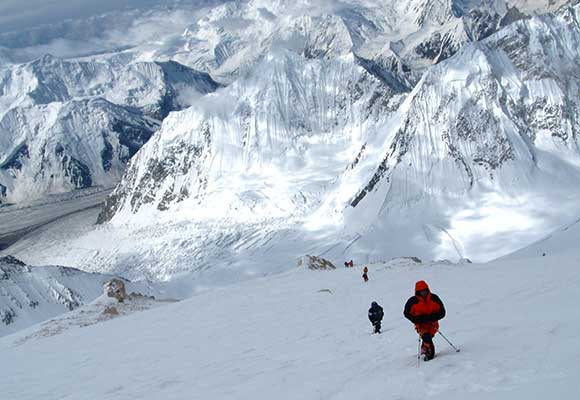
Diran Peak Expedition (7272m)
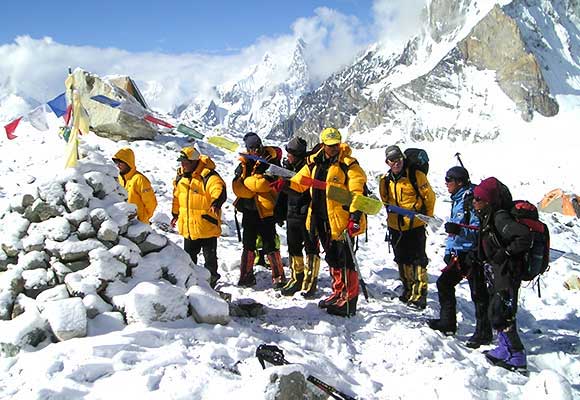
Latok 1 Expedition (7145 m)
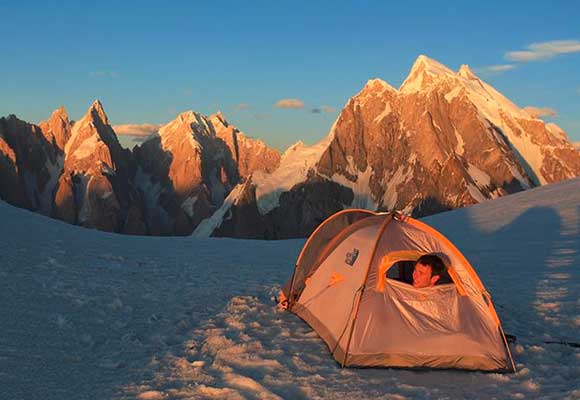
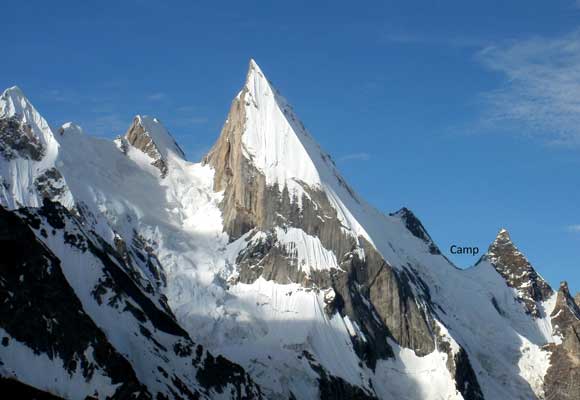
Laila Peak Expedition (6095m)
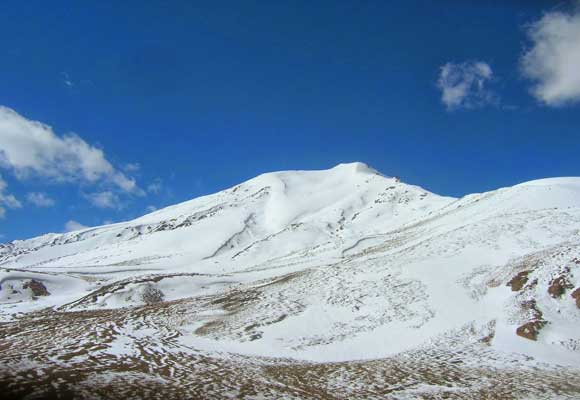
Minglik Sar Peak Expedition (6050m)
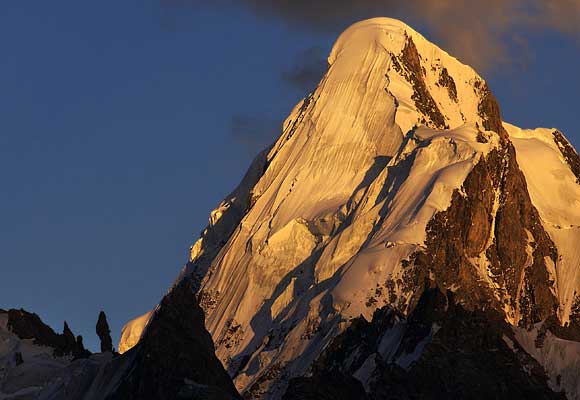
Rush Peak Expedition (5,098m)