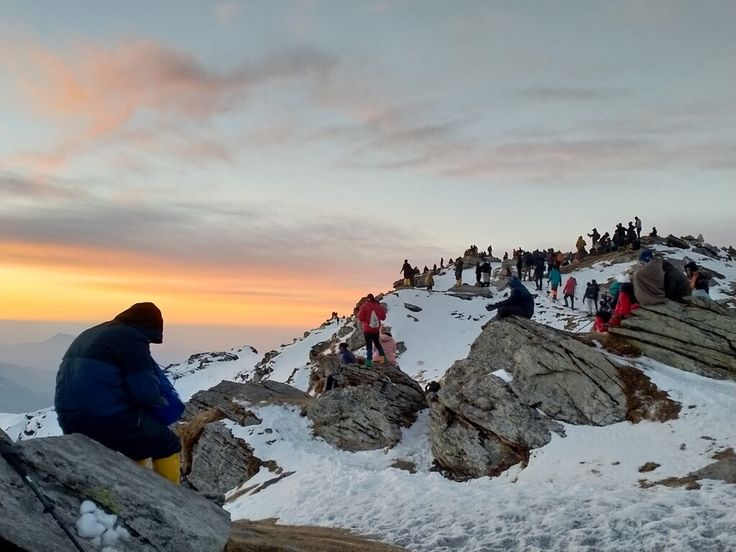
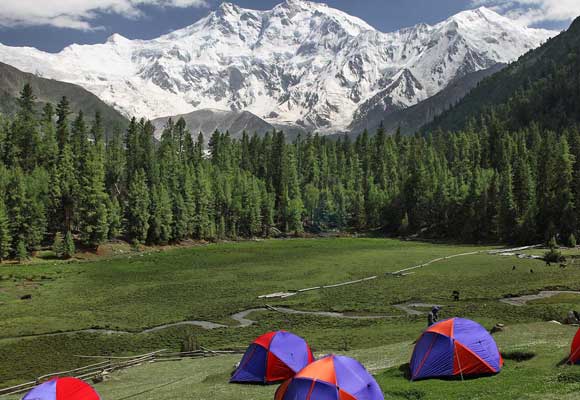
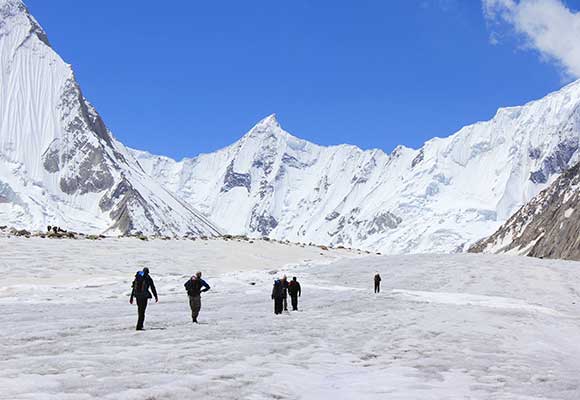
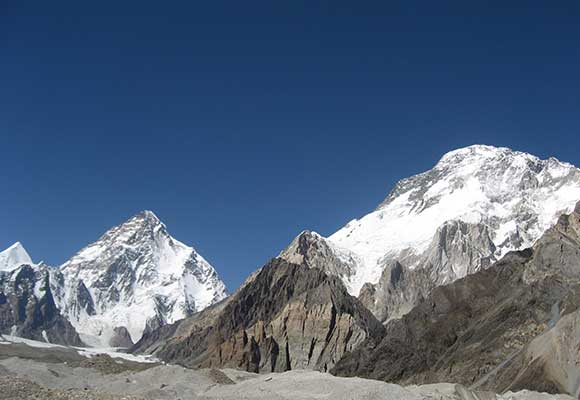
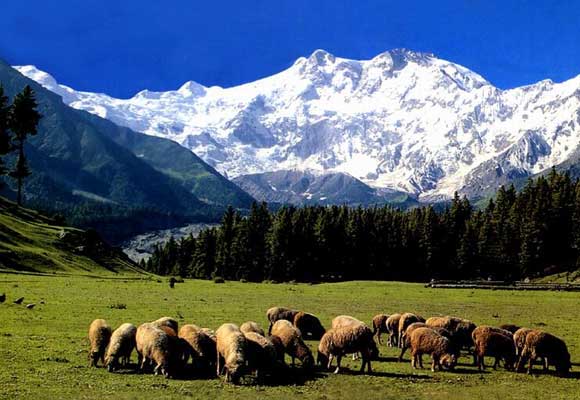
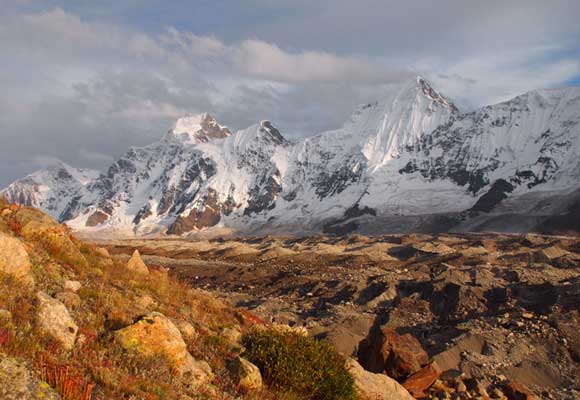
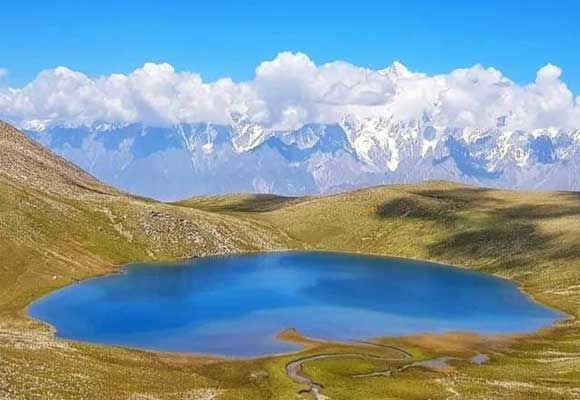
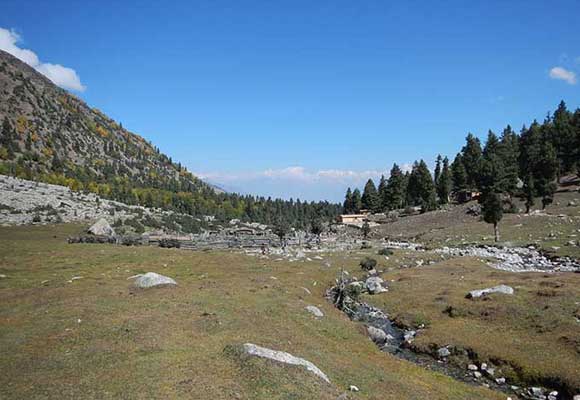
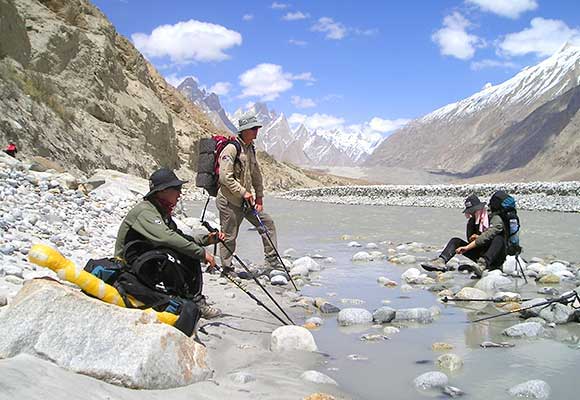
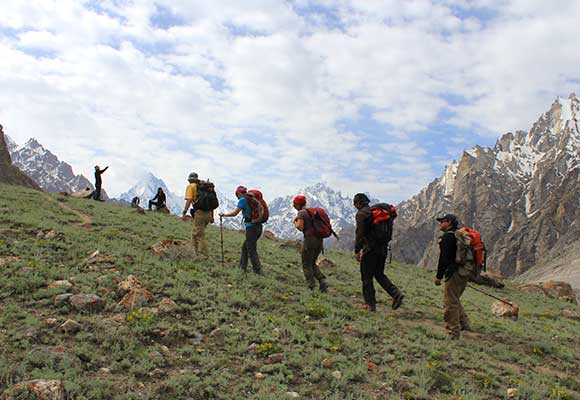
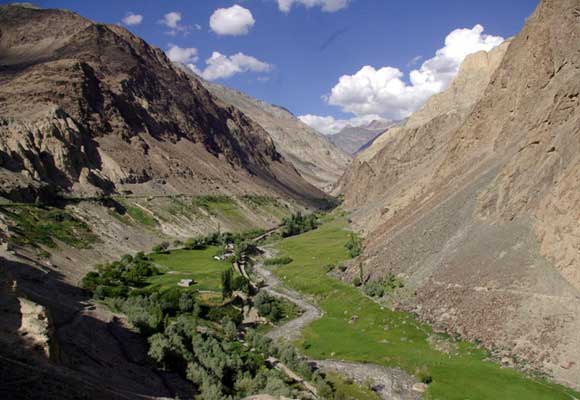
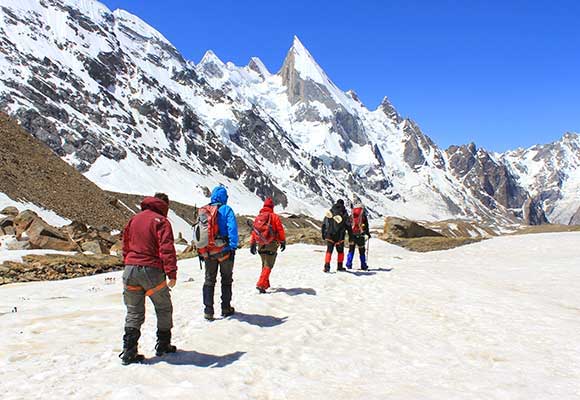
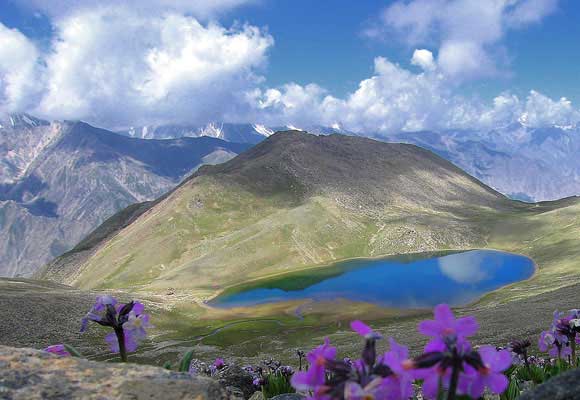
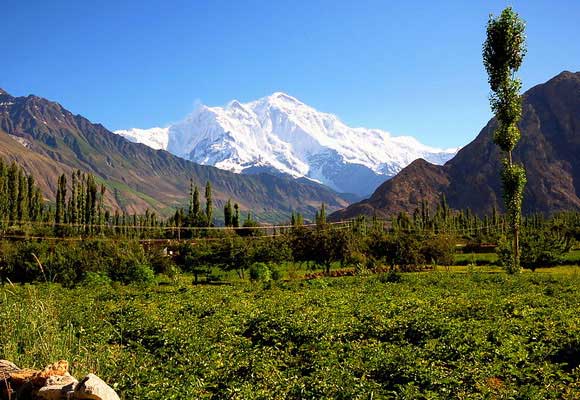
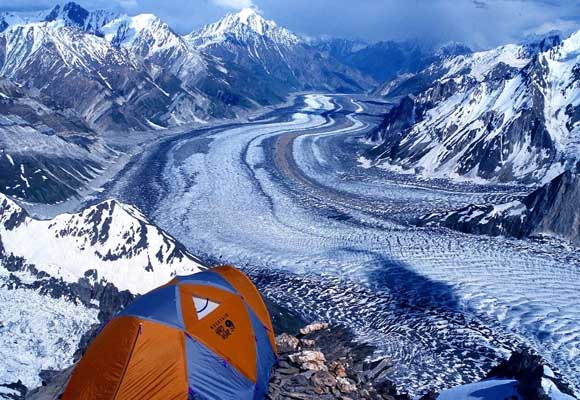
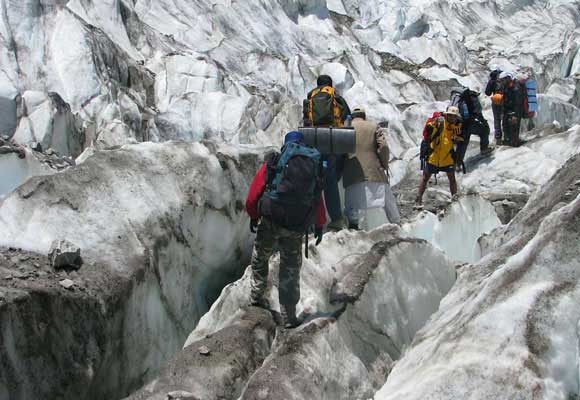
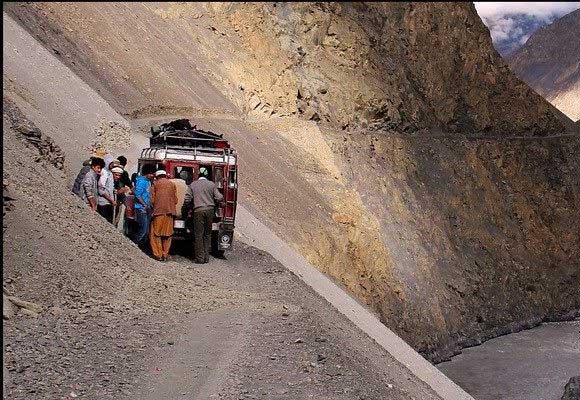
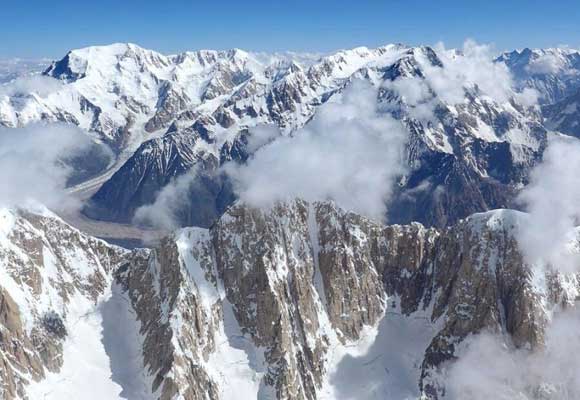
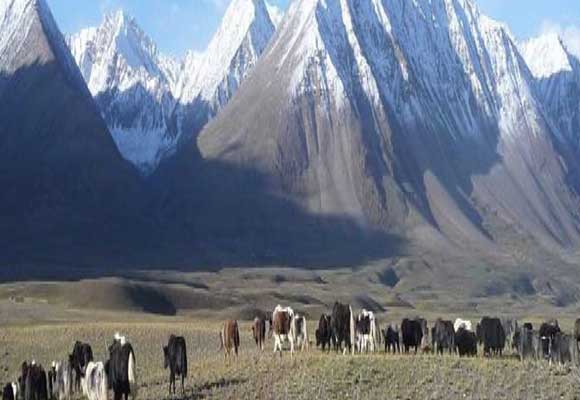
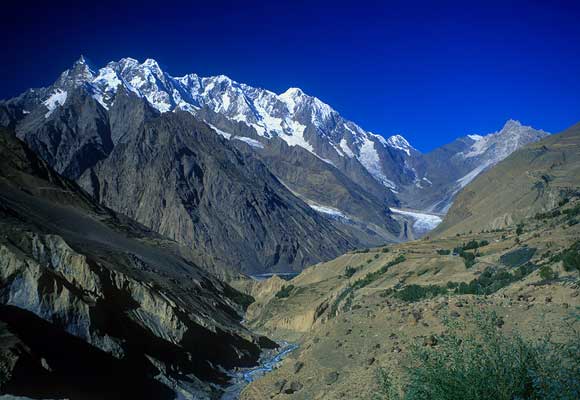
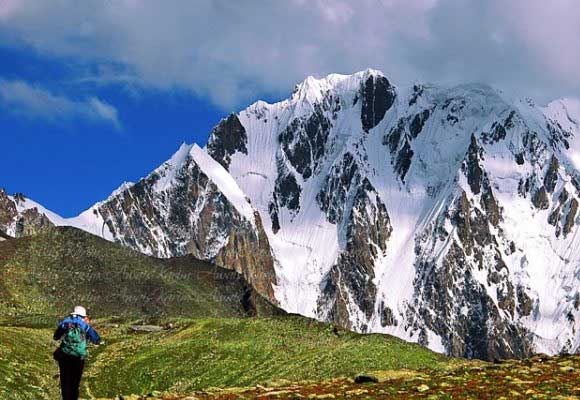
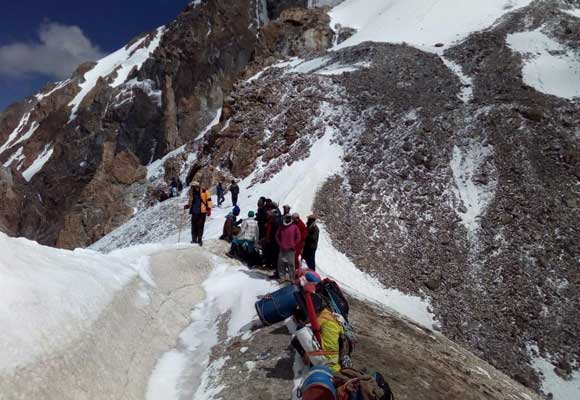
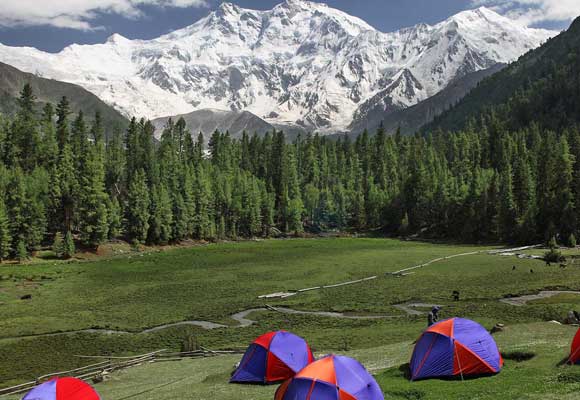
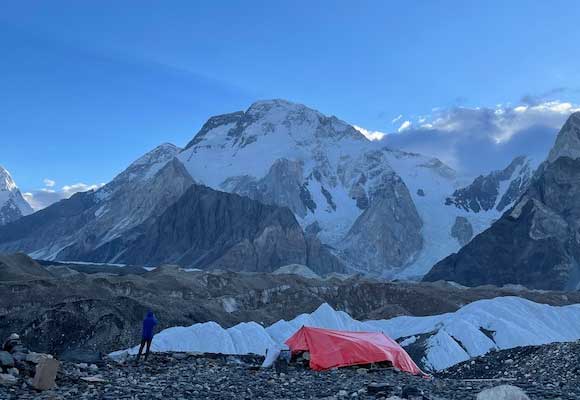
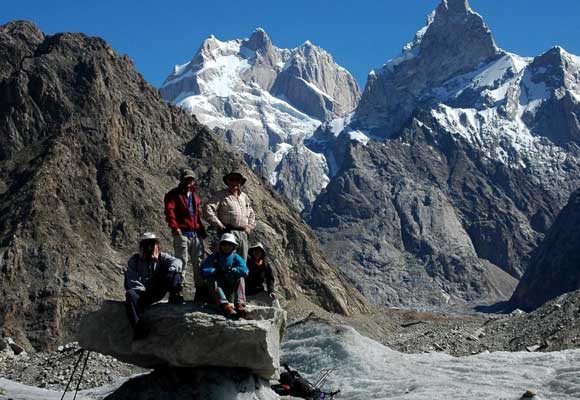
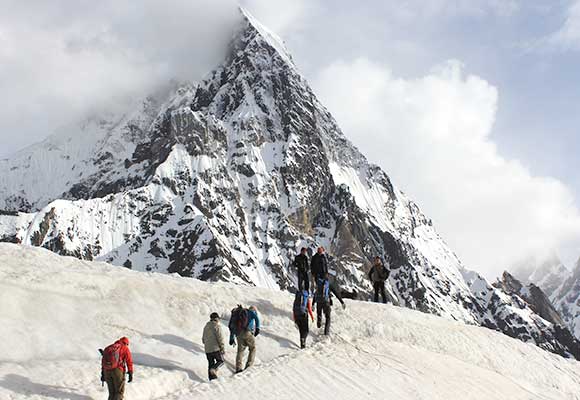
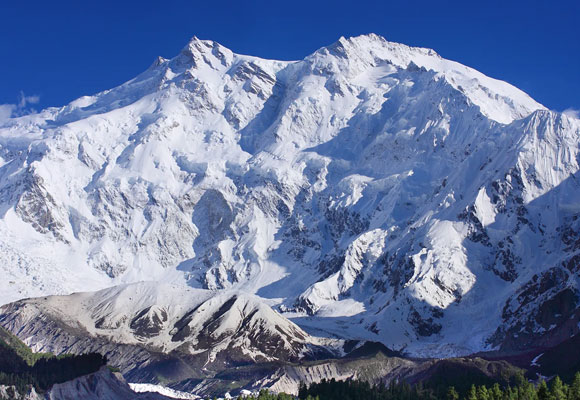
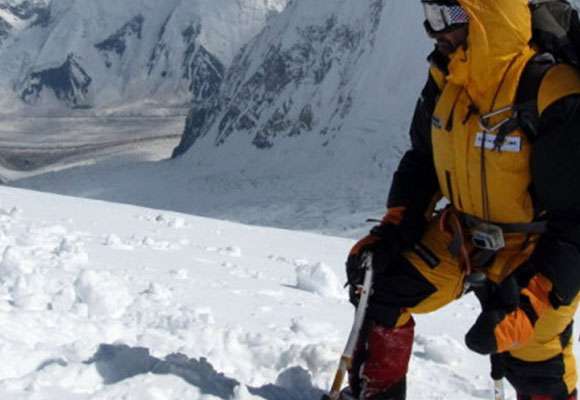
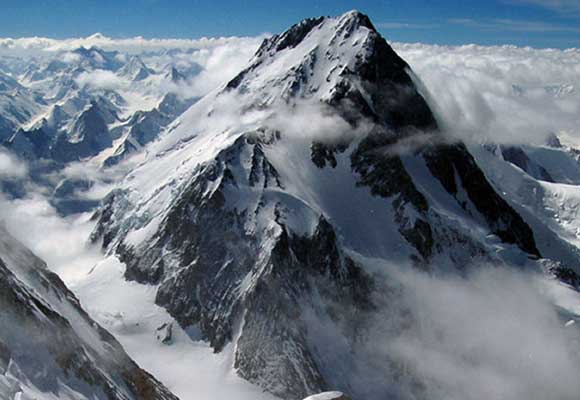
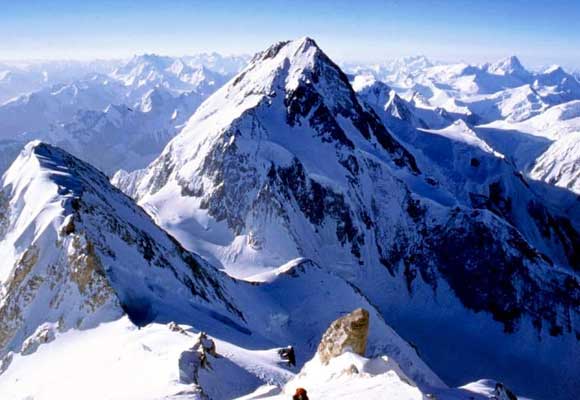
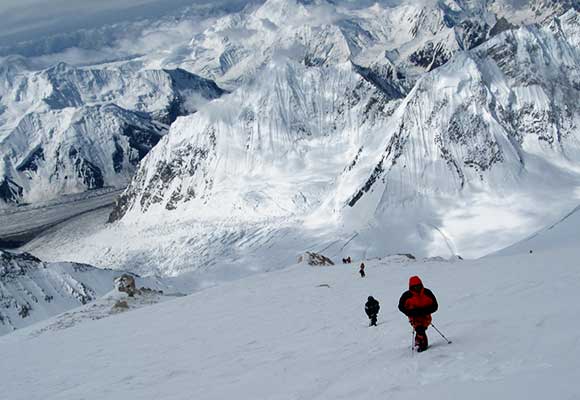
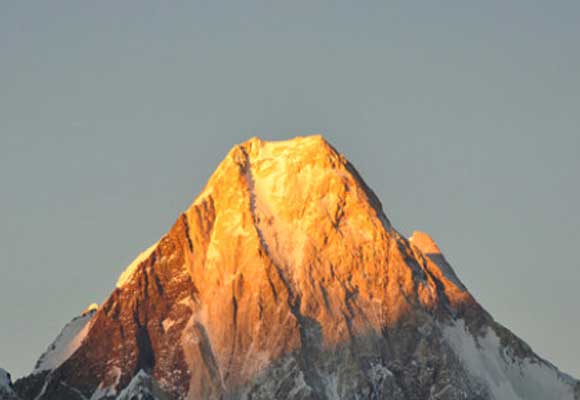
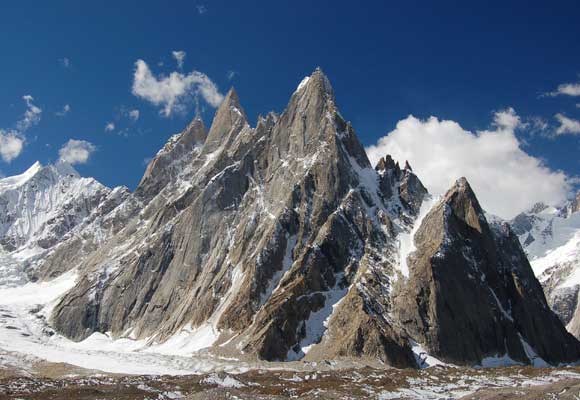
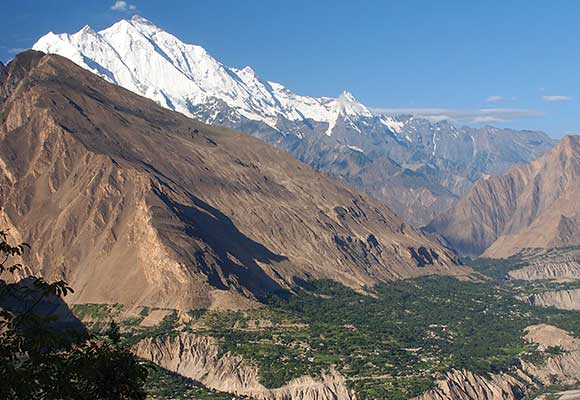
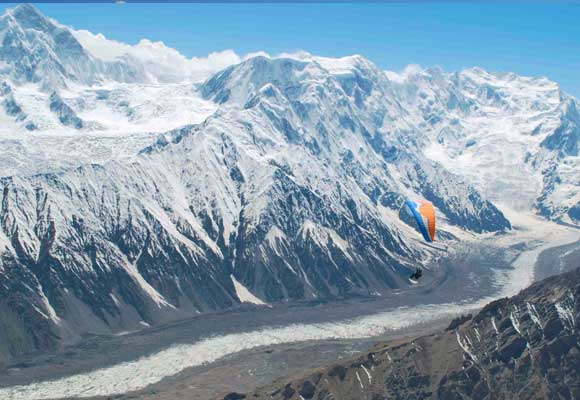
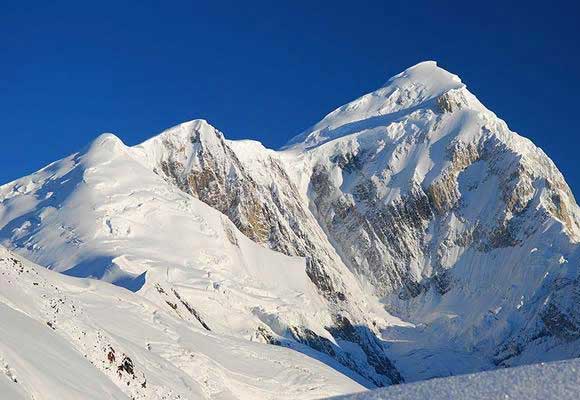
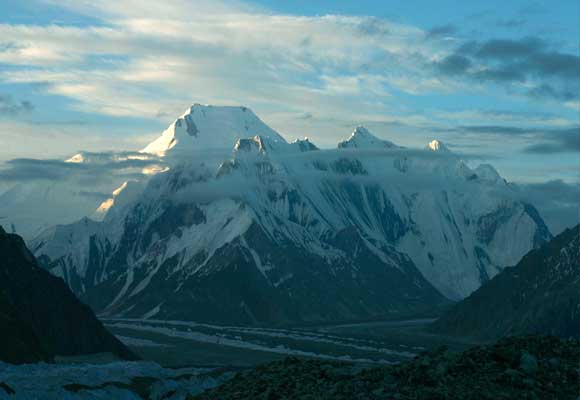
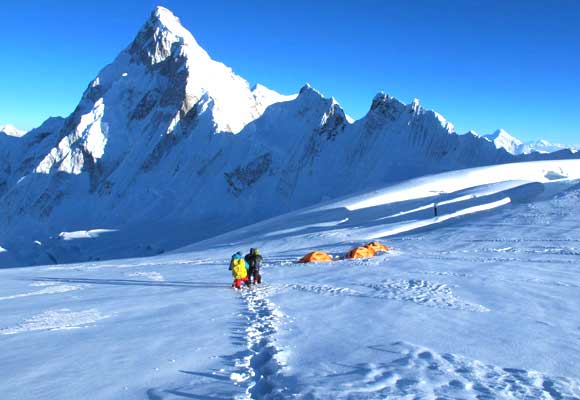
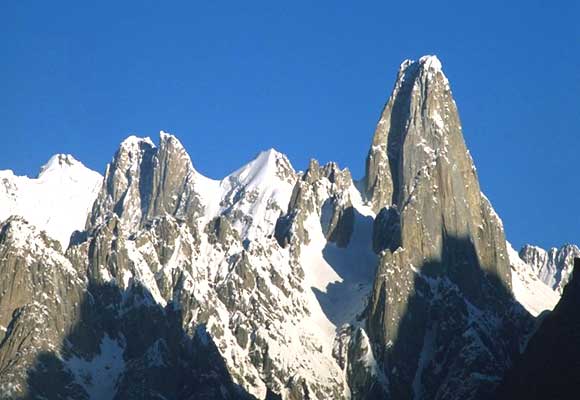
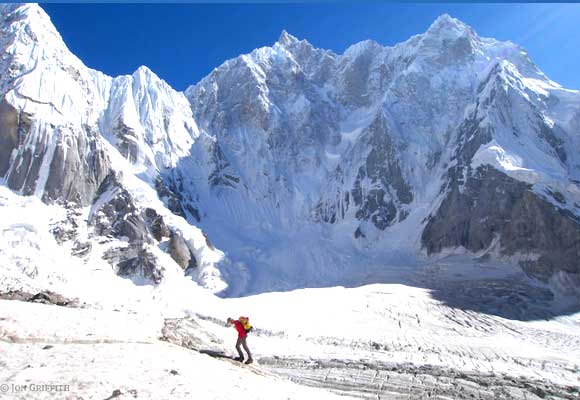
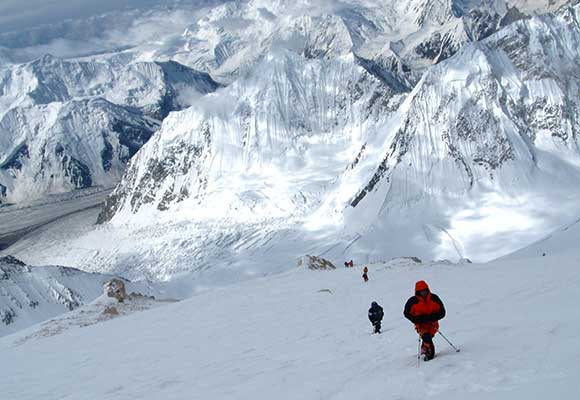
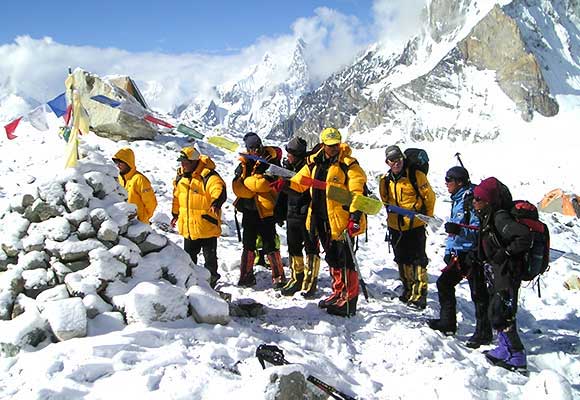
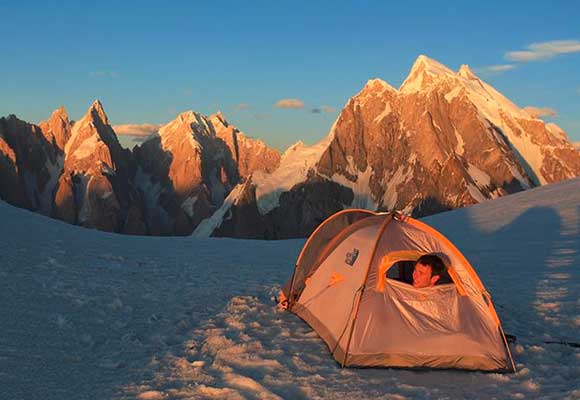
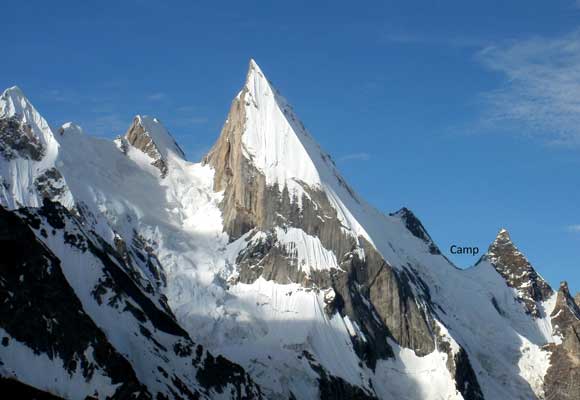
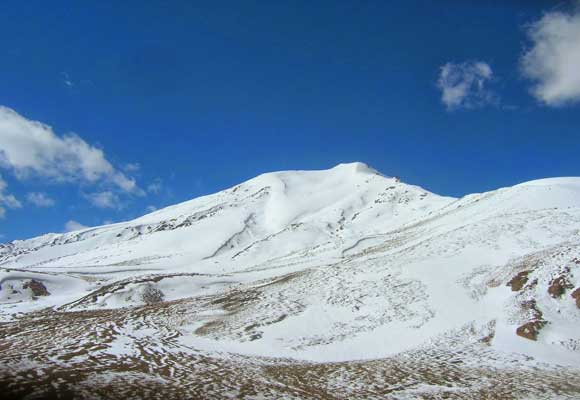
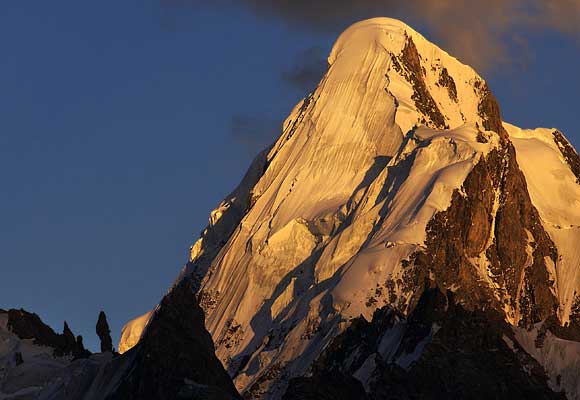
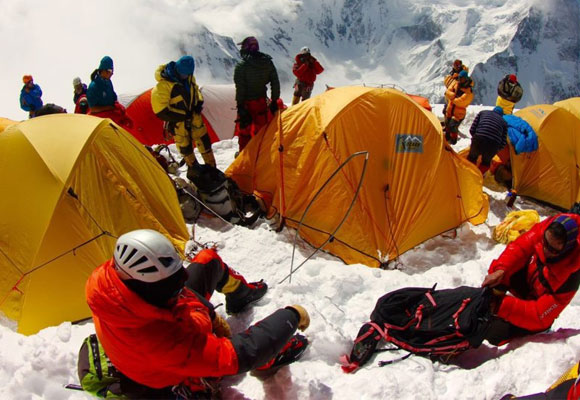
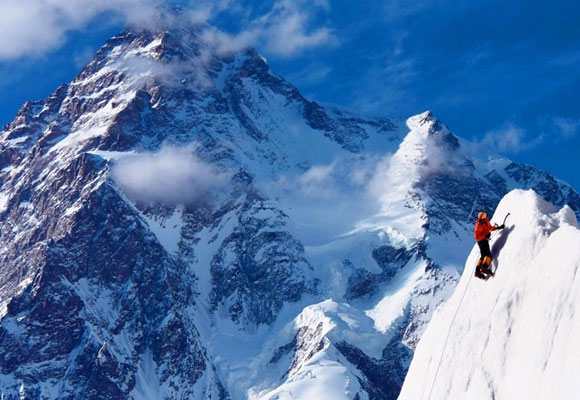
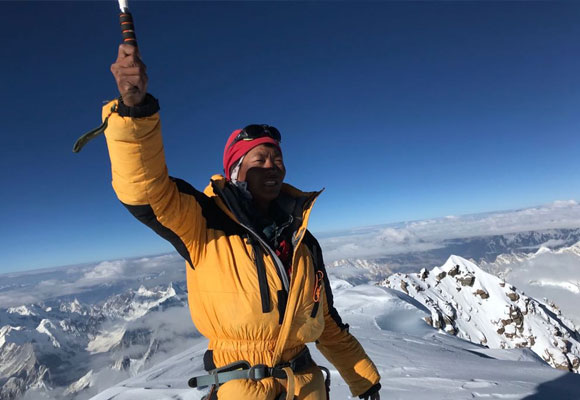
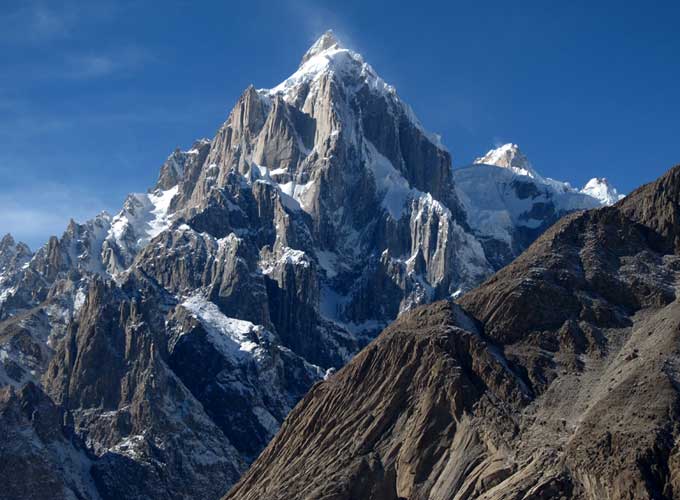
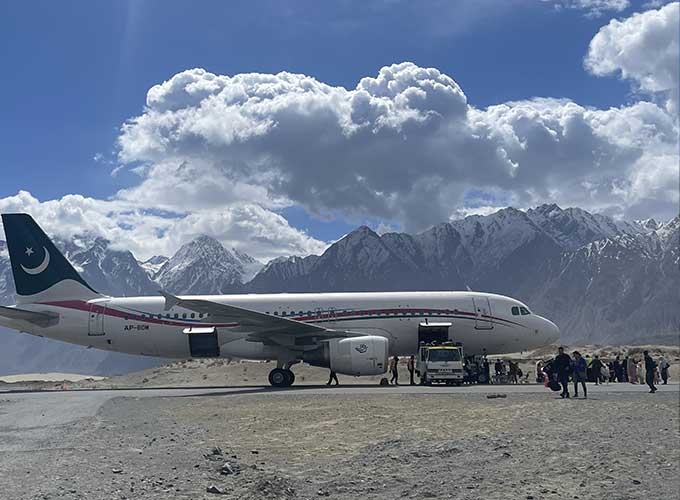
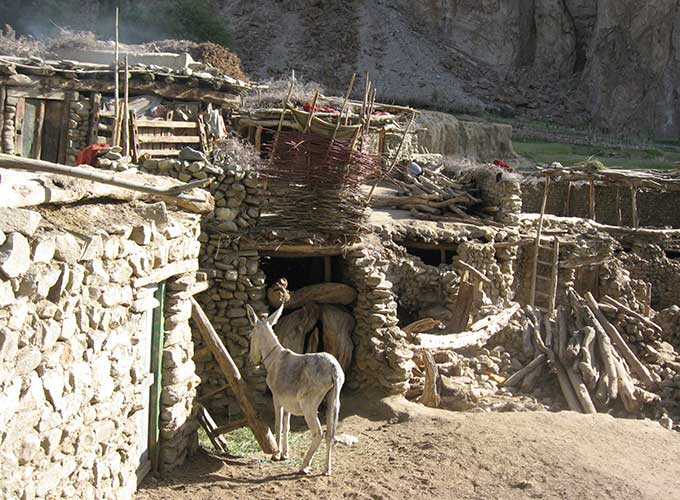
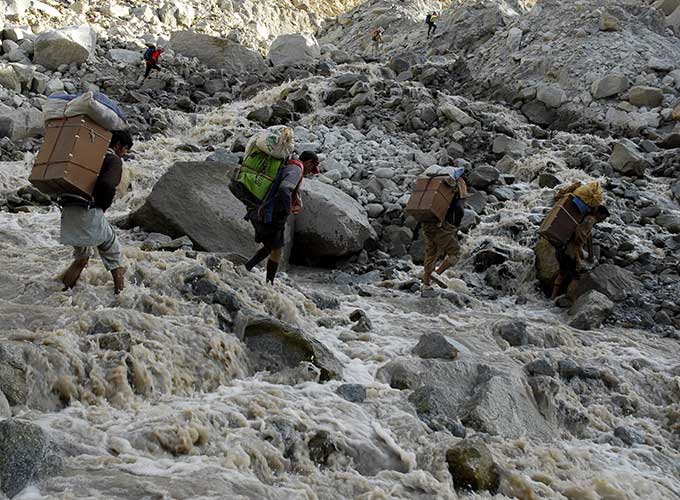
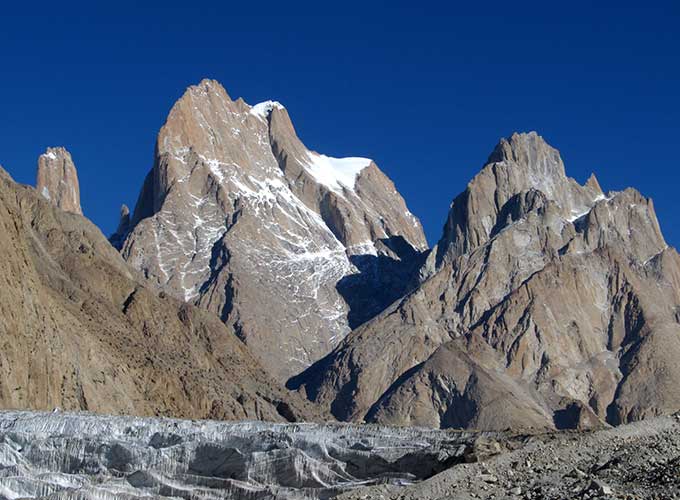
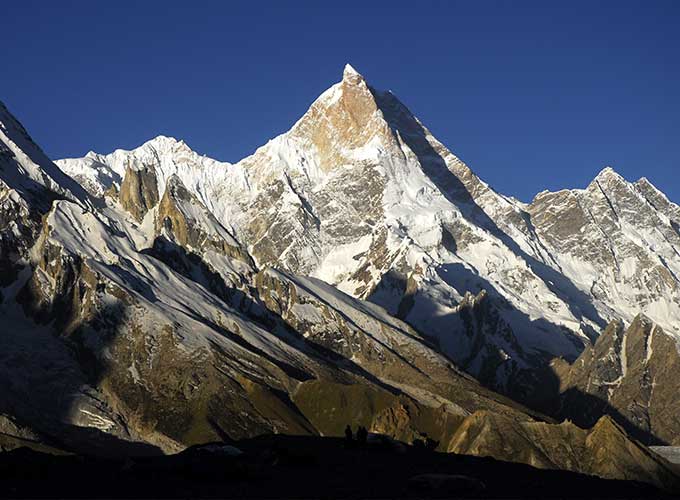
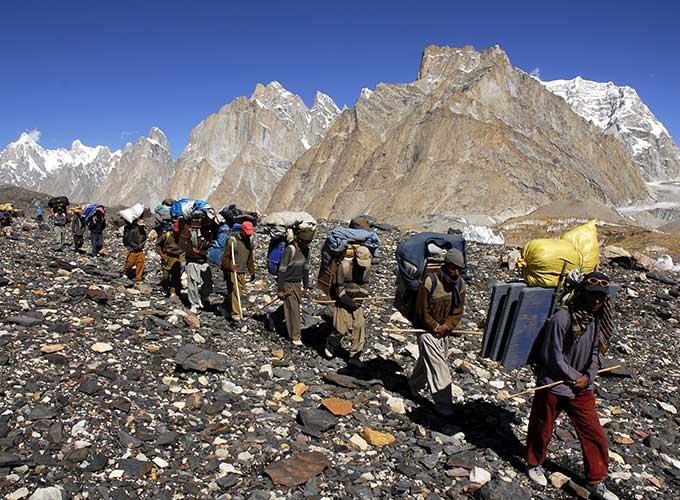
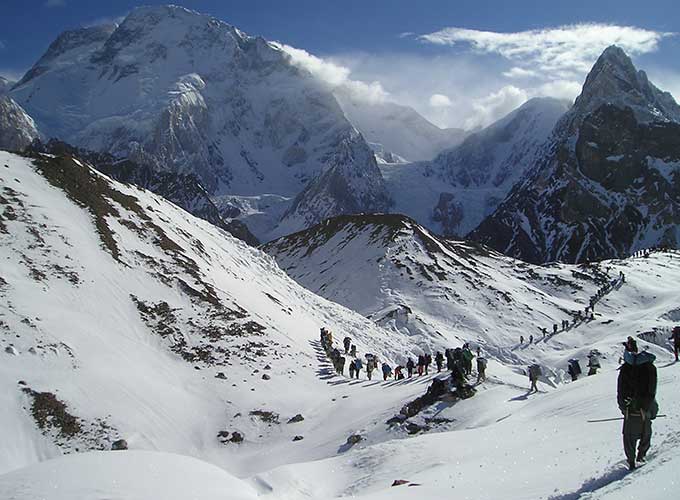
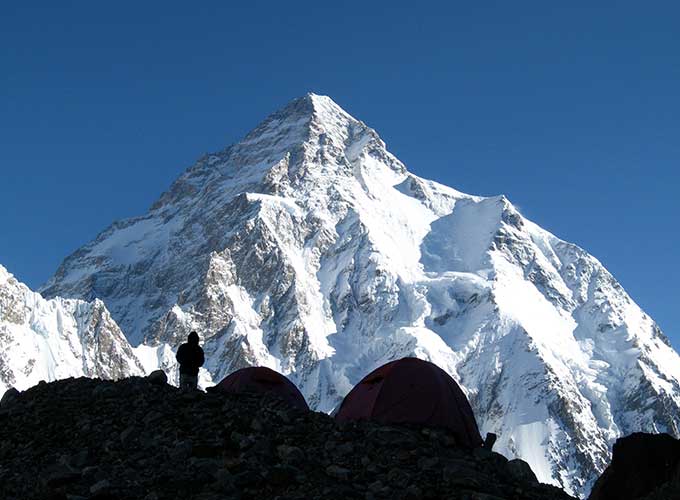
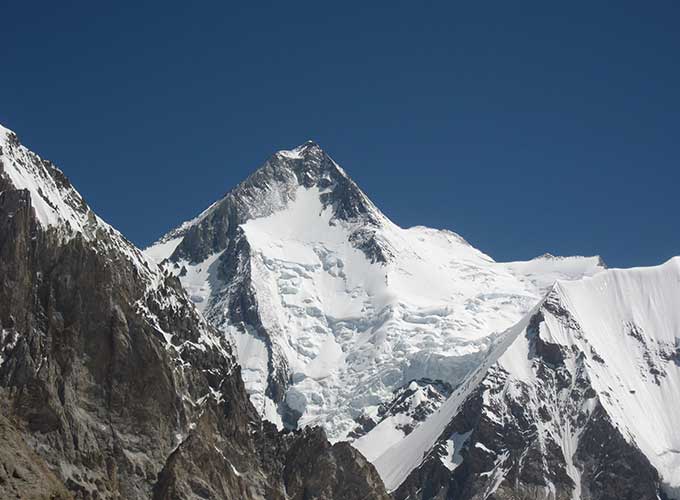
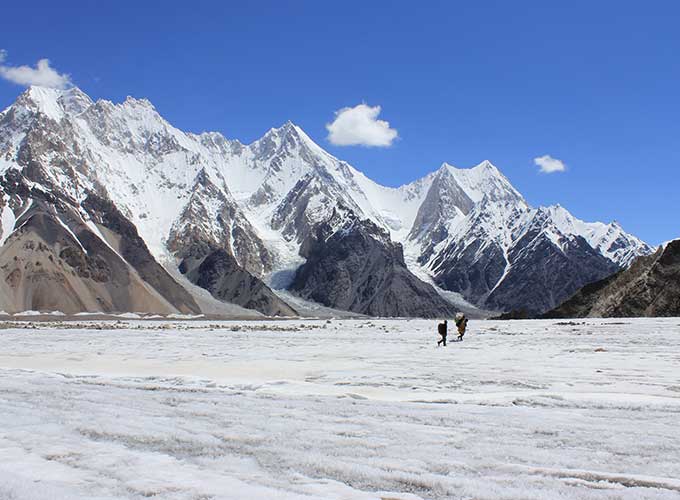
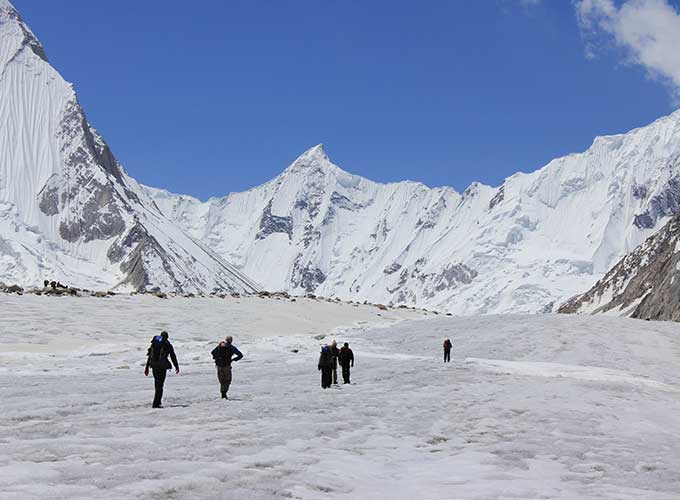
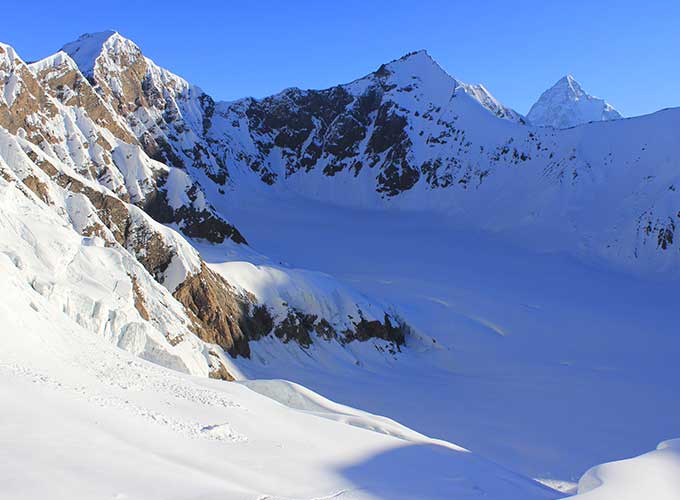
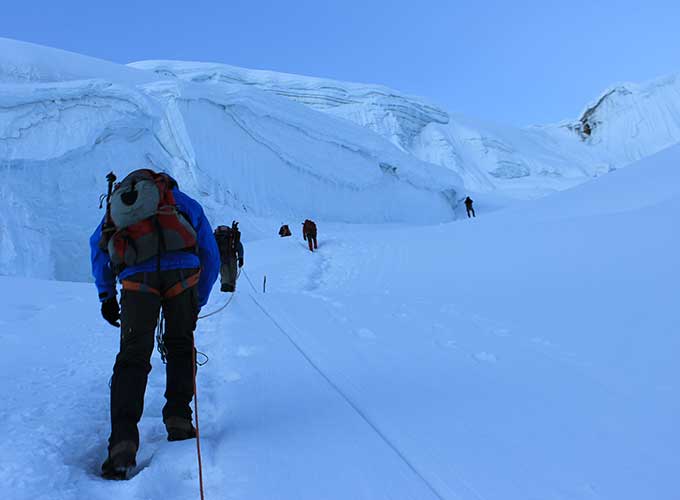
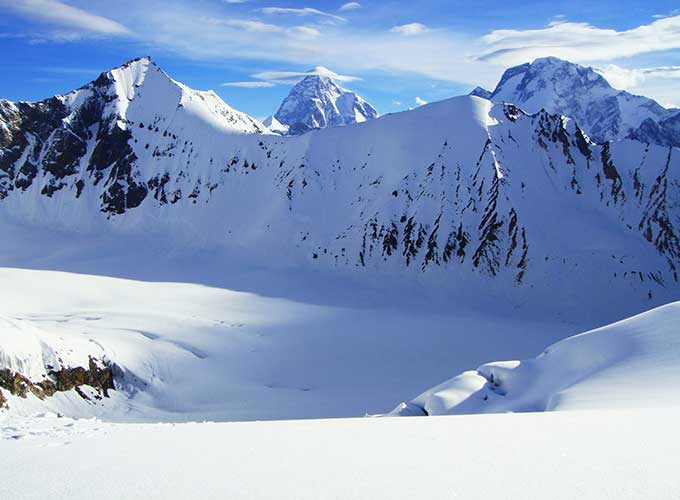
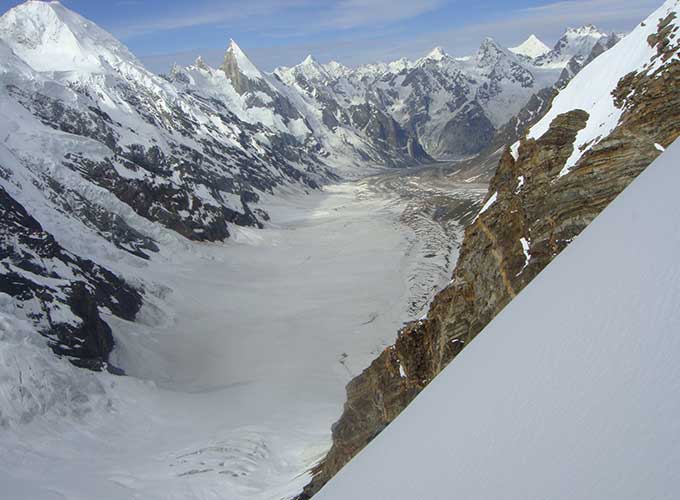
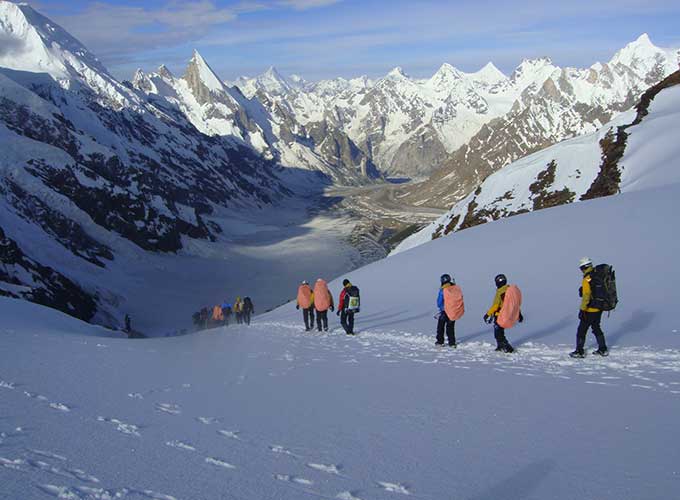
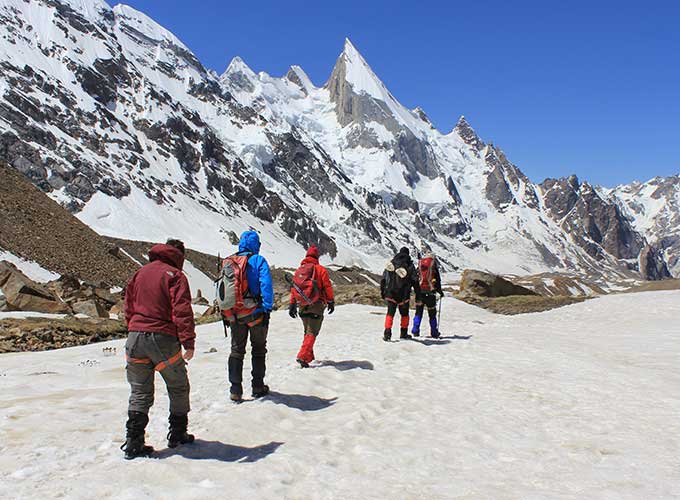
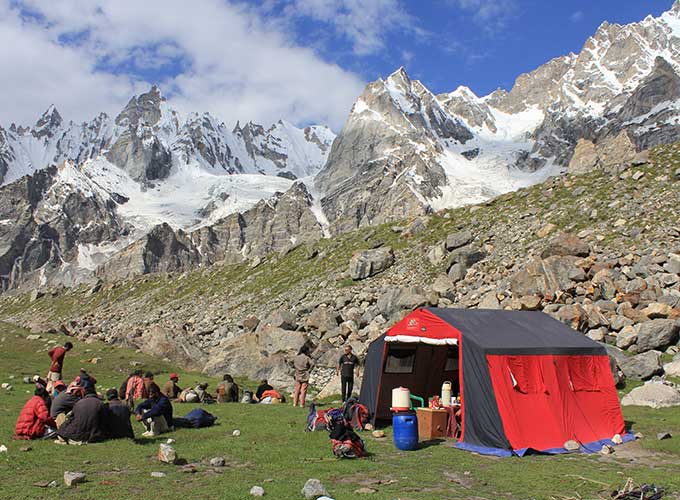
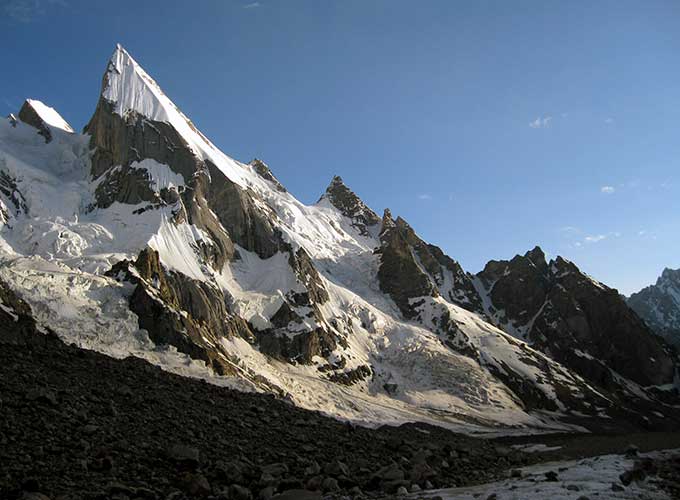
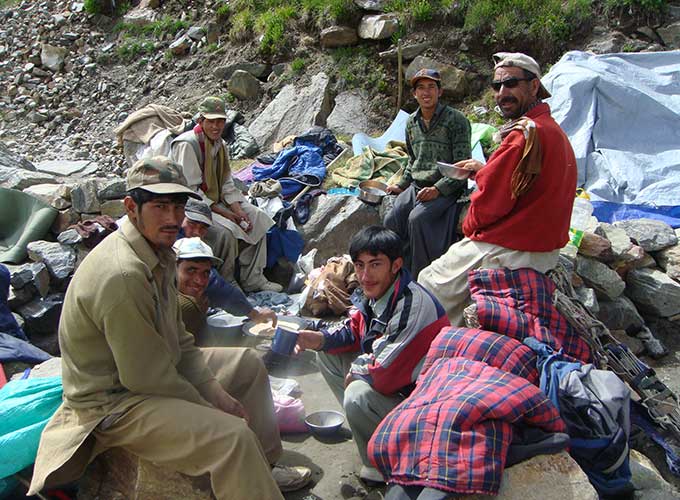
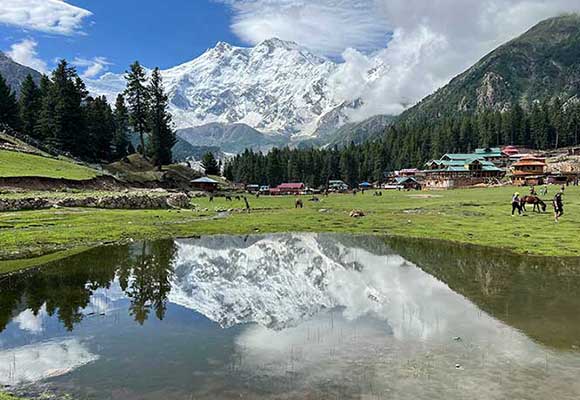
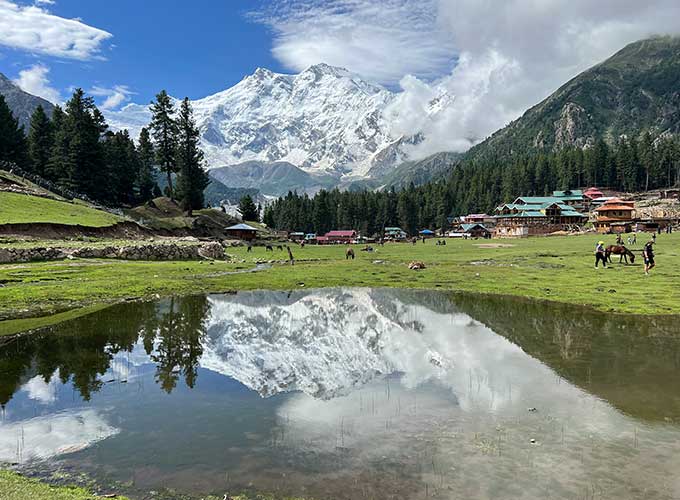
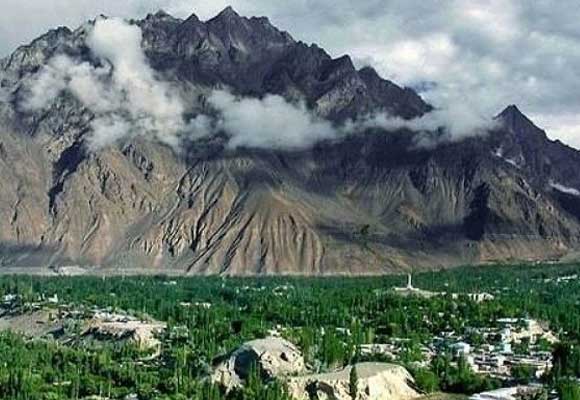
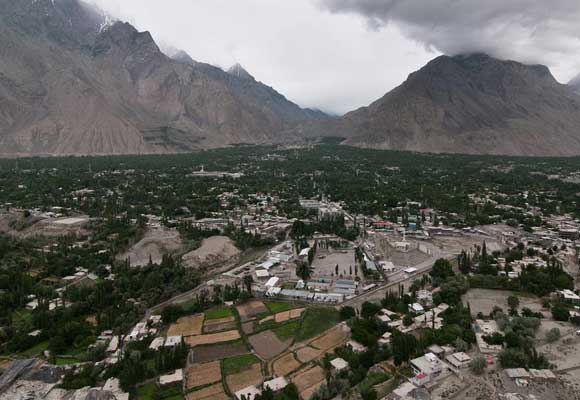
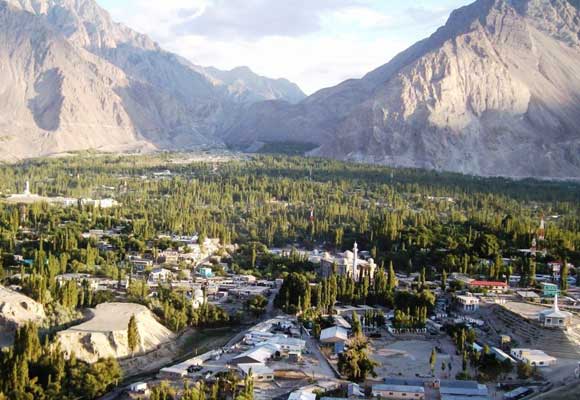
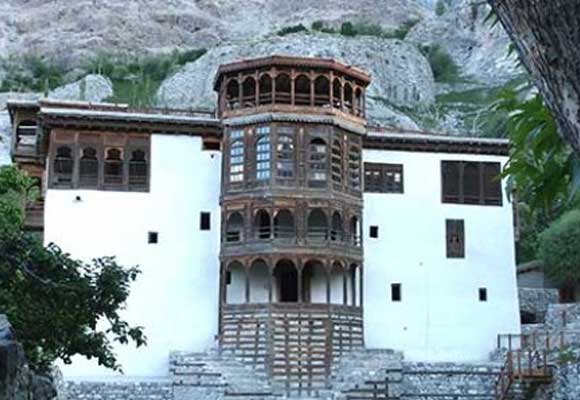
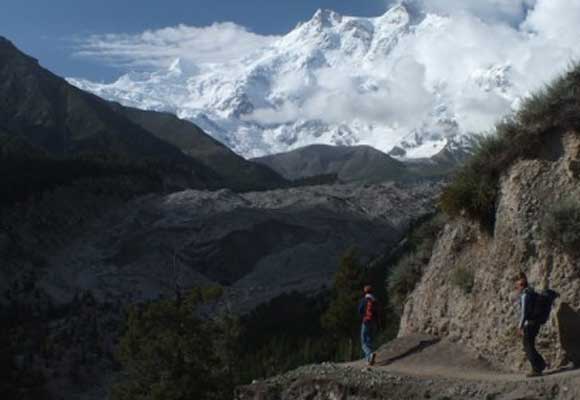
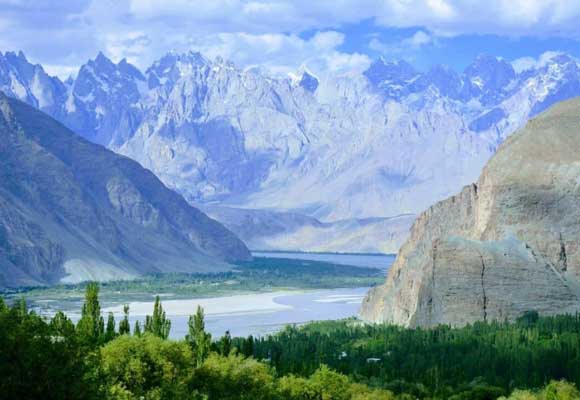
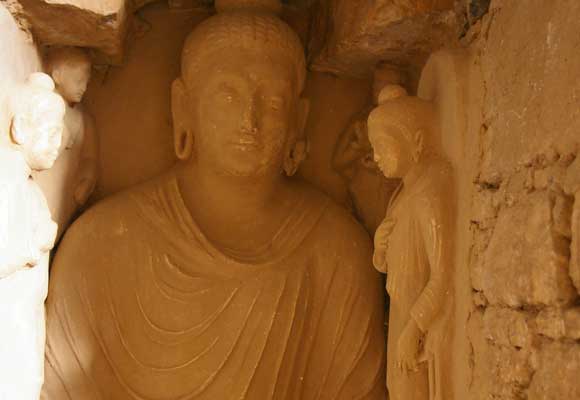
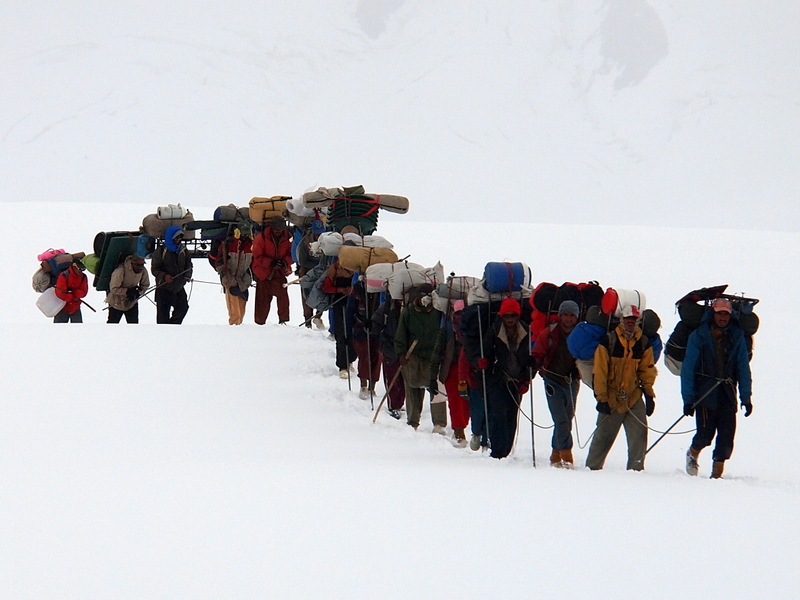
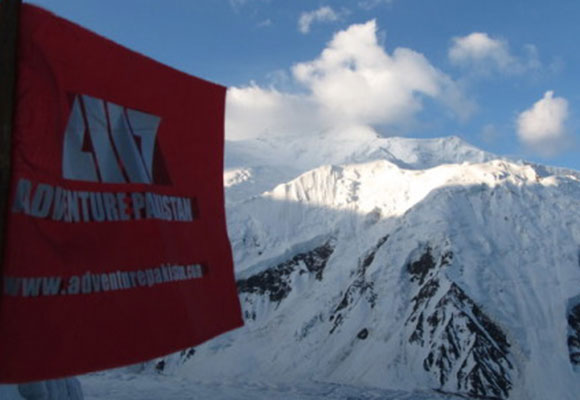
Discover the breathtaking Nanga Parbat Trek with AdventurePakistan.com, a thrilling journey to the world’s ninth-highest mountain, Nanga Parbat. This adventure takes you through lush valleys, dramatic landscapes, and unforgettable Himalayan views in Pakistan’s northern region. Ideal for trekkers seeking challenge and natural beauty, the route offers stunning scenery, cultural encounters, and expert-guided support for a safe experience. Whether you are an experienced hiker or an adventure enthusiast, this trek promises an unforgettable expedition. Book your Nanga Parbat Trek today with AdventurePakistan.com and explore one of the most iconic and majestic trekking destinations in Pakistan’s adventure tourism landscape now limited slots

Introduction
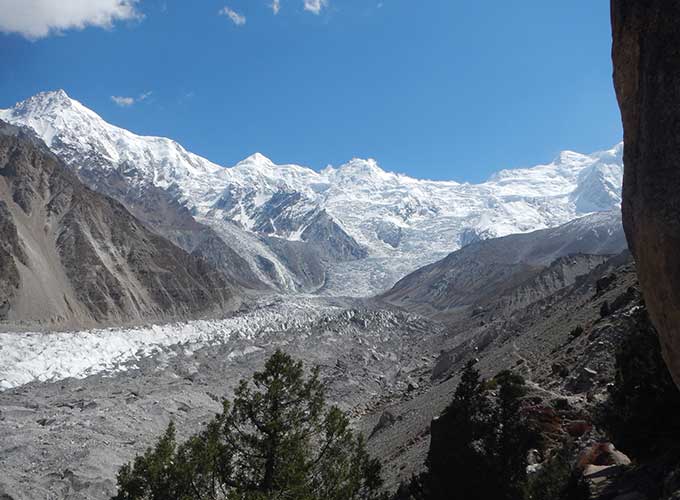
The Nanga Parbat Trek Pakistan: Difficulty, Route Map & Complete Travel Guide is one of the most iconic trekking experiences in the Himalayas, offering access to Fairy Meadows, Raikot Glacier, and the dramatic north face of Nanga Parbat. The trek is physically demanding but does not require technical climbing skills, making it suitable for experienced hikers with good fitness levels.
Unlike commercial trekking routes, this journey combines wilderness, culture, and extreme mountain landscapes in one itinerary.
Nanga Parbat Expedition Price
Nanga Parbat Expedition – Basecamp Services
Start |
End |
Status |
Price |
Deposit |
Registration |
17 Jun |
31 Jul |
Guaranteed |
US$14,000 |
US$1,000 |
|
Nanga Parbat Expedition – Full Board Services
Start |
End |
Status |
Price |
Deposit |
Registration |
17 Jun |
31 Jul |
Guaranteed |
US$35,000 |
US$15,000 |
|
45-Day Nanga Parbat Expedition Itinerary
Day 1 – Arrival in Islamabad
Arrive in Islamabad where expedition members meet guides, climbers, and logistics staff. Equipment inspection and expedition briefing are conducted.
Day 2 – Official Briefing and Preparation
Attend meetings with tourism authorities and finalize permits, climbing gear, food supplies, communication systems, and expedition logistics.
Day 3 – Drive from Islamabad to Chilas
Travel along the famous Karakoram Highway toward Chilas while enjoying scenic mountain valleys and river landscapes.
Day 4 – Drive from Chilas to Raikot Bridge and Trek to Fairy Meadows
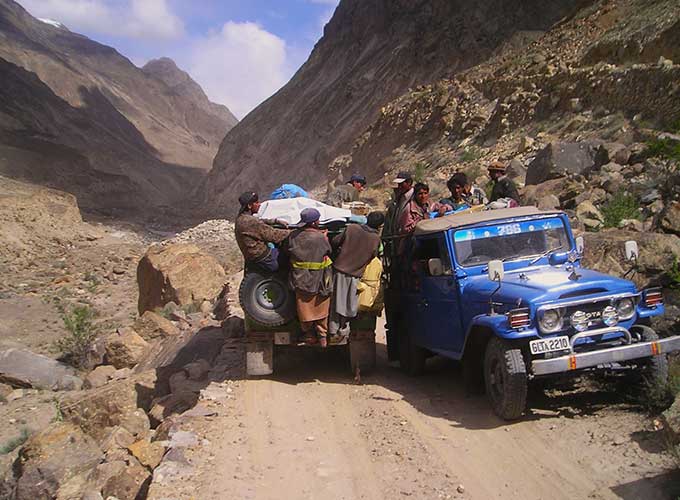
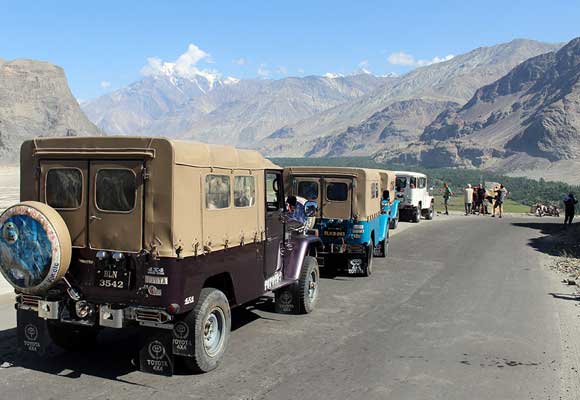
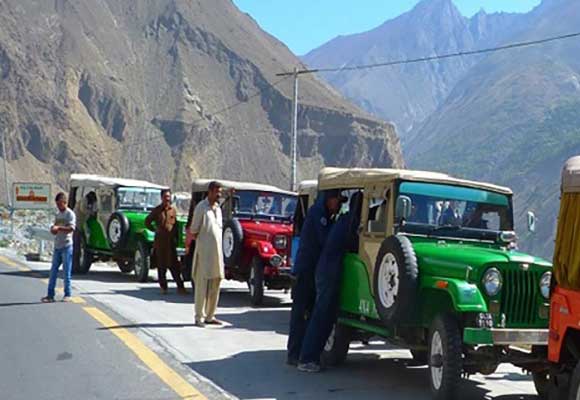
Continue to Raikot Bridge followed by a thrilling jeep ride to Tattu Village. Trek to Fairy Meadows surrounded by spectacular mountain scenery.
Day 5 – Trek from Fairy Meadows to Nanga Parbat Base Camp
Trek through alpine forests and glacier terrain toward Nanga Parbat Base Camp.
Day 6 – Establish Base Camp
Set up expedition tents, communication systems, medical facilities, and climbing equipment at Base Camp.
Day 7 – Rest and Acclimatization Day
Climbers rest and adapt to altitude while guides discuss climbing routes and safety procedures.
Day 8 – Ice and Technical Training
Practice rope handling, crampon techniques, glacier travel, and fixed-line climbing near Base Camp.
Day 9 – Load Carry to Camp 1
Transport ropes, food supplies, fuel, and climbing gear toward Camp 1.
Day 10 – Return to Base Camp
Descend back to Base Camp after load-carrying activities for recovery and rest.
Day 11 – Climb to Camp 1
Begin acclimatization rotation by ascending toward Camp 1 through steep snow and ice terrain.
Day 12 – Overnight at Camp 1
Spend the night adapting to higher altitude while monitoring weather and physical condition.
Day 13 – Descend to Base Camp
Return safely to Base Camp for recovery after the first acclimatization climb.
Day 14 – Rest Day at Base Camp
Hydration, nutrition, and physical recovery are prioritized before higher climbs continue.
Day 15 – Equipment Maintenance and Route Planning
Guides inspect climbing ropes, tents, oxygen systems, and technical equipment.
Day 16 – Second Rotation to Camp 1
Climbers ascend again carrying additional summit supplies and equipment.
Day 17 – Climb from Camp 1 to Camp 2
Continue climbing across mixed snow and ice terrain toward Camp 2.
Day 18 – Overnight at Camp 2
Spend the night acclimatizing at higher altitude while evaluating mountain conditions.
Day 19 – Technical Climbing Practice at Camp 2
Practice fixed-rope climbing, rappelling, and high-altitude movement techniques.
Day 20 – Descend to Base Camp
Return to Base Camp for recovery and preparation for summit rotations.
Day 21 – Rest and Medical Evaluation
Expedition doctors assess climbers’ health and altitude adaptation.
Day 22 – Weather Forecast and Summit Planning
Meteorologists provide updated forecasts while guides discuss possible summit windows.
Day 23 – Recovery and Nutrition Day
Climbers focus on hydration, rest, and calorie intake before higher rotations.
Day 24 – Equipment Inspection Day
Repair tents, ropes, oxygen regulators, and climbing systems.
Day 25 – Final Summit Strategy Meeting
Guides review avalanche risks, climbing routes, and emergency safety procedures.
Day 26 – Third Rotation to Camp 1
Climbers begin another ascent using improved acclimatization from previous climbs.
Day 27 – Camp 1 to Camp 2
Continue climbing with additional summit supplies and oxygen equipment.
Day 28 – Climb to Camp 3
Ascend technical snow and ice sections toward Camp 3 under harsh conditions.
Day 29 – Overnight at Camp 3
Spend the night at extreme altitude for final acclimatization before summit push.
Day 30 – Descend to Base Camp
Return safely to Base Camp for extended recovery and summit preparation.
Day 31 – Rest Day at Base Camp
A full recovery day helps climbers prepare physically and mentally for the summit attempt.
Day 32 – Weather Window Assessment
Meteorologists and guides identify suitable summit opportunities.
Day 33 – Summit Push Begins to Camp 1
Climbers officially begin the summit attempt depending on weather conditions.
Day 34 – Camp 1 to Camp 2
Ascend fixed rope sections while carrying summit gear and oxygen systems.
Day 35 – Camp 2 to Camp 3
Continue climbing through steep terrain and challenging mountain conditions.
Day 36 – Climb to Camp 4
Move toward Camp 4 located at extreme altitude near the summit route.
Day 37 – Rest and Summit Preparation at Camp 4
Prepare climbing equipment, oxygen systems, food supplies, and communication devices before summit night.
Day 38 – Summit Attempt on Nanga Parbat
Launch the summit push toward Nanga Parbat at 8,126 meters.
Day 39 – Descend to Camp 3
After summit success, descend carefully to Camp 3 while managing exhaustion and altitude challenges.
Day 40 – Descend to Base Camp
Return safely to Base Camp and celebrate the successful Nanga Parbat Expedition.
Day 41 – Reserve Weather Day
Additional day reserved for weather delays or emergency conditions.
Day 42 – Trek from Base Camp to Fairy Meadows
Begin descending through glacier trails and alpine forests back to Fairy Meadows.
Day 43 – Trek to Tattu Village and Drive to Chilas
Descend to Tattu Village before continuing by jeep and road transport to Chilas.
Day 44 – Drive from Chilas to Islamabad
Travel back to Islamabad through scenic valleys and mountain landscapes.
Day 45 – International Departure
Transfer to the airport for international departure after completing the legendary Nanga Parbat Expedition in Pakistan.
FAQs
1. How difficult is Nanga Parbat Trek?
It is moderate to difficult, requiring good fitness but no technical climbing skills.
2. How many days are needed for the trek?
The trek typically takes 7 to 12 days depending on itinerary and weather.
3. What is the best time for Nanga Parbat Trek?
Best season is May to September for stable weather and clear views.
4. Do I need a guide for the trek?
Yes, a local guide is strongly recommended for safety and navigation.
5. How much does the trek cost?
Average cost ranges from $400 to $1,200 depending on package type.
6. Is Nanga Parbat harder than K2 Base Camp Trek?
No, K2 Base Camp Trek is significantly more difficult and longer.
Why Choose Nanga Parbat Expedition Pakistan
The Nanga Parbat Expedition Pakistan is a dream adventure for experienced climbers seeking one of the world’s most legendary mountaineering challenges. Known as the “Killer Mountain,” Nanga Parbat rises to 8,126 meters in the spectacular Himalayan Range. Climbers choose this expedition for its dramatic alpine scenery, technical climbing routes, and thrilling high-altitude experience. The journey passes through the breathtaking Fairy Meadows region, glaciers, and remote mountain landscapes. With challenging terrain, rich mountaineering history, and unforgettable summit views, the Nanga Parbat Expedition offers one of Pakistan’s most rewarding and iconic climbing adventures for serious mountaineers worldwide.
Main Access Point: Raikot Bridge
The journey begins from Raikot Bridge on the Karakoram Highway.
Step-by-Step Route
- Raikot Bridge → Jeep track to Tattu Village
- Tattu Village → Hiking trail to Fairy Meadows
- Fairy Meadows → Beyal Camp
- Beyal Camp → Nanga Parbat Base Camp viewpoint
The trek offers continuous views of glaciers, pine forests, and the Rupal or Raikot face depending on route selection.
Difficulty Level
Classification: Moderate to Difficult
- Daily trekking: 4–8 hours
- Maximum altitude: ~3,900m (Fairy Meadows region)
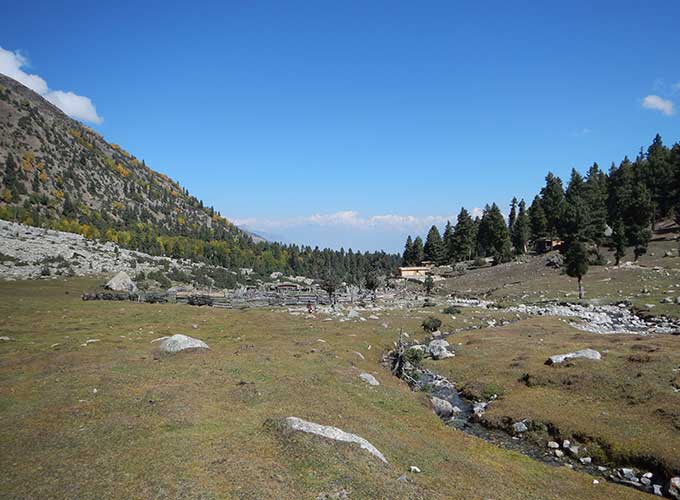
- Trail type: steep forest paths + rocky alpine terrain
- No technical climbing required
Compared to glacier-heavy expeditions like the K2 Base Camp Trek, this trek is less technical but still physically demanding.
Pros & Cons
Pros
- Iconic views of Nanga Parbat (8,126m)
- No technical climbing required
- Easily accessible from Gilgit-Baltistan road network
- Ideal for first high-altitude base camp experience
- Scenic Fairy Meadows forest environment
Cons
- Steep and exhausting ascent to Fairy Meadows
- Weather can block visibility of the peak
- Limited medical and rescue facilities
- Jeep track is rough and safety-sensitive
Comparative Analysis: Pakistan Trekking & Cultural Tours
Trek / Tour |
Difficulty |
Duration |
Cost Range |
Key Experience |
Nanga Parbat Trek |
Moderate–Difficult |
7–12 days |
$400–$1,200 |
Forest + base camp views |
K2 and Gondogoro La Trek Pakistan 2026 |
Extreme |
14–21 days |
$2,000–$4,500 |
Glacier crossing + high pass |
Snow Lake trek |
Extreme |
15–18 days |
$2,500–$5,000 |
Remote glacier expedition |
Rakaposhi base camp Hunza valley trek |
Moderate |
5–7 days |
$500–$1,200 |
Hunza valley landscapes |
Fairy meadows Trek |
Easy–Moderate |
3–5 days |
$300–$800 |
Forest + camping experience |
Cultural & Festival Comparison
What is included:
- Transport from Islamabad
- Jeep ride to Tattu Village
- Accommodation in Fairy Meadows huts or camps
- Guide services and meals
Comparison with other tours:
Buyer Guidance / How to Choose the Right Trek
Nanga Parbat Trek if:
- You want a short but iconic Himalayan experience
- You prefer forest and mountain views over glacier trekking
- You are a beginner to moderate trekker
K2 Region Expeditions if:
Hunza & Valley Treks if:
- You prefer scenic comfort trekking
- Rakaposhi Base Camp is ideal for balanced difficulty
- Snow Lake trek Tour Package is for advanced explorers
Cultural Tours if:
Trek Preparation Guidelines
Fitness Requirements
- Cardio endurance training recommended
- Ability to hike 5–7 hours daily
Packing Essentials
- Warm layered clothing
- Waterproof jacket and boots
- Trekking poles
- Power bank and basic medical kit
Safety Advice
- Always hire licensed local guides
- Avoid monsoon season due to landslide risks
- Acclimatize properly in Fairy Meadows before ascending further
Route Map Explanation (Simplified)
The route follows a single corridor:
Raikot Bridge → Jeep Ride → Tattu Village → Fairy Meadows → Beyal Camp → Nanga Parbat Viewpoint
This linear structure makes it easier than multi-pass expeditions like K2 region treks.

Expert Insight
As a mountain tourism analyst tracking northern Pakistan expedition routes, Nanga Parbat remains one of the most balanced high-altitude treks in terms of accessibility and adventure value. It is less technical than glacier-heavy expeditions like the Karakoram routes but more physically demanding than valley treks in Hunza.
The biggest operational challenge is weather unpredictability and limited emergency infrastructure beyond Fairy Meadows. However, its accessibility from Raikot Bridge makes it one of the most logistically manageable 8,000m base camp treks in Pakistan.
Conclusion
The Nanga Parbat Trek Pakistan is one of the most accessible yet dramatic high-altitude trekking experiences in the Himalayas. It offers a perfect balance of challenge, scenery, and cultural immersion through Fairy Meadows and surrounding valleys.
For travelers exploring Pakistan’s adventure portfolio, options range from high-altitude treks to cultural journeys such as the Indus Valley Civilization Tour, Shandoor Polo Festival, and Kalash Festival Tour, making the country one of the most diverse trekking destinations in the world.