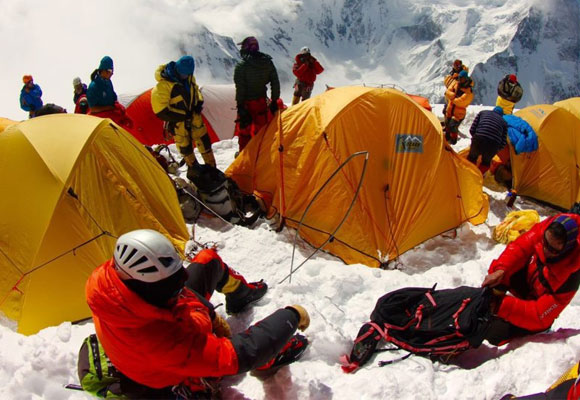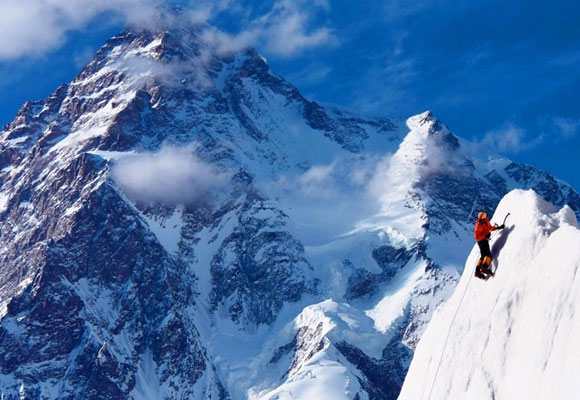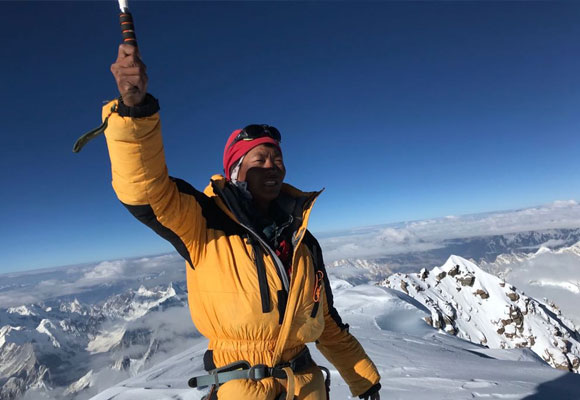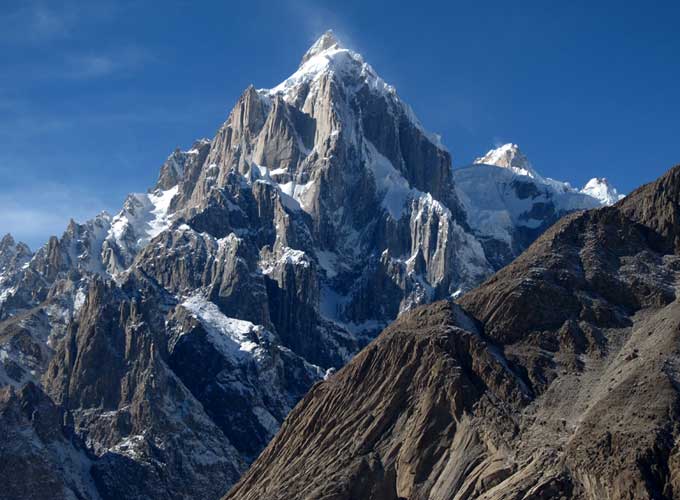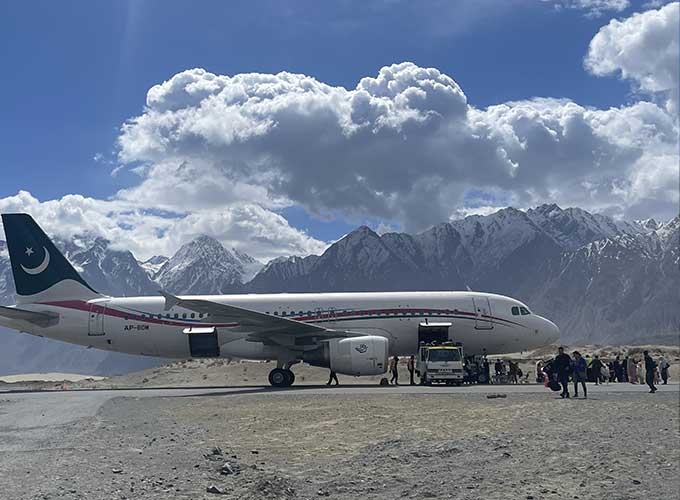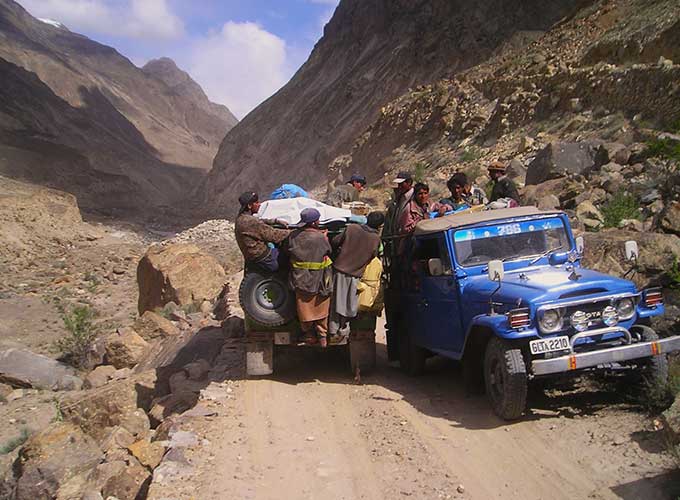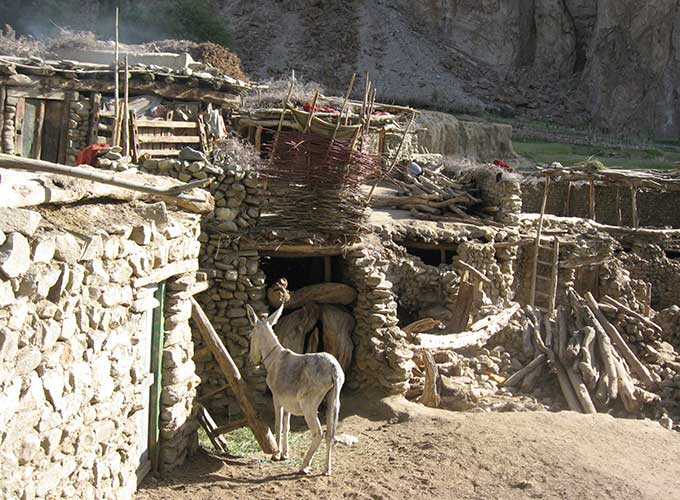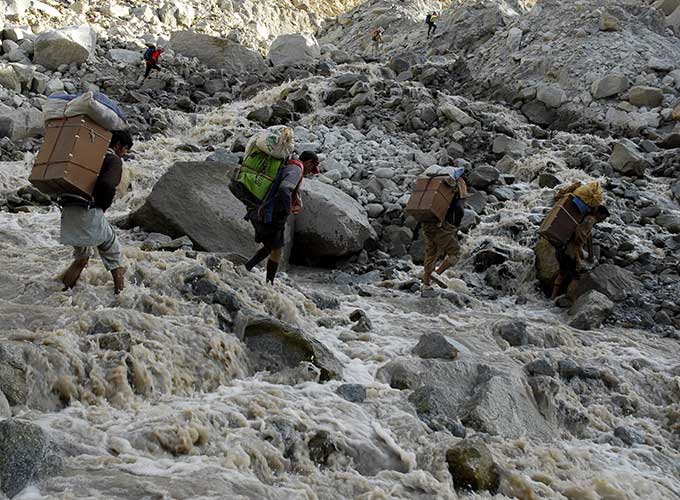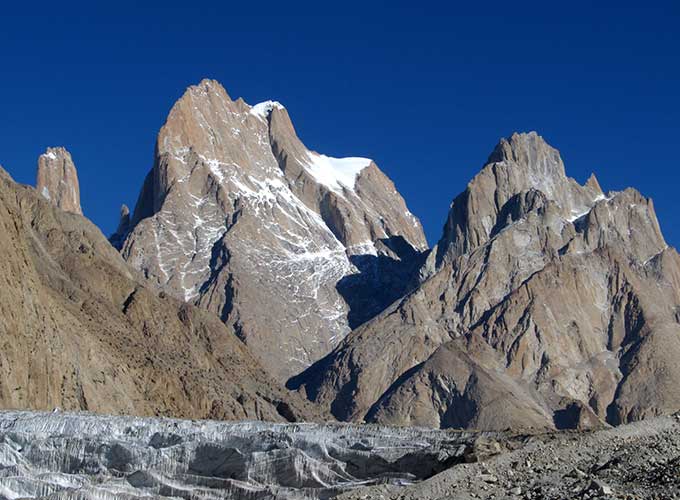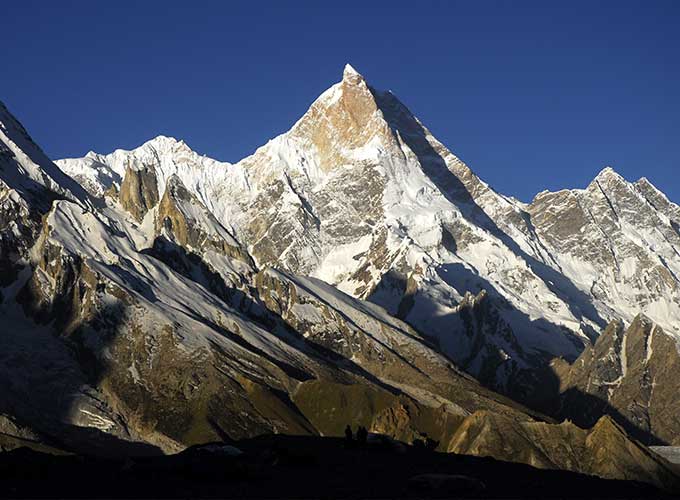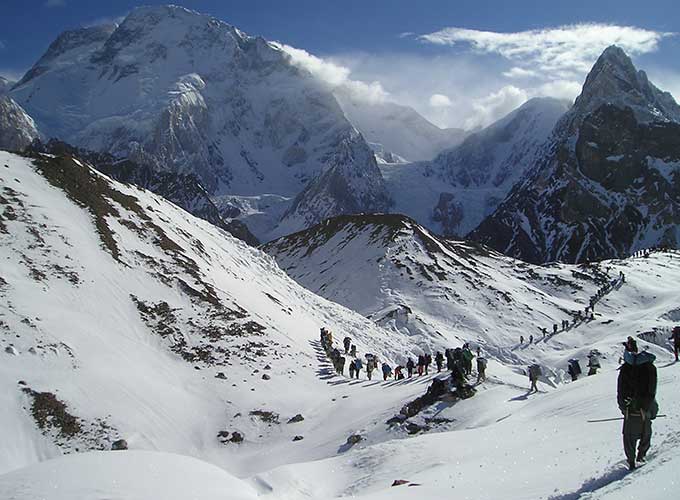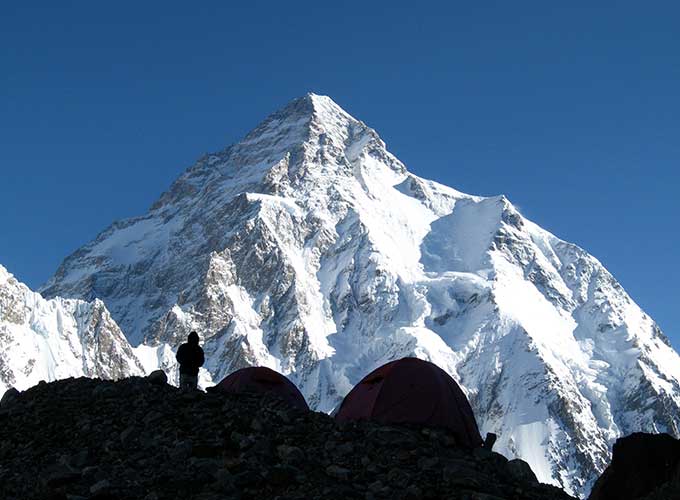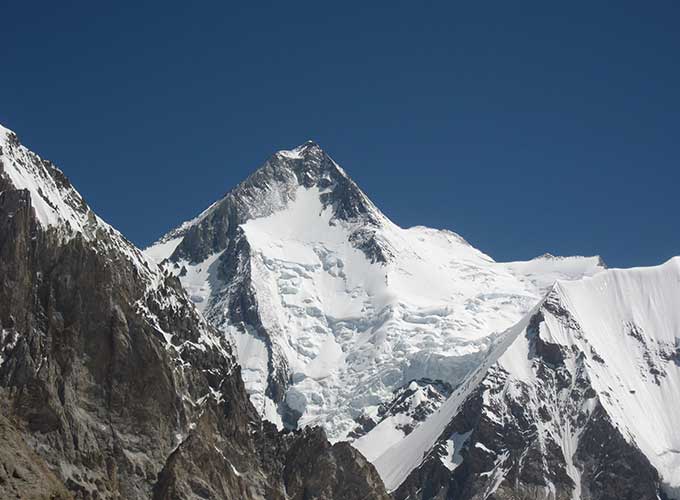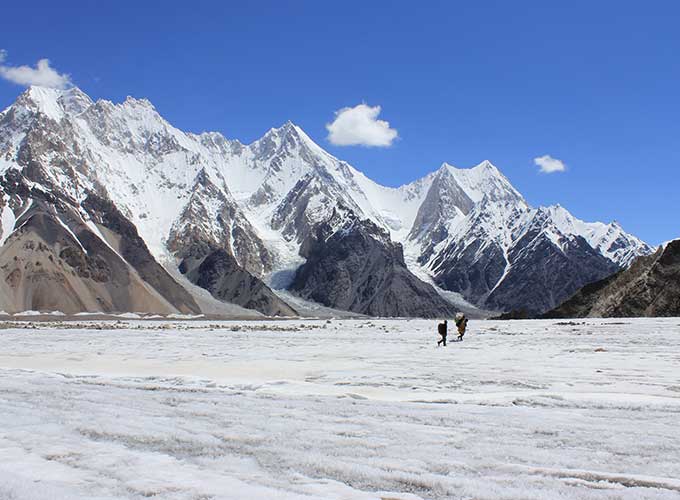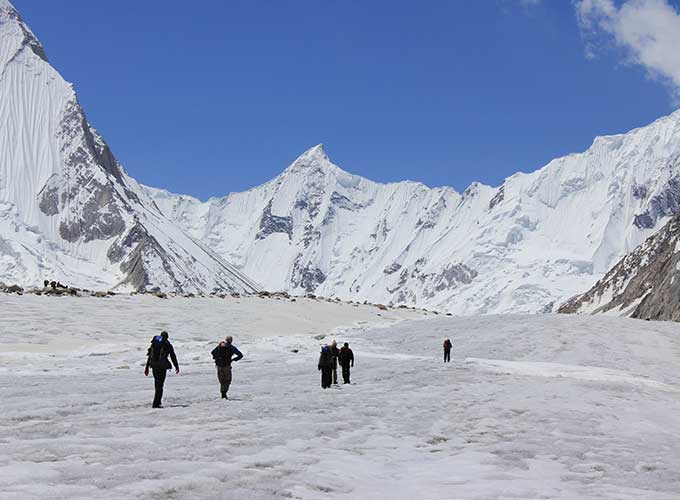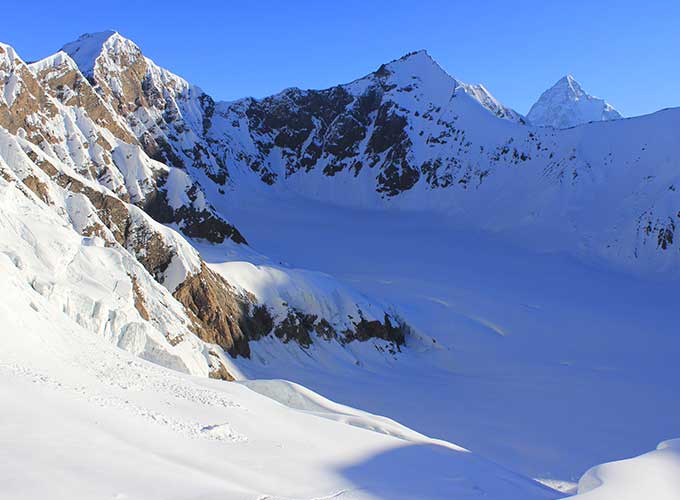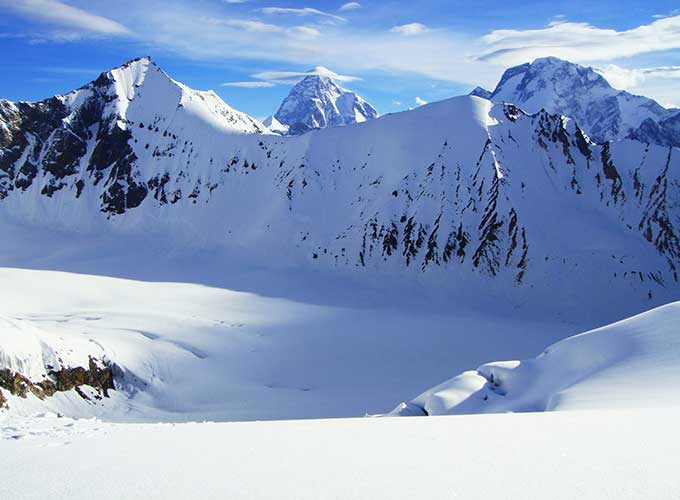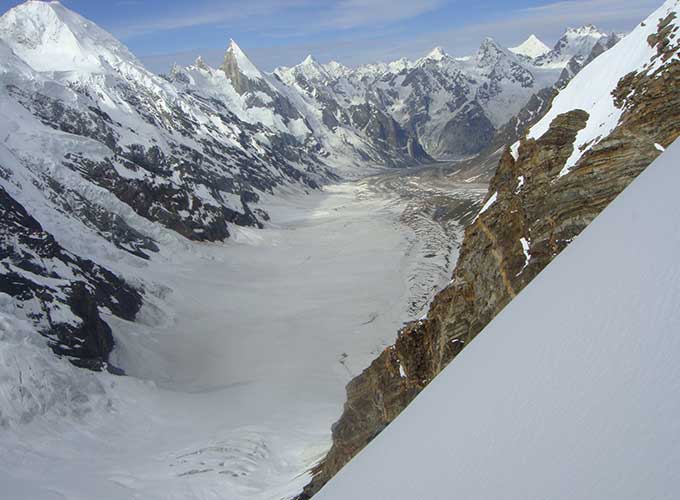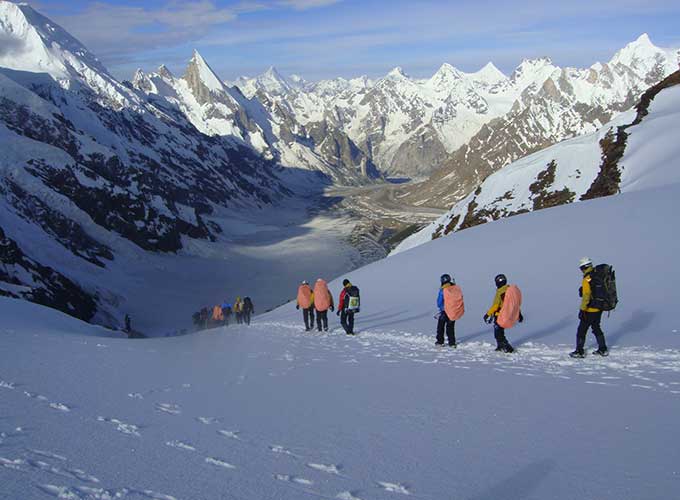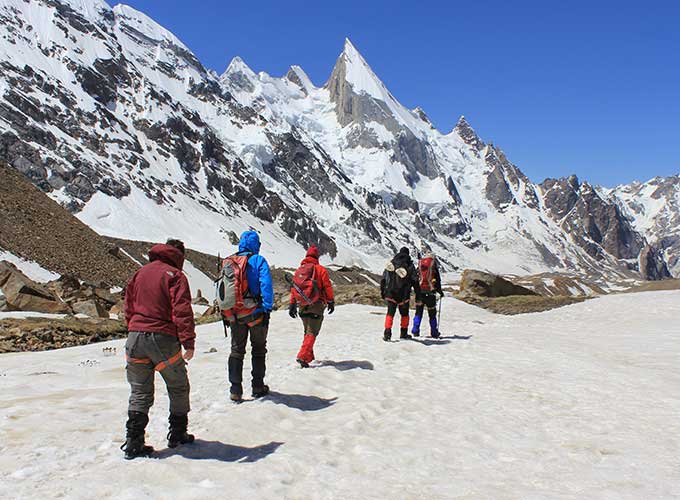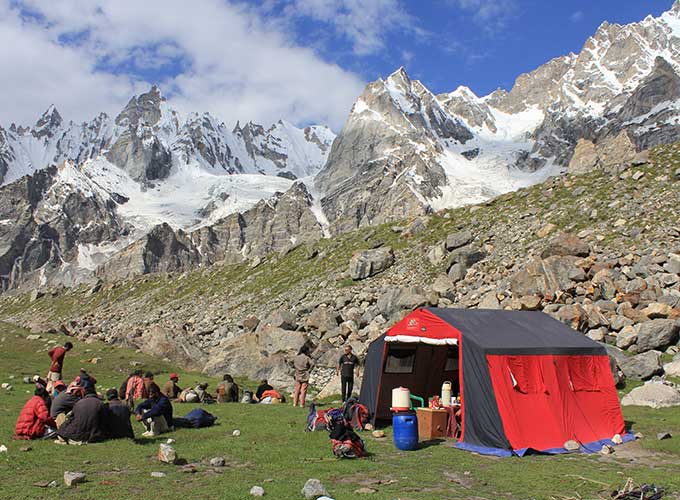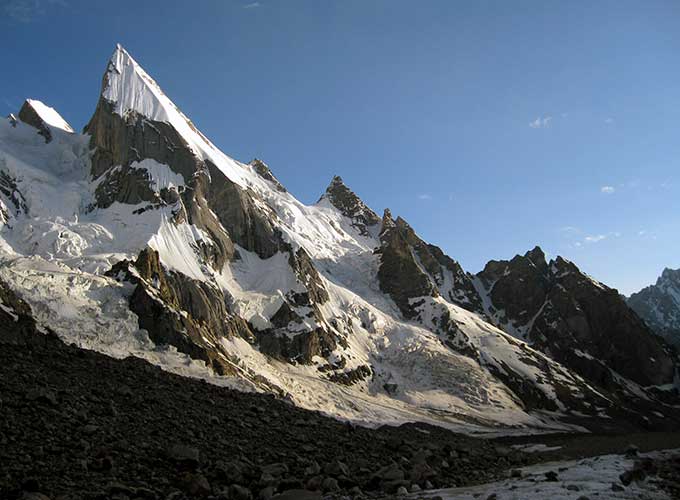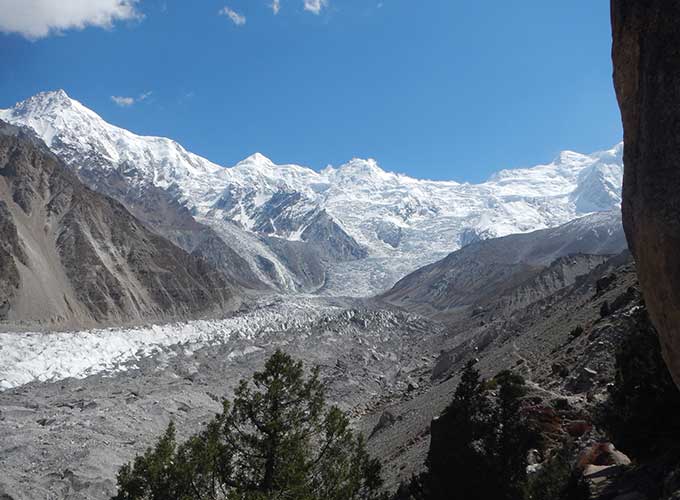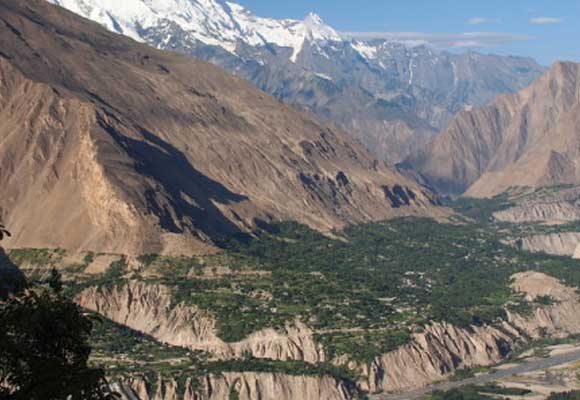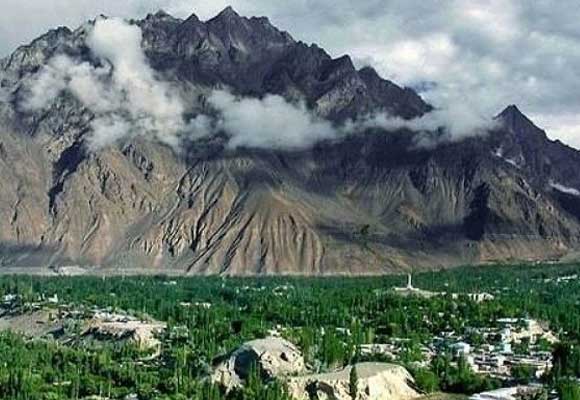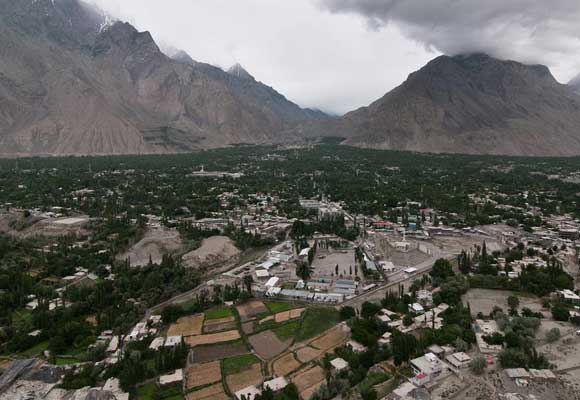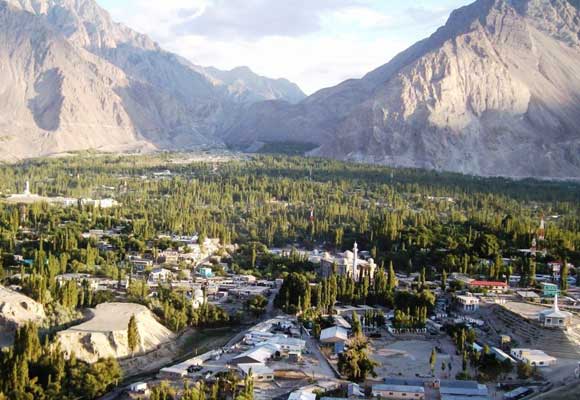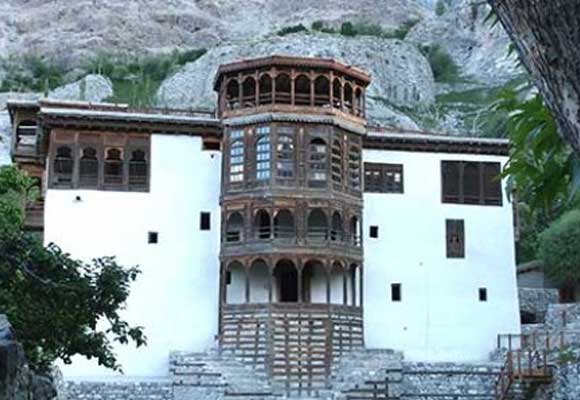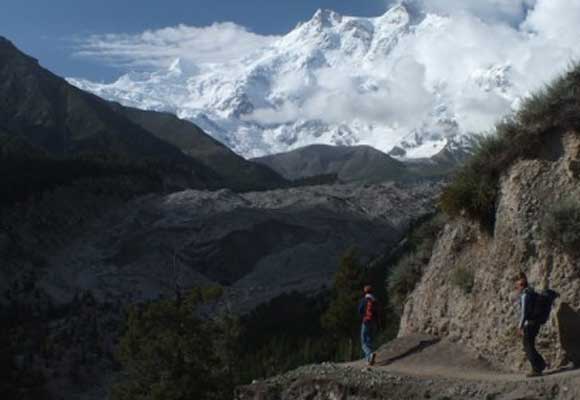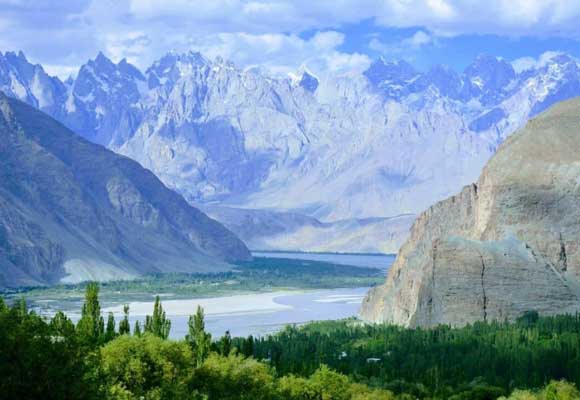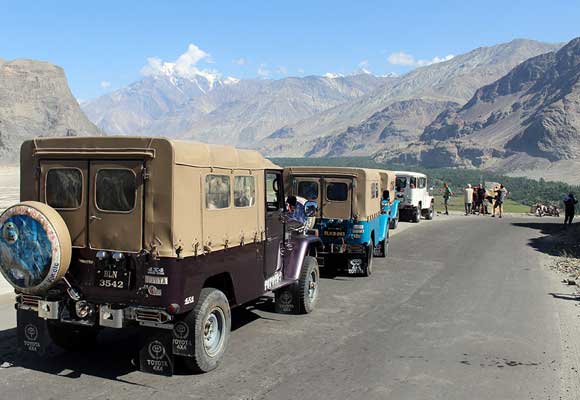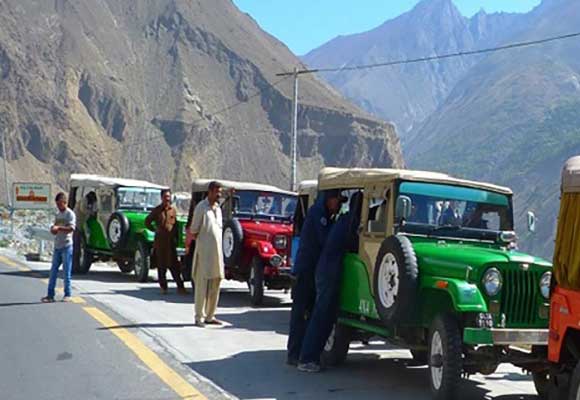
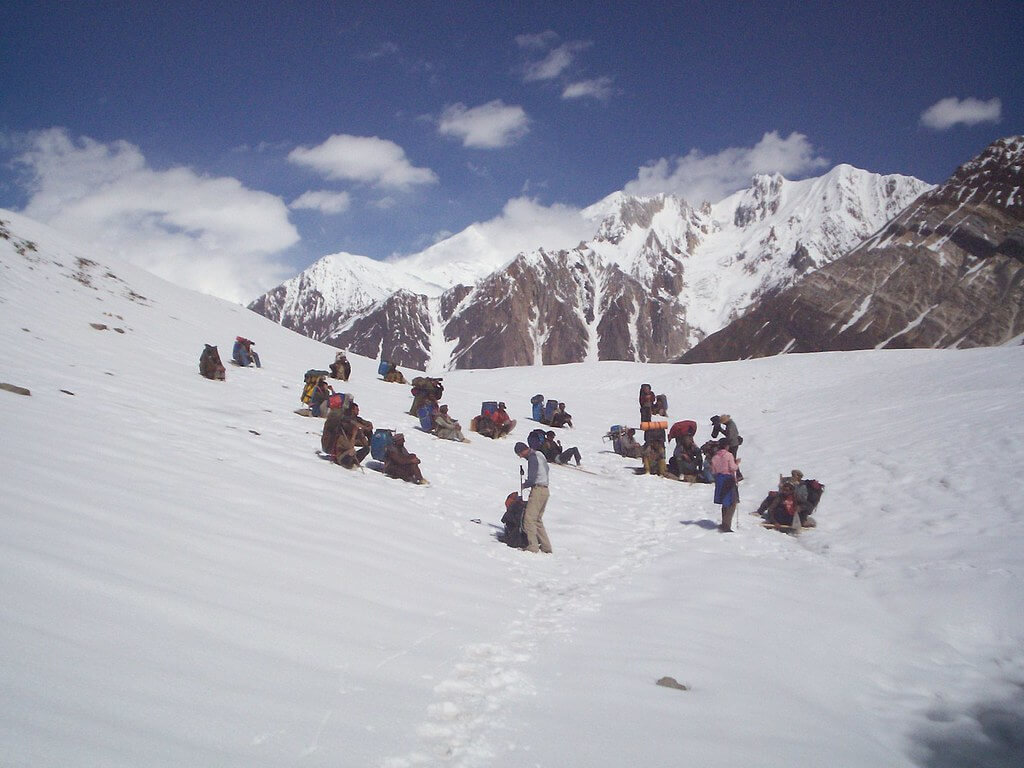
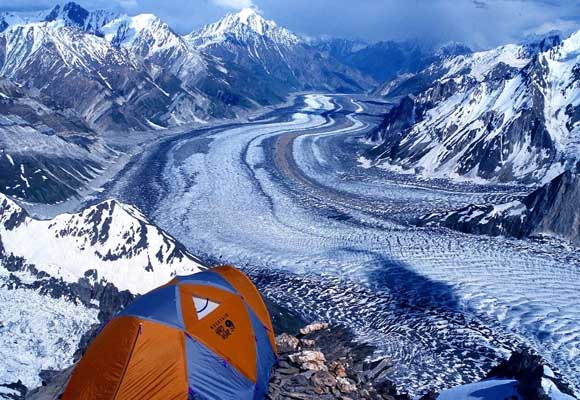
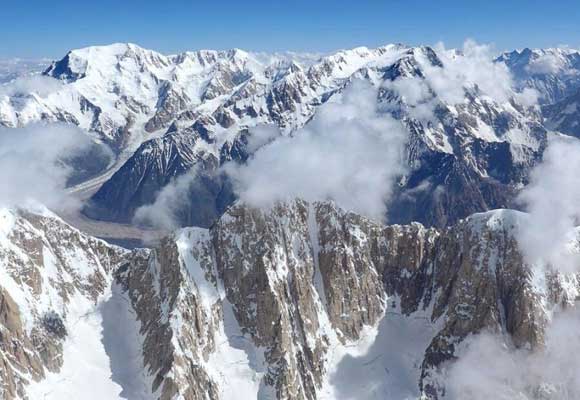
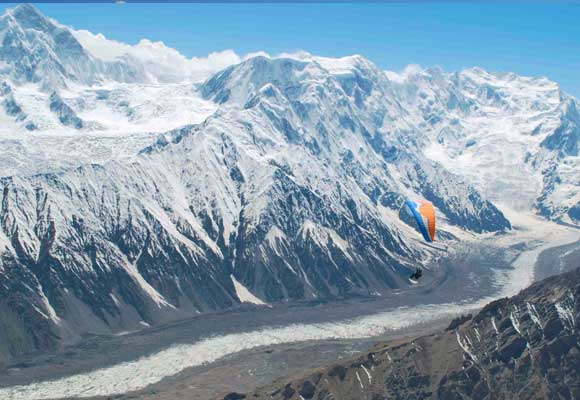
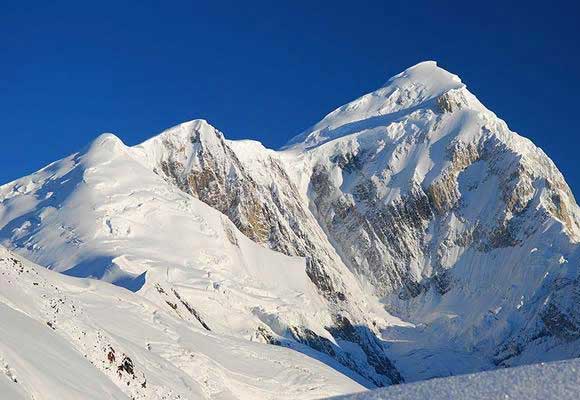
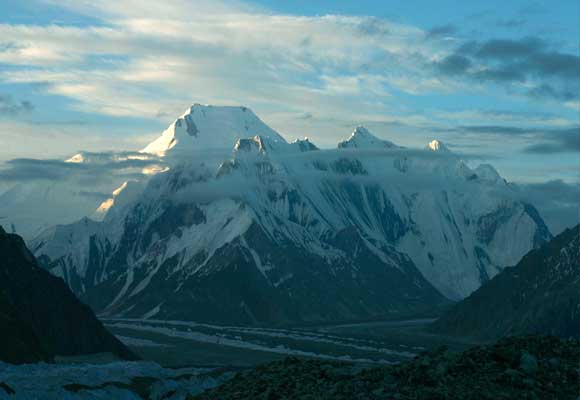
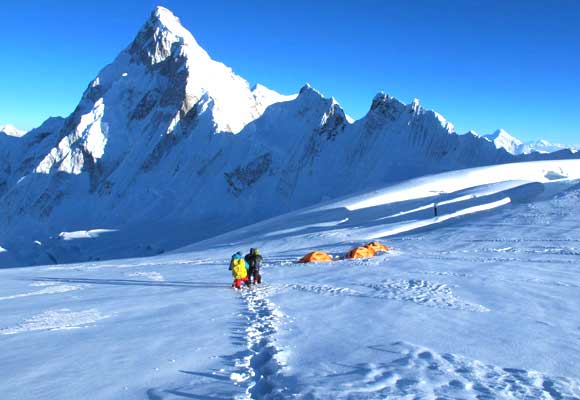
Patundas Trek Pakistan Ultimate Hunza Valley Adventure Guide serves as the definitive roadmap for backcountry explorers seeking an unrivaled, panoramic look into the icy heart of the Karakoram Range. As an Adventure Pakistan market analyst tracking GCC prices and global mountaineering trends, I have closely monitored the shifting patterns of international adventure travelers heading into 2026. While classic trekking corridors grow increasingly commercialized, seasoned hikers are pivoting toward high-altitude alpine meadows that deliver maximum visual impact with efficient logistical timelines. Elevated at an impressive height , the Patundas plateau sits directly between the massive Batura and Passu glaciers, offering a stunning view of more than a dozen soaring peaks, including Passu Sar, Shispare, and Batura I.
The structural landscape of adventure tourism within Pakistan is undergoing a major transformation. Global travelers are looking to maximize their time in the mountains by seeking out routes that offer deep cultural immersion alongside demanding physical rewards. Safely and successfully managing a high-altitude expedition in Upper Hunza requires precise field data, a clear understanding of regional costs, and a structured logistical layout.
Overview Patundas Trek
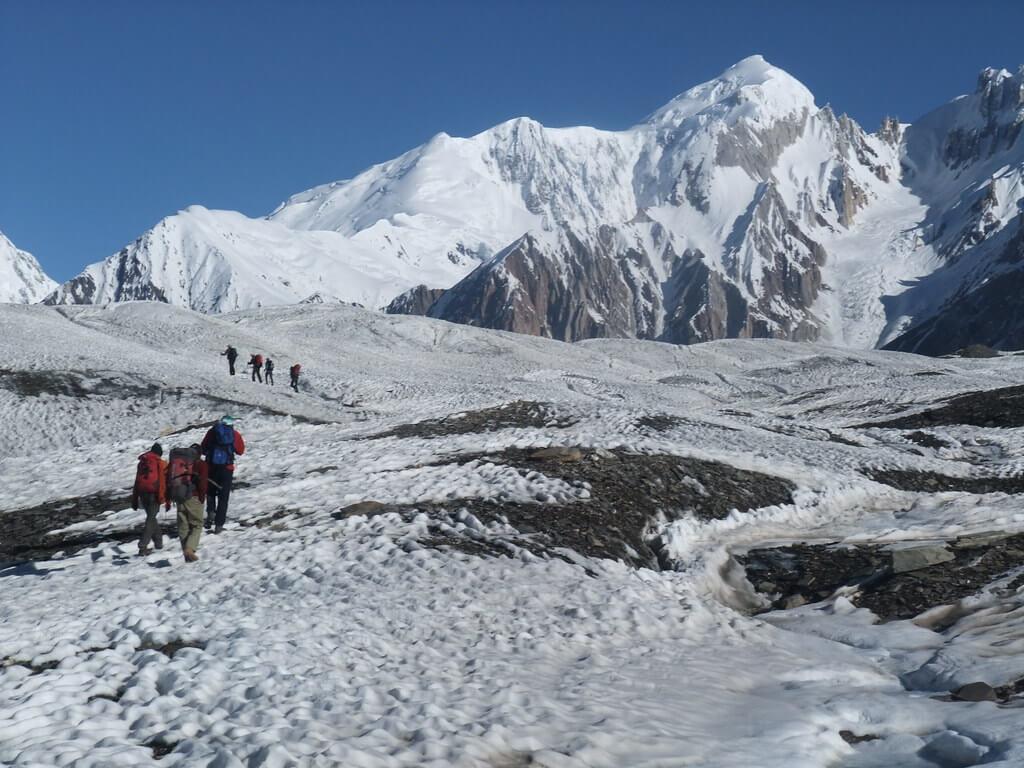
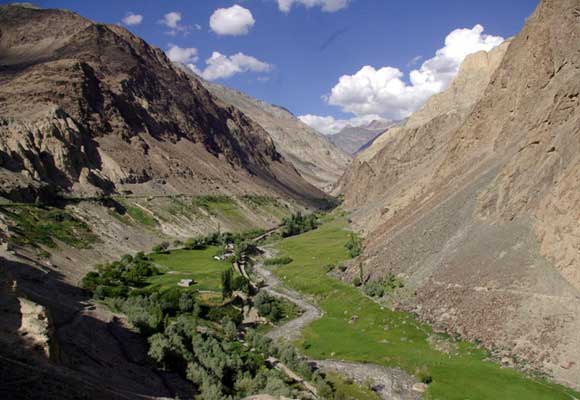
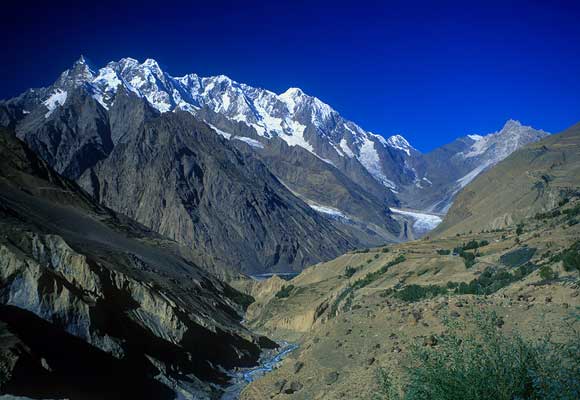
The Patundas meadow trek takes place in Gojal, Upper Hunza, starting near the iconic suspension bridges of Passu or the traditional village of Borit. The trail is characterized by steep, continuous elevation gains that reward hikers with increasingly dramatic aerial views of the surrounding ice fields.
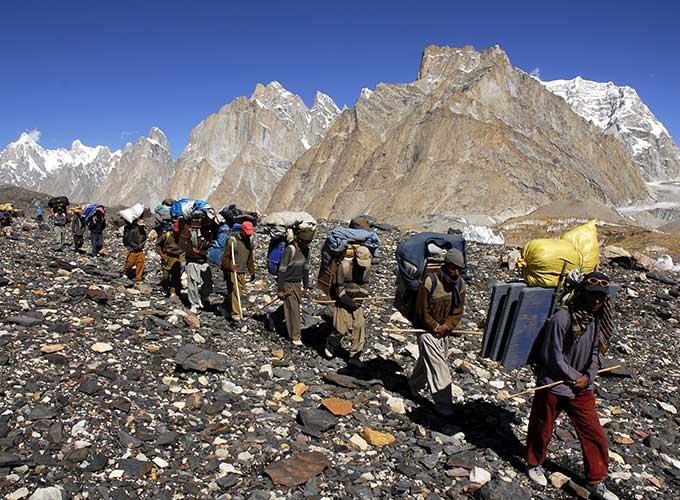
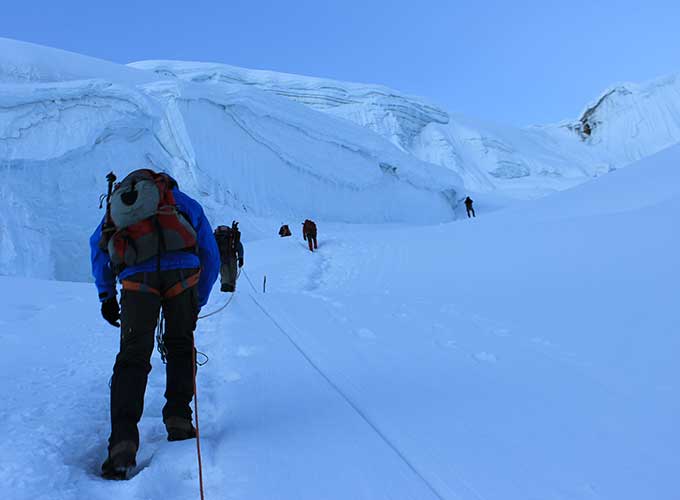
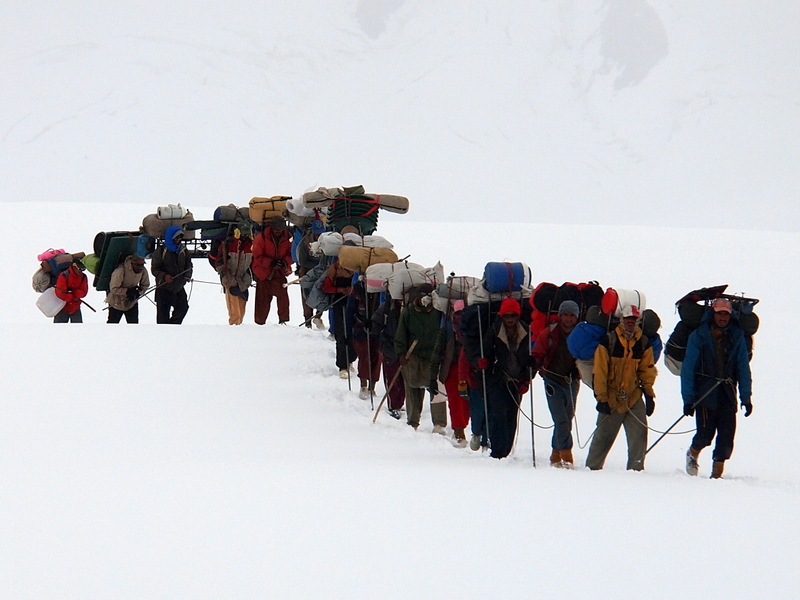
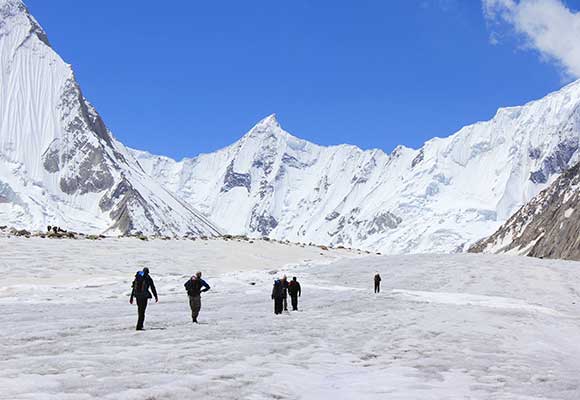
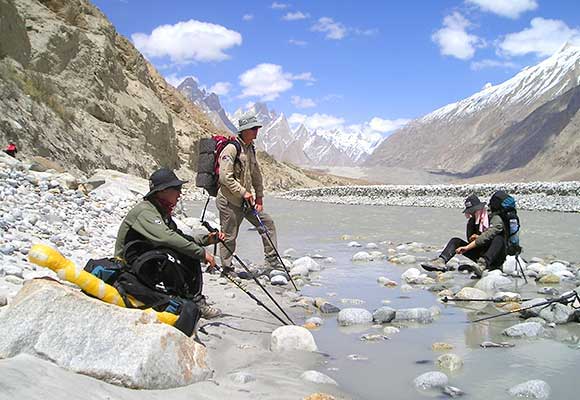
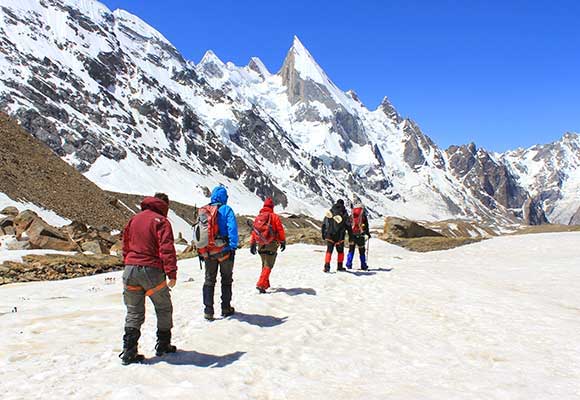
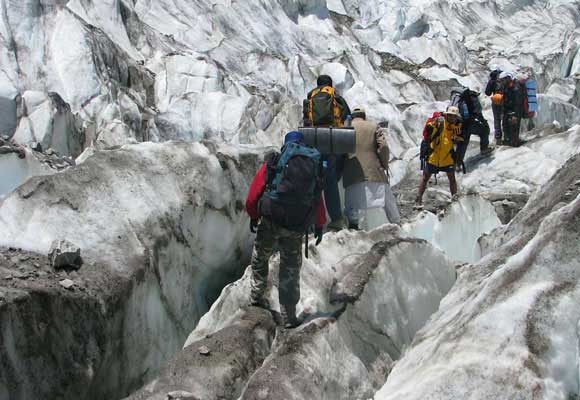
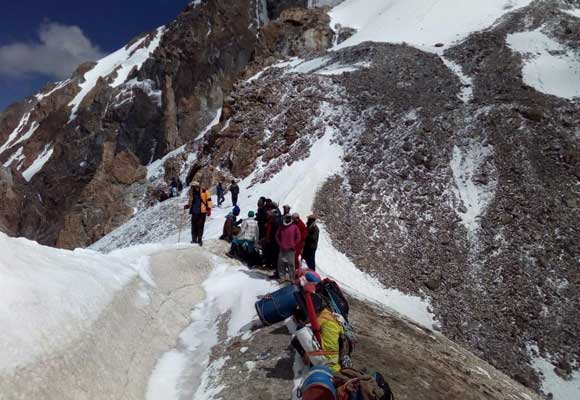
- The Glacier Crossings: Trekkers must cross the moving, white ice of the Passu Glacier. Navigating this section involves walking past deep crevasses, glacial tables, and shifting moraine stones under the close supervision of local guides.
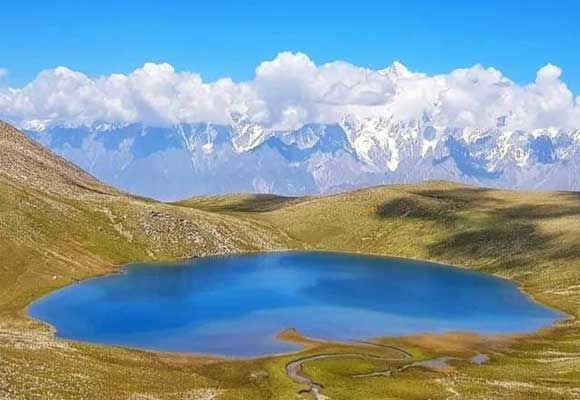
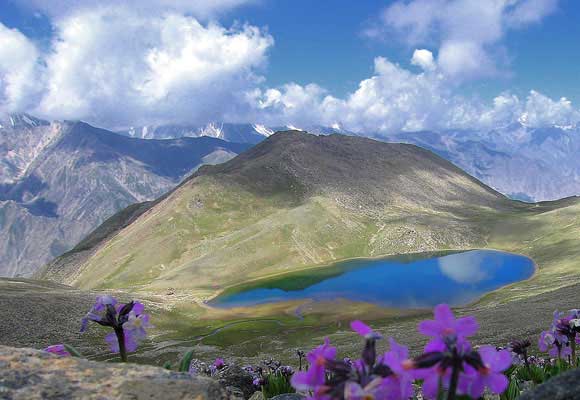
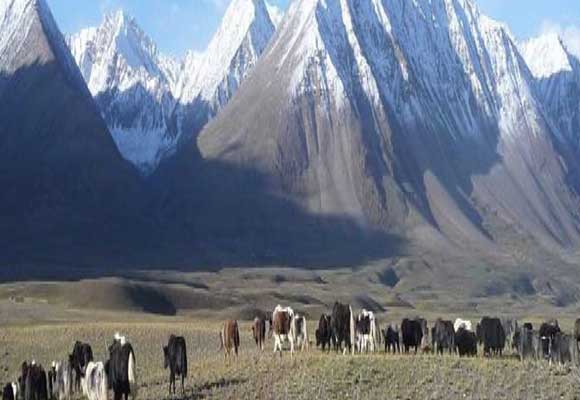
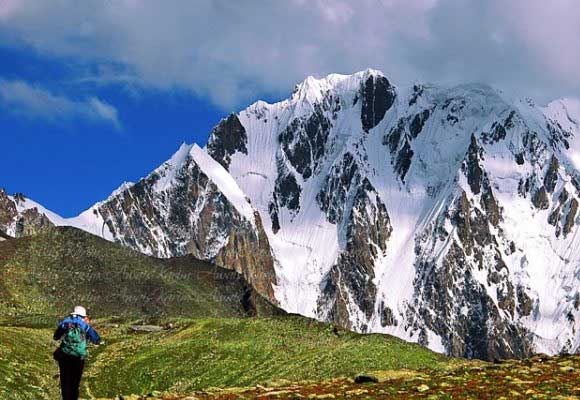
- The High Meadow: Upon ascending the steep ridge to the Patundas plateau ($4,170\text{ m}$), the terrain opens into a pristine alpine pasture. Historically used by Wakhi villagers for summer cattle grazing, this vantage point places you face-to-face with the immense walls of the Batura Massif.
For adventurers looking to bridge this Hunza trek with longer, multi-week glacial expeditions, expanding your itinerary toward the iconic K2 Base Camp Trek provides the ultimate high-altitude step up over the legendary Baltoro Glacier system.
Patundas Trek Costs & Packages
From an operational and financial perspective, the cost of booking adventure travel in Pakistan depends on private transportation logistics, the experience of the local field staff, and the inclusion of high-quality safety gear. Below is a detailed market overview designed to help global operators and independent travelers properly budget for their 2026 mountain journeys.
Start |
End |
Status |
Price |
Deposit |
Registration |
|---|---|---|---|---|---|
01 May |
10 May |
Guaranteed |
$1,400 |
$300 |
|
10 May |
19 May |
Guaranteed |
$1,400 |
$300 |
|
19 May |
28 May |
Guaranteed |
$1,400 |
$300 |
|
28 May |
06 June |
Limited Space |
$1,400 |
$300 |
|
06 June |
15 June |
Guaranteed |
$1,400 |
$300 |
|
15 June |
24 June |
Limited Space |
$1,400 |
$300 |
|
24 June |
03 July |
Guaranteed |
$1,400 |
$300 |
|
03 July |
12 July |
Limited Space |
$1,400 |
$300 |
|
12 July |
21 July |
Guaranteed |
$1,400 |
$300 |
|
21 July |
30 July |
Limited Space |
$1,400 |
$300 |
Patundas Trek Itinerary (10 Days)
Day 1 – Arrival in Islamabad
- Arrive at Islamabad International Airport
- Meet trekking guide and support team
- Transfer to hotel
- Trek briefing and equipment check
- Overnight stay in Islamabad
Day 2 – Travel from Islamabad to Hunza Valley
- Fly to Gilgit or drive via the Karakoram Highway
- Continue to Hunza Valley
- Enjoy views of Rakaposhi, Diran, and Ultar peaks
- Check in to hotel in Karimabad or Passu
- Overnight stay in Hunza
Day 3 – Explore Hunza and Passu
- Visit Attabad Lake
- Explore Hussaini Suspension Bridge
- Visit Passu Village
- Trek preparation and acclimatization
- Overnight stay in Passu
Day 4 – Passu to Borith Lake and Patundas Base Camp
- Drive to Borith Lake
- Begin trekking toward Patundas
- Cross streams and alpine trails
- Reach Patundas Base Camp
- Trek duration: 5–6 hours
- Overnight camping
Day 5 – Trek to Patundas Meadow
- Ascend gradually to Patundas Meadow (approximately 4,200m)
- Panoramic views of Passu Glacier and Batura Glacier
- Views of Passu Cones and Shispare Peak
- Trek duration: 4–5 hours
- Overnight camping at Patundas
Day 6 – Exploration Day at Patundas Meadow
- Acclimatization and rest day
- Photography and sightseeing
- Explore nearby ridges and viewpoints
- Spectacular sunrise and sunset views
- Overnight camping
Day 7 – High Viewpoint Excursion
- Optional hike to higher viewpoints above Patundas
- Enjoy 360-degree views of the Karakoram Mountains
- Observe glaciers and alpine landscapes
- Return to Patundas Camp
- Overnight camping
Day 8 – Trek Back to Borith Lake
- Descend from Patundas Meadow
- Enjoy final glacier views
- Return to Borith Lake and Passu
- Trek duration: 5–6 hours
- Overnight stay in Passu
Day 9 – Return to Islamabad
- Drive to Gilgit and fly to Islamabad (weather permitting)
- Alternative road journey via Karakoram Highway
- Transfer to hotel
- Farewell dinner
- Overnight stay in Islamabad
Day 10 – Departure
- Free time in Islamabad depending on flight schedule
- Airport transfer
- End of Patundas Trek services
Frequently Asked Questions (FAQs)
What is the best season to complete the Patundas Trek in Hunza?
The ideal window runs from mid-June to mid-September. During this summer timeframe, the high-altitude meadow is free of heavy winter snow, and local shepherds are present with their livestock. Trekking outside this window usually requires navigating freezing temperatures and deep snow cover along the steep ridge lines.
Is technical climbing gear required for the Passu Glacier crossing?
No technical mountaineering gear like ropes, ice axes, or climbing harnesses is required under standard summer conditions. However, sturdy trekking boots with deep lug soles are mandatory for traction on the loose moraine and white ice. Trekking poles are highly recommended to maintain balance when crossing shifting rocks.
How do trekkers access clean water and food on the Patundas ridge?
Because there are no natural, clean water springs on the top of the dry Patundas plateau, your guiding team must carry up clean water or harvest clean snow from nearby high gullies. All food, kitchen gear, and fuel are transported up by your porter team, making a professionally organized crew essential for this specific itinerary.
Why Choose the Patundas Trek in 2026?
For serious trekkers planning their upcoming season, choosing the Patundas ridge over traditional valley walks comes down to perspective, crowd density, and acclimatization benefits. Unlike highly frequented routes like the northern face found on the Fairy Meadows Trek, Patundas offers a raw, untouched high-alpine experience where you are far more likely to share the trail with local Wakhi shepherds than crowds of tourists.
From a strategic perspective, this trek serves as an exceptional acclimation ground for athletes preparing for more intense vertical challenges. Because it quickly transitions from the historic Karakoram Highway up onto a high glacial divide, it challenges your cardiovascular endurance while keeping your total travel window under a week. For premium travelers seeking a striking, time-efficient mountain journey, it represents the absolute pinnacle of Upper Hunza trekking.
Exploring the Great Glacial Highways of Gilgit-Baltistan
Beyond the immediate boundaries of Upper Hunza, Pakistan’s backcountry is home to some of the largest non-polar glacial highways on earth. These remote paths serve as elite testing grounds for mountaineers and bucket-list goals for international distance trekkers.
The K2 and Gondogoro La Technical Circuit
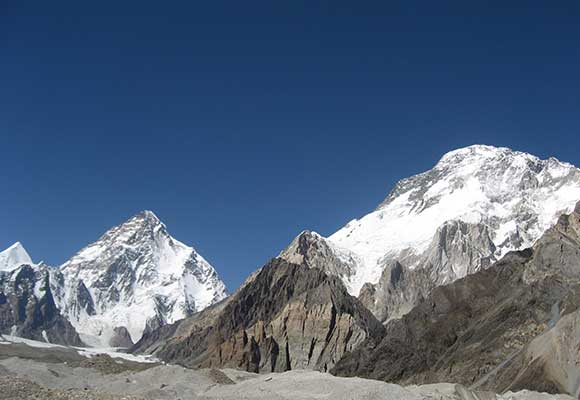
For those looking to push past basic alpine hiking into true technical territory, combining a Hunza trip with the K2 and Gondogoro La Trek Pakistan 2026 is an excellent choice. Crossing this high pass at $5,585\text{ meters}$ requires fundamental mountaineering skills, including basic rope team management, crampon coordination, and ice axe self-arrest mechanics. Standing at the top of the pass rewards you with a legendary view of four independent $8,000\text{-meter}$ peaks: K2, Broad Peak, Gasherbrum I, and Gasherbrum II.
The Wilderness of Snow Lake
If your ideal trip involves complete, untamed isolation away from any established infrastructure, the Snow Lake trek (the Biafo-Hispar glacial highway) represents the absolute pinnacle of wilderness trekking. This high-altitude glacial basin sits at an elevation of over $4,500\text{ meters}$, forming a massive, smooth expanse of ice surrounded by sharp granite towers. It is a logistically demanding route that requires complete self-sufficiency, winter camping gear, and precise group navigation.
Alpine Trekking and Iconic Valley Viewpoints
Not every journey through Pakistan’s northern mountain chains requires navigating deep crevasses or enduring weeks of wilderness tent camping. The region features accessible alpine trails that deliver incredible visual rewards over shorter durations.
Rakaposhi Base Camp: The Pride of Hunza
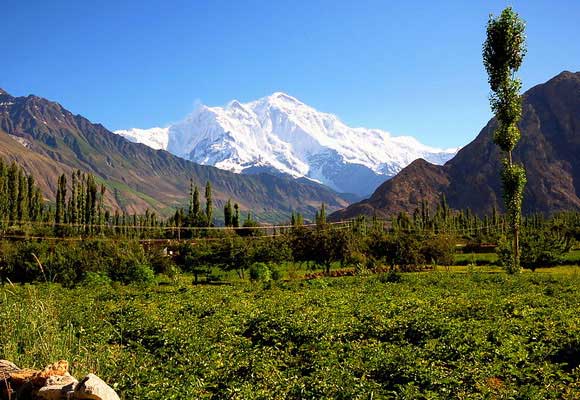
The Rakaposhi base camp Hunza valley trek offers one of the quickest transitions from a green, inhabited valley floor to the massive vertical face of a $7,788\text{-meter}$ mountain. Starting from the village of Minapin, the trail winds upward through terraced fields and pine forests, positioning hikers right along the edge of a massive glacial tongue beneath Rakaposhi’s shimmering north wall.
Fairy Meadows: Nanga Parbat’s Northern Face
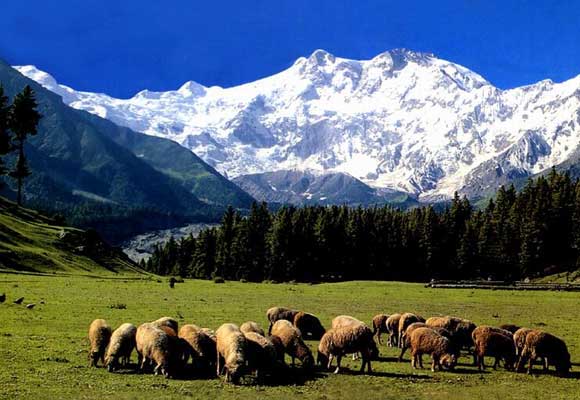
Further south, tucked away in the Diamer district, lies the iconic Fairy Meadows Trek. This sub-alpine meadow offers an uninterrupted view of the “Killer Mountain,” Nanga Parbat ($8,126\text{ m}$). It remains a quintessential introductory route for travelers seeking to experience the raw scale of the western Himalayas while enjoying the relative comforts of wooden alpine cabins and evening campfires.
Ancient Legacies and Vibrant Cultural Festivals
While the mountains form the geographical backbone of Pakistan’s tourism, the country’s rich cultural tapestry provides an equally compelling reason to visit. The historical and living heritage found within these valleys offers a fascinating window into ancient civilizations and vibrant, isolated traditions.
Discovering the Cradle of Civilization
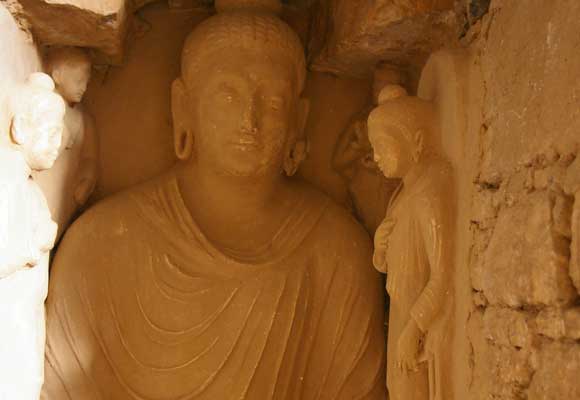
For travelers who prefer historical exploration over mountain passes, the Indus valley civilization tour takes you across thousands of years of urban history. Exploring ancient archaeological sites like Mohenjo-daro and Harappa reveals advanced bronze-age engineering, sophisticated grid-based city planning, complex drainage networks, and artistic legacies that predate many modern western civilizations.
The Highest Polo Ground on Earth
High up on the border between Chitral and Gilgit-Baltistan lies the Shandoor Pass. Every summer, this isolated plateau hosts the Shandoor Polo festival, a fierce, unrefereed tournament where rival teams play a raw, historical variant of the king’s sport at an elevation of $3,734\text{ meters}$. The event turns the desolate mountain pass into a lively tent city filled with traditional music, folk dancing, and intense local passion.
The Living Traditions of the Kalash Valleys
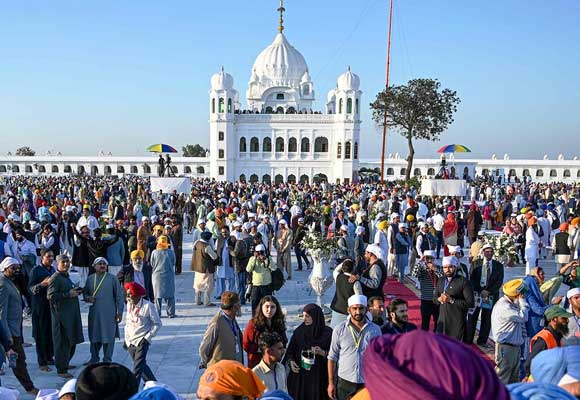
In the remote valleys of Chitral, the indigenous Kalash people have preserved their distinct cultural identity, polytheistic beliefs, and ancient traditions for centuries. Booking a kalash festival tour during seasonal celebrations like Chilam Joshi, Uchal, or Chawmos allows travelers to experience vibrant attire, rhythmic communal dances, and deep-rooted spiritual rituals that stand out uniquely against the surrounding cultural landscapes.
The high alpine ridges of Gojal remain some of the world’s most spectacular, raw, and visually rewarding settings for mountain exploration. From the sheer, sweeping vistas highlighted in Patundas Trek Pakistan Ultimate Hunza Valley Adventure Guide to the massive trans-Karakoram glacial networks and vibrant regional cultural festivals, Pakistan offers a truly world-class playground for backcountry travel.
Succeeding in these demanding high-altitude settings requires balancing an adventurous spirit with meticulous preparation, a trusted local guiding team, and a deep respect for the unpredictable nature of mountain weather patterns. By aligning your travel plans with seasoned operators, choosing the right seasonal packages, and physically preparing for the steep demands of the trail, you can safely experience the timeless, majestic legacy of the Karakoram.
K2 Base Camp and Gondogoro La Trek
K2 Base Camp Trek
K2 Base Camp Trek Concordia
Mashabrum & Gondogoro BC Trek
K6/K7 BC Trek
Thalle La Trek Pakistan
Spantik Base Camp & Haramosh La Trek
Rakaposhi Base Camp Trek
Batura Glacier Trek
Patundas Trek
Shimshal Valley Trek
Tirich Mir Base Camp Trek
Wakhan Corridor Trek
Naltar Ishkoman Pass Trek
Darkot and Broghil Passes Trek
Around Nanga Parbat Mazeno Pass Trek
5X8000m Base Camp Trek
Great Karakorum Traverse Trek
K2 Expedition (8611m)
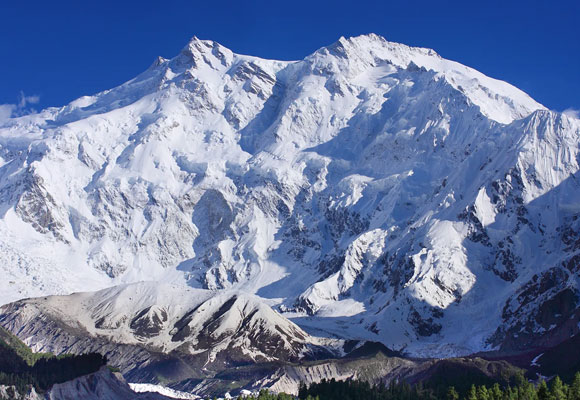
Nanga Parbat Expedition (8126m)
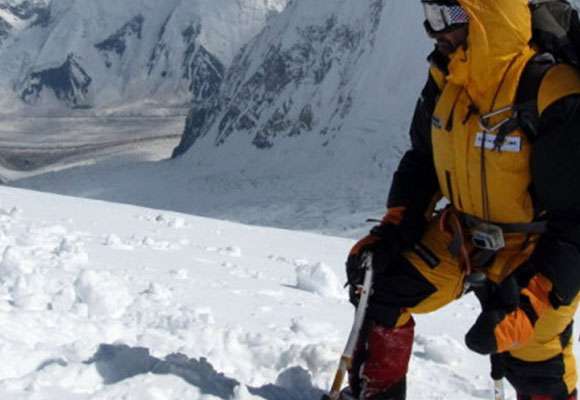
Broad Peak Expedition (8047m)
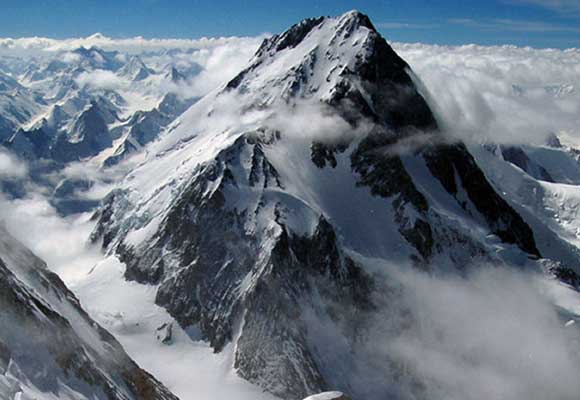
Gasherbrum 1 Expedition (8068m)
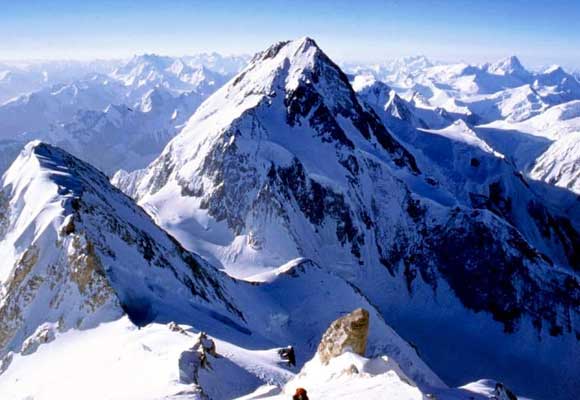
Gasherbrum II Expedition (8035m)
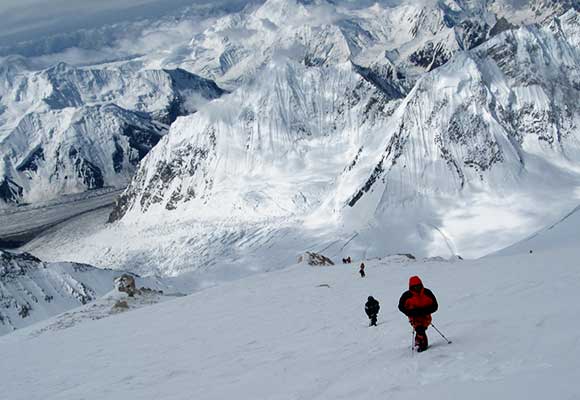
Gasherbrum III Expedition (7952m)
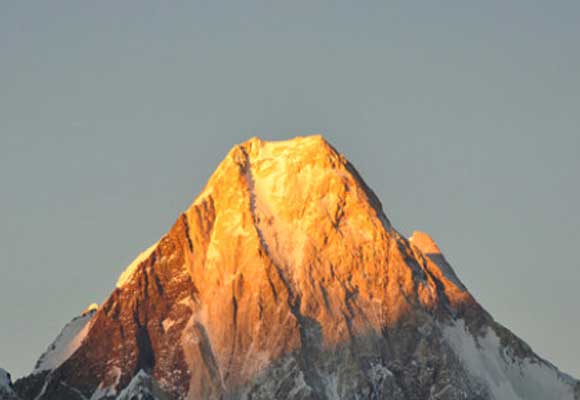
Gasherbrum IV Expedition (7925m)
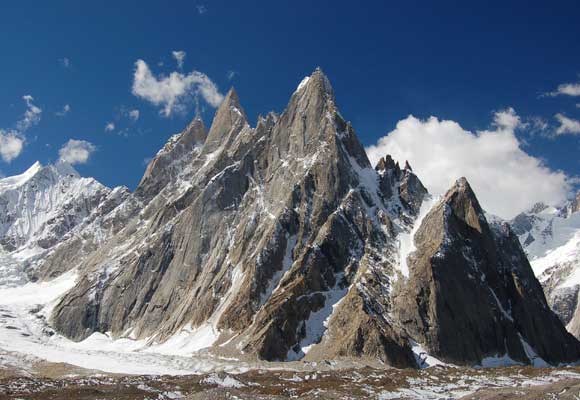
Masherbrum Expedition (7821m)
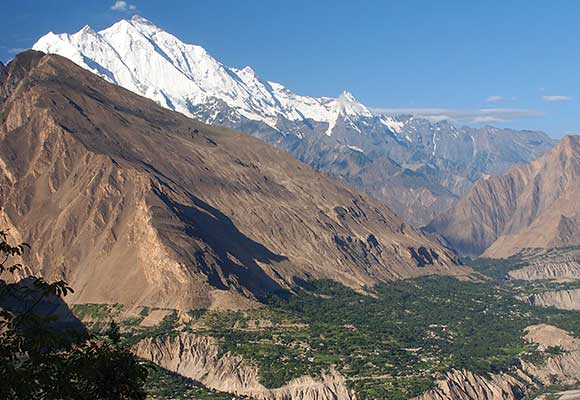
Rakaposhi Expedition (7788m)
Batura Sar Expedition (7785 m)
Tirich Mir Expedition (7708m)
Chogolisa Expedition (7665 m)
Passu Peak Expedition (7478m)
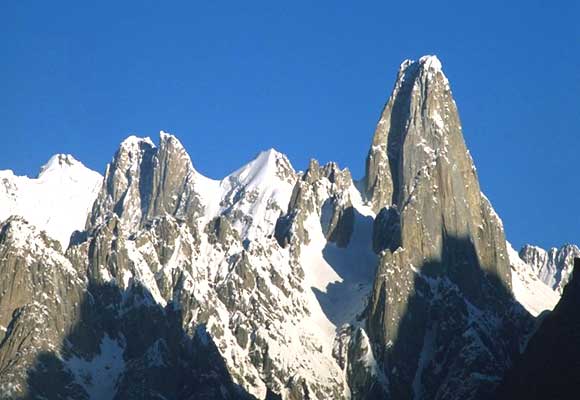
Muztagh Tower Expedition (7273m)
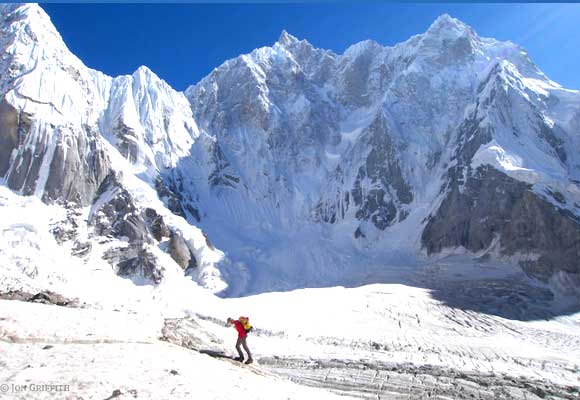
K6 Peak Expedition (6935m)
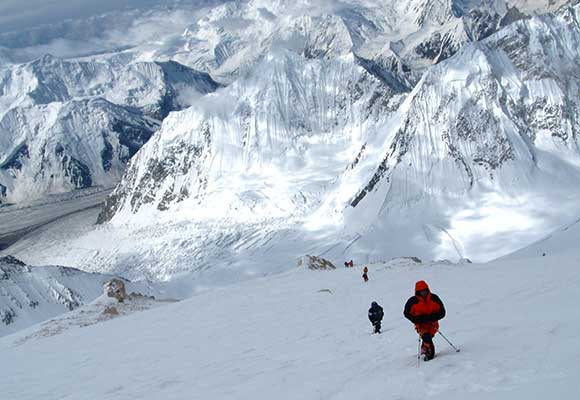
Diran Peak Expedition (7272m)
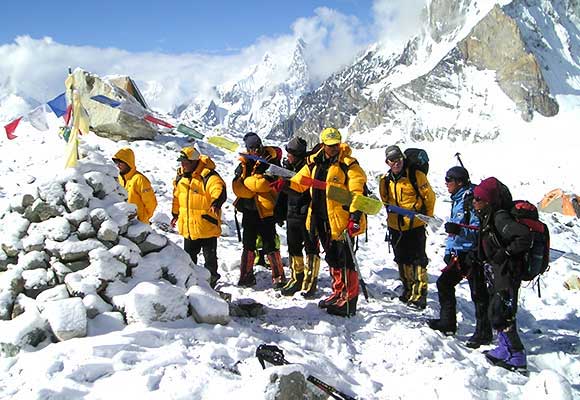
Latok 1 Expedition (7145 m)
Laila Peak Expedition (6095m)
Minglik Sar Peak Expedition (6050m)
Rush Peak Expedition (5,098m)