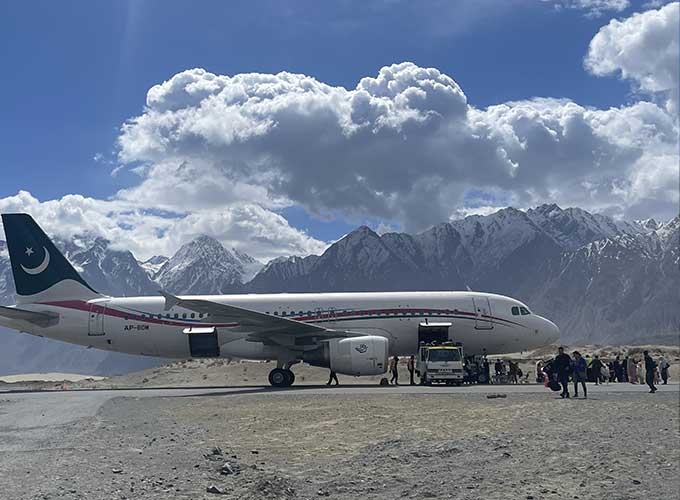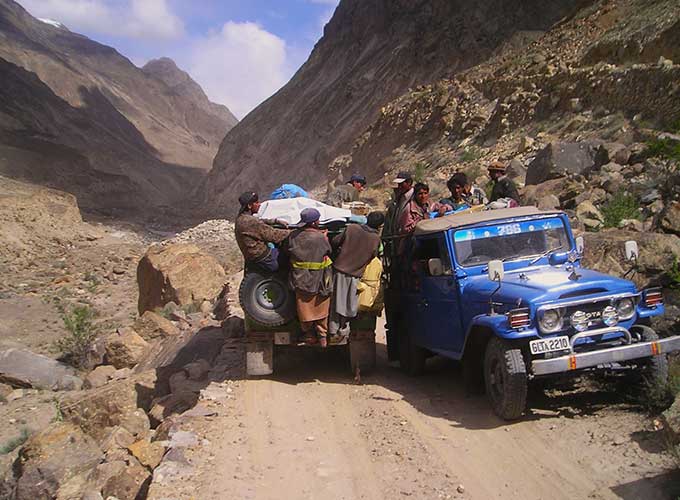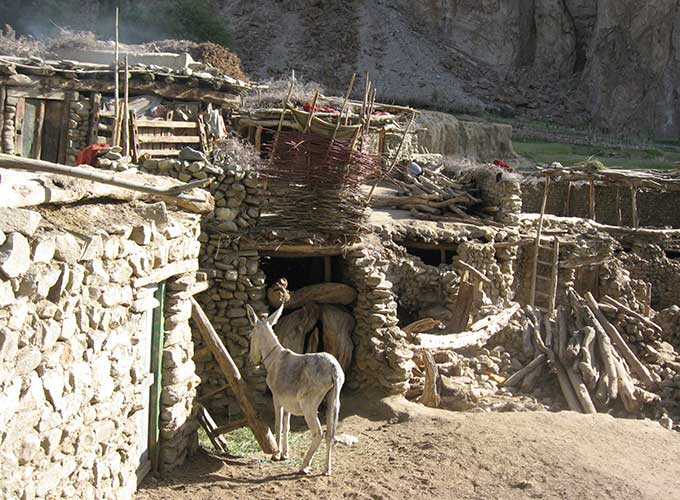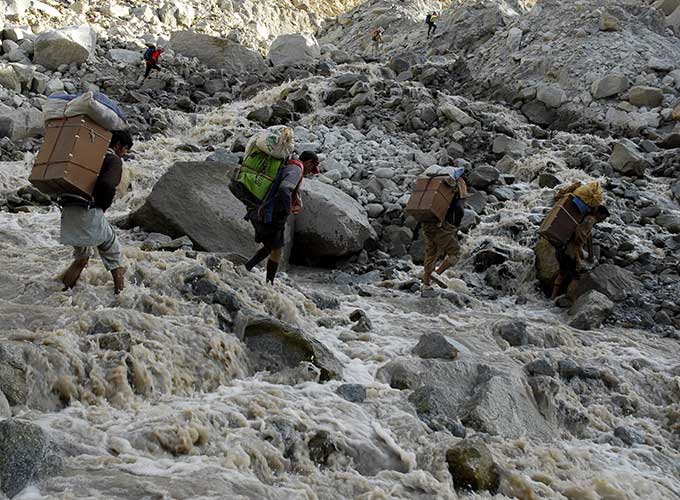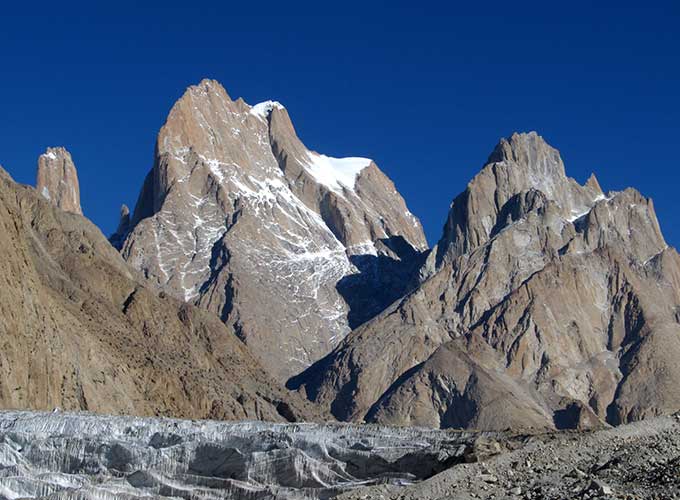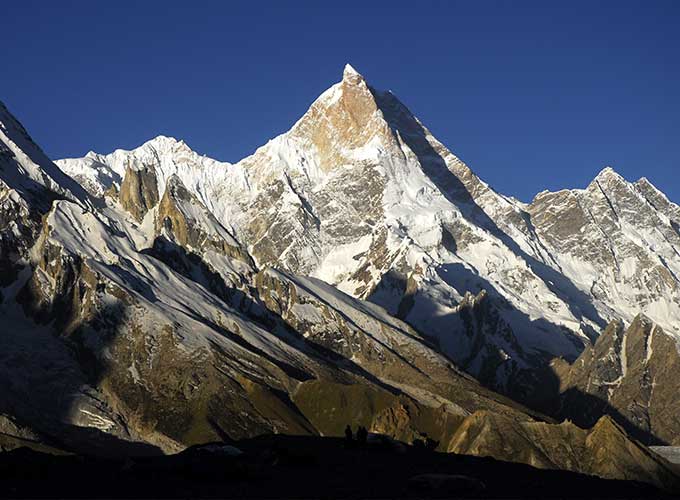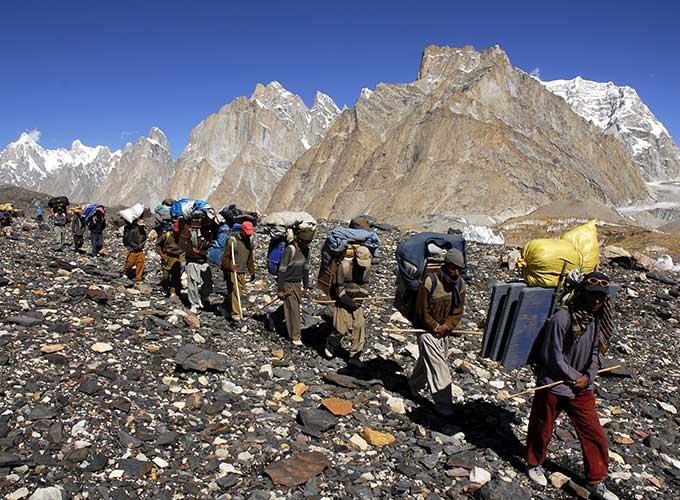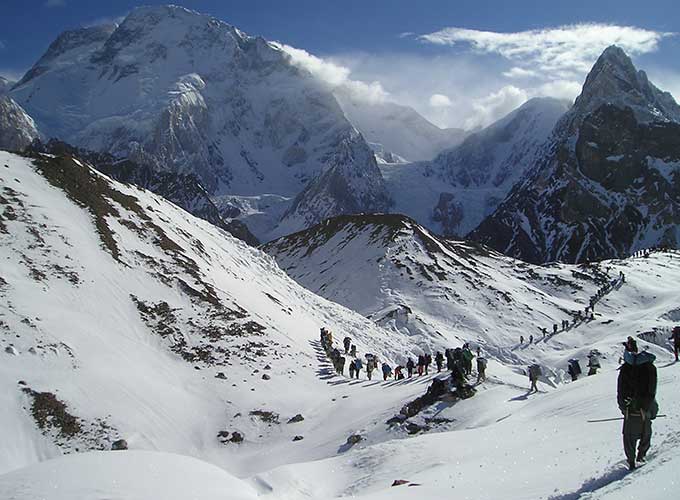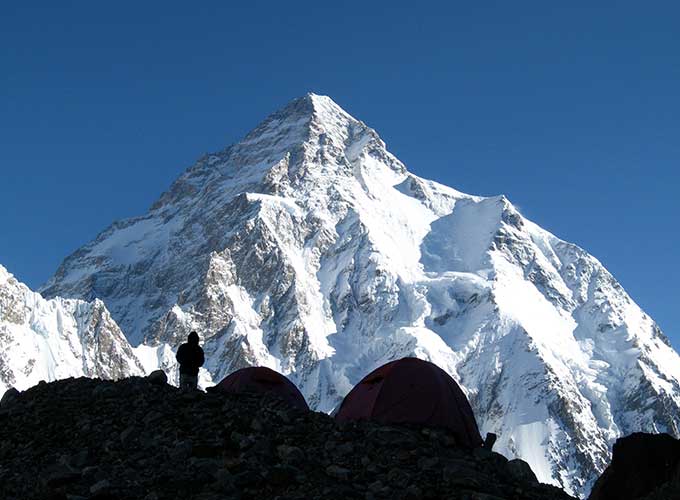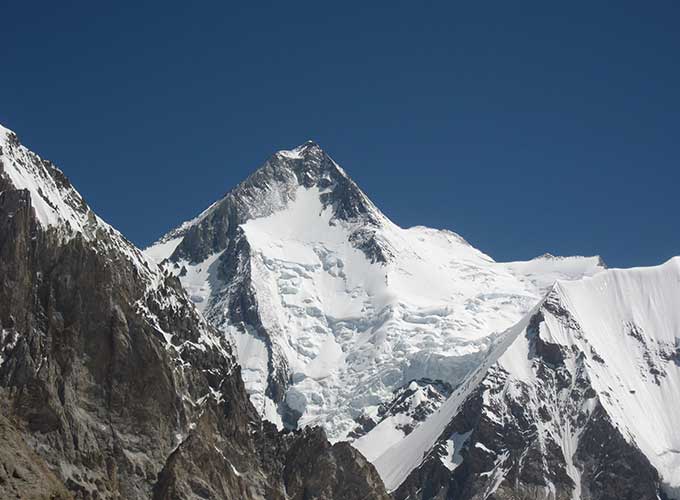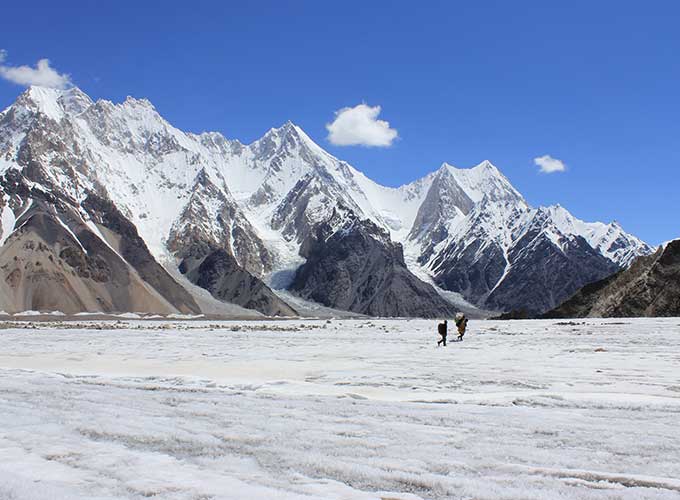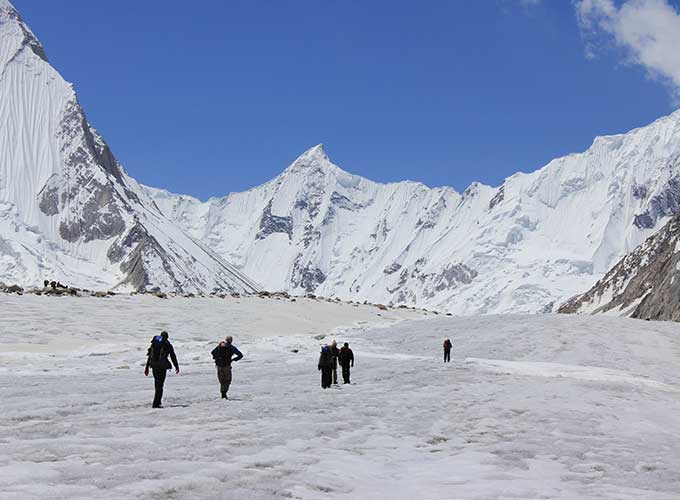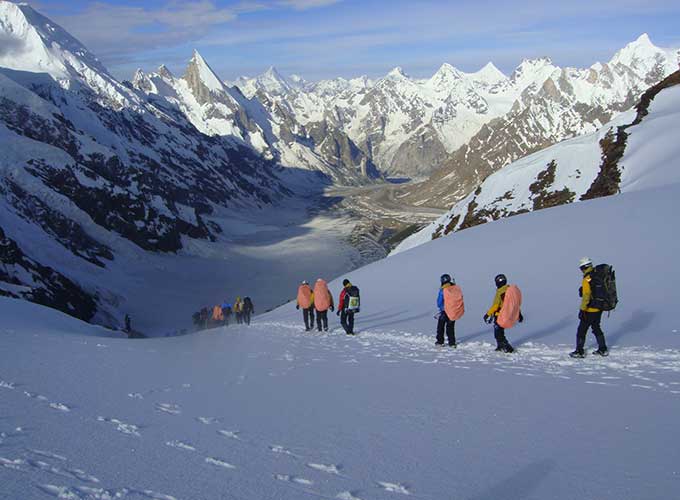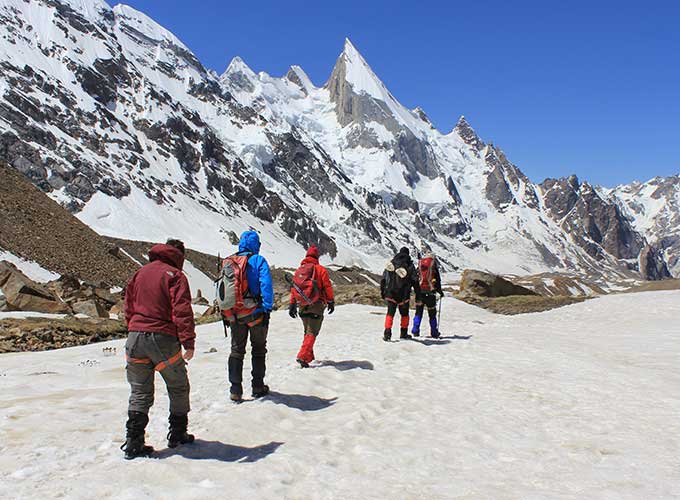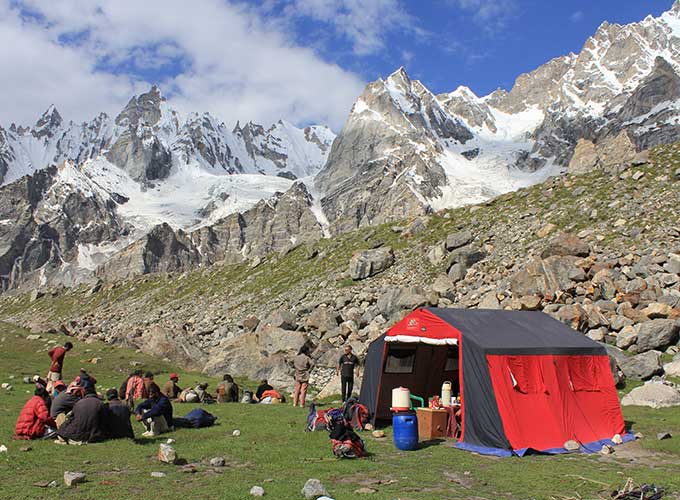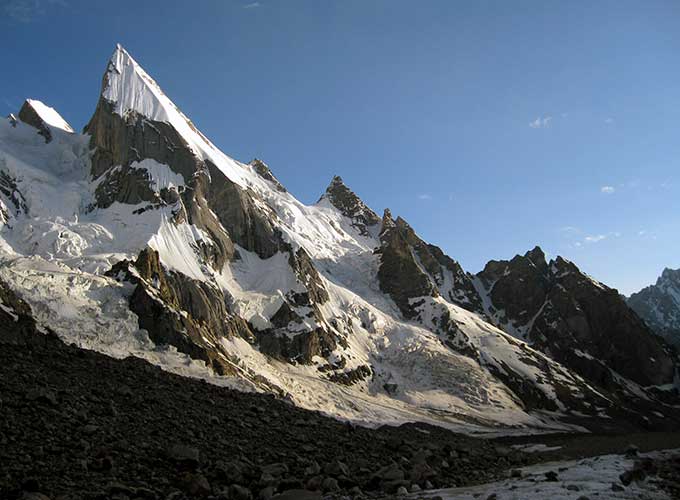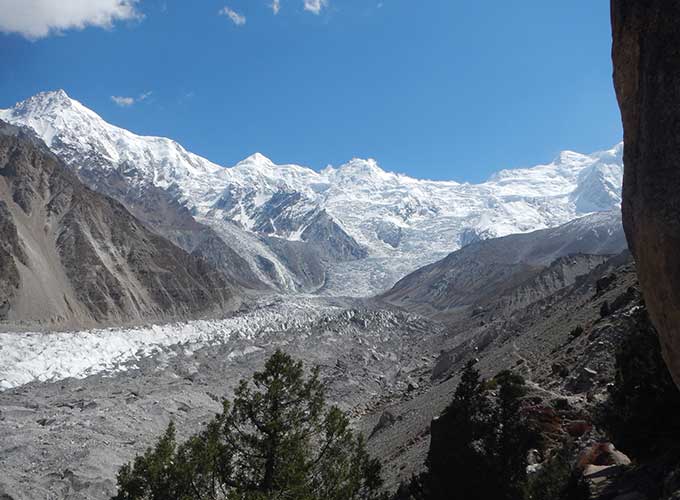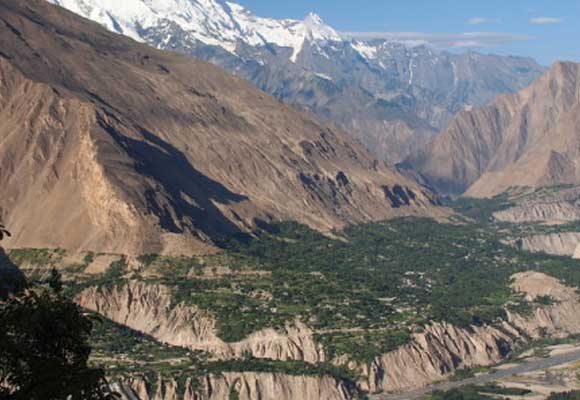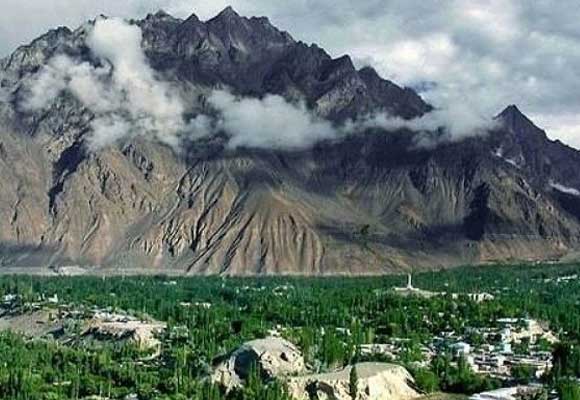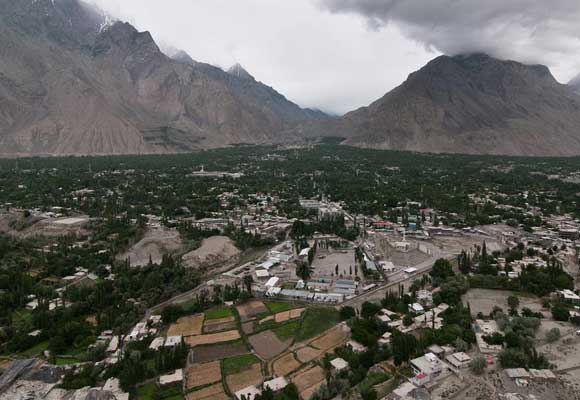
Rakaposhi Base Camp Trek Weather 2026 Seasonal Conditions, Rain & Snow Guide serves as the definitive environmental forecast for trekkers looking to navigate the volatile climates of Gilgit-Baltistan this season. As an Adventure Pakistan market analyst tracking GCC prices, infrastructural tourism investments, and weather patterns across the Karakoram range, I recognize that timing your trek around real-time atmospheric conditions is paramount. While extreme, remote expeditions such as the multi-week K2 Base Camp Trek or the physically demanding K2 and Gondogoro La Trek Pakistan 2026 present major logistical windows, the Rakaposhi base camp Hunza valley trek offers a much more accessible microclimate—provided you understand its unique seasonal shifts.
Rakaposhi Base Camp Trek Weather Overview 2026
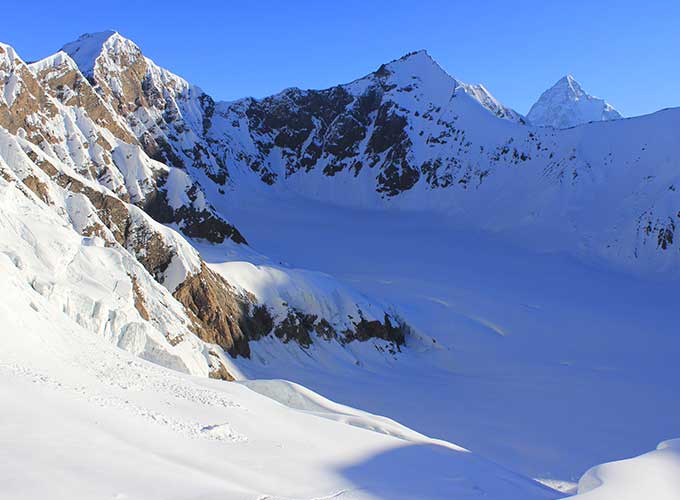
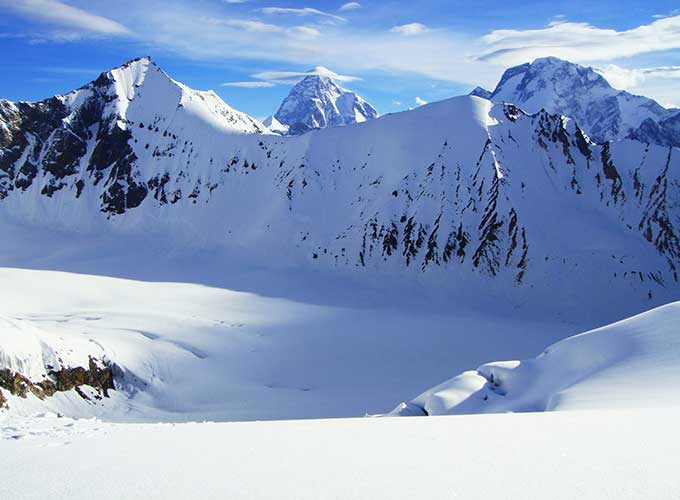
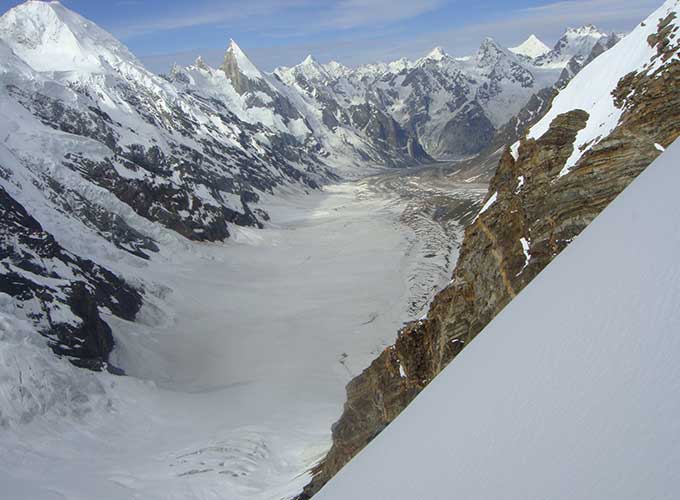
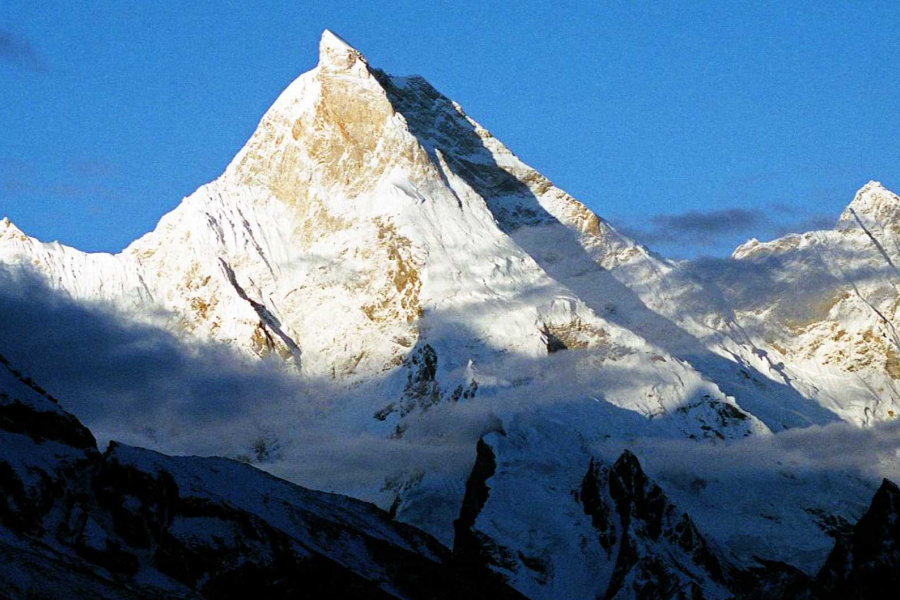
The weather at Rakaposhi Base Camp changes according to altitude and season. Although the trek is considered moderate compared with high-altitude expeditions, mountain weather can change quickly.
Main weather features include:
- Cool mornings and nights
- Pleasant daytime temperatures
- Occasional summer rainfall
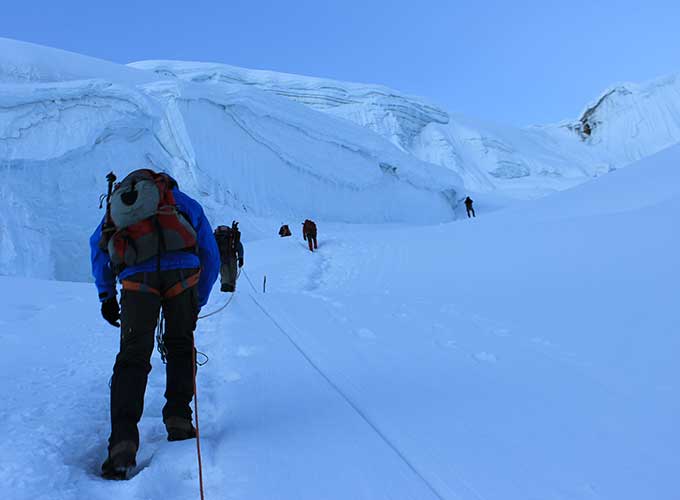
- Snow at higher elevations
- Strong mountain winds
The best trekking season generally runs from May to October, when trails are accessible and weather conditions are more stable.
Rakaposhi Base Camp Trek Cost
Start |
End |
Status |
Price |
Deposit |
Registration |
|---|---|---|---|---|---|
19 May |
07 June |
Guaranteed |
$1500 |
$300 |
|
27 May |
15 June |
Guaranteed |
$1500 |
$300 |
|
03 June |
22 June |
Guaranteed |
$1500 |
$300 |
|
09 June |
28 June |
Guaranteed |
$1500 |
$300 |
|
16 June |
05 July |
Guaranteed |
$1500 |
$300 |
|
23 June |
12 July |
Limited Space |
$1500 |
$300 |
|
30 June |
19 July |
Limited Space |
$1500 |
$300 |
|
07 July |
26 July |
Guaranteed |
$1500 |
$300 |
|
09 July |
28 July |
SOLD OUT |
$1500 |
$300 |
|
14 July |
02 Aug |
Guaranteed |
$1500 |
$300 |
|
21 July |
09 Aug |
Guaranteed |
$1500 |
$300 |
|
28 July |
16 Aug |
Guaranteed |
$1500 |
$300 |
|
06 Aug |
25 Aug |
Guaranteed |
$1500 |
$300 |
|
13 Aug |
01 Sep |
Guaranteed |
$1500 |
$300 |
|
18 Aug |
06 Sep |
Guaranteed |
$2,355 |
$300 |
|
25 Aug |
13 Sep |
Guaranteed |
$1500 |
$300 |
|
02 Sept |
21 Sept |
Guaranteed |
$1500 |
$300 |
|
02 Sept |
21 Sept |
Guaranteed |
$1500 |
$300 |
|
09 Sept |
28 Sept |
Guaranteed |
$1500 |
$300 |
|
16 Sept |
05 Oct |
Guaranteed |
$1500 |
$300 |
|
23 Sept |
12 Oct |
Guaranteed |
$1500 |
$300 |
|
30 Sept |
19 Oct |
Guaranteed |
$1500 |
$300 |
|
07 Oct |
26 Oct |
Guaranteed |
$1500 |
$300 |
|
14 Oct |
02 Nov |
Guaranteed |
$1500 |
$300 |
|
21 Oct |
09 Nov |
Guaranteed |
$1500 |
$300 |
|
28 Oct |
16 Nov |
Guaranteed |
$1500 |
$300 |
|
04 Nov |
23 Nov |
Guaranteed |
$1500 |
$300 |
|
06 Dec |
25 Dec |
Guaranteed |
$1500 |
$300 |
|
08 Dec |
27 Dec |
Guaranteed |
$1500 |
$300 |
14-Day Rakaposhi Base Camp Trek 2026 Itinerary
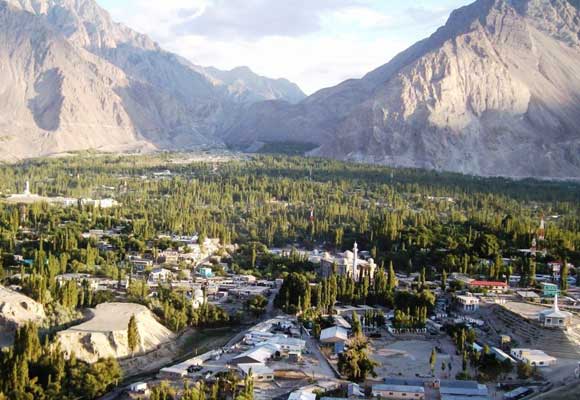
The Rakaposhi Base Camp Trek Weather 2026 plays a major role in planning a successful Karakoram adventure. This 14-day itinerary is designed according to the best trekking seasons, allowing travelers to experience comfortable temperatures, safer trails, and breathtaking mountain views. The journey combines the classic Rakaposhi base camp Hunza valley trek with Hunza sightseeing, cultural exploration, and scenic drives through Gilgit-Baltistan. The main trekking route usually begins from Minapin Village and continues through Hapakun Camp to Tagaphari (Rakaposhi Base Camp).
Day 1: Arrival in Islamabad – Trek Preparation
Weather Focus: Mild city weather before entering mountain areas.
- Arrival at Islamabad International Airport.
- Transfer to hotel.
- Trek briefing with guide and team.
- Check trekking equipment.
- Explore Islamabad attractions if time allows.
Overnight: Islamabad
Day 2: Islamabad to Chilas via Karakoram Highway
Weather Focus: Changing mountain climate.
- Start the journey toward Gilgit-Baltistan.
- Drive through the famous Karakoram Highway.
- Enjoy views of:
- Indus River
- Nanga Parbat viewpoints
- Himalayan and Karakoram landscapes
Travel Time: Approximately 10–12 hours.
Overnight: Chilas
Day 3: Chilas to Minapin Village Nagar Valley
Weather Focus: Warmer valley conditions.
- Continue toward Nagar Valley.
- Pass through Gilgit City.
- Reach Minapin Village, the starting point of the trek.
- Visit Rakaposhi viewpoints.
Altitude: Approximately 2,000 meters.
Overnight: Minapin Village
Day 4: Minapin Village to Hapakun Camp
Weather Focus: Cooler mountain temperatures begin.
The first trekking day starts from Minapin and climbs through forests, streams, and alpine landscapes.
Highlights:
- Pine forests
- Mountain views
- Minapin Glacier scenery
- Traditional shepherd areas
Distance: Around 5–6 km
Trekking Time: 4–5 hours
Altitude: Around 2,800 meters
Overnight: Hapakun Camp
Day 5: Hapakun to Rakaposhi Base Camp (Tagaphari)
Weather Focus: Colder temperatures and possible glacier winds.
- Continue climbing toward Tagaphari Meadow.
- Experience close views of:
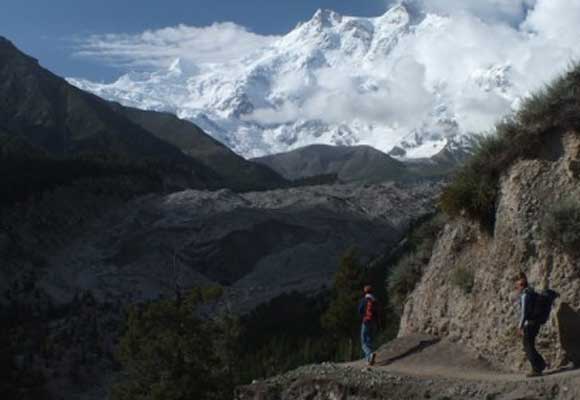
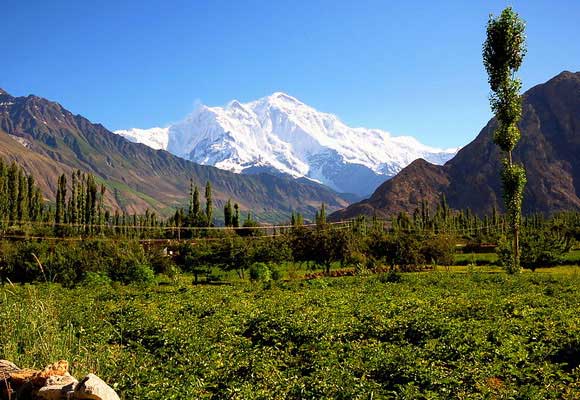
- Rakaposhi Peak (7,788 m)
- Diran Peak
- Minapin Glacier
Distance: Approximately 3 km
Trekking Time: 3–4 hours
Altitude: Around 3,300–3,500 meters
Overnight: Rakaposhi Base Camp
Day 6: Rakaposhi Base Camp Exploration Day
Weather Focus: Best photography and mountain observation day.
Activities:
- Sunrise photography
- Explore Tagaphari Meadows
- Glacier viewpoints
- Relax beneath Rakaposhi’s massive north face
Weather preparation:
- Carry warm layers
- Protect against strong winds
- Drink enough water
Overnight: Rakaposhi Base Camp
Day 7: Rakaposhi Base Camp to Hapakun
Weather Focus: Descending temperatures become comfortable.
- Enjoy morning views.
- Descend back toward Hapakun.
- Take photographs of changing landscapes.
Trekking Time: 3–5 hours
Overnight: Hapakun Camp
Day 8: Hapakun to Minapin Village
Weather Focus: Warmer valley weather.
- Complete the final trekking section.
- Descend through forests and meadows.
- Return to Minapin Village.
Trekking Time: 3–5 hours
Overnight: Minapin Village
Day 9: Minapin to Karimabad Hunza Valley
Weather Focus: Pleasant Hunza climate.
- Drive toward Karimabad.
- Explore Hunza’s cultural landmarks.
Visit:
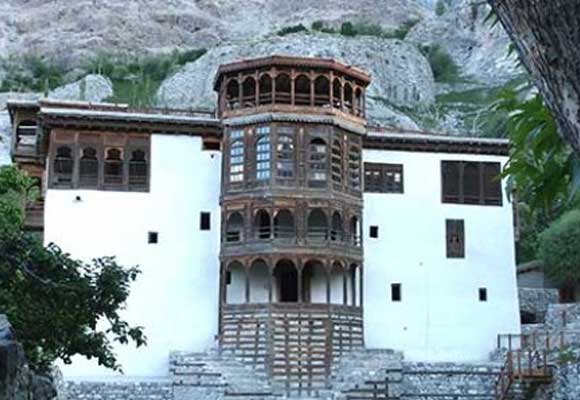
- Baltit Fort
- Karimabad Bazaar
- Mountain viewpoints
Overnight: Karimabad
Day 10: Hunza Valley Sightseeing
Weather Focus: Ideal for sightseeing.
Explore:
- Altit Fort
- Eagle’s Nest viewpoint
- Traditional villages
- Local markets
This day provides cultural relaxation after trekking.
Overnight: Hunza
Day 11: Attabad Lake and Upper Hunza Tour
Weather Focus: Cool mountain weather.
Visit:
- Attabad Lake
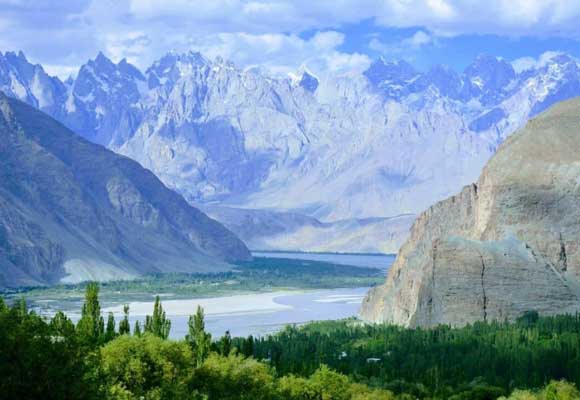
- Passu Cones
- Hussaini Bridge
- Gulmit Village
Optional:
- Khunjerab Pass (depending on road and weather conditions)
Overnight: Hunza
Day 12: Hunza to Chilas Return Journey
Weather Focus: Variable mountain conditions.
- Drive back through Karakoram Highway.
- Enjoy final views of glaciers and valleys.
Overnight: Chilas
Day 13: Chilas to Islamabad
Weather Focus: Temperature increases during descent.
- Return journey through the mountain highway.
- Scenic stops along the route.
Travel Time: Around 10–12 hours.
Overnight: Islamabad
Day 14: Departure Day
- Airport transfer.
- End of the unforgettable Rakaposhi Base Camp Trek Weather 2026 adventure.
Frequently Asked Questions (FAQs)
Does it rain frequently at Rakaposhi Base Camp during the summer?
Heavy, continuous rain is uncommon because Gilgit-Baltistan sits behind the primary monsoon rain shadow. However, localized convective storms regularly bring short, intense bursts of rain to the Tagaphari basin during July and August afternoons.
When does the trail become completely blocked by snow?
The upper trail sections beyond Hapakun Meadows typically accumulate permanent, unpassable winter snowpack by late October. The route remains closed to standard, unequipped trekkers until the spring melt clears the paths in mid-May.
What sleeping bag rating is required for camping at Tagaphari?
For summer trekking (June–August), a sleeping bag with a comfort rating of 0°C to 5°C (32°F to 41°F) is perfect. For shoulder months (May and September), you must carry a bag rated to at least -5°C (23°F) to handle freezing nighttime winds off the glacier.
Is the weather stable enough to trek without a guide?
The lower trail to Hapakun is very straightforward. However, the weather around the upper lateral moraine can deteriorate rapidly, causing dense fog that completely obscures the path. Hiring a local guide from Minapin ensures safety during sudden drops in visibility.
How does the altitude affect the local weather patterns?
Because Tagaphari sits at 3,500 meters directly beneath a 7,000-meter peak, it experiences rapid temperature drops. As solar heating stops when the sun dips behind the mountain ridge, temperatures can plummet by up to 10°C in less than an hour.
Seasonal Meteorological Breakdown
The weather at Rakaposhi Base Camp (Tagaphari) transitions through three distinct operational phases throughout the year. Each season directly dictates the necessary gear and trail safety margins.
1. The Summer Peak (June to August)
During the high summer season, conditions are generally stable, making it the most popular window for travelers.
- Daytime Temperatures: 15°C to 25°C (59°F to 77°F) in the alpine meadows.
- Nighttime Temperatures: 2°C to 7°C (36°F to 45°F).
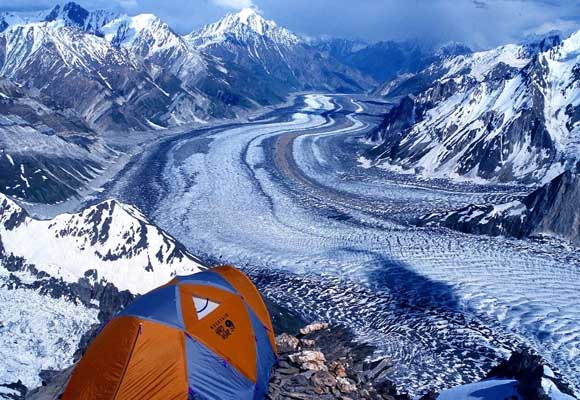
- Precipitation Profile: Mostly dry, though localized afternoon thunder showers can hit the upper ridges. The massive Minapin Glacier stays highly active, meaning you will hear structural ice fracturing constantly.
2. The Shoulder Windows (May & September)
The transition months offer crisp air, clear skies, and far fewer crowds on the trail, though freezing hazards increase dramatically.
- Daytime Temperatures: 8°C to 15°C (46°F to 59°F).
- Nighttime Temperatures: -5°C to 0°C (23°F to 32°F).
- Rain and Snow Guide: May can still hold residual winter snowpack on the higher slopes approaching Tagaphari. Late September regularly experiences sudden, dusting snowstorms that blanket the base camp overnight.
3. The Winter Closure (October to April)
The route becomes a technical mountaineering zone rather than a standard trekking trail. Heavy snow blocks the switchbacks out of Minapin, temperatures plunge well below -15°C (5°F), and the risk of avalanches from the vertical ice wall skyrockets.
Shifting Focus: Pakistan’s Grand Trekking Matrix
If you are expanding your 2026 travel portfolio beyond Nagar and Hunza, comparing regional climates helps optimize your gear across different itineraries.
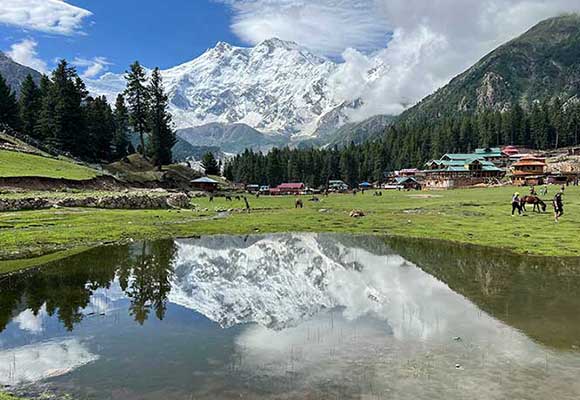
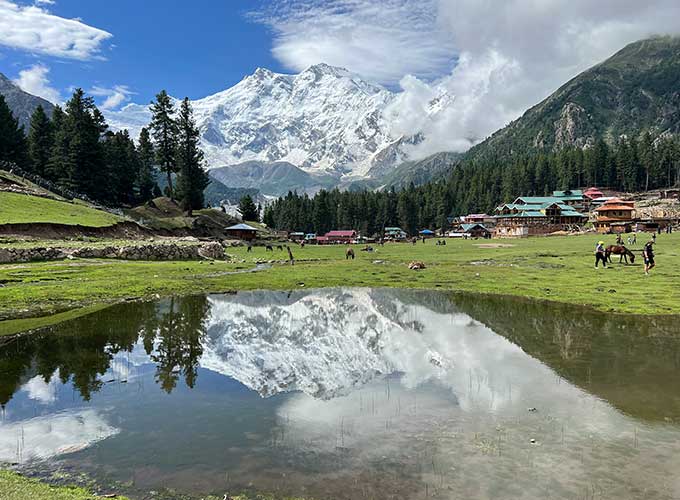
For purists seeking absolute isolation amidst high-altitude ice sheets, the grueling Snow Lake trek demands heavy winter-grade mountaineering layers due to constant sub-zero winds. Conversely, the legendary Fairy Meadows Trek provides a slightly more insulated, pine-protected climate at the base of Nanga Parbat, offering a gentler entry point into alpine exploration.
To add historical or cultural depth to your journey, you can easily couple your mountain adventures with an educational Indus valley civilization tour. For festival enthusiasts, synchronization is key: time your mountain travels to experience the high-altitude match at the Shandoor Polo festival, or witness the spring and autumn dances on a tailored kalash festival tour.
To properly budget your excursions, review the comprehensive logistical and pricing structures outlined below:
Booking Matrix & Specialized Packages
- The Karakoram Giants:
- Secure elite high-altitude guiding services via an established K2 Base Camp Tour.
- Verify regulatory permits and climbing insurances with a licensed K2 Base Camp Tour Company.
- Analyze all inclusive pricing matrices via the K2 Base Camp Tour Cost guide.
- Track domestic flight safety and baggage allowances using the K2 Base Camp Price portal.
- Book full base-camp tenting accommodations via a premium K2 Base Camp Tour Package.
- Glacial Highway Traverses:
- Experience the deep wilderness on a dedicated Snow Lake trek Tour.
- Partner with experienced crevasse-navigation teams at an authorized Snow Lake trek Tour Company.
- Evaluate multi-day satellite communications costs under the Snow Lake trek Tour Cost sheet.
- Secure competitive mountain outfitting rates via the seasonal Snow Lake trek Price index.
- Reserve specialized high-altitude porter services through an all-inclusive Snow Lake trek Package.
- Highland Cultural Festivals:
- Watch the historic matches live on a Shandoor Polo festival tour.
- Manage remote Hindukush transport logistics through a Shandoor Polo festival tour Company.
- Review summer meadow glamping options via the Shandoor Polo festival Cost framework.
- Access early bird tickets and transit rates on the Shandoor Polo festival Price board.
- Lock in premium guides with a complete Shandoor Polo festival tour Package.
- Nanga Parbat Viewpoints:
- Travel through breathtaking alpine terrain via a Fairy meadows Trek Tour.
- Coordinate your mountain transport with a verified Fairy meadows Trek Tour Company.
- Plan local wooden cabin stays using the Fairy Meadows Trek Cost standard.
- Check out competitive group booking incentives with the Fairy Meadows Trek Price guide.
- Minimize your planning stress by selecting a streamlined Fairy Meadows Trek Package.
Understanding the dynamic patterns of the Rakaposhi Base Camp Trek Weather 2026 Seasonal Conditions, Rain & Snow Guide is the single most vital step to ensuring a safe mountain expedition. The alpine climate of the Hunza and Nagar valleys rewards prepared hikers with clear skies and pristine mountain views, but it punishes those who overlook the cold realities of high altitude. By packing a dedicated, windproof layering system, preparing for sub-zero nights even in high summer, and tracking real-time local forecasts before departing Minapin, you can experience the unmatched raw power of the Karakoram range with total peace of mind.
K2 Base Camp and Gondogoro La Trek
K2 Base Camp Trek
K2 Base Camp Trek Concordia
Mashabrum & Gondogoro BC Trek
K6/K7 BC Trek
Thalle La Trek Pakistan
Spantik Base Camp & Haramosh La Trek
Rakaposhi Base Camp Trek
Batura Glacier Trek
Patundas Trek
Shimshal Valley Trek
Tirich Mir Base Camp Trek
Wakhan Corridor Trek
Naltar Ishkoman Pass Trek
Darkot and Broghil Passes Trek
Around Nanga Parbat Mazeno Pass Trek
5X8000m Base Camp Trek
Great Karakorum Traverse Trek
K2 Expedition (8611m)
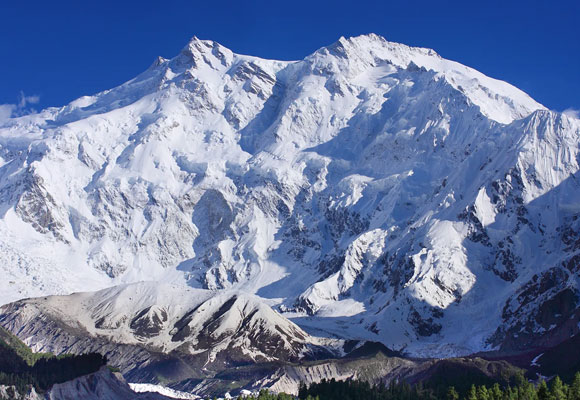
Nanga Parbat Expedition (8126m)
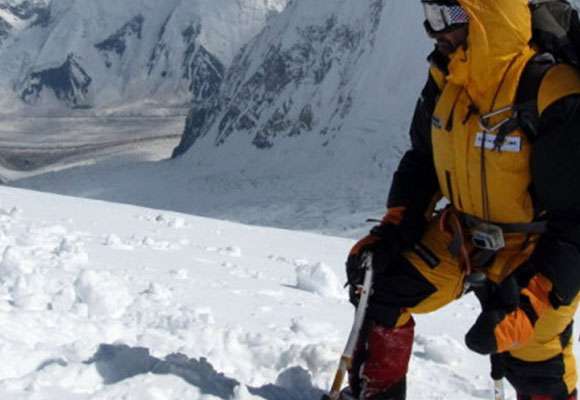
Broad Peak Expedition (8047m)
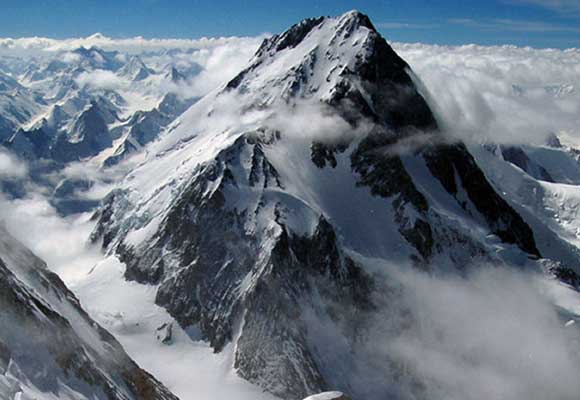
Gasherbrum 1 Expedition (8068m)
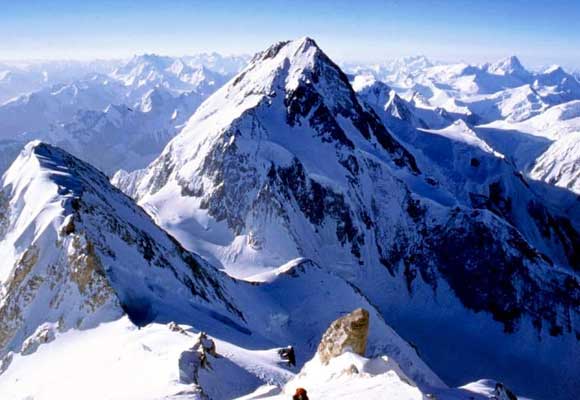
Gasherbrum II Expedition (8035m)
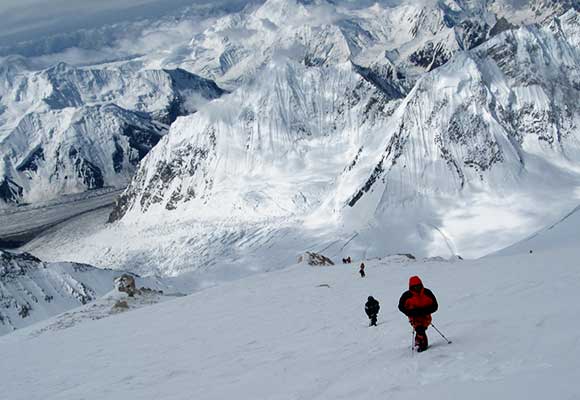
Gasherbrum III Expedition (7952m)
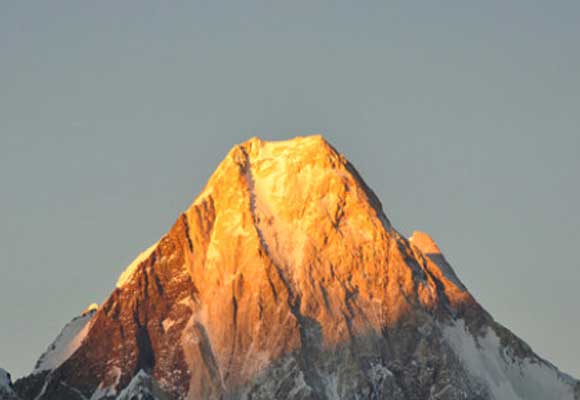
Gasherbrum IV Expedition (7925m)
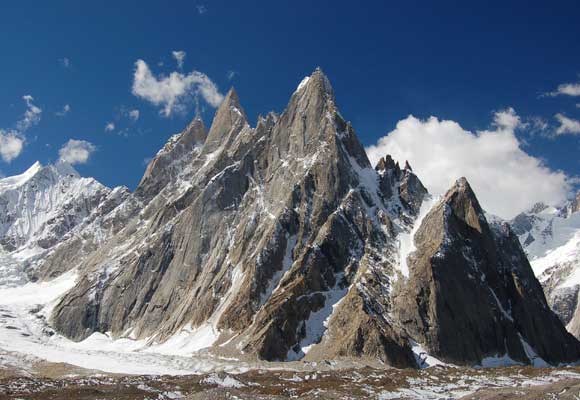
Masherbrum Expedition (7821m)
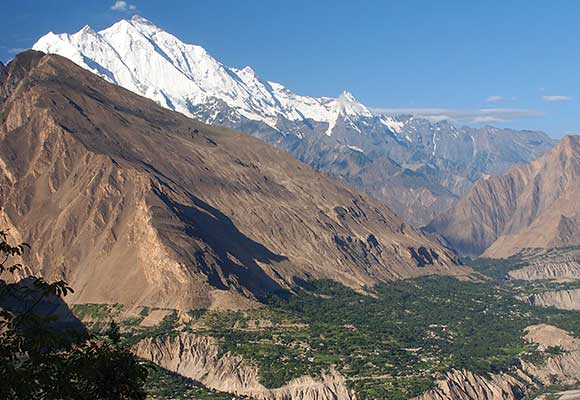
Rakaposhi Expedition (7788m)
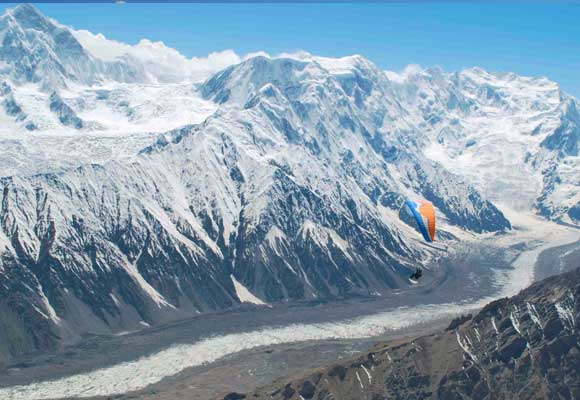
Batura Sar Expedition (7785 m)
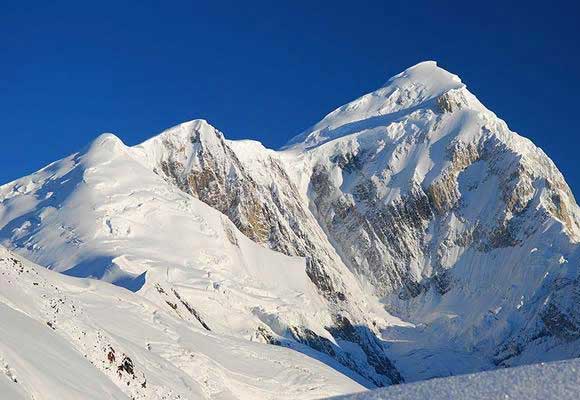
Tirich Mir Expedition (7708m)
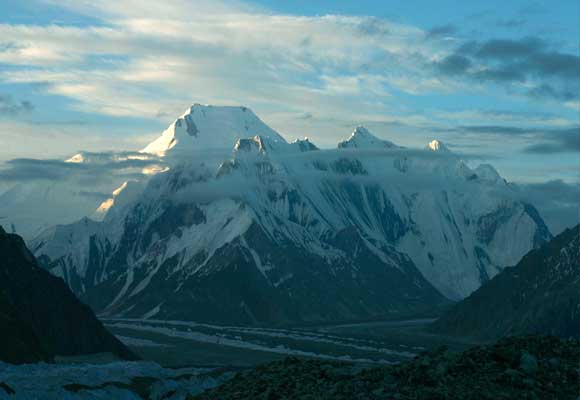
Chogolisa Expedition (7665 m)
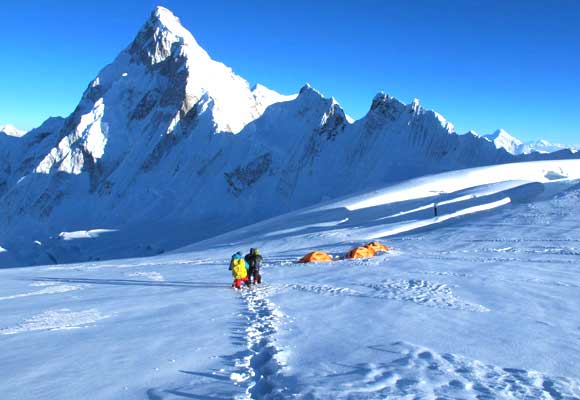
Passu Peak Expedition (7478m)
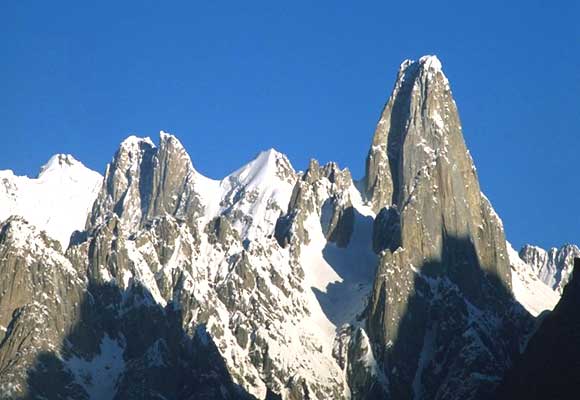
Muztagh Tower Expedition (7273m)
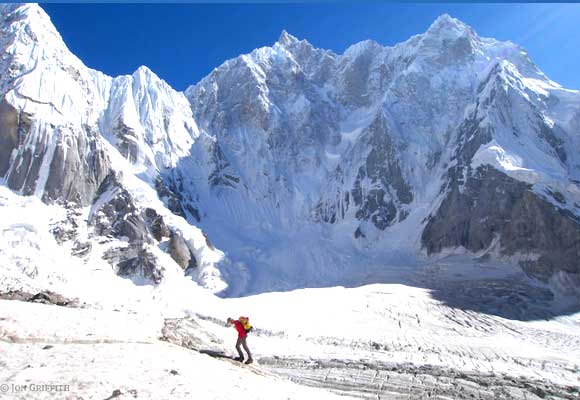
K6 Peak Expedition (6935m)
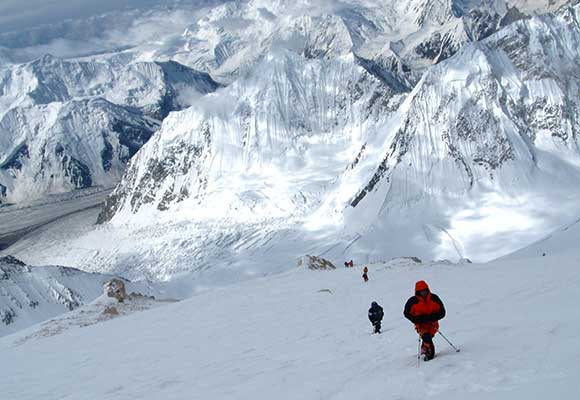
Diran Peak Expedition (7272m)
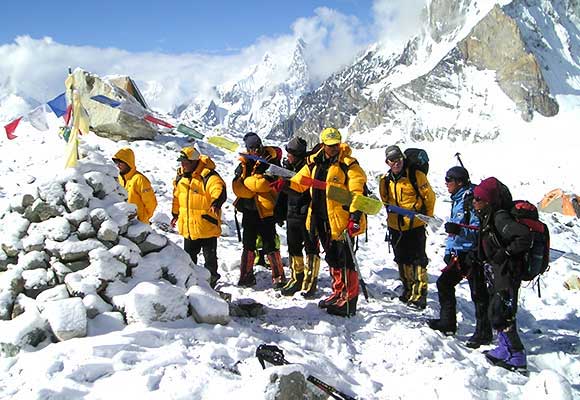
Latok 1 Expedition (7145 m)
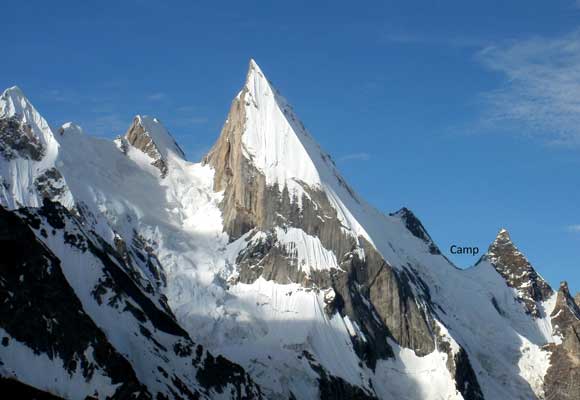
Laila Peak Expedition (6095m)
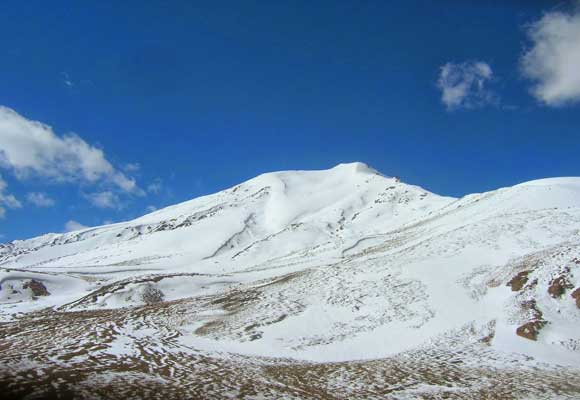
Minglik Sar Peak Expedition (6050m)
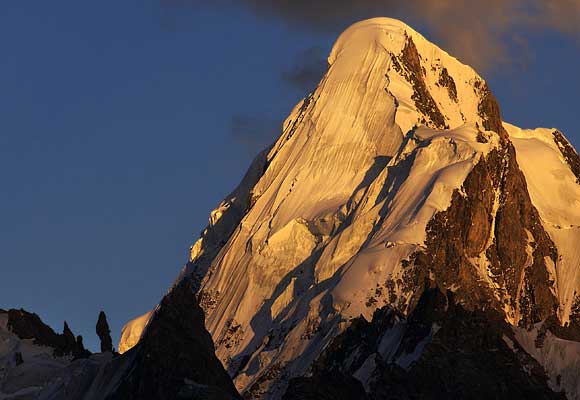
Rush Peak Expedition (5,098m)