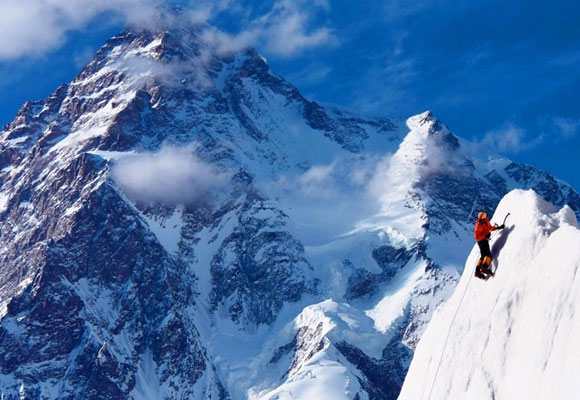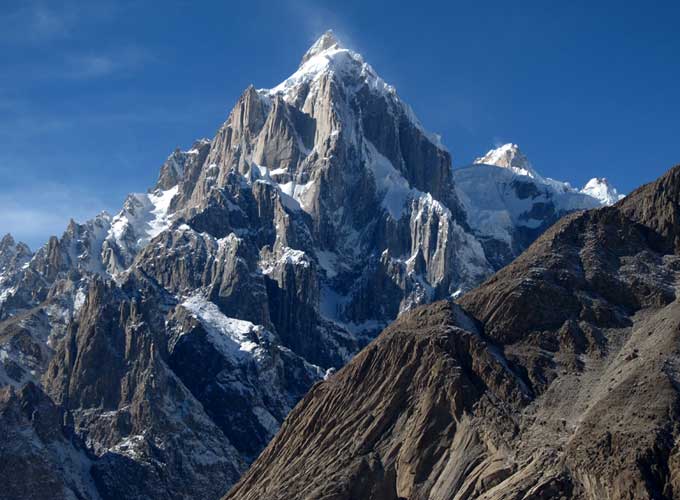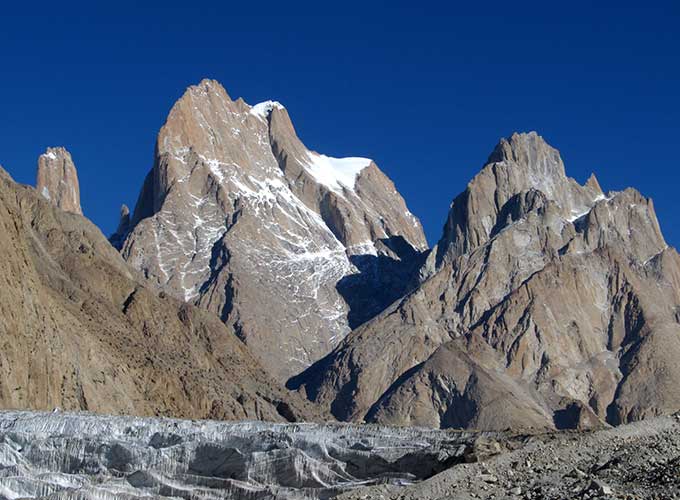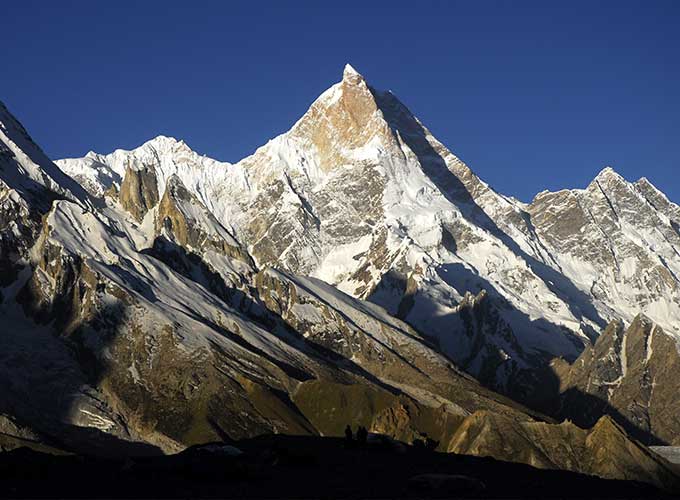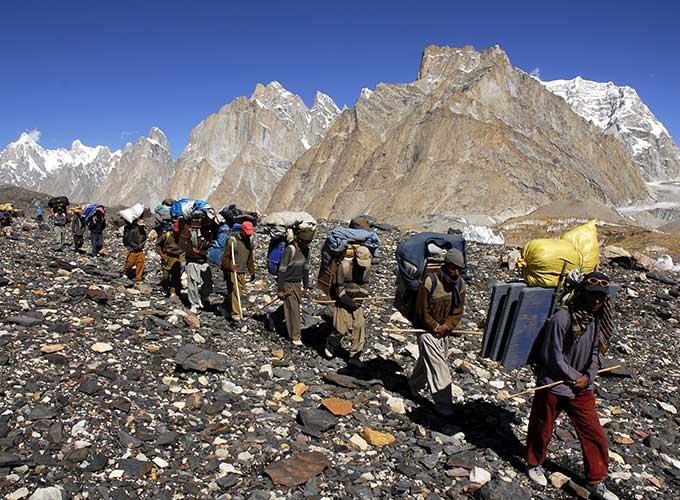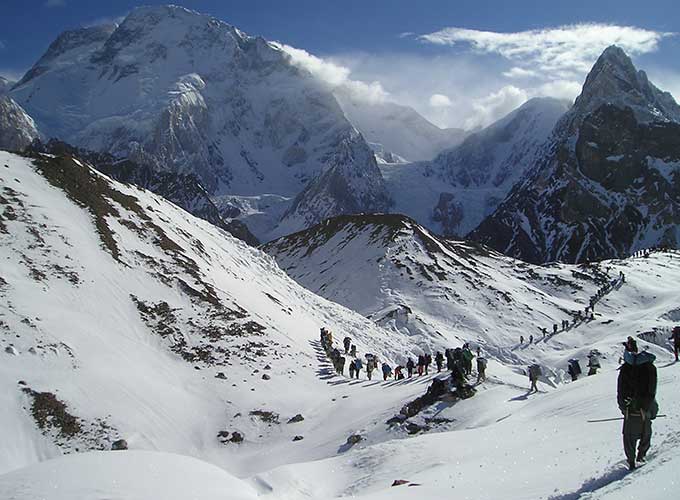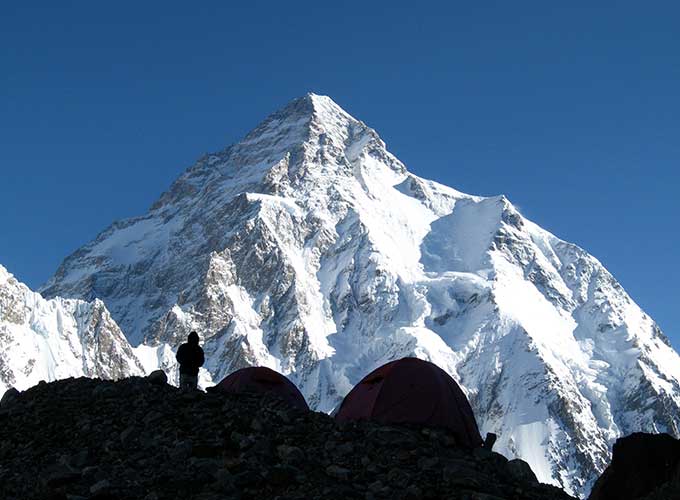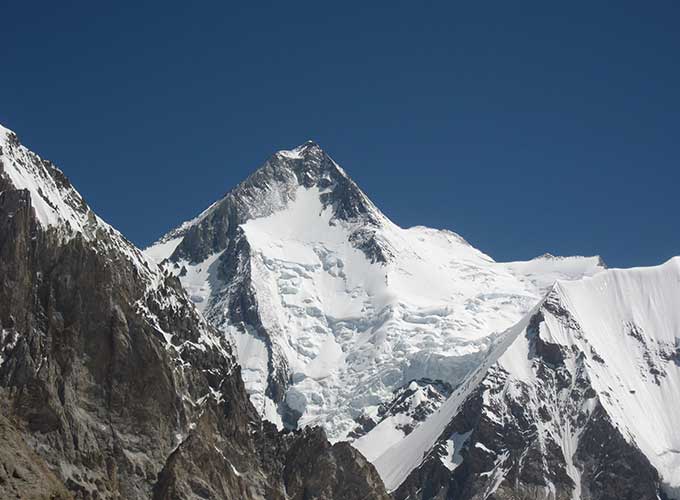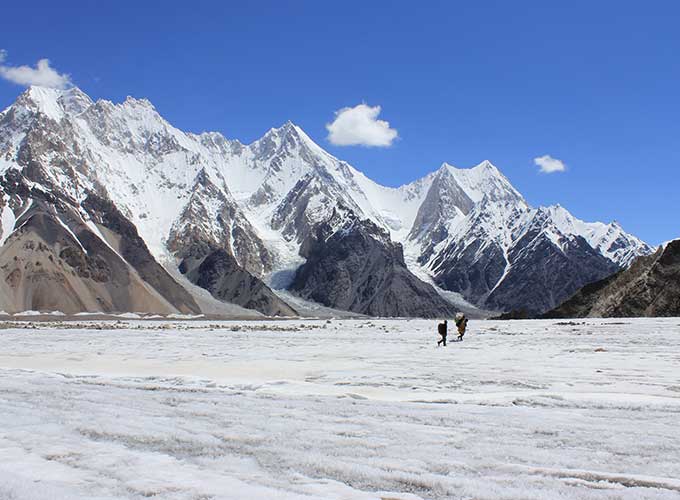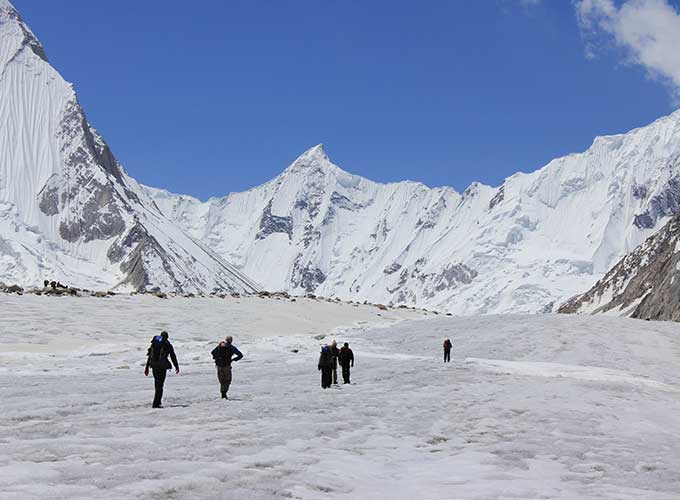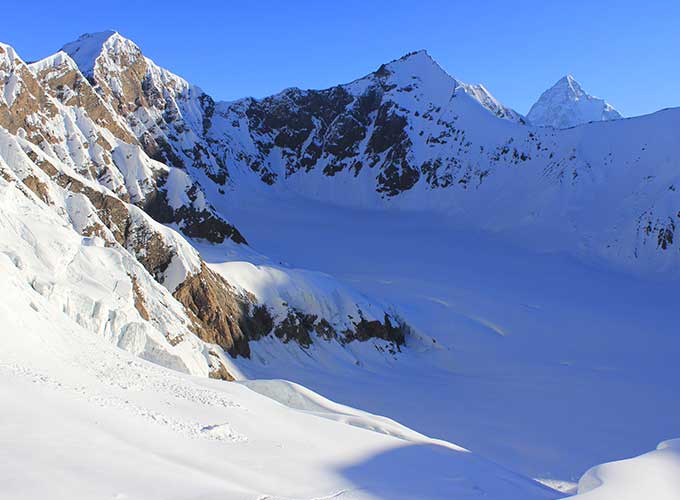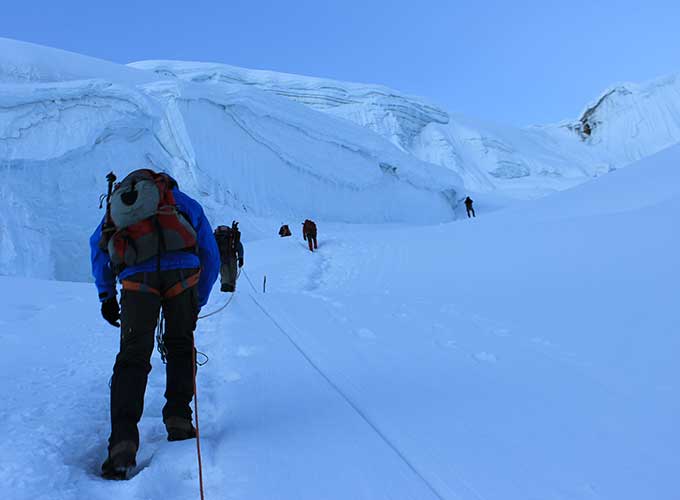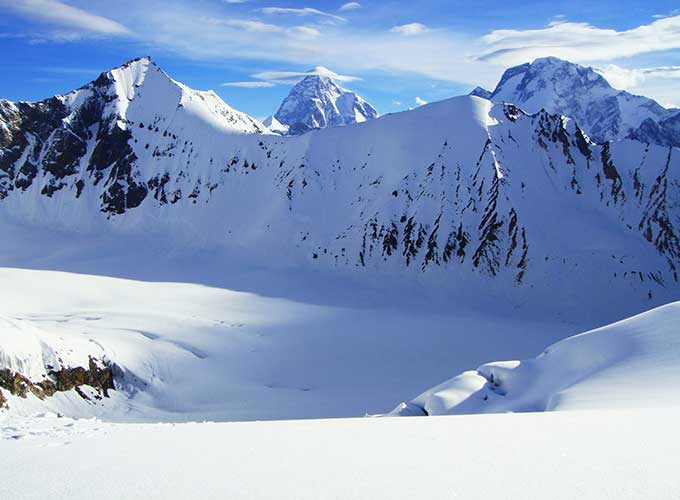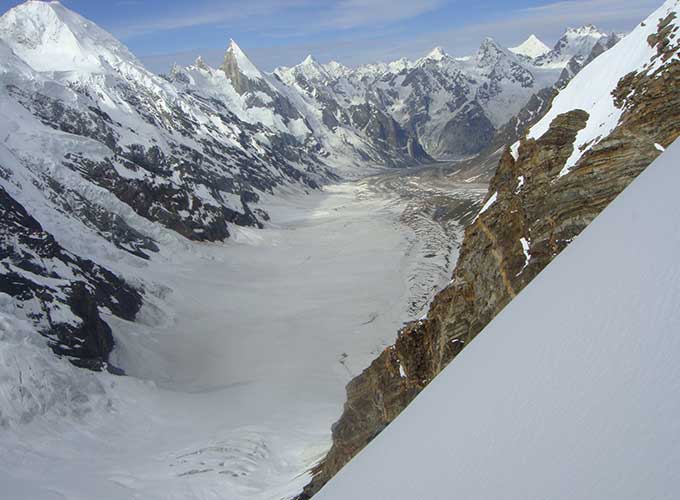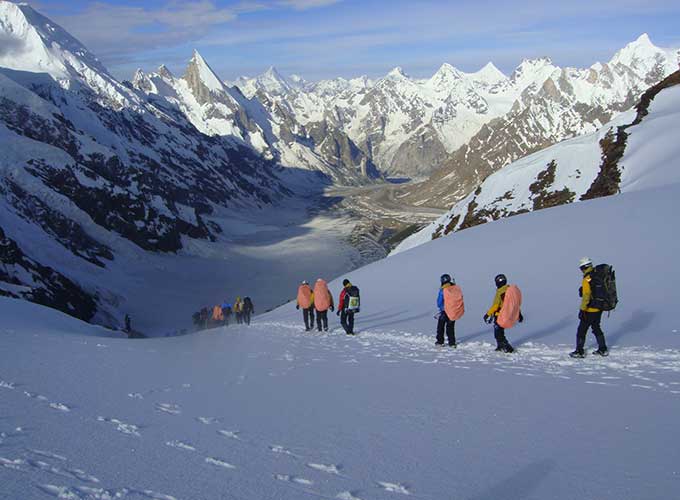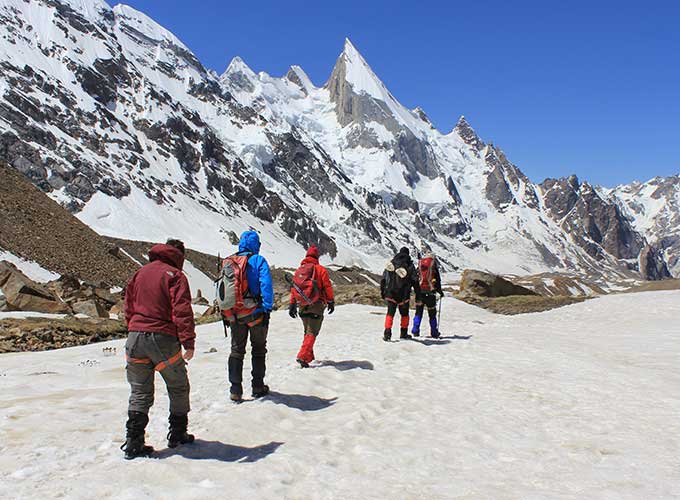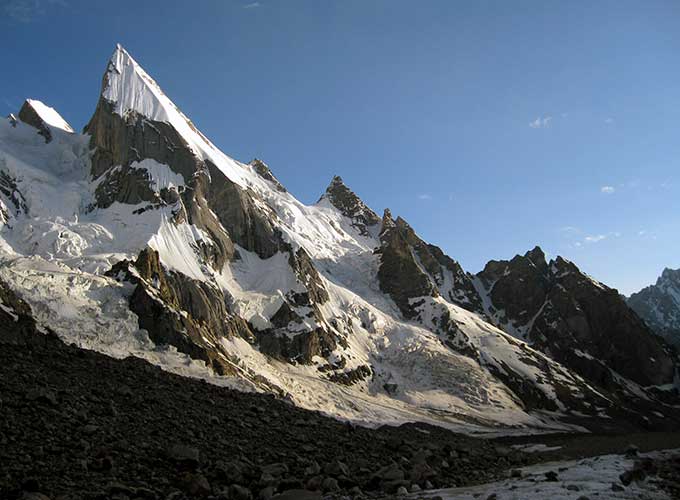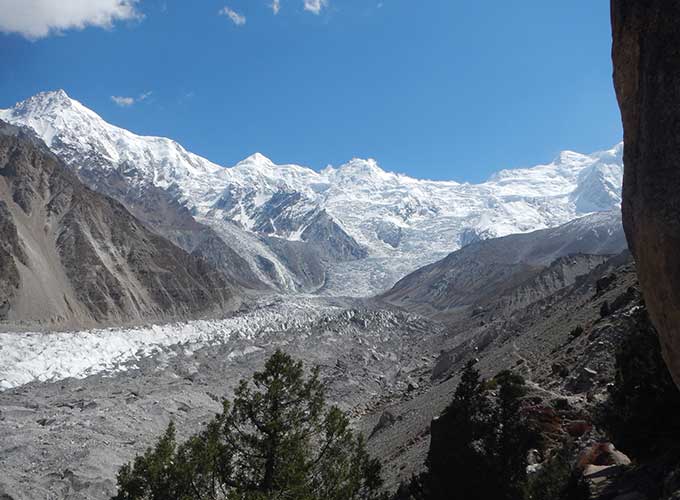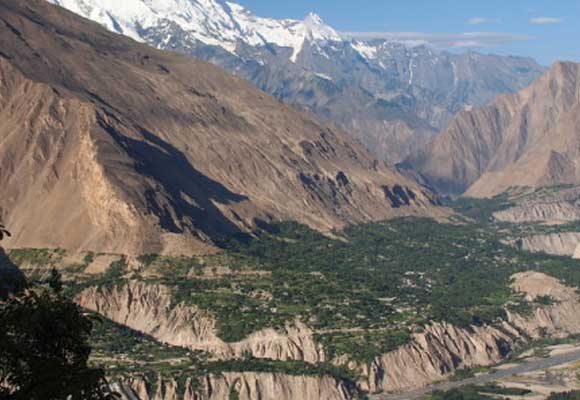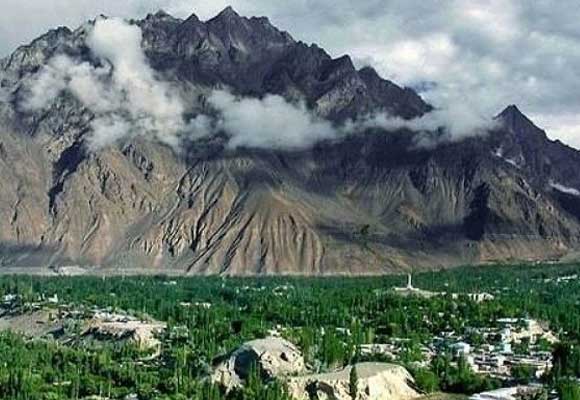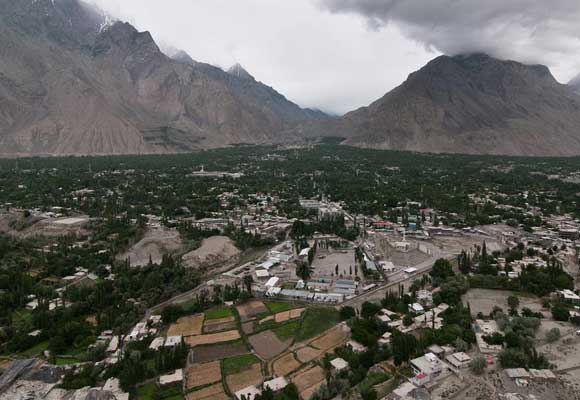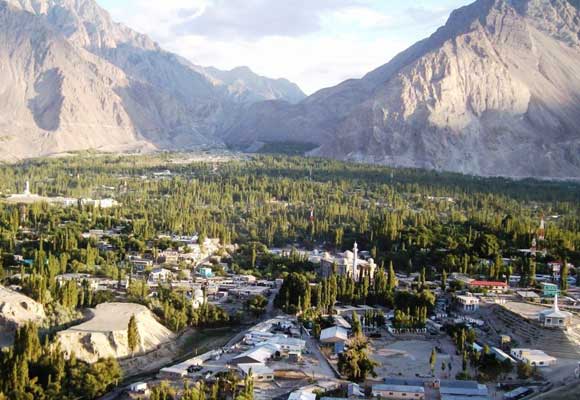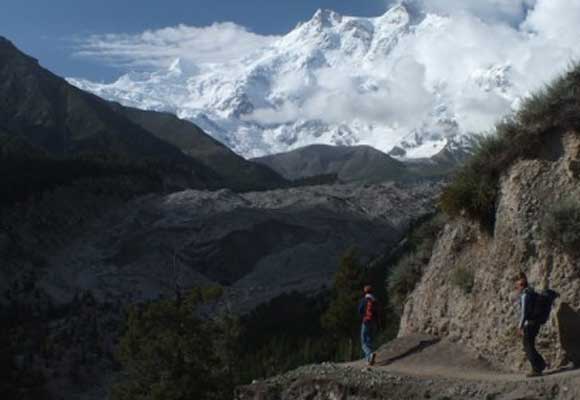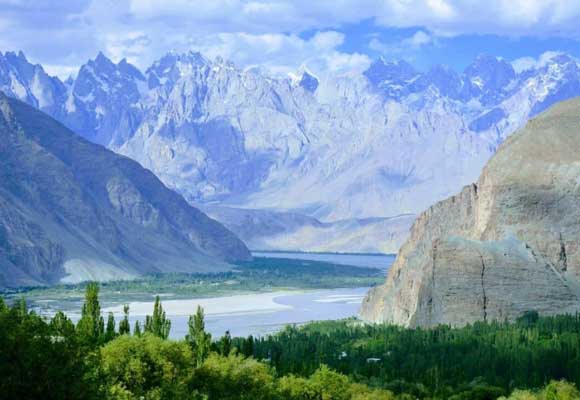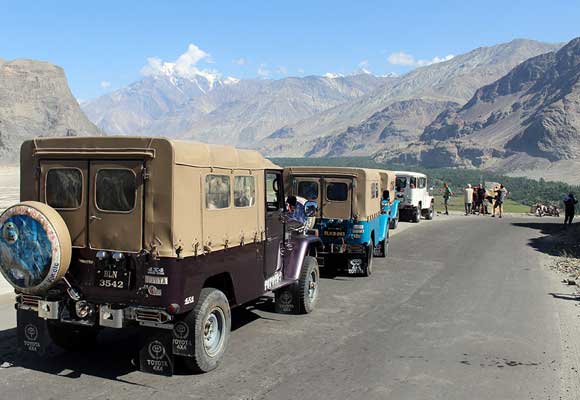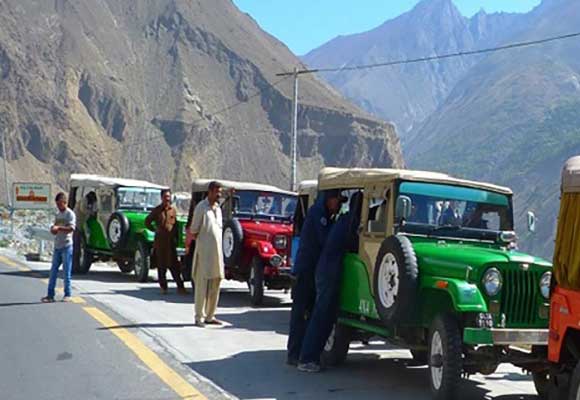
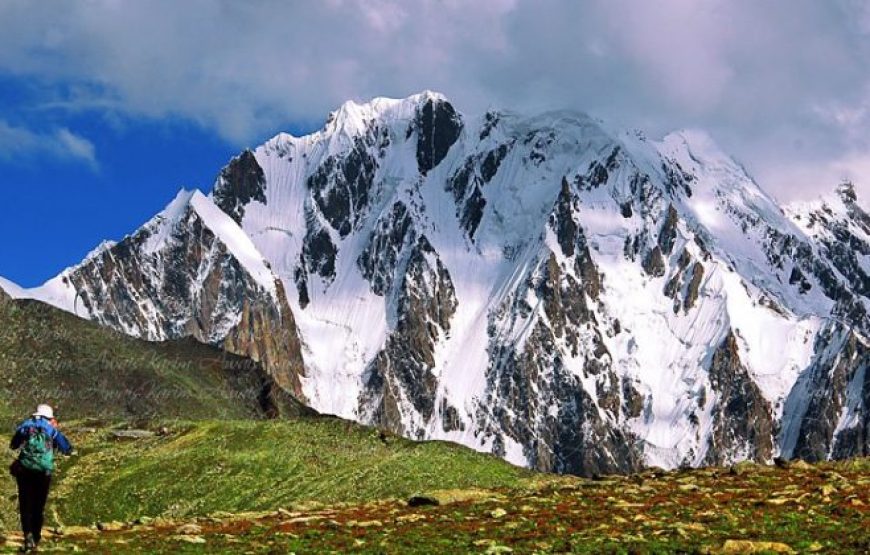
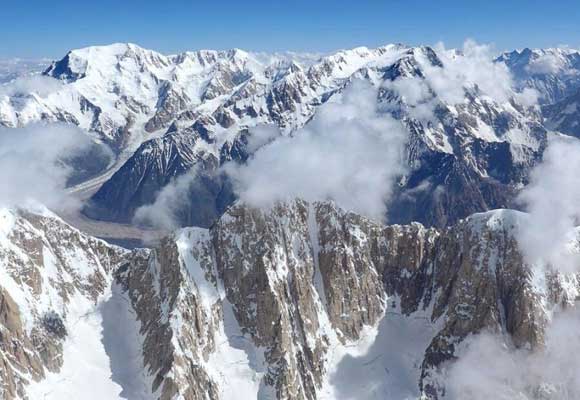
The Rush Peak Expedition Pakistan 2026 Itinerary, Difficulty, and Cost serves as the definitive introductory framework for trekkers looking to transition into high-altitude alpine ascents without committing to weeks of technical vertical climbing. Piercing the skyline of the Nagar Valley, Rush Peak offers one of the most accessible yet staggeringly scenic mountain summits in the entire Karakoram Range. Standing at its apex provides an uninterrupted $360^\circ$ panoramic view of giant peaks, including Spantik, Malubiting , Ultar Sar, and even a distant glimpse of the mighty K2 on a clear day.
As an Adventure Pakistan market analyst tracking adventure tourism trends, local porter wage rates, and logistics pricing structures across Gilgit-Baltistan for the 2026 season, I have observed a structural surge in demand for short-duration alpine peaks. While legendary, multi-week trans-glacial routes like the globally renowned K2 Base Camp Trek or the highly intense K2 and Gondogoro La Trek Pakistan 2026 continue to anchor commercial trekking volumes, many modern travelers simply lack the 20-to-25-day window required for those massive expeditions. Similarly, standalone, deep-wilderness challenges like the vast Snow Lake trek present logistical hurdles that can be daunting for amateur explorers. Rush Peak fills this gap perfectly, delivering a true high-altitude mountaineering experience crammed into a highly manageable timeline.
Whether you plan to stand atop this magnificent peak, test your boots on the scenic paths of the Rakaposhi base camp Hunza valley trek, or time your summer journey to take in local heritage on a kalash festival tour, navigating the specific logistical, physical, and financial components of this trip is vital. This thorough operational breakdown details the real difficulty metrics, precise cost variables, and a proven day-by-day itinerary required for a highly successful alpine summit.
The Karakoram Gateway: Rush Peak Expedition with Adventure Pakistan
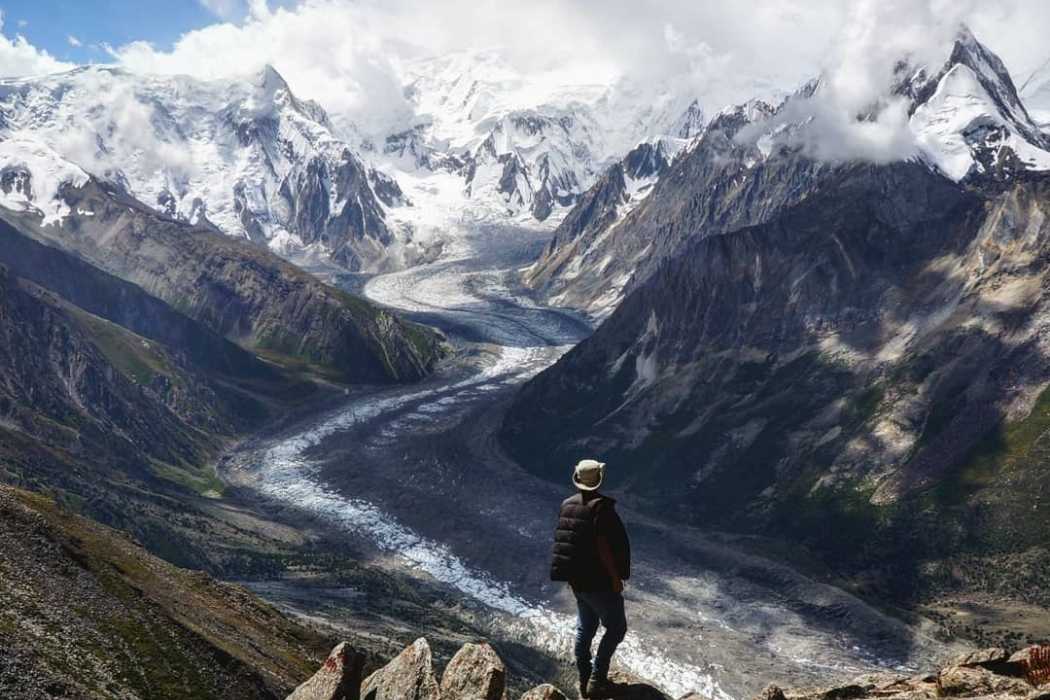
Unlock the ultimate introduction to high-altitude mountaineering with Adventure Pakistan’s Rush Peak Expedition. Soaring to $5,098\text{ m}$ in the scenic Nagar Valley of Hunza, this non-technical trek is the perfect training ground for aspiring alpinists looking to develop glacier-walking and altitude-endurance skills before tackling larger 6,000m summits.
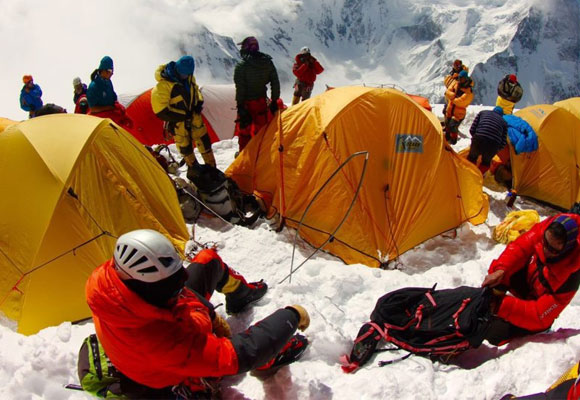
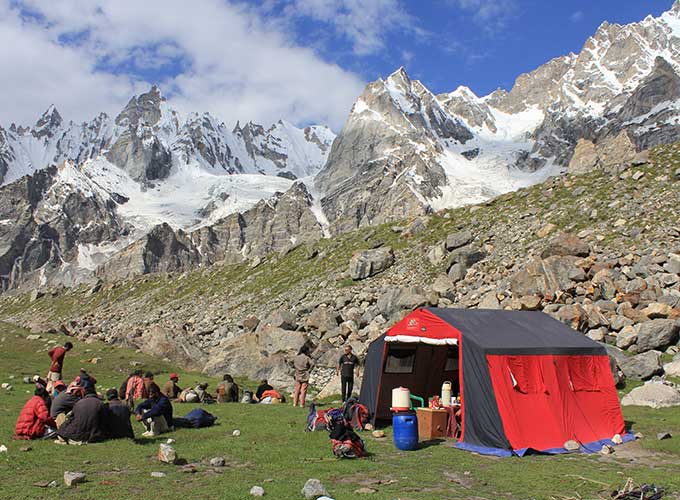
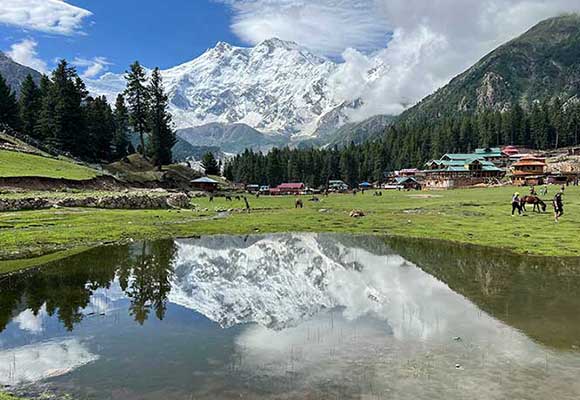
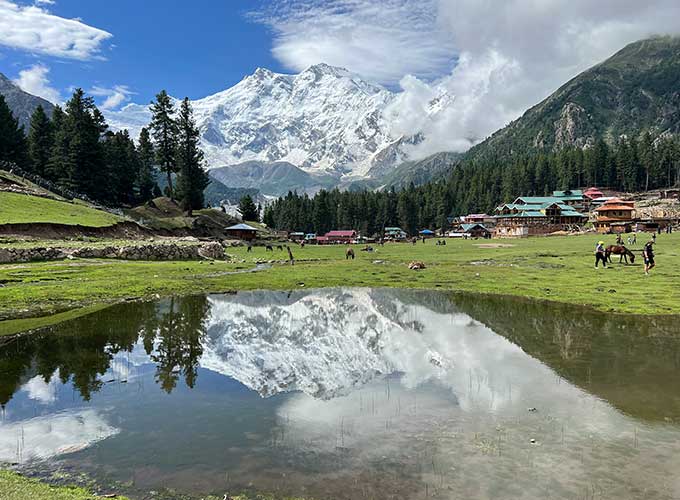
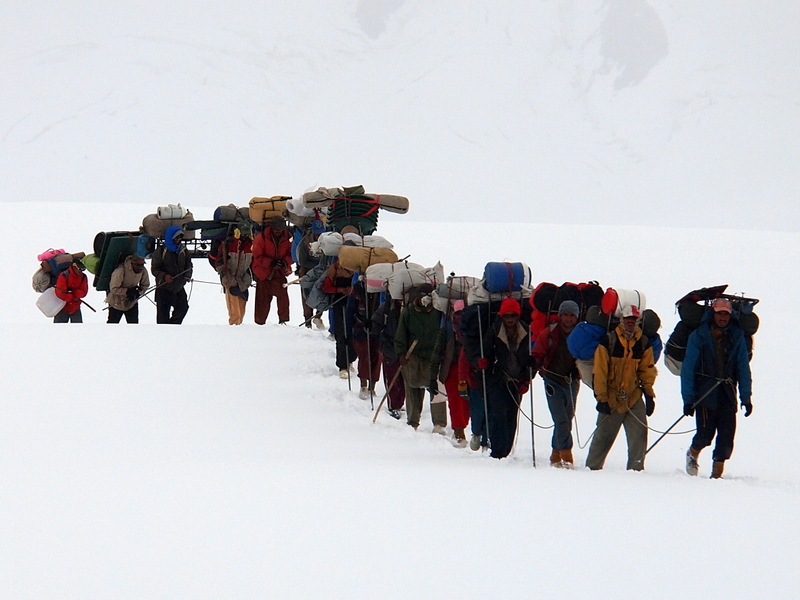
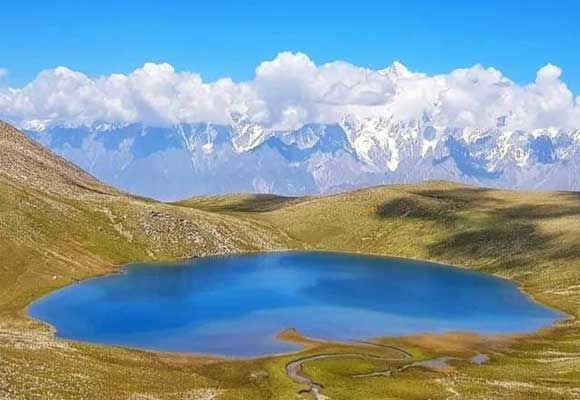
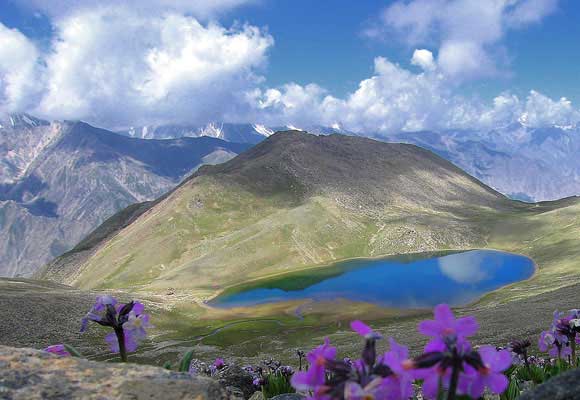
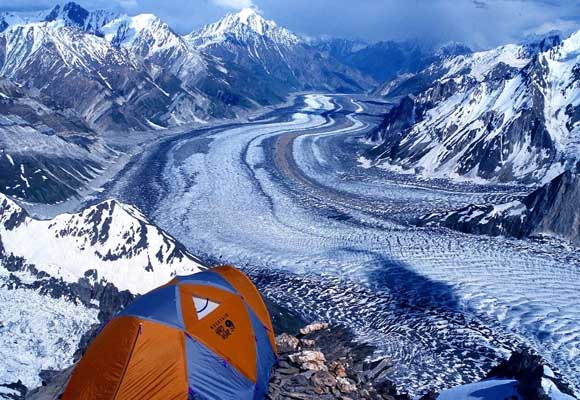
Our flawlessly managed itinerary handles your logistics completely, guiding you across the active shifting moraines of the Hoper and Barpu glaciers. You’ll establish a base camp beside the turquoise waters of Rush Lake ($4,694\text{ m}$)—one of the world’s highest alpine lakes—where the mirror-like water reflects the massive walls of Spantik and Malubiting. Adventure Pakistan provides premium four-season camps, certified local mountain guides, and delicious trail catering, ensuring a safe and magnificent summit push complete with breathtaking, $360^\circ$ views of distant K2.
Rush Peak Expedition Cost Analysis for 2026
Budgeting accurately for a mountain trip in northern Pakistan requires a clear understanding of your support needs, group size, and localized logistics. Because Rush Peak is located within an open zone in the Nagar Valley, it does not require the expensive military permit fees or mandatory government Liaison Officers associated with higher 7,000m or 8,000m peaks.
To help put these expenses in perspective against the broader adventure travel market, we can compare them to other popular destinations. For example, a shorter trek like a Fairy Meadows Trek Tour organized by an accredited Fairy Meadows Trek Tour Company keeps logistical overhead very low. The overall Fairy Meadows Trek Cost or a direct Fairy Meadows Trek Price is highly economical, and booking a standard Fairy Meadows Trek Package handles your basic jeep transfers and wood cabin stays smoothly.
In contrast, an alpine expedition like a K2 Base Camp Tour or a Rush Peak climb involves multi-day camp support and mountain porter logistics. The core cost allocations for the 2026 season are detailed below:
Start |
End |
Status |
Price |
Deposit |
Registration |
|---|---|---|---|---|---|
18 Jun |
27 Jul |
Guaranteed |
US$2,700 |
US$1000 |
|
25 Jun |
03 Aug |
Guaranteed |
US$2,700 |
US$1000 |
|
02 Jul |
10 Aug |
Guaranteed |
US$2,700 |
US$1000 |
|
10 Jul |
18 Aug |
Guaranteed |
US$2,700 |
US$1000 |
|
18 Jul |
26 Aug |
Guaranteed |
US$2,700 |
US$1000 |
|
25 Jul |
02 Sep |
Guaranteed |
US$2,700 |
US$1000 |
Analyst Financial Summary: While securing a full K2 Base Camp Tour Package from an established K2 Base Camp Tour Company benchmarks at a higher K2 Base Camp Tour Cost or K2 Base Camp Price, an all-inclusive Rush Peak expedition is exceptionally cost-effective, typically ranging from depending on group numbers. This accessibility makes it one of the highest-value adventure investments in northern Pakistan.
Rush Peak Expedition – 40 Days Itinerary
Days 1–15
Day 1: Arrival in Islamabad
Arrival, briefing, and equipment check.
Day 2: Drive to Chilas
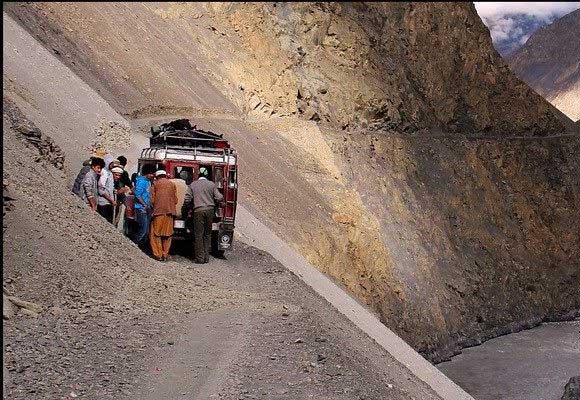
Travel along the Karakoram Highway.
Day 3: Drive to Karimabad, Hunza
Explore the Hunza Valley.
Day 4: Rest day in Karimabad
Final preparations and acclimatization.
Day 5: Drive to Hopper Village
Meet support staff and begin expedition preparations.
Day 6: Trek to Barpu Giram
Follow trails through the Hopper Valley.
Day 7: Trek to Chidin Harai
Cross glacier terrain and alpine meadows.
Day 8: Trek to Rush Lake Camp
Reach one of the highest alpine lakes in Pakistan.
Day 9: Acclimatization day at Rush Lake
Short hikes and altitude adjustment.
Day 10: Trek to Rush Peak Base Camp
Establish a base camp.
Day 11: Training and acclimatization
Snow and glacier travel practice.
Day 12: Load ferry toward Camp I
Carry equipment to higher elevations.
Day 13: Return to Base Camp
Rest and recovery.
Day 14: Acclimatization hike
Prepare for higher camps.
Day 15: Rest day at Base Camp
Finalize climbing plans.
Days 16–25
Day 16: Move to Camp I
Begin climbing rotations.
Day 17: Acclimatization at Camp I
Practice climbing techniques.
Day 18: Carry loads toward Camp II
Establish higher camp supplies.
Day 19: Return to Camp I
Continue acclimatization.
Day 20: Descend to Base Camp
Recovery and rest.
Day 21: Rest day at Base Camp
Monitor weather conditions.
Day 22: Move back to Camp I
Begin summit preparation.
Day 23: Climb to Camp II
Overnight at higher altitude.
Day 24: Acclimatization and route assessment
Check summit route conditions.
Day 25: Return to Base Camp
Prepare for a summit attempt.
Days 26–40
Day 26: Rest day at Base Camp
Recovery before summit push.
Day 27: Move to Camp I
Start summit rotation.
Day 28: Climb to Camp II
Finalize preparations.
Day 29: Summit preparation day
Equipment and weather review.
Day 30: Summit attempt on Rush Peak
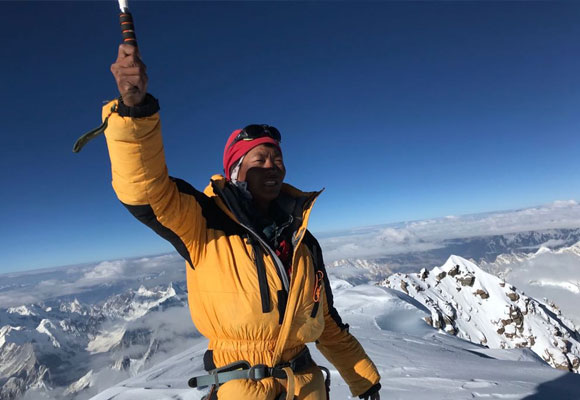
Enjoy panoramic views of the Karakoram.
Day 31: Descend to Camp I
Begin the return journey.
Day 32: Descend to Base Camp
Celebrate summit success.
Day 33: Reserve weather day
Extra day for summit flexibility.
Day 34: Trek to Rush Lake
Begin trek back.
Day 35: Trek to Chidin Harai
Descend through alpine terrain.
Day 36: Trek to Hopper Village
Complete the trekking section.
Day 37: Drive to Karimabad
Relax and explore Hunza.
Day 38: Drive to Chilas
Return journey toward Islamabad.
Day 39: Drive to Islamabad
Farewell dinner and expedition debrief.
Day 40: Departure from Islamabad
Airport transfer and end of expedition.
Frequently Asked Questions (FAQs)
What is the best season to undertake the Rush Peak Expedition?
The absolute best window for this expedition runs from mid-June to mid-September. During these summer months, the trails leading up to Rush Lake are mostly clear of heavy winter snow, the alpine pastures are lush and green, and weather conditions are generally stable enough to ensure safe, clear views from the summit.
Do I need technical climbing gear like ropes and ice axes for Rush Peak?
Under normal summer conditions (July and August), Rush Peak is a non-technical walk-up that does not require specialized hardware like climbing ropes, harnesses, or ice axes. However, if you attempt the climb early in June or late in September, you may encounter patches of firm snow or ice near the summit, making a pair of lightweight trekking crampons and an alpine ice axe useful precautions.
Is Rush Lake safe for swimming, and what is its water source?
While the lake looks incredibly inviting, swimming is highly discouraged due to the extreme sub-zero water temperatures, which can cause sudden hypothermia. The lake is situated at $4,694\text{ m}$ and is fed directly by seasonal snowmelt and a small underground glacier, meaning it remains ice-cold throughout the entire summer season.
How do trekkers handle drinking water logistics along the trail?
Fresh drinking water is readily available along most stages of the trail from natural mountain springs and glacial melt streams. However, because local livestock graze in the lower pasture lands, all water collected along the route must be treated using purification tablets, portable pump filters, or boiled thoroughly by your camp kitchen staff before consumption.
Maximum Reward, Minimal Risk: Why Choose the Rush Peak Expedition
The Rush Peak Expedition is the definitive choice for trekkers looking to conquer a true $5,000\text{-meter}$ Karakoram summit without the extreme hazards of technical high-altitude climbing.
- The Highest Alpine Lake: Your base camp is established at Rush Lake ($4,694\text{ m}$), a spectacular turquoise pool reflecting Spantik ($7,027\text{ m}$) and Malubiting ($7,458\text{ m}$).
- Unmatched $360^\circ$ Panoramas: The $5,098\text{-meter}$ non-technical summit delivers legendary views of Rakaposhi, Ultar Sar, and even a distant glimpse of K2.
- Maximum Alpine Value: This expedition packs wild glacial crossings and deep wilderness immersion into a highly efficient, accessible, and cost-effective 9-day itinerary.
Balancing Your Trip with Extended Portfolios
For travelers plotting out their long-term adventure goals across northern Pakistan, understanding how different trekking, climbing, and cultural products complement one another is key to designing the perfect trip.
Trans-Glacial Options
If you find that a short peak like Rush Peak ignites a deeper passion for vast, high-altitude ice caps, choosing a Snow Lake trek Tour is the perfect next step. By connecting with a certified Snow Lake trek Tour Company, you can analyze current Snow Lake trek Tour Cost or Snow Lake trek Price frameworks. Booking a complete Snow Lake trek Package offers a massive, multi-week trans-glacial journey across the Biafo and Hispar glaciers, presenting an incredible step up in wilderness challenge. For a shorter alternative closer to the main valley, a simple Fairy Meadows Trek provides an iconic look at Nanga Parbat with minimal logistical hassle.
Cultural and Festival Extensions
To balance the physical demands of high-altitude trekking, adding a cultural or historical tour onto your itinerary provides a fantastic way to experience Pakistan’s rich heritage:
- The Shandur Polo Festival: Held every July on a mountain plateau at $3,700\text{ m}$, this festival features fast-paced, traditional polo matches. Booking a structured Shandoor Polo festival tour through an experienced Shandoor Polo festival tour Company takes care of all remote campsite setups. Reviewing the Shandoor Polo festival Cost or Shandoor Polo festival Price options ensures you find a complete Shandoor Polo festival tour Package that aligns perfectly with your summer trekking window.
- Historical Archaeology Exploration: For travelers who appreciate ancient human history, combining a mountain trek with an Indus valley civilization tour lets you explore thousands of years of human heritage at world-famous archaeological sites like Mohenjo-daro and Harappa, offering a stunning historical contrast to the raw, frozen peaks of the north.
Evaluating the Altitude & Terrain Difficulty
From a mountaineering perspective, Rush Peak is classified as a trekking peak, meaning the route does not require technical rock climbing skills, ice axes, or fixed ropes under standard summer conditions. However, “non-technical” must never be confused with “easy.”
The elevation profile presents a genuine physical challenge that requires solid cardiovascular stamina and acclimatization awareness.
1. Navigating the Glacial Crossings
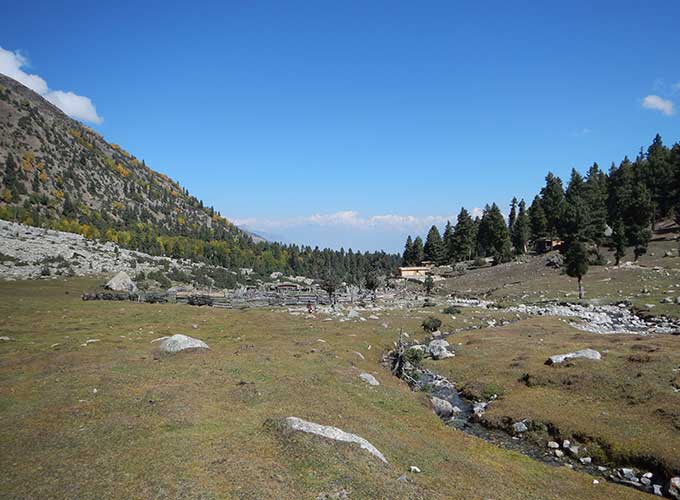
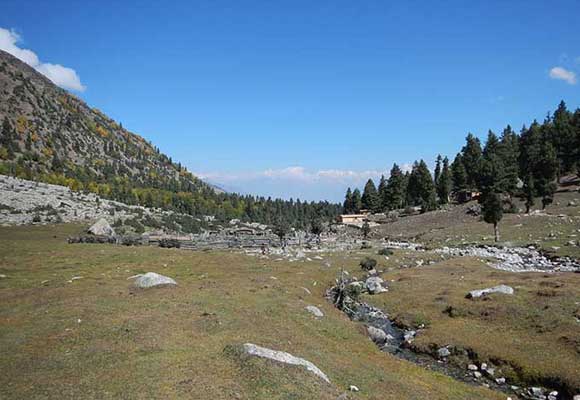
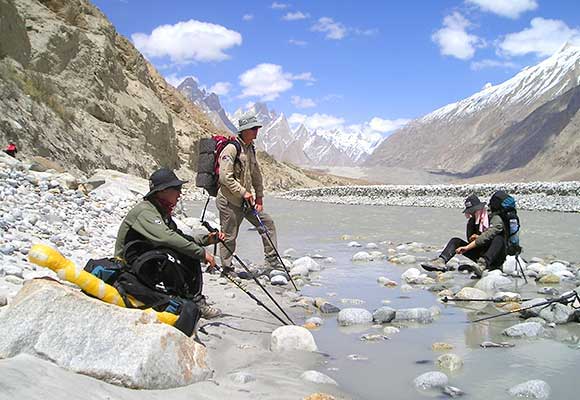
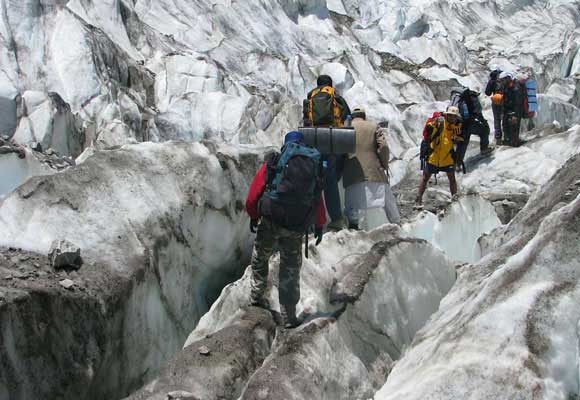
The approach trail from the village of Hoper requires crossing two active glaciers: the Hoper (Bualtar) Glacier and the Barpu Glacier. The terrain across these glacial systems consists of shifting moraine, loose scree, and exposed fields of black ice. While crampons are generally unnecessary during the peak summer months of July and August, hikers must possess excellent balance and ankle stability to navigate the uneven, rocky ridges safely.
2. High-Altitude Adaptation
The final ascent moves briskly from the established base camp at Rush Lake up steep, grassy and scree-covered switchbacks to the formal summit. Because the ascent from the valley floor is quite rapid, proper pacing is essential to prevent Acute Mountain Sickness (AMS).
The atmospheric pressure provides only about of the oxygen available at sea level, meaning every step requires double the physical effort.
The Rush Peak Expedition stands out as one of the most rewarding, high-value alpine adventures available anywhere in the Karakoram Range. By combining a practical 9-day itinerary, an accessible non-technical difficulty profile, and a highly economical cost structure, this climb offers an unparalleled gateway into the world of high-altitude mountaineering.
While the steep ridges and glacial moraines require proper physical conditioning and careful pacing, the reward of watching the sunrise over an ocean of 7,000-meter peaks from the summit is a memory that will last a lifetime. Partnering with a professional, experienced guiding team ensures your camp logistics, trail safety, and meals are managed flawlessly, letting you focus entirely on the beautiful trails of the Nagar Valley.
K2 Base Camp and Gondogoro La Trek
K2 Base Camp Trek
K2 Base Camp Trek Concordia
Mashabrum & Gondogoro BC Trek
K6/K7 BC Trek
Thalle La Trek Pakistan
Spantik Base Camp & Haramosh La Trek
Rakaposhi Base Camp Trek
Batura Glacier Trek
Patundas Trek
Shimshal Valley Trek
Tirich Mir Base Camp Trek
Wakhan Corridor Trek
Naltar Ishkoman Pass Trek
Darkot and Broghil Passes Trek
Around Nanga Parbat Mazeno Pass Trek
5X8000m Base Camp Trek
Great Karakorum Traverse Trek
K2 Expedition (8611m)
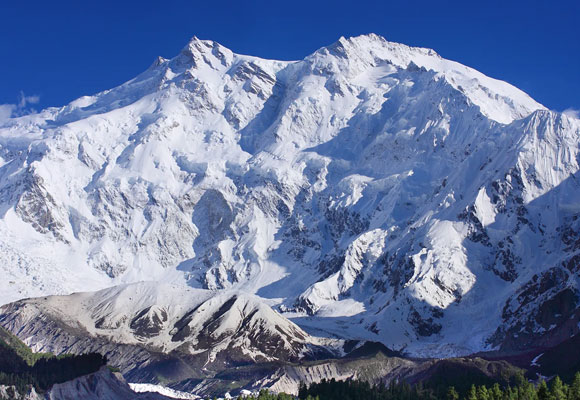
Nanga Parbat Expedition (8126m)
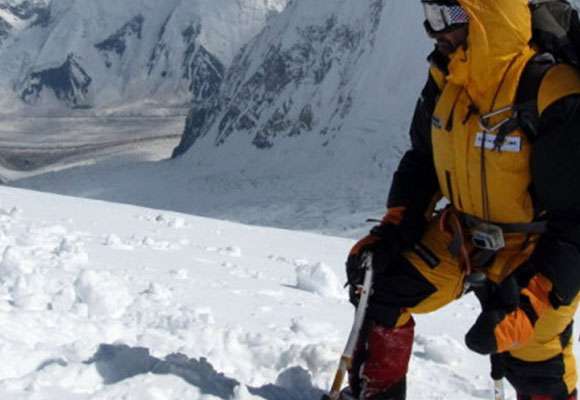
Broad Peak Expedition (8047m)
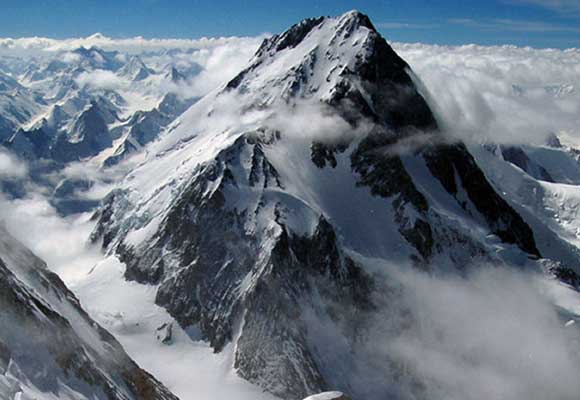
Gasherbrum 1 Expedition (8068m)
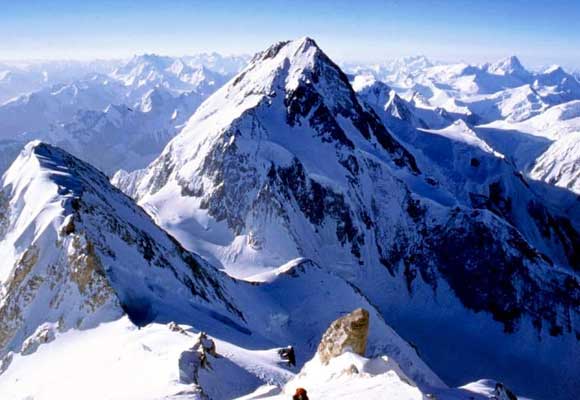
Gasherbrum II Expedition (8035m)
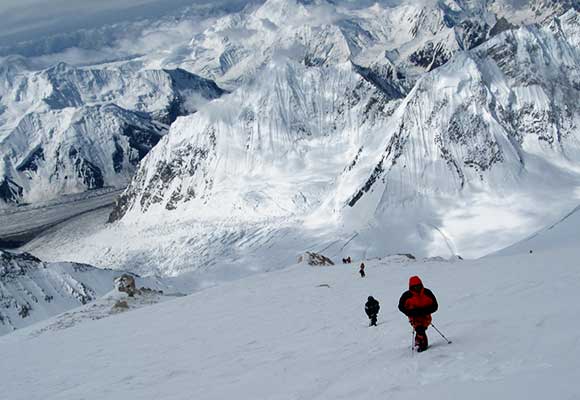
Gasherbrum III Expedition (7952m)
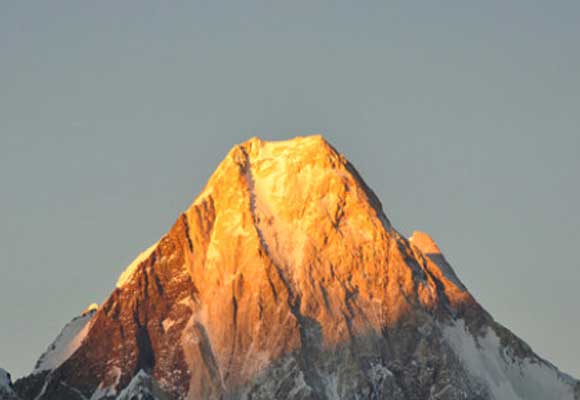
Gasherbrum IV Expedition (7925m)
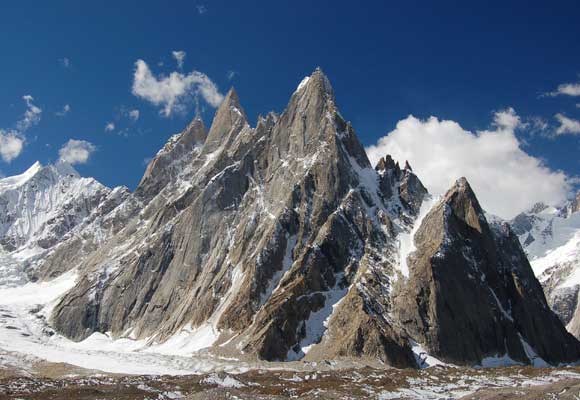
Masherbrum Expedition (7821m)
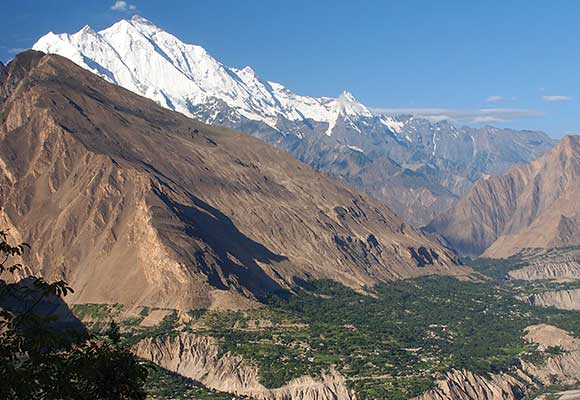
Rakaposhi Expedition (7788m)
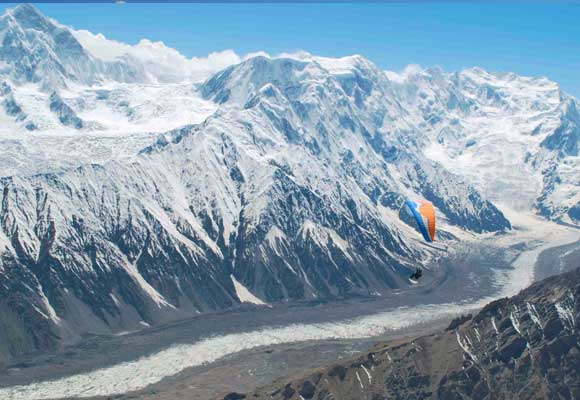
Batura Sar Expedition (7785 m)
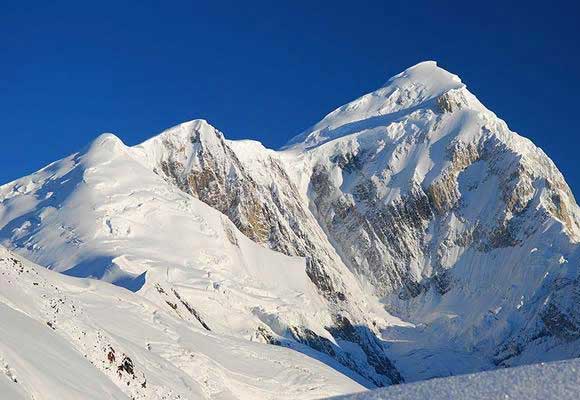
Tirich Mir Expedition (7708m)
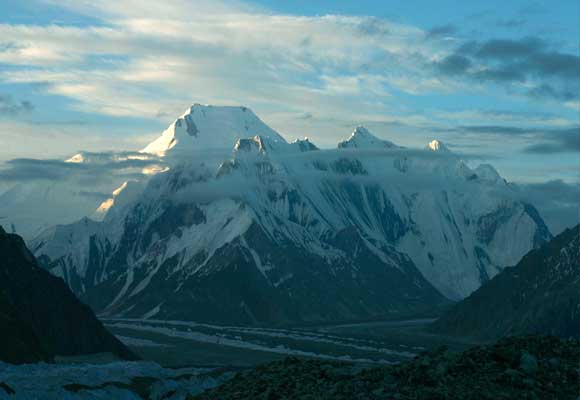
Chogolisa Expedition (7665 m)
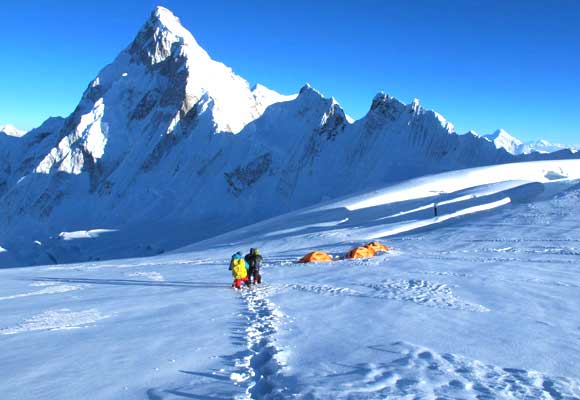
Passu Peak Expedition (7478m)
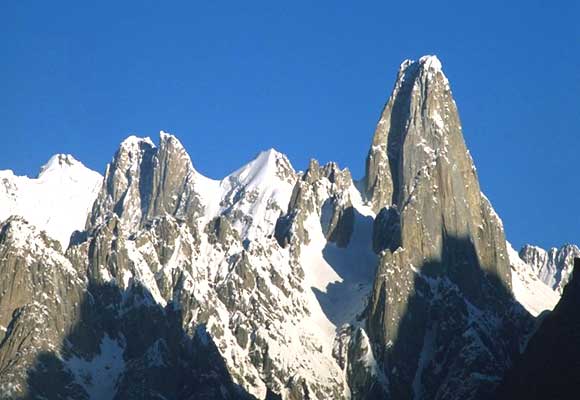
Muztagh Tower Expedition (7273m)
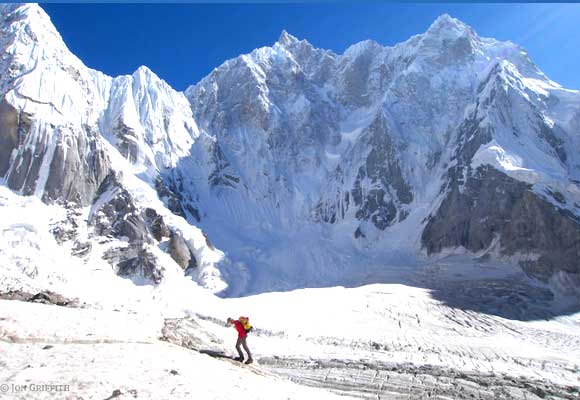
K6 Peak Expedition (6935m)
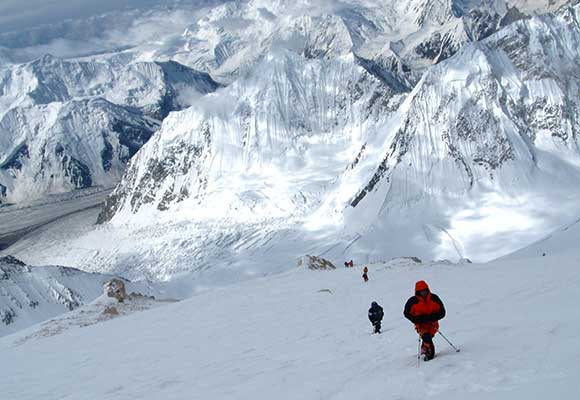
Diran Peak Expedition (7272m)
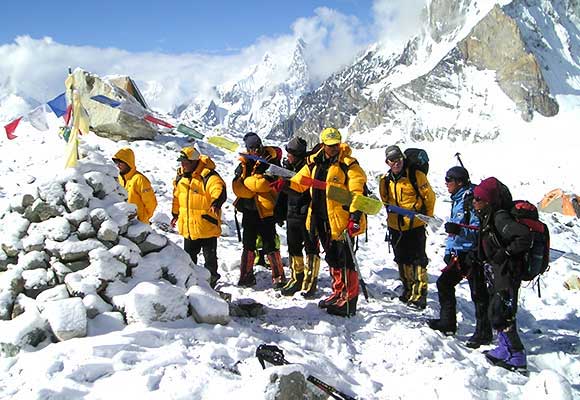
Latok 1 Expedition (7145 m)
Laila Peak Expedition (6095m)
Minglik Sar Peak Expedition (6050m)
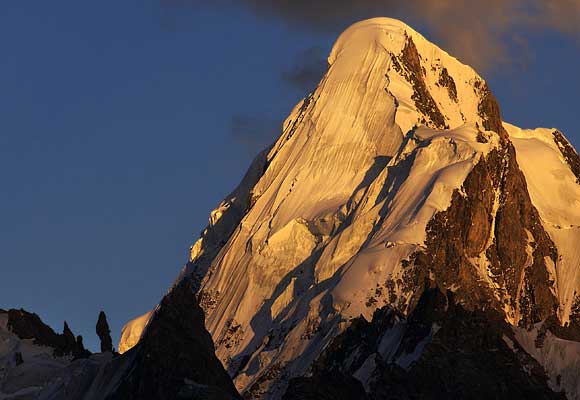
Rush Peak Expedition (5,098m)