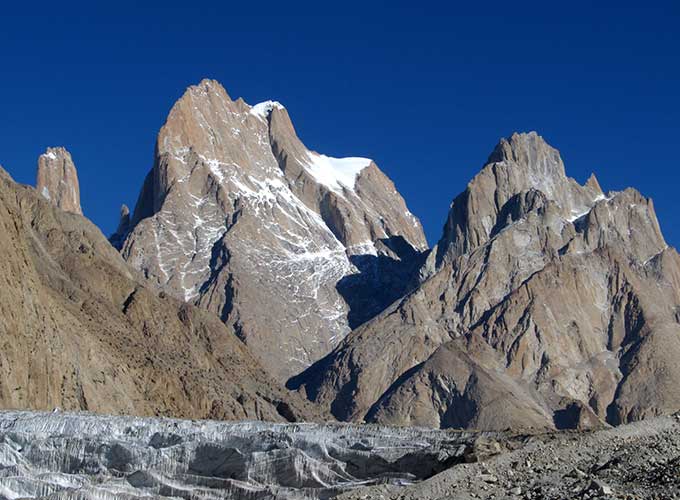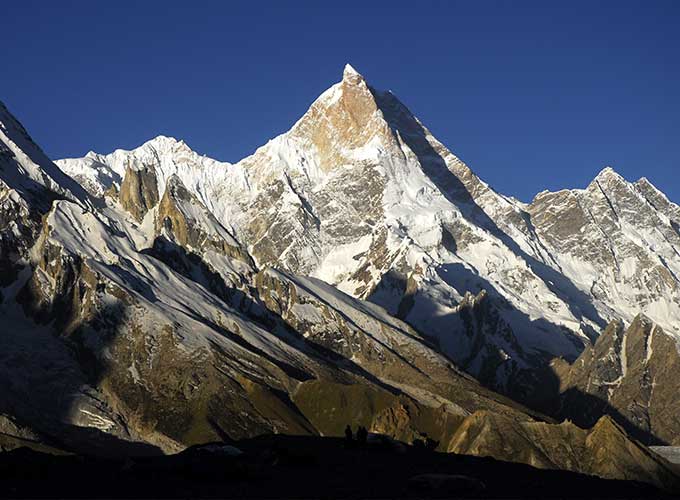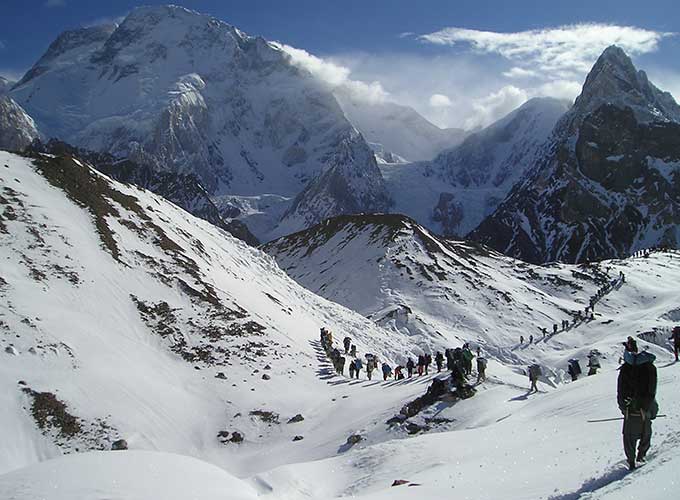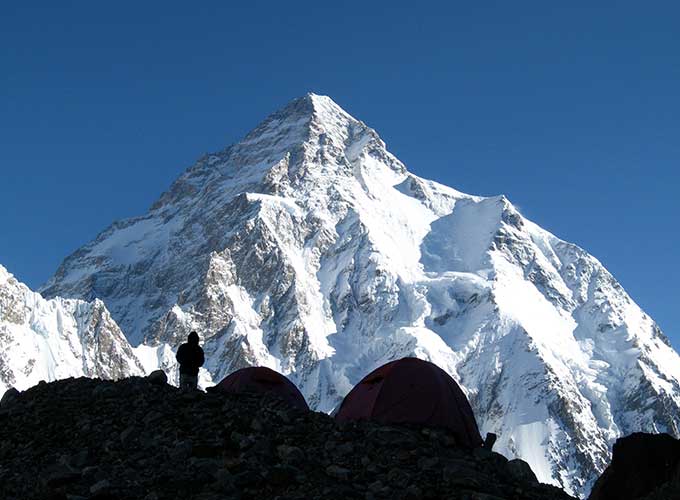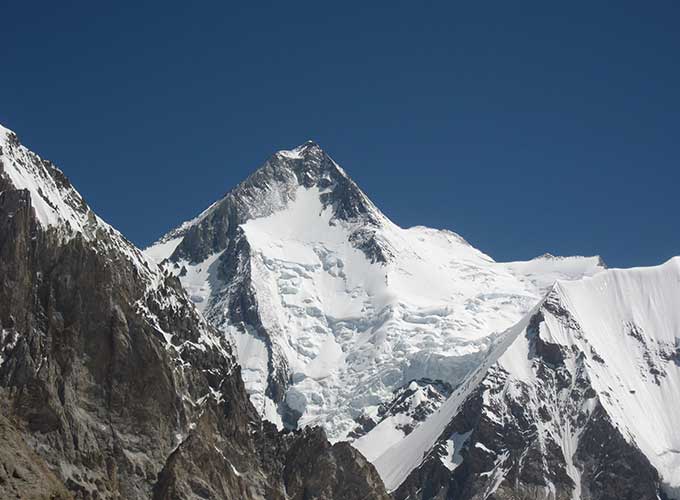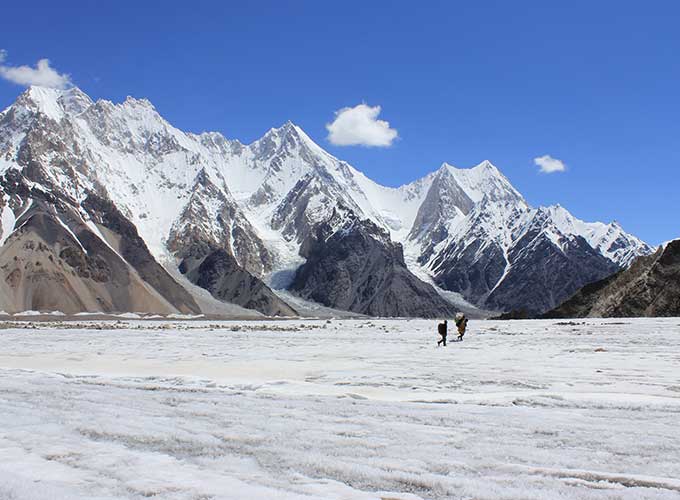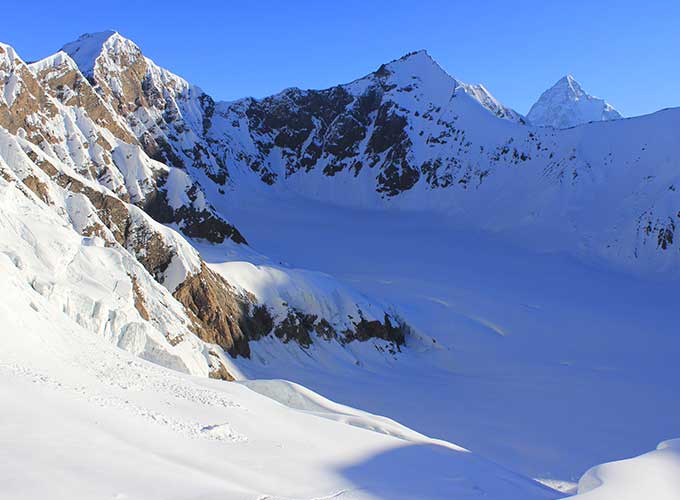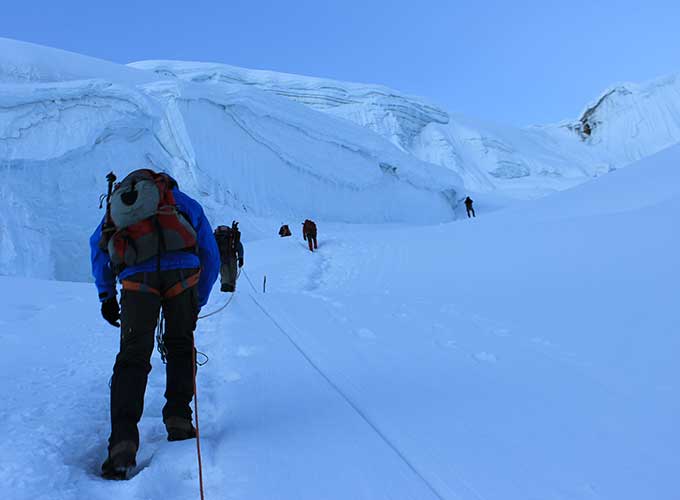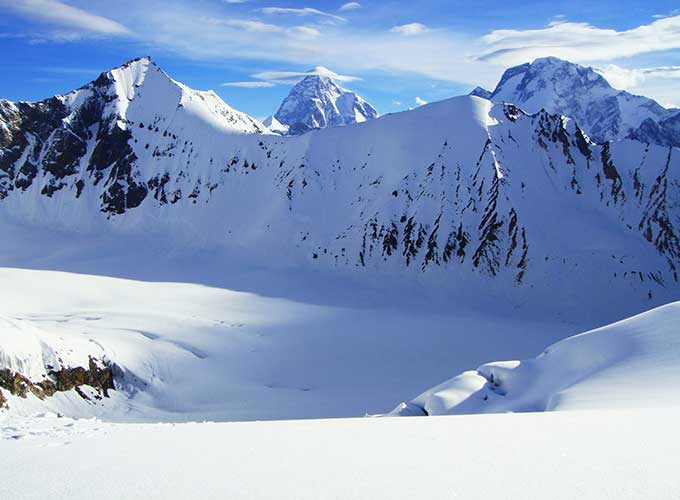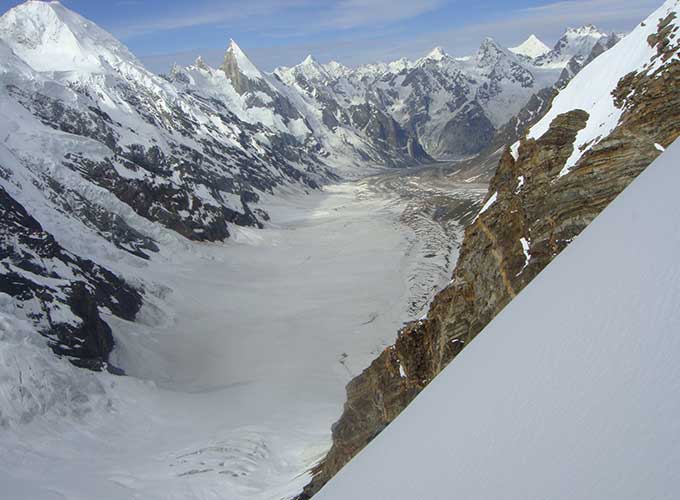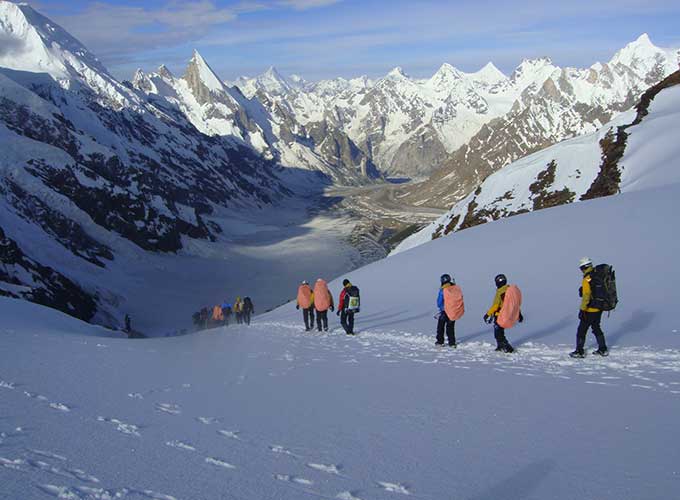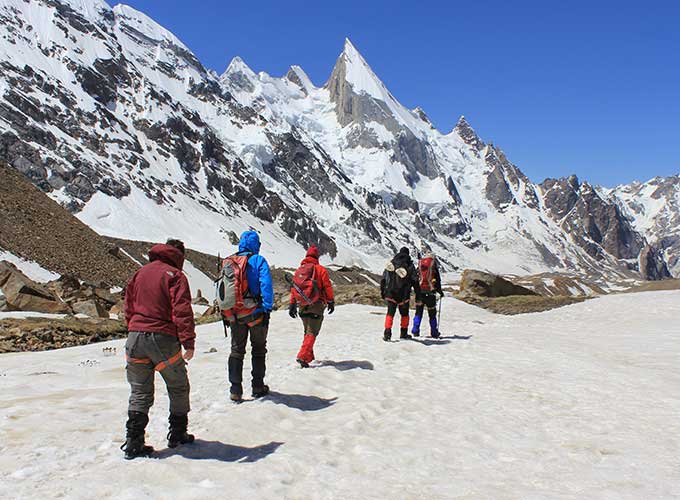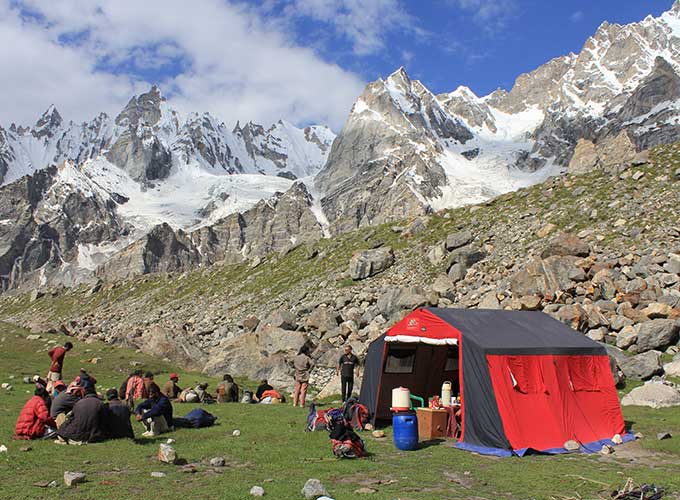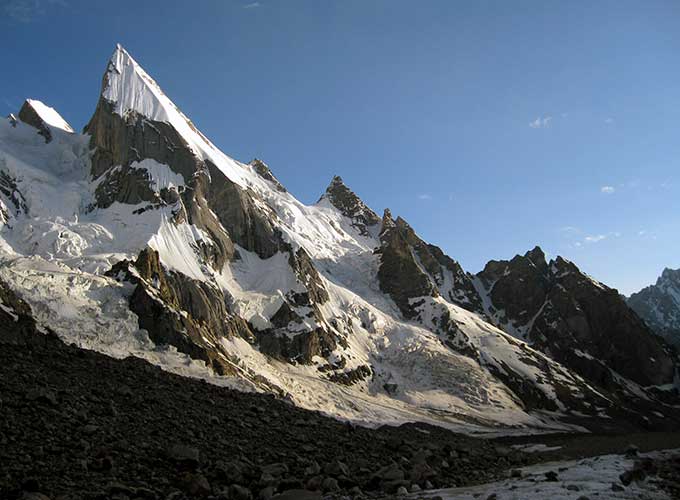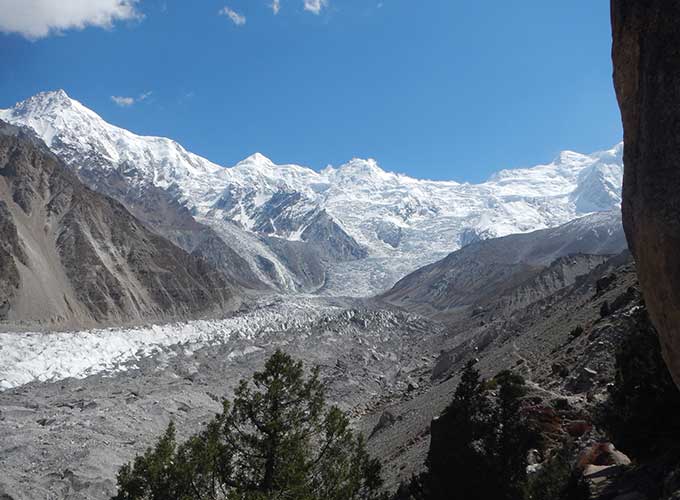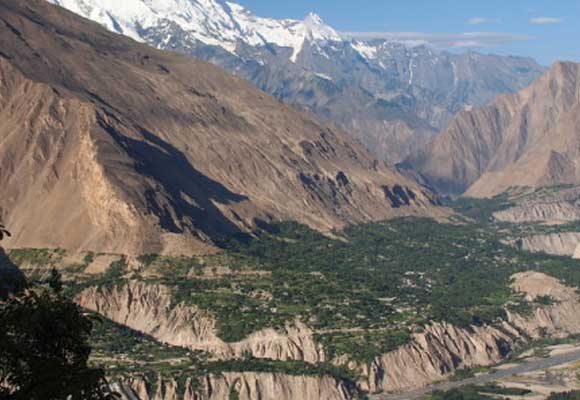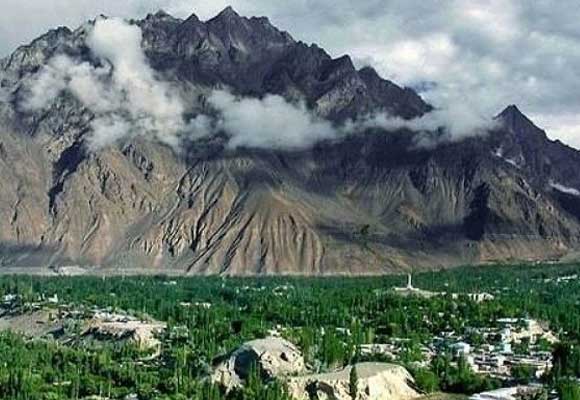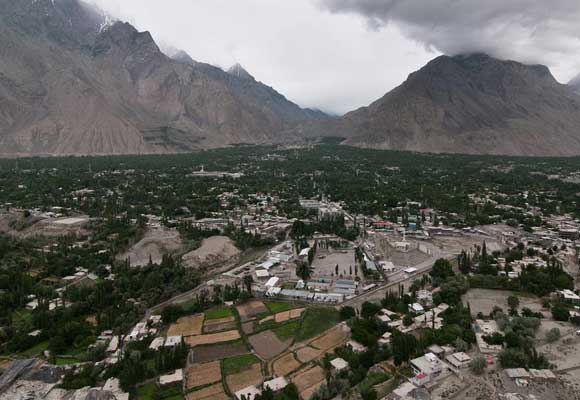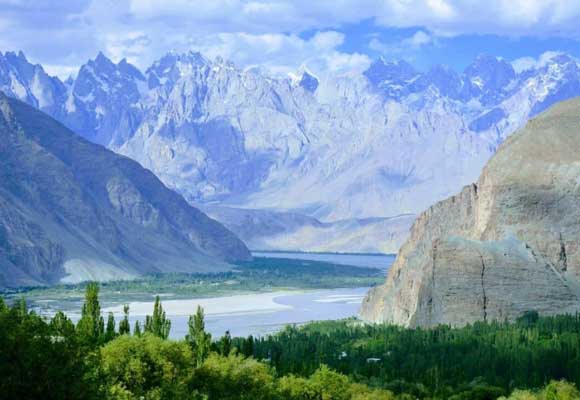
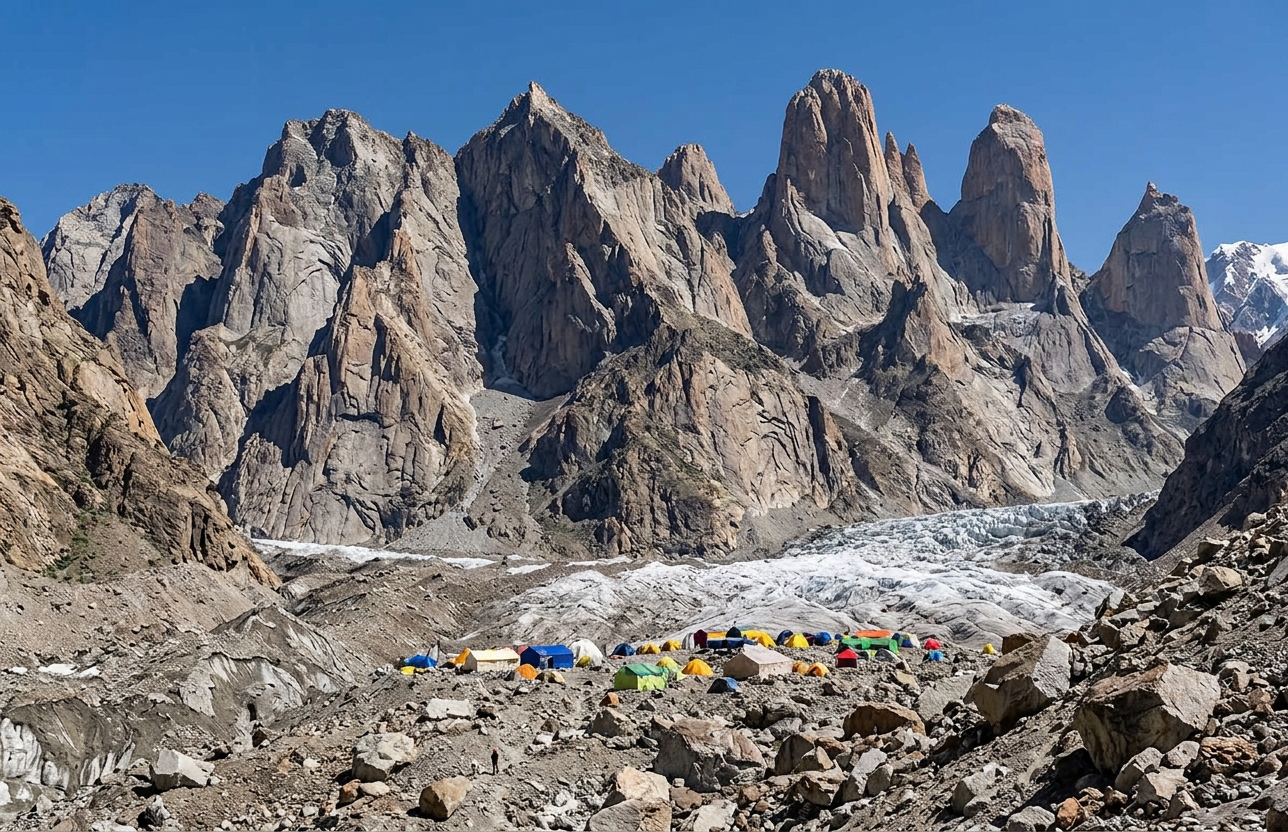
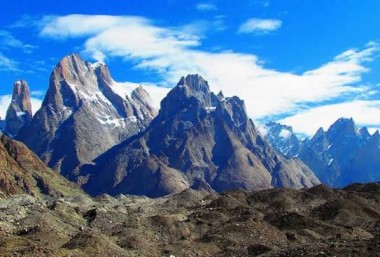
The Trango Towers Routes 2026 Complete Technical Climbing Guide provides an expert overview of one of Pakistan’s most demanding big-wall climbing destinations. Located in the Baltoro Muztagh of the Karakoram, the Trango Towers are a spectacular group of granite spires rising above the northern side of the Baltoro Glacier. The highest summit, Great Trango Tower, reaches about 6,286 meters, while the famous Trango or Nameless Tower rises to approximately 6,239 meters.
The area is internationally known for steep granite walls, long technical routes, exposed climbing, and complex high-altitude logistics. Unlike a conventional trekking destination, the Towers demand advanced climbing experience, sound judgment, technical equipment, and careful expedition planning.
For Adventure Pakistan travelers and experienced mountaineers, understanding the different Trango Towers Routes, access requirements, hazards, and climbing history is essential before planning a 2026 expedition.
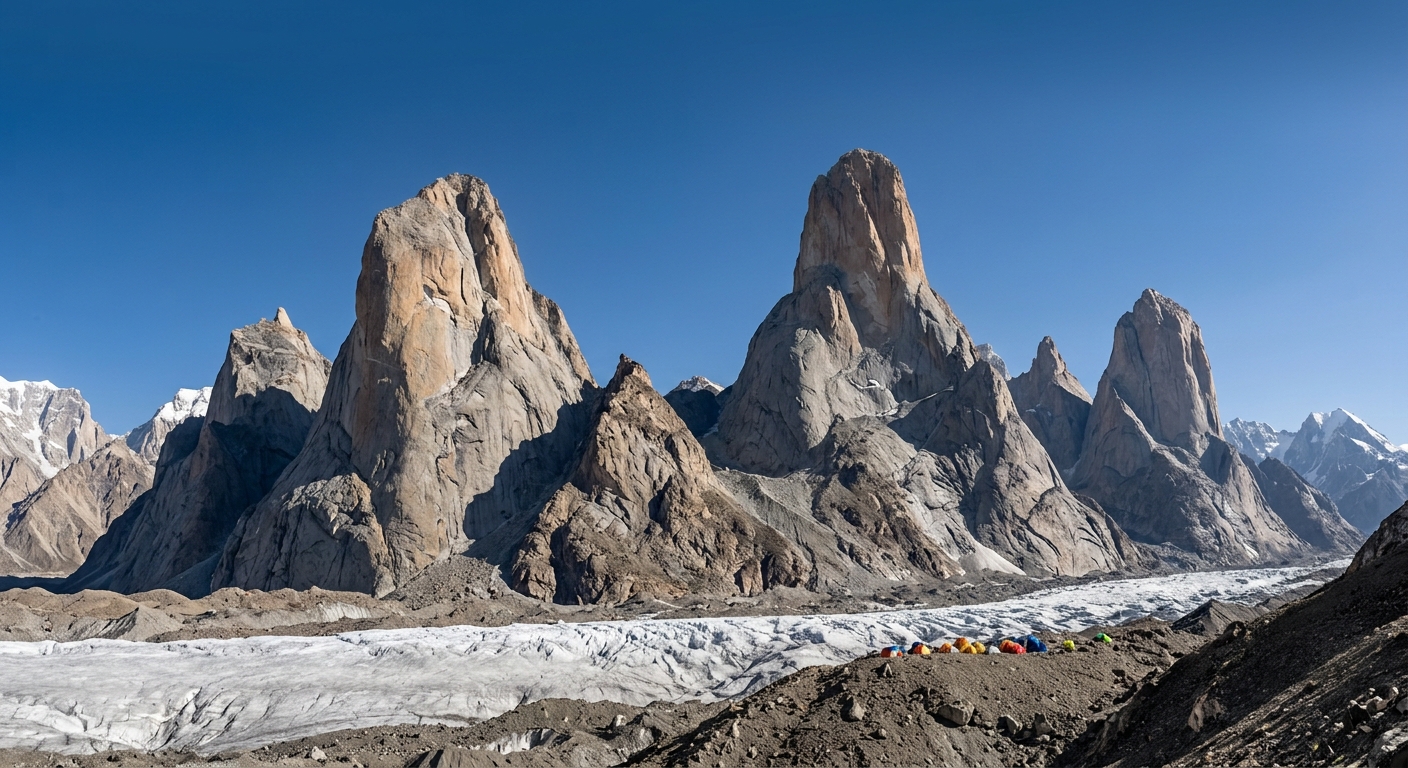
Trango Towers Routes 2026 | Overview
The Trango Towers Routes 2026 offer some of the most challenging and spectacular big-wall climbing opportunities in Pakistan’s Karakoram. Located above the Baltoro Glacier, the Trango group includes Great Trango Tower and the famous Nameless Tower, with routes featuring steep granite, exposed walls, rock, ice, and technical climbing. Notable lines include the historic Southwest Face, Yugoslav Route, Great Overhanging Dihedral, and the renowned Eternal Flame on Nameless Tower. These routes are intended for experienced climbers with strong multi-pitch, alpine, and big-wall skills. Proper acclimatization, equipment, weather assessment, route planning, and expedition logistics are essential for a safe 2026 climbing objective.
Trango Towers Pakistan: An Introduction
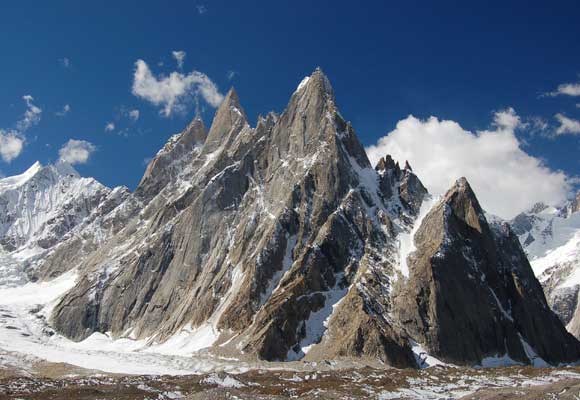
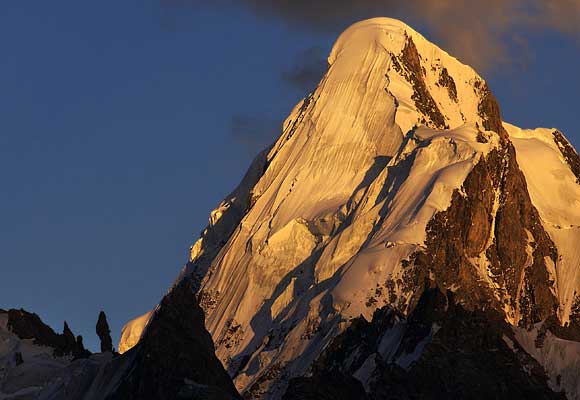
The Trango Towers Pakistan are among the most recognizable climbing formations in the Karakoram. The group stands north of the Baltoro Glacier, with the Trango Glacier to the west and Dunge Glacier to the east. The towers form part of the Baltoro Muztagh, itself a major subrange of the Karakoram.
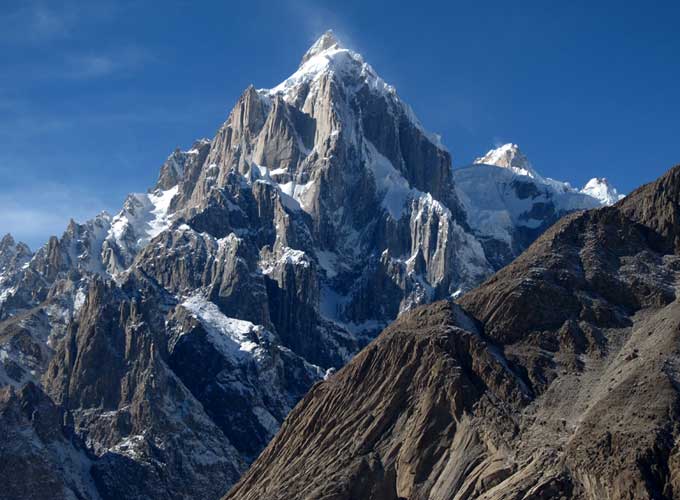
The formation is not one single mountain. It is a collection of granite towers and summits, including Great Trango Tower, Trango Tower—often called Nameless Tower—and smaller formations such as Trango Monk. Great Trango itself has several identifiable summits.
This distinction is important when researching Trango Tower climbing routes because different sources sometimes use “Trango Tower” as a general name for the entire group or specifically for Nameless Tower.
The first ascent of Nameless Tower was completed in 1976 by Joe Brown, Mo Anthoine, Martin Boysen, and Malcolm Howells. Great Trango Tower was first climbed in 1977 by an American team including Galen Rowell, John Roskelley, Kim Schmitz, James Morrissey, and Dennis Hennek.
Trango Towers Location
The Trango Towers Location is in Gilgit-Baltistan, northern Pakistan, within the Baltoro Muztagh of the Karakoram. The towers stand on the north side of the Baltoro Glacier and are accessed through the remote Baltoro trekking corridor.
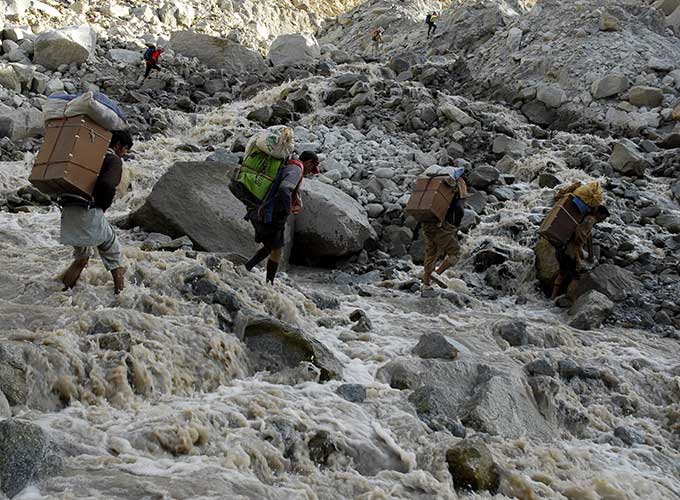
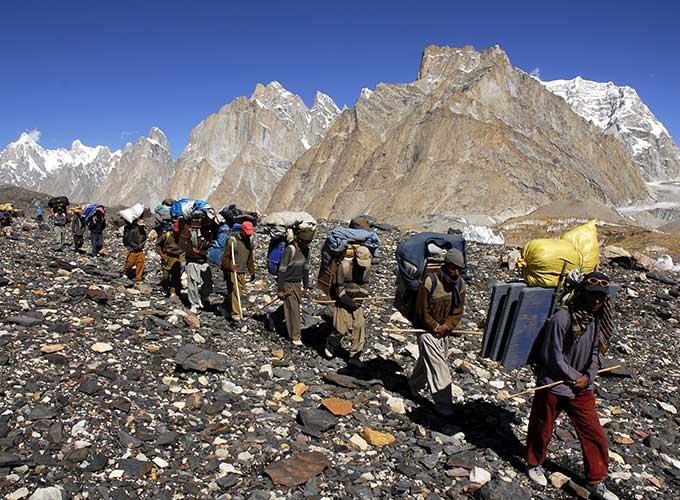
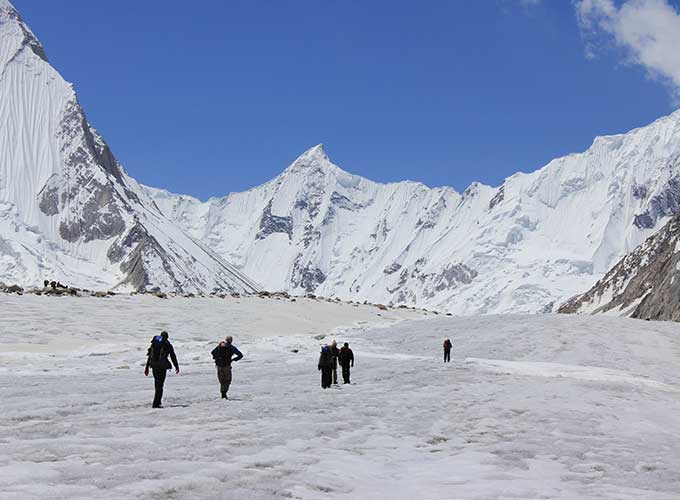
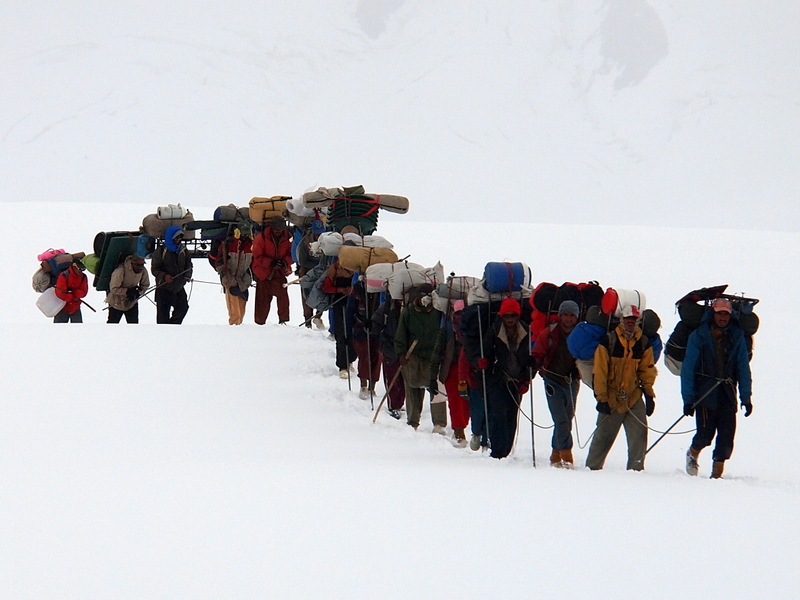
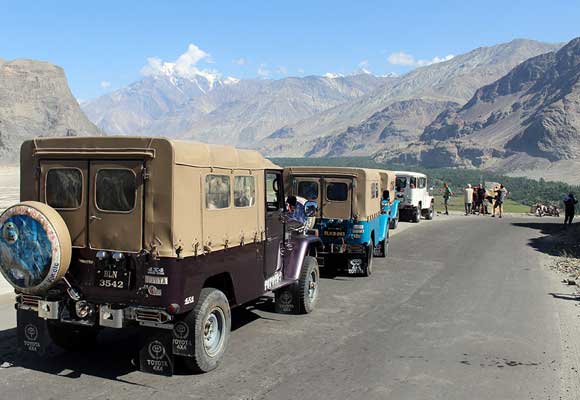
For most international climbing teams, reaching the Towers involves traveling to Skardu and continuing toward Askole before entering the Baltoro region. From there, expedition logistics involve glacier travel, porter or support arrangements, camps, food, equipment transportation, and weather-dependent movement.
Remoteness is an important part of the challenge. Climbers cannot approach the walls in the same way they would a roadside crag. Rescue and evacuation can also be complicated by terrain and weather.
Trango Tower Height and Great Trango Height
The Trango Tower Height is approximately 6,239 meters for the formation commonly known as Nameless Tower. Great Trango Tower, the highest summit in the group, reaches approximately 6,286 meters.
The numerical summit elevation, however, does not fully explain why these mountains are so difficult. Their attraction comes from the enormous verticality of the granite walls. Great Trango’s east face includes a headwall of roughly 1,340 meters, making the vertical climbing terrain exceptional even though the summit is below 7,000 meters.
For technical climbers, the combination of altitude, wall height, steepness, exposure, remoteness, and variable Karakoram weather creates a demanding environment.
What Makes Trango Towers Routes So Difficult?
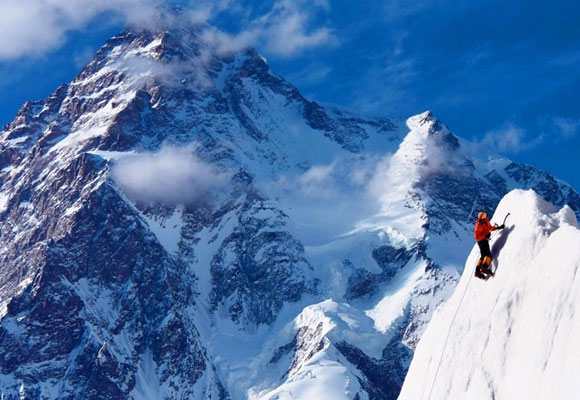
The Trango Towers Routes are not conventional trekking routes. They are technical climbing lines that can involve steep rock, aid climbing, free climbing, mixed terrain, snow, ice, rappelling, route-finding, and long periods on the wall.
Several factors increase the difficulty:
1. Steep Granite
The Towers are composed primarily of granite. Many sections are extremely steep, with vertical and overhanging terrain.
2. Big-Wall Exposure
Some routes involve hundreds of meters of continuous technical climbing. Climbers may spend multiple days on a wall rather than returning to base camp each evening.
3. High-Altitude Environment
At elevations above 6,000 meters, reduced oxygen availability affects physical performance and recovery. Cold temperatures and rapidly changing weather add another layer of difficulty.
4. Remote Access
The Towers are deep inside the Karakoram. Approaching the climbing area itself is an expedition rather than a simple climbing trip.
5. Descent Complexity
Reaching a summit is only part of the climb. Descent routes can involve rappelling, traverses, snow and ice terrain, and difficult route-finding.
Trango Towers Routes 2026 Itinerary — 38
Days 1–20
Day 1 – Arrival in Islamabad
Arrive in Islamabad, transfer to the hotel, meet the expedition team, and complete an initial briefing. Review passports, permits, insurance, technical equipment, and expedition logistics.
Day 2 – Islamabad Briefing & Preparation
Complete the expedition briefing and final administrative arrangements. Inspect climbing equipment, organize baggage, and prepare technical gear for the journey toward the Karakoram.
Day 3 – Islamabad to Skardu
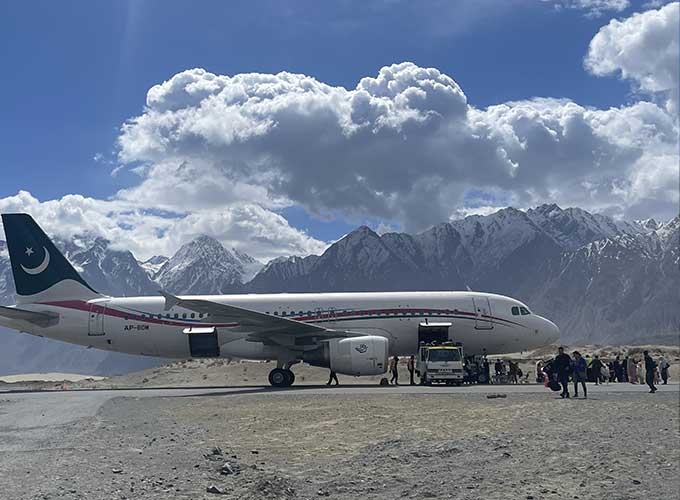
Travel toward Skardu by mountain flight when weather permits. If flights are disrupted, a road-based contingency may be required. Skardu serves as the principal logistics center for the expedition.
Day 4 – Skardu Rest & Acclimatization
Spend the day in Skardu preparing for the Baltoro approach. Finalize porter arrangements, food supplies, fuel, communication equipment, and climbing loads.
Day 5 – Skardu to Askole
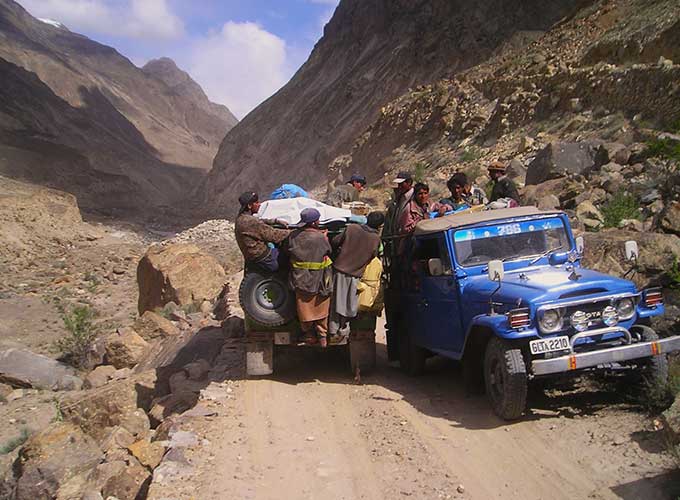
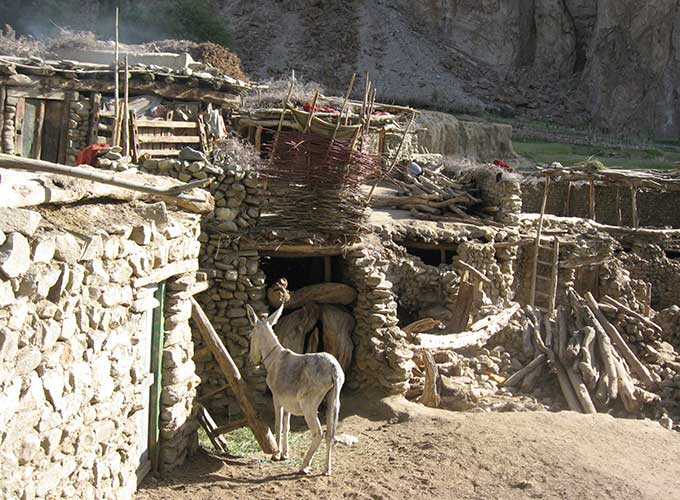
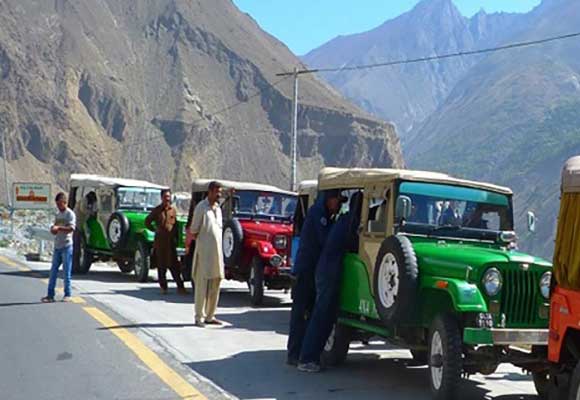
Travel by jeep toward Askole through the Shigar and Braldu valleys. Askole is the final permanent settlement before the remote Baltoro trekking corridor.
Day 6 – Askole to Jhola
Begin trekking toward Jhola, following the Braldu Valley route. This marks the transition from road travel to the expedition’s wilderness approach.
Day 7 – Jhola to Paiju
Continue toward Paiju, crossing rugged terrain and following the developing Baltoro approach. Paiju is an important staging point before entering the major glacier environment.
Day 8 – Paiju to Baltoro Glacier Area
Continue along the Baltoro approach and enter increasingly rugged glacial terrain. The landscape begins to reveal the enormous peaks surrounding the Trango region.
Day 9 – Baltoro Approach
Trek deeper into the Baltoro region. The pace should remain controlled to support acclimatization and conserve energy before reaching high-altitude base camp.
Day 10 – Trek Toward Trango Junction
Continue along the glacier and approach the turn toward the Trango climbing area. The massive granite walls become increasingly prominent.
Day 11 – Trango Base Camp Approach
Move toward the Trango climbing zone, carrying or transporting expedition equipment with the support team. Depending on the selected route and conditions, the exact base-camp position may vary.
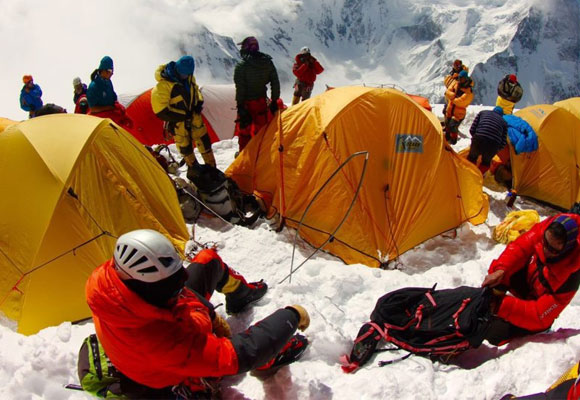
Day 12 – Establish Trango Base Camp
Establish the expedition’s base camp at approximately 4,900 meters, depending on the chosen objective and current conditions. Organize tents, food, communication equipment, climbing gear, and waste-management systems. Several current expedition itineraries place Trango Base Camp around this elevation.
Day 13 – Rest & Acclimatization
Take a controlled rest day at base camp. Monitor acclimatization, hydration, nutrition, weather, and individual health.
Day 14 – Route Reconnaissance
Study the selected Trango Towers Routes from base camp. Review the climbing line, approach pitches, descent strategy, weather forecast, equipment requirements, and potential hazards.
Day 15 – Technical Preparation
Prepare ropes, protection, harnesses, climbing shoes, helmets, haul systems, bivouac equipment, communication devices, and high-altitude clothing.
Day 16 – Acclimatization Climbing
Complete short technical climbing or acclimatization activities around the lower climbing area where conditions permit. The objective is to prepare the team for longer wall movements.
Day 17 – Fixing & Route Preparation
Begin route preparation where appropriate. Teams may establish fixed lines or organize equipment for the selected route according to its climbing style and current conditions.
Day 18 – Initial Wall Climbing
Begin the first serious climbing block. Progress depends on route difficulty, weather, rock quality, equipment hauling, and team efficiency.
Day 19 – Technical Climbing
Continue ascending technical granite terrain. Climbers manage rope systems, protection, hauling, and exposure while maintaining careful communication.
Day 20 – Advanced Wall Progress
Continue toward the upper sections of the selected route. The team evaluates weather, fatigue, equipment, supplies, and the possibility of continuing toward the summit window.
Days 21–38
Day 21 – Technical Climbing Day
Continue ascending the selected Trango route. The team works through increasingly technical sections while maintaining efficient rope management and safe climbing procedures.
Day 22 – Advanced Granite Climbing
Progress through demanding granite pitches. Depending on the route, climbing may involve a combination of free climbing, aid climbing, fixed protection, hauling, and technical rope systems.
Day 23 – High-Altitude Climbing
Continue toward the upper wall while managing altitude, hydration, nutrition, and exposure. The team regularly reassesses weather and route conditions.
Day 24 – Summit Push Preparation
Review the summit strategy, weather forecast, equipment, turnaround times, communication plan, and descent strategy. A final decision is made based on objective conditions rather than schedule pressure.
Day 25 – Main Summit Attempt
Begin the principal summit push if weather, route conditions, and team fitness are suitable. This is one of the most demanding stages of the expedition.
Day 26 – Summit / Climbing Contingency
Continue the summit attempt or use the day as a weather contingency. Karakoram weather can affect climbing schedules, so maintaining reserve time is an important part of expedition planning.
Day 27 – Summit Completion & Descent
If the summit or planned high point is reached safely, begin the descent according to the established route. Rappelling and down-climbing can remain technically demanding even after the summit has been achieved.
Day 28 – Descent to Lower Camp
Continue descending from the upper climbing sections. Recover equipment, manage ropes carefully, and avoid unnecessary exposure during the descent.
Day 29 – Return to Trango Base Camp
Complete the descent and return to base camp. Rest, rehydrate, organize technical equipment, and prepare for the expedition exit.
Day 30 – Base Camp Clearance
Pack expedition equipment, remove waste, organize porter loads, and prepare the team for the return trek. A final weather and route assessment is completed before departure.
Day 31 – Trango Base Camp to Paiju
Begin the return journey toward Paiju, retracing the Baltoro approach. The descent generally allows the team to lose altitude and recover from the high-altitude climbing phase.
Day 32 – Paiju to Jhola
Continue toward Jhola through the lower Baltoro and Braldu Valley terrain. The team gradually returns to lower elevations.
Day 33 – Jhola to Askole
Complete the trekking section toward Askole. This marks the end of the main wilderness trekking phase.
Day 34 – Askole to Skardu
Travel by jeep from Askole toward Skardu. Depending on road conditions, the journey can take several hours.
Day 35 – Skardu Recovery Day
Rest in Skardu after the expedition. Review equipment, recover from the trek, and enjoy a well-earned break before the return journey.
Day 36 – Skardu to Islamabad
Travel back to Islamabad by flight when weather permits. If the mountain flight is disrupted, the road contingency can be used.
Day 37 – Islamabad Debriefing
Complete the expedition debriefing, review the climbing experience, settle final logistics, and prepare for international departure.
Day 38 – Departure from Pakistan
Transfer to Islamabad International Airport for the onward journey. The Trango Towers Routes 2026 expedition officially concludes.
Frequently Asked Questions About Trango Towers Routes
What are the Trango Towers?
The Trango Towers are a group of dramatic granite spires in the Baltoro Muztagh of Pakistan’s Karakoram. Great Trango Tower is the highest summit of the group at approximately 6,286 meters.
Where are Trango Towers located?
The Trango Towers Location is north of the Baltoro Glacier in Gilgit-Baltistan, Pakistan. The group lies between the Trango Glacier and Dunge Glacier.
What is the most famous Trango Towers route?
The Eternal Flame route on Nameless Tower is among the most famous. It was established in 1989 and is recognized for its highly technical climbing and free-climbing history.
How high is Trango Tower?
Nameless Tower, commonly called Trango Tower, is approximately 6,239 meters high. Great Trango Tower reaches about 6,286 meters.
Are Trango Towers suitable for beginners?
No. The major routes are serious technical climbing objectives. Climbers should have substantial multi-pitch, big-wall, alpine, and route-management experience before considering an ascent.
Are there deaths on the Trango Towers?
There have been serious accidents and fatalities associated with climbing in the Trango area over its climbing history. Recent incidents also demonstrate ongoing objective hazards; in July 2026, rockfall injured climbers at a Trango Tower base camp.
What makes Trango Towers technically difficult?
The combination of steep granite, huge vertical walls, altitude, exposure, remoteness, route-finding, changing weather, and complicated descent makes the Towers exceptionally demanding.
How much does a Trango Tower expedition cost?
The Trango Tower Expedition Price depends on the selected route, expedition duration, permits, transportation, porters, technical support, food, accommodation, equipment, insurance, and contingency requirements. A detailed 2026 quotation is preferable to relying on a generic price.
Major Trango Towers Routes
There are numerous routes across the Trango group. Climbers should study current route reports, recent conditions, objective hazards, and the latest climbing information rather than relying exclusively on historic descriptions.
Eternal Flame Route
The Eternal Flame on Nameless Tower is arguably the most famous climbing line associated with the Trango Towers. It was established in 1989 by Kurt Albert, Wolfgang Güllich, Milan Sykora, and Christoph Stiegler on the southeast face. The route became famous for its technical difficulty and predominantly free-climbing style.
Eternal Flame is not an introductory alpine route. It represents a serious technical objective requiring advanced crack climbing, route-finding, efficient movement on big walls, and strong high-altitude judgment.
Yugoslav Route
The Slovenian or Yugoslav Route on Nameless Tower is another historically important line. It was established in 1987 by Slavko Cankar, Franc Knez, and Bojan Šrot. It follows a logical crack system on the south-southeast face.
Its history demonstrates the development of high-level free-climbing techniques on the Trango walls.
Great Overhanging Dihedral Route
Another notable Nameless Tower line is the Great Overhanging Dihedral Route, established in 1987 by Michel Fauquet, Patrick Delale, Michel Piola, and Stephane Schaffter. It follows the western pillar and is known for highly technical climbing.
Great Trango Northwest Face
The northwest face provides one of the comparatively more accessible climbing lines on Great Trango, although “easier” should not be interpreted as easy. Historical climbing records describe it as a serious technical route.
For climbers planning a first Trango objective, route selection should be based on actual climbing ability, previous big-wall experience, current route conditions, and the team’s ability to retreat safely.
Trango Towers Deaths and Objective Hazards
Searches for Trango Towers Deaths should be treated carefully because accident records are not always comprehensive or consistently documented.
There have been serious incidents associated with climbing in the area. In July 2026, three Spanish climbers and a Pakistani team member were injured when rockfall struck their camp near Trango Tower. One climber suffered a serious head injury, and adverse weather initially prevented helicopter rescue. The injured climbers were subsequently rescued by ground operation.
The incident highlights an important point: the major hazards are not limited to technical climbing. Rockfall, storms, cold, avalanches, falling ice, fatigue, altitude, and difficult rescue conditions can all affect an expedition.
A responsible expedition plan therefore needs:
- Experienced technical climbers
- Proper helmets and protective equipment
- Reliable communication
- Weather monitoring
- Conservative route decisions
- Emergency and evacuation planning
- Appropriate insurance
- Strong acclimatization strategy
No route should be treated as risk-free.
Trango Tower Expedition Price
The Trango Tower Expedition Price varies considerably according to expedition duration, route, support requirements, permits, transport, porter arrangements, food, accommodation, equipment, guide services, and rescue or evacuation provisions.
A basic expedition budget should account for:
- International and domestic travel
- Skardu transportation
- Approach logistics
- Climbing permits
- Porters and support staff
- Accommodation
- Food and fuel
- Technical climbing equipment
- Communications
- Insurance
- Contingency days
- Emergency evacuation
Because technical climbing objectives differ substantially from standard trekking trips, a single advertised figure may not represent the actual cost of a complete expedition.
For 2026 planning, climbers should request a detailed quotation that clearly identifies inclusions and exclusions rather than comparing headline prices alone.
Who Should Attempt Trango Towers Routes?
The Towers are best suited to experienced climbers with a strong technical background.
A suitable climber should ideally have experience with:
- Multi-pitch rock climbing
- High-quality crack climbing
- Aid climbing where required
- Big-wall systems
- Multi-day wall ascents
- Glacier travel
- Rappelling
- Alpine route-finding
- Emergency climbing systems
Fitness is equally important. Carrying equipment, climbing for long hours, sleeping on a wall, and managing altitude require endurance and mental resilience.
A climber who has only completed indoor climbing or short single-pitch routes should not treat the Trango Towers as the next logical step.
Best Time for a Trango Towers Expedition
The Karakoram climbing season is strongly influenced by weather and snow conditions. Summer generally provides the main climbing window, but the exact timing depends on the route, conditions, snowfall, temperatures, and weather forecasts.
Expedition teams should build flexibility into their schedule. A narrow itinerary can create unnecessary pressure if storms delay movement.
The 2026 season should therefore be planned around current mountain conditions rather than assuming that historical weather patterns will repeat exactly.
Trango Towers and the K2 Base Camp Trek
The Towers also have significance for trekkers because the Baltoro approach corridor is part of the famous K2 trekking region.
Travelers who do not intend to climb can experience spectacular views of the Towers while trekking through the Baltoro region. A K2 Base Camp Trek provides an opportunity to experience the surrounding Karakoram landscape without attempting the technical climbing routes.
For travelers comparing a K2 Base Camp Tour, K2 Base Camp Tour Company, K2 Base Camp Tour Cost, K2 Base Camp Price, or a K2 Base Camp Tour Package, it is important to distinguish trekking from technical mountaineering.
The two experiences share the spectacular Baltoro environment but require very different technical skills.
Other Adventure Pakistan Experiences
Karakoram and northern Pakistan offer many alternatives for travelers who want mountain experiences without technical big-wall climbing.
The K2 and Gondogoro La Trek Pakistan 2026 combines the Baltoro region with the challenging Gondogoro La crossing.
For experienced trekkers, the Snow Lake trek offers a remarkable glacier journey through the Biafo-Hispar system. Travelers can also explore a Snow Lake trek Tour, compare a Snow Lake trek Tour Company, and research Snow Lake trek Tour Cost, Snow Lake trek Price, and a Snow Lake trek Package.
Another major northern Pakistan option is the Rakaposhi base camp Hunza valley trek, which provides dramatic mountain scenery without requiring a Trango-style technical ascent.
The Fairy Meadows Trek is another popular mountain experience for travelers interested in scenery and trekking rather than technical climbing. Visitors can also research a Fairy Meadows Trek Tour, Fairy Meadows Trek Tour Company, Fairy Meadows Trek Cost, Fairy Meadows Trek Price, and Fairy Meadows Trek Package.
Adventure Pakistan also offers cultural travel possibilities beyond mountain expeditions. Travelers interested in history can explore an Indus valley civilization tour, while seasonal cultural experiences include the Shandoor Polo festival and a kalash festival tour.
For the polo festival, visitors can also compare a Shandoor Polo festival tour, Shandoor Polo festival tour Company, Shandoor Polo festival Cost, Shandoor Polo festival Price, and Shandoor Polo festival tour Package.
The Trango Towers Routes 2026 The Complete Technical Climbing Guide shows why this extraordinary Karakoram destination has become an important part of international big-wall climbing history. The combination of enormous granite faces, steep technical terrain, high altitude, remoteness, and complex weather makes the Towers a serious mountaineering objective.
Great Trango Tower reaches approximately 6,286 meters, while Nameless Tower rises to around 6,239 meters. Their importance, however, comes not simply from elevation but from the extraordinary vertical walls and demanding routes that have challenged generations of elite climbers.
The history of routes such as Eternal Flame, the Yugoslav Route, and the Great Overhanging Dihedral demonstrates the technical level associated with the area. Climbers considering a 2026 expedition should prioritize experience, route-specific preparation, weather awareness, rescue planning, and conservative decision-making.
As an Adventure Pakistan market analyst tracking mountain tourism and climbing interests, I would distinguish clearly between a technical Trango expedition and a trekking journey through the same wider Karakoram environment. Travelers who want to experience the scenery without technical climbing can consider the K2 Base Camp Trek, Gondogoro La, Snow Lake, Rakaposhi Base Camp, or Fairy Meadows. Experienced climbers, meanwhile, can regard the Trango Towers as a high-level objective requiring serious preparation and professional expedition planning.
Most importantly, no Trango Towers Routes should be approached casually. The mountain environment can change rapidly, and the 2026 rockfall incident demonstrates that objective hazards remain real even before a technical ascent begins.
With appropriate experience, preparation, logistics, and respect for the mountain, the Trango Towers remain one of Pakistan’s most remarkable destinations for advanced technical climbing.
K2 Base Camp and Gondogoro La Trek
K2 Base Camp Trek
K2 Base Camp Trek Concordia
Mashabrum & Gondogoro BC Trek
K6/K7 BC Trek
Thalle La Trek Pakistan
Spantik Base Camp & Haramosh La Trek
Rakaposhi Base Camp Trek
Batura Glacier Trek
Patundas Trek
Shimshal Valley Trek
Tirich Mir Base Camp Trek
Wakhan Corridor Trek
Naltar Ishkoman Pass Trek
Darkot and Broghil Passes Trek
Around Nanga Parbat Mazeno Pass Trek
5X8000m Base Camp Trek
Great Karakorum Traverse Trek
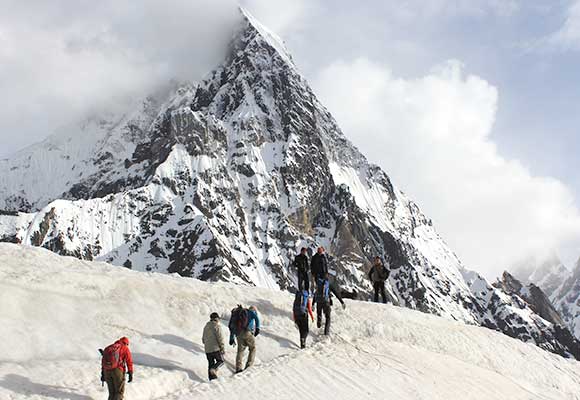
K2 Expedition (8611m)
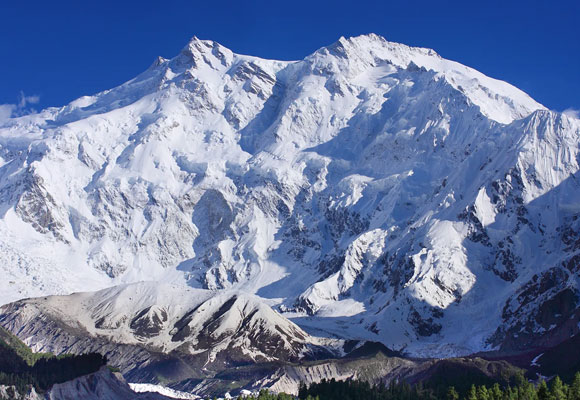
Nanga Parbat Expedition (8126m)
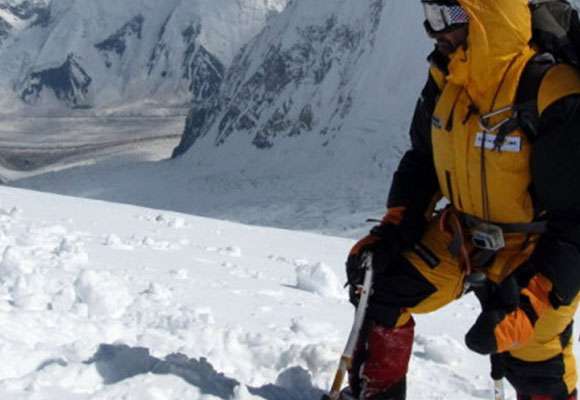
Broad Peak Expedition (8047m)
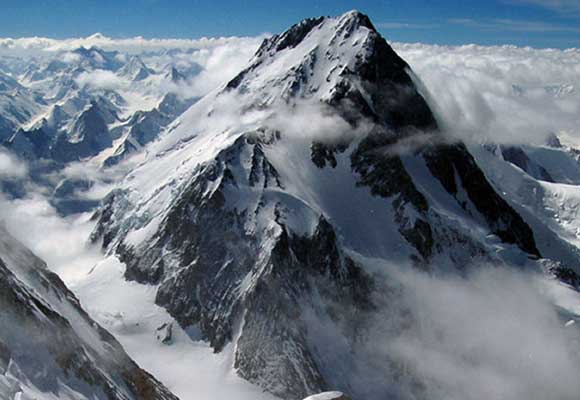
Gasherbrum 1 Expedition (8068m)
Gasherbrum II Expedition (8035m)
Gasherbrum III Expedition (7952m)
Gasherbrum IV Expedition (7925m)
Masherbrum Expedition (7821m)
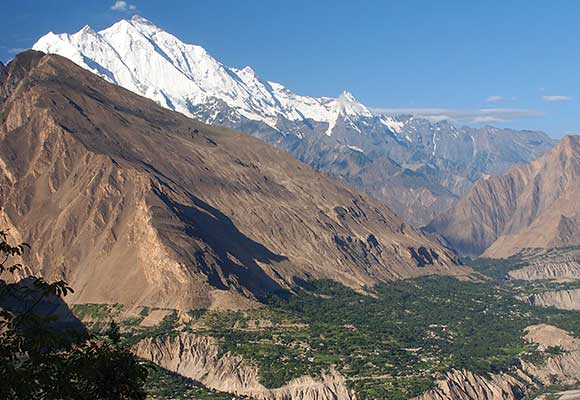
Rakaposhi Expedition (7788m)
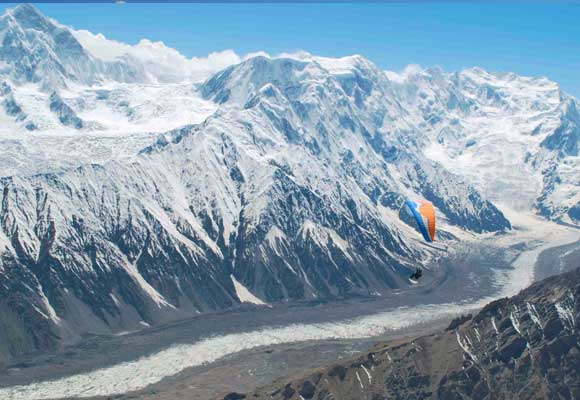
Batura Sar Expedition (7785 m)
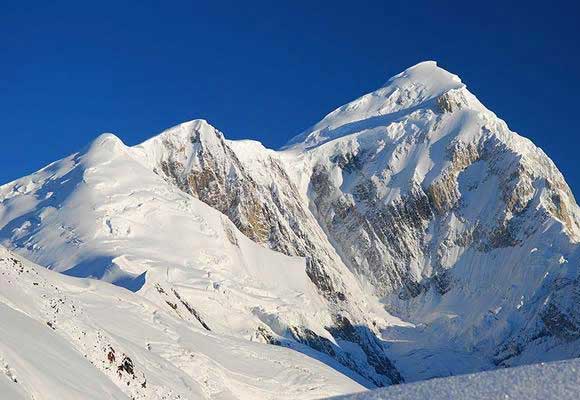
Tirich Mir Expedition (7708m)
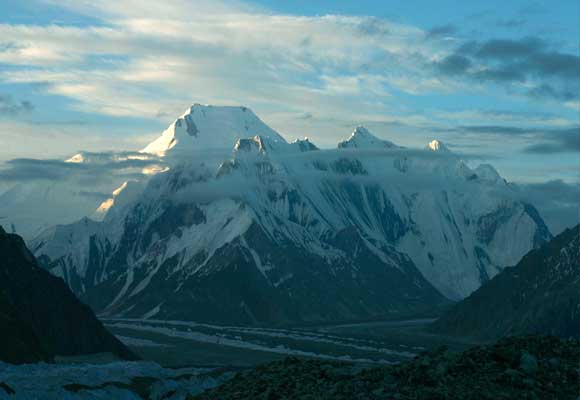
Chogolisa Expedition (7665 m)
Passu Peak Expedition (7478m)
Muztagh Tower Expedition (7273m)
K6 Peak Expedition (6935m)
Diran Peak Expedition (7272m)
Latok 1 Expedition (7145 m)
Laila Peak Expedition (6095m)
Minglik Sar Peak Expedition (6050m)
Rush Peak Expedition (5,098m)